
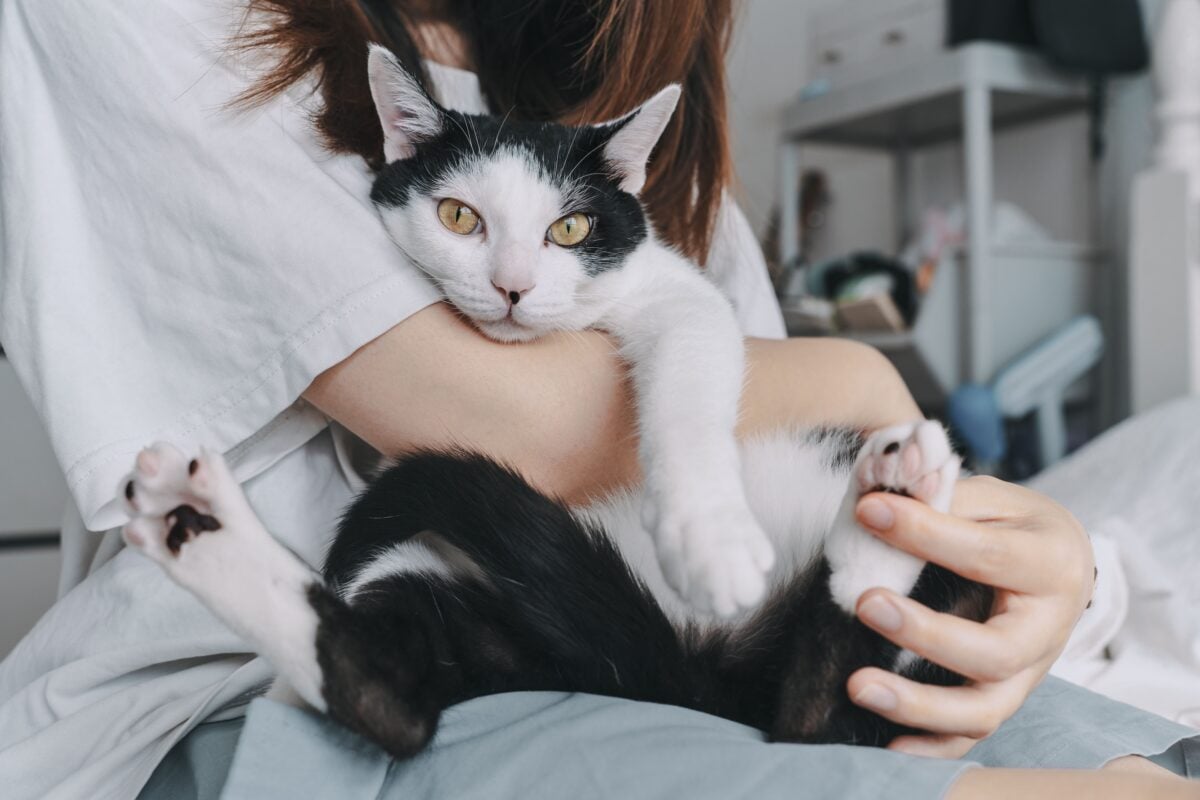
Most people believe a cat knows it is dying and slips away quietly to be alone. It’s a gentle idea, and it’s mostly a myth. It isn’t known or scientifically proven whether cats understand their own death the way people do. What owners call “goodbye behavior” is often a body in discomfort, and the clues are so quiet that families miss them for weeks.
Here’s the twist that makes this list hard to read: many of these signs look like personality. A clingy cat looks loving. A sleepy cat looks cozy. A purring cat looks content. Some of the signs below are easy to dismiss, and one of them can’t wait until morning. Here’s what vets actually describe, counting down from 16 to 1.
#16 – The Hiding Spot Nobody Notices
🔥 Would you like to save this?
We'll email this post to you, so you can come back to it later!
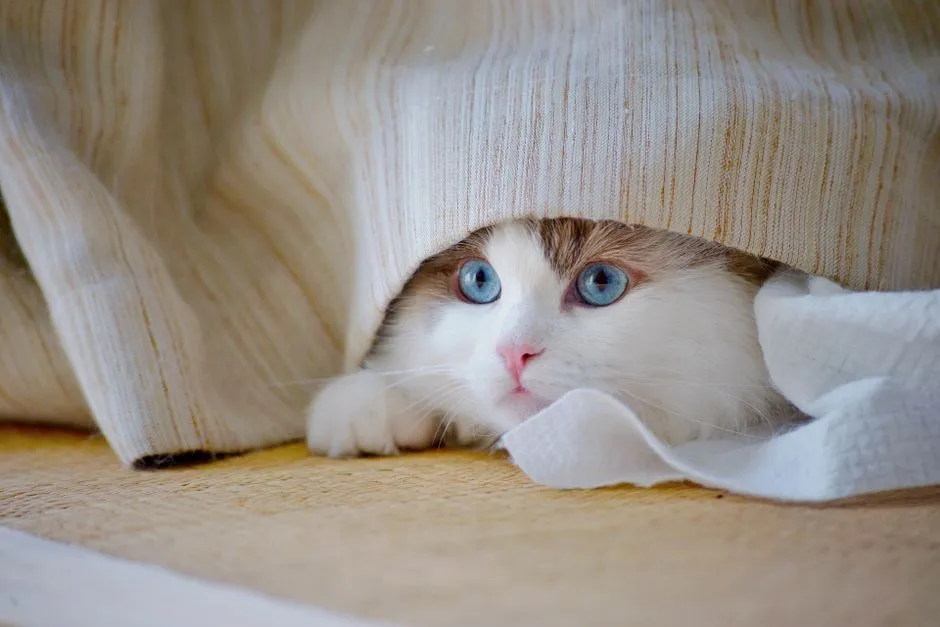
Your once-social cat has a new secret address, and it’s not a game.
Closets, under beds, behind the dryer and inside the cabinet you never open all count. When a cat is nearing the end of life, it will often start hiding in new places around the home. The cat who used to meet you at the door becomes more of a rumor.
Most owners read this as moodiness. Turns out, it’s usually a message about how the cat feels. By the time a cat looks unwell, the underlying problem is often advanced.
That’s an instinct that once protected wild ancestors, because an animal that looked weak was an easy target. Today it works against us. Families frequently say the decline felt sudden, even though the signs were there in hindsight.
Look for these patterns:
- Choosing dark, enclosed or cold spots
- Skipping meals at the usual time and place
- Not coming when called
Hiding deserves a vet visit, not just a shrug. But the next clue is even easier to dismiss, because it looks like a cat being a cat.
#15 – Sleep That Looks Different
🔥 Would you like to save this?
We'll email this post to you, so you can come back to it later!
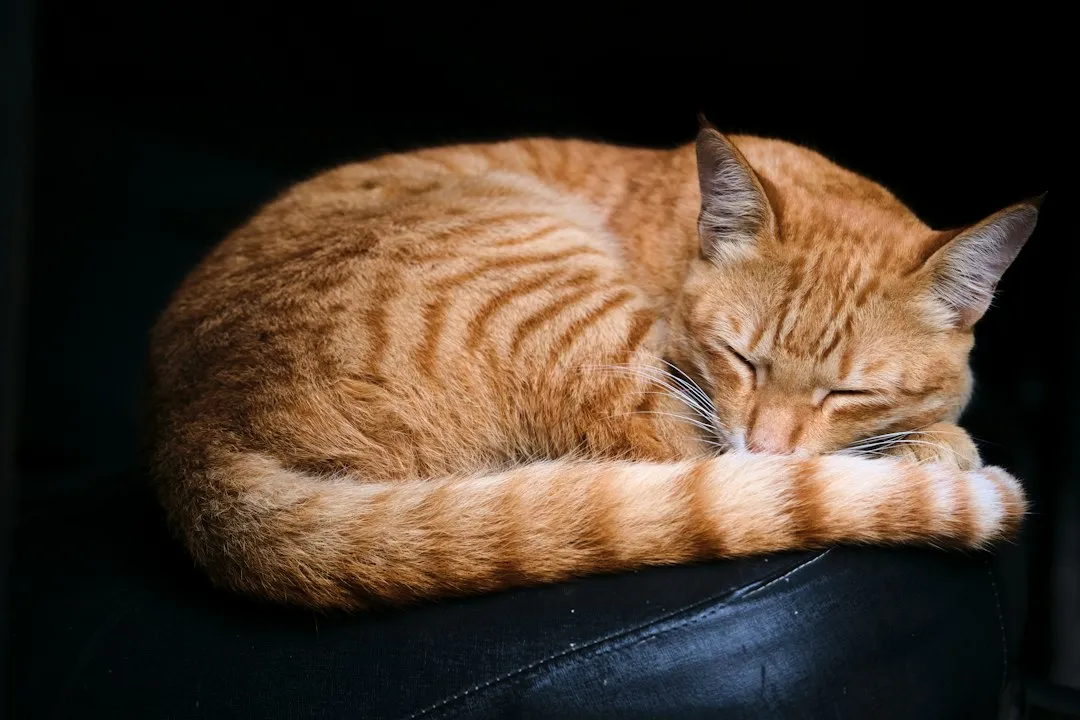
More sleep isn’t the signal. A different kind of sleep is.
Everyone knows cats nap. That’s exactly why this one gets missed. Nobody panics over a cat curled up in a sunbeam.
Older cats normally sleep more, but cats nearing the end of life often sleep most of the day and night, and may be hard to wake. Experts describe it as the body conserving energy. The sleep looks heavier and less responsive than the usual light cat-nap.
Because cats sleep a lot anyway, you have to compare against your own cat’s earlier behavior. A cat who sleeps through the sound of the treat bag is telling you something.
But sleep is only half of the energy story, and the other half shows up at the food bowl.
#14 – The Food Bowl Dance
🔥 Would you like to save this?
We'll email this post to you, so you can come back to it later!
Your cat walks to the bowl, sniffs, and walks away. That is not pickiness.
Appetite loss is one of the most common changes. It’s also one of the most misread. Owners often respond by buying a new brand, then another, then a third, and each failed can feels like a personal defeat.
Eating less, becoming picky, walking to the bowl and away again, or showing nausea such as lip-licking, drooling or turning from food are all common. Nausea can look like fussiness, and a cat can refuse even a favorite meal. Some cats eat significantly less or stop eating altogether, even when offered favorite foods.
Here’s a point that divides opinion. Some people say a dying cat should simply be left alone to “decide.” Many vets argue that nausea and pain are often treatable, so waiting is the real mistake. A cat that goes a day or two without eating deserves a call to the clinic.
Food isn’t the only thing to track, though. What your cat does at the water bowl can be even more revealing.
#13 – The Thirst Swing
🔥 Would you like to save this?
We'll email this post to you, so you can come back to it later!
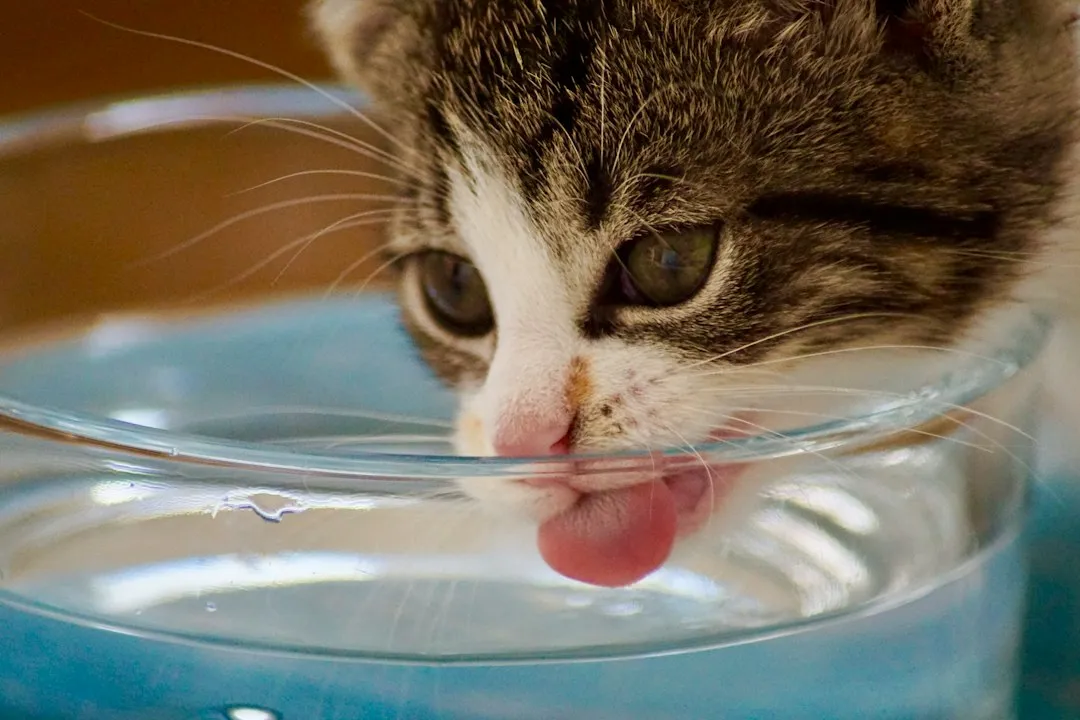
Water habits can shift in both directions, and both deserve attention.
Some cats suddenly hover over the bowl, as if they just discovered water. Others stop drinking altogether. Cats nearing the end of life may drink noticeably more or less than usual.
Most people don’t realize that extra drinking can look like a healthy habit. Marked increases in thirst and urination often point to kidney disease or diabetes and are worth a prompt vet visit. Both conditions are common in senior cats, and both can be managed when caught early.
Quick Compare
- Drinking more: often tied to kidney disease, diabetes or an overactive thyroid, usually with larger urine clumps.
- Drinking less: can go along with nausea, mouth pain or weakness, and it raises the risk of dehydration.
- Either way: a change that lasts several days is worth a call to your vet.
Signs worth writing down:
- Bigger or more frequent urine clumps
- Refilling the bowl more often than before
- Drinking from taps, tubs or odd places
A dated notebook helps your vet far more than “he seems off.” And the next sign is one you can literally see.
#12 – The Coat That Gives It Away
🔥 Would you like to save this?
We'll email this post to you, so you can come back to it later!
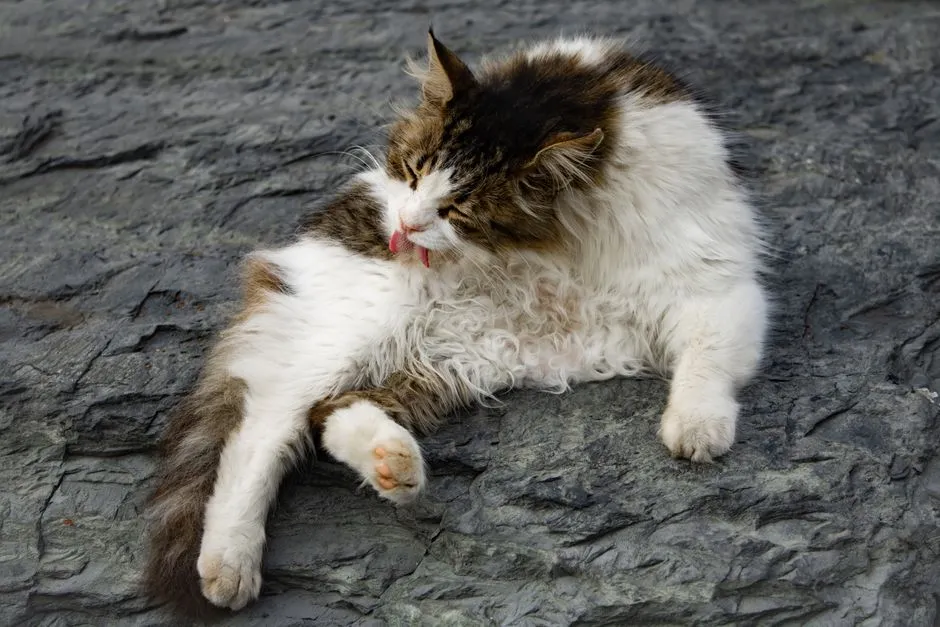
A cat that stops grooming is waving a flag you can see from across the room.
Cats are meticulous. They spend a big part of their waking hours cleaning themselves. So when a normally fastidious cat suddenly stops, something is wrong.
The coat becomes greasy, clumped or dull. Fur may look matted or dirty. Stiff joints, weakness, nausea and fatigue can each make grooming too hard.
Often the first areas to go untended are the back and the base of the tail. Those are the places a stiff cat can’t reach.
That flinch matters, because the next change is all about how your cat wants to be touched.
#11 – The Sudden Velcro Cat
🔥 Would you like to save this?
We'll email this post to you, so you can come back to it later!
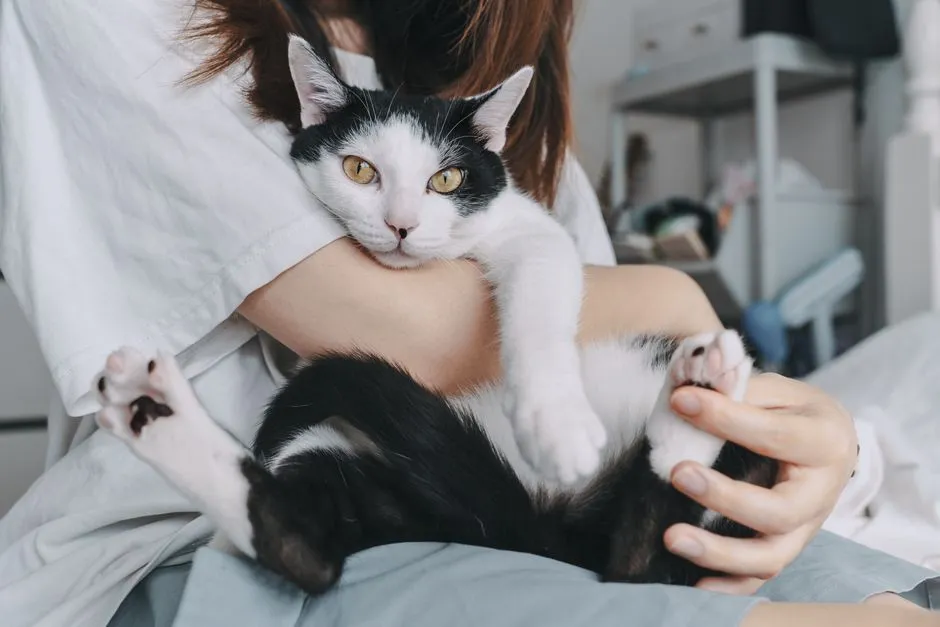
Your independent cat is now glued to your ankles, and most people take it as a compliment.
It feels like love. Sometimes it is. But it can also be a request for help.
Cats nearing the end of life who feel unwell may become anxious or restless and seek more comfort and attention. Experts note that the opposite also happens. Antisocial cats may become clingy, while affectionate cats may withdraw. Both reactions can be normal responses to discomfort.
They reflect the cat’s instinctive way of coping with discomfort or uncertainty. The key is the change. A sudden, lasting personality flip matters more than any single cuddle.
And clinginess often comes with a soundtrack. It may not mean what you think it does.
#10 – The Purr That Isn’t Contentment
🔥 Would you like to save this?
We'll email this post to you, so you can come back to it later!
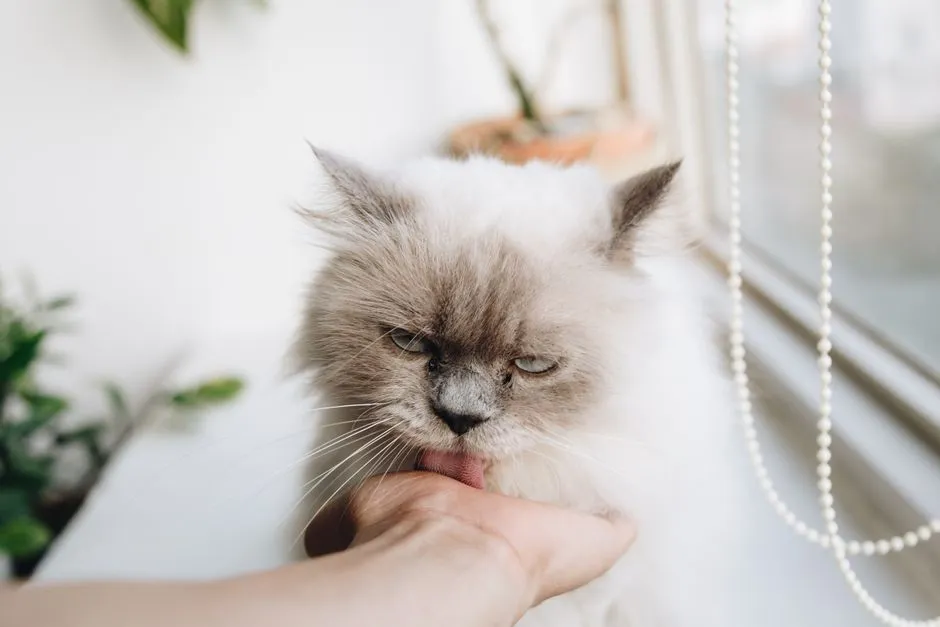
Everyone believes purring means happy. The truth is a lot less comfortable.
Purring is sometimes a sign of pain, not pleasure. Excessive purring or attention-seeking can be a sign of pain, discomfort or self-soothing. That rumbling lap cat may be comforting herself as much as you.
Here’s the controversial part. Many owners cling to the purr as proof their cat is fine. Plenty of vets argue that it’s one of the most unreliable signals in the whole list. A cat can purr while sick, stressed or hurting.
So look at the rest of the picture. Check whether the purring comes with eating, grooming, normal posture and relaxed eyes. If not, trust those signals over the sound. And at night, another sound often takes over.
#9 – The 3 A.M. Wandering and Yowling
🔥 Would you like to save this?
We'll email this post to you, so you can come back to it later!
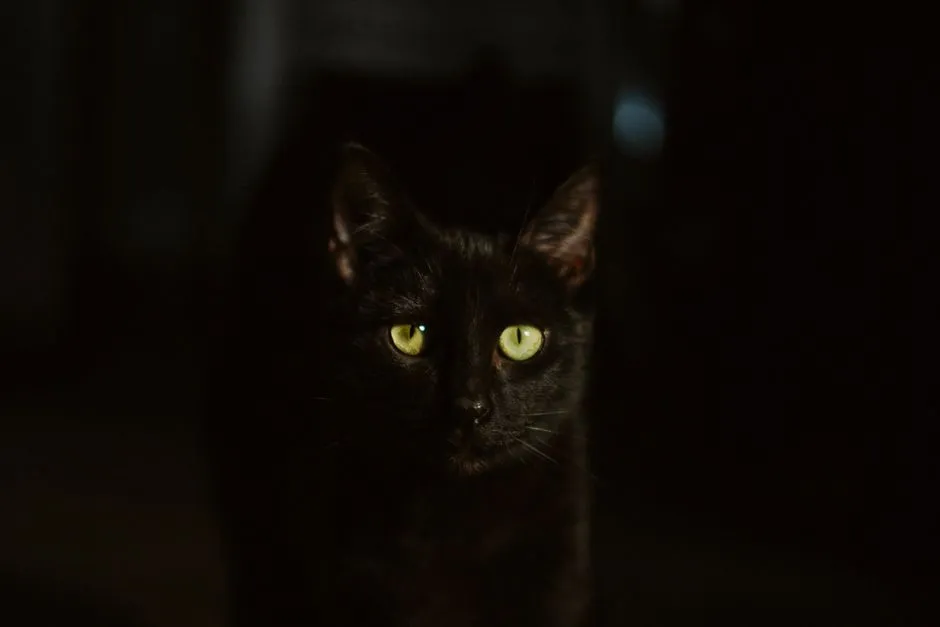
The loudest sign often happens when you’re trying to sleep.
Night-time crying is easy to blame on a hungry cat. But it can point to something deeper. Many exhausted owners just close the bedroom door and try to ignore it.
Vets list cognitive dysfunction, including disorientation, confusion and nighttime wandering, as a behavioral sign in cats near the end of life. That can look like aimless wandering, bumping into objects, or struggling to find familiar places.
Staring at a wall or standing in a corner, lost, is easy to mistake for quirkiness. Pain, high blood pressure and thyroid problems can also cause night-time crying, which is why a vet check matters.
Confusion can also change a cat’s bathroom habits, and that’s the clue most owners find first.
#8 – The Litter Box Mistakes
🔥 Would you like to save this?
We'll email this post to you, so you can come back to it later!
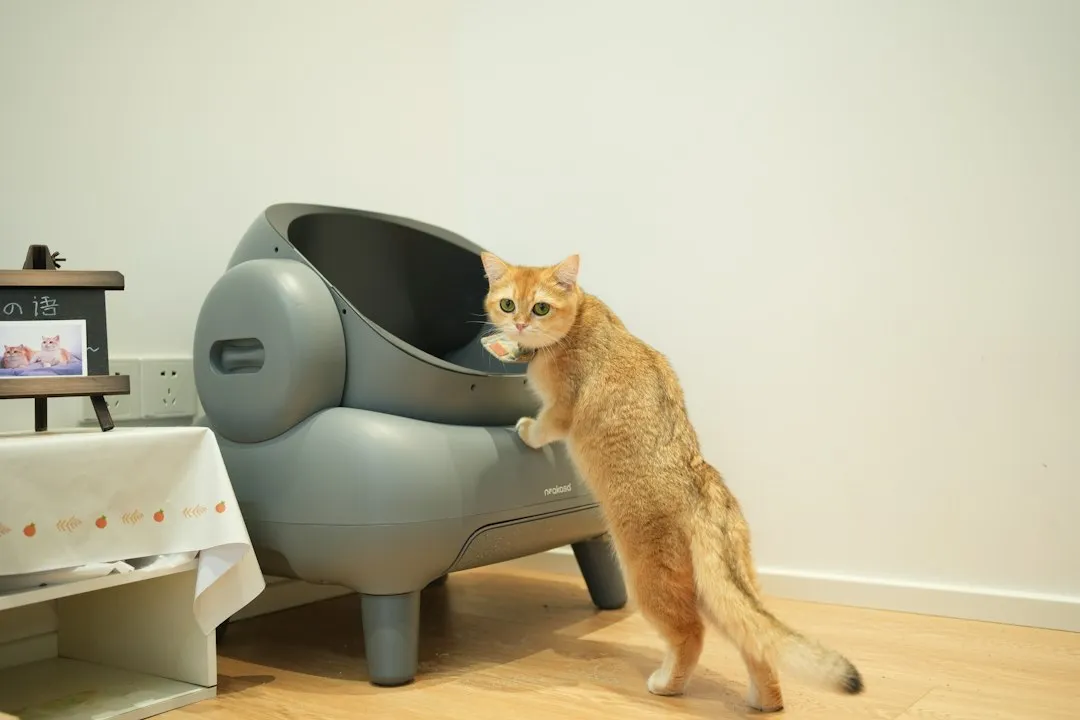
An accident outside the box is not a protest.
Punishing a senior cat for this is one of the most common mistakes owners make. The cat isn’t being spiteful. Something has changed in the body or the mind.
Cats with joint pain may struggle to climb into a high-sided box. In the last days, weakness can be the cause. Some cats become unable to get to the litter box and have accidents where they lie.
At a Glance
- Pain: a high-sided box can feel like a mountain to a stiff cat.
- Weakness: late-stage cats may not be able to reach the box in time.
- Confusion: cognitive changes can make a cat forget where the box is.
An urgent exception: A male cat straining in the litter box and producing nothing needs same-day veterinary attention.
Practical changes can help:
- A low-entry box with soft bedding nearby
- Several boxes on every floor
- Washable pads where your cat rests
Mobility is closely tied to this problem, and the next sign hides in plain sight.
#7 – The Jump That Never Happens
🔥 Would you like to save this?
We'll email this post to you, so you can come back to it later!
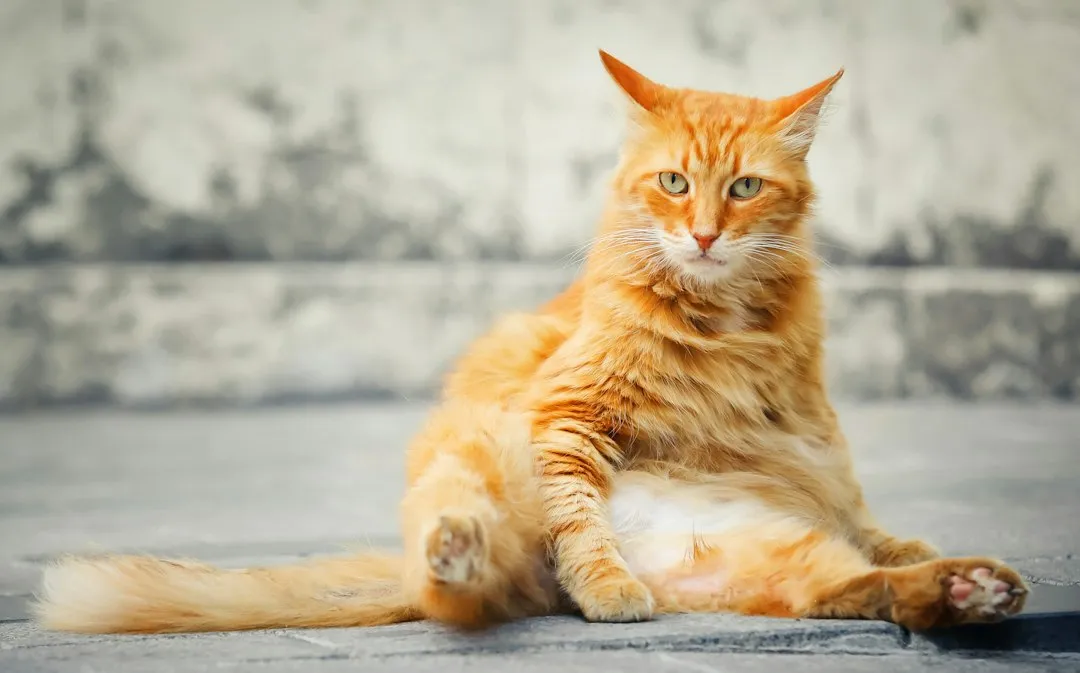
Your cat used to leap onto the counter. Now they stare at it.
Owners often say, “He’s just slowing down.” Experts call that a mistake. Stiffness, limping and a hunched posture are all signs of pain and discomfort.
Cats rarely cry about pain. They quietly change what they’re willing to do. That includes skipping the stairs, avoiding the window ledge and sleeping at floor level.
That staring moment is the cat doing the math on whether the jump is worth it. Today, the answer is no.
Pain also changes where a cat wants to be, and sometimes that means chasing heat.
#6 – The Search for Warmth
🔥 Would you like to save this?
We'll email this post to you, so you can come back to it later!
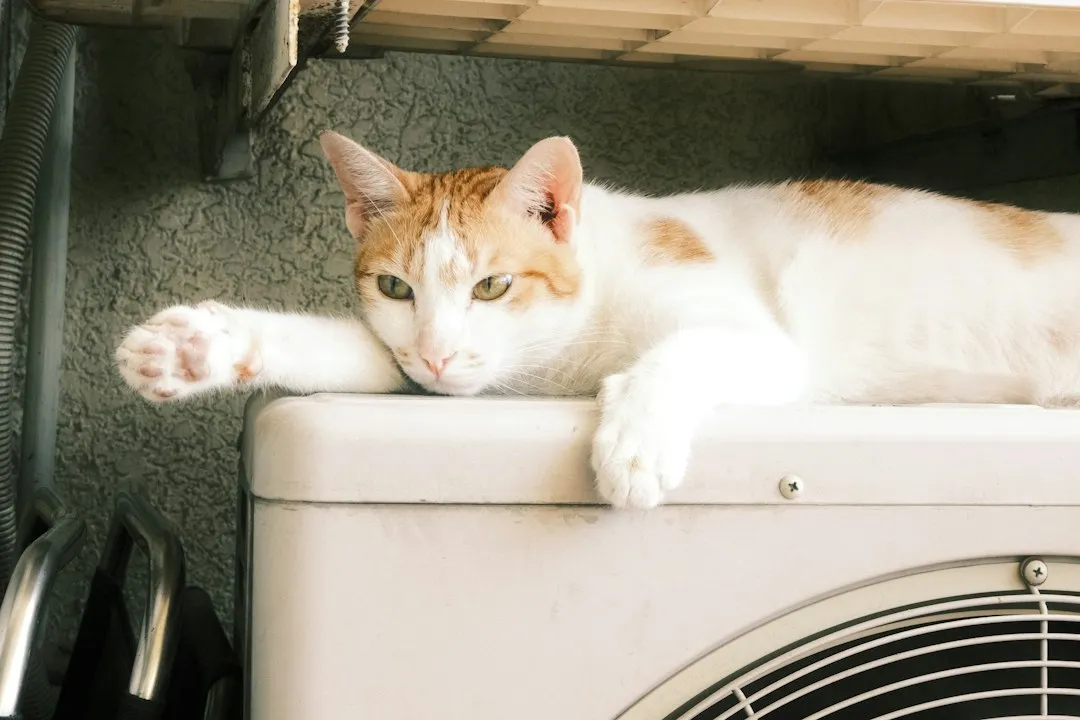
Your cat is suddenly sleeping on the heater, and that’s more than a preference.
A cat that always loved the sun might not seem unusual. But the pattern can change. Cats often seek out warm spots, or conversely cannot get comfortable anywhere.
Meanwhile, the body itself can feel different. Ears, paws and the tail may feel cool. As a cat nears the end of life, regulating body temperature can become difficult, with noticeable changes in how the ears or paws feel.
Check with a gentle touch. Gums may look pale or grayish rather than pink, which can accompany this sign.
Cold paws are one thing. But the next change is about temper, and it catches many owners off guard.
#5 – The Swat That Surprises You
🔥 Would you like to save this?
We'll email this post to you, so you can come back to it later!
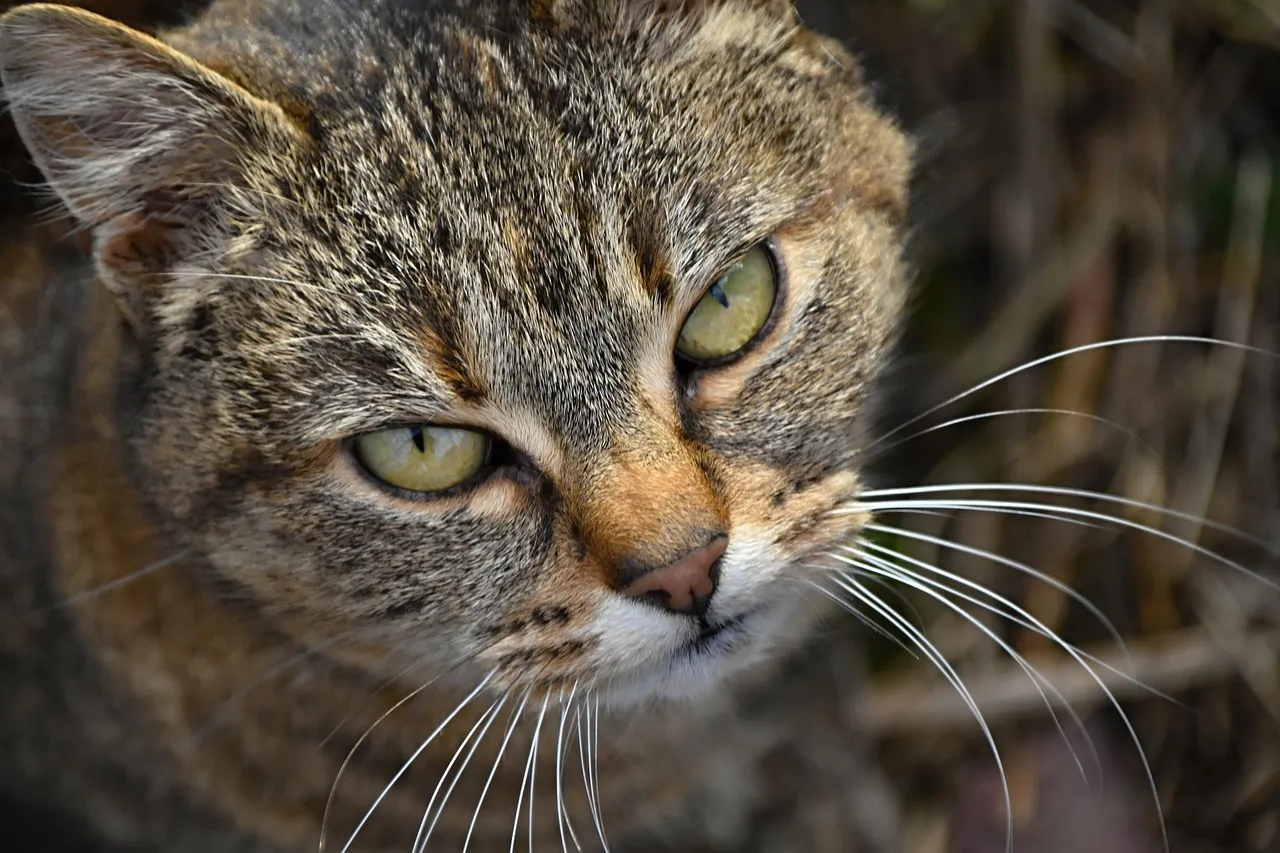
Your gentlest cat just hissed at you, and the reason may be physical.
Many owners feel hurt or even scared. Experts say this is the wrong response. Cats may become aggressive or less tolerant of being picked up and handled if something hurts.
The cat isn’t turning on you. The body is saying “don’t touch there.” Pain-driven irritability is one of the most underdiagnosed causes of “behavior problems” in older cats.
Pay attention to when it happens:
- When picked up under the belly or chest
- When touched near the back, hips or neck
- When disturbed while resting
Note the pattern and report it. And the next shift is harder to see: your cat stops caring about what used to matter most.
#4 – The Window Goes Unwatched
🔥 Would you like to save this?
We'll email this post to you, so you can come back to it later!
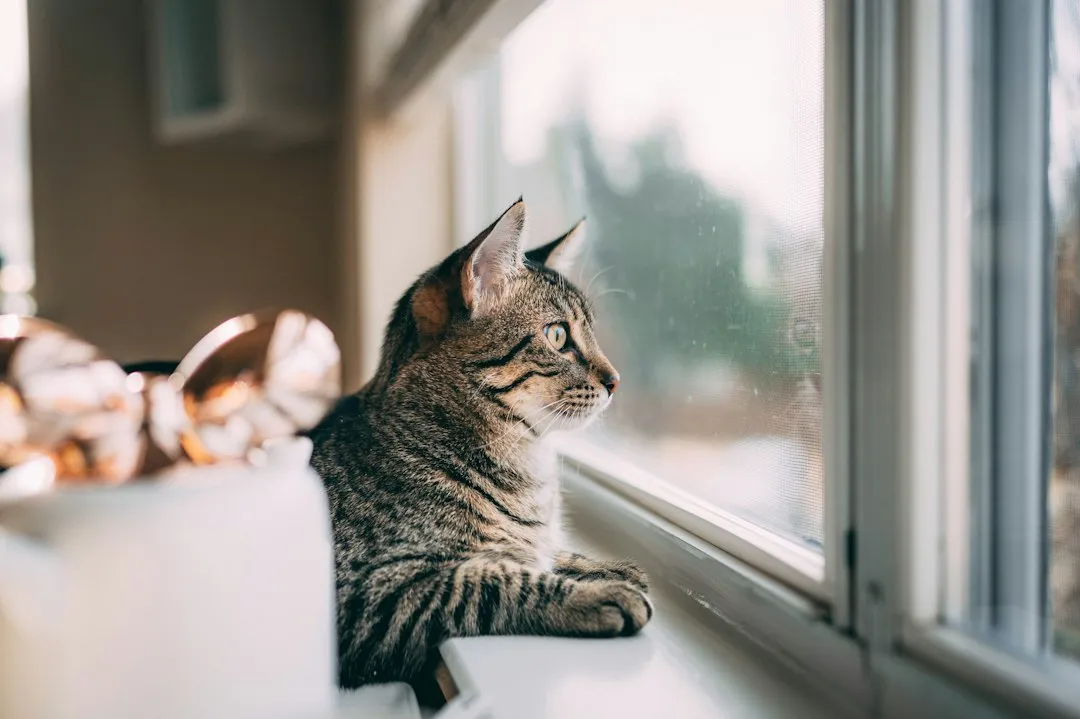
The toys are untouched. The favorite window is empty.
This is the quietest sign on the list, and the easiest to miss. Nothing dramatic happens. Something just stops happening.
Cats may lose interest in toys, play or familiar routines. Owners tend to assume the cat has simply matured. In reality, the cat may be conserving energy.
Skipping the morning greeting, the evening zoomies or the post-dinner routine is the real warning. This is usually gradual, with cats resting and sleeping more and becoming less active. Look for a pattern across several days rather than one lazy afternoon.
If these changes keep adding up, the body usually starts showing it, and the next sign is physical.
#3 – The Body That Quietly Shrinks
🔥 Would you like to save this?
We'll email this post to you, so you can come back to it later!
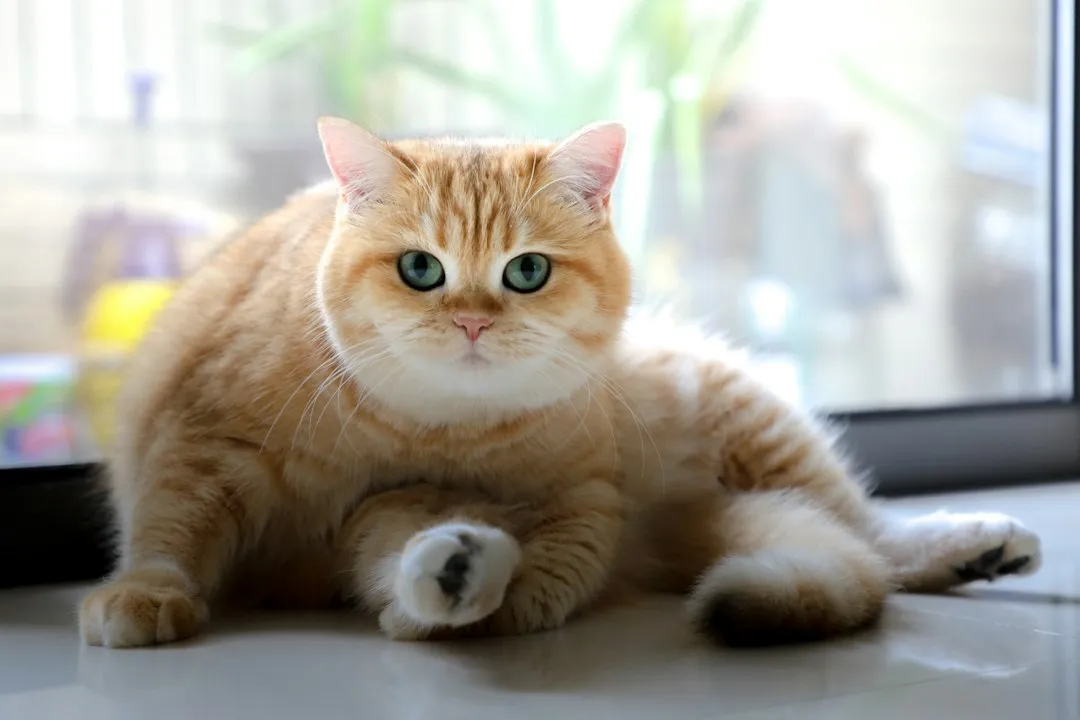
Weight loss can hide under a thick coat for weeks.
Fur makes it hard to see. That’s why vets tell owners to feel, not just look. A fluffy cat can lose a startling amount before anyone notices.
Weight loss is on every vet list. A cat near the end of life may show weight loss, lethargy, hiding and loss of appetite. Sunken eyes and dehydration are also listed among the physical signs.
Fast Facts
- Small numbers add up: losing 1 pound on a 10-pound cat is 10% of its body weight.
- The skin test: gently lift the skin between the shoulder blades. If it settles back slowly, dehydration is possible.
- The eye clue: eyes that look sunken can also point to dehydration.
Run your hand along the spine and hips. A bonier feel than a few months ago suggests muscle loss, even if the belly looks the same.
Some practical ways to track this:
- Weigh your cat monthly on a baby scale
- Take a side photo every two weeks
- Record appetite and water intake
Numbers don’t lie. And the next sign is the one vets say should never wait.
#2 – The Breathing That Changes
🔥 Would you like to save this?
We'll email this post to you, so you can come back to it later!
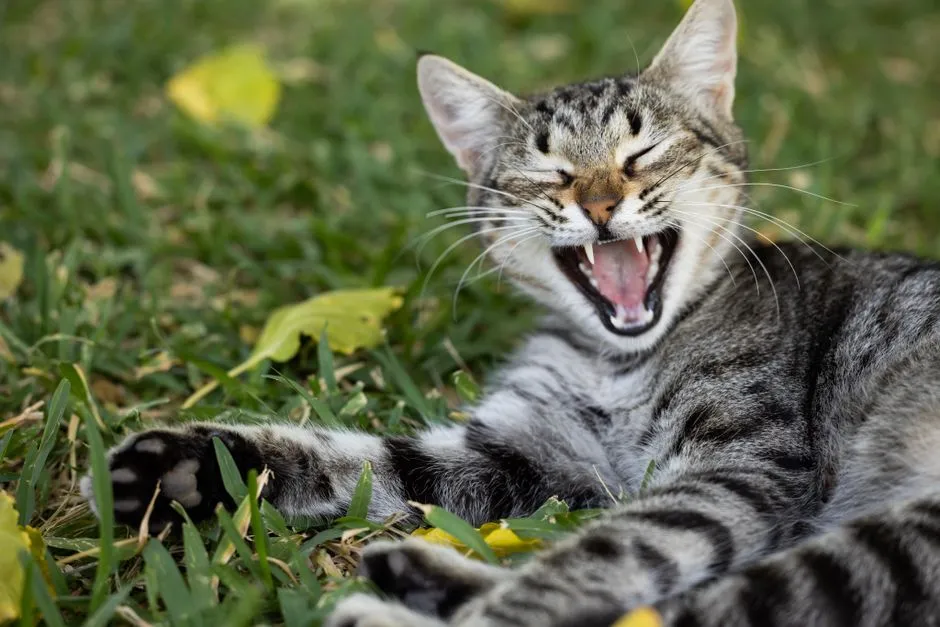
Of all the clues, this is the one that can’t be waited out.
Breathing is often ignored until it becomes obvious. Experts say don’t let it get that far.
Warning signs include faster breathing at rest, open-mouth breathing, or belly effort with each breath. Open-mouth breathing in a cat is always urgent, so call a veterinarian right away.
Many owners worry about “bothering” the vet. That’s the mistake. Breathing trouble is exactly the kind of problem they want to hear about immediately.
And then there’s the final sign, which people misunderstand more than any other.
#1 – The Quiet Goodbye
🔥 Would you like to save this?
We'll email this post to you, so you can come back to it later!
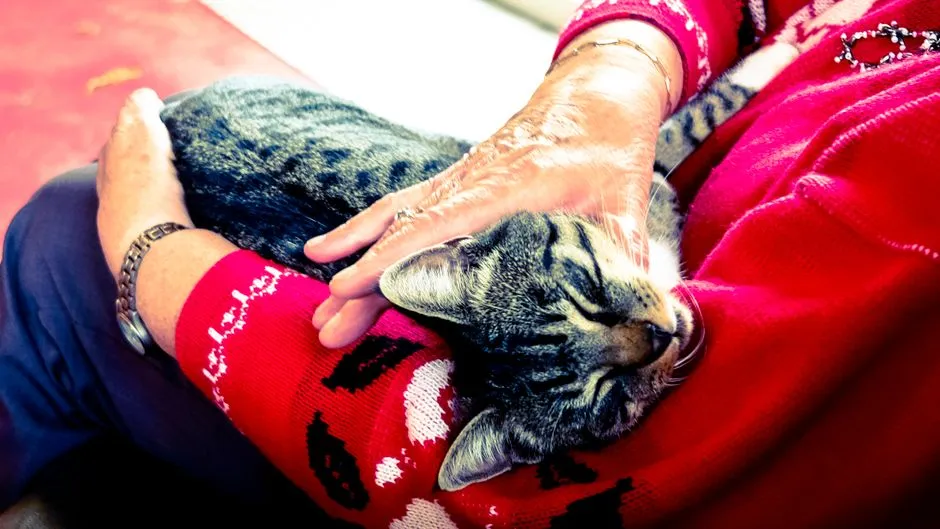
The last clue isn’t dramatic. It’s stillness.
In the final days, the changes are often about how little the cat does. Very little movement, staying in one spot, difficulty holding the head up, or an unsteady, wobbling walk are common.
Here’s the truth that surprises people. Some cats seek a hidden, out-of-the-way place, while others want to be close. Both are normal.
Cats probably don’t say goodbye the way people do. They likely don’t say goodbye in the way people with life-threatening illnesses may consciously do. But your presence, a soft blanket and a quiet room still matter.
If your cat is in this stage, call your vet about comfort, hospice care or euthanasia. End-of-life care may include hospice, palliative care or euthanasia. That brings us to what it all adds up to.
Most of these signs aren’t dramatic. They’re small shifts: a skipped meal, a messy coat, a hiding spot, a purr that sounds different. The most shocking part is how often they get read as personality or “just old age.”
Here’s our opinion. The myth that a cat will “tell you when it’s time” does more harm than good. Cats hide discomfort by instinct, so the burden of noticing falls on the people who love them. That’s not a guilt trip. It’s the one real power we have.
Don’t wait for a single dramatic sign. Watch the trend, keep notes, and involve your vet early. Many of these changes can be eased, and some are treatable.
Which of these did you notice first in your own cat? Tell us in the comments.

- What Egyptian God Are You According to Your Zodiac Sign - November 5, 2026
- Embracing the Quiet Magic of Adopting a Senior Dog - November 5, 2026
- Scientists May Have Miscalculated Our Global Warming Timeline - November 5, 2026