
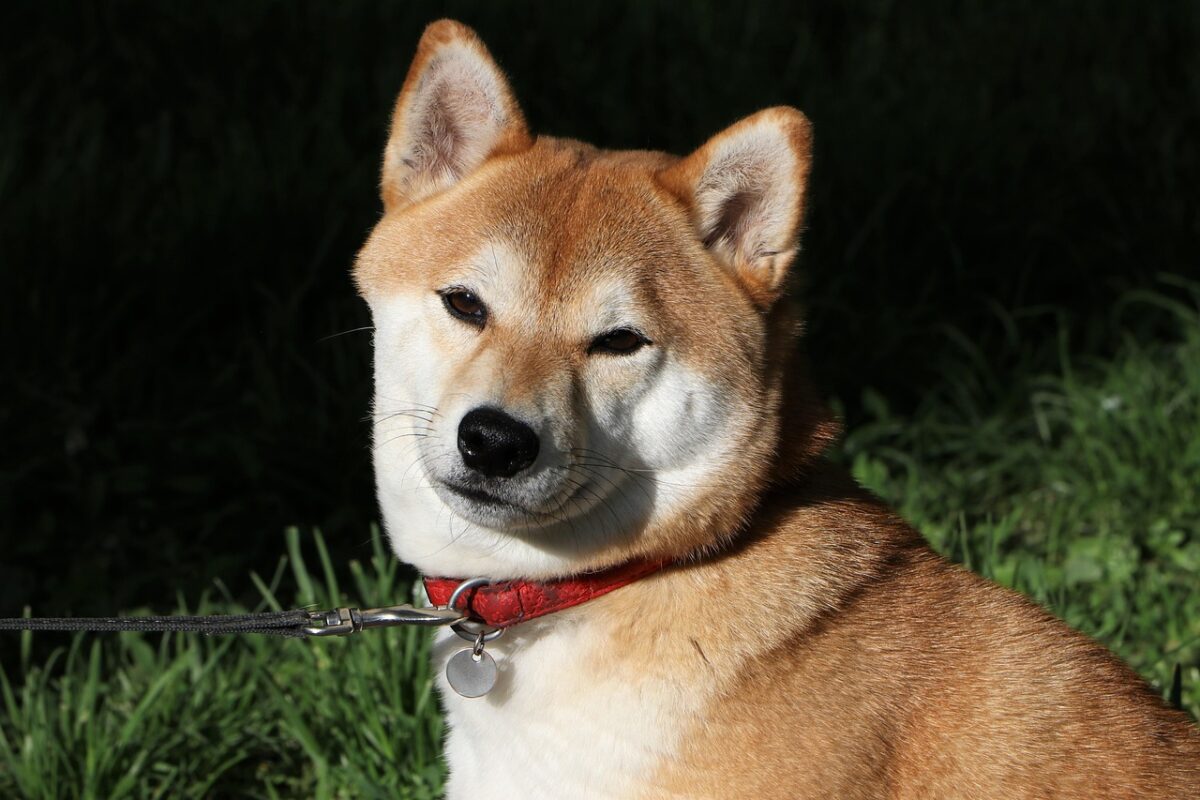
Most people pick a dog for the face, the size, or whatever is trending online. Almost nobody asks the people who meet that dog on its worst day: veterinary nurses. They get snapped at during nail trims, pinned to the wall by a “just excited” doodle, and quietly adored by the calm, honest dogs who make a brutal shift easier.
If you have ever wondered why your sweet dog turns into a different animal in the exam room, this list is for you. These are the temperament surprises frontline vet staff say they wish owners understood before the adoption papers were signed. A few entries will make you nod, a couple might make you angry, and the breed at #1 is one almost everyone assumes is perfectly safe. Keep scrolling, because the order gets stranger the closer you get to the top.
#16 – Siberian Husky: The Escape Artist With Selective Hearing
🔥 Would you like to save this?
We'll email this post to you, so you can come back to it later!
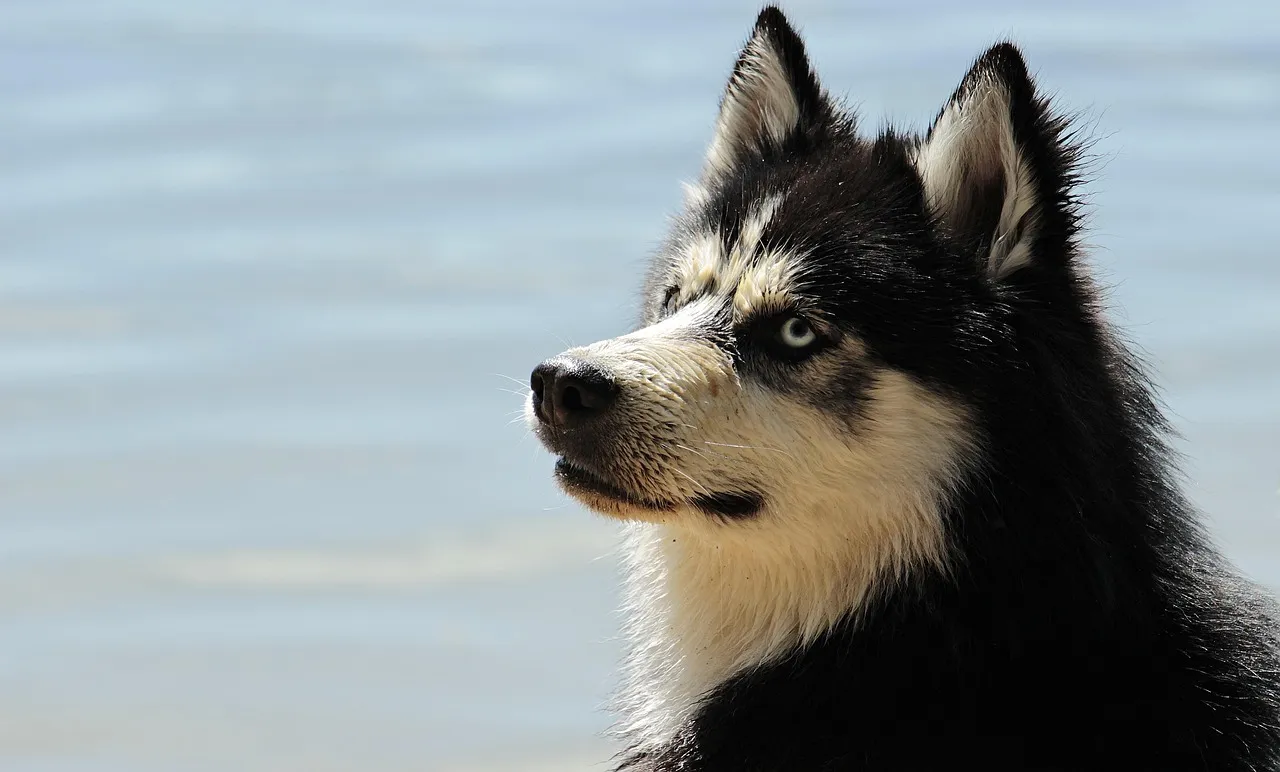
Ask a vet nurse which breed is most likely to scream like it is being murdered during a routine exam, and Huskies land near the top. They are dramatic, loud, and usually far less obedient than first-time owners expect.
Many families think they are getting a “wolfish” cuddle buddy. What they actually get is a high-drive, independent working dog bred to run for miles and make its own decisions.
In the clinic, Huskies are not usually aggressive, but restraint can set off wild thrashing, howling, and athletic attempts to flee. They do not shut down like some breeds. They fight the process, which makes blood draws and bandage changes a real workout. Sedation gets used more often than owners realize, and not because the dog is “bad.” It is simply safer for everyone in the room.
At home, an under-exercised Husky becomes destructive, mouthy, and increasingly intolerant of handling. Nurses see the fallout: friction with kids, skin trouble under that thick coat, and dogs who were never taught to be still.
- High need for exercise and real mental work
- Low tolerance for boredom and tight physical restraint
But the next one is smaller, and the bite is not…
#15 – Chihuahua: Tiny Dog, Full-Sized Bite
🔥 Would you like to save this?
We'll email this post to you, so you can come back to it later!
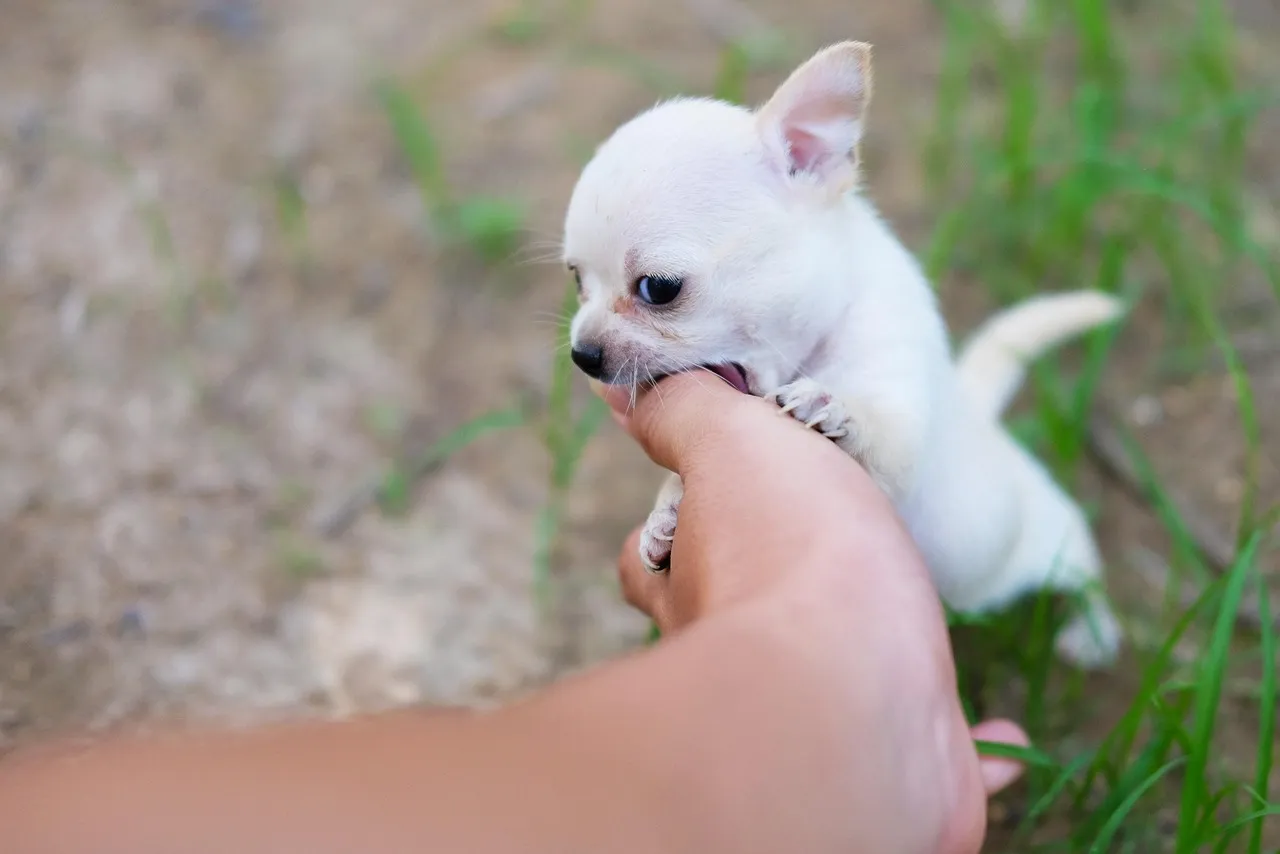
Most people think of Chihuahuas as purse-sized accessories. Vet nurses think of them as the dogs most likely to actually connect with their teeth during a quick temperature check.
The problem is not that Chihuahuas are inherently vicious. It is that they are tiny, frightened, and chronically mishandled. Many arrive shaking, clutched tightly, or passed around like a fragile toy.
That constant babying produces a dog who never learns what normal handling feels like. Add pain, strange smells, and strangers touching sensitive spots, and you get a snapping, lunging, defensive animal in a five-pound package.
What owners call “attitude” is often fear plus learned success: bite, and the scary thing stops. Nurses see the same pattern again and again. There is no early socialization, no gentle handling practice, and an owner who laughs at the growl instead of working on it.
- High fear response, often mislabeled as a “spicy personality”
- Frequent need for muzzles or towel wraps despite the tiny size
Next up is a dog whose biggest asset is also its biggest problem…
#14 – Border Collie: The Genius on the Edge
🔥 Would you like to save this?
We'll email this post to you, so you can come back to it later!
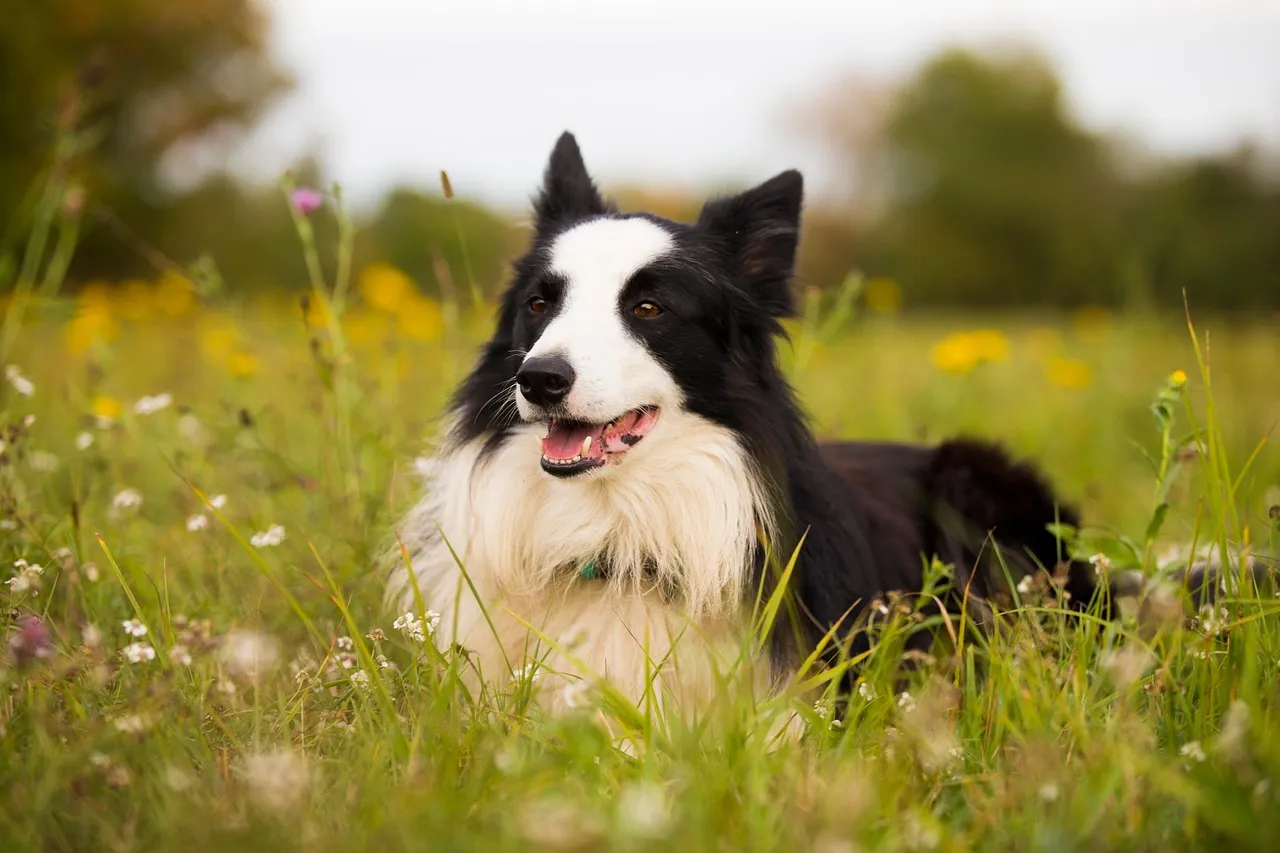
People hear “smartest dog breed” and picture an easy, obedient family pet. Vet nurses see the downside: intelligence without an off-switch. Border Collies are working athletes built for constant problem-solving, and without a job, that brain turns inward and sideways.
In the exam room, a well-managed Border Collie can be a dream: responsive, focused, and surprisingly tolerant. The unstable ones are another story. They vibrate with tension, lock onto every movement, and can redirect into a snap when overwhelmed.
At a Glance
- Typical adult weight: roughly 30 to 55 pounds
- Typical lifespan: around 12 to 15 years
- Origin: sheepdog stock from the Scottish and English border country
- Clinic personality: focused when calm, wound tight when not
Many of the “unpredictable” dogs vet staff meet were never given real outlets for their herding instincts. Owners also underestimate how much these dogs practice behaviors. If they rehearse eye-stalking kids, chasing bikes, or nipping heels, that becomes their default coping strategy.
At the clinic, it looks like lunging at passing dogs and trying to control the whole room instead of settling. Warning signs nurses spot early:
- Constant scanning, with no real relaxation
- Fixation on doors, wheels, or other animals
The next dog looks like a cartoon, and that is part of the trouble…
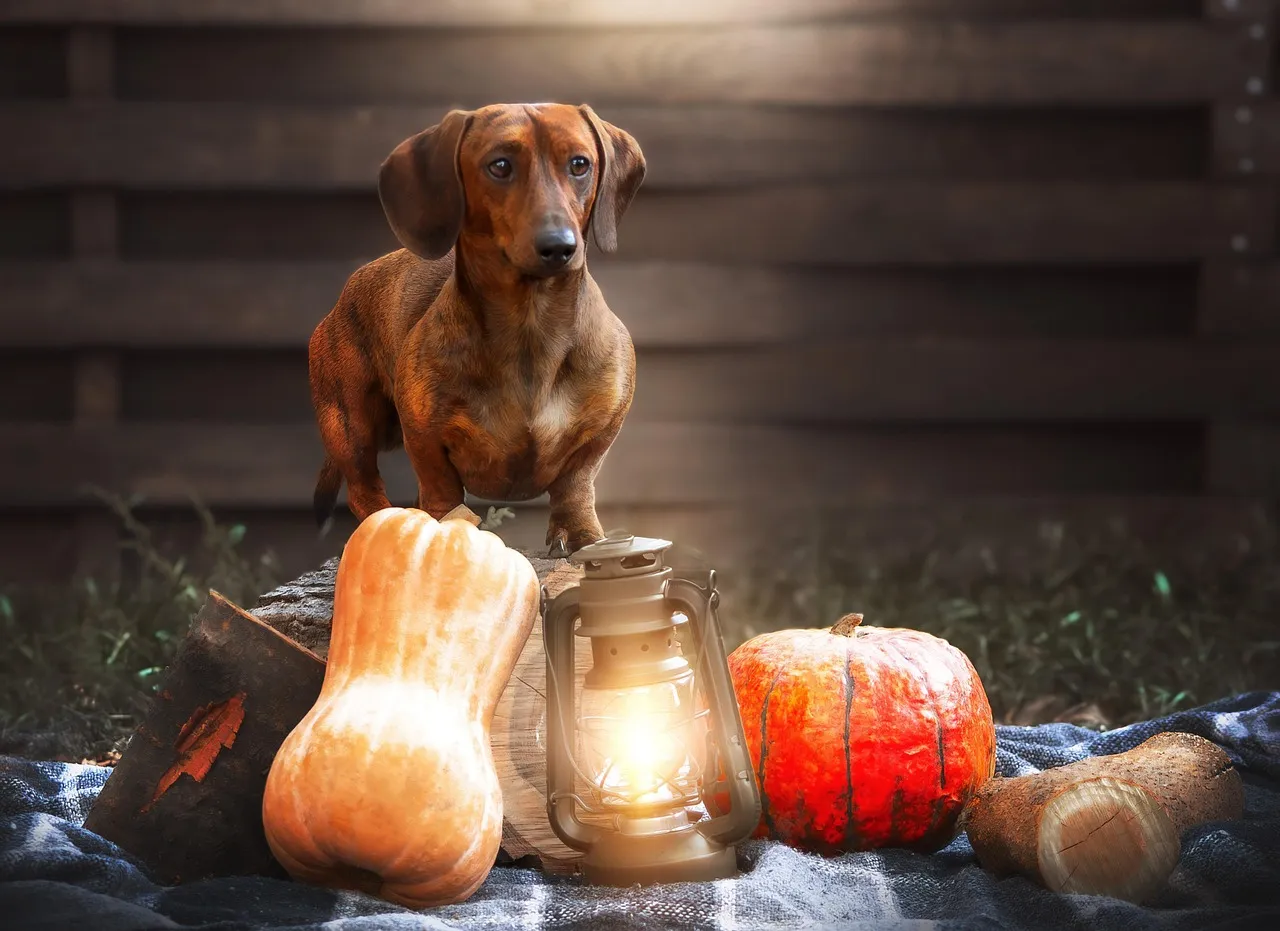
#13 – Dachshund: The Cute Hotdog With a Serious Attitude
🔥 Would you like to save this?
We'll email this post to you, so you can come back to it later!
Dachshunds are marketed as adorable “wiener dogs,” but many vet nurses quietly rank them among the least tolerant of handling. Long backs, delicate spines, and a history as determined badger hunters add up to a small dog who does not appreciate being messed with.
In practice, Dachshunds often resent restraint, nail trims, and injections. They can go from still to snapping in a second, sometimes with little warning.
Back pain makes everything worse. Many owners miss early spinal discomfort and read the growl as “grumpiness” instead of what it often is: a clear pain signal.
A lot of Dachshunds have also been scooped up and carried the wrong way for years, which teaches them that human hands mean discomfort. By the time one is lifted onto a metal table, its default strategy is defense. Nurses learn fast to support the whole body and watch for tiny stiffness cues long before teeth appear.
- Higher risk of pain-related aggression due to back issues
- Low tolerance for rough or careless handling, especially by kids
Now for a dog that ranchers love and city nurses brace for…
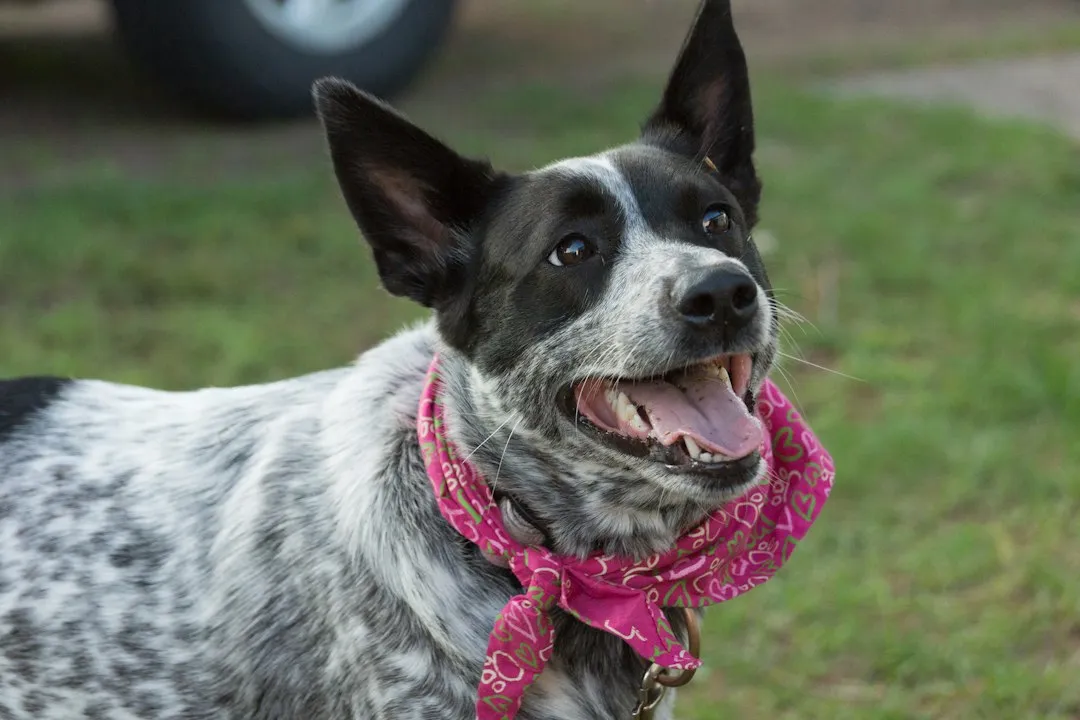
#12 – Australian Cattle Dog (Blue Heeler): The Control Freak in Fur
🔥 Would you like to save this?
We'll email this post to you, so you can come back to it later!
Ranch owners rave about their Heelers. Many urban vet nurses see a different side: one of the toughest, grittiest, least forgiving breeds to handle in a city setting. These dogs were bred to move massive animals by nipping and standing their ground, and that drive does not switch off in an apartment.
In clinics, Cattle Dogs tend to be either laser-focused and compliant or explosively defensive, with very little middle ground. A poorly socialized one may treat restraint like a challenge. They do not just flail. They commit, and their bites are typically fast, targeted, and serious.
Owners often underestimate how eerily smart and controlling these dogs can be. They notice everything. Force something on them once without proper desensitization, and they remember, so escalation next time is almost guaranteed.
Common patterns vet nurses see:
- Guarding behavior around owners, especially in tight spaces
- Quick shifts from “fine” to “nope” with needles, nail trims, or ear checks
The next one is famous for looking cuddly and acting like a roommate…
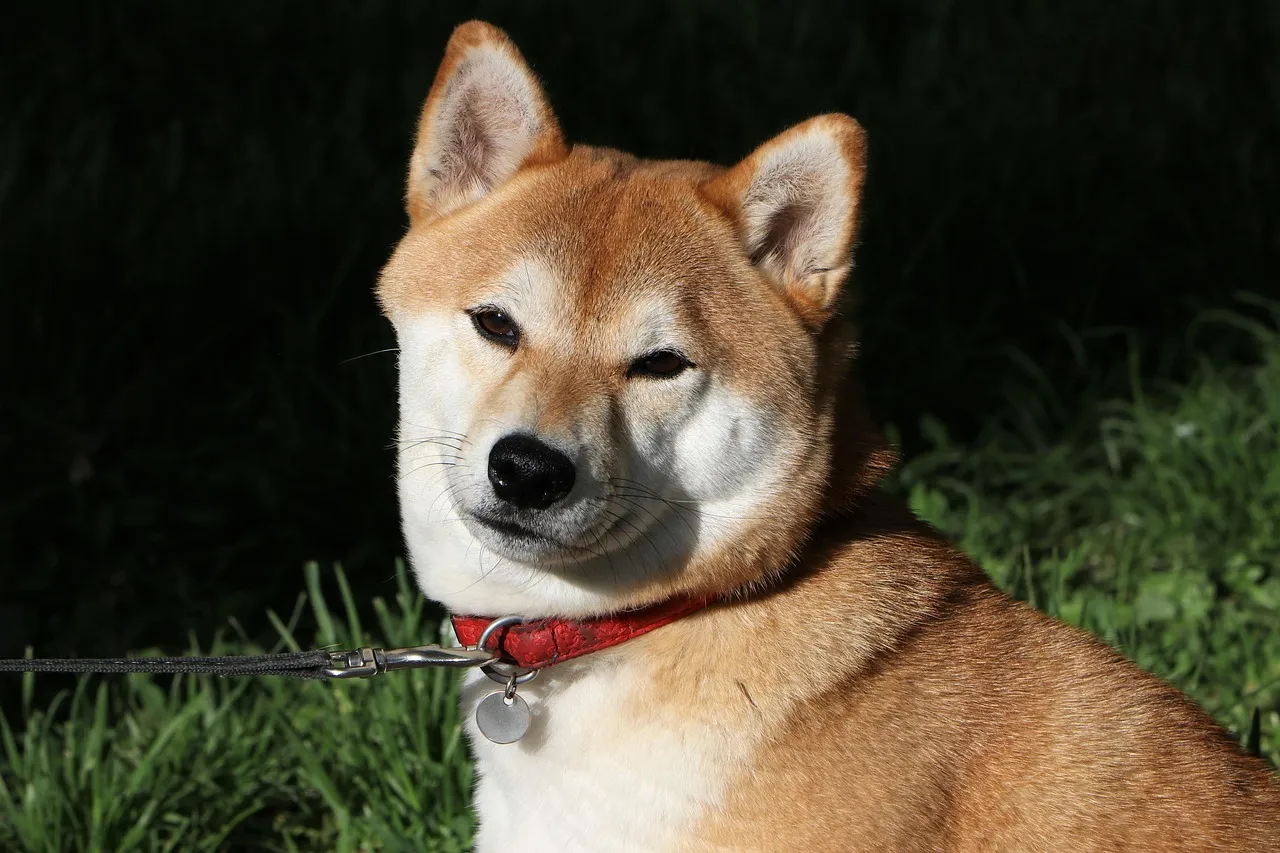
#11 – Shiba Inu: The Fox That Thinks It’s Your Roommate, Not Your Pet
🔥 Would you like to save this?
We'll email this post to you, so you can come back to it later!
Shiba owners love to call them “cat-like.” Vet nurses have a blunter phrase: “zero interest in cooperating.” These compact, foxy dogs are notorious for screaming, twisting, and flatly refusing handling they have not been conditioned to accept.
When a Shiba is uncomfortable, it does not appease. It protests. They are independent, suspicious of strangers, and extremely sensitive to losing control. A calm-looking dog can become a flailing whirlwind the moment you apply steady pressure.
Fast Facts
- Smallest of Japan’s native spitz-type breeds
- Typical adult weight: roughly 17 to 23 pounds
- Typical lifespan: around 13 to 16 years
- Famous for the “Shiba scream,” a piercing protest vocalization
Unlike many breeds that shut down under stress, Shibas stay sharp. They hunt for escape routes, test your grip, and dodge hands heading toward paws, ears, or mouth.
Many nurses quietly rank them among the hardest small-to-medium breeds to handle safely without sedation. Patterns they describe:
- Poor tolerance of muzzles unless trained early
- The famous “Shiba scream” during blood draws, even with minimal discomfort
The next dog weighs about ten pounds and acts like it weighs a hundred…
#10 – Jack Russell Terrier: The 10-Pound Missile

🔥 Would you like to save this?
We'll email this post to you, so you can come back to it later!
Jack Russells were bred to bolt out of kennels, dive into burrows, and tackle quarry that fights back. Now they live in small homes and are expected to be lap dogs. Vet nurses are left with the fallout: hyper-aroused, sharp dogs with zero chill.
A well-trained JRT can be delightful in the exam room, fearless, curious, and quick to learn. The untrained majority ricochet off walls, snap at the stethoscope, and escalate fast when restrained. Their frustration tolerance is much lower than their pain tolerance.
Because they are small, owners wave off early warnings like snapping at kids, guarding toys, or refusing nail trims. By the time the dog arrives for a real medical issue, those habits are ingrained. Nurses often need two people and a muzzle to do what a calm owner could have conditioned at home.
Typical clinic red flags:
- Constant movement, with no stillness even for 10 seconds
- Redirected biting when something doesn’t go their way
This next breed looks soft and squishy. Nurses know better…
#9 – Shar-Pei: The Wrinkled Wild Card

🔥 Would you like to save this?
We'll email this post to you, so you can come back to it later!
Shar-Peis look like living stuffed animals, yet many vet nurses quietly brace when one appears on the schedule. This is a strong-willed, guardian-type breed wrapped in sensitive skin and chronic health issues, which is a tough combination for clinic work.
Those wrinkles can trap moisture and bacteria, so Shar-Peis often arrive with painful skin infections, ear problems, and eye conditions. Pain plus poor socialization is a classic recipe for defensive aggression. Many were never exposed to busy places as puppies, so a clinic feels like an ambush from every direction.
They can also be stoic. Owners frequently miss early discomfort because the dog simply “tolerates” things, until restraint tips it over. When a Shar-Pei decides it is done, it does not argue. It snaps, often with little noise and a lot of commitment.
- Common need for a muzzle and experienced handlers
- Higher-than-average chance of fear- or pain-based reactivity
The next one is gorgeous, loyal, and very quiet about its limits…
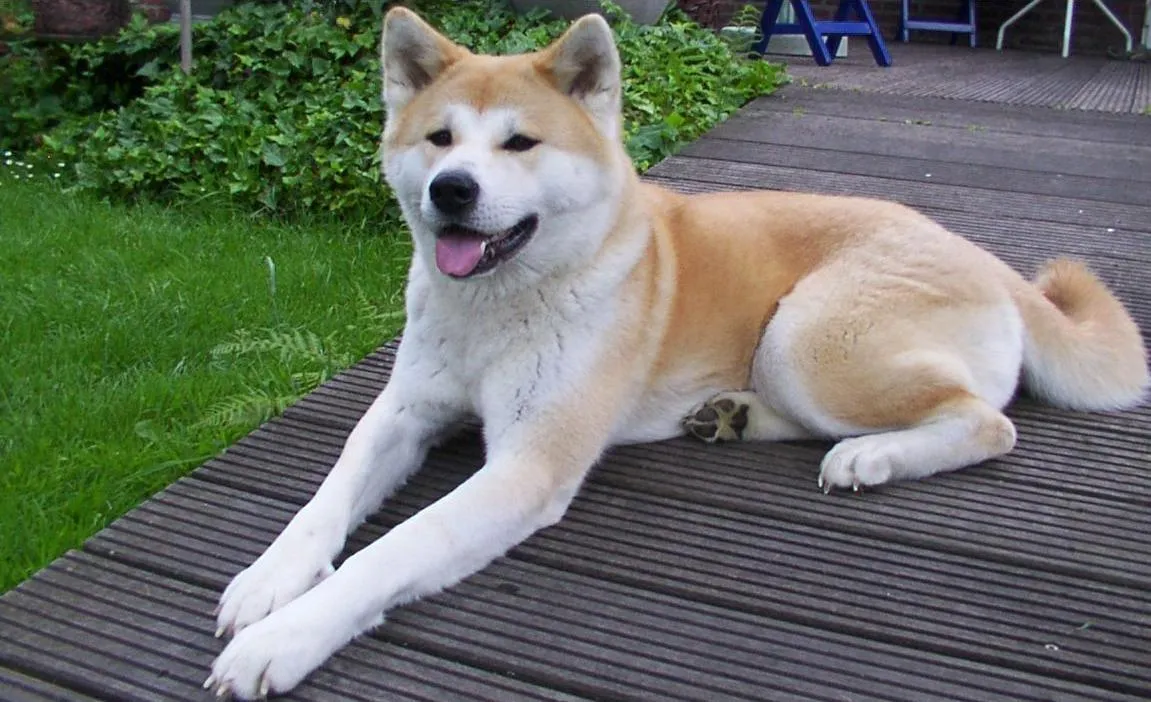
#8 – Akita: The Silent Line-Crosser
🔥 Would you like to save this?
We'll email this post to you, so you can come back to it later!
Akitas are gorgeous, noble, and deeply loyal to their people. To strangers, including vet staff, they can be aloof, intolerant, and quick to correct a perceived threat. Nurses approach them with some of the most deliberate respect in the building.
In the exam room, a well-bred, well-trained Akita often stands like a statue: calm, still, seemingly fine. That is the trap. The warnings are subtle, and a tiny freeze or head turn may be the only cue before a sudden bite. They are not bluffers. If they decide a boundary has been crossed, they act.
Owners sometimes downplay this, calling their dogs “protective” or “one-person dogs.” In a clinic, that loyalty can become a liability. Many Akitas are easier to treat when taken to the back with minimal owner interaction, since there is less guarding and less posturing.
- Early, extensive socialization isn’t optional; it’s mandatory
- This is not a breed that tolerates rough handling or chaotic homes
The next dog is a social-media darling with a hidden wiring problem…
#7 – German Shepherd: The Overloaded Protector
🔥 Would you like to save this?
We'll email this post to you, so you can come back to it later!
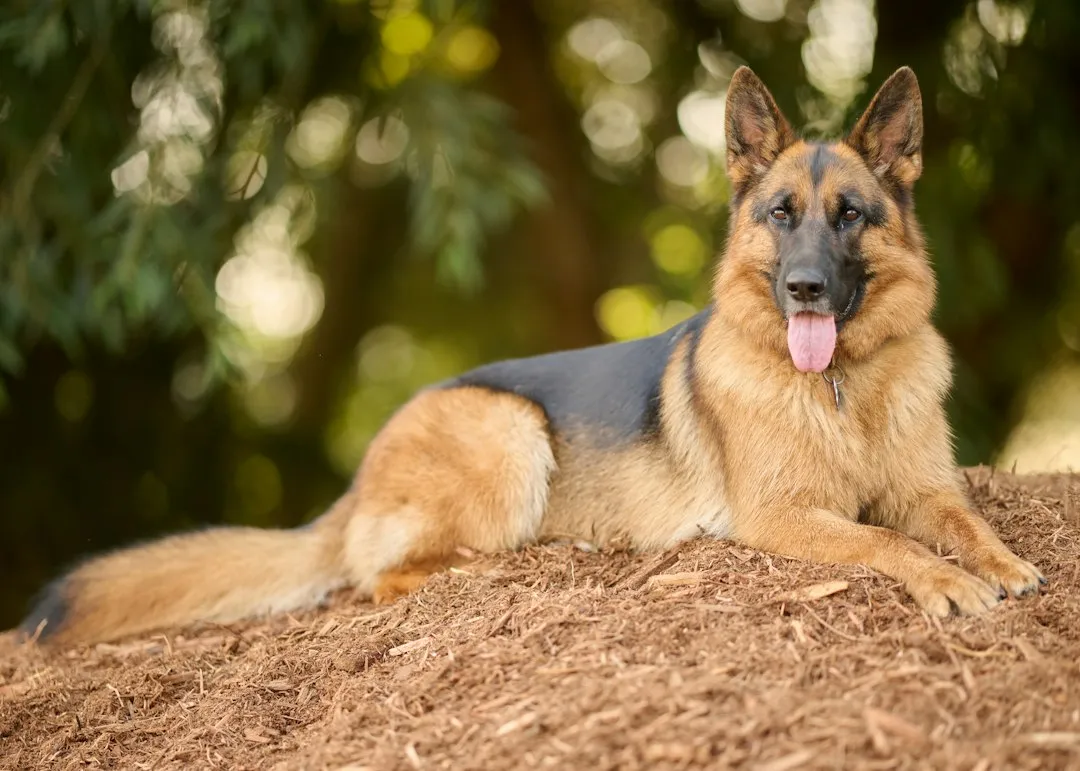
German Shepherds are police dogs, service dogs, and internet favorites. Owners expect bravery and obedience. Vet nurses often see the flip side: nervous, poorly bred Shepherds wired like live electrical cables.
A good Shepherd is steady and confident. A poorly bred or undersocialized one distrusts everything, clings to one person, and is constantly deciding whether the vet is a threat. In a small exam room, 80 pounds of conflicted protector is no joke.
Quick Compare
- Well-bred, well-socialized: settles quickly, accepts a stranger’s touch, takes treats under stress
- Nervous, undersocialized: blocks the door, stares down staff, treats every new sound as a threat
- The difference: usually breeding plus early exposure, not the label on the paperwork
Shepherds are body-aware and sensitive, so firm restraint can feel like a challenge. Many will tolerate one bad experience but return next time scanning, barking, and far less cooperative. If a dog’s only training is basic sit and stay, that is not enough for stressful medical handling.
Stress behaviors nurses clock immediately:
- Intense staring and blocking access to the owner
- Barking or lunging at staff entering the room
If Shepherds are a challenge, the next dog is that challenge on fast-forward…
#6 – Belgian Malinois: The Working Dog in the Wrong Household
🔥 Would you like to save this?
We'll email this post to you, so you can come back to it later!
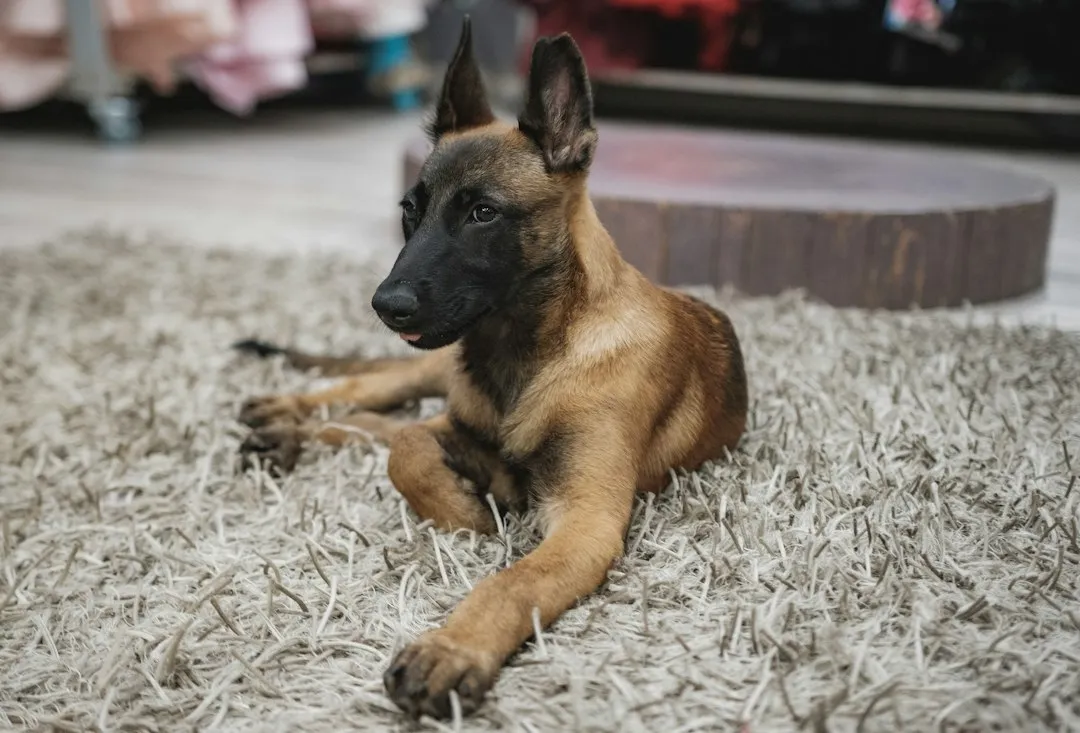
Social media turned the Malinois into a “cool” breed. Vet nurses know the less glamorous side: this is a high-risk choice for the average owner.
Malinois are bred for intense, nonstop work in military, police, and protection sports. In clinics, even well-trained ones buzz with energy. They can go from bright and engaged to slamming against the end of a leash in seconds if overstimulated, and poorly trained ones can be outright dangerous.
Many also become amped up by leashes, collars, or hands near the mouth, because those cues are tied to bite work in their training history. Now imagine trying to check teeth or give a vaccine. Without clear, consistent training, all that drive points in the wrong direction.
What vet nurses frequently see:
- Young Malinois already carrying bite histories
- Dogs that can physically overpower inexperienced handlers
Now we reach the entry that makes comment sections explode…
#5 – American Pit Bull–Type Dogs: The Unpredictable Mix of Saints and Stress
🔥 Would you like to save this?
We'll email this post to you, so you can come back to it later!
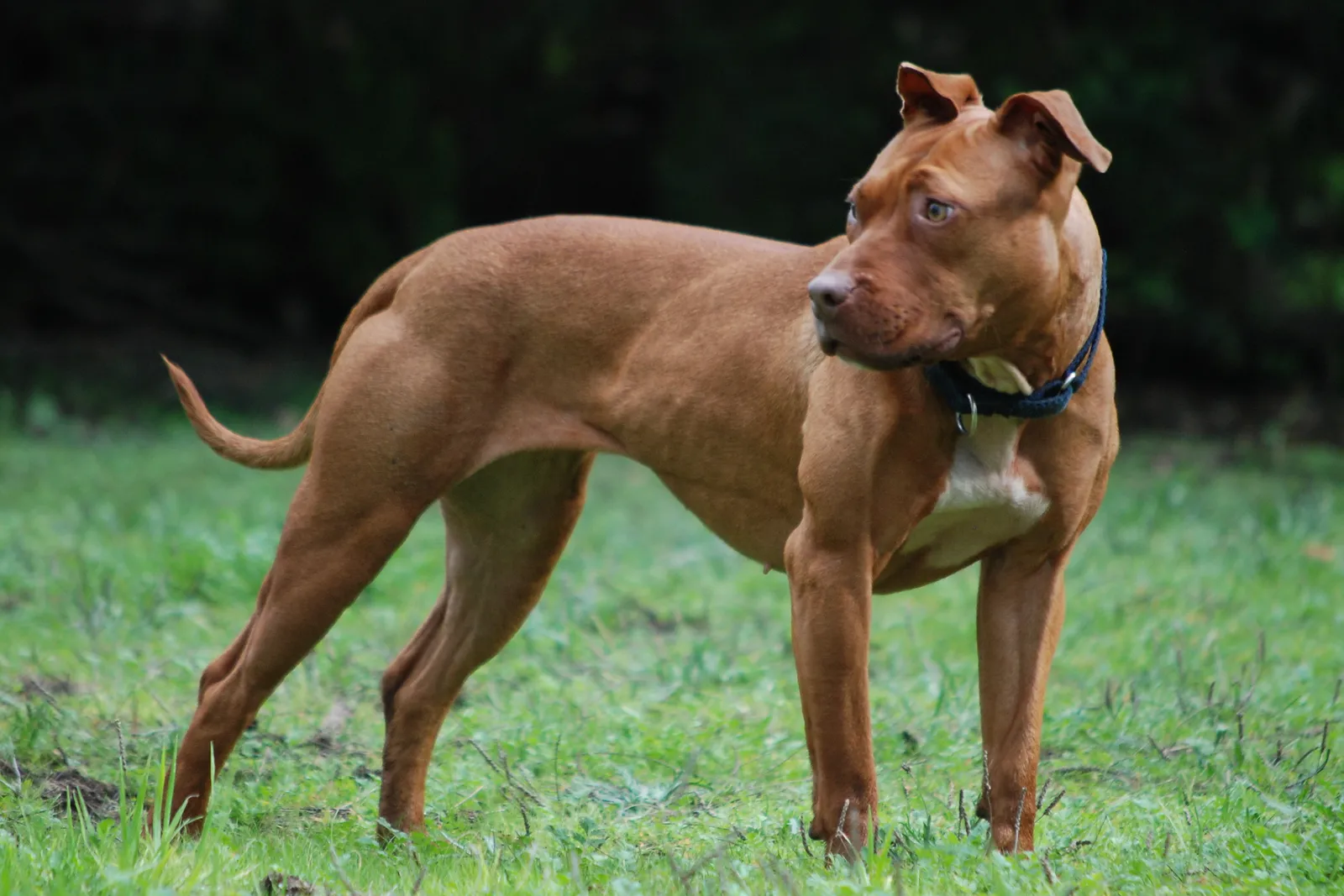
Here is where the arguments start. Many vet nurses will tell you some of their sweetest, most tolerant patients are pit-type dogs. Others will admit that some of the worst bites of their careers came from this same group.
The problem is not the label. It is the variability. “Pit bull” in a clinic often means any blocky-headed mix with unknown genetics. Some are goofy, bombproof couch potatoes. Others come from backyard breeding and chaotic homes with zero structure. Nurses never assume either extreme. They read the dog in front of them and proceed carefully.
These dogs are often muscular, pain-tolerant, and desperate to please. With socialization and training, that is a dream. If they are frustrated, under-exercised, or punished harshly, it can turn into explosive reactivity with very little warning. When any strong dog bites and holds on, the stakes rise quickly.
- Temperament can be excellent, but “it’s all how you raise them” is no guarantee
- Owners who ignore early warning signs put everyone, including the dog, at risk
The next dog does not scream or bluster. It just watches you…
#4 – Rottweiler: The Lawyer in a Dog Suit

🔥 Would you like to save this?
We'll email this post to you, so you can come back to it later!
Rottweilers rarely bluster. They do not scream like Huskies or zip around like Jack Russells. Vet nurses joke that they “hire a lawyer” instead: they stand still, silently evaluating whether they agree with what you’re doing.
A well-raised Rottie can be wonderfully easy: calm, food-motivated, and unbothered by restraint. But one that lacked boundaries, or was encouraged to “protect,” becomes a major safety concern. They are big, powerful, and often intensely bonded to one person, which makes handling in front of that person trickier.
Rotties tend to communicate through stillness and subtle tension. A hard stare, a closed mouth, a shift of weight: that is their version of shouting. Owners who miss those cues push the dog into feeling like a bite is the only option left.
The temperament warning label nurses would print:
- Not a “tough guy” accessory; needs clear, consistent leadership
- Early muzzle training and handling work make life safer for everyone
The next breed is the biggest softie in the building, until it isn’t…
#3 – Cane Corso & Other Mastiffs: The Intimidating Softies (Until They Aren’t)
🔥 Would you like to save this?
We'll email this post to you, so you can come back to it later!
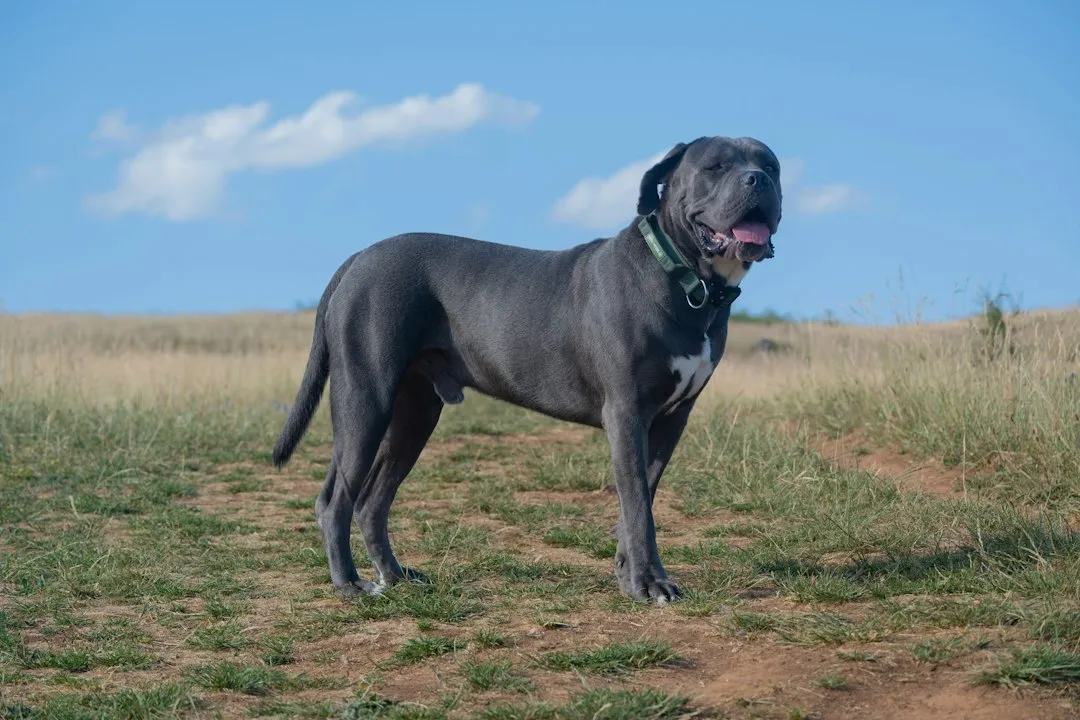
Cane Corsos and other mastiff types roll into clinics like slow-moving tanks: huge heads, deep chests, serious faces. Surprisingly, many are sweet, gentle giants with staff they trust. The catch is what happens when things go wrong.
Worth Knowing
- The Cane Corso is an Italian guardian breed, developed for farm and property protection
- Adults commonly weigh around 90 to 120 pounds
- Lifespan is typically shorter than smaller breeds, often about 9 to 12 years
- Clinics often schedule extra hands for any dog of this size
These dogs are guardians first, bred to make independent decisions about threats. An unprepared Corso may see a needle, firm restraint, or a tech approaching the owner as a situation requiring intervention. That is a very different calculation from a nervous Chihuahua.
Because of their size, vet teams almost always plan ahead with extra staff, sturdy muzzles, and sometimes pre-visit sedatives. A 140-pound dog leaning away from a procedure can topple equipment. A 140-pound dog leaning into a bite can send a nurse to the hospital.
Key truths nurses wish were printed on adoption forms:
- “Protective” plus undersocialized equals liability, not personality
- Calm, confident handling beats force every single time
The next entry is going to upset some people, so brace yourself…
#2 – Doodle Mixes (Labradoodle, Goldendoodle, etc.): The Overhyped Wildcards

🔥 Would you like to save this?
We'll email this post to you, so you can come back to it later!
Vet nurses see more Doodles every year, and many say they are among the most mismatched dogs for their owners’ actual lifestyles. Marketed as “hypoallergenic, family-friendly teddy bears,” they can in reality be anxious, mouthy, and wildly unprepared for handling.
These are crosses of retrievers and poodles, and that can produce a delightful, bouncy family pet. It can also produce a nervous, noise-sensitive, high-maintenance dog in a fluffy coat that hides early skin problems and weight gain.
Many Doodles melt down over grooming-related procedures: brushing painful mats, shaving for surgery, or even a simple ear cleaning. Their coats trap moisture and debris, so untreated infections are common and uncomfortable. An under-socialized Doodle facing its first serious vet visit at age two is often a thrashing, mouthy mess.
Realities often glossed over in the ads:
- Coats need serious, regular grooming or they mat down to the skin
- Temperaments vary wildly; “good with kids” is not guaranteed
And the breed at #1 is the one almost no one sees coming…
#1 – The “Family Lab”: The Breed Everyone Assumes Is Safe

🔥 Would you like to save this?
We'll email this post to you, so you can come back to it later!
Here is the spiciest opinion many vet nurses quietly hold: the breed they most wish came with a temperament warning is the one everyone assumes needs none, the Labrador Retriever.
Good Labs are incredible: stable, people-loving, and bombproof. But mass popularity has consequences. Backyard breeding, no temperament testing, and owners who assume “Labs are always good with kids” have created a wave of unstable, overexcited, handsy Labs that overwhelm clinics.
Nurses see it constantly: a 90-pound adolescent dragging a kid through the door, body-slamming staff, mouthing hard enough to bruise, and utterly unable to hold still. Owners laugh it off with “he just loves people!” until restraint or a painful procedure is needed. Then untrained enthusiasm can flip into panic or defensive biting.
What vet nurses wish every Lab owner understood:
- Friendly does not mean safe; impulse control is non-negotiable
- Pain plus zero training equals a real bite risk, even in “good” breeds
So what does the whole list add up to? Here is my honest take.
No breed is “safe” if its instincts, pain, and stress signals are ignored. The dogs vet nurses worry about most are not always the ones with scary reputations. They are the dogs whose owners arrive overconfident and underprepared, assuming temperament instead of shaping it.
Huskies will still scream, Chihuahuas will still bite, and Doodles will still mat if people keep treating them like plush toys instead of driven, emotional animals with teeth. Individual dogs vary, and every breed here can also be a stellar patient. It takes early socialization, realistic expectations, and unapologetically serious training.
My opinion, and it is not a gentle one: your dog’s behavior at the vet says more about the work you did before you walked in than about the breed on the papers. Do you agree, or do you think some breeds are just destined to be difficult no matter what? Vet nurses will definitely have opinions. What’s yours?

- Embracing the Quiet Magic of Adopting a Senior Dog - November 5, 2026
- Scientists May Have Miscalculated Our Global Warming Timeline - November 5, 2026
- Marine Biology Says When Dolphins Suddenly Go Silent in Open Water It's Not Rest – They've Detected a Predator You Cannot See and Their Survival Strategy Reveals How They Read Danger - November 5, 2026