
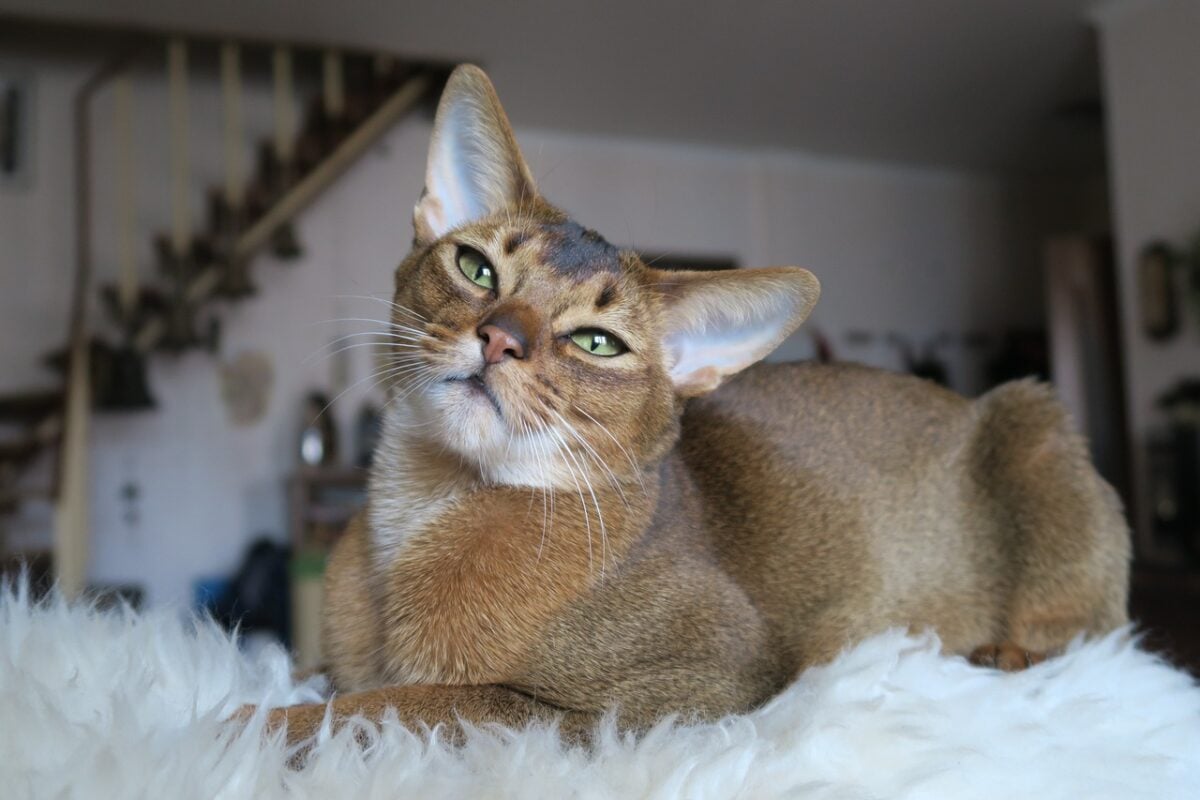
Every cat owner has heard the same comforting promise: give it time, and your kitten will melt into a lazy, snuggly cloud who wants nothing but your lap and a sunbeam. For half the cats on this list, that promise turns out to be completely true. Some breeds really do turn into living heating pads, plusher and more affectionate with every birthday.
But flip to the other half of this list, and you’ll find something almost nobody warns new owners about: cats that grow pickier, more territorial, and quietly bossy the older they get, judging your furniture choices and your dinner schedule like tiny feline landlords. We sorted 32 popular breeds into these two very different aging tracks, and a few of the results genuinely surprised us – including which “wild” breeds go soft and which “sweet” ones start running the household by year five.
#32 – British Shorthair: The Living Teddy Bear
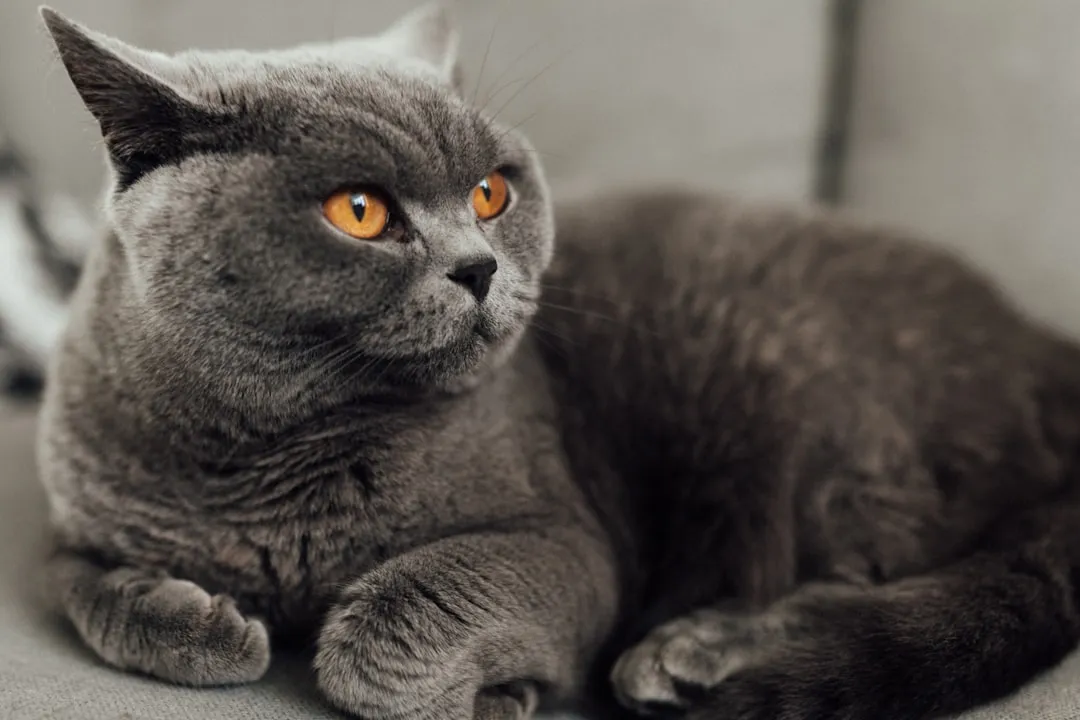
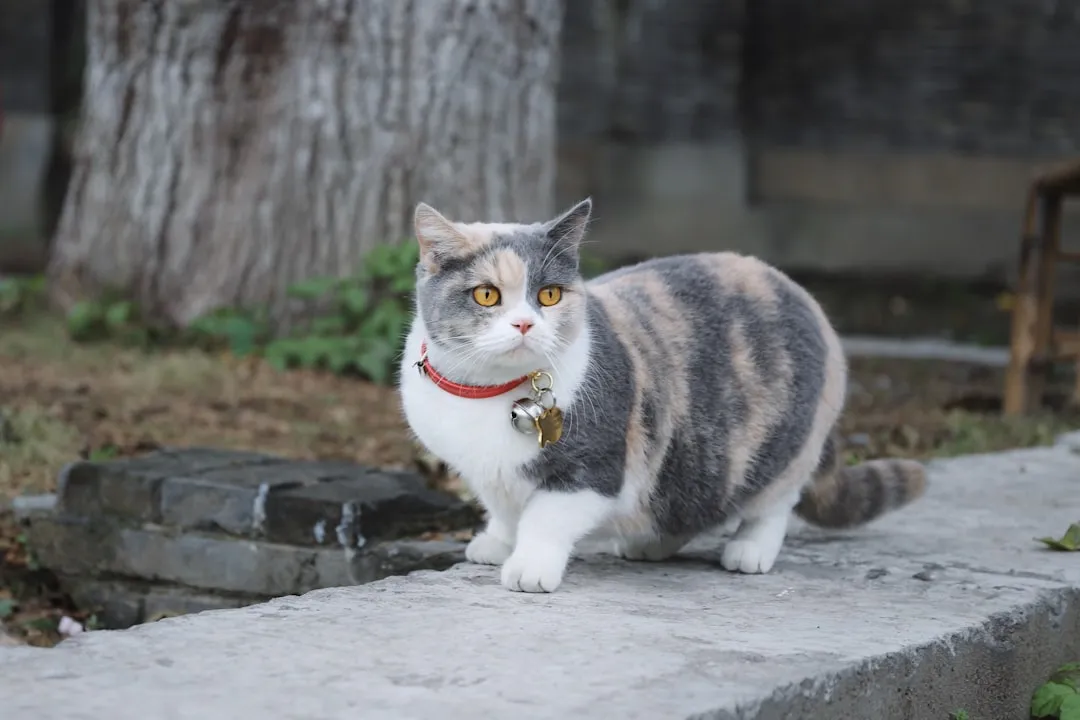
This is the textbook example of a cat that genuinely softens with age, both physically and emotionally. British Shorthair kittens can feel surprisingly firm and dense, but by the time they’re 5 to 7 years old, their double coat thickens into a plush, almost stuffed-animal texture. Owners often say the cheeks broaden, the body fills out, and the fur starts to feel like stroking a high-end velvet cushion.
Hormonal stabilization and a naturally low-energy temperament mean they rarely stay hyper for long. Most British Shorthairs evolve from mildly aloof youngsters into dignified, tolerant companions who won’t beg for attention but will happily join you on the couch for long, slow petting sessions. If you want a cat that eventually feels like a weighted blanket with fur, this is the one.
Fast Facts
- Typical weight: roughly 7 to 17 pounds depending on sex
- Average lifespan: 14 to 20 years
- Coat type: dense, plush double coat that thickens with age
- Signature look: round face, chubby cheeks, copper or gold eyes
- Origin: one of the oldest recognized cat breeds, native to England
#31 – Ragdoll: From Floppy to Even Softer Marshmallow
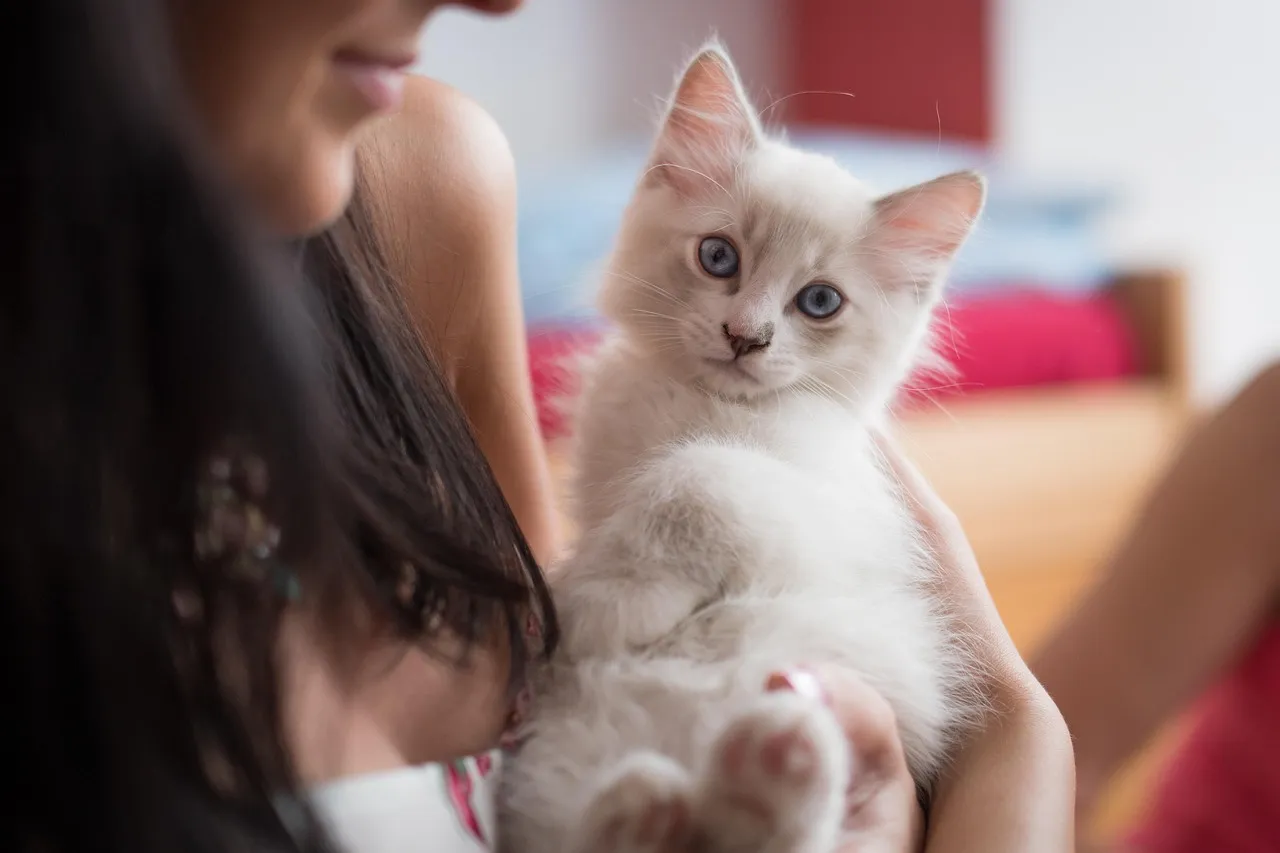
Ragdolls start out soft and somehow get softer with age. Their semi-long coat carries very little undercoat, which means fewer tangles and a silky, flowing texture that becomes noticeably smoother by middle age. Once they grow out of the awkward adolescent phase, the fur evens out and the ruff fills in, creating that “luxury throw blanket” feel groomers quietly love working with.
Temperament only amplifies the softness. Ragdolls are genetically wired toward docility, so as they mature, the leftover kitten silliness fades and what’s left is a relaxed, floppy housemate. Many will drape across your arms like a baby or sink into your lap for an entire movie – some behaviorists even joke the breed is “too compliant,” which sparks plenty of debate among cat people.
#30 – Persian: The High-Maintenance Cloud That Calms Down
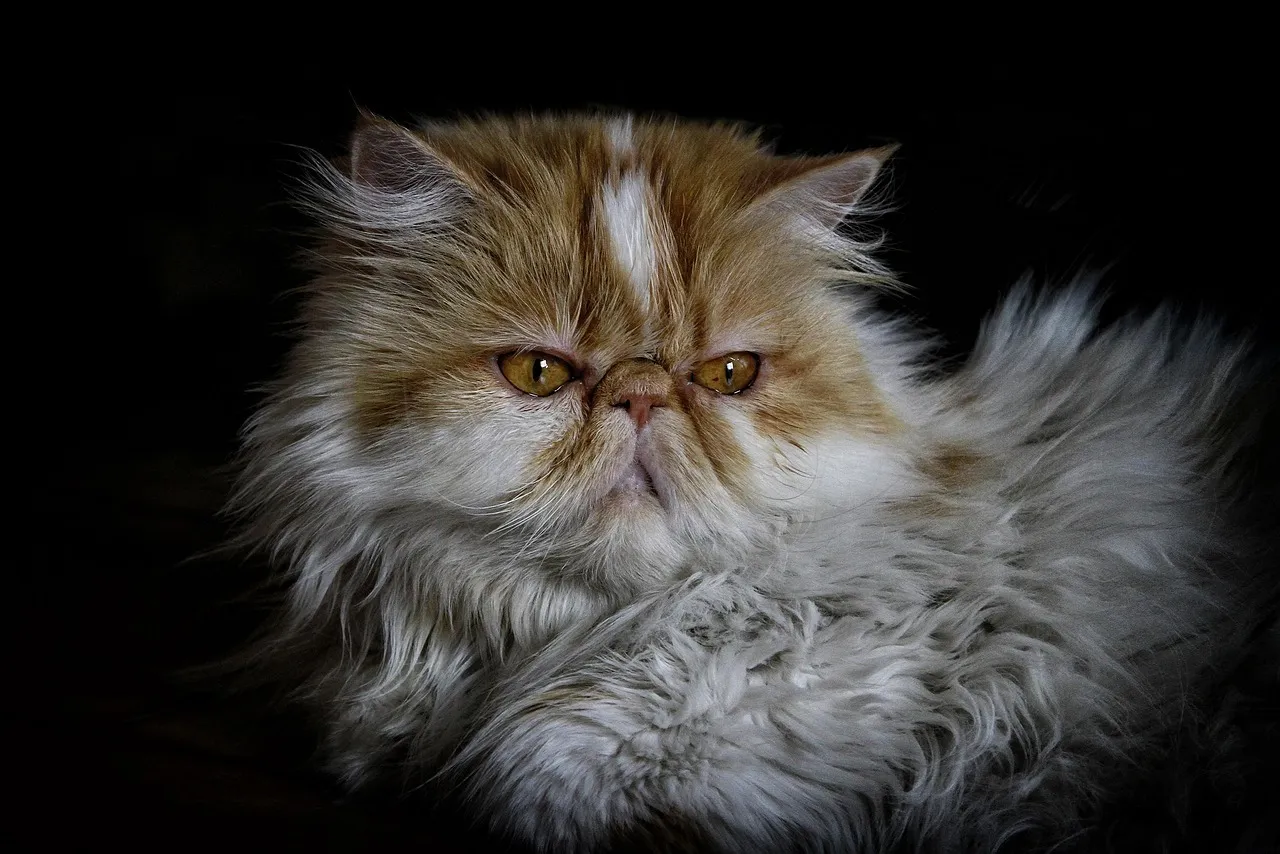
As kittens, Persians can be surprisingly wiry underneath all that fluff. Give them a few good years and a solid diet, though, and their coat turns into one of the densest, softest pelts in the cat world. The undercoat thickens, individual hairs get finer, and regular grooming trains the fur to lie in that iconic, billowing halo.
Their personalities mellow right alongside the coat. Young Persians can be playful and a little mischievous, but by 4 to 6 years old most shift into low-energy, sofa-ornament mode, preferring predictable environments over chaos. The catch: that softness comes with relentless grooming demands, and plenty of new owners badly underestimate how much upkeep an elderly Persian actually needs.
#29 – Scottish Fold: Velvety Coat, Softer Demeanor
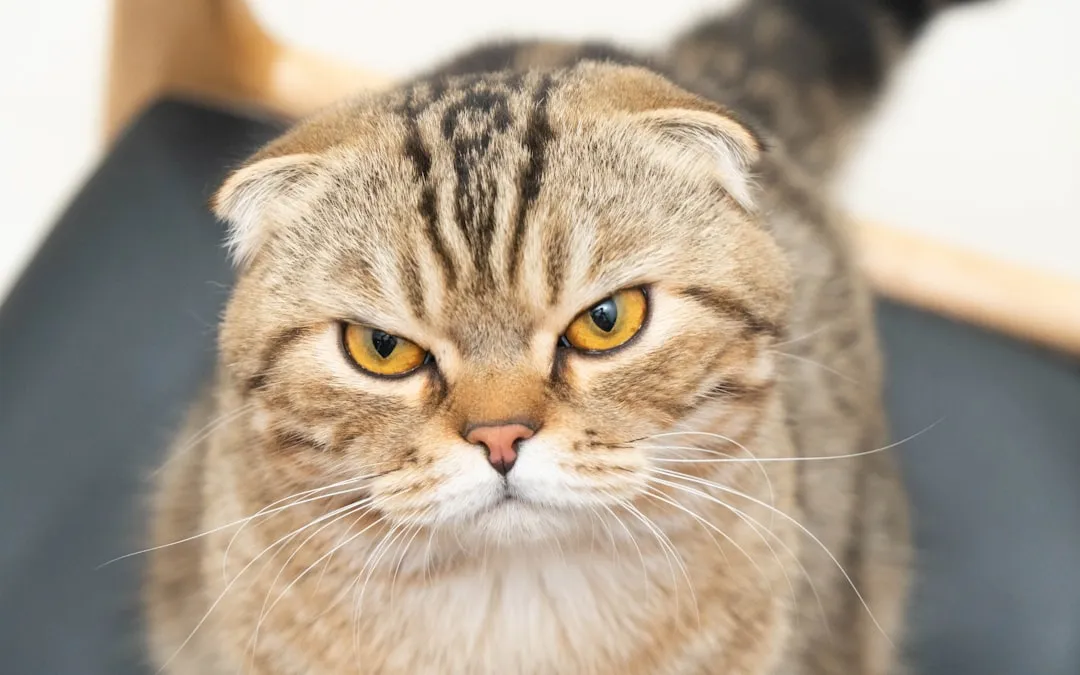
Scottish Folds often start life with a dense, standard short coat, but age works in their favor. By adulthood, many develop a velvety, almost “peachier” texture, especially around the cheeks and chest, which makes those folded ears and round faces look even more cartoonish. The longhaired variants can achieve an incredibly plush, feather-light coat that stays manageable with regular brushing.
Behaviorally, Folds are famously gentle and usually grow even mellower with age. Kittens are goofy and surprisingly acrobatic; adults are more about quiet following and curling into strange positions – the “Buddha sit” is very real. The uncomfortable part: many vets and breeders now argue the breed’s known cartilage issues are too high a price for the cuteness, a debate that shows no sign of cooling off.
#28 – Chartreux: The Woolly Blue That Softens Over Time
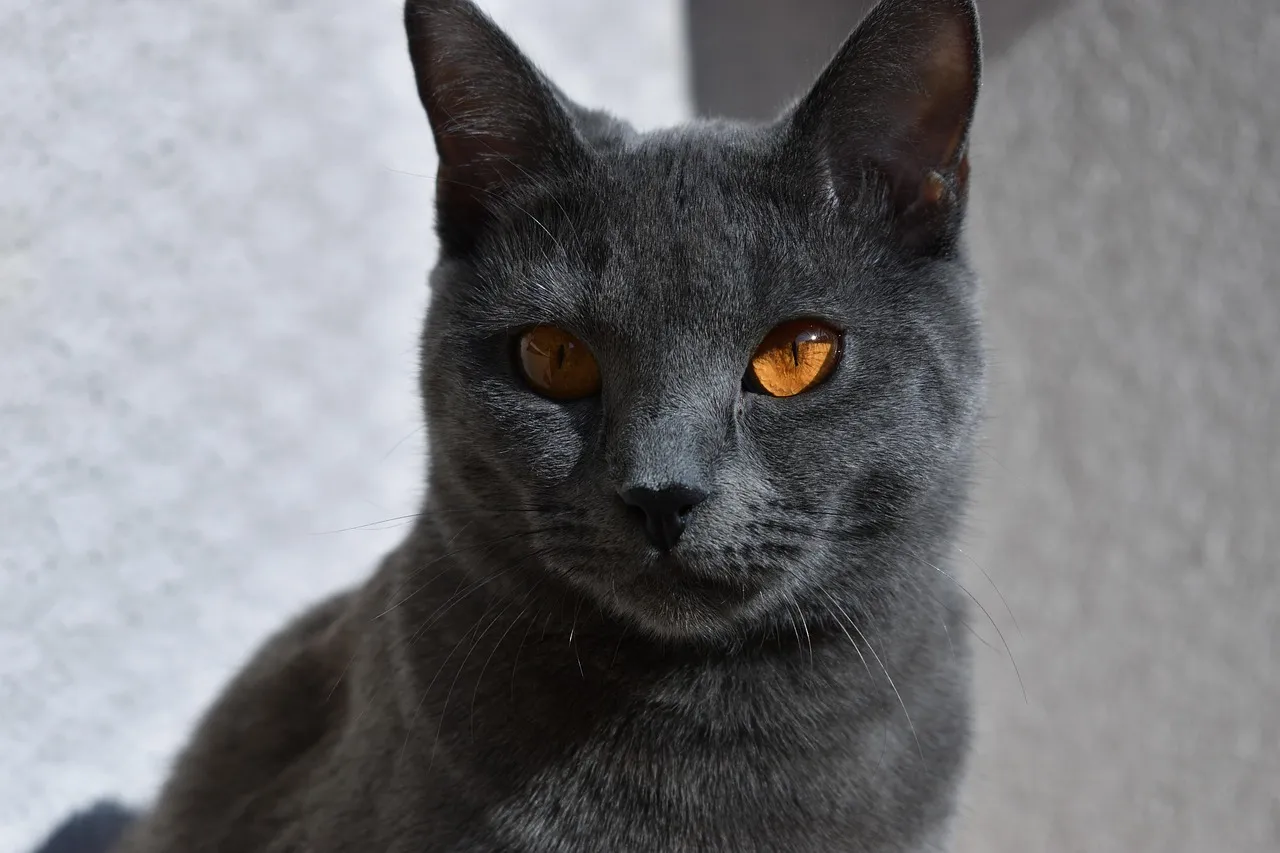
The Chartreux is often confused with the British Blue, but its coat ages differently. As juveniles, the fur can feel slightly coarse or springy; by 3 to 5 years old, it matures into a dense, woolly texture that traps warmth like a sweater. The blue-grey coloring adds visual softness, but it’s the resilient undercoat that really makes your hand sink in.
Their temperament shifts from playful hunter to serene observer. Young Chartreux are agile and prey-driven; older ones typically become quieter, more contemplative companions who like being near their people without demanding constant touch. They’re not lap cats in the Ragdoll sense, but they do seem to “melt” more with age, especially in stable, routine-driven households.
#27 – Birman: Silkier, Calmer, and Weirdly Underrated
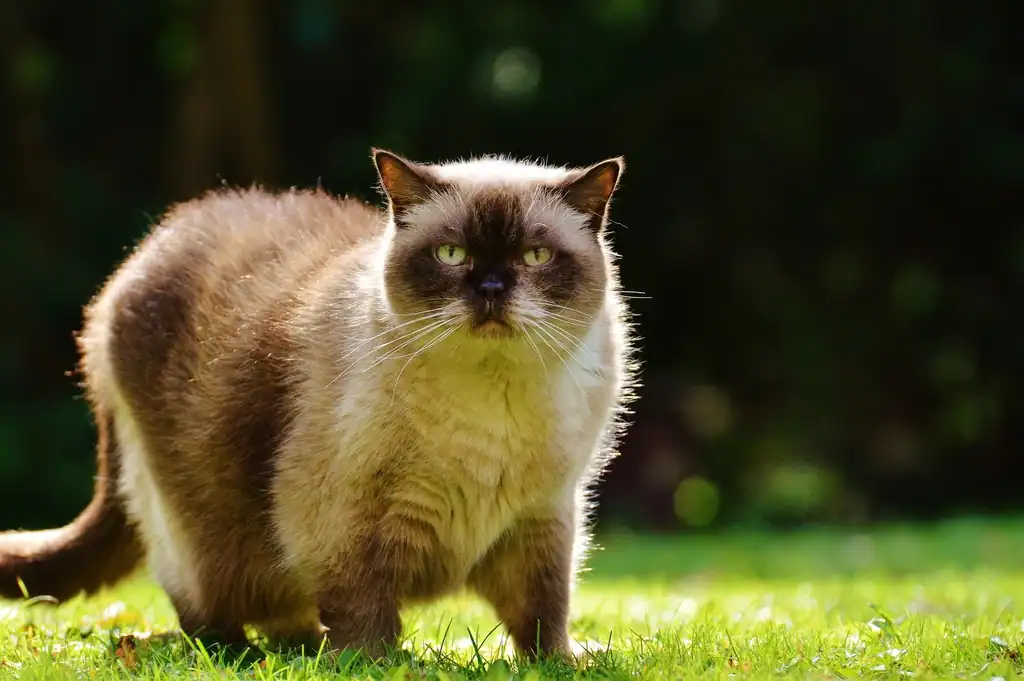
Birman kittens can look like Ragdoll knockoffs, but their coat story is its own thing. Early on, the fur can feel fluffy but uneven. With age, the medium-long coat turns distinctly silky, almost like human hair that resists matting, and the light undercoat keeps it flowing instead of dense.
Their personality arc is underrated: many start out active and curious, then pivot into calm, people-oriented shadows who follow you room to room and accept gentle handling without protest. They’re not as dramatically floppy as Ragdolls, but they’re steady and soft companions – ideal for anyone who wants tactile pleasure without extreme grooming demands.
#26 – Siberian: From Outdoor Adventurer to Fluffy Hearth Guardian
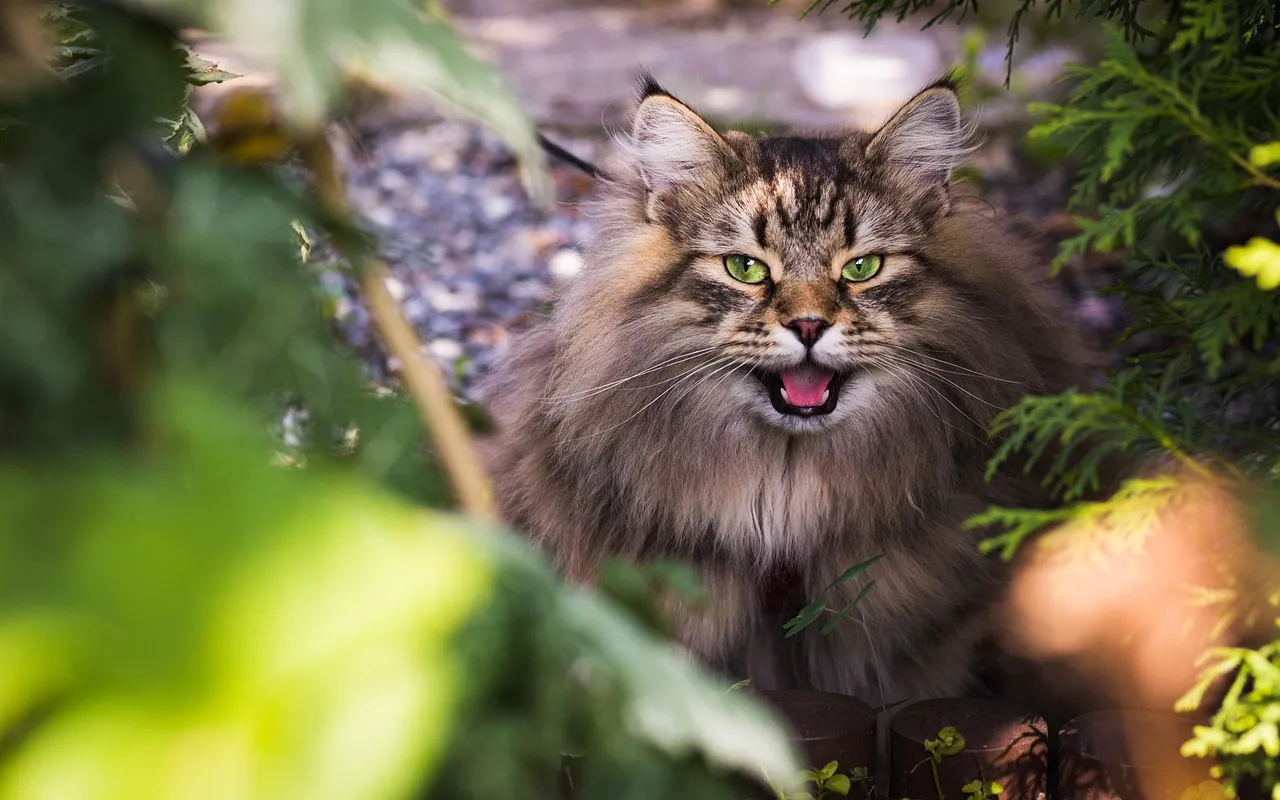
Siberian kittens are busy, half-wild little athletes. Their coat, built for Russian winters, thickens dramatically with age. By adulthood, the triple layer of guard hairs, awn hairs, and dense undercoat creates a luxurious, springy softness, especially around the ruff, britches, and belly. In winter, they practically transform into walking fur throws.
Despite the rugged look, older Siberians are often surprisingly affectionate and grounded, trading constant motion for short play bursts followed by long cuddle sessions. Allergy-sensitive households often chase this breed for its rumored hypoallergenic properties, though the science on that is mixed at best. What does hold up is the pattern: tougher as kittens, softer in both fur and temperament as adults.
#25 – Norwegian Forest Cat: The Mythical Soft Giant
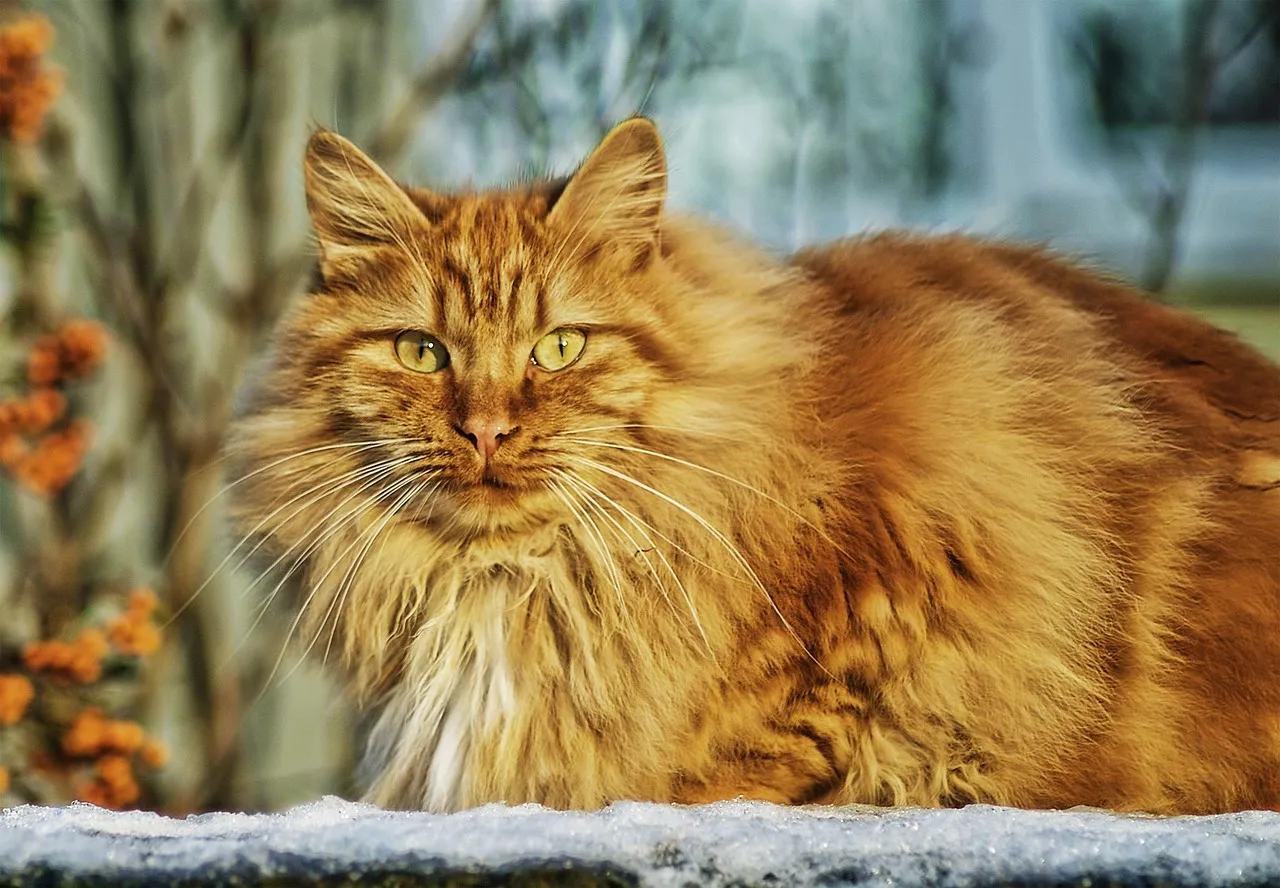
The Norwegian Forest Cat starts as a lanky, slightly awkward kitten with a semi-rough coat. As the years pass, that coat transforms. The water-resistant guard layer stays put, but the undercoat thickens into a downy, ultra-soft mass most noticeable around the chest and flanks – a groomed adult feels like petting a dense, silky cloak that shrugs off light rain.
Their personality settles, too. Young Wegies excel at climbing and aerial chaos; by middle age, many trade the high-wire acts for dignified prowling and strategic cuddling. They stay more independent than Ragdolls or Persians, but they grow gentler, more patient with handling, and deeply attached to their people – softer homebodies by late adulthood than their “wild forest hunter” reputation suggests.
#24 – Exotic Shorthair: Persian Softness, Less Work
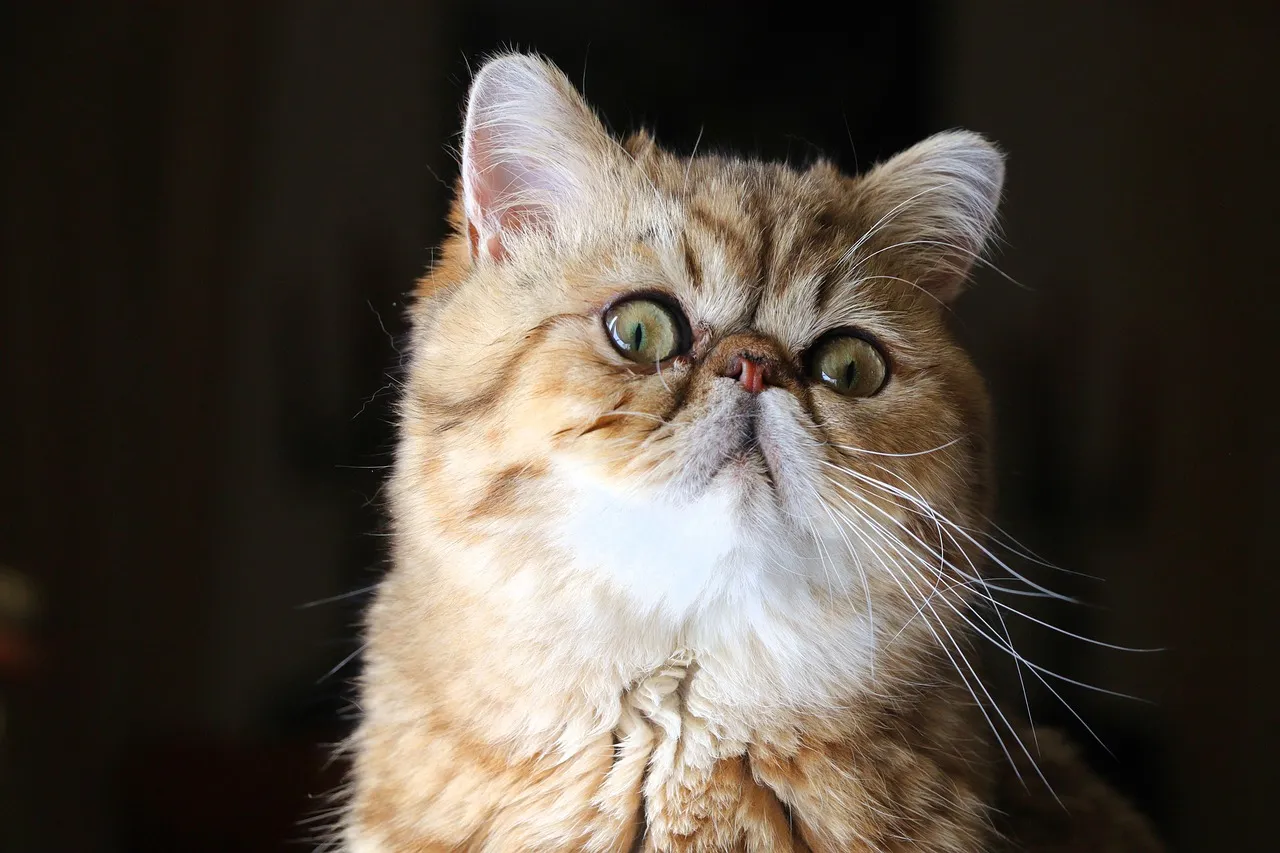
Think of the Exotic Shorthair as a low-maintenance Persian that still goes plush with age. Their dense, short coat starts out fairly ordinary in kittens, but over time it evolves into a thick, deep pile that feels like high-quality carpet – springy yet soft under your fingers. The teddy-bear body and round head only amplify that plush impression.
Temperament usually tracks the Persian side: calm and moderately playful as youngsters, then increasingly couch-anchored as they mature into dedicated lap sitters. Some behaviorists argue the breed has been bred into near-permanent baby mode, trading problem-solving drive for cuteness. Fans call that sweet; critics call it over-engineered – either way, they’re proof some breeds soften in every sense with time.
#23 – Ragamuffin: The Oversized, Ever-Softening Lap Cat
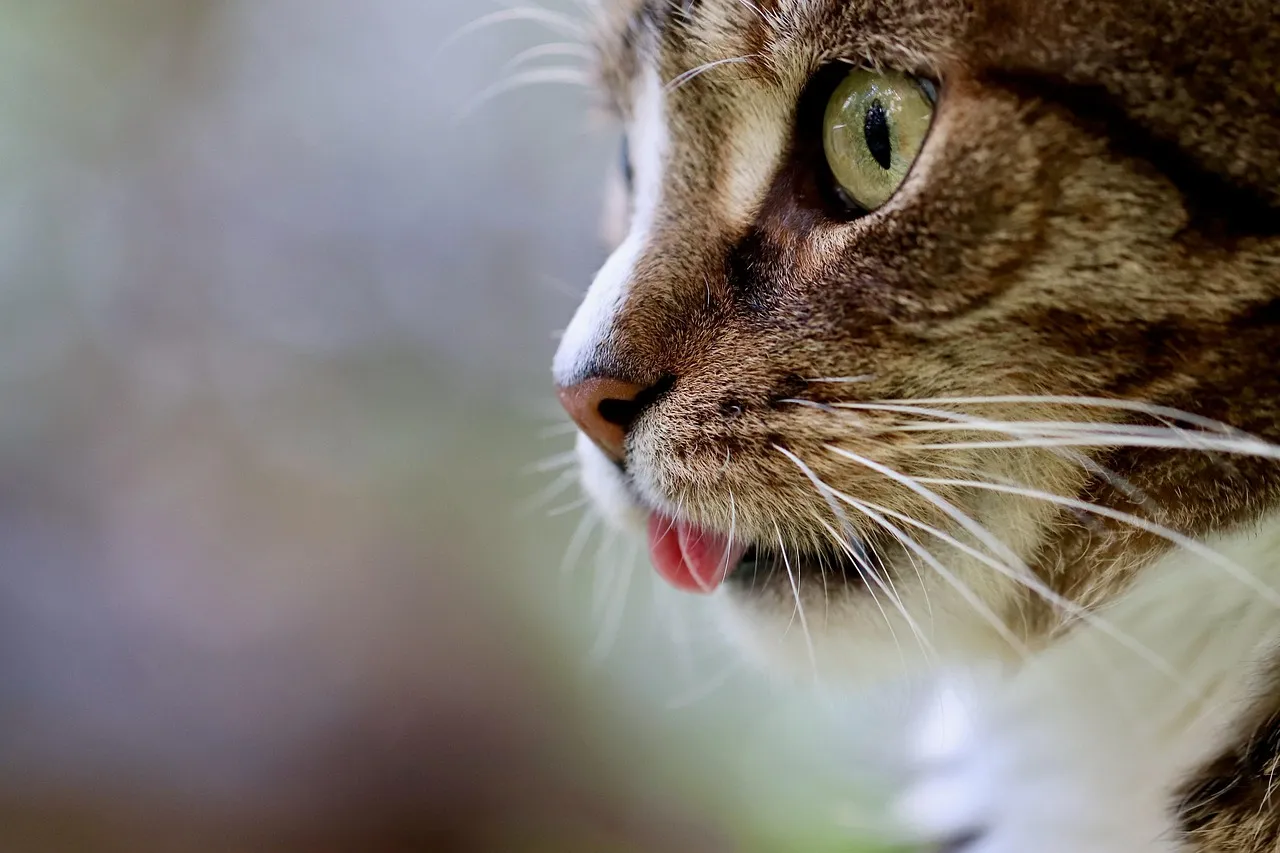
Ragamuffins take the “big, soft cat” idea and crank it up. Their medium-long, plush coat often becomes more cottony and thick with age, giving the impression of petting a stuffed comforter. Unlike Persians, their fur tends to mat less if maintained, but the tactile effect is similar: pillowy, warm, and hard to stop touching.
These cats are often late to mature emotionally; once they do, they’re serial cuddlers. Many owners report adolescent restlessness giving way to a deeply relaxed adult who genuinely prefers being in a lap or pressed against a human. Critics say they can be overly dependent when left alone; fans say that’s exactly the point of choosing this breed.
#22 – Selkirk Rex: The Curly Softie That Gets Plushier
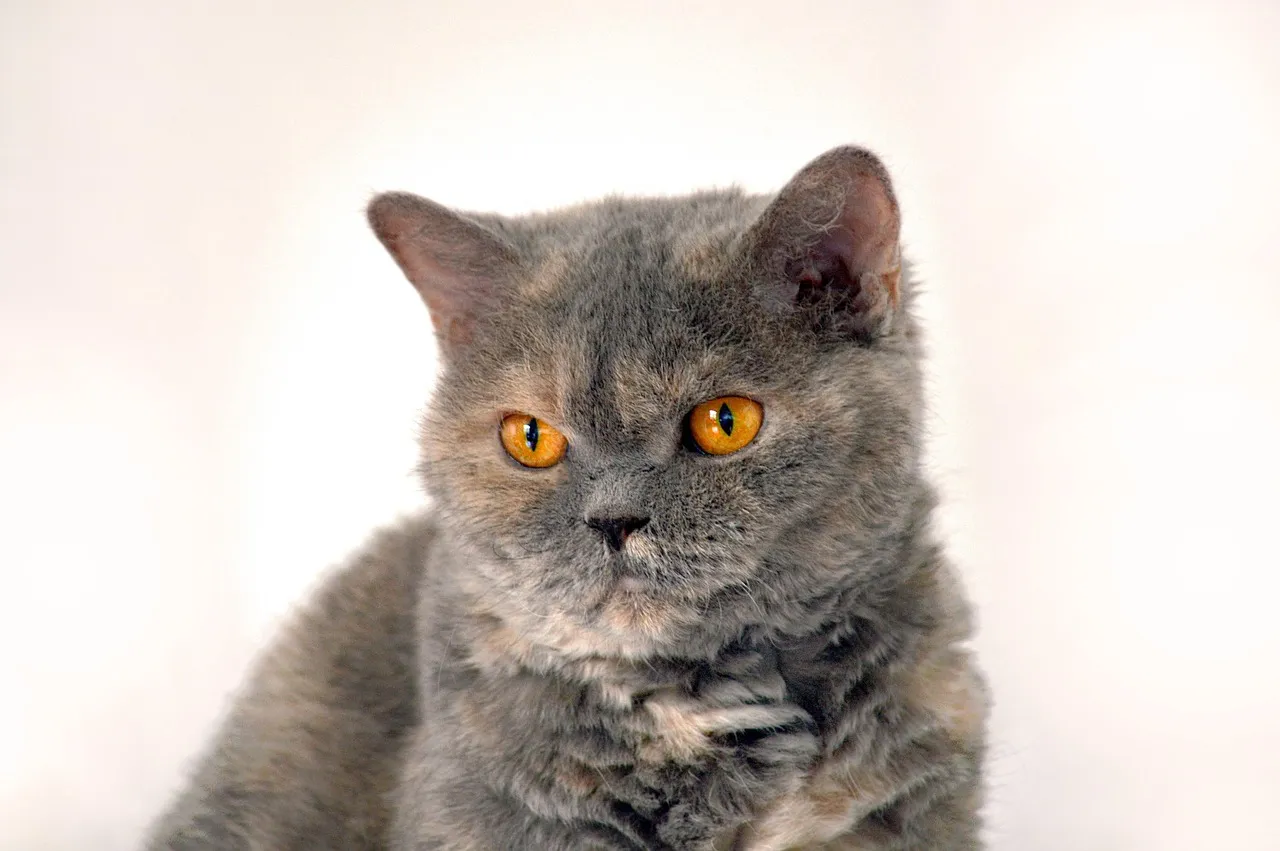
The Selkirk Rex is born with curls, but they don’t fully deliver until adulthood. Young Selkirks can look a bit messy or sparse; by 2 to 3 years old, the coat fills out into plush waves or tight curls that feel like stroking a living lamb fleece. Both longhair and shorthair variants get noticeably thicker and softer over time if properly groomed.
Their personalities often match the coat: laid-back, humorous, and tolerant. Kittens are clowns; adults stay playful without being hyper, happy to lounge in laps or sprawl wherever the people are. The one catch is upkeep – those curls trap oil and debris, so a soft adult coat depends on regular brushing and the occasional bath, or you’ll end up with sticky instead of soft.
#21 – Tonkinese: Silky Smoother With Age
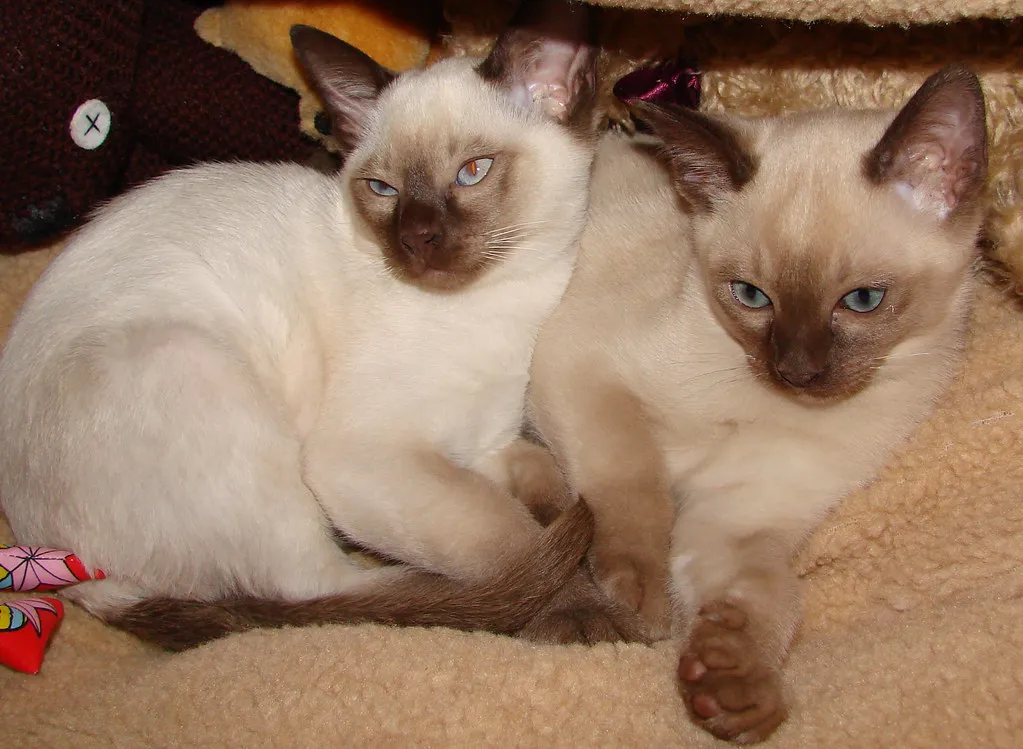
Tonkinese cats start out active and a bit wiry. Their short coat, however, matures beautifully – as they age, the fur becomes sleek, fine-grained, and almost liquid to the touch, like running your fingers over satin. The colorpoints deepen too, reinforcing that “smooth, expensive” look.
Behaviorally, they’re a blend of Siamese intensity and Burmese sweetness. Young Tonks often act like chaos goblins – talkative, busy, constantly in your face. As they age, that energy channels into more predictable routines: bursts of interactive play followed by long, silky cuddle sessions. They never quite become furniture the way some Persians do, but they soften around the edges – still opinionated, just less relentless about it.
#20 – Siamese: Softer Coat, Sharper Standards
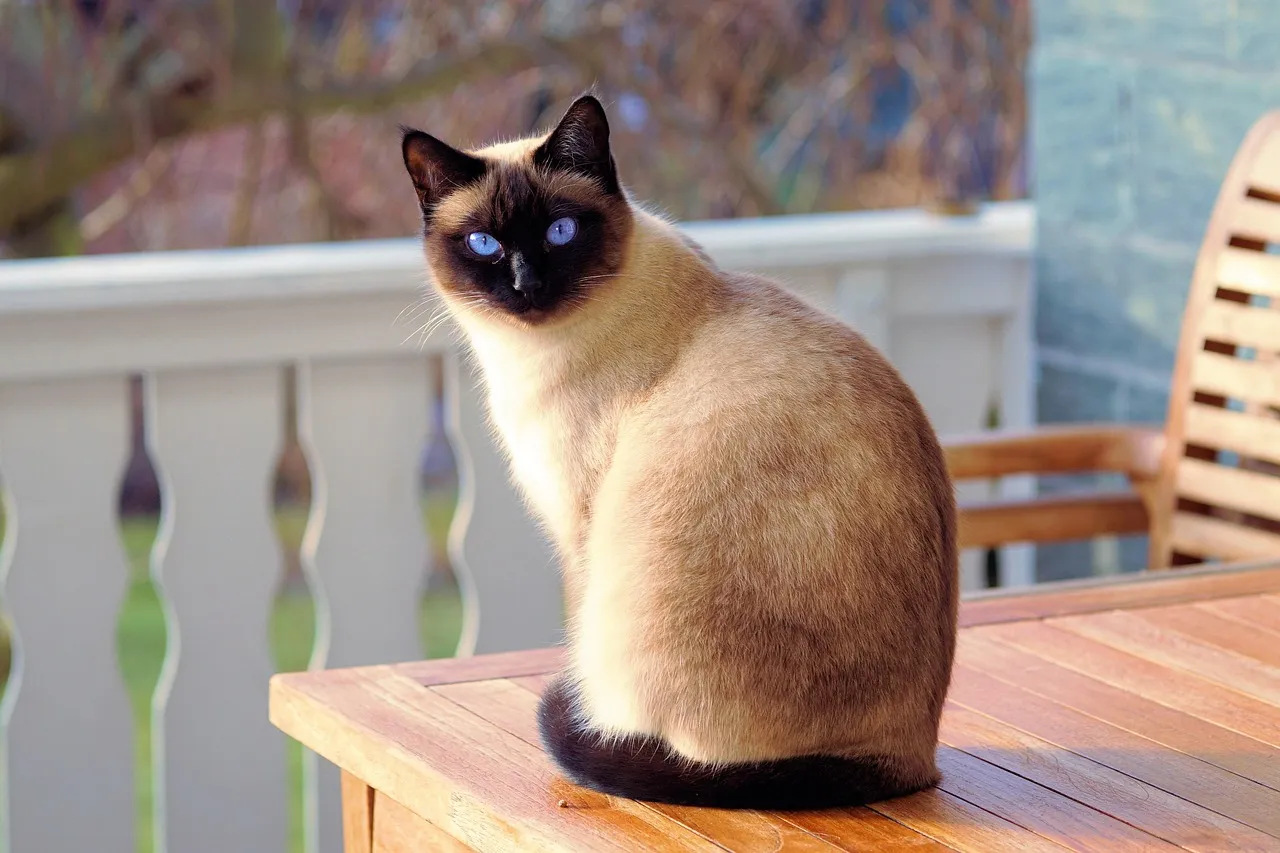
Now we cross into the breeds that grow more particular with age. The modern Siamese is sleek as a youngster, but many develop a finer, almost suede-like coat texture as adults, especially in well-bred lines. Don’t let the softness fool you – this is a cat whose mind gets sharper and more demanding over time.
A cat has absolute emotional honesty: human beings, for one reason or another, may hide their feelings, but a cat does not.
Ernest Hemingway
As Siamese cats age, their preferences harden. They often become specific about feeding times, litter cleanliness, and exactly which person is allowed to hold them. What was once “cute chattiness” turns into full commentary on household failings – late meals or moved furniture will get you complaints, loudly and repeatedly.
#19 – Bengal: Selectively Affectionate, Intensely Particular
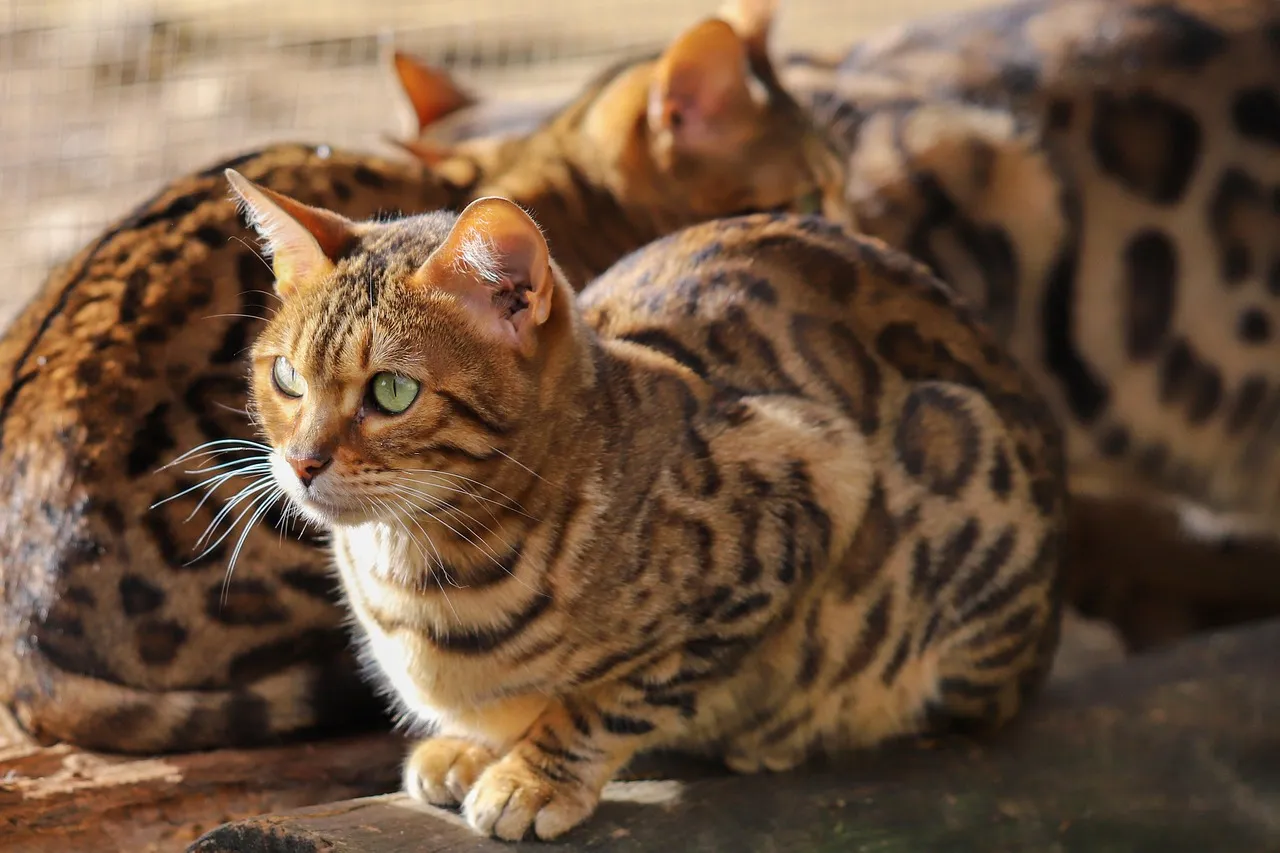
Bengal kittens are wild, athletic, and curious about everything. Time doesn’t calm them down so much as it refines their opinions. As they mature, Bengals often become highly particular about stimulation, favoring specific toys, climbing structures, and types of play. Boredom isn’t just unpleasant for them; it’s a trigger for destruction.
Older Bengals frequently decide which humans are “theirs” and ignore everyone else, growing strict about territory and disliking closed doors or rearranged furniture. Social media loves to paint Bengals as glamorous house leopards, but many behaviorists now warn they’re a poor fit for casual owners, especially in small apartments. Their senior years don’t mean retirement – they mean total clarity about how the environment should run.
Worth Knowing
- Descended from crosses between domestic cats and the Asian leopard cat
- Needs significant vertical space – shelves, cat trees, wall perches
- High energy levels typically persist well into adulthood
- Boredom often shows up as chewing, knocking items over, or door-scratching
- Many rescue groups steer first-time cat owners toward calmer breeds instead
#18 – Russian Blue: The Discerning Introvert
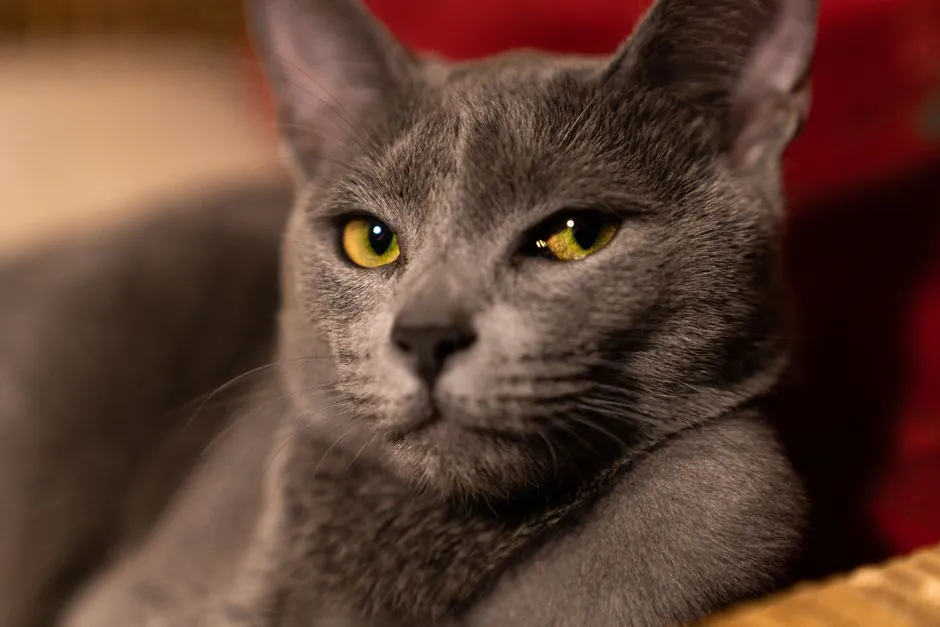
Russian Blues are polite even as kittens, but age sharpens their standards. Their dense double coat stays incredibly soft, often described as feeling like rich suede or fine plush, and that texture usually improves with good nutrition. Physically, they stay appealing; socially, they get far more selective.
Many adult and senior Russian Blues attach strongly to one or two people and keep everyone else at arm’s length, insisting on the same feeding spot, same litter brand, same quiet windowsill. Sudden changes can trigger withdrawal or hiding, which owners often misread as moodiness when it’s really predictability-driven anxiety. Fans call it refined sensitivity; critics call it fussiness – either way, these are not cats built to roll with chaos.
#17 – Sphynx: High-Maintenance, High-Preference Companion
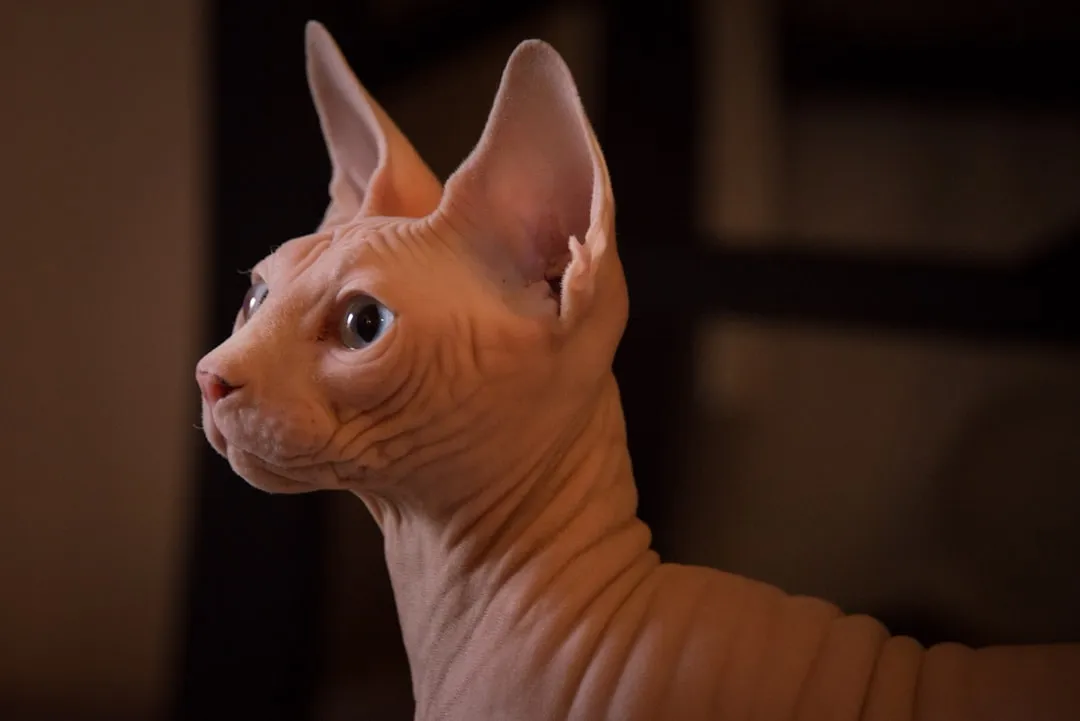
The Sphynx has almost no fur to soften, but their skin changes subtly over time, often becoming more supple and warm, with a chamois-like feel that some people find addictive. What really intensifies, though, is their list of requirements. Aging Sphynx cats grow extremely picky about temperature, bedding, and human availability.
Because they lack fur, they feel drafts more sharply and will insist on specific warm spots – a certain blanket, a certain lap, a heated bed set to just the right level. They also grow more attached to favorite humans and protest routine changes. Bathing, nail care, and ear cleaning are non-negotiable for their health, and an older Sphynx will make it very clear if you’re not doing it right.
#16 – Oriental Shorthair: The Drama Critic of the Cat World
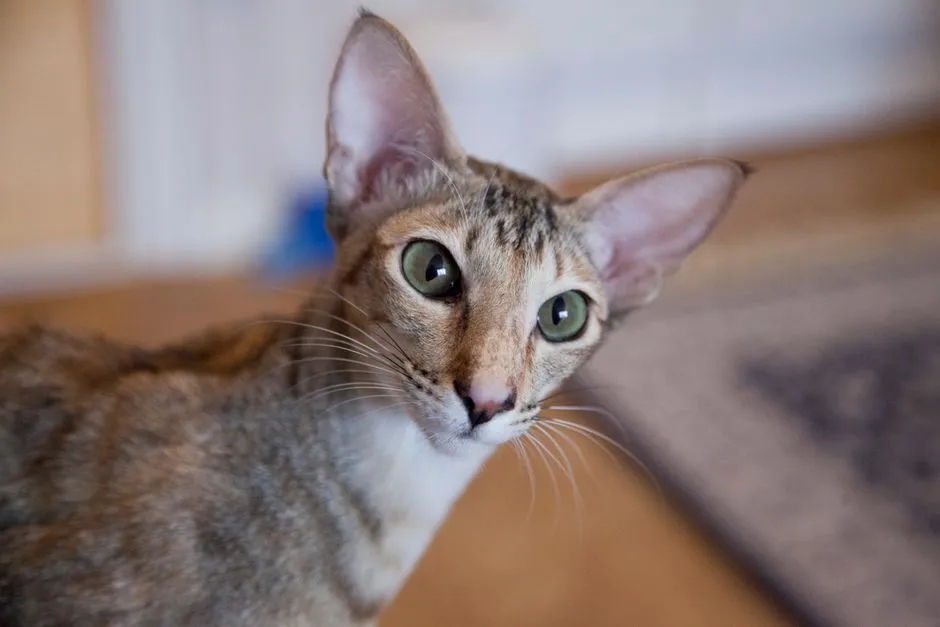
Oriental Shorthair kittens are already intense; time just focuses that intensity. Their coat stays short and fine – smooth as silk but not particularly plush – so their physical softness barely changes. What does change dramatically is their sense of entitlement about how the household should run.
Older Orientals become micromanagers: doors open or closed a certain way, conversation expected when they vocalize, food rejected that was perfectly fine a year ago. Fans adore their intelligence and engagement; others find them exhausting. Oriental lovers will tell you a laid-back British Shorthair sounds nice on paper, but this opinionated breed is the only one that keeps them entertained for fifteen years straight.
#15 – Abyssinian: From Adventurer to Selective Supervisor
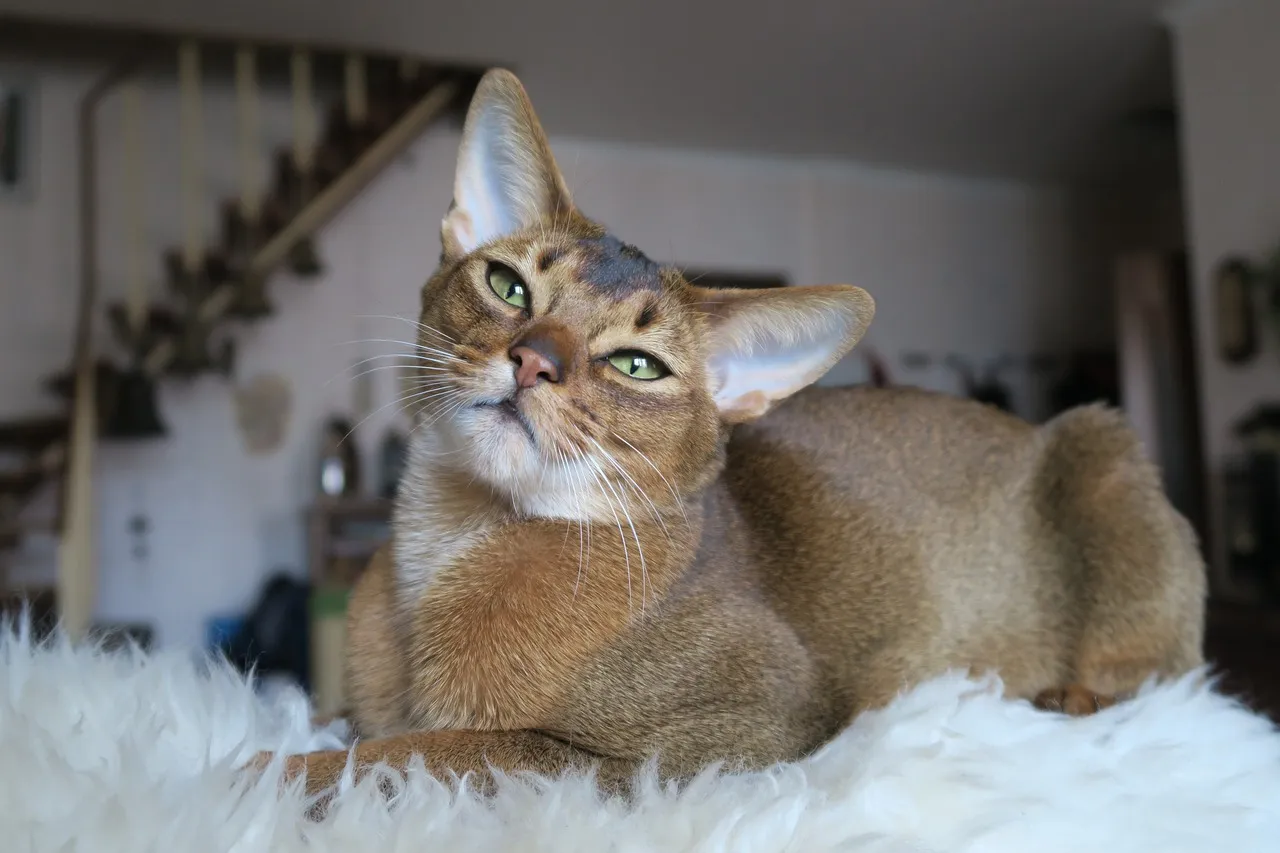
Abyssinians are famously active and curious, and that doesn’t fade with age – it just turns into targeted oversight. Their ticked coat stays sleek and low-maintenance, but many older Abys become highly particular about how they interact with humans and their environment. They still want stimulation, strictly on their own terms.
Senior Abyssinians often claim one specific cat tree or shelf and guard it from other pets, staying choosy about handling and preferring brief, functional contact over prolonged cuddling. Owners sometimes misread this as the cat becoming “less loving,” when really it’s just refining its boundaries. An older Aby is fascinating for anyone who wants a mentally sharp, directive cat – and frustrating for anyone hoping for a friction-free lap lump.
#14 – Turkish Angora: Elegant, Sensitive, and Demanding
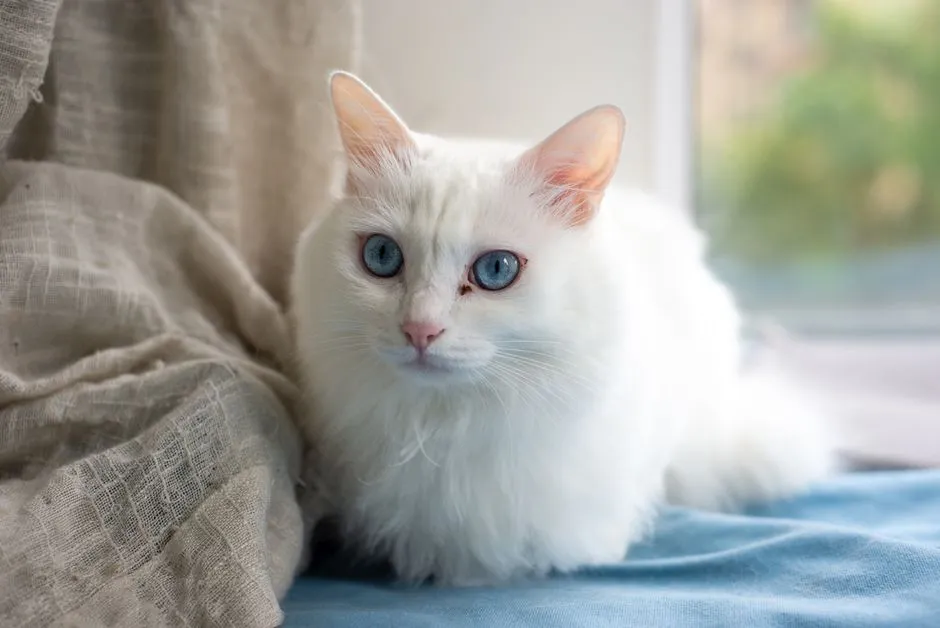
Turkish Angoras age into elegance, and they seem to know it. Their semi-long, low-undercoat fur often feels lighter and silkier with maturity, floating around the body like fine fabric. They’re stunning in motion – and just as particular on the inside.
As they get older, Turkish Angoras commonly grow more sensitive to noise and disruption, reacting strongly to new pets, guests, or moves, and some become fiercely attached to one person while tolerating no one else’s handling. This is the cat that will walk away if you pet “wrong” or skip its preferred brushing technique. Devoted owners call it an intimate, almost dog-like bond; skeptics call it diva behavior. Both are correct.
#13 – Japanese Bobtail: Ritual-Loving Traditionalist
Japanese Bobtails are social and playful as kittens, and they stay interactive – but with age, they start treating household routines like sacred rituals. Their coat is generally short and silky, staying soft but not dramatically changing over time. What intensifies is their insistence that you respect their patterns exactly.
Many older Bobtails expect play at specific times, in specific ways – fetch in the hallway, or chasing one particular wand toy. They’re also known to vocalize differently with different people, and a senior cat can get surprisingly offended if you ignore “their” call. Owners who love personality-driven pets adore this; people who want a flexible cat sometimes feel bossed around by a tailed pom-pom dictator.
#12 – Maine Coon: Larger, Fluffier, and Surprisingly Opinionated
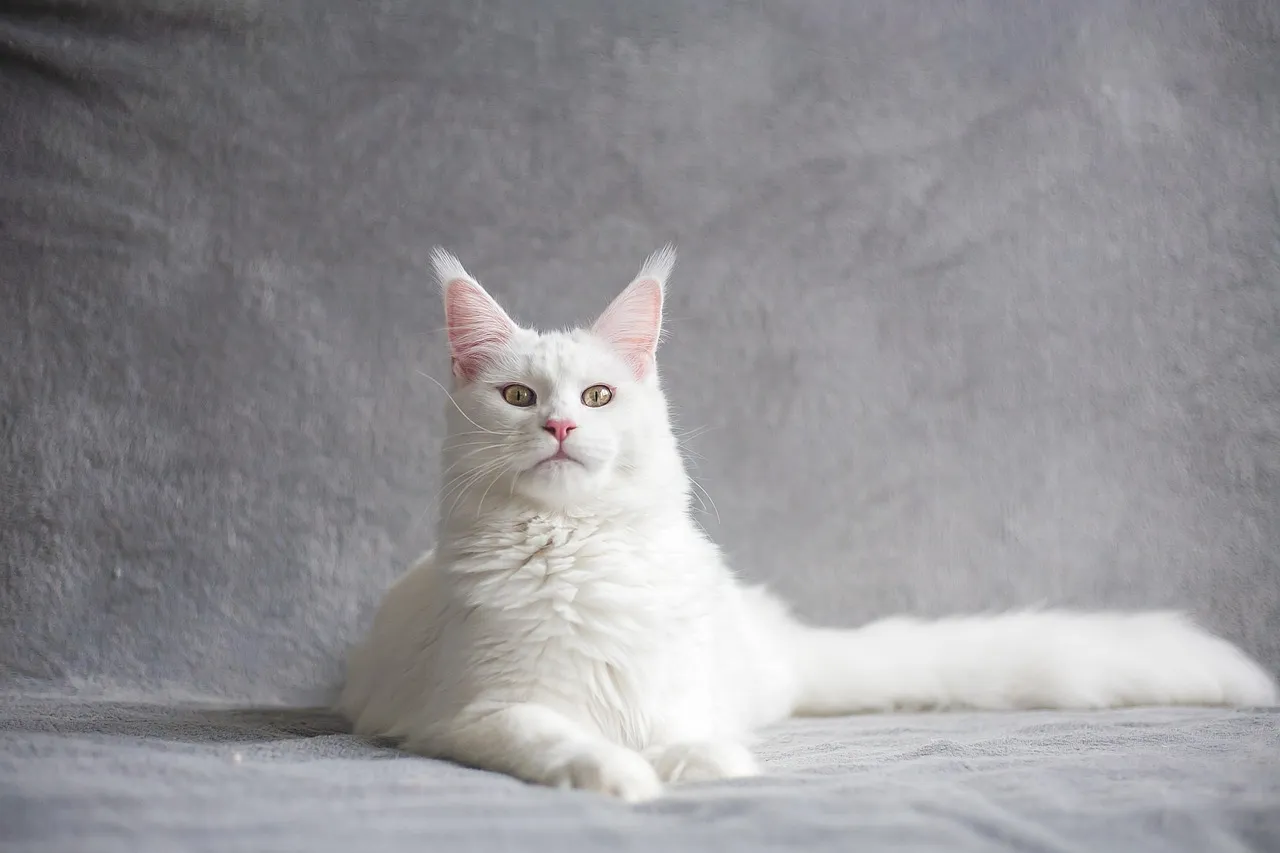
Maine Coons absolutely get softer with age – physically. Their shaggy, semi-long coat thickens, and mature Coons often develop impressively fluffy britches, belly fur, and a soft, lion-like ruff. Many feel noticeably silkier at five years old than they did at one, feeding the illusion of a giant, universally friendly fluff beast.
Temperament tells a more nuanced story. While many stay playful and good-natured, older Maine Coons can get quite particular about who’s allowed in their space and how they’re touched – chin rubs, yes; belly, absolutely not – and territorial about favorite perches. Social media sells them as kid-proof teddy bears, but long-time owners know they’re actually sensitive, high-status cats with very clear rules.
Why It Stands Out
- One of the largest domesticated cat breeds, with males often reaching 15-18 pounds
- Shaggy, water-resistant coat evolved to handle harsh New England winters
- Officially recognized as the state cat of Maine
- Known as “gentle giants” despite firm boundaries around handling
- Often forms one primary bond while staying merely tolerant of others
#11 – Cornish Rex: Velvet Skin, Razor-Sharp Preferences
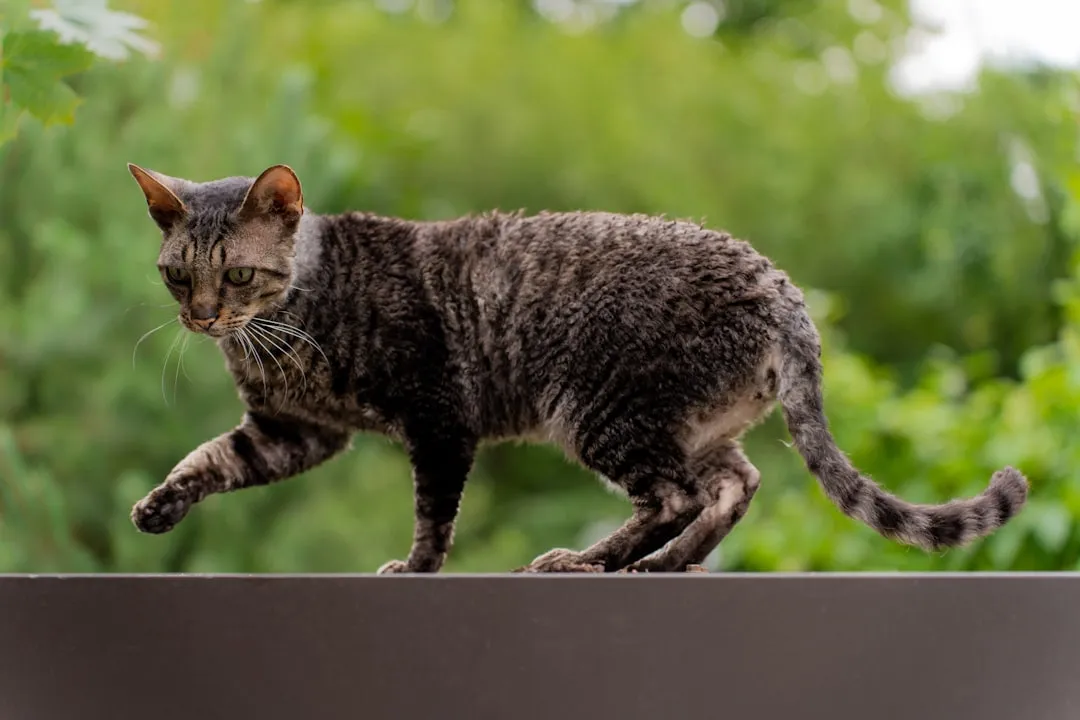
The Cornish Rex is all about texture – tight waves of fur that feel like crushed velvet. With age, that coat can grow even denser and more uniform, amplifying the ultra-soft sensation. They’re sensational to touch, and older Cornish Rexes know exactly how and when they wish to be touched.
Many mature Cornish Rex cats become insistent on high-warmth spots and may reject beds or blankets that worked fine when they were younger. They stay extremely people-focused, often bonding to just one or two humans, and change their litter brand or feeding station at your own risk – you’ll get fast feedback, sometimes in the litter box. To fans, this is refined taste; to the unprepared, it’s a demanding roommate in a velvet suit.
#10 – Burmese: Clingy Becomes Very Specific
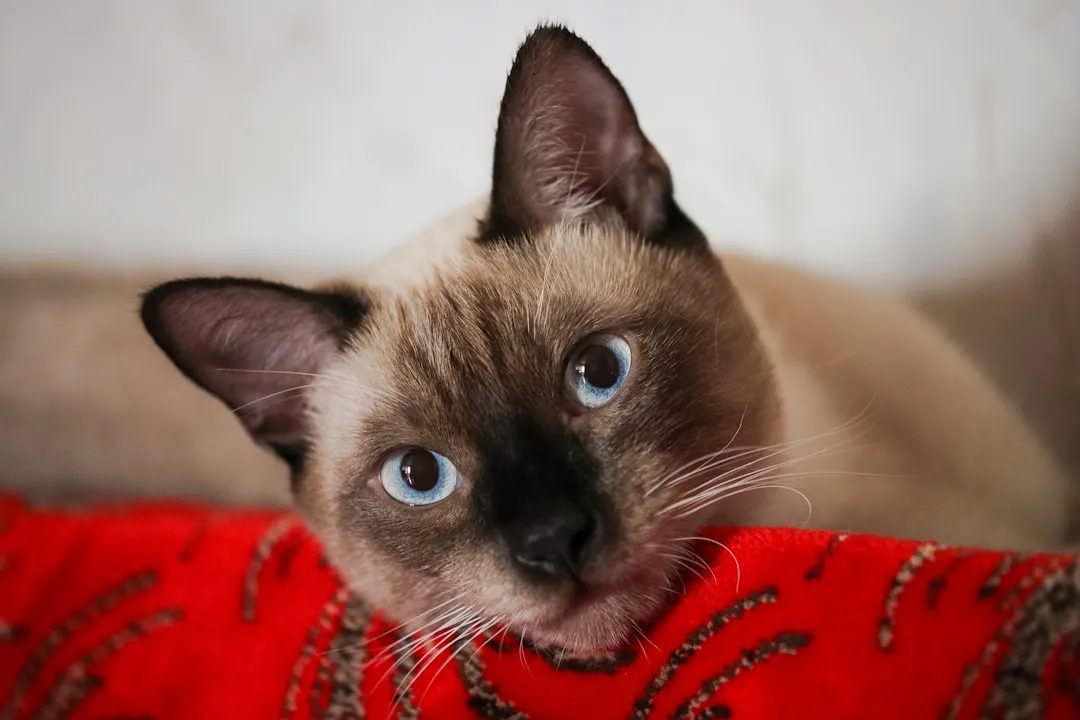
Burmese cats are born people-oriented, and age doesn’t relax that – it specializes it. Their short coat often grows glossier, feeling almost like polished silk over solid muscle. Yet as they mature, many Burmese become particular not about whether they’re with you, but exactly how.
Older Burmese often insist on lap time at certain hours and grow restless if you’re on a laptop instead of giving them full attention. They may pick a favorite family member and shadow them room to room while ignoring everyone else, and they’re known to protest closed doors aggressively. Families rank them among the most devoted companion breeds, but experts caution they can struggle in homes where people travel often or work long hours.
#9 – Manx: Territory-First, Rules-Heavy Senior
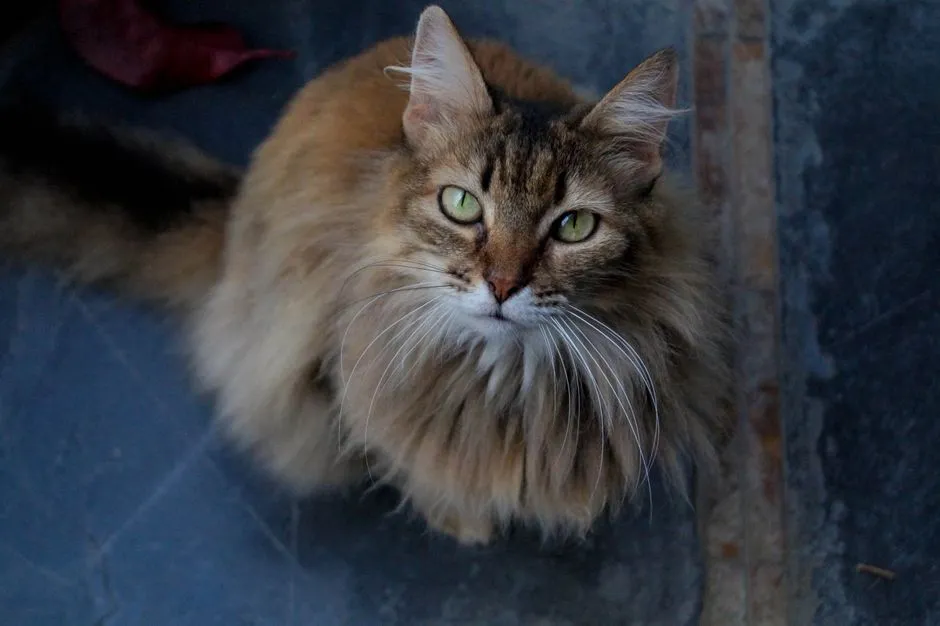
Manx cats can be playful and dog-like as kittens, but older Manx often switch into serious territorial managers. Their dense double coat stays plush and weather-resistant, especially in lines close to their island heritage, but what stands out most is their intensifying sense of ownership over space.
Senior Manx cats may claim particular rooms, windows, or people and defend them subtly – blocking other pets, staring, low-level growling. They’re prone to forming strong routines around hunting play and patrol routes through the house. Owners who don’t know the breed mistake this for random grumpiness; experienced Manx people know it’s structured, if inflexible, thinking, and breaking the pattern can trigger real stress behavior.
#8 – Himalayan: Plush Body, Picky Brain
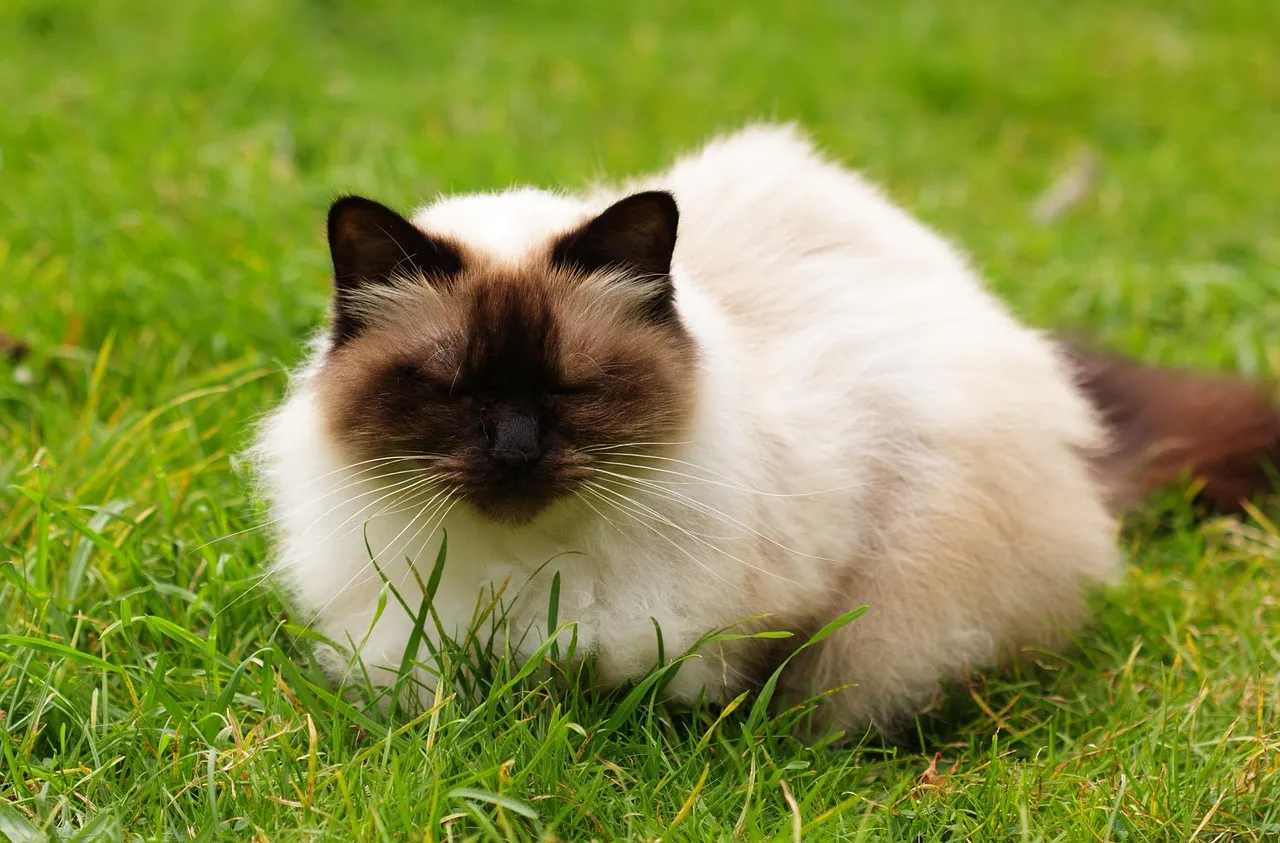
Himalayans inherit the Persian coat and the Siamese color points, a recipe for visual and tactile indulgence. As they age, their long, dense coat typically becomes even more luxuriant, rivaling pure Persians for softness and volume. They look like indulgent, harmless cream puffs.
Under the fluff, mature Himmies can be astonishingly particular, developing strict expectations for grooming order – brush first, then cuddle, never the reverse – plus litter cleanliness and noise tolerance. They might adore one person and tolerate everyone else only on a schedule. Because they look so soft and passive, visitors assume they can handle anything, which is exactly when a stressed Himalayan draws a hard line.
#7 – Savannah: Wild Looks, Laser-Focused Preferences
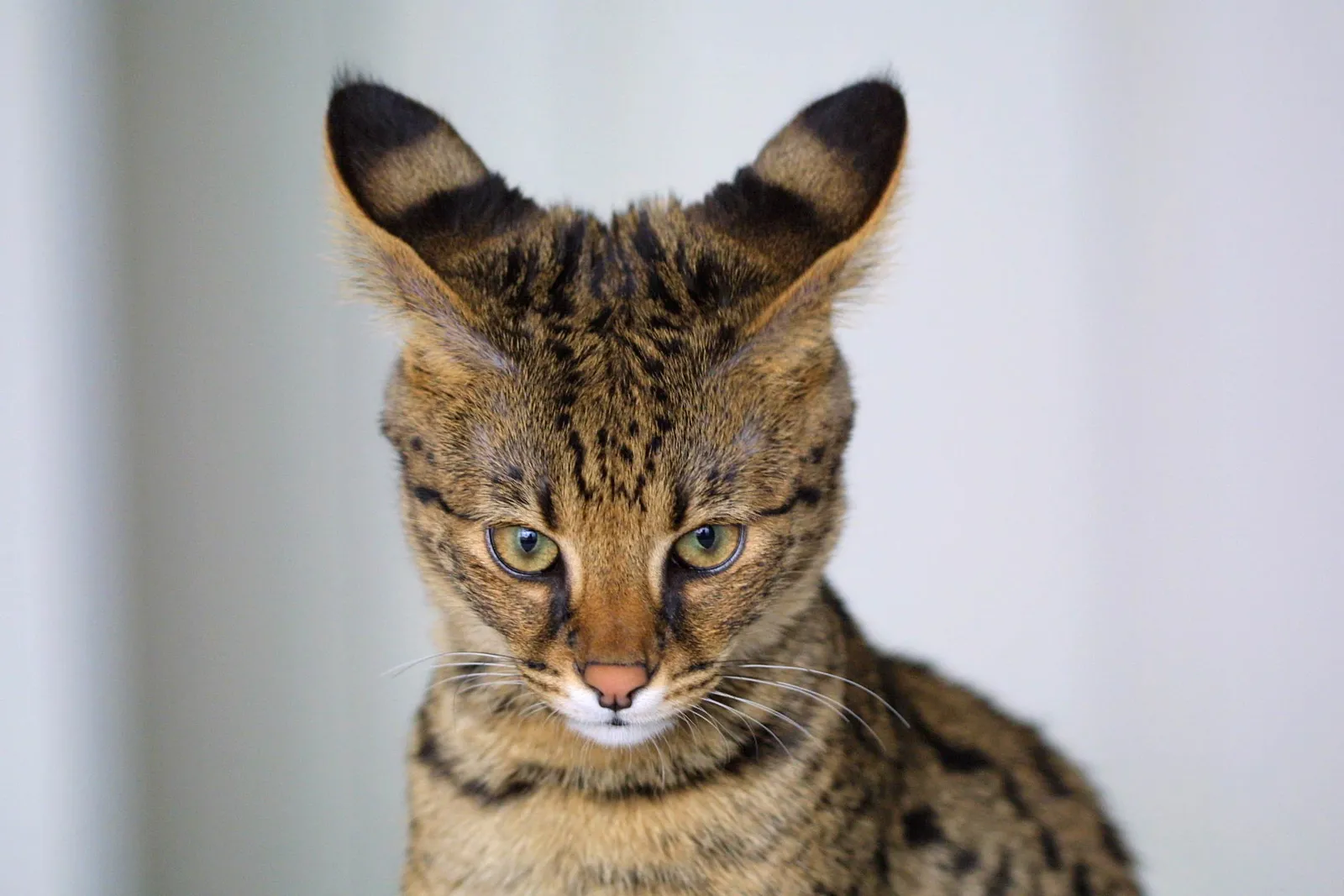
Savannah cats, especially higher-generation ones, retain a lot of serval attitude. Their short, dense coat stays sleek and surprisingly resilient and springy, more like a working animal’s coat than a plush toy. Aging doesn’t turn them into couch ornaments; it makes them more focused on very specific needs.
Older Savannahs usually require serious environmental enrichment – tall climbing, puzzle feeders, structured play – and grow less tolerant of “nothing to do,” often channeling frustration into deliberate mischief. They can also be intensely selective about which humans they trust and generally dislike physical restraint. People who buy them for the Instagram factor often end up overwhelmed, which is why many professionals now say plainly: this isn’t a breed for the average pet owner.
At a Glance
- A hybrid between a domestic cat and the African serval
- Generations are labeled F1 through F5+, with F1 carrying the most wild ancestry
- Capable of jumping several feet straight up from a standstill
- Ownership is restricted or banned in several U.S. states and cities
- Needs daily structured enrichment to avoid destructive boredom behavior
#6 – American Shorthair: Chill…But Only If You Follow the Rules
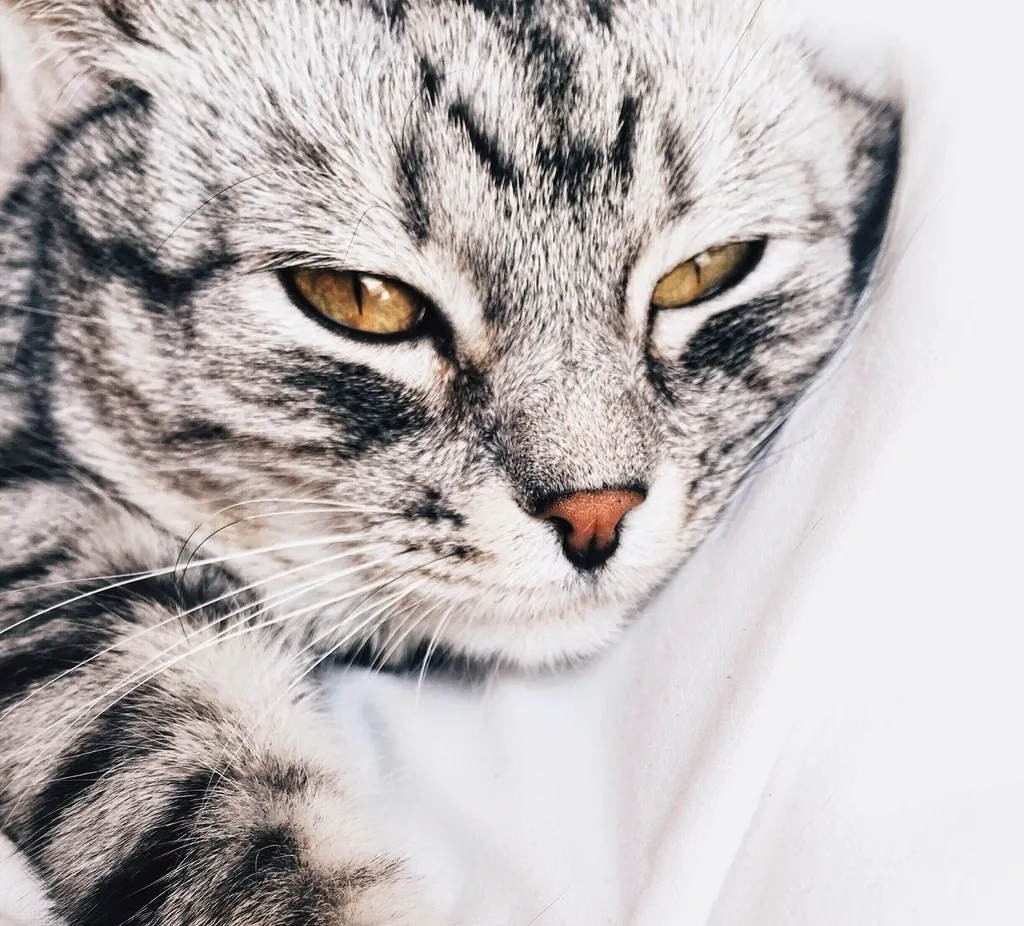
American Shorthairs are marketed as ideal family cats, and that’s not entirely wrong. Their coat stays short, fairly dense, and pleasantly firm-soft, like a good wool sweater, especially in mature adults. Many do mellow in terms of energy. What changes is their tolerance for inconsistency.
Older American Shorthairs thrive on quiet routines – same food, same feeding times, predictable bedtime – and when households get chaotic with small kids, constant visitors, or loud remodeling, they can retreat, hiss, or even develop stress-related health issues. They’re not as visibly dramatic as Siamese or Bengals, so people underestimate just how particular they’ve quietly become.
#5 – Scottish Straight & Other Fold-Carrier Lines: Sensitive by Design
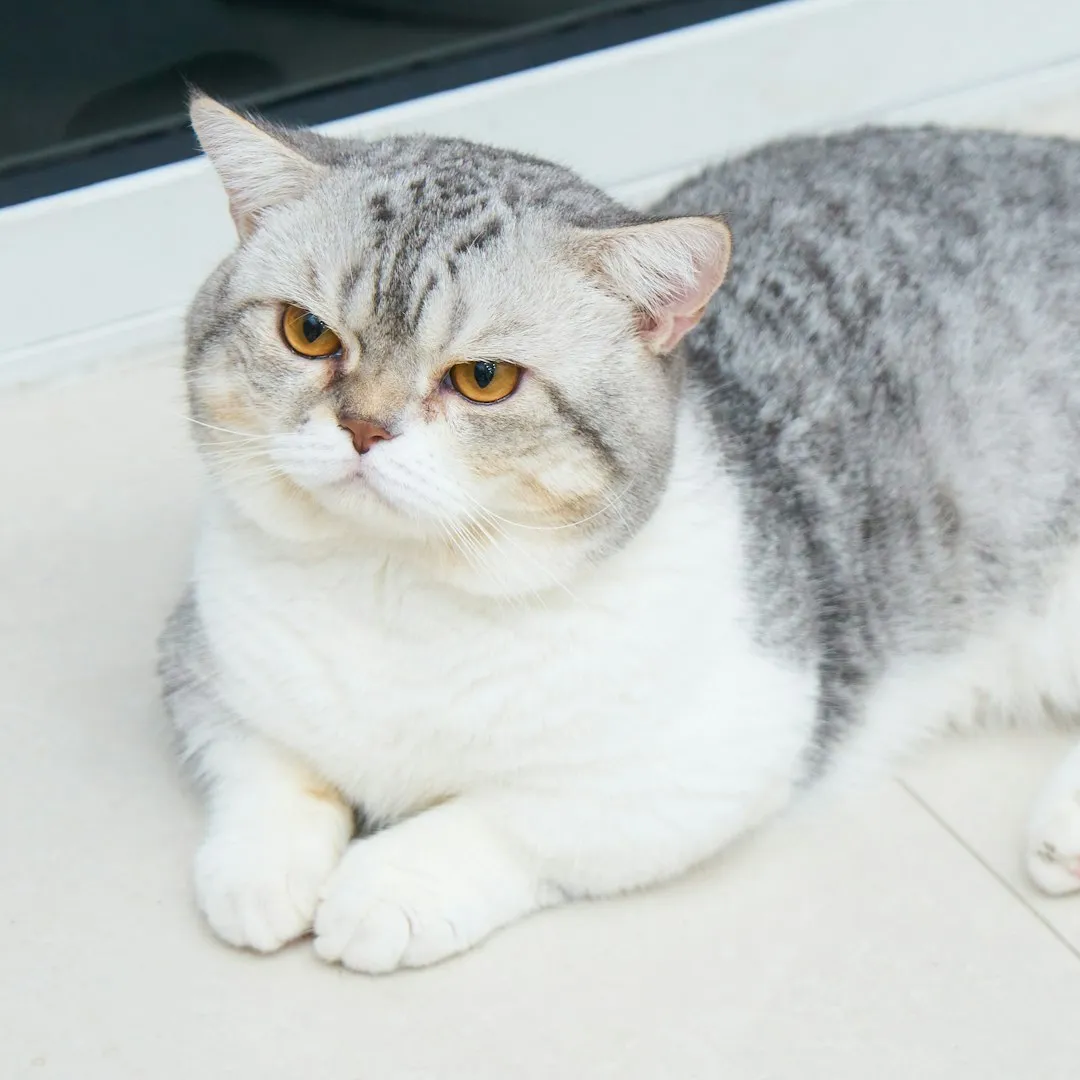
Even when the ears don’t fold, cats carrying Scottish Fold genetics often share certain traits. Coats generally stay plush and can feel denser and softer with age in well-bred lines, but the real story is sensitivity – physical and emotional – and age tends to heighten that.
Many of these cats become very particular about being picked up or handled in ways that put pressure on their joints, especially if subtle cartilage issues are present. They can be sweet, loyal companions but may reject rough play or unpredictable kids. This entire group is under increasing ethical scrutiny, with plenty of veterinarians arguing that breeding for fold-related traits prioritizes appearance over comfort – and owners who commit to them often become fierce advocates for gentle, respectful handling.
#4 – Devon Rex: Cuddly Control Freak
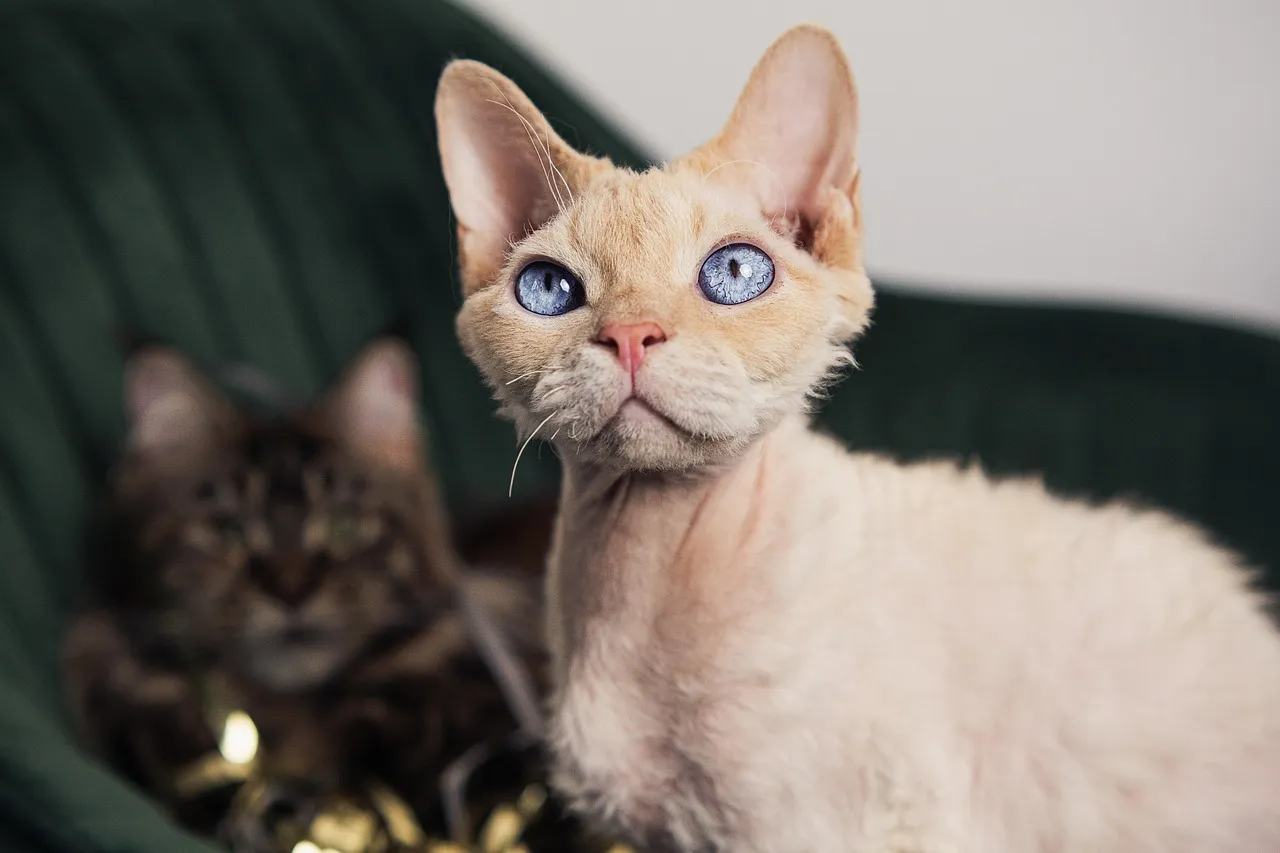
The Devon Rex is extremely tactile – big ears, elfin face, short curly coat that feels like a cross between suede and a soft washcloth. As they age, many Devons become even more heat-seeking and clingy, sleeping under covers or glued to a favorite human. It sounds adorable, and it is, until you realize how particular they are about exactly how that closeness happens.
Adult Devons often insist on sleeping in one exact spot on the bed or riding your shoulders during specific activities. They can be fussy about food textures and reject diets they previously accepted without complaint. Because they’re bright and socially driven, they quickly learn which behaviors get your immediate reaction – good or bad – and repeat them ruthlessly. People who want a background pet often clash with this breed in its demanding senior years.
#3 – Balinese: Long-Haired, Long-Memory Critic
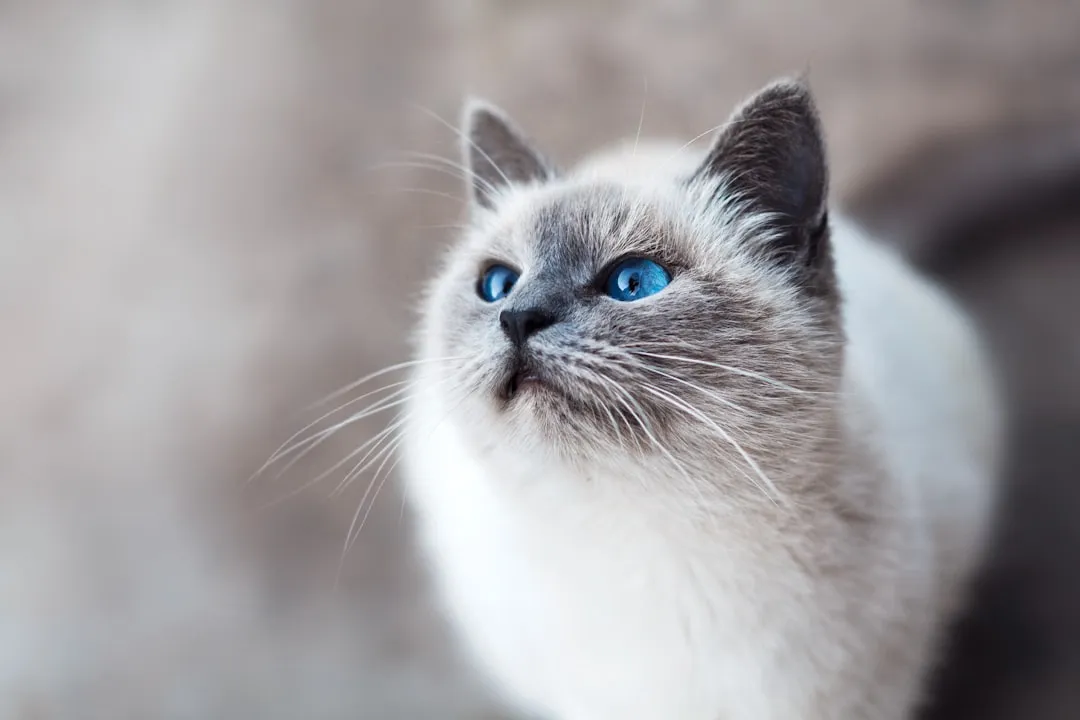
The Balinese looks like a long-haired Siamese, and in behavior terms, that’s basically accurate – with extra hair. Their silky, low-undercoat coat remains soft and flowing, often becoming even smoother with age. But the brain inside that coat is what gets sharper, not softer.
Older Balinese cats can be very vocal about their disapproval – change the litter type and they’ll tell you, shift feeding time by an hour and you’ll hear a running commentary. Many form extremely strong bonds with one or two people and grow jealous or frustrated if those people give “too much” attention to others. Fans say this deep connection is what makes them irreplaceable; detractors say it’s like living with a slightly controlling roommate who happens to have gorgeous hair.
#2 – Singapura: Tiny Body, Big Standards
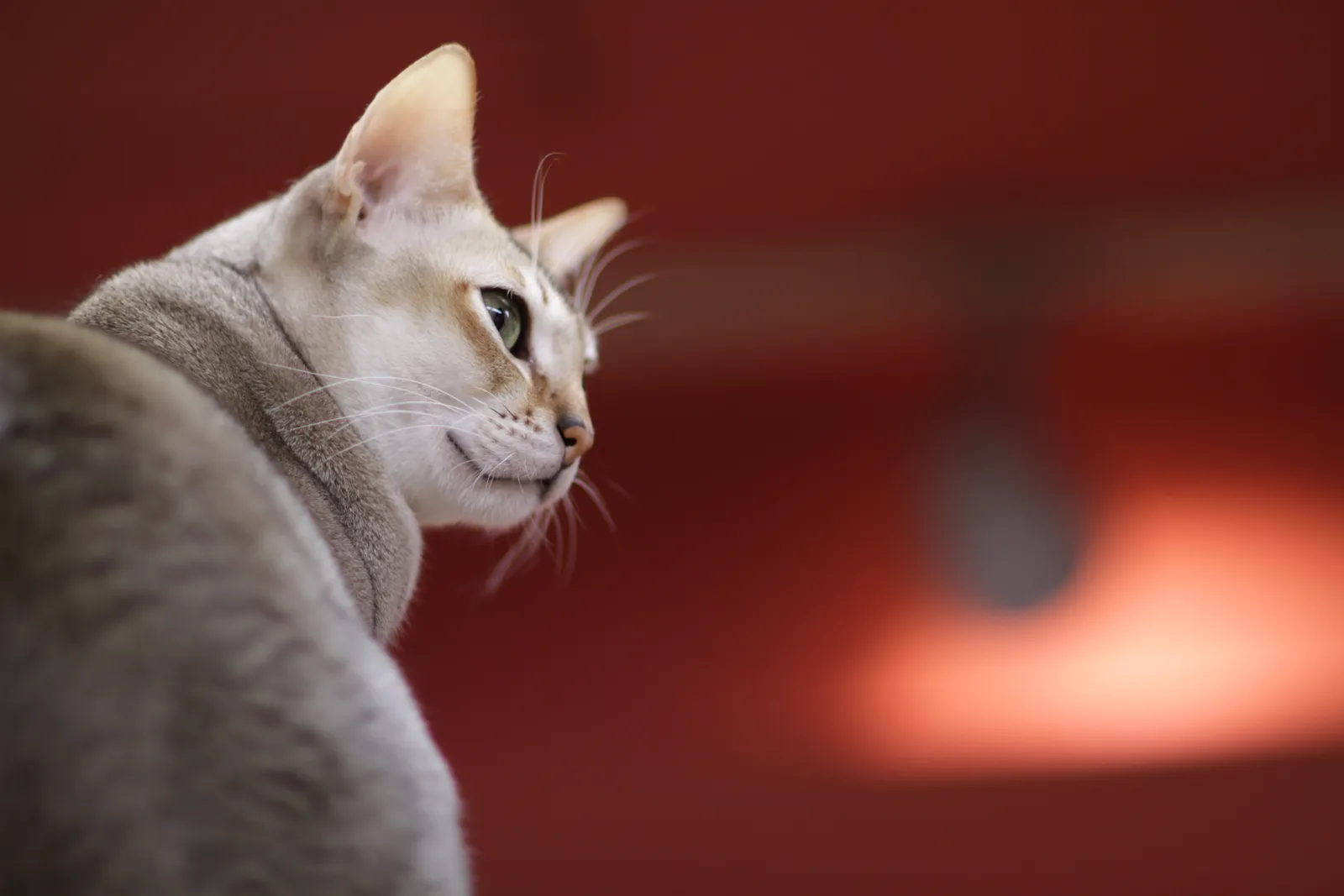
Singapuras are among the smallest cat breeds, but their personalities grow huge with age. Their short, fine coat stays silky and close-lying, giving them a smooth, delicate feel – physically, they always look like soft, pocket-sized companions. Mentally, older Singapuras often act like they run the place.
Many become choosy about who may handle them and for how long, favoring one high perch and one sleeping spot and resenting any change. Despite their size, they can be surprisingly bold about enforcing boundaries with larger pets. Behaviorists often note that under-stimulated adults develop anxiety or attention-seeking behaviors that get unfairly labeled “neediness,” when the real issue is a high-intelligence cat that’s bored and particular about enrichment.
#1 – Domestic Shorthair/Mix: The Ultimate Wild Card
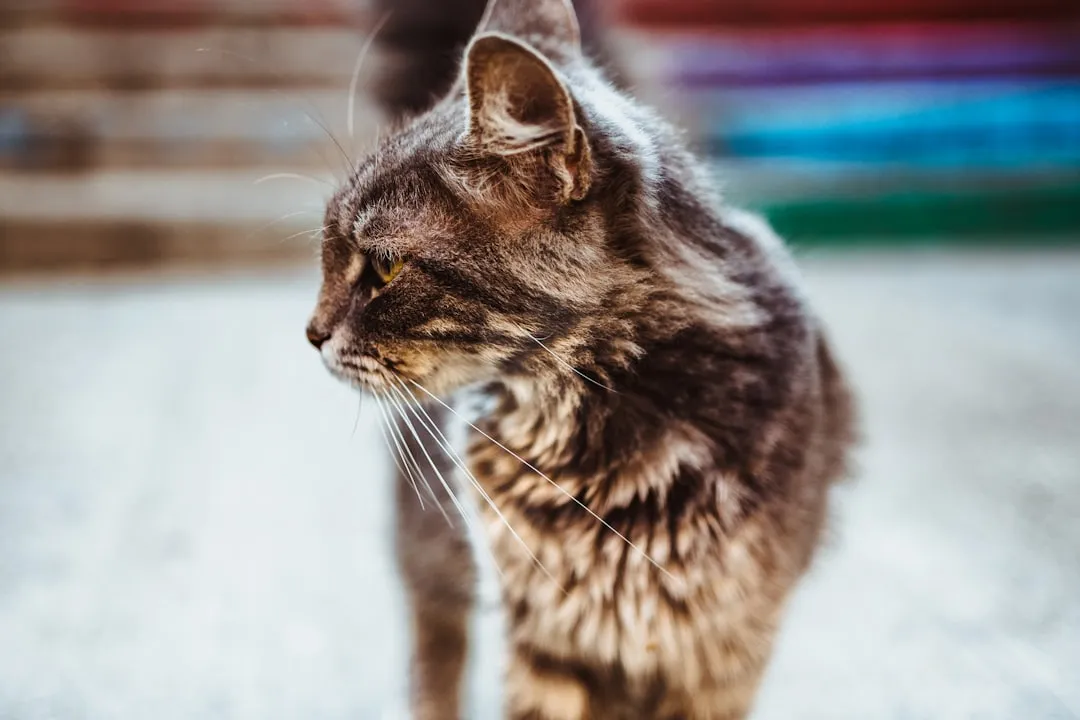
The most surprising truth on this whole list? The average mixed-breed Domestic Shorthair is often more particular in old age than many purebreds, and people don’t see it coming. Coat texture varies wildly – with good diet and health, many seniors become unexpectedly soft and silky, while others stay rugged their whole lives. There’s no single pattern, which is exactly the point.
Behaviorally, Domestic Shorthairs are a genetic grab bag. Some mellow into teddy bears; others harden into strict routine enforcers who demand specific foods, litter types, and sleeping spots. Shelter workers will quietly tell you the fussiest, most particular senior cats they see aren’t Bengals or Siamese – they’re “just” mixes whose individual personalities got underestimated for years. Assuming a non-pedigree cat will automatically stay easygoing with age is one of the biggest mistakes casual owners make.
Quick Compare
- Purebred cats: temperament patterns shaped by generations of selective breeding
- Mixed-breed cats: personality driven more by individual genetics and life history
- Mixed-breed cats make up the large majority of pet cats across the U.S.
- Coat and temperament outcomes are harder to predict in mixes than in registered breeds
The Bottom Line
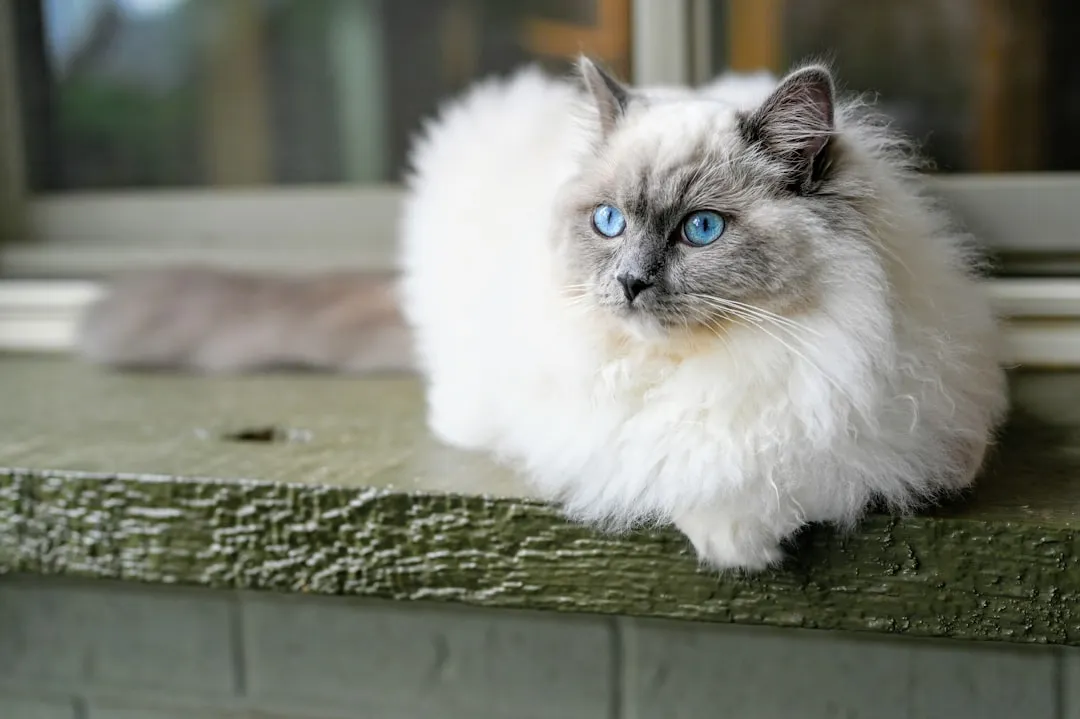
It’s comforting to believe all cats soften with age, but the reality is messier, and honestly more interesting. Breeds like the British Shorthair, Ragdoll, and Selkirk Rex genuinely become plusher, calmer, and almost therapeutically soft over time. Others – the Siamese, Bengal, Oriental, and even the ordinary Domestic Shorthair – grow sharper, more ritual-driven, and far more particular about how you’re allowed to live with them.
The pattern underneath all of it is simple: genetics, environment, and years of individual history collide as a cat matures, and “old” never automatically means “easy.” If anything, age just reveals who the cat actually was all along. My honest take? Most of the disappointment cat owners feel later in life comes from choosing a breed for its looks and then getting surprised when the personality baked into that coat finally shows up. Did a breed in your house completely flip the script as it aged? Tell us your story in the comments.

- 16 Cat Breeds That Grow Softer With Age and 16 That Become Far More Particular Instead - August 12, 2026
- What Rescue Centre Staff See in a Dogs First Hour That Predicts Everything Afterwards - August 12, 2026
- 18 Dog Breeds That Thrive in a Busy Family Home and 18 That Quietly Struggle - August 12, 2026