
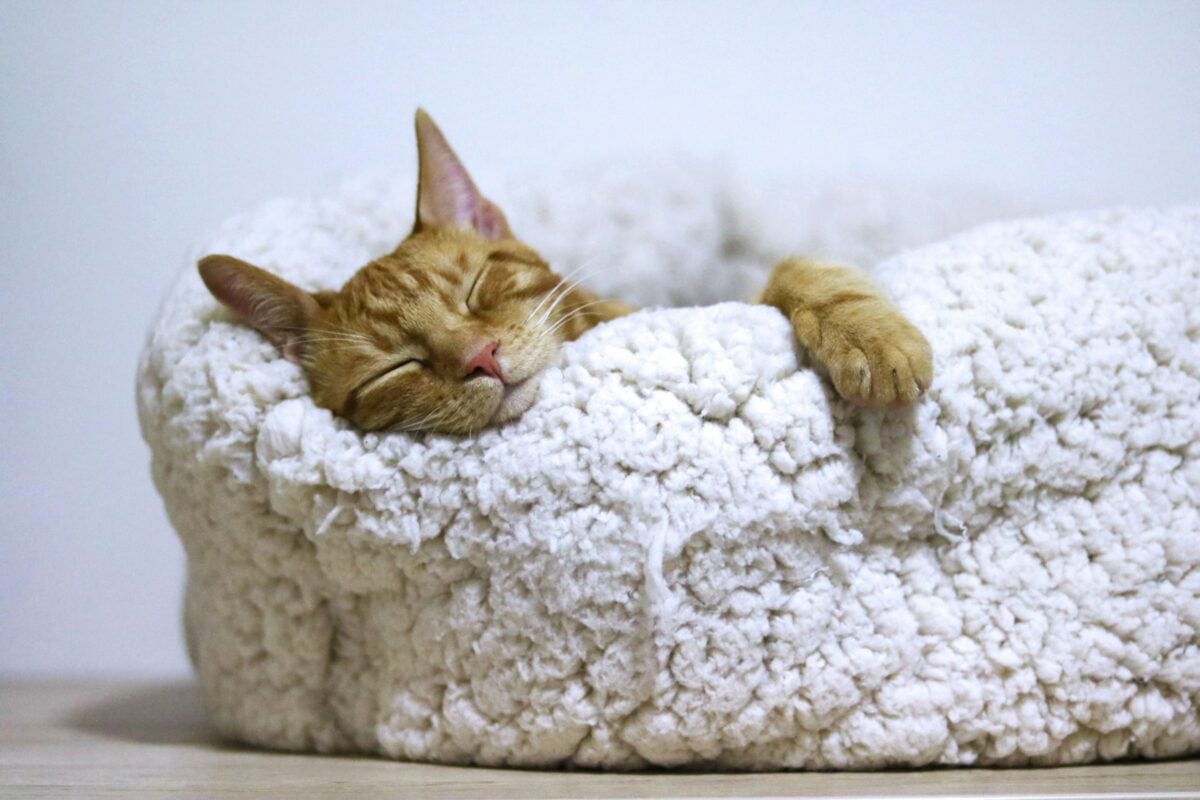
The second the radiators click on, something shifts in your senior cat – and it’s not just about finding a warm spot to nap. Vets say this exact seasonal switch is when arthritis, thyroid trouble, and quiet kidney strain surface, disguised as nothing more than “lazy old cat” behavior. What looks like your cat getting comfortable is often your cat compensating for a body that’s struggling to keep up.
Most owners catch maybe two or three of these signals without ever realizing there are sixteen distinct comfort needs hiding behind that radiator-hogging routine. Some are obvious. A few are the kind of thing even lifelong cat owners have never connected to winter at all – until now.
#1 – A Permanent Front-Row Seat by the Radiator
🔥 Would you like to save this?
We'll email this post to you, so you can come back to it later!
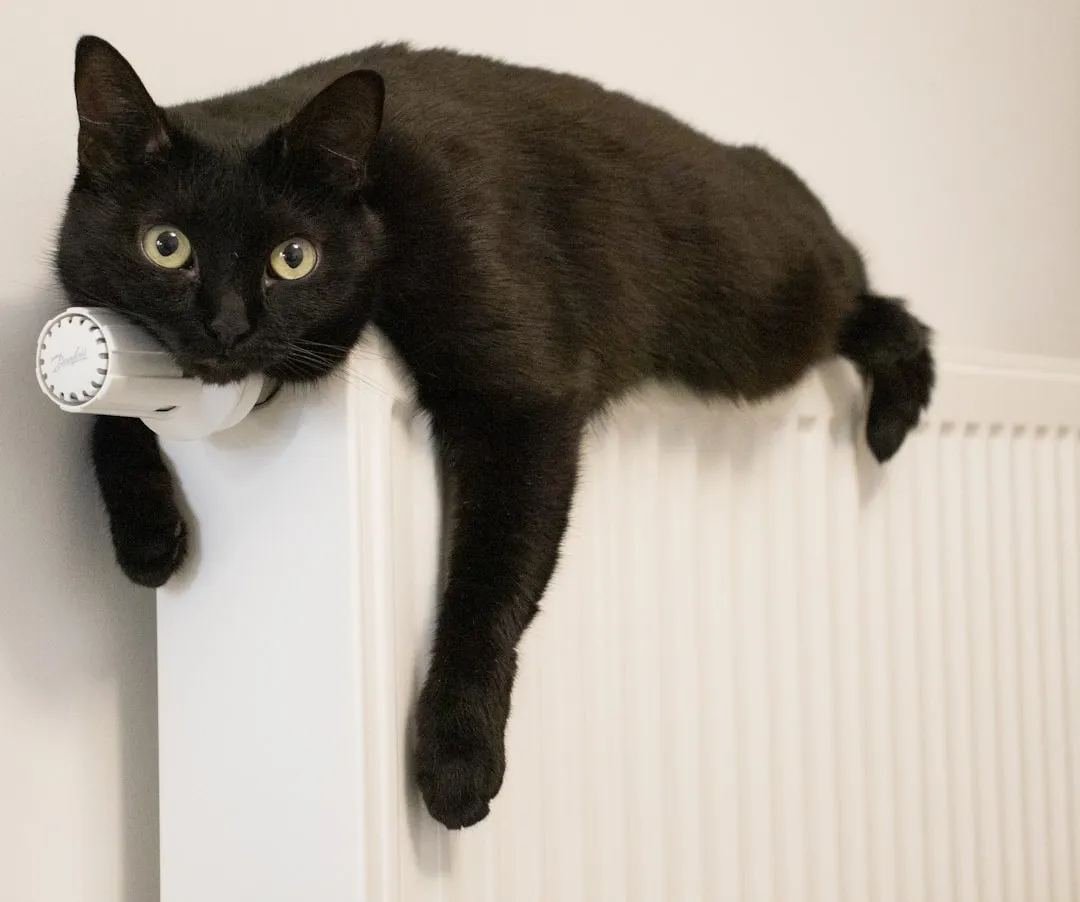
Senior cats develop an almost territorial obsession with heat sources the moment autumn temperatures drop, and this isn’t vanity – it’s survival instinct kicking in. Older cats lose muscle mass and body fat, which means they generate less internal heat and lose it faster than younger cats. A cat that once tolerated cool rooms without complaint will now camp inches from any heat source for hours at a stretch.
This gets mistaken for laziness constantly, but it’s actually a physiological necessity. Aging bodies struggle with thermoregulation, and cats instinctively know their internal thermostat needs backup. Watch for a senior cat claiming the exact same spot day after day – it usually means the temperature there is precisely right for their comfort threshold, not too hot, not too cold.
The mistake many owners make is laughing this off as a cute quirk. In reality, vets say a sudden spike in heat-seeking can be an early sign of hypothyroidism or an arthritis flare-up. If your cat is glued to the radiator noticeably more than last winter, mention it at the next vet visit – because the next comfort on this list is even harder to ignore once you know what to look for.
#2 – Relief From Aching, Stiffening Joints
🔥 Would you like to save this?
We'll email this post to you, so you can come back to it later!
Arthritis affects a staggering number of senior cats, and cold weather makes the pain measurably worse. Studies suggest more than 60% of cats over age six show radiographic evidence of arthritis, yet most owners never notice, because cats are wired to hide pain instinctively rather than announce it.
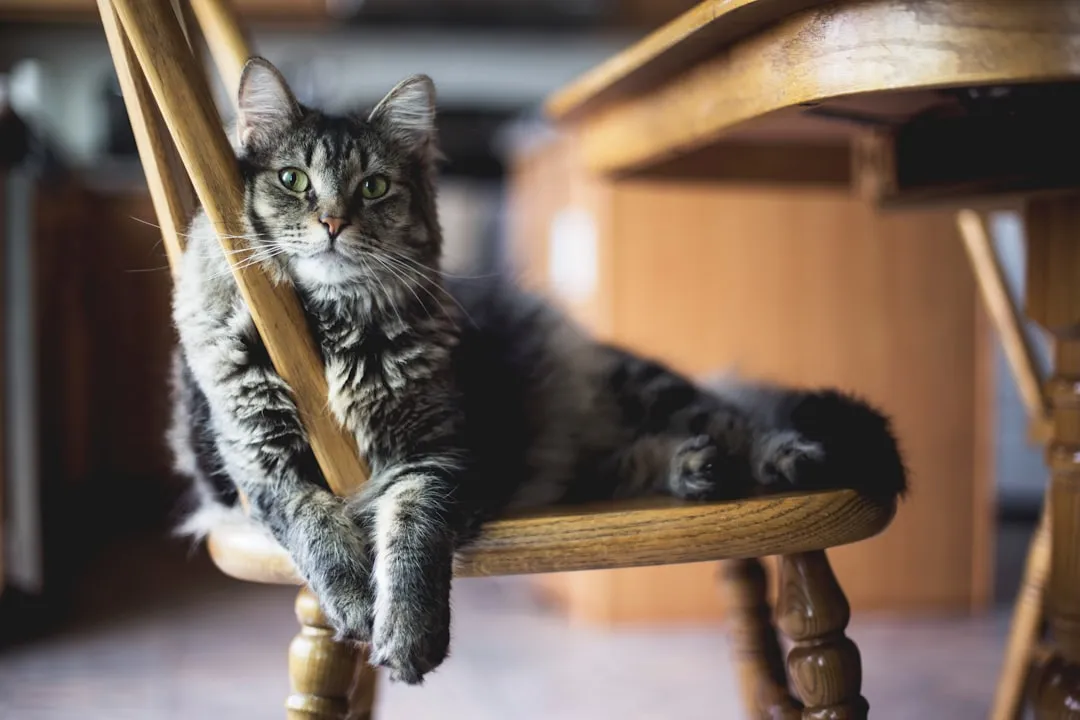
Once temperatures drop, the stiffness becomes harder to disguise. A senior cat might hesitate before jumping onto furniture, take the stairs one at a time instead of bounding up, or quietly avoid grooming spots that require twisting and stretching. Heat genuinely helps here – warmth increases blood flow to joints and loosens tight tissue, which is exactly why cats gravitate toward radiators, heated beds, and sunny windowsills with such single-minded focus.
Fast Facts
- Over 60% of cats past age six show arthritis changes on X-ray
- Cold weather increases joint stiffness and pain sensitivity
- Warning signs: hesitating before jumps, stiff stairs, skipped grooming spots
- Warmth boosts blood flow and eases stiff joints almost immediately
Owners can help by placing soft heated pads near favorite resting spots and swapping jumps for ramps onto beds or couches. Pain medication prescribed by a vet, combined with consistent warmth, can transform a stiff, reluctant senior cat back into something close to their old self. Ignore the signs, though, and you’re watching a cat quietly suffer through a season that should feel cozy instead of painful.
#3 – Softer, Thicker Bedding That Actually Insulates
🔥 Would you like to save this?
We'll email this post to you, so you can come back to it later!
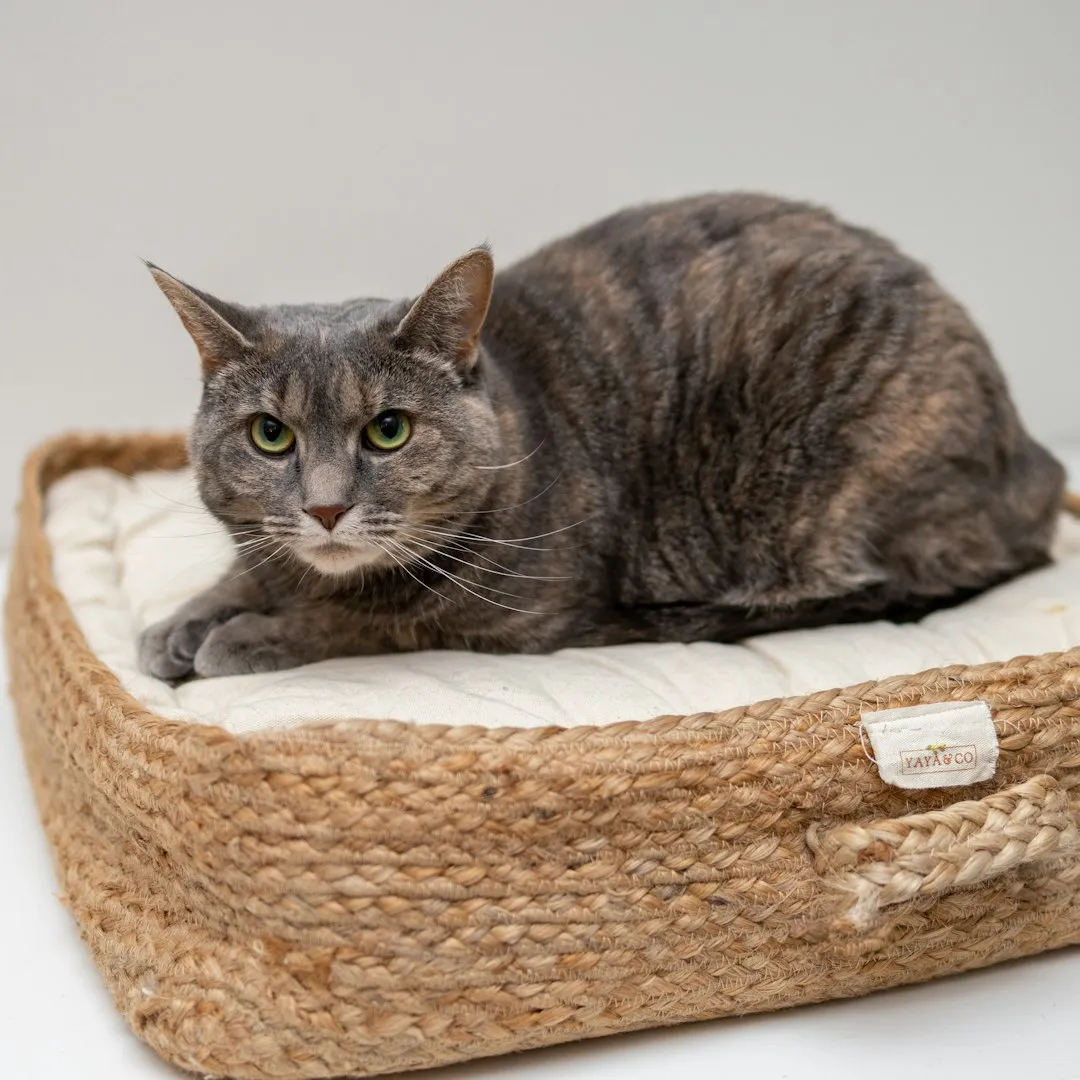
Not all bedding is created equal, and senior cats know it instantly. Thin blankets and flat cushions simply don’t cut it once body fat decreases and fur thins with age – a bed that felt fine at six years old can feel like a cold slab at fourteen.
Orthopedic cat beds with memory foam bases topped in fleece or faux fur tend to work best, because they trap body heat while cushioning aging joints at the same time. A cat curling into a tight, defensive ball on cold floors is signaling that the current bedding isn’t cutting it anymore – cats instinctively shrink their surface area when they’re chilly.
Here’s the unpopular truth: plenty of owners overspend on trendy cat furniture while ignoring basic thermal bedding needs entirely. A $200 cat tree does nothing for an arthritic senior who can no longer climb it. Simple, well-placed heated or insulated beds at floor level almost always matter more than anything expensive or Instagram-worthy.
#4 – A Heated Bed Instead of Just a Warm Room
🔥 Would you like to save this?
We'll email this post to you, so you can come back to it later!
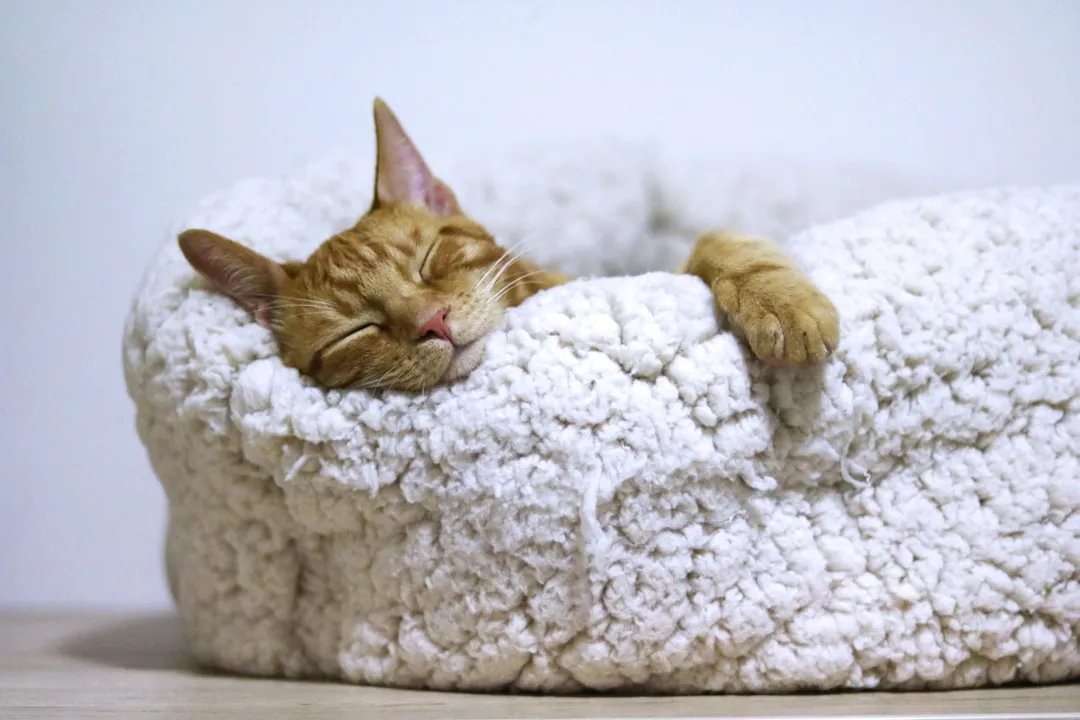
Room temperature alone often isn’t enough for senior cats, which is why heated pet beds have quietly become essential rather than optional. Veterinary thermal imaging shows senior cats will choose direct-contact heat sources over ambient room warmth almost every single time.
That preference makes biological sense – direct heat penetrates deeper into muscle tissue and joints than warm air simply circulating through a room. A heated bed set to a low, safe temperature mimics the effect of lying in direct sunlight, something cats have sought instinctively for thousands of years, long before central heating existed.
Safety matters enormously here. Cheap heating pads without auto-shutoff features or chew-resistant cords carry real fire and injury risks, especially for senior cats who may not move away quickly if something malfunctions. Vet-approved, low-voltage heated beds built specifically for pets are worth the investment, and many senior cats show visible relief and improved mobility within days of consistent use.
#5 – Protection From Sneaky Household Drafts
🔥 Would you like to save this?
We'll email this post to you, so you can come back to it later!
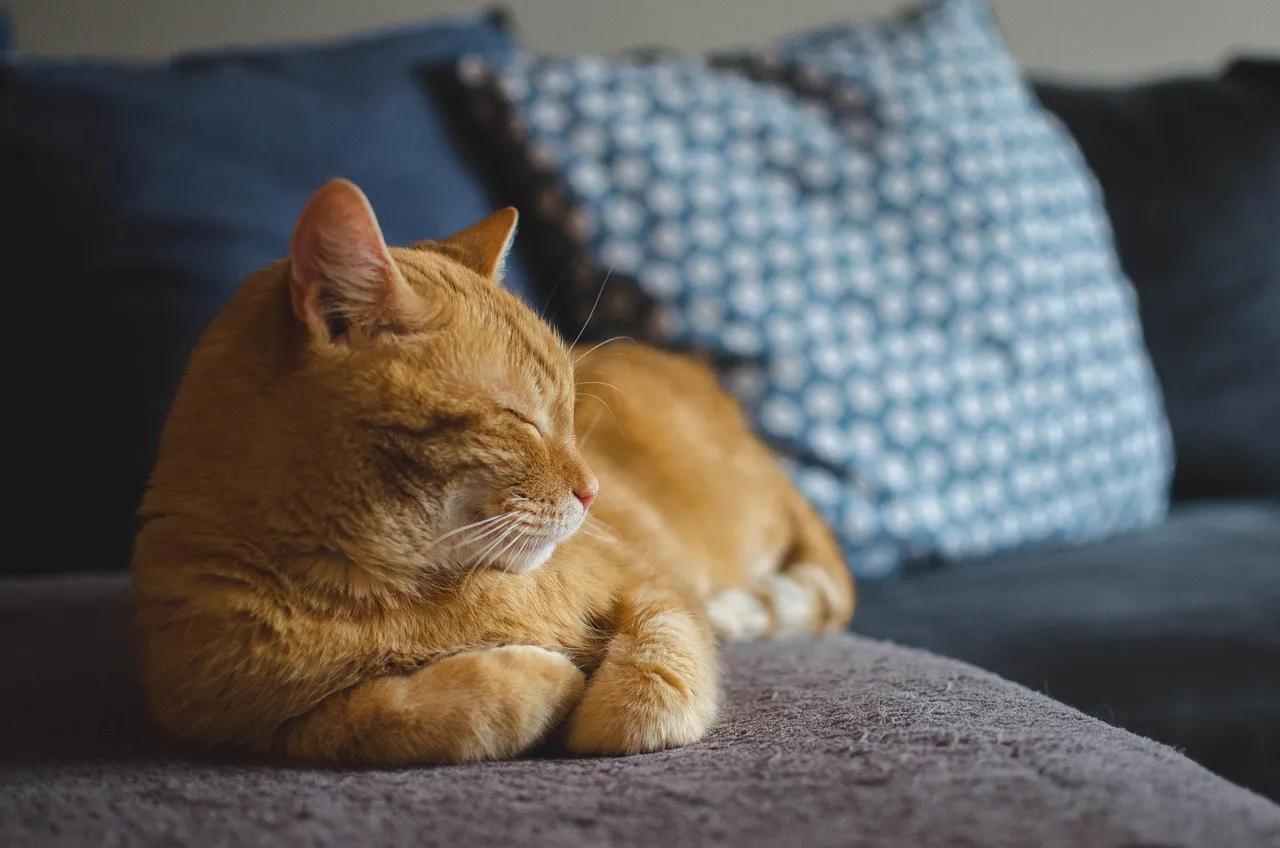
Cats notice temperature fluctuations most humans completely miss. Drafts from old windows, gaps under doors, or poorly insulated walls create invisible cold zones that seniors avoid on instinct, quietly limiting where they’ll roam without owners ever understanding why.
A senior cat that suddenly stops using certain rooms in winter isn’t being weird – it’s avoiding a draft you probably can’t even feel yourself. This is especially common in older homes where insulation wasn’t built with modern efficiency in mind. Radiators heat unevenly, so some corners of a room stay stubbornly cold even when the thermostat reads perfectly comfortable.
Simple draft excluders, thicker curtains, and door snakes can dramatically improve a senior cat’s quality of life by reopening rooms they’d otherwise abandon. This matters more than people assume, because cold-avoidance restricts movement, which compounds existing arthritis issues – creating a frustrating cycle where the cat becomes increasingly sedentary and isolated.
#6 – More Water, Even Though They Won’t Ask For It
🔥 Would you like to save this?
We'll email this post to you, so you can come back to it later!
Central heating dries out indoor air dramatically, and most owners never connect this to their cat’s health at all. Radiators can drop indoor humidity below 30%, drier than many desert climates, and senior cats already prone to kidney issues feel the consequences first.
Fast Facts
- Running radiators can push indoor humidity below 30%
- Cats have a naturally weaker thirst drive than dogs
- Chronic kidney disease is common in senior cats
- Wet food and extra water stations offset winter dehydration risk
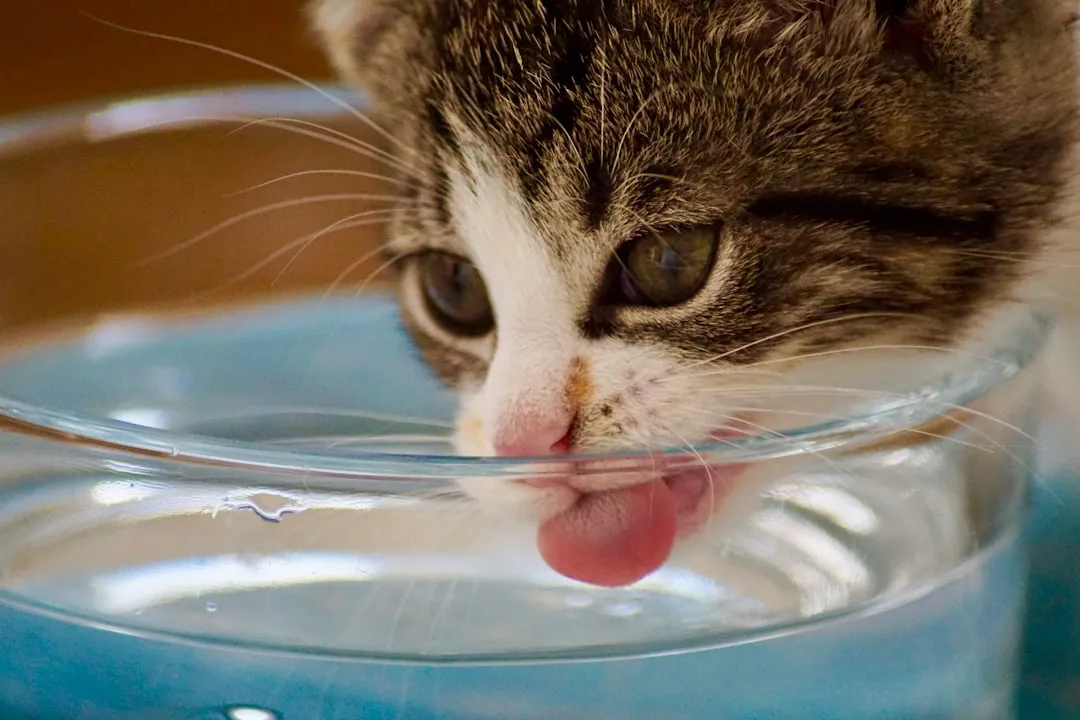
Cats are notoriously bad at self-regulating water intake compared to dogs, and aging kidneys make hydration even more critical. Dry winter air combined with a naturally low thirst drive creates a dangerous gap, especially for the significant percentage of senior cats already managing chronic kidney disease.
Multiple water stations placed away from radiators, pet fountains that encourage drinking through movement, and wet food folded into daily meals all help offset winter dehydration risk. This is one of the most overlooked comforts of radiator season, and arguably more medically urgent than warmth itself.
#7 – Extra Grooming Help for Dry, Flaky Skin
🔥 Would you like to save this?
We'll email this post to you, so you can come back to it later!
Heated indoor air doesn’t just dry out water intake – it wreaks havoc on skin and coat condition too. Senior cats already groom less efficiently because of stiff joints, and dry winter air compounds the problem with flaky, itchy skin that adds insult to injury.
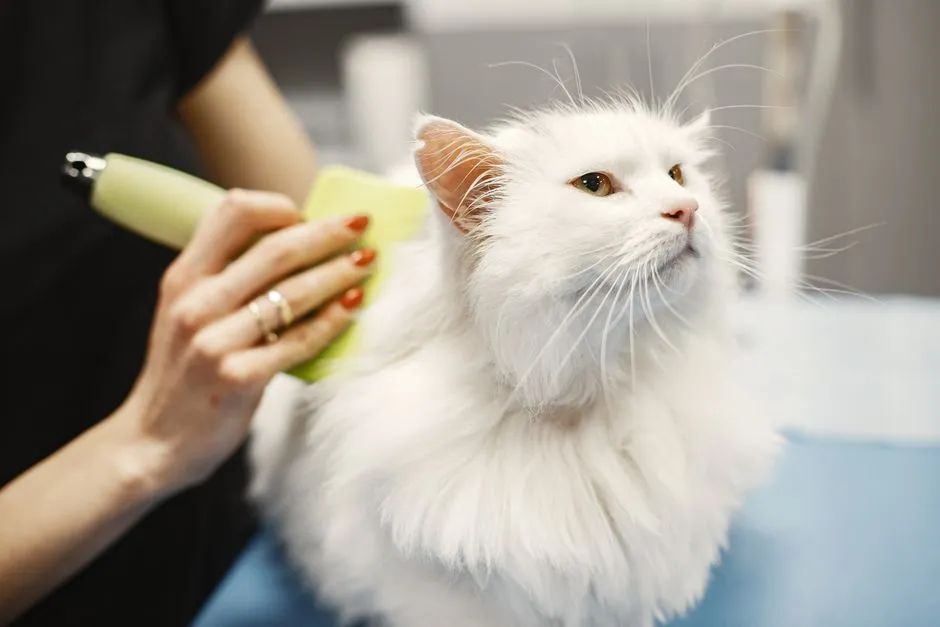
Many senior cats develop visibly dull, dry coats within weeks of the heating turning on, something owners often chalk up to normal aging rather than an environmental side effect. Reduced self-grooming means natural oils stop distributing evenly, leading to matting in spots the cat simply can’t reach anymore.
Regular brushing becomes essential during radiator season, not optional. Omega-3 supplements, added moisture through wet food, and gentle grooming wipes made for sensitive senior skin all help fight the dryness. Owners who bump up grooming frequency in winter often notice their cats seem calmer and less irritable almost immediately.
#8 – A Warmer Litter Box Location
🔥 Would you like to save this?
We'll email this post to you, so you can come back to it later!
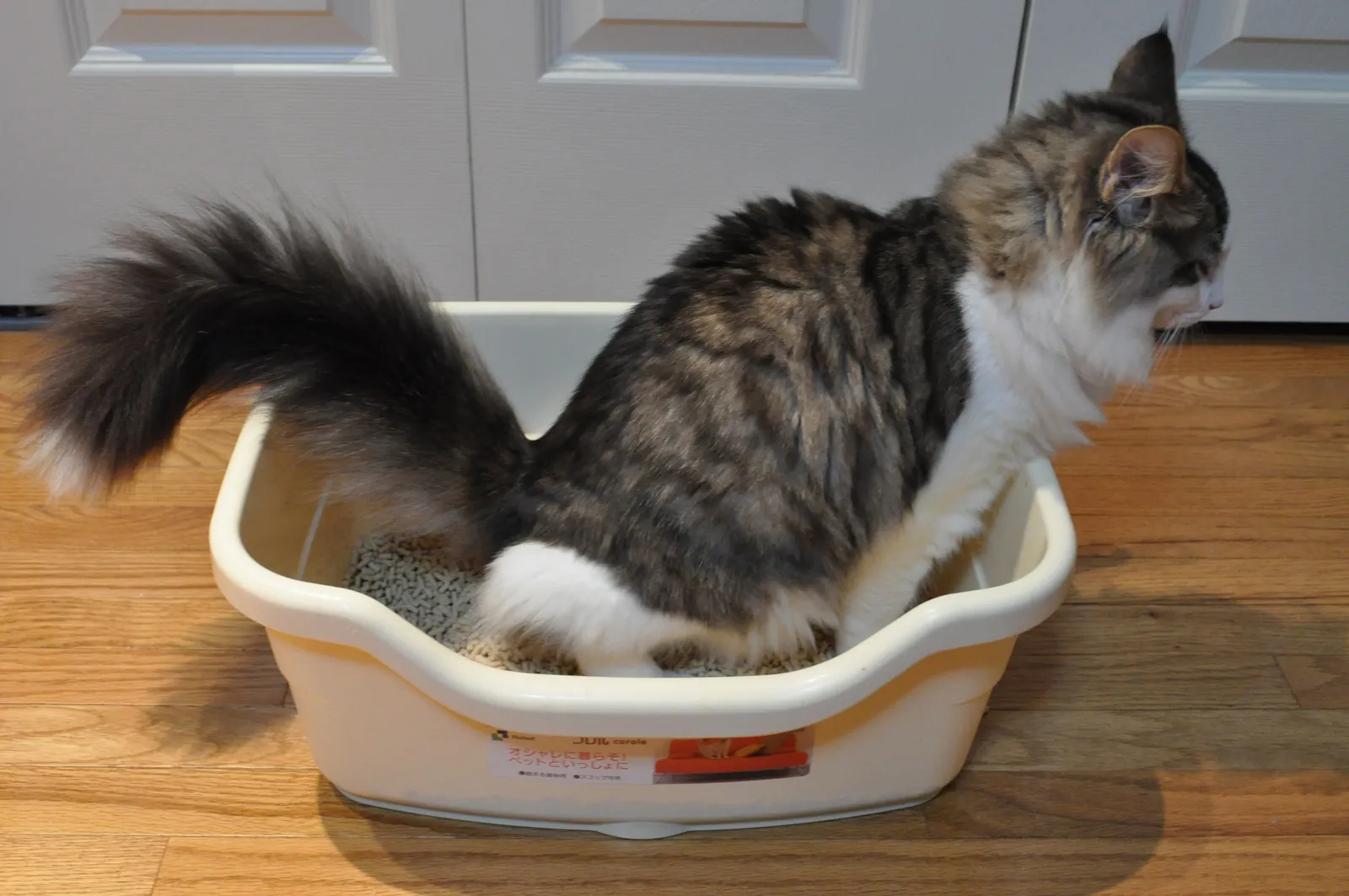
Nobody talks about this one, but litter box placement matters enormously once temperatures drop. Senior cats with arthritis or kidney disease often need to urinate more frequently, and a box stuck in a cold, drafty utility room or garage becomes a genuine deterrent rather than a minor inconvenience.
Cats have been documented holding urine longer to avoid uncomfortable, cold litter box locations, which can worsen urinary tract issues and strain already-declining kidney function. Here’s the uncomfortable part: many owners keep the box in the coldest corner of the house purely for odor control, quietly prioritizing convenience over their cat’s actual health.
Moving litter boxes to warmer, more accessible spots during winter – even temporarily – can meaningfully improve a senior cat’s willingness to use them regularly. Low-sided boxes also help cats with joint pain who struggle to step over high edges, something that matters more as radiator season limits overall mobility.
#9 – Smaller, More Frequent Meals
🔥 Would you like to save this?
We'll email this post to you, so you can come back to it later!
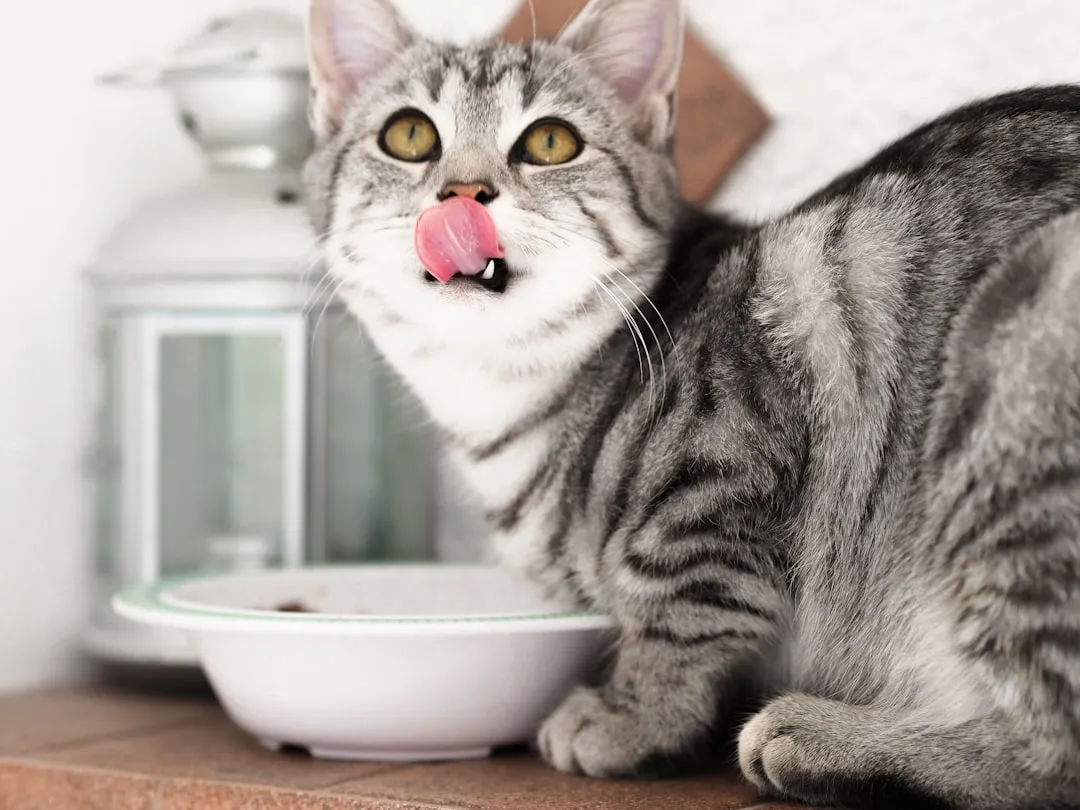
Winter changes feline metabolism in ways that catch most owners off guard. Some senior cats grow less active once they’re glued to a warm spot, packing on weight, while others burn extra calories just trying to maintain body temperature and quietly lose it.
Vets report senior cat weight fluctuations spike in winter more than any other season, which is exactly why regular weigh-ins matter now more than ever. A cat that looks perfectly content curled by the radiator all day might actually be masking reduced mobility rather than genuine relaxation, and its calorie needs shift right along with that.
Quick Compare
- Weight-gain pattern: low activity, longer naps, favors calorie-dense treats
- Weight-loss pattern: restless heat-seeking, picky eating, muscle loss around the spine
- Either pattern: warrants a monthly weigh-in, not just an annual check
Smaller, more frequent meals help regulate energy and break the lethargy-weight gain cycle that traps so many senior cats every winter. Wet food also adds valuable moisture during a season when hydration already runs low. Weighing monthly catches problems early, long before they turn into visible health crises.
#10 – Longer, Deeper Sleep Without Interruption
🔥 Would you like to save this?
We'll email this post to you, so you can come back to it later!
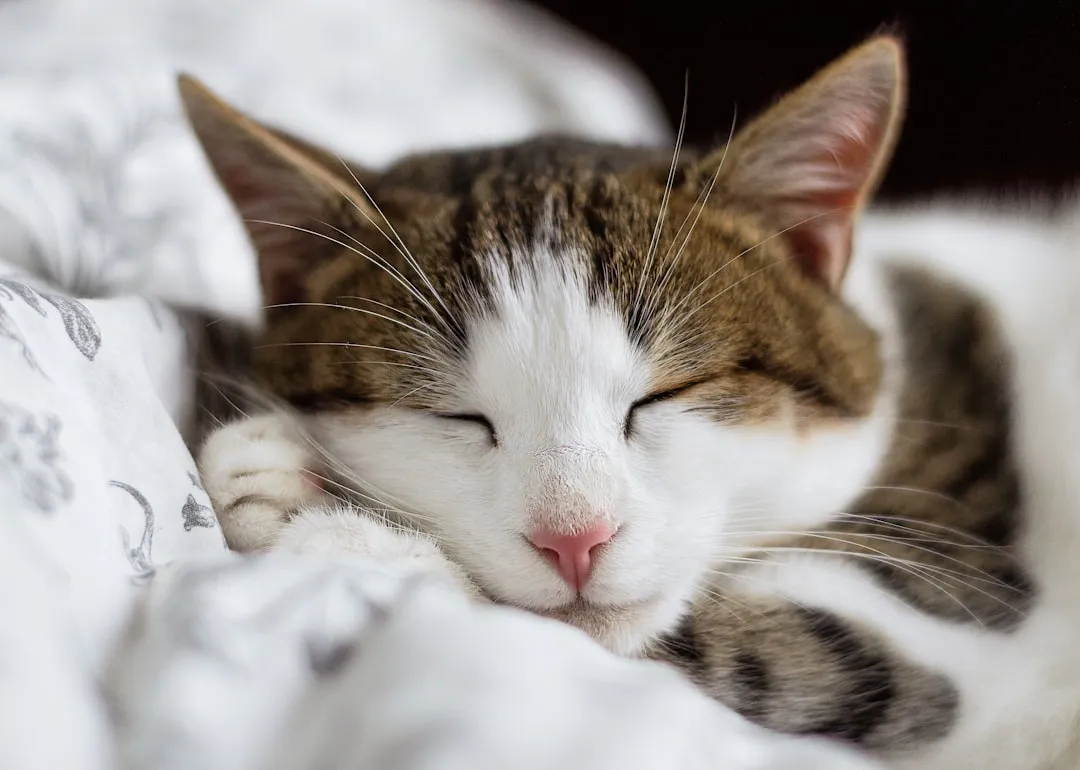
Senior cats already sleep more than younger cats, and radiator season amplifies that dramatically. Warmth triggers deeper, more restorative sleep cycles, which is part of why cats chase heat sources so aggressively the moment the temperature drops outside.
Some senior cats sleep upwards of 18 to 20 hours a day during winter months, a striking jump from their already generous summer sleep needs. This isn’t laziness or depression – it’s an evolutionary energy-conservation strategy inherited from wild ancestors who survived leaner, colder months by minimizing unnecessary movement.
The reason cats sleep so much is that their ancestors were both predator and prey, needing bursts of energy to hunt but also conserving it constantly to survive.
Common veterinary explanation of feline sleep behavior
Disrupting this sleep cycle repeatedly can genuinely stress senior cats and worsen age-related cognitive decline. Creating a quiet, undisturbed heated resting zone away from household chaos lets them sleep deeply without constant interruption. This single accommodation often does more for a senior cat’s winter wellbeing than any toy or treat ever could.
#11 – Consistent Warmth, Not Just Occasional Bursts
🔥 Would you like to save this?
We'll email this post to you, so you can come back to it later!
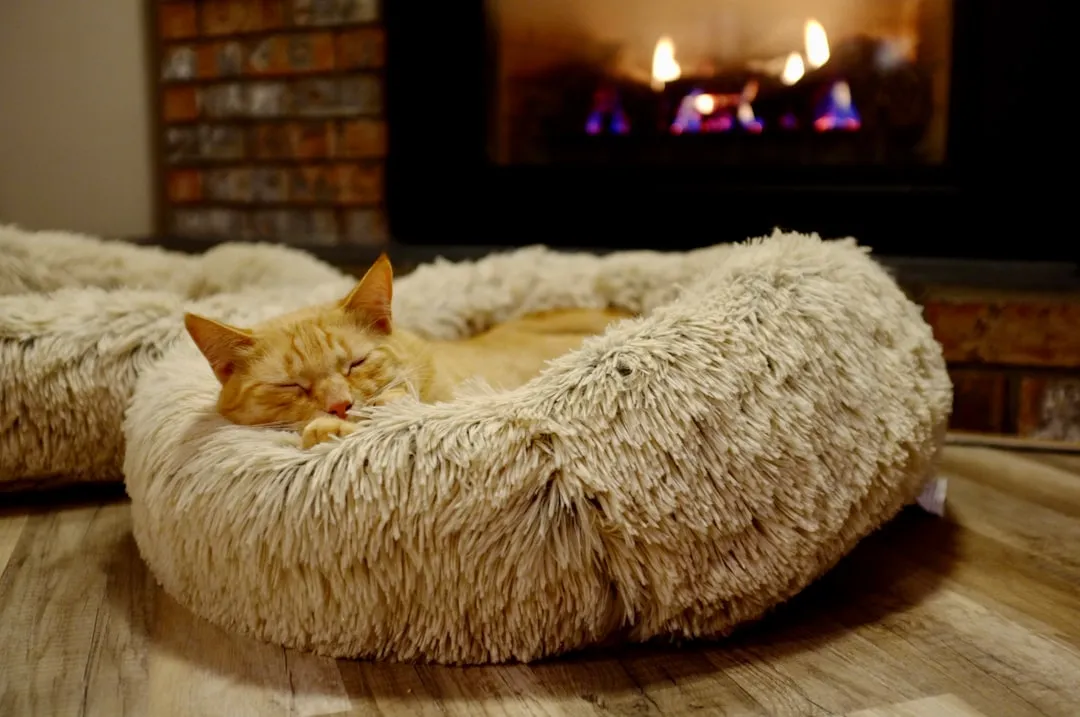
Fluctuating temperatures stress aging bodies more than a house that’s simply, consistently cool or consistently warm. Senior cats do best with steady, predictable warmth rather than swinging between toasty and freezing depending on whether the heating happens to be running.
Sudden temperature swings force an already-compromised thermoregulation system to work overtime, which can worsen arthritis inflammation and strain cardiovascular function. This matters especially in homes where heating gets shut off overnight to save money, creating a jarring cold snap right when a cat is deep asleep and least equipped to handle it.
Programmable thermostats that ease into gentler, more gradual transitions help enormously. Even without adjusting central heating, providing one consistently warm resting spot – a heated bed running continuously – gives a senior cat a reliable thermal anchor no matter what the rest of the house is doing.
#12 – Freedom From Cold Floor Surfaces
🔥 Would you like to save this?
We'll email this post to you, so you can come back to it later!
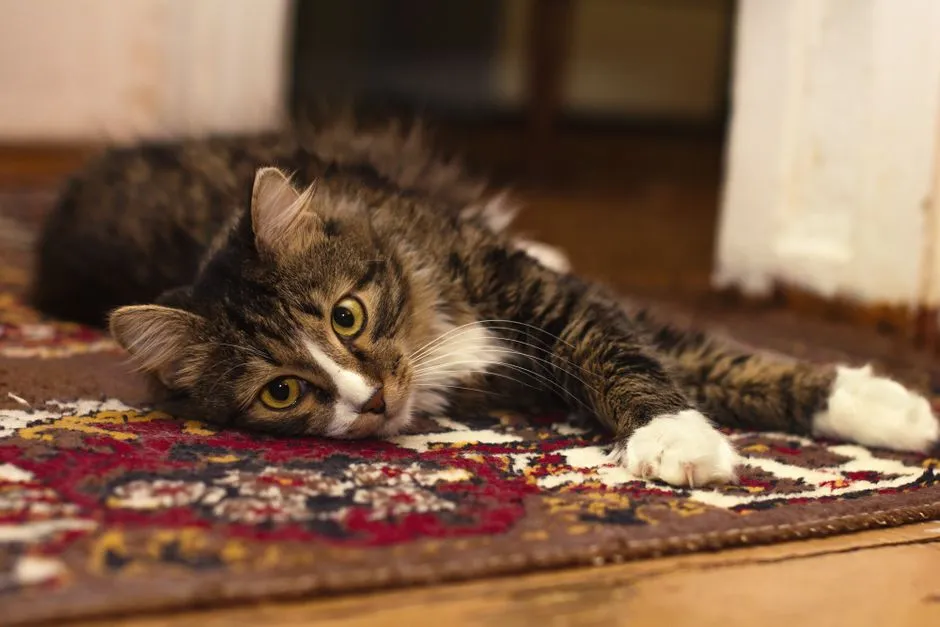
Hardwood, tile, and laminate flooring turn brutally cold once outdoor temperatures drop, and senior cats feel it intensely through paw pads that have lost cushioning to age-related fat pad thinning.
A senior cat that suddenly refuses to walk across certain rooms in winter is often responding to genuinely painful cold flooring, not simply being finicky. It’s a mobility issue wearing a behavior-issue disguise, and owners frequently misread it entirely, assuming their cat has just developed odd new preferences.
Strategic rug placement creating warm pathways between favorite rooms solves this surprisingly well. Even inexpensive bath mats placed at key transition points – doorways, room corners, near food bowls – give senior cats insulated stepping stones that dramatically increase their willingness to move around the house instead of freezing in one spot all winter.
#13 – Protection From Radiator Burns and Overheating
🔥 Would you like to save this?
We'll email this post to you, so you can come back to it later!
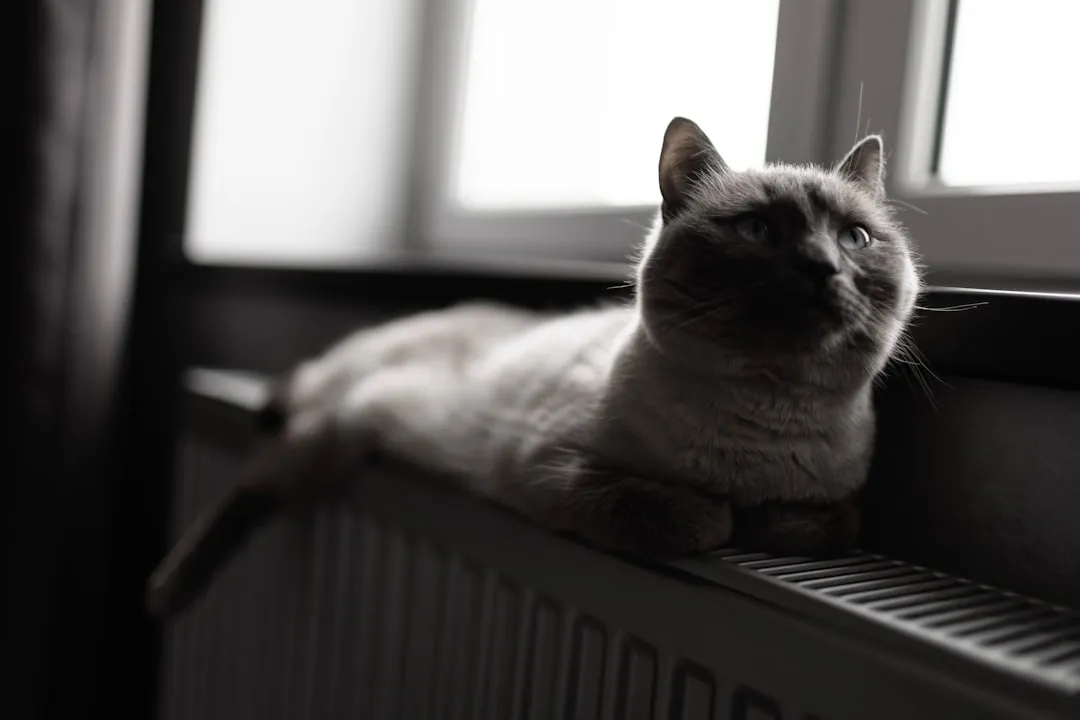
Here’s an uncomfortable truth: the very heat sources senior cats crave can genuinely injure them. Cats with reduced mobility sometimes press directly against hot radiator surfaces for extended periods, unable to reposition quickly if arthritis limits how easily they can move away.
Veterinary dermatologists have documented radiator burns in senior cats who fell asleep pressed too closely against hot metal, an injury far more common than most owners assume. It’s a genuinely controversial point worth raising – many people assume cats have flawless self-preservation instincts around heat, but aging bodies and dulled sensation change that equation completely.
Worth Knowing
- Fit radiator guards in rooms where senior cats nap unsupervised
- Check fur near radiators for singed patches or bald spots
- Watch for cats too stiff to reposition away from direct heat
- Enforce a safe distance using furniture rather than blocking access entirely
Radiator guards, heat-safe distances enforced through furniture placement, and quick check-ins during peak heating hours all reduce this risk substantially. The goal isn’t cutting off access to heat – it’s making sure that access stays safe instead of accidentally hazardous.
#14 – Routine Vet Visits Timed to Winter Changes
🔥 Would you like to save this?
We'll email this post to you, so you can come back to it later!
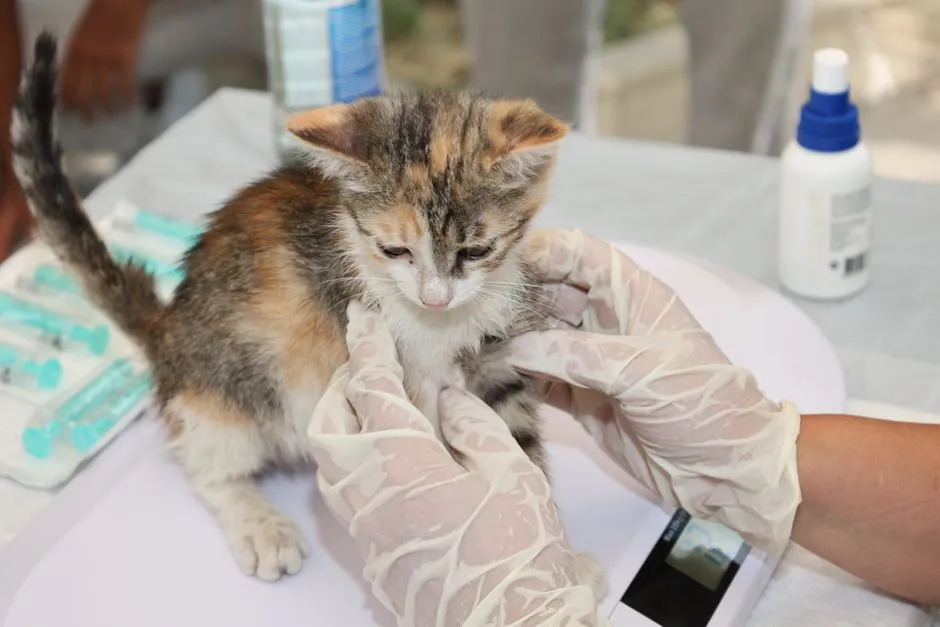
Many chronic senior cat conditions – arthritis, hyperthyroidism, kidney disease, diabetes – shift noticeably with the seasons. Winter often exposes problems that summer’s ambient warmth had been quietly masking all along.
Vets increasingly recommend scheduling senior wellness checks right at the start of radiator season instead of waiting for an annual appointment tied to an arbitrary calendar date. This timing catches heat-seeking changes, mobility shifts, and appetite fluctuations while they’re still early and manageable, not after months of unnoticed decline.
Bloodwork done in early winter can reveal thyroid or kidney changes before they become severe, and vets can adjust pain management proactively instead of reactively. This one scheduling shift – timing checkups to the season rather than the date – is one of the most practical, underused strategies in senior cat care right now.
#15 – Gentle, Low-Impact Play to Maintain Mobility
🔥 Would you like to save this?
We'll email this post to you, so you can come back to it later!
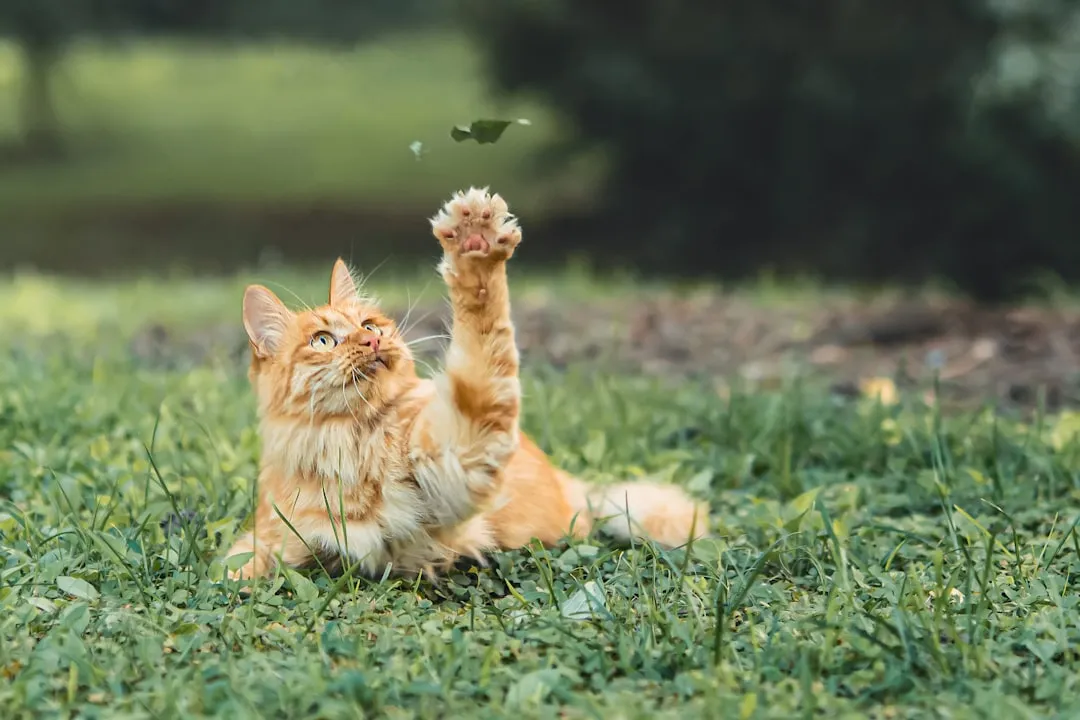
It sounds counterintuitive, but senior cats still need movement even during their most heat-seeking, sedentary season. Complete inactivity accelerates muscle atrophy and worsens arthritis stiffness far more than gentle, appropriate exercise ever would.
Feline rehabilitation specialists note that senior cats who keep up light daily movement retain noticeably better joint mobility through winter compared to cats who go fully sedentary the moment cold weather hits. Short, low-impact play with feather wands or slow-rolling toys near warm areas encourages movement without demanding the athletic bursts a younger cat would enjoy.
Here’s the unpopular opinion: letting a senior cat become a permanent “radiator ornament” all winter, while adorable to watch, actually does them a disservice long-term. Balancing warmth-seeking with gentle encouragement to move preserves mobility that becomes much harder to win back once it’s gone.
#16 – Uninterrupted Lap Time and Physical Closeness
🔥 Would you like to save this?
We'll email this post to you, so you can come back to it later!
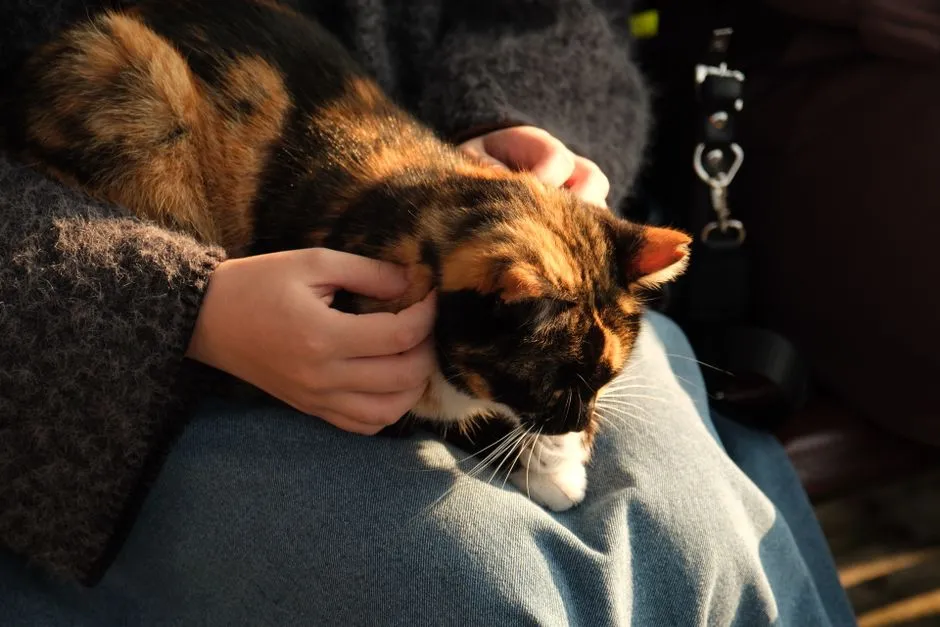
Perhaps the most overlooked comfort a senior cat asks for once radiators come on isn’t about temperature at all – it’s about connection. Aging cats often grow more affectionate and more dependent on their owners as mobility decreases and independence naturally fades.
Behaviorists note that senior cats frequently redirect their heat-seeking instincts toward human laps specifically, because body heat combined with physical affection satisfies both thermal and emotional needs at once. That dual payoff explains why so many senior cats turn noticeably clingier in winter, choosing a lap over a radiator whenever a person happens to sit still long enough.
Why It Stands Out
- Human body heat rivals a heated bed for direct-contact warmth
- Physical closeness lowers stress hormones in aging cats
- Lap time doubles as a chance to spot new lumps, stiffness, or weight change
- Costs nothing and works in any home, radiator or not
Making time for consistent, uninterrupted lap sessions isn’t indulgent – it’s a legitimate comfort need with real, measurable benefits for stress reduction and thermoregulation in aging cats. This one is free, and it often matters more to a senior cat’s winter wellbeing than any product, bed, or supplement money can buy.
The Bottom Line
🔥 Would you like to save this?
We'll email this post to you, so you can come back to it later!
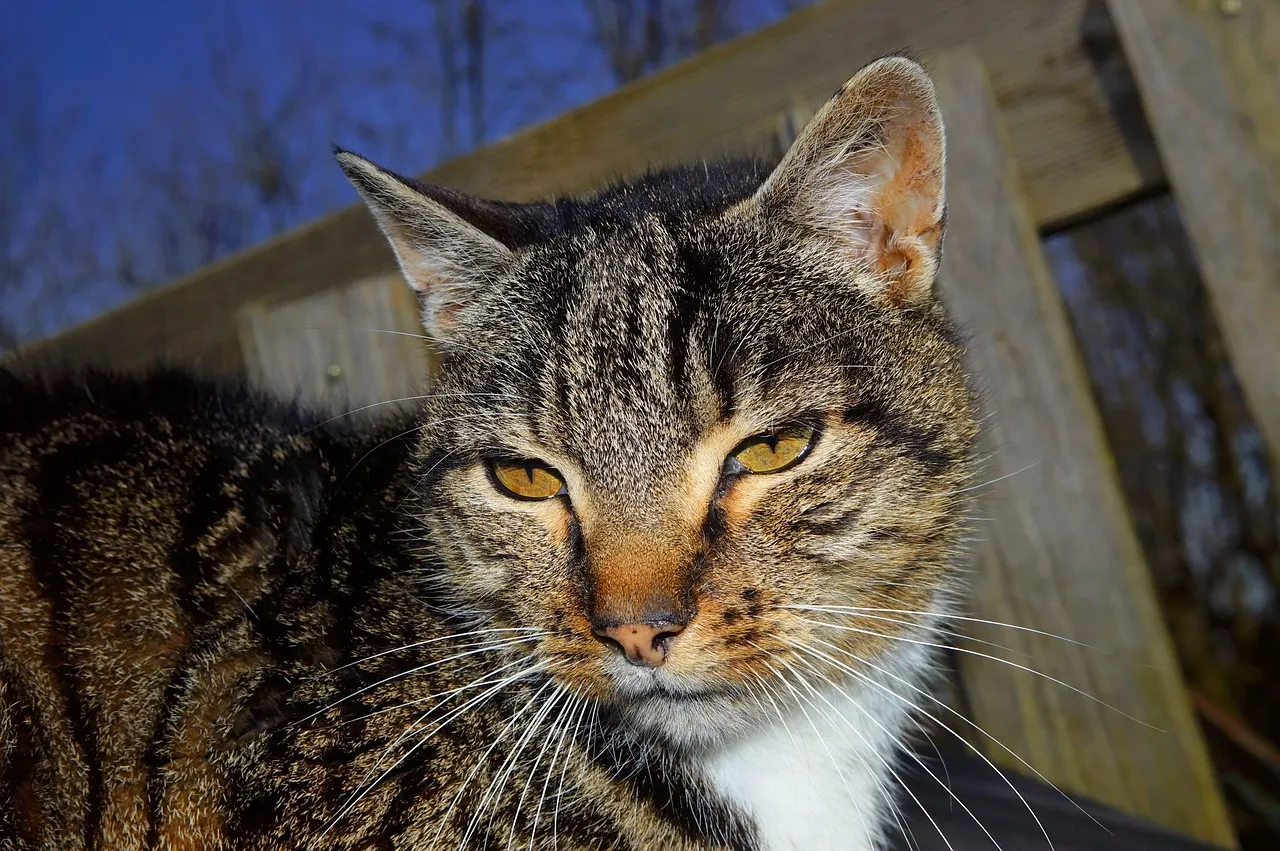
Radiator season reveals more about a senior cat’s true health than any other stretch of the year, exposing arthritis, dehydration risk, thyroid changes, and mobility struggles that summer conveniently hides. Most owners drastically underestimate how many of these sixteen “comforts” are actually medical needs wearing a cozy disguise.
Warmth, hydration, steady temperatures, and gentle movement aren’t luxuries for an aging cat – they’re maintenance, plain and simple. Skip them, and you’re not just risking a less comfortable cat; you’re risking missed warning signs that get exponentially harder to manage once winter fully sets in. Pay attention now, while the fix is still easy.
What’s your senior cat’s go-to radiator spot this year? Tell us in the comments.

- 7 Everyday Habits That Can Make Your Senior Dog Happier - November 5, 2026
- 10 Enigmatic Structures That Continue to Puzzle Scientists Today - November 5, 2026
- 10 Strange Ruins in the Americas That Challenge What We Know About Early History - November 5, 2026