
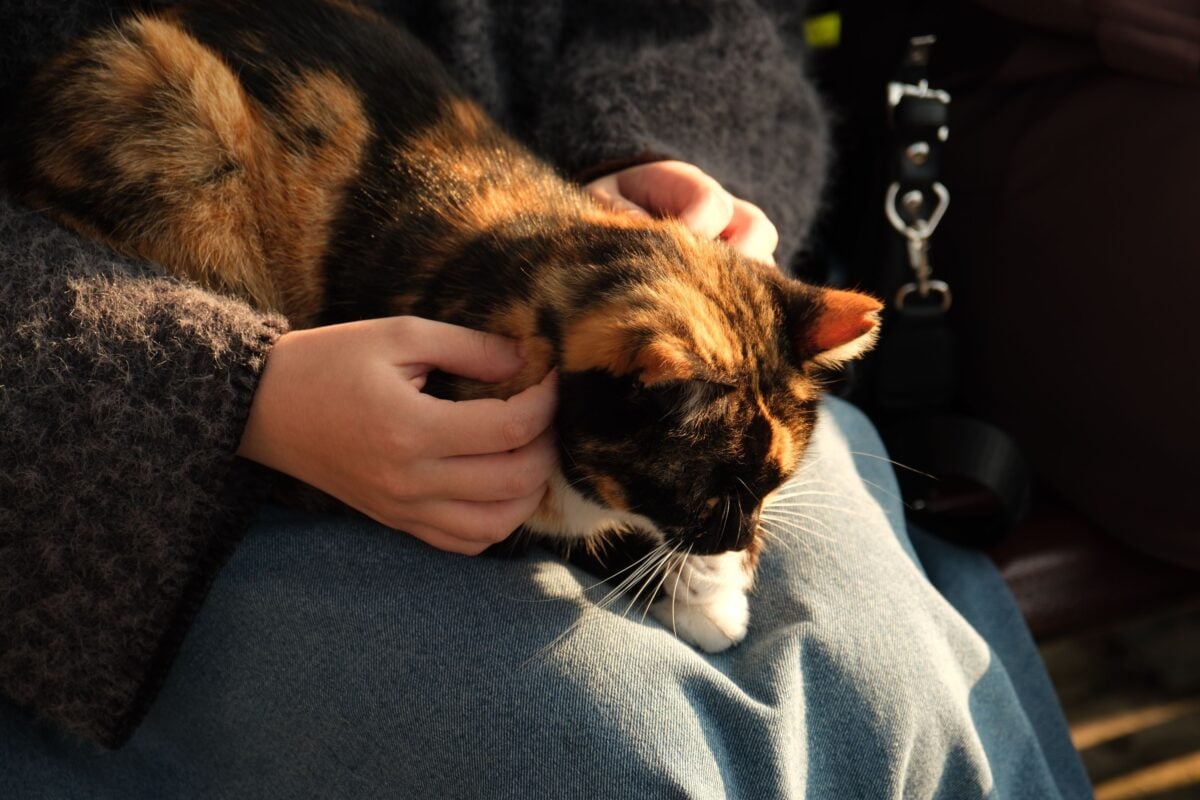
Every afternoon, your cat climbs onto the same window ledge and appears to do absolutely nothing. It looks like boredom, but it isn’t. Ears, tail, whiskers, pupils and even the choice of seat are all sending messages, and some of them are comfort while others are quiet stress.
Here’s the twist: the signal many owners treat as the happiest one is often the least reliable. Another explains why your cat glances back over its shoulder when it thinks you aren’t looking. We’ll start with the one that’s aimed straight at you.
#16 – The Slow Blink Is a Message, Not a Squint
🔥 Would you like to save this?
We'll email this post to you, so you can come back to it later!
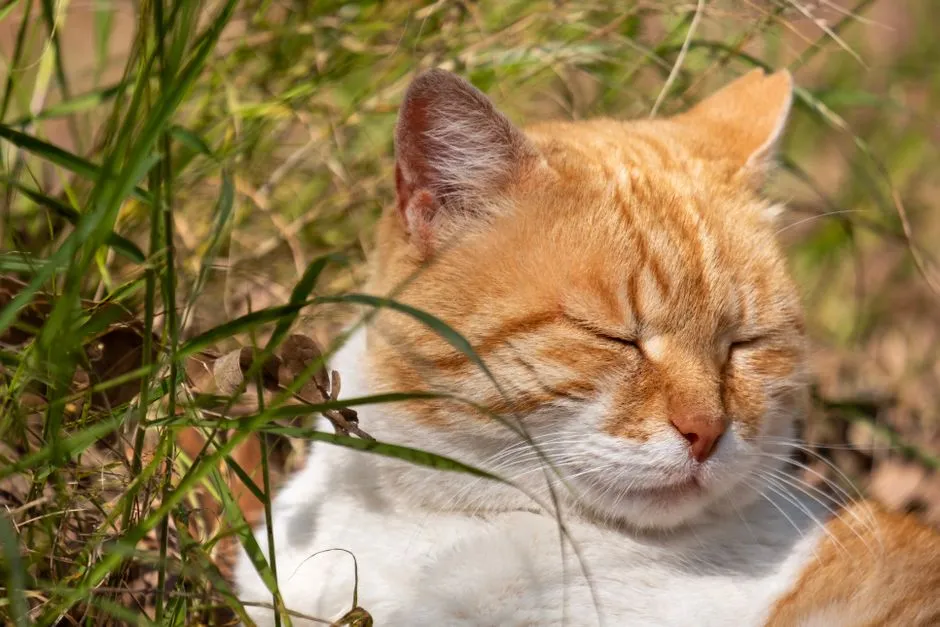
That sleepy squint from the ledge is actually aimed straight at you.
When a relaxed cat looks at you, narrows its eyes and closes them slowly, it is usually signaling comfort. Owners often call it a “cat kiss.” The nickname is informal, but the behavior is real.
Wide, unblinking staring is a different message. In cat body language, a hard stare can read as a challenge, which is exactly why a soft, slow blink stands out.
A 2020 study in Scientific Reports found cats were more likely to approach a stranger’s hand after the stranger slow-blinked at them. The same research found cats tended to slow-blink back at owners who blinked first. The sample sizes were modest, so treat it as a strong hint rather than a law.
How to reply:
- Soften your face and blink slowly.
- Look slightly away afterward.
- Don’t stare back with wide eyes.
The next signal is one most owners misread, and it starts with how your cat folds its paws…
#15 – The Loaf Shape Means “Relaxed, But Watching”
🔥 Would you like to save this?
We'll email this post to you, so you can come back to it later!
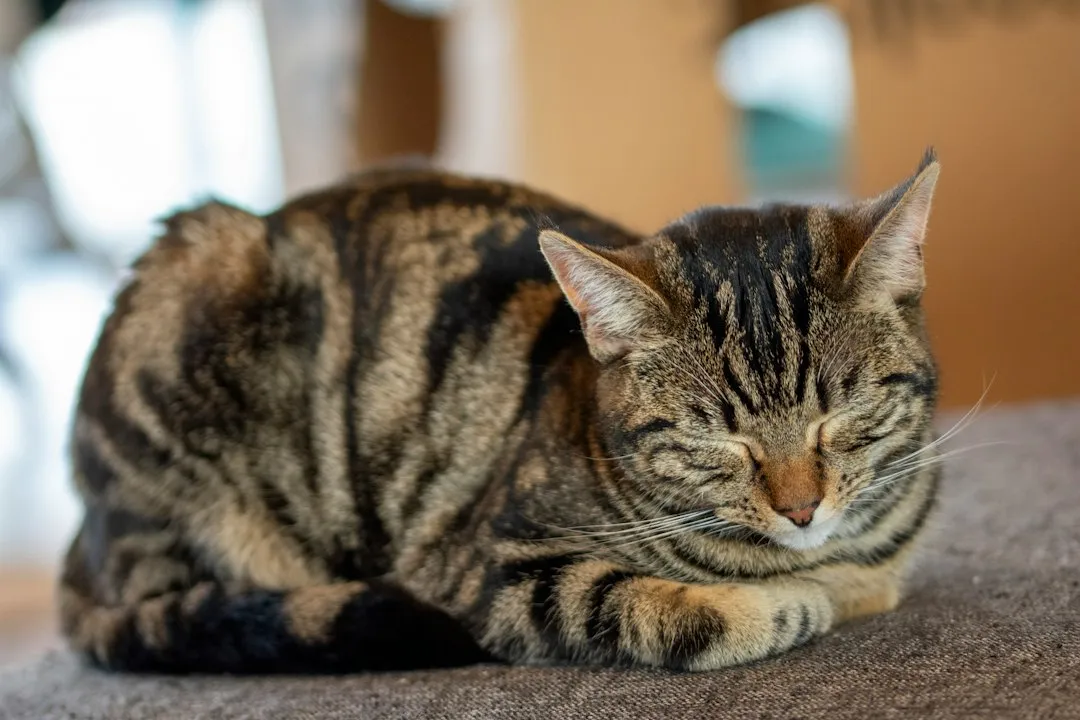
A cat folded into a perfect loaf is telling you something very specific.
In a loaf, the paws are tucked under the chest and the tail is wrapped close to the body. The cat is settled, but not fully off duty. From that shape it can still watch the street, track a bird and spring up fast.
Experts often describe this as relaxed-alert. Tucking the paws likely helps conserve warmth, which is probably why loafing is so common on cool glass and cold ledges.
The same pose can look very different when a cat is uncomfortable. A soft loaf has loose shoulders, slow breathing and gentle eyes. A hunched, tense loaf with a tight face is a different story.
- Soft loaf: relaxed face, easy breathing, half-closed eyes.
- Tense loaf: stiff body, hunched shoulders, little movement.
And what your cat does with its ears while it sits like that may be even more revealing…
#14 – The Ears Run a Live Surveillance Feed
🔥 Would you like to save this?
We'll email this post to you, so you can come back to it later!
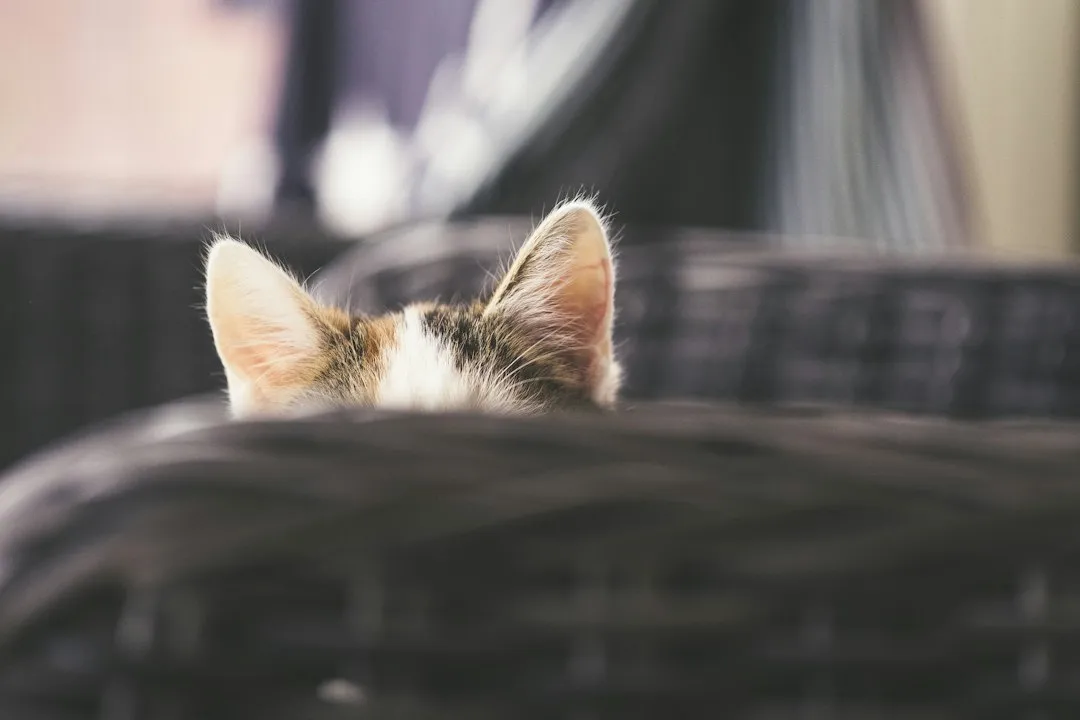
Your cat’s ears keep working long after its eyes look half asleep.
Each ear can rotate on its own, powered by more than 30 muscles per ear. A cat on the ledge can aim one ear at a passing car and the other at your footsteps in the hallway. That is why an apparent doze is rarely a full shutdown.
Ear position is a quick mood readout. Forward and upright means calm attention or curiosity. Sideways “airplane ears” often suggest nervousness or irritation, and ears flat against the head point to fear or defensiveness.
So a single ear flick toward you mid-nap is a check-in. Your cat is still tracking you.
- Forward: interested, relaxed.
- Sideways: unsure or irritated.
- Flattened: scared, ready to defend.
But the eyes add another layer, and sunlight can make them completely misleading…
#13 – Pupils Change With the Light, Not Just the Mood
🔥 Would you like to save this?
We'll email this post to you, so you can come back to it later!
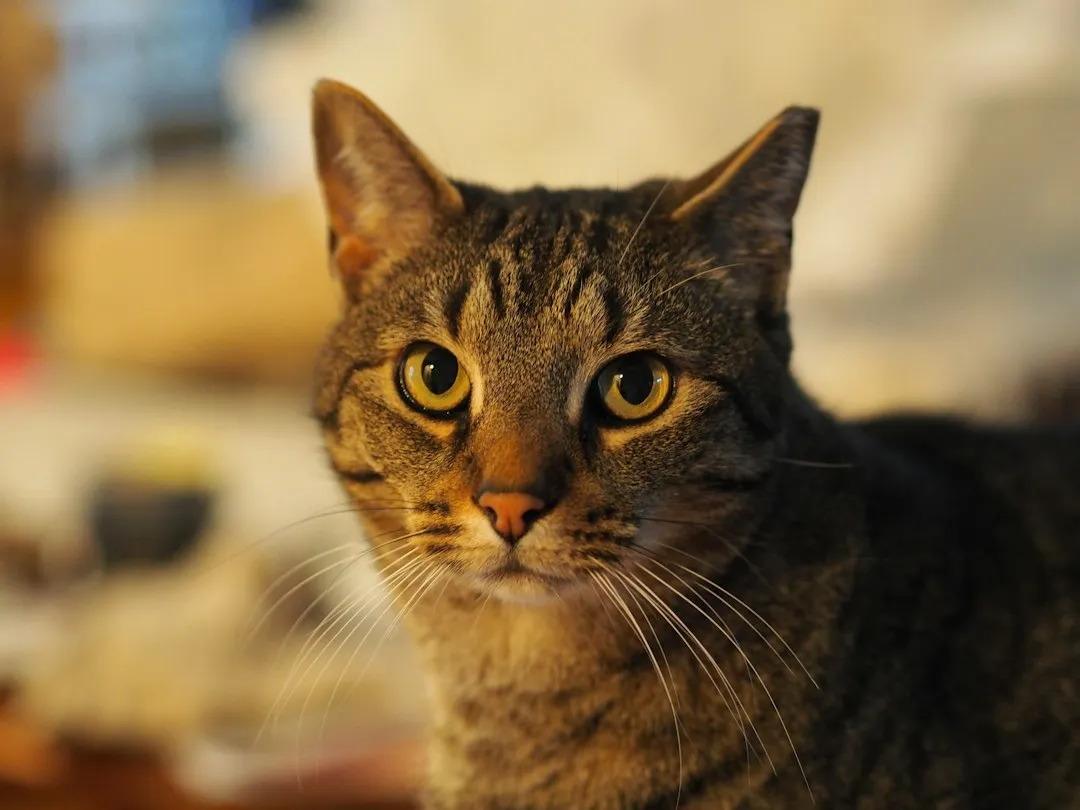
The size of your cat’s pupils can rewrite the story of the afternoon.
Cat pupils are vertical slits. They open wide in dim light and narrow sharply in bright sun. On a sunny ledge, thin slits are usually just lighting, not anger.
The mistake is stopping there. Pupils also widen with strong arousal, such as excitement, fear or play. A wide, round pupil in bright light, paired with a lowered body, tells a very different story.
Research on slit-shaped pupils suggests they can change in area far more dramatically than round human pupils. That helps explain why a cat’s eyes can look like two completely different animals within minutes. Experts read pupils together with the ears, tail and posture, never alone.
- Slits in bright sun: normal.
- Big, round pupils plus a tense body: high arousal.
- Big, round pupils plus a soft body: often play or interest.
Worth Knowing
- A 2015 study in Science Advances linked vertical slit pupils to ambush predators that hunt close to the ground.
- A reflective layer behind the retina, called the tapetum lucidum, is why cat eyes glow in a camera flash.
- Check the lighting first, then the ears, tail and posture.
- Pupils that stay uneven in size are a reason to call your vet.
Next up is a signal that looks calm but is easy to get wrong…
#12 – A Tail Wrapped Around the Paws Is Quiet Information
🔥 Would you like to save this?
We'll email this post to you, so you can come back to it later!
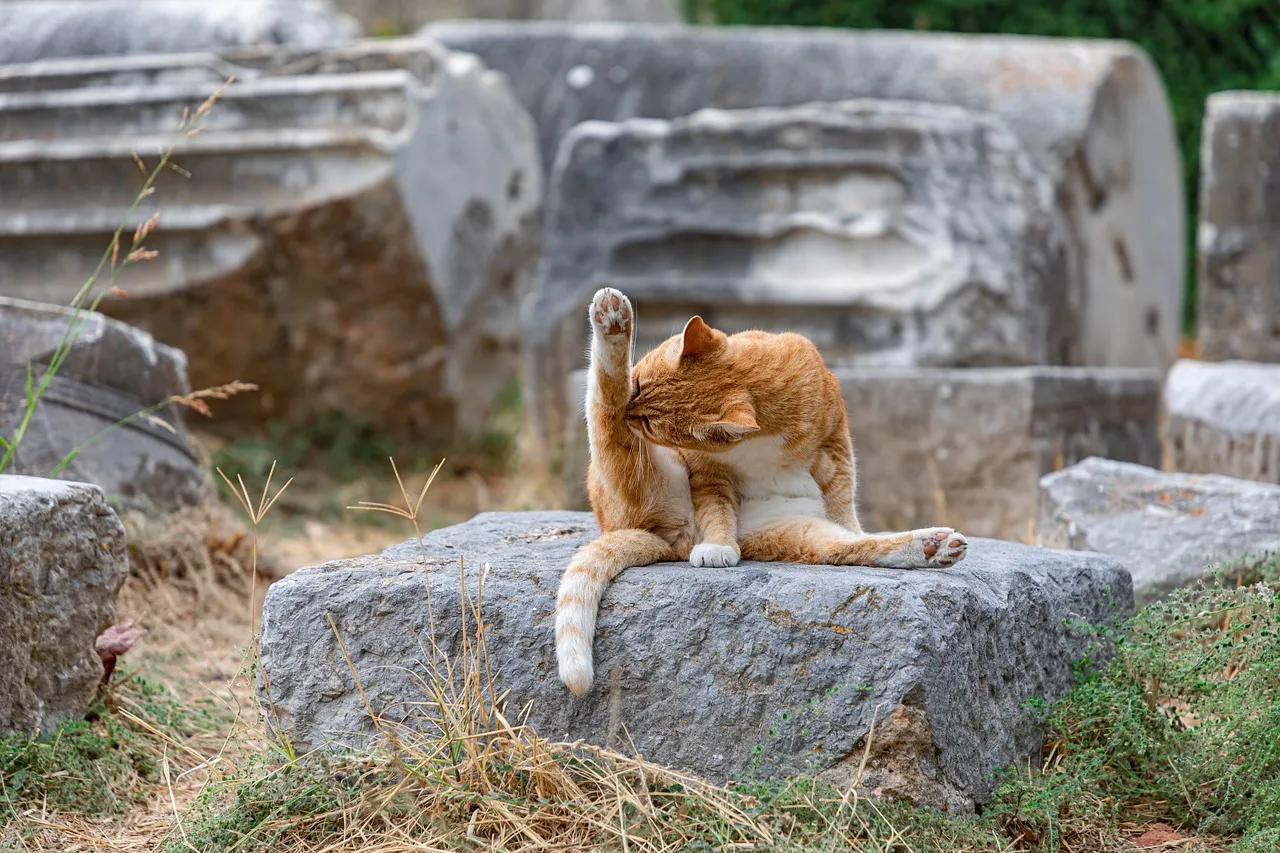
A tail curled neatly around the paws is the quietest signal on the ledge, and the most overlooked.
When a sitting cat wraps its tail around its body, it is often relaxed and content. But in an unfamiliar situation, the same compact sitting can mean caution. The tail does not carry one fixed meaning.
Check the rest of the body. Loose shoulders and soft eyes suggest your cat is at ease. A tight, upright, motionless posture suggests wariness.
Experts treat the tail as a rough mood barometer rather than a dictionary. Cats don’t wag the way dogs do, and a swishing tail is often a sign of conflict or arousal rather than happiness. That is one of the most common mistakes new owners make.
And that’s before you see what a tiny twitch at the very tip of the tail can reveal in #11…
#11 – The Tail-Tip Twitch Shows Where Its Brain Is Locked
🔥 Would you like to save this?
We'll email this post to you, so you can come back to it later!
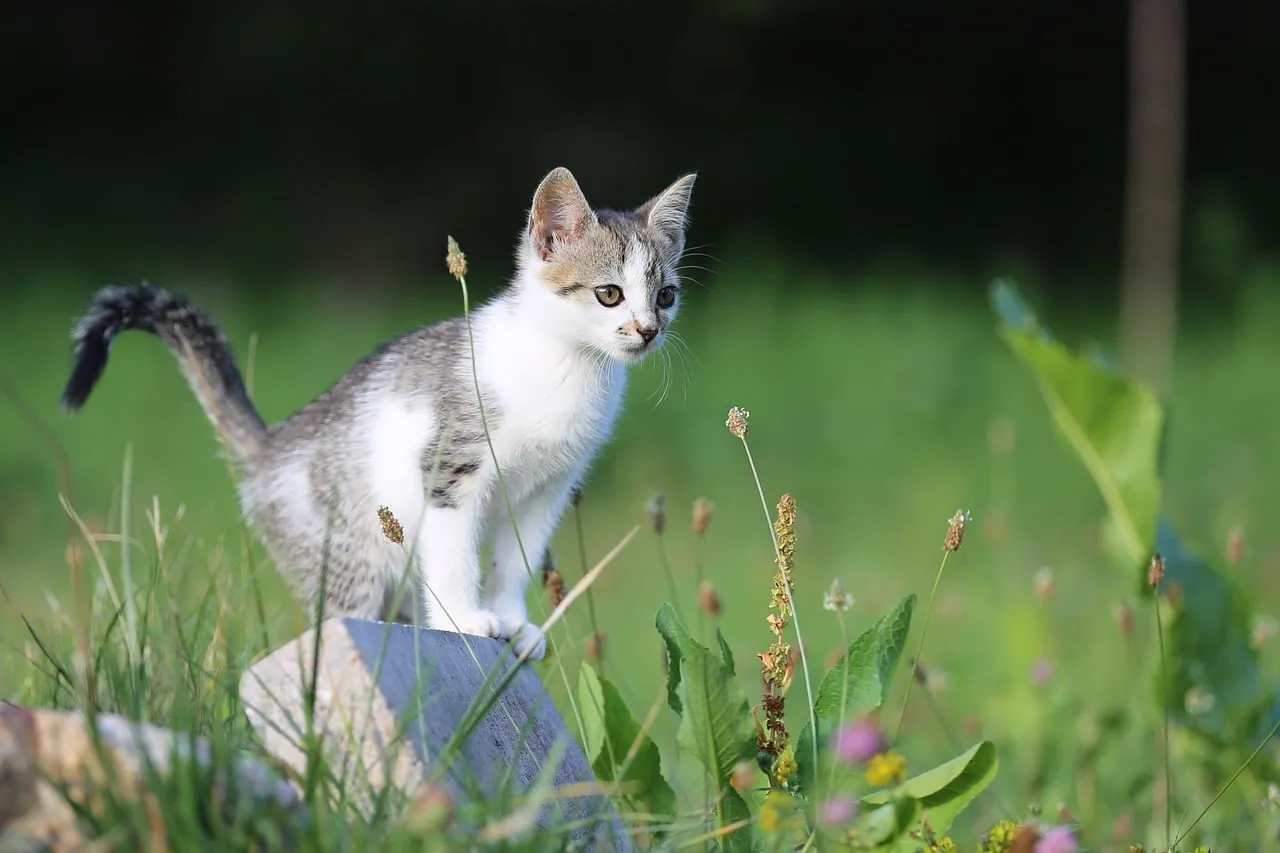
A tiny twitch at the end of the tail can reveal what your cat is about to do.
A tip-only twitch usually means focus. A bird lands, a leaf blows past, and the cat’s attention snaps to the target. The body stays frozen while the tail tip does all the talking.
Bigger movements from the base of the tail point to rising agitation. A slow sweep suggests mixed feelings. A fast lash or a slap against the ledge is a clear signal to back off.
Plenty of people read a moving tail as “happy,” and that is where things go wrong. A lashing tail is one of the clearest “I’ve had enough” cues a cat gives. Ignoring it is how many “sudden” scratches actually happen.
- Tip twitch: focused interest.
- Slow sweep: undecided or mildly annoyed.
- Fast lash: overstimulated, give space.
Watch your cat’s face next, because the most honest part of it is easy to miss…
#10 – Whiskers Secretly Give Away the Mood
🔥 Would you like to save this?
We'll email this post to you, so you can come back to it later!
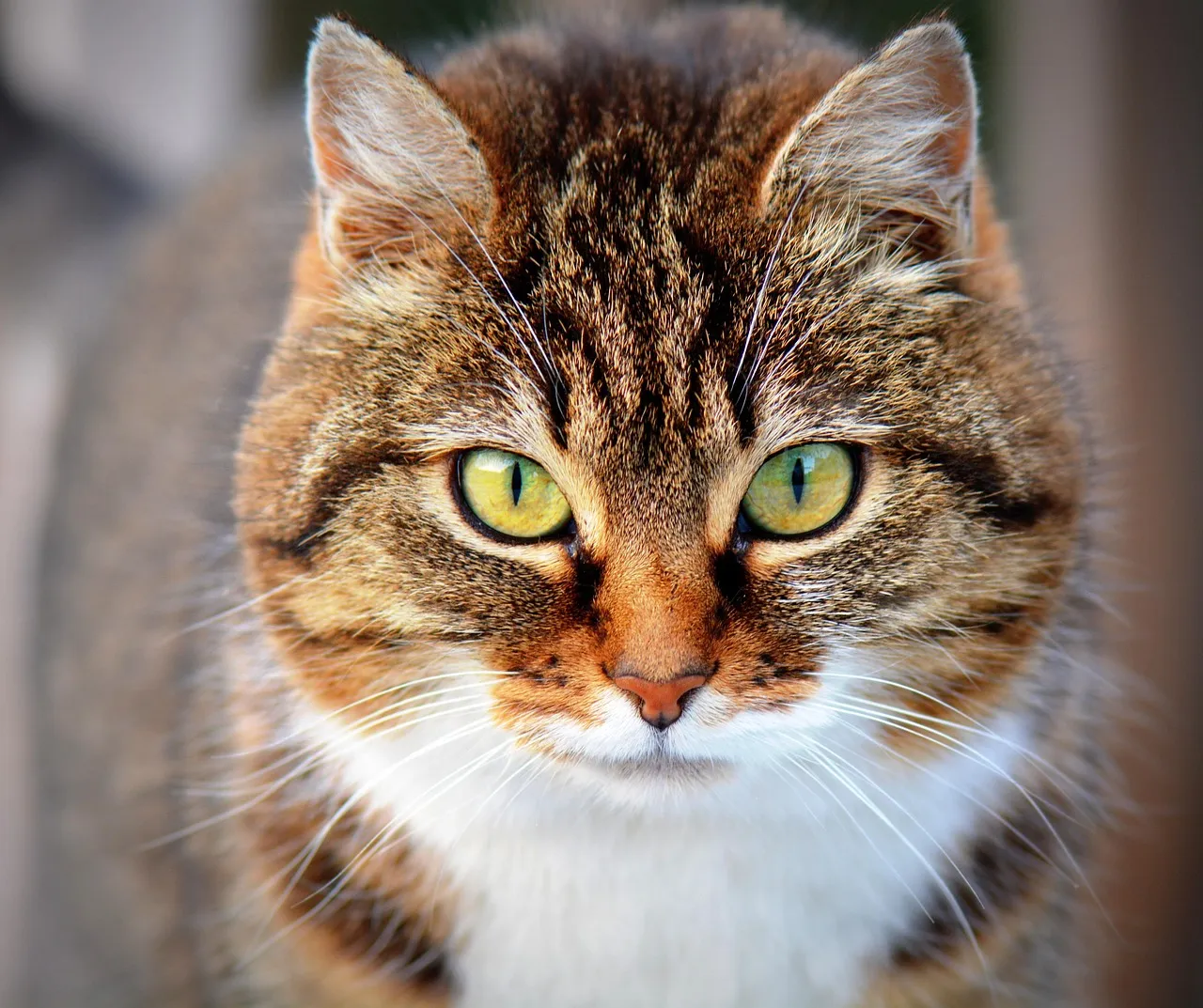
Whiskers are the most honest part of your cat’s face.
They are thick, deeply rooted and rich in nerve endings, and they sense air movement and nearby objects. They are sensory organs, not just hair, which is why vets generally advise against trimming them.
Their position shifts with mood. Relaxed whiskers sit out to the sides. Fanned forward, they signal interest, often when your cat is scanning something outside. Pulled back against the cheeks, they suggest stress or defensiveness.
Pair whisker position with the ears. Forward whiskers and forward ears aimed at a bird mean a locked-on hunter. Pinned whiskers and flat ears mean something outside has spooked your cat.
But the strangest sound of the ledge session comes next, and experts still argue about it…
#9 – Chattering at Birds Is Still Not Fully Explained
🔥 Would you like to save this?
We'll email this post to you, so you can come back to it later!
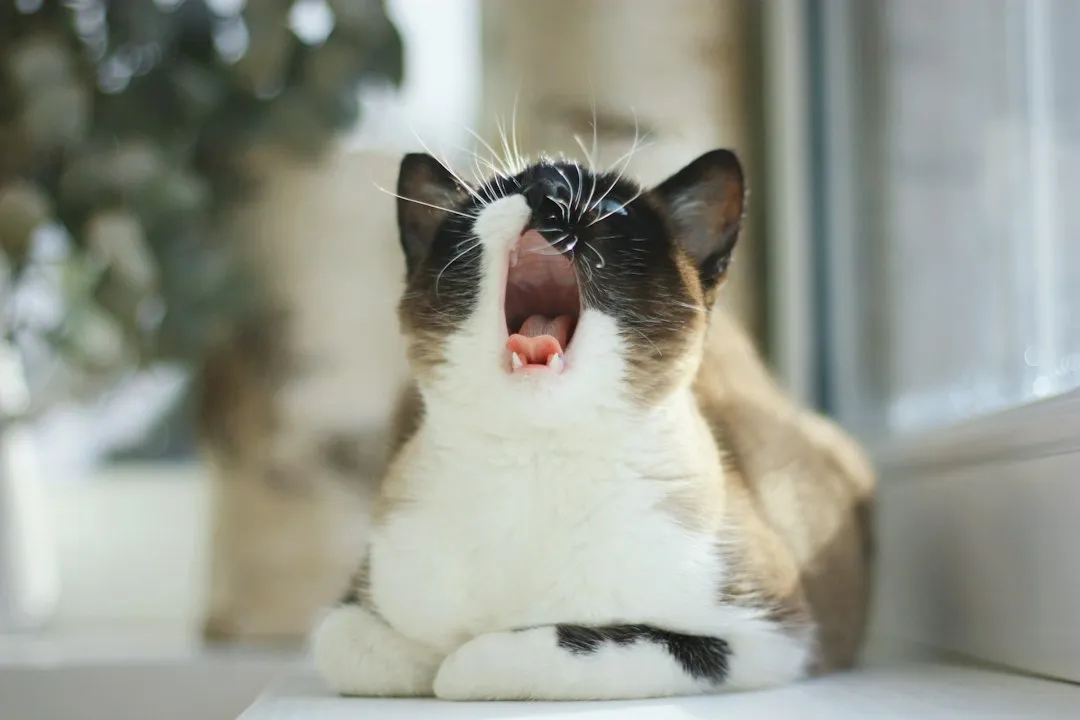
That rapid-fire jaw chatter at a sparrow is one of the most debated behaviors in cat science.
Many cats chatter, chirp or click their jaws when prey is visible but out of reach. It happens most often at windows, which is exactly why you hear it from the ledge.
Experts don’t agree on why. Common theories include excitement, frustration at a blocked hunt, and a rehearsal of the killing bite. Researchers have not settled the question, and anyone who claims certainty is overselling the evidence.
Here is the friction point. Many owners treat bird-watching as harmless entertainment. Some behaviorists argue that endless “prey” you can never catch can build frustration unless it is balanced with real play.
Now for a habit that goes all the way back to your cat’s first days of life…
#8 – Kneading Is a Throwback to Kittenhood
🔥 Would you like to save this?
We'll email this post to you, so you can come back to it later!
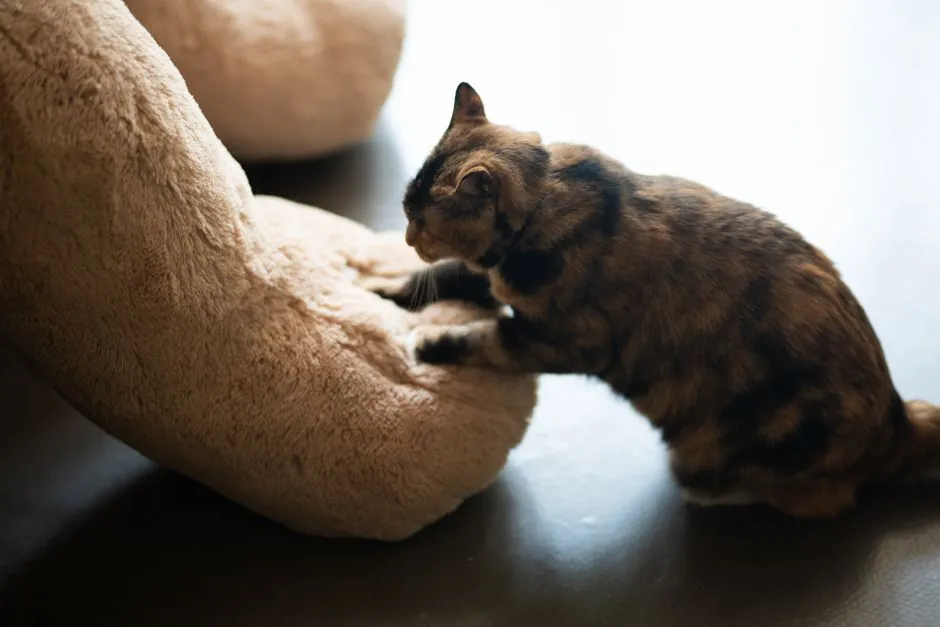
Kneading the ledge cushion is a habit most cats never outgrow.
Kittens press their paws against their mother to stimulate milk flow. Adult cats often keep the motion as a comfort behavior. It is rhythmic, slow and usually calm.
There may be a second layer. Cats have scent glands in their paws, so kneading may also leave a scent signature. A third theory points to instinctive nest-making. None of these explanations is considered final.
Fast Facts
- Cat people nickname it “making biscuits” or “making bread.”
- It starts in the first days of life, during nursing.
- Claws often extend mid-knead, so thick fabric protects both ledge and lap.
- It usually pairs with a slow, relaxed, soft-eyed mood.
Kneading often shows up alongside purring and half-closed eyes, a combination widely associated with deep contentment. On a ledge, that is a very good sign.
Practical points:
- Put a blanket or soft pad on the ledge.
- Keep nails trimmed to protect fabric and your lap.
- Don’t punish it. It is a comfort behavior, not misbehavior.
The next signal is invisible to you, even though your cat is practically shouting it…
#7 – Cheek Rubbing Is Your Cat Signing Its Name
🔥 Would you like to save this?
We'll email this post to you, so you can come back to it later!
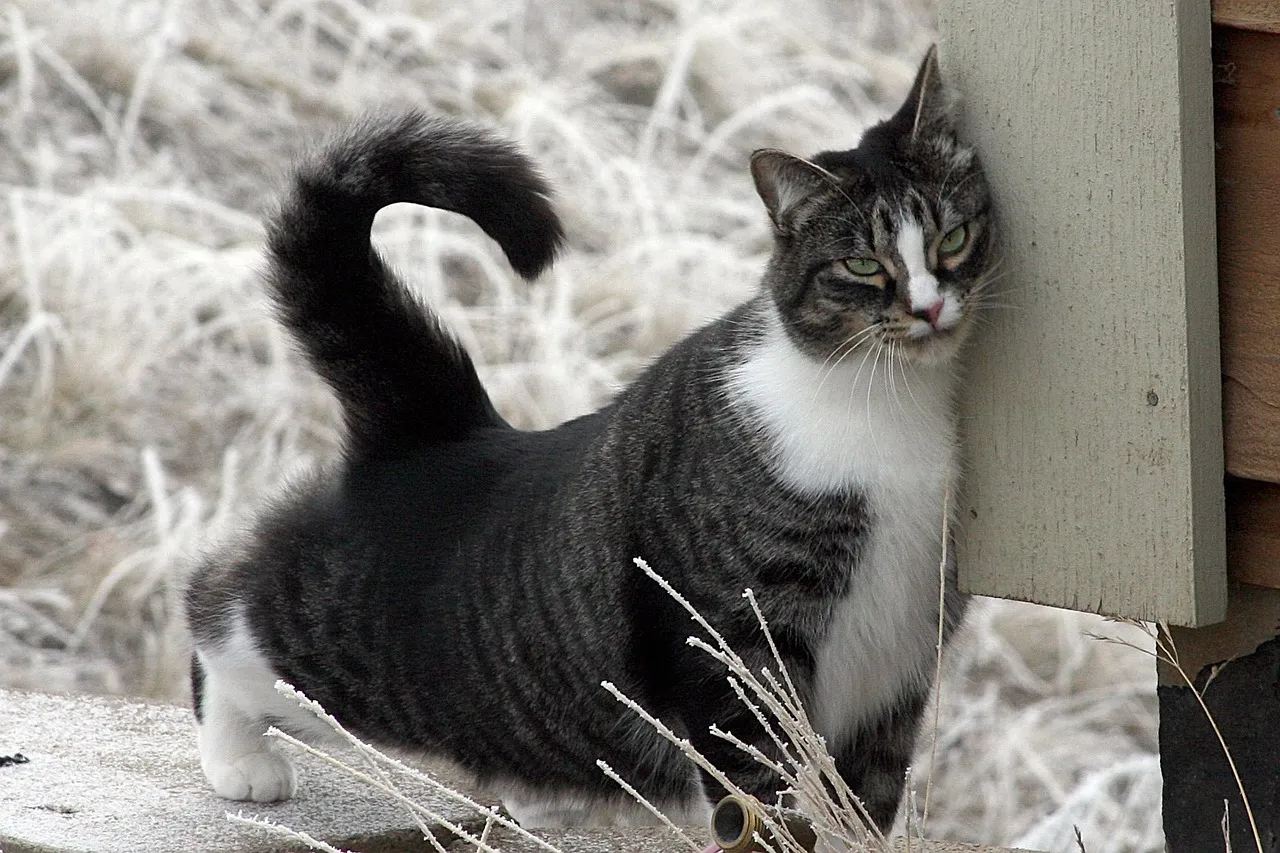
When your cat rubs its face on the window frame, it is leaving a message.
Cats have scent glands on the cheeks, chin and around the mouth. Rubbing, often called bunting, deposits a chemical signature on objects. Most of that message is undetectable to humans, which is why owners underestimate how much cats communicate this way.
The ledge is a natural marking point. A familiar scent likely helps the cat feel secure in its territory, and when your cat rubs against you, it may be adding you to that shared scent profile.
Think of it as personalizing a space. A cat that marks its ledge confidently is usually a cat that feels at home.
And what the sun does to your cat’s body language is next in #6…
#6 – The Sunbeam Sprawl Is a Full-Trust Position
🔥 Would you like to save this?
We'll email this post to you, so you can come back to it later!
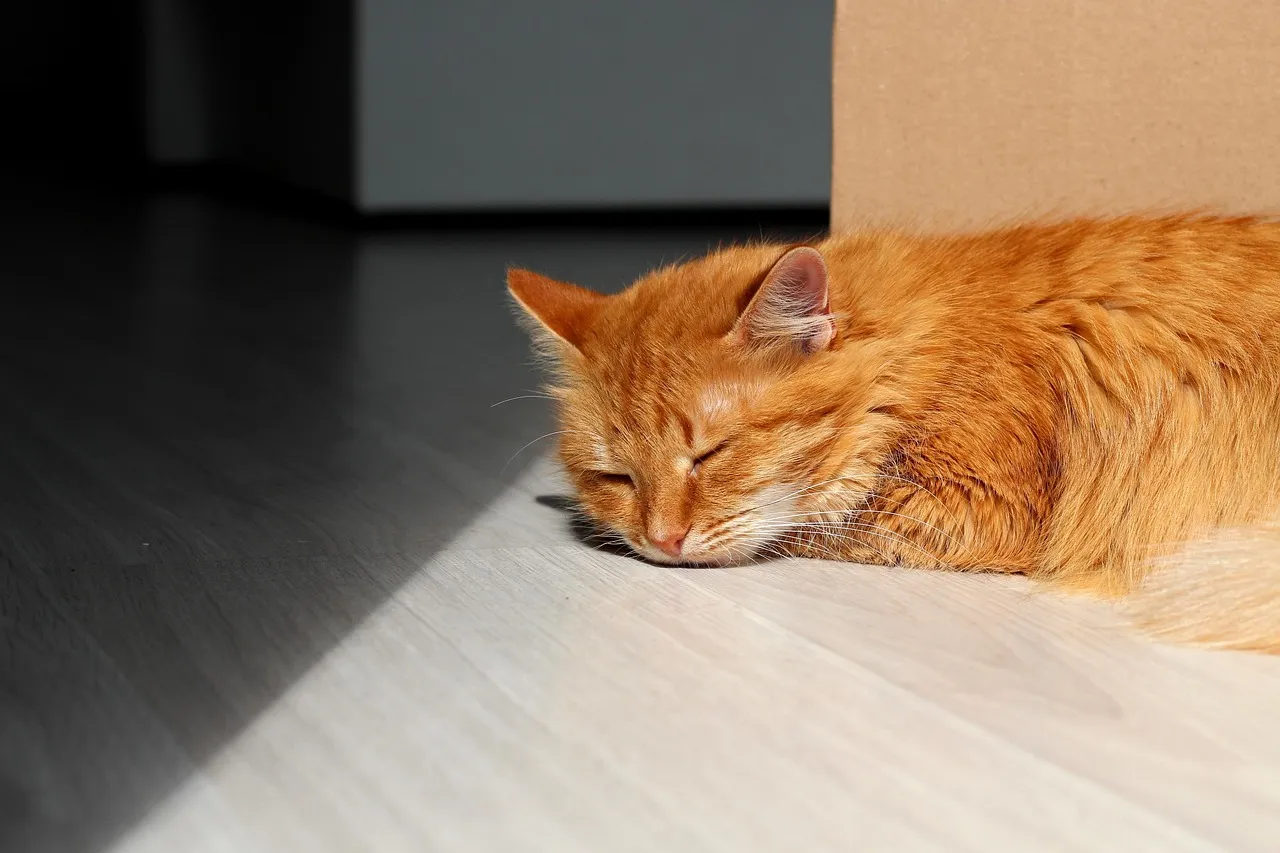
Stretched out flat in the sunbeam, your cat is doing more than staying warm.
Cats generally prefer warmth, and a patch of sun on the ledge works like free heating. Many cats shift position through the afternoon to stay in the light.
The sprawl itself matters. Limbs extended, body loose and belly partly exposed all suggest full relaxation. Cats rarely expose their bodies in places they consider unsafe. The pose is a quiet vote of confidence in the room.
At a Glance
- A cat’s normal body temperature runs about 100.5 to 102.5°F.
- Cats are generally comfortable in surroundings of roughly 86 to 100°F, warmer than most homes.
- That gap explains why they chase every patch of sun.
- A shaded spot and fresh water nearby let your cat choose.
Don’t confuse it with overheating, though. Glass can intensify sun, and not every cat knows when to move.
Watch for these warning signs:
- Panting or open-mouth breathing.
- Drooling or restlessness.
- Seeking cooler floor spots.
Sound matters just as much as position, and it’s where owners make one of their biggest mistakes in #5…
#5 – Purring Isn’t Always the Happy Sound You Think
🔥 Would you like to save this?
We'll email this post to you, so you can come back to it later!
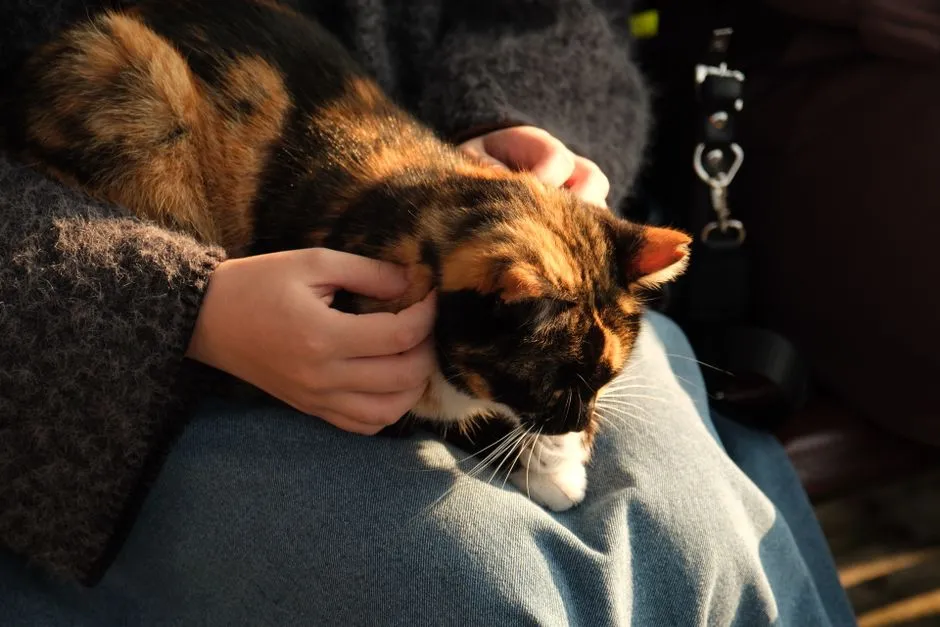
A soft purr from the ledge is not always proof of happiness.
Purring is commonly linked to contentment, and it often is. Kittens purr while nursing, and many adult cats purr in the same relaxed, soft-eyed way when they feel safe.
But cats also purr when stressed, in pain or recovering. Some experts see it as partly self-soothing. A cat can purr when it is injured or frightened, which makes purring a poor stand-alone signal.
The mistake is treating the purr as the whole story. Read it with posture, ears and tail.
- Purr plus soft body: likely content.
- Purr plus tense body or hiding: worth a closer look.
- Purr plus sudden behavior change: consider a vet check.
Next comes the move that gets more owners bitten than almost any other…
#4 – The Belly-Up Roll Is Trust, Not an Invitation
🔥 Would you like to save this?
We'll email this post to you, so you can come back to it later!
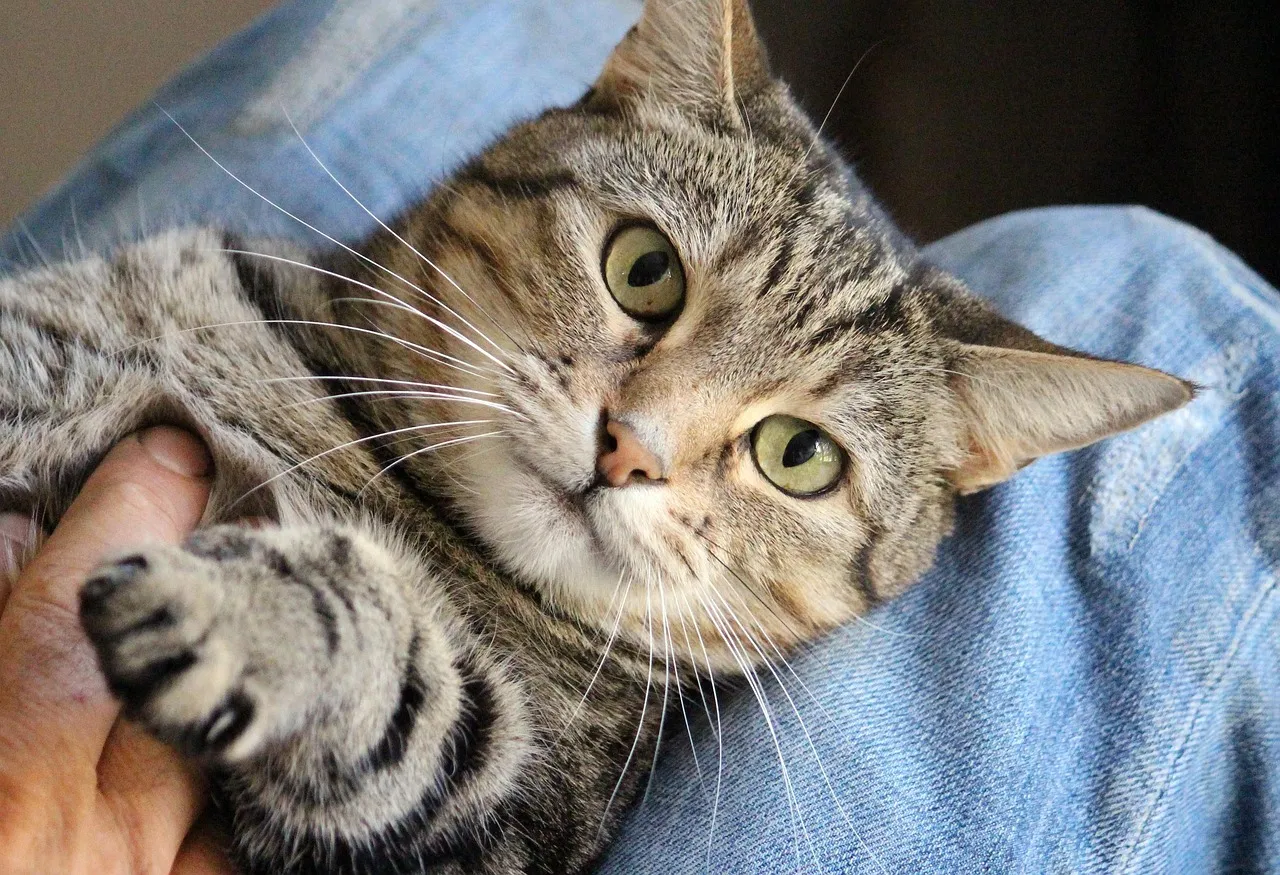
The belly-up roll is the biggest trust signal on the ledge, and the most misunderstood.
A cat showing its belly is exposing a vulnerable area, and it usually does so only where it feels safe. That alone is a compliment.
Here is the mistake. Many owners treat it as a request for a belly rub, and plenty insist their cat loves one. Experts say many cats only tolerate belly rubs, and tolerance has a limit.
A belly-up cat can still grab, kick and bite if touched when it didn’t want it. The roll says “I trust this room,” not “touch me here.”
Safer choices:
- Stroke the cheeks, chin or head instead.
- Watch for ear flicks and tail swishes.
- Stop at the first sign of tension.
But the signal at #3 tells you the moment your cat noticed you, before you noticed it…
#3 – The Tail-Up Greeting Is Reserved for Friends
🔥 Would you like to save this?
We'll email this post to you, so you can come back to it later!
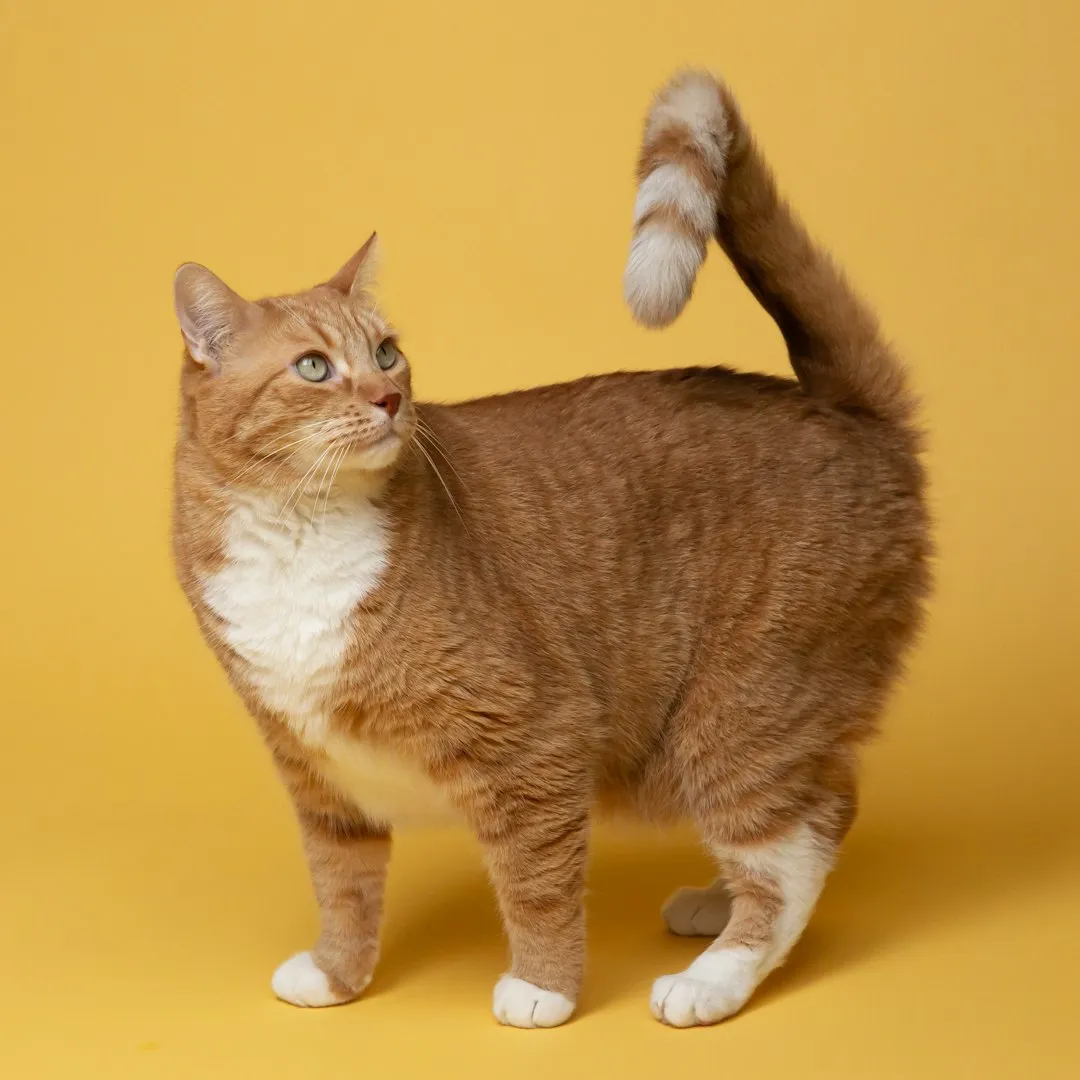
A vertical tail is a signal cats seem to save for those they like.
You walk in, and your cat drops off the ledge with its tail held straight up. The tip may even quiver slightly. Behavior researchers have linked the upright tail to friendly approach, and it is widely read as a greeting.
It also tells you something about timing. Your cat noticed you coming, perhaps from sounds at the door, and decided to move. It was paying attention the whole time it looked asleep.
An upright tail with a trembling tip is commonly read as an especially excited hello. The chances are good your cat is pleased to see you.
And then there’s the pattern behind #2, the one hiding in plain sight every single day…
#2 – Same Spot, Same Time Shows What Your Cat Expects
🔥 Would you like to save this?
We'll email this post to you, so you can come back to it later!
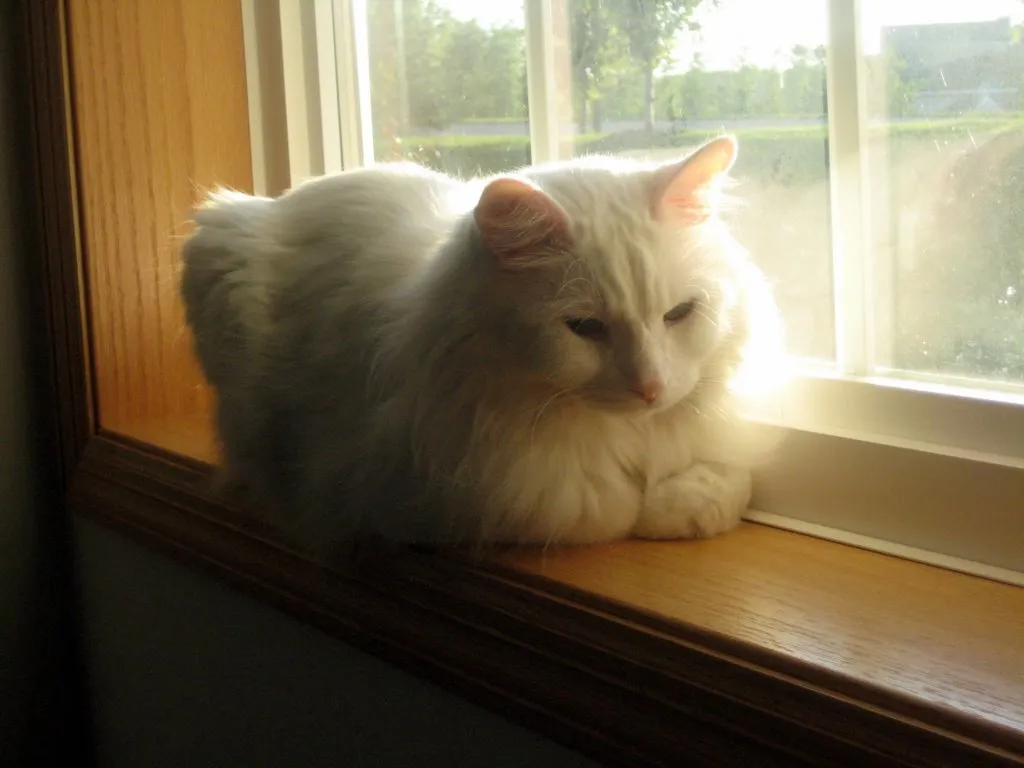
The most telling signal is the clock your cat seems to carry.
Cats learn routines quickly. They pick up cues from light angle, household noises and mealtimes, then anticipate what comes next. That is why your cat is on the ledge again at the same hour.
It isn’t reading a clock. Experts say cats rely on environmental cues like light, sound and your habits rather than telling time. Afternoon is also often a quiet stretch between the more active dawn and dusk periods in cats.
A consistent spot also means the ledge works for your cat. It offers warmth, a view and a safe vantage point.
If your cat suddenly abandons its spot, investigate:
- New outdoor noises or a visiting neighborhood cat.
- Changes in the room or furniture.
- Hiding or appetite changes, which merit a vet call.
But the strongest signal of all comes from where your cat points its attention in #1…
#1 – The Ledge Spot Keeps You in View
🔥 Would you like to save this?
We'll email this post to you, so you can come back to it later!
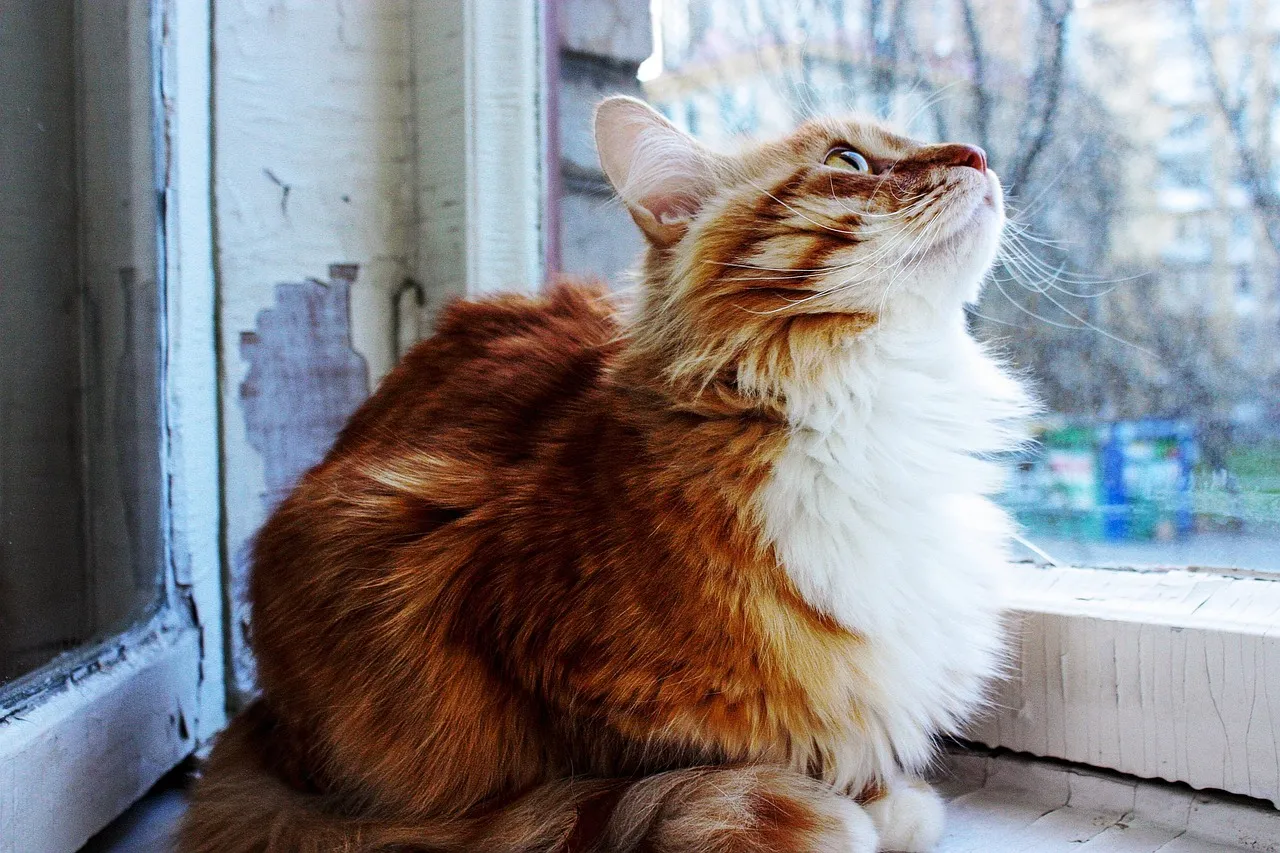
The strongest signal of all is where your cat chooses to sit.
Look closely. The ledge often offers a line of sight into the room as well as out the window. Many cats glance back over a shoulder from time to time, as if checking in.
Research supports the idea that cats bond with their people. A 2019 study in Current Biology found that roughly two-thirds of the cats tested showed secure attachment to their owners. That is a similar proportion to what has been reported in dogs and infants.
Behaviorists describe that kind of bond as a “secure base.” Your cat explores, watches and relaxes, knowing you are nearby. The glance back is a quiet check on that base.
Why It Stands Out
- The 2019 study tested more than 100 kittens and adult cats.
- It used a version of the Strange Situation Test, a method long applied to infants.
- Roughly two-thirds of the cats showed secure attachment, a rate comparable to human babies.
- The rest showed insecure patterns, so every cat is an individual.
So the “aloof cat” label is largely a myth. It says more about how little we have learned to read them than about how little they care.
Your cat’s afternoon ledge session is not idle time. It is a daily broadcast of comfort, curiosity, trust and the occasional flash of frustration. Most owners catch the obvious signals and miss the quiet ones: the ear flick, the tail tip, the glance over the shoulder.
My opinion is that the “aloof cat” myth has outstayed its welcome. The evidence on attachment and the detail in cat body language point to animals that communicate constantly. We just aren’t fluent yet.
Learn the signals, read them together, and respond gently. Which one have you been misreading: the purr, the belly-up roll or the twitching tail?

- 7 Everyday Habits That Can Make Your Senior Dog Happier - November 5, 2026
- 10 Enigmatic Structures That Continue to Puzzle Scientists Today - November 5, 2026
- 10 Strange Ruins in the Americas That Challenge What We Know About Early History - November 5, 2026