
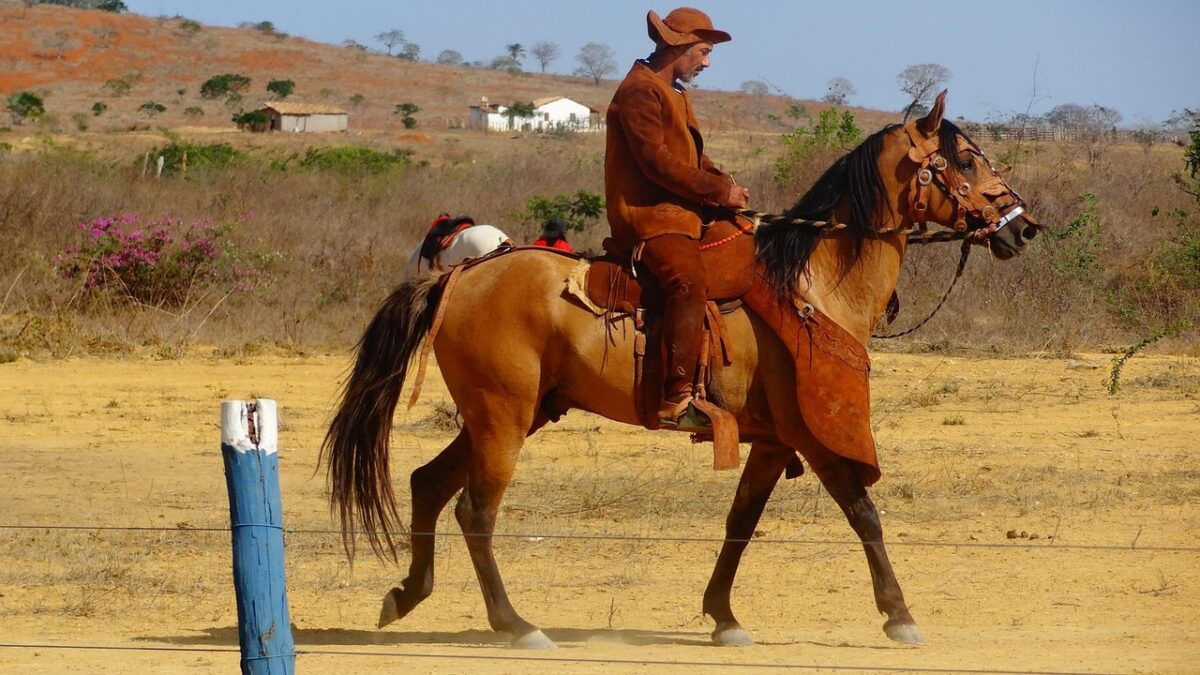
Rescue horses often arrive with a history that shapes their behavior and trust levels. While many anticipate a swift bond, the reality is that these horses may require extended periods to rebuild trust. Let’s explore the key reasons behind this prolonged journey.
1. Past Trauma and Abuse
🔥 Would you like to save this?
We'll email this post to you, so you can come back to it later!
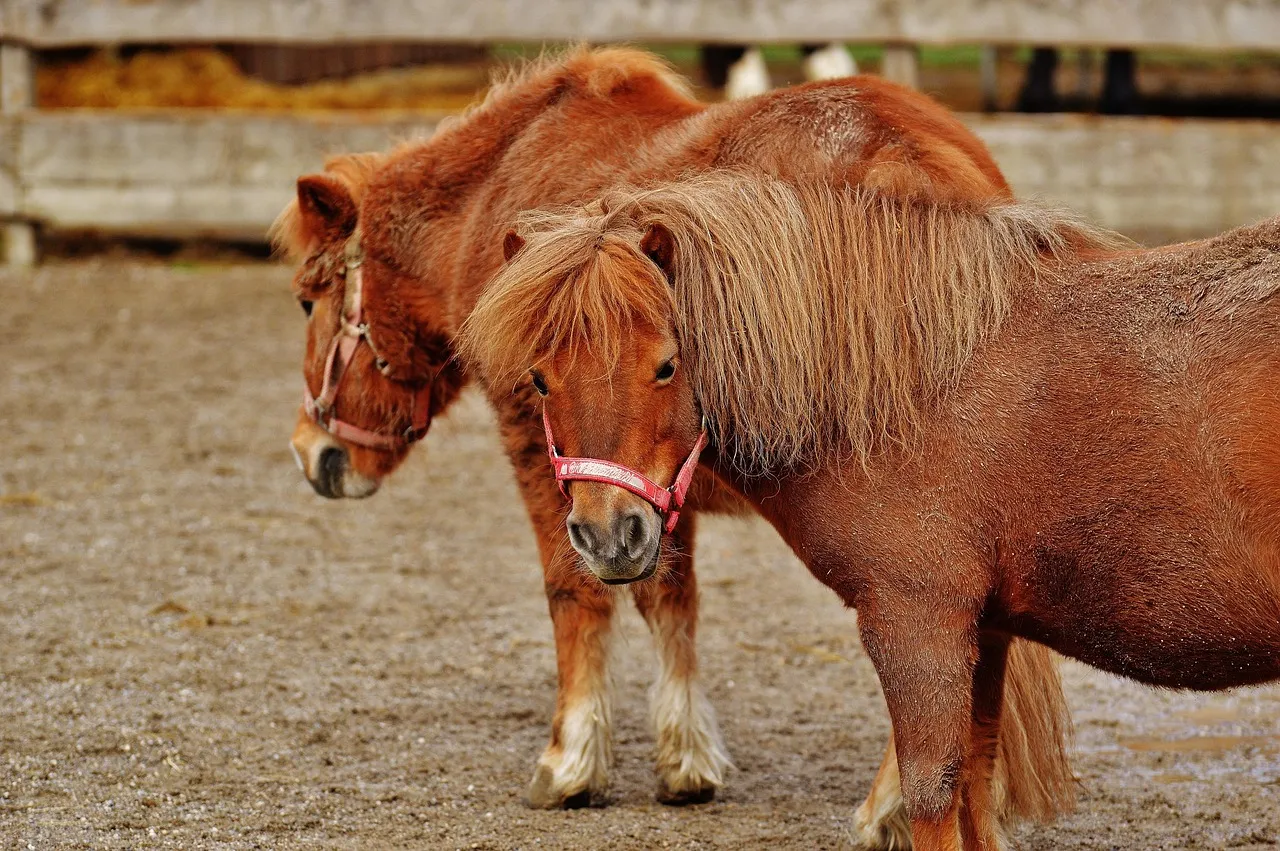
Rescue horses frequently come from backgrounds of neglect or abuse. Such experiences can lead to deep-seated fears and anxieties. Overcoming these emotional scars is a gradual process, as the horse learns to associate humans with safety rather than harm.
Building trust requires consistent, positive interactions. It’s essential to approach these horses with patience, allowing them to set the pace for their comfort and confidence.
2. Lack of Early Socialization
🔥 Would you like to save this?
We'll email this post to you, so you can come back to it later!
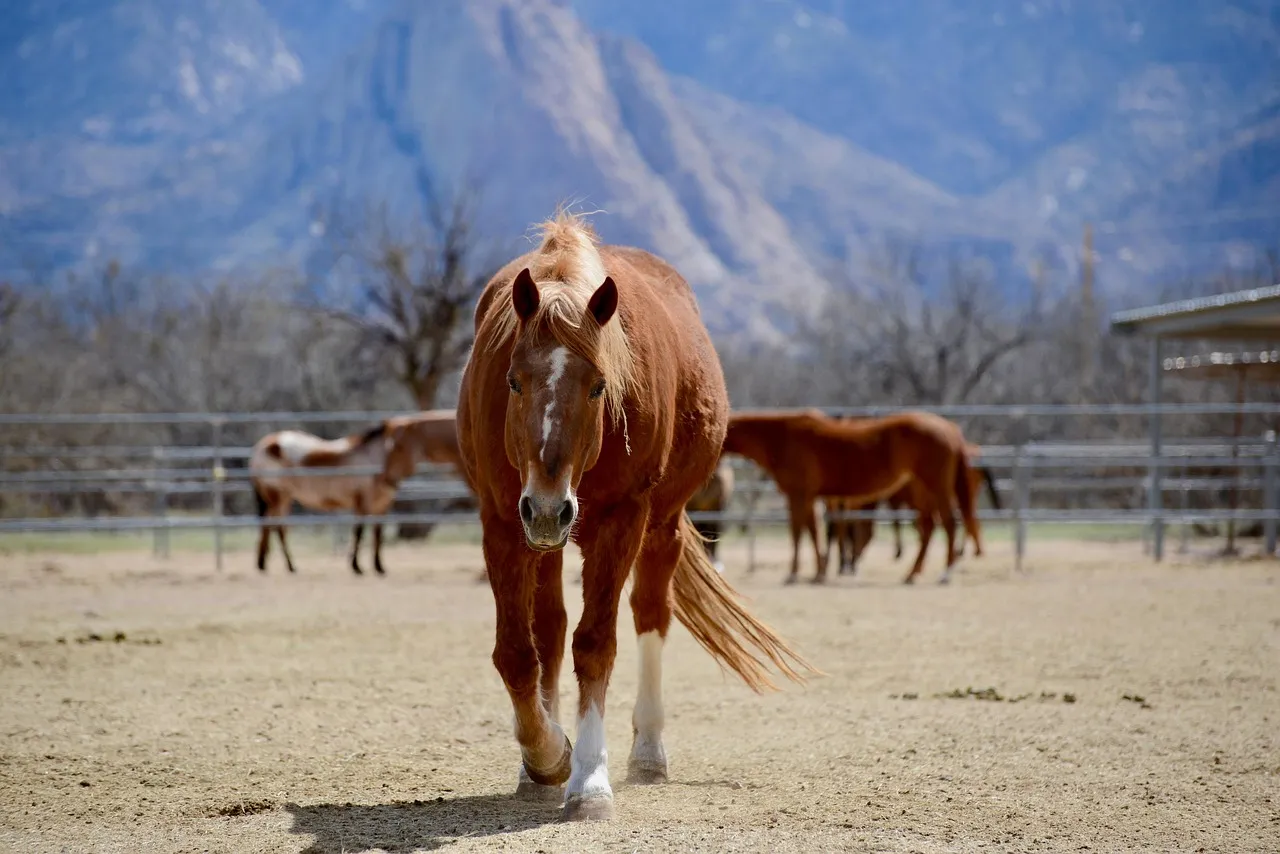
Many rescue horses miss out on crucial early socialization. Without exposure to varied environments and handlers, they may develop apprehension towards new experiences.
Introducing them to different stimuli in a controlled manner helps in reducing their anxiety. Over time, this exposure can foster a sense of security and trust.
3. Inconsistent Handling
🔥 Would you like to save this?
We'll email this post to you, so you can come back to it later!
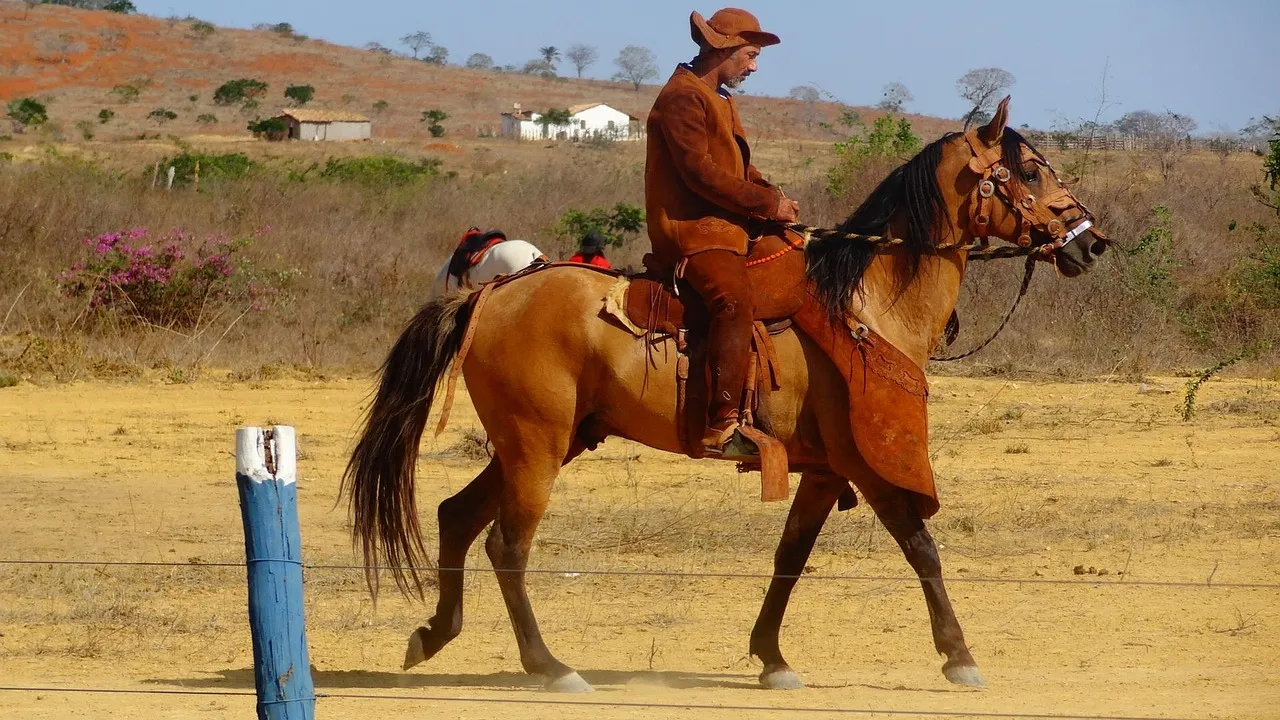
Prior to rescue, some horses experience inconsistent or harsh handling. This unpredictability can make them wary of human interaction.
Establishing a routine with gentle and consistent handling reassures the horse, demonstrating that human contact can be positive and predictable.
4. Health Issues
🔥 Would you like to save this?
We'll email this post to you, so you can come back to it later!
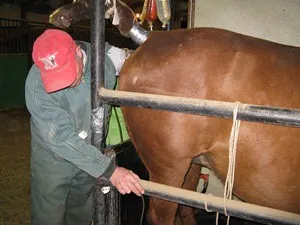
Undiagnosed health problems can cause discomfort, making horses more irritable or fearful. Pain can be a significant barrier to trust.
Addressing medical concerns promptly ensures the horse feels better physically, which can positively impact their willingness to engage and trust.
5. Sensory Sensitivities
🔥 Would you like to save this?
We'll email this post to you, so you can come back to it later!
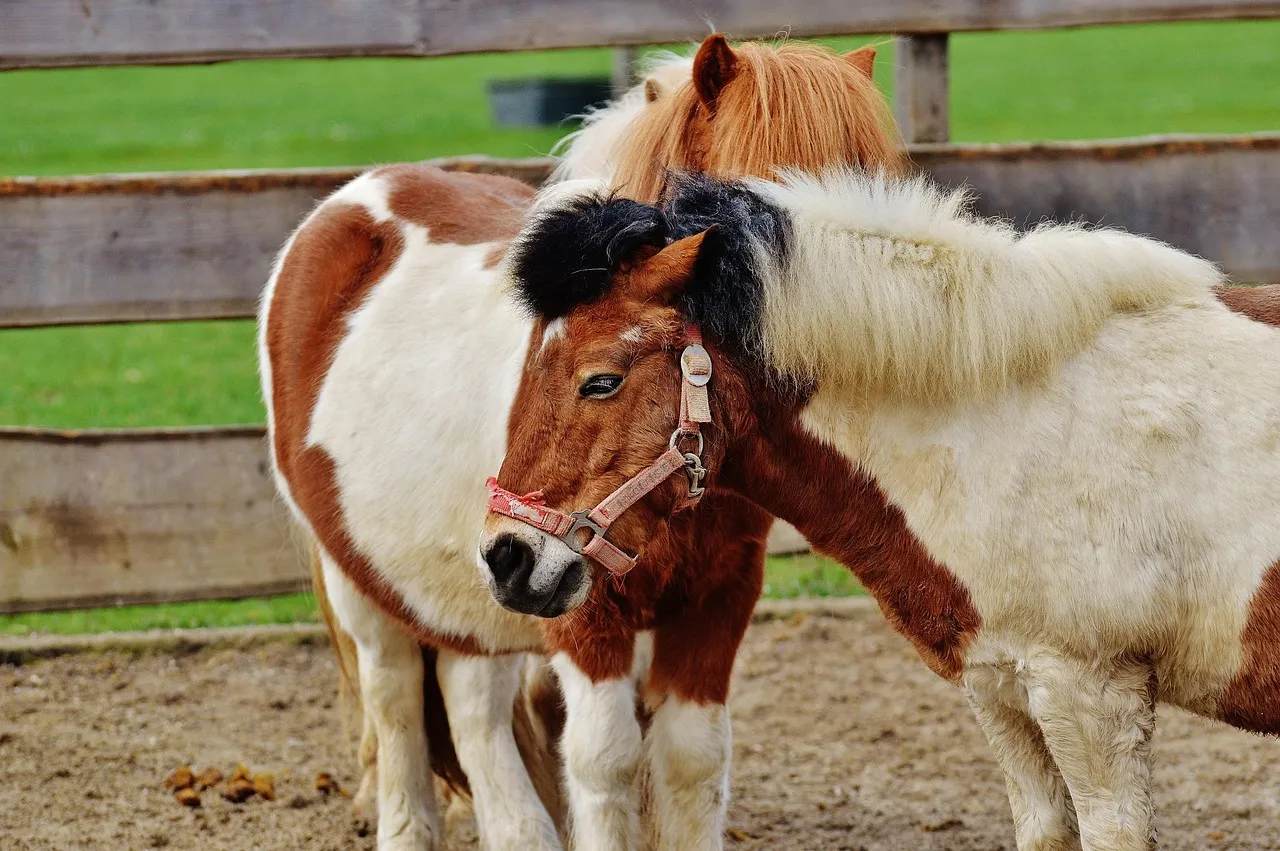
Rescue horses might be hypersensitive to touch, sound, or movement due to past experiences. This heightened sensitivity can make them react defensively.
Gradual desensitization techniques, where the horse is slowly introduced to various stimuli, can help in reducing these sensitivities over time.
6. Fear of Confinement
🔥 Would you like to save this?
We'll email this post to you, so you can come back to it later!
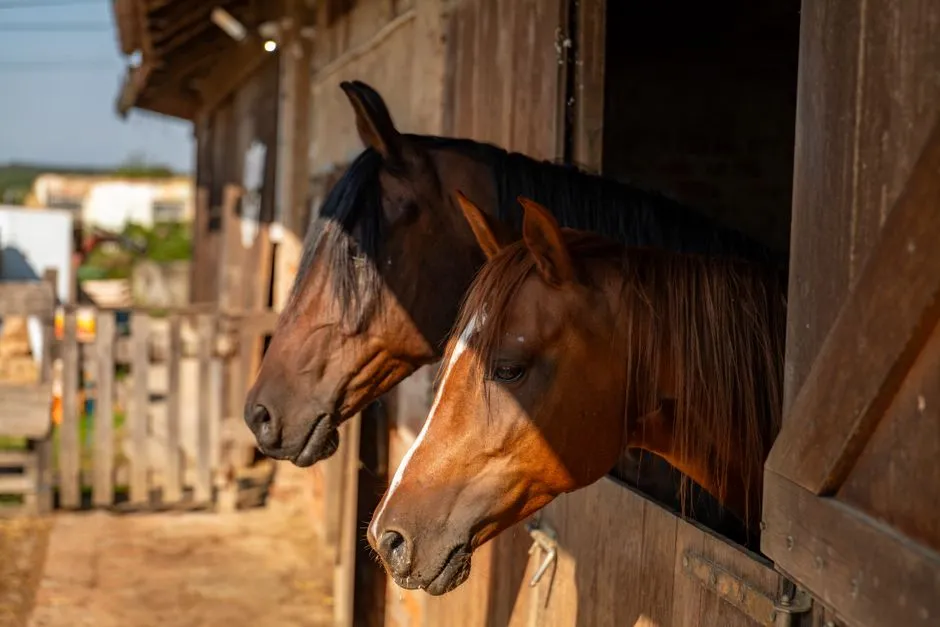
Some rescue horses develop claustrophobia from being kept in restrictive environments. This fear can manifest as anxiety in stalls or trailers.
Providing spacious and open environments initially, and slowly introducing confined spaces, can help alleviate this fear.
7. Previous Training Methods
🔥 Would you like to save this?
We'll email this post to you, so you can come back to it later!
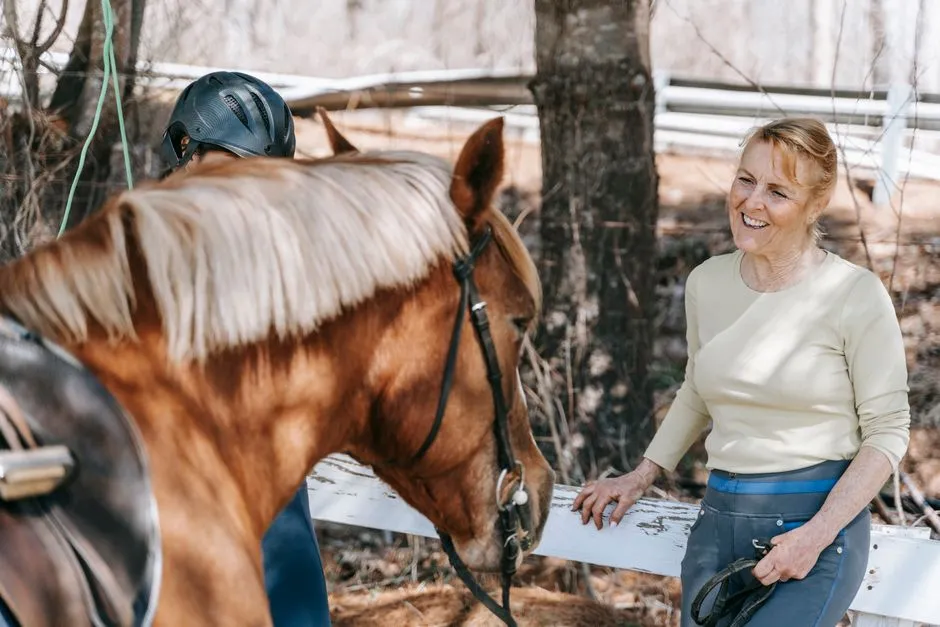
Horses subjected to harsh or punitive training methods may associate human interaction with negative outcomes.
Implementing positive reinforcement strategies can reshape their perception, associating humans with rewards and kindness.
8. Herd Dynamics
🔥 Would you like to save this?
We'll email this post to you, so you can come back to it later!
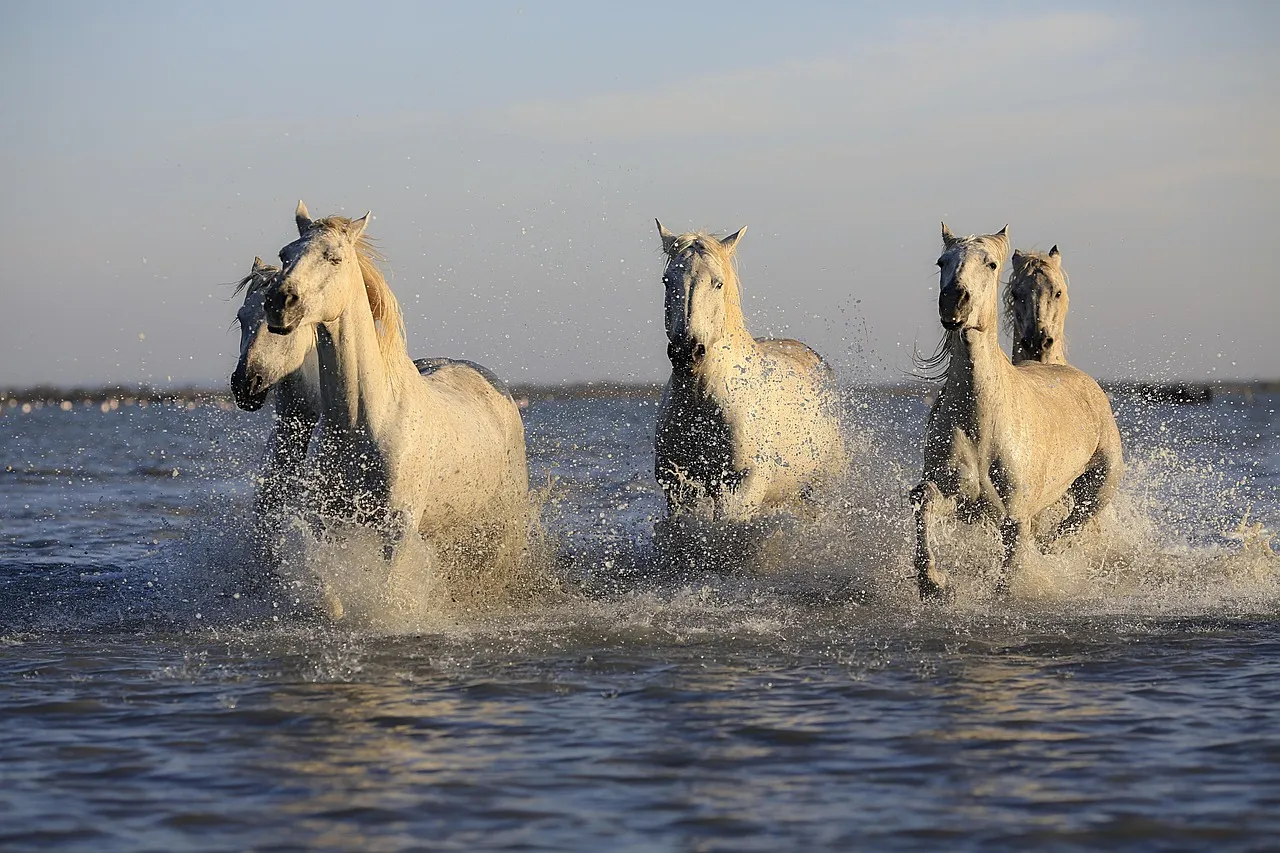
Rescue horses may have had limited or negative interactions with other horses, affecting their social skills.
Allowing them to integrate with a calm and stable herd can teach them positive social behaviors and reduce anxiety.
9. Multiple Rehomings
🔥 Would you like to save this?
We'll email this post to you, so you can come back to it later!
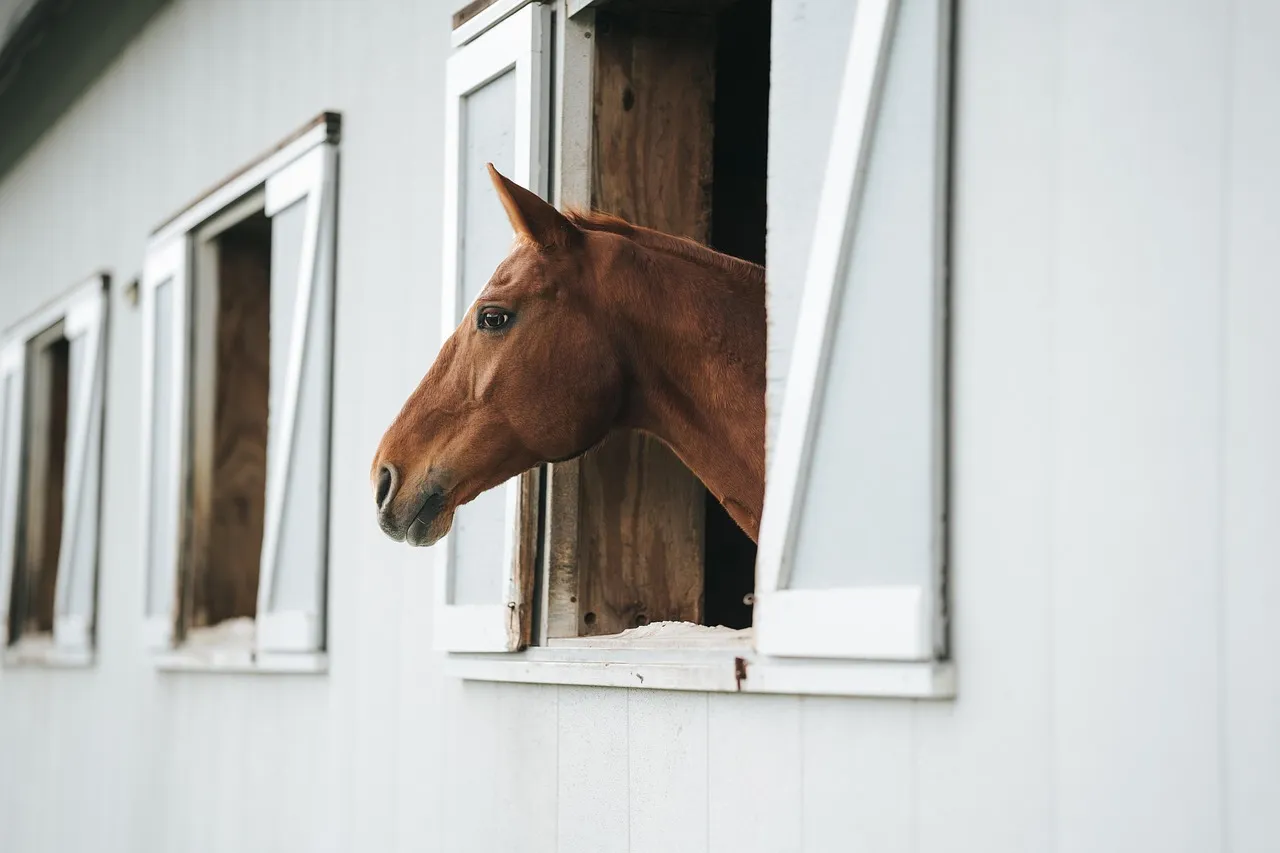
Frequent changes in environment and caregivers can lead to insecurity. Horses thrive on routine and familiarity.
Providing a stable environment with consistent caregivers helps in building a foundation of trust.
10. Age Factors
🔥 Would you like to save this?
We'll email this post to you, so you can come back to it later!
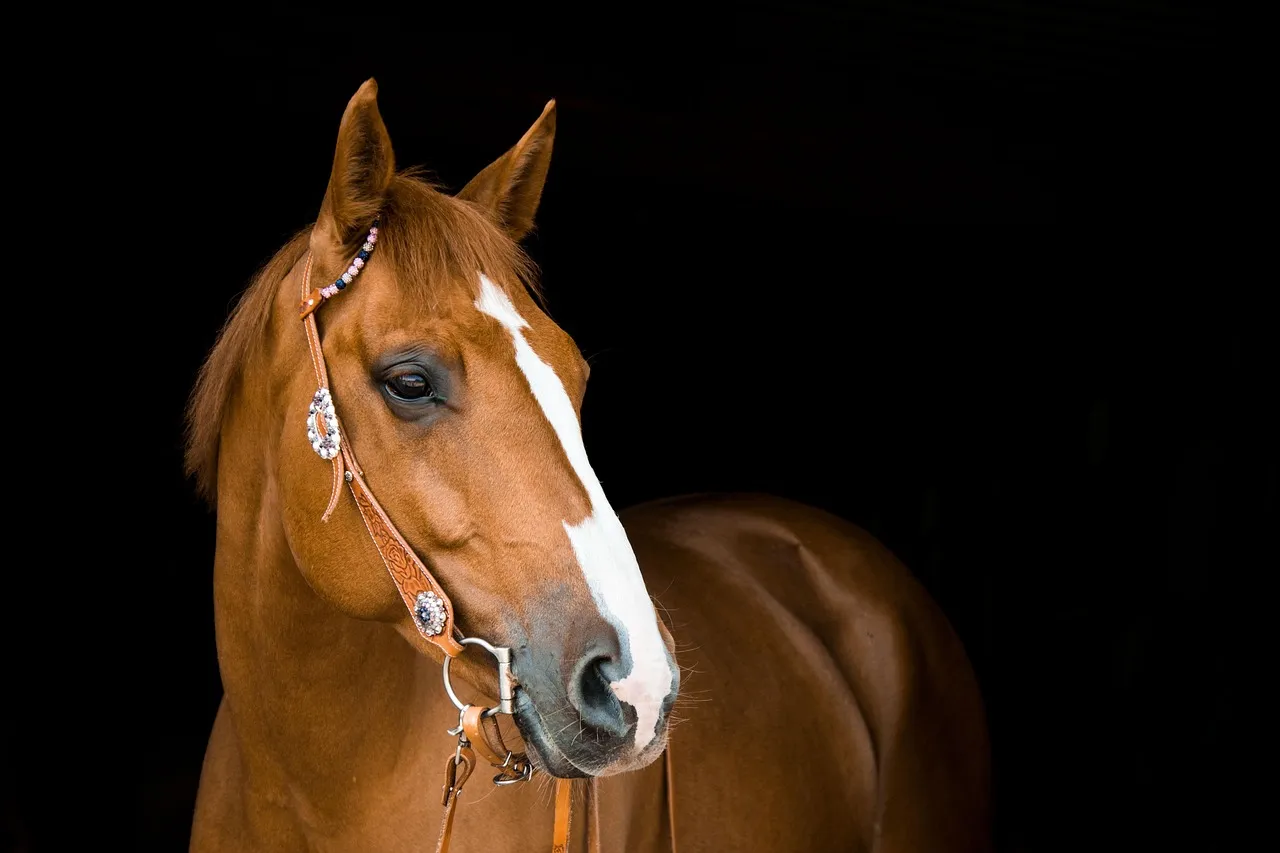
Older rescue horses may have entrenched behaviors and fears, making the trust-building process longer.
While older horses can learn new behaviors, it often requires more time and patience compared to younger counterparts.
11. Genetic Predispositions

🔥 Would you like to save this?
We'll email this post to you, so you can come back to it later!
Some horses have a naturally more anxious temperament, which can be exacerbated by negative experiences.
Recognizing and respecting individual temperaments allows for tailored approaches in building trust.
12. Previous Isolation
🔥 Would you like to save this?
We'll email this post to you, so you can come back to it later!
Horses that have been isolated may lack the social skills necessary for positive human interaction.
Gradual reintroduction to both human and equine companionship can help in developing trust and social confidence.
13. Overstimulation
🔥 Would you like to save this?
We'll email this post to you, so you can come back to it later!
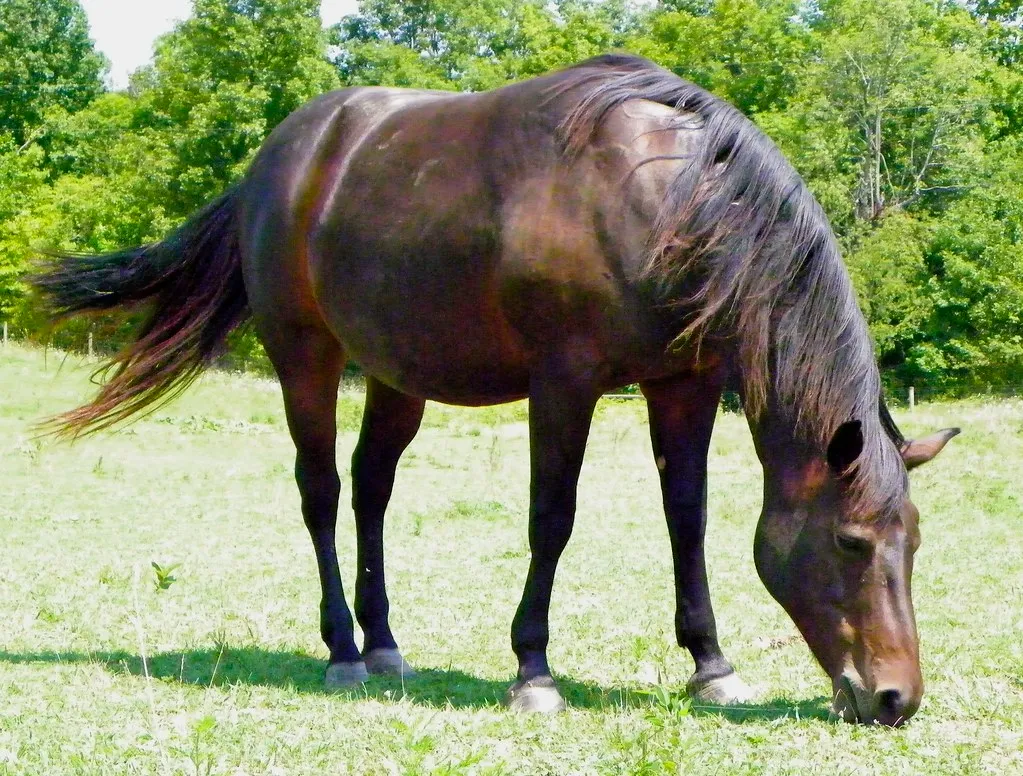
Introducing too many new experiences too quickly can overwhelm a rescue horse, leading to withdrawal or defensive behaviors.
A slow and steady approach, introducing new stimuli one at a time, allows the horse to adjust without becoming overwhelmed.
14. Miscommunication
🔥 Would you like to save this?
We'll email this post to you, so you can come back to it later!
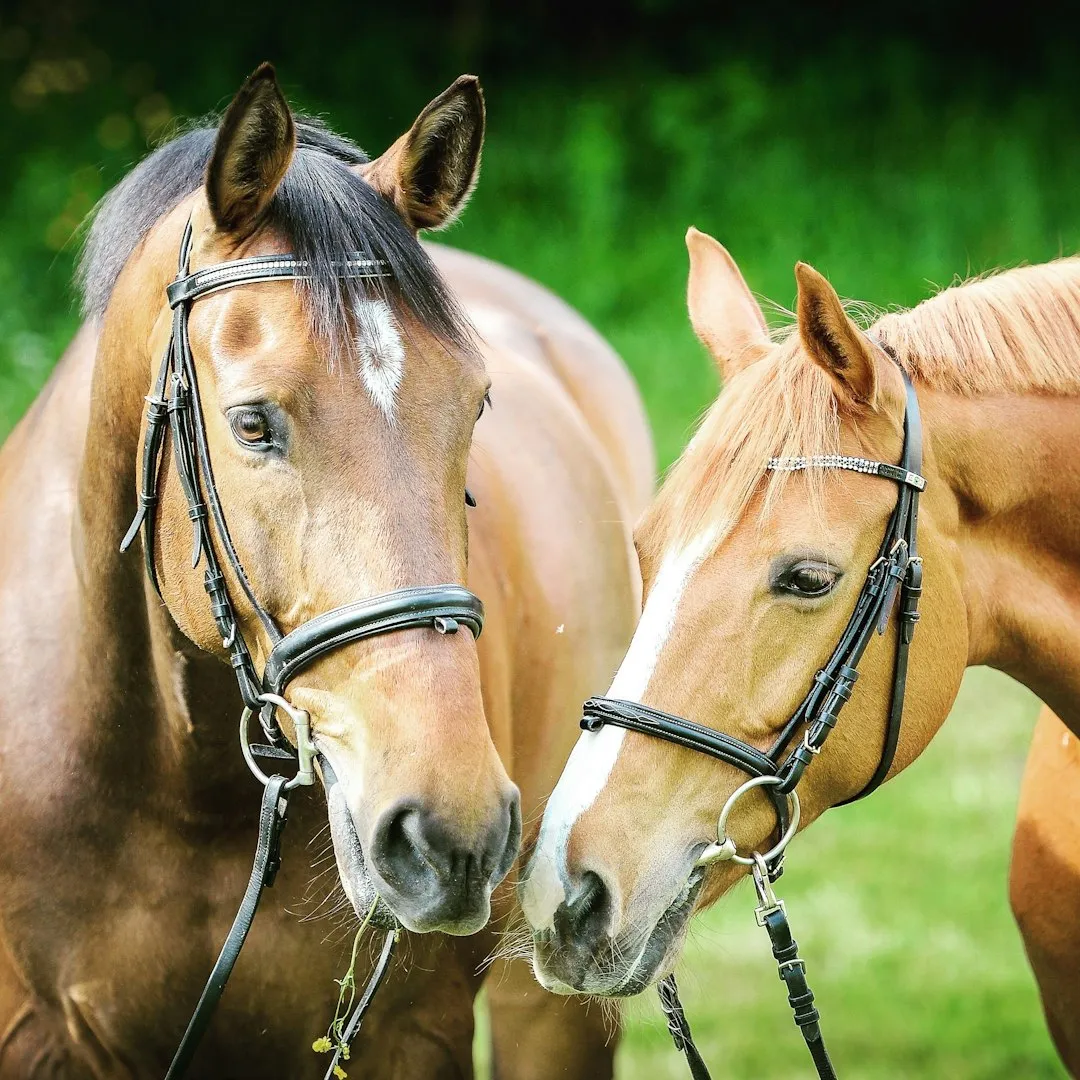
Horses rely heavily on body language. Misinterpretation of cues can lead to confusion and mistrust.
Educating handlers on equine body language ensures clearer communication, fostering a better understanding between horse and human.
15. Previous Neglect of Basic Needs
🔥 Would you like to save this?
We'll email this post to you, so you can come back to it later!
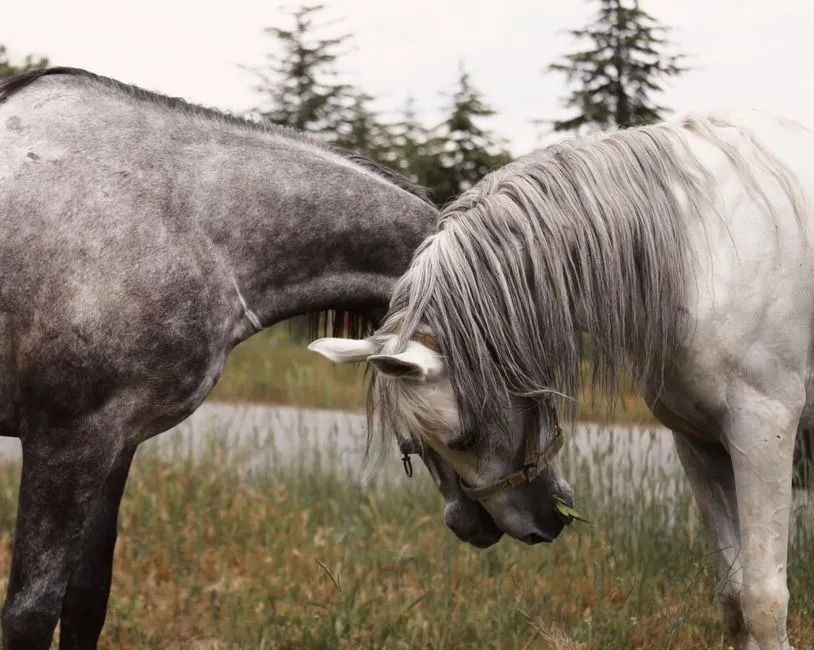
Horses that have experienced neglect may have learned that humans are unreliable in meeting their basic needs.
Consistently providing food, water, and care rebuilds their faith in human reliability and kindness.
16. Individual Personality Differences
🔥 Would you like to save this?
We'll email this post to you, so you can come back to it later!
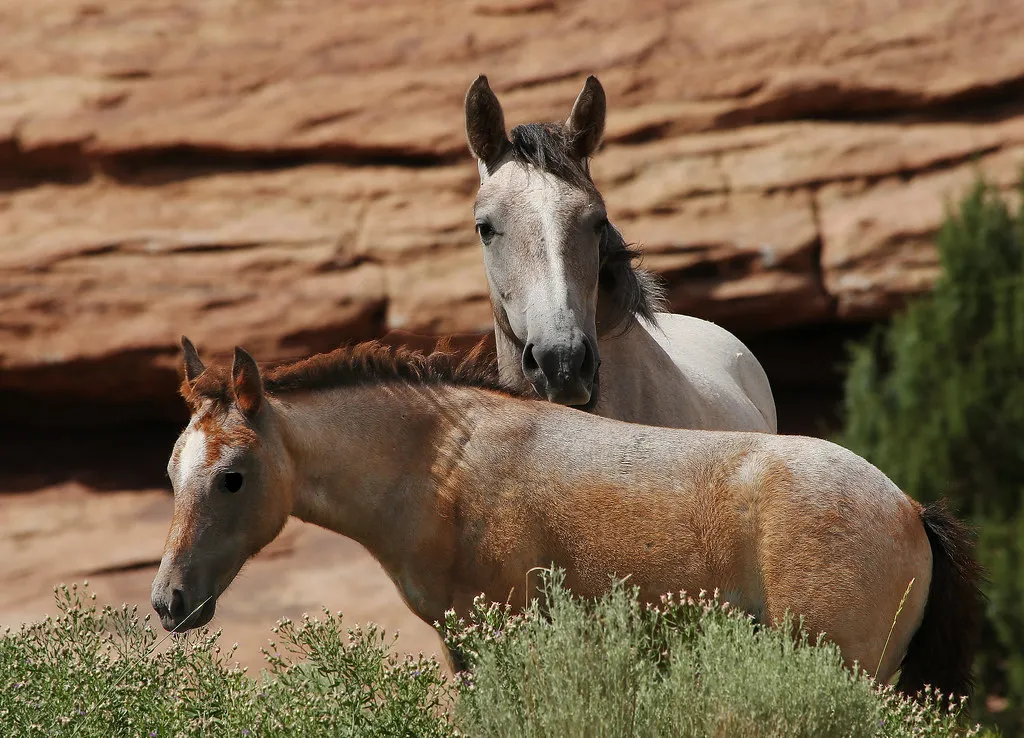
Just like humans, horses have unique personalities. Some may naturally be more reserved or cautious.
Recognizing and respecting these individual differences allows for a more personalized and effective trust-building process.
In conclusion, while the journey to earn a rescue horse’s trust can be lengthy and challenging, it’s also profoundly rewarding. Each small step forward is a testament to the resilience of these animals and the dedication of those who care for them. Are you prepared for the patience and commitment this journey demands?

- 7 Everyday Habits That Can Make Your Senior Dog Happier - November 5, 2026
- 10 Enigmatic Structures That Continue to Puzzle Scientists Today - November 5, 2026
- 10 Strange Ruins in the Americas That Challenge What We Know About Early History - November 5, 2026