
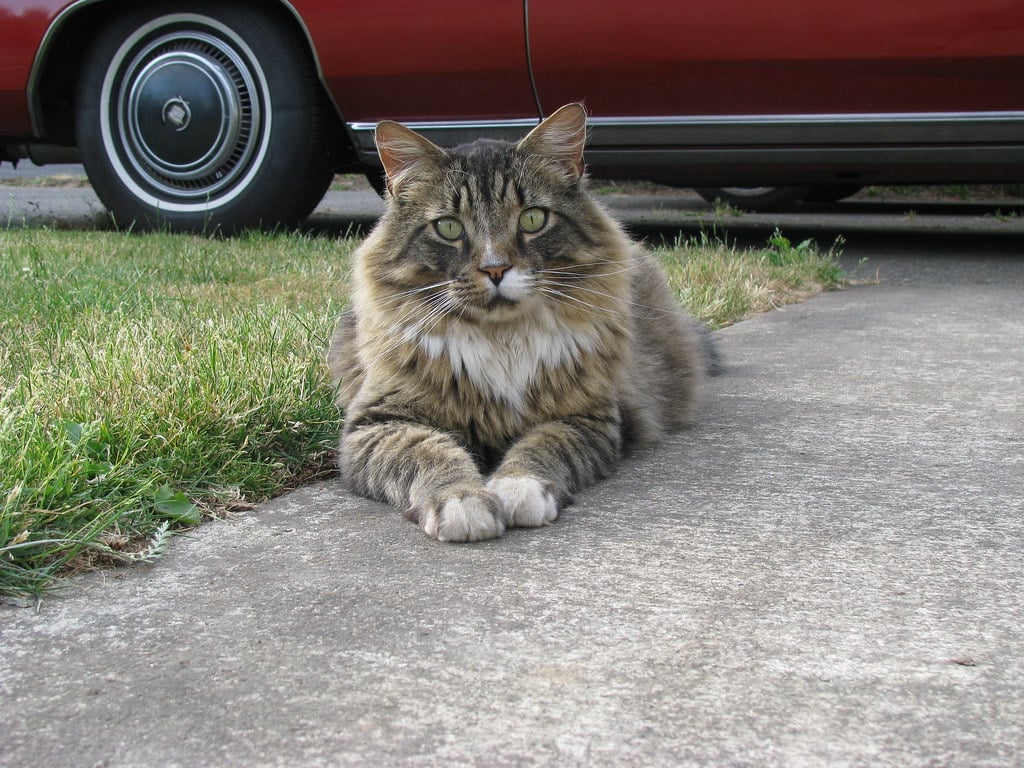
Everyone loves the joke that cats have the memory of a goldfish and the loyalty of a roommate who’s already halfway out the door. Ask anyone who’s spent sixty-plus years loving the same cat through decades of vet visits, house moves, and slow mornings, and you’ll get a completely different answer. Feline memory isn’t shallow at all – it’s stitched into the smallest, most unglamorous details of your life: your footsteps, your smell, the exact way your hand hesitates before it lands on their fur.
Some of what cats remember is sweet. Some of it is almost unsettling in how closely they’ve been watching, quietly, for years. Below are sixteen specific things your cat has filed away about you – starting with something as ordinary as the sound of your walk, and building toward the one memory that outweighs every toy, every treat, and every scary trip to the vet combined.
16. The Sound Of Your Slower, Familiar Footsteps
🔥 Would you like to save this?
We'll email this post to you, so you can come back to it later!
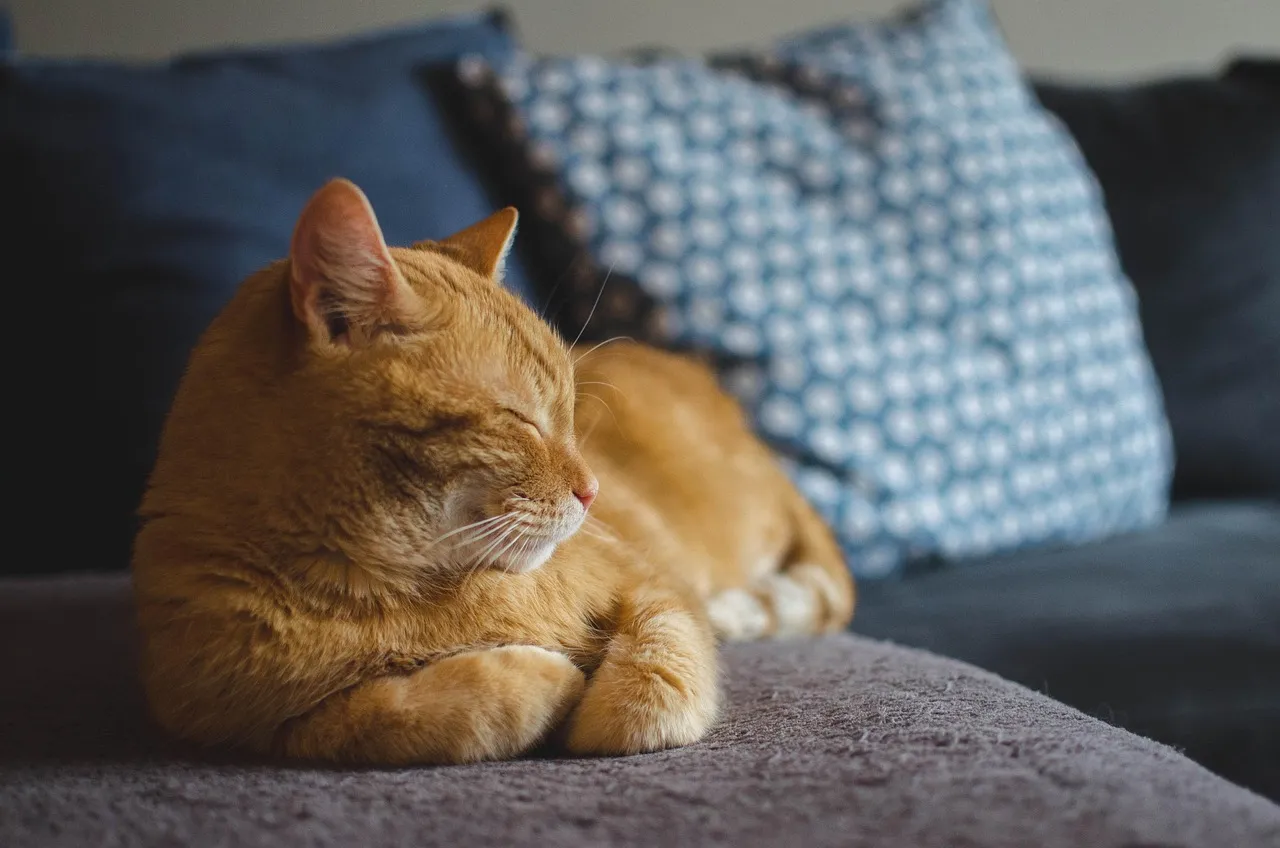
Cats don’t just hear footsteps – they identify people by them. Older owners often walk with a slower, more distinct rhythm, and cats lock that pattern into memory early on. Your cat learns, over years, that your particular stride predicts food, warmth, and calm.
Studies show cats can tell familiar humans from strangers by sound alone, and footsteps are a huge part of that soundscape. Once you’ve loved them for years, that slightly slower, softer stride simply becomes home base.
You’ll see it in how they react. A delivery driver at the door barely gets a glance, but the second they hear your particular approach, they’re already stretching, blinking, and heading for the hallway. That’s recognition, not coincidence.
- Your pace = safety signal
- Unfamiliar steps = “wait and watch”
15. Your Gentle Routine Around Medication And Vet Visits
🔥 Would you like to save this?
We'll email this post to you, so you can come back to it later!
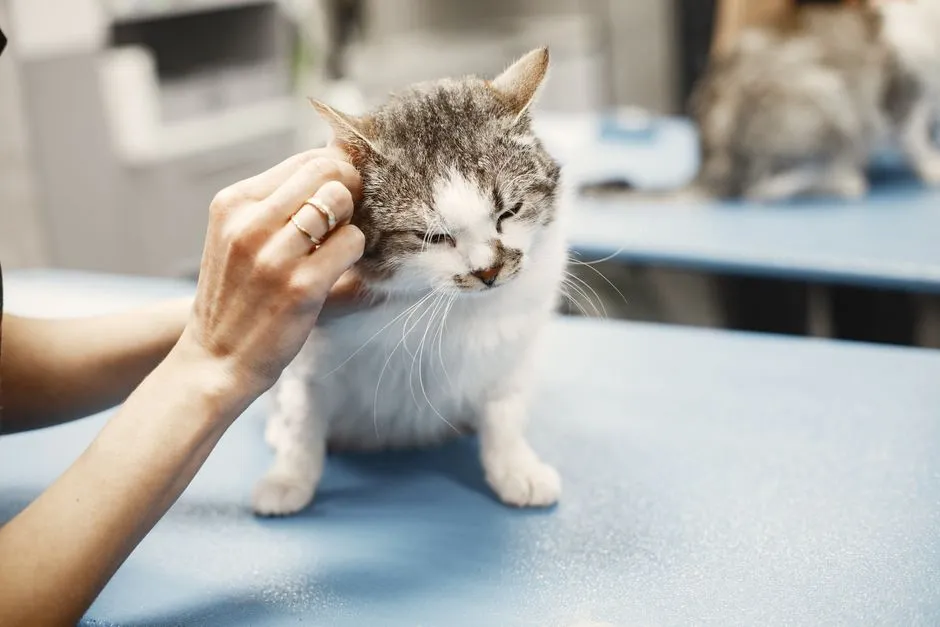
Most people assume cats simply “hate the vet” and leave it there. In reality, they remember exactly who held them kindly through the worst parts of it – and who didn’t. Older owners often move slower and speak softer during stressful moments like vet trips or medication time.
Worth Knowing
- Cats show measurable stress responses in unfamiliar environments like clinics
- A familiar carrier left out year-round, not just before appointments, reduces anxiety
- A calm, familiar voice during handling can visibly settle a frightened cat
- Recovery cats often develop a specific “safe touch” zone tied to one trusted person
That builds a very specific memory: a calm voice, a towel wrap that’s careful but not rough, pills hidden in the one treat they’ll still eat. Cats are remarkably good at linking a handling style to either safety or threat. Over years, your cat remembers that you never yank them out from under the bed, that you pause when they struggle, and that you’re the one who brings them home again.
Ironically, your cat may stay tense around the carrier and still choose your lap the moment the appointment is over. They separate the scary place from you completely – the clinic gets the fear, you get the credit for the relief.
14. The Specific Chair, Blanket, Or Spot Where You Always Sit
🔥 Would you like to save this?
We'll email this post to you, so you can come back to it later!
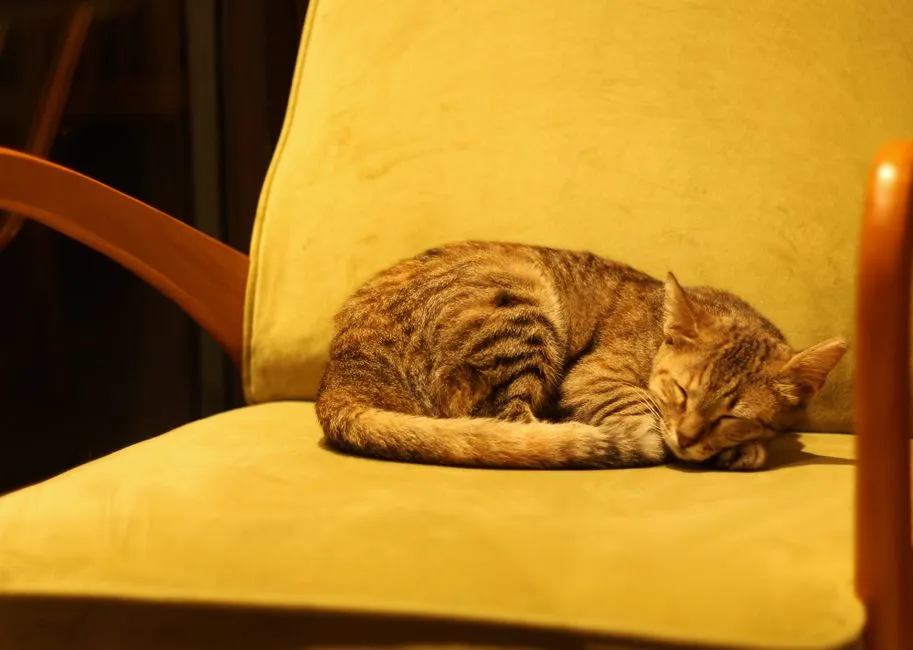
Cats think in places. They map their entire world by scent and location, and your “spot” is one of the sharpest, longest-lasting memories they carry of you. Use the same recliner or couch corner for years, and your cat knows exactly where your scent is strongest – and where you’ll reliably appear.
Cats hold onto spatial memory for years, especially for places tied to safety and warmth. Over time, your cat might claim “your” chair the moment you get up, sleep on your blanket during the day, or park itself at the exact corner where your feet usually land.
For an owner over 60 who’s home more often, this pattern gets reinforced dozens of times a day. That patch of fabric becomes a physical memory of you, even as your gait slows or your schedule shifts.
- Jumps onto “your” chair even when you’re gone
- Naps on your blanket during the day
- Waits at the exact spot where your feet land
13. The Way You Respond When They’re In Pain Or Distress
🔥 Would you like to save this?
We'll email this post to you, so you can come back to it later!
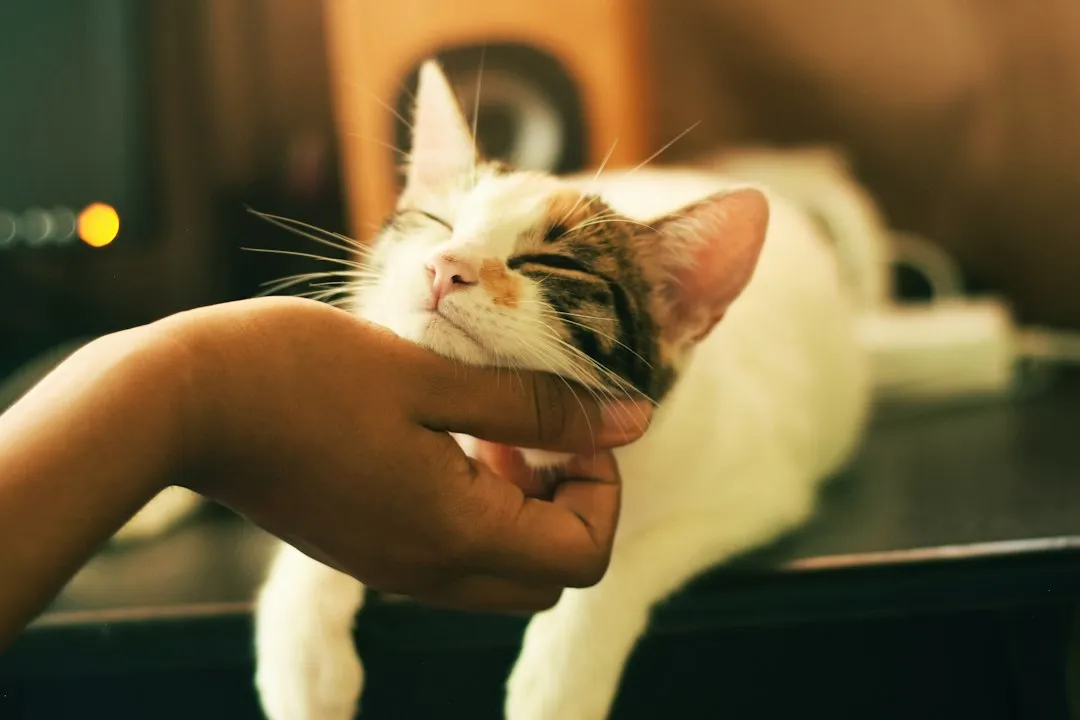
Most people don’t realize how closely cats watch our reactions when they’re unwell. Over time, your response becomes a template for one simple question: is the world safe when I hurt?
Cats remember if you rushed them to the vet the night they suddenly couldn’t walk right. They remember if you sat on the kitchen floor at 2 a.m. hand-feeding them when they wouldn’t eat. Repeated moments of comfort during pain create deep emotional associations in animals, cats included, and older owners – who’ve often lived through their cat’s middle-age scares and senior decline – become the one constant in a sea of changing symptoms.
Your cat learns that crying brings you, that vomiting or limping earns a gentle check and a soft voice, and that hiding means you’ll wait nearby instead of dragging them out. Cats with this kind of long-term, responsive history tend to bounce back faster after illness or surgery, because they’ve already learned that suffering is followed by help, not punishment.
- Crying = you appear
- Vomiting or limping = gentle check, soft voice
- Hiding = you wait nearby, not drag them out
12. Your Voice, Including The “Pet Name” No One Else Uses
🔥 Would you like to save this?
We'll email this post to you, so you can come back to it later!
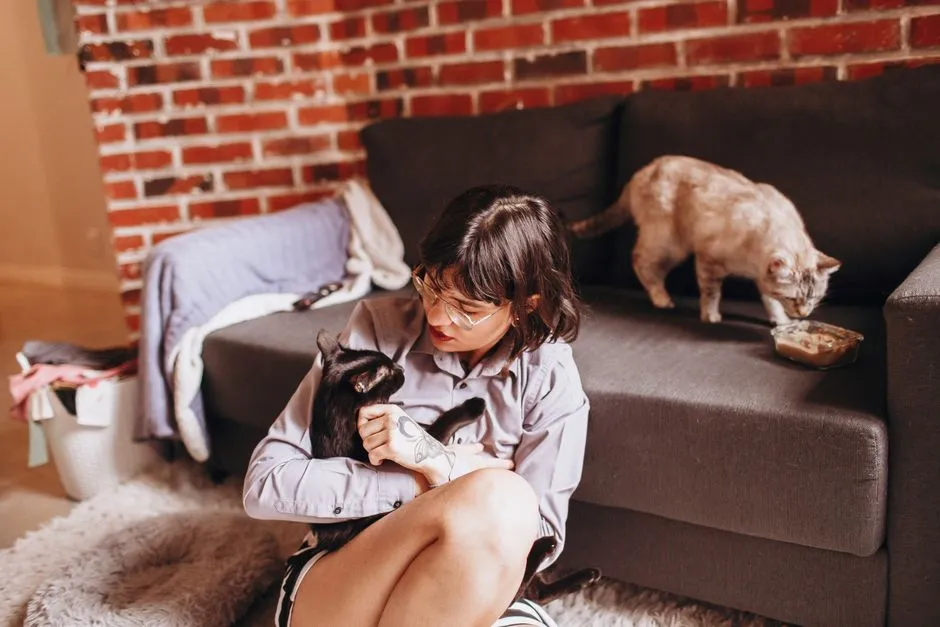
You probably assume your cat only tunes in for the crinkle of the treat bag. Over years, though, your particular voice becomes one of the most stable landmarks in their entire world.
Cats can tell human voices apart, and they’re especially good at recognizing the specific tone we reserve just for them. If you’re over 60, you may unconsciously slow your speech or repeat the same phrases – both of which make it far easier for your cat to lock in. Many cats will come to only one person’s call, even in a crowded house full of people.
Even when hearing or eyesight starts to fade, a lot of senior cats still respond to that one familiar voice above all others. To them, it isn’t just sound. It’s a promise that their needs will actually be understood.
- The nickname only you use
- The softer tone reserved for nighttime
- The “good morning” phrase that always precedes breakfast
11. The Smell Of Your Skin, Clothes, And Home
🔥 Would you like to save this?
We'll email this post to you, so you can come back to it later!
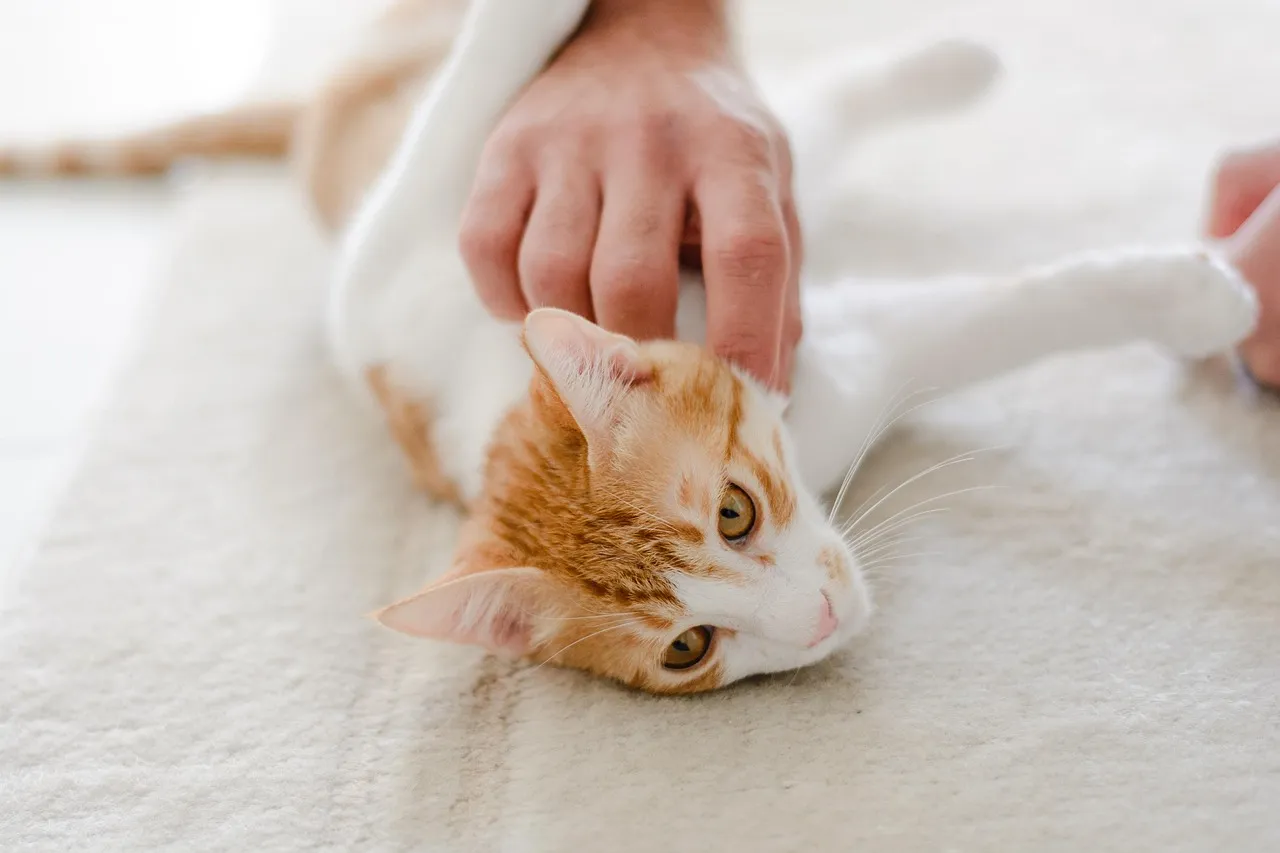
To a cat, you are a scent map first and a face second. Long-loved owners over 60 tend to have deeply ingrained scent profiles: the same detergent, the same hand cream, the same chair, the same bed, year after year.
Cats use scent to sort who belongs from who doesn’t. They rub their cheeks and flanks on you specifically to mix their scent with yours, building a shared “family odor” over decades. They remember the detergent on your pillowcase, the faint soap smell on your hands, and the unique combination of your skin and your home.
If you’ve ever come home from a hospital stay and your cat buried its face straight into your clothes, that wasn’t random affection. That was re-confirmation: yes, this is my person, this is the smell I know.
10. The Predictable Times You’re Awake, Napping, Or In Bed
🔥 Would you like to save this?
We'll email this post to you, so you can come back to it later!
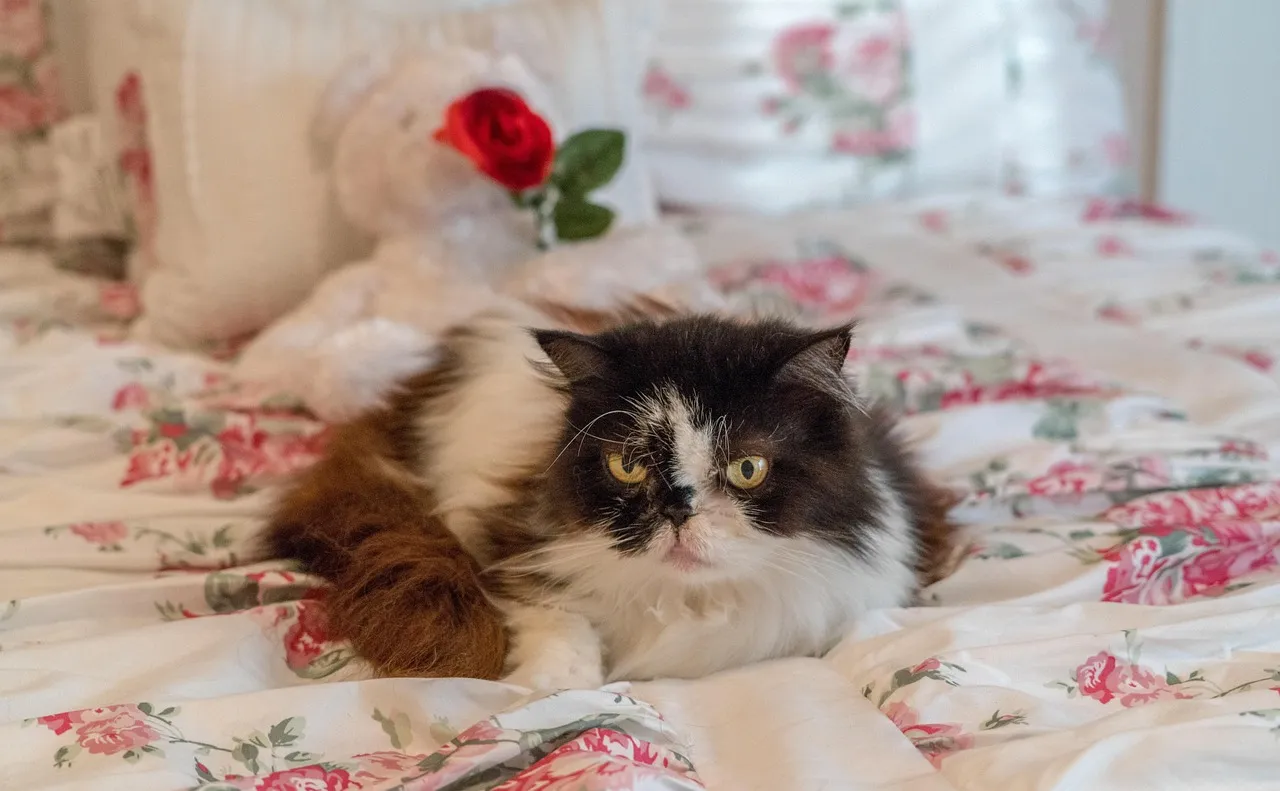
Senior cats and senior humans often end up on a strangely similar clock. Cats are creatures of routine, and they’re quietly tracking yours all the time – what time you shuffle to the kitchen, when you settle into your afternoon chair, how late you stay up reading.
Cats build time-of-day expectations around their favorite humans, not just around food bowls. For a retired owner who’s home more often, those expectations get sharper and more specific. Your cat might start waiting by the bedroom door before you even wake up, or circling the hallway right before your usual nap.
If illness or a life event suddenly disrupts your schedule, cats often show real confusion – pacing, extra vocalizing, following you room to room. That isn’t neediness. That’s a mental clock getting reset after years of reliable cues.
9. The Games You Still Play, Even If You Move Slower Now
🔥 Would you like to save this?
We'll email this post to you, so you can come back to it later!
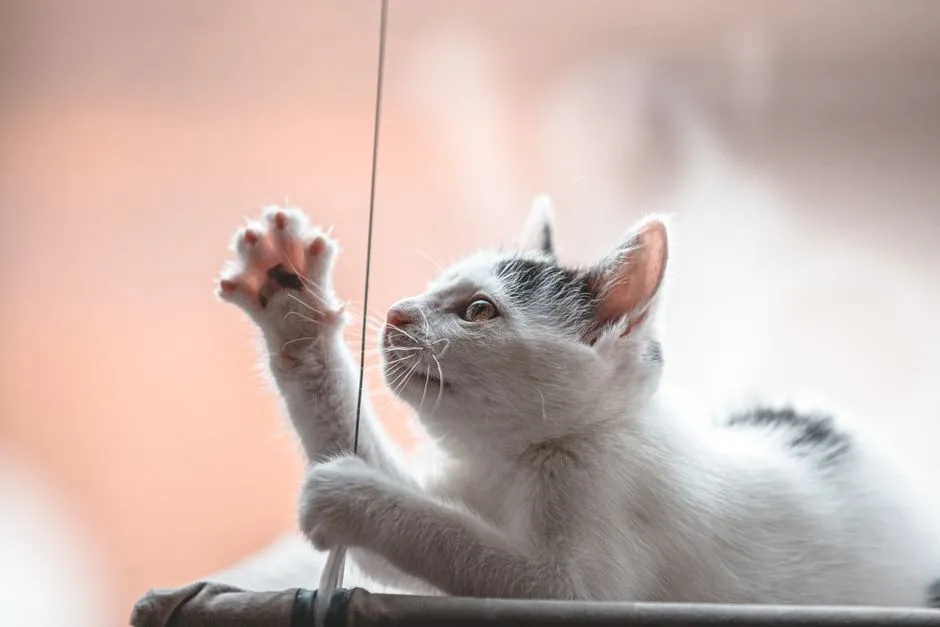
People love to say, “my cat is lazy, they don’t like to play.” In a lot of long-term bonds, the harsher truth is that the human simply stopped trying. Owners over 60 who keep playing – even in short, gentle bursts – create vivid, joyful memories their cats never let go of.
Your cat remembers the string tied to the end of your cane, the way you flick a feather toy from the recliner, the crinkly paper you always drag across the floor. Play is one of the strongest ways mammals encode social memory, especially when it’s repetitive and predictable. A slower arm doesn’t matter. What matters is that the same game keeps happening, with the same laugh, the same phrase, the same toy box.
- Specific toys paired with your unique movement
- Regular timing, even just 5–10 minutes a day
- Your enjoyment, not just theirs
8. The Food Rituals Unique To Your Relationship
🔥 Would you like to save this?
We'll email this post to you, so you can come back to it later!
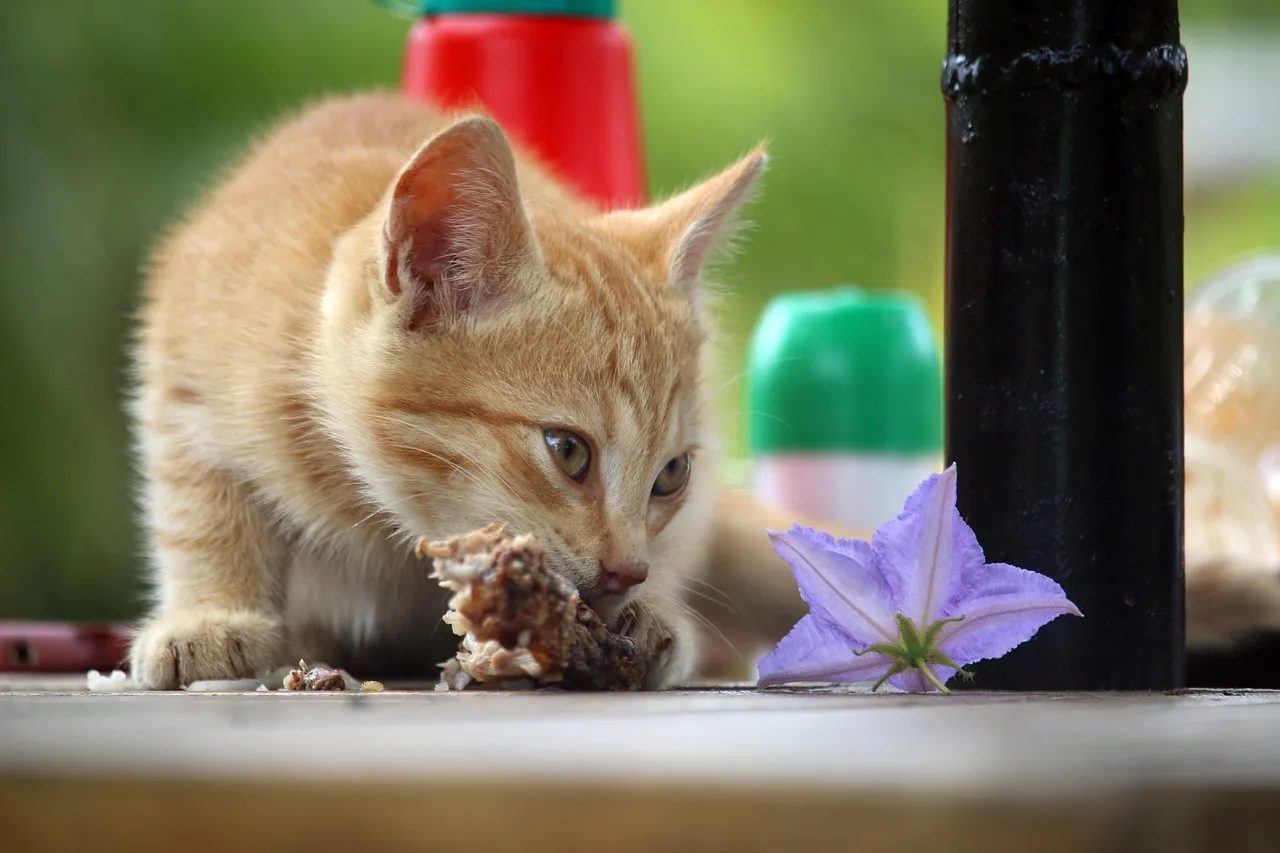
Cats don’t just remember that you feed them. They remember how. Owners who’ve loved a cat for years almost always develop food rituals without noticing: a special spoon, a certain phrase, a splash of warm water, the “one treat before bed, but only if you sit” rule.
Fast Facts
- Cats can distinguish caretakers based on feeding style alone, not just the food itself
- Consistent bowl placement and timing measurably lowers mealtime stress
- Many cats show anticipatory behavior minutes before a scheduled meal, with no visible cue
- A familiar feeder is often preferred over a stranger offering identical food
Those micro-rituals become powerful, encoded memories. Your cat clocks the sound of your pill organizer right before you fill their bowl, the two taps on the can followed by a scrape, the habit of placing the dish in exactly the same spot every time.
This is exactly why some cats refuse to eat for anyone else at first. The food is identical, but the relational script is wrong. For a cat with one primary caretaker over 60 across many years, the whole feeding dance is part of the bond, not a footnote to it.
7. Your Emotional “Weather” On Good Days And Bad
🔥 Would you like to save this?
We'll email this post to you, so you can come back to it later!
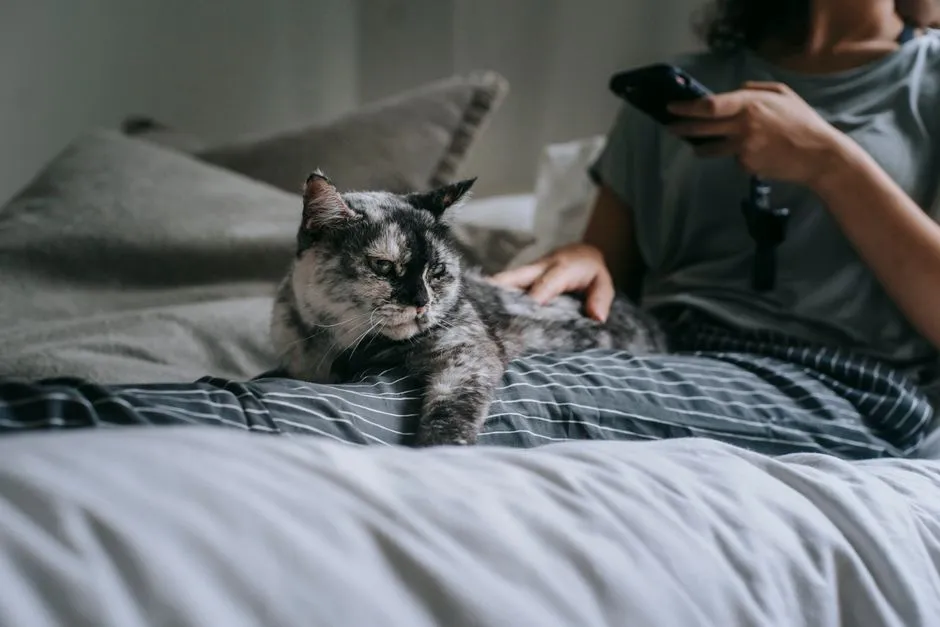
Most people underestimate how sensitive cats are to human mood. Over years with a single older owner, they build a remarkably detailed emotional memory of you – how fast or slow you move when you’re upset, whether your voice tightens, whether you go very still in your chair.
Research suggests cats respond differently to happy versus angry tones, and over the long term, they learn your specific patterns. Many cats adjust their own behavior accordingly: staying close but not intrusive on bad days, getting more playful and vocal when you seem energetic.
An owner over 60 going through a health scare, a loss, or a big life change may notice their cat suddenly acting clingy or unusually gentle. That’s not a coincidence. Your cat is using its memory of your “normal” emotional weather to spot when something’s off, and choosing to respond.
6. The Way You Respect Their Limits (Or Don’t)
🔥 Would you like to save this?
We'll email this post to you, so you can come back to it later!
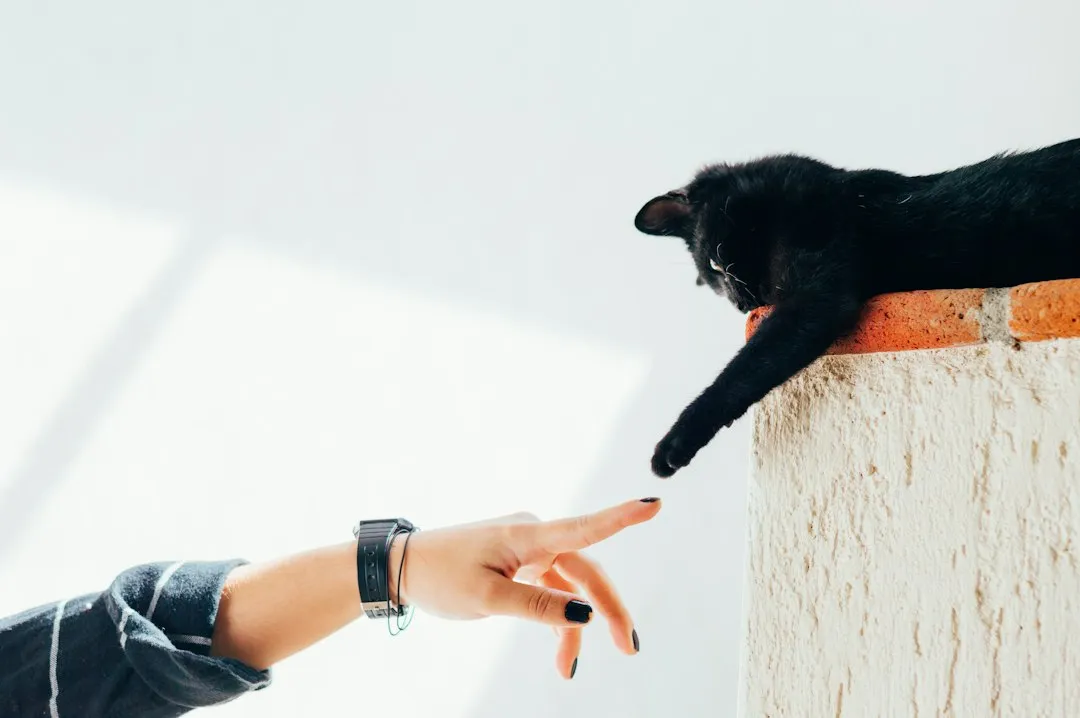
Here’s where longtime cat guardians quietly disagree with the internet. Cats absolutely remember how you handled their boundaries over the years – every time.
If an older owner consistently lets the cat leave when it’s done being petted, avoids the sensitive spots, and doesn’t force cuddles onto a sore, arthritic body, that builds a lasting memory of you as “safe to say no to.” Respecting a cat’s boundaries is one of the clearest predictors of trust, and cats who’ve had this for years often initiate more contact, precisely because they know they’re allowed to opt out.
On the flip side, an owner who repeatedly ignores hissing, swatting, or avoidance teaches the cat something colder: this human doesn’t listen. Those memories don’t disappear just because you meant well, or because you’re older now.
- Lets them leave when petting is over
- Avoids sensitive spots without being asked twice
- Skips forced cuddles on a sore body
5. The Safe Spots You Created Just For Them
🔥 Would you like to save this?
We'll email this post to you, so you can come back to it later!
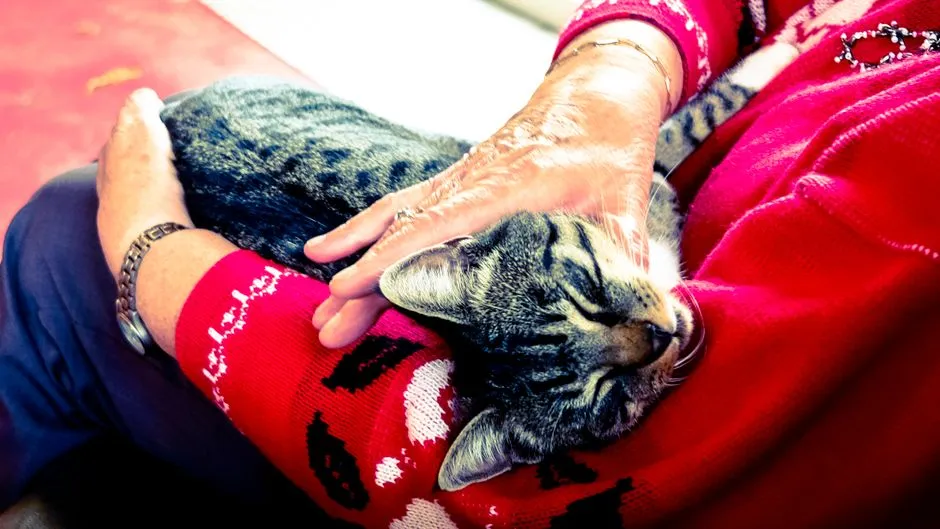
Cats remember places where nothing bad has ever happened to them. Owners over 60, who often spend more time at home, tend to create these “no-stress zones” without ever realizing how permanent the memory becomes.
Maybe it’s a windowsill with a pillow you added, a box under the side table you never move, a blanket at the foot of your bed that no guest is allowed to touch. Environmental safety is central to a cat’s long-term sense of security. Protect certain spots from loud visitors, barking dogs, or the vacuum cleaner consistently enough, and your cat learns: I can retreat here, and nothing will hurt me.
Over years, those safe spots become tied directly to you. Move homes or swap furniture, and cats often go hunting for a replacement – a new windowsill, a new favorite chair – and settle faster when you deliberately hand them one.
4. The Times You Left…And Came Back
🔥 Would you like to save this?
We'll email this post to you, so you can come back to it later!
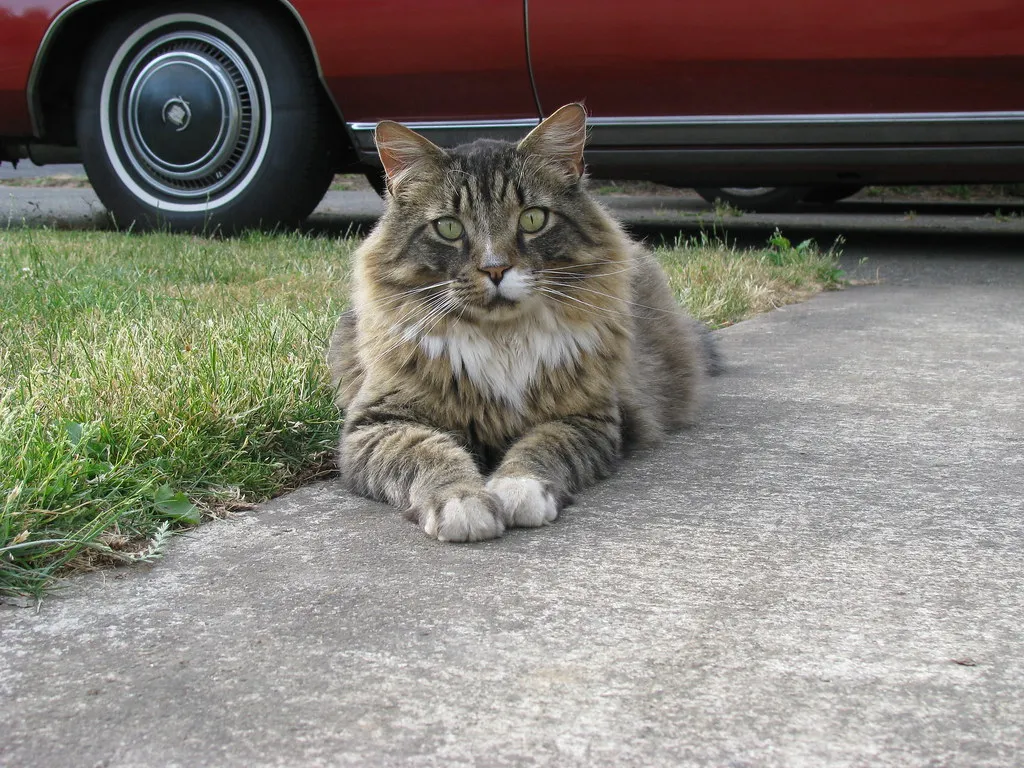
People love to claim cats are indifferent when we’re gone. Anyone who’s watched a cat stare at the front door for days knows better. Absences leave marks, especially when they repeat over many years.
Older owners may have hospital stays, trips to see family, or short rehab stints. Your cat remembers the disruption of your smell and sound in the house, the caregiver who stepped in if there was one, and the exact moment your footsteps returned. Extra vocalizing, following you room to room, sleeping on your pillow – these reunion behaviors are classic signs of memory and relief.
Some cats look almost aloof the second you walk back in, then shadow you for days afterward, checking whether you’ll vanish again. That’s not payback. That’s pattern-tracking. And each successful return, over years, reinforces one deep piece of trust: they go away, but they come back.
3. Your Touch: Exactly How You Pet, Hold, And Groom Them
🔥 Would you like to save this?
We'll email this post to you, so you can come back to it later!
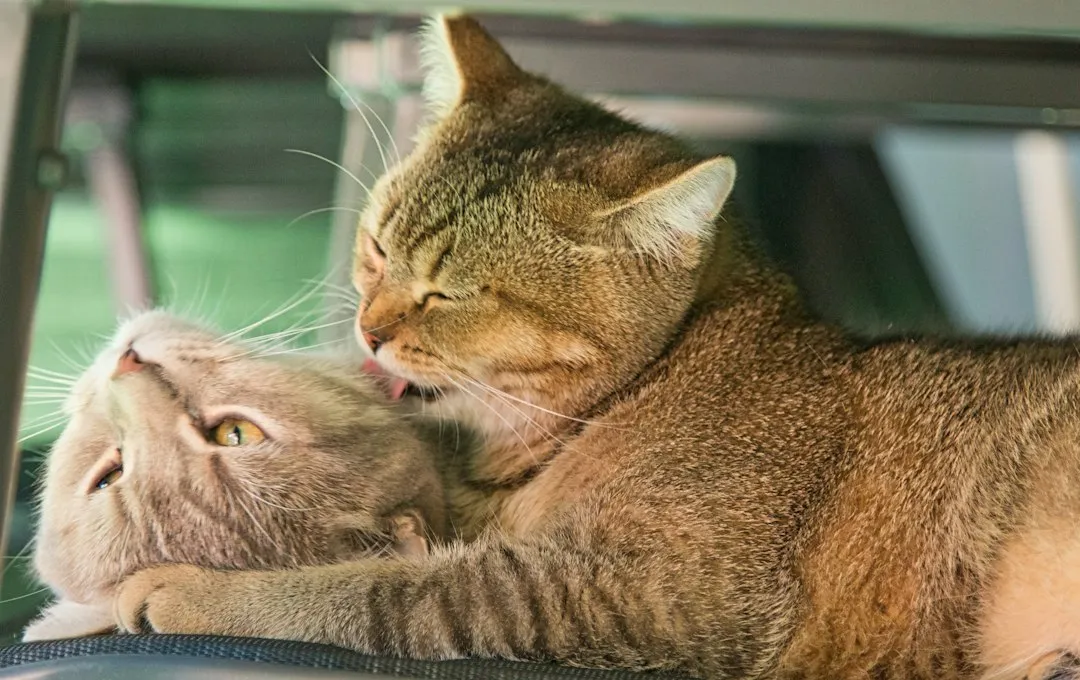
Touch is where cats are pickier than almost any other pet. They catalog your hands in astonishing detail: pressure, speed, where you start, where you stop. Over years, an older owner’s touch often becomes slower and more deliberate, focused on the well-liked spots – cheeks, forehead, shoulders – and far less interested in roughhousing.
Why It Stands Out
- Cheeks, forehead, and chin sit near scent glands most cats enjoy having touched
- Belly and tail-base contact is commonly tolerated far less, even from a trusted owner
- A slow blink paired with gentle touch reinforces trust signals in both directions
- Whisker areas are highly sensitive and best left alone during handling or grooming
Cats remember which hands hurt and which hands heal. If you’re the one who brushes them carefully, checks the mats without yanking, wipes their eyes, and scratches the chin just right, your touch becomes a trusted signal every single time. If you once dropped them or hurt them accidentally while trimming nails, they’ll remember that too.
The good news is that consistent, respectful touch over time tends to overwrite one-off mistakes. Years of gentle hands simply outweigh a single bad afternoon.
2. The Quiet Rituals No One Else Notices
🔥 Would you like to save this?
We'll email this post to you, so you can come back to it later!
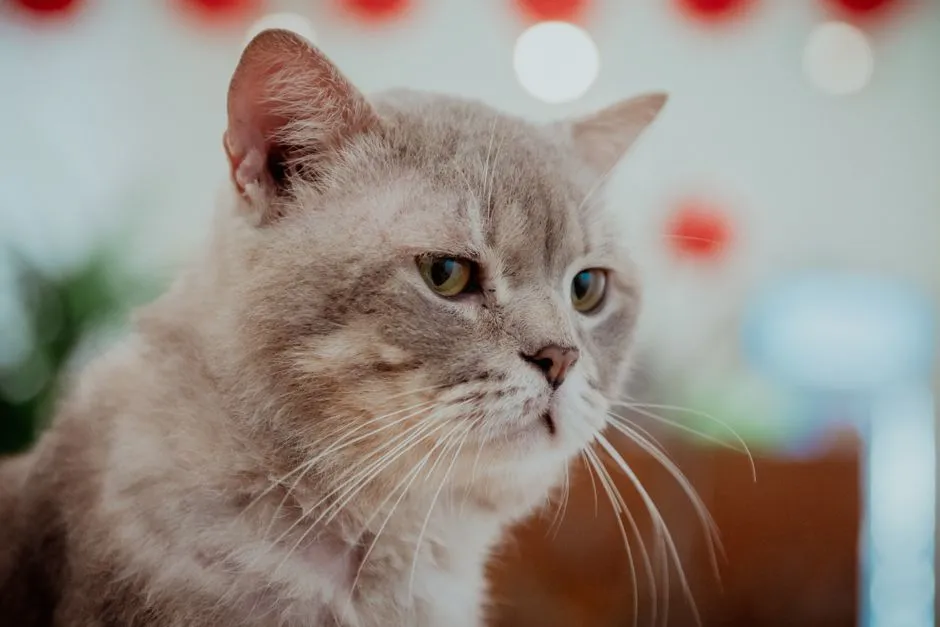
Every long relationship develops small, private rituals. With cats and older owners, those rituals are often so subtle and ordinary that outsiders never notice how important they’ve become.
Maybe you tap the side of the sink before turning the water to the trickle they like, or open the curtain “just so” every morning so they can watch the birds, or share a tiny taste of yogurt at the same time each day. Cats excel at catching these quiet patterns, and they absolutely remember which human they’re tied to. Long after they’ve forgotten where the laser pointer lives, they’ll still trot into the kitchen the second they hear that one spoon clink.
These rituals matter precisely because they’re pure relationship, not obligation. You don’t have to do them, and your cat doesn’t earn them. That’s exactly why they feel so safe.
1. That You Were The Constant In A Changing World
🔥 Would you like to save this?
We'll email this post to you, so you can come back to it later!
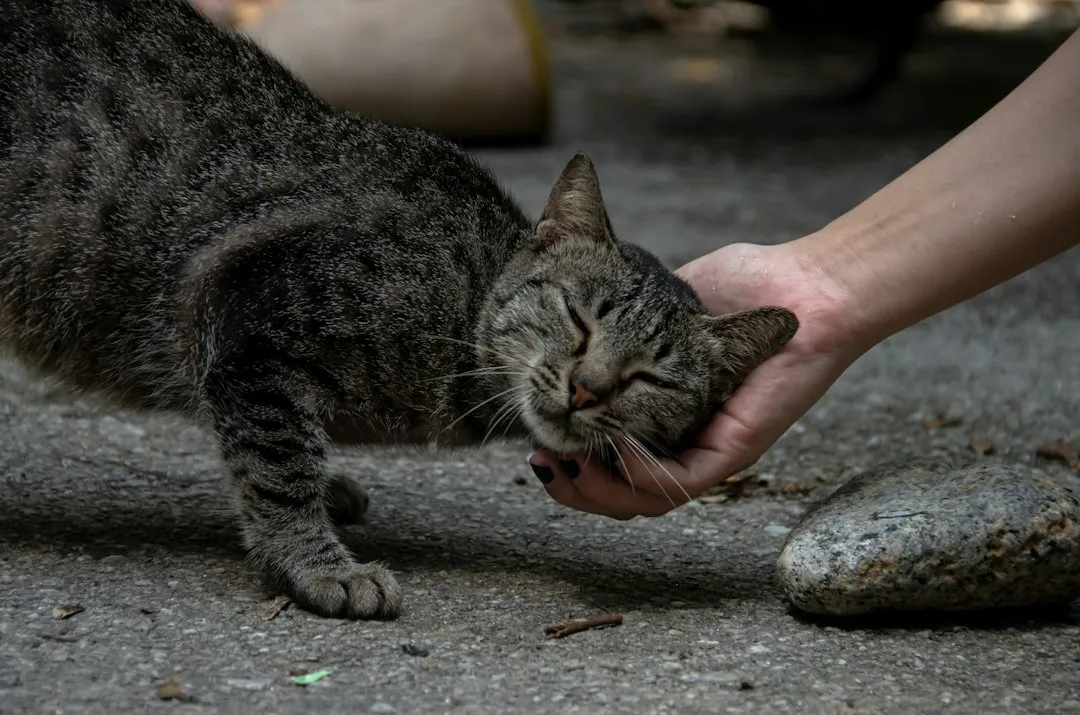
When you’ve loved a cat for many years – especially into your 60s and beyond – the single biggest thing they remember isn’t a toy, a room, or a specific sound. It’s that you were the backdrop to their entire life story.
They outlived other pets. Furniture came and went. Neighbors changed. Your health may have shifted, your hair gone gray, your walk slowed down. Through all of it, you kept showing up in the same core ways: the scent that never quite left their bed, the voice that still used the same silly nickname, the lap that’s slower to sit down now but still offered every single time.
Long-term memory in cats is strongest for emotionally charged, repeatedly reinforced experiences. No single event – not the first day home, not the first vet visit – comes close to competing with a decades-long pattern of “this person is mine, and I am theirs.”
The greatest pleasure of a dog is that you may make a fool of yourself with him and not only will he not scold you, but he will make a fool of himself too.
Samuel Butler
Butler was writing about dogs, but longtime cat owners will recognize the same quiet exchange in feline form – just without the tail wagging. Some behaviorists still avoid the word “love” for animals, but anyone who’s watched a senior cat curl around the ankles of the same senior human every night knows that clinical language only goes so far.
The Bottom Line
🔥 Would you like to save this?
We'll email this post to you, so you can come back to it later!
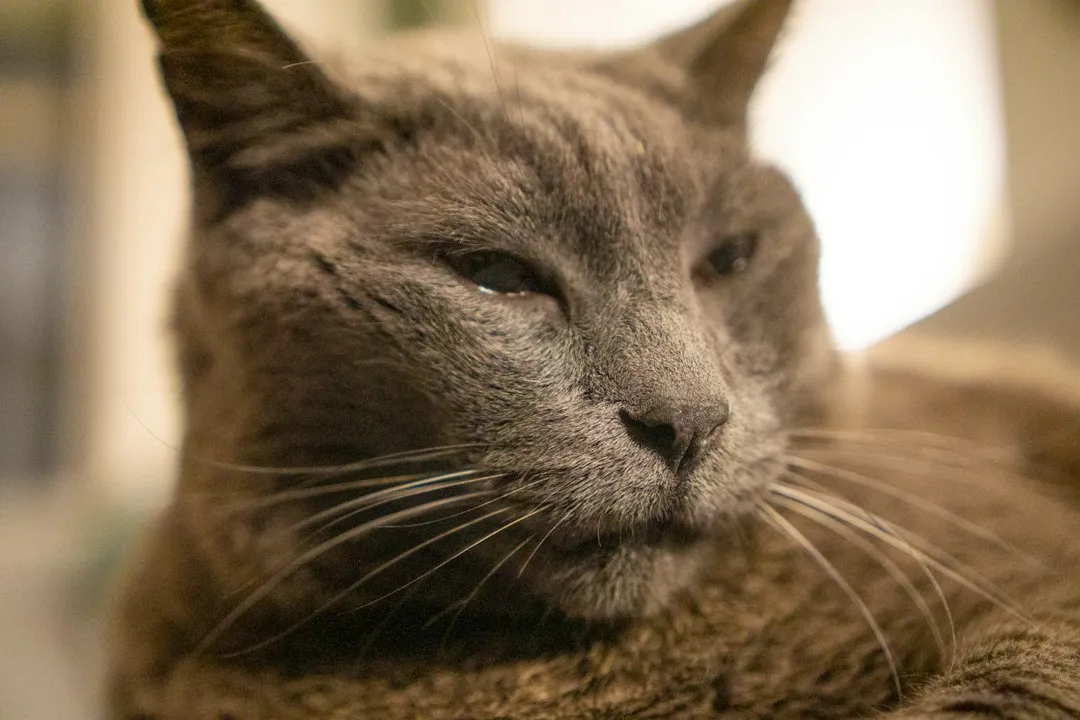
Strip away the internet jokes and the “cats don’t care” clichés, and what’s left is blunt: cats remember far more about us than we’re comfortable admitting. For owners over 60 who’ve shown up for years – with the same footsteps, the same chair, the same careful touch, the same odd little rituals – those memories stack into something that looks suspiciously like devotion.
At A Glance
- Scent, voice, and touch top the list of long-term feline memories
- Predictable routines matter more to cats than flashy toys or treats
- Boundaries respected over years build lasting trust and closeness
- Consistent presence outweighs any single dramatic gesture
Not the loud, tail-wagging kind. The quiet, durable kind that shows up as a head bump when you stand up too fast, a watchful stare when you cough, a determined climb into your lap on the days you look a little too tired.
You can call it habit if you want. Personally, I think that sells both of you short. What do you think your cat will remember most about you?

- 7 Everyday Habits That Can Make Your Senior Dog Happier - November 5, 2026
- 10 Enigmatic Structures That Continue to Puzzle Scientists Today - November 5, 2026
- 10 Strange Ruins in the Americas That Challenge What We Know About Early History - November 5, 2026