
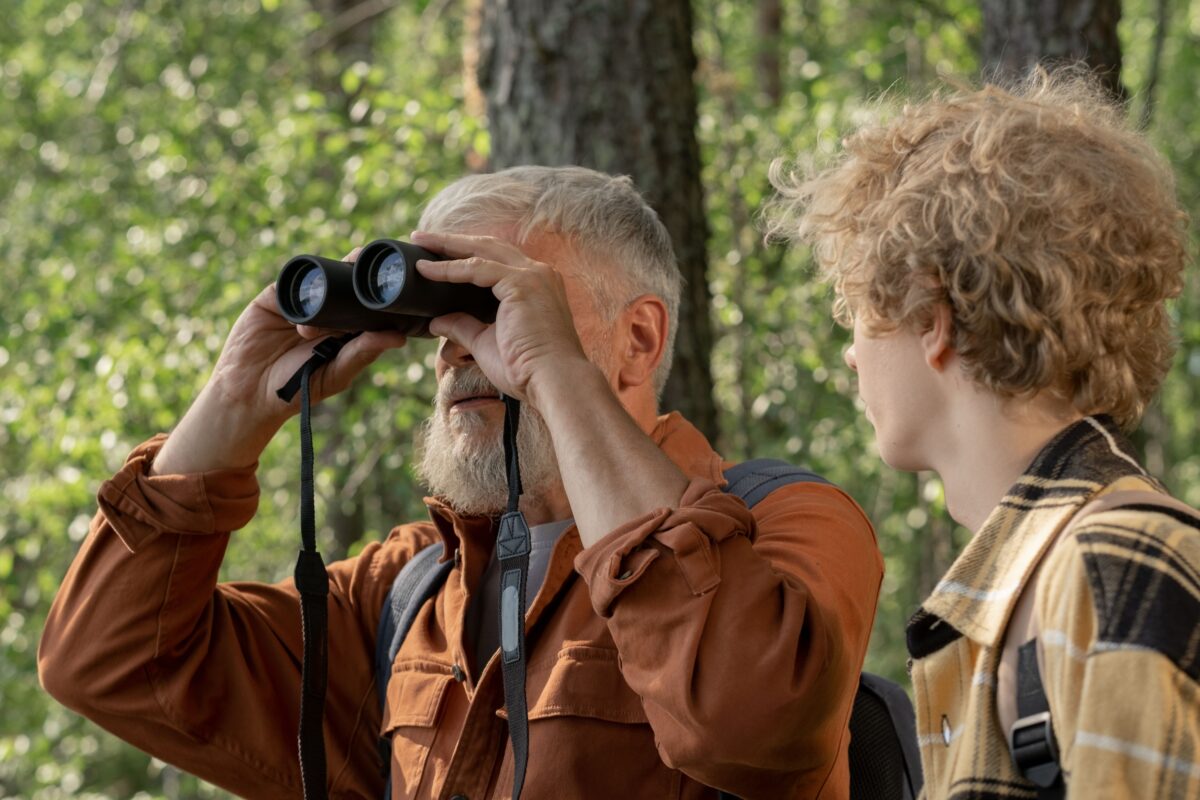
You would think the visitors who need the most hand-holding in a park would be the ones with the most gray hair. Volunteers at information desks and trailheads keep describing the opposite. Older visitors tend to plan ahead, ask sharper questions, and actually follow the rules. These habits come up again and again, and most of them are small enough to copy on your very next trip.
To be fair, this isn’t a law of nature, and plenty of younger visitors do every one of these things too. But the pattern is hard to miss. Some of these habits are the exact ones that keep a nice afternoon from turning into a rescue call. A few surprises show up early, and the habit at #1 has nothing to do with gear, fitness, or money.
#16 – They Ask Questions Before They Hit the Trail

🔥 Would you like to save this?
We'll email this post to you, so you can come back to it later!
The smartest move in any park happens at the information desk, and visitors over 60 make it more often.
Volunteers staff those desks because they know things a map can’t tell you. They know which trail washed out last week and which lot fills by 9 a.m. They know where the afternoon shade is.
Plenty of people walk right past the desk to photograph the entrance sign. Visitors over 60 are more likely to stop, say hello, and ask something specific. Good questions get good answers, and “What’s one thing you’d do today if you had three hours?” beats “What should I see?” every time.
- Ask about current trail and road conditions
- Ask where the restrooms and water refills are
- Ask what’s closed, flooded, or snowed in
Volunteers say a two-minute chat can save a two-hour detour. The next habit is one most visitors skip entirely.
#15 – They Actually Read the Signs
🔥 Would you like to save this?
We'll email this post to you, so you can come back to it later!
The small sign at the trailhead is the cheapest safety briefing in the park.
Those signs aren’t decoration. They usually flag closures, seasonal hazards, wildlife activity, and rules that exist because something went wrong before.
Visitors over 60 tend to stop and read them. Many younger visitors treat a sign like a speed bump on the way to the viewpoint.
Reading takes about thirty seconds. A closure notice can tell you the bridge is out before you’ve hiked two miles to find out the hard way. A wildlife warning can change which trail you pick.
The next habit might be the one that frustrates fast hikers the most.
#14 – They Hike at a Pace That Lets Them See Things
🔥 Would you like to save this?
We'll email this post to you, so you can come back to it later!
Slow isn’t a weakness on a trail. It’s the strategy.
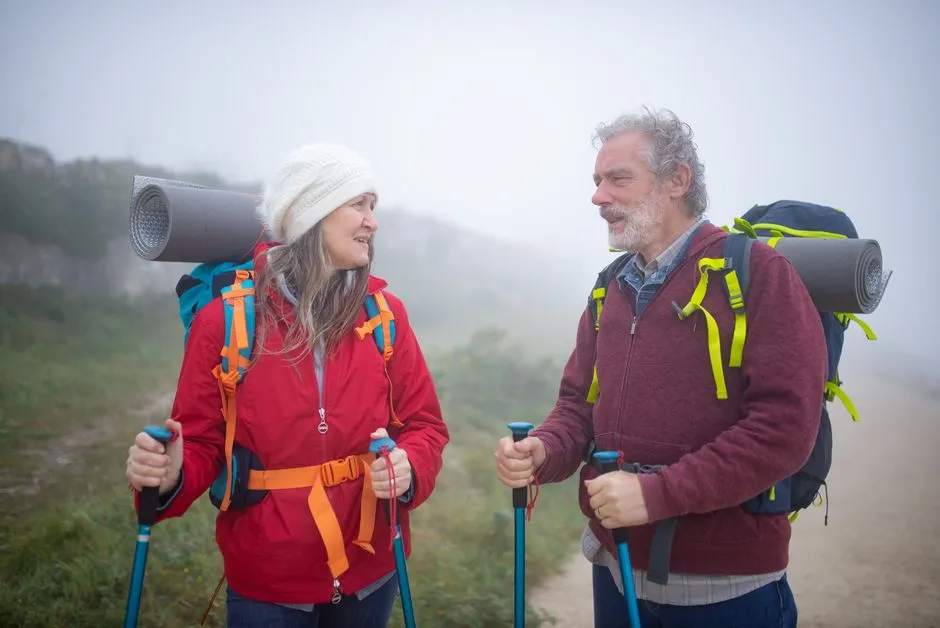
Volunteers often notice that older visitors stop. They look at the bird in the branch. They read the interpretive panel. They sit on the overlook bench for ten full minutes.
Meanwhile, plenty of visitors treat a park like a race. They sprint to the famous viewpoint, snap one photo, and leave without ever seeing the place they drove hours to reach.
A steady pace pays off in practical ways too. You burn less energy early, you have more left for the return trip, and you’re less likely to push past what your body or the terrain can handle. A lot of trail trouble starts with someone moving faster than their fitness allowed.
- Choose trail length by your slowest hour, not your fastest
- Plan rest stops before you need them
Here’s the part about timing that surprises first-time visitors.
#13 – They Skip the Crowded Hours

🔥 Would you like to save this?
We'll email this post to you, so you can come back to it later!
The best time to visit a famous park is rarely the time everyone else picks.
Visitors over 60 often have flexible schedules. They can go on a Tuesday instead of a Saturday, or in spring and fall instead of peak summer.
Volunteers say the difference shows up fast. Parking is easier, trails feel calmer, and the staff have more time to talk.
At a Glance
- Days: Midweek usually feels calmer than weekends
- Seasons: Spring and fall often beat peak summer
- Hours: Early morning and late afternoon dodge the midday crush
- Parking: Popular lots can fill up well before lunch
Here’s a slightly spicy opinion that some rangers and regulars share: the famous sunset viewpoint is often the most overrated hour of a park visit. When hundreds of people crowd one railing, the quiet side trail wins. That’s debatable, and plenty of people love the spectacle, but arriving early or going midweek lets you set your own pace instead of having the crowd set it for you.
And then there’s the thing that can quietly ruin a trip: dehydration.
#12 – They Treat Water Like a Priority, Not an Afterthought
🔥 Would you like to save this?
We'll email this post to you, so you can come back to it later!
Running out of water is one of the most preventable mistakes in any park.
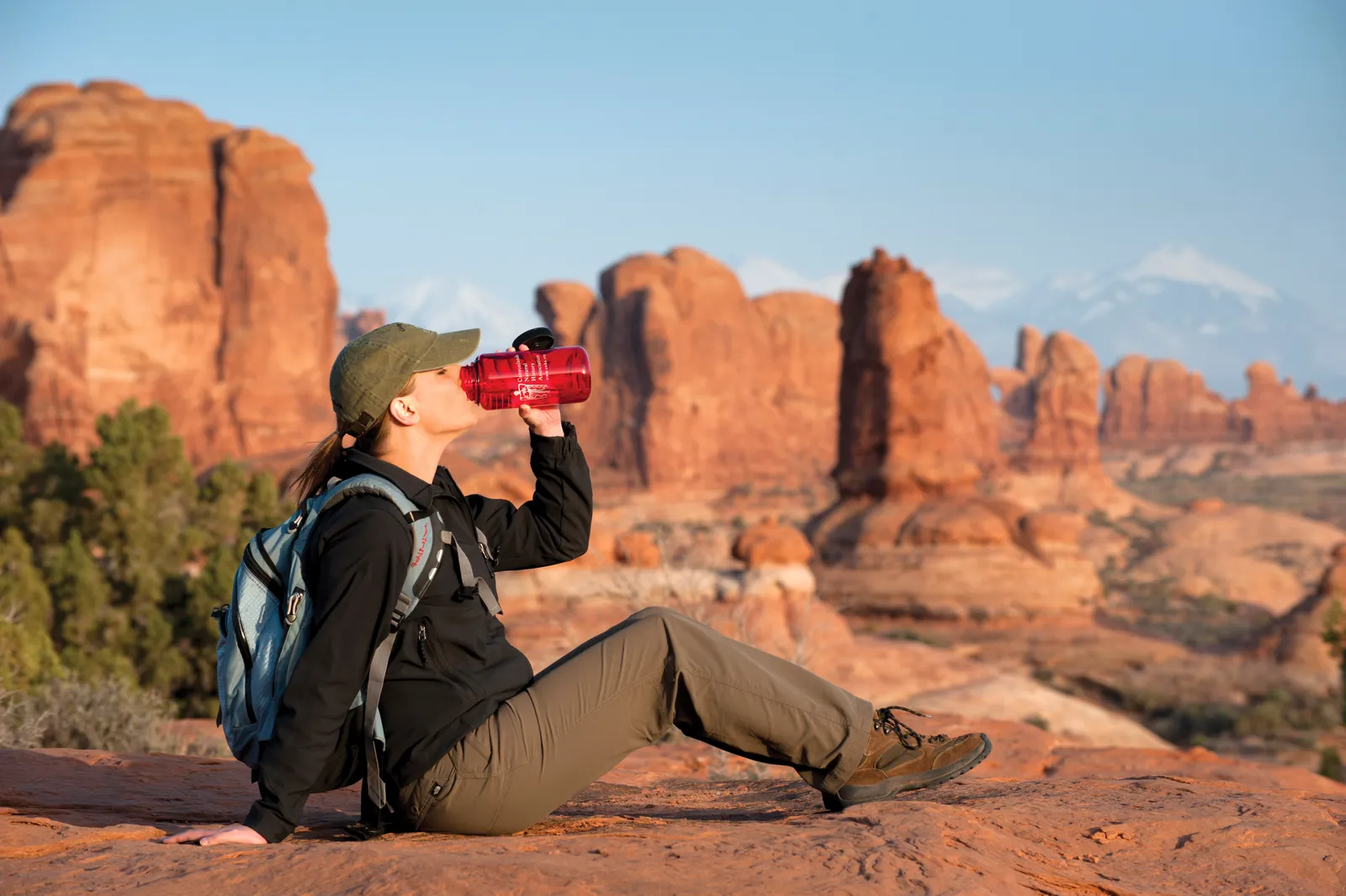
Volunteers regularly see visitors set out in warm weather with a half-empty bottle and a big plan. The better-prepared visitors carry more than they think they’ll need.
Older visitors are often more cautious here, and with good reason. Heat and dry air can sneak up on anyone, and thirst is not always a reliable alarm.
Sipping steadily beats chugging at the trailhead. Pairing water with salty snacks helps too. Park staff generally recommend turning around at the first sign of dizziness, headaches, or unusual fatigue.
- Start hydrated, not catching up
- Carry extra for the return leg
- Pack a snack along with the water
The next habit is one you’ll spot on almost every steep trail.
#11 – They Bring Trekking Poles
🔥 Would you like to save this?
We'll email this post to you, so you can come back to it later!
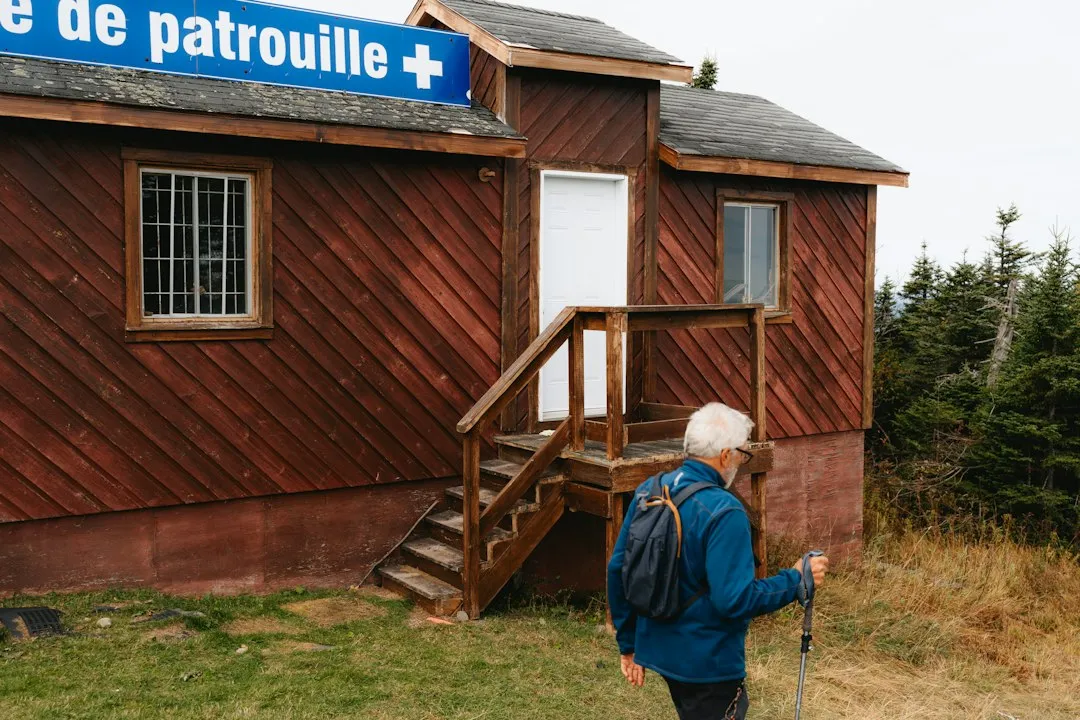
Those two sticks aren’t a sign of frailty. They’re probably the smartest gear on the trail.
Trekking poles can help with balance on loose gravel, wet rock, and uneven steps. On descents, they can take some of the load off your knees.
Volunteers often see older hikers using them confidently while younger visitors wobble down in smooth-soled sneakers. Footwear matters just as much. Good grip makes a bigger difference than most people expect, especially on trails that look easy but turn slick after rain.
A lot of trail injuries start with a simple slip on an easy path. The danger often isn’t the hard hike. It’s the one you didn’t take seriously.
- Adjust pole length before you start
- Wear shoes with real tread
- Take extra care on wet rock and wooden steps
The next habit is about distance, and it’s one many visitors get dangerously wrong.
#10 – They Keep Their Distance From Wildlife
🔥 Would you like to save this?
We'll email this post to you, so you can come back to it later!
That cute animal by the road is not a photo prop, and volunteers see this mistake daily.
The National Park Service generally advises staying at least 25 yards from most wildlife. For bears and wolves, the guidance is 100 yards.
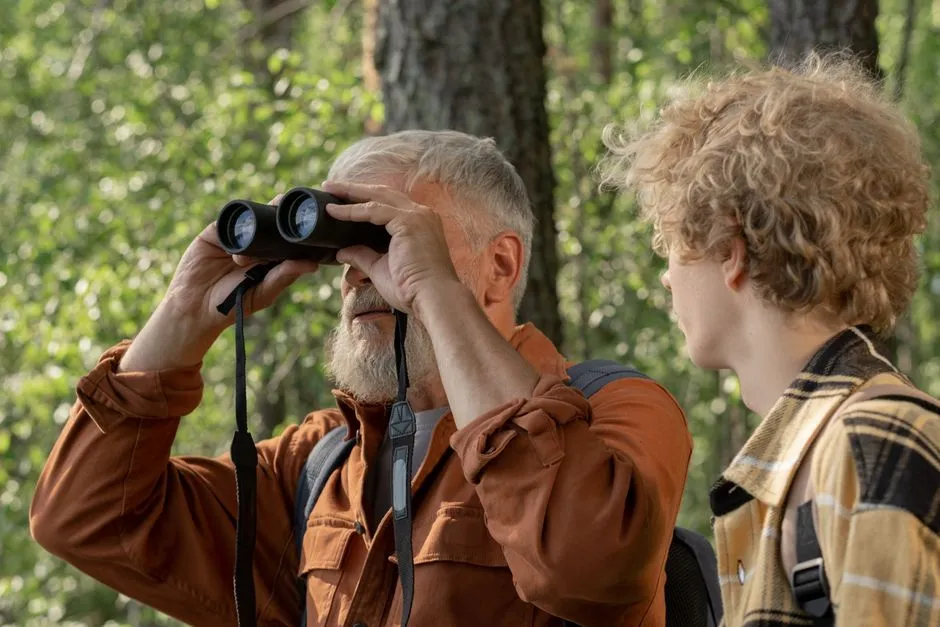
Older visitors tend to follow that advice more often. They stay in the car for the roadside bison, and they reach for the zoom lens instead of walking closer.
Large animals can move much faster than most people expect, and they don’t read the signs. Getting close for a selfie is how many incidents begin. Distance also protects the animals, because feeding or crowding wildlife can change their behavior in ways that hurt them later.
- Use binoculars or a zoom lens
- Never feed wildlife, even a small snack
- Stay in your vehicle if an animal is near the road
The next habit sounds old-fashioned, and it’s about something most people forget at home.
#9 – They Carry a Paper Map

🔥 Would you like to save this?
We'll email this post to you, so you can come back to it later!
Your phone’s map works great right up until the signal vanishes.
Many parks have patchy or no cell coverage, and volunteers see people stuck at junctions staring at a blank screen.
Older visitors are more likely to grab the free park map at the entrance and keep it in a pocket. It’s a battery that never dies.
Maps also show things your phone app can skip, like shaded picnic areas, ranger stations, and emergency phones. Some people still feel a paper map is outdated. Volunteers call it redundancy, and redundancy is what outdoor safety is built on.
Quick Compare
- Paper map: No battery, no signal, and it shows the big picture at a glance
- Phone app: Shows your live location, but it drains power and can fail without an offline download
The smartest visitors use both. They download offline maps before arriving and keep the paper copy as a backup.
Next up is a habit that sounds boring but protects more than you’d think.
#8 – They Stay on the Marked Trail
🔥 Would you like to save this?
We'll email this post to you, so you can come back to it later!
The shortcut isn’t actually shorter, and it can cost a park years of recovery.
Volunteers often see the same story play out. Someone steps off the path for a better photo, a dozen people follow, and soon a bare patch appears.
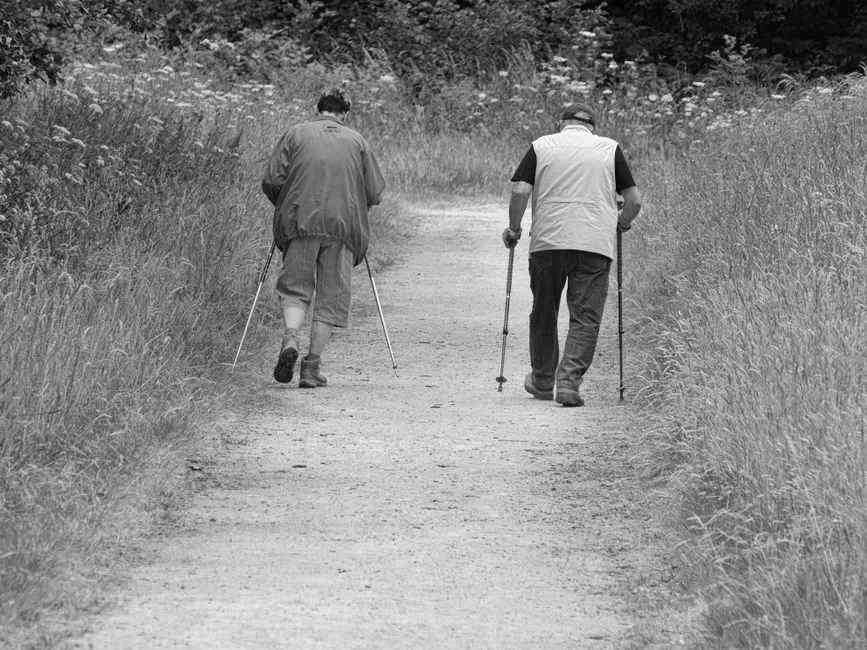
Older visitors tend to stay put. Many say they’ve watched what happens when thousands of people each make one small exception.
Trails are built on stable ground, away from fragile plants, nesting sites, and unstable edges. In desert parks, the crusty living soil on the ground can take years to recover from a single footprint, and slow-growing alpine plants are just as delicate. The damage isn’t always visible right away.
Staying on the trail also keeps you safer, because cliff edges and hidden drops don’t announce themselves.
The next habit is one volunteers say they notice at the end of every busy day.
#7 – They Pack Out What They Pack In
🔥 Would you like to save this?
We'll email this post to you, so you can come back to it later!
The most reliable sign of a respectful visitor is what they leave behind, which is nothing.
Volunteers who pick up litter after a busy weekend rarely find it in neat piles. It’s scattered along trails, tucked into rocks, and left at overlooks.
Visitors over 60 are often the ones carrying a small bag for trash, tissues, and fruit peels. They treat the park as a shared space, not a disposal service.
Even “natural” waste matters. An apple core or orange peel can linger far longer than most people think and can draw wildlife to places they shouldn’t be. This is where the idea behind Leave No Trace comes in: leave a place as you found it, so the next visitor gets the same experience.
- Carry a small trash bag
- Pack out all food waste, including peels
- Leave rocks, plants, and artifacts where they are
The next habit is the one volunteers talk about with real enthusiasm.
#6 – They Show Up for the Ranger Programs
🔥 Would you like to save this?
We'll email this post to you, so you can come back to it later!
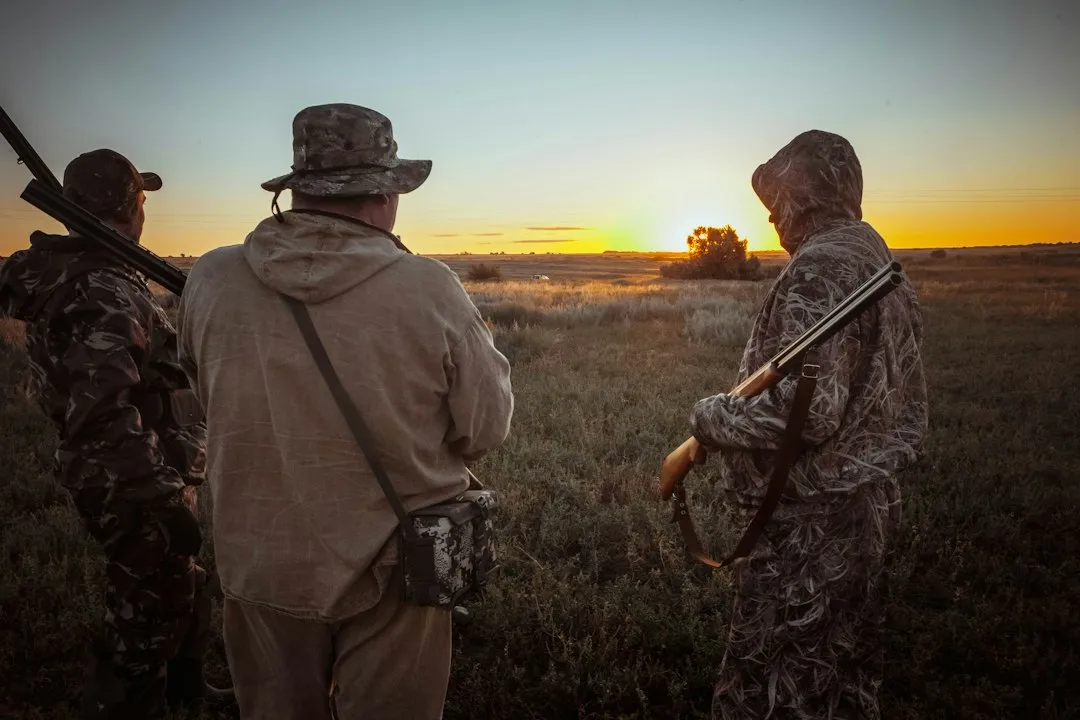
The free ranger talk is the most underused attraction in most parks.
Ranger-led walks, evening talks, and demonstrations often cost nothing beyond the entrance fee. Yet volunteers say the seats tend to fill with the same kind of visitor: older and curious.
These programs add what a viewpoint can’t. You learn why the rocks look the way they do, how the ecosystem fits together, and what happened on the ground under your boots.
A guided talk can turn a pretty view into a story you’ll remember for years. That’s the difference between looking and understanding.
Why It Stands Out
- It’s usually included with your entrance fee
- You get answers from people who know the place firsthand
- Formats range from short walks to evening talks and demonstrations
- Popular programs can fill quickly, so arrive a few minutes early
Here’s an opinion that may raise a few eyebrows: many longtime park fans argue a free ranger program beats an expensive private tour. It depends on the park and the guide. Check the schedule at the visitor center when you arrive, since programs vary by season.
The next habit quietly separates calm trips from chaotic ones.
#5 – They Tell Someone Their Plan, and They Turn Around on Time
🔥 Would you like to save this?
We'll email this post to you, so you can come back to it later!
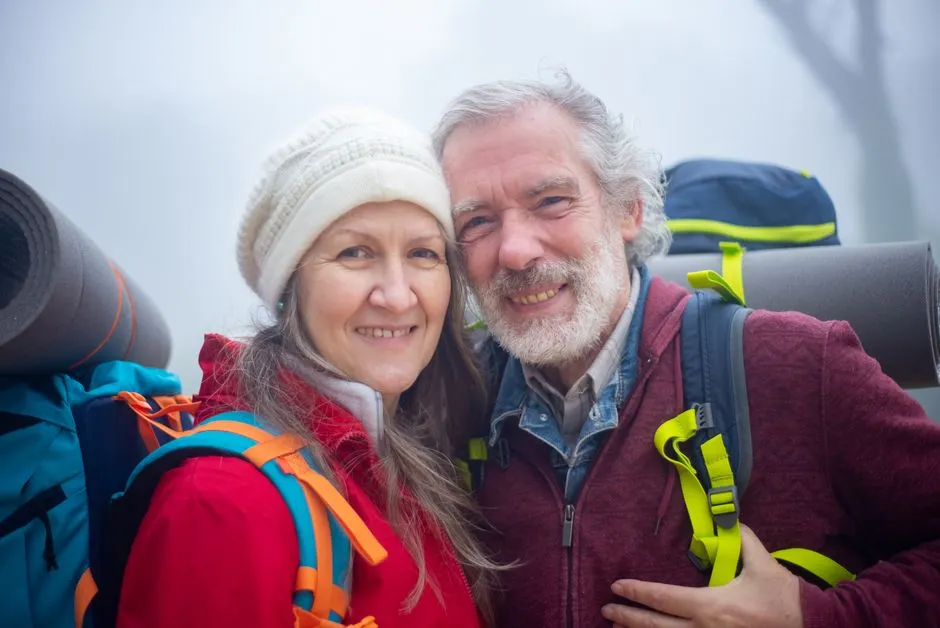
The best hikers know when to quit, and they decide before they start.
Volunteers often remind visitors to share their route and expected return time with someone. Older visitors are more likely to do it without being asked.
They also set a turnaround time. If they haven’t reached the destination by then, they head back, no matter how close the summit looks.
Turning around isn’t failure. It’s one of the smartest decisions that keeps a hike from becoming an emergency. Daylight, weather, and energy all change faster than people expect, and afternoon storms in many mountain parks can build quickly.
- Share your route and return time
- Set a turnaround time in advance
- Pack a light layer, even on warm days
Now for the habit that saves money, and plenty of people never hear about it.
#4 – They Use the Senior Pass

🔥 Would you like to save this?
We'll email this post to you, so you can come back to it later!
Visitors 62 and older have access to one of the best deals in travel, and volunteers say many still don’t ask.
U.S. citizens and permanent residents aged 62 and older can buy an annual pass for $20 or a lifetime version for $80. You’ll need proof of age and residency or citizenship.
The pass admits the holder plus passengers in one vehicle at per-vehicle fee sites. It can also provide 50% off some amenity fees, like camping and boat launches.
Fast Facts
- It covers more than 2,000 federal recreation sites, not just national parks
- Six federal agencies take part, including the Forest Service and Bureau of Land Management
- Buying in person at a participating site avoids the extra fees added to online orders
- Concessionaire services, like private lodges and guided tours, are not covered
Four annual Senior Passes can be traded in for a lifetime pass, effectively spreading the $80 over four years. That’s a handy option if you’d rather start small.
Prices and rules can change, so check the National Park Service website before you go.
The next habit costs nothing at all, and it’s about giving back.
#3 – They Sign Up to Volunteer Themselves
🔥 Would you like to save this?
We'll email this post to you, so you can come back to it later!
Some of the people who answer your questions at the desk started out as visitors who simply didn’t want to leave.
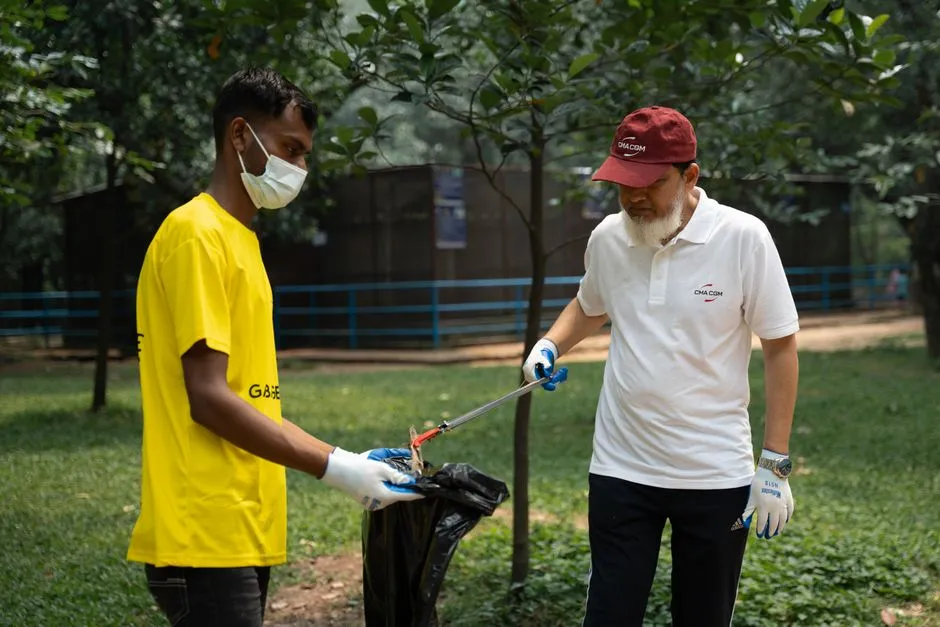
Parks rely on volunteers for everything from information desks to trail maintenance. Retired visitors, with time and curiosity to spare, are often a natural fit.
There’s a perk too. A free annual pass is available to volunteers who accumulate 250 service hours with participating federal agencies.
But most volunteers say the real reward isn’t the pass. It’s the conversations, the routine, and the feeling of belonging to a place.
Roles vary widely. Some people lead tours, others count wildlife, and others pull invasive weeds on a Saturday morning. You don’t have to commit to a full season, since many parks offer short-term or one-day projects.
The last two habits are the ones volunteers mention with the most feeling.
#2 – They Notice the Small Things

🔥 Would you like to save this?
We'll email this post to you, so you can come back to it later!
The best views in a park are sometimes at your feet, and older visitors are more likely to look down.
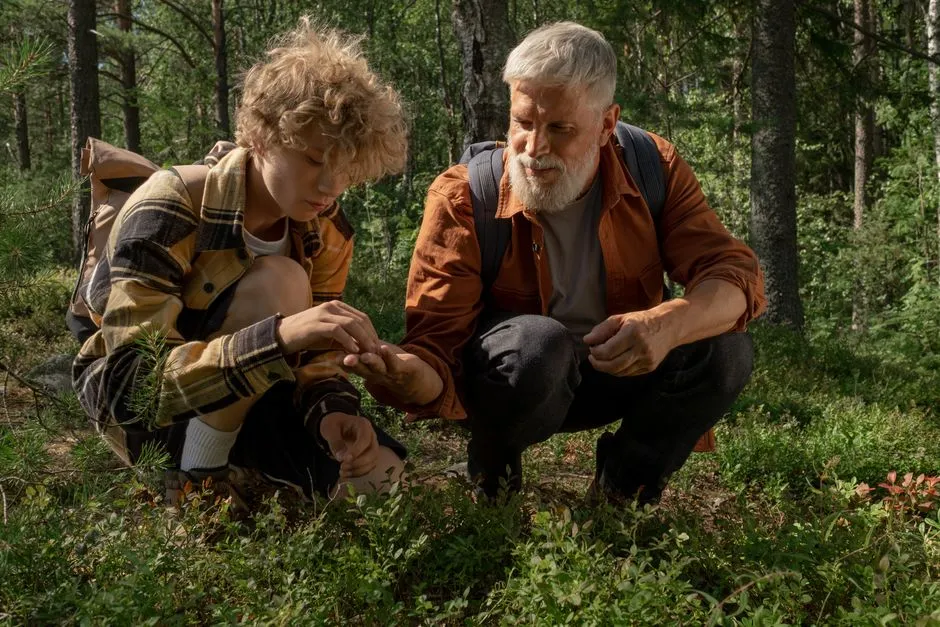
Volunteers say they often see older visitors crouch to study a wildflower, follow a bird’s call, or spot a lizard on a rock that the crowd walked straight past.
This isn’t about being slow. It’s about paying attention, and attention is what turns a walk into a memory.
Many parks hold wildlife and plant life that most visitors never notice because they’re looking at their phones. If you want to get better at spotting it, try a few simple tricks.
- Stop every ten minutes and listen
- Look at the ground, then the treetops
- Carry a small field guide or use a free bird-ID app
You don’t need to be an expert. You just need to be curious.
And that brings us to the habit volunteers say matters more than any other.
#1 – They Treat the Park as a Place, Not a Checklist
🔥 Would you like to save this?
We'll email this post to you, so you can come back to it later!
This is the one habit volunteers say separates a good visit from a forgettable one.
Plenty of visitors arrive with a list. Famous overlook, check. Iconic trail, check. Gift shop, check. Then they’re gone.
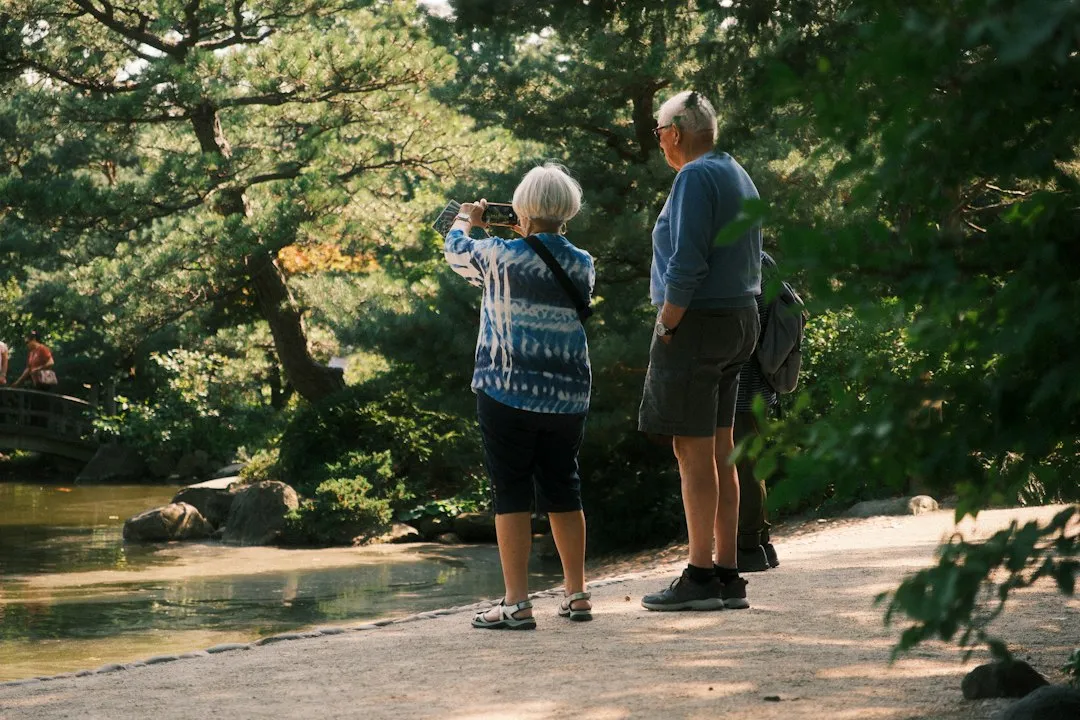
Visitors over 60 are often more willing to sit still. They bring a folding chair, a thermos, and a book. They stay for the light to change.
The most memorable part of a park visit is rarely the thing on the postcard. It’s the quiet hour nobody planned.
That’s a controversial take in an age of “see it all in a day” itineraries. But slow travel isn’t only for retirees, and the rest of us could use the lesson. Parks are places to be, not boxes to tick.
These habits aren’t exclusive to anyone over 60, and plenty of younger visitors follow them. Still, the pattern is worth noticing: ask questions, read the signs, carry water, keep your distance, stay on the trail, and know when to turn around. None of it requires expensive gear or special fitness.
My opinion? The over-60 crowd isn’t getting it right because of age. They’re getting it right because they’ve stopped trying to impress anyone. They slow down, prepare, and pay attention, and the park pays them back for it.
Which of these habits do you think the rest of us should copy first?

- 7 Everyday Habits That Can Make Your Senior Dog Happier - November 5, 2026
- 10 Enigmatic Structures That Continue to Puzzle Scientists Today - November 5, 2026
- 10 Strange Ruins in the Americas That Challenge What We Know About Early History - November 5, 2026