
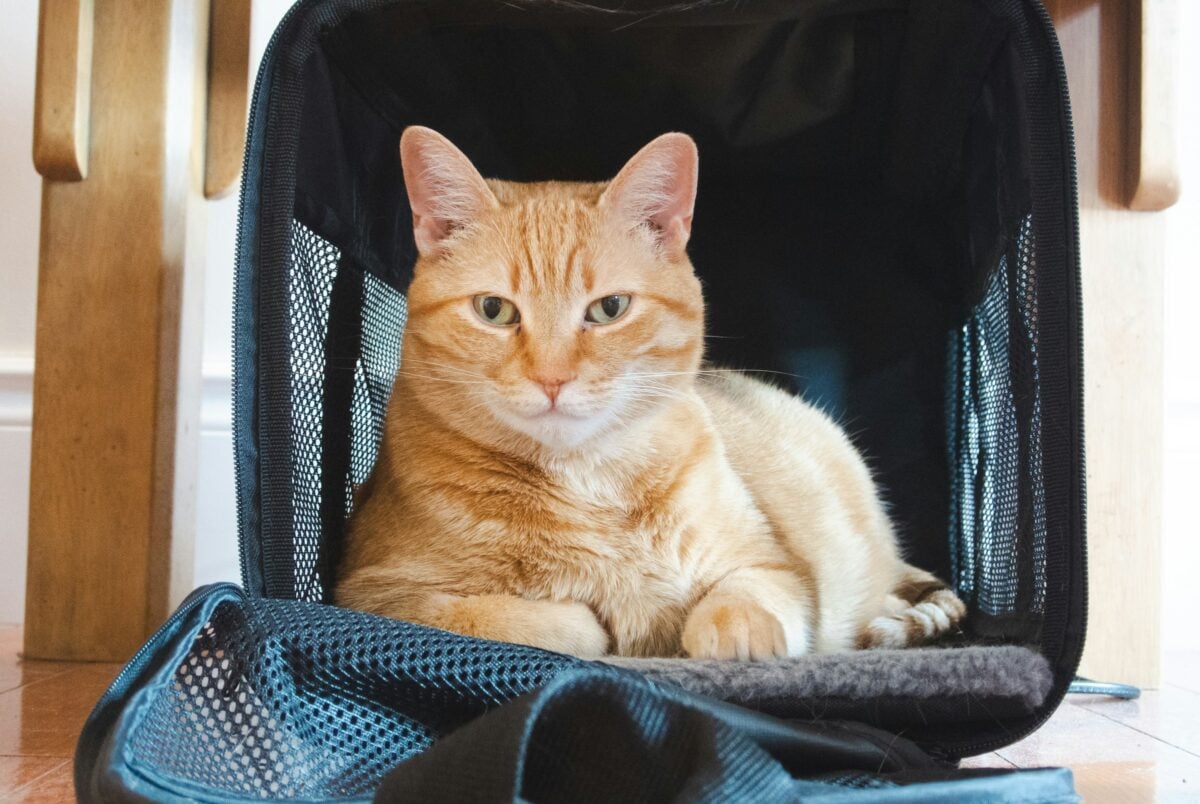
Most owners think a vet visit begins when the exam room door closes. It doesn’t. It begins the moment the carrier comes through the clinic door, and a veterinary nurse has often read it like a headline before you reach the front desk.
Size, sound, grip, smell, and the way the animal inside is sitting all register before anyone touches a latch. Those details can shape the whole appointment. Here are 16 of the tells nurses pick up on, counted down from the least obvious to the biggest.
One of them looks like perfect behavior and can mean the opposite. The most common mistake of all starts months before the appointment, in a place you probably wouldn’t think to look. Most of the fixes take a few minutes at home.
#16 – The Carrier Is Too Small
🔥 Would you like to save this?
We'll email this post to you, so you can come back to it later!
A cramped carrier is the first red flag, and it’s visible from across the room. A cat folded into a corner with its shoulders rolled forward looks packed, not carried.
Low-stress clinic guidance is simple. The carrier should be large enough for your cat to lie down and turn around in. Anything tighter means the animal can’t shift position, stretch, or turn away from the door.
Here’s how it usually happens. Many owners buy a carrier for a kitten and keep using it for years. A cramped space increases anxiety, and a pet wedged into one corner may arrive already braced for the worst.
What nurses look for:
- Can the pet stand without hunching?
- Can it turn all the way around?
- Can it lie down without curling into a ball?
But too small is only half the story, because #15 causes a very different kind of trouble…
#15 – The Carrier Is Too Big

🔥 Would you like to save this?
We'll email this post to you, so you can come back to it later!
More room is not the upgrade most people think it is. Bigger sounds kinder, but it often backfires.
In an oversized carrier, the pet slides around with every turn and every brake. A car ride becomes a series of small tumbles, and a pet can get bumped or hurt.
Cats generally feel more secure with a stable surface underneath them. In a carrier that’s too large, the floor never stops moving.
Nurses can often tell when this is happening. A pet pressed hard against a wall or braced in one corner is working just to stay upright. That is effort it isn’t spending on coping with the clinic.
And the next thing nurses check has more to do with the clinic than the car…
#14 – There’s Only One Way In
🔥 Would you like to save this?
We'll email this post to you, so you can come back to it later!
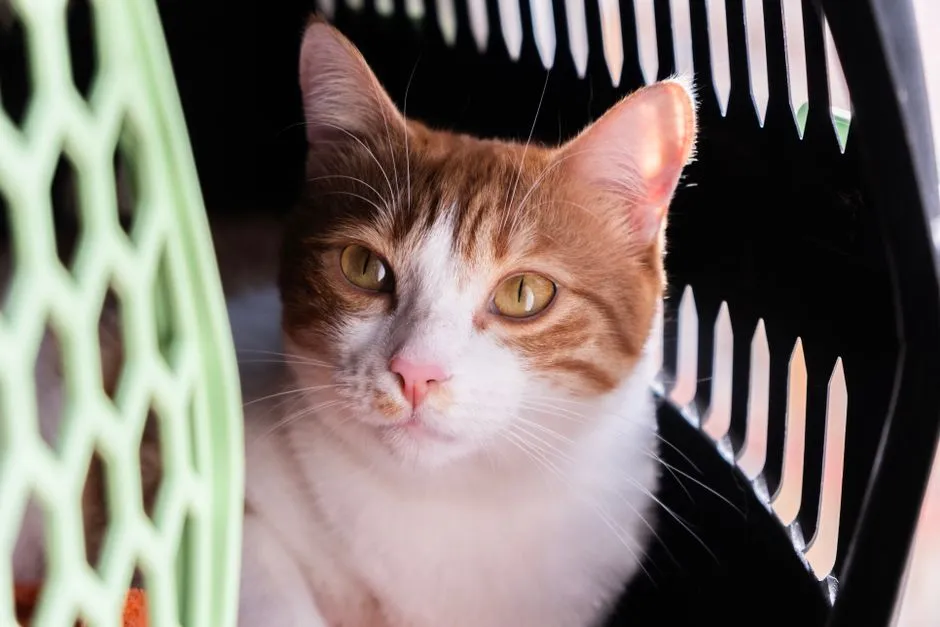
A front-only door is the design veterinary teams quietly wish would disappear. It looks harmless until a scared pet refuses to come out.
When a frightened pet won’t walk out, staff have to get it out. A top-loading door lets them lift a cat instead of dragging it through a narrow front opening. That difference can change how the pet remembers the visit.
Many clinics go a step further. Many vets simply remove the top, let the cat stay in the familiar bottom tray, and examine it right there. That only works if the carrier comes apart.
Here’s the opinion that gets people talking. Buying a front-only carrier for a pet you know hates the vet is a false economy. You save a little money and pay for it in forced handling at every visit.
Quick Compare
- Top plus front door: best for loading and unloading
- Removable top half: best for exams in the carrier
- Front-only: the hardest option for fearful pets
Next, a carrier that looks great on social media but may cause problems in the exam room…
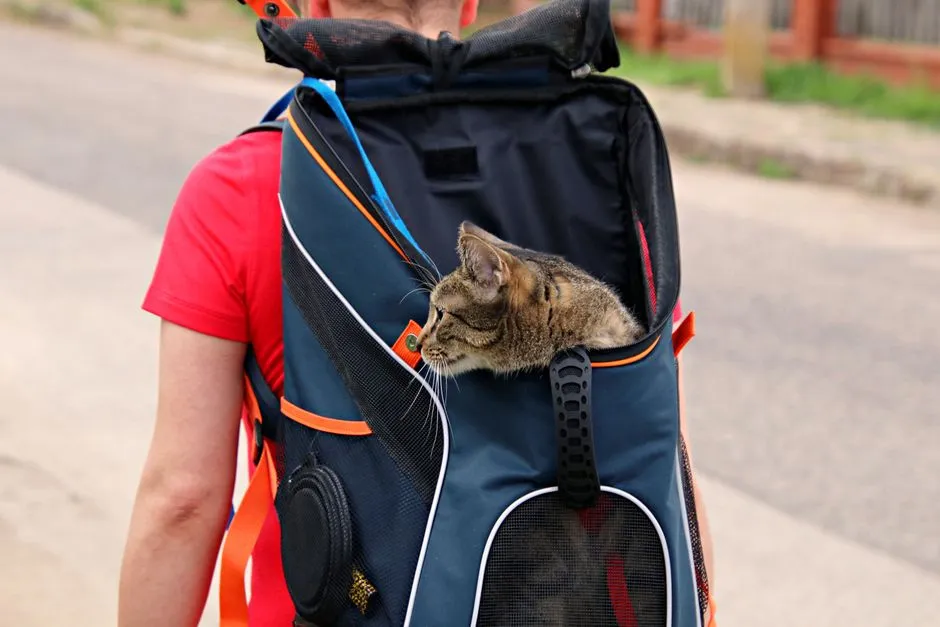
#13 – It’s a Soft, Sagging Bag
🔥 Would you like to save this?
We'll email this post to you, so you can come back to it later!
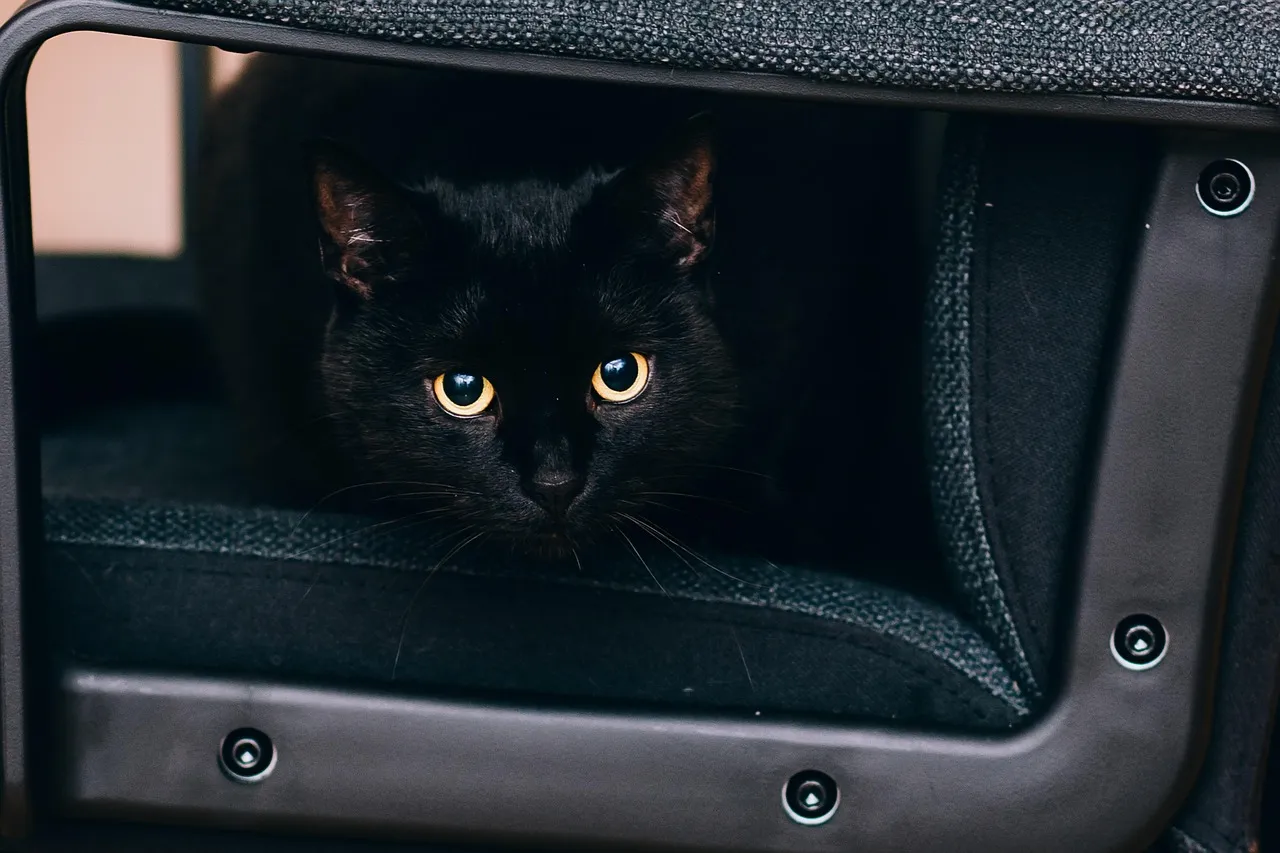
The trendiest carriers are often the ones clinic teams like least. They photograph beautifully, and that’s where their advantage ends.
Soft carriers do have a place. One review calls a structured option such as the Sherpa Original Deluxe a reasonable choice for small, calm cats, because it has more structure than many bargain mesh bags. The key words are small and calm.
The best vet carrier may look dull. The right choice is one your cat can enter before the visit and the clinic can open safely during it, even if it looks plain next to trendier travel bags and novelty backpacks.
Nurses watch for roofs that collapse onto the pet, zippers a determined animal could push on, and bags with no firm base. For a nervous or large pet, those are real weak points.
Speaking of weak points, there’s one on nearly every carrier that deserves a closer look…
#12 – The Latch Looks Questionable
🔥 Would you like to save this?
We'll email this post to you, so you can come back to it later!
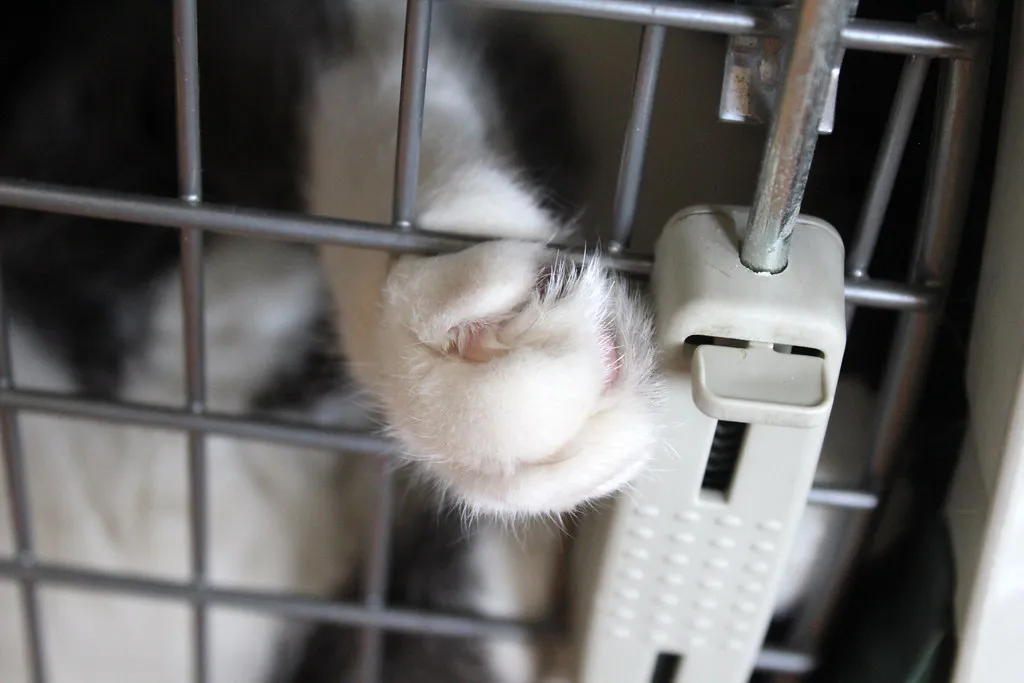
An escaped pet in a waiting room is one of the most avoidable emergencies in a clinic. Staff know it, so they glance at the door hardware first.
The model should have a secure door that won’t pop open under pressure. Cracked plastic, bent wire, and doors held shut with tape or a rubber band all tell the same story.
Design matters here too. Rigid carriers with steel wire doors and spring-loaded latches are a common feature of vet-friendly models. Even so, one review warns that some models have weak latches, so a good category doesn’t guarantee a good carrier.
Why it matters:
- A stressed pet can push, scratch, and lunge harder than you’d expect
- A door that fails in a car or waiting room puts the pet and other animals at risk
- Wear loosens clips over time
But the carrier isn’t the only thing nurses judge. The way you’re holding it comes next, in #11…
#11 – It’s Swinging Like a Suitcase
🔥 Would you like to save this?
We'll email this post to you, so you can come back to it later!
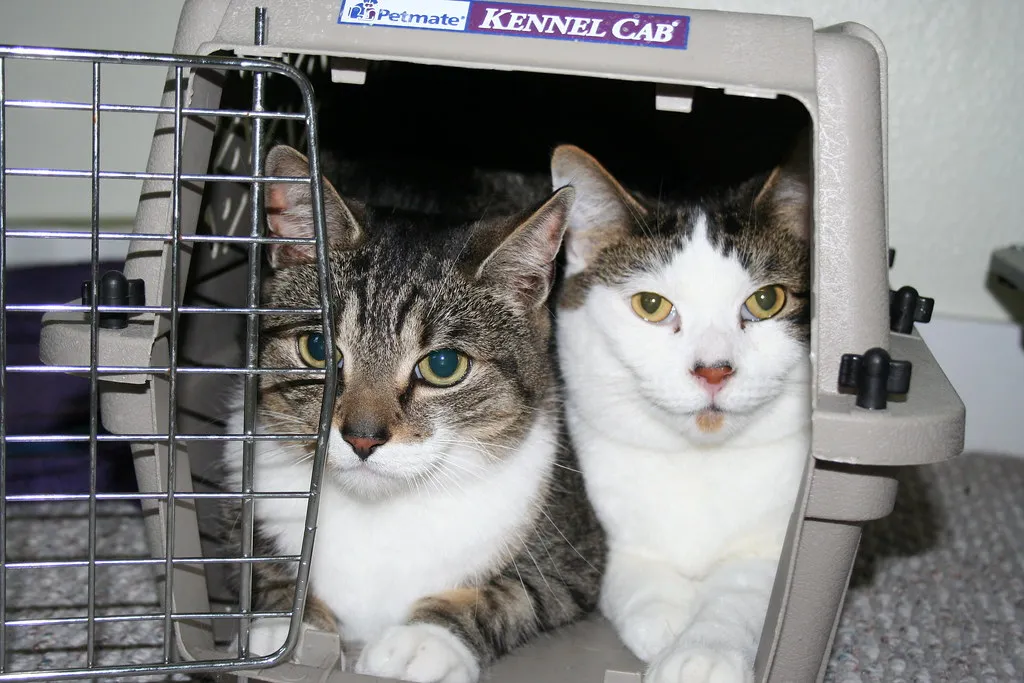
Before the door even opens, the way a carrier is held reveals a lot. A carrier swung from one hand in a loose arc tells nurses the trip was bumpy.
Clinic guidance is direct about it. Carry the carrier from the bottom rather than by the handle, because that motion can upset cats.
It sounds fussy until you think about it from the cat’s side. A suitcase-style swing means sudden drops, tilts, and knocks against your legs. There is no steady floor, and a steady floor is the thing cats value most.
What calmer arrivals tend to look like:
- The carrier is supported from underneath
- It stays level, hugged close to the body
- It’s set down gently, not dropped
- Doorways are cleared slowly to avoid bumps
Most owners never realize this is a mistake, because the handle is right there. The handle is for convenience, not comfort.
Now, about that towel. Some carriers have one and some don’t, and nurses notice either way…
#10 – There’s a Towel Draped Over It

🔥 Would you like to save this?
We'll email this post to you, so you can come back to it later!
A light cover is one of the simplest signs that an owner has done their homework. Veterinary teams generally welcome it.
A cover reduces visual stimulation and can help a pet feel hidden and secure. In a waiting room full of movement, that cuts down what the animal has to react to.
A bare carrier gives the pet a front-row view of every dog, stranger, and trolley. A towel over the carrier can reduce visual stress during transport as well.
One caution: keep the cover light, and keep the ventilation holes clear so air can still move through. A heavy blanket can trap heat.
A cover handles what the pet sees. The next detail covers what it smells, in #9…
#9 – The Bedding Smells Like Home
🔥 Would you like to save this?
We'll email this post to you, so you can come back to it later!
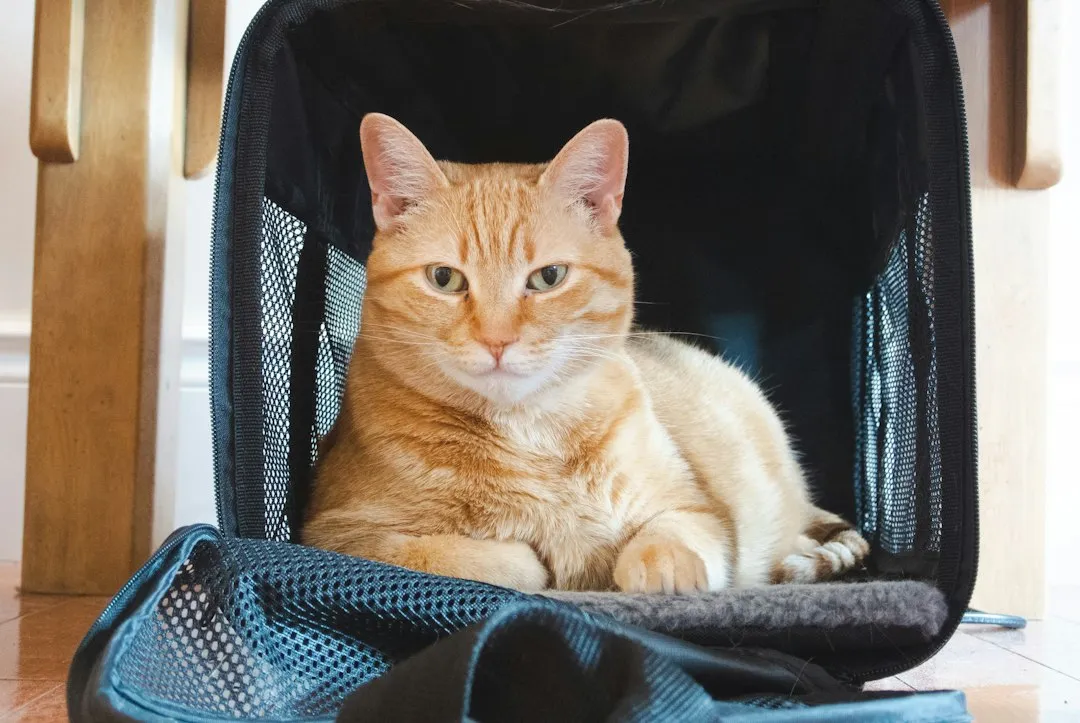
Nurses can tell a lot from what’s lining the floor of the carrier. A worn blanket from the pet’s own bed beats a bare plastic tray every time.
Clinics suggest placing an item with the owner’s scent inside the carrier. Familiar smells make an unfamiliar place feel a little less foreign.
Many clinics also recommend calming pheromone sprays on the bedding, and one clinic advises spraying 15-30 minutes before your cat goes in. Evidence for these products is mixed, but they’re widely used and low-risk for many pets.
The honest truth is that a familiar blanket is free, and the spray is optional. A brand-new, sterile-smelling liner bought the night before is the worst of both worlds.
Scent is only one sense at work. The sounds coming from the carrier tell another story in #8…
#8 – What the Carrier Sounds Like
🔥 Would you like to save this?
We'll email this post to you, so you can come back to it later!
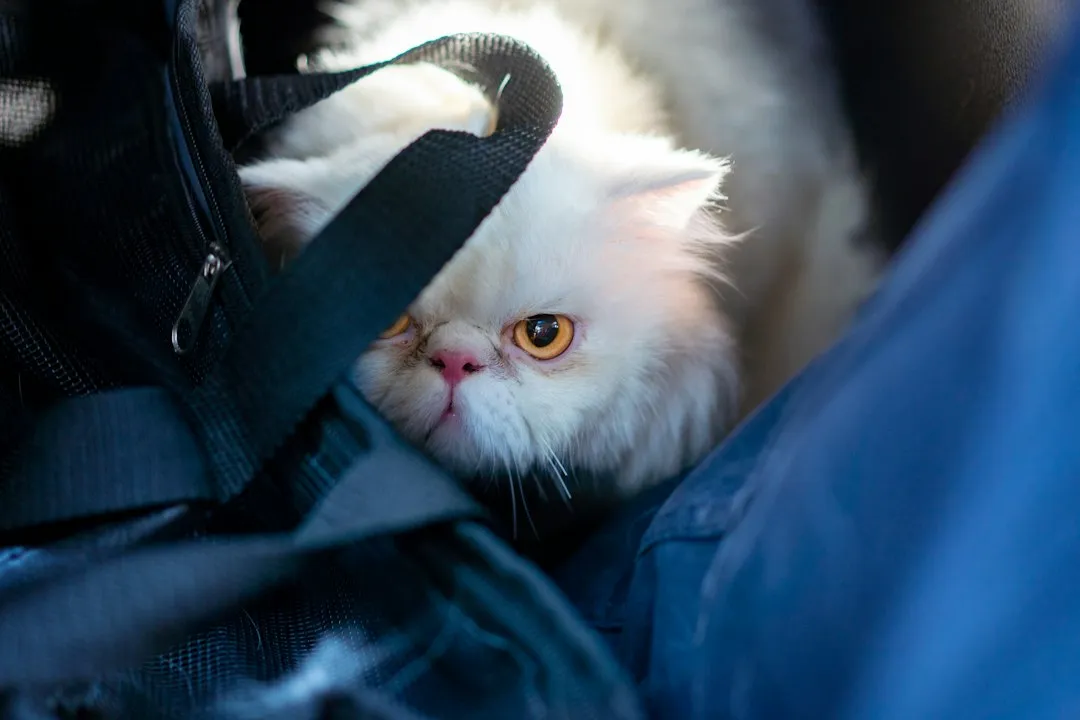
A nurse can often read a pet’s state before seeing it, just from what they hear. Distress has a recognizable soundtrack.
Clinic stress guidance lists crying, panting, drooling, and vomiting as common signs that a noisy car ride took its toll. Hissing or growling can mean the pet feels cornered.
The surprising part is silence. A quiet carrier is not automatically a calm one. Some animals go still and mute when they’re overwhelmed, so a “good” traveler could be a frightened one.
At a Glance
- Continuous crying: clearly stressed
- Panting or open-mouth breathing in a cat: unusual, and worth flagging to staff right away
- Growling or hissing: needs careful handling
- Total silence: may be calm, may be frozen
The takeaway for owners is simple. Tell the team what you heard on the way in, not just what you hear now.
And that leads straight to the strangest signal of all: the carrier that doesn’t move…
#7 – It’s Strangely Still
🔥 Would you like to save this?
We'll email this post to you, so you can come back to it later!
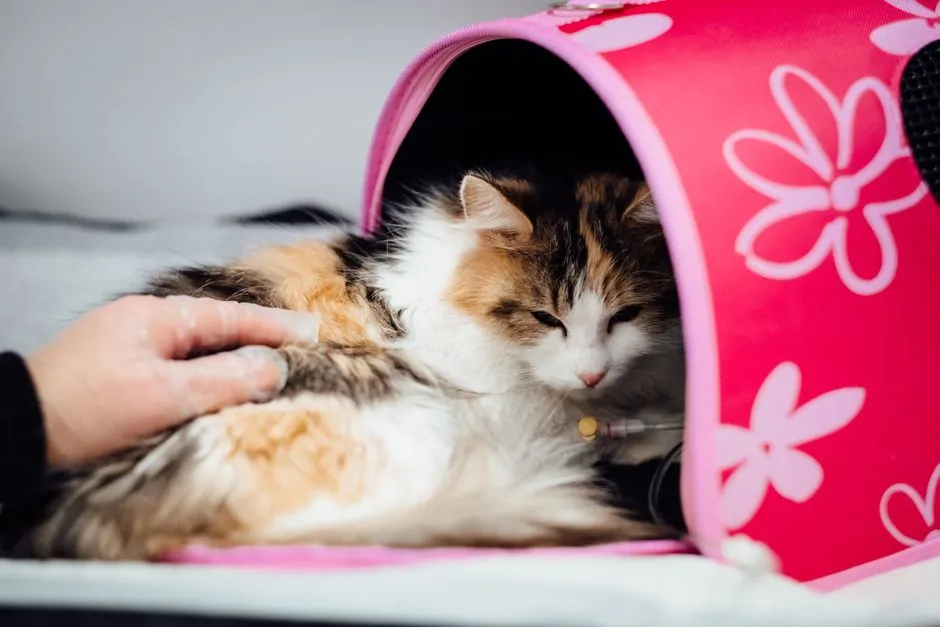
A motionless carrier can worry a nurse more than a loud one. Stillness looks like good behavior, which is exactly why it gets missed.
Clinic guidance on stress triggers lists frozen posture alongside growling and frantic movement as warning signs in the waiting room. Notice that frozen sits on the same list as frantic.
A cat that doesn’t move, blink, or react may be coping by shutting down. Most owners read that as calm, while experienced staff read it as a pet that has run out of options.
This is why removable-top designs matter for some pets. One review notes they suit cats that freeze or hide at the clinic, because the exam can start in the bottom half rather than after a stressful extraction.
But some stress signals leave a physical trail. Nurses can spot it on the carrier itself in #6…
#6 – There Are Drool Marks or Accidents Inside
🔥 Would you like to save this?
We'll email this post to you, so you can come back to it later!
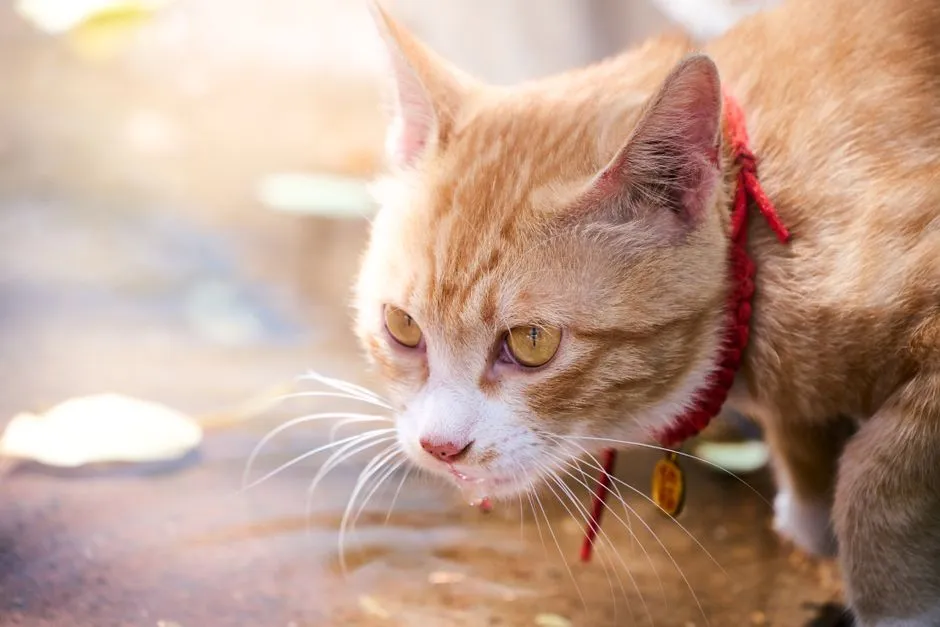
Evidence of what happened on the drive is often visible before the door opens. Damp fur, drool trails, vomit, and urine all show through the ventilation holes.
These aren’t always signs of a “bad” pet. Crying, panting, drooling, and vomiting are listed as stress responses to a noisy ride, and travel nausea is a common reason.
This matters because staff need to know the cause. It could be fear, motion sickness, or something medical. Telling the team helps them decide where to look.
If the pet is regularly sick in the car, there are options. Clinics can work with owners to create a personalized Fear Free plan for pets that are nauseated or fearful during travel. Any medication is a decision for your veterinarian.
Cleaning up is one thing. What the carrier floor is made of is another thing entirely, in #5…
#5 – The Floor Is Slippery Plastic
🔥 Would you like to save this?
We'll email this post to you, so you can come back to it later!
A bare, hard floor says a lot about how the pet was set up for the trip. Hard plastic is easy to clean, but it’s slippery.
With no lining, a pet’s paws have little grip on every turn. Cats feel more secure on a stable surface, and a skidding floor works directly against that.
A thin, absorbent layer solves several problems at once. It adds grip and soaks up accidents. If it smells of home, it adds familiarity too.
Keep it simple:
- Use a washable towel or fleece, not loose heaps of fabric
- Make sure nothing can bunch up and block the door
- Bring a spare in case of accidents
Clinics see plenty of carriers with nothing in them at all. It’s one of the easiest fixes on the list.
Worth Knowing
- Grip matters most during turns and sudden stops, when a bare floor lets paws skid.
- Flat beats fluffy: a smooth layer can’t bunch up against the door.
- A spare layer in your bag turns a mid-trip accident into a two-minute fix.
- Bedding that still smells like your pet’s own spot does double duty as comfort and grip.
Once inside the building, where you put the carrier down may matter more than what’s in it, as #4 shows…
#4 – It’s Sitting on the Waiting Room Floor
🔥 Would you like to save this?
We'll email this post to you, so you can come back to it later!
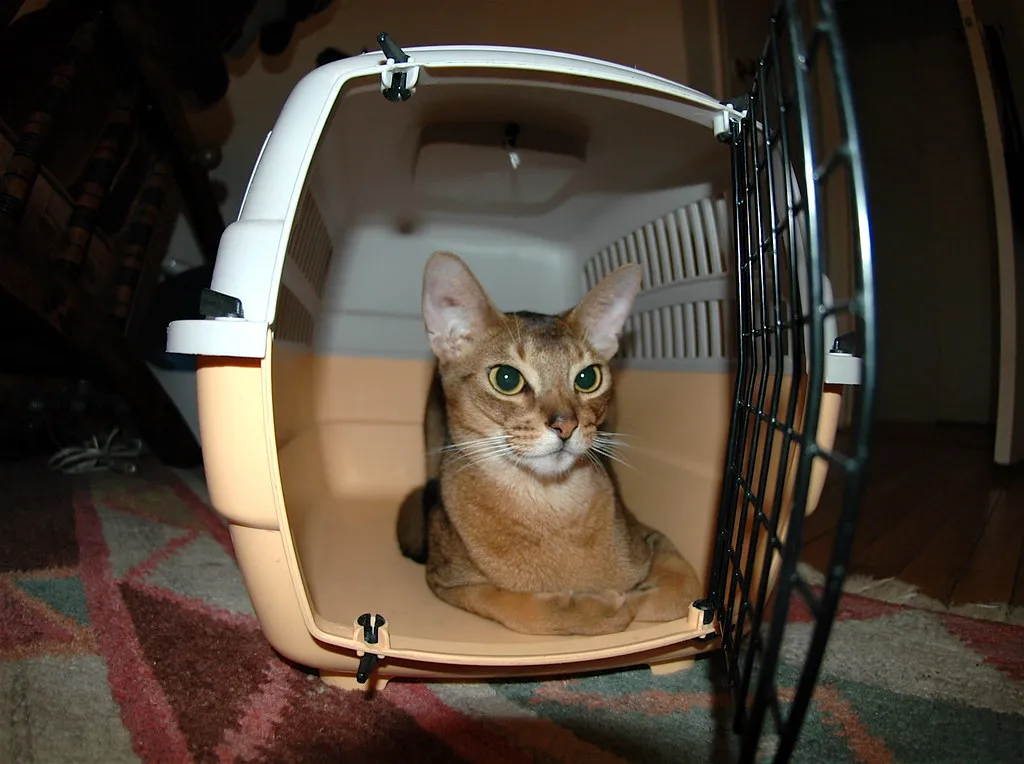
Where a carrier lands in the lobby is a quiet but telling choice. On the floor, it sits at the same height as every passing dog’s nose.
Clinic guidance suggests the opposite: request quieter appointment times, wait in the car if allowed, and keep the carrier elevated. Not every clinic offers all of these options, but many will if you ask.
Here’s the controversial part. Putting a carrier on the floor “because it’s heavy” is a mistake. Lifting it onto a bench, a chair, or your lap takes a few seconds and changes the pet’s whole view of the room.
Home habits matter here too. Cats tend to prefer resting spots that are elevated and warm, and that preference doesn’t disappear at the clinic.
Of course, a lot of this comes from what happened before leaving home. Nurses can see it on the owner in #3…
#3 – The Owner Has Fresh Scratches
🔥 Would you like to save this?
We'll email this post to you, so you can come back to it later!
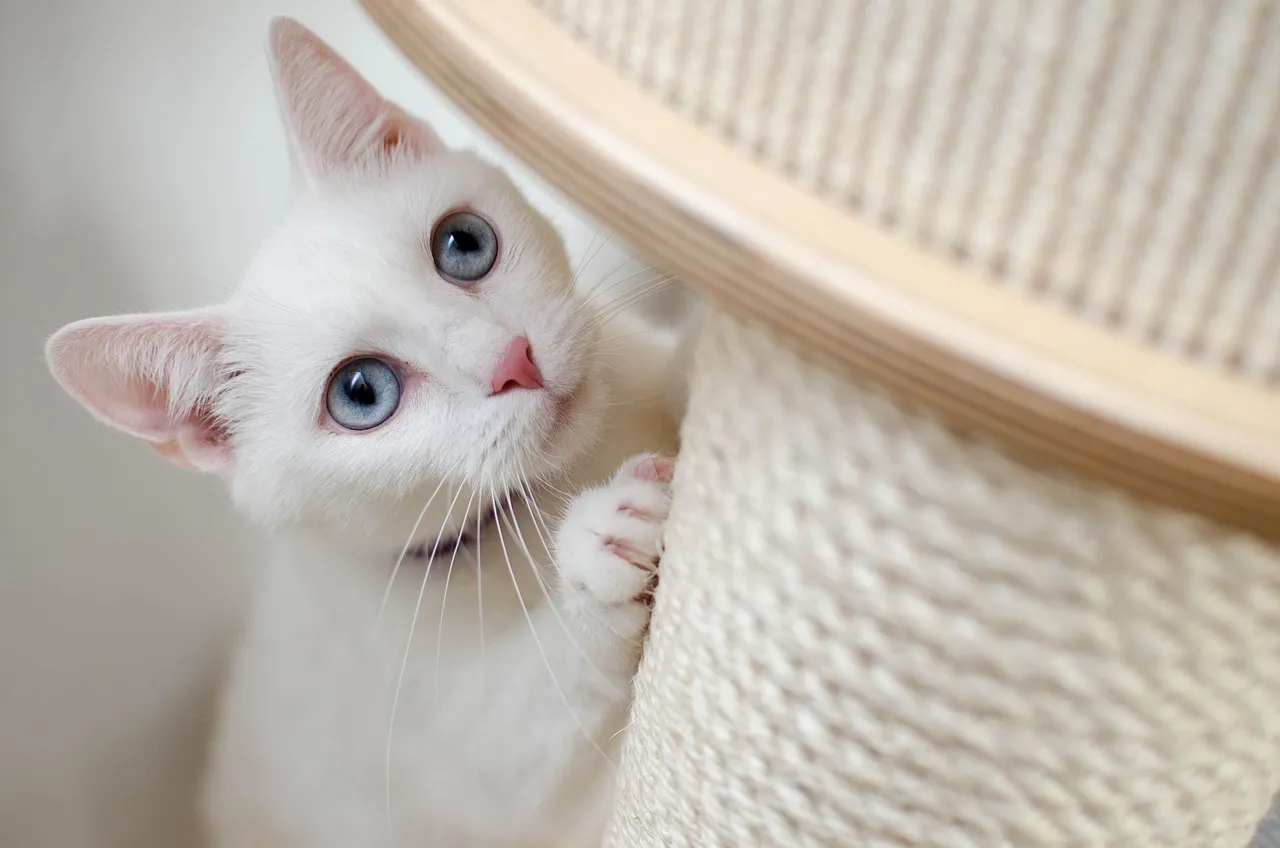
Sometimes the clearest clue about the carrier is on the person carrying it. Scratched hands, a flustered owner, and a pet that arrives already wound up point to a rough loading.
It happens to many careful owners. But the chase itself matters. Using a towel and moving calmly is often less stressful than chasing a pet from room to room, and a chase can raise fear before the trip has even started.
The cornered-pet problem is well documented in handling guidance. When cats feel cornered, they resist harder, and the carrier becomes the object of a battle.
Calmer loading tends to follow a pattern:
- Close a door so the pet is in one small room
- Use a towel to wrap and scoop if needed
- Lower the pet in from the top, if the carrier allows it
If loading is a regular fight, say so. If your cat hisses, scratches, or tries to bite when you try to put it in the carrier, call the clinic before the appointment.
But the cause of that fight often goes back months, and nurses can spot it in #2…
#2 – It Looks Like It Came Out of the Attic
🔥 Would you like to save this?
We'll email this post to you, so you can come back to it later!
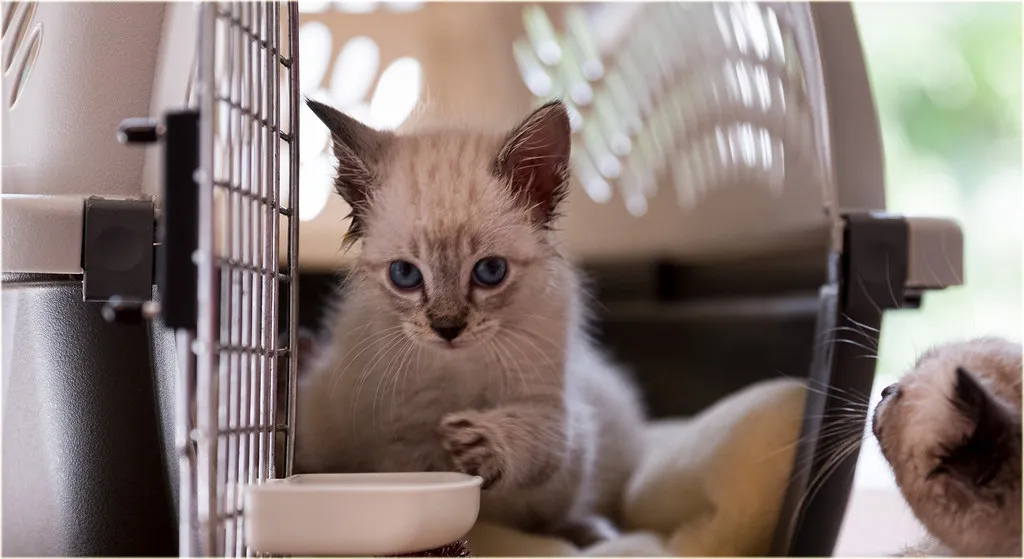
A carrier that only appears on appointment day has already told the pet what’s coming. Dust, stiff hinges, or a stored-away smell hint at how long it’s been hidden.
Pets are quick learners. If the carrier only comes out for a vet visit, your cat may learn that seeing it means something stressful is about to happen.
Clinic guidance puts the link plainly. Most owners only pull the carrier out for vet trips, and that creates a clear signal of impending fear. For the pet, the carrier is a warning sign.
Here’s the uncomfortable truth. Many people blame the cat for being “difficult” about the carrier. Often the pet is reacting sensibly to a pattern the owner created without meaning to.
So what does the opposite look like? The strongest sign of all comes next, in #1…
#1 – It Looks Boring and Lived-In
🔥 Would you like to save this?
We'll email this post to you, so you can come back to it later!
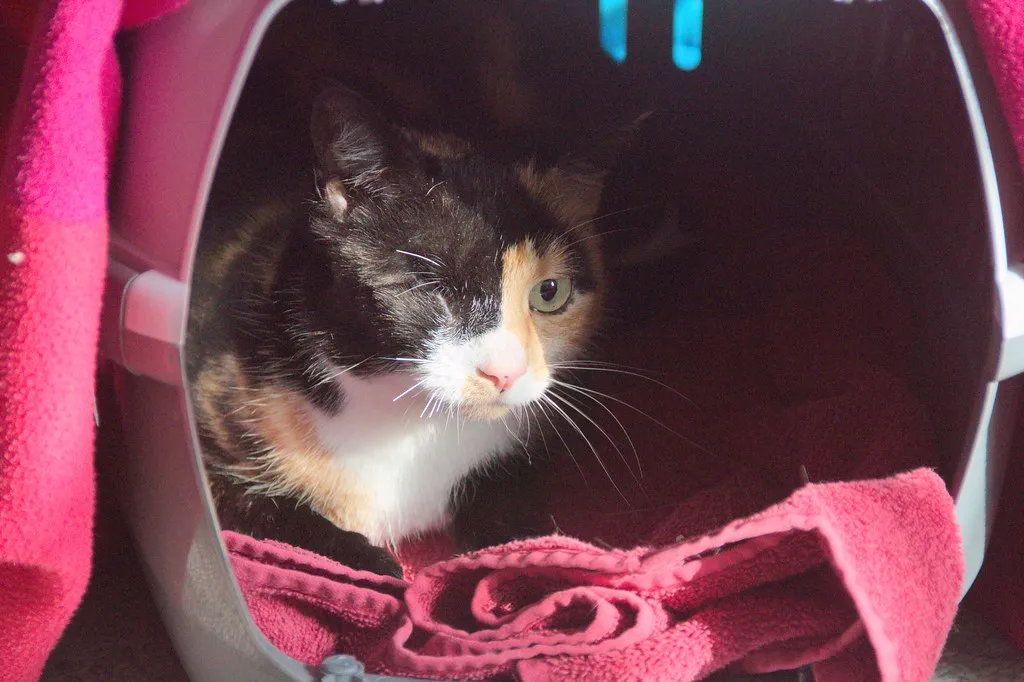
The best carrier a nurse sees all day is the one nobody would photograph. It’s out of the attic, it has a faint dent from a sleeping cat, and it holds a blanket that’s seen better days.
Why It Stands Out
- It lives in plain sight, so it reads as furniture, not a threat.
- The bedding smells like the pet, not like a store.
- The door stays open at home, so going in is the pet’s choice.
- Nothing about it is new, which is exactly the point.
The advice here is almost dull on purpose. Leave the carrier out all the time, not just on vet day. Let it become furniture, because boring furniture is good.
Training doesn’t need to be elaborate. Clinics suggest leaving the door open, adding bedding, then adding treats, catnip, or meals near it and then inside it. Let your cat enter on its own.
A basic routine:
- Leave the carrier out in a quiet, warm spot
- Add a familiar blanket
- Feed treats or meals near it, then inside it
- Keep sessions short, and stop before your cat becomes stressed
Honesty check: the strongest evidence here is behavior and handling guidance, not head-to-head consumer product trials. That’s fine. A calm, trained pet in a plain carrier beats an expensive one used cold.
So here’s our blunt opinion. The fanciest carrier isn’t the best one. The best carrier is the one your pet already trusts and the clinic can open without a struggle. Size, doors, latches, and stability matter, but habits matter more: how it’s stored, carried, covered, and lined.
The single most common mistake is hiding the carrier in the attic and bringing it out only on vet day. Leave it out, make it boring, and treat every trip as practice. If your pet is already fearful, call the clinic before the visit, because a plan beats a struggle.
Nurses don’t need to open the door to know how your pet’s day is going. The carrier has already told them.

- Beyond the Bark: Decoding Your Dog’s 12 Most Common Vocalizations - November 5, 2026
- 12 Surprising Facts About North American Mountain Lions You Never Knew - November 5, 2026
- Wild Salmon Populations Are Rebounding in the Pacific Northwest, A Sign of Healthier Rivers - November 5, 2026