
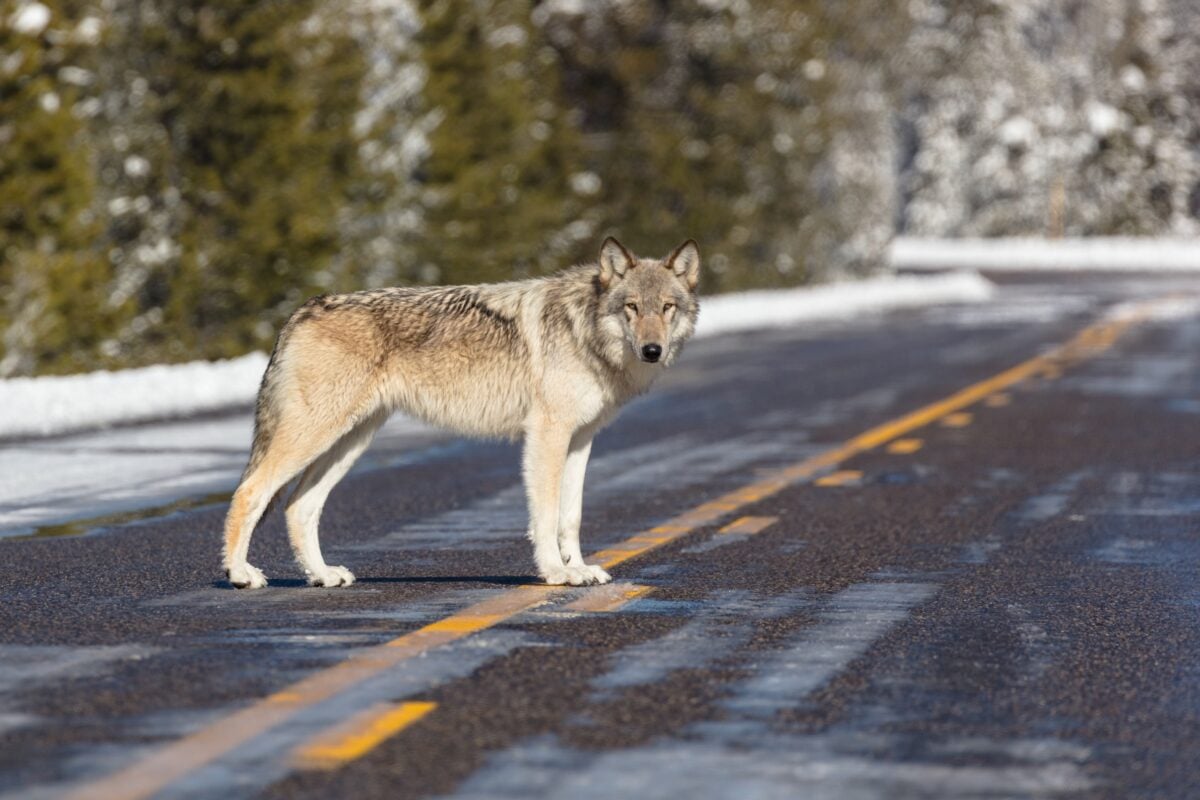
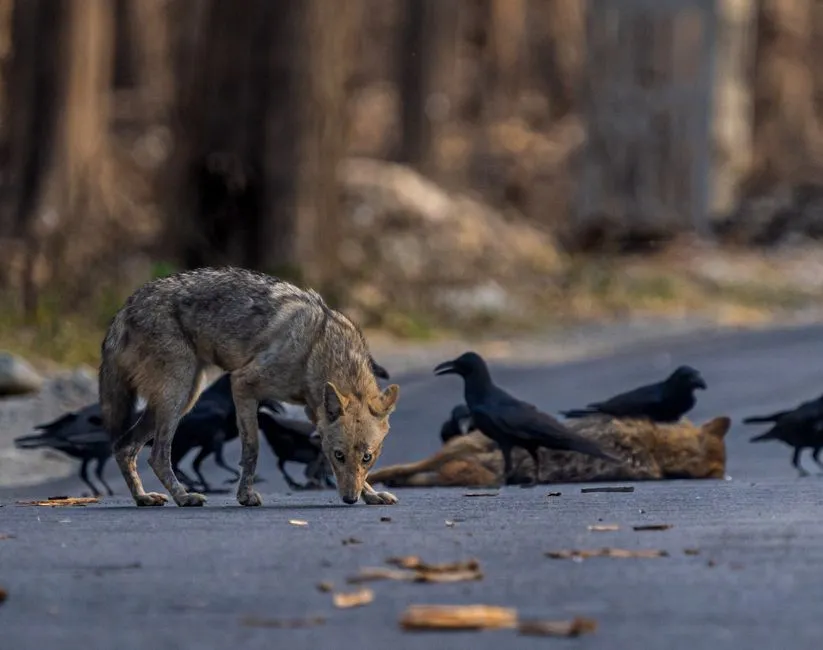
You pull over at dusk, and there it is: a gray wolf trotting down the shoulder like it owns the pavement. Most people assume something has gone wrong. The animal must be lost, too bold, or one bad moment away from a confrontation. But GPS collars, trail cameras, and collision research from Yellowstone, Minnesota, and Wisconsin point to a far more deliberate animal.
These are the 16 roadside behaviors visitors get wrong most often, and the real explanations are stranger and smarter than the panic version. Wolves are not stumbling into our world. They are reading it, timing it, and using it. The final item may change how you feel about a wolf on the roadside, because it involves a payoff that shows up in drivers’ wallets.
#16 – Using Highways as Their Personal Fast Lane
🔥 Would you like to save this?
We'll email this post to you, so you can come back to it later!
Wolves cover enormous territories, and they are ruthless about saving energy. Packs in places like Minnesota’s Voyageurs region regularly follow gravel roads, paved routes, power lines, and old logging tracks because moving along them is far easier than shouldering through thick brush. Travel is quicker, quieter, and cheaper in calories.
Winter makes the choice even simpler. When deep snow turns the forest into a slog, a plowed or packed road is the best route for miles. Energy a wolf doesn’t burn on travel is energy it can spend on hunting and patrolling.
- GPS data shows wolves repeatedly selecting linear features like roads and trails.
- The pattern shows up in both daytime and nighttime movement.
- It holds even on moderately busy roads, as long as cover is close for a quick escape.
Visitors often read this as wolves “following cars” or growing dependent on human paths. In reality, the wolf is just taking the best shortcut in the neighborhood.
#15 – Hunting Right Beside the Road Shoulder
🔥 Would you like to save this?
We'll email this post to you, so you can come back to it later!
It feels wrong to imagine a kill happening a few steps from the guardrail, yet that is exactly where research from the Voyageurs Wolf Project says a surprising amount of hunting happens. Kill sites there clustered closer to roads, trails, and even buildings than random locations would predict. Roads effectively work as hunting highways.
The logic is simple. Deer like edges, where open ground meets cover, and they often use road corridors for easy movement or forage. Wolves figure out the overlap and cruise the same routes at speed.
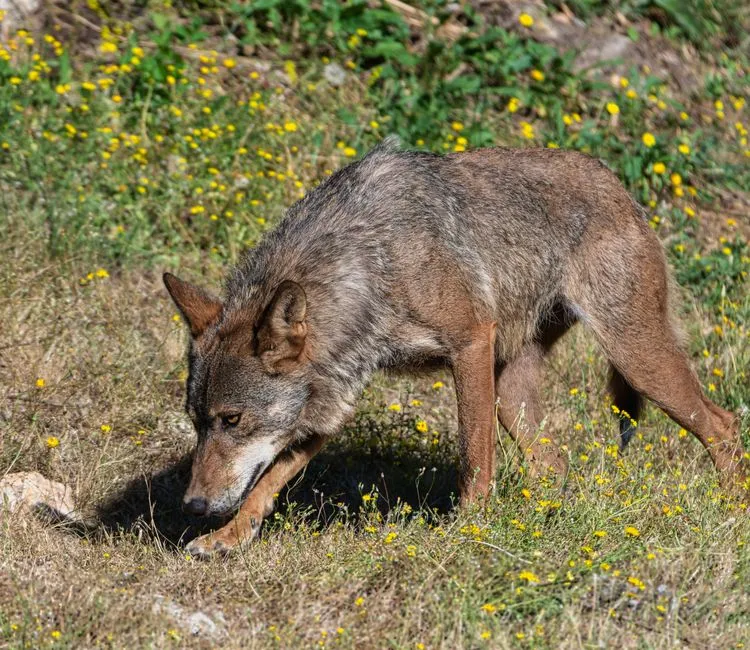
Trail cameras have captured wolves detecting, chasing, and taking deer on or beside these corridors across the year. In summer, a wolf’s nose also helps it find fawns hidden in brushy or logged areas next to the road. Speed on the pavement plus scent in the thicket is a deadly combination.
Tourists who see roadside activity often assume the wolf is hunting for handouts or has lost its caution around people. The truth is less dramatic and more efficient: the menu simply happens to be near the road.
#14 – Slipping Across at the Quietest Moments
🔥 Would you like to save this?
We'll email this post to you, so you can come back to it later!
Wolves are not oblivious to traffic, and they are good at finding gaps. In heavily visited places like Yellowstone, step-selection models show wolves shifting their movements away from roads when visitor numbers peak, especially on summer days. When traffic thins or vegetation blocks sightlines, they tolerate being closer.
That timing explains why a pack can seem to appear out of nowhere at dusk. They were likely waiting just out of view, using the same cover that hides them from you.
Quick Compare
- Peak visitor days: wolves shift their movements farther from the road, especially in summer.
- Thin traffic: wolves tolerate being closer to the pavement.
- Blocked sightlines: closer use of the roadside becomes more likely.
Individual packs differ. Some wolves grow more tolerant after repeated exposure to vehicles that never turned dangerous, while others stay cautious. Experience matters.
Visitors tend to read daytime sightings as normal and nighttime ones as sneaky or sinister. The wolf is doing neither. It is running a simple risk calculation based on how likely it is to be seen.
#13 – Leaving Scat at Intersections Like a Message Board
🔥 Would you like to save this?
We'll email this post to you, so you can come back to it later!
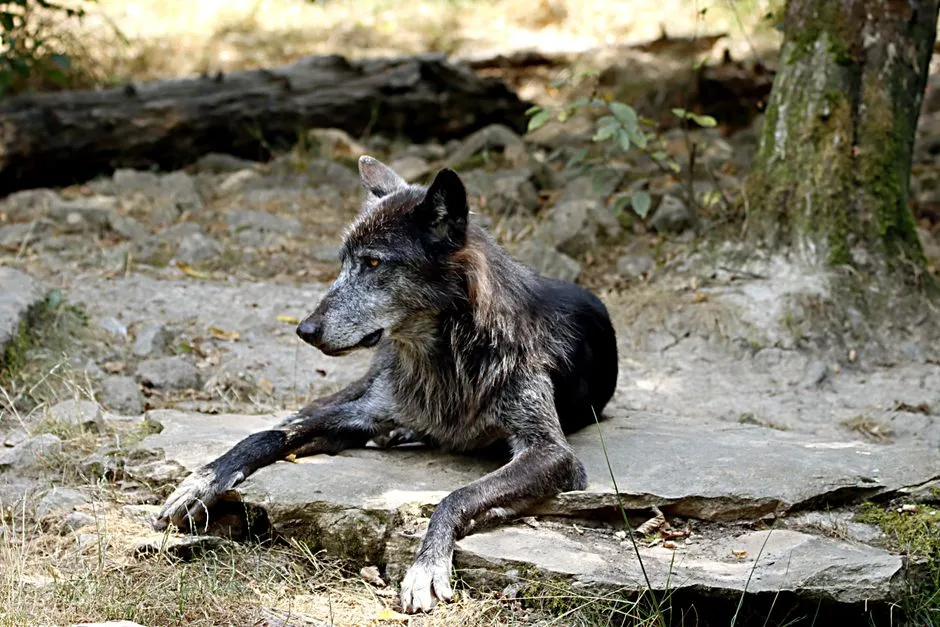
If you’ve ever noticed wolf scat sitting right where two roads or trails meet, that placement is no accident. Studies of wolves in forested systems show they concentrate scat at junctions and prominent spots rather than spreading it evenly. A crossroads offers more directions from which a rival or traveling wolf might approach, so the message gets read more often.
Think of it as a chemical bulletin board. Each deposit carries information, and the busiest intersections get the most traffic.
- Marks often sit on conspicuous surfaces like rocks, bare ground, or the middle of the track.
- Marking tends to intensify near territory edges, where trespass risk is highest.
- The sites work as information hubs, not just waste disposal.
People who spot fresh scat near a road sometimes jump to worries about disease or too many wolves. Most of the time, they are looking at territory maintenance in progress.
#12 – Strolling Past Passing Cars Without Panic
🔥 Would you like to save this?
We'll email this post to you, so you can come back to it later!
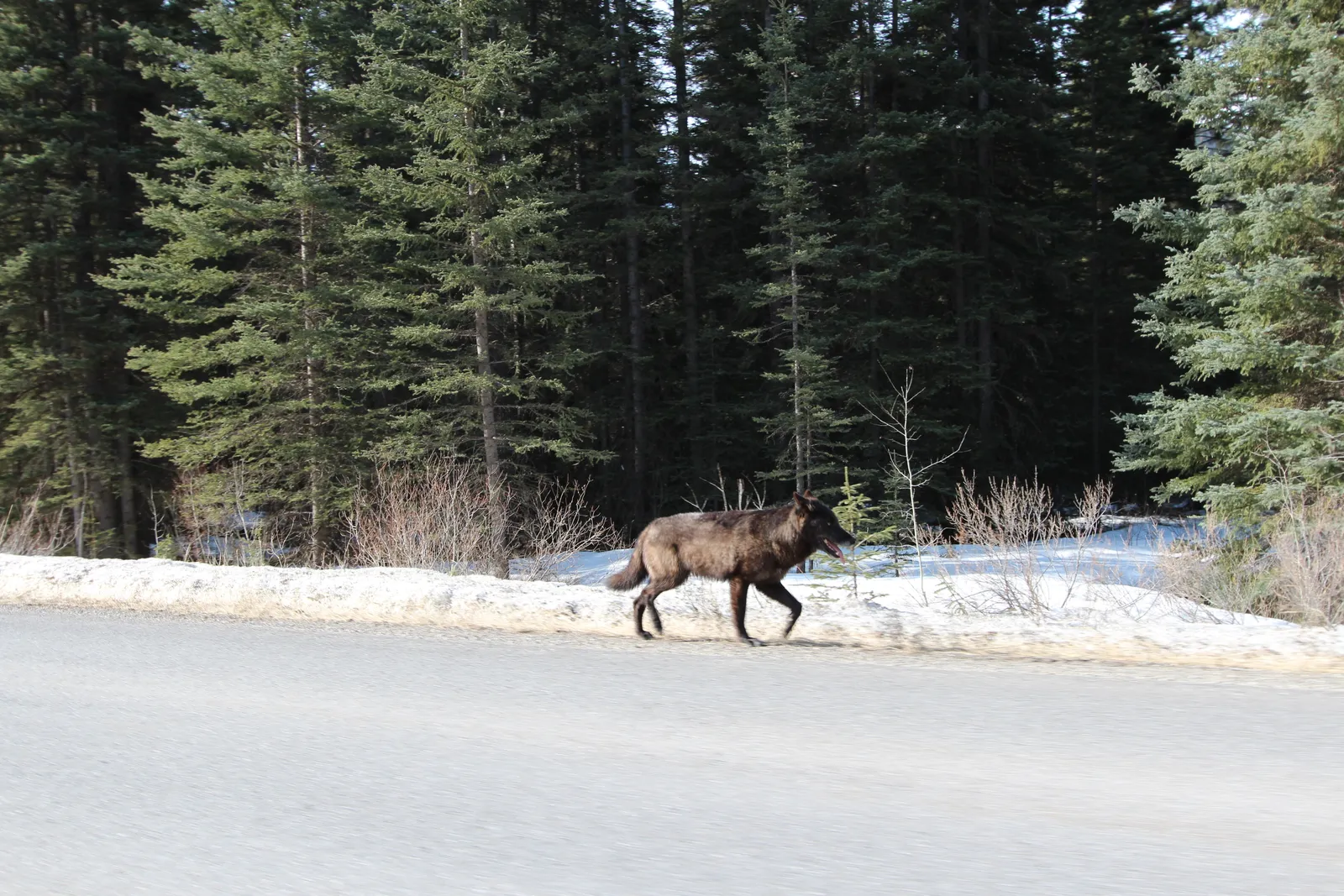
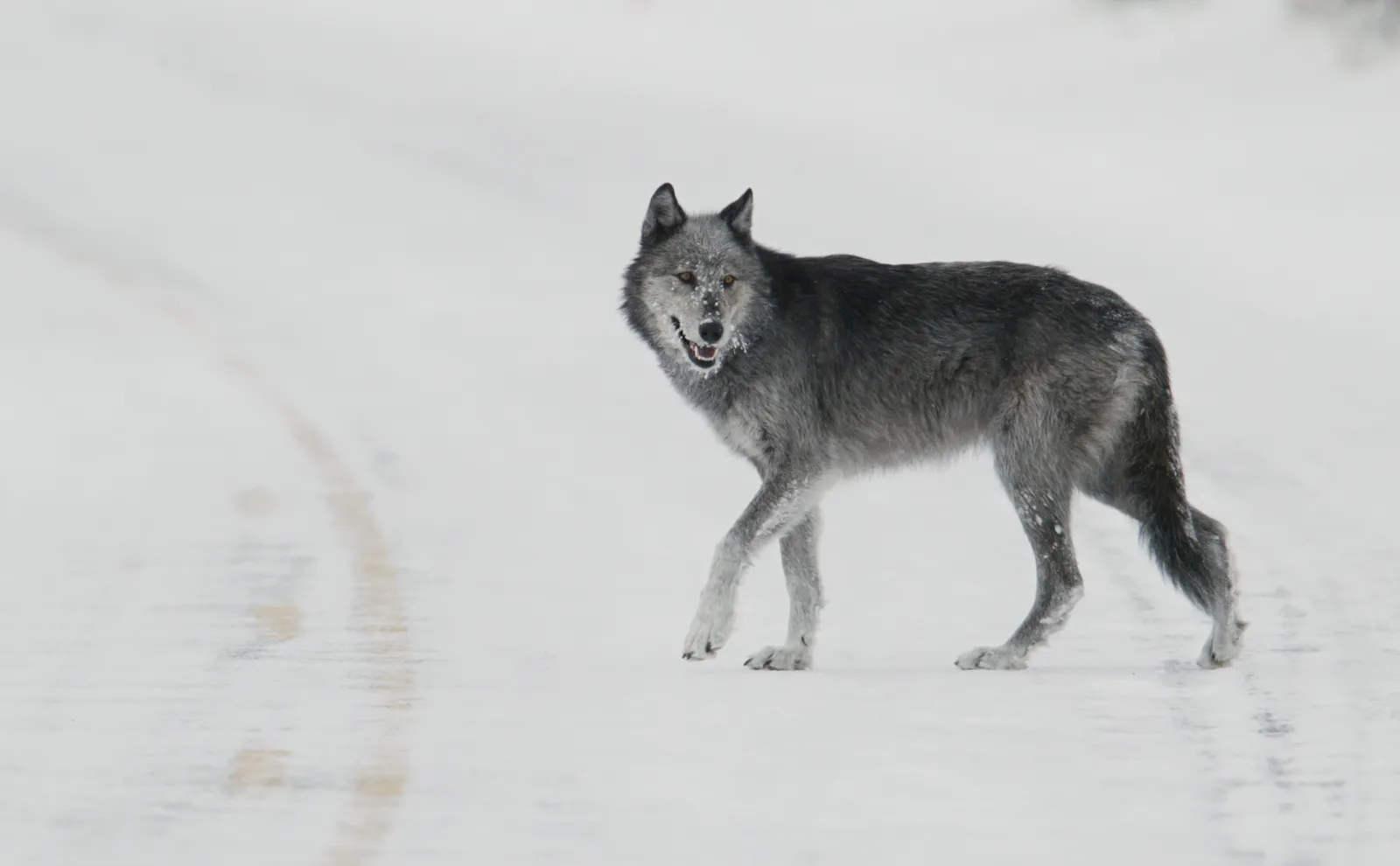
Few things confuse visitors more than a wolf calmly walking along a remote highway while vehicles roll by. Collared wolves in Minnesota have been filmed doing just that, neither fleeing nor approaching the cars. The wolf keeps its eyes forward and keeps moving.
That calm is a learned assessment. The wolf has seen enough passing vehicles to judge that most pose no immediate threat, and the road remains valuable as a travel corridor. It is not curiosity about people and it is not aggression.
Many observers call this “habituation” and assume the animal has lost its fear of humans. Long-term monitoring suggests the picture is more nuanced. The same wolves tend to stay wary of direct approaches and human voices.
Calm toward cars is not the same as comfort around people on foot. That distinction is one reason wildlife managers keep telling visitors to stay in their vehicles and keep their distance.
#11 – Howling Near the Road (Without Aiming It at You)
🔥 Would you like to save this?
We'll email this post to you, so you can come back to it later!
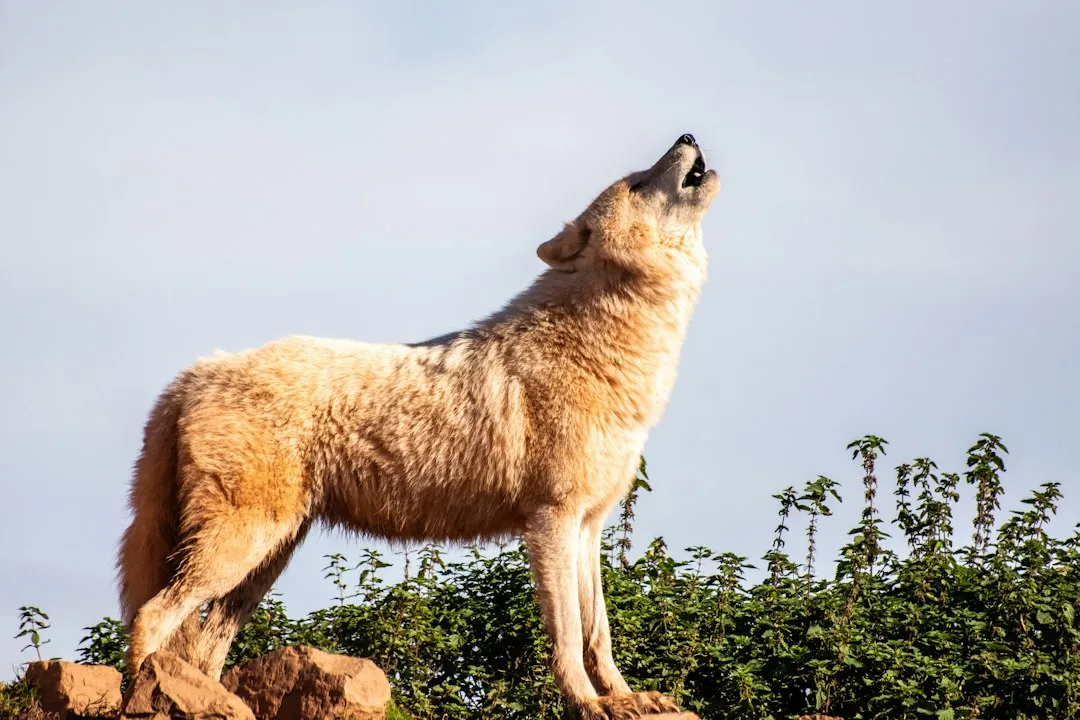
A howl floating across a roadside meadow can feel like a warning meant for you. It almost never is. Wolves howl to keep in touch with pack members scattered across the landscape and to advertise territory to neighbors.
Roads and open corridors can carry sound farther than dense forest does, so a howl from the roadside may reach more listeners. That makes it an efficient signal. The wolves are on the road because it is where they travel, not because they have something to say to the people in the parked cars.
In Yellowstone’s northern range, howling tends to increase during the breeding season and when rival groups are near, regardless of whether traffic is present. Data from multiple packs shows no consistent link between howling and vehicle proximity as a threat display.
So when the chorus starts, it is probably a conversation among wolves. You just happen to be eavesdropping from the pullout.
#10 – Following Power Line Clearings Beside the Highway
🔥 Would you like to save this?
We'll email this post to you, so you can come back to it later!
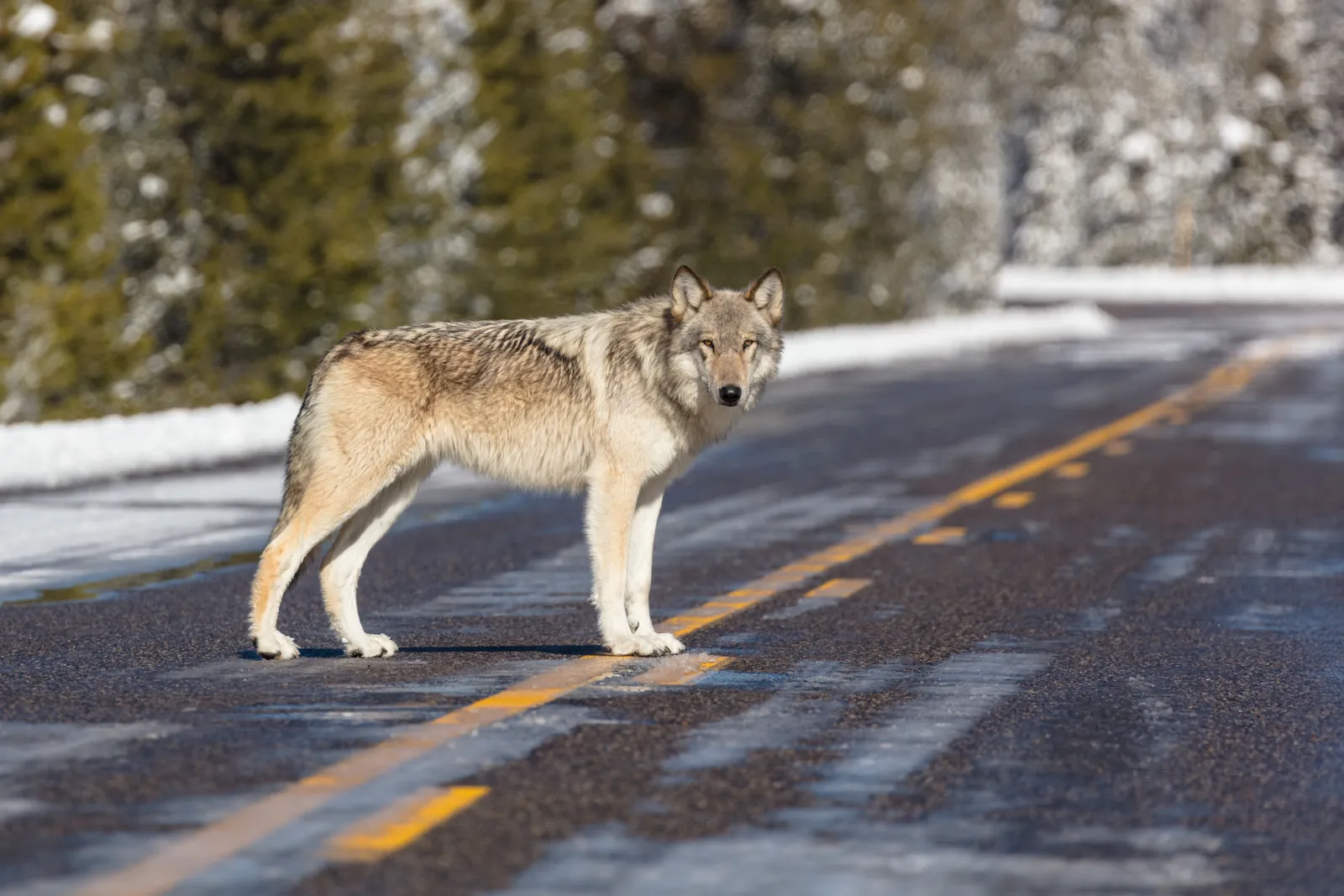
Look beside many highways and you will see long, straight cuts through the trees where power lines run. To a wolf, those clearings look a lot like natural game trails: open, easy to travel, and good for spotting prey or rivals from a distance.
In Minnesota studies, wolves selected these linear corridors heavily in both summer and winter. In some seasons the clearings also concentrate deer, which turns them into dependable hunting lanes. A road plus a power line effectively gives wolves a double-wide highway system.
Visitors who see wolves traveling parallel to a road sometimes decide the animals are being squeezed out of wild habitat. That is a natural guess, but it is not what the data suggests. The wolves are choosing efficient routes, and they are choosing them on purpose.
#9 – Hiding Just Off Busy Stretches With Open Views
🔥 Would you like to save this?
We'll email this post to you, so you can come back to it later!
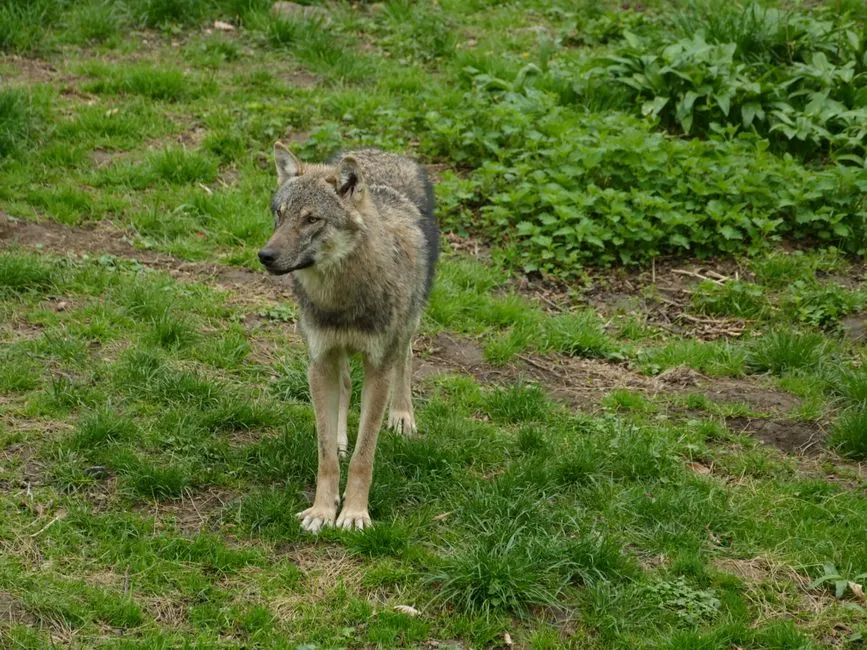
Sometimes a wolf seems to be lurking in the trees just beyond a busy road, almost as if it is waiting. It may well be. Yellowstone models found that when the surrounding terrain gave clear views of traffic, wolves chose spots farther from the road edge during the day.
When trees or terrain blocked the view, wolves were far more willing to settle within about 50 meters of the road. The logic is visual. If the wolf can see cars, cars can see the wolf, and that raises the risk.
Worth Knowing
- Clear views of traffic by day mean wolves keep a bigger buffer from the road edge.
- Blocked views make settling within about 50 meters of the road far more likely.
- Night and dense cover lower detection risk, so the buffer shrinks.
- The simple rule: if a wolf can see the cars, the cars can see the wolf.
The pattern reverses at night or in dense cover, when detection is less likely. The wolf is not generally afraid of roads. It is judging each stretch based on what it can see and what can see it.
That refined caution comes from generations of living near vehicles. To a visitor, it can look like a mysterious “hiding” behavior. To the wolf, it is routine risk management.
#8 – Trailing Deer Toward Cabins and Cleared Edges
🔥 Would you like to save this?
We'll email this post to you, so you can come back to it later!
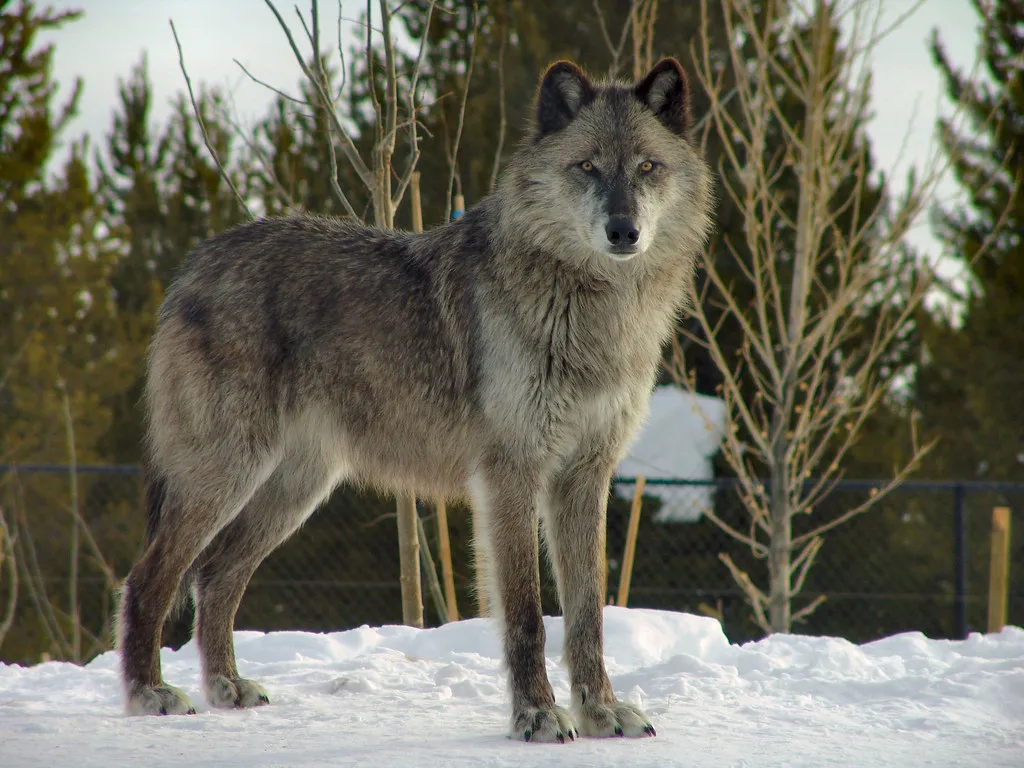
Cabins, cleared edges, and road-adjacent developments can attract deer looking for forage or easier movement. Wolves follow. Kill-site analysis from Minnesota showed disproportionate predation in these human-modified zones compared with random availability.
In other words, the wolves are tracking food, not people. Deer may treat developed areas as refuges from some predators, but wolves have learned the pattern and adjusted.
This creates overlap with roads and buildings without any sign that wolves are seeking human contact. The behavior reflects where prey is, not where wolves think humans are.
Still, a wolf near a cabin can feel alarming. Many people assume boldness or food conditioning when they see it. A more accurate reading is simpler: the deer moved, so the wolf did too.
#7 – Young Dispersers Gambling on Highway Crossings
🔥 Would you like to save this?
We'll email this post to you, so you can come back to it later!
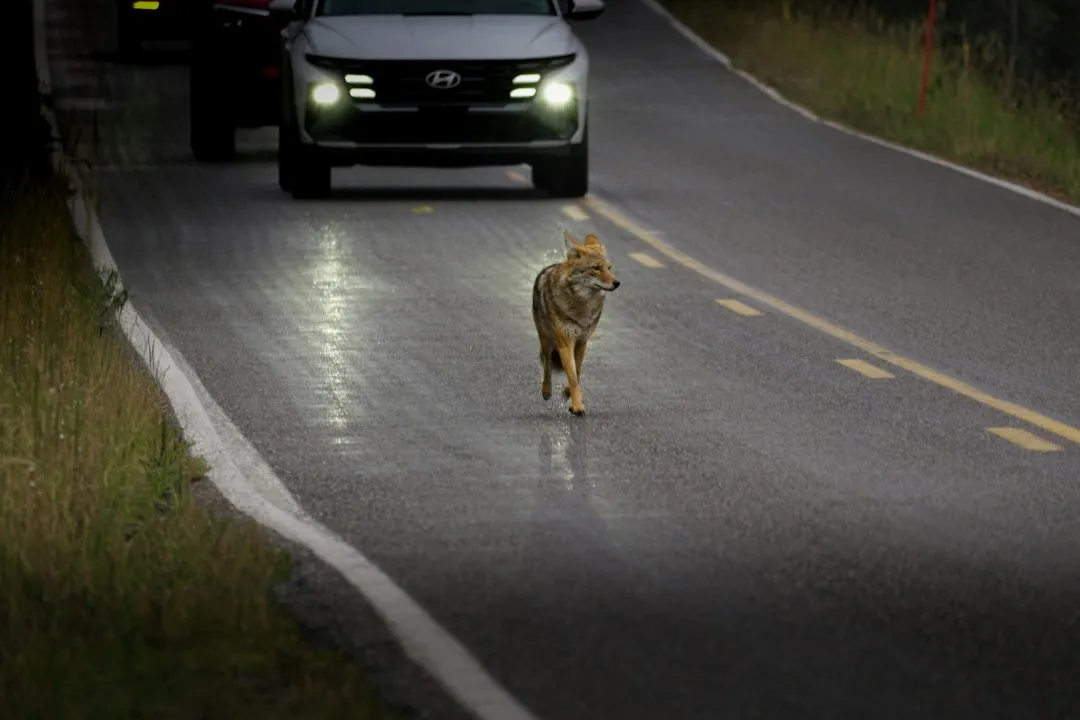
Some of the riskiest road crossings involve wolves too young to know the local map. When young wolves leave the pack where they were born, they travel through unfamiliar land, often crossing multiple roads along the way. It is among the most dangerous periods of their lives.
Older pack members know when and where crossing is safer. Dispersers do not have that knowledge, and highway mortality tends to spike for them. Studies also note that males and pups show lower road tolerance overall during breeding and nomadic periods.
- Dispersers lack established routes and local knowledge.
- They must navigate unfamiliar infrastructure quickly.
- Road-related incidents often cluster among younger animals.
Visitors sometimes see these crossings as proof that wolves are overcrowded and pushing into human areas. A young wolf on a roadside is usually just looking for a place to start its own life, and that search is a gamble.
#6 – Owning the Road After Dark
🔥 Would you like to save this?
We'll email this post to you, so you can come back to it later!
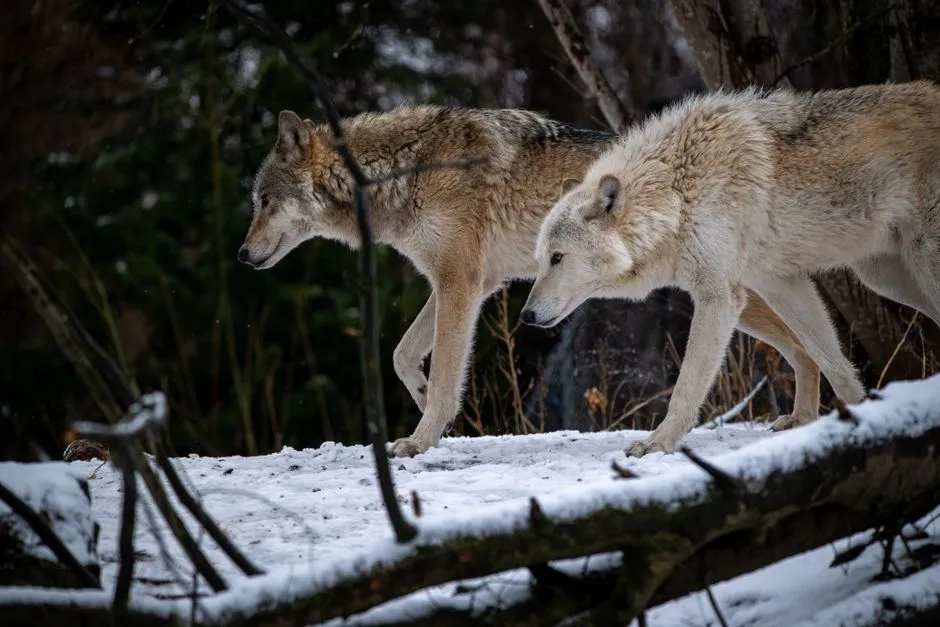
The road you drive at noon is a different place at midnight. Across most studied populations, wolves shift much of their road travel and hunting to nighttime hours. That pattern gets stronger where daytime traffic is heavier.
Minnesota and Yellowstone data both confirm elevated nocturnal use of linear features. The strategy lets wolves keep using efficient corridors while lowering the chance of encountering vehicles or people.
Nighttime road use appears to be a learned adaptation rather than an innate preference. Wolves adjust to the human schedule around them.
That means daytime sightings capture only a fraction of what wolves actually do on and near roads. The wolf you spotted for thirty seconds is probably a small preview of a much busier after-dark routine.
#5 – Acting Calm in Popular Viewing Areas (But Only Some Packs)
🔥 Would you like to save this?
We'll email this post to you, so you can come back to it later!
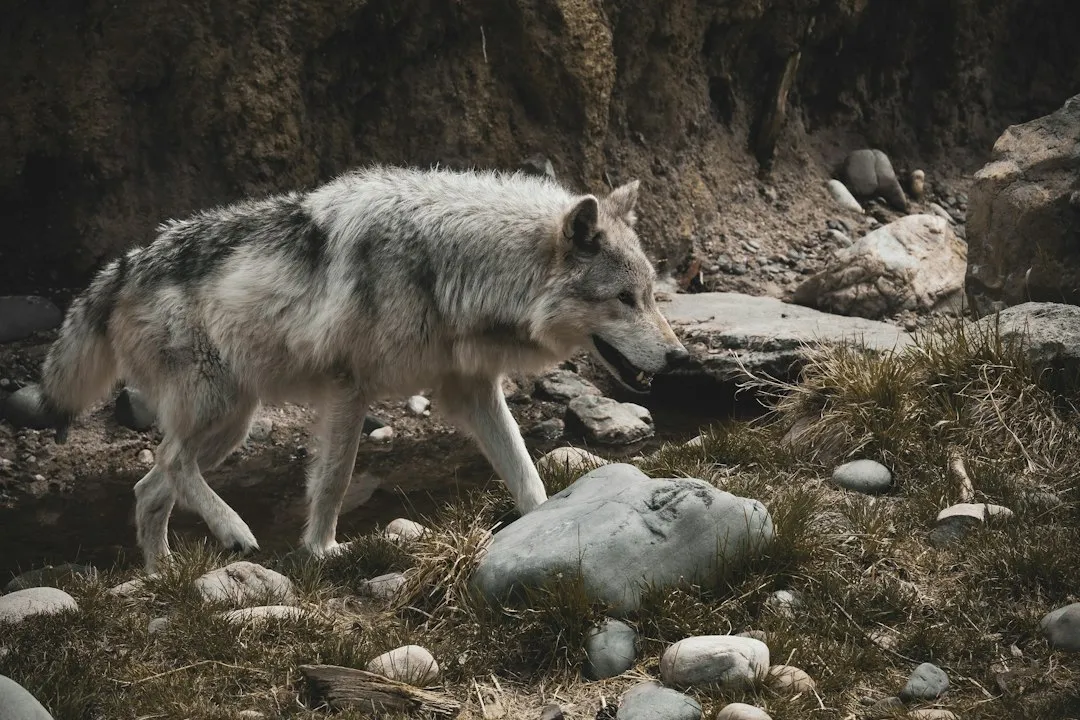
In Yellowstone, packs that are watched often show less road avoidance than packs that rarely see people. That suggests gradual habituation to predictable, non-threatening human presence from vehicles. When the cars never bring trouble, tolerance can grow.
But the tolerance has limits. These wolves still keep distance from direct approaches and respond strongly to human voices in experiments.
At a Glance
- Heavily watched packs: show less road avoidance.
- Rarely seen packs: keep a wider berth from roads and vehicles.
- Both types: stay wary of direct approaches and human voices.
- Hidden risk: tolerant packs face higher harvest risk if they leave protected areas.
There is also a hidden risk. Heavily viewed packs face higher harvest risk if they leave protected areas, because comfort around people can follow them across the park boundary.
The variation tracks each pack’s own history, not a species-wide change. Observers often generalize one tolerant pack’s behavior to all wolves near roads, and that mistake makes ordinary wolves seem either fearless or fake-tame when neither is true.
#4 – Pushing Deer Away From the Pavement
🔥 Would you like to save this?
We'll email this post to you, so you can come back to it later!
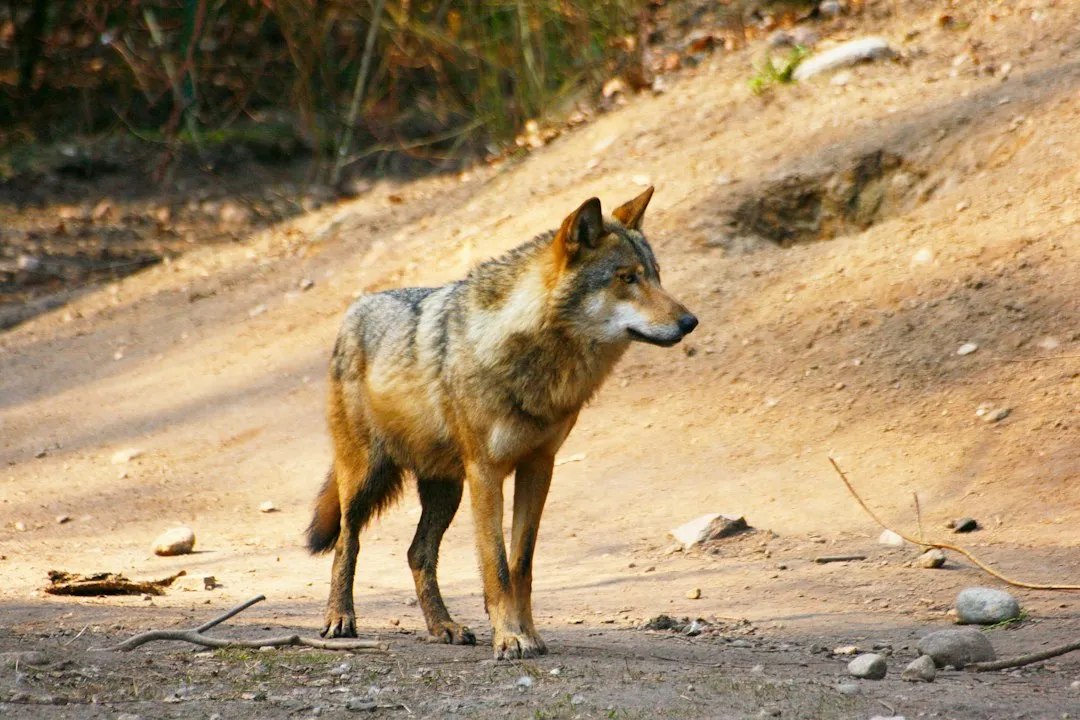
Here is where the story takes an unexpected turn. In recolonized Wisconsin counties, wolf presence was linked to a drop of roughly 24 percent in deer-vehicle collisions. Wolves seem to change where deer go, and that changes where drivers get surprised.
Researchers found that about three-quarters of the benefit came from changes in deer behavior rather than from direct predation. Deer appear to associate wolf scent and activity with certain areas, including road edges, and adjust how they use the habitat.
This is the “landscape of fear” at work. Deer that feel hunted keep their distance from risky places, and busy roadsides can become one of them.
Most drivers assume fewer crashes mean fewer deer. The more interesting explanation is that the deer are still there, but they are making different choices.
#3 – Marching Single File Down the Shoulder
🔥 Would you like to save this?
We'll email this post to you, so you can come back to it later!
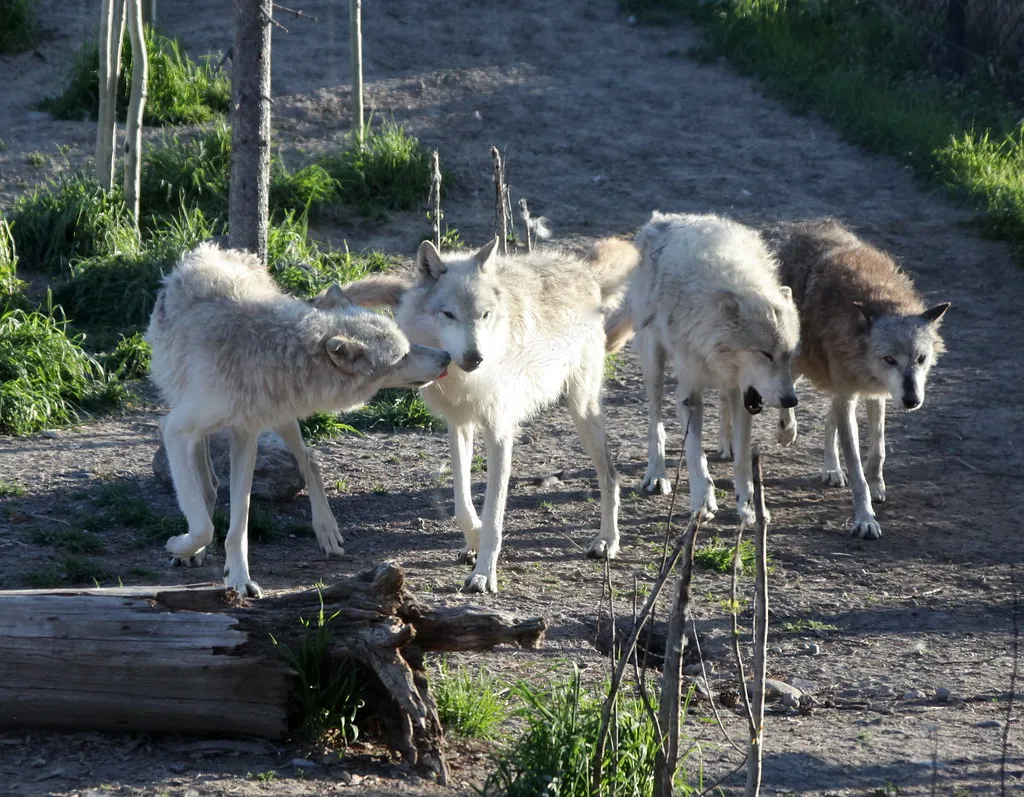
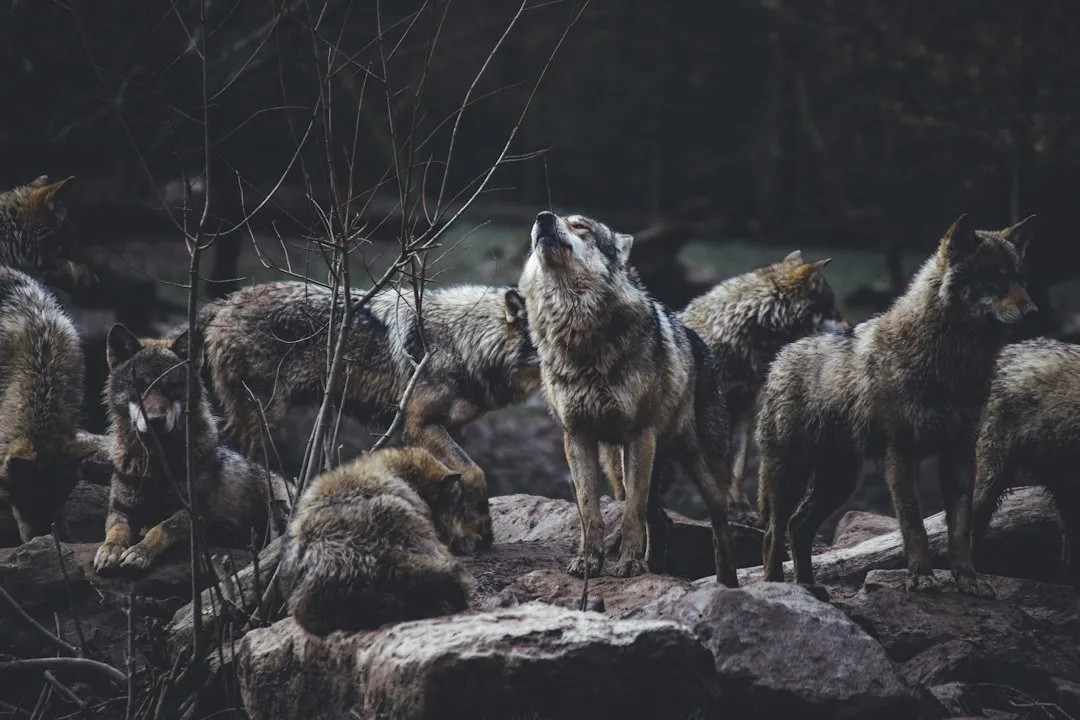
Few wolf behaviors are more recognizable than the line of animals moving one behind another. Wolves routinely travel single file along road shoulders and trails, and in snow they often step in the leader’s tracks. It saves energy, especially for younger or weaker pack members.
The formation keeps the group tight for communication while maximizing speed along a linear feature. Tracking studies show the pattern across seasons.
To visitors it can look like a procession, almost ceremonial, and that image stands out sharply against asphalt and guardrails. It is easy to read intention or ritual into it.
The reality is more practical. Single file is a default efficiency tactic, not a reaction to human infrastructure. The road just happens to make it visible.
#2 – Marking Roadside Landmarks Like Property Lines
🔥 Would you like to save this?
We'll email this post to you, so you can come back to it later!
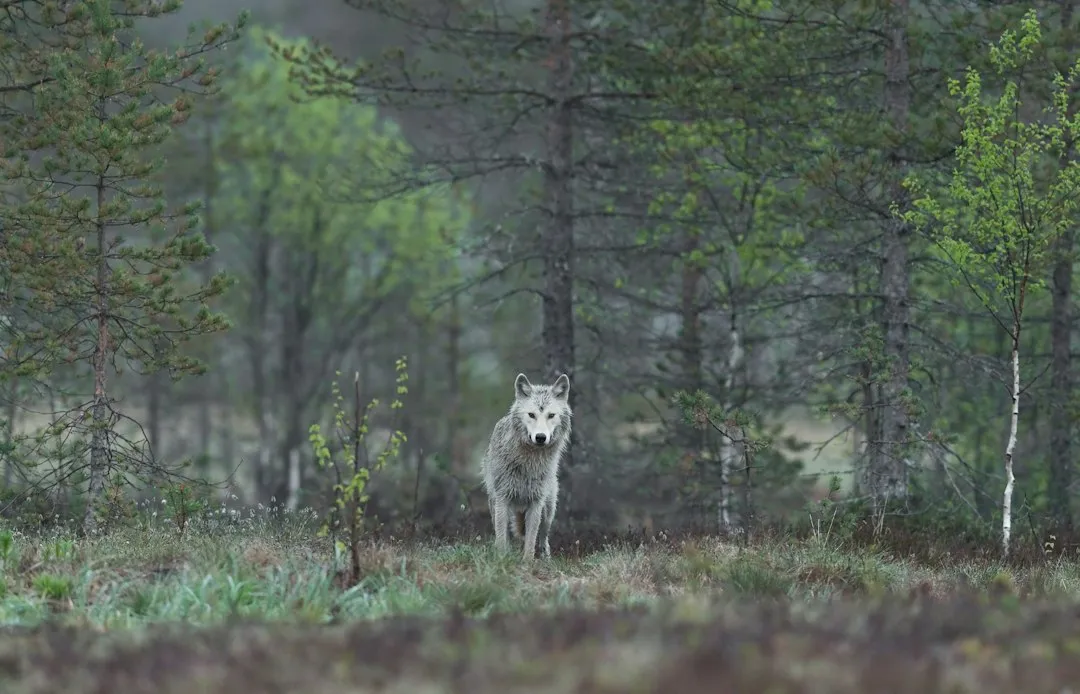
Wolves leave urine, scat, and scratch marks on conspicuous features along their routes, and roads give them excellent real estate. Research shows marking rates increase on roads compared with off-road areas, with the probability rising near crossroads and higher-traffic segments.
The marks serve as both a warning and a way to share information with any wolf that passes. Because roads concentrate wolf travel, the road network amplifies the reach of each mark.
- Marks go on conspicuous objects and at junctions.
- Frequent traffic by wolves means more readers per message.
- Clusters of sign along one stretch usually reflect a boundary or busy route.
Visitors who find fresh marks sometimes picture a recent aggressive encounter. In most cases it is closer to routine property maintenance, the wolf version of checking the fence line.
#1 – Quietly Cutting Deer-Vehicle Crashes
🔥 Would you like to save this?
We'll email this post to you, so you can come back to it later!
This is the one that flips the script. By influencing where deer go along road corridors, wolves appear to reduce deer-vehicle collisions in ways that outweigh their direct predation. Economists modeling Wisconsin data attributed most of the roughly 24 percent decline in collisions to changes in deer behavior rather than a smaller deer population.
The estimated savings came to about $10.9 million a year in one state through fewer crashes. That is a striking number for an animal many people assume only causes problems.
Fast Facts
- Wolf presence was linked to a drop of roughly 24 percent in deer-vehicle collisions.
- About three-quarters of the benefit came from deer behavior, not predation.
- The estimated savings were about $10.9 million a year in Wisconsin.
- The data comes from recolonized Wisconsin counties.
And wolves do it while using the same roads for their own travel, turning potential conflict zones into safer corridors for drivers. The effect persists across seasons.
It tops the list because it directly contradicts the idea that a wolf near a road is a sign of trouble. Sometimes it is a sign that the system is working.
The biggest mistake visitors make is treating every roadside wolf as a problem to explain. These animals are not confused, doomed, or hungry for our attention. They are efficient, cautious, and surprisingly considerate of risk, and in some places they may even be making our drives safer.
My view is that we should stop reacting to roadside wolves with alarm and start treating them as evidence of a landscape that still functions. Give them space, stay in your car, and resist the urge to turn a glimpse into a story about danger. The wolf has already decided what that moment means, and it was not about you.

- 7 Everyday Habits That Can Make Your Senior Dog Happier - November 5, 2026
- 10 Enigmatic Structures That Continue to Puzzle Scientists Today - November 5, 2026
- 10 Strange Ruins in the Americas That Challenge What We Know About Early History - November 5, 2026