
Most people picture a dying cat the way the movies show it: refusing food, crying out, collapsing overnight in one big dramatic scene.
The truth is almost the opposite. Most cats fade in whispers, not screams – and even the most devoted owners miss the signals happening right under their hands.
Vets who specialize in end-of-life care say the final weeks are full of small, fixable discomforts that humans mistake for “just old age” or “moodiness.” Your cat isn’t shutting down on you. It’s asking for things, quietly and constantly, and most of those requests go completely unanswered simply because nobody knew to look for them.
Here’s what those quiet asks actually look like, according to the people who sit with dying cats for a living – and what it costs your cat when we get them wrong.
#16 – “Please Make It Easier for Me to Reach the Basics”
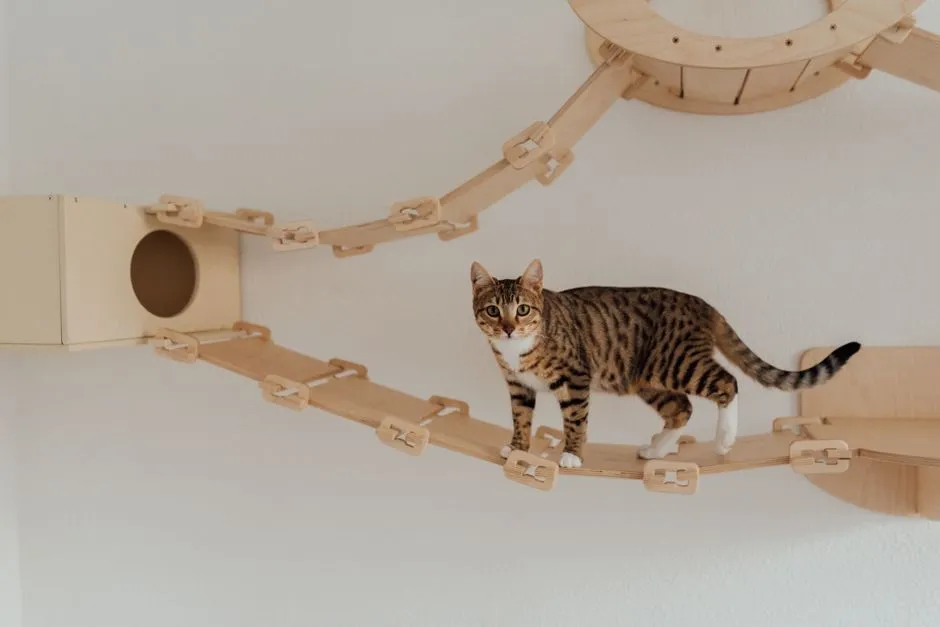
Your cat’s first real ask usually isn’t emotional at all. It’s brutally practical. As arthritis, organ disease, or general weakness creep in, jumping onto the couch can feel like climbing a mountain. Most owners assume their cat is “just lazier now,” when in reality, every single step costs more energy than it used to.
In the last weeks, many cats quietly beg for shorter distances: litter box closer, water closer, food closer, favorite bed closer.
- High-sided litter boxes become torture devices.
- Stairs or tall beds become nearly impossible to reach.
Lower the sides of the box, add a ramp or step to the couch, put food and water on the same floor where they now spend their days. It’s not spoiling them. It’s pain-proofing daily life while there’s still time to enjoy it.
#15 – “I Need You to Notice I’m Hiding – It’s Not Just ‘Being a Cat'”
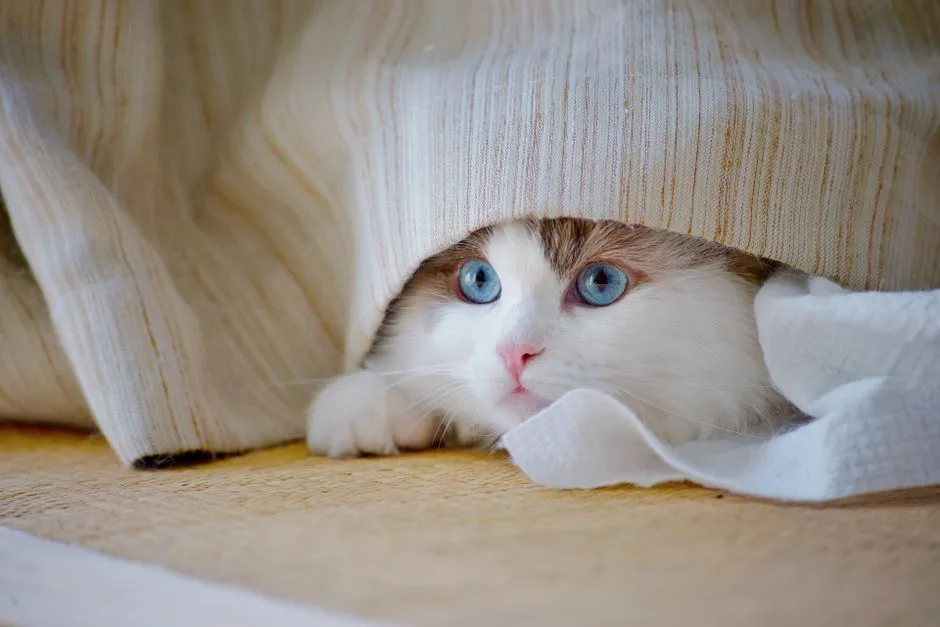
Yes, healthy cats like hiding. But a dying cat’s hiding is a different animal entirely. When a cat that once greeted you at the door starts spending 20 hours under a bed or jammed in a closet, that’s not a quirky phase. That’s a distress signal.
Instinct tells sick animals to mask weakness, so they retreat to dark, quiet corners where they feel less exposed. Most owners shrug it off with “she just wants alone time,” but in late-stage illness, hiding usually means something heavier.
- They’re overwhelmed by noise, light, or touch.
- They feel vulnerable and are searching for a “den” to rest – or die – in.
You don’t need to drag them out into the open. Quietly bring the comfort to them instead: a soft blanket, water nearby, maybe even a low litter tray tucked close. Let them keep their cave. Just don’t mistake that cave for “she’s fine.”
#14 – “Stop Forcing Me to Eat What I Used to Love”
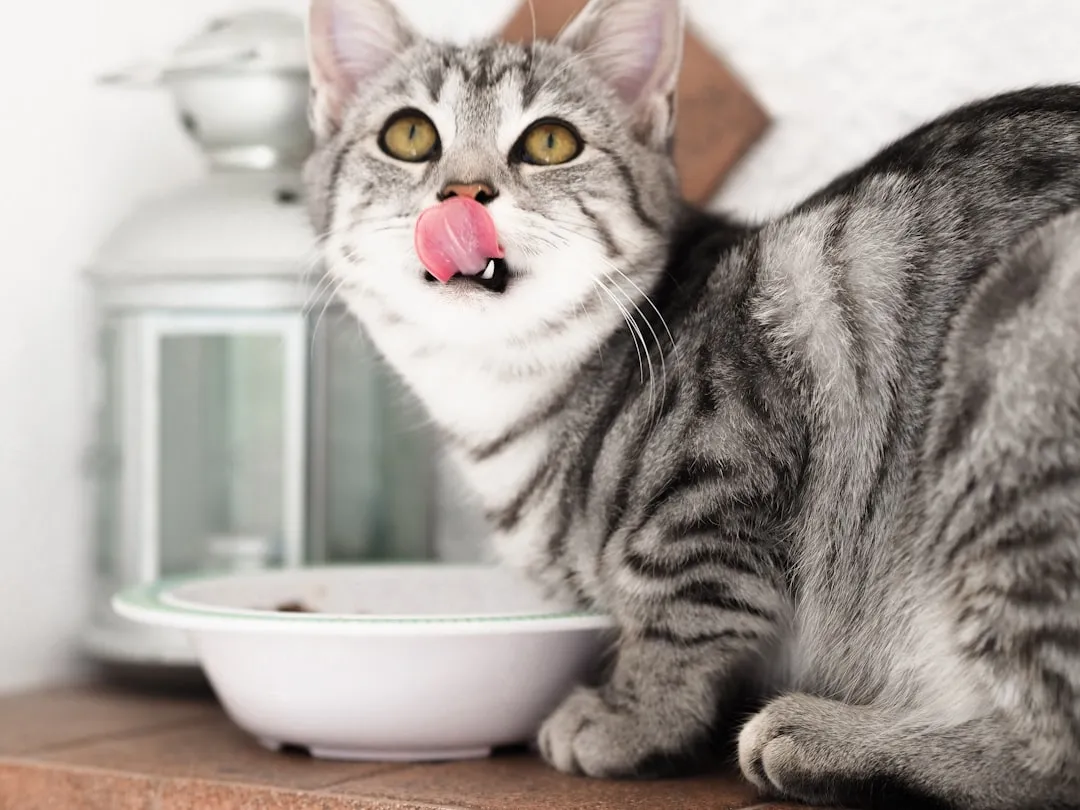
One of the most heartbreaking moments is watching your cat stare at their bowl, sniff it, and walk away. Owners panic and start forcing old favorites, convinced it’s stubbornness. In reality, nausea, mouth pain, or organ failure can make once-beloved food feel repulsive.
Your cat isn’t being picky. It’s quietly begging, “Please stop making this harder than it already is.”
- Softer, smellier foods that can be licked instead of chewed.
- Smaller, more frequent meals instead of one big portion.
- Vet-prescribed anti-nausea meds or appetite stimulants.
Sometimes the kindest thing you can do is accept that a cat in its final days may simply choose not to eat much at all. Forcing food only adds stress on top of discomfort. The real ask here is simple: respect my changing relationship with food, even when it scares you.
#13 – “I Don’t Want to Be Cold Anymore”
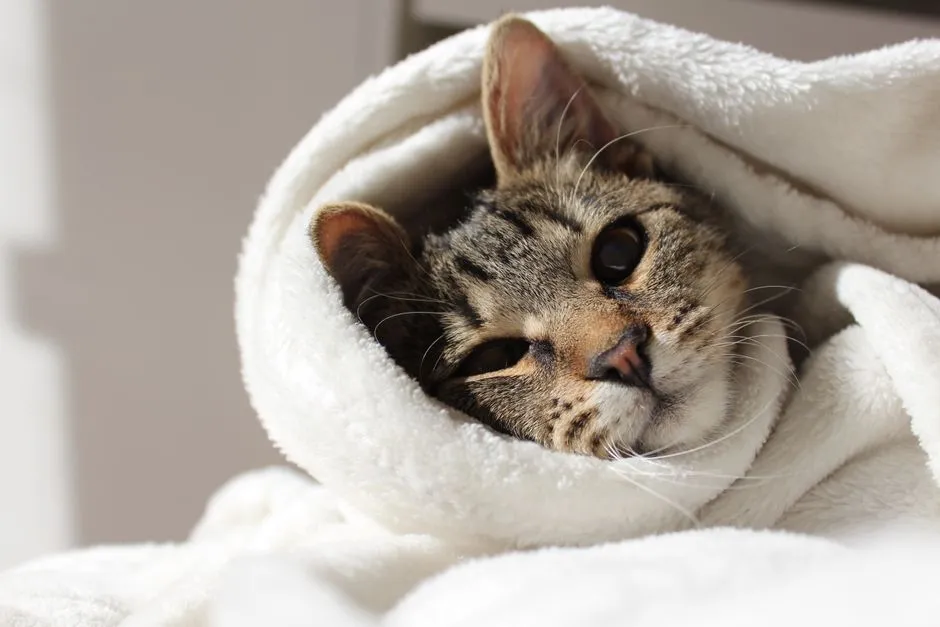
Most people never realize how often terminally ill or very old cats feel cold, even in a perfectly normal house. Poor circulation, weight loss, and reduced muscle mass mean they can be shivering while you’re sitting there in a T-shirt. That cat curled into a tight ball, pressed against the heater or buried under blankets, isn’t being “cute.” That’s thermoregulation, and it’s a quiet cry for warmth.
Here’s what they’re actually asking for.
- A warm, draft-free resting spot, ideally somewhere familiar.
- Soft bedding that holds heat, like fleece, wool, or plush.
- A low-level heating pad or heated bed, only on a safe setting with room to move away from it.
Many end-of-life cats visibly relax once they’re truly warm. Their shoulders drop, their paws unfold, they finally sleep deeply instead of shivering through it. Warmth doesn’t cure anything, but it can turn an anxious final week into real, honest rest.
Fast Facts
- A healthy cat’s normal body temperature sits between 100.5°F and 102.5°F.
- Cats lose heat much faster once body fat and muscle mass drop, which is common in late-stage illness.
- Senior and terminally ill cats regulate temperature far less efficiently than cats in their prime.
- Cold ears or paws combined with tight curling is often a body working hard just to conserve heat.
#12 – “I Need the Litter Box to Stop Hurting Me”
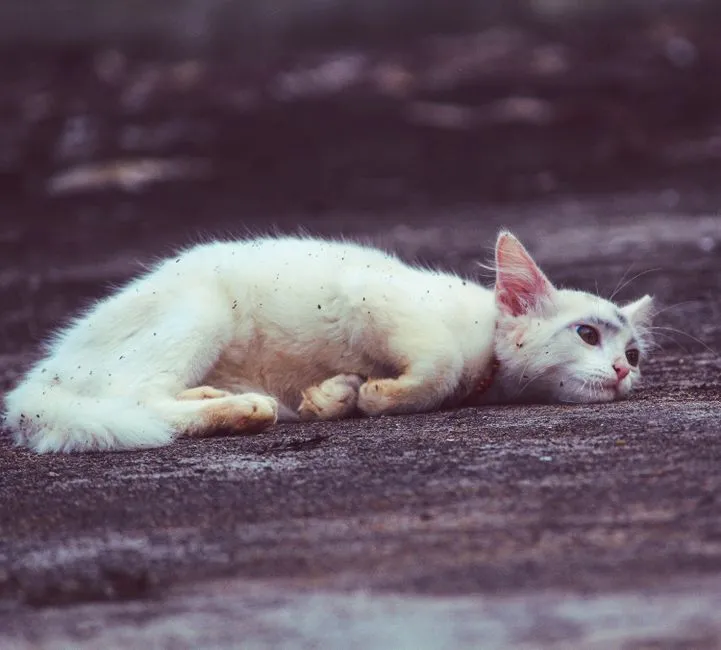
Litter box avoidance in a dying cat is almost never “bad behavior.” If a cat with kidney failure, cancer, or severe arthritis suddenly starts peeing outside the box, it may be because every step into that box feels like walking on glass. High sides, deep gravel, and a long walk to the bathroom become brutal obstacles most owners never think twice about.
Your cat is quietly asking for a few small mercies.
- A box with a low entry, or even a shallow tray instead.
- Softer litter that doesn’t stab at sore paws.
- At least one box within a few slow steps of their bed.
Many owners get angry at “accidents,” but end-of-life vets will tell you the truth: most dying cats are still desperately trying to be clean. They’re just losing the physical ability to make it there in time. Adjusting the setup is one of the simplest, most loving changes you can make in their final weeks.
#11 – “Please Stop Pretending I Don’t Hurt”
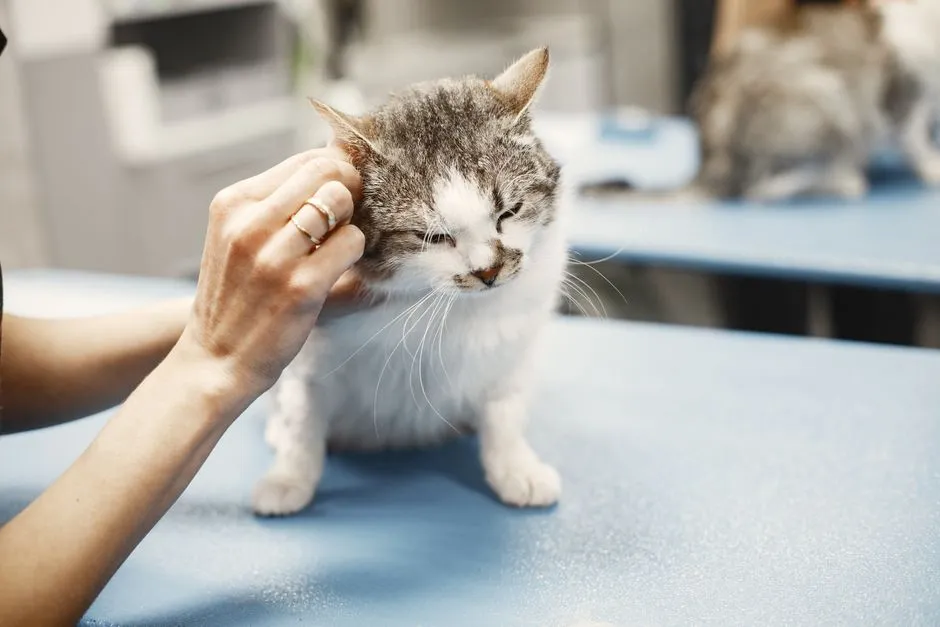
Cats are masters at hiding pain, but the last weeks tend to crack that armor wide open. Subtle limps, slower jumps, stiffness after sleeping, or small flinches when touched are your cat whispering, “it hurts,” in the only language it has left. Many owners minimize it with “she’s just old” or “he’s always been grumpy,” and that denial, however human, leaves cats suffering in silence.
What your cat is actually asking for is uncomfortably direct.
- Real pain relief from a vet, not guesswork pulled from the internet.
- Respect for new boundaries – if a spot makes them twitch, stop touching it.
- Someone watching for pain signs: not grooming, panting, hiding, or avoiding stairs.
Old age is not a disease, but it does come with diseases that deserve treatment.
American Association of Feline Practitioners
Some cats spend years in low-grade pain simply because “old age” gets treated like a diagnosis instead of a symptom. In the final weeks, medicating pain aggressively might be the single biggest act of mercy you ever give them.
#10 – “I Still Need to Groom, But I Can’t Keep Up Anymore”
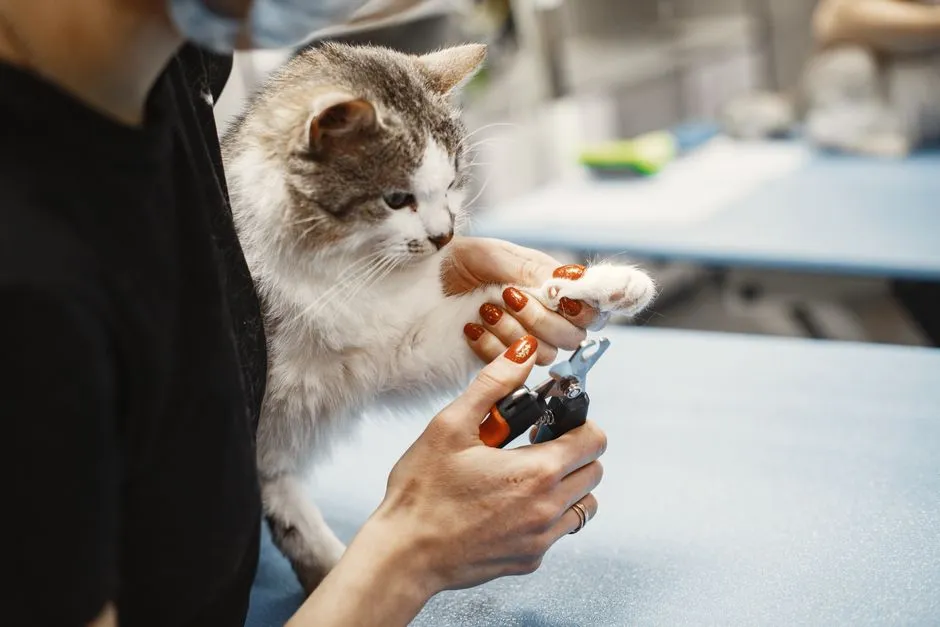
A shiny coat is usually a sign of a healthy cat. When your cat stops grooming, it’s rarely laziness. More often it means illness, depression, or simply that they’re too weak or sore to reach the places they used to reach with ease. Matted fur, dirty hindquarters, and a greasy coat are quiet red flags most people read as “messy old cat” instead of what they really are.
In those last weeks, your cat is asking for help without asking for pity.
- Gentle, short brushing sessions focused on the spots they can no longer reach.
- Warm, damp cloth clean-ups for messy fur, especially around the rear end.
- Patience – this isn’t vanity, it’s dignity.
Mats pull painfully at the skin. Stuck feces causes irritation and infection. Light grooming becomes a form of care, not unlike brushing an elderly relative’s hair. The line between “pampering” and “basic comfort” all but disappears at the end of life.
Worth Knowing
- Healthy cats normally spend a large portion of their waking hours grooming themselves.
- A sudden drop in self-grooming is one of the most reliable early signs vets watch for in declining cats.
- Matted fur can trap moisture and bacteria, raising the risk of skin infections in cats who are already weak.
- Even a few minutes of gentle brushing a day can meaningfully ease a dying cat’s physical discomfort.
#9 – “I Want Quiet, But I Don’t Want to Be Abandoned”
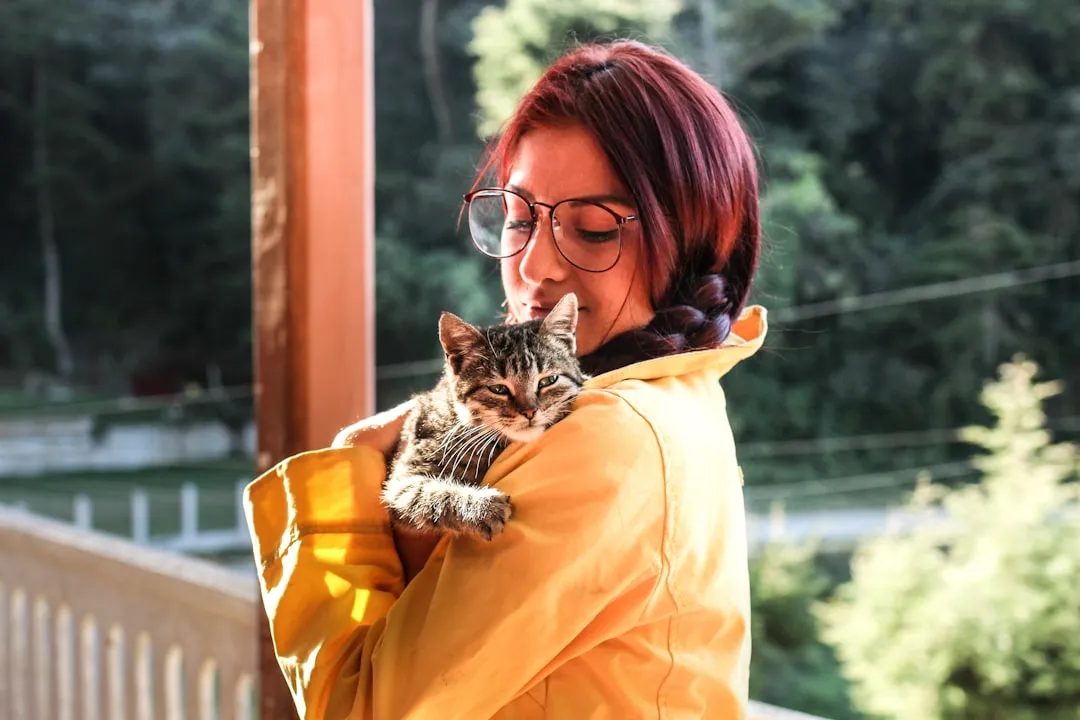
This is where a lot of loving families get it backwards. They sense their cat is dying, so they either smother it with constant attention, or worse, start avoiding the cat because it’s “too sad” to watch. Your cat, meanwhile, is asking for a middle path – a calm, quiet presence without chaos on either side.
In practice, that middle path looks smaller than people expect.
- Turning down TVs, limiting visitors, and keeping kids’ handling gentle.
- Sitting nearby – reading, working, scrolling – so your cat can hear and smell you.
- Letting them choose when to come closer, instead of scooping them up on your schedule.
Most dying cats don’t want to be alone. They just can’t handle overstimulation anymore. A soft voice, a hand resting nearby, and a predictable routine often matter more than any special toy or treat you could buy. It’s their way of saying, “don’t leave me, but don’t overwhelm me either.”
#8 – “Please Stop Dragging Me Back and Forth to the Vet Unless It Truly Helps”
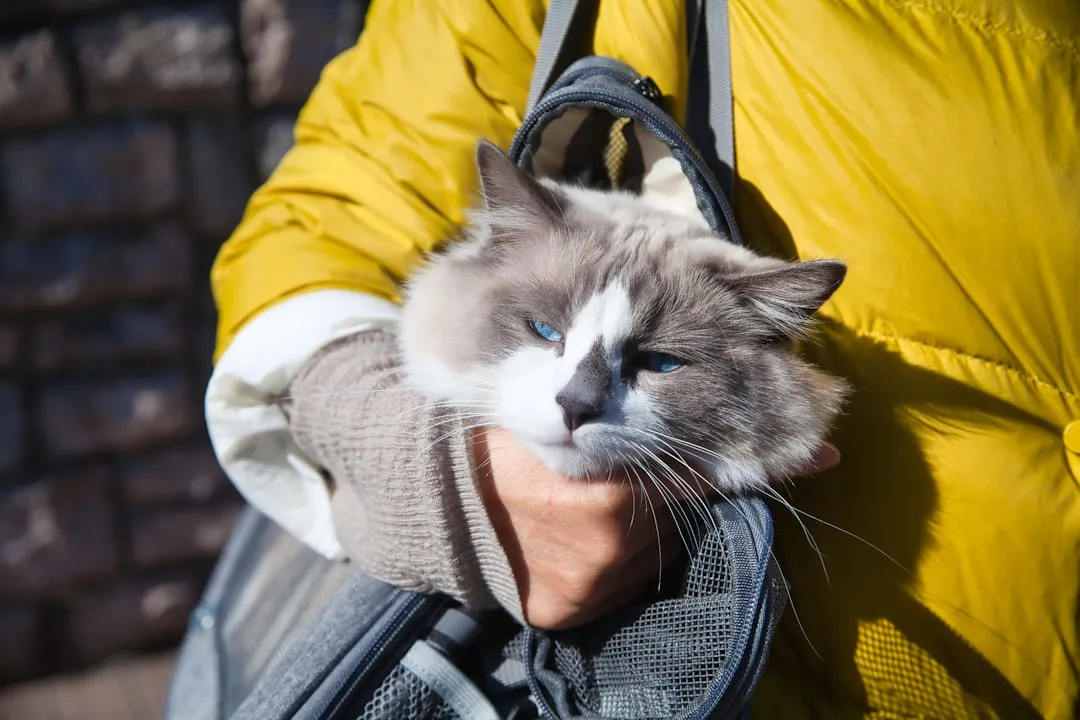
This one will split opinions, and that’s exactly why it matters. Many loving owners think “doing everything possible” means endless blood tests, imaging, and car rides, even when the outcome won’t change. Meanwhile, the cat – nauseous, weak, arthritic – dreads every carrier ride and every cold exam table.
In the last weeks, a cat is silently asking a harder question than most owners want to hear.
- “Are these trips improving my comfort, or just easing your anxiety?”
- Fewer invasive tests once the diagnosis is already clear.
- Vet visits focused on pain relief, nausea control, or hospice planning instead of chasing a cure that isn’t coming.
Quick Compare
- Curative care: repeated bloodwork, imaging, and hospital stays aimed at chasing a diagnosis or cure.
- Palliative care: pain control, anti-nausea medication, and hydration support aimed at comfort, mostly at home.
- Curative care: more car rides, more stress, more time away from familiar surroundings.
- Palliative care: prioritizes calm days over aggressive intervention once a cure isn’t realistic.
Palliative, comfort-focused care is not giving up. It’s shifting the goal from more days to better days. More owners need to hear this bluntly: a peaceful month at home can be far kinder than a chaotic extra week bought with stressful, invasive procedures.
#7 – “I Need You to Watch My Water Bowl Like a Hawk”
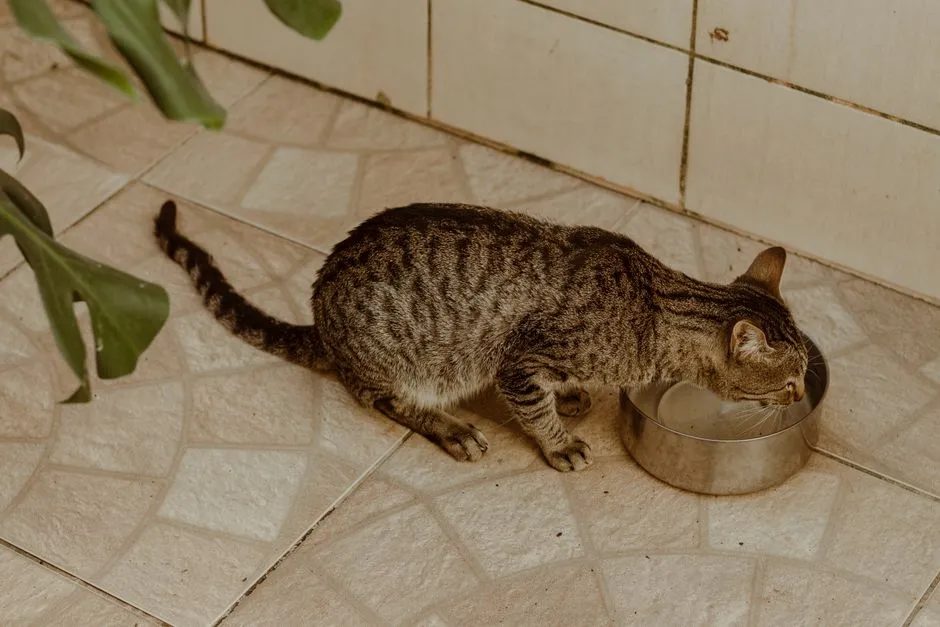
Water is one of the clearest windows into a dying cat’s body. Kidney disease, diabetes, cancer, and organ failure all change how much a cat drinks, and suddenly guzzling water or barely touching it at all are both major warning signs. Your cat won’t say “I’m dehydrated,” but the clues are sitting right there in the bowl.
They’re asking for a level of attention most people only give during a health scare.
- Multiple water bowls placed in easy-to-reach spots.
- Fresh, clean water changed daily, not just topped off.
- A fountain, if running water tempts them to drink more.
Pinched skin that doesn’t snap back quickly, sunken eyes, or thick, sticky saliva can all point to dehydration and quiet suffering. Fluids won’t cure a terminal illness, but they can sharply improve how a cat feels day to day. Fluid therapy, sometimes given right at home, can be a small, quiet lifesaver for comfort.
#6 – “Let Me Choose My Spot, Even If It’s Not Convenient for You”
You might notice your dying cat suddenly shifting where they sleep – from your bed to the bathroom rug, from the cat tree to under the desk. This isn’t random. They’re chasing comfort, temperature, and a sense of safety. Refusing to let them stay in those new spots because it’s “annoying” is a human problem, not a cat one.
What they want is simpler than it sounds, and harder for us to give up control over.
- Freedom to settle wherever their body feels best, even if that’s a laundry basket.
- A clear, safe path to that spot without obstacles in the way.
- Minimal moving around “just because” it’s inconvenient for you.
Cats, especially in their final weeks, will choose their own hospice space if we let them. Your job is to adapt around it: add bedding, keep resources nearby, keep it clean. Honoring that choice might matter more to them than any toy you ever bought.
#5 – “I’m Not Being Difficult – My Brain Might Be Changing Too”
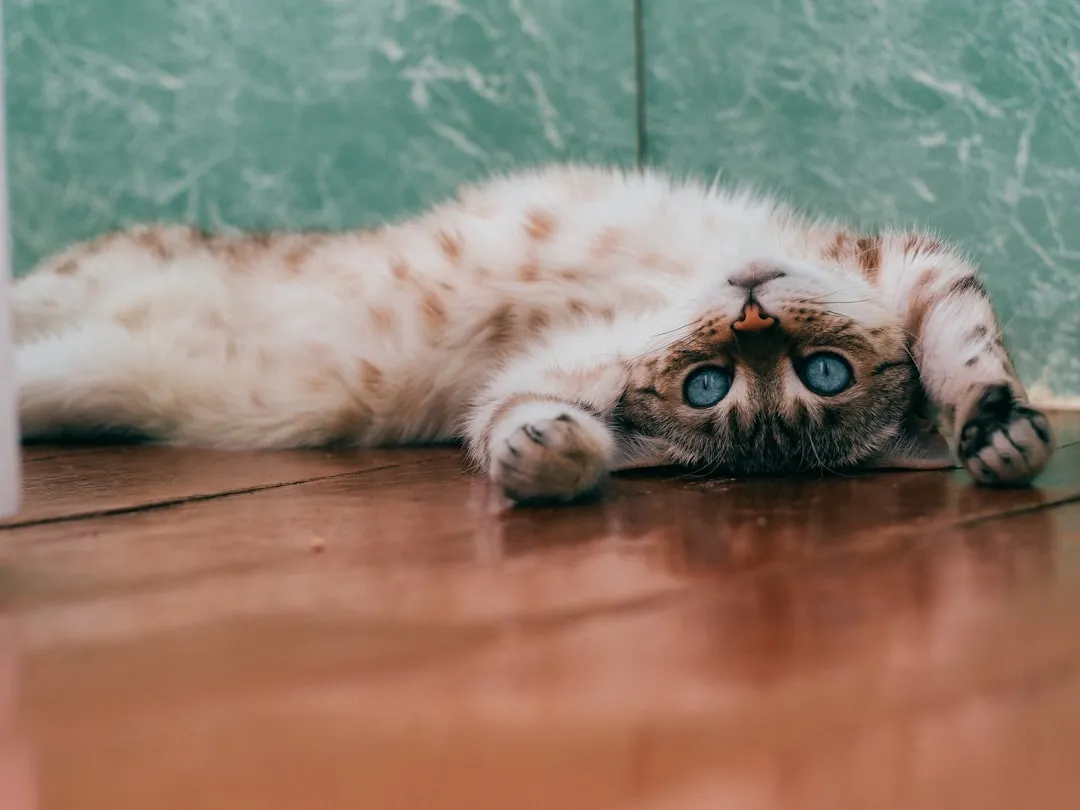
We talk a lot about physical decline, but dying cats can also experience real cognitive changes, especially older ones. Night yowling, staring blankly at walls, getting “stuck” in corners, or seeming suddenly lost in familiar rooms can all signal cognitive dysfunction or brain involvement from disease. Your cat isn’t being dramatic. It’s quietly asking for patience it can no longer request in words.
That patience looks like a few small, deliberate changes.
- Grace when they “forget” litter box locations or old routines.
- Nightlights or small lamps to reduce disorientation in the dark.
- Predictable schedules for feeding, meds, and lights on or off, so their fading brain has fewer surprises.
Some cats with late-stage cognitive issues benefit from medication, supplements, or environmental tweaks. Others simply need their humans to stop calling them “senile” and start calling them “vulnerable.” That mental shift alone tends to lead to kinder choices down the line.
#4 – “Notice When I Stop Enjoying the Things I Used to Love”
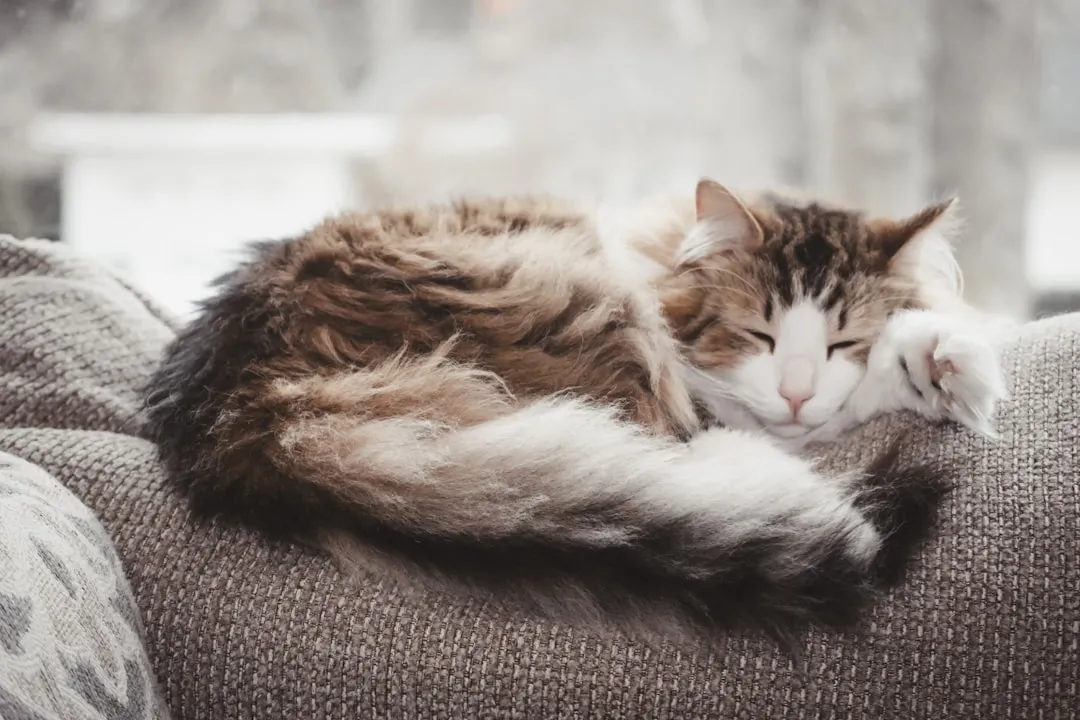
A dying cat doesn’t usually send one big signal. It sends a hundred tiny ones. One of the most important is when they stop seeking out the things that once lit them up – chasing a feather wand, watching birds in the window, curling in your lap during a show, or kneading their favorite blanket. Losing joy is a very different thing from simply needing more sleep.
Here’s what that quiet fading is actually asking of you.
- Take it seriously when they no longer purr during favorite routines.
- Offer modified versions: slower play, shorter cuddles, more breaks.
- Keep a simple daily log – are they having good moments, or just surviving the day?
End-of-life vets often use a “good days versus bad days” scale for exactly this reason. When joy vanishes entirely, it’s one of the clearest signs your cat is asking for a bigger, harder conversation – about suffering, and maybe about saying goodbye.
#3 – “Please Don’t Let Me Struggle to Breathe”
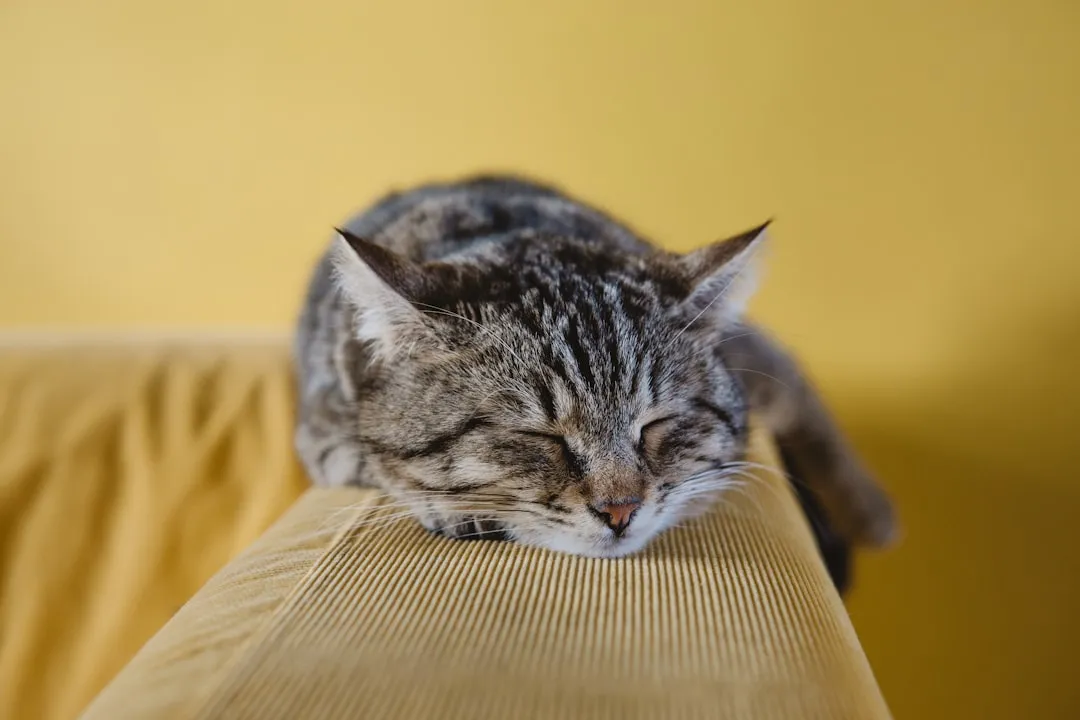
Labored breathing is one of the most distressing end-of-life signs to witness, and to live through. Open-mouth breathing, flared nostrils, heaving sides, or long pauses between breaths are flashing red lights. Many owners misread mild early signs as “snoring” or “just tired,” but for a dying cat, every breath can start to feel like work.
In those moments, your cat is desperately asking for something only you can act on fast enough.
- Emergency vet attention if breathing suddenly worsens.
- Oxygen support or medication, if it’s available and appropriate.
- A calm, quiet space where they don’t have to climb, jump, or panic.
At a Glance
- A resting cat’s normal breathing rate is roughly 20 to 30 breaths per minute.
- Many vets ask owners to count breaths while a cat sleeps; a sustained rate above 40 is a warning sign.
- Open-mouth breathing at rest is never normal for a cat, awake or asleep.
- Any sudden change in breathing pattern deserves same-day veterinary attention, not a “wait and see” approach.
This is one area where “wait and see” can slide into cruelty. Struggling to breathe is terrifying, even for the most stoic cat. If you remember one thing from this entire list, remember this: rapid, shallow, or open-mouth breathing in a resting cat is almost never okay.
#2 – “Be Brave Enough to Talk About Euthanasia Before I’m in Crisis”
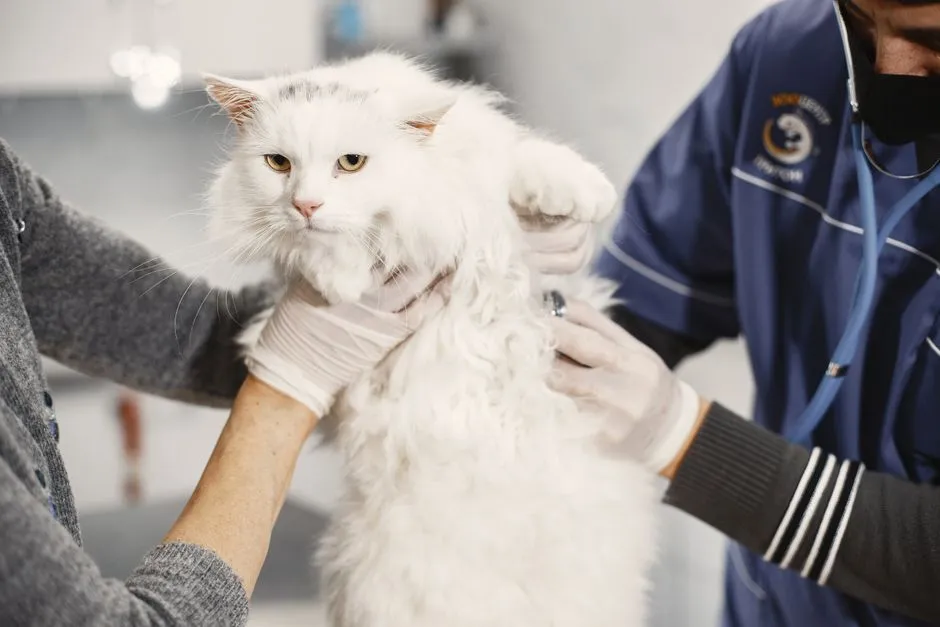
Most people wait too long. They imagine a clear, dramatic moment when the cat will somehow “tell” them it’s time. In truth, that moment usually arrives blurred by shock, panic, and guilt, long after it should have been decided. Your cat’s most human-dependent ask is this: “please make a plan before I’m in unbearable pain.”
They’re asking you to do the hard part while you still can think clearly.
- Have an honest talk with your vet weeks early about realistic timelines.
- Ask blunt questions: “what will the bad days actually look like?” and “what are my red lines?”
- Decide in advance at what point suffering outweighs one more day.
This is where love has to overrule fear. Holding on “just one more night,” over and over, can turn a gentle exit into a drawn-out ordeal. Your cat doesn’t care about the date on a calendar. It cares about how it feels in the hours you’re buying by waiting.
#1 – “When the Time Comes, I Want You There, Not Hiding in the Parking Lot”
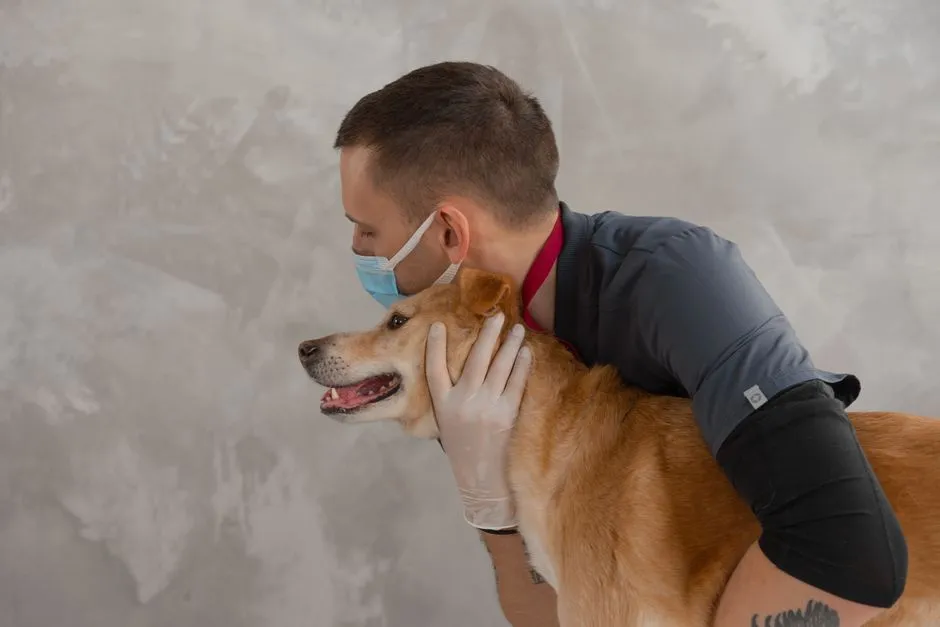
Here’s the hardest truth, and one many vets will quietly confirm: the person who loved the cat most is often missing from the final moments, because it simply hurts too much to watch. Meanwhile, the cat, who has looked for you through every thunderstorm and every vet visit, spends its last seconds searching the room with cloudy eyes, confused and alone.
Your dying cat’s final, deepest ask isn’t complicated at all.
- “If you can, be there. Let me smell you, hear your voice, feel your hand.”
- Keep your voice low and steady, even if you’re shaking inside.
- Bring something familiar – a blanket, a toy, your hoodie – to surround them with home.
Is it emotionally brutal for you? Absolutely. But euthanasia, done at the right time, is not a betrayal. It’s the last, bravest act of protection you can offer. From your cat’s point of view, the worst thing isn’t the injection. The worst thing is you disappearing when they need you most.
The Bottom Line
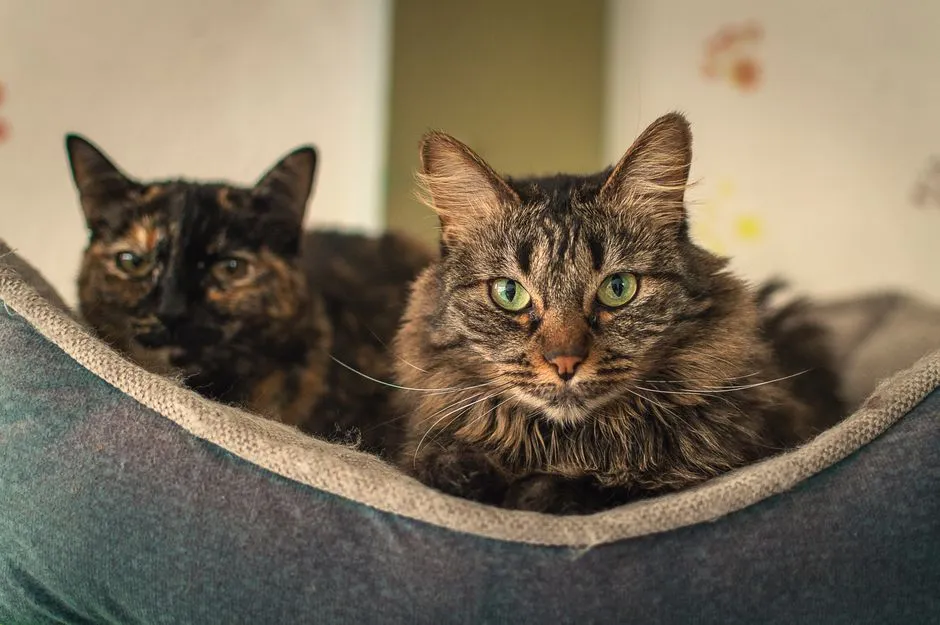
What almost nobody admits out loud is this: most cats don’t die from one sudden, dramatic event. They die in a slow slide of small, readable changes that humans are trained to ignore – less grooming, more hiding, stiffer steps, quieter joy.
The real cruelty isn’t letting go too soon. It’s insisting on “one more day” while pretending not to see the pain that’s already there.
Your dying cat doesn’t want a miracle. It wants warmth, soft places, fewer trips to the vet, real pain relief, and your courage when it’s finally time to say goodbye. You can’t give them forever. But you absolutely control how gentle the ending is – and that, more than anything else on this list, is the one ask that’s entirely in your hands.

- 16 Things Your Dying Cat Quietly Asks For in Its Last Weeks That Almost Nobody Recognises - August 13, 2026
- What Vets Notice About an Older Cat in the First Minute 18 Things Owners Never See - August 13, 2026
- 18 Dog Breeds Rescue Centres Say Are Now Almost Impossible to Place With Any Family - August 13, 2026