

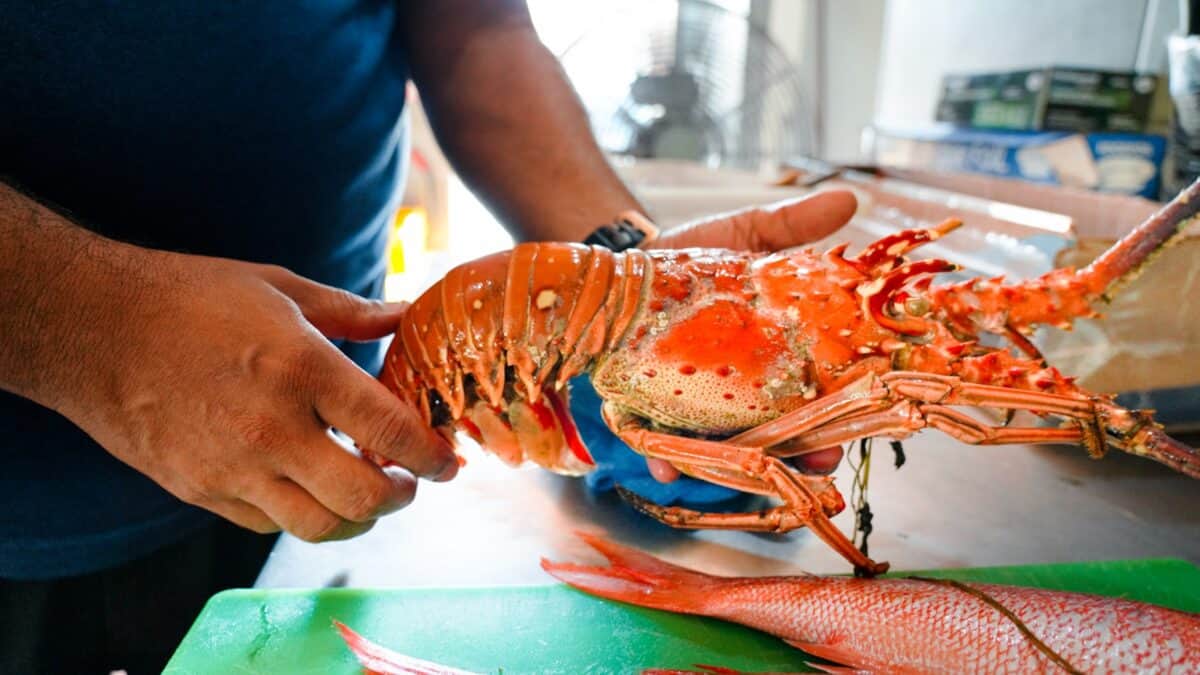
Lurking beneath the waves, lobsters have captivated humans for centuries with their distinctive appearance and delectable meat. But beyond their culinary appeal lies a fascinating biological marvel that few people fully appreciate. These crustaceans possess extraordinary adaptations and bizarre characteristics that make them among the most intriguing creatures in our oceans. From their unusual blood to their remarkable longevity, lobsters break many rules of conventional animal biology. This exploration into the weird and wonderful world of lobster biology reveals why these creatures deserve our admiration for more than just their taste.
Lobsters Have Blue Blood

Unlike humans with our iron-based hemoglobin that gives blood its red color, lobsters circulate a copper-based protein called hemocyanin. This copper component causes their blood to appear blue when exposed to oxygen. The hemocyanin remains colorless while flowing through the lobster’s body but turns blue when it binds with oxygen in the gills.
This unusual blood composition is perfectly adapted to the cold, low-oxygen environments where lobsters thrive. Hemocyanin is more efficient at transporting oxygen in cold water conditions than hemoglobin would be, allowing lobsters to extract sufficient oxygen even in the depths of the ocean. This adaptation is shared with other arthropods including horseshoe crabs and some spiders, representing a fascinating evolutionary solution to underwater respiration.
Their Brains Are in Their Throats
In one of nature’s more unusual anatomical arrangements, lobsters have their brain located in their throat region. The lobster’s central nervous system consists of a ring of nerve tissue that encircles the esophagus, with the larger portion (their “brain”) positioned in what we might consider the throat area. This primitive brain, while not capable of complex thought, coordinates the lobster’s movements and behaviors through a ventral nerve cord running along the underside of the body.
This neural arrangement is common among arthropods but stands in stark contrast to the head-centered brain of vertebrates. Despite this seemingly simple nervous system, lobsters can process sensory information, coordinate complex movements, and even demonstrate some forms of learning. The peculiar location of their neural center is a reminder of how varied evolutionary solutions to survival can be across different animal groups.
Lobsters Taste with Their Legs

While humans rely on taste buds concentrated on our tongues, lobsters have chemoreceptors located on their legs and antennae. These specialized sensors allow lobsters to literally “taste” their environment as they walk across the ocean floor. When a lobster steps on something potentially edible, these receptors send signals to the central nervous system, helping the crustacean decide whether to investigate further.
This distributed sensory system provides lobsters with a constant stream of chemical information about their surroundings. The small hairs covering their legs contain thousands of these chemoreceptors, making lobsters extraordinarily sensitive to minute chemical changes in their environment. This adaptation helps them locate food, identify potential mates, and detect predators, all crucial abilities for survival in the complex marine ecosystem they inhabit.
They Could Potentially Live for Centuries

Unlike most animals, lobsters don’t show typical signs of aging. They don’t experience a decline in reproductive capability or metabolism as they grow older, a phenomenon scientists call “negligible senescence.” Theoretically, this means lobsters could live indefinitely if they didn’t fall victim to predation, disease, or human harvesting. The enzyme telomerase, which helps protect DNA during cell division, remains active throughout a lobster’s life, preventing the telomere shortening associated with aging in most other organisms.
The oldest lobster ever recorded was estimated to be around 140 years old, but scientists believe they could potentially live much longer. As lobsters age, they continue to grow through molting, albeit at a slower pace. Each molt requires increasing amounts of energy, which eventually becomes a limiting factor. Nevertheless, their biological capacity for longevity makes them extraordinary subjects for aging research, offering potential insights into how some organisms seemingly defy the typical constraints of mortality.
Lobsters Can Regenerate Lost Limbs
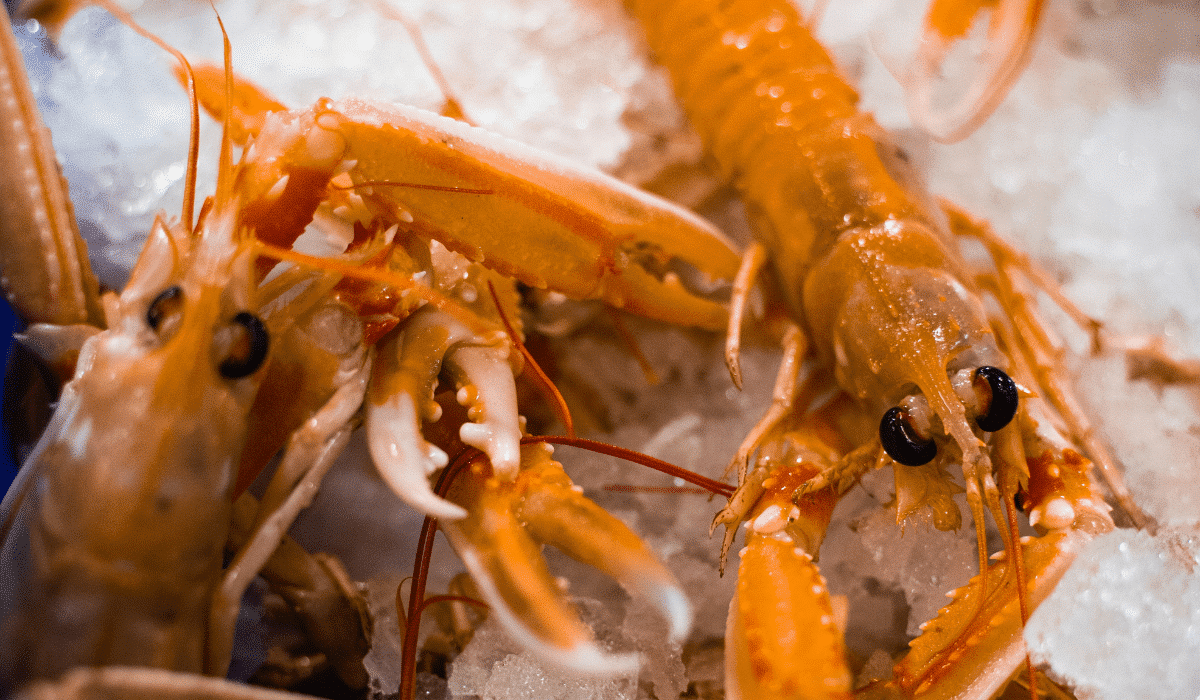
Lobsters possess the remarkable ability to regrow lost appendages, a process known as regeneration. If a lobster loses a claw, leg, or antenna—whether through predator attacks, territorial fights, or accidents—it can completely regenerate the missing part over several molting cycles. This regenerative capability is encoded in the lobster’s DNA and involves complex cellular processes that allow for the complete reformation of the lost limb.
The regeneration process begins immediately after the limb is lost, with a protective membrane forming over the wound. Within this protected environment, cells dedifferentiate (returning to a more primitive state) and then proliferate to form a small bud. With each subsequent molt, this bud grows larger until it eventually develops into a fully functional replacement limb, though it may initially be smaller than the original. This extraordinary ability represents one of nature’s most impressive examples of biological repair and restoration, a capability that human medical researchers study intensively for potential applications in regenerative medicine.
Their Teeth Are in Their Stomachs

In what might be one of the strangest anatomical arrangements in the animal kingdom, lobsters have their teeth located inside their stomachs rather than in their mouths. The lobster’s gastric mill consists of three calcified plates that grind against each other to break down food particles. These “teeth” are part of a structure called the gastric mill, located in the cardiac stomach, the first of the lobster’s two-chambered digestive system.
This internal grinding mechanism allows lobsters to process food items after they’ve been torn apart by the mandibles (external mouthparts). When a lobster molts, it not only sheds its exoskeleton but also the lining of its digestive tract, including these stomach teeth. This complete digestive renewal is essential for the lobster’s continued growth and represents yet another unusual aspect of crustacean biology that has no parallel in vertebrate animals. The gastric mill is so efficient that lobsters can crush even hard-shelled prey once it enters their digestive system.
Lobsters Pee from Their Faces
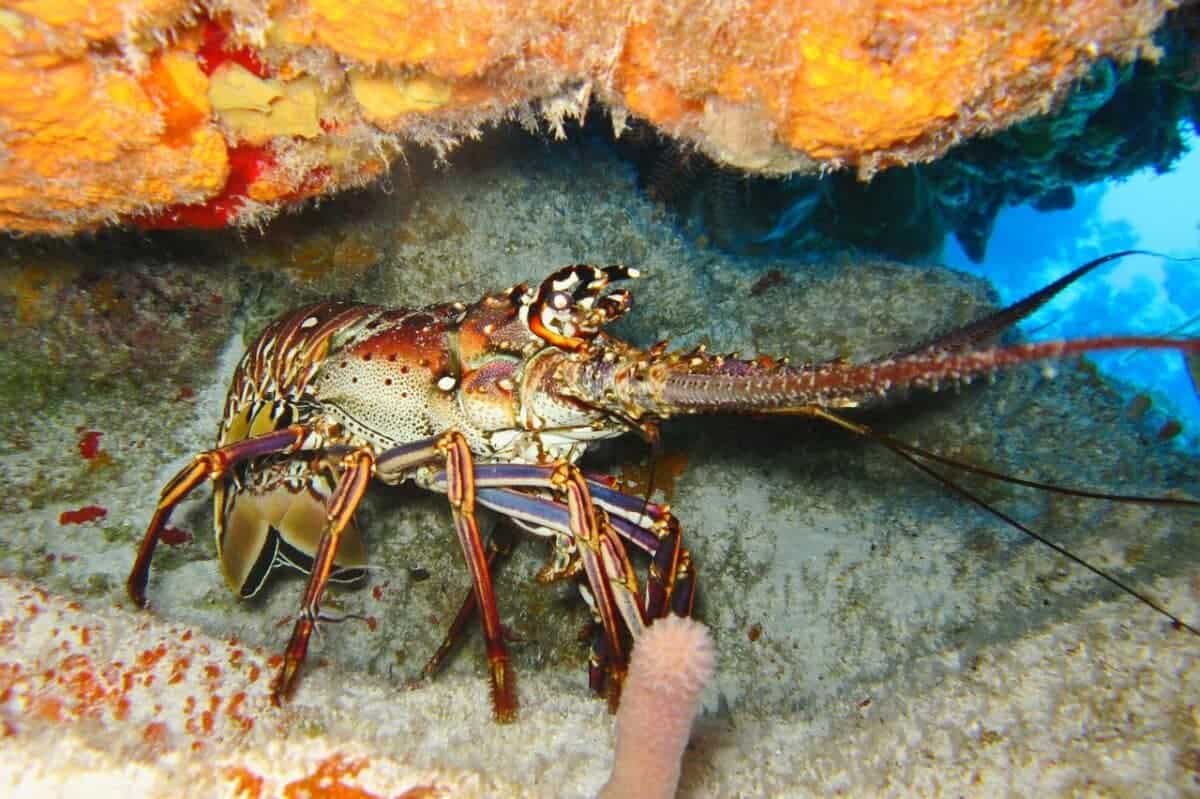
Adding to their biological peculiarities, lobsters excrete waste through nozzle-like structures located at the base of their antennae, effectively urinating from their faces. These excretory organs, called antennal glands, function similarly to kidneys in vertebrates. They filter the lobster’s blood and produce urine that is then expelled through these facial outlets. This unusual arrangement serves more purposes than simple waste elimination.
Remarkably, lobsters use this facial urination as a form of communication. When lobsters encounter each other, they often engage in a “urine-off,” releasing jets of urine toward each other’s faces. These urine streams contain pheromones that convey important information about the lobster’s identity, dominance status, and reproductive readiness. Female lobsters, for instance, release pheromones in their urine to signal receptivity to mating, while males use urine-borne chemicals to establish dominance hierarchies. This chemical communication system is crucial for lobster social interactions, despite seeming bizarre by human standards.
They Have Asymmetrical Claws
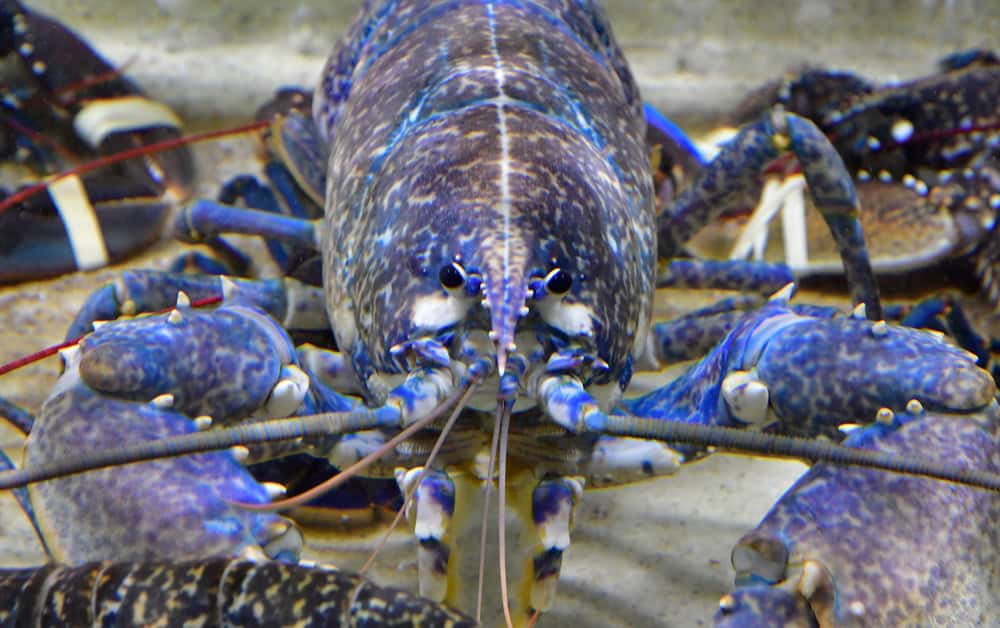
Adult lobsters develop distinctively asymmetrical claws, each specialized for different functions. The larger, heavier claw with thicker teeth is called the crusher claw, designed for breaking open hard shells of prey like clams and mussels. The smaller, more slender claw with sharper, finer teeth is the cutter claw, used for tearing soft flesh and manipulating food. This claw dimorphism doesn’t appear in young lobsters but develops as they mature.
Interestingly, this asymmetry isn’t genetically predetermined regarding which side will develop which claw type. Rather, it’s determined by how the young lobster uses its claws. The claw that the lobster uses more frequently for crushing hard objects will eventually develop into the crusher, while the other becomes the cutter. This developmental plasticity allows the lobster to adapt to its specific environmental conditions and food sources. Some lobsters even show “handed-ness,” with most American lobsters developing their crusher claw on the right side, while European lobsters tend toward left-sided crusher claws.
Lobsters Can Detect Extremely Tiny Odor Concentrations

The olfactory system of lobsters is extraordinarily sensitive, capable of detecting chemical concentrations as low as a few molecules per billion. Their primary chemosensory organs are the two pairs of antennae—the longer ones (antennules) are specialized for “smelling” the water, while the shorter pair helps with orientation and touch. The antennules contain thousands of tiny sensory hairs that can detect minute traces of chemicals dissolved in seawater.
This remarkable sensitivity allows lobsters to detect food sources from remarkable distances, sometimes following odor plumes from hundreds of meters away. They can even determine the direction of an odor source by comparing the concentration of scent molecules reaching different parts of their antennae. This chemical super-sense also plays a crucial role in mate selection, territorial behavior, and predator avoidance. The lobster’s ability to detect and respond to chemical signals represents one of the most sophisticated chemosensory systems in the marine environment, far exceeding human olfactory capabilities in its sensitivity to waterborne molecules.
Their Shell Color Changes Based on Diet

While most living lobsters appear brownish or greenish-blue, their shell pigmentation can be influenced by their diet. The primary pigment in lobster shells is astaxanthin, a carotenoid that creates red coloration. In the wild, this pigment binds with proteins in the shell, creating a complex that appears blue-green. However, when lobsters are cooked, these protein bonds break, revealing the bright red pigment underneath—explaining why cooked lobsters turn red.
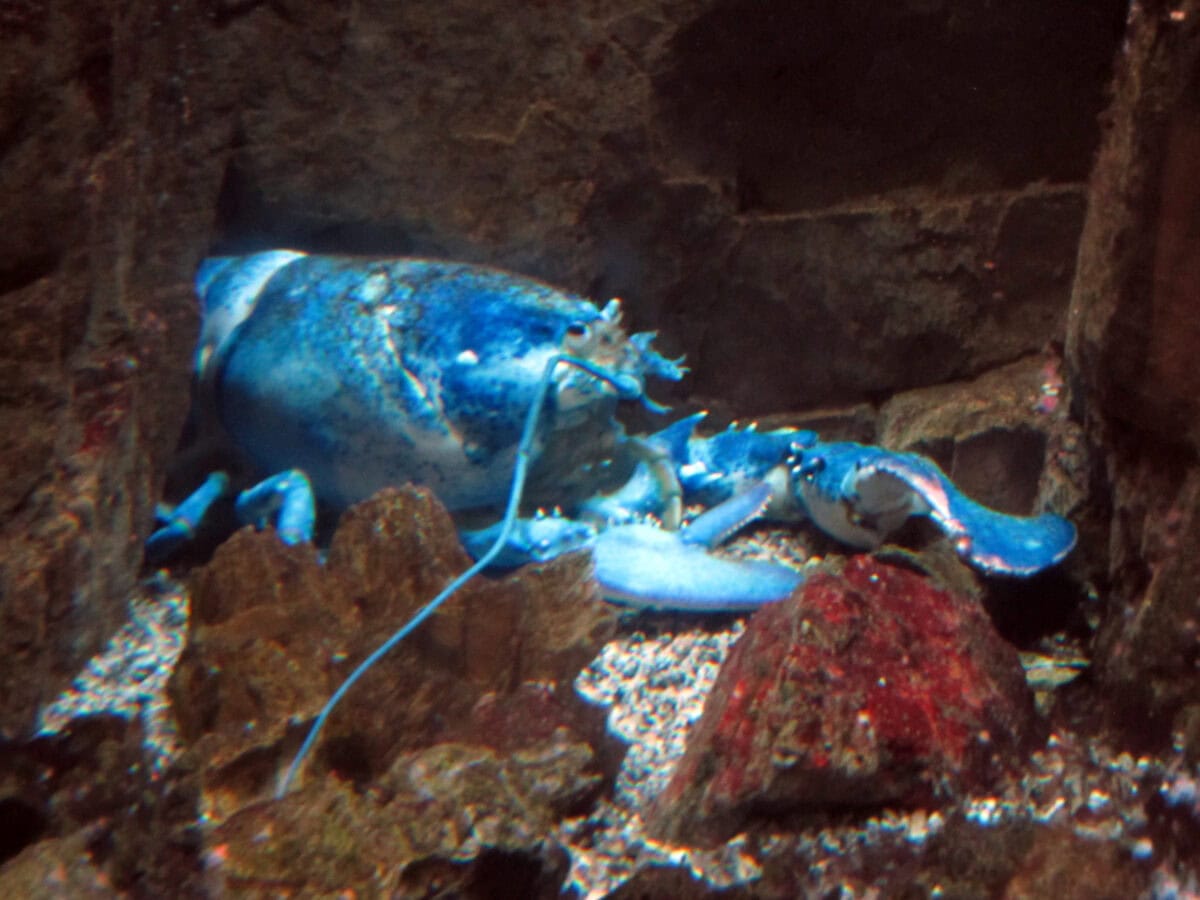
Lobsters that consume diets rich in certain carotenoids may develop shells with unusual hues. In rare cases, genetic mutations can also produce striking color variations, including blue, yellow, calico, or even albino lobsters. These color variants are exceedingly rare in nature—a truly blue lobster occurs in roughly one in two million individuals, while albino lobsters are estimated to be one in 100 million. The rarest of all is the split-colored lobster, with different coloration on each side of its body, occurring in approximately one in 50 million specimens. These unusual coloration patterns make the affected lobsters more visible to predators, explaining their rarity in the wild.
Lobsters Have an Extraordinary Sense of Balance

Lobsters possess a sophisticated equilibrium system contained within statocysts located at the base of their antennules. These fluid-filled sacs contain tiny granules called statoliths that move in response to gravity, much like the inner ear system in humans. This arrangement allows lobsters to sense their orientation in three-dimensional space, a crucial ability for creatures that navigate the complex underwater environment.
What makes this system particularly remarkable is that lobsters must rebuild their entire balance organ with each molt. When a lobster sheds its shell, it also discards the lining of its statocysts, including the statoliths. After molting, the lobster must collect tiny grains of sand from the environment and place them into its new statocysts to restore its sense of balance. This deliberate collection of environmental material to restore a sensory system is almost unique in the animal kingdom, representing an unusual intersection of innate behavior and environmental interaction. Without this self-administered “repair,” newly molted lobsters would struggle to orient themselves properly in the water column.
They’re Actually Related to Insects
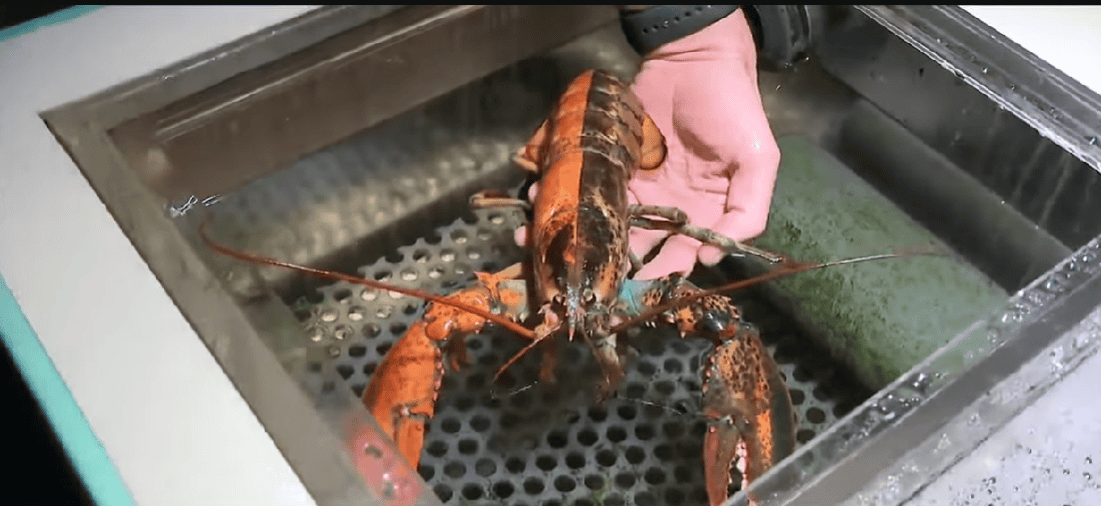
Despite their marine lifestyle and distinctive appearance, lobsters share a surprisingly close evolutionary relationship with insects. Both belong to the phylum Arthropoda, characterized by segmented bodies, jointed appendages, and external skeletons. More specifically, lobsters are crustaceans, a group that diverged from the evolutionary line leading to insects hundreds of millions of years ago, but they retain many fundamental similarities in body plan and development.
This relationship explains why lobsters share certain characteristics with insects, such as their molting process, segmented bodies, and compound eyes. It also accounts for similarities in their nervous systems and sensory organs. The next time you see a lobster, you might recognize some insect-like features—the jointed legs, the segmented tail, and the external armor—all testaments to their shared evolutionary heritage. This relationship makes lobsters particularly valuable for comparative studies in evolutionary biology, offering insights into how arthropods adapted to radically different environments while maintaining core biological features.
Lobsters Have an Unusual Mating Ritual
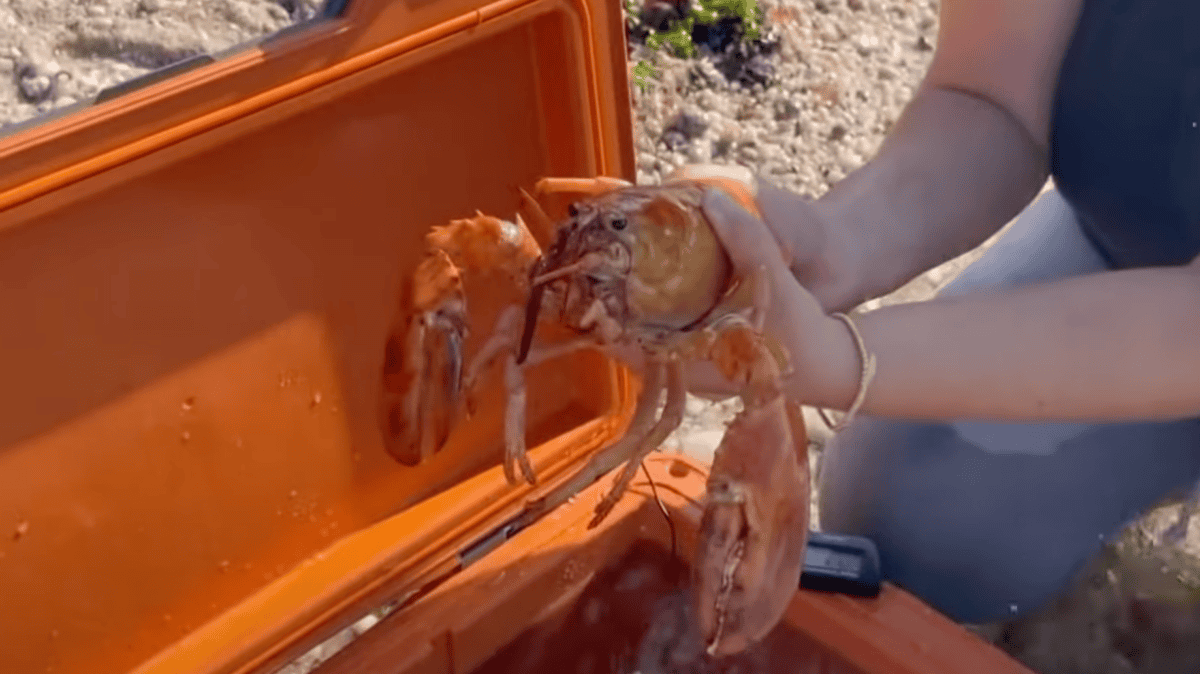
Lobster courtship and mating involves a complex sequence of behaviors that can last for days or even weeks. Female lobsters typically mate only after molting, when their new shells are still soft. Before this critical moment, a female will select a dominant male’s den and release urine containing pheromones that signal her reproductive readiness. The male responds by fanning water containing his own pheromones toward her with his swimmerets, establishing a chemical dialogue between the potential mates.
Once the female molts, she becomes temporarily vulnerable without her protective shell. The male turns her over and deposits sperm packets onto her abdomen using modified appendages called gonopods. The female stores this sperm for up to two years, using it to fertilize multiple batches of eggs when conditions are favorable. After mating, the male often protects the female until her new shell hardens, guarding her against predators and other males. This complex reproductive strategy, involving chemical signaling, timing with the molt cycle, and post-mating protection, represents one of the most sophisticated mating systems among marine invertebrates.
Their Eyes Can See Ultraviolet Light

Lobsters possess compound eyes similar to those of insects, composed of thousands of individual light-sensing units called ommatidia. What makes their vision particularly remarkable is their ability to detect ultraviolet (UV) light, which is invisible to the human eye. This expanded visual spectrum allows lobsters to perceive their underwater environment in ways fundamentally different from our own perception.
The ability to see UV light provides several evolutionary advantages. It enhances the lobster’s ability to detect plankton and other small organisms that reflect or absorb UV wavelengths distinctively. It may also aid in navigation, as the direction of polarized UV light can serve as a compass for underwater orientation. Additionally, some scientists theorize that UV vision might help lobsters detect the subtle glow of bioluminescent organisms in deeper waters. This specialized visual adaptation demonstrates how evolution has equipped lobsters with sensory capabilities precisely tailored to their ecological niche, allowing them to thrive in the complex light environment beneath the ocean’s surface.
Lobsters Never Stop Growing

Unlike most animals that reach a defined adult size and stop growing, lobsters continue to grow throughout their entire lives—a phenomenon known as indeterminate growth. This continuous growth occurs through molting, where the lobster sheds its rigid exoskeleton and produces a larger one to accommodate its increasing body size. Young lobsters may molt 20-25 times in their first 5-7 years, while older adults typically molt once every 1-2 years.
This perpetual growth means that, theoretically, there’s no upper limit to how large a lobster can become if it lives long enough. The largest lobster ever recorded was caught off the coast of Nova Scotia in 1977, weighing 44 pounds (20 kg) and measuring nearly 4 feet (1.2 meters) in length. However, as lobsters age, molting becomes increasingly energy-intensive and risky, as they’re extremely vulnerable without their protective shells. In some very old specimens, molting may become so physiologically demanding that it contributes to their eventual death, representing one of the few natural limitations on their otherwise biologically “immortal” design.
The Remarkable World of Lobster Biology
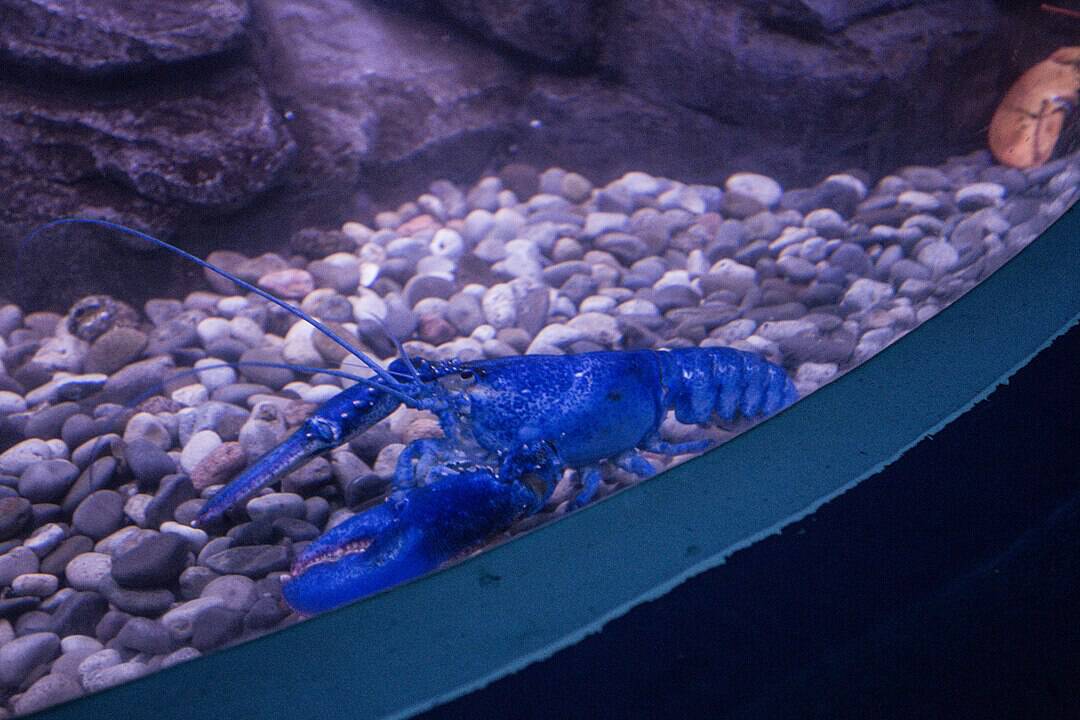
The bizarre and fascinating biological features of lobsters reveal nature’s incredible diversity and the remarkable adaptations that evolve in response to environmental challenges. From their copper-based blue blood to their face-centered urinary system, lobsters represent one of the strangest yet most successful evolutionary designs in the ocean. Their capacity for regeneration, indeterminate growth, and negligible senescence continues to intrigue scientists studying.
Conclusion:

Lobsters may be a familiar sight on dinner plates and in seafood markets, but their biology is anything but ordinary. These 16 weird and wonderful facts reveal a creature full of surprises—from their ability to taste with their legs and chew with their stomachs to their incredible longevity and even potential for biological immortality. Lobsters challenge our expectations at every turn, showcasing bizarre adaptations and evolutionary traits that have helped them thrive for millions of years on the ocean floor.
By diving into the strange world of lobster biology, we gain a deeper appreciation for these armored crustaceans and the complexity of marine life as a whole. Their quirky physiology and remarkable survival strategies are not just curiosities—they’re powerful reminders of nature’s creativity and resilience. Whether viewed through the lens of science, conservation, or simple fascination, lobsters prove that even the strangest creatures can be some of the most extraordinary.

As a little kid, I fell in love with nature, wildlife, and animals. Living in the USA, South Africa, Italy, China and Germany gave me the opportunity to discover the world's Wildlife. My favorite animals are Mountain Gorillas, Siberian Tigers, and Great White Sharks.
I'm a certified PADI Open Water Diver, went to Everest Base Camp and Trekked Gorillas in Uganda. I hold a Master of Science in Economics and Finance.
Please send any feedback to feedback@animalsaroundtheglobe.com
- Akita – The Majestic And Loyal Breed Of Japan’s National Treasure - August 3, 2026
- 16 Amazing Animals You Can See in Arizona - August 3, 2026
- 20 Insider Tips for Your Dog That Your Vet Won’t Reveal - August 3, 2026