
Everyone has met that one dog who acts like his owner personally hung the moon, and that one goldfish who couldn’t care less whose hand is holding the food flake. Most people chalk that up to personality. It’s not – it’s biology, and the split between “one-person soulmate” and “friendly but detached” runs far deeper, and gets far weirder, than most owners ever realize.
The real surprise here isn’t which pets are loyal. It’s which ones aren’t – and which “cold,” “aloof,” or “low-maintenance” animals are secretly capable of real heartbreak when the right person walks away. Here are 17 species hard-wired to lock onto a single human for life, and 17 that will let you go without so much as a backward glance.
#1 – African Grey Parrot: The Genius That Picks One Human
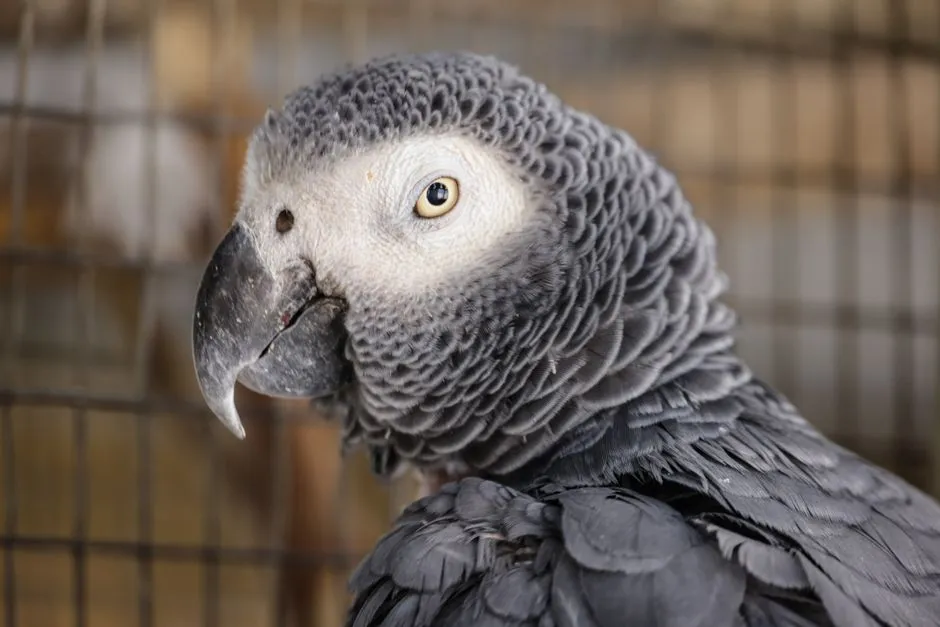
African greys don’t just mimic words – they build deep, selective emotional bonds. In many homes, one person becomes “their” human, and everyone else is tolerated at best. These birds watch routines, read micro-expressions, and clock who responds fastest to their signals, then pour almost all their affection into that one relationship.
Their loyalty has a dark side. A grey bonded to a single person can turn shockingly jealous and aggressive toward anyone else who dares interact with their favorite human – bites, screaming, and plucking often trace straight back to this over-attachment. People who treat them like a casual family pet are usually stunned by how narrow their social circle really is, and how brutal rehoming can be for the bird left behind.
Fast Facts
- Native to the rainforests of West and Central Africa
- Can live 40 to 60 years in captivity, often outliving multiple owners
- Regarded as one of the most cognitively advanced parrot species, with problem-solving skills often compared to a young child’s
- Feather-plucking and screaming are common red flags of an unmet emotional bond
#2 – Akita Dog: Devoted, Reserved, and Extremely Selective
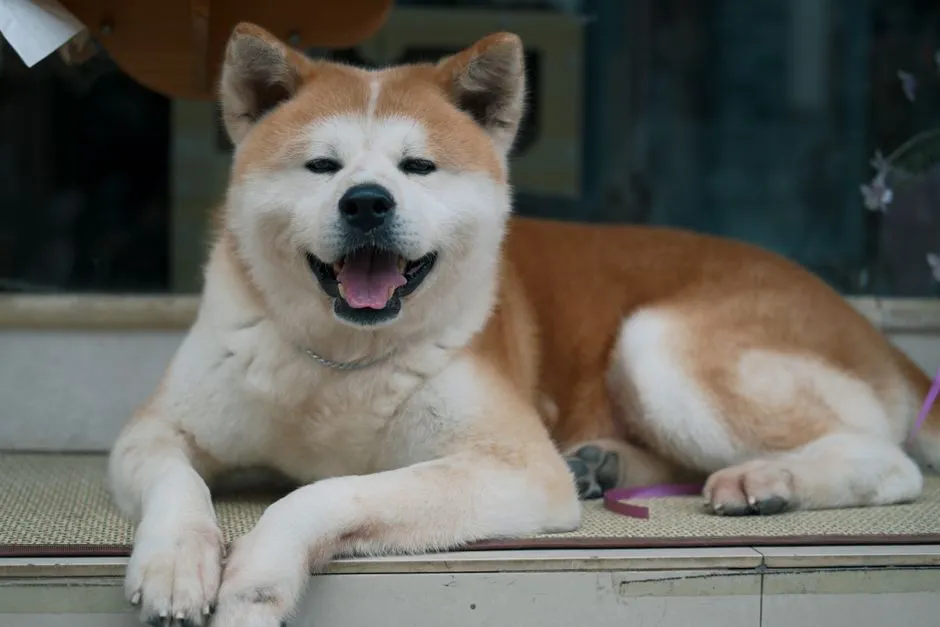
Akitas were bred to guard, not to host a party. They tend to bond intensely with one primary handler, offering quiet, shadow-like loyalty rather than clingy affection. Many owners describe their Akita as polite with the family but clearly “belonging” to a single person – usually whoever sets boundaries and trains them.
Because they’re highly intelligent and stubborn, Akitas don’t hand out trust easily. Once they do, breaking that bond can be emotionally devastating for the dog, sometimes triggering shutdown behavior or reactivity. Serious breed clubs warn that Akitas are “not for everyone” precisely because they do so poorly being passed from home to home.
#3 – Cockatoo: Clingy, Needy, and Hopelessly Attached
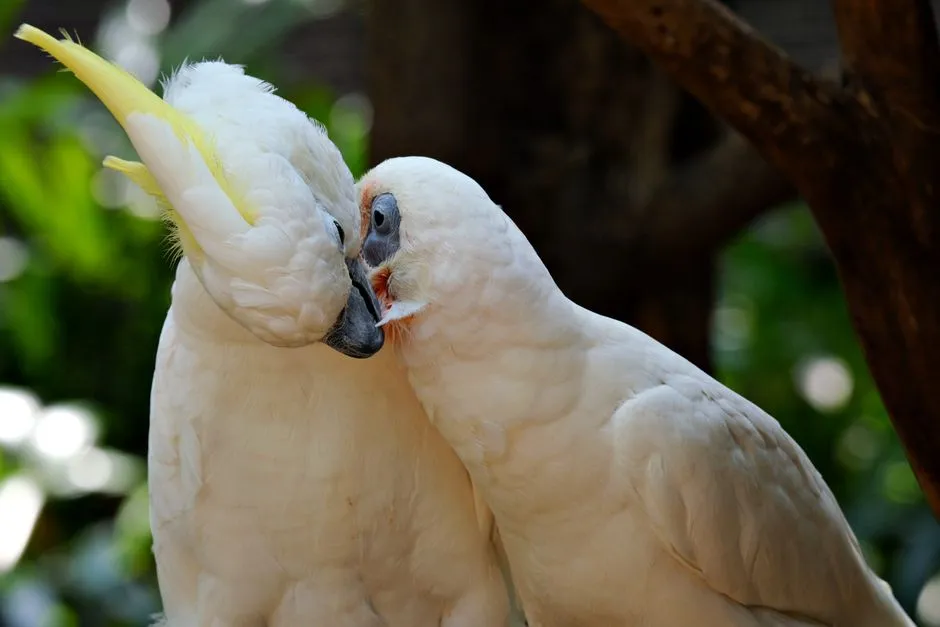
Cockatoos look like party birds, but emotionally they’re closer to toddlers running on caffeine. In captivity, it’s common for one to fixate on a single person to an almost unhealthy degree – the human they scream for, demand cuddles from, and completely melt down without. New owners rarely grasp how intense this gets until they can’t leave the room without triggering an ear-splitting tantrum.
The harsher truth: a cockatoo with unmet emotional needs can self-harm. Feather plucking, nonstop screaming, and self-injury often trace back to a broken or inconsistent bond with their chosen human, and birds who lose “their” person sometimes take years to trust again, if ever. Avian behaviorists quietly advise that cockatoos are the wrong pet for anyone with a busy or unpredictable life.
#4 – Siamese Cat: The “Dog-Like” Feline With a Favorite Human
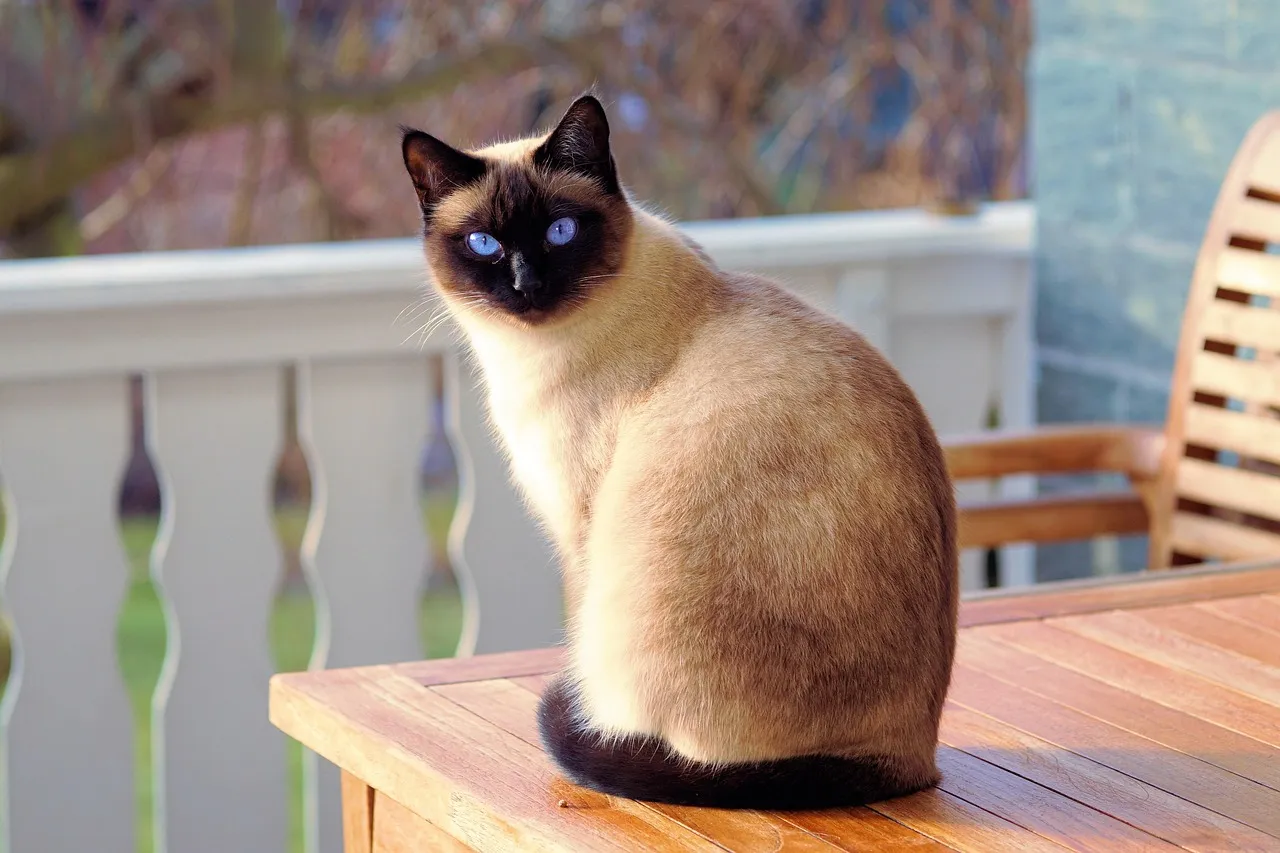
Siamese cats shatter the myth of the aloof feline. Many select one person as their emotional anchor, following them room to room, narrating everything vocally, and trying to “help” with every task. Strangers call it clingy; owners just call it being a shadow cat.
What surprises new owners is how loudly a Siamese protests separation from that chosen person – yowling at closed doors, sulking when ignored, sometimes flat-out ignoring everyone else in the house. In multi-person households, that obvious “snub” of everyone but one favorite can cause real friction at the dinner table.
#5 – Great Pyrenees: Calm Guardian, One Primary Partner
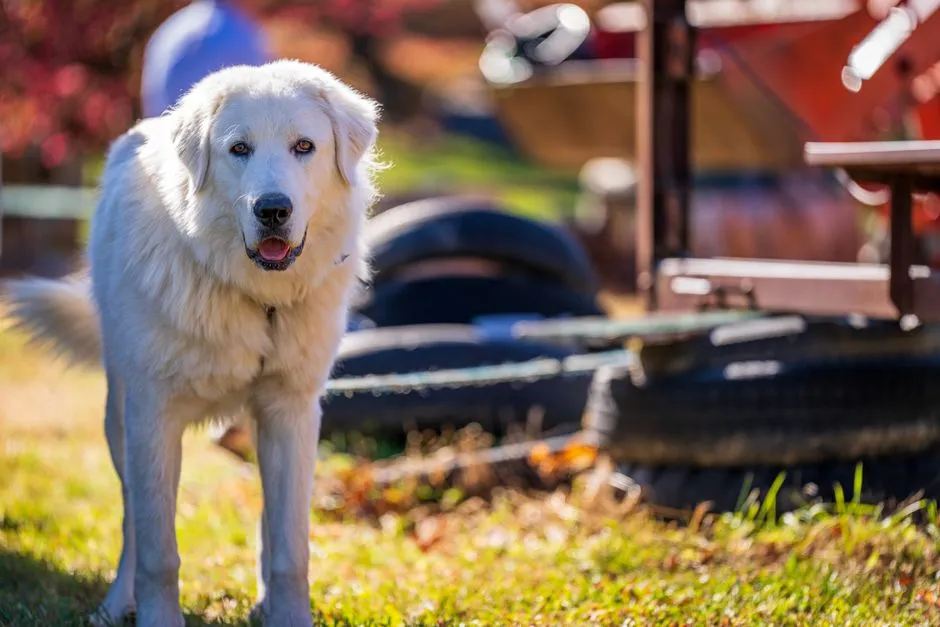
Livestock guardian breeds like the Great Pyrenees aren’t typically cuddly, but they’re deeply loyal to a single decision-maker. Historically that was the shepherd; in modern homes, it’s whoever becomes the calm, consistent leader. That’s the person the dog quietly shadows at night, positions itself between and any threat, and checks in with when uncertain.
Unlike velcro breeds, Pyrenees show love through responsibility rather than snuggles. They may shrug off casual affection from others yet grow anxious, pacing or patrolling, if their primary person is away too long. Experienced owners insist the “big fluffy teddy bear” reputation is misleading – this is a working partner that chooses one boss.
#6 – Mustangs (Tamed Wild Horses): One Rider, Lifelong Trust
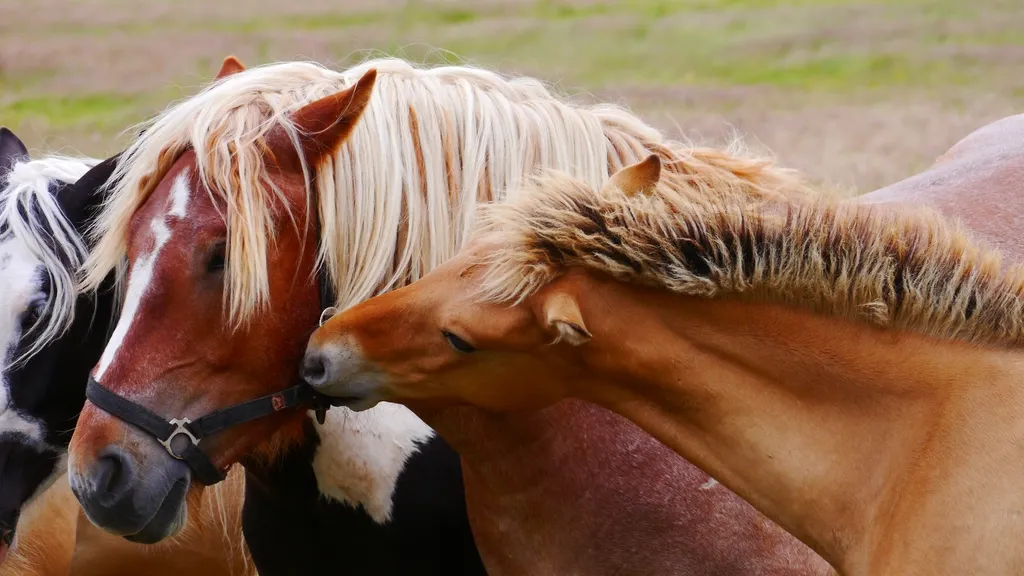
Horses in general can be affectionate, but tamed mustangs take single-person loyalty to another level. Once a mustang decides a human is safe, that trust runs incredibly deep – and often doesn’t transfer easily. After the terrifying process of capture and gentling, the first truly kind, consistent handler becomes “their” human in a way domestic horses rarely match.
There’s a controversial side to this: some mustangs never fully accept a new rider after losing their primary partner, going tense, resistant, or shut down instead. Unlike domestic horses who tolerate a rotation of lesson riders, mustangs are often either bonded or simply not interested. Long-term trainers quietly admit that rehoming a bonded mustang can feel like orchestrating a breakup.
#7 – Moluccan and Umbrella Cockatoos: Obsessive Even by Parrot Standards
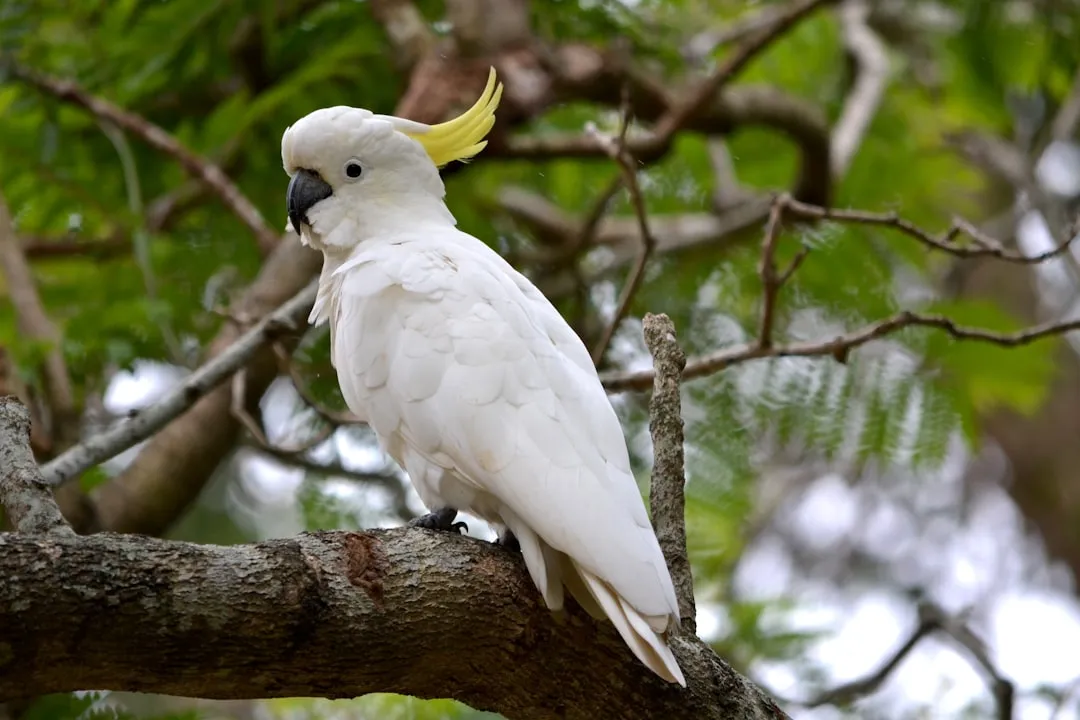
Cockatoos already made this list once, but Moluccan and umbrella cockatoos deserve their own entry. These large “white ‘toos” are notorious among bird rescues for hyper-fixating on one human and rejecting everyone else – the chosen person gets cuddles, upside-down play, and face kisses, while others get lunging, screaming, or bloody bites for even trying.
Their brains are wired for constant flock bonding, and in a living room that entire flock shrinks to one human. When that person works longer hours or changes routine, behavior can collapse fast into screaming, self-mutilation, and aggression. Bird sanctuaries are full of these animals precisely because no one warned their owners this isn’t a family pet – it’s a creature that wants a 24/7 soul mate.
#8 – Shiba Inu: Independent… Except for One Chosen Human
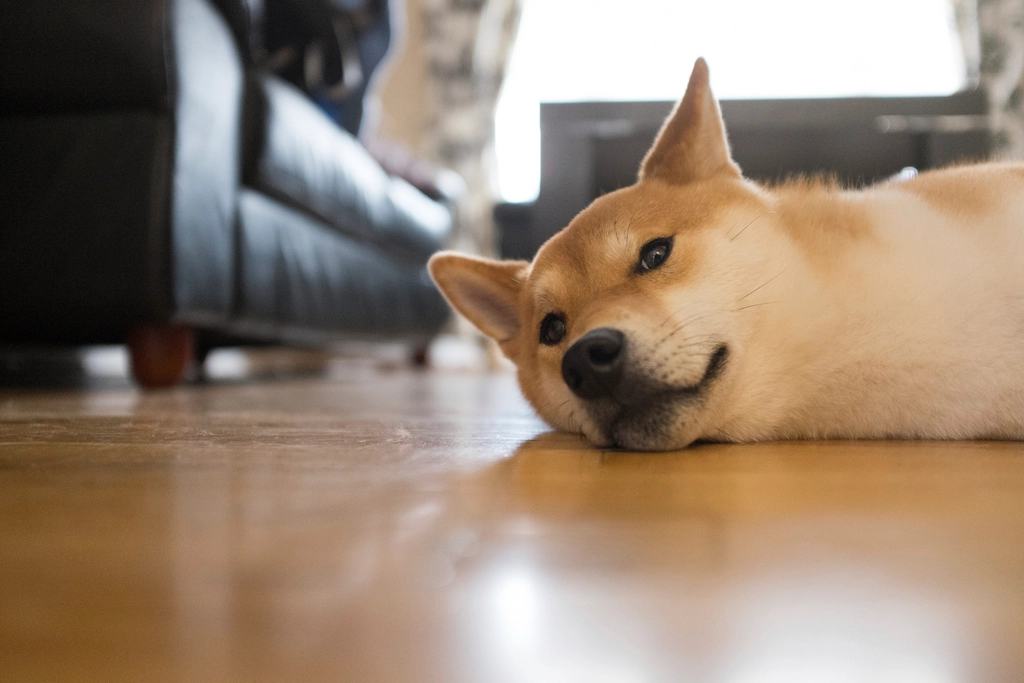
Shiba Inus look like foxes and act like cats in dog bodies, famous for their independence. But owners quietly admit that most Shibas have exactly one person they actually care about – the human allowed to touch them anytime, occasionally trim their nails, and witness rare full-affection moments. Everyone else gets a polite, arm’s-length relationship.
Because Shibas guard their boundaries so fiercely, when they do attach, it’s meaningful. Losing that one person through a breakup, rehoming, or a major life change can trigger shutdown behavior or sudden reactivity, even if the dog looks outwardly stoic. Fans love it because when a Shiba truly chooses you, it feels earned – critics just call them stubborn and distant. Both can be true.
#9 – Border Collie: Workaholic Brain, One True Teammate
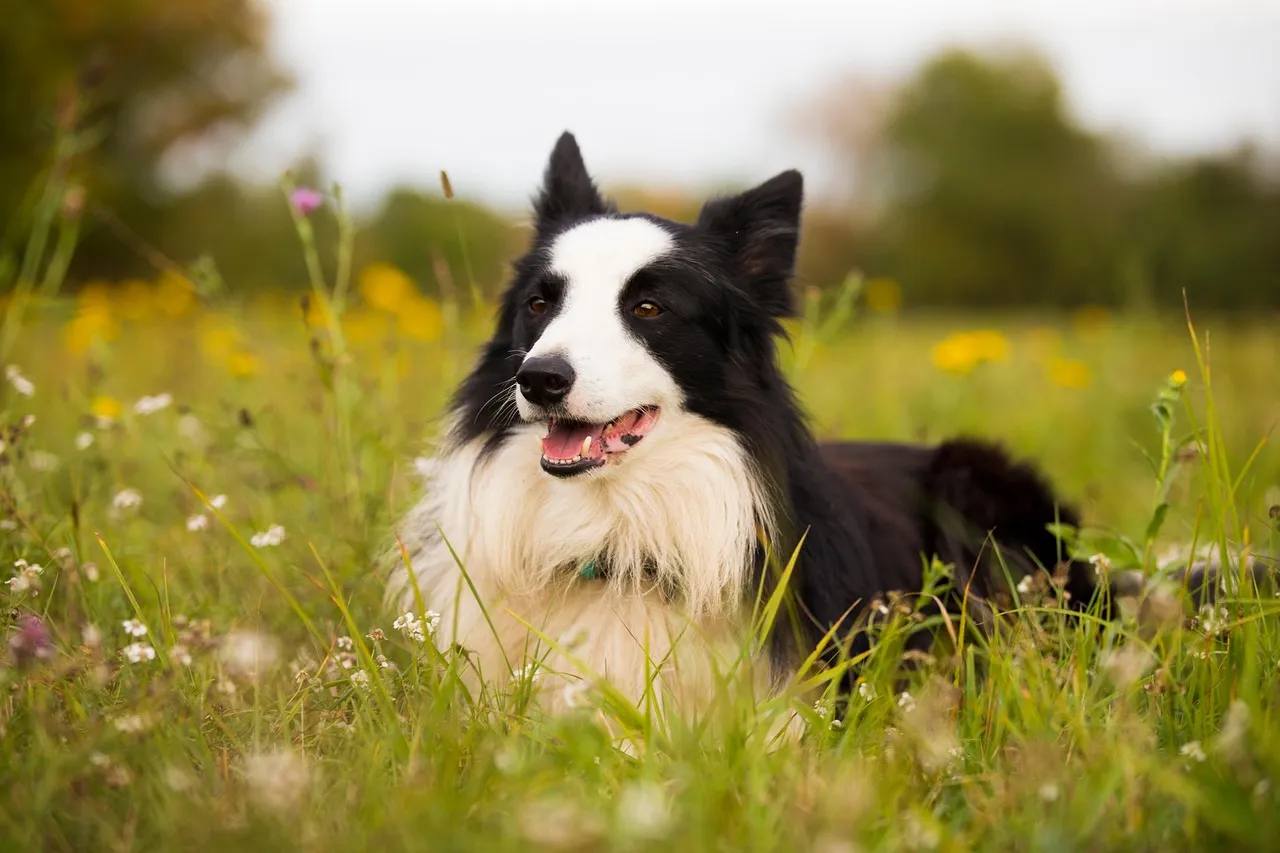
Border collies are bred for focus, not for being everyone’s buddy. In working settings, they lock onto one handler as their partner, reading subtle body language, eye flicks, and even breathing patterns to anticipate commands. That intense tuning-in rarely extends to the whole family – there’s usually one favorite human and a few runner-ups who mostly just feed and entertain.
Mix that intensity with smart-dog boredom in a pet home, and the bond can turn obsessive. Some border collies struggle badly when “their” person leaves even briefly, pacing, chewing destructively, or redirecting all that pent-up focus into herding the kids and other pets. Trainers increasingly warn: if you don’t want a dog that tracks your every move like a project manager, skip this breed.
#10 – Rottweiler: Soft With Their Person, Guarded With the Rest

Rottweilers have a tough public image, but long-time owners see something different: a surprisingly soft, goofy dog reserved almost entirely for one inner-circle human. That’s the person they lean on, follow into every room, and sometimes try to sit on like a 100-pound lapdog. With strangers, they’re cool and assessing rather than warm.
This selective affection is exactly what made them prized guardians – they’re genetically wired to differentiate between “my person” and “everyone else,” which is also why poor socialization can turn dangerous quickly. In the right hands, though, that one-person loyalty feels like walking around with a personal bodyguard who also thinks you’re the funniest thing on earth.
#11 – Donkeys: Quietly Attached, Easily Overlooked
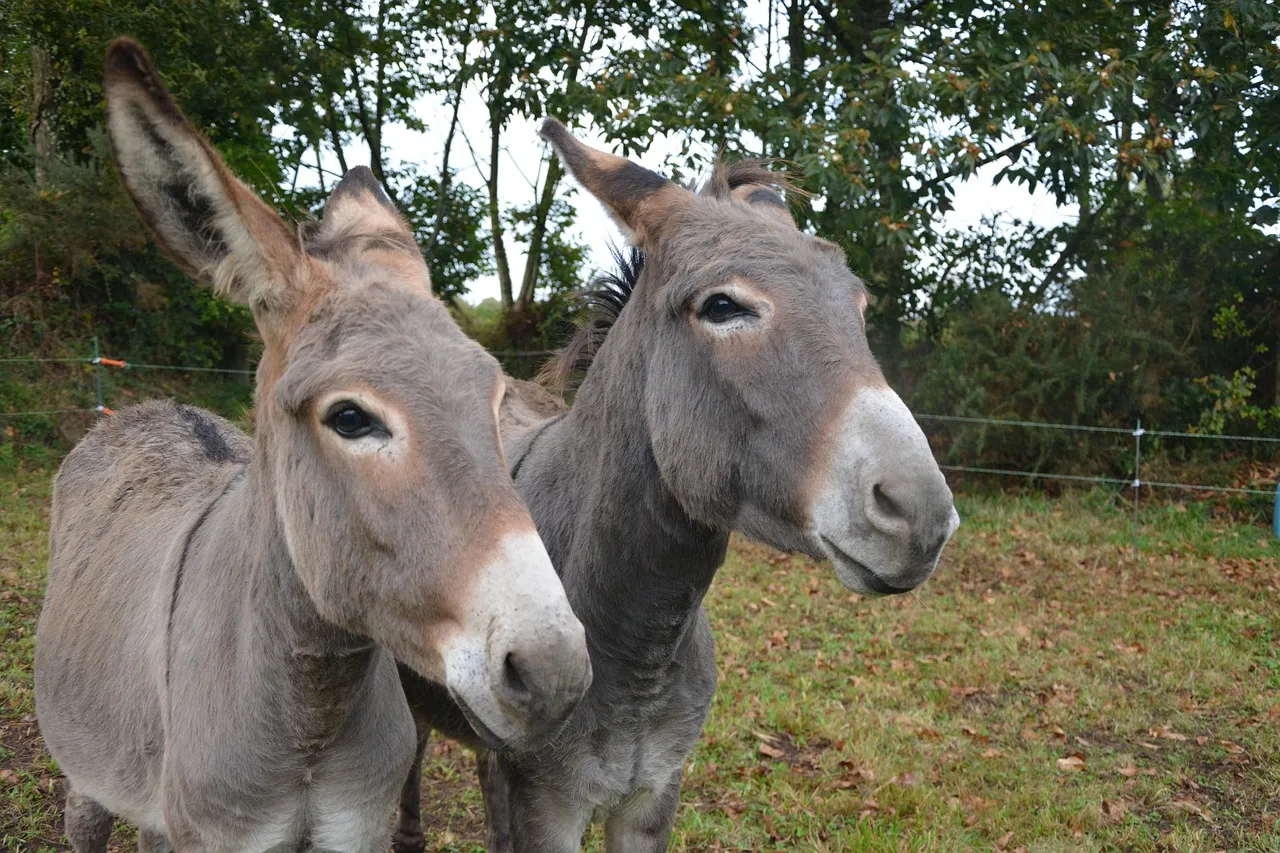
Donkeys get written off as stubborn, but people who actually keep them know a different truth: they form deep, calm bonds with specific humans, sometimes more reliably than horses do. Donkeys are cautious by nature and take their time reading a person’s intentions – once they decide you’re safe, they show it by following you, resting their head on you, and calling out when they see you.
The flip side is surprisingly emotional. A donkey that loses a bonded companion, animal or human, can grieve in ways that look eerily human: going off feed, braying mournfully, or standing in the same spot for hours. They aren’t flashy about love, which is exactly why casual visitors miss how personal their attachments really are.
#12 – German Shepherd: Laser-Bonded Working Partner
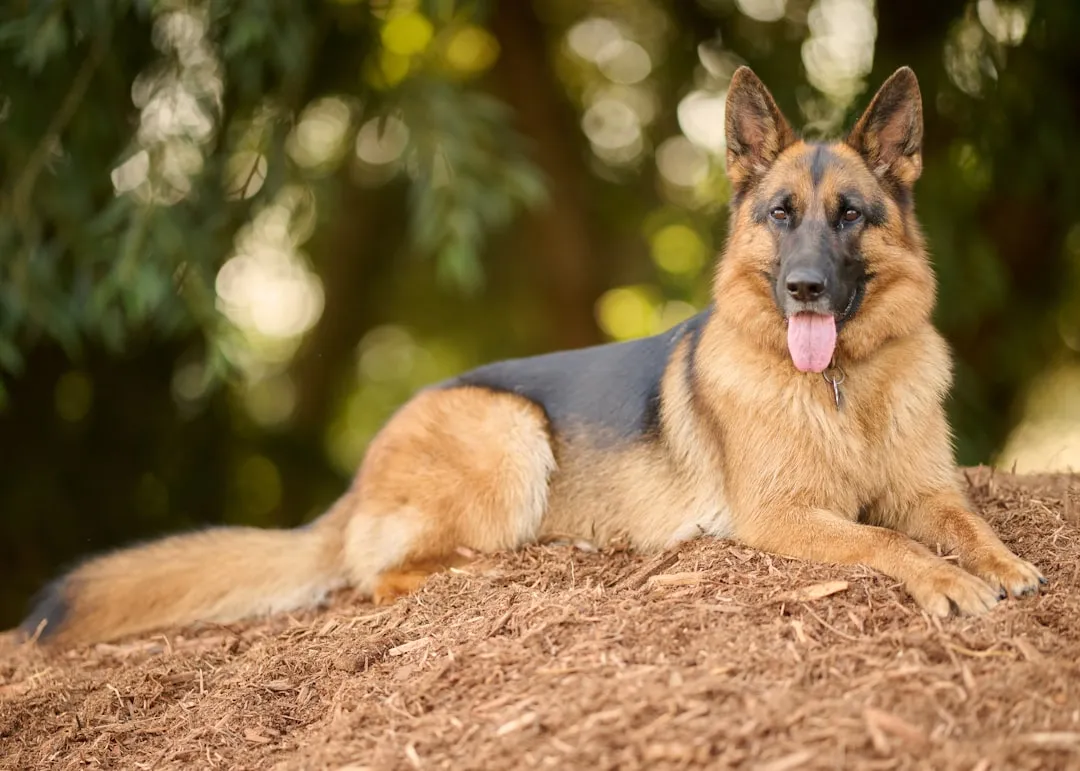
Police handlers don’t pick German shepherds by accident. This breed is engineered to pour its loyalty into one working partner, staying tuned to them even in chaotic, high-stress environments. At home, that same instinct plays out as a dog that follows one person from room to room, checks doors when they leave, and sleeps in positions that monitor their whereabouts.
Unfortunately, that loyalty can be misdirected. Poorly socialized shepherds may guard their chosen human from friends, family, or even other pets, misreading normal interactions as threats. Trainers argue the breed’s reputation problems come more from this intense single-person bonding paired with bad handling than from any inherent “meanness.”
#13 – Quaker (Monk) Parakeet: Tiny Bird, Big Favorite
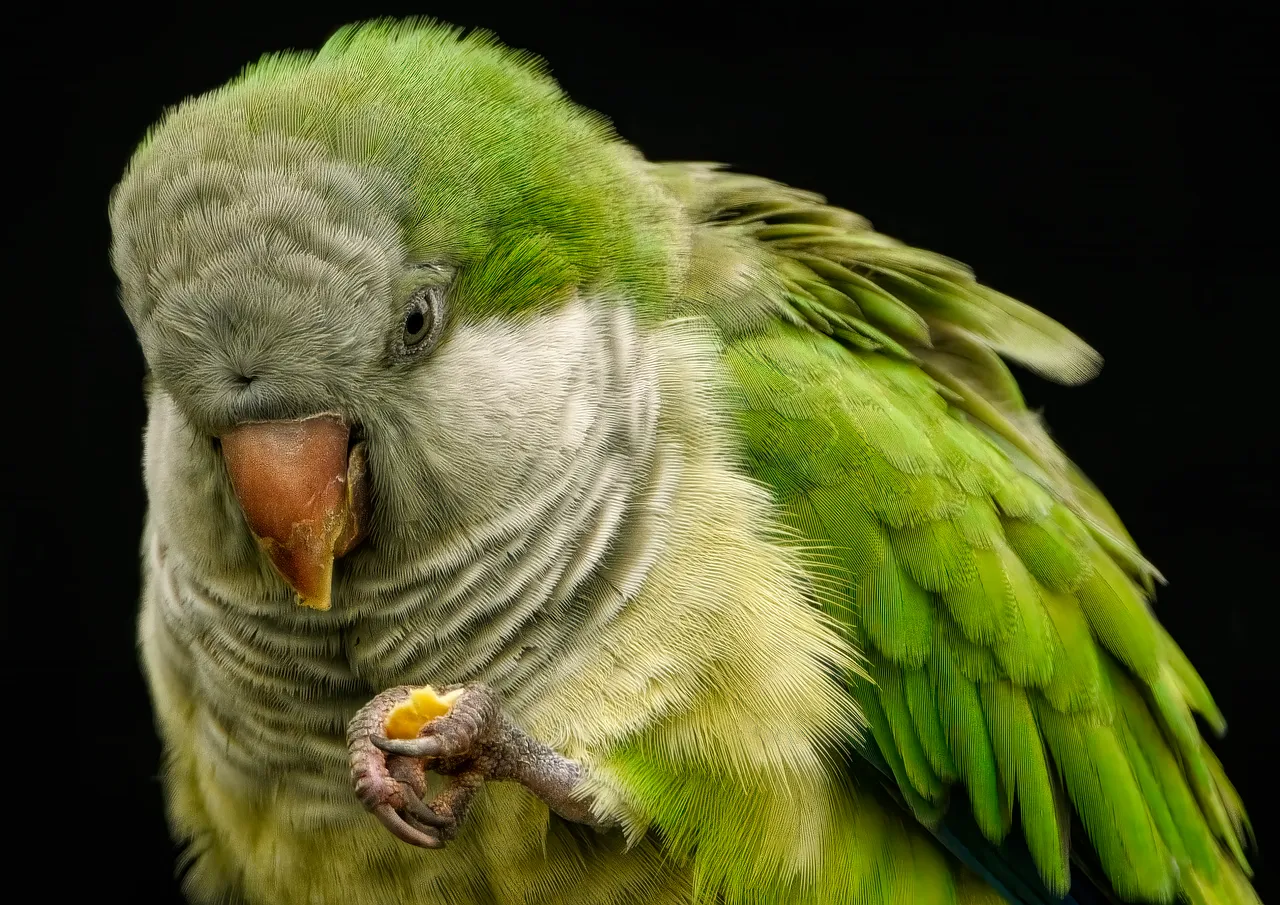
Quaker parrots are small, but their loyalty isn’t. In most homes, a Quaker will single out one person as their preferred perch, snuggle buddy, and conversation partner – the human allowed near the cage, near the nest, and near the food without a fuss. Others may get bluff charges, annoyed chatter, or outright bites, especially during hormonal seasons.
Because they’re smart and playful, people mistake them for easy “starter parrots.” Then they’re blindsided when the bird screams the second its favorite person leaves the room and ignores everyone else’s attempts at comfort. Rescue groups are full of Quakers surrendered for being “mean,” when really they’re just intensely bonded to someone no longer around.
#14 – Basenji: The Barkless Dog That Quietly Picks a Person
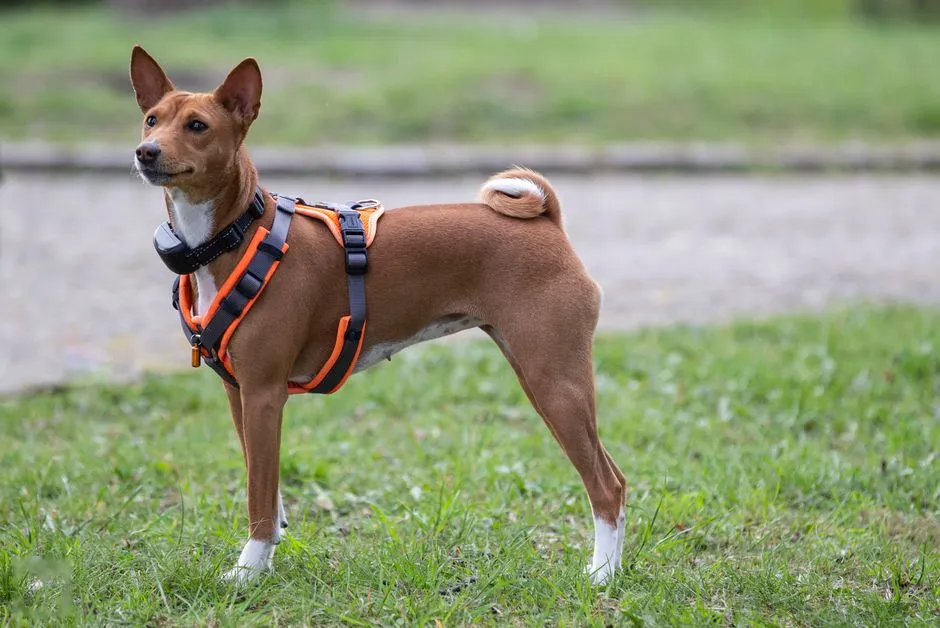
Basenjis don’t bark, but their loyalties speak loudly. This ancient breed is famously cat-like – independent, self-grooming, and emotionally reserved – yet owners repeatedly report that each Basenji has one human they shadow, sleep with, and show their rare goofy side to. Everyone else gets a polite, distant version of the dog.
This single-person lean causes real friction in some homes, where the Basenji will outright ignore commands from anyone except their chosen human. Owners call it disobedience; breed enthusiasts call it honesty – you have to earn a Basenji’s trust before it invests anything emotionally.
#15 – Male Betta Fish: Recognizing “Their” Caretaker
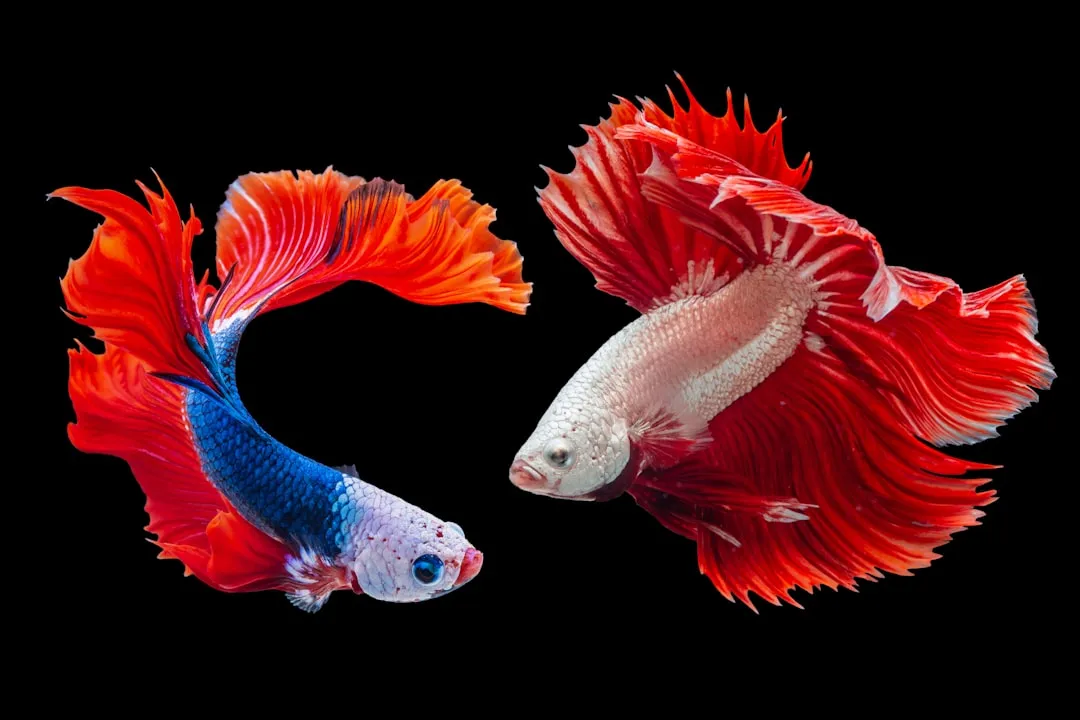
It sounds ridiculous, but long-time betta keepers swear many male bettas clearly recognize and respond to one main human – the person who feeds them most consistently and interacts at the glass. Over time, these fish will swim excitedly toward that person, flare less, and even follow a finger, while staying wary or withdrawn around others.
This isn’t “love” in the mammal sense, but it is a clear, learned preference for a single caretaker, which is hard to ignore for something with such a tiny brain. Critics say we’re projecting; behavioral studies on fish learning and recognition suggest we might actually be underestimating them. Either way, for something sold in a plastic cup at a pet store, the one-person focus can be surprisingly real.
#16 – Wolves in Human Care: Hyper-Selective Trust
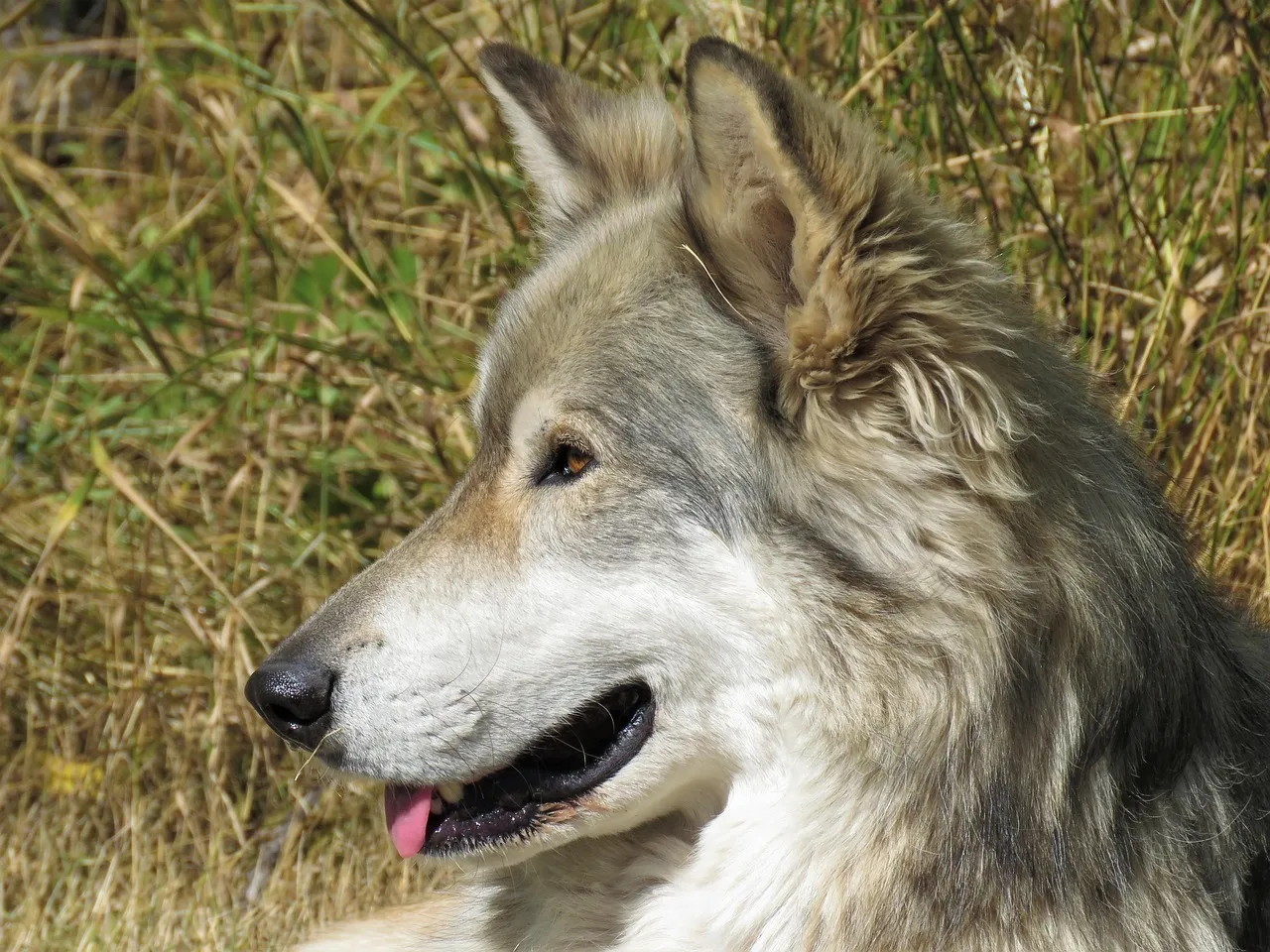
Socialized wolves and high-content wolfdogs kept in sanctuaries are not big dogs. Caretakers consistently report that most wolves form deep trust with just one or two primary handlers and remain permanently suspicious of everyone else. That doesn’t mean cuddly – it means accepting touch, approaching voluntarily, and showing relaxed, affiliative body language toward that one person.
The unsettling part: if those key humans leave, many wolves don’t “replace” them easily, if ever, even when new staff spend months working gently to earn trust. Unlike domestic dogs, whose attachment systems evolved to handle human turnover, wolves seem built for narrower social circles. That’s why serious facilities insist on long-term staff commitment – you’re not just filling a job, you’re becoming a critical social figure for a very particular mind.
Worth Knowing
- Wild wolves typically live in tight family packs, rarely welcoming outsiders
- Even hand-raised wolves retain a strong instinctive wariness of unfamiliar people
- Sanctuary staff often spend months on slow, deliberate introductions before a wolf will approach voluntarily
- Once trust is broken, some wolves never fully transfer that bond to a new handler
#17 – Mated Swans in Captivity: Pair-Bonded Birds That Extend It to the Keeper
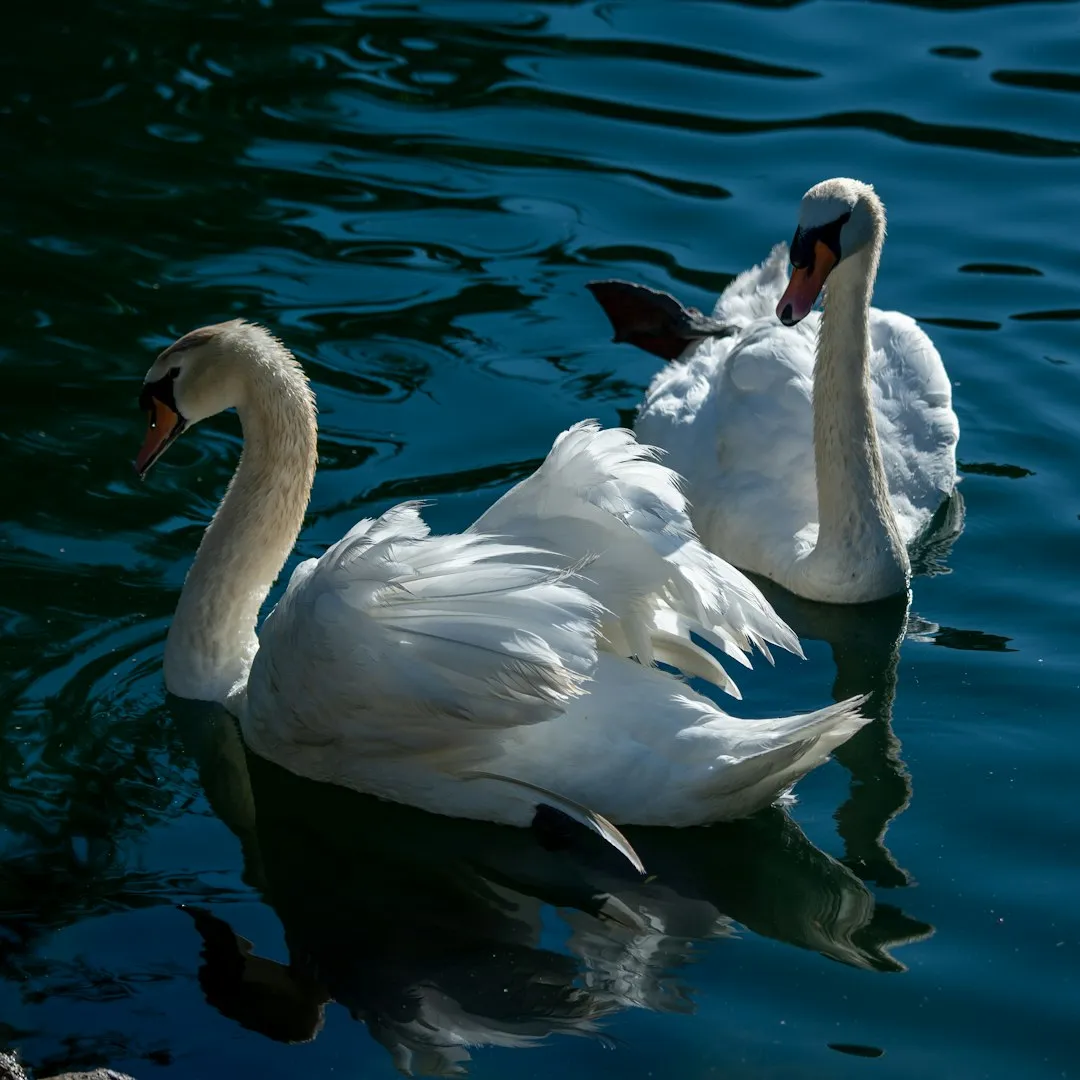
Swans are famous for monogamous pair bonds, but in captivity something interesting happens: some individuals form a clear secondary preference for one specific keeper. That’s the person they’ll approach for food, follow along the shoreline, and preen calmly around, while others attempting the same routine get ignored or chased off.
The primary bond stays with their mate, but the human “third wheel” often becomes a genuinely trusted fixture in their world, especially if they’ve hand-reared the birds. When that person leaves a facility, new staff sometimes face months of avoidance or aggression before earning even partial trust. It’s not a classic pet relationship, but for a wild-minded bird, it’s about as close as it gets to one-person loyalty.
#18 – Goldfish: Cute, Trainable… and Not Emotionally Attached
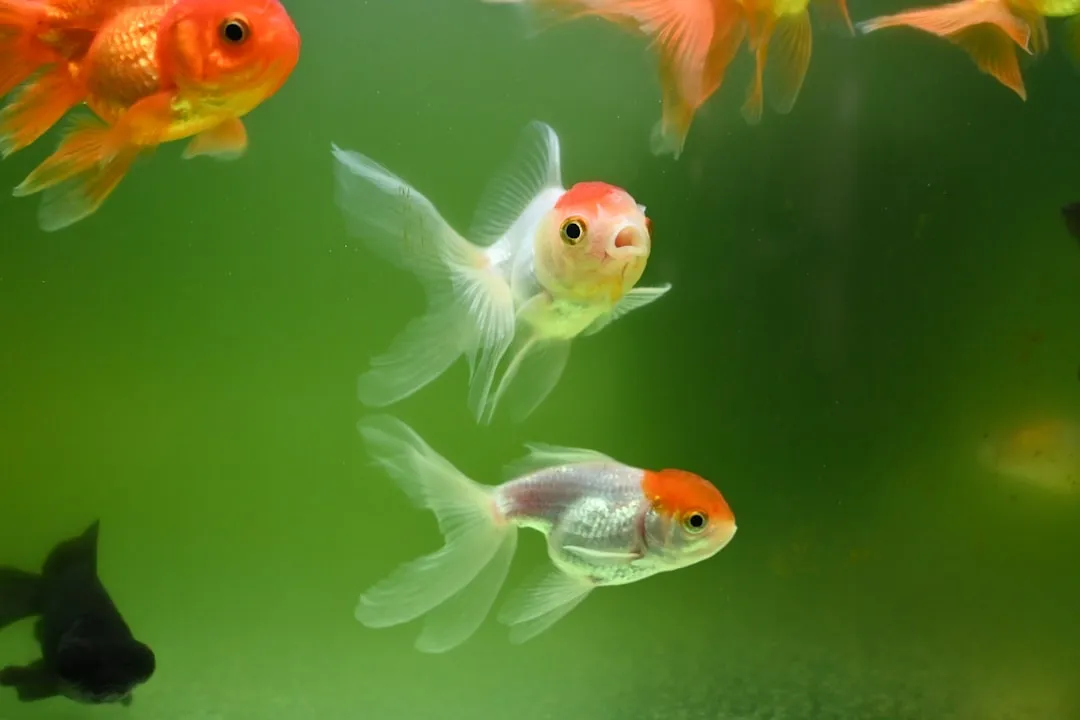
Goldfish fans hate hearing this, but here’s the blunt version: goldfish can learn to anticipate food and even simple tricks, yet there’s no strong evidence they form deep, individual emotional bonds with one person. They respond to shapes, routines, and feeding times, not to you specifically the way a parrot or dog might.
Yes, they can distinguish between different humans to some extent. But that behavior stays firmly in the “who brings the snacks?” zone, not the “I choose you over everyone else” zone. It’s a little disappointing for anyone hoping for a soul mate in a bowl – but it’s also freeing, because you can enjoy them as beautiful, trainable animals without the pressure of being their one true love.
#19 – Domestic Rabbits: Social, Sensitive, But Not Usually One-Person Obsessed
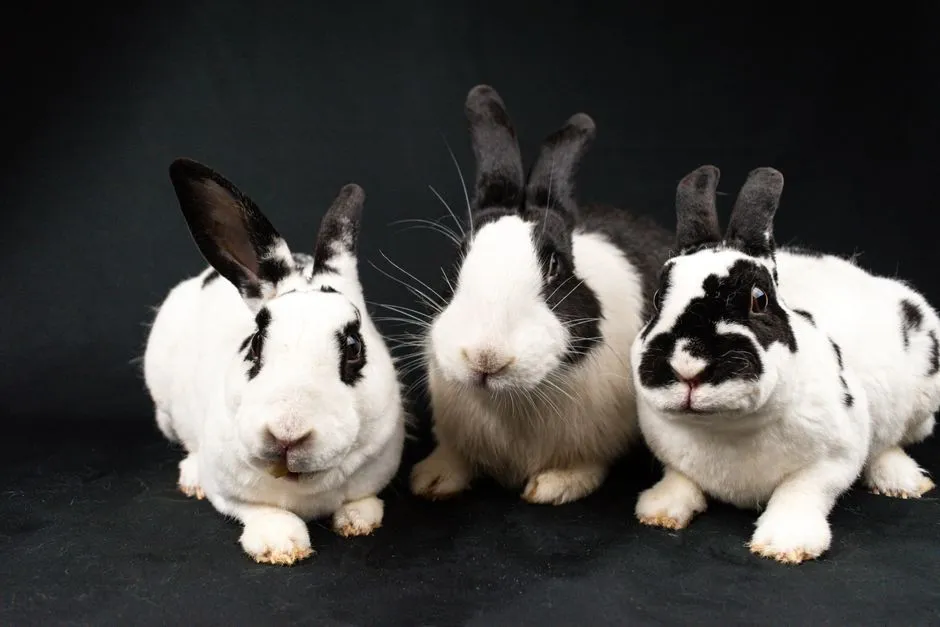
Rabbits are far more social and intelligent than most people realize. They can learn their name, enjoy petting, and actively seek human company. But as a species, they tend to bond with whoever is consistently safe and gentle – often several people – rather than fixating on one exclusive favorite. Their deepest attachments are usually with other rabbits, not humans.
That doesn’t mean they’re emotionally shallow. Stress, mishandling, and isolation can seriously harm a rabbit’s mental health, and they clearly prefer familiar, trusted humans. But in a well-run home, most rabbits happily accept affection from several family members and adjust fine if one person’s schedule changes. Bonded, yes. Single-person soul mate? Not the way dog or parrot people imagine.
#20 – Guinea Pigs: Herd Brains Focused on Safety, Not One Human
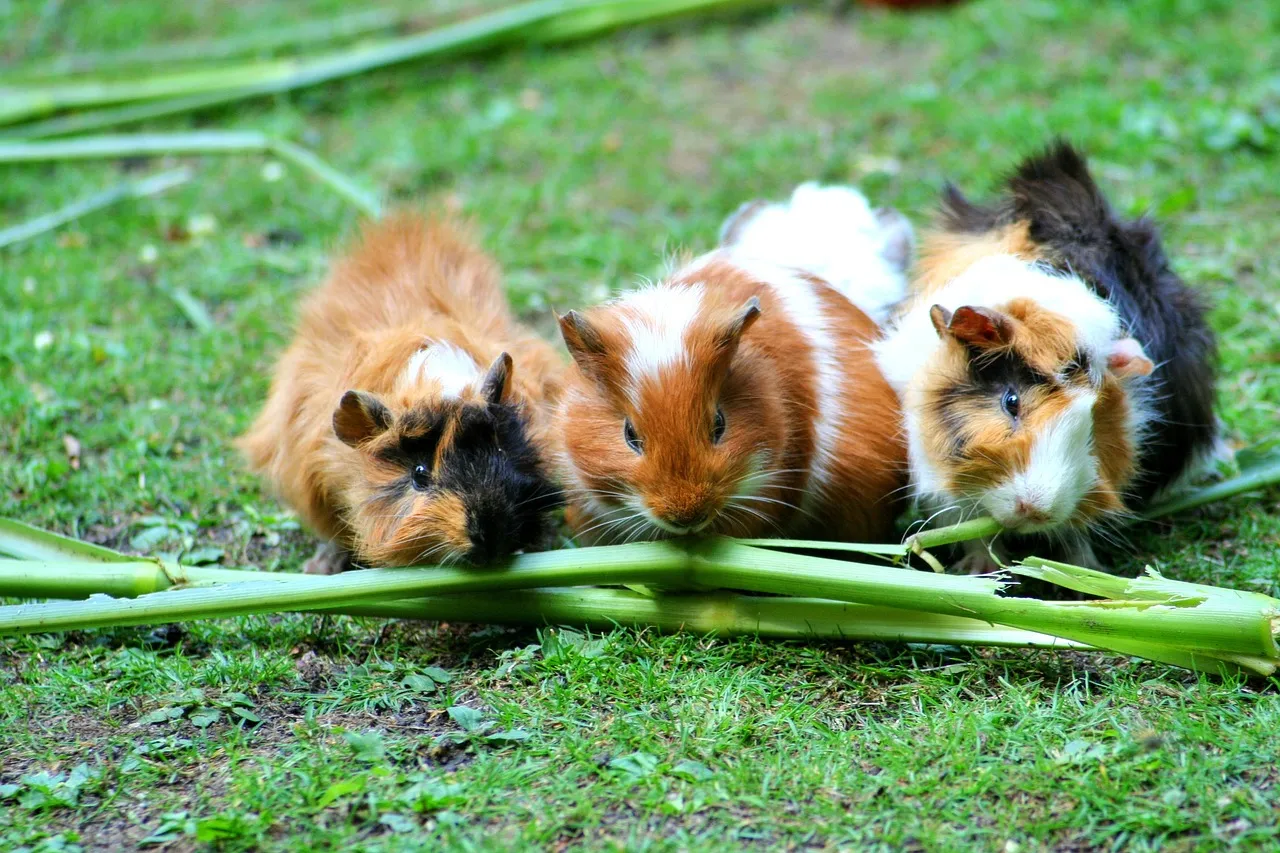
Guinea pigs thrive in groups. Their brains are wired for herd safety and constant low-key vigilance, not deep one-on-one attachment. They absolutely can learn to relax with familiar humans, respond to voices, and wheek excitedly for treats – but they’ll typically accept gentle care from any calm, consistent person rather than cling to one favorite.
Many piggie parents swear theirs “loves mom best,” but careful observation usually shows something simpler: they’re most at ease with whoever handles them most confidently and predictably, and they adapt fine if that role shifts. Their emotional world orbits around cagemates, routine, and environment – and that’s not a flaw. It’s exactly what keeps a prey species mentally stable.
#21 – Turtles and Tortoises: Recognize You, But Won’t “Choose” You
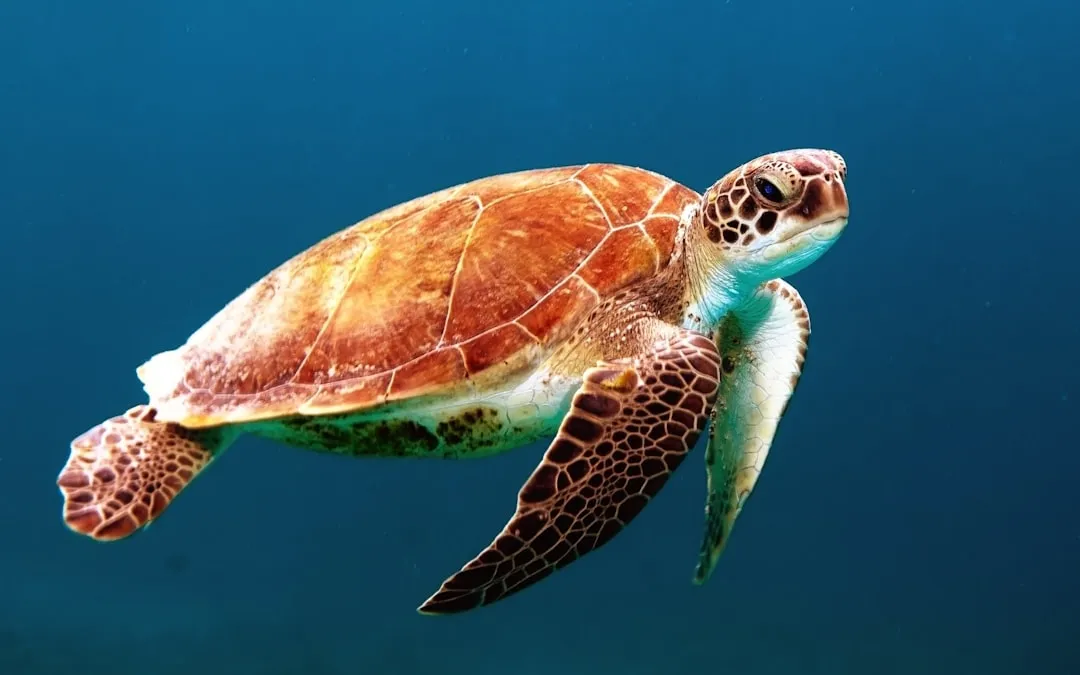
Shell owners often brag that their tortoise “loves them.” In reality, these reptiles are excellent at pattern recognition but simply aren’t built for mammal-style attachment. They quickly learn who brings food and who doesn’t, marching over to familiar figures and hiding from strangers. Yet if the main caretaker changes and the new person is consistent, most turtles adjust with minimal drama.
That’s the key distinction: preference doesn’t equal exclusive emotional bonding. They like the predictable provider more than the unknown intruder, but they aren’t emotionally shattered if roles shift. The internet loves to romanticize every head-bob as love; herpetologists point out it’s usually curiosity, temperature, or hunger. Cold-blooded doesn’t mean cold – it just means different wiring.
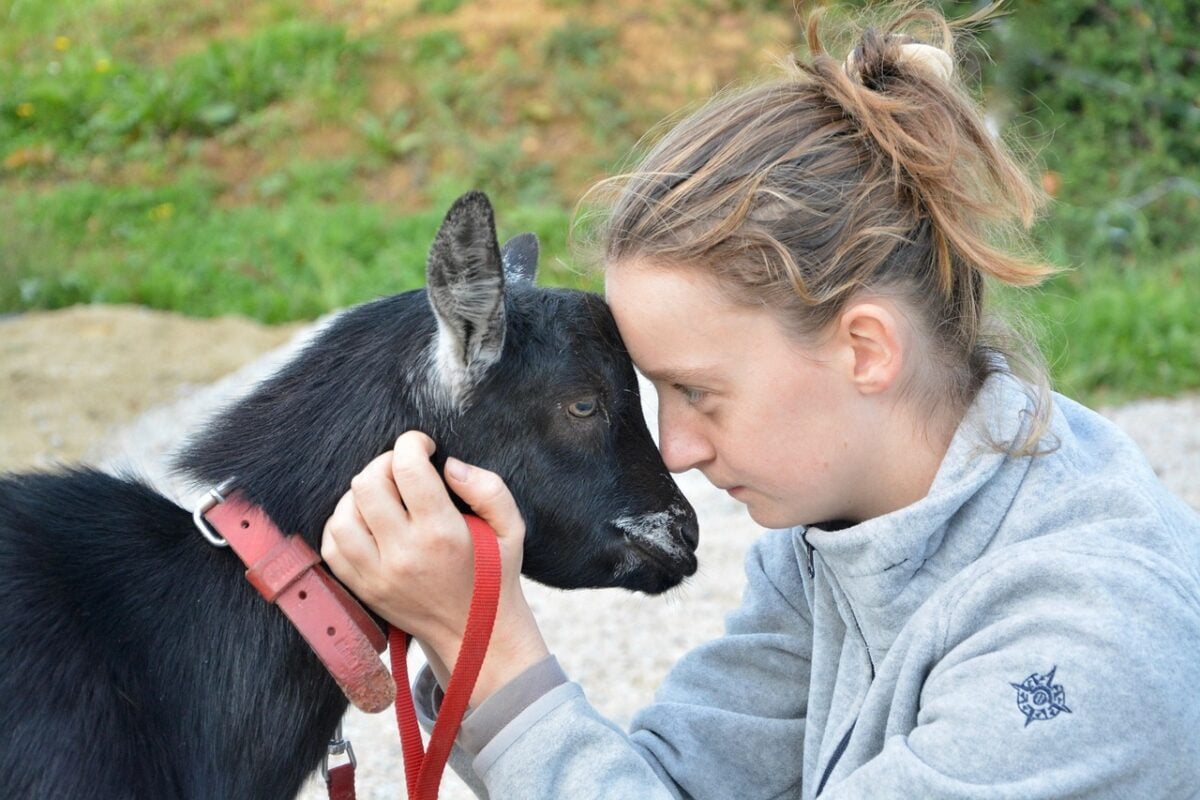
#22 – Goats: Affectionate Chaos, Equal-Opportunity Attachment
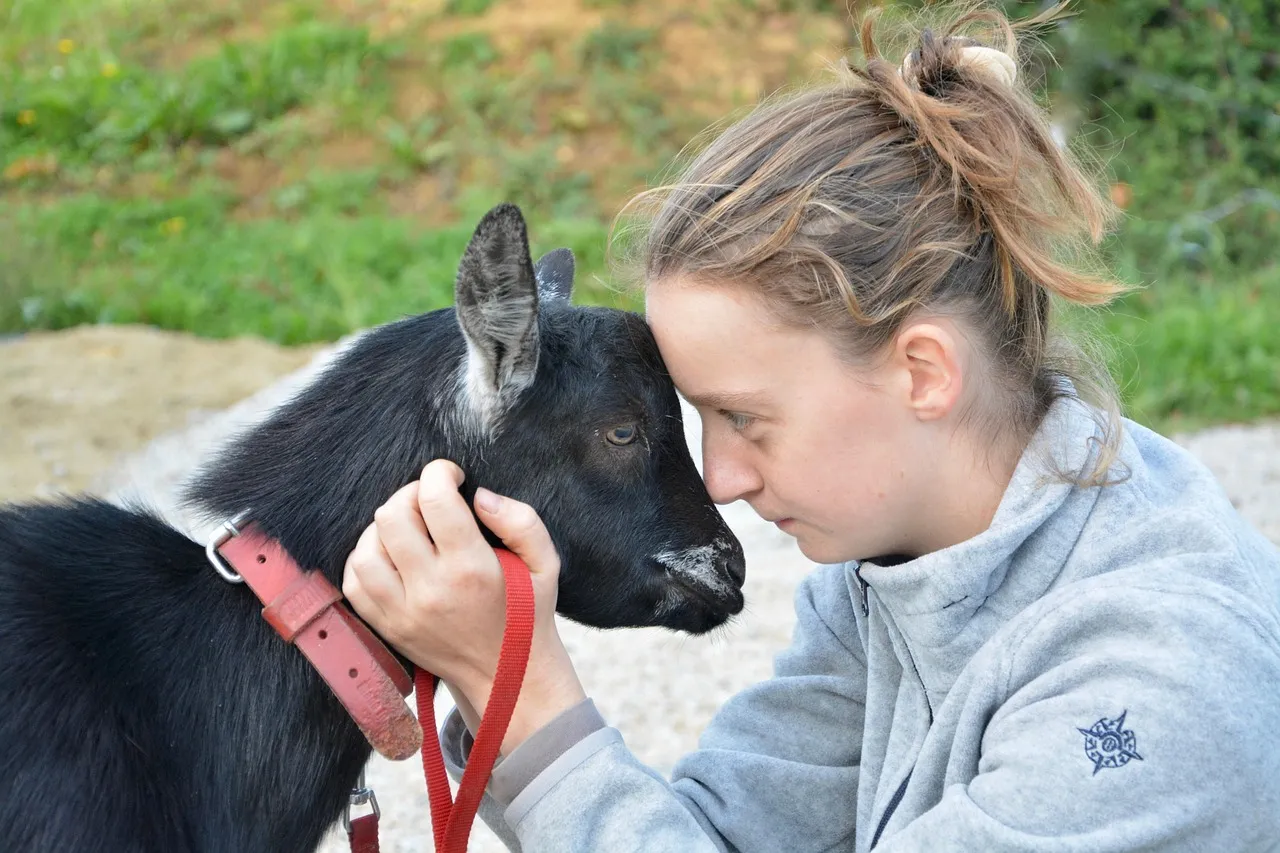
Goats are incredibly social and frequently affectionate, but their loyalty spreads across whoever offers attention, food, and fun, human or goat. On a farm, they’ll often swarm any familiar person walking into the pen, not just “their” special human. Change caretakers, and after a short adjustment period, their behavior usually looks much the same.
That doesn’t mean they’re emotionless – goats can show real stress if abruptly separated from familiar routines or companions. But they’re wired to live in shifting, dynamic herds, not rigid one-on-one relationships. Their strategy is basically “attach to the group, not to one risky individual,” which is messy, loud, and occasionally head-butty, but also why they recover so well when the human in charge changes.
#23 – Chickens: Surprisingly Smart, Still Not One-Person Devoted
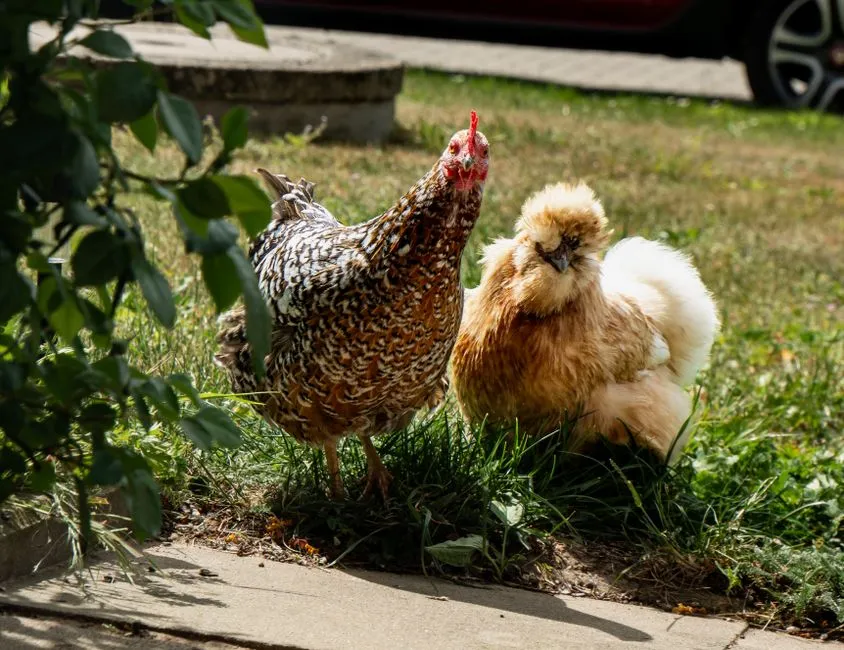
Backyard chicken keepers know their birds recognize them, follow them, and even hop into laps. Yet from an attachment standpoint, chickens invest more in their flock hierarchy than in any single human. They learn which people are safe and bring food, but if that person changes, most flocks adapt without an emotional crash.
Some hand-raised individuals act very “pet-like,” running specifically to one child or adult. But what’s actually happening is association and comfort, not exclusive emotional attachment – a new human who replicates the same gentle routine often gets accepted just as fast. Chicken TikTok loves the narrative of “she chose me,” but poultry behavior quietly suggests she more accurately chose “the calm person with snacks.”
#24 – Hamsters: Mostly Nocturnal, Mostly Solitary, Mostly Detached
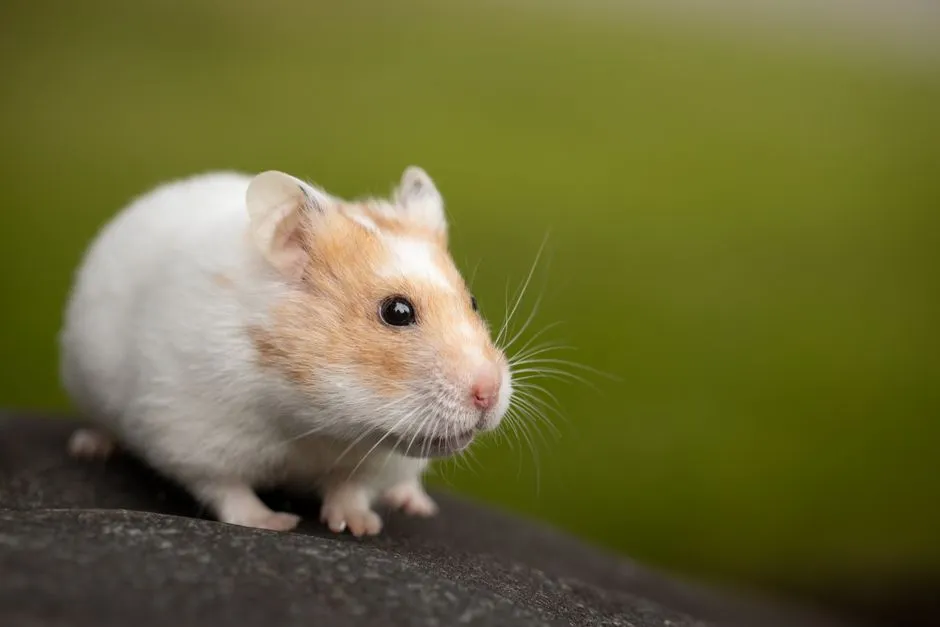
Hamsters are cute, but they’re also naturally solitary, prey-driven animals with short lifespans. Their behavioral priorities are simple: find food, stay safe, avoid stress. They can become hand-tame and show reduced fear toward a familiar human, but they don’t typically show signs of preferring one specific person over another calm handler.
Because they’re nocturnal and easily stressed, heavy emotional expectations from humans are often misplaced. Frequent rehandling, loud environments, and constant “bonding attempts” usually harm welfare more than they help, regardless of who’s doing it. If there’s an “attachment” here at all, it’s mostly our own projection – to a hamster, the best human is simply the one it doesn’t have to worry about.
#25 – Ferrets: Social Butterflies, Not Soul-Bonded
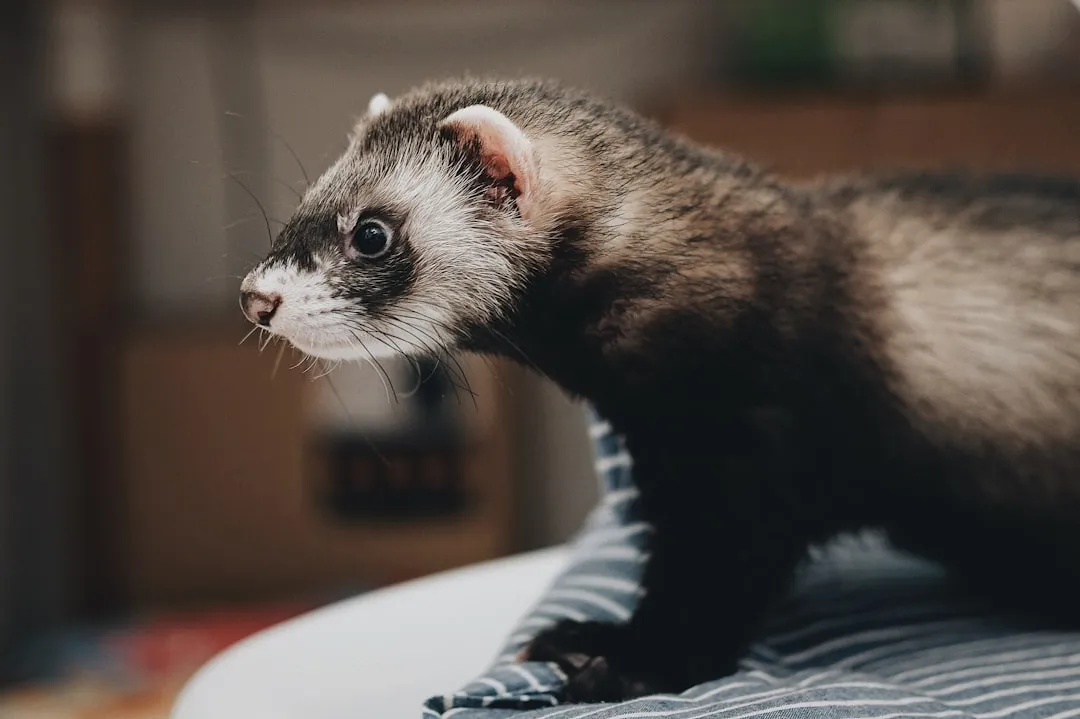
Ferrets are like hyperactive toddlers in fur suits. They absolutely recognize familiar humans and often love wrestling, chasing, and cuddling with their main caretakers. But in multi-person homes, most ferrets happily interact with several people, switching favorites based on who’s on the floor playing or offering toys.
Their core attachment lives inside their ferret group, not with any one human. New people, if gentle and fun, are usually welcomed into the play rotation quickly, while rough or inconsistent humans get avoided. That’s not one-person loyalty – it’s flexible, opportunistic sociability. They’re emotionally promiscuous in the best possible way, happy to include anyone who matches their chaotic energy.
#26 – Pigeons: Homing Champions, Not Human Soulmates
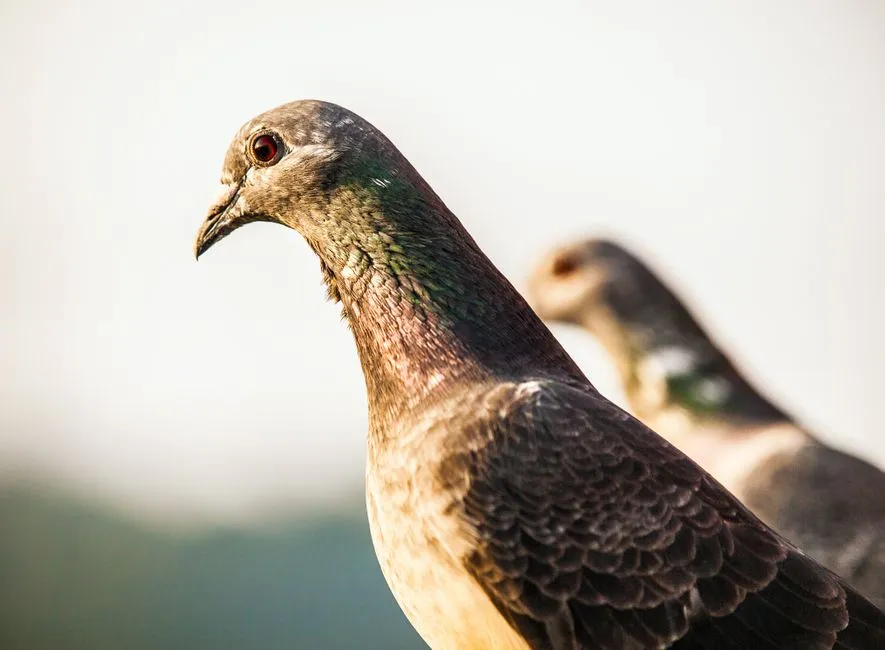
Homing pigeons can navigate hundreds of miles and return to the same loft, which makes people assume they must be deeply attached to whoever releases them. In reality, their fidelity is to location and flock, not to a human. They imprint on the loft, the routine, and the presence of other pigeons – swap handlers, keep everything else the same, and they keep functioning normally.
Hand-reared pigeons can be affectionate, even doting, with familiar humans. But they rarely show distress tied specifically to the loss of one caretaker if another steps in consistently, as long as the environment feels secure. Their extraordinary navigation skills are about geography and magnetism, not romance with the trainer – dazzling, but not a love story centered on you.
#27 – Tarantulas: Zero Evidence of Mammal-Style Bonding
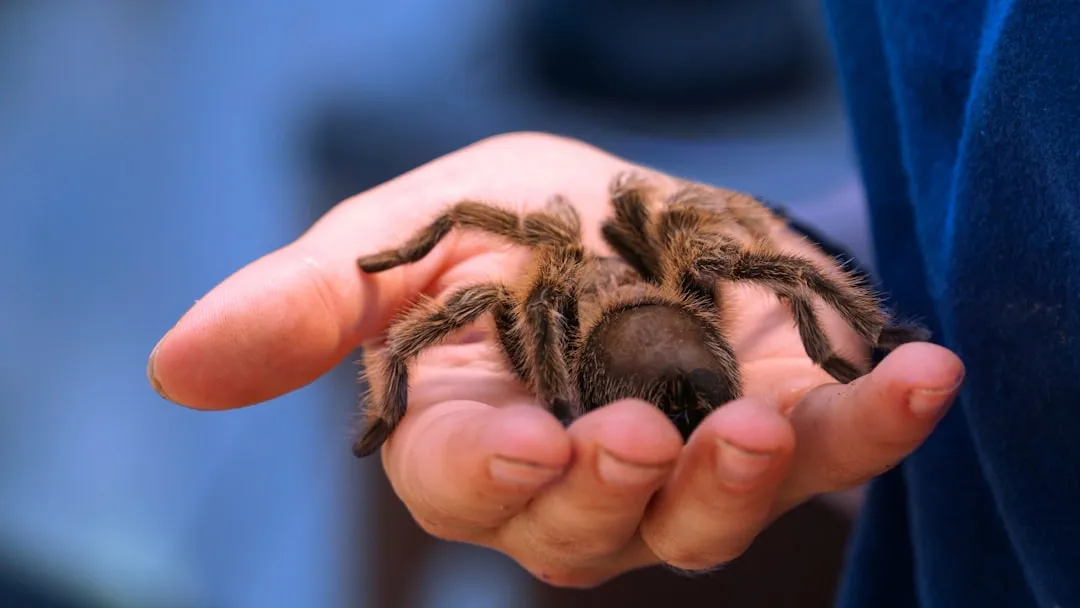
People love arguing that their tarantula “likes being handled.” Behaviorally, the evidence leans hard the other way: tarantulas show no known capacity for forming emotional attachments to individual humans. They lack the brain structures that support mammal-style bonding, and at best they become habituated – less reactive – toward non-threatening, predictable handling.
They might seem calmer with their usual keeper, but that’s about reduced perceived threat, not genuine preference or grief if that person vanishes. Arachnologists repeatedly stress that most handling is for the human’s benefit, not the spider’s. The healthiest tarantula often lives a life where humans are barely involved – a sharp contrast to the one-person loyalty of dogs and parrots.
Quick Compare
- Tarantula: no known brain structures for social bonding – only habituation to reduce stress
- Dog: dedicated neural and hormonal systems, including oxytocin release, built for human attachment
- African Grey Parrot: flock-based social intelligence redirected entirely onto one chosen person
#28 – Ball Pythons: Comfort-Seeking, Not Person-Seeking
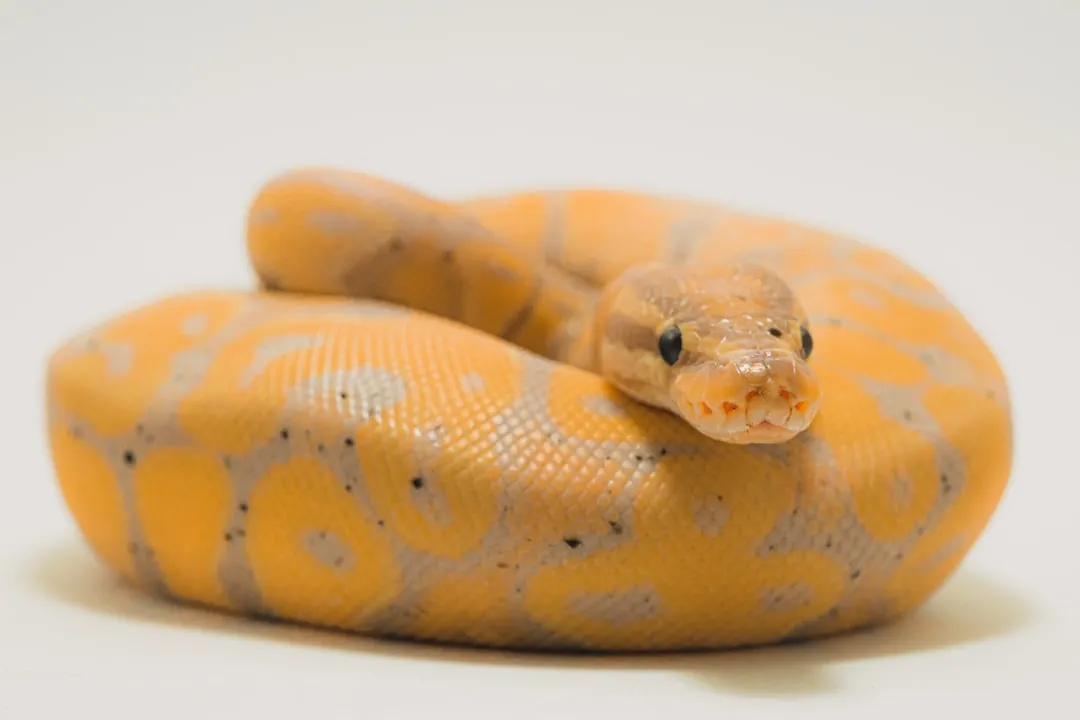
Ball pythons are famous for their calm temperament, leading many keepers to insist theirs “loves them.” In truth, these snakes prioritize warmth, security, and familiar stimuli. They can absolutely become less stressed with a routine handler and may seem restless with strangers, but there’s no solid evidence they experience individual emotional bonds the way mammals or parrots do.
What looks like “seeking me out” is usually seeking a warm, safe, known surface. If a new keeper mimics the same gentle handling, consistent feeding, and low-stress environment, most ball pythons adapt smoothly. Herpetologists repeatedly caution against over-romanticizing reptile behavior, since doing so often leads to poor husbandry when humans expect affection instead of focusing on temperature gradients and hides.
#29 – Axolotls: Adorable Faces, Minimal Attachment
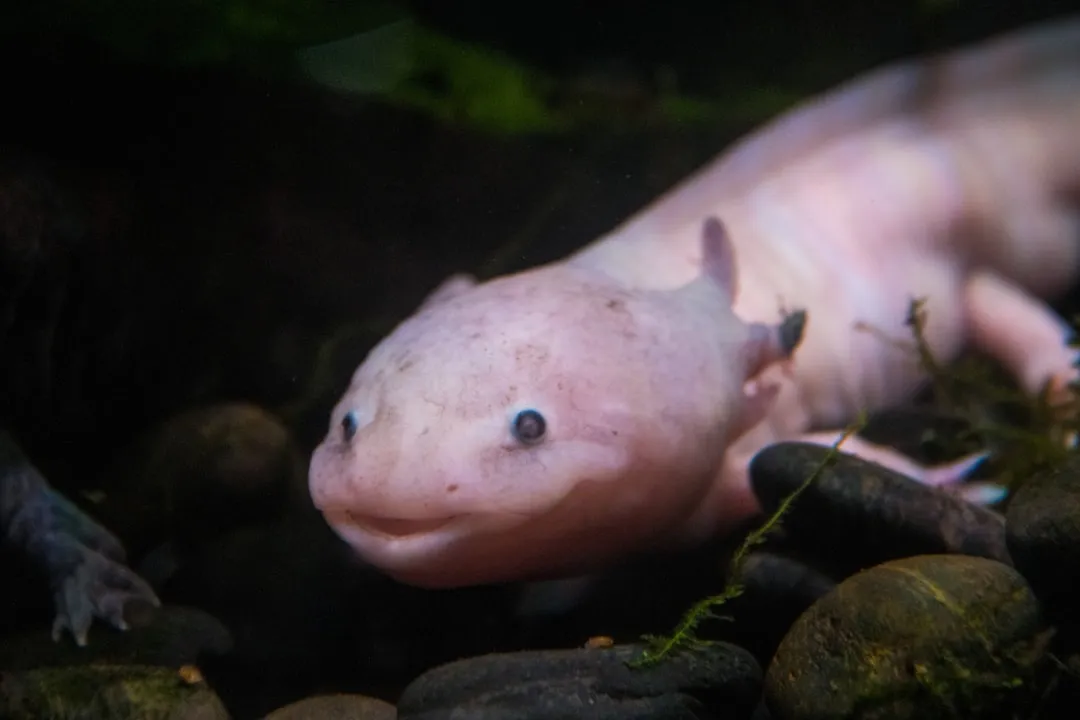
Axolotls blew up on social media, but despite their permanent smiles, they’re not built for emotional bonding with humans. They have simple brains tuned to basic drives – eat, avoid injury, regenerate if needed. They can learn that a shadow means food and may approach the front of the tank when someone appears, but they don’t show consistent, individual preference for one person over another.
Owners often project a lot onto that cartoonish face, but behavior doesn’t change dramatically if the main caretaker switches, as long as feeding and water quality stay stable. Stress in axolotls is much more about poor water conditions, loud vibration, or rough handling than about who’s doing the maintenance. Cute? Absolutely. One-person animal? Not in any evidence-based sense.
#30 – Koi Fish: Conditioned Responses Masquerading as Love
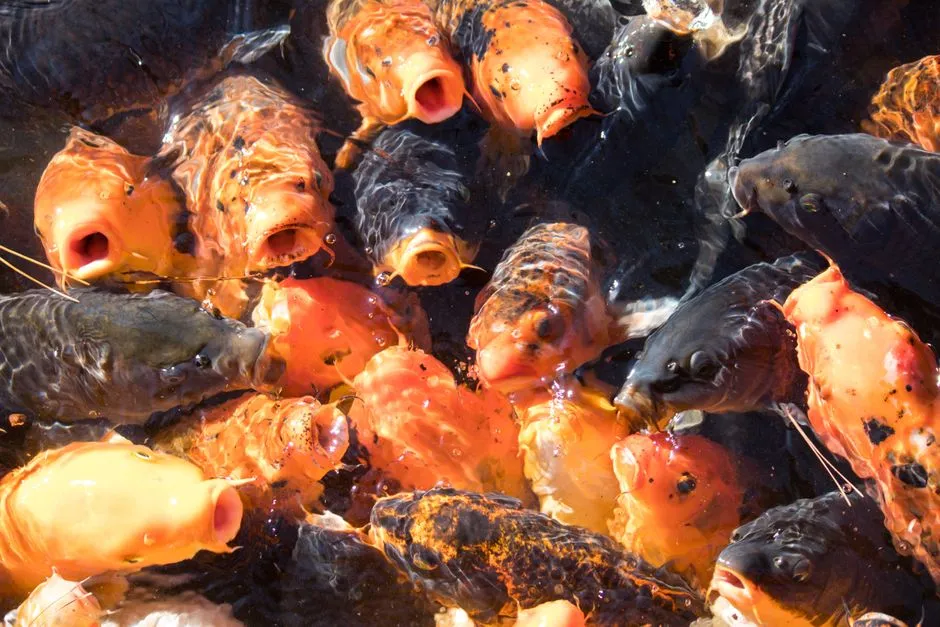
Koi ponds make for gorgeous videos of fish swarming around one person’s hand. But what’s really going on is strong conditioning to food cues, not to the individual. Koi recognize routine, colors, and shapes very well – they learn that “this person approaching at this time” equals feeding, and they respond enthusiastically.
Replace that person with someone who repeats the same pattern, and the fish usually transfer their excitement quickly and fully. Some keepers insist a few koi stay more cautious around strangers, but the weight of evidence suggests we’re reading emotional depth into what’s mostly “familiar movement equals good things happen.” They’re smart for fish – they’re not choosing a life partner.
#31 – Budgies (Parakeets) in Groups: Social, But Spread Thin
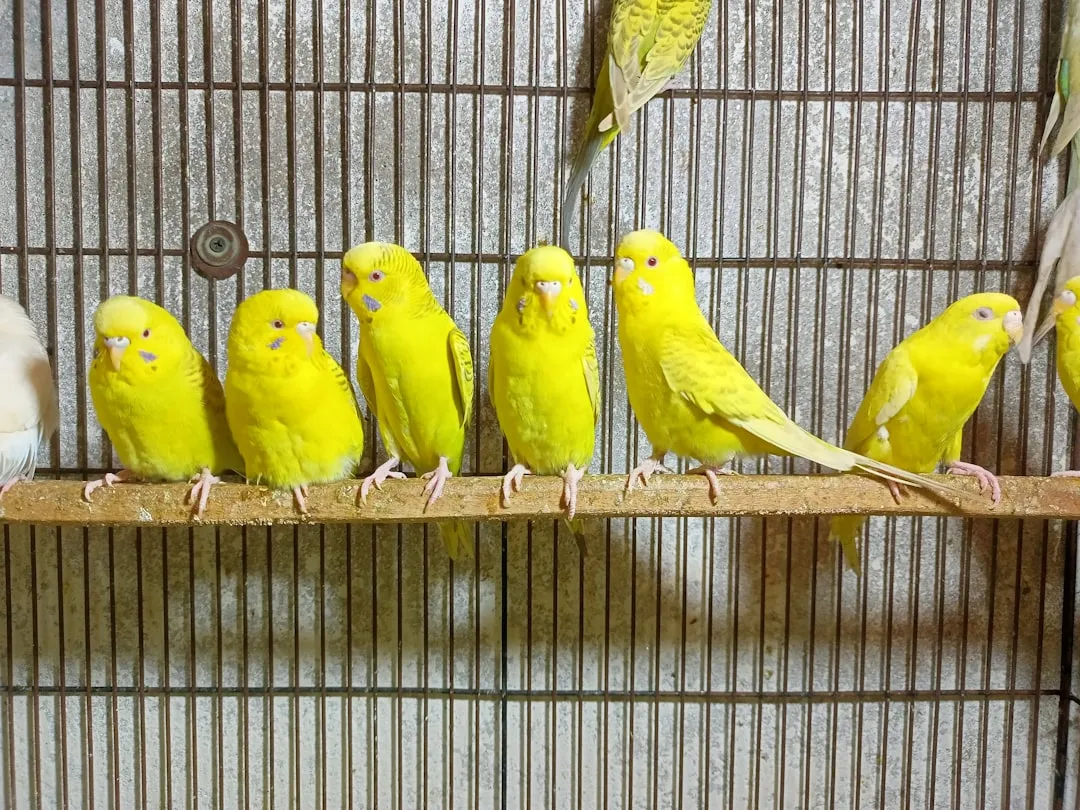
A single budgie hand-raised alone may act genuinely bonded to one person. But in realistic home setups – pairs or flocks – their primary attachment almost always shifts to other budgies. Humans become part of the environment: a friendly giant that offers food, toys, and occasional interaction, but not the center of their emotional life.
Owners sometimes feel hurt when a once-cuddly solo budgie “drops” them after getting a feathered friend. Behaviorally, it’s simple: their species evolved for intense intra-flock interaction, and they revert to that the moment they can. They’ll still land on favorite humans and seek attention, but it’s opportunistic, not monogamous – a much lighter, more flexible bond than an African grey’s or a cockatoo’s.
#32 – Domestic Cats (Most Breeds): Attached to Territory First
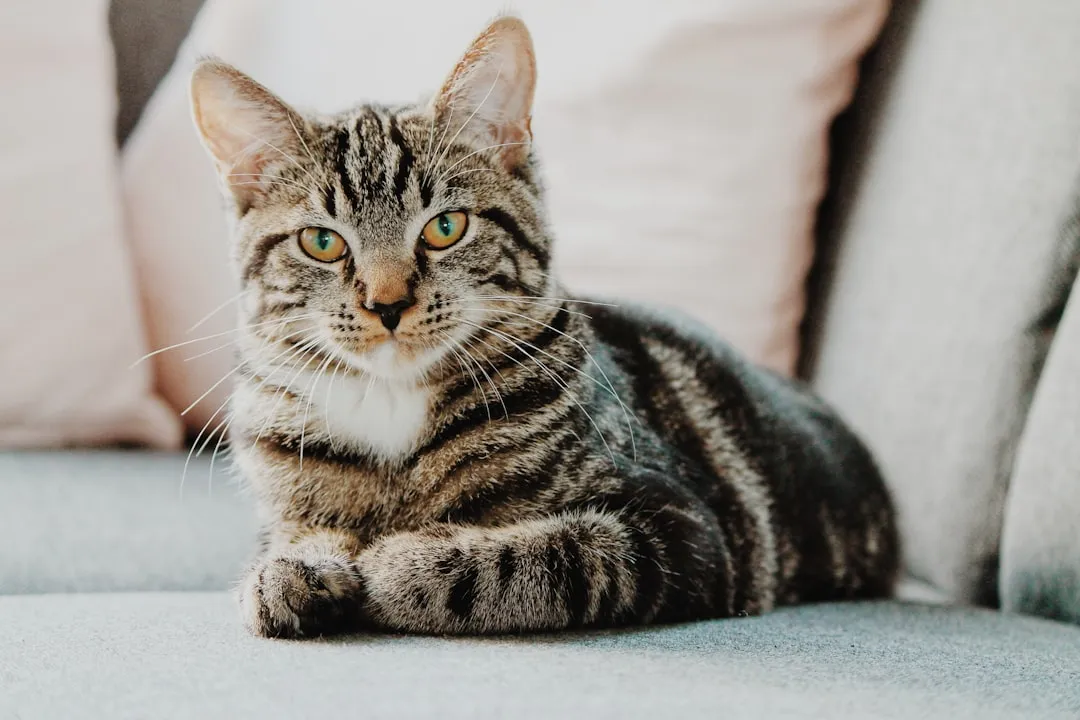
Outside of unusually clingy breeds like Siamese, most domestic cats are more attached to place and routine than to any single human. They recognize and prefer specific people – often whoever feeds or plays with them most – but in multi-person households, many cats rotate between laps and seem relatively unfazed when one human’s availability changes.
Attachment testing on cats shows they often display secure attachment styles overall, but not the same one-person obsession seen in dogs. They care that their environment stays predictable and that at least one safe human is around; whether that’s you, your roommate, or your new partner matters less than cat owners want to believe. Their loyalty is real – just far less exclusive.
#33 – Pet Pigs: Highly Intelligent, Widely Attached
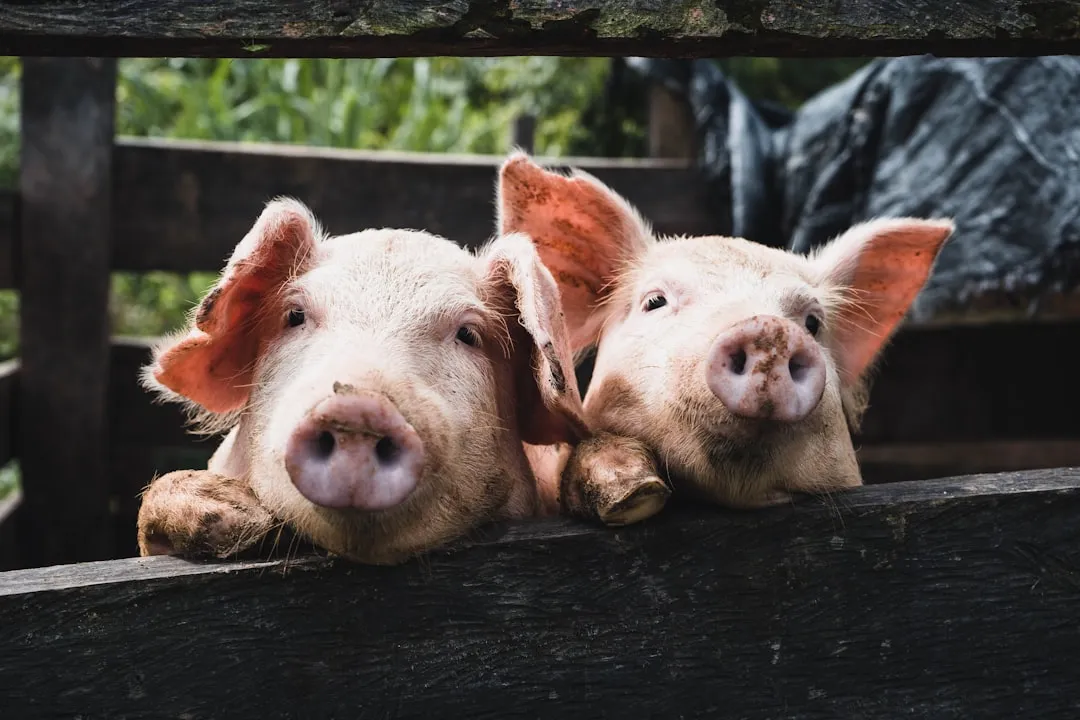
Pigs are extremely smart – dog-level or beyond – but they naturally form complex social networks rather than one-on-one pair bonds. A pet pig will bond with humans, other pigs, and even other species, often leveraging whoever gives them structure, food, or enrichment. In families, pigs commonly interact smoothly with multiple people instead of clearly preferring just one.
They do remember negative treatment and may avoid specific individuals long-term. But when it comes to positive bonds, they spread their trust across several figures, adjusting easily if someone new becomes the consistent caregiver. Expecting a pig to choose one human forever is basically asking a brilliant, social animal to act like a monogamous cartoon. Reality is messier – and more interesting.
#34 – Farm Cattle: Calm With Familiar People, Not One-Person Loyal
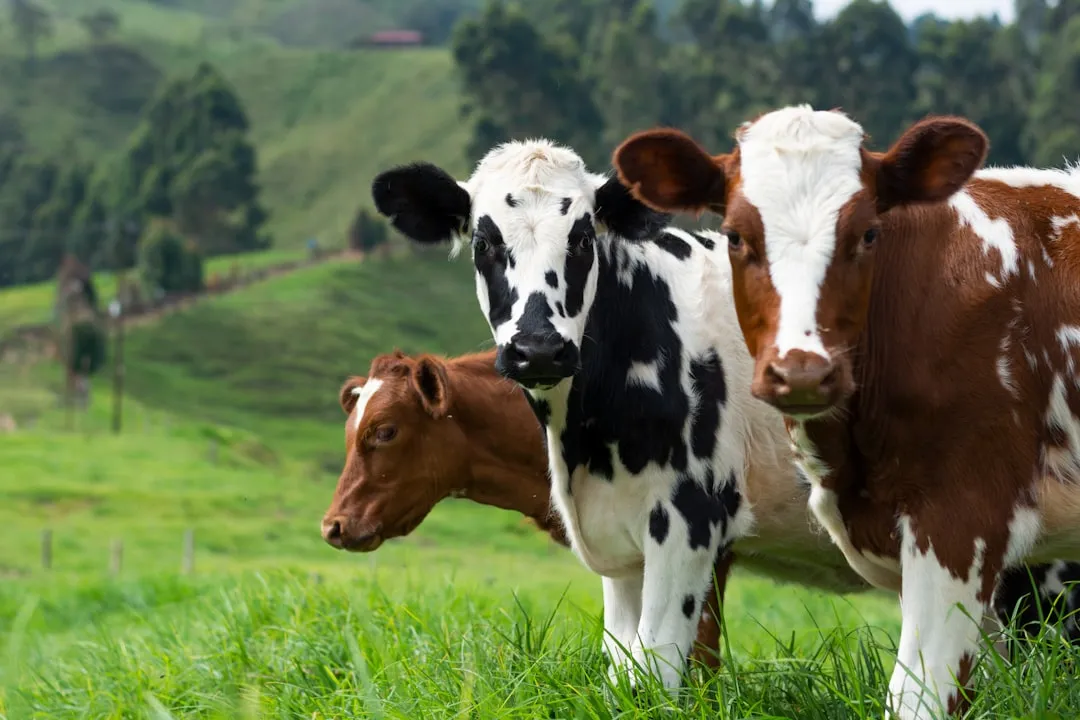
Cows absolutely can distinguish between familiar and unfamiliar humans, showing calmer behavior with regular handlers. They remember rough treatment and can stay wary of individuals who’ve hurt them. But in most farm or sanctuary settings, cattle experience multiple caregivers and adjust well, distributing their trust across whoever is predictably calm and kind.
There are always stories of “that one cow who followed grandpa everywhere,” but those are exceptions built on routine and association, not a species-wide pattern of single-person attachment. Their emotional investment leans toward herd mates and environmental stability. Switch farmers, and after a short adjustment, most cattle carry on – their world is about the group, the pasture, and the daily rhythm, not about choosing one human for life.
At a Glance
- One-person loyalists: African greys, cockatoos, Akitas, German shepherds, Border collies, tamed mustangs, wolves in human care
- Equal-opportunity affection: goats, chickens, pigs, ferrets, most domestic cats
- Barely attached at all: tarantulas, axolotls, koi, goldfish, hamsters
- The dividing line isn’t intelligence – it’s how each species’ brain evolved to handle social risk
The Verdict: Pick the Bond You Can Actually Live With
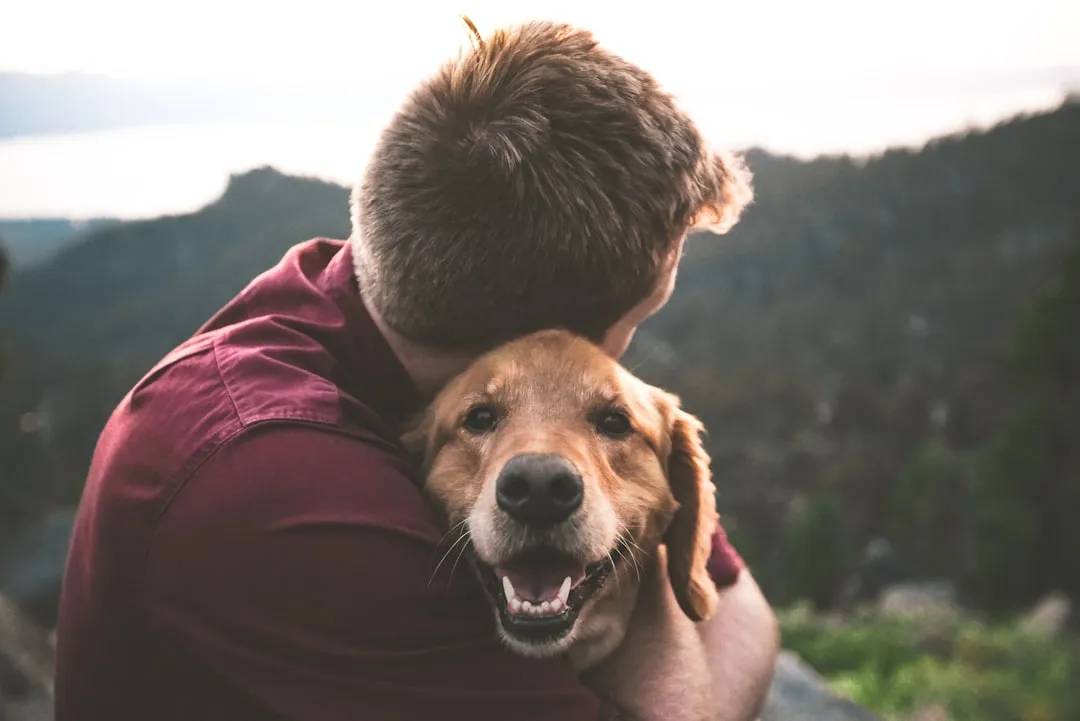
Strip away the viral videos and the wishful thinking, and a clear divide appears. Animals like African greys, cockatoos, Akitas, German shepherds, and even tamed mustangs are hard-wired to lock onto one main partner and can genuinely unravel when that bond breaks. Others – goldfish, turtles, goats, chickens, hamsters, koi, and most cats – may recognize you, enjoy you, and even seek you out, but they don’t bet their entire emotional stability on you personally.
Here’s the uncomfortable part: wanting an animal to “love only you” can be a selfish request if you pick a species that suffers the moment your life inevitably changes – a move, a breakup, a new job, a baby. The wiser move isn’t choosing the most “loyal-sounding” animal on a list. It’s choosing based on how a species actually attaches, not how you wish it would, because the deepest bonds always come with the highest cost if they’re ever broken.
Did we oversell some of these “loyal” species, or undersell your favorite so-called independent pet? Say it straight in the comments.

- 17 Animals That Bond With One Person for Life and 17 That Never Really Attach at All - August 13, 2026
- 16 Things Your Dying Cat Quietly Asks For in Its Last Weeks That Almost Nobody Recognises - August 13, 2026
- What Vets Notice About an Older Cat in the First Minute 18 Things Owners Never See - August 13, 2026