
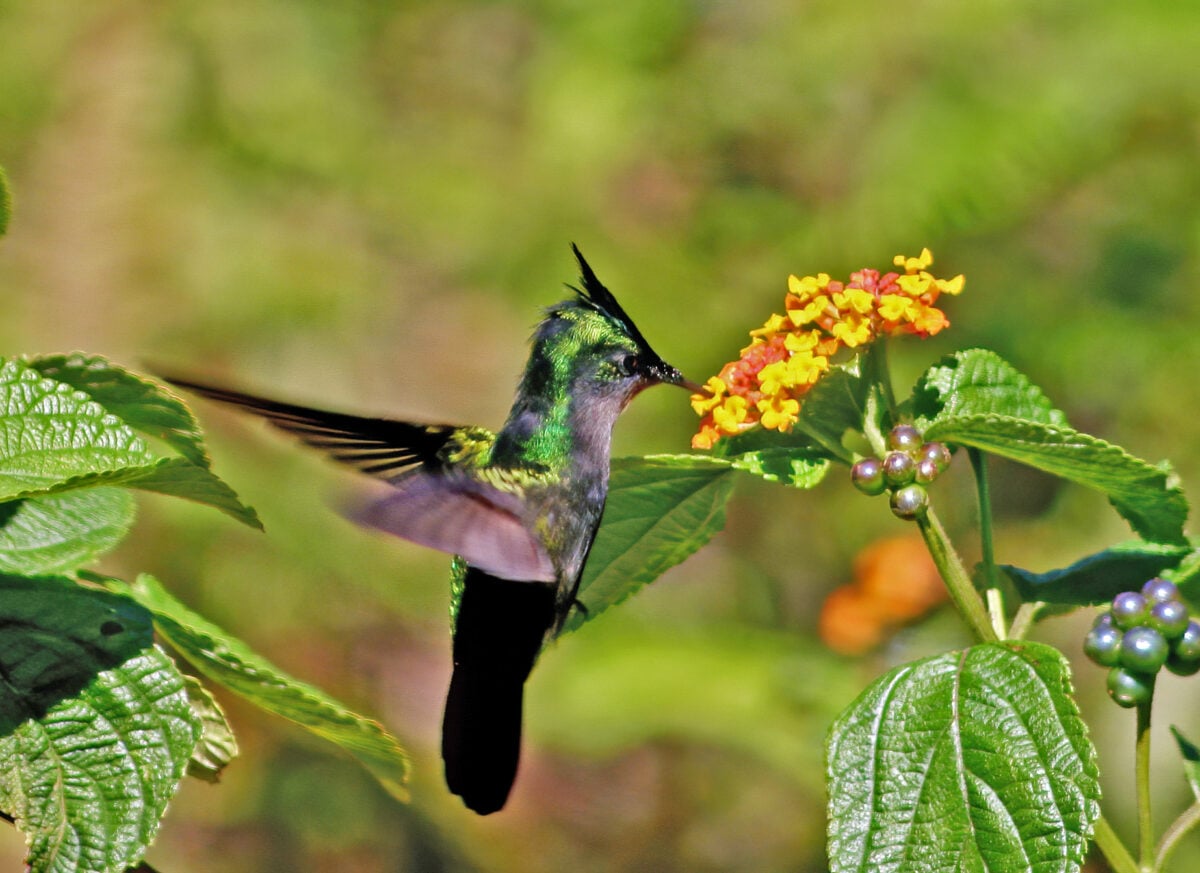
Most people think a hummingbird just vanishes one day. Here in the morning, gone by afternoon, no warning, no goodbye. That’s the story almost everyone tells themselves every September when the feeder suddenly goes quiet.
But here’s the uncomfortable truth: that bird spent weeks trying to tell you it was leaving. It changed how it ate, how it fought, how it perched, even how loud it was, and you probably scored every single signal as “just a bird being a bird.” Once you know what to look for, you’ll never watch a hummingbird the same way again.
#17 – It Stops Fighting for “Its” Feeder
🔥 Would you like to save this?
We'll email this post to you, so you can come back to it later!
The first sign is subtle: the bully becomes… polite. For most of the season, one dominant hummingbird will viciously defend a feeder like it owns stock in it, dive-bombing rivals and screaming them off with loud, angry chirps.
Then, seemingly out of nowhere, the same bird starts tolerating visitors. It lets others drink. The aerial dogfights drop off. Most people think, “Oh, it finally calmed down.” It didn’t.
Territorial aggression burns a shocking amount of energy. When a hummingbird is preparing to leave, it starts conserving calories instead of wasting them on fights. It quietly shifts from guard-everything mode to fuel-up-and-get-out mode.
- Fewer chases, even when other birds crowd “its” feeder
- Shorter patrol flights around the yard
You may still see that same bird, but its attitude toward competition has flipped. It’s no longer defending long-term real estate. It’s topping off the tank before a trip you can’t see coming yet.
#16 – It Starts Eating Like It Has a Deadline
🔥 Would you like to save this?
We'll email this post to you, so you can come back to it later!
At first glance, more feeding just looks like a healthy appetite. Most people get excited when “their” hummingbird shows up every few minutes, convinced they’ve become best friends.
Actually, that frantic feeding is often a panic-level fuel-up for migration. Hummingbirds can nearly double their body weight in fat before a long flight, and that doesn’t happen from casual sipping.
- Shorter gaps between feeder trips
- Longer drinking sessions at each visit
This isn’t cute. It’s urgent. The bird’s internal calendar, driven by day length and hormones, is screaming that time is running out. It’s like watching someone pack three weeks of groceries into one frantic run.
Here’s the part most people miss: this overfeeding streak happens before any obvious disappearance. For a while, it might even feel like there are more hummingbirds around than usual. Then they’re just gone.
#15 – Its Body Quietly Doubles in “Invisible” Fat
🔥 Would you like to save this?
We'll email this post to you, so you can come back to it later!
You won’t notice it unless you know exactly what to look for. Hummingbirds are famous for being impossibly light, but right before migration, they quietly become little flying fuel tanks.
They pack on fat along their sides and belly, sometimes increasing their weight by 25 to 100 percent. The wild part is that to a casual glance, they look almost identical to how they looked all summer.
- A slightly rounder, more “barrel-like” belly
- A less razor-thin silhouette when perched
- A touch of extra plumpness around the flanks
This isn’t the bird “getting chubby.” It’s survival math. That stored fat is aviation fuel for hundreds of nonstop miles over terrain with zero guaranteed food, and a bird leaving the Gulf Coast may need reserves for an all-night or even multi-day push.
Fast Facts
- Ruby-throated hummingbirds typically weigh just 3 to 4 grams, roughly the same as a single penny
- Pre-migration fat gain can push that weight up by 25 to 100 percent in a matter of days
- That stored fuel is what powers the nonstop crossing of the Gulf of Mexico, a trip of roughly 500 miles
- The crossing alone can take 18 to 22 hours of continuous flight with no food or rest
Here’s the ironic part: when a hummingbird looks its healthiest and most well-fed to you, it’s often right on the verge of taking off. That extra weight isn’t for your garden. It’s for the places it’s going next.
#14 – It Shows Up Earlier and Vanishes Sooner Each Day
🔥 Would you like to save this?
We'll email this post to you, so you can come back to it later!
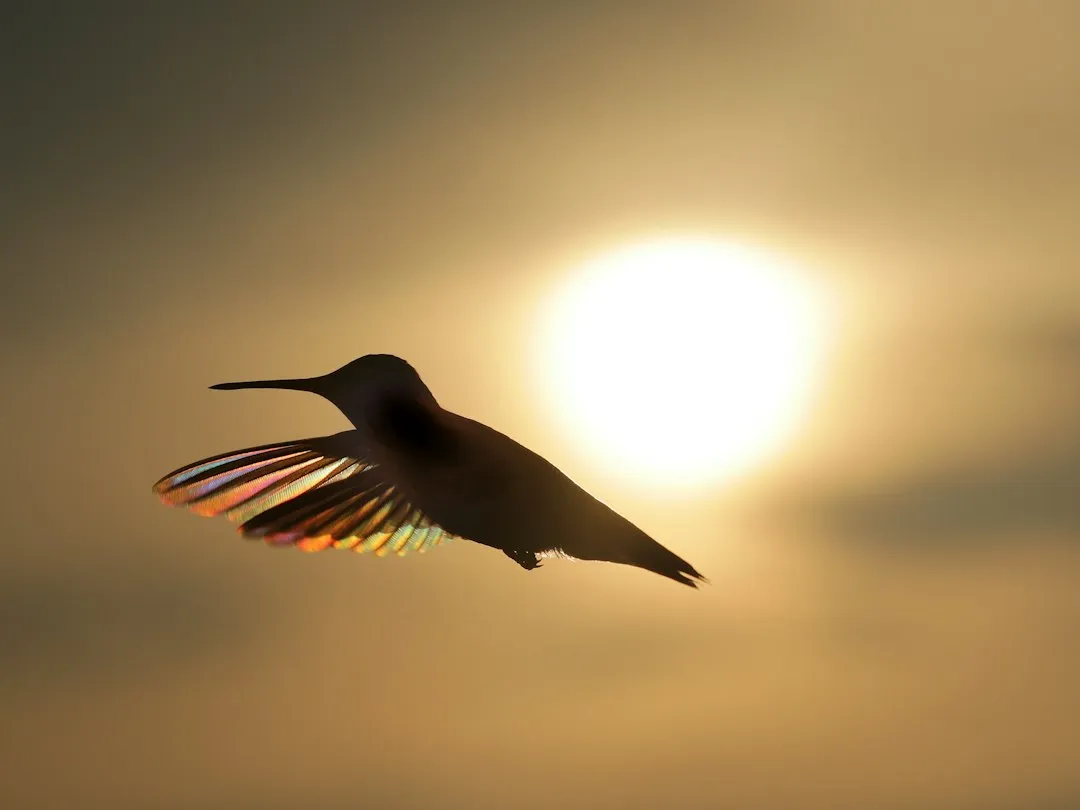
Most people only track hummingbirds in broad daylight, which is a mistake. As departure approaches, one of the earliest giveaway signs is a shift in time-of-day behavior.
The bird that used to show up mostly mid-morning starts sneaking in near sunrise and tanking up again closer to sunset. It’s quietly stretching its fueling window in both directions.
- First visit of the day moving earlier, almost with first light
- Last visit moving later, bordering on dusk
- Midday visits becoming shorter or more selective
What’s happening is simple but easy to miss: the bird is trying to maximize calories per day without burning unnecessary energy fighting heat or competition. It wants fuel, not drama.
This time-shift is part of a bigger internal reprogramming. The bird’s body is syncing with the kind of schedule long-distance travel demands, not lazy days in your yard. By the time you notice the pattern changed, that pattern is about to stop completely.
#13 – Its Flight Path Turns Into a “Test Route”
🔥 Would you like to save this?
We'll email this post to you, so you can come back to it later!
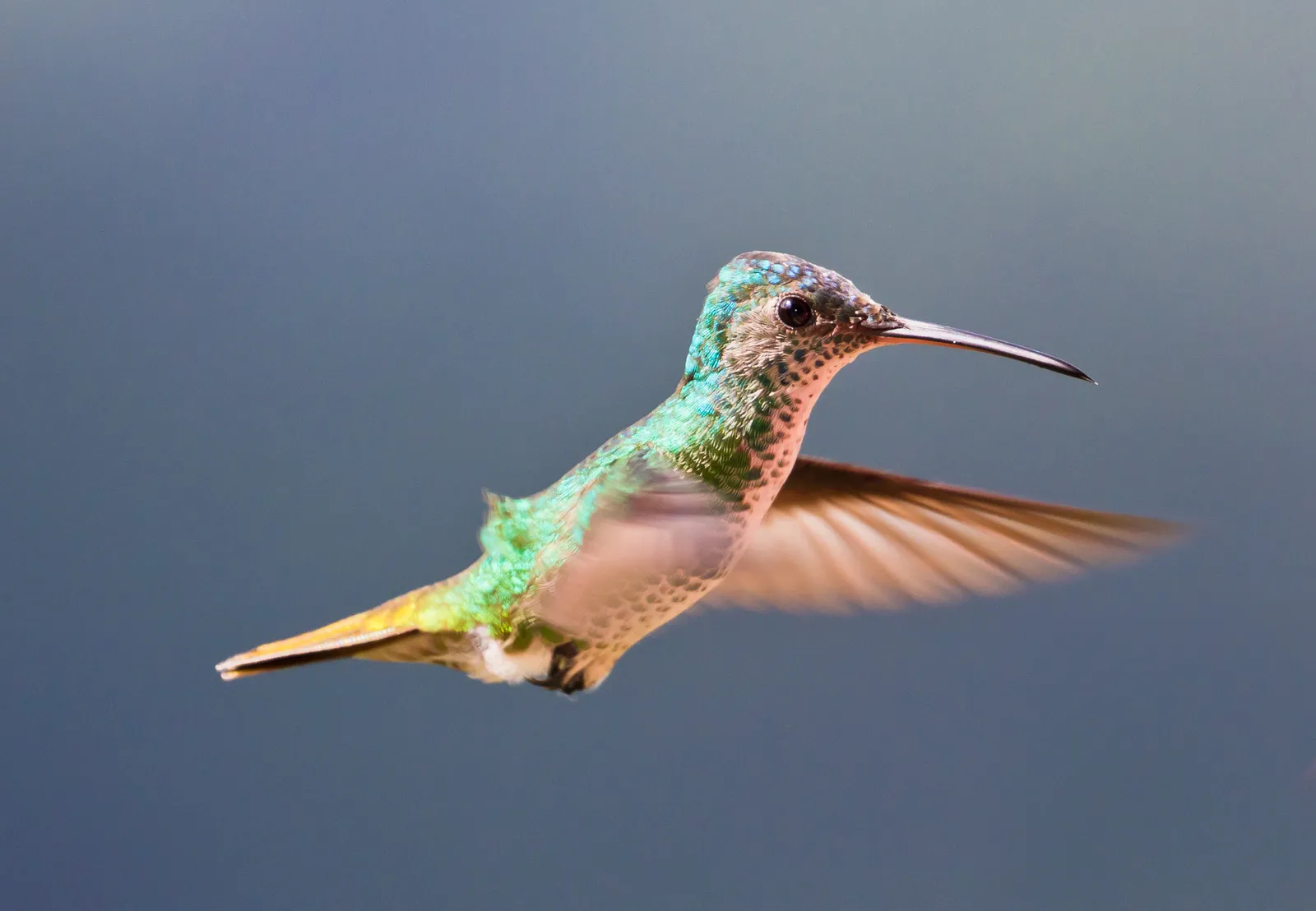
At first, the detours look like random wandering. Regulars at a feeder usually develop predictable routes, zipping from a specific tree to the feeder and back toward the same corner of the yard like clockwork.
Before leaving, though, that fixed circuit gets weird. The bird starts flying farther out, testing new angles, and disappearing for longer gaps. This isn’t boredom. It’s rehearsal.
- Alternate food sources it might hit on the way out
- Safe perches or staging areas away from the main feeding zone
- Wind patterns and updrafts over nearby terrain
To you, it just seems like you’re seeing it “less often.” In reality, it’s quietly mapping an exit strategy, shifting from tight, repetitive loops to longer, exploratory route-planning flights.
By the time its path looks truly unpredictable to you, that’s because you’re no longer the center of its map. You’re just one gas station on a much bigger highway.
#12 – The Females Suddenly Want Nothing to Do with the Nest
🔥 Would you like to save this?
We'll email this post to you, so you can come back to it later!
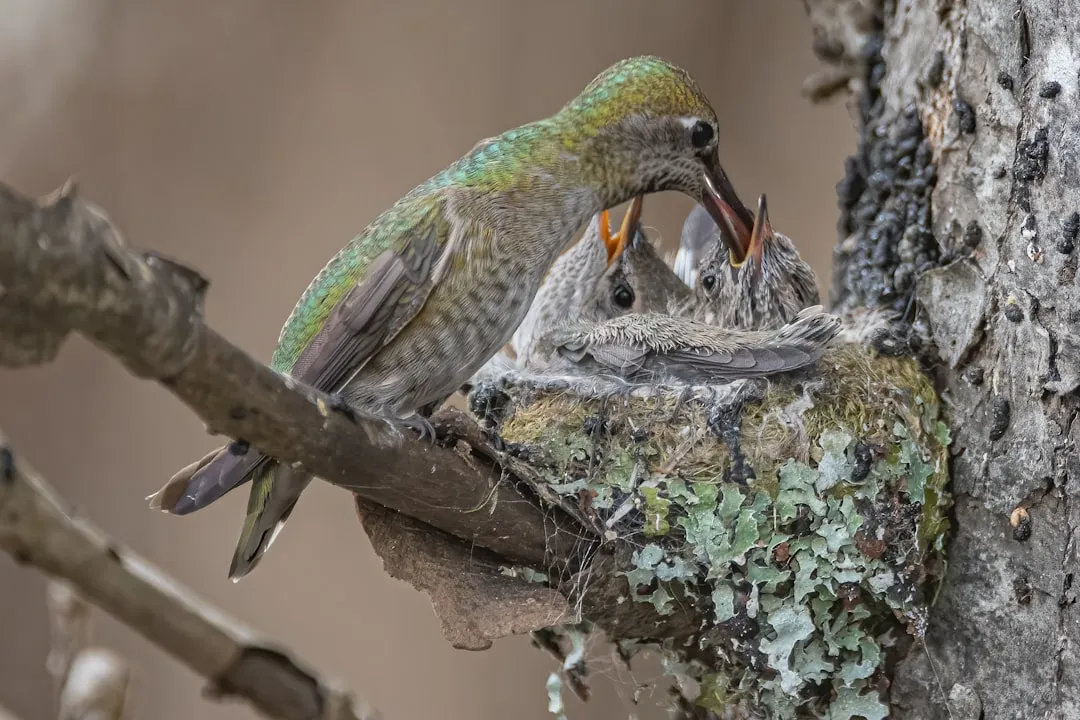
This one upsets a lot of people, but it’s completely normal. Many backyard bird lovers get attached to a particular nest, watching a female build it, raise chicks, and fuss over every detail.
Then, one day, she starts ignoring it. No more repairs. No more hovering checks. Sometimes she even perches in totally different parts of the yard, as if the nest never existed.
Here’s the blunt truth: once the young are independent, the nest is dead to her. Hummingbirds don’t reuse old nests season after season the way some other birds do.
- Choosing higher, more concealed perches
- Spending far more time at feeders than near the old nesting spot
- Avoiding the nest tree entirely
People interpret this as neglect, or worse, assume something is wrong. In reality, she’s doing exactly what works: cutting non-essential energy expenditures before a massive trip. The nest did its job. She’s on to the next chapter, whether you’re ready or not.
#11 – Its Colors Look Duller or Shockingly Brighter
🔥 Would you like to save this?
We'll email this post to you, so you can come back to it later!
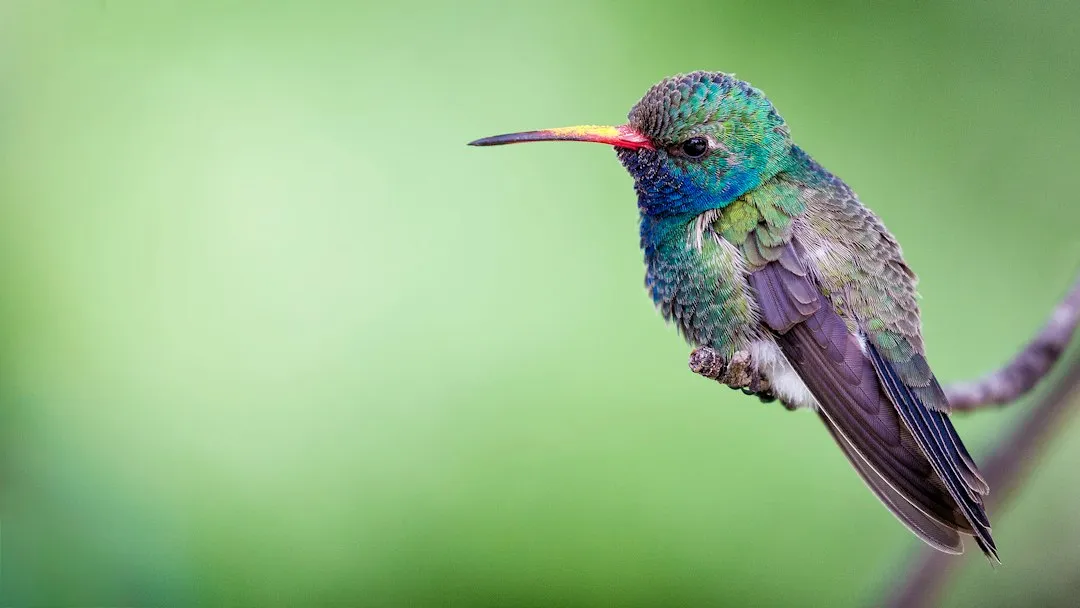
This one fools even seasoned backyard birders. You’d think a bird getting ready to migrate would either stay the same or maybe look a little worn. Instead, hummingbird plumage does something sneaky.
Two things are happening at once. First, wear and tear: after a full breeding season, feathers are slightly frayed, which can make colors look duller, less crisp, and more “dirty,” especially on the chest and sides.
Second, light angle and behavior change together. As the bird shifts how it perches and displays, with less territorial posturing and more fuel-focused hovering, you may suddenly catch different angles of its iridescent throat patch, making it look shockingly brighter at certain moments.
So that “scruffy” bird you assumed had a rough summer might actually be in peak migration condition. And the one that suddenly flashes a neon throat isn’t showing off for you; it’s just accidentally catching the light as its habits change. Either way, the color shift is a signal that something bigger is already in motion underneath.
#10 – The Males Quietly Retire Their Courtship Dance
🔥 Would you like to save this?
We'll email this post to you, so you can come back to it later!
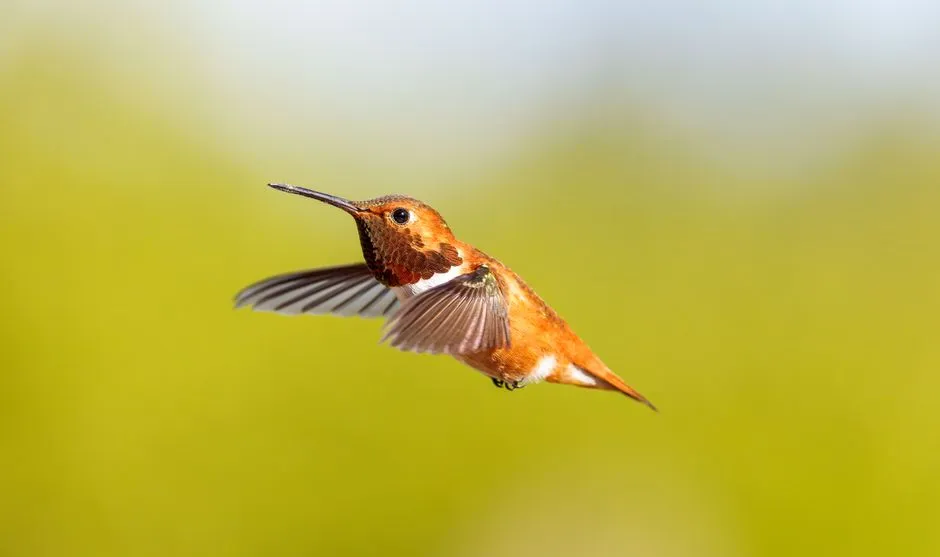
If you stop hearing the show-off routines, pay attention. Earlier in the season, male hummingbirds waste a stunning amount of energy on impressive, borderline-reckless stunts: swooping arcs, dive-bomb displays, exaggerated hovering in front of females.
Before departure, that airshow shuts down almost overnight. No more high, looping display flights. Fewer loud, flashy chases of females. More straight-line, businesslike trips between perch and food.
It’s not that romance is “over.” It’s that biology turned the page. Once the breeding window closes, there’s no evolutionary payoff left in playing peacock, and the male that keeps showing off instead of packing on fat is the one that loses.
Worth Knowing
- Male hummingbirds usually begin migrating before females and juveniles, often by a week or two
- Adult males tend to take more direct, faster routes south than the young birds that follow later
- Females and juveniles often linger longer, feeding heavily before their own departure
- This staggered exit is why a yard can feel quieter in stages rather than all at once
For a casual watcher, this shift looks like “they disappeared.” In reality, they often stick around a bit longer. They’re just no longer entertaining you. And when you finally get used to the calmer pace, that’s exactly when it slips away entirely.
#9 – It Starts Perching Higher and Farther From You
🔥 Would you like to save this?
We'll email this post to you, so you can come back to it later!
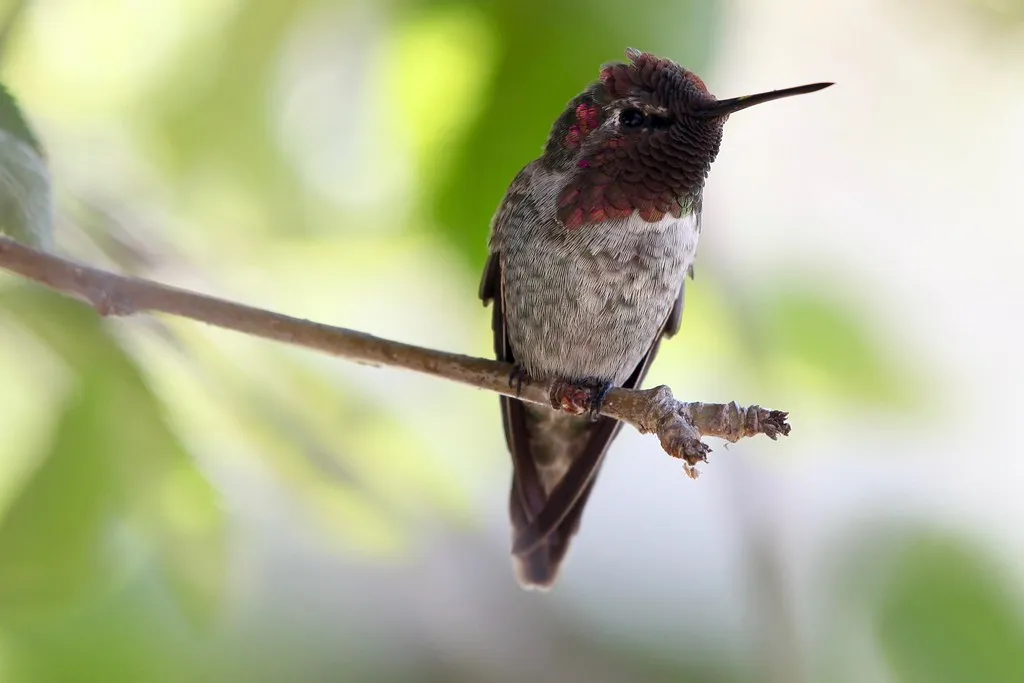
The bird hasn’t left. It’s just moved its control tower. During the middle of the season, many hummingbirds perch low or mid-level, often in spots where they can watch the feeder and keep an eye on rivals.
But before leaving, there’s a clear upgrade. They shift to higher, more distant vantage points, perched at the top of a tree instead of the middle branches, calling from what feels like “too far away” to be your regular bird.
- Perched high in bare, exposed twigs with a wide sky view
- Calling from distances that feel unfamiliar
- Spending noticeably less time at eye level
This isn’t random. As it prepares for a long solo push, it benefits from bigger-scope visibility, seeing predators, weather patterns, and other migrants from above. High perches also make better launch points for longer flights beyond the backyard.
Most people interpret this as “I haven’t seen it around lately.” In reality, it’s often right there, just no longer orbiting your feeder like a satellite. It’s already shifted from a backyard mindset to a sky-wide one.
#8 – It Gets Quiet, or Weirdly Noisy
🔥 Would you like to save this?
We'll email this post to you, so you can come back to it later!
You can hear the change if you’re really listening. For much of the season, hummingbird sounds are predictable: sharp chips, soft chatters, and the signature hum of the wings.
But before a bird leaves, many people notice one of two extremes. It either goes eerily quiet, or it becomes unexpectedly vocal, and both are telling you the same thing.
Some birds reduce calls because they’re avoiding unnecessary attention from predators and rivals while they bulk up. Less drama, more eating. Others become chatty, especially when multiple migrants stage in the same area, using calls to coordinate access to resources or loose flocking movements.
Migration in birds is not a single event but a physiological and behavioral state that begins weeks before departure.
Cornell Lab of Ornithology
Most people don’t connect sound pattern changes with leaving. But you should. When your ear tells you “something’s different,” the bird’s already in a different phase mentally and hormonally.
#7 – It Ignores Fresh Flowers It Used to Love
🔥 Would you like to save this?
We'll email this post to you, so you can come back to it later!
This one shocks gardeners the most. You can have a yard bursting with nectar-rich flowers in full bloom, and yet your regular hummingbird suddenly couldn’t care less.
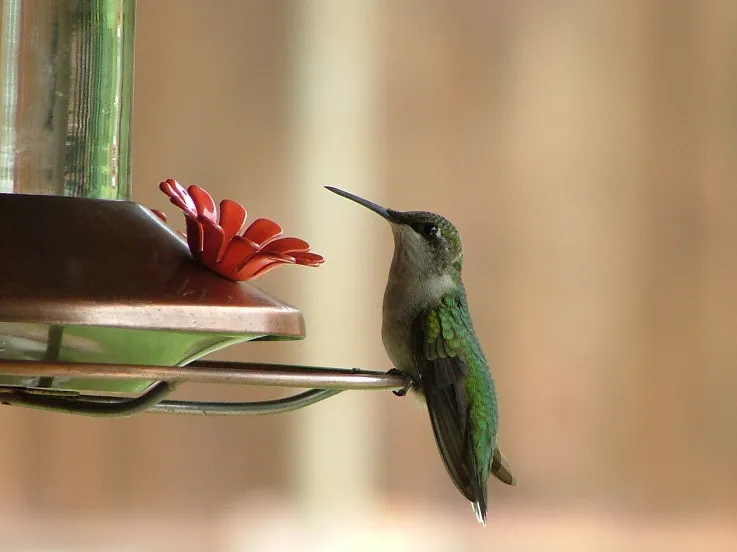
It may still visit, but it no longer weaves lazily from blossom to blossom like a tiny drunk bee. It beelines, literally, to the highest-yield point, usually your sugar feeder, and skips everything else.
Why? At this stage, efficiency beats variety. Natural flowers offer variable nectar amounts and require more hovering and maneuvering per calorie, while a feeder is predictable, dense, and brutally efficient.
So when the bird that once “worked the whole garden” suddenly narrows its routine to one or two hyper-efficient feeding spots, that’s not laziness. That’s pre-flight optimization. Your flowers are now background scenery, not the main act.
#6 – It Becomes Strangely Tolerant of Other Species
🔥 Would you like to save this?
We'll email this post to you, so you can come back to it later!
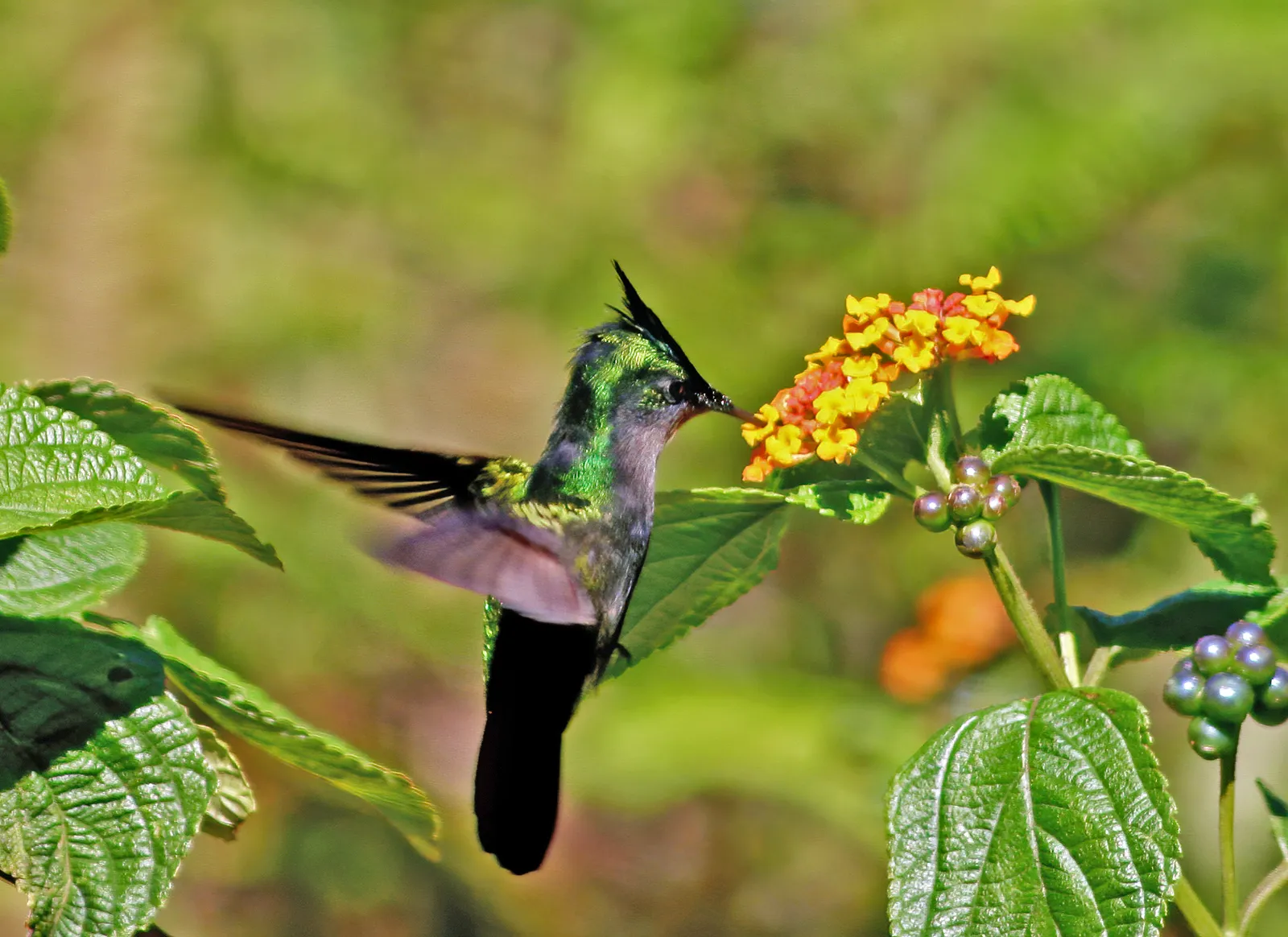
This one almost feels like a personality transplant. Hummingbirds are notorious for being scrappy, not just with their own kind but with other birds, bees, even butterflies.
Yet in the lead-up to departure, many observers notice a weird softening. Chickadees on the feeder? Fine. Bees buzzing nearby? Annoying, but tolerated. It didn’t suddenly become enlightened. It became practical.
- Every chase burned is energy it can’t afford to lose
- Every minute spent policing the airspace is a minute not spent fueling
You’ll still see flashes of old aggression, but the ratio shifts heavily toward “let it slide.” The bird isn’t being kind. It’s cutting budget lines.
Quick Compare
- Peak season: Chases rivals off within seconds, defends flowers, dive-bombs bees
- Pre-migration: Shares feeder space, ignores minor intruders, saves energy for fueling
- The tell: A sudden drop in aggression without an obvious food surplus almost always signals a coming departure
This often fools people into thinking the pressure is lower, like there’s suddenly more food to go around. In reality, the pressure is much higher. It’s just turned inward, toward the timeline in its own body, not the competition outside.
#5 – It Times Its Feeding Around the Weather
🔥 Would you like to save this?
We'll email this post to you, so you can come back to it later!
Here’s where a hummingbird starts thinking like a long-distance pilot. If you only casually glance outside, you’ll miss it completely.
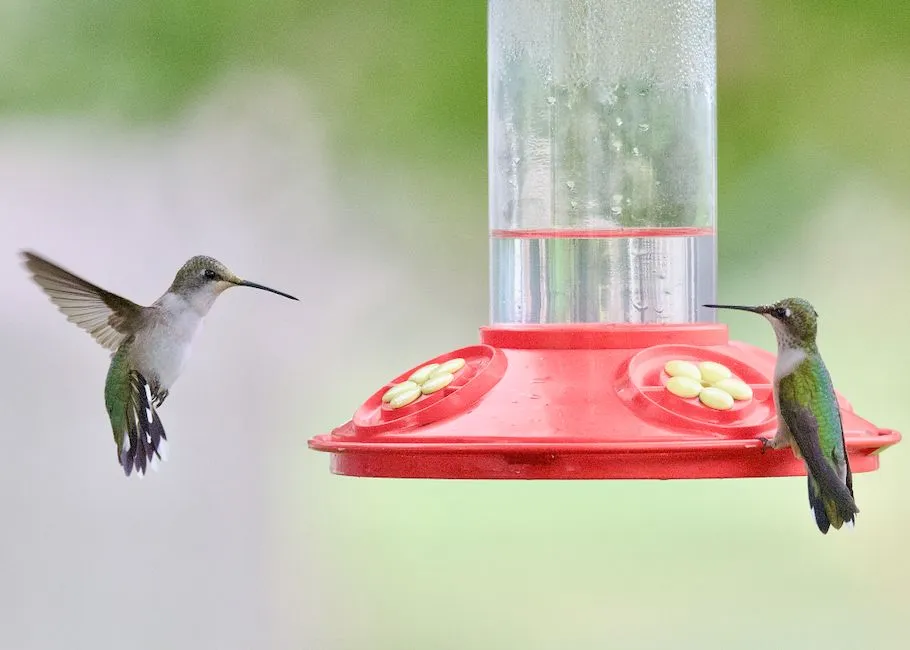
People who log hummingbird visits notice that in the days or weeks before a long movement, feeding behavior syncs with weather shifts. On stable days, activity looks normal. Before or after a front, it can spike hard.
- Before a cold front or bad weather system, the bird may binge-fuel while it can
- After conditions clear, it may disappear for long stretches, or entirely
You might swear “they left because it got cooler,” but it’s more precise than that. Hummingbirds often seem to ride or skirt weather systems in ways that maximize tailwinds and minimize risk. The feeder doesn’t dictate their timing. The sky does.
Once you see your regular bird treating your yard like a refueling stop ahead of changing weather, understand this: you are no longer home base. You’re a layover, and those never last.
#4 – Its Daily Routine Breaks in One Sharp Jump
🔥 Would you like to save this?
We'll email this post to you, so you can come back to it later!
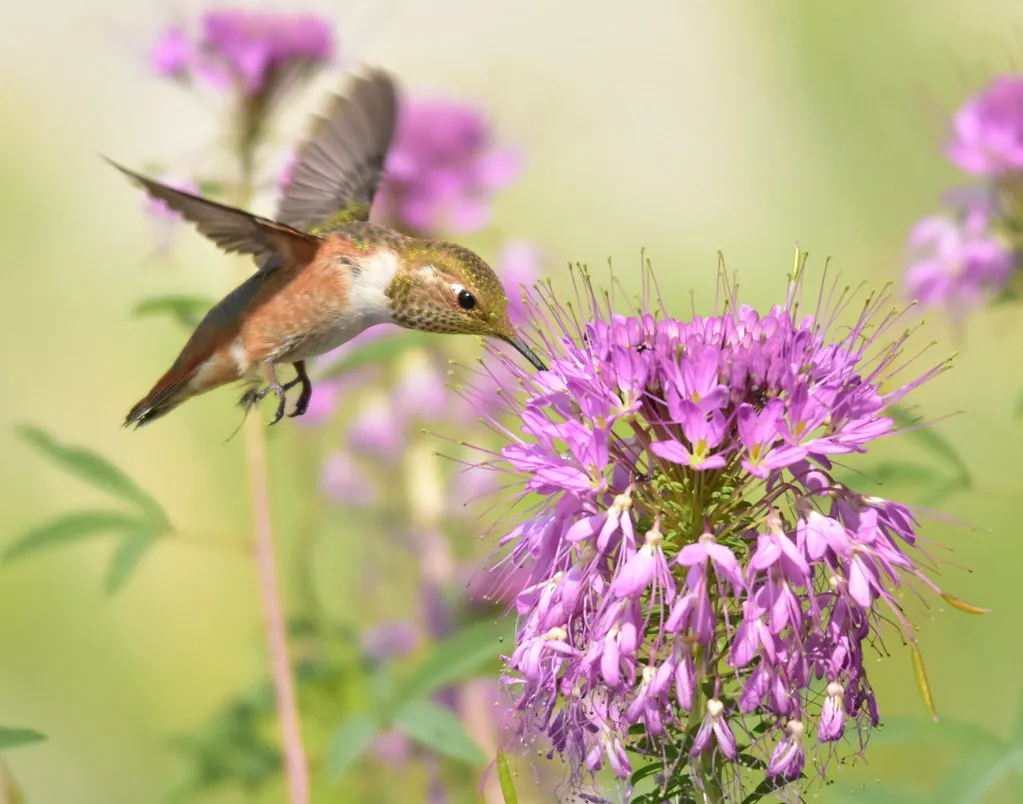
Most changes on this list creep in slowly. This one doesn’t. For days or weeks, you can track a clear pattern: when it appears, where it perches, which side of the feeder it prefers.
Then, one day, the pattern collapses. The timing shifts drastically, it uses different perches, or it vanishes for nearly a full day before popping back briefly. That sudden “off” day is often the functional start of leaving.
- It took a longer exploratory or staging flight to a new area
- It began loosely joining other migrants moving through the region
- It tested a first leg of its route and returned briefly to refuel
Most people write this off as, “I didn’t see them much yesterday, that was weird.” It wasn’t weird. It was a field test. By the time you see that abrupt routine break, the bird’s mental map has already expanded beyond your backyard, and it usually doesn’t shrink back.
#3 – It Stays Longer at the Feeder but Looks Exhausted
🔥 Would you like to save this?
We'll email this post to you, so you can come back to it later!
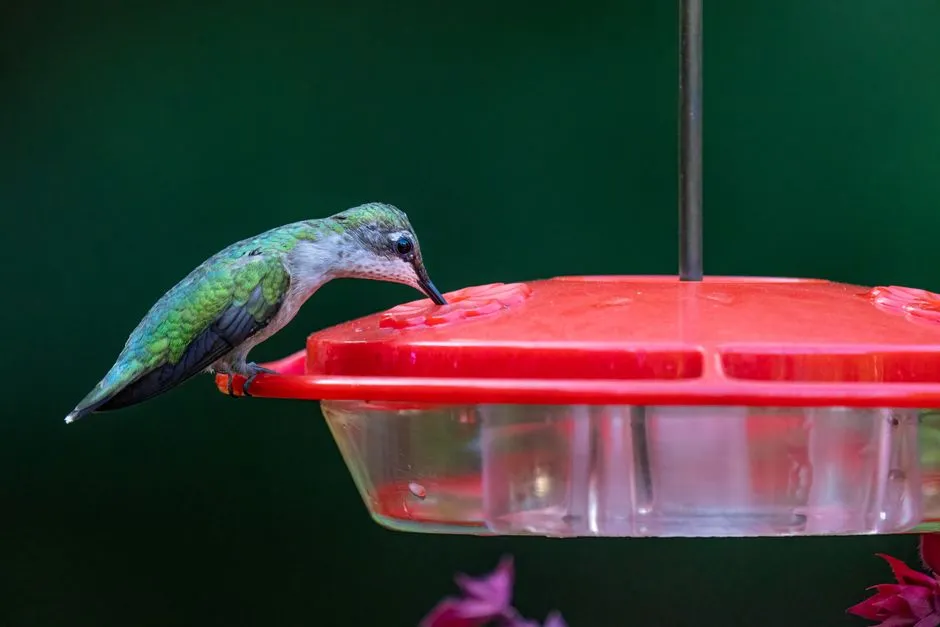
The linger is not affection. It’s math and fatigue. Earlier in the season, a hummingbird’s visit is lightning-fast: in, sip, out.
But right before leaving, you might notice longer, heavier-looking feeding sessions. It clings to the feeder port a little more firmly. Its wings buzz less while it drinks. Sometimes it even pauses a second before flying off, as if catching its breath, because that’s exactly what it’s doing.
- Its body is under a huge metabolic workload from fat gain and hormone surges
- It may have already flown longer recon routes that day or the day before
- It’s squeezing out calories without wasting a single extra hover second
To human eyes, this can look adorably tame, like the bird finally trusts you. That’s the romantic version. The real version is that it’s tired, loaded, and running a fuel spreadsheet you can’t see.
When the bird that once darted like a pinball suddenly seems heavy, focused, almost grim in its feeding, you’re not sharing a tender moment. You’re watching someone at the gate before a red-eye flight.
#2 – It Has Long “Disappearances” You Keep Explaining Away
🔥 Would you like to save this?
We'll email this post to you, so you can come back to it later!
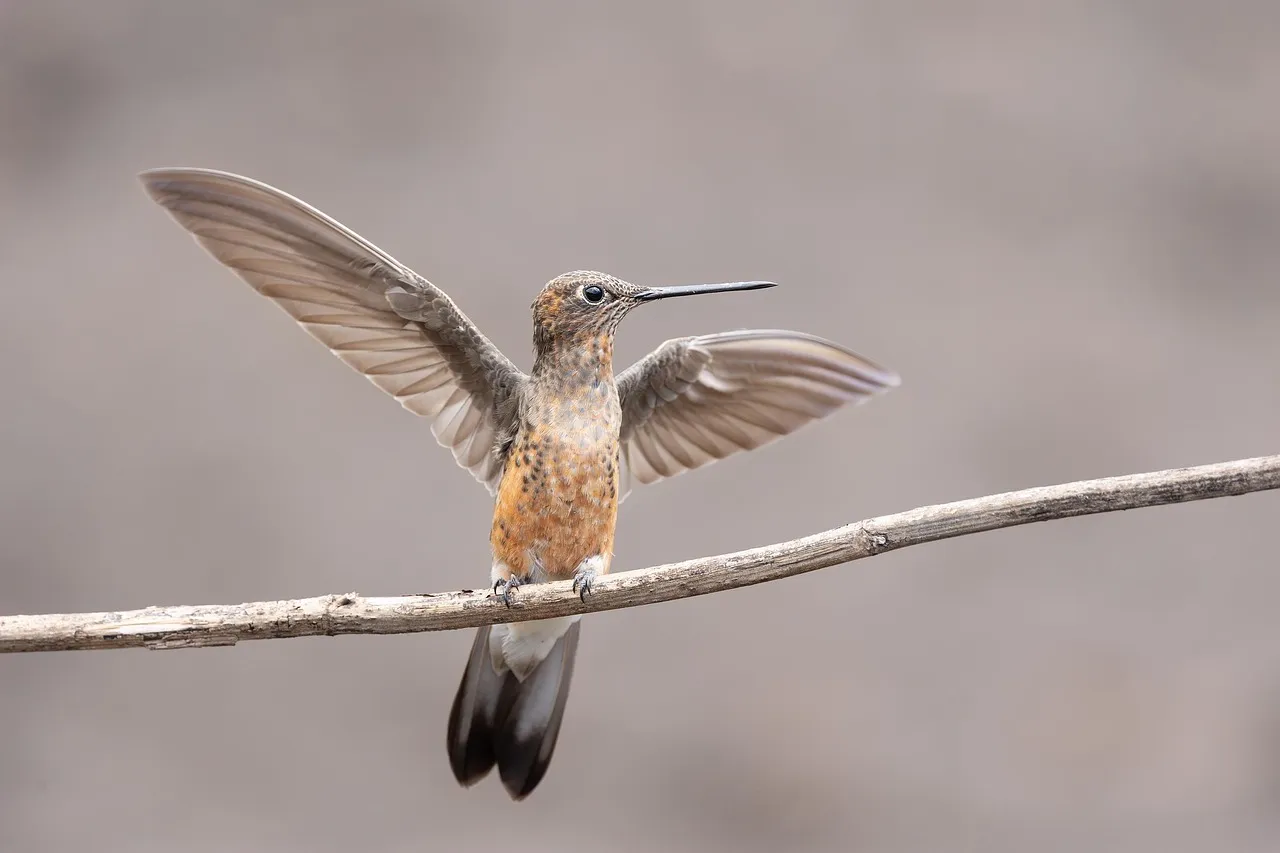
This is the phase where denial kicks in, for the humans, not the bird. You’ll swear the hummingbird is “still around” because you saw it yesterday, or last week, or you’re sure that blur out of the corner of your eye was it.
Meanwhile, if you actually logged times and dates, you’d see a clear pattern: the gaps between confirmed sightings keep getting longer.
- It’s already started moving through a series of stopover sites
- It’s only dropping in briefly when conditions or resources line up
- You’ve mentally merged multiple different birds into “the same one” out of habit
The hardest truth for backyard bird lovers is this: by the time you’re asking, “Do you think it’s leaving?” it probably already has, at least in everything but your memory. Your brain clings to the idea it’s still “yours,” even as it’s become one of several optional refueling points on a route stretching hundreds or thousands of miles.
#1 – One Normal-Looking Morning Is Actually Its Last
🔥 Would you like to save this?
We'll email this post to you, so you can come back to it later!
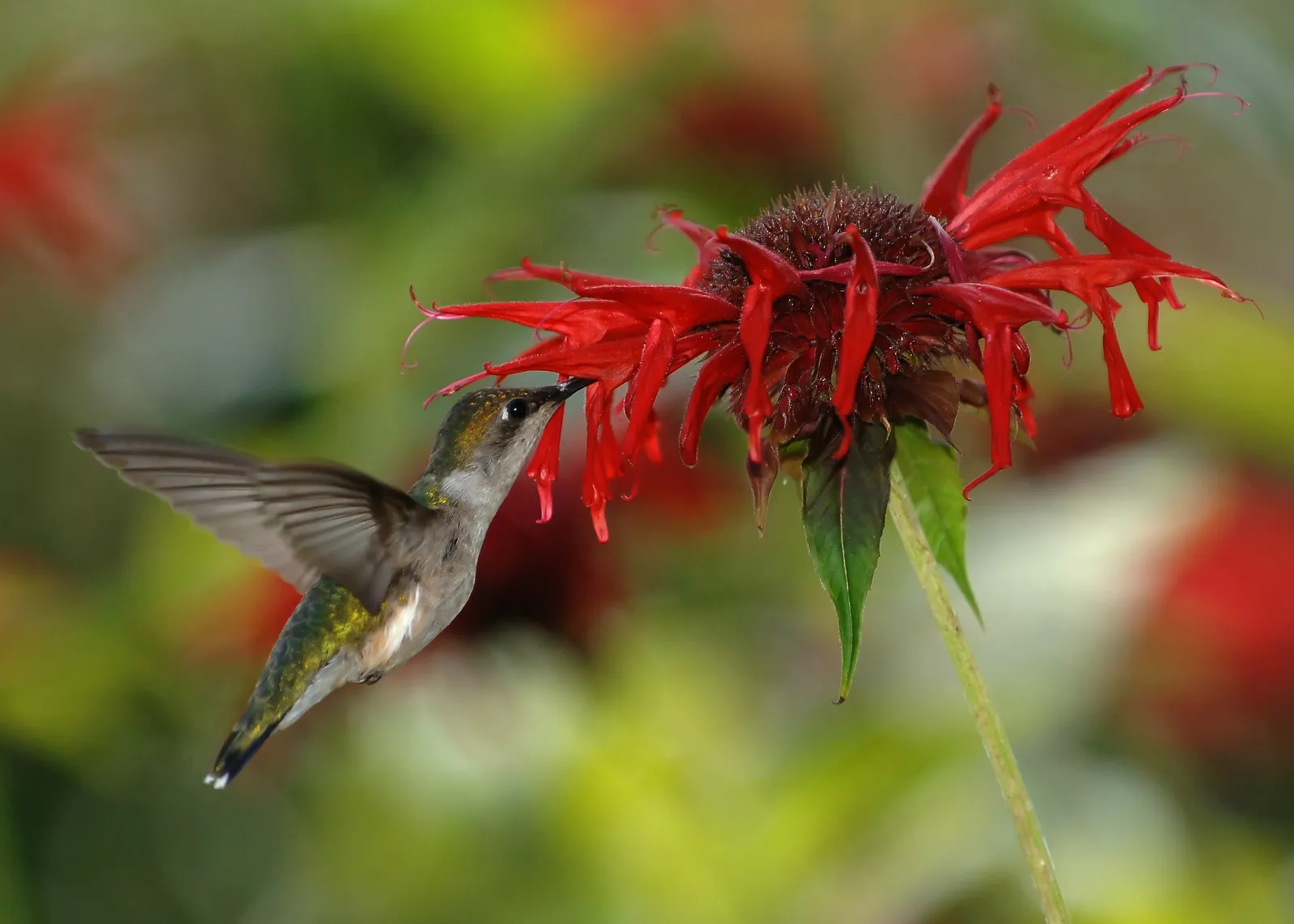
There is almost never a dramatic goodbye. The single most haunting change in a hummingbird before it leaves is this: the final visit looks completely ordinary.
It doesn’t circle back for one last look at the window. It doesn’t hover near your face to say thank you. It does exactly what it always does, feeds, maybe perches briefly, vanishes around the corner of the house, and simply doesn’t come back.
- Its fat reserves are maxed out
- Its hormones are screaming “go”
- Its internal sense of daylight and season has tipped past the point of staying
At a Glance
- Most ruby-throated hummingbirds leave the U.S. between late August and early October
- Many migrate to wintering grounds in Mexico and Central America, some traveling nearly 2,000 miles total
- Individual birds often return to the very same yard the following spring, sometimes within days of their prior arrival date
- There’s rarely a single “last day” for a whole region, only a last day for each individual bird
To us, it feels abrupt and unfair. “Yesterday it was here. Today it’s gone.” That’s not true. For weeks, it’s been leaving in slow motion right in front of you. You just weren’t taught how to read the signs.
This is the brutal, honest reality of wild animals: their loyalty is to the route, not the backyard. That last casual sip at your feeder was its silent, one-way ticket, already punched.
Here’s my honest take after going through all seventeen of these: we romanticize hummingbirds as fragile little visitors who owe us a season, but they never signed up for that story. Every single change on this list, the shorter tempers, the vanishing acts, the sudden indifference to flowers you planted just for them, is a bird doing exactly what it should be doing to survive a trip most of us can barely imagine.
The heartbreak people feel when “their” hummingbird disappears isn’t really about the bird abandoning them. It’s about finally realizing they were never the destination, just one safe, well-stocked stop on a journey that was always going to continue without asking permission. Once you accept that, you stop mourning the empty feeder and start appreciating that you got a front-row seat to something wild deciding, on its own terms, exactly when it was ready to go.

- 7 Everyday Habits That Can Make Your Senior Dog Happier - November 5, 2026
- 10 Enigmatic Structures That Continue to Puzzle Scientists Today - November 5, 2026
- 10 Strange Ruins in the Americas That Challenge What We Know About Early History - November 5, 2026