
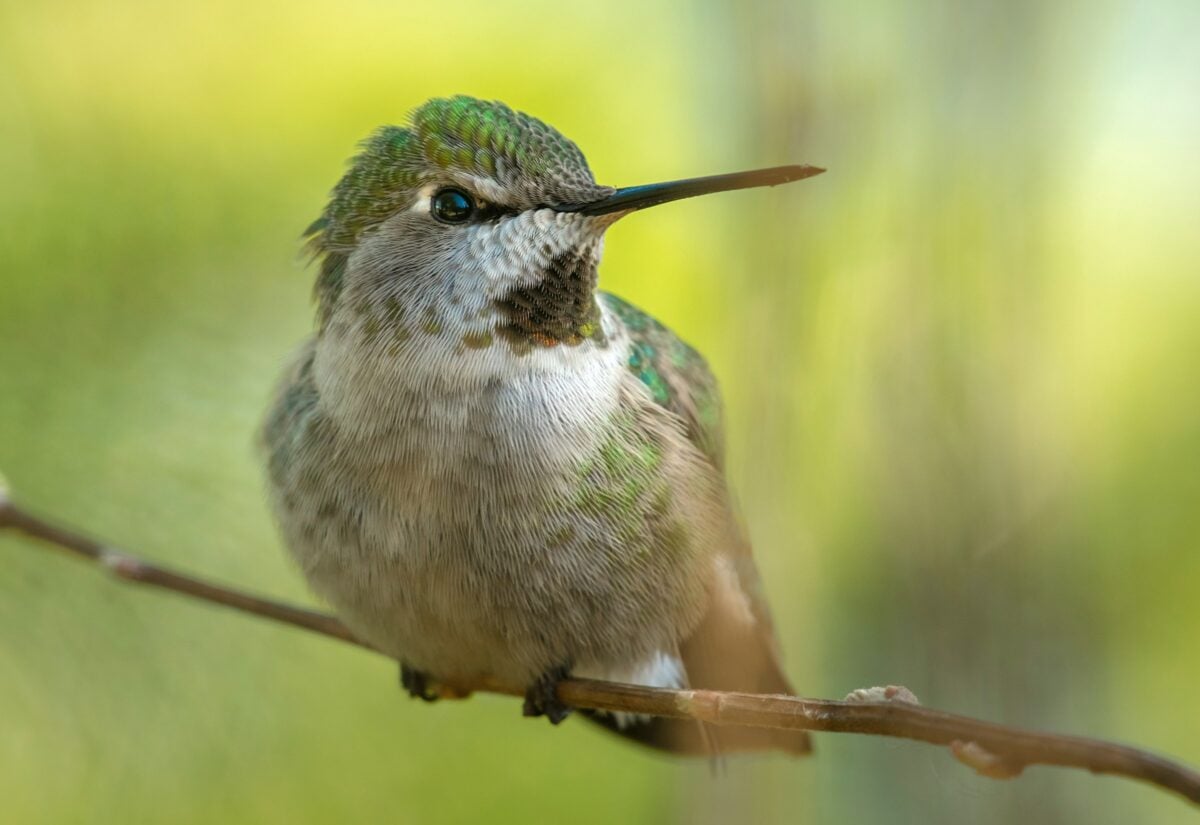
Most people assume a hummingbird will land anywhere there’s a branch and a feeder nearby. That’s not even close to how these tiny aerial snipers actually operate.
A new perch is a life-or-death decision for a bird that weighs less than a nickel and burns calories like a hummingbird burns everything else: fast. In the space of a few seconds, it silently runs an audit most backyard birders never notice, checking off a shocking list of conditions before it ever commits. Miss just one or two, and that gorgeous new branch you hung specifically for them might stay empty for months. Here’s what’s actually going on in that tiny, calculating brain.
#17 – Basic Safety From Predators
🔥 Would you like to save this?
We'll email this post to you, so you can come back to it later!
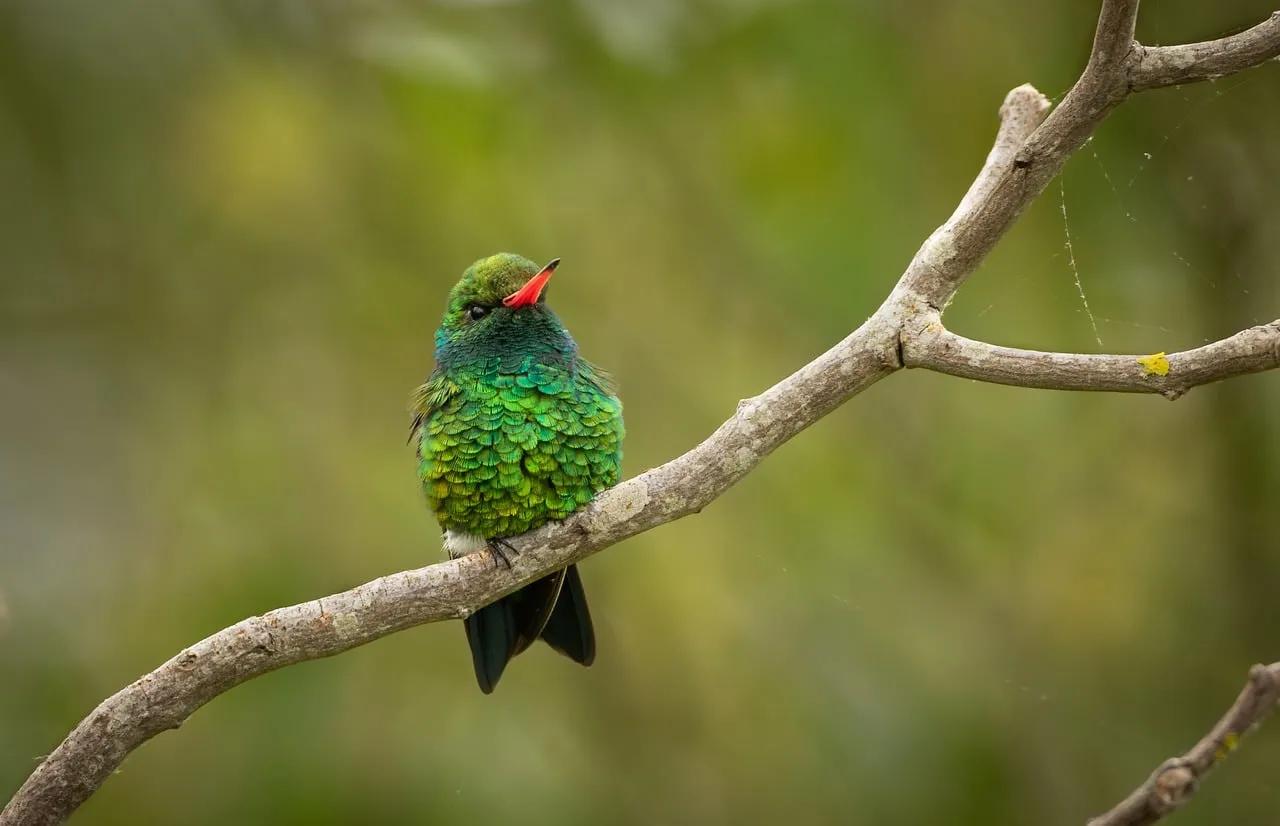
A hummingbird’s first question about any perch is brutally simple: “Can something eat me here?” These birds live life on hard mode, torching insane amounts of energy just to exist, so they can’t afford a bad call on safety. They’re constantly scanning for cats, snakes, crows, jays, and even hawks that would happily treat a perched hummer as a snack.
If the new perch is low to the ground, tucked near tall grass, or within pouncing range of a cat’s favorite ambush spot, they’ll usually ignore it completely. Perches above 5-6 feet with clear space around the trunk are far more likely to get accepted. A hummer wants just enough cover to feel hidden from above, but not so much brush that a predator could explode out of nowhere. If that balance feels off, they’ll keep patrolling instead of landing.
#16 – A Fast, Clean Escape Route
🔥 Would you like to save this?
We'll email this post to you, so you can come back to it later!
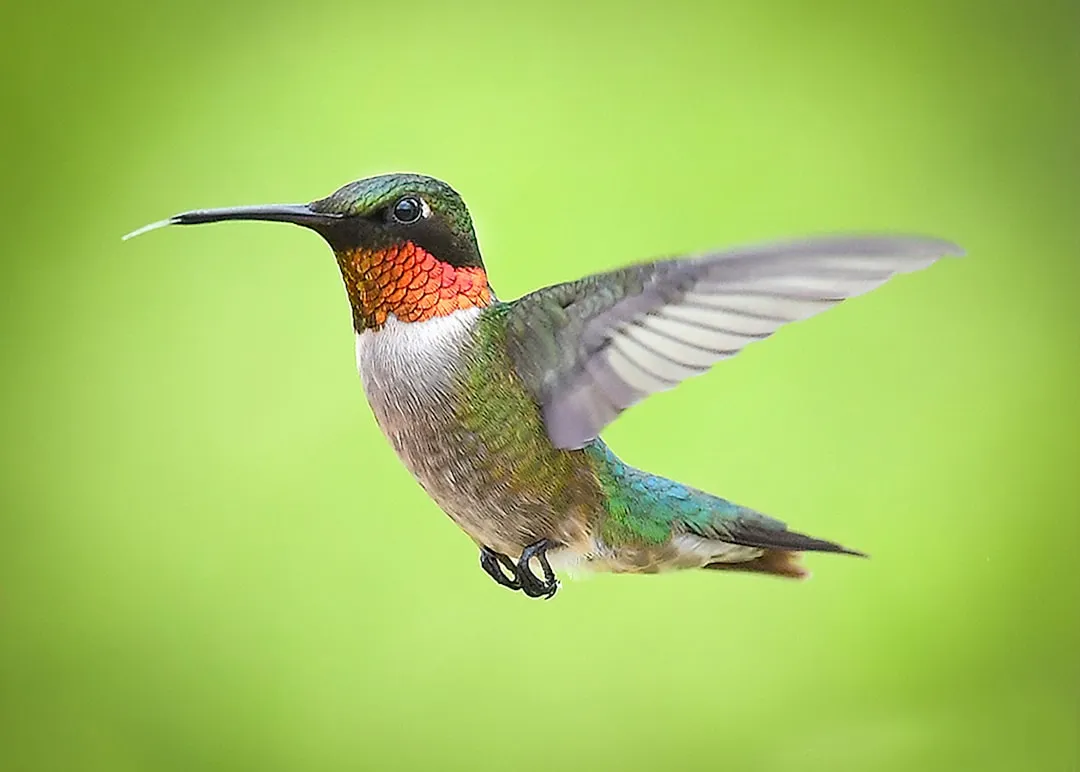
Once basic safety passes the sniff test, the bird checks the exits. Hummingbirds are built for acceleration, and they want to know they can blast off in any direction without clipping a wing or getting funneled into a dead-end of leaves. If the escape path is cluttered, that perch is functionally useless, no matter how nice it looks.
On a good perch, there’s a clear runway straight out from the branch, plus side angles they can dart through if a hawk or jay dives from above. They’ll often do a quick fly-by first, veering off at the last second to map the space around the branch before ever landing. This isn’t random, it’s a safety rehearsal. Many people unknowingly ruin prime perches by hanging wind chimes, lanterns, or big plant baskets right underneath them. To us, that’s cute decor. To a hummingbird, it’s like parking a car in the middle of the highway.
Fast Facts
- Ruby-throated hummingbirds beat their wings roughly 50 times per second in normal flight
- Top forward flight speeds can top 30 mph, with display dives going much faster
- They’re the only birds able to fly backward and hover in place
- That combination of speed and control is exactly what makes a cluttered escape route a dealbreaker
#15 – Distance To Nectar, And How Hard It Is To Reach
🔥 Would you like to save this?
We'll email this post to you, so you can come back to it later!
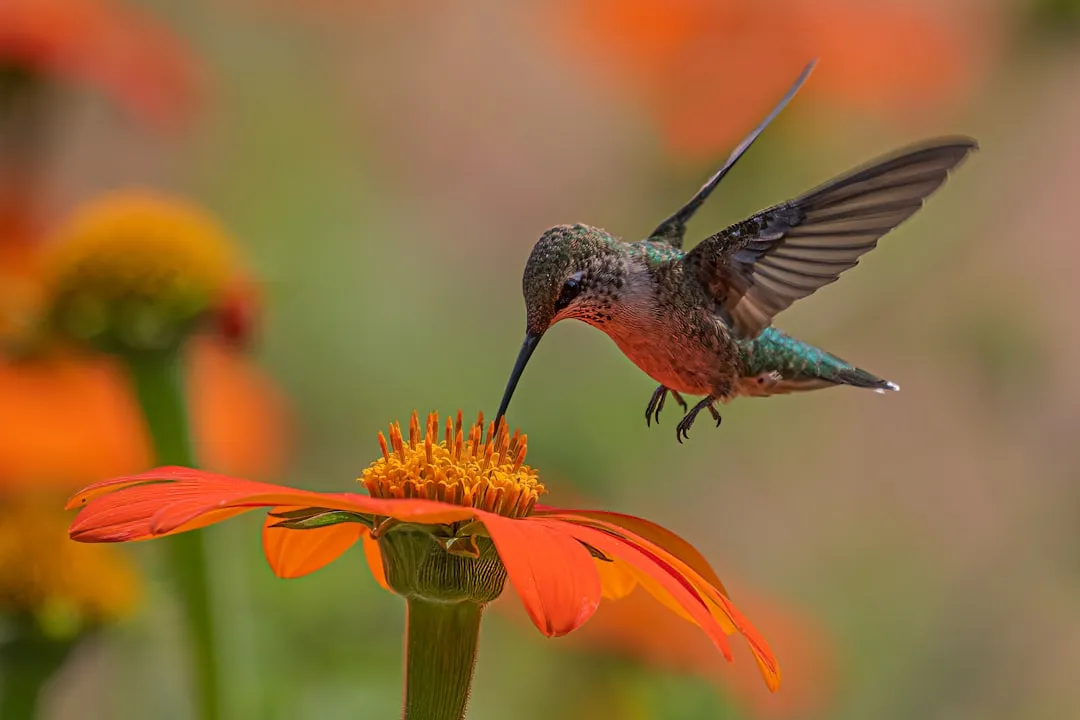
Hummingbirds are constantly budgeting calories, and every inch of flight is fuel burned. So when they size up a new perch, they’re quietly asking: is this close enough to the good stuff? A perch that sits slightly above and roughly 3-10 feet from a main food source is prime real estate.
Too close, and they can’t watch for rivals swooping in; too far, and they waste energy making repeat trips. Think of it like parking at a store: nobody wants to walk half a mile from the lot, but pulling right up to the doors makes it impossible to see what’s happening around you. They also weigh how many sharp turns or vertical climbs it takes to reach the nectar. A route full of tight zigzags around branches is a hard pass when a straighter path is sitting right there.
#14 – The View: Can They See Everything?
🔥 Would you like to save this?
We'll email this post to you, so you can come back to it later!
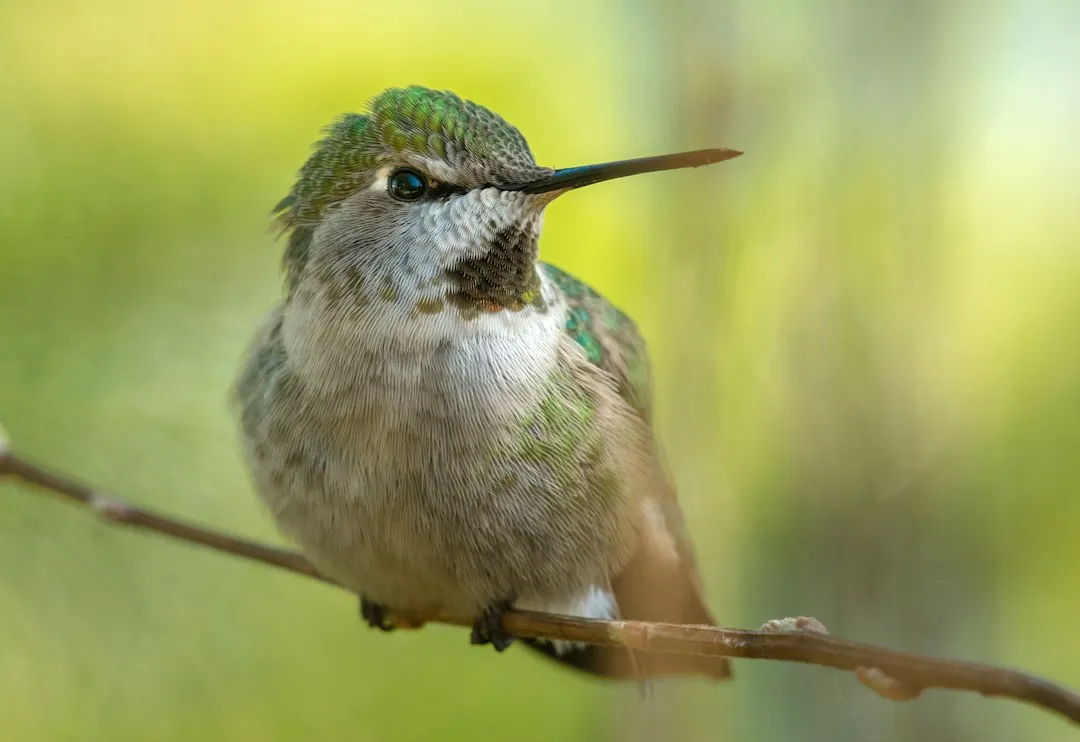
Hummingbirds are surprisingly visual control freaks. While perched, they aren’t relaxing, they’re surveilling. A new perch needs a commanding view so they can monitor feeders, flowers, rivals, and threats in a single glance. If they can’t see the action zone, the perch might as well not exist.
The ideal spot gives them partial cover overhead with a mostly open view outward and down. If the sightline to their favorite feeder is blocked by leaves or decor, they’re far less likely to ever use that branch regularly. This is why some of the ugliest, spindliest twigs in your yard get the most traffic. They’re not choosing pretty, they’re choosing control. A thin, bare stick with a 180-degree view beats a lush branch where they feel blind.
#13 – Branch Thickness: Just the Right Grip
🔥 Would you like to save this?
We'll email this post to you, so you can come back to it later!
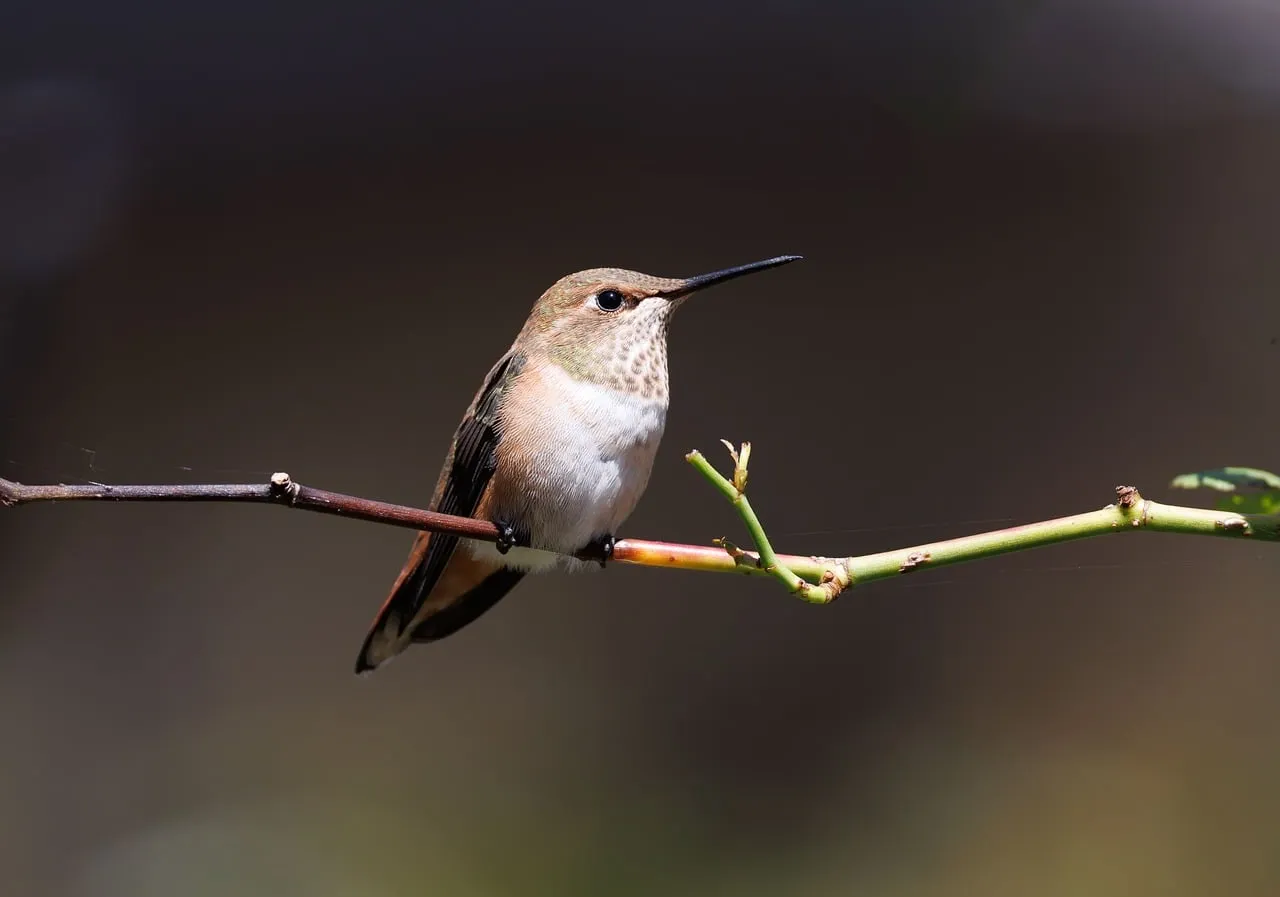
Most people hang fancy perches on feeders that are way too thick for a hummingbird’s tiny feet. These birds evolved to wrap their claws around slender twigs, not chunky dowels, and a branch that’s too fat means their feet can’t get a full grip. That translates to real muscle tension just to stay put.
Branches roughly the width of a bamboo skewer or thinner tend to get the most use. Anything approaching the diameter of your little finger is already uncomfortable for many species. A hummer might guard a favorite feeder for long stretches, especially during migration, meaning minutes or hours a day on the same perch. If holding on feels like a tiny isometric workout, they’re simply not sticking around.
Quick Compare
- Bamboo skewer width: ideal, full grip with minimal effort
- Pencil width: workable, but noticeably more strain over time
- Broom-handle or thick dowel width: usually rejected outright
#12 – Wind Exposure and How Hard They’ll Have To Fight It
🔥 Would you like to save this?
We'll email this post to you, so you can come back to it later!
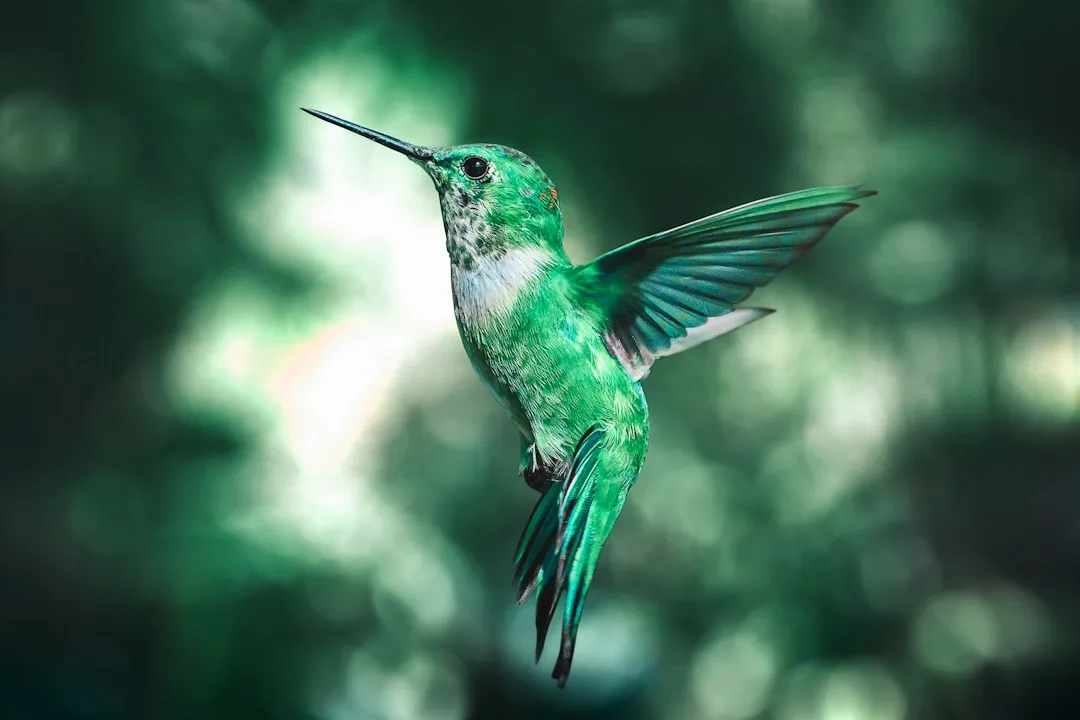
Hummingbirds are almost absurdly light, and a breeze that barely ruffles your hair can knock them off balance. Before committing to a new perch, they quietly clock how much the wind is going to make them work just to stay upright. Branches that whip around constantly are exhausting to hold onto.
A hummingbird wants a perch that moves a little in the wind, enough that it won’t snap, but nothing close to a pendulum swing. That’s why you’ll often spot them on interior branches or the leeward side of a tree, where gusts get broken up before they arrive. Interestingly, total stillness isn’t ideal either. It usually means dense foliage, which is exactly where predators like to hide.
#11 – Sun vs. Shade: On-Demand Temperature Control
🔥 Would you like to save this?
We'll email this post to you, so you can come back to it later!
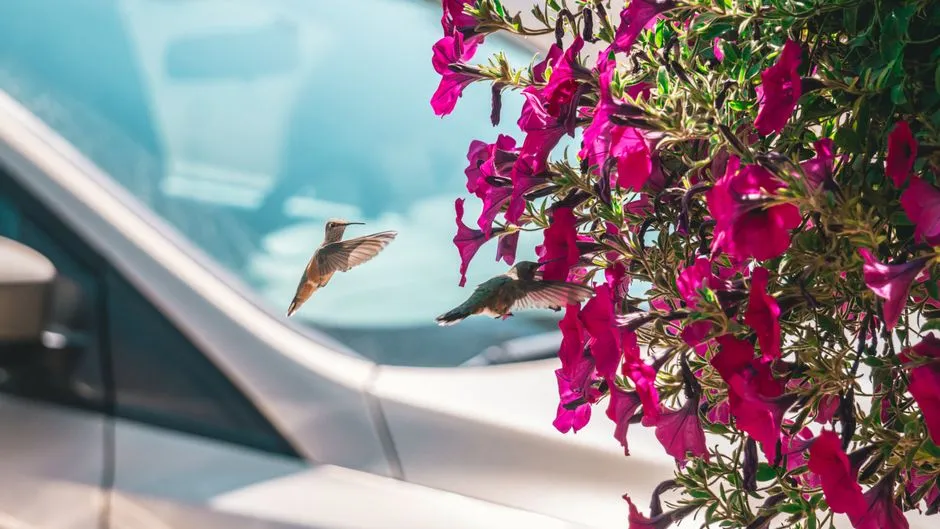
Hummingbirds run hot, with a metabolism that’s off the charts, and temperature matters more here than most backyard birders realize. A new perch is partly a climate station in their eyes. They’re looking for something that balances warmth, cooling, and a place to dry off after rain.
On cool mornings, a sunlit perch is gold. A branch that catches early sunlight helps them warm up faster, saving precious energy they’d otherwise burn just shivering. But by midday, that exact same bird may abandon the spot entirely for a shaded branch nearby to avoid overheating. This is why perches go in and out of style with the seasons, a twig that’s a hit in spring can turn into a blast furnace by peak summer.
At a Glance
- Active heart rate can climb to over 1,000 beats per minute
- Many species drop into torpor overnight, slowing their heart rate dramatically to conserve energy
- Body temperature runs higher than most backyard birds, making shade a real cooling necessity by midday
- That’s why the same branch can be a favorite in April and abandoned by July
#10 – Close to Cover, But Never Buried In It
🔥 Would you like to save this?
We'll email this post to you, so you can come back to it later!
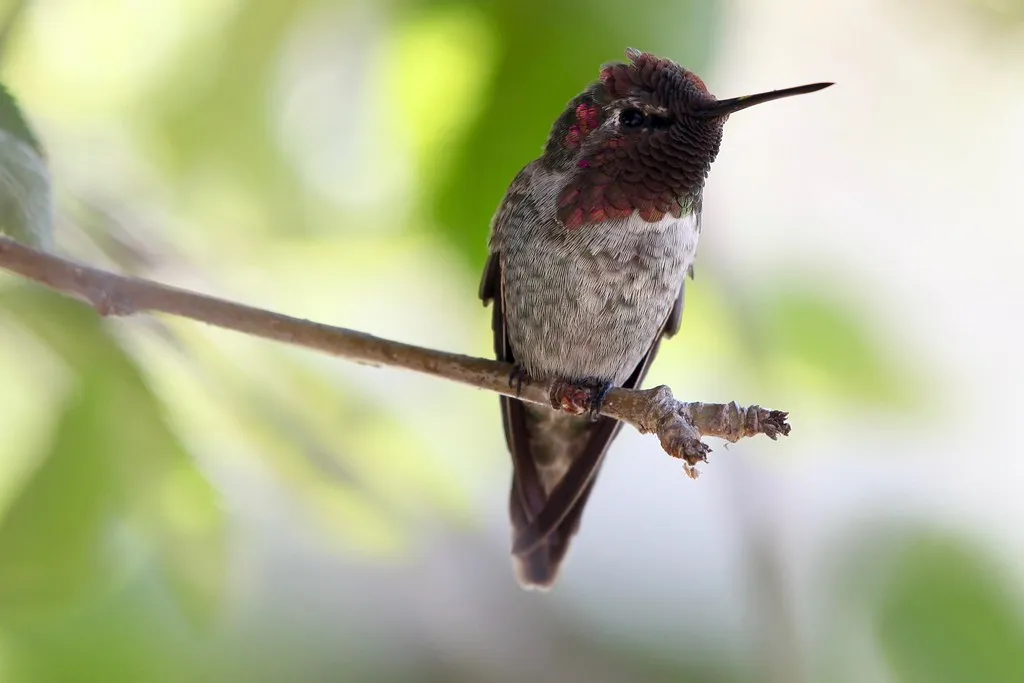
One of the biggest myths is that hummingbirds want dense cover crowding every perch and feeder. In reality, too much tangle feels like a trap. They prefer what field biologists call edge habitat, the transition zone between thick cover and open air, and a good perch usually sits just outside or above a clump of foliage.
If a perch is buried so deep in leaves that they can’t take off without pushing through branches, it almost never becomes a primary resting spot. This is where a lot of well-meaning “landscaping for hummingbirds” advice quietly fails. Lush and dense everywhere sounds nice, but what these birds actually need are strategic gaps, holes in the foliage with a clean launch path and a fast retreat route.
#9 – A Clear Line of Sight to Rivals
🔥 Would you like to save this?
We'll email this post to you, so you can come back to it later!
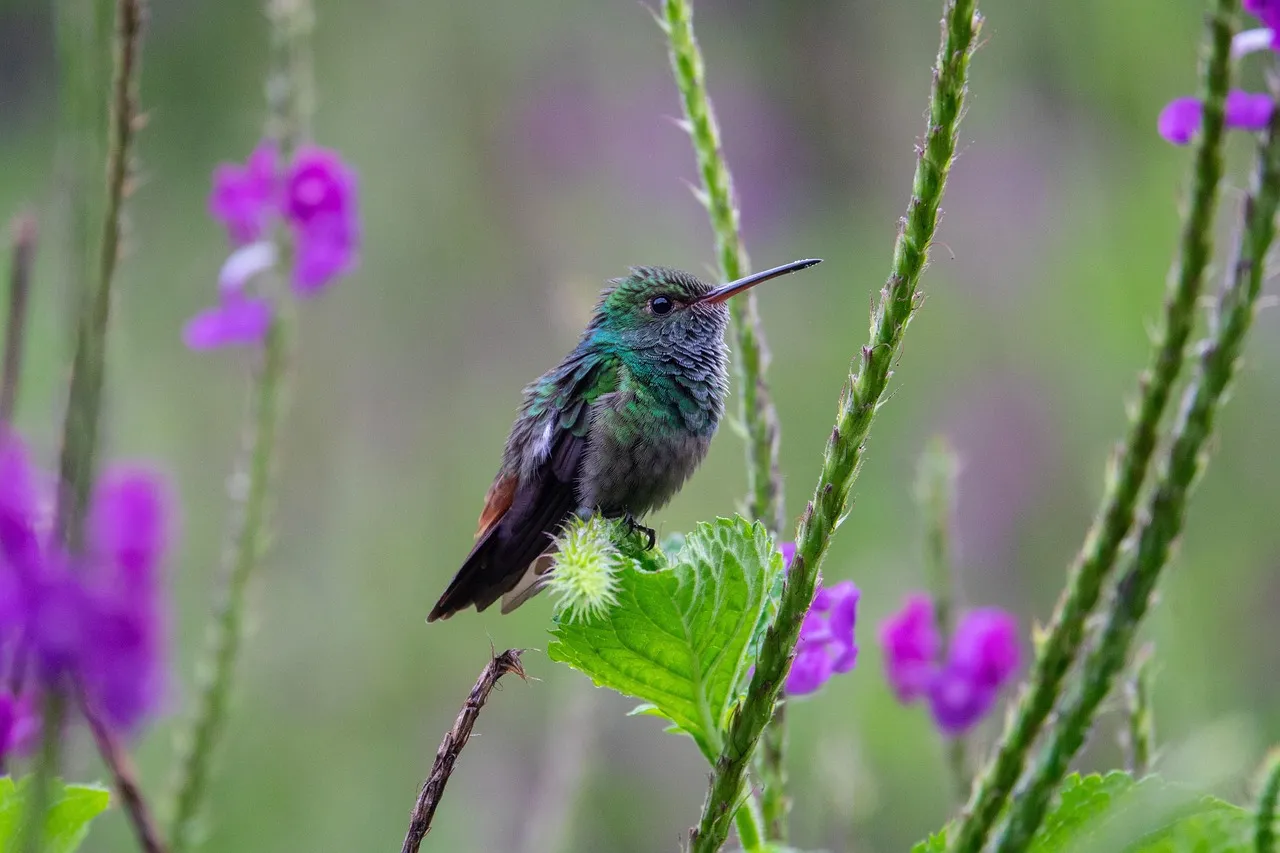
Hummingbirds are not gentle garden fairies. They’re tiny feathered brawlers, and a huge reason they pick a specific perch is to monitor and dominate the competition. A new perch has to double as a throne from which they can patrol and launch attacks. From that spot, they want a clear view of:
- The main feeder or best flower patch
- The usual approach routes rival birds tend to fly
You’ll often see a dominant bird claim a high, exposed perch specifically because it lets it dive-bomb any trespasser immediately. That’s not an accident, it’s a strategic lookout post. Ironically, the high, exposed sticks people assume look unsafe are often exactly what the bullies choose. Dominance can beat comfort every time for a territorial hummer.
Why It Stands Out
- A single dominant bird may return to the same guard perch dozens of times in one day
- Chase displays can involve sharp, high-speed aerial pursuits meant purely to intimidate
- Perch height often matters more than comfort when defending a feeder
- Subordinate birds simply learn to avoid that branch entirely rather than fight for it
#8 – Proof the Perch Isn’t Going to Change on Them
🔥 Would you like to save this?
We'll email this post to you, so you can come back to it later!
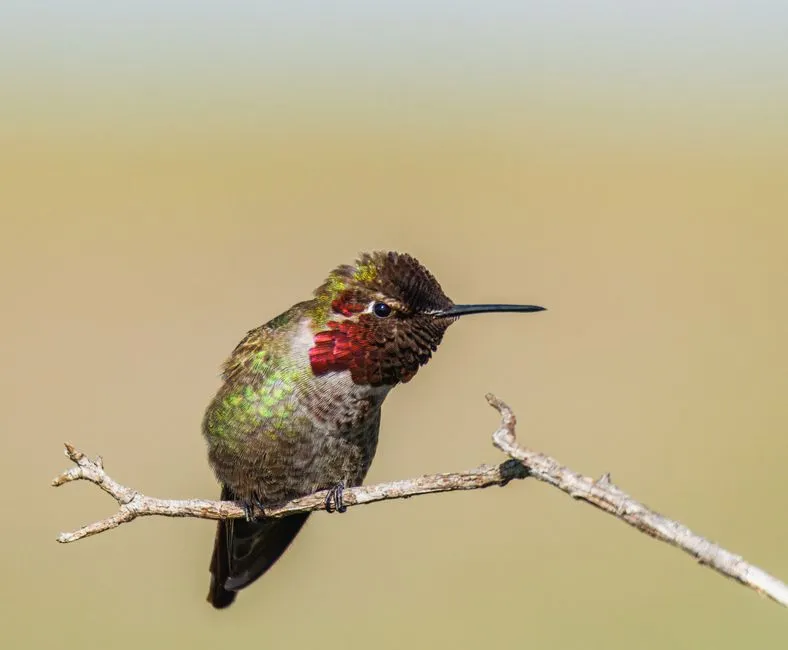
Hummingbirds aren’t just reacting to a perch in the moment, they’re building a mental map of every safe spot in the yard. A branch that keeps changing, because you moved the feeder, pruned the bush, or hung a new decoration nearby, quickly gets downgraded from trusted to questionable.
A branch that’s stayed in the same place, with roughly the same surroundings, for weeks or months becomes embedded in their routine. Sudden changes like ribbons, new hanging planters, or trimmed side twigs force them to reevaluate everything from scratch. This is exactly why a brand-new perch, even a perfect one, can take a surprisingly long time to catch on. In hummingbird logic, a stable, known branch beats a theoretically better one that keeps shifting.
#7 – How Predictable Your Own Foot Traffic Is
🔥 Would you like to save this?
We'll email this post to you, so you can come back to it later!
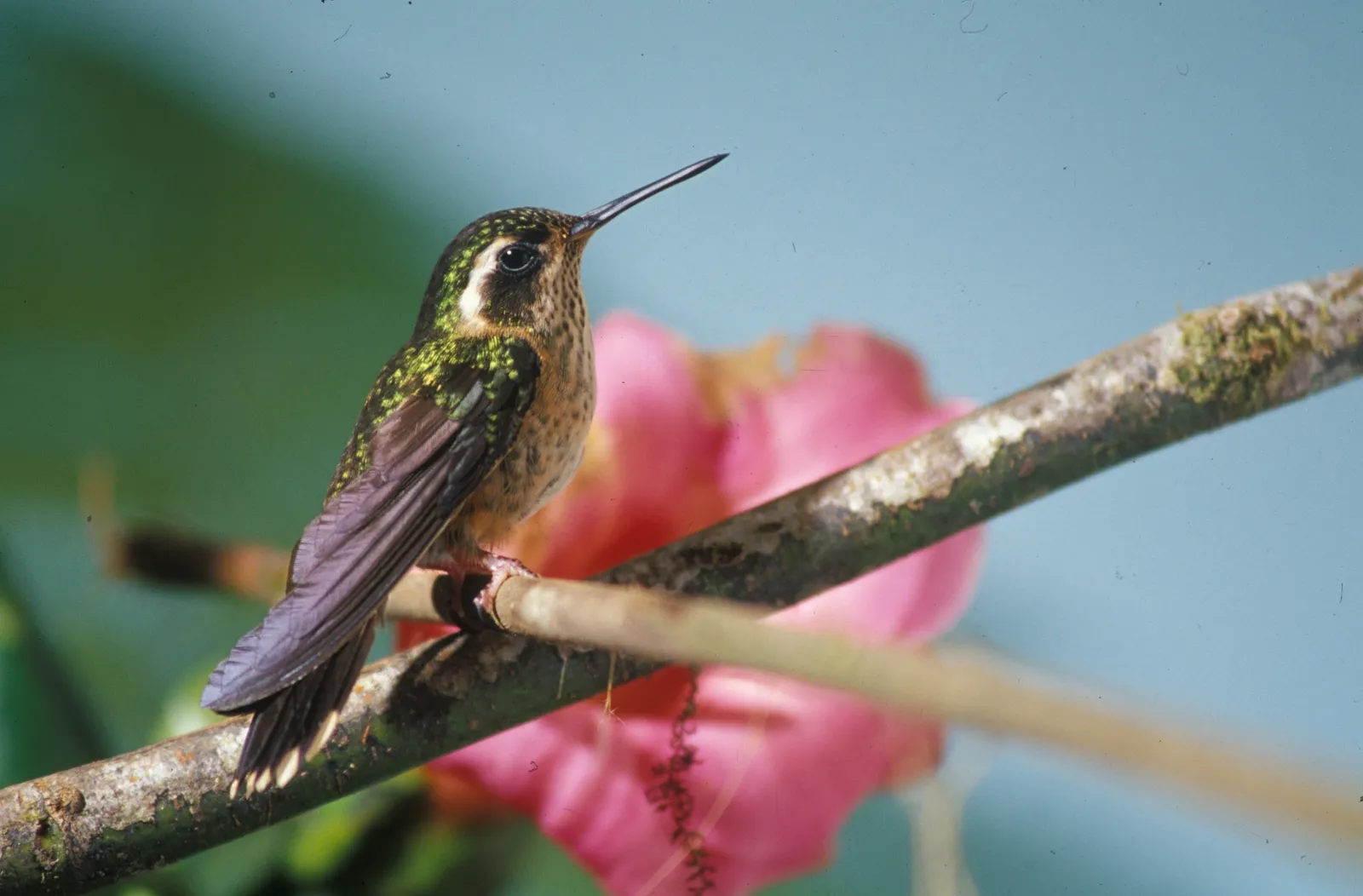
Plenty of people sabotage their own hummingbird perches without ever realizing it, simply by being too close, too often. Hummers are curious, not stupid. A bird might happily tolerate a feeder near your window, then flatly refuse a perch nearby if your door, grill, or favorite chair sits right underneath it.
If a door slams or a person suddenly appears beneath a new branch every time they try to rest there, that perch gets mentally flagged as unreliable. Even well-meaning movement is expensive stress for a bird running on a razor-thin energy margin. Savvy backyard birders quietly build a quiet zone where people and pets rarely pass, and perches tucked into that calmer pocket, even if slightly farther from the house, get adopted far more consistently.
#6 – Whether Bugs Have Already Claimed the Spot
🔥 Would you like to save this?
We'll email this post to you, so you can come back to it later!
We talk endlessly about predators and almost never about insects, but bugs can absolutely make or break a perch. Wasps patrolling a feeder, ants marching up a branch, or a cloud of gnats hanging in one spot can turn an otherwise ideal perch into a miserable seat.
A perch directly above a feeder plagued by wasps or bees is especially unpopular, getting buzzed in the face every few seconds is wasted energy nobody wants. Branches that double as ant highways rarely see long resting periods either. Interestingly, some hummingbirds seem to favor slightly breezier, more exposed perches partly because moving air keeps gnats and midges off their faces. Just like us, they don’t want anything tickling their eyes and beak nonstop.
#5 – A Backup Shelter for Storms and Dusk
🔥 Would you like to save this?
We'll email this post to you, so you can come back to it later!
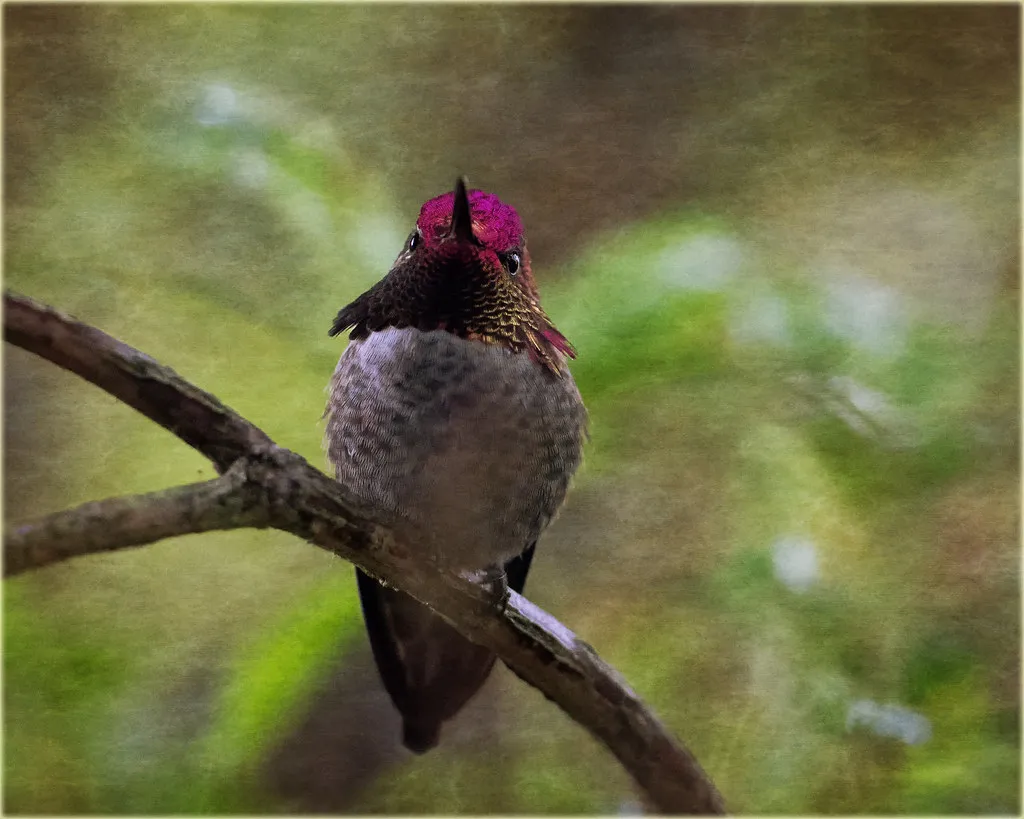
Most people picture hummingbirds perching only during sunny daytime feeding breaks, but perches matter just as much during storms and at dusk. A new branch is far more appealing if it’s part of a network that includes a sheltered fallback for genuinely bad conditions, since they rarely ride out heavy rain or a cold, windy night on the same exposed guard perch they use in the afternoon sun.
Instead, they retreat to thicker foliage or a sheltered branch, sometimes only a few feet away but completely different in feel. A perch that doesn’t connect to any decent shelter option is far less likely to enter their routine. In other words, one perfect isolated stick in an otherwise bare yard loses out to a decent perch sitting near a dense shrub or evergreen. Hummers think in routes and clusters, not single objects.
#4 – Whether the Background Hides Them or Exposes Them
🔥 Would you like to save this?
We'll email this post to you, so you can come back to it later!
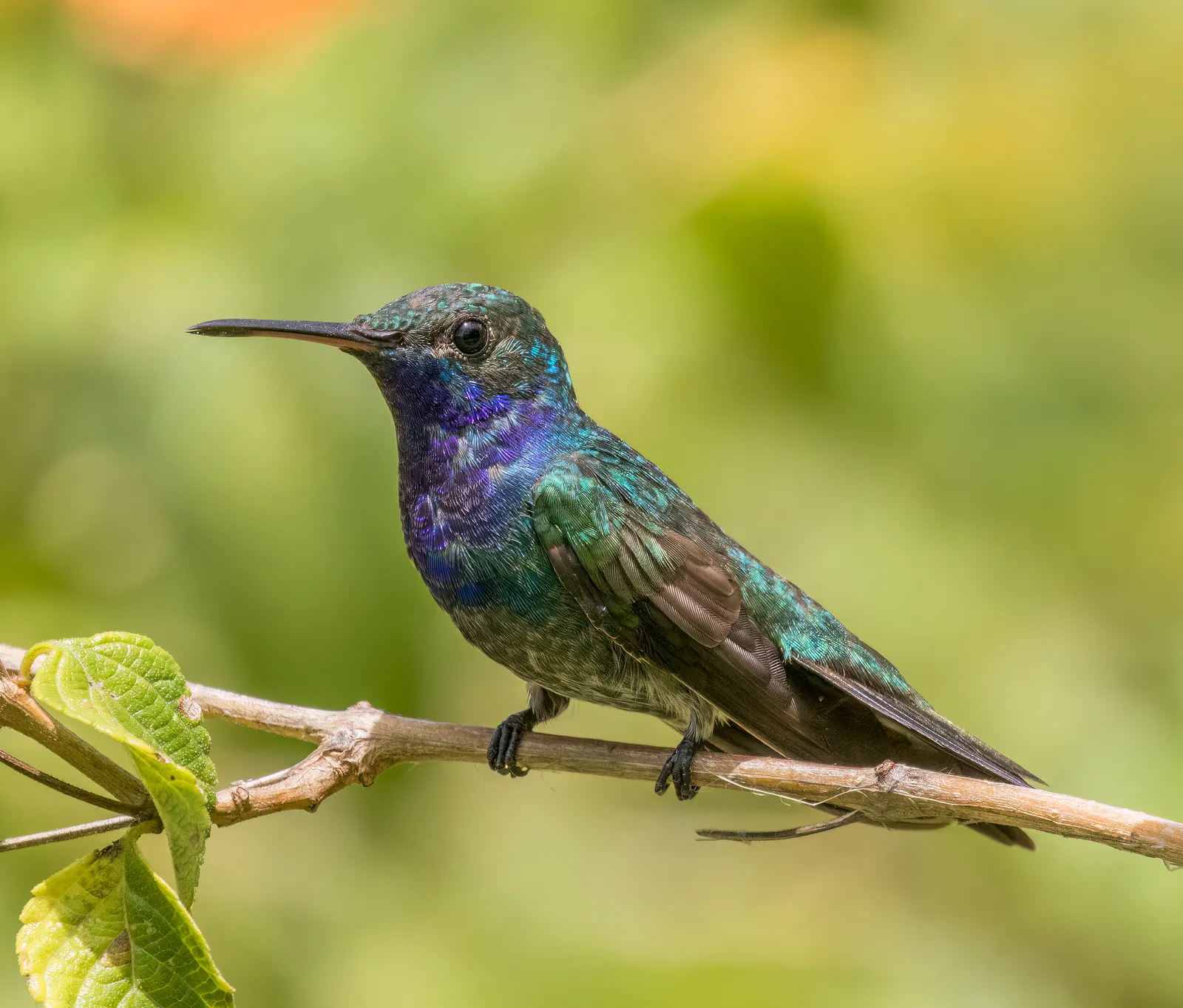
Here’s a detail almost nobody talks about: background contrast. Against a pale wall or bright open sky, a hummingbird turns into an easy target silhouette. Against varied foliage and mixed light and shadow, it becomes far harder for a predator to pick out.
They’ll often choose branches where their dark backs blend into a tree trunk or mixed leaves rather than a stark, empty horizon. To a hawk scanning from above, that turns them into one more shape in a messy picture instead of a clean, isolated outline. Ironically, people often clear the background behind a perch for better photos, accidentally making their birds feel completely exposed. A clean backdrop pleases your camera, not the hummingbird’s survival instincts.
#3 – Whether It Sits Inside Someone Else’s Territory
🔥 Would you like to save this?
We'll email this post to you, so you can come back to it later!
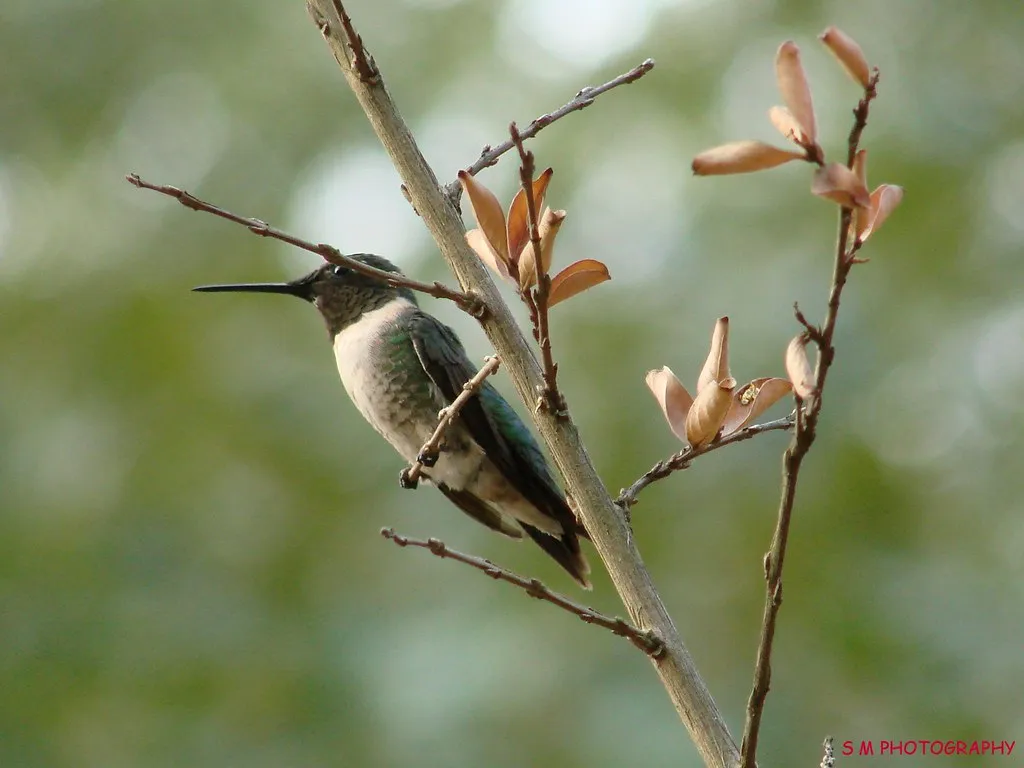
Hummingbirds map invisible borders across your yard, where one bird patrols, where another sneaks in from the neighbor’s flowers, where predators tend to show up. A new perch gets evaluated entirely within that mental border system, and if it sits in the middle of another bird’s well-defended zone, a newcomer may avoid it no matter how perfect it looks on paper.
Dominant birds want perches that let them enforce these invisible lines, often right at the edge of their zone where they can intercept intruders. Subordinate birds, on the other hand, often choose more hidden or off-angle perches just to stay out of conflict entirely. This is exactly why two yards with identical plants and feeders can end up with completely different favorite perches, the territory map changes everything.
#2 – Whether the Perch Actually Pays for Itself
🔥 Would you like to save this?
We'll email this post to you, so you can come back to it later!
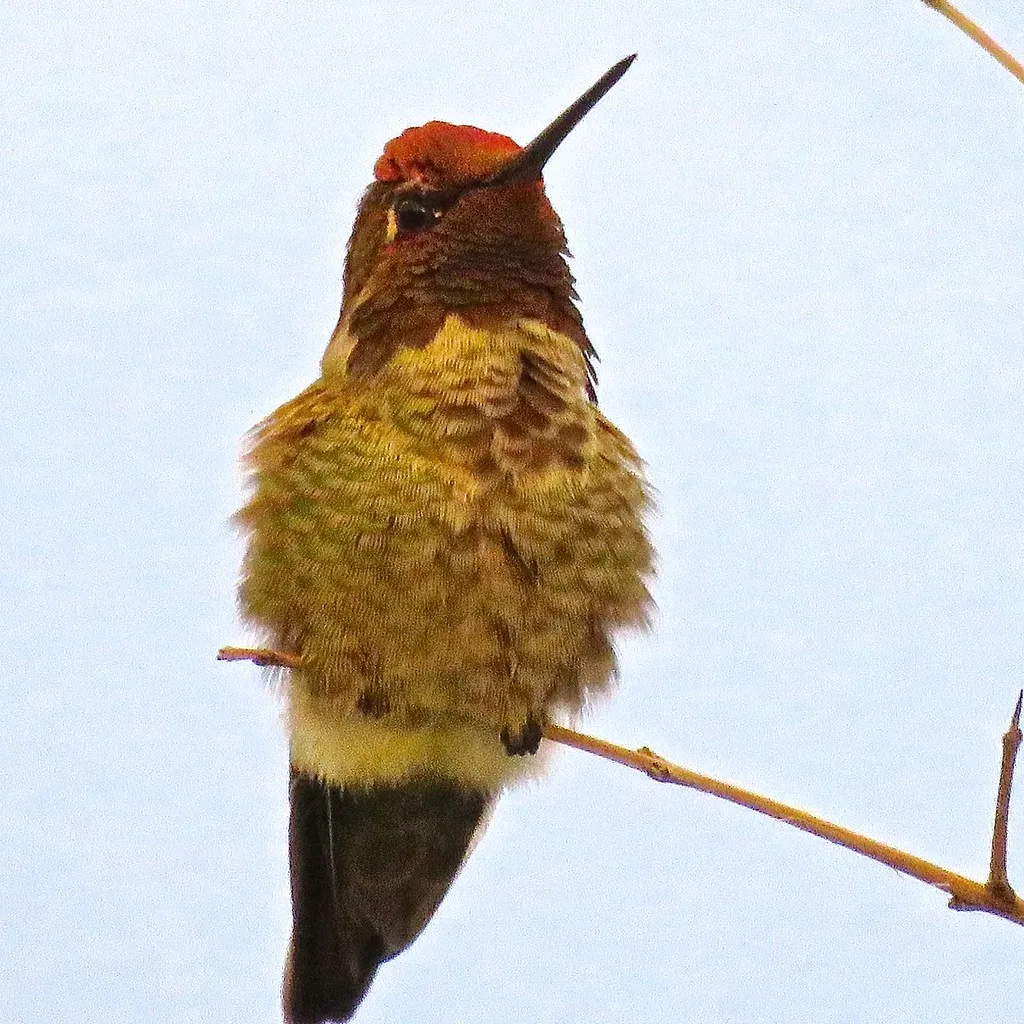
At the end of the day, every decision a hummingbird makes runs through one harsh filter: energy in versus energy out. A perch only earns its place if it helps win that equation, whether by saving energy through rest or protecting a nectar source through defense.
They will happily choose a less comfortable branch if it clearly improves their long-term access to nectar and cuts down how often they have to refuel. This is why a hummer sometimes sits in what looks like a strange, exposed spot to us, it’s a cold, calculated tradeoff, not a mistake. If a new perch doesn’t clearly move the energy budget in the right direction, it gets tested once, then quietly dropped from the rotation forever.
Worth Knowing
- Hummingbirds often need to feed every 10-15 minutes throughout daylight hours
- They can visit hundreds of flowers in a single day while building up energy reserves
- A poorly placed perch that adds even a few extra seconds of flight per trip adds up fast across dozens of visits
- That’s why energy efficiency quietly overrides comfort in almost every perch decision
#1 – Trust: Has This Spot Proven Itself Over Time?
🔥 Would you like to save this?
We'll email this post to you, so you can come back to it later!
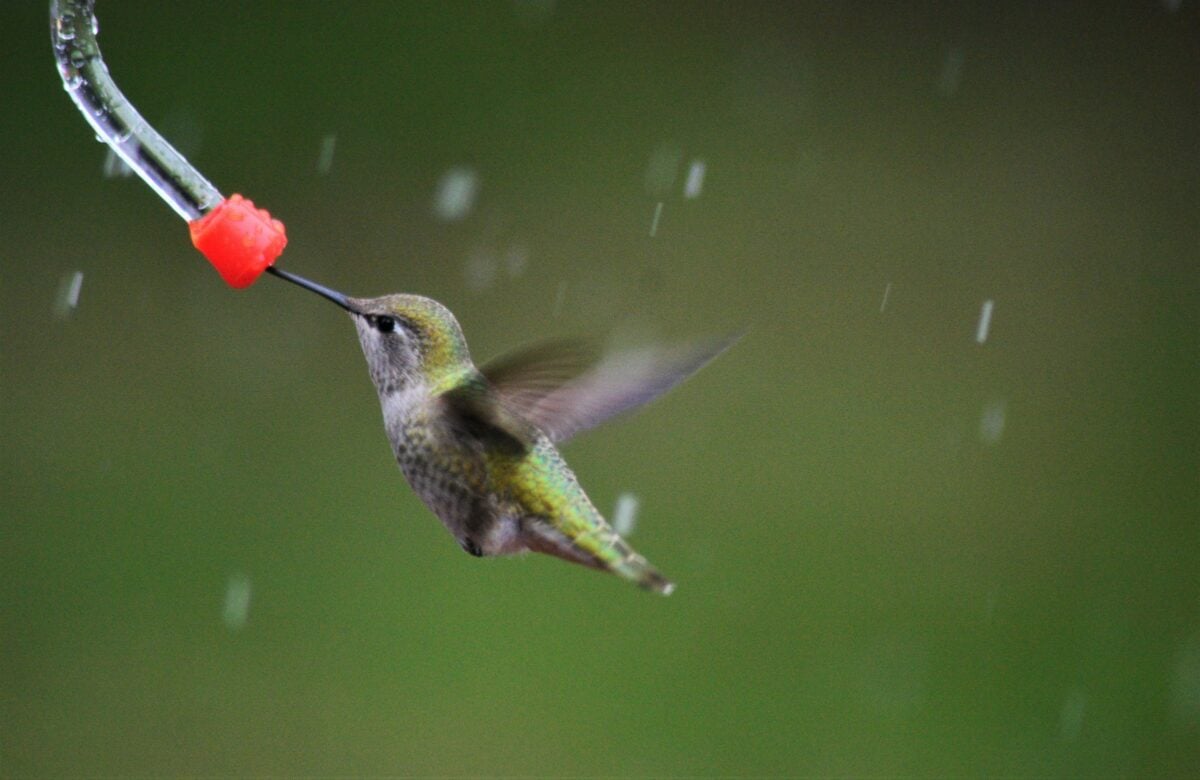
Here’s the part that frustrates humans the most, and matters to hummingbirds the most: trust. You can get everything technically right, the height, the thickness, the view, the distance to nectar, and still watch a bird ignore a brand-new perch completely. That’s because hummingbirds don’t just judge places, they build relationships with them.
A perch becomes truly accepted only after it has repeatedly failed to get them killed, surprised, or harassed. Each quiet, uneventful sit is a data point. This is why patience isn’t optional. People move feeders weekly, prune aggressively, swap out decorations, then wonder why the birds seem skittish. From the hummingbird’s perspective, you’re rewriting the map every single time. A perch that simply stays put, surrounded by a stable environment, slowly becomes the one they trust with their small, high-risk lives.
The Bottom Line
🔥 Would you like to save this?
We'll email this post to you, so you can come back to it later!
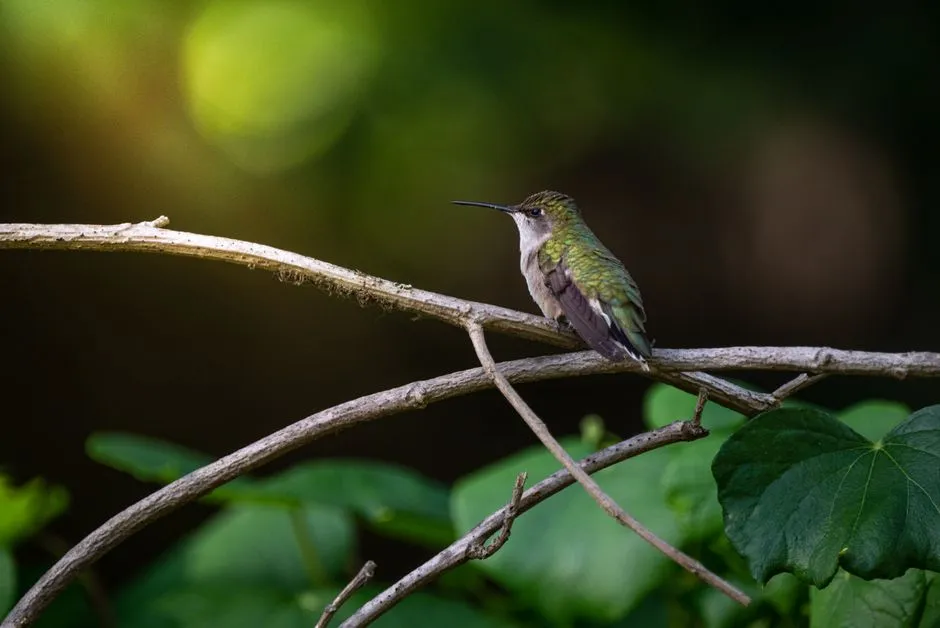
A hummingbird’s perch isn’t just a stick, it’s a survival strategy running on a constant loop of risk assessment. They’re not being picky to annoy us, they’re working through a ruthless checklist: predator risk, escape routes, grip, wind, sun angle, bug pressure, human traffic, rival visibility, and above all, energy economics and trust. If even one or two of those conditions feel wrong, they’ll keep flying rather than settle for a branch that doesn’t serve their agenda.
Most backyard guides oversimplify all of this, pushing pretty plants and cute feeder accessories while ignoring the hard behavioral logic these birds actually live by. In my view, the smartest move any backyard birder can make is to stop rearranging everything and start watching where the birds already choose to sit. Copy that pattern, not the catalog photo. So here’s the real question worth sitting with: are hummingbirds pickier than we give them credit for, or have we just been designing our yards for ourselves this whole time?

- 7 Everyday Habits That Can Make Your Senior Dog Happier - November 5, 2026
- 10 Enigmatic Structures That Continue to Puzzle Scientists Today - November 5, 2026
- 10 Strange Ruins in the Americas That Challenge What We Know About Early History - November 5, 2026