


Have you ever thought about what magical beings might be lurking deep within the Amazon Rainforest? Imagine a world where the trees tower above like skyscrapers and rivers twist and turn like snakes. This is a place where creatures exist that you won’t find anywhere else on Earth. Some are so bizarre, they seem like they sprang from a dream. Others are so tiny, you’d miss them if you blinked. The Amazon is a living, breathing treasure chest of wonders that’s teeming with life. If you love animals, or simply crave a taste of wild adventure, you’re about to discover 17 of the most unique creatures you can only find in this lush, mysterious forest. Get ready to be amazed!
17. Amazonian Manatee

The Amazonian manatee is a gentle giant gliding through the slow-moving rivers and flooded forests of the Amazon Basin. Unlike its ocean-dwelling cousins, this freshwater mammal is rarely seen, making it one of the most elusive animals in the rainforest. With its rounded body, paddle-shaped tail, and sweet, whiskered face, the manatee looks almost like a living water balloon. These peaceful vegetarians feed mostly on aquatic plants, and can eat up to 8 percent of their body weight every day. Sadly, their numbers are shrinking fast due to hunting and habitat loss. If you ever spot one, consider yourself incredibly lucky—many locals have never even seen one in their lifetime.
16. Pink River Dolphin

The pink river dolphin, also called the boto, flashes through the muddy waters of the Amazon like a ghost. Their color ranges from a soft blush to a vivid cotton-candy pink, which makes them look almost magical at dawn or dusk. Unlike sea dolphins, these creatures have long, flexible necks and bulbous foreheads, perfect for navigating the flooded forests and tangled roots. Local legends say the boto can transform into a handsome man and charm villagers during moonlit nights. Whether or not you believe the stories, there’s no denying the boto’s charm or its playful intelligence. Their unique color and playful behavior make them a true gem of the Amazon.
15. Giant Otter

If you hear a chorus of whistles, barks, and squeaks echoing through the Amazon’s waterways, you might be near a family of giant otters. These social mammals are the largest otters in the world, growing up to six feet long. Their thick, velvety fur and powerful tails help them slip through the water like furry torpedoes. Giant otters are fierce hunters, working together to catch fish and crustaceans. Their playful antics make them endearing, but don’t be fooled—they can be quite territorial and loud when protecting their young. Watching a group of them in action is like seeing a synchronized swimming team, only much furrier.
14. Pygmy Marmoset

The pygmy marmoset is the world’s tiniest monkey, barely bigger than a human thumb. These adorable creatures weigh about as much as a deck of cards and can easily fit in your palm. They dart through the tangled branches, using their sharp claws to cling to tree trunks as they search for sap and insects. Their tiny squeaks and chirps sound more like birds than monkeys. Despite their size, pygmy marmosets are incredibly brave, defending their territory fiercely from intruders. Spotting one in the wild is like finding a living toy—delicate, quick, and endlessly entertaining.
13. Glass Frog

At first glance, the glass frog looks like any other small, green amphibian. But look a little closer, and you’ll notice something extraordinary—its belly is completely see-through! You can actually see its beating heart and tiny organs through its translucent skin. This remarkable adaptation helps it hide from predators by blending in with the leaves and letting light pass right through its body. Glass frogs are mostly nocturnal, emerging at night to hunt for insects and lay their eggs on leaves overhanging streams. Their delicate appearance gives them an almost alien quality, making them one of the most fascinating frogs in the rainforest.
12. Hoatzin

The hoatzin is a bird that’s so strange, it’s often compared to dinosaurs. With its spiky crest, blue face, and reddish eyes, it looks almost prehistoric. But that’s not the weirdest part—hoatzin chicks are born with claws on their wings, which they use to climb branches before they can fly! Adults have a unique diet, eating mostly leaves and fermenting them in a special stomach, which gives them a distinctive odor. Some people call them “stinkbirds” because of this unusual smell. Despite their odd appearance and habits, hoatzins are surprisingly graceful as they move through the swampy forests.
11. Amazonian Poison Dart Frog

The Amazonian poison dart frog may be tiny, but it packs a powerful punch. These brightly colored amphibians, shimmering in electric blue, yellow, or red, use their skin toxins as a deadly defense against predators. Indigenous people have used their toxins to tip blow darts for hunting, giving these frogs their famous name. The color of each frog warns would-be predators to stay away, like a living stop sign. Watching one hop across the rainforest floor is like seeing a living jewel come to life, dazzling and dangerous all at once. Their beauty is a clear reminder not to judge a creature only by its size.
10. Electric Eel

In the murky waters of the Amazon, the electric eel glides silently, armed with a shocking defense. Despite its name, it’s not a true eel, but this fish can generate powerful electric charges—enough to stun prey or deter predators. At up to eight feet long, the electric eel is a formidable hunter, using bursts of electricity to navigate, communicate, and electrocute small fish. It’s like the rainforest’s own living battery, and stories abound of its jolt knocking horses off their feet at river crossings. Watching one in the wild is a reminder that in the Amazon, you never know what surprises might be lurking just beneath the surface.
9. Amazonian Royal Flycatcher

The Amazonian royal flycatcher is a small, unassuming bird—until it raises its spectacular crest! When excited or threatened, this bird fans out a crown of bright red, orange, and blue feathers, looking like it’s wearing a royal headdress. This dramatic display helps scare off predators and attract mates. The rest of the time, the royal flycatcher flits quietly through the forest, hunting insects with its sharp beak. Its hidden beauty is a perfect metaphor for the Amazon itself—full of surprises and hidden treasures waiting to be discovered. Seeing one display its crown is like witnessing a tiny parade in the treetops.
8. Amazonian Giant Centipede

The Amazonian giant centipede is the stuff of nightmares—or scientific fascination, depending on your view. Growing up to a foot long, this many-legged predator hunts insects, spiders, and even small vertebrates like frogs or lizards. Its venomous bite can subdue prey much larger than itself. The centipede’s body is armored and segmented, moving with a sinuous, almost hypnotic motion across the forest floor. While it’s not something most people want to meet in the wild, the giant centipede plays an important role in keeping insect populations in check. It’s a reminder that even the creepiest creatures have a place in the Amazon’s delicate balance.
7. Jaguar

The jaguar, with its golden coat patterned with black rosettes, is the undisputed king of the Amazon. These powerful, elusive cats prowl the dense jungle, hunting everything from capybaras to caimans. Unlike most big cats, jaguars love water and are excellent swimmers, often seen lounging on riverbanks or stalking prey in shallow streams. Their piercing gaze and silent movements make them nearly invisible in the dappled light of the rainforest. Local stories paint them as mystical guardians of the jungle. Spotting a jaguar in the wild is like winning the lottery—it’s rare, unforgettable, and leaves your heart pounding.
6. Amazonian Leafcutter Ant

Leafcutter ants may be small, but their impact on the rainforest is enormous. Marching in endless lines, these industrious insects slice up leaves and carry pieces back to their underground nests, sometimes spanning several meters. They don’t eat the leaves directly—instead, they use them to cultivate fungus, which becomes their main food source. Watching a colony at work is like seeing a miniature city in motion, with workers, soldiers, and even tiny ant “farmers” tending their fungus gardens. The leafcutter ant’s teamwork and resourcefulness are nothing short of inspiring, proving that even the tiniest creatures can shape an entire ecosystem.
5. Amazonian Tree Boa

The Amazonian tree boa coils itself among the branches, waiting patiently for the slightest movement below. This snake comes in a dazzling array of colors, from bright reds and oranges to subtle greens and browns, perfectly blending into the forest canopy. It hunts by ambush, striking quickly at birds, bats, or small mammals. Unlike many snakes, the tree boa gives birth to live young rather than laying eggs. Its slow, graceful movements through the trees make it both beautiful and mysterious. Encountering one is a reminder of how well-adapted Amazonian creatures are to their lush, complex world.
4. Amazonian Giant River Turtle

The Amazonian giant river turtle is one of the largest freshwater turtles in the world. With a shell that can grow over two feet across, these ancient reptiles gather in large groups to bask on sandy riverbanks or lay their eggs. Every year, thousands of hatchlings scramble from their nests to the water, dodging hungry predators along the way. Adult turtles are mostly herbivorous, feasting on fruits and aquatic plants. They play a crucial role in dispersing seeds through the rainforest, helping new plants grow. Seeing a giant river turtle up close feels like meeting a living fossil—a direct link to the Amazon’s distant past.
3. Amazonian Parrot Snake
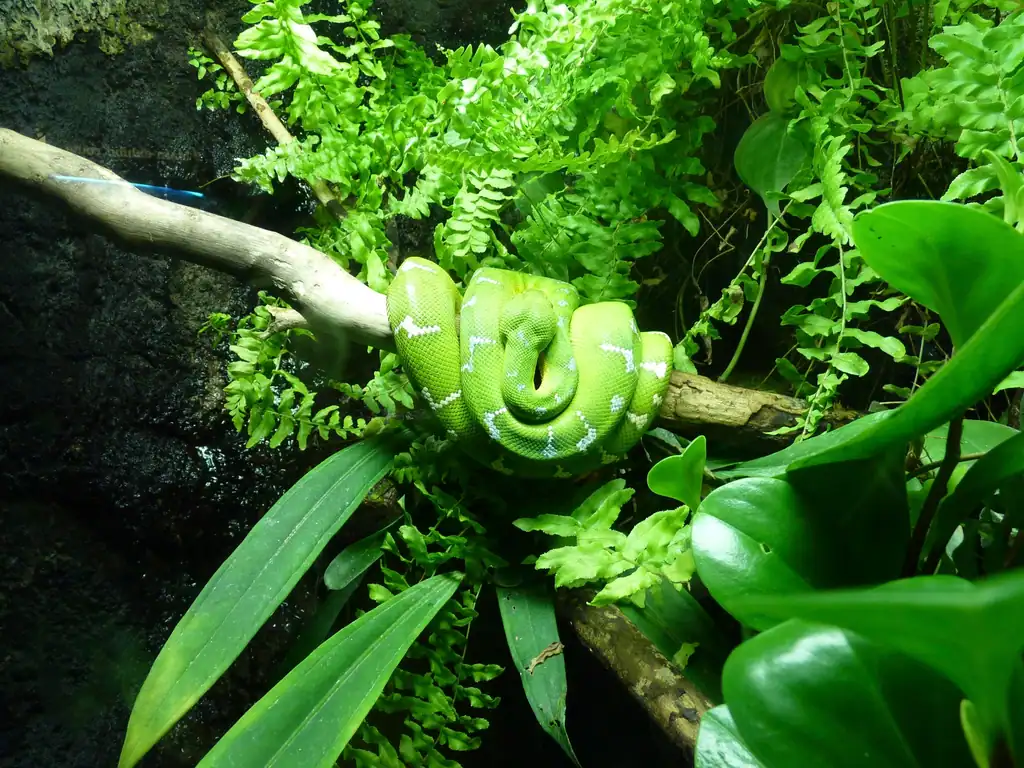
Slender and agile, the Amazonian parrot snake is a master of stealth. Its bright green scales shimmer in the sunlight, allowing it to vanish among leaves and branches. This non-venomous snake is lightning-fast, striking at lizards, frogs, and birds with pinpoint accuracy. Despite its name, it doesn’t prey on parrots, but its vibrant color is reminiscent of the rainforest’s most flamboyant birds. Watching a parrot snake glide through the canopy is like seeing a ribbon of emerald energy weaving through the trees. Its beauty is a testament to the Amazon’s endless creativity.
2. Amazonian Tarantula

The Amazonian tarantula is one of the largest spiders on Earth, with a leg span that can reach up to a foot across. These hairy giants live in burrows on the forest floor, emerging at night to hunt insects, frogs, and even small rodents. Despite their fearsome appearance, tarantulas are shy and rarely dangerous to humans. Their silky webs glisten in the damp air, and their delicate movements show a surprising grace. Holding one (if you dare) feels like touching a living, breathing piece of the Amazon itself—soft, mysterious, and just a little bit spooky.
1. Poison Leaf Frog

Perched on the edge of a leaf, the poison leaf frog is a marvel of adaptation. Its brilliant colors—ranging from neon green to deep blue—warn predators of the potent toxins in its skin. These frogs are vital to indigenous peoples, who have used their poisons for hunting for generations. Despite their small size, poison leaf frogs play a big role in maintaining the balance of the forest, controlling insect populations and providing food for other animals. Their presence is a sign of a healthy rainforest, and their beauty is truly unforgettable.
Conclusion

The Amazon Rainforest is more than just a vast stretch of green—it’s a living masterpiece, filled with creatures that can’t be found anywhere else. Each animal, whether it’s a giant like the manatee or a tiny marvel like the pygmy marmoset, plays a unique role in this amazing ecosystem. These 17 creatures remind us just how wondrous and fragile the natural world can be. Next time you think of the Amazon, picture these incredible beings and imagine what other secrets might still be hidden beneath its leafy canopy. Which of these creatures surprised you most?

As a little kid, I fell in love with nature, wildlife, and animals. Living in the USA, South Africa, Italy, China and Germany gave me the opportunity to discover the world's Wildlife. My favorite animals are Mountain Gorillas, Siberian Tigers, and Great White Sharks.
I'm a certified PADI Open Water Diver, went to Everest Base Camp and Trekked Gorillas in Uganda. I hold a Master of Science in Economics and Finance.
Please send any feedback to feedback@animalsaroundtheglobe.com
- 14 Birds of Prey That Can Spot a Mouse From Miles Away - August 10, 2026
- 17 Creatures You Can Only Find in the Amazon Rainforest - August 10, 2026
- 12 Creatures That Thrive in Toxic Environments - August 10, 2026
Leave a comment
You must be logged in to post a comment.