
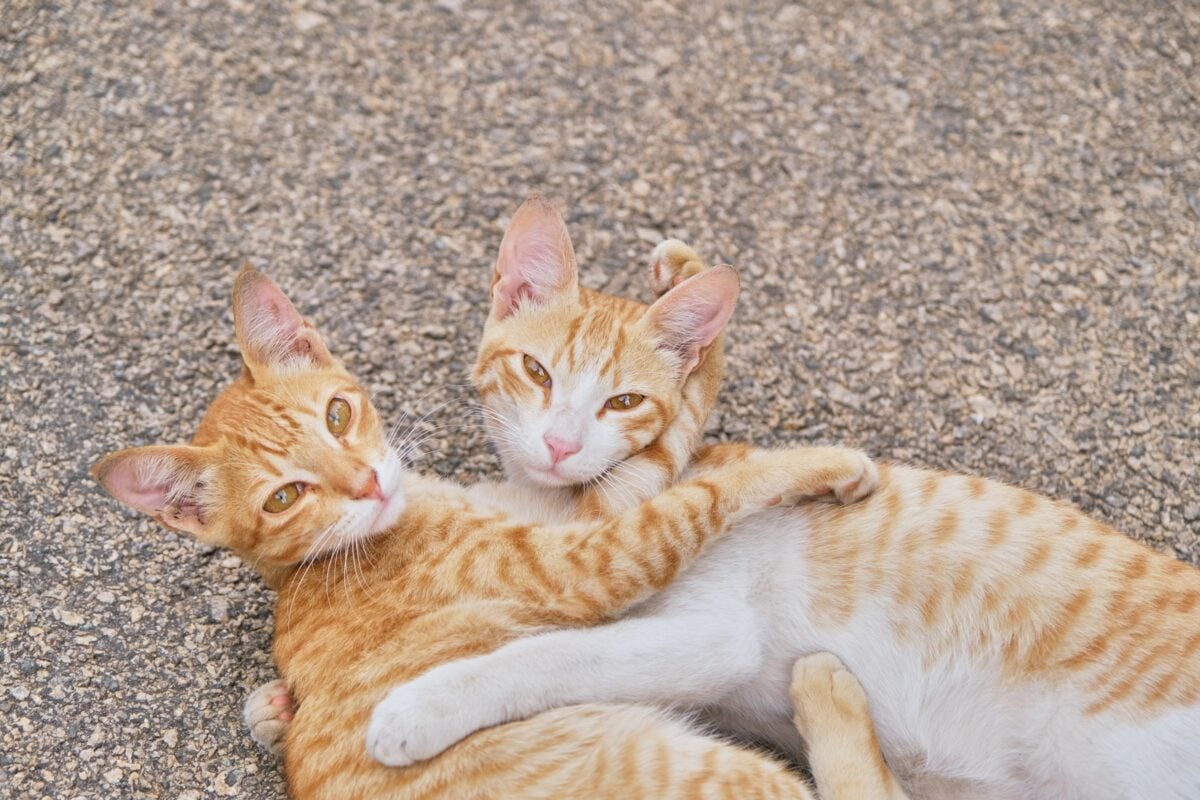
Picture a colony of stray cats crammed into one alley, all competing for the same dumpster, the same patch of shade, the same mate. You’d expect blood. You’d expect screaming, chasing, chaos. Now picture that same alley on an ordinary Tuesday afternoon – and there’s almost none of that. Just a strange, quiet order that looks weirdly choreographed, like everyone already knows their line.
Ethologists who actually sit and watch feral colonies for weeks at a time keep running into the same surprising pattern: real violence is the exception, not the rule. What looks like anarchy from the outside is actually one of the most efficient conflict-resolution systems in the animal world, built on posture, timing, and a thousand tiny concessions no human bystander would ever notice. Stick around, because by the time you hit #17, you may start wondering why humans are so much worse at this than a colony of stray cats.
#1 – Who Eats First at the Food Source
🔥 Would you like to save this?
We'll email this post to you, so you can come back to it later!
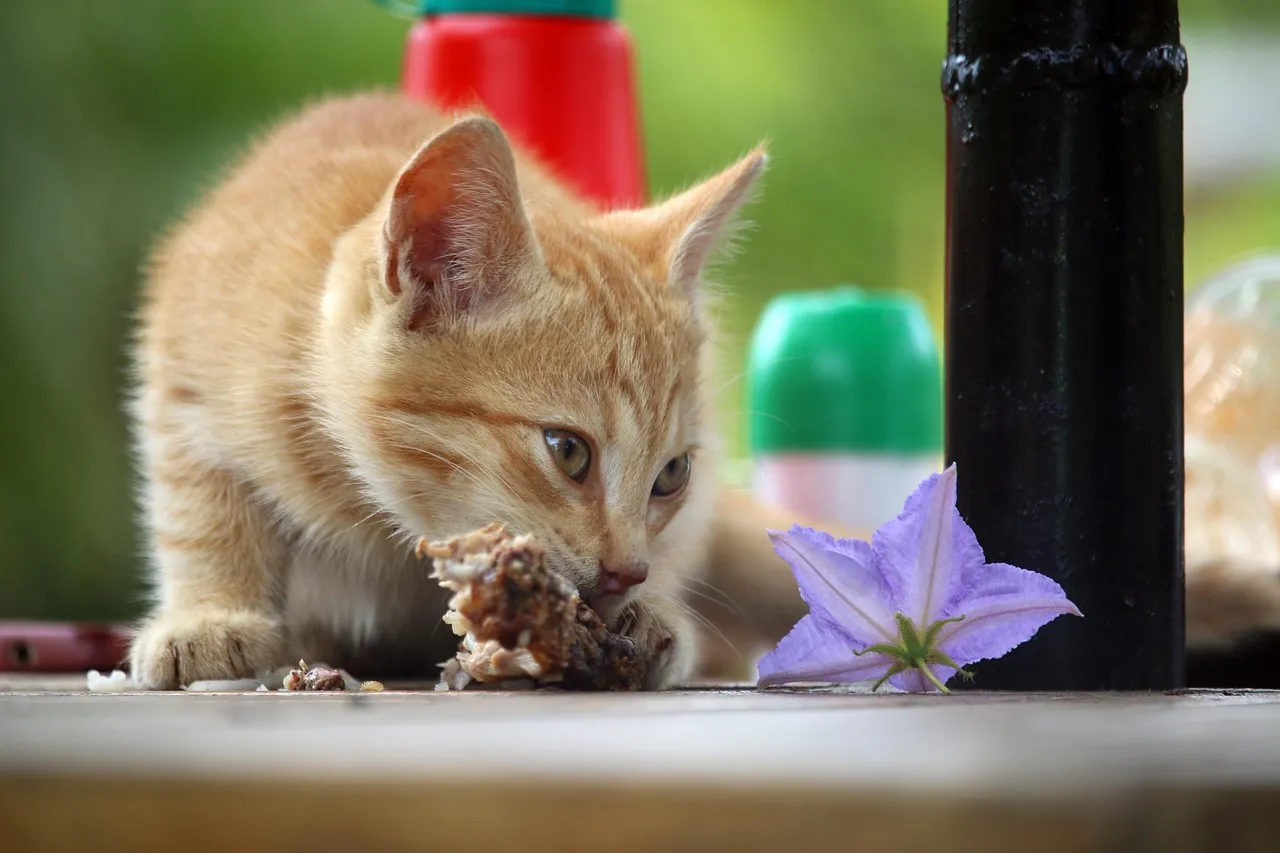
Food is the most common flashpoint in any feral colony, and it’s also the dispute least likely to turn violent. Around dumpsters, docks, and feeding stations, there’s almost always a loose “feeding order.” Higher-status or older animals step in first while younger, lower-ranking ones simply hang back a few feet – not out of constant fear, but because everyone already knows the cost of challenging that invisible line.
Instead of brawls, you get short, sharp signals: a hard stare, a stiffened tail, a low growl, a quick air-swat that never even lands. That’s enough. The other animal blinks, turns its head, sidesteps a few inches, and the message is received. Everyone still eats – just not at the same time, and with almost no injury involved. It’s quiet efficiency humans walk right past every day.
#2 – Whose Turn It Is to Rest in the Safest Spot
🔥 Would you like to save this?
We'll email this post to you, so you can come back to it later!
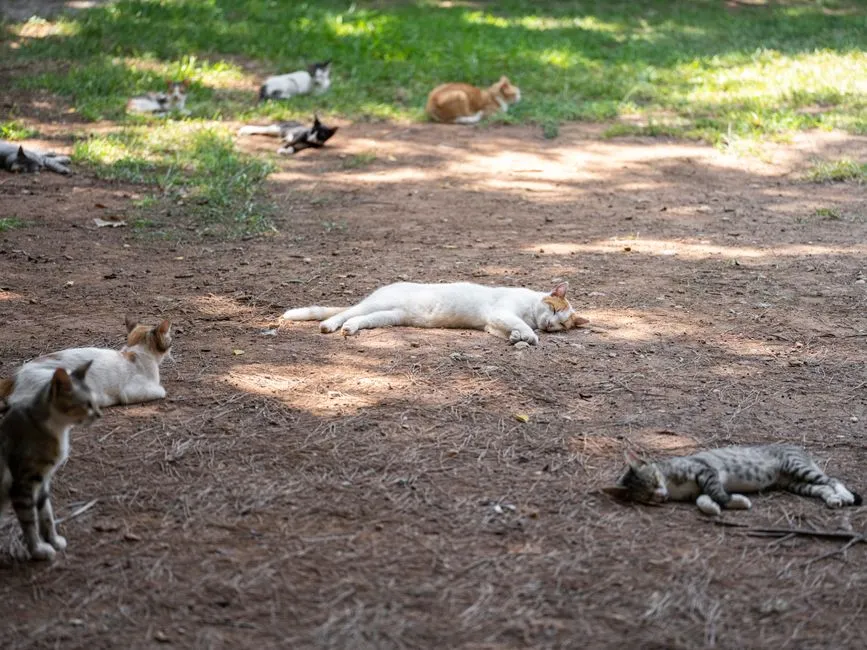
You’d expect the best real estate in a colony – the shaded corner in summer, the wind-blocked nook in winter, the elevated perch away from predators – to be a constant war zone. It almost never is. What observers actually see looks more like time-sharing than turf war: one animal occupies the spot for a while, wanders off to groom or drink, and another slides in without so much as a glance exchanged.
How do they decide who’s next? Subtle reading of posture, routine, and history. An exhausted nursing mother can often walk straight into the most protected bed in the colony, and everyone else simply drifts away instead of contesting it. Young, energetic males rotate through the lesser spots without complaint. No peace treaty gets written – it’s learned through hundreds of tiny daily interactions that add up to fewer injuries and less stress for the whole group.
#3 – Who Gets Mating Access Without a Showdown
🔥 Would you like to save this?
We'll email this post to you, so you can come back to it later!
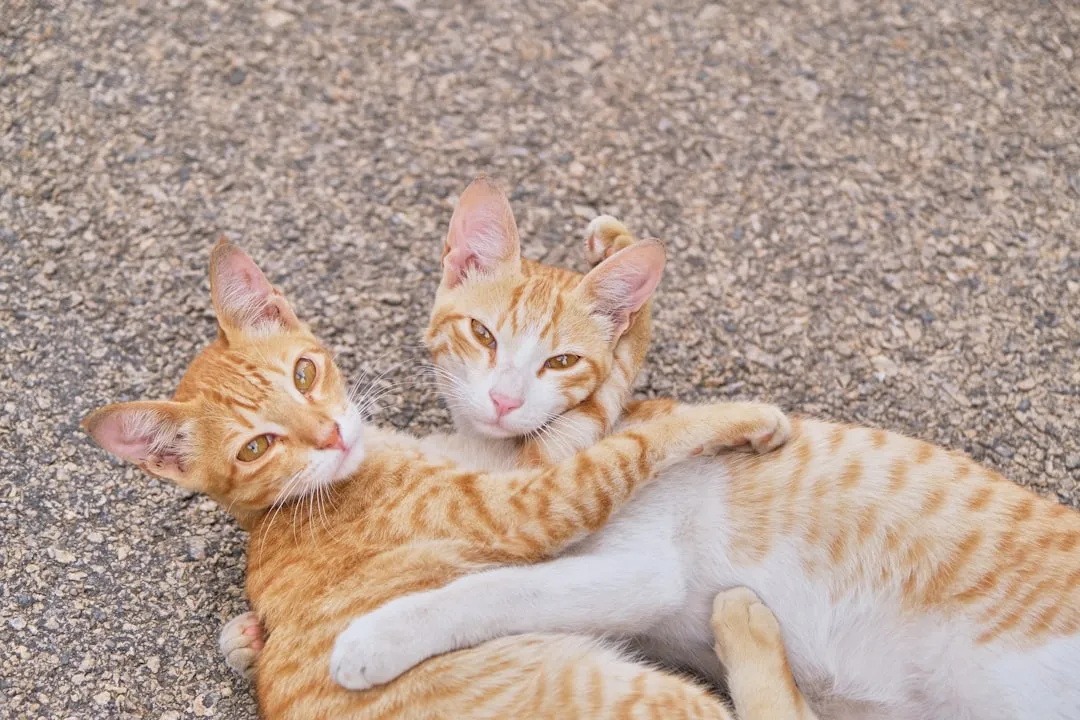
If there’s one topic you’d bet money would cause constant fighting, it’s mating rights. Yet even here, colonies mostly sidestep full combat. A small number of dominant males typically get most of the mating access, but they don’t defend it with nonstop brawls – they lean on intimidation, posturing, and timing instead.
A confident walk, a raised tail, direct eye contact, and the way a male occupies space is often enough to make a subordinate decide, “Not worth it today.” Younger males learn to read the room, sneaking in when the dominant male is out patrolling or backing off when he’s nearby. You’ll see chases, loud yowls, maybe a cuff – but rarely a fight to the finish, because nature doesn’t reward a male who wins the fight but is too injured to mate or hunt afterward.
Fast Facts
- Most feral cat colonies settle around 10 to 20 individuals sharing one core territory.
- Kitten season typically peaks between spring and early fall, which is exactly when mating-related tension spikes.
- A single unneutered tomcat can sire dozens of kittens across multiple litters in a single season.
- Trap-neuter-return (TNR) programs remain the go-to tool for shelters trying to stabilize colony size and ease competition.
#4 – Who Controls the Pathways In and Out
🔥 Would you like to save this?
We'll email this post to you, so you can come back to it later!
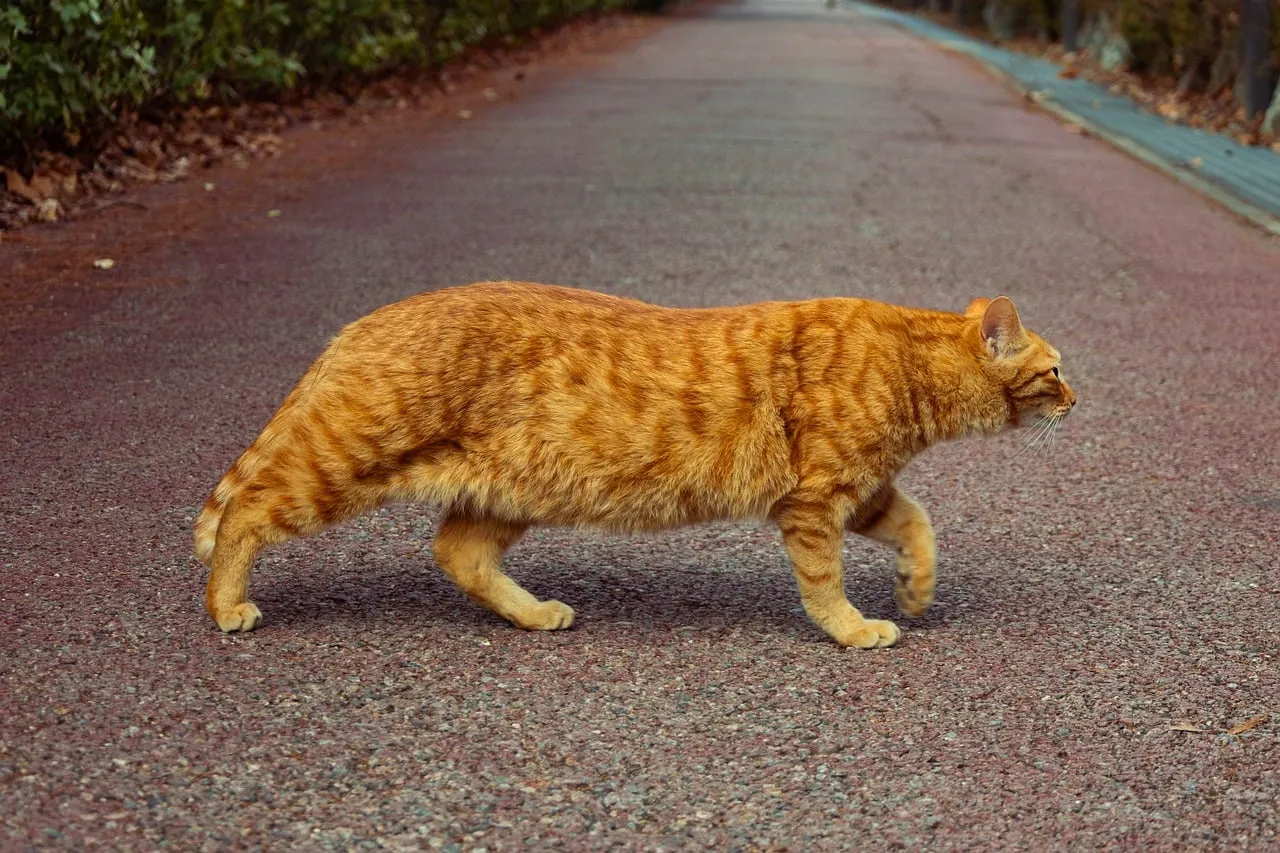
In any feral setup – alley cats, street dogs, even urban foxes – real power often hides in what looks like nothing at all: the narrow gap in a fence, the safest line across a road, the tree branch that offers a clean escape to the roof. You’d expect these choke points to trigger constant ambushes. Instead, you usually find an unspoken right-of-way system.
One animal pauses and glances, then lets another pass first. A lower-status animal might flatten its body, avert its eyes, and wait in a doorway until the bigger one slips by. Sometimes an animal will step aside mid-path, sit down, and start grooming – the universal signal for “I’m not blocking you.” If every crossing turned into a fight, the colony would burn out fast, so energy gets saved for real emergencies instead.
#5 – What Happens When Newcomers Arrive
🔥 Would you like to save this?
We'll email this post to you, so you can come back to it later!
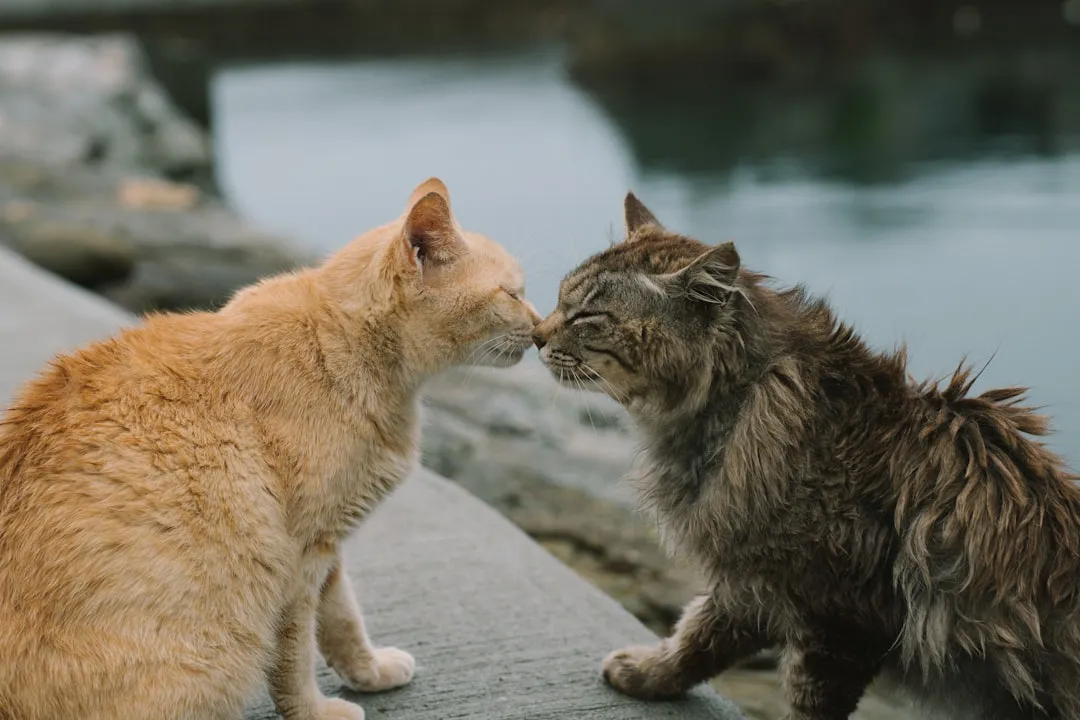
Most people assume a stranger wandering into feral territory gets attacked on sight. The reality is subtler, and honestly more strategic. There’s tension, sure – puffed tails, half-back ears, warning growls – but it’s mostly information-gathering, not automatic war. The residents are asking questions with their bodies: Who are you? Are you sick? Are you desperate? Are you confident?
A smart newcomer immediately switches to deferential behavior: low posture, slow blinks, wide arcs instead of direct approaches, staying away from the best food or sleeping spots. Over days or weeks, both sides test boundaries in tiny increments – shared feeding zones, parallel resting without contact. Most of the time, the fight everyone expects simply never happens. The outsider either quietly integrates near the bottom of the ladder or drifts away once it’s clear the resources are too tight to share.
#6 – How They Respond to a Sudden Resource Shortage
🔥 Would you like to save this?
We'll email this post to you, so you can come back to it later!
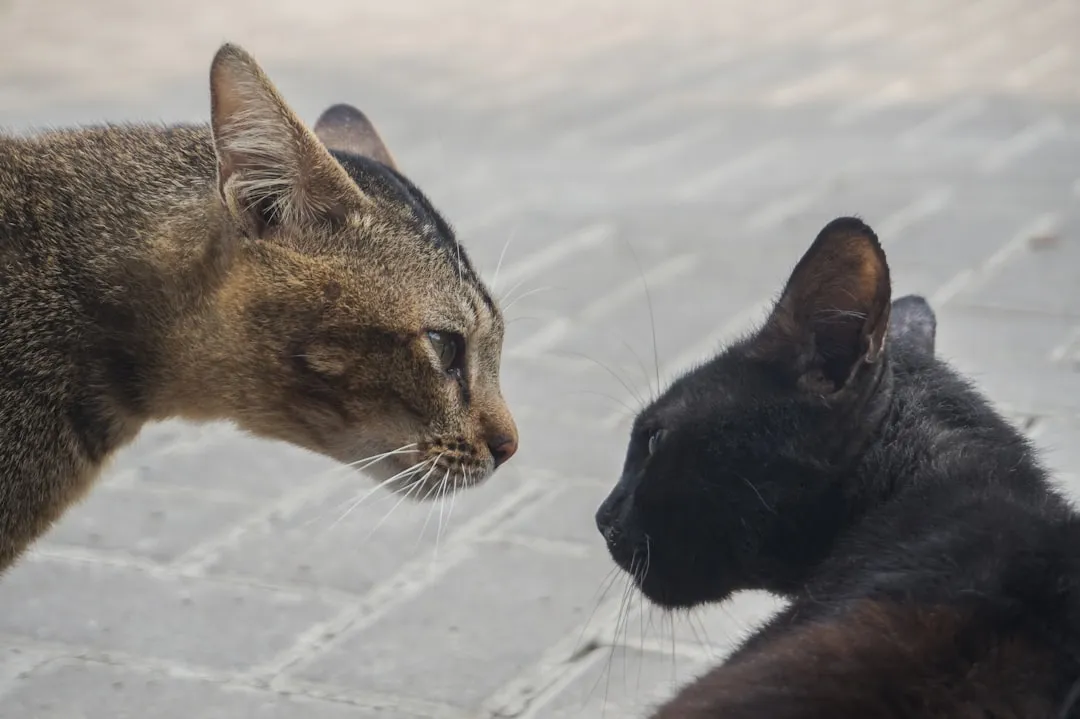
Here’s where you’d expect everything to explode: the food source dries up, or the person who was feeding them moves away. Instead, feral colonies usually respond with re-spacing rather than mass violence. Animals start ranging farther, staggering their arrival times, or shifting to secondary food sources. Conflict gets louder before it gets bloodier – bluff charges, high-arched standoffs, plenty of noise – yet actual wounds stay surprisingly rare.
The reason is brutally practical: an injury during scarcity is close to a death sentence. An animal that can’t hunt or scavenge efficiently after a bad fight is dead weight, so evolution favors the ones who are excellent at bluffing, excellent at reading bluffs, and quick to withdraw before things turn genuinely dangerous. Some individuals simply peel off and form satellite groups rather than fight to hold a collapsing territory – the colony fractures along stress lines instead of shattering in combat.
#7 – Who Babysits and Protects the Young
🔥 Would you like to save this?
We'll email this post to you, so you can come back to it later!
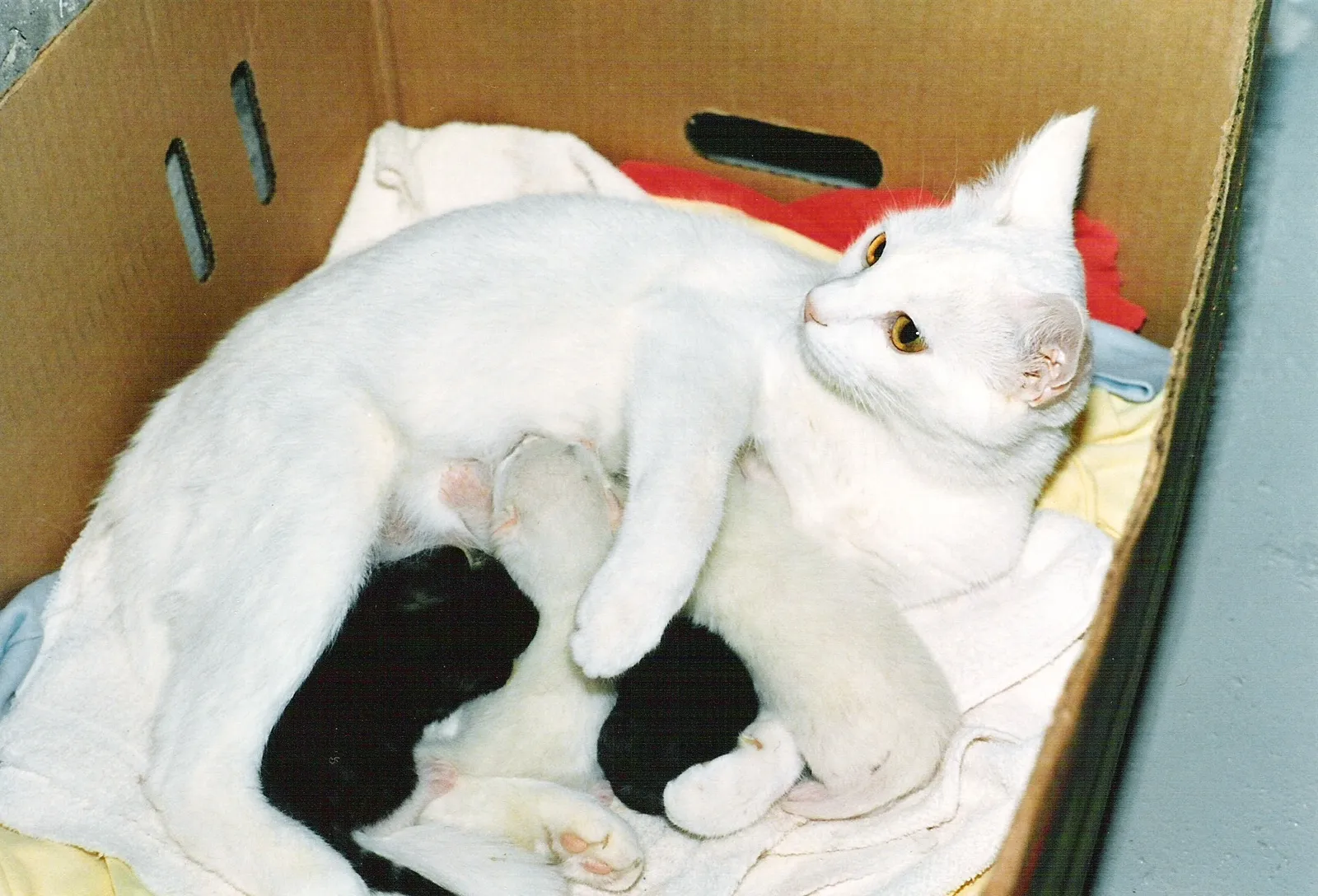
You’d think every mother in a feral colony would be locked in constant combat to protect her litter from every other adult, especially males. Instead, what often develops is a surprisingly cooperative, if tense, system. Related females frequently share nursery spaces, nurse each other’s kittens, and rotate watch duty. When it’s time to switch, one mother simply slips out while another quietly takes her place – no negotiation required.
The signals are small but unmistakable: how a mother positions herself near a favored hiding spot, how much tolerance she shows toward certain kittens, the exact level of growl she reserves for an adult who gets too close. Over time, everyone learns precisely how near they can approach without triggering a real attack, and they hover just outside that line. It’s not warm and fuzzy – it’s a fragile, negotiated truce that happens to keep the young alive.
#8 – How They Handle Minor Injuries and Sick Members
🔥 Would you like to save this?
We'll email this post to you, so you can come back to it later!
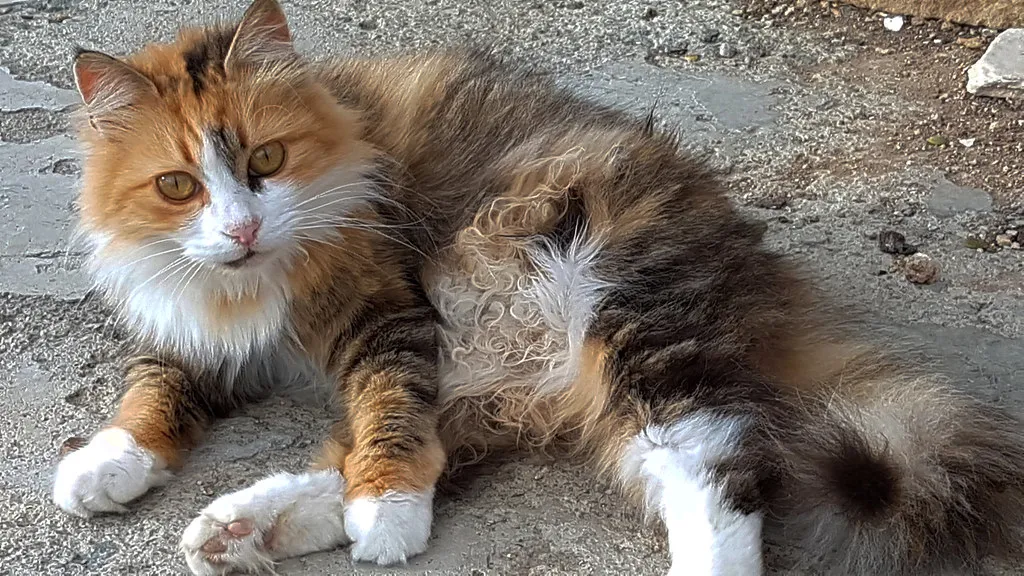
A sick or injured animal is both a liability and a potential flashpoint – weakness can invite harassment, and desperation can spark aggression. Yet in most feral colonies, the pile-on you’d expect rarely materializes. What actually happens is distance management: the injured animal self-isolates, choosing quieter edges of the territory, avoiding busy feeding times, resting in more concealed spots.
Occasionally there’s an irritated swat if the sick animal crowds a prime spot, but full group attacks are not the default. Constantly bullying a compromised member wastes energy and risks disease spreading through open wounds, so the colony mostly just leaves it alone. In some dog-like groups, subordinates will even bring food back or slow down for a struggling member. Nature isn’t soft, but it isn’t mindlessly cruel either – the unspoken rule is simple: don’t make a bad situation worse.
#9 – Who Leads During Movement or Escape
🔥 Would you like to save this?
We'll email this post to you, so you can come back to it later!
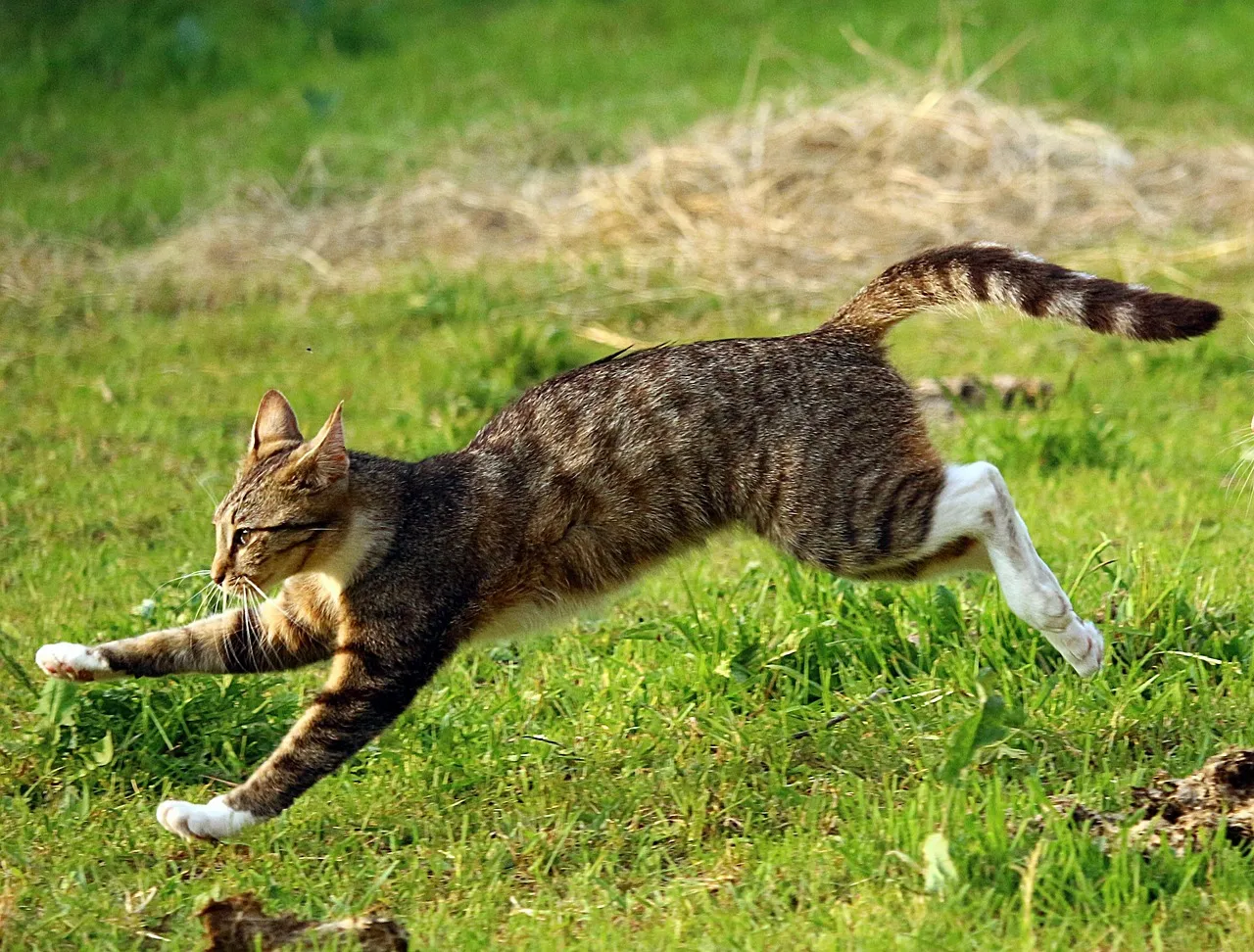
Leadership fights in human groups can drag on for years. In a feral colony, “who leads” often gets settled without a single scratch. When real danger shows up – a car, a hostile dog, a human moving the wrong way – one or two individuals move first, and everyone else keys off that motion instantly. The leader in that moment is simply whoever is confidently moving, not whoever’s been posturing about status all week.
If an animal repeatedly picks good escape routes or safe crossing times, others start defaulting to its choices automatically. There’s no arguing during the actual emergency. Leadership only gets challenged later, quietly – a different animal takes a slightly better route, hesitates less, or is first to approach a new food source, and if others follow, the leadership has already shifted. No votes, no coup, just a pattern change and an updated group habit.
Quick Compare
- Cat colonies: leadership shifts moment-to-moment, decided by whoever is confidently moving right now.
- Dog packs: leadership tends to stay more consistent, often anchored to a stable dominant pair.
- Cat colonies: status gets renegotiated constantly through subtle posture rather than fixed roles.
- Dog packs: cooperative hunting and food-sharing habits reinforce a longer-lasting rank order.
#10 – Night vs. Day Activity Disputes
🔥 Would you like to save this?
We'll email this post to you, so you can come back to it later!
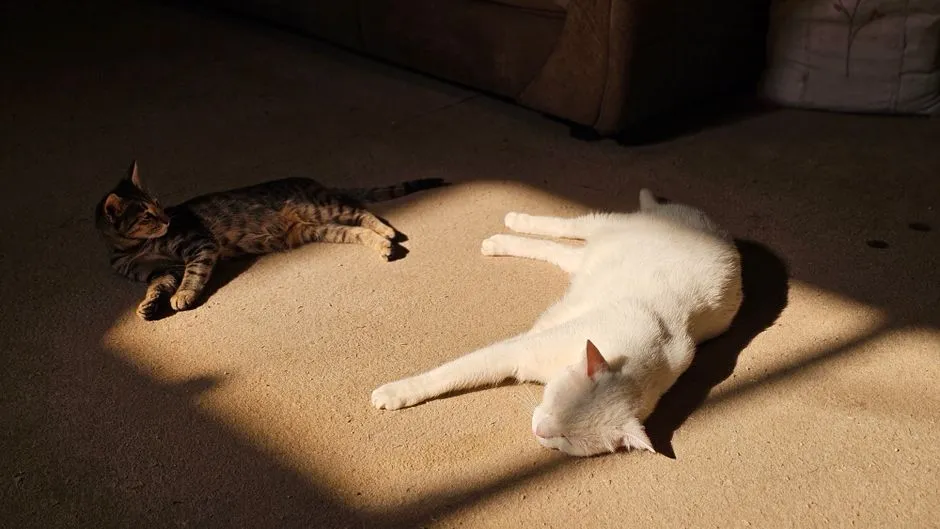
Not every member of a feral colony keeps the same schedule. Some are night owls, some are active at dawn and dusk, and a few get surprisingly comfortable moving during busy human hours. That mismatch could easily spark friction over shared space – but instead, colonies tend to settle into temporal zoning. Different animals use the exact same spot at different hours, effectively ghosting each other on a schedule no one wrote down.
The alley one cat patrols aggressively at night might be occupied by another animal at noon without a single confrontation. Resting spots shift with the sun; feeding times stagger based on each animal’s confidence and past experience. Real clashes tend to happen only between individuals whose schedules genuinely overlap – everyone else carves out a niche in time instead of space, and the conflict quietly resolves before it ever starts.
#11 – How They Divide Sound and Signal Responsibility
🔥 Would you like to save this?
We'll email this post to you, so you can come back to it later!
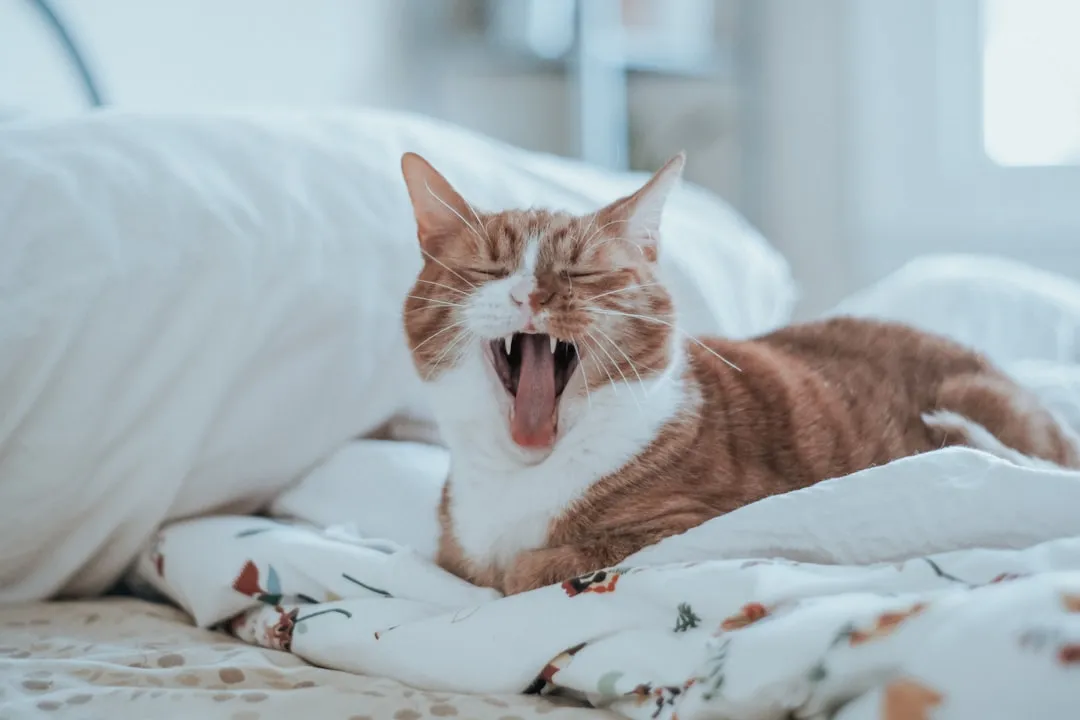
Noise is risky – loud calling can attract predators, humans, or rival groups. But silence is risky too, because then no one hears the warning. Within a feral colony, you often see a loose, conflict-free division of who “speaks up” first. Some individuals are chronically vocal, alarm-calling at every distant noise, while others stay almost silent. Instead of fighting over sentry duty, personality-based specialization just emerges on its own.
What’s surprising is how little the noisy ones get punished for false alarms – as long as their warnings occasionally line up with real danger, the group tolerates them. Animals that constantly cry wolf simply get ignored over time, which is a brutally effective kind of feedback in itself. Meanwhile, quiet individuals who consistently spot genuine threats can gain real influence without ever raising their voice. Responsiveness ends up deciding whose signal actually matters, not dominance.
#12 – Where the Invisible Borders Really Are
🔥 Would you like to save this?
We'll email this post to you, so you can come back to it later!
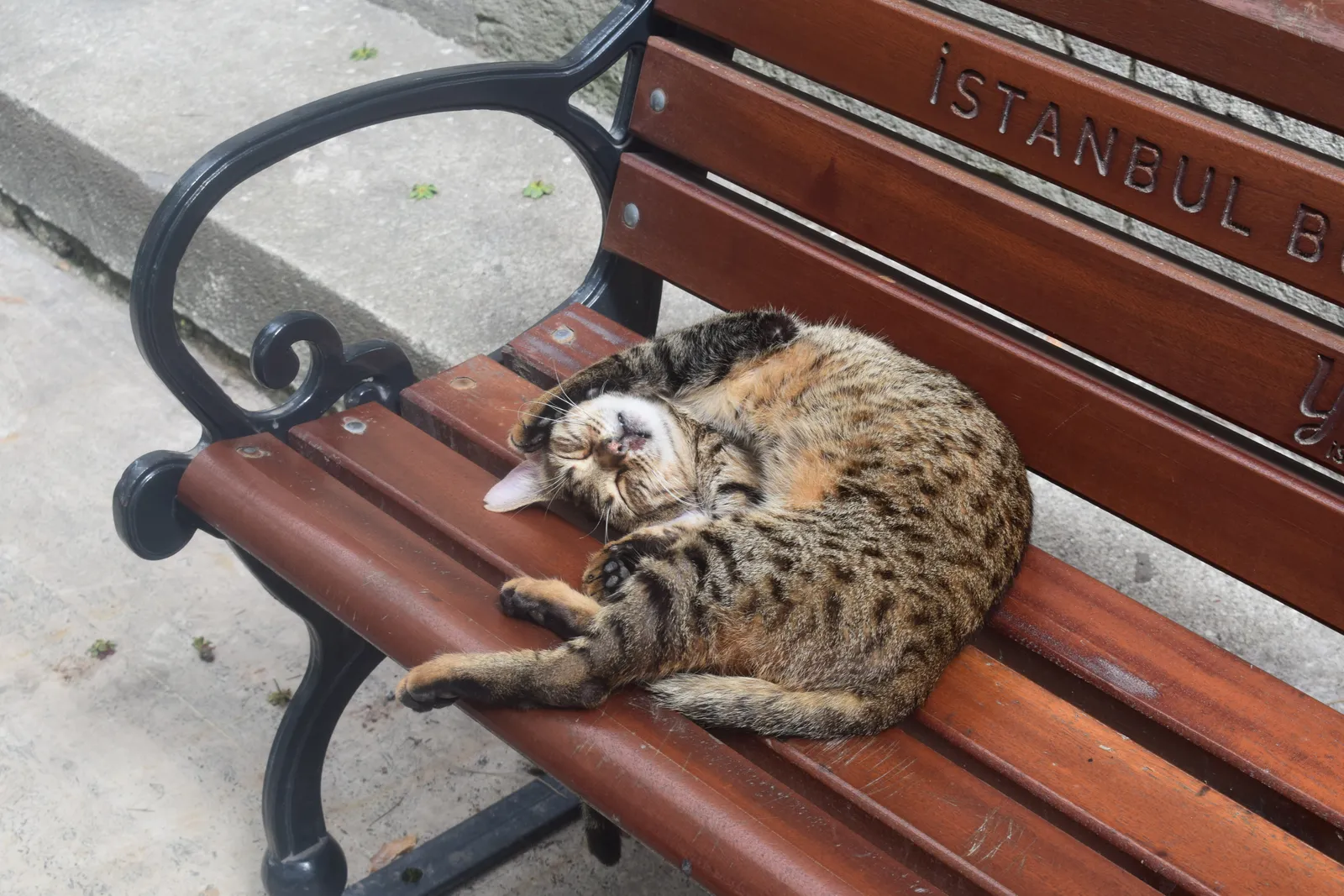
Ask a human where a feral colony’s territory ends and you’ll get a rough guess: “those three buildings,” “that vacant lot.” Ask the colony, and the real answer is written in scent marks, patrol routes, and carefully managed standoffs. Border disputes between neighboring groups are exactly where you’d expect bloodbaths – and instead, most of the conflict happens at a distance.
Parallel pacing, vocal warnings, scent over-marking, and sudden synchronized retreats are far more common than actual clashes. By the time two individuals get close enough to truly fight, they’ve already traded a ton of information – how fast the other retreats, how confidently it approaches, whether it’s alone or backed up. Over time, both sides settle on a relatively stable line they only cross under real pressure, and a single chase back across that line is often enough to reset the balance. War, here, is mostly a series of warnings the other side agrees to respect.
#13 – Disputes Over High-Value Human Interaction
🔥 Would you like to save this?
We'll email this post to you, so you can come back to it later!
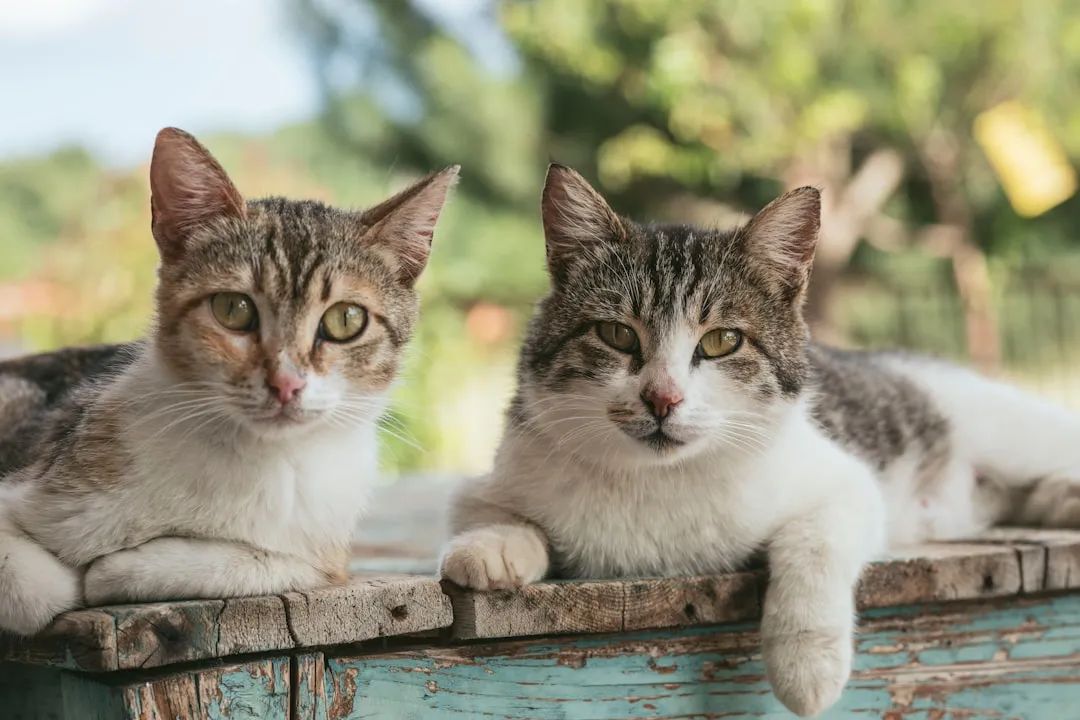
Here’s the controversial one: animals in the same feral colony often disagree about how close to get to humans. Some learn that certain people mean food or gentle contact; others read every human as a threat. You’d think that split would tear the group apart. It rarely escalates into fighting at all – instead, individuals simply vote with their feet.
Bolder animals crowd the feeder or hang around the loading dock, while wary ones keep their distance and use secondary access points. There’s occasional friction – a bold animal body-blocking a nervous one, a fearful animal lashing out if pushed too close to a human – but those moments pass fast. Within days, the group has effectively sorted itself into interaction zones: front-line beggars, mid-distance watchers, and true ghosts who move only when the coast is clear. Humans read this as chaos; it’s actually a carefully negotiated gradient of risk tolerance.
#14 – How They Deal With Persistent Annoyers
🔥 Would you like to save this?
We'll email this post to you, so you can come back to it later!
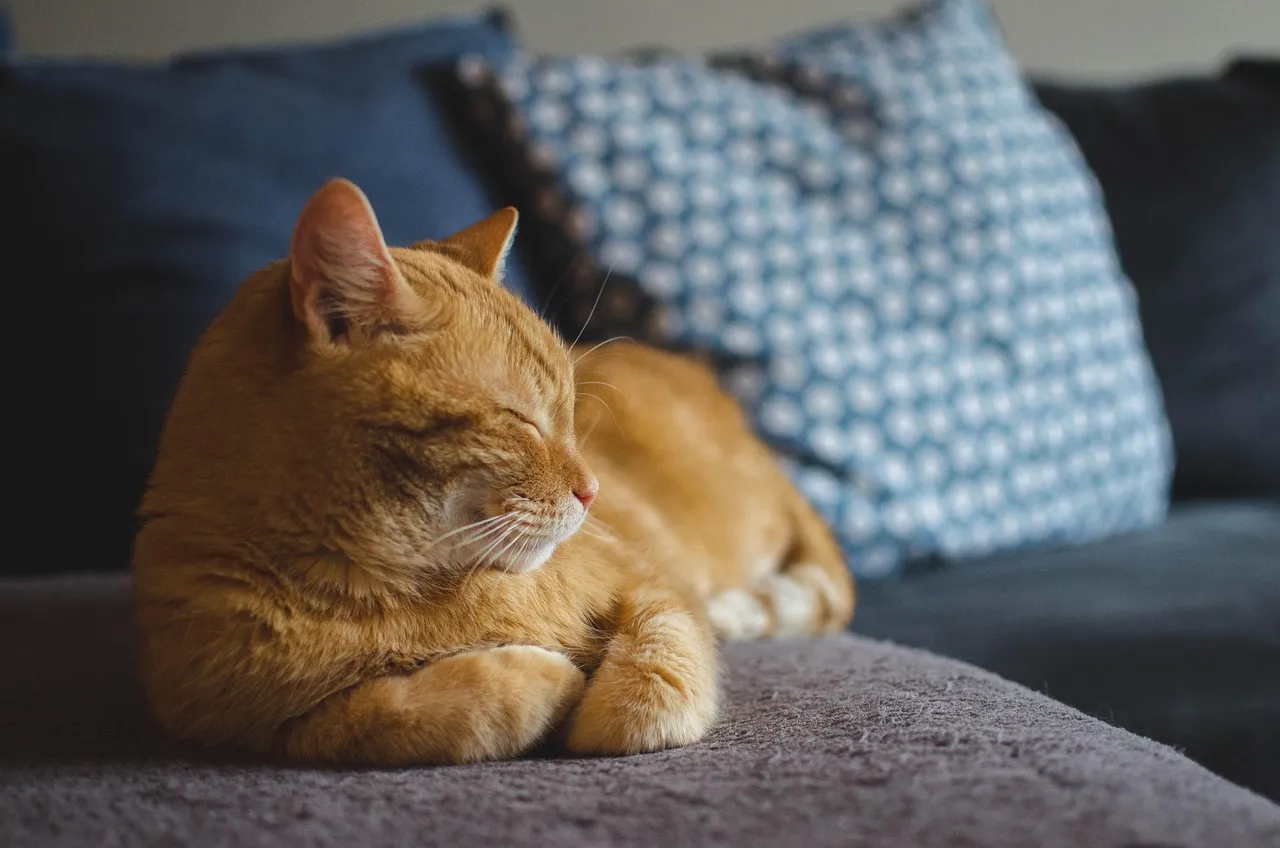
Every colony has “that one” – the adolescent male who won’t stop pestering, the overly social female who barges into everyone’s space, the youngster who turns everything into a game of chase. You’d expect the group to eventually gang up and brutalize the nuisance. In practice, long-term exclusion and small, selective smackdowns are the norm, not lethal force.
Annoyers get swatted, chased a short distance, pinned briefly, then released. The real punishment is quieter: they slowly lose access to good opportunities as others abandon a resting spot the second the pest shows up, or eat a little faster when they see them coming. Over time, the annoying individual either dials it down because the social cost is too high, or drifts to the literal edges of the group. Nature doesn’t waste energy executing clowns when ignoring them works just as well.
#15 – Deciding When to Relocate… or Stay Put
🔥 Would you like to save this?
We'll email this post to you, so you can come back to it later!
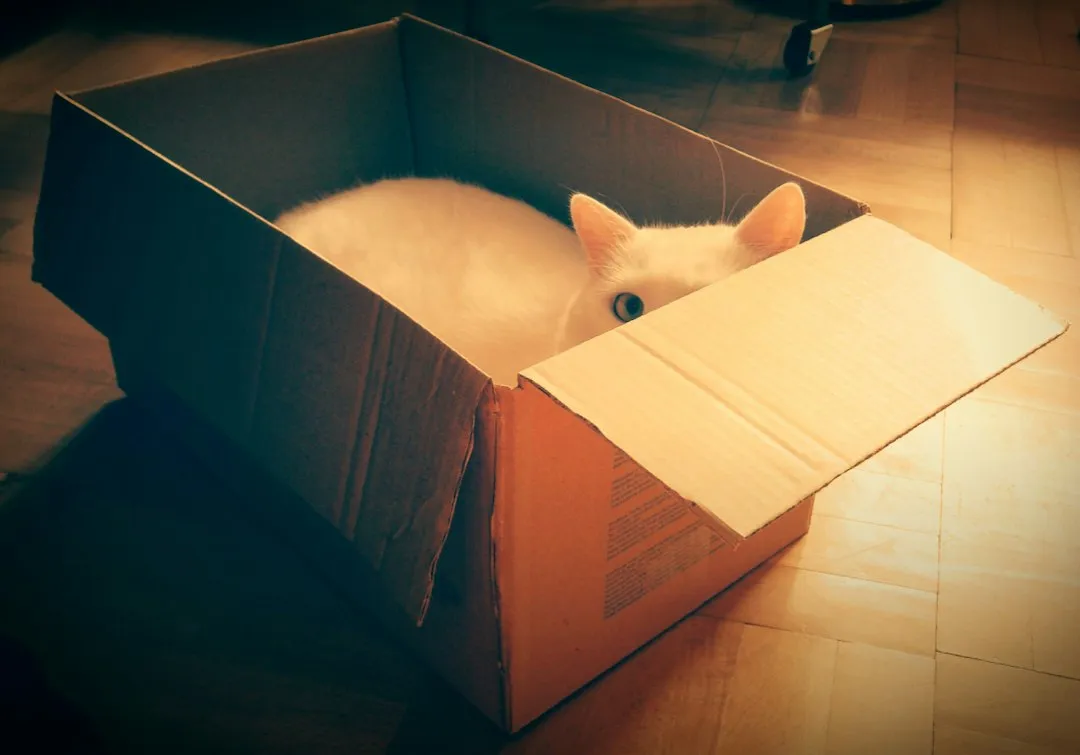
One of the highest-stakes calls a feral colony ever makes is whether to abandon a long-held territory. Construction starts, predators move in, or a reliable food source vanishes overnight. You’d imagine endless conflict between the “stay” camp and the “go” camp. Instead, the decision usually emerges from individual trial runs, not formal showdowns.
A few bolder animals start exploring farther, sleeping in new spots, testing alternate food trails. If those experiments pay off – more food, fewer threats – others gradually follow. If not, the explorers quietly drift back to the old patterns and nobody has to fight anybody, because the environment already ran the experiment for them. Sometimes a partial split forms permanently: a satellite group in the safer zone, older or less mobile animals clinging to the original core. Outcomes, not authority, end the argument.
#16 – Rankings That Change Without a Coup
🔥 Would you like to save this?
We'll email this post to you, so you can come back to it later!
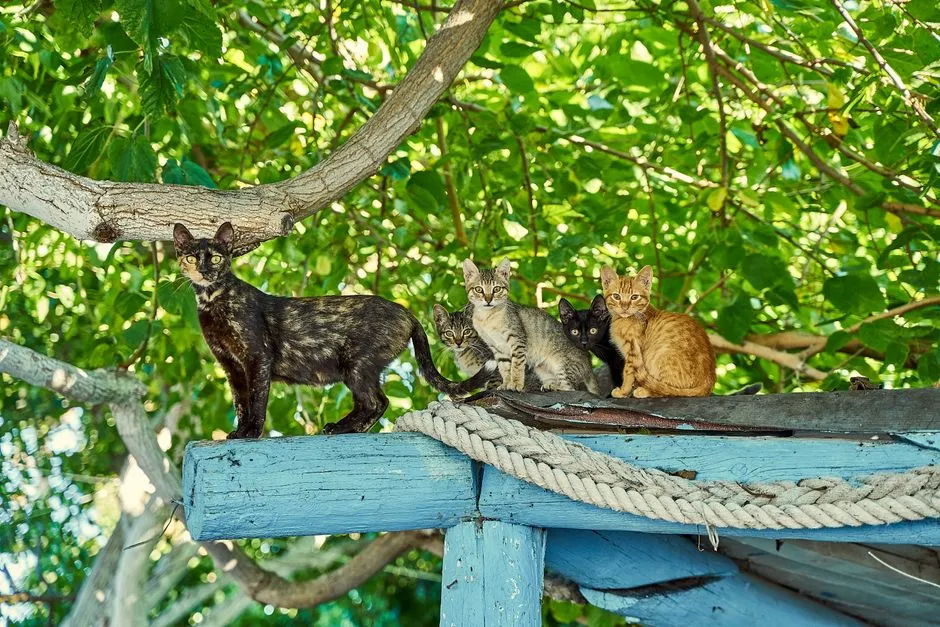
Dominance hierarchies sound like nonstop ladder-climbing wars. What actually happens in most feral groups is a slow, quiet reshuffle. A formerly strong individual ages, gets hurt, or simply slows down, and you almost never see a dramatic fight for the throne. Instead, new patterns creep in – younger animals holding eye contact a beat longer, keeping access to food a few seconds more, standing their ground on a path they used to yield.
Other colony members adapt fast. They stop deferring quite as automatically, stop vacating prime spots instantly, start following a different animal during disturbances. In some cases, the once-dominant individual seems to sense it can’t back up its own posturing anymore, so it leans on avoidance instead of threats. The hierarchy shifts completely, and the colony never once gathers for the dramatic showdown humans expect. Power fades out far more often than it’s violently seized.
Worth Knowing
- Rescue workers often spot a hierarchy shift before any visible fight – a formerly bold cat quietly starts hanging back at the feeding station.
- Colony caretakers frequently report that removing one dominant animal for medical care rarely causes chaos; another cat steps up within days.
- TNR volunteers watch for these subtle shifts, since a freshly destabilized hierarchy can briefly raise stress-related tension before it resettles.
#17 – How They Handle Death and the Empty Space It Leaves
🔥 Would you like to save this?
We'll email this post to you, so you can come back to it later!
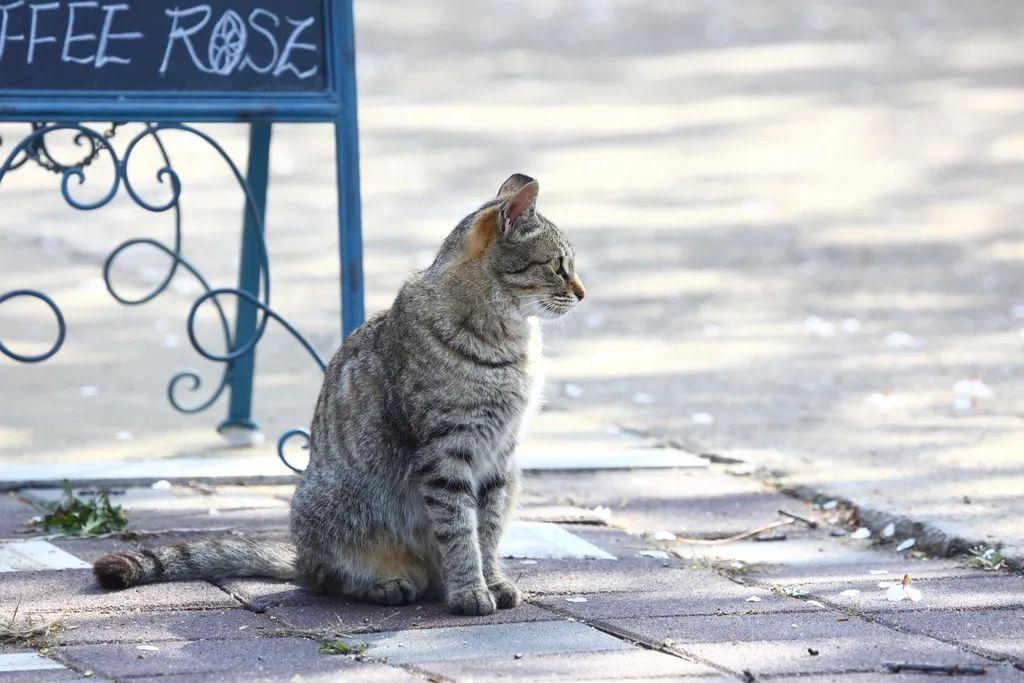
The last, and maybe the most revealing, dispute a feral colony settles without a fight is the vacuum left by death. When a key individual – a top hunter, a breeding female, a trusted leader – disappears, you might expect total chaos. Instead, what usually follows is a rapid, almost eerie normalization. Routes get reassigned, resting spots get claimed, routines readjust within days.
The colony doesn’t mourn the way humans do, but it clearly reacts – increased sniffing and searching at the missing animal’s usual spots, a brief spike in vocalizing, a little confusion in movement patterns before things settle. Then, quietly, the gaps get filled: another animal starts arriving first to food, a different one takes point on risky crossings, a younger female claims the once-coveted nesting space. There’s no council, no fight over legacy. It looks cold from the outside, but it’s exactly why these groups survive in environments that don’t forgive hesitation.
The Bottom Line
🔥 Would you like to save this?
We'll email this post to you, so you can come back to it later!
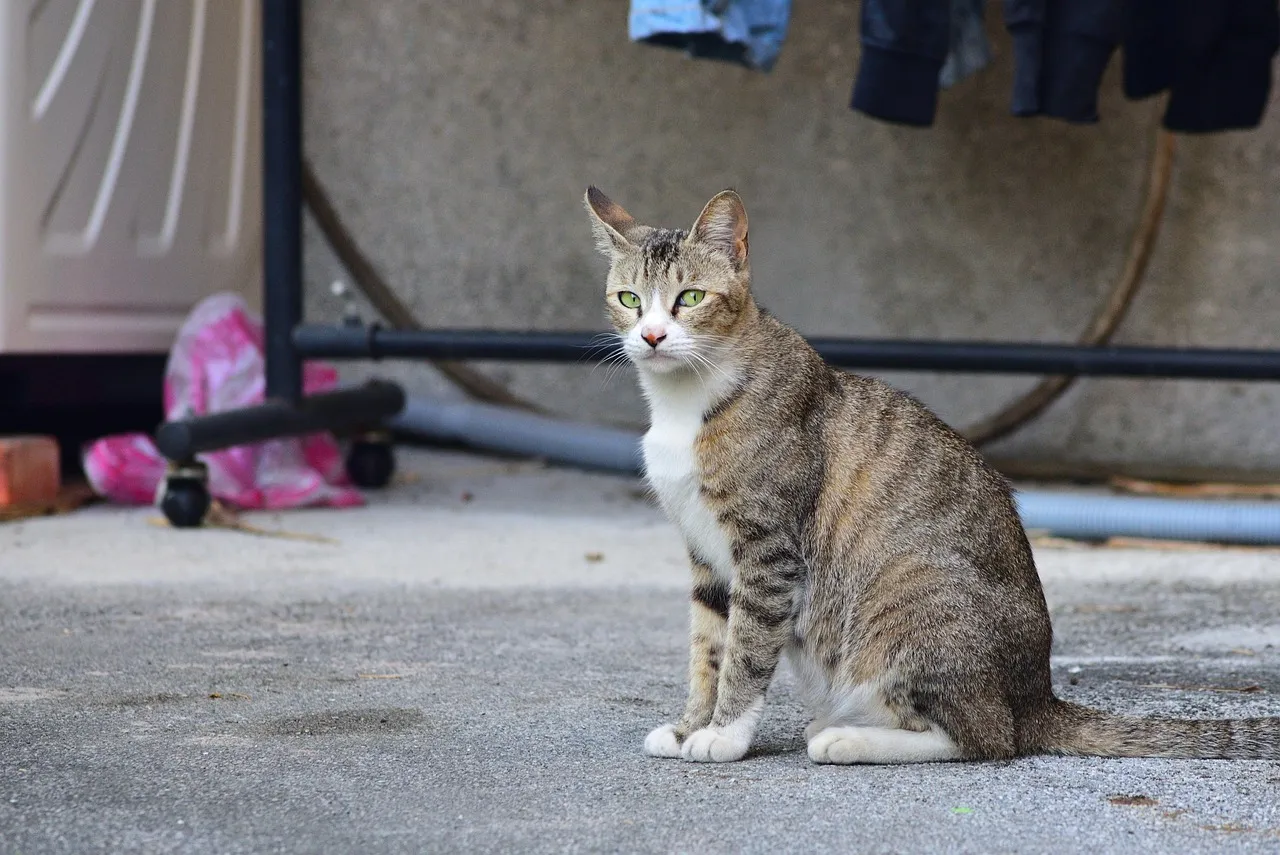
When you zoom out, the real shock isn’t that feral colonies fight – it’s how rarely they actually have to. Most of their disputes get settled through posture, timing, distance, and quiet withdrawal long before anything close to blood gets spilled. Status around food, shelter, mates, borders, even human contact gets negotiated in a thousand tiny gestures we barely register as outsiders.
I think that’s the part worth sitting with. It’s trendy to romanticize wild animals as savage, or to sanitize them as some kind of perfectly cooperative utopia, and both stories are lazy. The truth sits in the uncomfortable middle: feral colonies are full of tension, bluff, and hard choices, but they’re also startlingly good at avoiding conflict that doesn’t need to happen. Injury is expensive and nature is relentlessly practical about it – animals that waste energy on pointless brawls simply don’t last long enough to matter.
What bugs me is how much better these colonies are at this than we are. We’ve got language, laws, therapists, and centuries of philosophy about conflict resolution, and we still escalate faster than a cat deciding whether a dumpster is worth a fight. Maybe the real lesson from seventeen unfought disputes isn’t about animals at all. Maybe it’s a quiet, slightly embarrassing question about us.

- Why Veterinarians Say If Your Cat Sleeps With Their Back to You, It's the Highest Form of Trust in Feline Behavior - November 5, 2026
- 10 Common Garden Pests That Are Actually Beneficial To Your Backyard Ecosystem - November 5, 2026
- 10 Unusual Reasons Older Adults Bond More Deeply With Certain Dog Breeds - November 5, 2026