
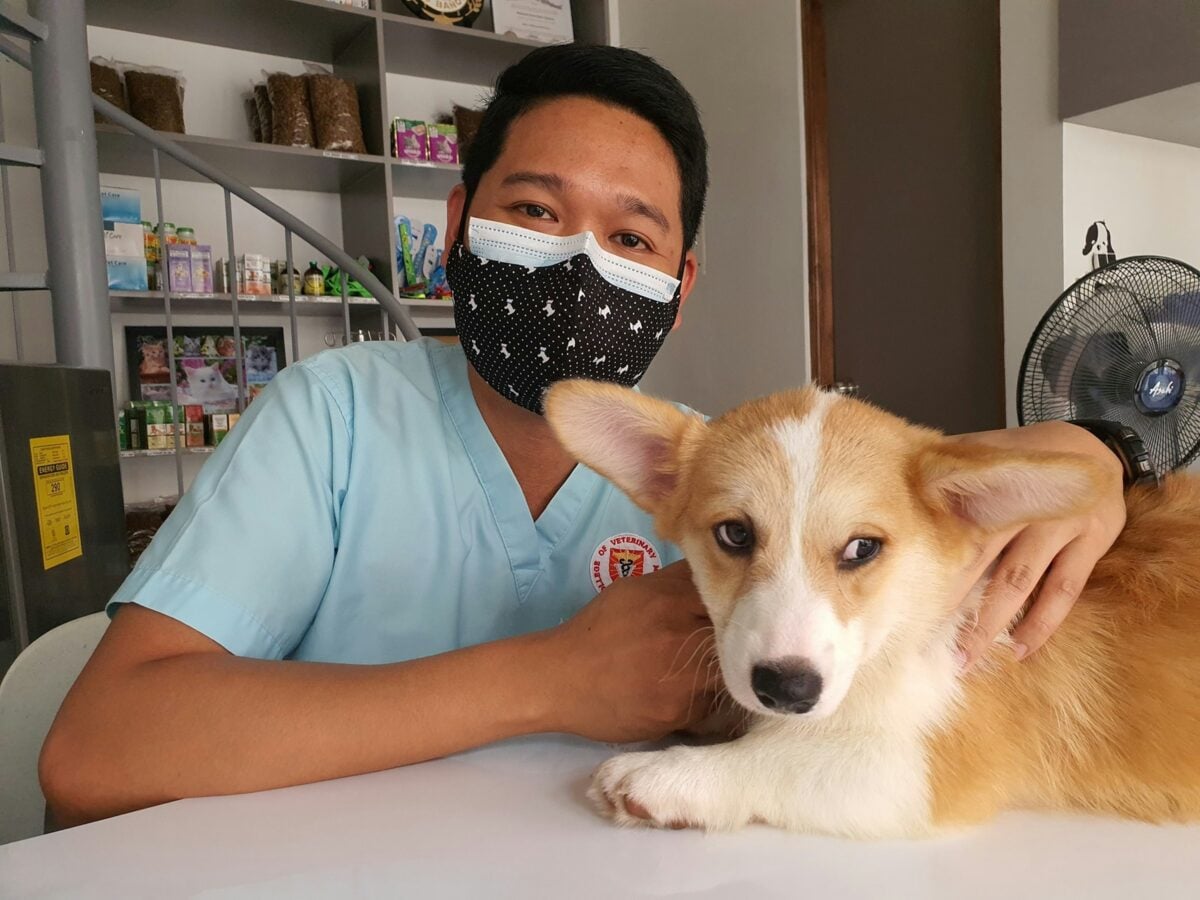
Most people assume a vet sizes up a pet by its shiny coat and wagging tail. Those are the easy parts. The real giveaways are smaller and stranger, like toenail length, gum color, and how a pet plants its feet on the exam table. Here are 17 markers vets say they read almost on reflex, and a few of them may change what you look at the next time you check your own pet.
Here’s the twist: a deeply cared-for animal leaves a pattern of clues, and once you know them, you can’t unsee them. Some are read before the vet says a word. Others have nothing to do with the animal at all, and the one waiting at #1 tends to start arguments. Let’s count down.
#17 – The Rib Test Vets Do Before Saying Hello
🔥 Would you like to save this?
We'll email this post to you, so you can come back to it later!
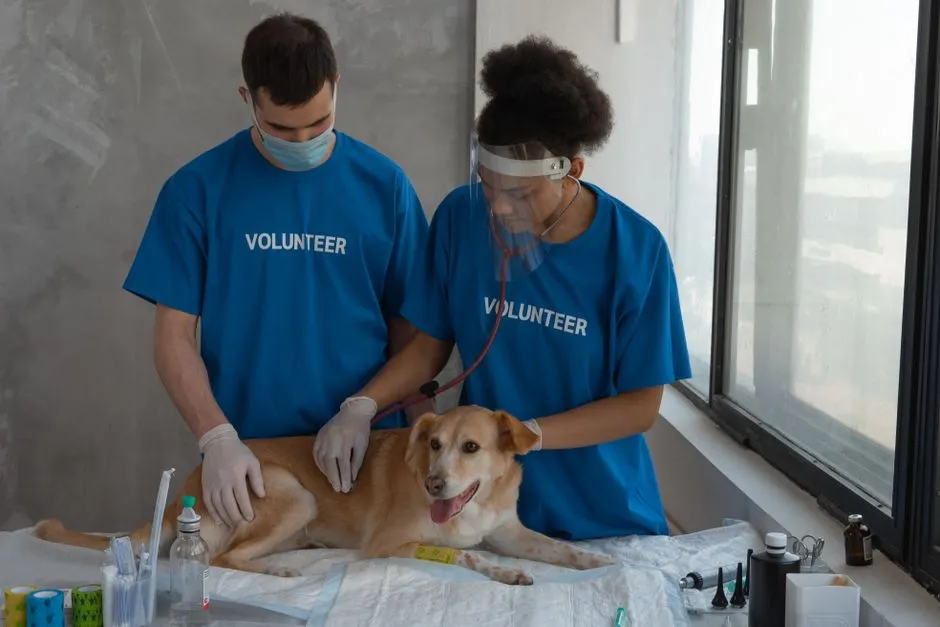
A vet’s hands often know a pet’s care level before their eyes do.
Vets use a body condition score, usually on a 5-point or 9-point scale. They feel the ribs, look at the waist from above, and check the belly tuck from the side.
In a well-managed pet, you can feel the ribs under a thin layer of padding. You shouldn’t see them, and you shouldn’t have to dig for them.
Many vets say a pet that is slightly lean is a stronger sign of care than a “well-fed” one. Extra weight often looks like love. Vets tend to read it as a missed conversation about portions.
- Ribs: easy to feel, not visible
- Waist: visible from above
- Belly: tucked up when seen from the side
But the next marker is one most owners check every day without knowing what it means…
#16 – Eyes That Tell Vets Everything
🔥 Would you like to save this?
We'll email this post to you, so you can come back to it later!
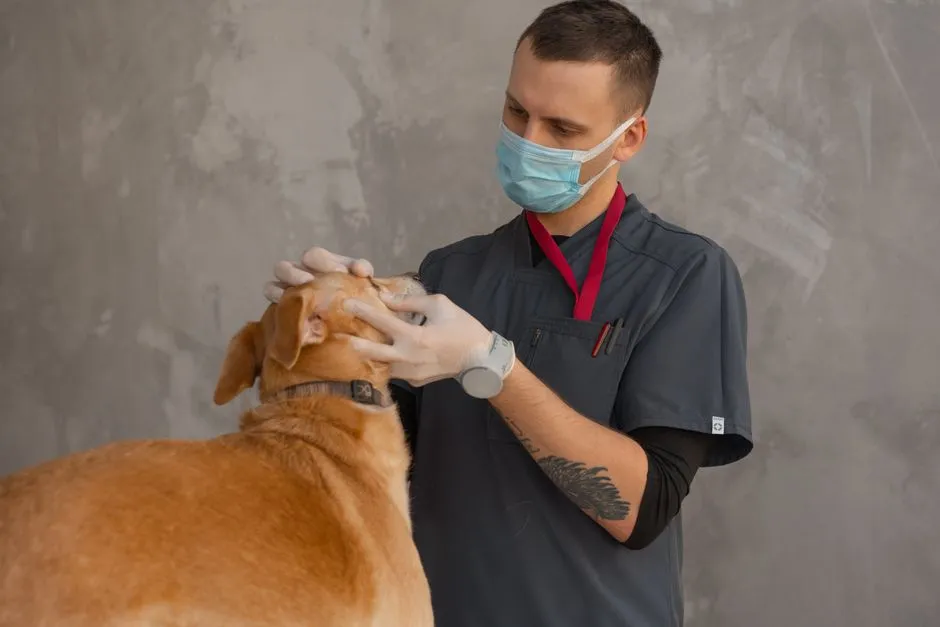
A pet’s eyes are a quick health report, and vets read them in seconds.
Healthy eyes are bright, clear, and open comfortably. There is no heavy discharge, no constant squinting, and no redness around the lids.
Vets also check whether both pupils match and react to light. They notice if one eye looks even slightly different from the other.
A little crust in the corner after sleep is normal. Watery eyes that stay watery for days are a red flag vets say owners often explain away.
Eye problems can get worse quickly. A pet that is “just rubbing its face a lot” may actually be in real discomfort.
And what a vet finds when they run a hand over the coat is even more telling…
#15 – A Coat That Feels Right, Not Just Looks Right
🔥 Would you like to save this?
We'll email this post to you, so you can come back to it later!
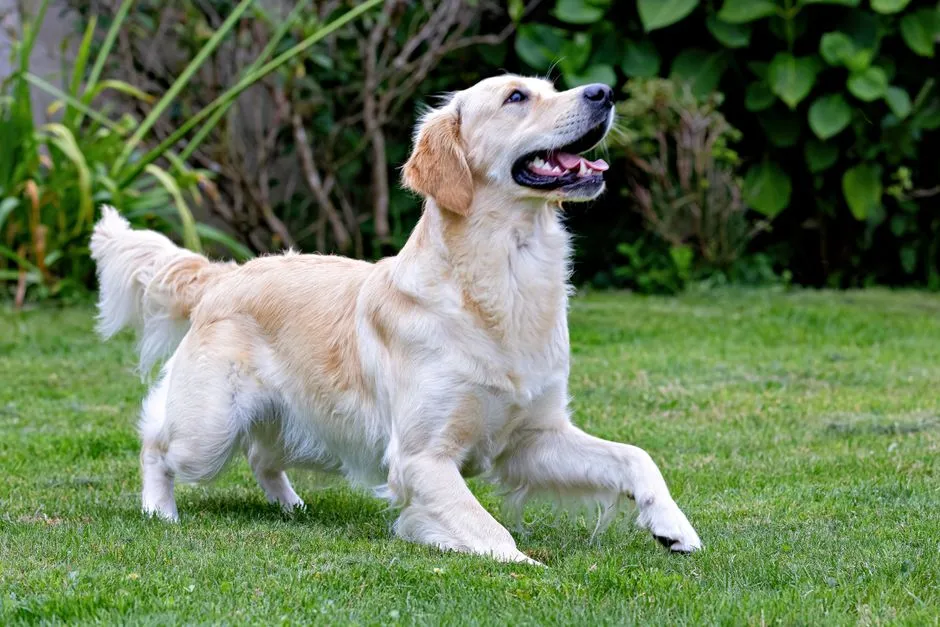
The feel of a coat tells vets more than the shine does.
A healthy coat is fairly smooth and even. It’s free of large bald patches, greasy clumps, heavy dandruff, and mats.
Vets also notice shedding that looks out of proportion to the season. Dull, brittle hair can point to diet, skin disease, or an underlying medical issue.
Here’s the contrarian part. Some vets argue a glossy coat is overrated as proof of care. Grooming sprays and supplements can polish the surface while the cause of a skin problem goes untreated.
So they look deeper. They part the fur, check the skin underneath, and feel for lumps as they go.
And the skin has its own story, which is next…
#14 – Skin That’s Calm, Clean, and Parasite-Free

🔥 Would you like to save this?
We'll email this post to you, so you can come back to it later!
Vets can often tell within seconds whether a pet is on regular parasite prevention.
Healthy skin is usually pale pink or pigmented, depending on the animal. It shouldn’t be heavily red, scabbed, or flaky.
Vets look for flea dirt, which looks like tiny black specks, and for ticks hidden in the folds. They also check for hot spots, small raised bumps, and constant scratching.
Fleas can show up even on pets that live entirely indoors. That’s why many vets favor steady prevention over reacting after an outbreak.
- Little or no scratching
- No flea dirt along the back or tail base
- No sore, hairless patches
But another clue sits right beside the skin, and sometimes you can smell it from across the room…
#13 – Ears That Don’t Announce Themselves
🔥 Would you like to save this?
We'll email this post to you, so you can come back to it later!
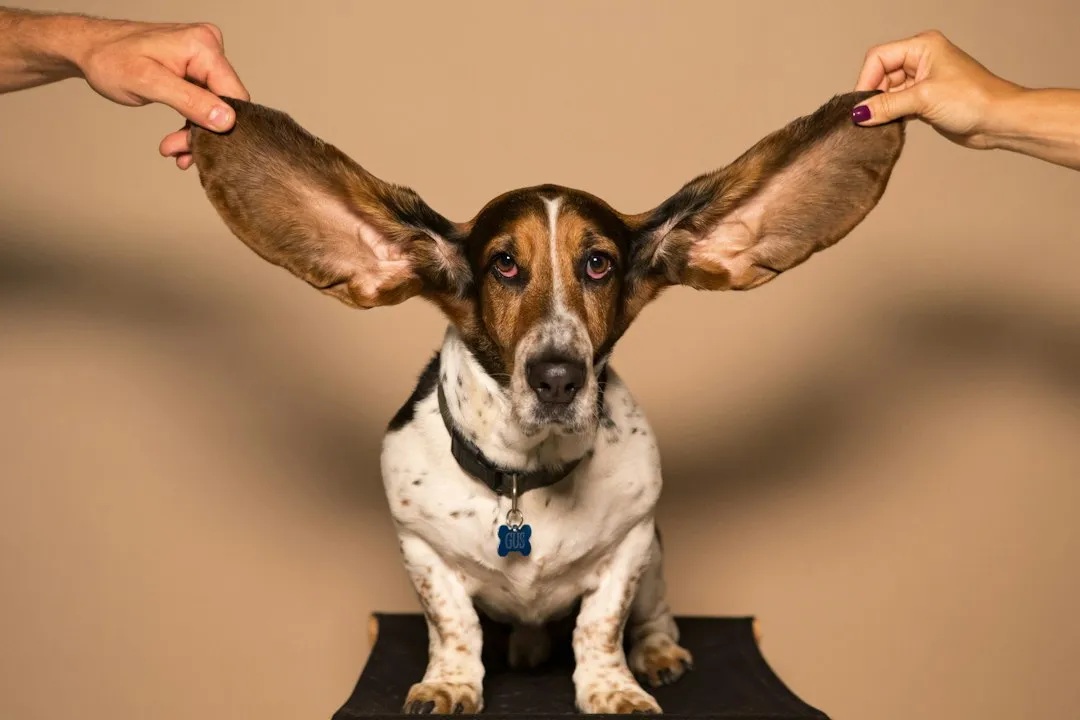
Ears are one of the first places vets check, and one of the quickest to give an owner away.
Healthy ears look clean and pale pink inside. They have little visible wax and no strong odor.
A sour, yeasty, or musty smell usually means something is wrong. Redness, head shaking, and dark crumbly debris are other warning signs.
Some breeds with floppy ears can develop infections repeatedly, even with good care. So vets look for a pet whose ears are checked early and treated promptly, not one that never gets a problem.
Cleaning too aggressively can irritate the canal. A well-cared-for pet’s ears are clean because someone pays attention, not because someone scrubs.
At a Glance
- Healthy: pale pink, little wax, no strong smell
- Early warning: odor, redness, or frequent head shaking
- Worth a call: dark crumbly debris or pain when touched
- Skip: cotton swabs pushed deep into the canal
Even more revealing is what happens when a vet lifts the lip…
#12 – Teeth That Haven’t Been Ignored
🔥 Would you like to save this?
We'll email this post to you, so you can come back to it later!
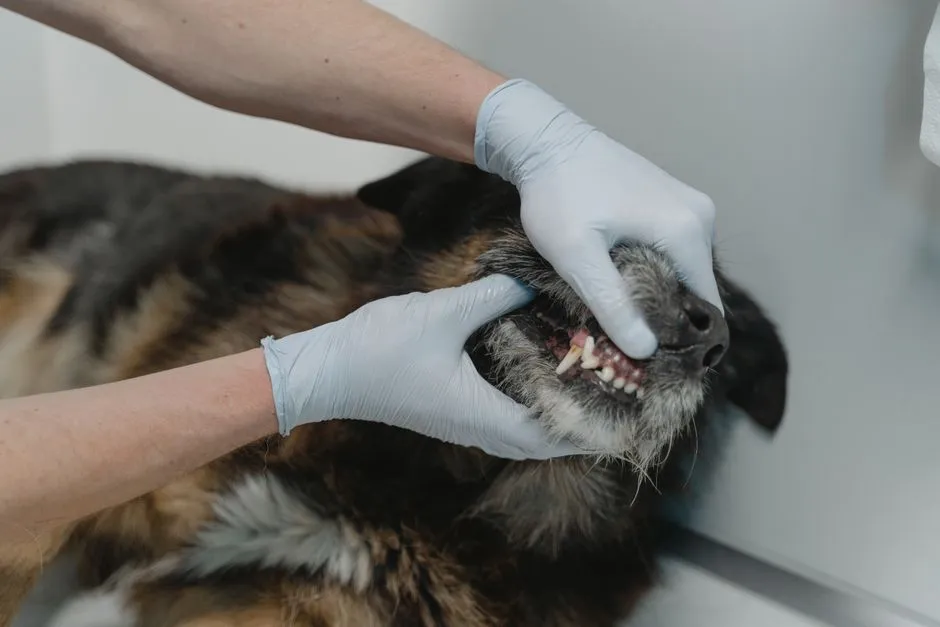
Dental disease is one of the most common problems vets see, and it’s the easiest to hide.
Vets look at the tooth surface for brown tartar, check gums for redness, and notice any bad breath that goes beyond the usual “pet breath.”
Plaque turns into tartar if it’s left alone, and tartar can lead to gum disease. In severe cases, the infection can cause pain, tooth loss, and eating problems.
A pet with clean teeth is often a pet whose owner has made a daily habit out of something inconvenient. That could be brushing, dental chews, or regular professional cleanings, depending on what the vet recommends.
But the gums themselves hold a clue that vets quietly check…
#11 – Gum Color and the Two-Second Check
🔥 Would you like to save this?
We'll email this post to you, so you can come back to it later!
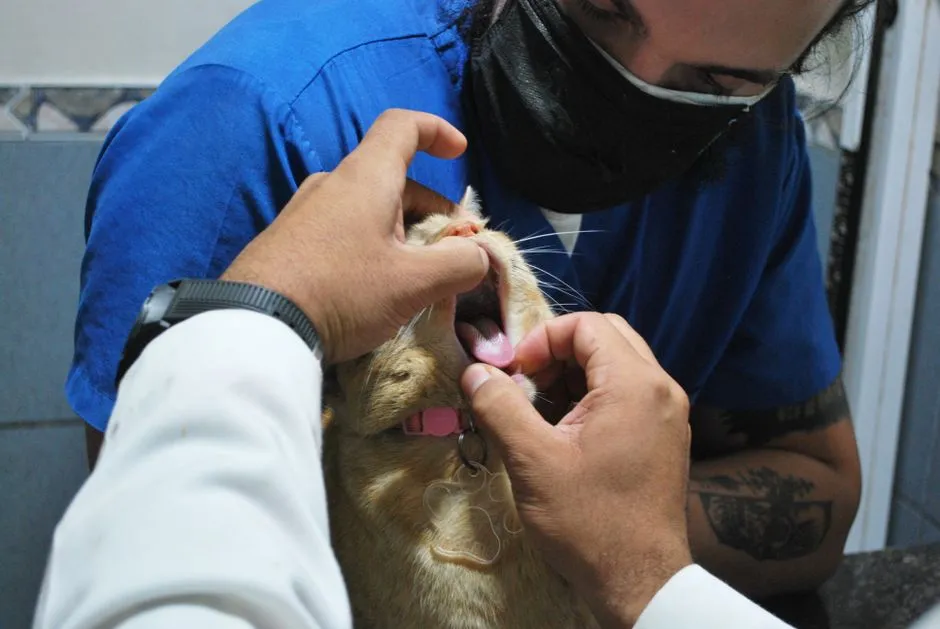
Gums are a window into circulation, and vets check them almost by reflex.
In most pets, healthy gums are moist and pink. Pale, white, bluish, or very red gums can point to serious problems. Some animals have naturally dark pigmented gums, so vets learn what’s normal for each pet.
Vets also press a finger on the gum and watch how fast the color returns. A refill time of about two seconds or less is the usual benchmark.
- Pink and moist: typically reassuring
- Pale or white: needs prompt veterinary attention
- Tacky or dry: may signal dehydration
Owners who know their pet’s normal gum color spot changes sooner. That habit alone can make a big difference.
And a few inches away, there’s a marker that sounds minor but isn’t…
#10 – Nails That Don’t Click Like Heels
🔥 Would you like to save this?
We'll email this post to you, so you can come back to it later!
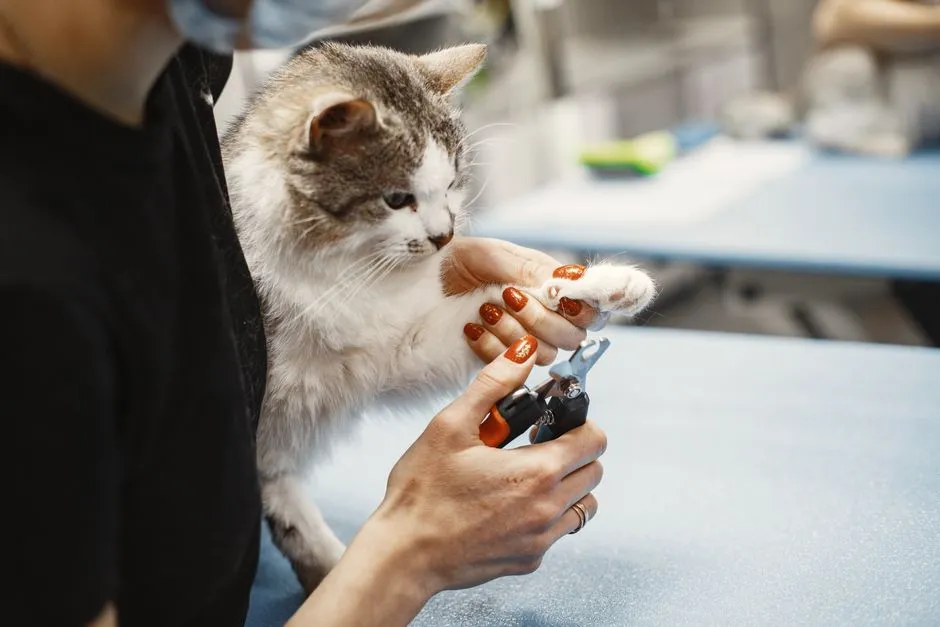
Overgrown nails are one of the most visible signs a pet’s basic care has slipped.
Vets look at whether nails touch the ground when the pet stands. If they click loudly on the floor, they’re probably too long.
Long nails can change how a pet walks. They push the toes up, shift weight, and can stress joints over time. In severe cases, a nail curls into the pad.
Dewclaws are the sneakiest, because they never touch the ground and can grow right into the leg. Many owners forget they exist.
Speaking of feet, what’s under them tells vets even more…
#9 – Paw Pads and the Details Between the Toes
🔥 Would you like to save this?
We'll email this post to you, so you can come back to it later!
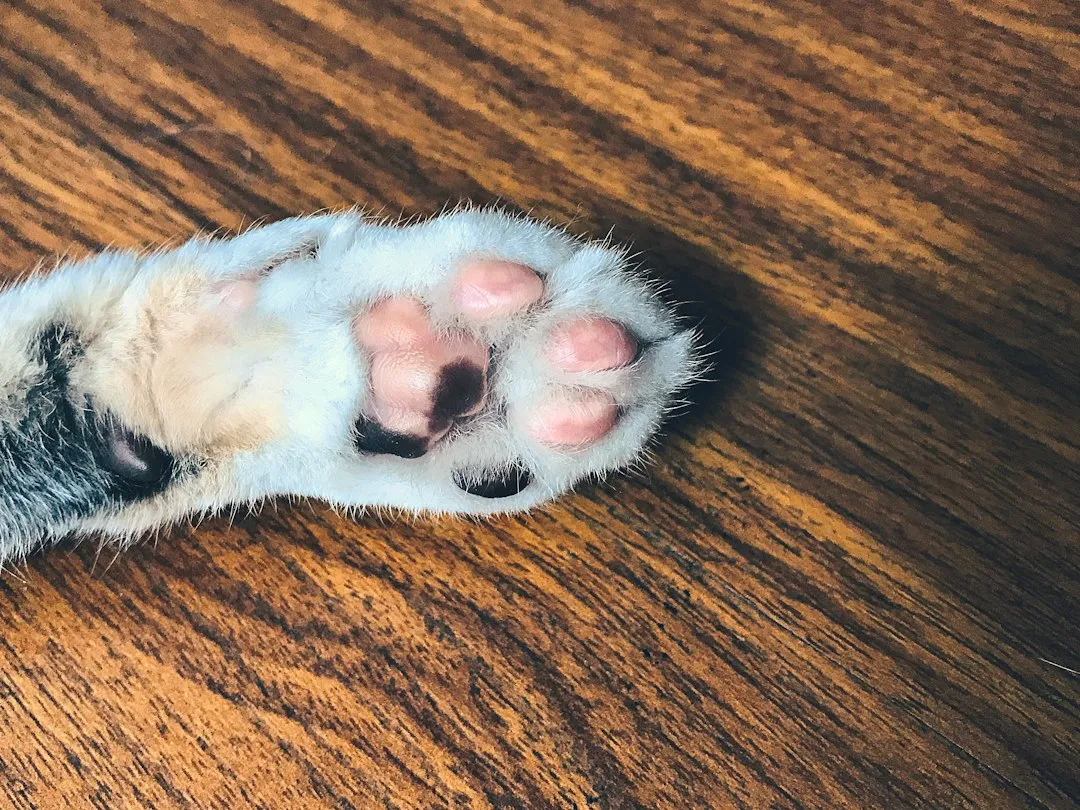
Paws take the most daily wear, so vets check them like tires on a used car.
Healthy pads are intact, supple, and free of deep cracks, cuts, or swelling. Vets also check between the toes for matted hair, foreign objects, or redness.
Constant licking or chewing at the paws can signal allergies, irritation, or pain. It isn’t always a behavior problem.
Pavement in hot weather can burn pads in minutes. A rule many vets share is to test the surface with the back of your hand. If it’s too hot for you, it’s too hot for them.
Worth Knowing
- Asphalt can run dozens of degrees hotter than the air. On a 77°F day, it can reach roughly 125°F.
- Walk early in the morning or after sunset when temperatures climb.
- Grass and shaded paths are gentler than blacktop.
- Pads that are red, blistered, or peeling after a walk deserve a vet’s look.
Pets that are well cared for tend to have paws that are inspected after walks. Little problems get fixed before they become big ones.
But the way a pet uses those paws might be the biggest clue yet…
#8 – Gait, Muscle Tone, and the Walk Across the Room

🔥 Would you like to save this?
We'll email this post to you, so you can come back to it later!
Vets start reading mobility before the exam even begins.
They watch the pet walk in, stand, sit, and turn. Smooth, even movement and balanced muscle across the hips and shoulders usually suggest a body that’s being kept active and comfortable.
Subtle clues matter, such as a short stride, a hesitant sit, or a tendency to favor one side. Pets often hide pain, and cats are especially good at it.
Here’s the part some owners don’t want to hear. “He’s just getting old” is one of the phrases vets say they hear most often when a pet has treatable pain. Many age-related slowdowns are linked to arthritis, which can often be managed.
The next marker has nothing to do with muscles, and everything to do with a water bowl…
#7 – Hydration, Thirst, and Appetite Habits
🔥 Would you like to save this?
We'll email this post to you, so you can come back to it later!
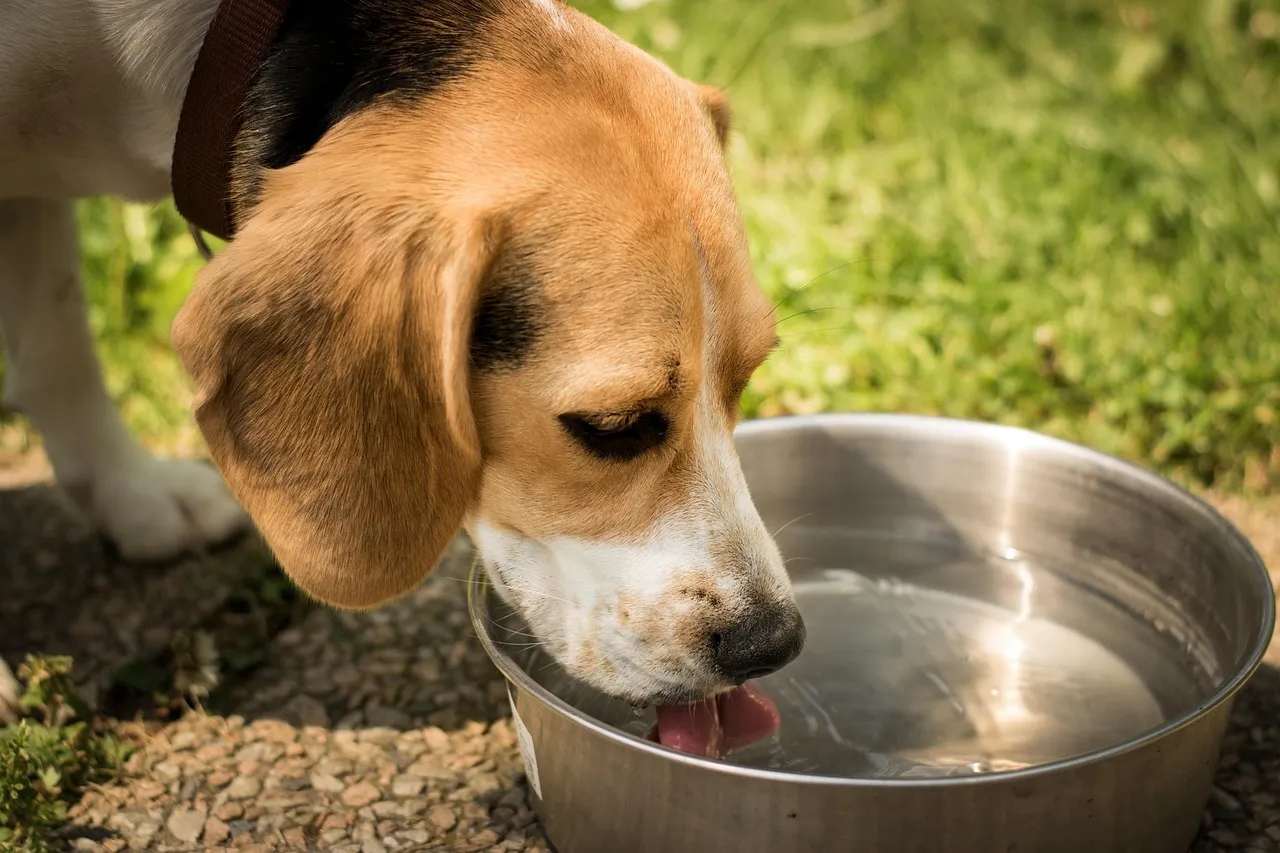
What a pet drinks and eats says a lot about what’s happening inside.
Vets ask about water intake because a sudden increase can point to conditions like kidney problems or diabetes. A steady, predictable pattern is a good sign.
They may also gently lift the skin over the shoulders to check elasticity. Skin that snaps back quickly usually suggests normal hydration. Skin that stays tented can signal dehydration, though loose skin in older pets can make this test less reliable.
Appetite matters just as much. A pet that suddenly turns picky, or one that begins eating ravenously, may be showing an early sign of illness.
- Water bowl refilled at a steady rate
- Consistent appetite from day to day
- No sudden changes in either
A well-cared-for animal usually has an owner who can answer these questions on the spot. And that leads to something that isn’t pleasant to talk about…
#6 – Calm, Easy Breathing at Rest
🔥 Would you like to save this?
We'll email this post to you, so you can come back to it later!
A pet’s resting breathing is one of the most overlooked health numbers.
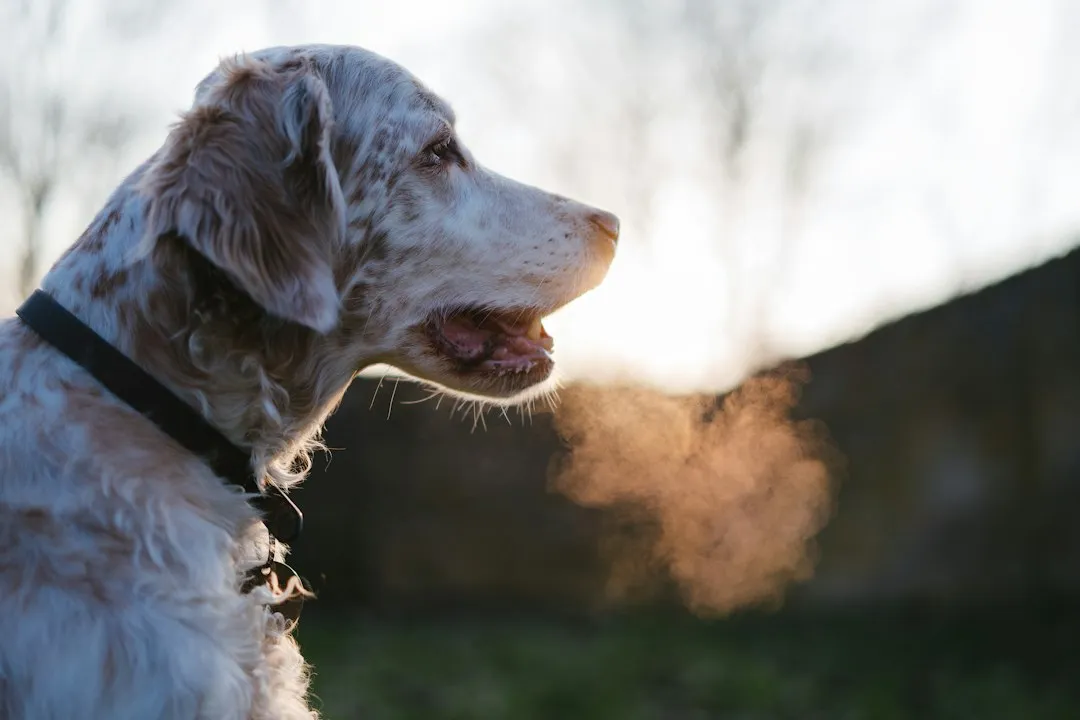
At rest, a healthy pet breathes quietly and with little visible effort. Fast, labored, or noisy breathing while sleeping or relaxing can point to heart or lung problems.
Many vets suggest counting breaths while your pet is asleep, with one chest rise and fall as a single breath. A persistent resting rate above roughly 30 breaths per minute is a common reason vets say to call the clinic, though your own vet can set a baseline for your pet.
Some breeds, like pugs and bulldogs, breathe noisily because of their face shape. Vets know that. They look for changes from a pet’s normal, not perfection.
What comes out the other end is just as informative, and vets ask about it every single time…
#5 – Stool and Bathroom Habits Vets Actually Ask About
🔥 Would you like to save this?
We'll email this post to you, so you can come back to it later!
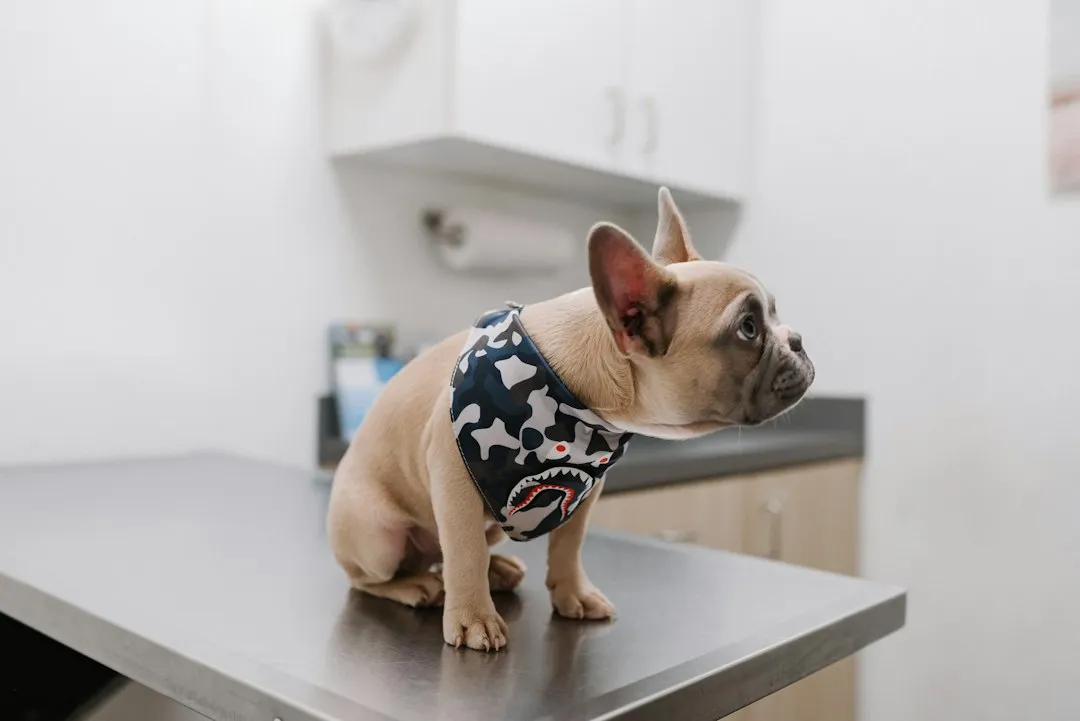
Yes, vets care about the bathroom details, and good owners know them.
Healthy stool is usually well-formed, consistent in color, and easy to pick up. Frequent diarrhea, blood, mucus, or straining are all worth reporting.
Urination matters too. Vets want to know about frequency, accidents in a house-trained pet, and straining. In cats, straining in the litter box can become an emergency, especially in males.
Owners who can describe their pet’s bathroom habits in detail often catch problems earlier than owners who can’t. That’s not an accident. It’s what paying close attention looks like.
Quick Compare
- Usually reassuring: firm, log-shaped, chocolate-brown stool
- Mention at the next visit: a new color, odd smell, or mucus
- Call the clinic soon: black tarry stool, red streaks, or diarrhea that lingers
- Urgent for cats: repeated trips to the litter box with little or no urine
A change in routine can be as telling as the stool itself, and it often steers the diagnosis.
But there’s another marker you can’t measure at all, and it shows up the moment the door opens…
#4 – Temperament in the Exam Room
🔥 Would you like to save this?
We'll email this post to you, so you can come back to it later!
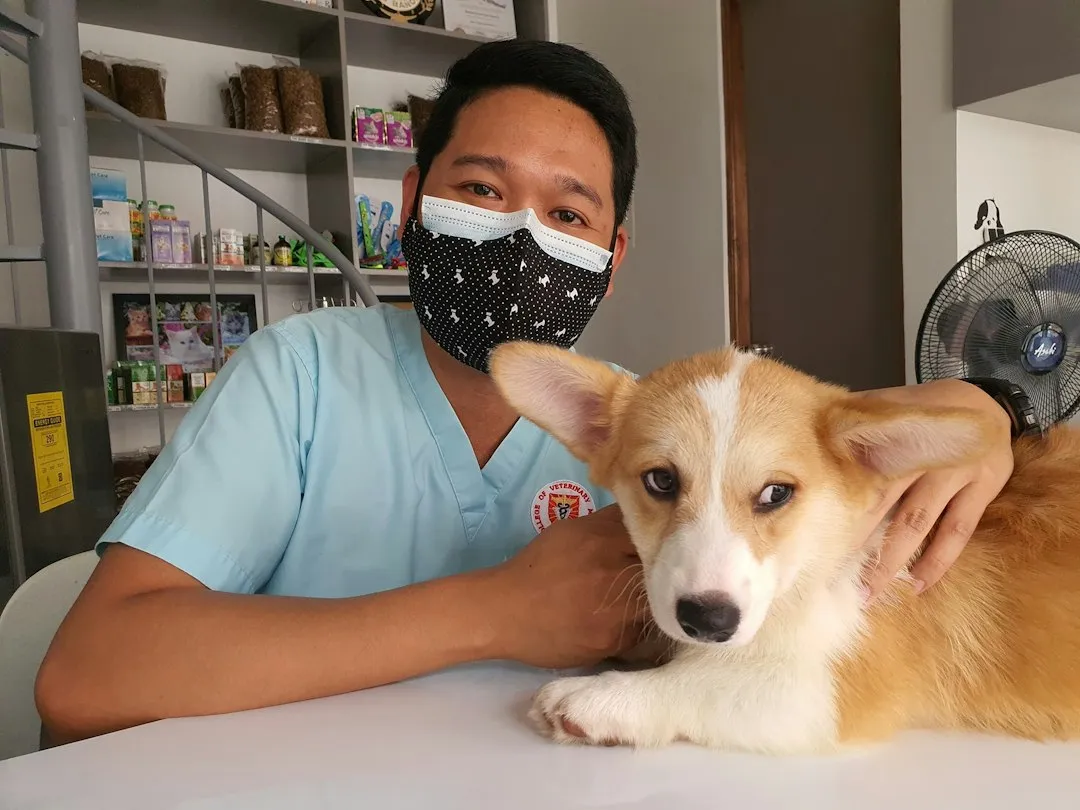
How a pet behaves at the clinic can reveal a lot about how it’s been handled.
Vets don’t expect every animal to be thrilled about a visit. But they notice pets that tolerate handling, accept treats, and recover quickly from stress.
That comfort often comes from early, gentle exposure. Practicing paw touches, ear checks, and short car rides can shape how a pet feels about care.
Many vets say fear is the hardest problem to hide, because no amount of grooming covers it. A nervous pet isn’t a neglected pet. But a relaxed one often reflects patient, consistent work behind the scenes.
And speaking of what’s predictable, the next marker is the least exciting and one of the most revealing…
#3 – Records That Show a Steady Pattern
🔥 Would you like to save this?
We'll email this post to you, so you can come back to it later!
Vets can read a medical record like a diary of how a pet has been treated.
They look for regular visits, up-to-date vaccines based on the pet’s lifestyle, and consistent parasite prevention. They also look for follow-ups on past issues rather than gaps.
A good record isn’t one with zero problems. A pet with a chronic condition that’s well managed often looks more cared for on paper than a “perfectly healthy” pet who’s never been seen.
- Regular wellness exams
- Vaccines tailored to risk and local rules
- Follow-through on tests and medications
But something even smaller than a record may matter most on the worst day…
#2 – Identification and a Collar That Actually Fits

🔥 Would you like to save this?
We'll email this post to you, so you can come back to it later!
The smallest tag on a pet can quietly signal how seriously an owner takes safety.
Vets and shelters often scan for microchips first. A chip is a permanent form of ID, and it’s a common marker of an owner planning for the worst.
But a chip alone doesn’t do the job. A microchip is only useful if the contact details registered to it are current. Plenty of lost pets are found with chips that lead nowhere.
Collar fit matters, too. Vets often suggest being able to slide about two fingers under it. A collar that’s too tight can cut into the skin, especially on growing pets. One that’s too loose can slip off.
The final marker is the one vets say separates good owners from truly great ones…
#1 – An Owner Who Notices the Small Stuff
🔥 Would you like to save this?
We'll email this post to you, so you can come back to it later!
The biggest marker of a deeply cared-for pet isn’t on the animal at all.
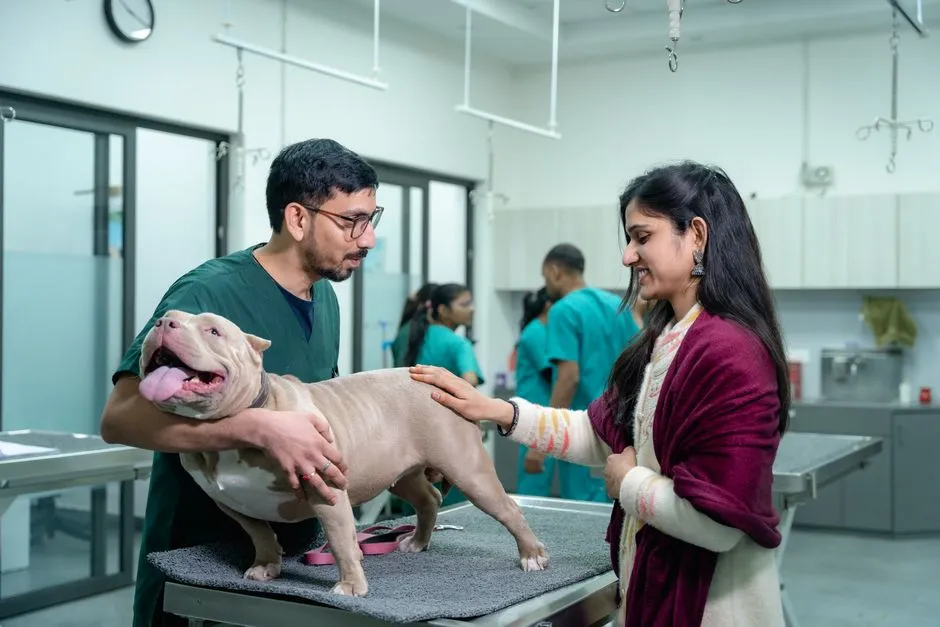
It’s the person holding the leash. Vets can tell when an owner knows the pet’s habits, such as how much it normally eats, how it usually sleeps, and what its “normal” looks like.
Those owners come in saying things like “he’s been licking his paw for three days” or “she hasn’t jumped on the couch since Tuesday.” Vets say that kind of specific observation can help them reach a diagnosis faster than many tests.
Here’s the opinion that may start an argument. Money isn’t the marker. Attention is. A pet on a modest budget, watched closely and seen early, often does better than one with premium food and no one really looking.
Put all 17 together, and a clear picture emerges.
Vets don’t look for perfection. They look for patterns of attention: a lean body, clear eyes, clean ears and teeth, trimmed nails, steady habits, and records that show someone kept showing up.
The most surprising truth is that almost none of these markers cost much. They cost time, observation, and consistency. A glossy coat and a designer collar can mislead, but a pet that’s calm, comfortable, and caught early rarely does.
Our take: the “good owner” label has far less to do with budget than most people assume. Which marker do you think is the most overlooked, and do you disagree with any of ours?

- Marine Biology Says When Dolphins Suddenly Go Silent in Open Water It's Not Rest – They've Detected a Predator You Cannot See and Their Survival Strategy Reveals How They Read Danger - November 5, 2026
- Why Veterinarians Say If Your Cat Sleeps With Their Back to You, It's the Highest Form of Trust in Feline Behavior - November 5, 2026
- 10 Common Garden Pests That Are Actually Beneficial To Your Backyard Ecosystem - November 5, 2026