
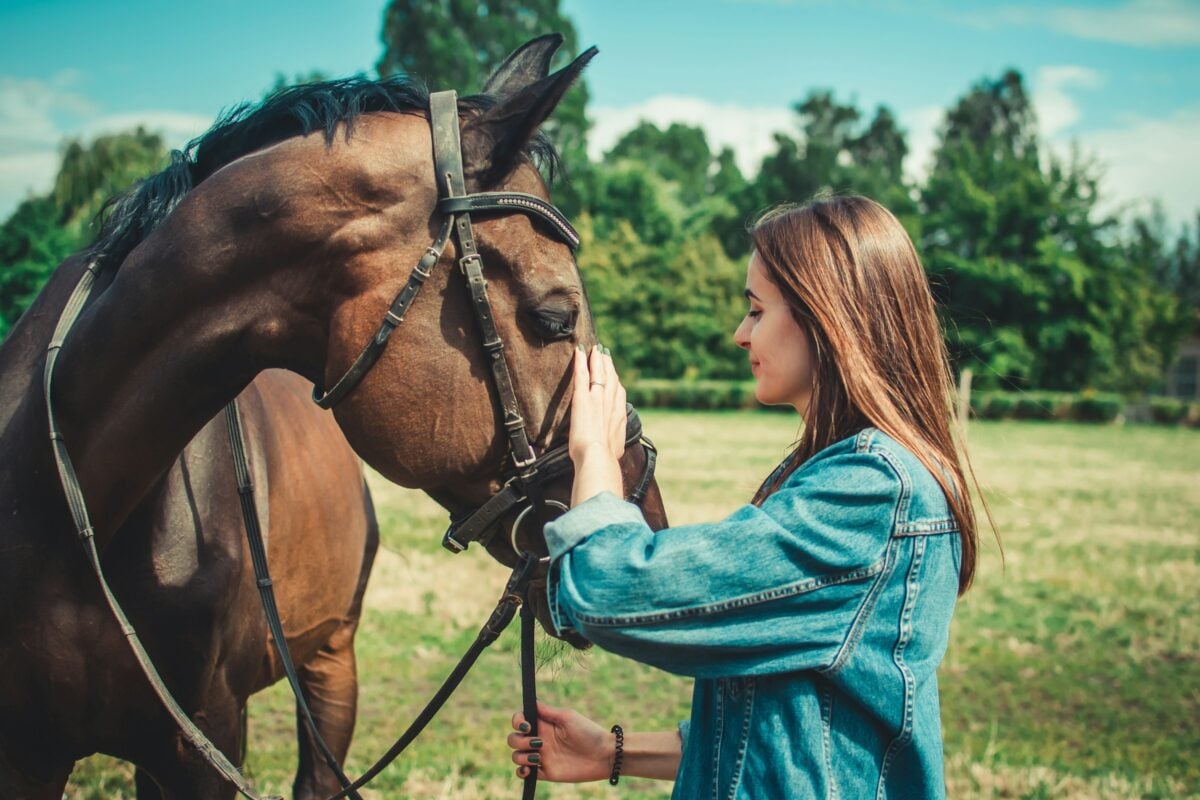
Every horse owner asks the same quiet question at some point: does my horse actually like me, or am I just the walking feed bucket? Most people go looking for the answer in the big cinematic stuff – a dramatic gallop across the pasture, an emotional whinny at the gate – and completely miss the truth hiding in plain sight.
The real answer shows up in small, easy-to-dismiss moments that most riders write off as coincidence or good manners. Old-school barn rats and lifelong horse people know better. Once you learn what to actually look for, you’ll never watch your horse the same way again.
#1 – They Leave Their Herd to Walk Toward You
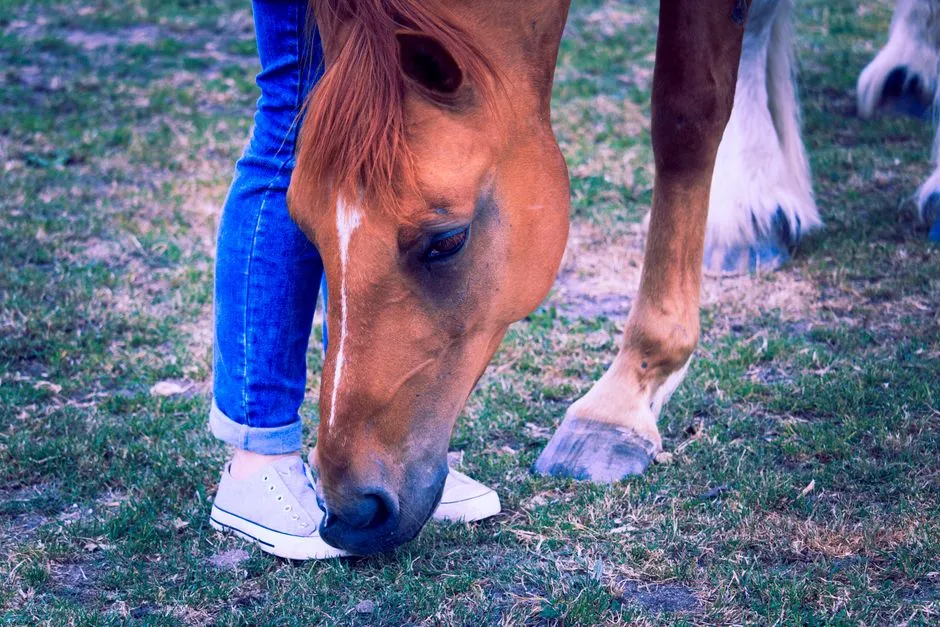
When a horse voluntarily peels away from the safety of the herd just because you showed up, that’s not random – that’s relationship. Horses are wired to feel safest in numbers, so leaving their buddies to meet you is a genuine social risk in horse language, not a cute habit.
Watch the details closely. Do they take a straight, purposeful line toward you? Do they keep coming even when another person nearby is holding a halter too? If they consistently choose your presence over the herd’s comfort, you’re not just another handler passing through their world. They’ve quietly decided you’re worth stepping away from their built-in security system.
#2 – They Relax the Second You Enter Their Space
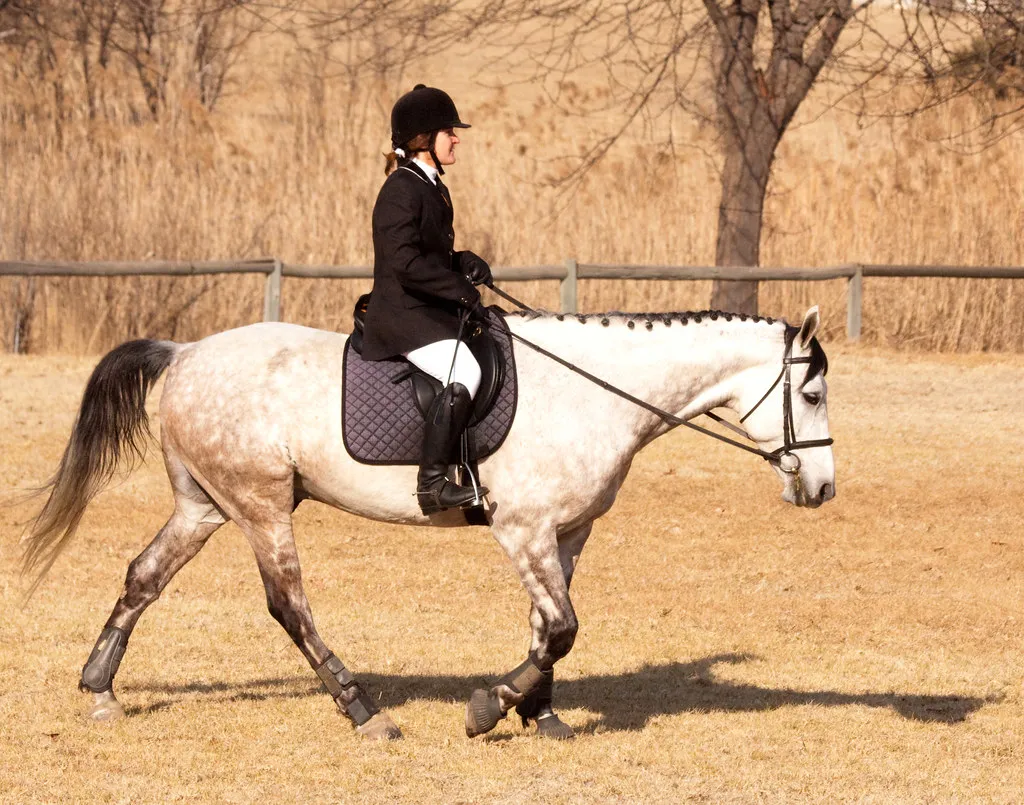
Most people think a “relaxed horse” just means sleepy eyes, but it’s more specific than that. Watch closely: does your horse’s whole body soften the moment you step into their stall or paddock? Ears tip toward you, the lower lip loosens, breathing deepens, and that tight, slightly guarded posture just melts away.
They don’t brace, pin their ears, or drift off. They settle, like you just turned the volume down on the world. You might catch a sigh or a yawn within seconds of you walking in, or their weight shifting onto a hip like your arrival gave them permission to finally rest. That shift from “on guard” to “it’s safe now” doesn’t happen around just anyone – it’s their nervous system quietly filing you under trusted.
#3 – They Track You With Their Eyes, Not Just Their Stomach
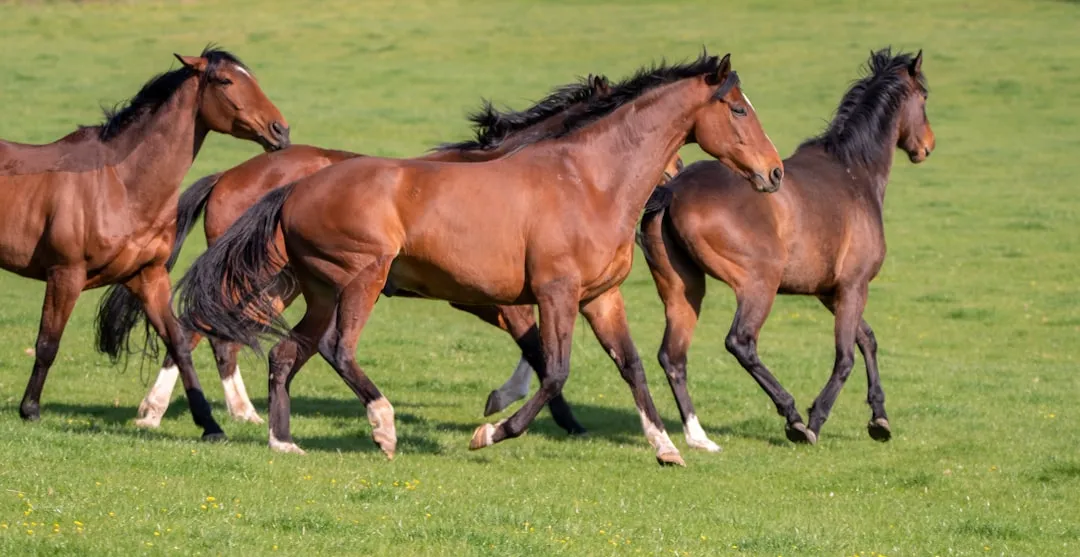
Some horses will follow any feed cart in existence. That’s not bonding, that’s survival math. The far more telling sign is when your horse tracks you across the arena or pasture even though there’s no food anywhere in sight – they notice the second you leave the grooming area, and they watch you while you’re busy talking to someone else.
Change direction on the ground and they mirror you without being asked. Turn them out and they’ll keep one ear and one eye casually “on” you even mid-graze. This isn’t clinginess, it’s social investment. Prey animals track what matters: danger, resources, and trusted allies. If you’re consistently on that shortlist, your horse is telling you something specific – your position in space matters to them.
Fast Facts
- Horses have a nearly 350-degree field of vision, with only two small blind spots directly in front of and behind them.
- Their ears can rotate up to 180 degrees, letting them “aim” attention at you without ever turning their head.
- Prey-animal instincts keep a horse’s brain constantly scanning for threats, resources, and trusted allies – so landing on that mental radar is a real compliment.
#4 – They Seek Physical Contact Without Being “In Your Pocket”
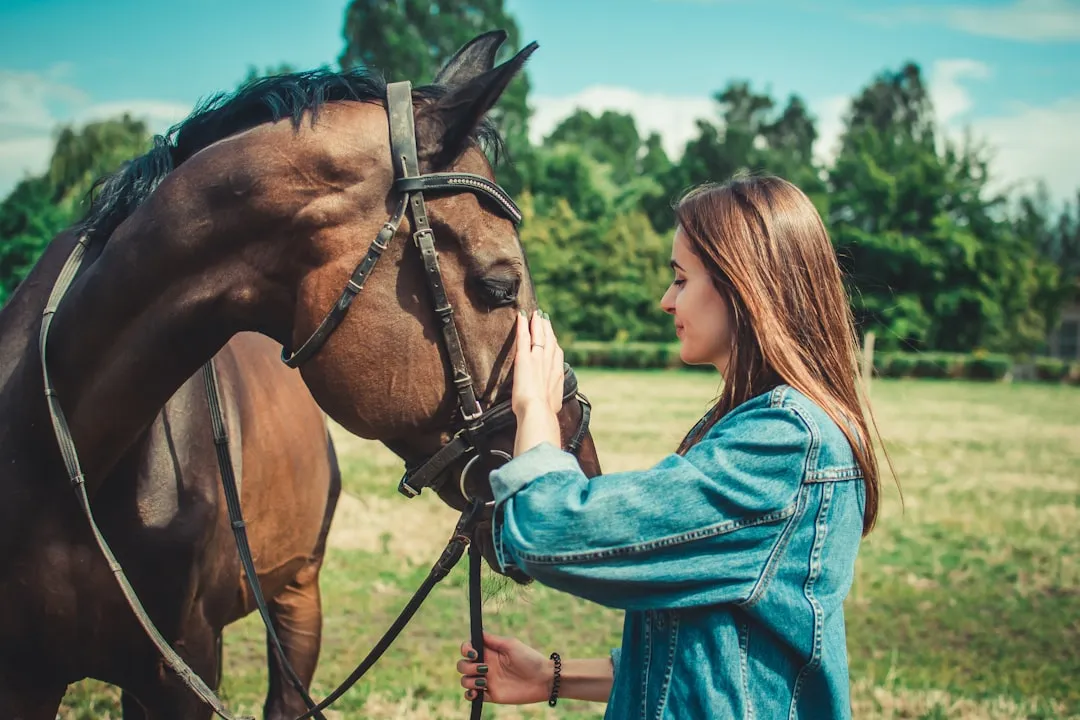
There’s a big difference between a pushy, boundary-less horse and one that deliberately seeks gentle contact. When a horse chooses you, you’ll see quiet, voluntary touch points that have nothing to do with mugging you for treats – a muzzle resting lightly against your arm, a forehead near your chest, a shoulder that leans into yours and just stays there.
Notice how it happens: no pinned ears, no mouth searching your pockets, just soft, still contact. If you step away an inch and they adjust their body to keep touching you, pay attention. In herd life, horses stand shoulder to shoulder with trusted partners. When your horse starts using you that way, you’ve slipped into their inner circle.
#5 – They Let Down Emotionally in Your Hands
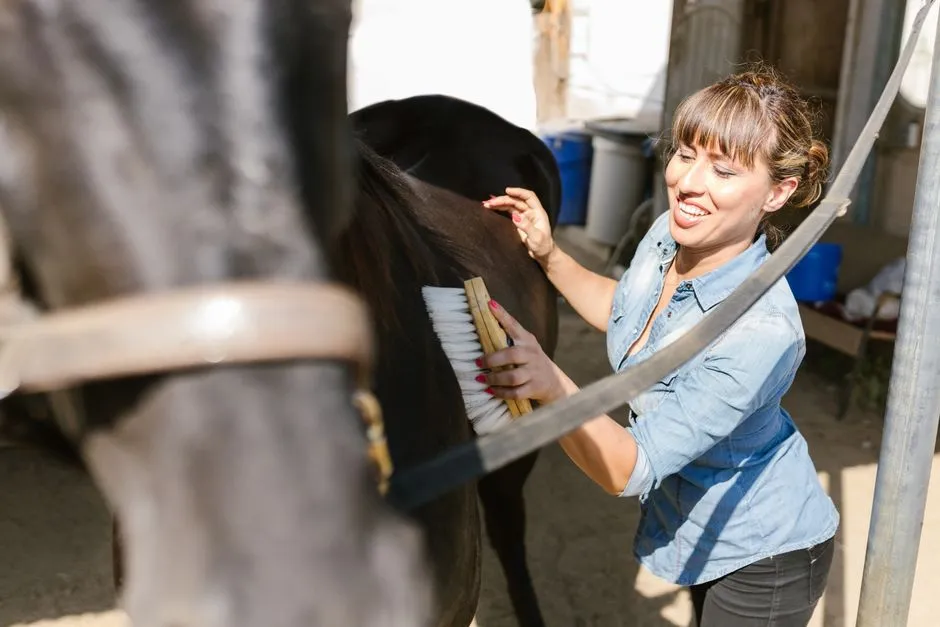
Plenty of people can groom a horse. Far fewer ever get to watch one truly let down. If your horse has chosen you, the biggest emotional releases happen specifically when you’re the one holding the lead rope or the brush – licking and chewing, rapid blinking, a huge full-body sigh, or eyes closing while you work on their neck.
Watch for the double standard: they tolerate annoying stuff like mane pulling or fly spray better with you than with anyone else, and after a stressful ride they decompress faster when you’re the one walking them out. This isn’t just training. Horses remember who was there when they were tense and who helped them feel safe again, and if that’s consistently you, that’s trust with your name on it.
#6 – They Call Out When They Hear You, Not Just Any Human
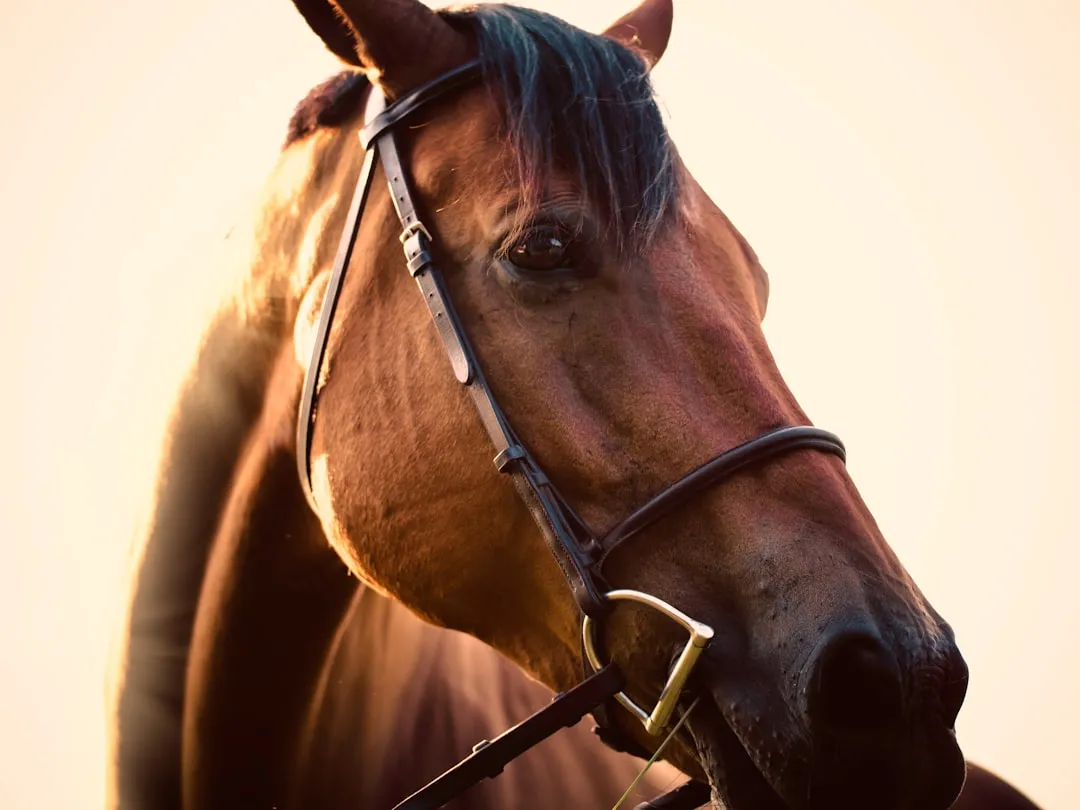
Everyone loves a whinny at the gate, but honestly, a lot of those are “where’s my grain” moments. What actually stands out is when your horse vocalizes specifically to the sound of you – your footsteps, your voice, your car door – even when food isn’t part of the equation at all.
You call their name in a quiet barn and get an instant nicker back. You cough or laugh nearby and their head pops over the stall front. Ask yourself honestly: do they respond faster to your voice than to others’, and do they call out when you walk away even mid-meal? Horses vocalize for social connection as much as for resources, and a check-in nicker like that is closer to “where’s my person going” than “where’s my dinner.”
#7 – They Tolerate Your Mistakes Better Than Anyone Else’s
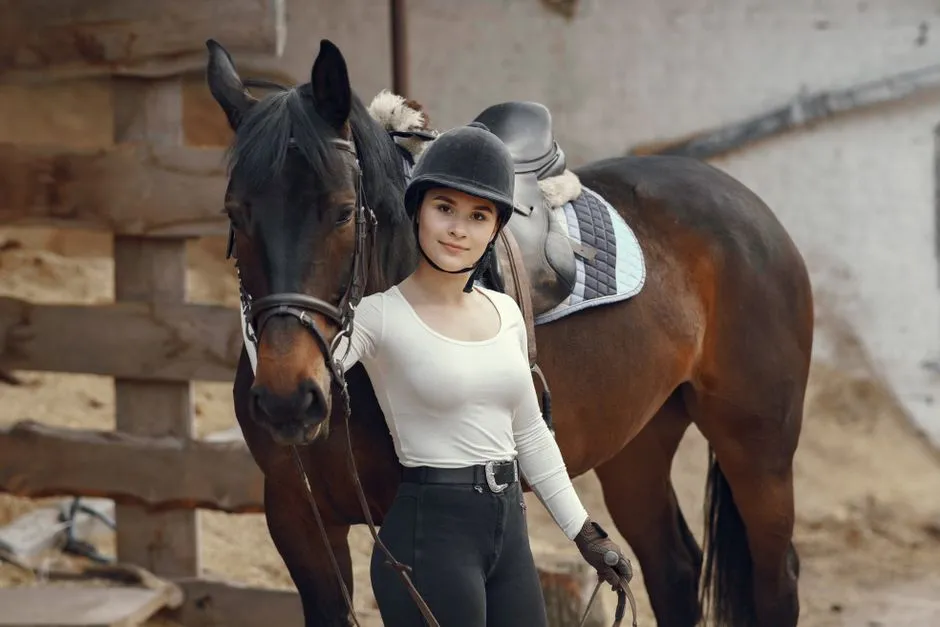
Here’s something most riders don’t love admitting: we all mess up. We bump their mouth, mis-time a cue, drop a brush on a hoof. When a horse hasn’t chosen you, those small mistakes stack up into real resentment. When they have, you’ll notice something different – your horse gives you a longer emotional leash than they give strangers.
A new person tightening the girth might get a warning swish; you get a patient exhale instead. A stranger’s clumsy mount earns pinned ears; your fumble earns tolerance. Some trainers insist a horse should treat everyone identically, but in reality horses are allowed favorites. If yours keeps forgiving your imperfections faster than anyone else’s, that’s not luck, that’s relationship talking.
Quick Compare
- With a stranger: a bumped mouth or clumsy mount often earns pinned ears, tail swishing, or a quick step away.
- With their chosen person: the same fumble gets a patient exhale, a soft eye, or barely a flicker of reaction.
- The takeaway: consistent extra patience isn’t random – it’s a horse quietly grading you on a curve.
#8 – They Come Back to You After Spooking
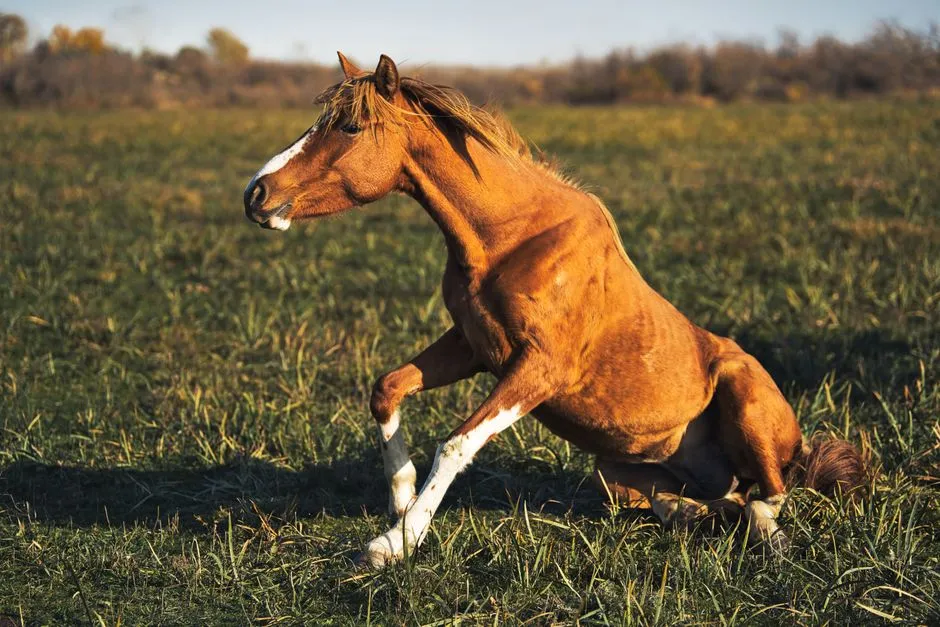
Spooks happen to every horse. What actually matters is what happens right after. A horse that’s chosen you isn’t just looking to bolt and stay gone – they’ll reorient back to you as home base the second the initial scare passes.
Under saddle, that might look like a big startle, a couple of quick steps, and then their focus snapping straight back to your hands and seat. On the ground, they might jump sideways and then swing back toward you instead of away. Watch for eye contact or a softening to your voice right after the scare, and notice how much faster their feet settle when you’re the one holding the line. Most people assume spooking is purely bad news, but it’s actually one of the clearest windows into who a horse trusts under pressure.
#9 – Your Mood Changes Their Behavior More Than Anyone Else’s
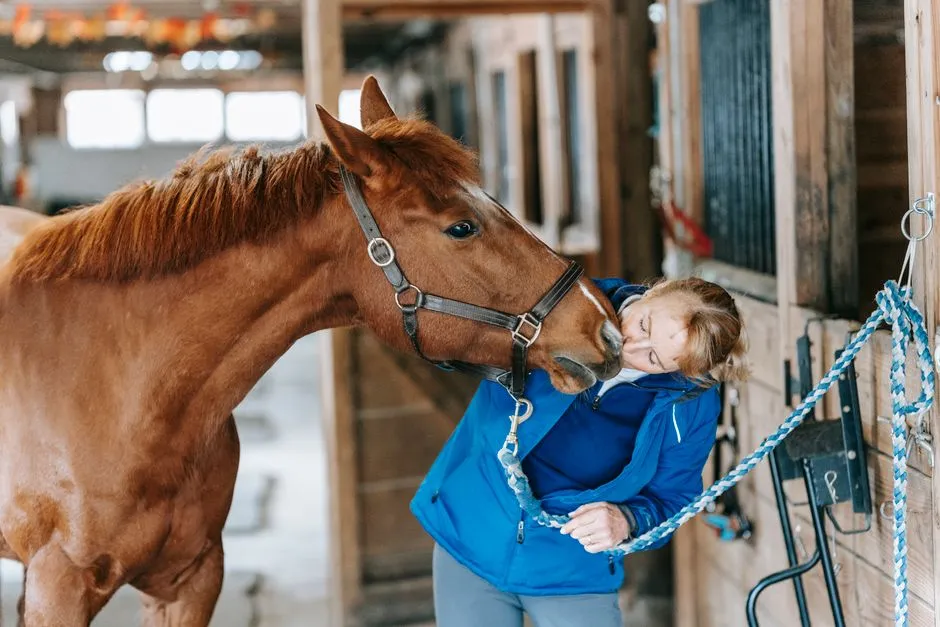
Everyone says horses are emotional mirrors, but here’s the nuance nobody mentions: they don’t mirror everyone equally. When a horse has chosen you, your emotional state has a noticeably stronger pull on their behavior than a random handler’s does, even doing the exact same chores.
You walk in calm and grounded, they slow down. You show up buzzing and scattered, and suddenly they’re looky and fidgety too – more so than they’d be with someone else. The barn can be total chaos, but your horse settles the second you shift into slow, deliberate breathing. That sensitivity isn’t always convenient, but it means they’ve put more of their safety evaluation into your hands than anyone else’s.
Where you go, I will go; where you lodge, I will lodge; your people shall be my people.
Book of Ruth 1:16 (a line often quoted by horsemen to describe the loyalty they see in their own horses)
#10 – They Check In With You Mid-Ride Without Being Asked
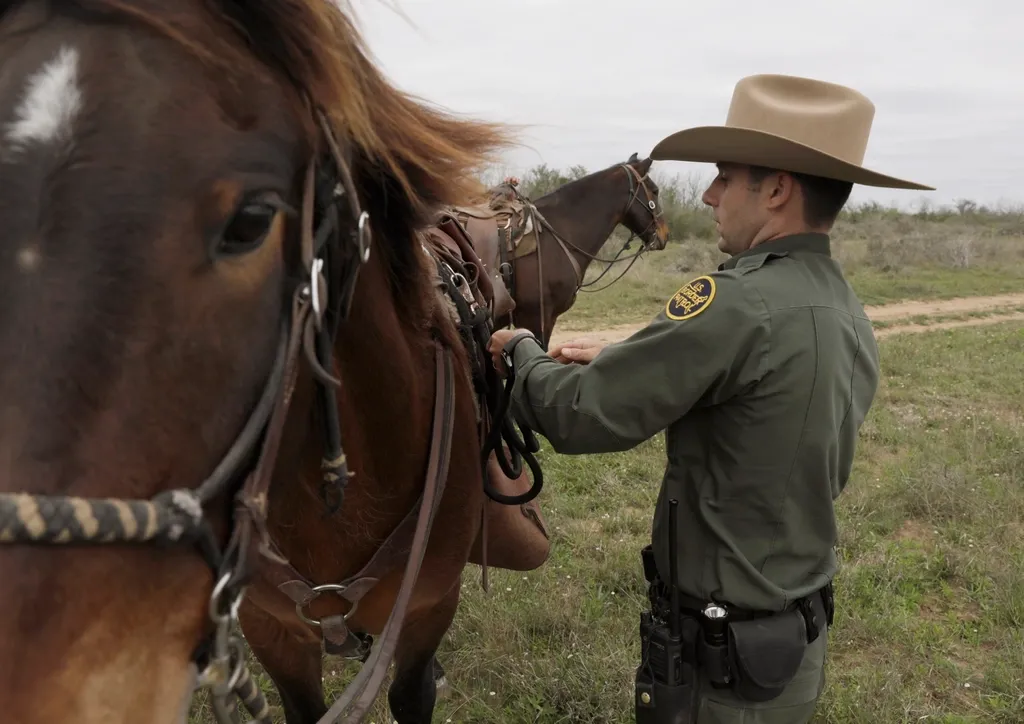
A horse that’s truly with you doesn’t just obey commands, they check in. During groundwork or riding, you’ll feel tiny moments where they pause mentally to ask “we good?” – a quick ear flick back and held, a brief softening of the neck toward your inside leg, or a small step closer during a halt.
These aren’t evasions, they’re relational micro-moments. Ask for something a little harder and watch for that instant of reassurance-seeking through an ear or an eye. Plenty of trainers write this off as noise, but long-time horse people recognize it as the social glue holding the ride together. Your horse isn’t just performing a task for you, they’re staying connected through it.
#11 – They Give Up Easy Comfort to Follow Your Routine
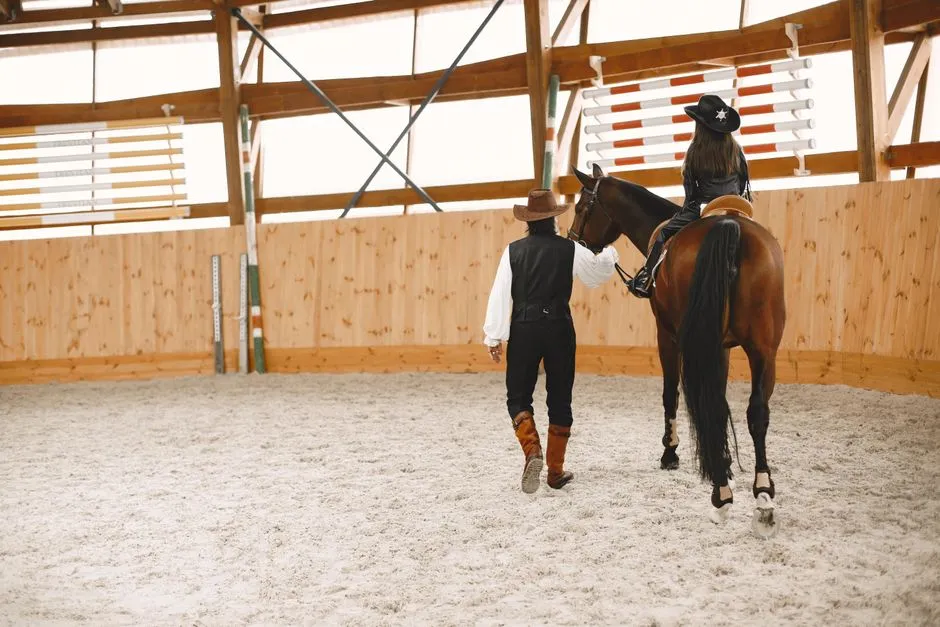
This one’s uncomfortable to admit: most horses would pick “less work, more grass” over almost any human, any day. But if your horse has truly chosen you, you’ll sometimes see the opposite – they willingly leave comfort behind to follow your routine, even with an easier option staring them in the face.
Maybe they walk away from hay to follow you out of the field. Maybe they load onto the trailer more confidently for you than for anyone else. Watch for it: they stop halfway to the herd and turn to wait for you, or they hesitate for another handler but commit instantly when you take the rope. That’s not magical thinking, it’s pattern recognition – they’ve learned your plans usually end in safety, even when they’re inconvenient.
#12 – They Let You See Their Bad Days Without Shutting You Out
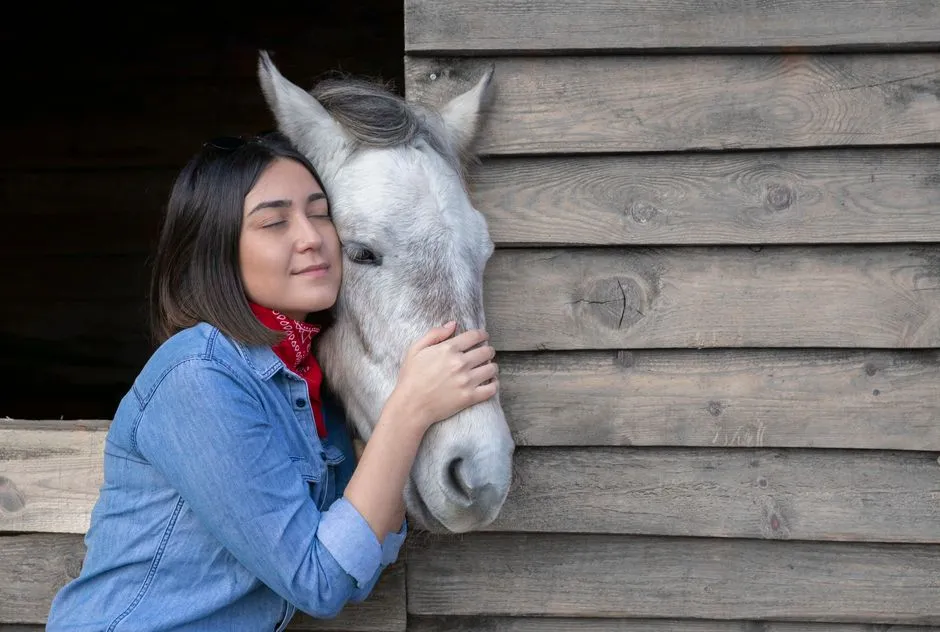
The strongest relationships aren’t built on perfect rides and cute photos, they’re forged on the messy days. A horse that’s chosen you will risk showing you their frustration, fear, or discomfort without completely checking out or exploding at you.
You might see pinned ears, tail swishing, real tension – but underneath it, they’re still reachable. They’ll flick an ear your way, respond to your voice, soften when you adjust. A horse that doesn’t trust you simply shuts down or blows up and stays gone. A horse that does trust you complains, loudly sometimes, but still lets you help. That emotional honesty is reserved for the few humans a horse believes will listen instead of punish.
#13 – They Fall Asleep Around You
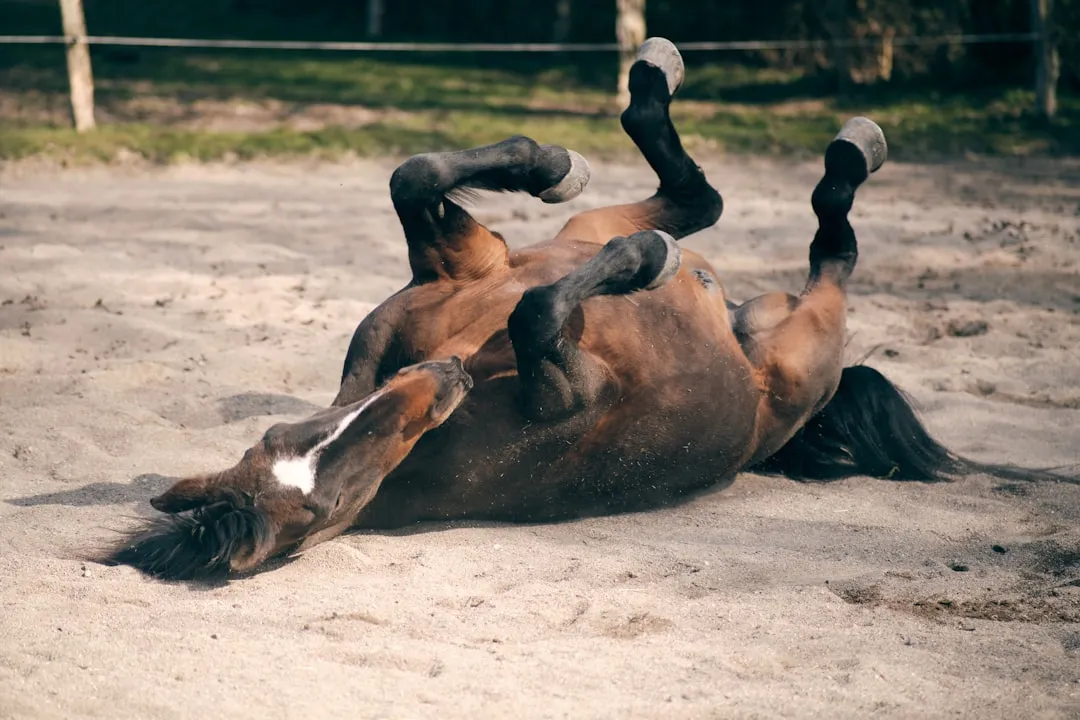
Sleeping is when horses are most vulnerable, especially when they lie flat out on the ground. If your horse regularly chooses to fully relax around you – head down, eyes closed, sometimes lying down completely – that’s one of the clearest trust signals in the entire list.
Watch for it during grooming: heavy eyelids, leaning hard into the brush, practically dozing standing up. In turnout, notice if they choose to lie down specifically when you’re quietly nearby, even if you’re just cleaning a stall or scrolling your phone. One nap doesn’t make you a horse whisperer, but a consistent pattern means you’ve been promoted into their internal safety system, and in herd life, only the most trusted companions ever earn that.
Worth Knowing
- Horses can doze standing up thanks to a “stay apparatus” that locks their legs in place.
- True REM sleep only happens lying down, and most horses only need a couple of hours of it, often taken in short naps.
- A horse that avoids lying down for too long can become sleep-deprived, so having someone they trust enough to nap around matters more than it sounds.
#14 – They Position Themselves Between You and Danger
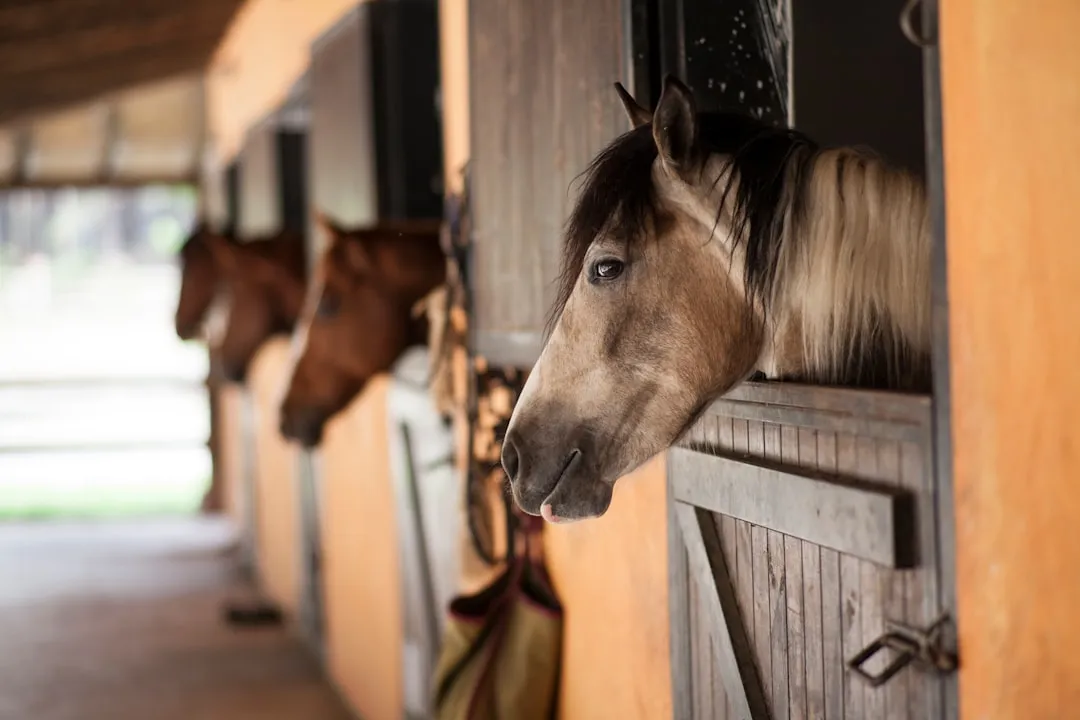
This one sparks endless barn arguments. Some people swear horses never “protect” humans, others swear they’ve seen it with their own eyes. The more grounded truth: horses sometimes position themselves between you and something they perceive as a problem, or refuse to walk you into a space they think is unsafe.
Your usually easygoing horse might suddenly plant their feet, body angled between you and an aggressive horse at the gate. Or they sidestep so you’re on the inside of the trail, putting themselves closer to the traffic or the noise. Whether it’s conscious protection is hard to prove, but the prioritization is undeniable – they’re managing the environment with you specifically in mind, and horses don’t do that for just anyone.
#15 – They Recognize You Anywhere and Instantly Light Up
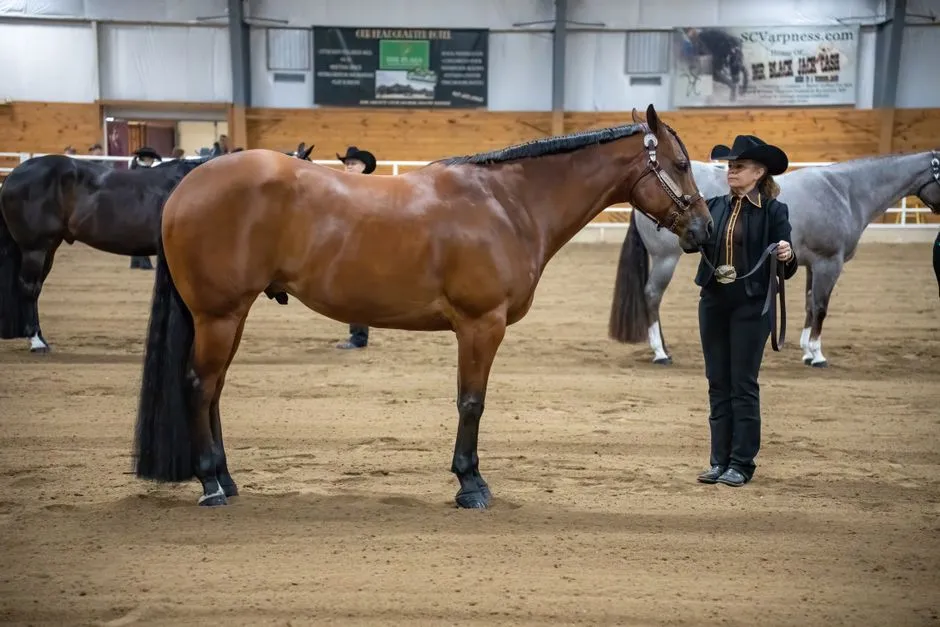
Plenty of horses recognize the feed guy. That’s not special, that’s routine. What is special is when your horse recognizes you instantly in places or outfits that should confuse them, and their entire demeanor shifts the moment they clock you.
Show up in a different jacket, a different hat, or at a showgrounds they’ve never seen before, and they still lock onto you with that unmistakable “there you are” look. Watch for a shift from tense or distracted to engaged and soft the moment you arrive, or them abandoning a hay net at a strange venue just to come find you. This goes beyond scent or habit – it’s social recognition that follows you wherever you go, which means you’re no longer just barn-attached, you’re person-attached.
#16 – They Snap Back Into Connection After Long Absences
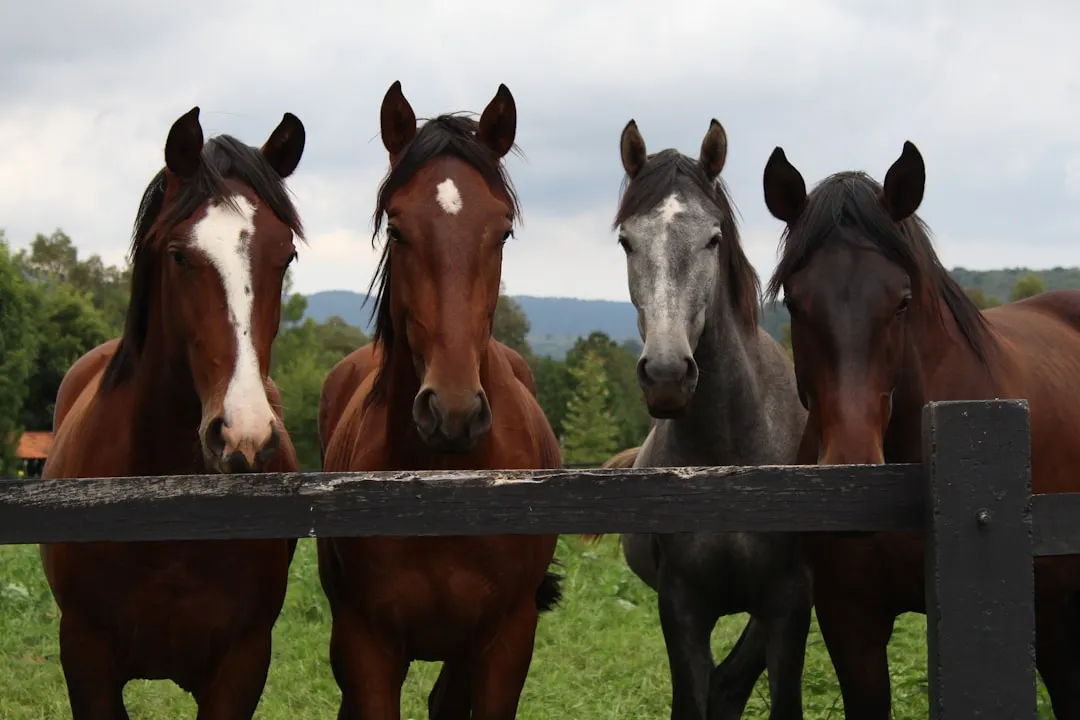
Life happens – injuries, work, family emergencies. Plenty of owners fear that time away will quietly erase the bond. Training sharpness can fade, sure. But if a horse has truly chosen you, they’ll often reconnect with you far faster than with anyone else, even after weeks or months apart.
The first few minutes might be a little charged, a little high, and then the old rhythm falls back into place like you never left. Watch whether they gravitate to you immediately instead of acting like a stranger, and whether their body language softens faster with you than with whoever’s been handling them in your absence. Relational memory runs deeper than a tack room schedule. Horses remember who made them feel safe and understood, and if you’re the one they fast-track back to, that’s loyalty, not convenience.
At a Glance
- Horses are known for strong long-term memory, often recognizing familiar people, places, and routines after months or even years apart.
- Reunions with a trusted person typically settle faster than reunions with an unfamiliar handler, even after identical time away.
- Relational memory like this isn’t tied to daily repetition – it’s tied to how safe you once made them feel.
#17 – They Stop Feeling Like a Project and Start Feeling Like a Partner
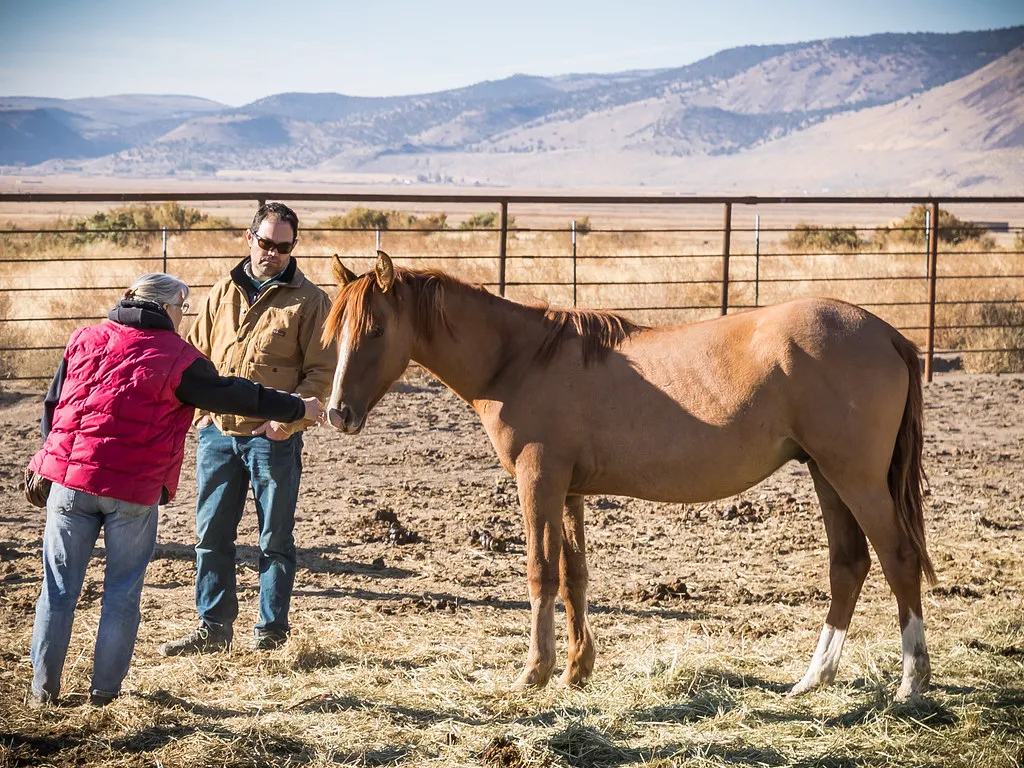
Here’s the real test, and it has nothing to do with tricks or ribbons. One day, quietly and without fanfare, you notice your horse no longer feels like something you’re trying to fix. They feel like someone you’re doing life with.
You start making decisions with their preferences in mind, and somehow, they start meeting you halfway. Training stops being a monologue and becomes a conversation. You catch yourself saying “he doesn’t like that bit, we’ll try something else,” or “she really perks up on the trail, let’s do more of that.” In return, the horse offers try, softness, and effort you can’t manufacture with technique alone. That’s the moment the background noise of the barn drops away completely, and it becomes obvious: out of every stall, every rider, every routine, this horse is actually in it with you.
The Bottom Line
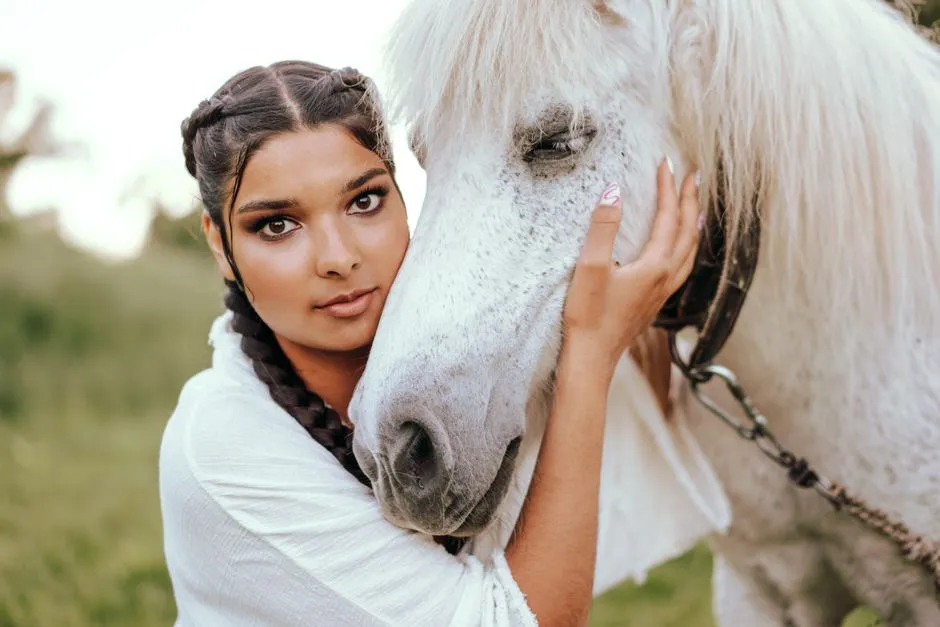
Most people obsess over the flashy version of horse love – the rearing-in-slow-motion moment, the cuddly photo, the viral clip. They miss the real evidence sitting in plain sight the whole time. A horse choosing you over the rest of the barn shows up in the boring, repeatable, day-to-day patterns: who they walk toward, who they rest near, whose mistakes they forgive, whose presence changes their breathing.
None of these moments are magic on their own. Together, though, they add up to a quiet, undeniable verdict about where your horse has placed their trust. You don’t need to romanticize every nicker or invent a fairy tale to feel good about your bond. You just need to actually pay attention – because your horse already has.

- 17 Moments a Horse Chooses You Over the Entire Barn - July 29, 2026
- 13 Signs a Horse Has Handed You Its Whole Heart Without You Realising - July 29, 2026
- 13 Things Vets Notice About Your Dog That They Rarely Say Out Loud - July 29, 2026