

Ask most people about old-world animal folklore and they picture a spooky campfire story – fun, harmless, forgettable. But dig into what our grandparents and great-grandparents actually believed, and you find something stranger: these “superstitions” quietly steered who people married, when they planted crops, and which neighbor they secretly stopped trusting.
None of it was casual. In a world without weather apps, doctors on call, or Google, a howling dog or a bird trapped indoors was information – sometimes the only warning system a family had. Some of these beliefs still feel eerily logical. Others are just plain unhinged. Either way, they show exactly how far people would go to make sense of a dangerous, unpredictable world – and the list only gets stranger from here.
#1 – A Dog Howling at Night Means Death Is Near
🔥 Would you like to save this?
We'll email this post to you, so you can come back to it later!
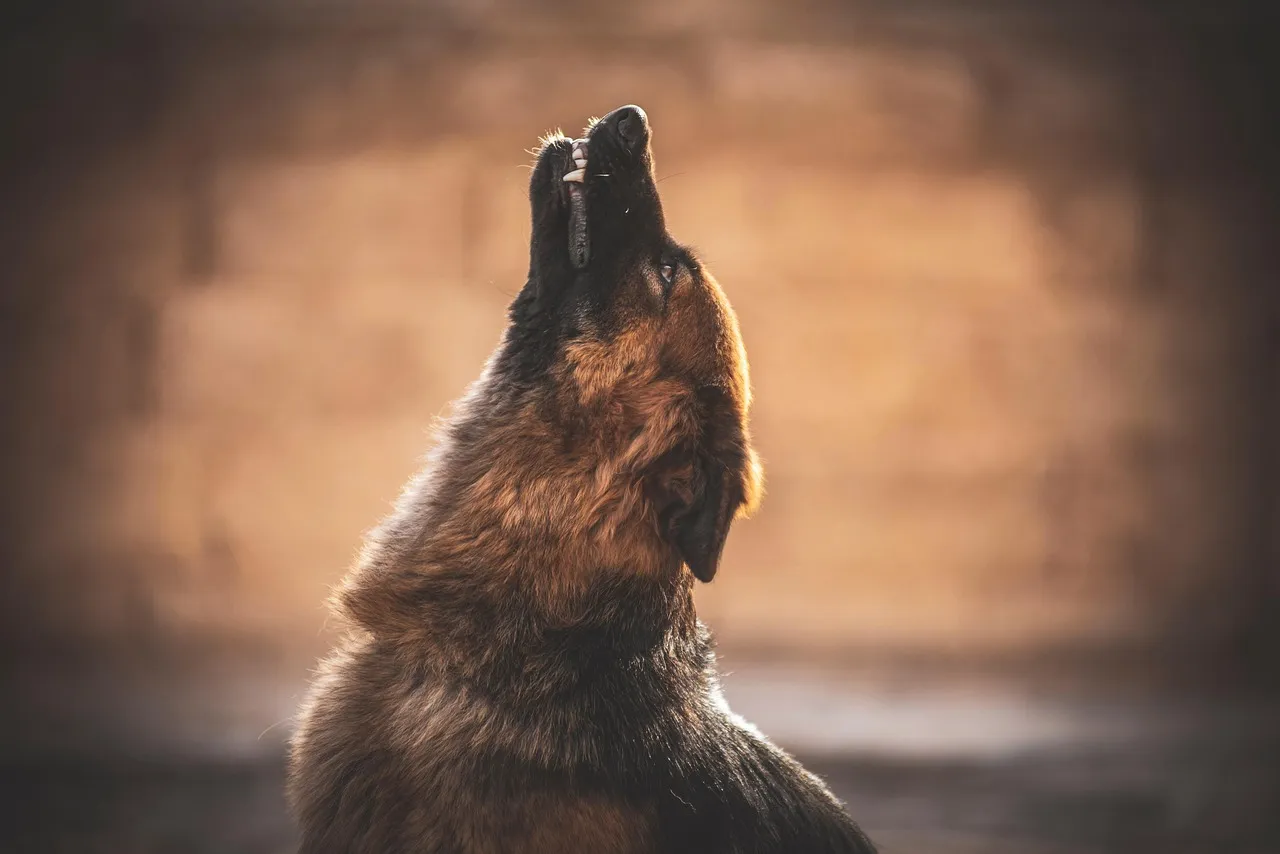
Old country folks never treated a dog’s midnight howl as “just noise.” They treated it like a siren from the other side. One of the best-known rural beliefs is that a dog howling outside a house at night meant someone nearby would soon die. Not “maybe,” not “possibly” – for many, it was a warning, almost like an unpaid bill from fate finally coming due.
The logic was simple but chilling: dogs could sense what humans couldn’t. In isolated farm communities where sickness spread fast, unexplained animal behavior felt like a code. If a dog stared into the dark and howled, people said it was seeing spirits or “the death angel” hovering over the house. In the hush of the countryside, one drawn-out howl could feel like the whole world was holding its breath.
Fast Facts
- Dogs can hear frequencies up to roughly 45,000 Hz, well beyond the 20,000 Hz limit of human ears.
- Their hearing range also stretches much farther, letting them catch faint or distant sounds long before a person notices anything.
- A sudden shift in scent, sound, or a stranger’s footsteps nearby is often all it takes to trigger a howl.
Some families called out the dog’s name and shooed it away, or tossed water toward it to “break the omen.” Others hung a cross or a piece of iron on the door to deflect the bad energy. Today we know dogs howl for communication, boredom, sirens, or because one dog three farms over started it – but back then, if your hound lifted its nose and cried, sleep was officially canceled.
Compared to what people believed about an owl on the roof, a howling dog was almost polite.
#2 – An Owl on the Roof Is a Messenger From the Dead
🔥 Would you like to save this?
We'll email this post to you, so you can come back to it later!
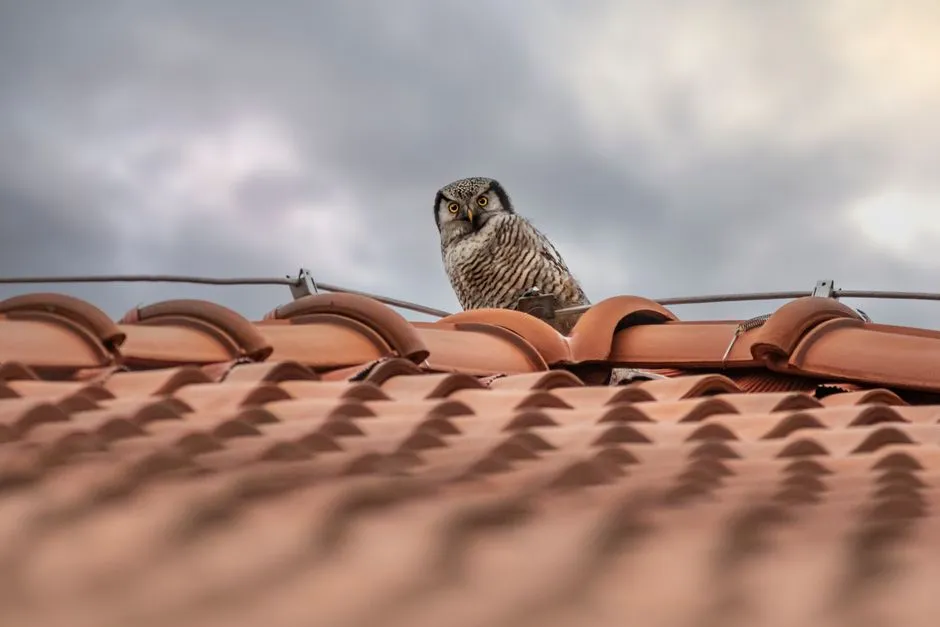
If a dog howling was a bad sign, an owl on your roof was considered worse. Across many rural traditions, an owl calling from the roof of a house was taken as a direct message from the dead – sometimes a warning, sometimes a claim on someone inside. You didn’t ignore that eerie hoot; you listened like it was a knock from the other side.
Old country people often called owls “death birds.” Part of this is practical: owls hunt at night, move silently, and their calls slice through the quiet like a ghost clearing its throat. If one perched on a chimney and cried repeatedly, people said the spirit world had its eyes on that household. Farmers would spit three times or mutter a quick prayer if an owl got too close, not out of drama, but because the belief was baked into everyday life.
There was even a loophole: some believed shouting at the owl to “take its message somewhere else” could push the bad luck away. Others lit a candle in the window as a sort of spiritual porch light, so any wandering soul could pass by without taking anyone with it. We understand now that owls are just following prey and good perches – but in the hush of the countryside, that echoing call still sounds like the night itself speaking.
Even that couldn’t match the dread stirred up by a black cat crossing a lonely road.
#3 – A Black Cat Crossing Your Path Blocks Your Luck
🔥 Would you like to save this?
We'll email this post to you, so you can come back to it later!
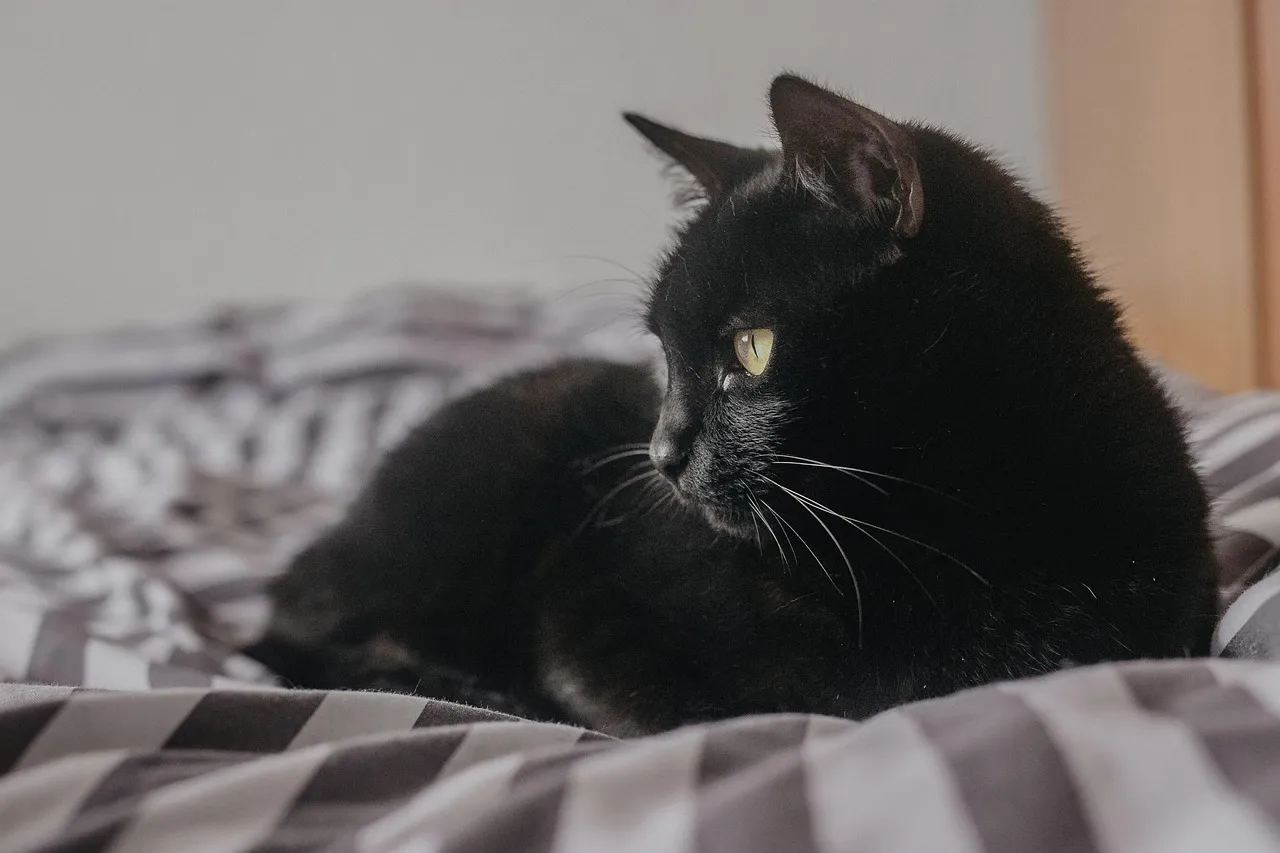
Black cats today are Instagram mascots and tattoo material, but not long ago in old country thinking, they were walking question marks. The classic belief is simple: if a black cat crosses your path, your luck is blocked or reversed. People didn’t chuckle and keep walking; some literally turned around and took another route.
In communities where every harvest and every coin mattered, anything tied to “luck” was serious business. Black cats got tangled up with witchcraft rumors and the unknown – people believed they were either companions of witches or shapeshifted spirits themselves. If one cut in front of you, it was “cutting across” your destiny, slicing the line of good fortune. Some wouldn’t step forward until the cat had moved completely away; others spit, made the sign of the cross, or touched iron to undo the effect.
Interestingly, some pockets of belief flipped the script entirely – a black cat could bring good fortune to the house that sheltered it, and sailors in certain traditions wanted one on board for protection. But in most old country villages, where gossip traveled faster than facts, that dark coat plus mysterious behavior made the cat a four-legged warning sign. Today we know color has nothing to do with a cat’s personality, yet watch how many people still pause when one trots across their path.
Still, nothing spooked a household faster than a rooster crowing at the wrong hour.
#4 – A Rooster Crowing at Night Means Trouble Is Brewing
🔥 Would you like to save this?
We'll email this post to you, so you can come back to it later!
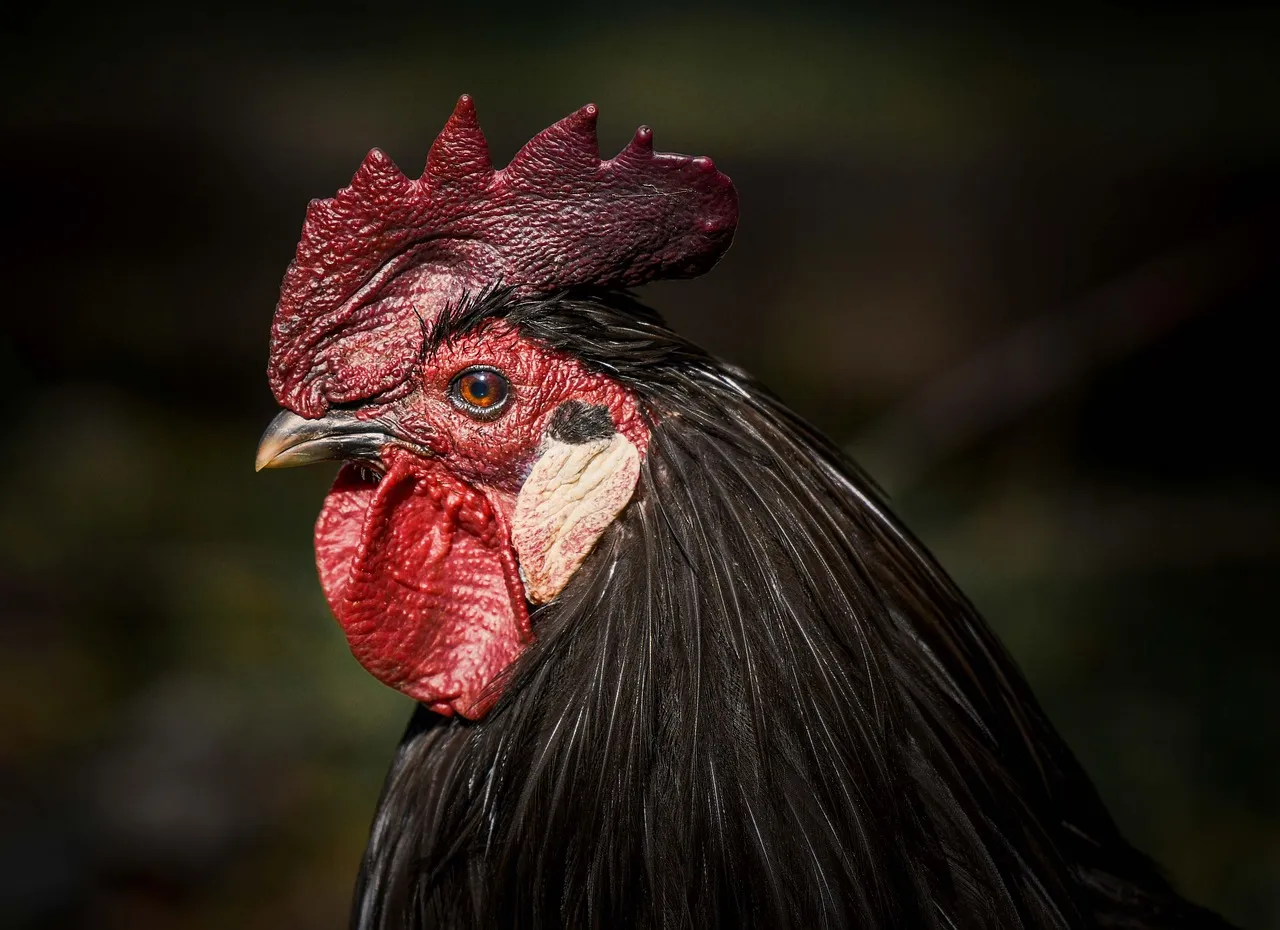
Roosters are supposed to crow at dawn – that’s the entire job description. So when a rooster crowed in the middle of the night in old country life, nobody shrugged it off. A rooster crowing after dark was believed to foretell a death, a sudden argument, or a serious run of bad luck heading straight for the household.
On farms, animals follow light and habit, so a rooster sounding off under a starry sky felt like the natural order glitching. Old folks said it meant evil was passing by, or that a bad visitor was on the way. Some believed it signaled betrayal – that someone close would soon turn on you. Others treated it as a spiritual alarm rather than a physical one.
People had rituals for this. Some clapped their hands or banged a pot three times to “reset” the rooster and scare off whatever it sensed. Others recited a quick prayer, basically telling the night, “We heard you, now move along.” A few harsher traditions even called for killing a rooster that crowed too often after dark, convinced it was bewitched. We now know artificial light, noise, or a disturbed flock can trigger it – but that cracked, lonely crow announcing nothing visible still unsettles something primal.
And a rogue rooster was nothing next to what it meant when a bird flew straight into the house.
#5 – A Bird Flying Into the House Brings News From Beyond
🔥 Would you like to save this?
We'll email this post to you, so you can come back to it later!
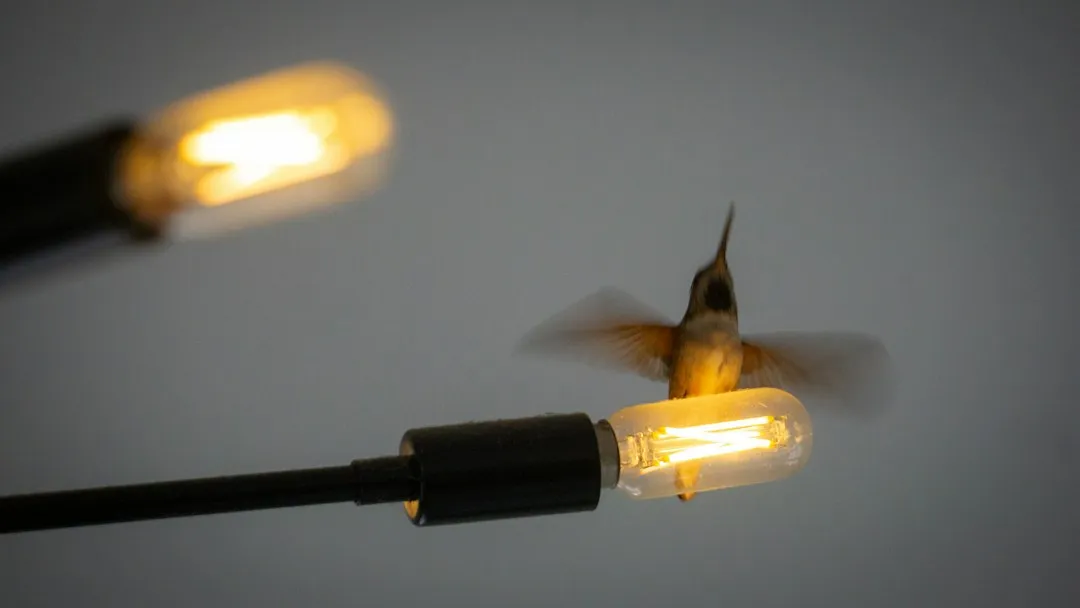
Modern people might think “open window, dumb bird.” Old country people thought “message from the other side.” One of the stickiest bits of folklore says a bird flying into your house is a sign that major news – often death or illness – is on the way. If the bird couldn’t find its way out, the omen felt even heavier.
Birds are wild, skittish creatures, so one suddenly darting into a kitchen or bedroom felt meaningful by default. Many rural traditions held that birds carried souls, prayers, or whispers from heaven, so when one invaded your living space, it was like your private life and the spirit world had just collided. Some old women insisted the bird represented a specific soul trying to make contact, especially if someone in the family was already sick.
The details mattered. A white bird was read as a gentler sign – a passing without suffering. A dark bird, especially a crow, was a harsher warning. Families would guide the bird out with a towel or broom, murmuring apologies to whatever spirit traveled with it, or throw open every door and window so the bad news would “pass through” rather than stay. Today we chalk it up to confusion and poor window placement, but that fluttering panic of wings indoors still hits a nerve.
As unsettling as that was, it didn’t compare to what people believed cats did around sleeping infants.
#6 – Cats Steal the Breath of Sleeping Babies
🔥 Would you like to save this?
We'll email this post to you, so you can come back to it later!
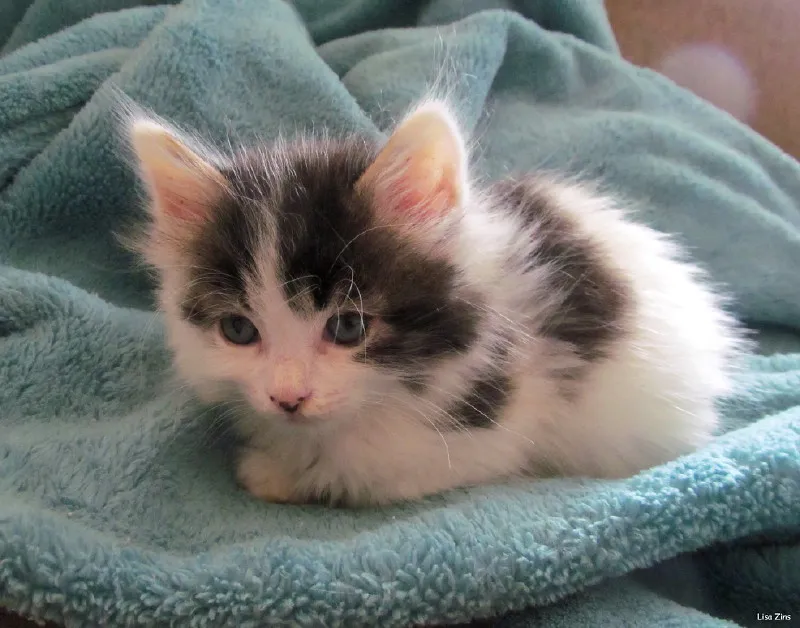
This one gets dark fast. Among old country beliefs, few are as notorious as the idea that cats would climb into a crib and “steal” a baby’s breath. Parents didn’t just side-eye the family cat – some banned cats from the nursery entirely, or refused to keep one at all with an infant in the house.
The belief likely sprang from a mix of observation and fear. Cats do love warmth and milk smell, and they’re known to curl up close to sleeping humans – sometimes right next to a baby’s face. In crowded, poorly ventilated homes where cribs were tucked into corners and respiratory illnesses were common, a child suddenly not waking up felt mysterious and brutal. Grief needed a target, and the quiet, sneaky cat made an easy one.
Today we know there’s no evidence cats can steal anyone’s breath, though safe-sleep guidelines still say to keep pets out of cribs to avoid accidental suffocation or scratches. But in old rural life, the story hardened into a warning repeated by grandmothers and midwives for generations, and it stuck around far longer than you’d expect.
Grief-driven fear aside, nothing unsettled a farmhouse quite like a crow parked on the fence, watching.
#7 – Crows and Ravens Watching You Are Bad-Luck Sentinels
🔥 Would you like to save this?
We'll email this post to you, so you can come back to it later!
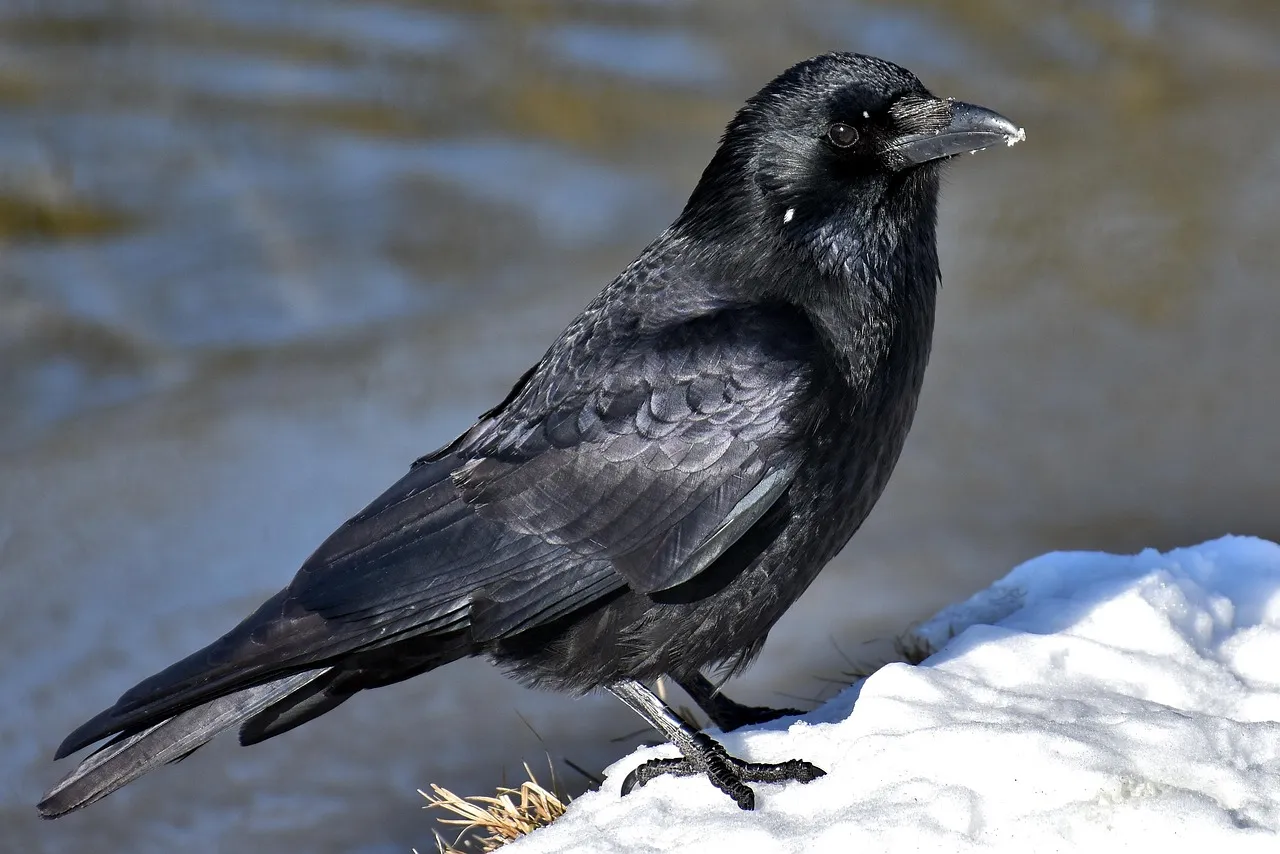
Not all birds were treated equally. Chickens were food. Sparrows were background noise. But crows and ravens were a different category entirely. Old country belief often treated them as sentinels of misfortune – watching, waiting, and signaling trouble. A lone crow perched and staring at you wasn’t just “nature”; it was a bad headline sent by the universe.
These birds are intelligent scavengers that often hang around death – roadkill, battlefield leftovers, dead livestock. People noticed that whenever something had died, the black birds weren’t far behind, and it didn’t take long for the cause-and-effect to reverse in people’s minds: if they show up around death, maybe they announce it too. Some counted them – “one for sorrow, two for joy” – giving emotional weight to how many appeared. A single bird was particularly unsettling, like a lone messenger with bad news that hadn’t been delivered yet.
Worth Knowing
- The old counting rhyme opened simply, weighing meaning by how many birds showed up together at once.
- Crows and ravens are considered among the most intelligent birds alive, capable of using tools and remembering individual human faces for years.
- A group of crows is still traditionally called a “murder” – a name almost as ominous as the folklore itself.
Today we know they’re just clever birds scouting food and territory, sometimes recognizing individual human faces. Still, that cold little stare over a farmhouse field can feel pointed in a way that’s hard to shake.
Yet for all the dread around crows, one of the tenderest old beliefs involved talking to bees.
#8 – You Must “Tell the Bees” About Death or Misfortune
🔥 Would you like to save this?
We'll email this post to you, so you can come back to it later!
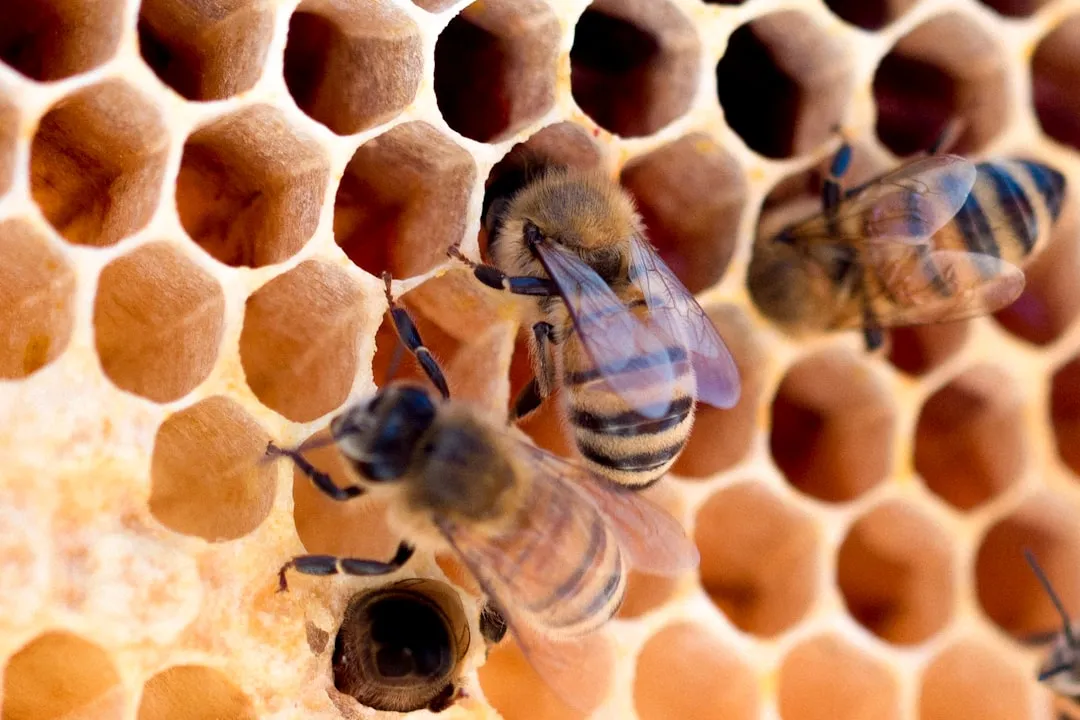
Of all the old animal beliefs, this one feels the strangest and oddly tender: you had to “tell the bees” when someone in the household died or when a big life event happened. If you didn’t, people believed the bees might stop making honey, abandon the hive, or even die off entirely.
In old country life, bees weren’t a quirky hobby – they were survival. Honey was medicine, sweetener, and trade goods, so beekeepers treated their hives almost like part of the family. The superstition said that if a family member died, married, or left the farm, someone had to go to the hives and literally speak the news aloud, often knocking gently on the box first. If you ignored the bees, they were said to feel insulted and bring bad luck to the home.
Tell it to the bees, lest the colony should dwindle.
Old English folk rhyme
Some traditions draped the hives in black cloth during a funeral, or placed bits of funeral food near the box as an offering. It’s easy to call this pure superstition from a modern angle, but you can also read it as an old-world way of admitting that human life and nature were tightly tied. Plenty of beekeepers today still talk to their hives – not out of fear, but because it feels like an old conversation worth keeping.
That quiet ritual was nothing like the panic a crowing hen could set off.
#9 – A Hen That Crows Brings Disaster
🔥 Would you like to save this?
We'll email this post to you, so you can come back to it later!
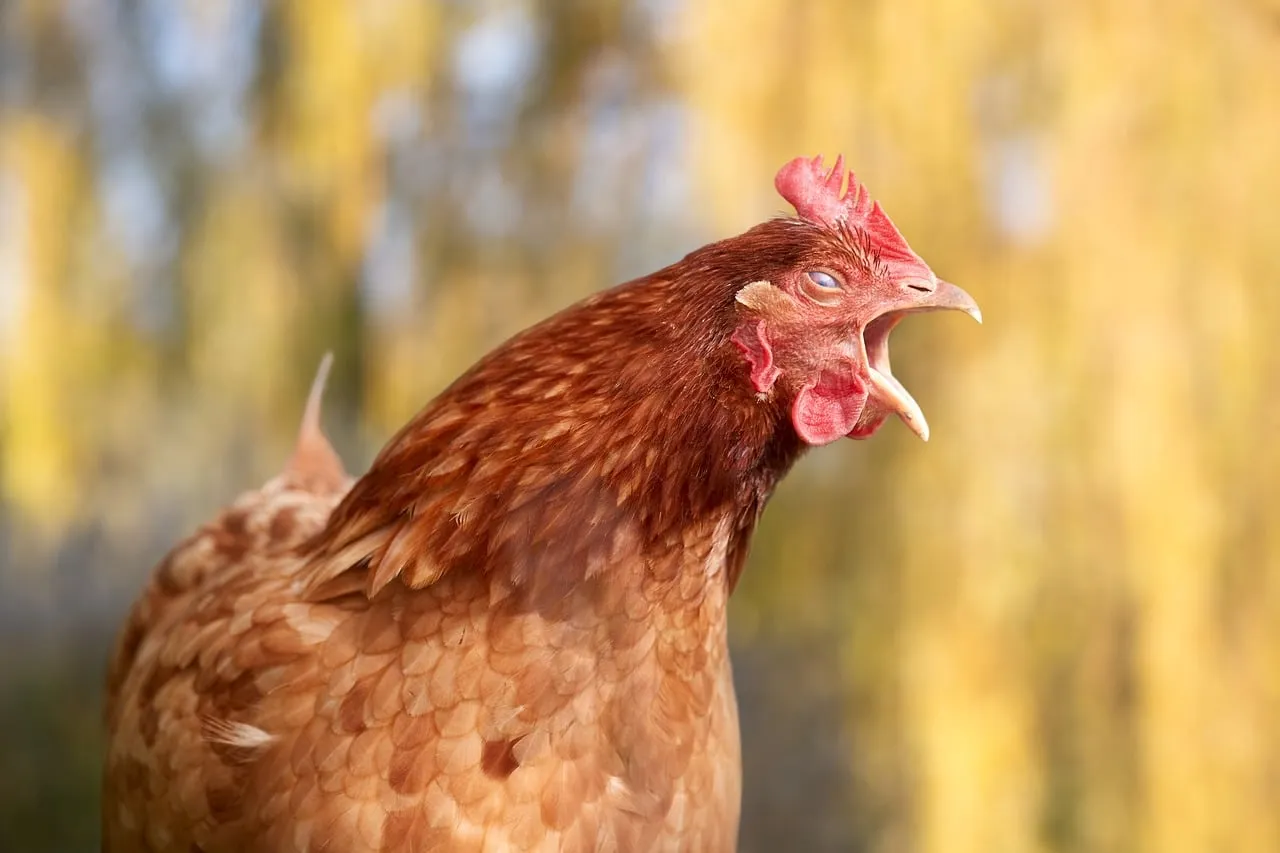
In traditional farm life, roles were crystal clear: roosters crow, hens lay eggs. So when a hen started crowing like a rooster, old country people didn’t treat it as quirky. A crowing hen was viewed as an omen of disaster – anything from financial ruin to death in the family – and some believed the only fix was to kill the hen immediately.
This belief taps into a deep fear of the “unnatural.” A hen mimicking a rooster flipped expected order on its head, and in societies that prized clear roles, an animal stepping out of its lane made people deeply uneasy. They said such a hen was “calling death in at the door.” Stories circulated of families who ignored a crowing hen and then suffered some unrelated tragedy, which only reinforced the myth. In harsher versions of the superstition, a crowing hen had to be killed before sunrise or the omen would lock in for good.
We now know hens can produce crow-like calls due to hormonal shifts, dominance behavior, or flock dynamics. But in a world that saw the barnyard as a mirror of heaven’s order, that odd, off-key crow grated on more than just the ears.
Thankfully, not every backyard sound spelled disaster – a cricket chirping indoors was actually good news.
#10 – Crickets in the House Are Tiny Guardians of Good Luck

🔥 Would you like to save this?
We'll email this post to you, so you can come back to it later!
Not all animal beliefs were dark. In many old country homes, a cricket chirping inside the house was considered a sign of good luck, protection, and prosperity. Some families practically adopted their hearth crickets, refusing to kill them and feeling uneasy if the little insect suddenly went silent.
Unlike most house invaders, crickets were welcomed. Their steady chirping by the fireplace was treated like a good-luck soundtrack, and old sayings claimed that as long as the cricket sang, the home would have food, warmth, and harmony. If it stopped or left, people got nervous, as if a guard had abandoned its post – some even believed killing a cricket indoors would “kill” your fortune for the season.
Part of this may come from simple comfort. In isolated rural homes with no electrical hum, the cricket’s song filled the silence and made the night feel less empty. Add in the fact that crickets favor warm, sheltered environments – usually a sign the home isn’t falling apart – and the connection between their presence and a sense of security writes itself.
Horses, on the other hand, were trusted with something far heavier than luck: they were believed to see what humans couldn’t.
#11 – Horses See What Humans Can’t
🔥 Would you like to save this?
We'll email this post to you, so you can come back to it later!
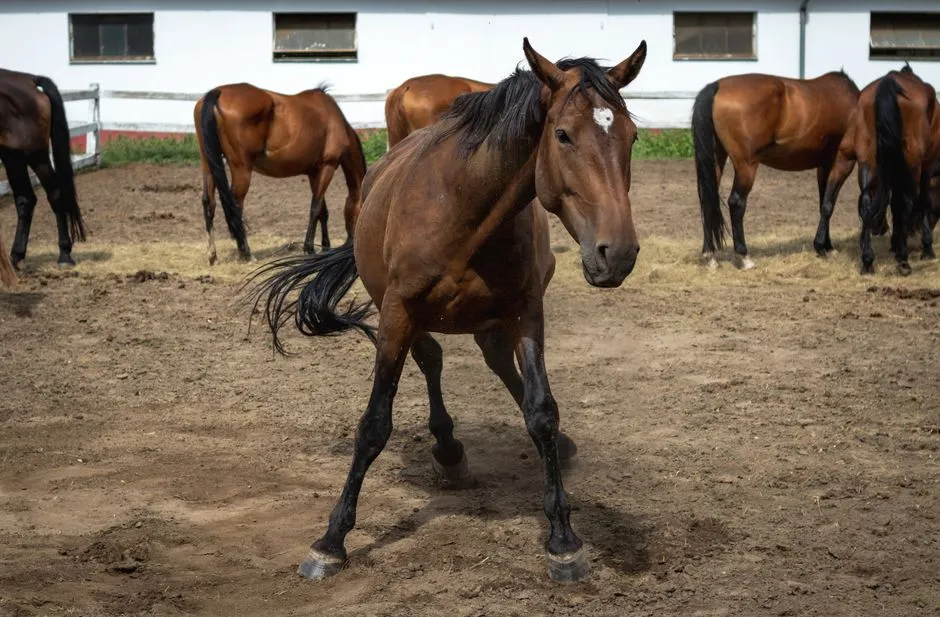
Horses weren’t just transportation in old country life; they were emotional barometers. A skittish horse could unsettle an entire day. Many rural people believed horses could see spirits, sense danger, and react to bad energy long before humans had a clue. If a normally calm horse refused to pass a certain spot in the road, you didn’t force it – you wondered who or what had been there.
This belief grew naturally from witnessed behavior. Horses are prey animals with sharp senses, noticing subtle movements, smells, and shifts in the environment that people simply couldn’t detect. To onlookers, it looked like the horse was reacting to nothing – and that “nothing” became ghosts, omens, or coming tragedy. If a horse suddenly balked at the barn door, some said it sensed death arriving at the farm. There were even stories that horses could refuse to carry someone doomed to die soon.
Today we interpret this through pattern-seeking human brains and animal hyper-awareness, but when your daily safety depended on a horse’s cooperation, its unexplained fear felt loud and deeply personal.
Birds got their own reputation too – not for sensing spirits, but for reading the sky itself.
#12 – Swallows and Low-Flying Birds Predict the Weather
🔥 Would you like to save this?
We'll email this post to you, so you can come back to it later!
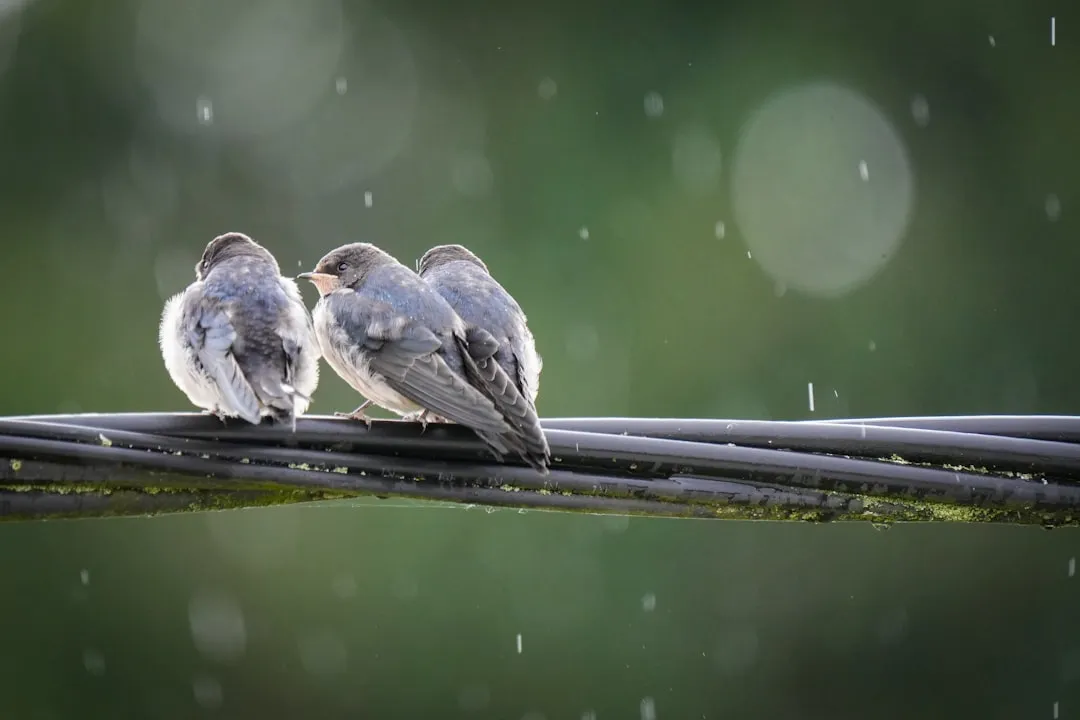
Forget weather apps; old country folks had swallows. Among the more grounded old beliefs is that birds flying low meant bad weather – especially rain or storms – were on the way. If swallows and other small birds were skimming close to the ground, you grabbed your laundry off the line before you needed a forecast.
This one actually has some science behind it. In humid, low-pressure conditions, insects stay closer to the earth’s surface, and birds that feed on them naturally follow. Over time, farmers noticed the pattern: high birds, fair weather; low birds, foul weather. Old sayings claimed that when swallows flew low enough to “brush your hat,” rain would arrive within a day.
Quick Compare
- Birds flying high: read as a sign of fair, stable weather ahead.
- Birds flying low: read as a warning that rain or storms were close.
- Modern explanation: humid, low-pressure air keeps insects near the ground, and insect-eating birds simply follow their food.
Not every detail was accurate – some people stretched this into blanket claims that any odd bird pattern meant a huge event was coming, blending real observation with superstition. But overall, this was one of the rare beliefs that rewarded careful watching of nature instead of pure fear. Meteorology now explains what those villagers noticed with their own eyes: animal behavior really does shift with the weather.
Dogs, meanwhile, were said to read something even harder to predict: your own fate.
#13 – A Dog That Won’t Leave You Alone Is Sensing Your Fate

🔥 Would you like to save this?
We'll email this post to you, so you can come back to it later!
We’ve all joked that dogs “know” when something’s up, but old rural beliefs took that much further. In many country traditions, a dog suddenly becoming clingy, restless, or obsessed with one person was read as a sign that person was in danger or headed for a major life change. If the dog whined, followed, and refused to relax, people said it “saw” something around you.
Part of this comes from the dog’s raw ability to pick up on scent changes, illness, and emotional shifts – abilities that felt almost supernatural to a family with no medical knowledge. If a dog that normally roamed the yard started sleeping against your bedroom door, grandma might mutter that it was “guarding your spirit.” There were softer interpretations too: a dog playing happily around a young woman might be called “love-struck,” as if it sensed romance on her horizon.
The darker version was that dogs could tell who among the elderly would “go next,” lingering near their chair or bed for days beforehand. Today, we chalk much of this up to scent, routine, and dogs’ intense social sensitivity – but anyone who’s had a pet stare at them like it knows something understands exactly why these beliefs got traction.
That devotion looked almost sweet next to the sheer panic a bat flying indoors could trigger.
#14 – A Bat in the House Is a Sign of Chaos Coming
🔥 Would you like to save this?
We'll email this post to you, so you can come back to it later!
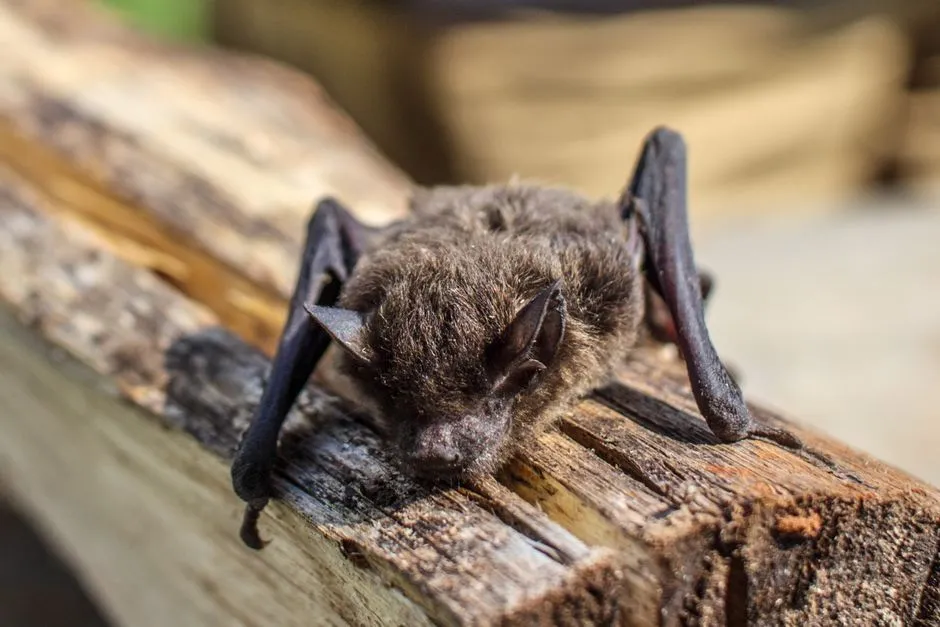
Bats are already loaded with creepy imagery today, but in old country beliefs, a bat flying into the house wasn’t just gross – it was a red-flag omen of chaos, illness, or serious misfortune. Some even believed it was a “familiar” spirit checking up on a home for darker forces.
Bats move fast, appear suddenly at dusk, and love dim nooks and rafters – in a candlelit house, that could turn into full-blown panic. People said a bat inside meant the home’s spiritual defenses were weak and evil could slip in. Some thought it presaged sickness, especially if the bat came near a sleeping person; others read it as a warning of arguments or financial disorder ahead, the bat’s frantic path symbolizing the household’s future.
The reaction was rarely calm – families would duck, yell, and try to drive the bat out while shouting phrases meant to “expel bad luck.” In some regions, if a bat landed on someone, it was thought to mark them as the next to die, a genuinely terrifying idea in a time with high mortality and no antibiotics. Today we know bats are hugely important for ecosystems and usually just confused indoors – but the sight of one flapping wildly through a living room still flips a switch in something ancient inside us.
After all that dread, old folklore finally softened – starting with a ladybug landing on your sleeve.
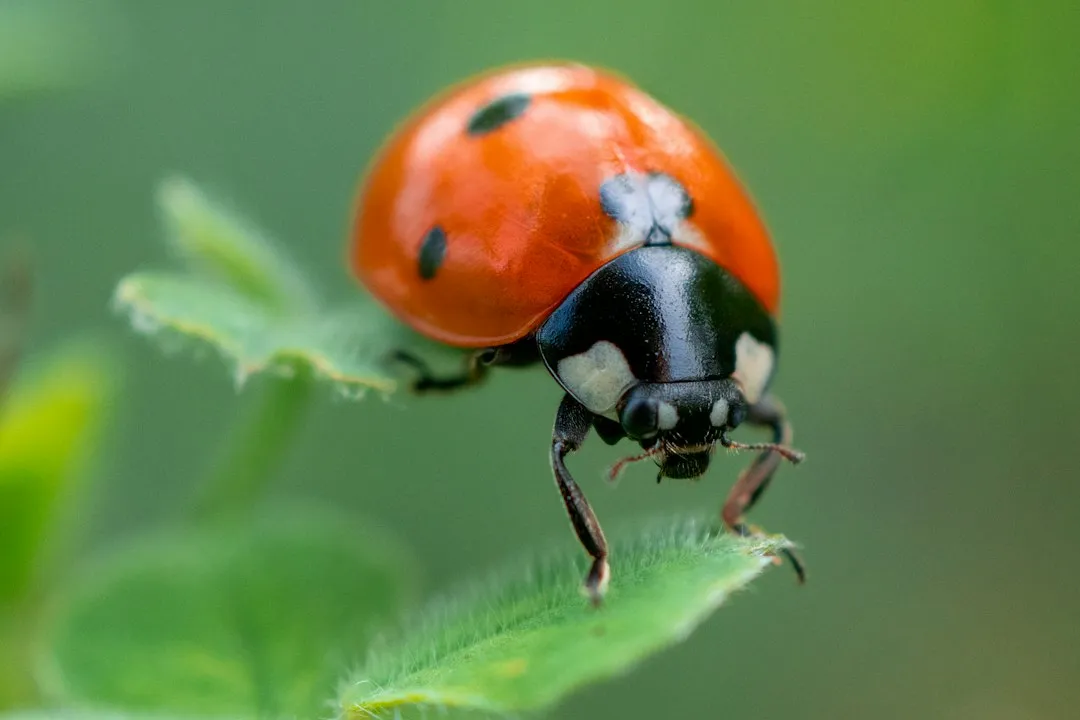
#15 – A Ladybug Landing on You Is a Tiny Blessing
🔥 Would you like to save this?
We'll email this post to you, so you can come back to it later!
Not every insect was feared. In fact, the ladybug got almost celebrity treatment. Rural lore across many places claims that a ladybug landing on you brings luck, blessings, or even answers to unspoken wishes. Some old-timers even counted the spots on its back to predict how many months of good fortune lay ahead.
This belief has a softer, almost childlike edge. Ladybugs eat plant pests, so farmers quietly benefited from having them around, and over time they shifted from “useful bug” to “good omen.” Children were told never to crush one – not only because they help crops, but because killing a ladybug was said to kill your own luck. If one crawled over your hand, you were supposed to stay perfectly still and let it choose when to leave, as if allowing the blessing to set.
Some traditions said the direction a ladybug flew after leaving you pointed toward where your next good news would come from – family, work, travel, or love. Out of all the old beliefs on this list, this one feels the least harmful and the most charming. When a bright red dot lands on your sleeve out of nowhere, it’s hard not to pause and quietly take it as a win.
That gentle charm vanished fast whenever a snake showed up at the door.
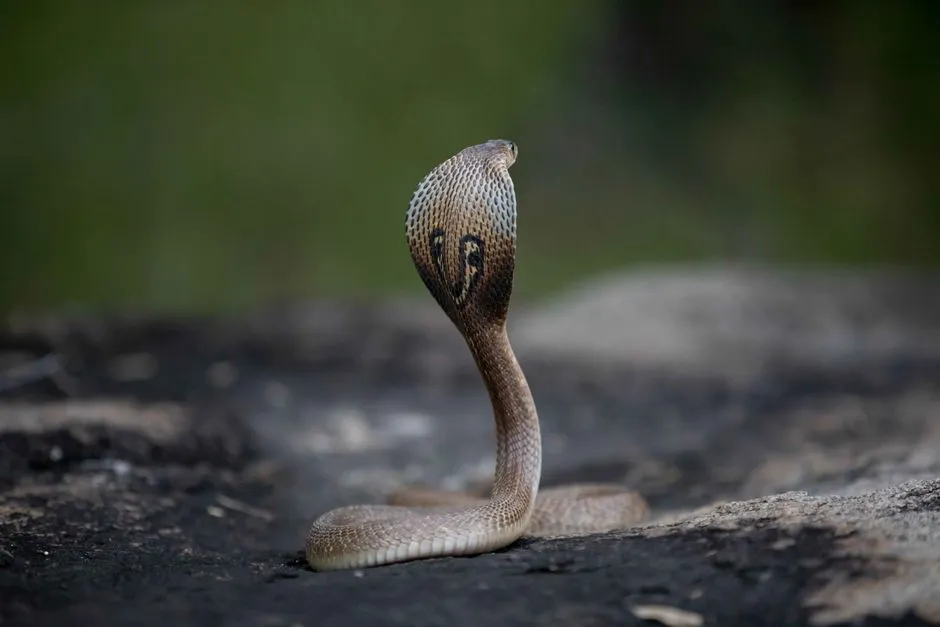
#16 – Snakes at the Door Mean Hidden Enemies
🔥 Would you like to save this?
We'll email this post to you, so you can come back to it later!
Snakes are deeply wired into human fear, so it’s no shock that old country beliefs wrapped them in heavy symbolism. One common thread: a snake appearing near the doorstep, or repeatedly in the yard, meant you had hidden enemies or betrayal lurking nearby. People saw them as physical stand-ins for treachery.
Part of this is biblical and cultural – the snake as deceiver, tempter, liar. But on the ground, snakes simply liked warm stones, shady foundations, and rodent-rich barns. That inconvenient overlap between human homes and snake habitat got turned into a story: if a snake chose your home, trouble was sniffing around. Some said specific colors mattered – a black snake near the door meant a jealous person nearby, while a patterned one hinted at tangled, complicated problems.
Reactions were intense. Some families killed any snake on sight, believing that letting it live let the “bad will” live too. The irony is that many non-venomous snakes were actually protecting the farm by eating rats and mice, but fear beat logic most days. Even now, plenty of people inherit that gut-level horror long before they know what species they’re even looking at.
But even snake season couldn’t dim the hope people placed in something far more delicate: the butterfly.
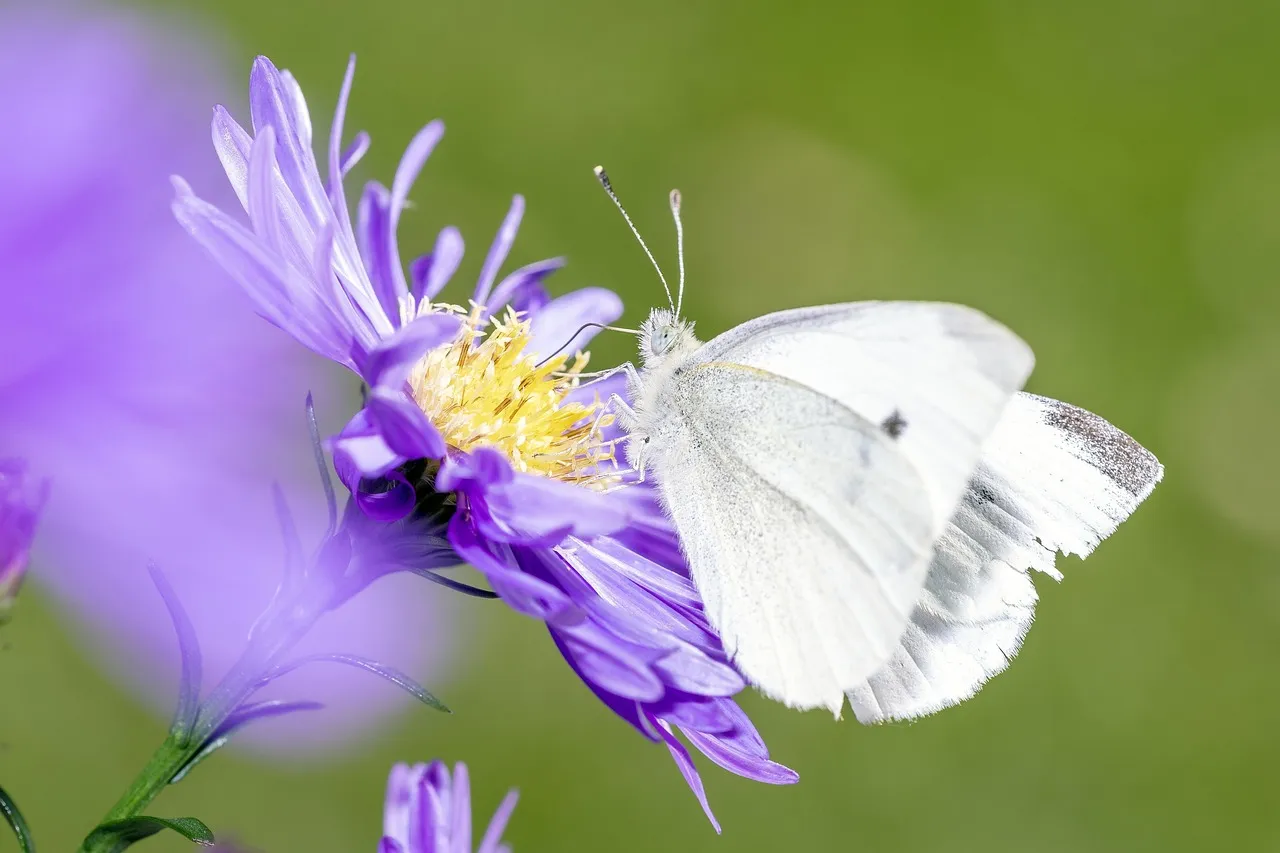
#17 – Butterflies as Visiting Souls and New Beginnings
🔥 Would you like to save this?
We'll email this post to you, so you can come back to it later!
For all the dark omens, old country belief did leave room for beauty – especially in butterflies. Many rural traditions hold that a butterfly visiting you, especially a white one, is a sign of a visiting soul or a new beginning quietly unfolding. Some said it was the spirit of a loved one checking in. Others saw it as a quiet promise that better days were coming.
Butterflies are an easy symbol: fragile, short-lived, and transformed from something plain and hidden into something bright-winged. People who knew nothing about metamorphosis still felt the weight of watching a dull caterpillar vanish and something beautiful appear later – a story about death and rebirth written right into the hedgerows. So when a butterfly hovered near a window after a funeral, or landed on someone grieving, the meaning almost wrote itself.
At a Glance
- In ancient Greek, the word “psyche” meant both “soul” and “butterfly” – the two ideas were never really separate.
- In Mexican tradition, monarch butterflies arriving each fall are welcomed as the returning souls of ancestors.
- In parts of Ireland and Scotland, a white butterfly near a home after a death was seen as the soul of the departed passing through.
Some old folks insisted that harming a butterfly was a serious spiritual offense, like slamming a door on a messenger. Others believed the first butterfly you saw in spring predicted the tone of the whole year – bright and colorful meant a happy year, pale or tattered meant a harder one. Today we explain their patterns with migration and weather, but we still reach for them constantly as symbols of hope and healing. Out of every animal legend on this list, this might be the closest thing to a superstition people secretly want to be true.
The Bottom Line
🔥 Would you like to save this?
We'll email this post to you, so you can come back to it later!
Taken together, these old country beliefs about animals were never really about biology. They were about fear, grief, hope, and control in a world that felt mostly uncontrollable. Dogs “predicting” death, owls as messengers, snakes as enemies, butterflies as souls – none of it holds up as literal fact, yet all of it makes emotional sense once you remember how fragile life was when these ideas took root.
Animals behaved strangely, people suffered suddenly, and the human brain stitched the two together because it had to. Reading them now, the mistake isn’t that our grandparents were “ignorant.” The real mistake would be pretending we’re any less superstitious – we’ve just traded howling dogs for horoscope apps and algorithm myths.
The smarter move is to treat these tales as folklore, not fact: rich, revealing stories about how people tried to negotiate with fate. Which of these beliefs do you think we’ve truly outgrown – and which ones are we just repeating with new names today?

- 7 Everyday Habits That Can Make Your Senior Dog Happier - November 5, 2026
- 10 Enigmatic Structures That Continue to Puzzle Scientists Today - November 5, 2026
- 10 Strange Ruins in the Americas That Challenge What We Know About Early History - November 5, 2026