
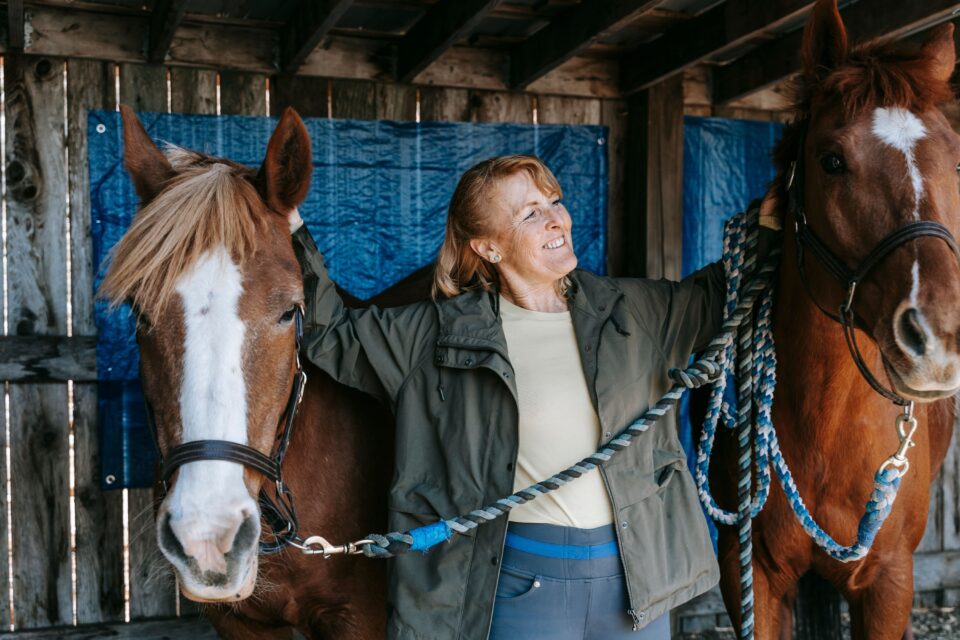
Most yards picture the end of an old horse’s life as one dramatic moment: a collapse in the field, a frantic call to the vet, a clean line between “fine” and “finished.” The reality is far quieter. One vet quoted in PETBOOK says months of gradual change often pass before an animal becomes immobile and collapses, and owners tend to file all of it under “just getting old.”
That is exactly what this list is about: 17 small, easy-to-excuse signals that tell a very different story once you know how to read them. Some are treatable and some are not, but a missed signal always costs the horse comfort. Start at the bottom of the countdown, and by the time you reach the top, you may never say “he’s just old” the same way again.
#17 – The Topline That “Just Aged”
🔥 Would you like to save this?
We'll email this post to you, so you can come back to it later!
A sagging back is not a cosmetic issue.
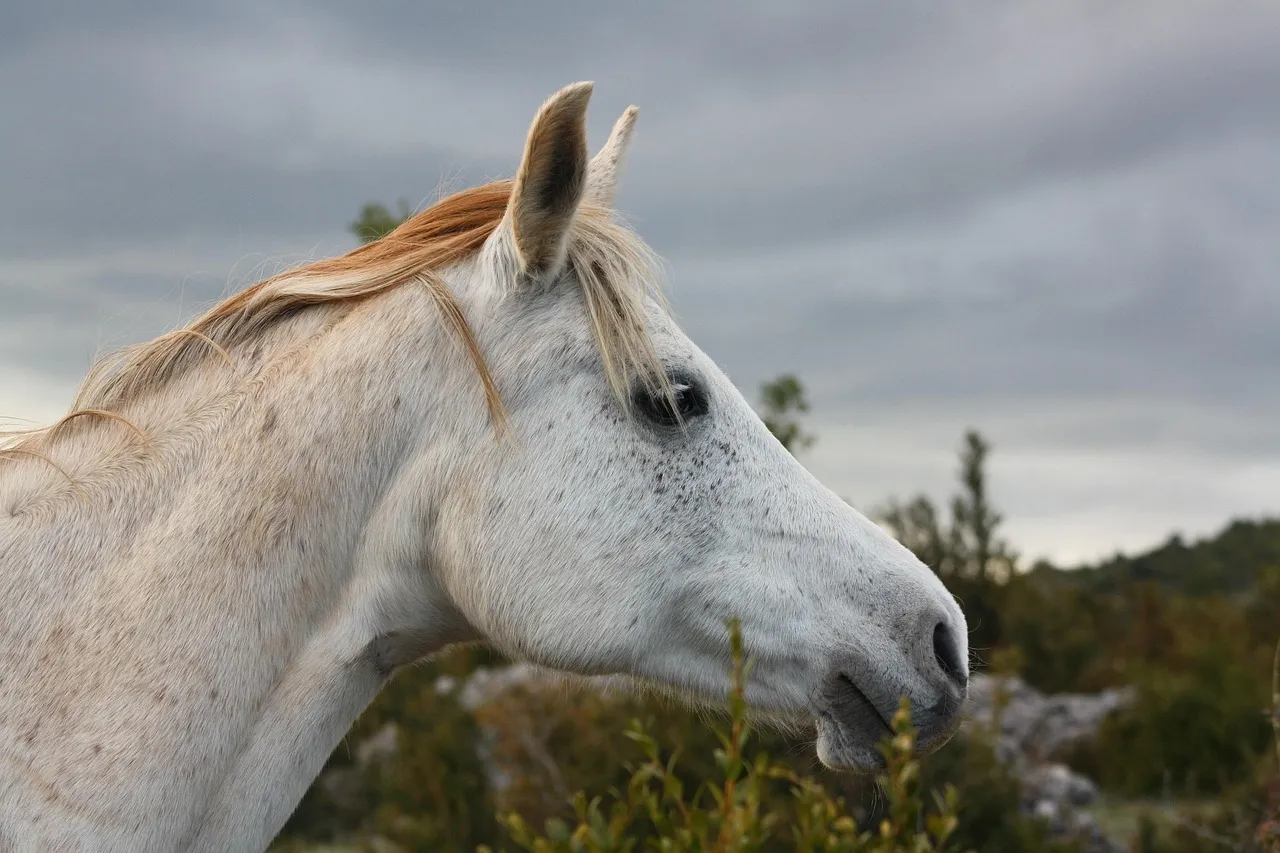
Many yards shrug at a dipped spine and bony withers and call it a “classic old-horse shape.” Hollowing or sway back does sit on the British Horse Society’s list of signs of old age. That doesn’t make it harmless, and vets treat it as a signal.
What you’re often seeing is muscle loss. In pituitary pars intermedia dysfunction (PPID), clinical signs include weight loss, muscle wastage and lethargy. A horse can lose a large share of its topline muscle while its belly stays round, so he looks “fine” from a distance.
Check where the muscle should be:
- Along the spine behind the withers
- Over the croup and hindquarters
- Across the neck’s top edge
But the next signal is one almost every yard has joked about, and it’s rarely a joke.
#16 – The Coat That Refuses to Shed
🔥 Would you like to save this?
We'll email this post to you, so you can come back to it later!
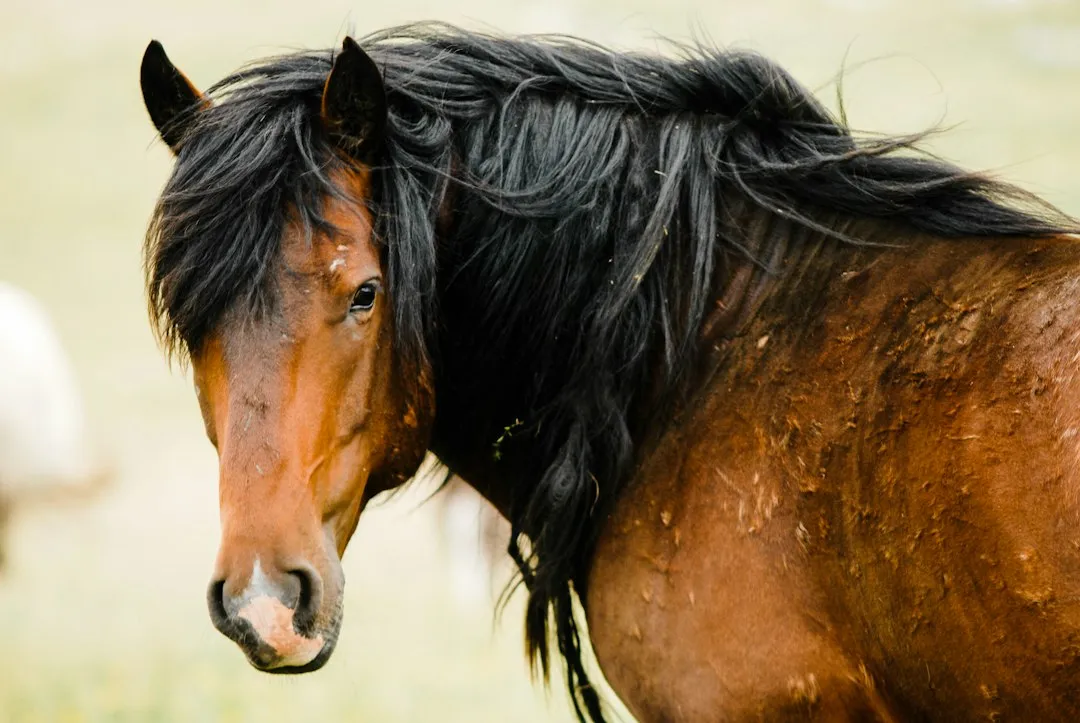
A woolly coat in June is a medical clue, not a personality quirk.
Plenty of yards say, “He’s always been a hairy one.” Yet a long, patchy coat that sticks around through summer is one of the classic outward signs of PPID. This hormonal condition affects more than 20% of horses aged 15 and older, so the “hairy one” on your yard may not be an exception at all.
Here is what is happening underneath. An enlarged part of the pituitary gland releases excess hormones that upset metabolic balance. The condition advances with age and has no cure, though medication can control the signs.
Many owners miss it because they mistake the signs for normal ageing. That is a documented problem in the research. A horse can go years without the support that would keep him comfortable.
And the next signal starts at the mouth, where many “mystery” problems begin.
#15 – Feed Dropped on the Ground
🔥 Would you like to save this?
We'll email this post to you, so you can come back to it later!
Half-chewed hay in the stable is a mouth problem, not messy eating.
Horses’ teeth wear down constantly. The BHS notes that teeth naturally wear away approximately 2-3mm every year. Over decades, that reserve runs out, and gaps, sharp points and loose teeth follow.
The tell is quidding, where the horse drops soggy balls of partly chewed feed. Other clues include hay dunked in the water bucket, slower meals and foul breath. Poor dentition often announces itself this way long before anyone thinks to look inside the mouth.
A horse can eat for hours and still starve. Poorly chewed fibre digests badly, so the calories never arrive. The scale drops while the feed bill climbs.
But the way a horse eats can say even more than the mess he leaves.
#14 – The Sudden Picky Eater
🔥 Would you like to save this?
We'll email this post to you, so you can come back to it later!
Refusing hay but wolfing soft mash is a message, not fussiness.
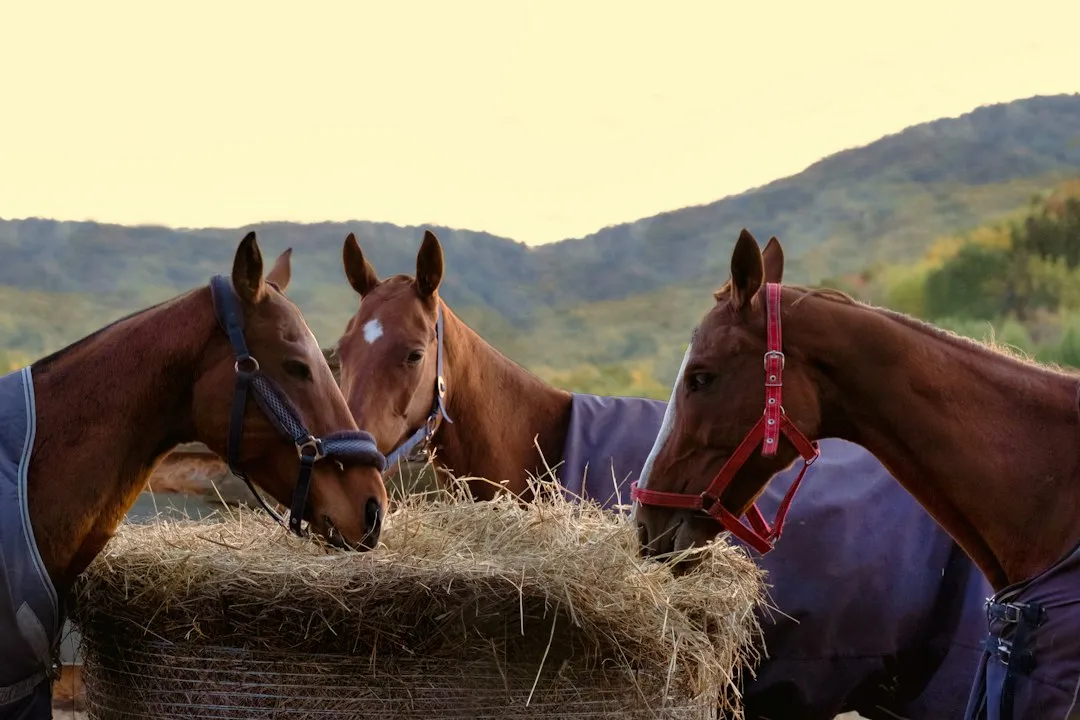
A senior who suddenly turns up his nose at long-stem forage is rarely being difficult. PETBOOK points out that it’s important to watch whether he rejects hay, eats only concentrated feed, or accepts just soft food. That pattern points to pain in the mouth or gut.
The causes vary, from dental disease to ulcers to something deeper. Yards often respond by adding richer feed. That can mask the real problem for months while the horse’s ability to handle fibre quietly declines.
Watch for these patterns:
- Hay left in neat piles while he bolts the mash
- Eating slowly, then walking off mid-meal
- Stopping to stretch the neck or grimace
Appetite is also on the quality-of-life lists vets use. Appetite and water intake are among the physical wellbeing factors they assess, which tells you how much weight they put on it.
Next up is a behavior change that yards often praise rather than question.
#13 – Standing Alone at the Edge of the Herd
🔥 Would you like to save this?
We'll email this post to you, so you can come back to it later!
A senior who “prefers his own company” may be hiding something.
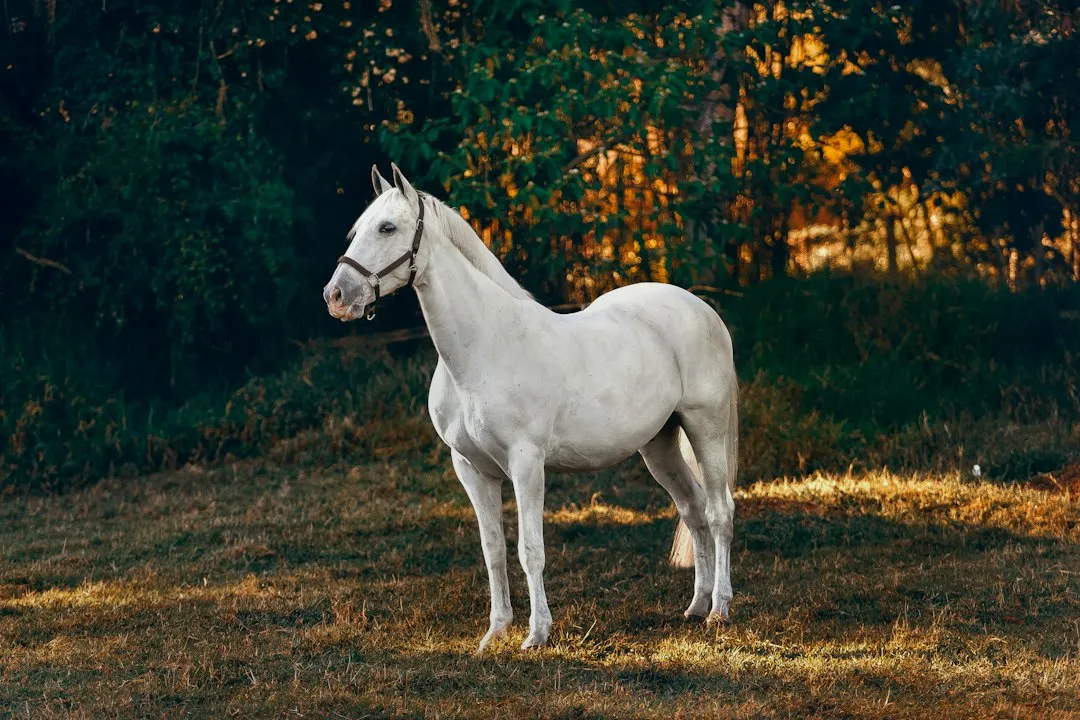
Herd interest is a core welfare marker. Vets who assess quality of life look at interest in surroundings, handlers and other horses, plus participation in herd activities. Social withdrawal belongs on that list for a reason.
PETBOOK describes the typical picture: the horse eats less, stands apart from the herd, seems tired, and “is not like it used to be.” None of those signs is dramatic on its own. Together they are a pattern.
Some yards romanticize this as “retiring gracefully.” Many experts would call it a mistake. Moving a senior to a quiet paddock alone can feel kind, yet isolation removes the very cues that show you something has changed.
But the next signal shows up in the bedding, not the field.
#12 – Lying Down More, and Struggling to Rise
🔥 Would you like to save this?
We'll email this post to you, so you can come back to it later!
More time flat out can mean more pain, not more rest.
Vets ask owners a specific question: is the horse lying down for longer periods than usual? A second question is just as pointed: is he able to stand up at all? Horses rest standing for much of the day, so any change in lying habits matters.
Signs worth noting include:
- Taking several attempts to get up
- Needing a wall or fence to push against
- Standing for long stretches because getting up is too hard
The ability to stand, move and get up from lying down is itself a formal quality-of-life measure. It sits alongside pain and energy level on the vet checklist.
And the way he walks to the gate may tell the story before he ever lies down.
#11 – The “Creaky” Walk Everyone Calls Normal
🔥 Would you like to save this?
We'll email this post to you, so you can come back to it later!
Stiffness is the most common reason senior horses lose quality of life.
A vet in The Horse’s reporting says that chronic lameness from osteoarthritis and other musculoskeletal conditions is the most common cause of poor quality of life in her senior patients. That makes the “just arthritis” shrug one of the costliest assumptions on any yard.
The same source is blunt about the details. A hitch in the gait or slow, creaky steps may look like normal aging, but shouldn’t be ignored. Pain that’s managed is a very different life from pain that’s tolerated.
There’s a second layer too. In PPID cases, laminitis occurs in up to 50% of animals, so a horse “going short” on his front feet may need urgent attention, not just a warm-up lap.
At a Glance
- Top culprit: chronic lameness from osteoarthritis and related conditions
- Easy to miss: a hitch in the gait or slow, creaky steps
- Hidden risk: laminitis in up to 50% of PPID cases
- Real goal: comfortable movement, not just constant movement
Here’s the opinion that splits yards: some insist a senior should be “kept moving” regardless. Others say that misses the point, because the goal is comfortable movement, not constant movement.
Still, one signal tends to quietly appear alongside lameness, and it’s about water.
#10 – Drinking and Peeing More Than Before
🔥 Would you like to save this?
We'll email this post to you, so you can come back to it later!
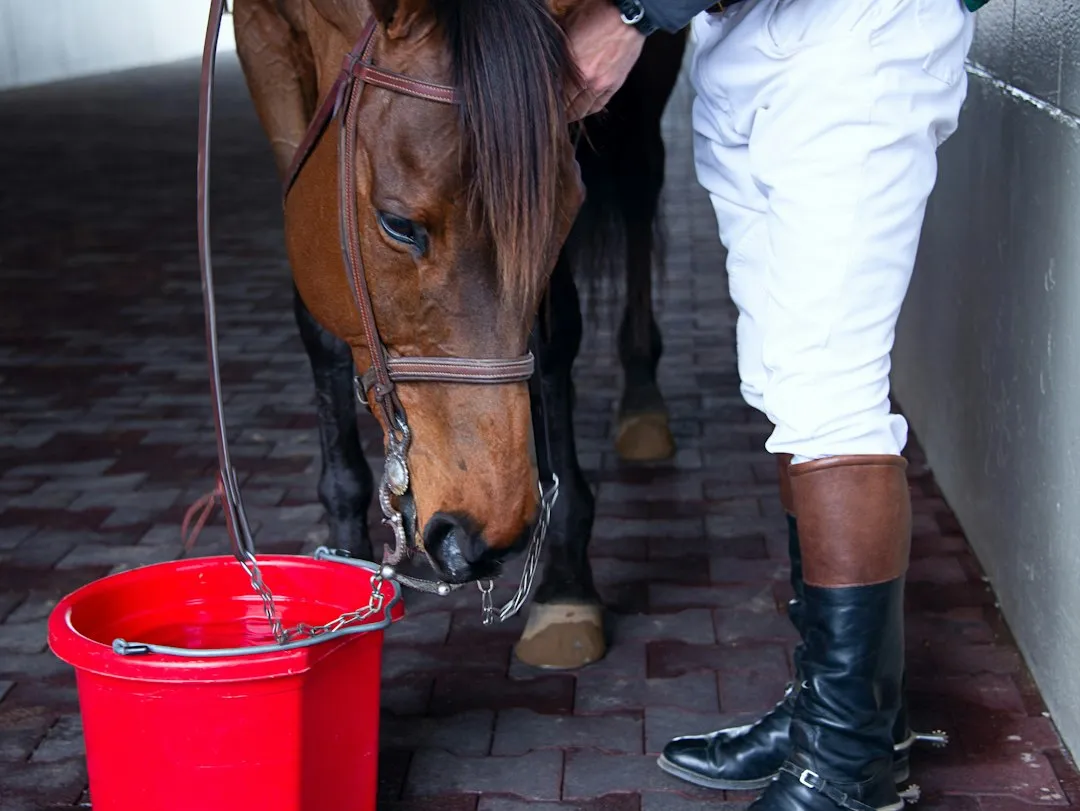
A bucket that empties too quickly is a clue, not a quirk.
Yards notice wetter bedding and call the horse “a big drinker.” Yet a sudden rise in thirst and urination can accompany hormonal disease, kidney trouble or metabolic problems. No one can diagnose it by eye.
Water intake is on the formal checklist for good reason. Vets assess appetite and water intake, as well as the ability to urinate and defecate. Changes in either direction matter.
Track it before the vet visit:
- Buckets refilled per day
- Wetness of the bedding
- Any straining or discomfort
Next, the eyes and ears may reveal why your horse suddenly seems “spooky.”
#9 – The Spooking That Isn’t Attitude
🔥 Would you like to save this?
We'll email this post to you, so you can come back to it later!
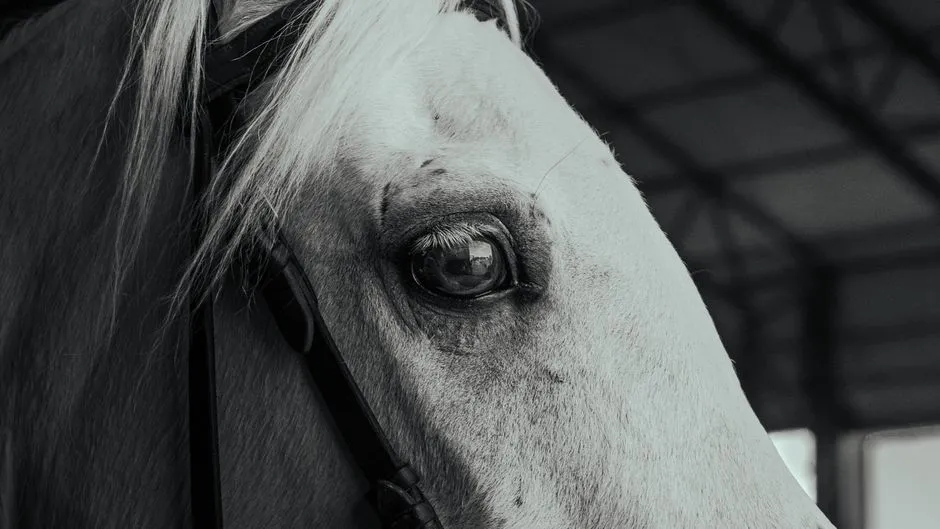
A newly nervous senior may simply not see what you see.
Failing vision and hearing are standard ageing changes, and the BHS lists reduced vision and hearing among the signs of old age. Horses compensate for a long time, which is exactly why the problem hides.
Watch for startling at objects that appear suddenly, hesitating at gateways, or misjudging steps. Many horses are punished for “bad behavior” that is really poor eyesight. That damages trust at the worst possible time.
There’s a bright spot from Horse Rookie’s review: horses don’t experience senility, unlike humans. So sudden confusion should push you to look for a physical cause, not write it off as “going doolally.”
Worth Knowing
- A horse’s eyes sit on the sides of its head, giving a very wide view of roughly 350 degrees.
- Blind spots remain directly in front of the nose and directly behind the tail.
- Even mild sight loss can make a horse jumpier when people or objects approach from those zones.
Here’s what to change:
- Keep the field layout and routine consistent
- Approach from the side he can see
- Speak before you touch
And the next signal involves how his body handles heat and cold.
#8 – Sweating at the Wrong Times
🔥 Would you like to save this?
We'll email this post to you, so you can come back to it later!
A senior who sweats in a cool stable is telling you his thermostat has slipped.
Temperature control is a recognized wellbeing measure. Vets assess the ability to maintain normal body temperature when judging an older horse, yet it’s rarely the first thing owners consider.
Odd sweating can show up as patches on the neck or flanks, or a damp horse with no workload. It can also run the other way, with little sweat in the heat. A horse that can’t regulate his body temperature is far more vulnerable in extreme weather.
That is why rugging decisions, shade and turnout hours should follow the horse, not the calendar.
But the next signal is about what the body can no longer fight off.
#7 – Small Wounds That Won’t Heal
🔥 Would you like to save this?
We'll email this post to you, so you can come back to it later!
A scratch that lingers for weeks is a warning about immunity.
Older horses are slower to repair themselves. The BHS lists reduced immunity and poor skin quality among typical ageing signs, and Horse Rookie notes that the immune system weakens over time.
In practice, that looks like:
- Cuts that stay open far longer than expected
- Repeated skin infections or rain scald
- Hoof abscesses that keep returning
Recurring infections can be the first outward sign of an underlying disease, not bad luck. Yards often treat each flare-up in isolation, while a vet looks for the pattern.
This is one place where the data pushes against a popular belief. Many owners assume a retired horse needs “less care.” In fact, surveys show management declining as horses age, especially for retired horses, with insufficient preventive healthcare from vets.
Speaking of retirement, the next signal is what people call “mellowing.”
#6 – The Horse Who “Mellowed Out”
🔥 Would you like to save this?
We'll email this post to you, so you can come back to it later!
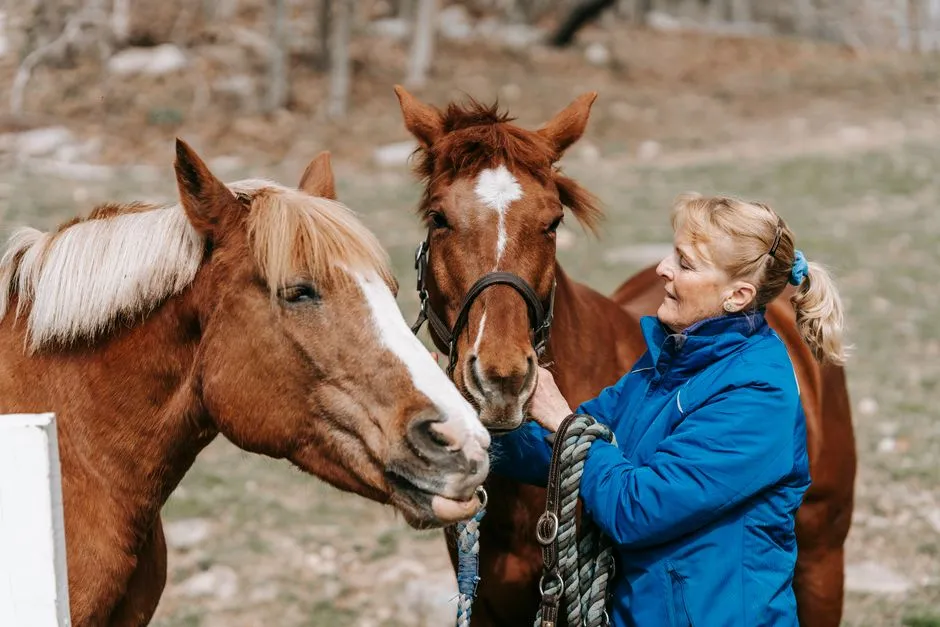
A calm senior can be a flat senior, and the difference matters.
Owners love a horse who’s finally easy to handle. But low energy is on the quality-of-life checklist for a reason. A horse’s quality of life may be declining when comfort, appetite, movement, behavior or social interest noticeably change.
Look for the flat signals:
- Ears that rarely move
- Little curiosity about visitors, buckets or feed carts
- A dull expression that doesn’t lift for favorite treats
Pain often makes horses quiet before it makes them reactive. A dull horse isn’t automatically a content one.
Just ahead is a number most yards check last, and it matters a great deal.
#5 – The Body Condition That Keeps Slipping
🔥 Would you like to save this?
We'll email this post to you, so you can come back to it later!
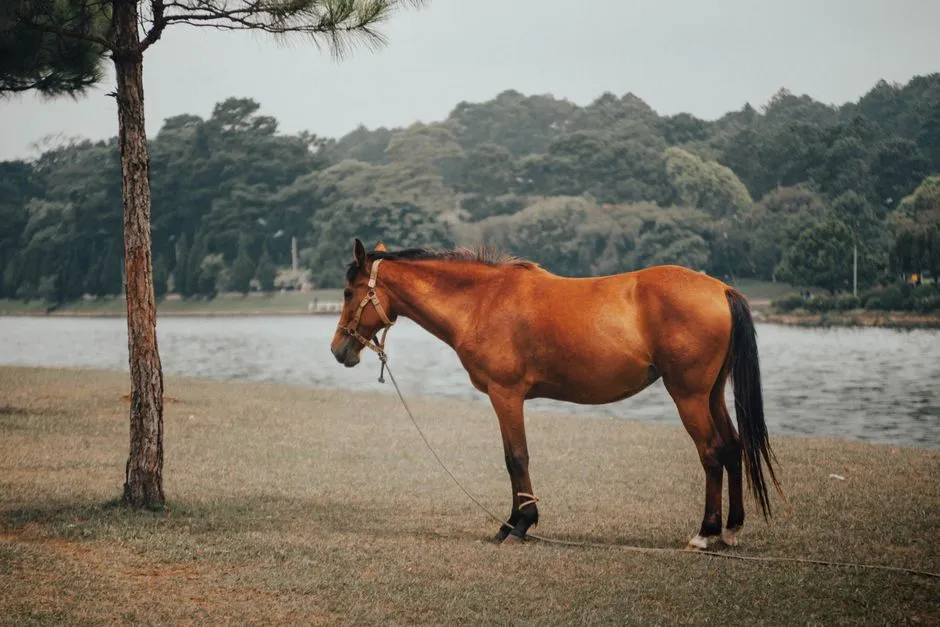
If he can’t hold his weight year-round, the horse is sending a clear signal.
Some seniors turn into “hard keepers.” Horse Rookie notes that some horses become difficult to keep at a healthy weight. That alone isn’t a verdict, but it demands an explanation.
Vets use a simple yardstick: can the horse maintain a healthy body condition score year-round? A winter dip that recovers in spring is one thing. A decline that continues despite more feed, treated teeth and a worming plan is another.
Fast Facts
- The widely used Henneke system scores horses on a 9-point scale.
- A score of 5 is generally considered ideal for most adult horses.
- Six areas are checked: neck, withers, behind the shoulder, ribs, loin and tailhead.
- Hands tell you more than eyes, especially under a thick coat or rug.
Weight loss despite a full feed bucket points away from “not enough food” and toward “something is wrong inside.” Dental disease, PPID, gut problems and organ disease are all on the differential list.
Here’s the stance that makes some yards bristle: adding more feed without a diagnosis isn’t kindness. It can hide the problem while the horse keeps declining.
Now comes the signal that most often gets mistaken for bad manners.
#4 – Pinned Ears and Sudden Crankiness
🔥 Would you like to save this?
We'll email this post to you, so you can come back to it later!
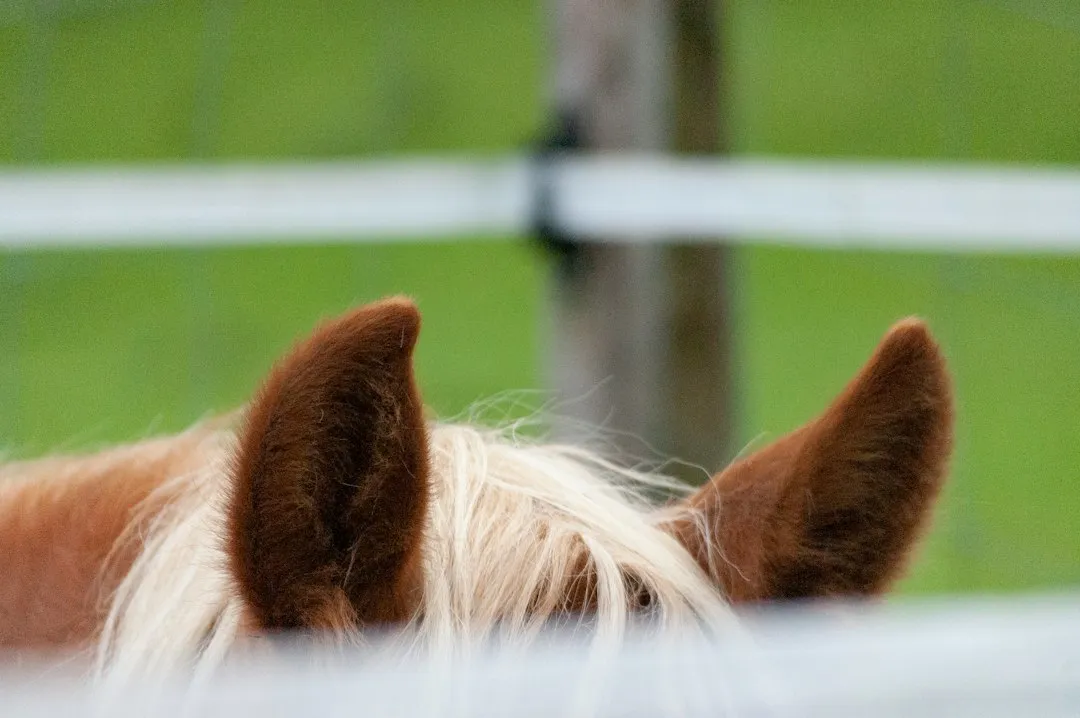
A snappy senior is often a sore senior.
Behavior change, including aggression, is a formal marker on welfare checklists. Vets look at changes in behavior, and at positive or negative interactions with other horses and handlers.
Common patterns include:
- Pinning ears at the girth or rug
- Swinging the head toward a handler’s hand
- Snapping at herd mates who crowd him at the hay
A horse who starts guarding his feed or space may be protecting a body that hurts. Yards read it as dominance. It’s often self-defense.
The next signal is quieter still, and it comes with every breath.
#3 – Breathing That Looks Like Work
🔥 Would you like to save this?
We'll email this post to you, so you can come back to it later!
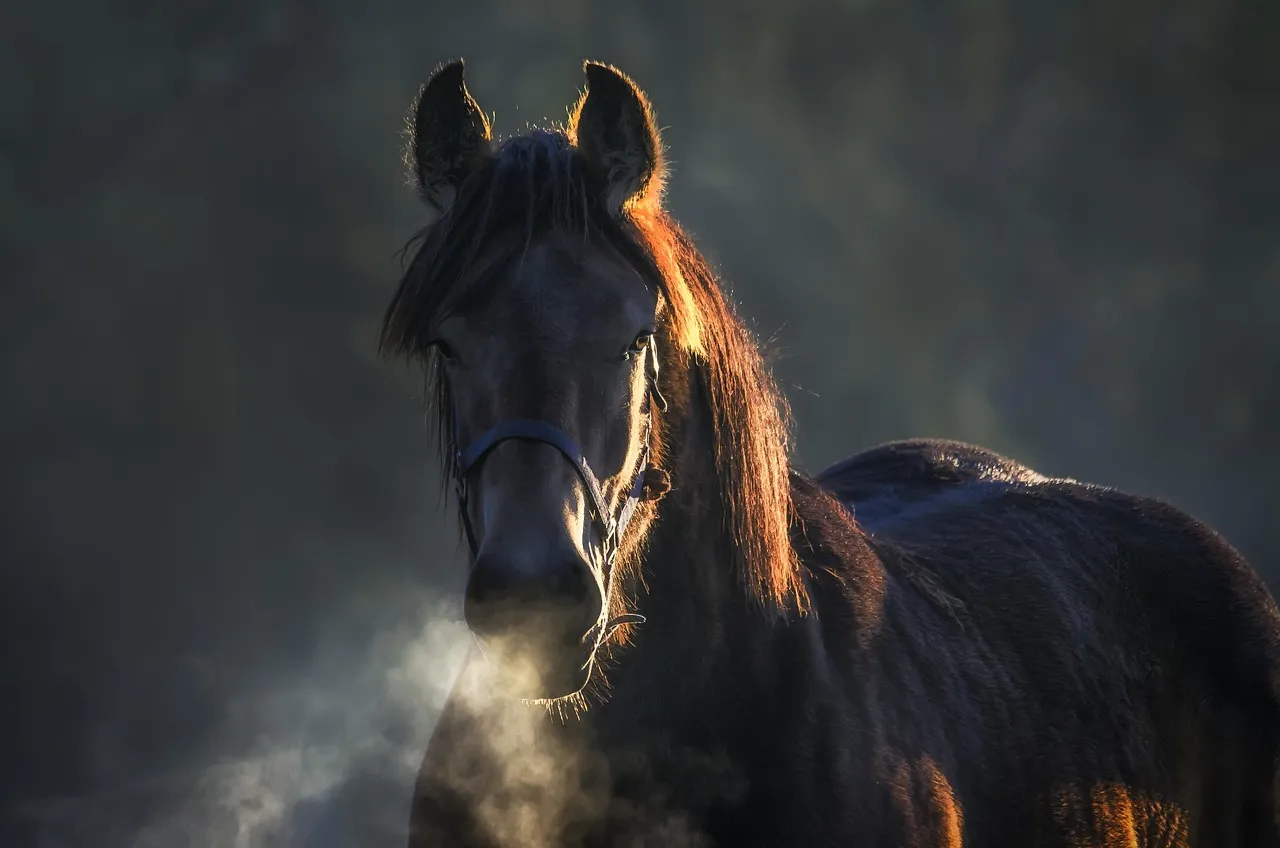
Labored breathing at rest is never “just age.”
The quality-of-life checklist includes the ability to breathe without excessive effort. A horse who flares his nostrils or shows visible effort in the flanks while standing still is struggling.
A long-term cough often gets blamed on dusty hay. Yet equine asthma is one of the chronic conditions vets say can reduce quality of life if it can’t be managed. The key phrase is “can’t be managed.” Many cases respond to better air quality and treatment.
Watch for:
- A cough that lingers beyond a week or two
- A “heave line” along the belly
- Nasal discharge or reduced stamina
Quick Compare
- Typical calm adult at rest: about 8 to 16 breaths per minute, with relaxed nostrils and barely visible flank movement.
- Cause for a vet call: visible effort in the flanks, flared nostrils or fast breathing while standing still.
- How to check: count flank movements for a full minute while he is calm, then pass the number on to your vet.
Most yards call this “a dusty-barn thing.” Plenty of vets would call that dismissal one of the most common ways a treatable condition becomes an untreatable one.
But the next two signals are the ones that change the whole conversation.
#2 – Eating and Drinking Stop
🔥 Would you like to save this?
We'll email this post to you, so you can come back to it later!
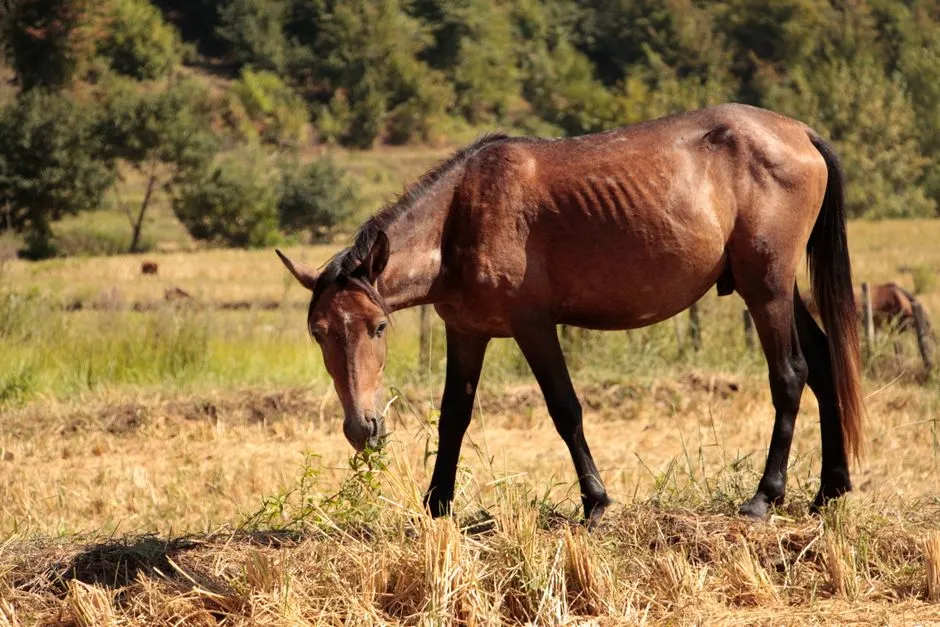
Appetite that fades and doesn’t come back is a red flag.
Everything earlier on this list can be treated, managed or at least slowed. A horse who stops eating and drinking is in a different category. Horse Rookie lists it first among its signs a horse is dying, alongside being unable to stand for long periods, chronic lameness without a chance of recovery, and chronic pain.
A refusal to eat is a medical emergency in a horse, not a mood. Contact a vet the same day. Gut problems, severe pain, colic and organ failure can all start this way.
Which brings us to the one sign that sums up all the others.
#1 – More Bad Days Than Good Ones
🔥 Would you like to save this?
We'll email this post to you, so you can come back to it later!
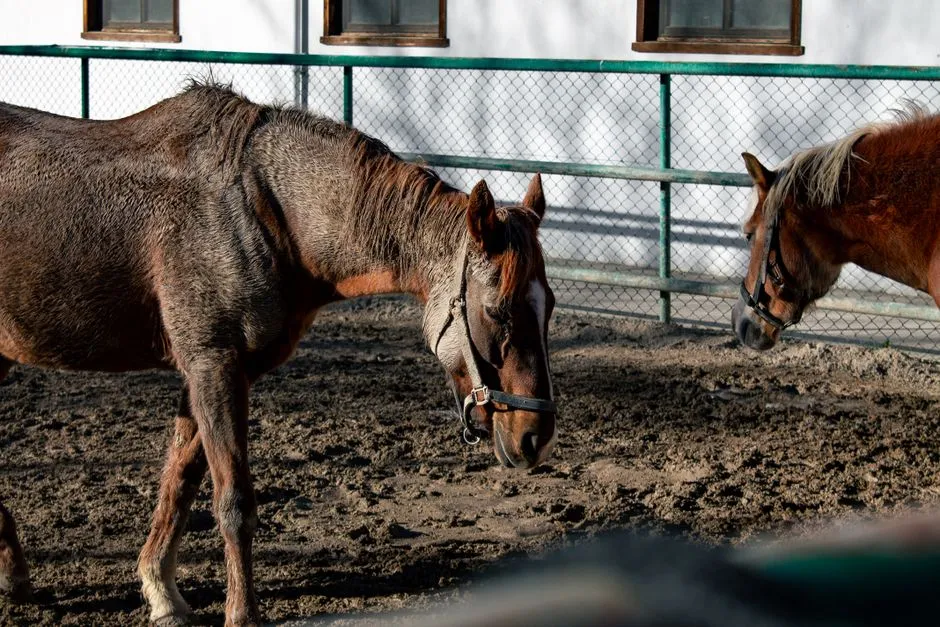
The strongest signal isn’t a symptom at all. It’s the trend.
Researchers note that the length of time an animal experiences poor quality of life is an important factor in decisions about treatment or euthanasia. One bad week matters less than a pattern of bad weeks.
The same review points out that vets typically judge quality of life subjectively in daily practice. A separate study found that no assessment tool exists for chronically ill or geriatric horses that measures quality of life as the horse’s own evaluation of his life. Even the experts are still working out how to measure it.
Practical steps most vets suggest:
- Mark each day on a calendar as good or bad
- Revisit the quality-of-life checklist monthly
- Ask your vet to review the pattern with you
Here’s the unpopular opinion: keeping a horse going for one more summer isn’t always kindness. When pain has overshadowed enjoyment, scheduled, humane euthanasia can prevent suffering and allow a planned, calm goodbye.
Old horses rarely fail overnight. They fade through small, repeated signals: the topline, the coat, the dropped hay, the empty spot in the herd, the bad days stacking up. Most of these signs are treatable early, and they get ignored because they look like “normal” ageing.
Our view: “he’s just old” is the most expensive sentence on any yard. It delays vet visits and prolongs pain. Retirement should mean more attention, not less, and a planned goodbye made while he still has dignity is a better ending than a crisis in the middle of the night.
Which sign did your yard dismiss for too long?

- 7 Everyday Habits That Can Make Your Senior Dog Happier - November 5, 2026
- 10 Enigmatic Structures That Continue to Puzzle Scientists Today - November 5, 2026
- 10 Strange Ruins in the Americas That Challenge What We Know About Early History - November 5, 2026