
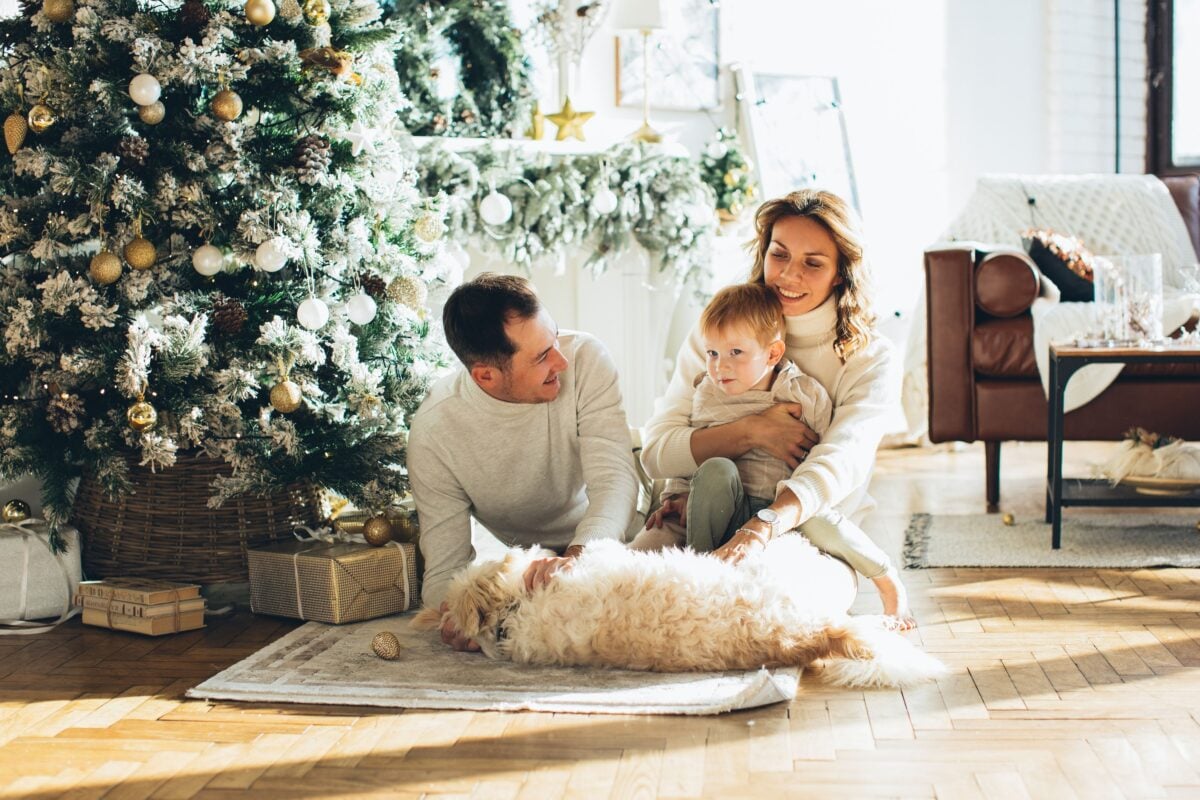
You probably think your old dog is just slowing down – sleeping more, caring less, coasting into retirement on the living room rug. That’s the story most families tell themselves about an aging dog. It’s also almost completely wrong.
Underneath that graying muzzle is an animal that has spent years quietly studying your family like a full-time job. They’ve clocked your moods, your secrets, your fights, and your fear long before anyone said a word out loud. Some of what they’ve noticed will make you laugh. Some of it might sting a little. Here are 17 things your senior dog has almost certainly picked up on that nobody else in the house ever caught.
#1 – The Way Your Mood Really Changes When You Walk Through the Door
🔥 Would you like to save this?
We'll email this post to you, so you can come back to it later!
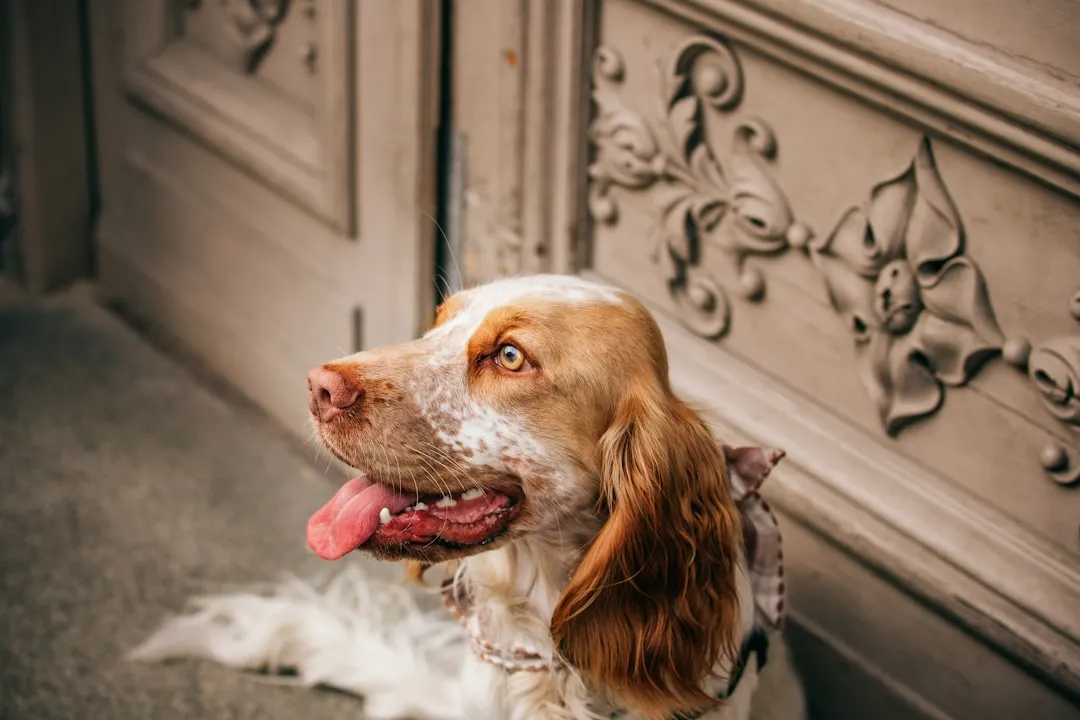
A senior dog doesn’t just get excited because you’re home – they’re reading how you came home. After thousands of entrances, they know the difference between “bad day at work” footsteps and “got good news” footsteps before your key even clears the lock. Dogs are remarkably skilled at reading human body language and vocal tone, and an old dog has spent years getting a PhD in nothing but you.
That’s why some senior dogs don’t come barreling at the door anymore. They hang back for a second, gauging your energy first. Owners chalk this up to aging or laziness, but it’s usually the opposite – it’s emotional calibration. They’re not slowing down. They’re giving you space on purpose, because they already know something’s off.
#2 – Tiny Shifts in Your Daily Routine You Don’t Even Notice
🔥 Would you like to save this?
We'll email this post to you, so you can come back to it later!
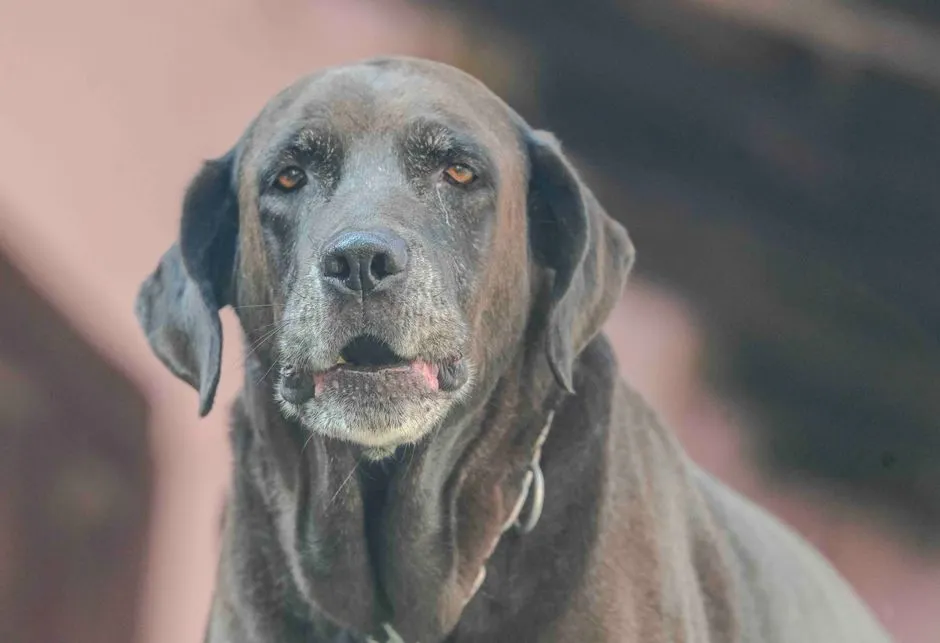
Senior dogs are obsessed with routine because routine equals safety, and after years in your house, they’ve memorized your invisible schedule down to the minute. Your wake-up time, the sound of the coffee maker, how long you’re in the shower, how many times you sigh before work – it’s all logged somewhere in that furry hard drive.
So when the rhythm shifts – new job hours, a new relationship, even quiet depression you haven’t named yet – your dog is often the first one in the house to sense that something’s different. They start following you more closely or waiting in a new spot, and you assume it’s clinginess from old age. It’s not. It’s a dog trying to re-anchor himself to a version of you that keeps changing shape.
Fast Facts
- Dogs organize their days around scent and sound cues, not clocks, so even tiny changes stand out fast.
- A shifted wake time, a skipped walk, or a new car in the driveway often registers almost immediately.
- Extra pacing, whining, or shadowing usually signals routine disruption, not simply “getting older.”
- Senior dogs lean on predictability even more, since it helps offset declining eyesight and hearing.
#3 – Who in the Family Is Quietly Struggling
🔥 Would you like to save this?
We'll email this post to you, so you can come back to it later!
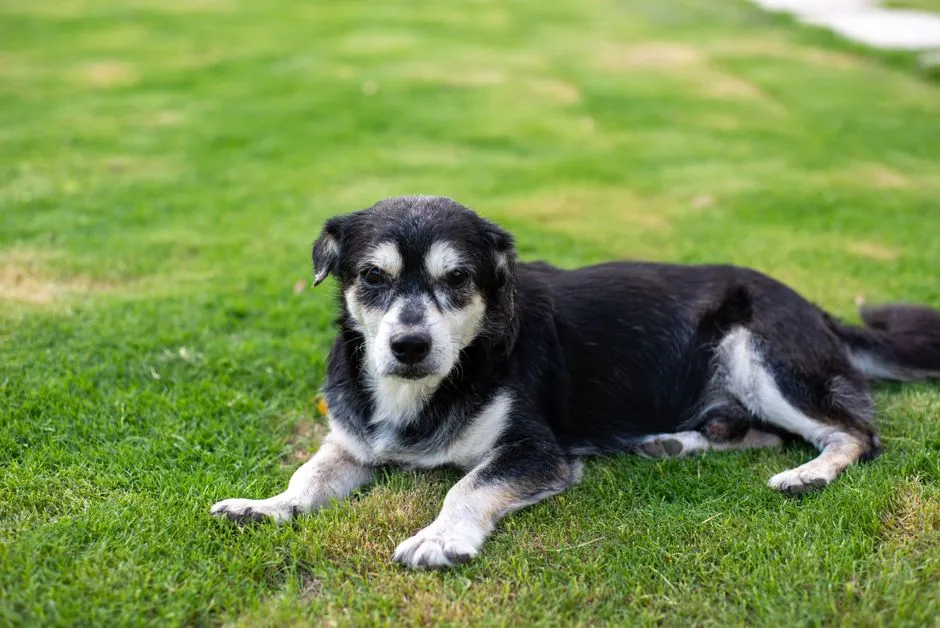
Every family has one person who holds it together in public and falls apart in private. Your senior dog already knows exactly who that is. Dogs pick up on micro-changes in voice, posture, and even scent – yes, stress genuinely changes how you smell – and years of watching your family gives an old dog an almost unfair amount of data.
Notice who they sleep beside when the house finally goes quiet, or who gets the slow, deliberate head-lean against the leg. Owners love to say “he loves me best,” but it’s often something less flattering and more touching: your dog isn’t choosing a favorite, he’s choosing whoever seems most fragile, and quietly standing guard.
#4 – The Real Hierarchy in the House (Not the One You Think)
🔥 Would you like to save this?
We'll email this post to you, so you can come back to it later!
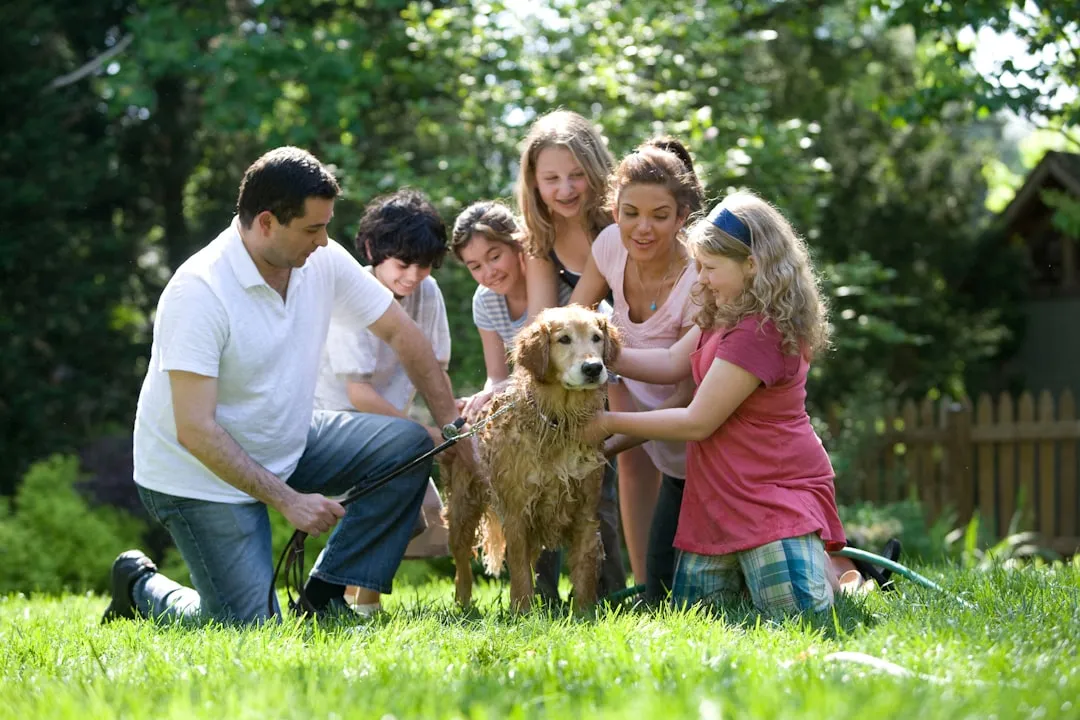
Most people assume their dog knows exactly who’s “in charge.” But senior dogs build their own private ranking system, and it’s almost never based on who’s loudest or who fills the food bowl. They rank people on consistency, calmness, and whether that person actually follows through on what they signal.
You might think Dad’s the alpha because he’s strict, while your dog has quietly decided the teenager with the unshakable bedtime routine is the real stabilizer in the house. The softest, quietest person in the family – often a grandparent or a shy kid – is frequently the true anchor, the one the dog limps to when something feels wrong. It was never about dominance. It was always about trust.
#5 – When Someone’s Health Is Changing Before Anyone Admits It
🔥 Would you like to save this?
We'll email this post to you, so you can come back to it later!
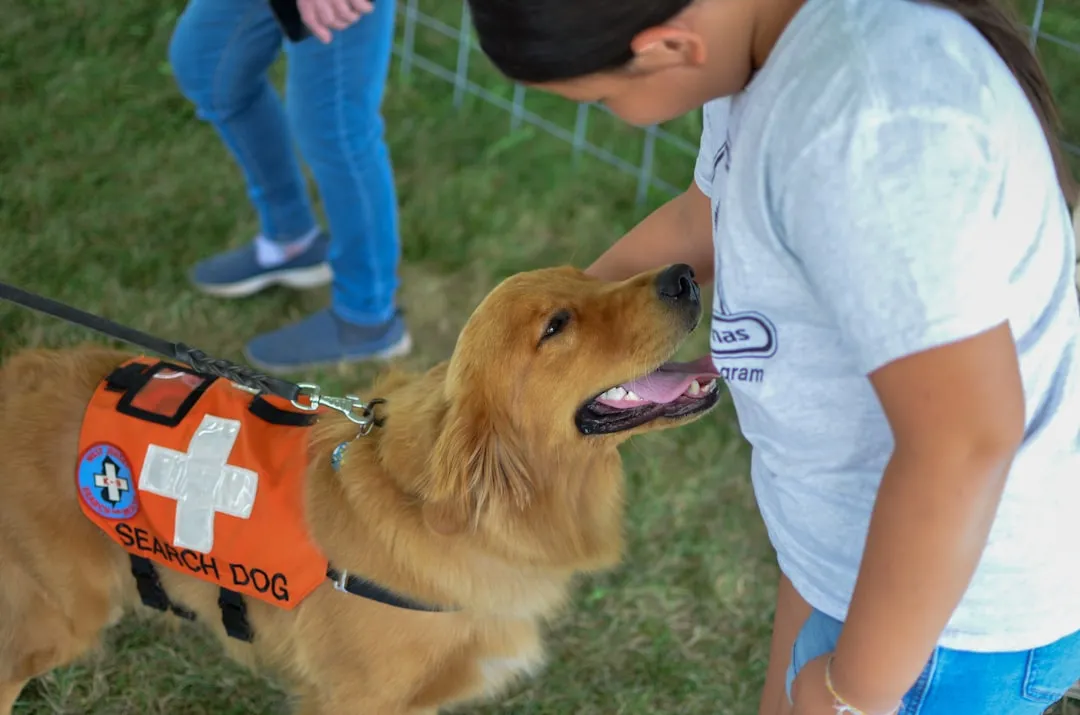
This is where things get uncomfortable. There are countless stories of dogs obsessively sniffing a mole, nudging one specific body part, or refusing to leave someone’s side right before a diagnosis. It’s not magic – dogs can genuinely detect subtle changes in human body odor tied to infections, blood sugar swings, and even certain cancers.
A senior dog who knows your baseline scent notices those shifts faster than a younger, less-attentive dog ever could. They might lick one spot repeatedly, get strangely alert at night near someone’s bed, or act “off” around a person whose body is quietly changing. Families write it off as old-dog weirdness, when really, the dog might be flagging something the humans haven’t caught yet.
Worth Knowing
- A dog’s sense of smell is up to 100,000 times stronger than a human’s, thanks to specialized anatomy like the vomeronasal organ and a brain wired for scent detection.
- Research shows dogs can detect human stress through their sense of smell, reacting emotionally to higher cortisol levels in sweat.
- In controlled testing, dogs correctly identified a person’s stress sample by scent alone in every single trial.
- Years of living beside one family builds an old dog an incredibly detailed “baseline scent map” for every person in the house.
#6 – Who’s Pretending to Be Happy for Everyone Else’s Sake
🔥 Would you like to save this?
We'll email this post to you, so you can come back to it later!
Senior dogs are brutally good at spotting fake happy. They’ve seen your real belly laugh and your honest anger enough times to know exactly what forced cheerfulness looks like on your face. So when you slap on the “I’m fine, really” mask for guests or family, your dog isn’t buying the performance.
You’ll catch it in small moments – they approach slowly when you’re “joking” but your shoulders are locked tight, or they lie across your feet while you’re hosting and quietly drained. Some owners get unnerved by the stare that follows and gently push the dog away. But that stare isn’t judgment. It’s the one honest reaction in a room full of people pretending everything’s fine.
#7 – The Exact Moment You Start Treating Them Like They’re Fragile
🔥 Would you like to save this?
We'll email this post to you, so you can come back to it later!
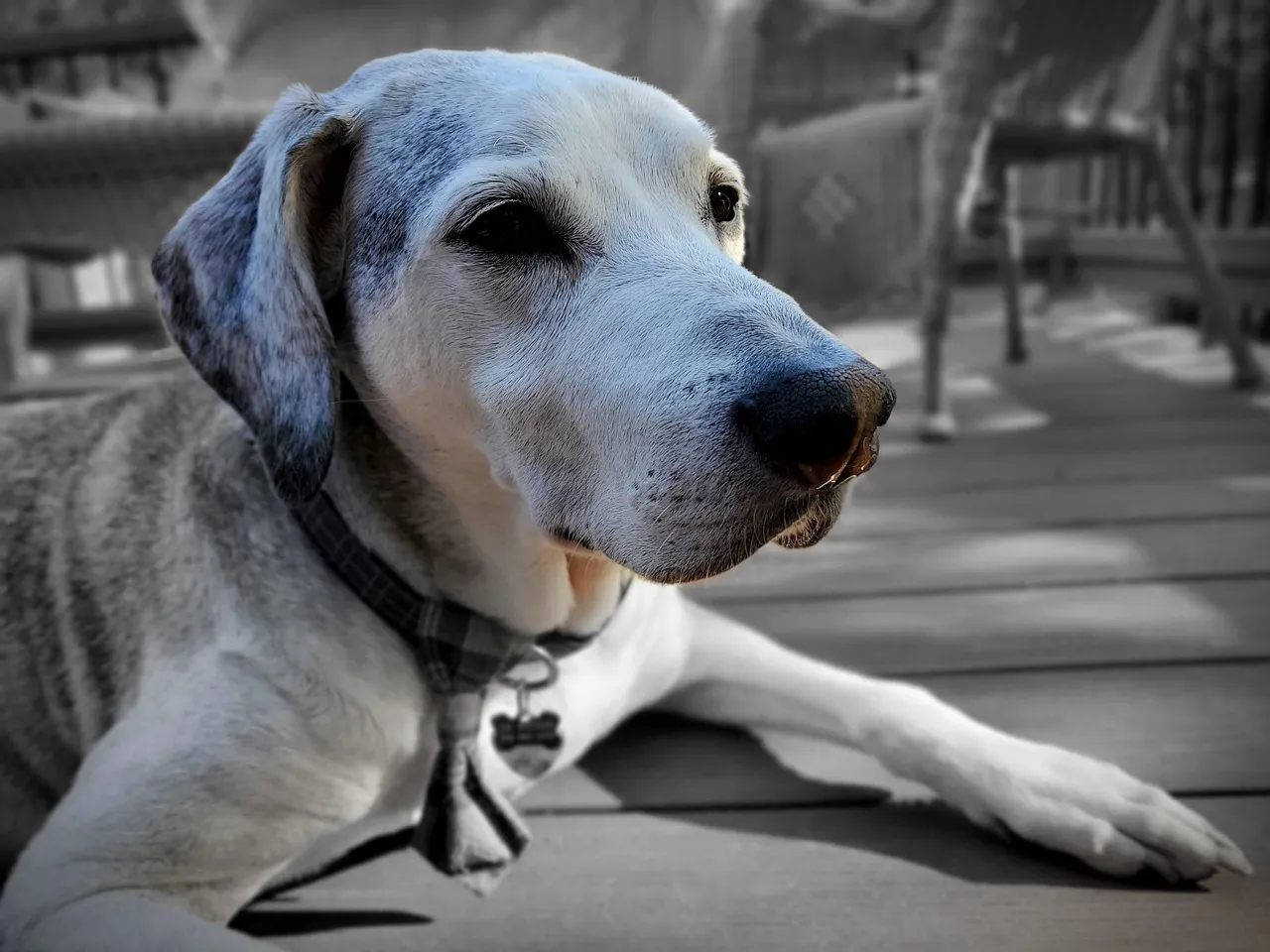
This one hits hardest. Senior dogs feel the instant your energy shifts from playmate to porcelain doll. One day it’s “let’s go,” and the next it’s “careful, buddy” – and they notice the hesitation in your throw, the new caution on the stairs, the way you’ve started watching them instead of just existing beside them.
Some dogs respond by pushing their bodies harder, trying to prove they’re still capable. Others quietly withdraw, absorbing your anxiety instead of your affection. Vets do recommend adjusting activity as dogs age, but plenty of owners overcorrect, and their dog feels every ounce of that shift. That soft, sad crack in your voice when you say their name now? They hear it every single time.
#8 – How Often You Argue, Even When You Think They’re Asleep
🔥 Would you like to save this?
We'll email this post to you, so you can come back to it later!
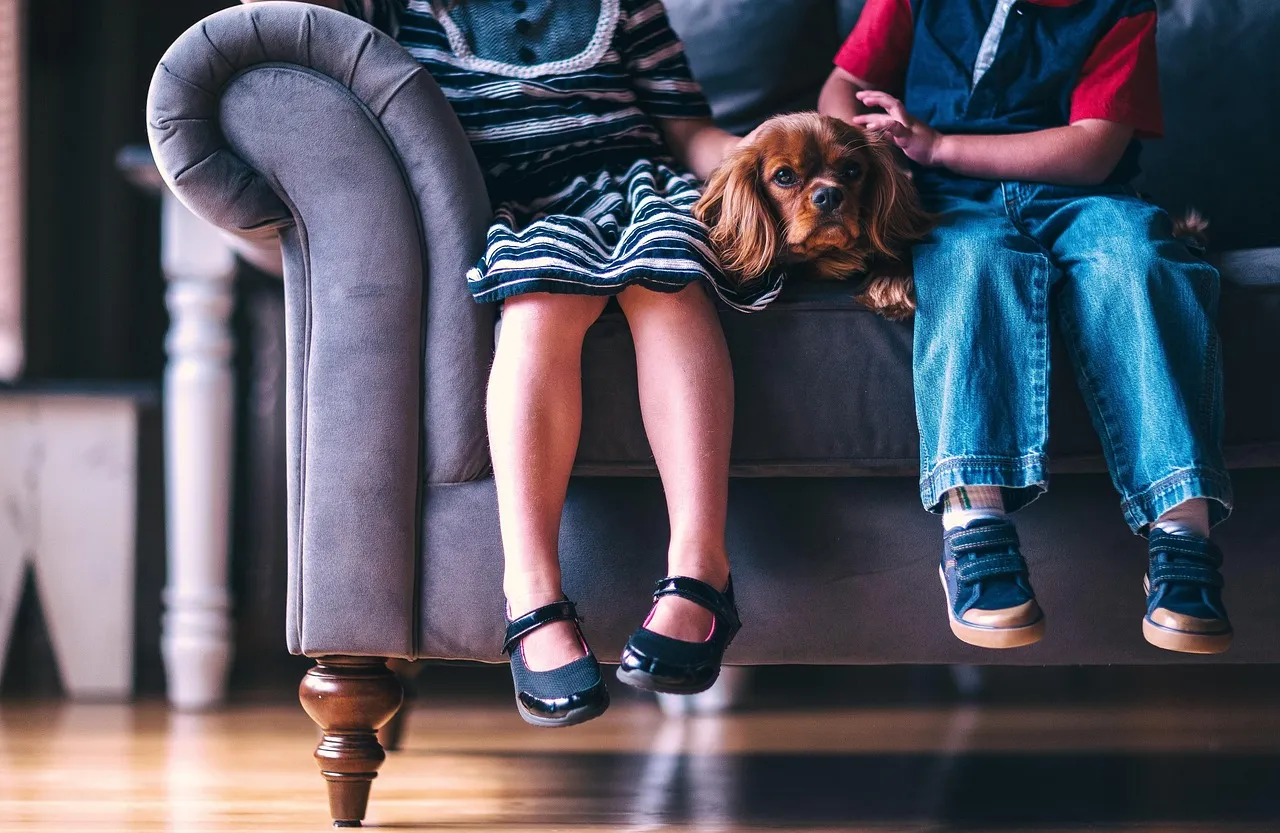
You think your dog is snoring through the whisper-fight happening in the kitchen. He’s not. Dogs don’t need to understand “you never listen to me” to know a fight is happening – they read tone, pacing, and physical tension the way you read a text message.
A senior dog who’s heard your voice every day for years can tell “joking loud” from “angry quiet” without even opening his eyes. Over time, ongoing tension changes their habits: they start physically wedging themselves between two people, pacing during the arguments that repeat, or perking up at the specific hours when fights tend to erupt. It’s not anxiety for no reason. It’s an old dog trying to hold a wobbling house together the only way he knows how.
#9 – The Way the House Feels After Someone Moves Out – or Is Lost
🔥 Would you like to save this?
We'll email this post to you, so you can come back to it later!
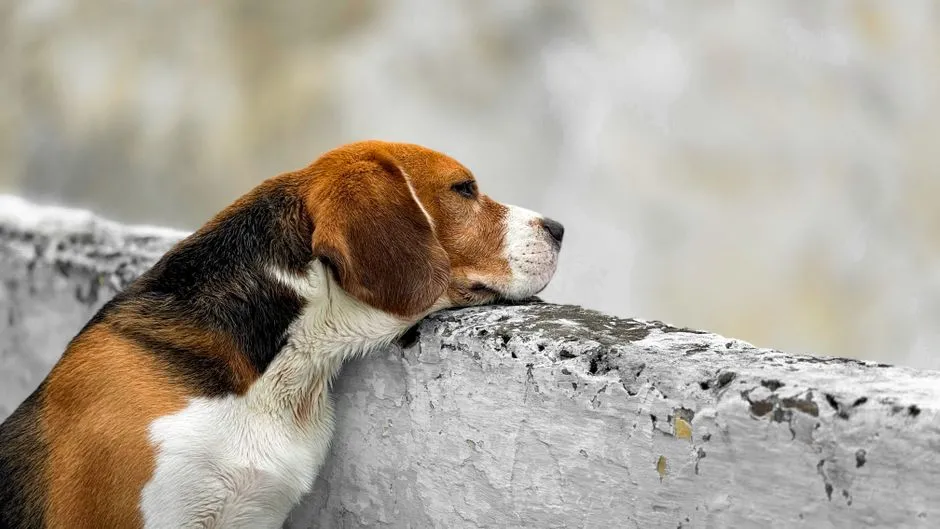
Senior dogs are ruthless historians of your home. They remember who used to slam the bedroom door, whose perfume lingered in the hallway, whose keys jingled at exactly 5 p.m. So when someone moves out, leaves for college, or passes away, your dog isn’t just noticing an empty chair – they’re noticing the entire emotional vacuum left behind.
You’ll see it in the way they wait at a door that no longer opens, patrol a room that suddenly smells wrong, or curl up in a spot that person used to claim, almost like they’re guarding the memory of it. People call it confusion, but it’s closer to grief. Your dog is trying to reconcile years of pattern against one permanent, unexplained break in it.
At a Glance
- Waiting by a door, car, or chair that no longer opens for that person
- Repeated sniffing around a closet, bed, or item that still holds their scent
- Skipped meals or restless sleep in the days right after someone leaves
- Quietly claiming the absent person’s spot, almost like standing guard over it
#10 – Who Actually Shows Up When You’re Not at Your Best
🔥 Would you like to save this?
We'll email this post to you, so you can come back to it later!
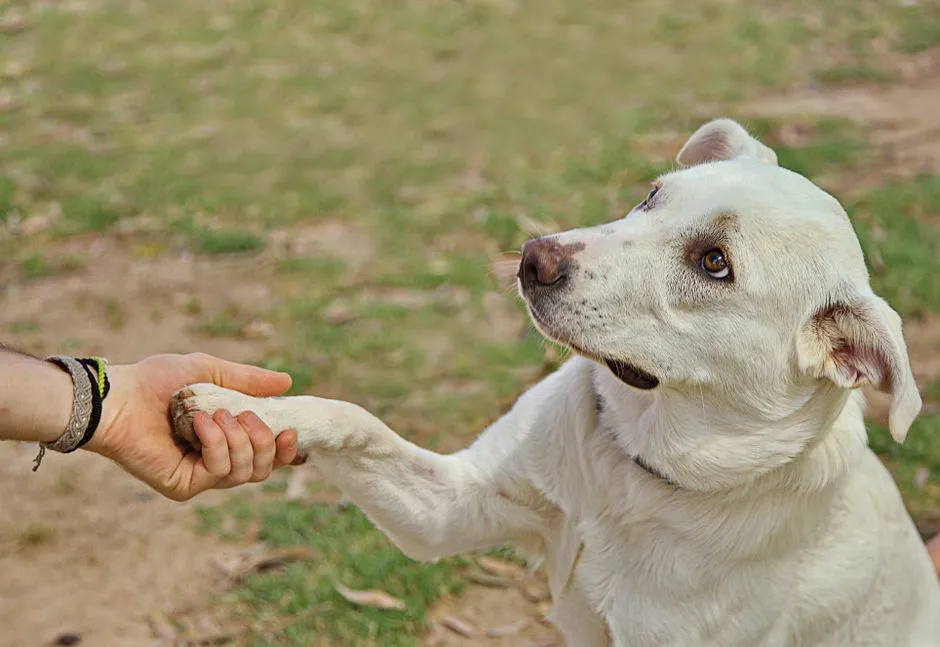
Here’s something a lot of families don’t want to admit: your senior dog has spent years quietly tracking who shows up when someone is sick, depressed, or falling apart – and who conveniently disappears. They remember who sat on the floor during the breakup, who skipped visits when things got tense, and who stayed steady at the vet’s office while you were unraveling.
Dogs aren’t oblivious to character; they’re pattern machines. That’s why your dog might greet your “fun” friend politely at the door but choose to curl up beside the person who stayed when the house went dark. It isn’t random loyalty. It’s years of data you never realized was being collected.
#11 – The Subtle Way You Change Around Your Phone
🔥 Would you like to save this?
We'll email this post to you, so you can come back to it later!
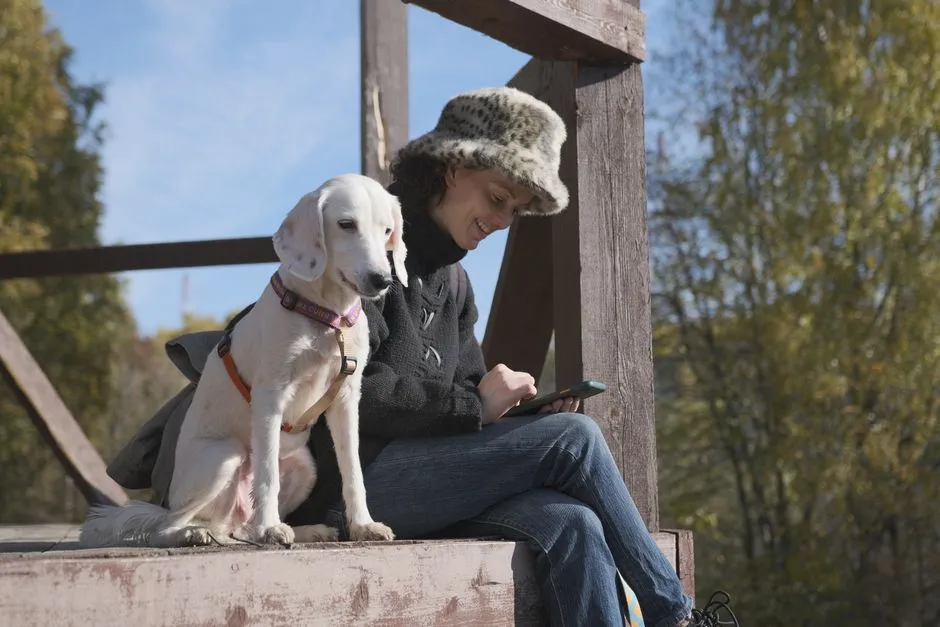
You may not want to hear this one: your senior dog absolutely knows when he’s been replaced by a glowing rectangle. He doesn’t understand the object, but he understands the shift – your voice flattens, your eye contact vanishes, your hand on his fur turns absent-minded instead of intentional.
Some dogs stop bringing their toy over because it’s been ignored one too many times. Others just sigh, reposition, and quietly pick a new spot in the room. Eventually, an old dog stops asking for attention altogether, not because he wants it less, but because he’s finally accepted that your gaze belongs somewhere else now. If that stings a little to read, it probably should.
#12 – When You’re Quietly Planning a Big Life Change
🔥 Would you like to save this?
We'll email this post to you, so you can come back to it later!
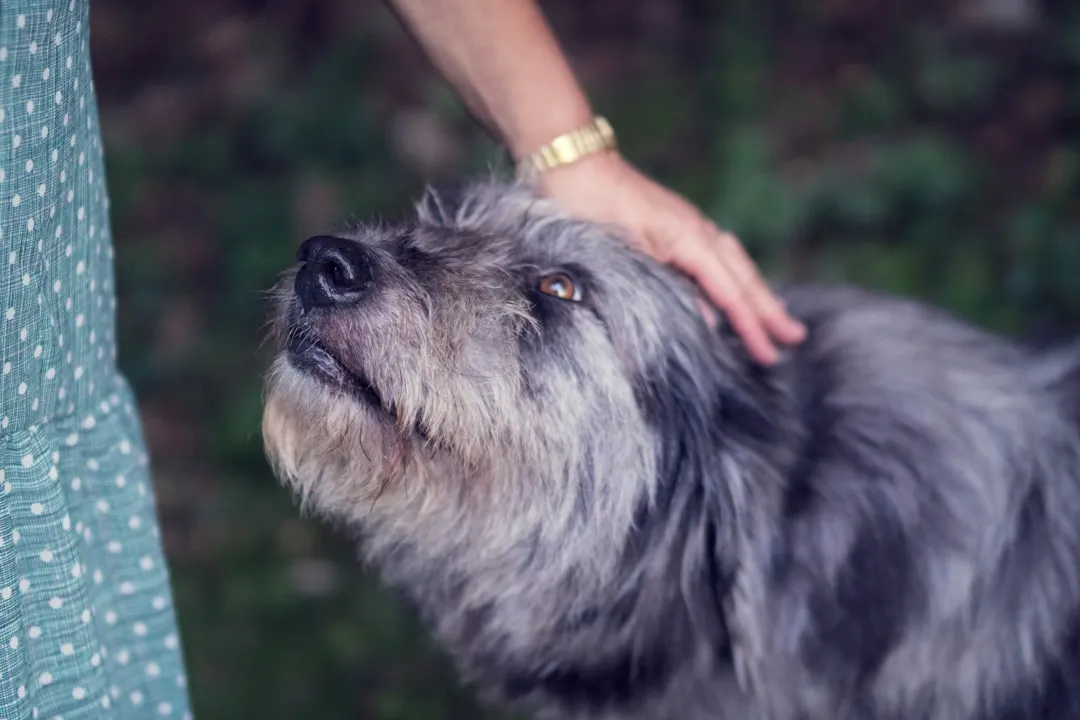
Senior dogs are frighteningly good at sensing pre-event anxiety. Before any major shift – a divorce, a move, a new baby, a job change – your behavior leaks the secret long before you actually announce it. Late-night laptop sessions, hushed phone calls, new smells like packing tape or fresh paint, disrupted sleep – they catch all of it.
Because stability means everything to them, senior dogs often respond by becoming velcro-clingy, restless at night, or unusually watchful whenever you make small, nervous changes to the environment. You might think “I haven’t told anyone yet,” but your dog already knows something big is coming. He doesn’t need the details to feel the ground shifting.
#13 – The One Person You Trust the Most (Even If You’d Never Admit It)
🔥 Would you like to save this?
We'll email this post to you, so you can come back to it later!
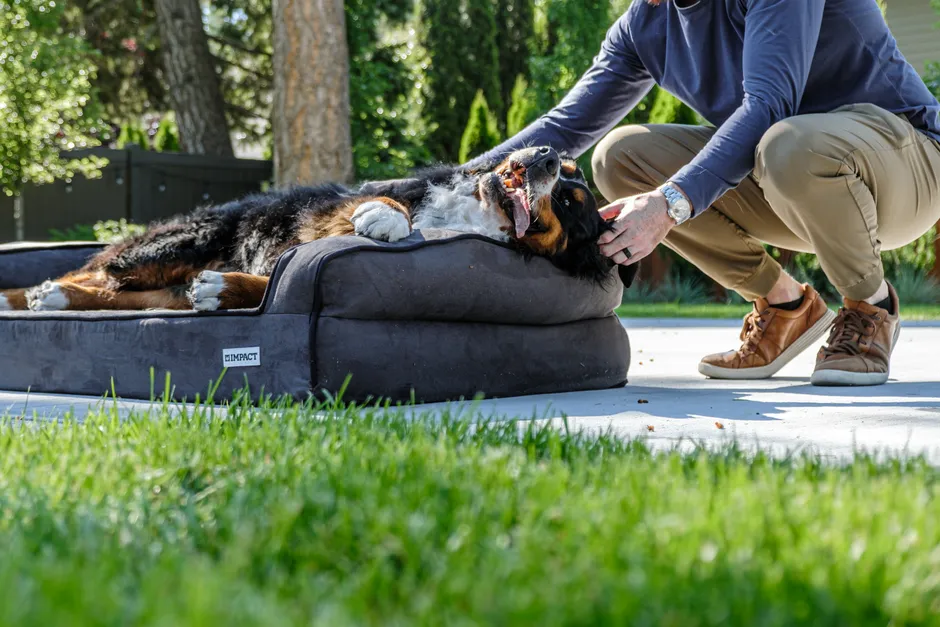
Your senior dog has sat through every argument, every whispered phone call, every “don’t tell anyone this, but…” By now, he has an almost eerie sense of who your real emotional safe person is. He’s seen which name on your phone screen makes your shoulders drop in relief, and which one makes your jaw clench.
Watch who he brings his favorite toy to during a full house, or who he sits beside when your anxiety spikes in a crowded room. Sometimes that person isn’t your spouse – it might be a sibling, an adult kid, or a friend who only stops by once a week. Your dog isn’t just bonding with them. He’s bonding with the calmer version of you that only shows up when they’re around.
#14 – How the Energy of the House Shifts With Each Season of Life
🔥 Would you like to save this?
We'll email this post to you, so you can come back to it later!
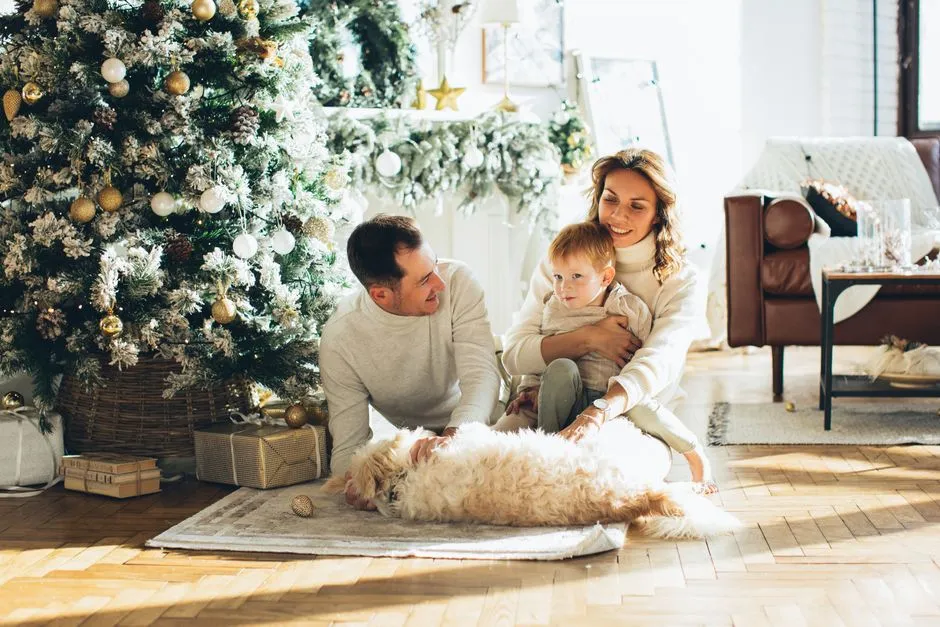
Senior dogs have lived through your eras – the loud party years, the newborn years, the career-grind years, the quiet empty-nest years. They notice the seasonal shifts in noise, smell, visitors, and even how the light changes in the house at different hours.
What feels like “time just flew by” to you reads as a series of distinct, memorized chapters to them: weekends that went from sleeping in to soccer cleats and diaper bags, nights that went from bar-hopping to bedtime at nine. As they age, they settle into whoever you are now, but their bodies still carry the memory of every version that came before – which door used to open, which car meant a road trip, which song meant someone was finally coming home.
Quick Compare
- Then: late nights, loud gatherings, unpredictable comings and goings
- Now: quiet routines, steady bedtimes, fewer voices echoing through the house
- Then: diaper bags, sleepless nights, sudden bursts of noise
- Now: empty bedrooms and a stillness that lingers a little longer
#15 – When You’re Seriously Considering Letting Them Go
🔥 Would you like to save this?
We'll email this post to you, so you can come back to it later!
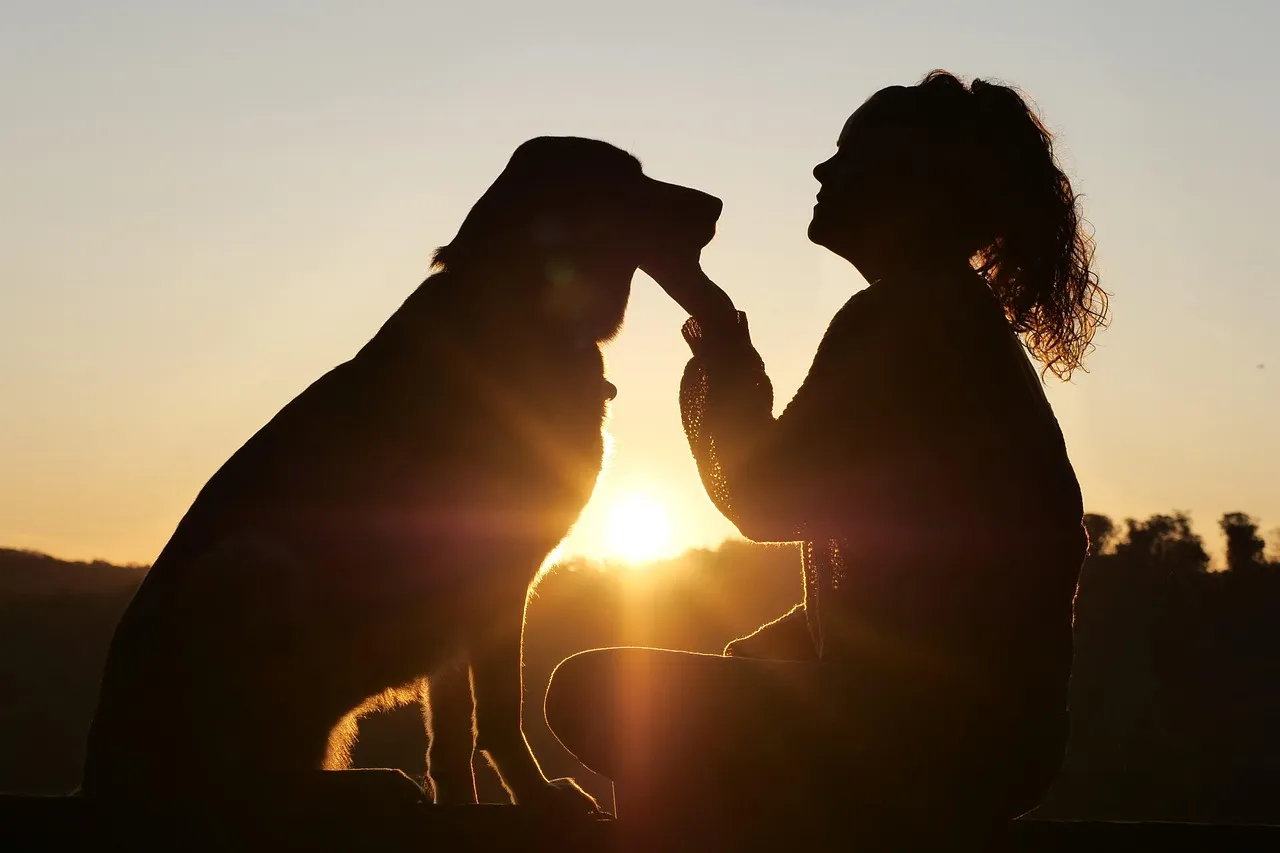
This is the one nobody wants to talk about, but every senior dog owner eventually faces it. Your dog feels the emotional weight in the house long before any appointment gets booked. He notices the extra photos, the way your hands linger on his face a little longer, the crying behind the bathroom door, the crack in your voice when you say “good boy.”
He may not understand euthanasia, but he understands finality hanging in the air. He might go strangely still when the topic comes up nearby, stare at your face longer than usual, or suddenly accept help he used to resist, like being carried up the stairs. Vets quietly admit there’s a different energy in households where that decision is close – and your dog reads it the same way he’s read everything else about you, with full, unwavering attention.
Dogs are not our whole life, but they make our lives whole.
Roger Caras
#16 – The Family Member Who Will Grieve the Hardest
🔥 Would you like to save this?
We'll email this post to you, so you can come back to it later!
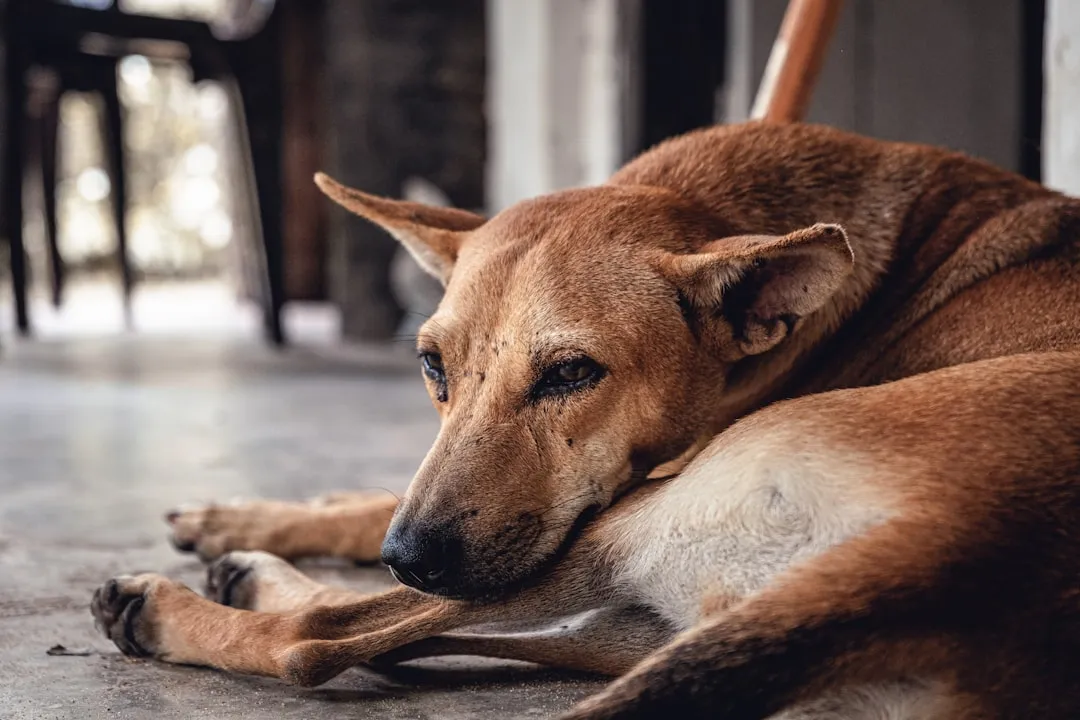
Everyone in the family thinks they know who will “take it the worst” when the dog is gone. Your senior dog probably already knows, too. He’s the one who quietly checks who watches him breathe at night, who sneaks him extra treats, who cancels plans on his bad days – and that’s exactly whose world will tilt hardest when he’s no longer there.
In his final months, he often gravitates toward that person more than usual, relaxing deepest into their touch, almost as if he’s cushioning the blow in advance. He doesn’t understand death the way people do. But he understands attachment perfectly, and he knows exactly who is most entangled with him – even if that person keeps insisting, through gritted teeth, that they’re fine.
#17 – How Much You’ve Changed Since the Day You Brought Them Home
🔥 Would you like to save this?
We'll email this post to you, so you can come back to it later!
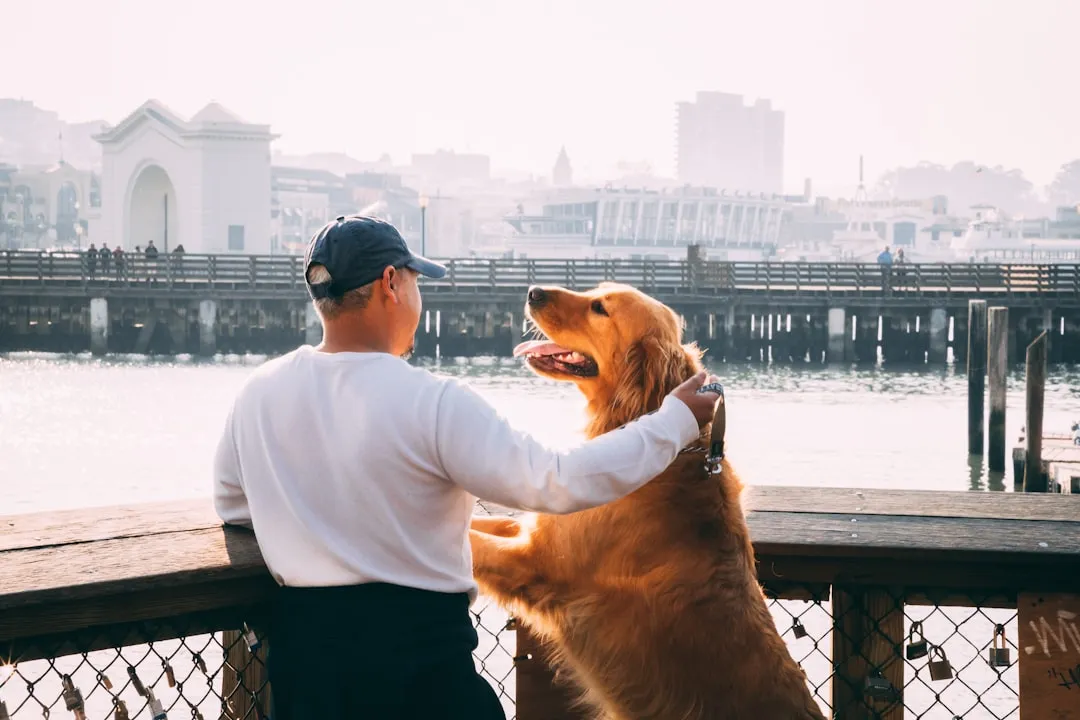
Here’s the deepest thing your senior dog notices – something even you don’t fully see. He remembers the day you carried him in, clueless and hopeful, and he’s watched your face age, your laugh lines deepen, your shoulders round under the weight of everything since. To him, you were never “just you.” You’re a timeline of every version of yourself he’s ever witnessed.
He’s seen the impulsive version who stayed out too late, the broken version who couldn’t get out of bed, and the stronger version who did it anyway, for the family, for him, for no one but yourself. While you’re busy noticing his gray muzzle and stiff legs, he’s quietly cataloging how far you’ve come. That unnerving, soul-deep stare he gives you sometimes isn’t strange at all. It’s recognition. No one else in your life has watched you that closely, for that long, without ever once looking away.
The Bottom Line
🔥 Would you like to save this?
We'll email this post to you, so you can come back to it later!
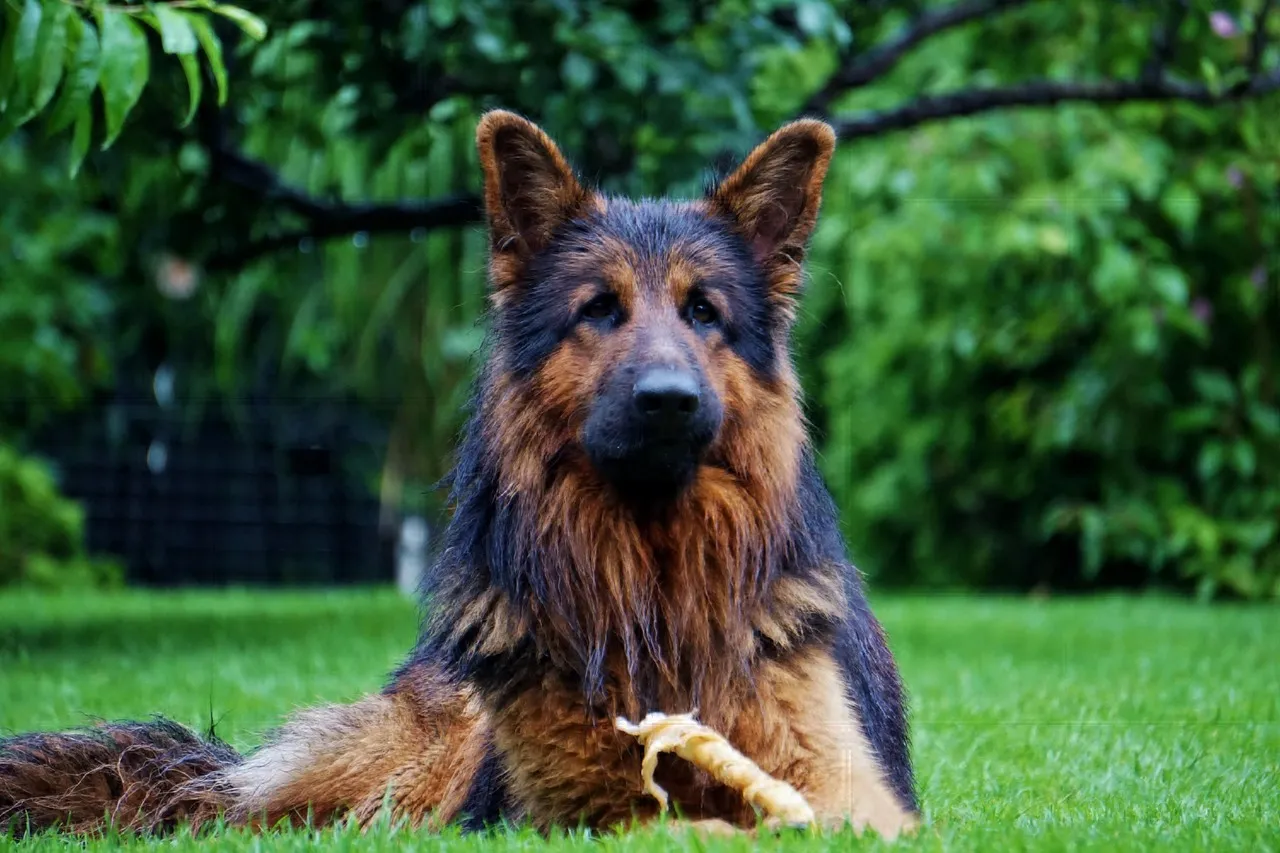
Senior dogs aren’t winding down – they’re living archives of your family’s truth. They’ve clocked the fights, the reconciliations, the secrets, the seasons you’ve half-forgotten, and the exact look on your face when you’re pretending to be okay. They know who shows up, who disappears, who’s quietly unwell, and who loves them so fiercely it aches.
None of that makes them mystical. It makes them relentlessly, almost inconveniently observant, in a way most humans never have the patience to be. Here’s the uncomfortable truth: your old dog has seen the real you more consistently than nearly anyone else alive, across more versions of yourself than you’d probably like to count. You can argue about training methods and dog psychology all day long, but on this one point, the evidence is impossible to ignore – they’ve been paying attention the entire time, and they’re not done yet.

- 7 Everyday Habits That Can Make Your Senior Dog Happier - November 5, 2026
- 10 Enigmatic Structures That Continue to Puzzle Scientists Today - November 5, 2026
- 10 Strange Ruins in the Americas That Challenge What We Know About Early History - November 5, 2026