
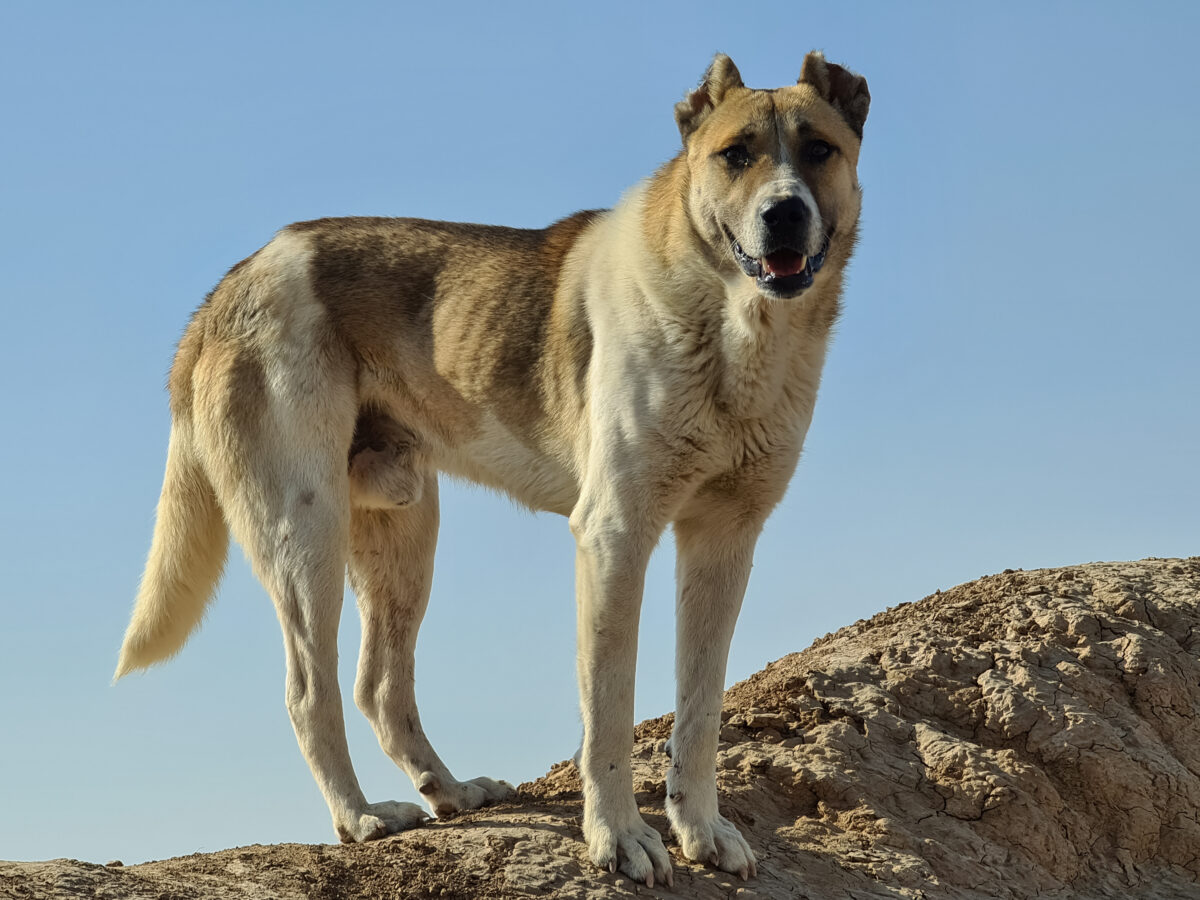
If you have ever watched a livestock guardian dog draped over a hill like a furry boulder, you might have wondered why on earth people say this “lazy” animal is worth its weight in gold. It can look like the dog sleeps all day, strolls a bit at night, and generally lives the slowest life on the farm. But that calm, almost bored-looking behavior is exactly what makes a real guardian priceless.
Livestock guardian dogs (and similar working guardians like donkeys or llamas) are bred to protect, not to entertain. Their work is quiet, slow, and often invisible unless something actually goes wrong. To the untrained eye, it looks like a whole lot of doing nothing. In reality, those “lazy” moments are loaded with purpose, instinct, and constant calculation.
Let’s break down absolutely look like idleness… but are anything but. You might never see your dog’s “naps” the same way again.
#1 Lying on a Hill Staring Into Nothing
🔥 Would you like to save this?
We'll email this post to you, so you can come back to it later!
At first glance, a guardian flopped on a hilltop looks like the definition of laziness. The dog’s ears are relaxed, the eyes half-closed, and the whole pose says “retirement on a sunny beach.” But that higher vantage point is a deliberate choice. From there, the dog can see movement along fence lines, tree lines, or gullies long before you ever would.
Even when their eyes seem soft, those dogs are constantly scanning for changes: a new shadow, a flash of movement, or a shape that doesn’t belong. Guard breeds are wired to notice patterns and breakages in those patterns, including small things like a lamb that’s lagging behind or a coyote popping up in tall grass.
If you watch closely, you’ll notice subtle signals that this “lazy” lookout is actually on duty: ears twitching toward a sound, a low rumble in the chest, or a brief stare held a little too long in one direction. It’s like a security camera that looks inactive until the instant it captures a threat.
#2 Sleeping in the Middle of the Flock
🔥 Would you like to save this?
We'll email this post to you, so you can come back to it later!
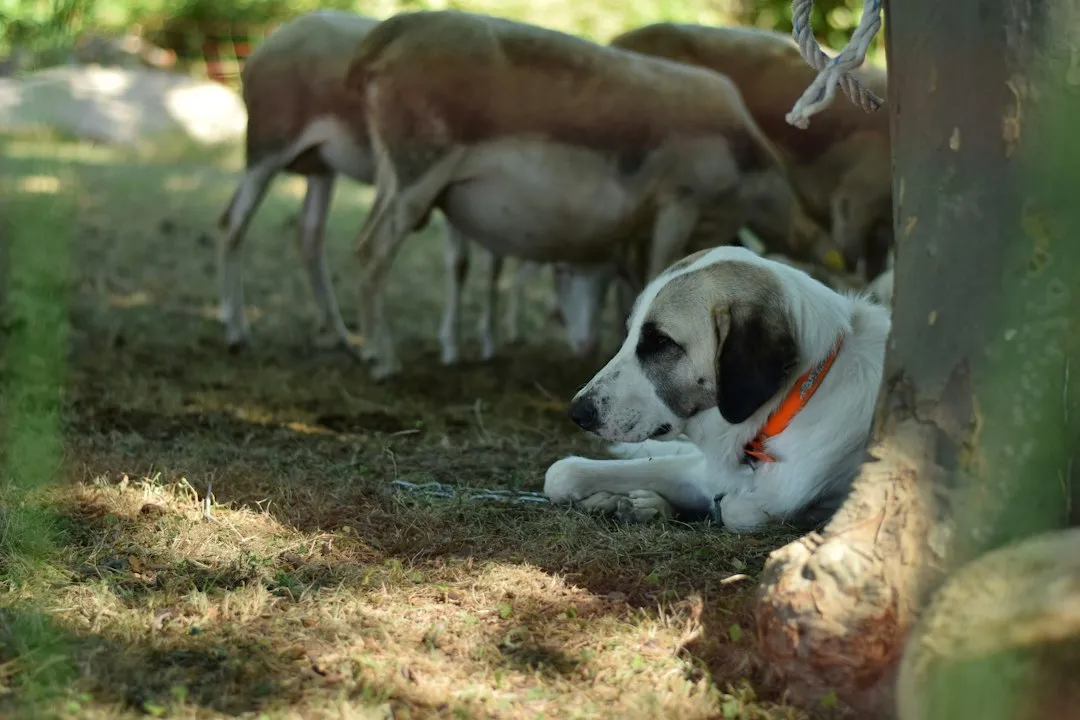
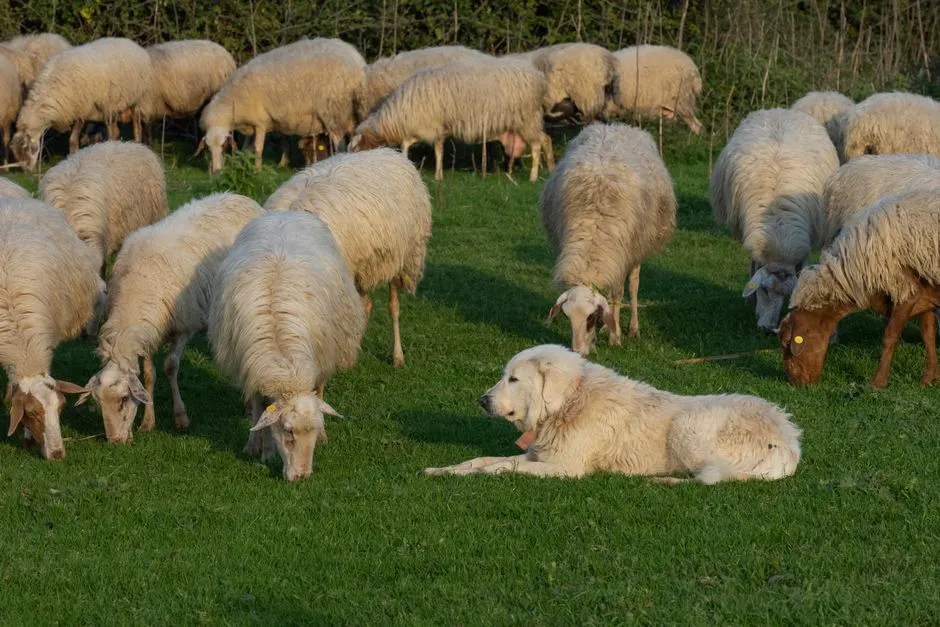
Seeing a massive guardian dog snoring in the middle of sheep or goats can feel almost comical. It’s like the bodyguard passed out at the very party they’re supposed to protect. But this is actually one of the most protective things a livestock guardian can do.
Predators look for easy opportunities – animals that are alone, weak, or on the edge of the group. When the dog plants itself dead-center in the middle of the flock, it’s basically sending a message: to get to them, you go through me. To a coyote, that cluster of animals doesn’t look like prey anymore; it looks like a defended fortress.
There’s also a big emotional element. The flock learns to feel safe around the dog. Young lambs, kids, or calves imprint on that calm presence. This builds a herd that panics less, scatters less, and is easier to protect overall. It may look like a nap, but the dog is literally the heartbeat of the group.
#3 Slow, Aimless-Looking Wandering Along the Fence
🔥 Would you like to save this?
We'll email this post to you, so you can come back to it later!
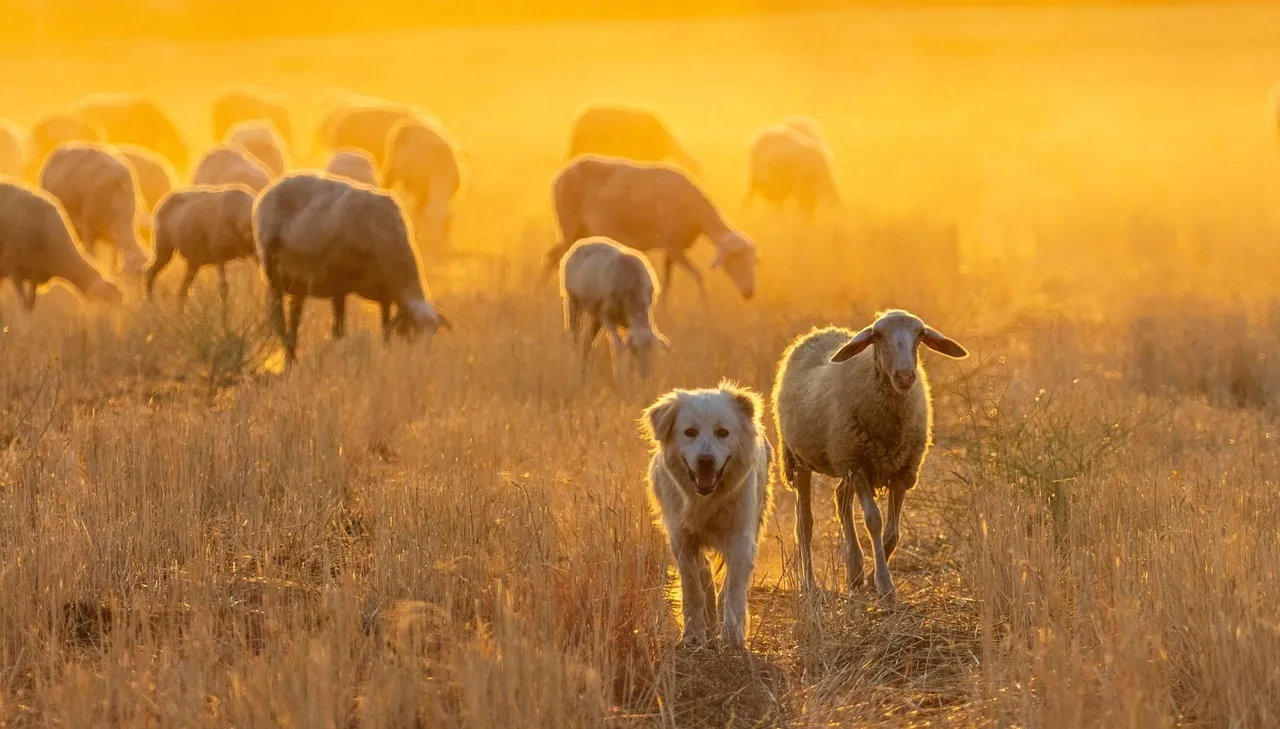
When a guardian dog plods along a fence line at a snail’s pace, nose down, tail neutral, it’s easy to assume it’s just bored or killing time. In reality, this is a patrol run in slow motion. That dog is reading the ground like a book you and I can’t see.
They’re picking up the scent of predators that passed by hours ago, checking for new holes, and noticing whether the neighbor’s dog has been too close. They learn where animals usually move and when something feels “off.” To a human, it looks exactly like wandering. To the dog, it’s mapping the territory and logging “incident reports.”
Think of it like a security guard doing monotonous rounds in an empty mall. Most of the time, nothing big happens, but those mind-numbingly slow checks are what prevent real disasters later.
#4 Standing Perfectly Still, Ears Just Barely Moving
🔥 Would you like to save this?
We'll email this post to you, so you can come back to it later!
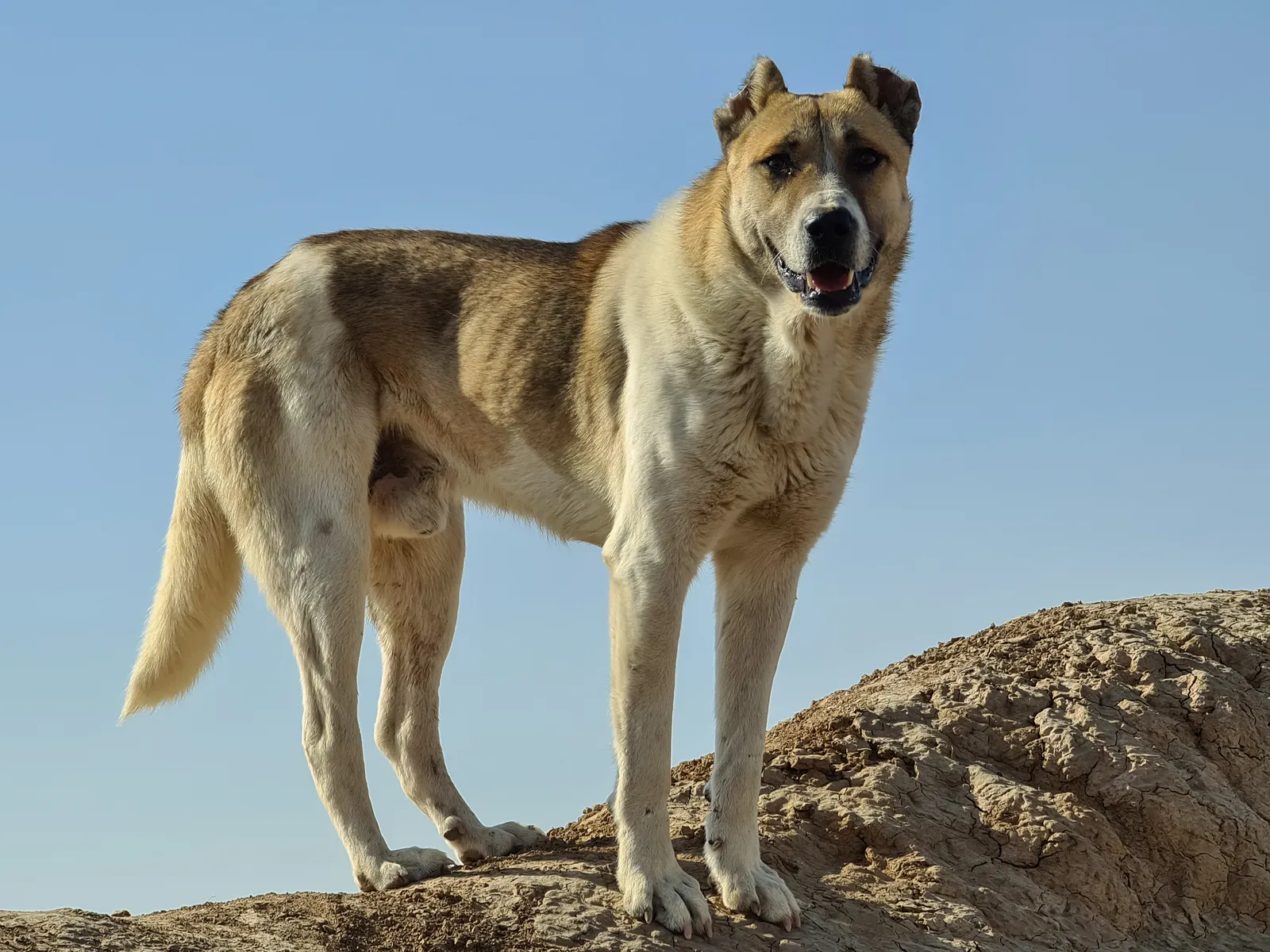
One of the funniest things to watch is a guardian dog frozen in place like a statue. They’re often facing into the wind, eyes just a little narrowed, ears doing the tiniest flicks. You might be tempted to wave a hand and say, “Hey, you alive?” That stillness can look like zoning out.
What’s actually going on is deep listening. Wind carries scent and sound – distant barking, coyote yips, the flutter of birds flushing, or the rustle of something moving in scrub. The dog is literally running detection software, deciding if what it hears is normal background noise or a problem.
Guardians are masters at energy conservation, so instead of racing around at every little rustle, they stand, listen, and think. Only if the pattern continues or intensifies do they switch gears from “statue mode” into “move now.” You’re watching a calculation, not a daydream.
#5 Ignoring Chickens, Cats, and Other Chaos
🔥 Would you like to save this?
We'll email this post to you, so you can come back to it later!
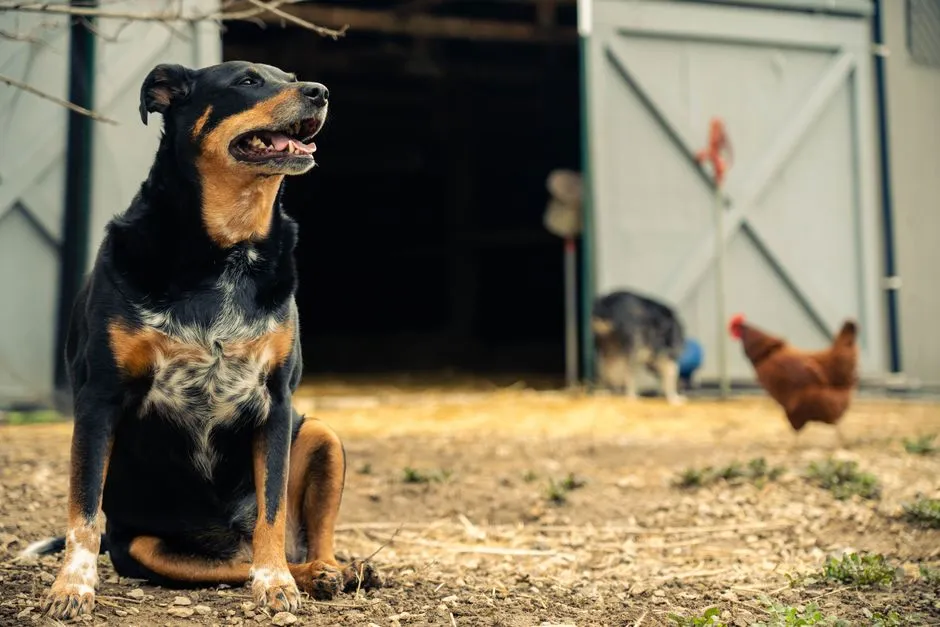
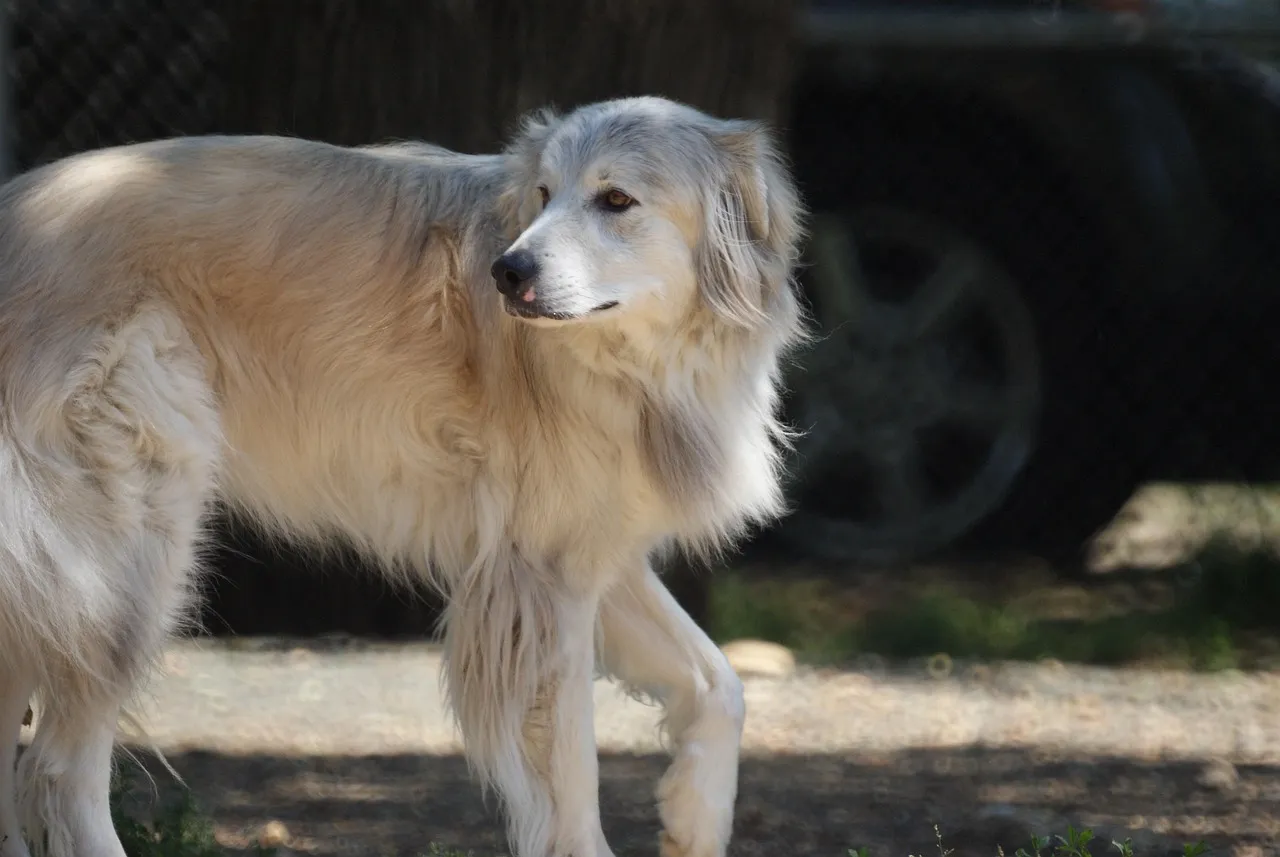
On many farms, the livestock guardian will lie there while chickens flap past, barn cats sprint, and people shout across the field. To outsiders, it can almost be frustrating – does this dog react to anything? But that deliberate non-reaction is part of the job.
A good guardian knows the difference between normal, everyday chaos and true emergency. If they leapt up and barked at every flapping wing or fast-moving shadow, they’d exhaust themselves and stress the livestock. Calmness is a crucial trait: the flock learns that the dog only sounds the alarm when it really matters.
Over time, this “ignore the circus” behavior teaches everyone else what is safe. The animals begin to take their emotional cues from the guardian. If the dog is unfazed, the herd relaxes. It may look like apathy, but it’s emotional leadership.
- Calm response to everyday noise prevents constant panic.
- Livestock learn to read the guardian’s body language.
- The dog saves its energy for real threats, not routine bustle.
#6 Rolling in the Dirt and Smelling Awful
🔥 Would you like to save this?
We'll email this post to you, so you can come back to it later!
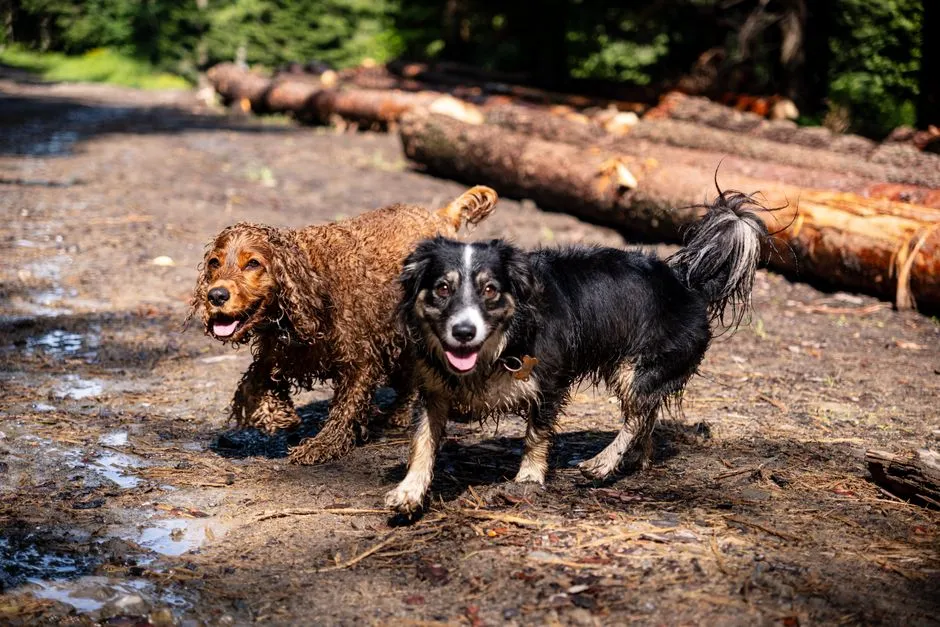
Watching a big white dog roll ecstatically in mud, manure, or who-knows-what can be slightly horrifying. It looks childish and gross, and many people assume it’s just an annoying habit. But for a guardian, that smell is camouflage and communication rolled into one.
Predators rely heavily on scent. When a guardian rolls in the same smells as the herd – manure, bedding, forage – it starts to smell more like “flock” and less like a separate animal. This makes it harder for predators to single out the dog from a distance and can even make the flock smell like one unified group.
There’s another subtle layer: scent-sharing builds familiarity. Young animals get used to the dog’s smell, reducing fear and chasing. What you see as disgusting is the dog’s version of a shared team jersey.
#7 Choosing the Shade Instead of Following You
🔥 Would you like to save this?
We'll email this post to you, so you can come back to it later!
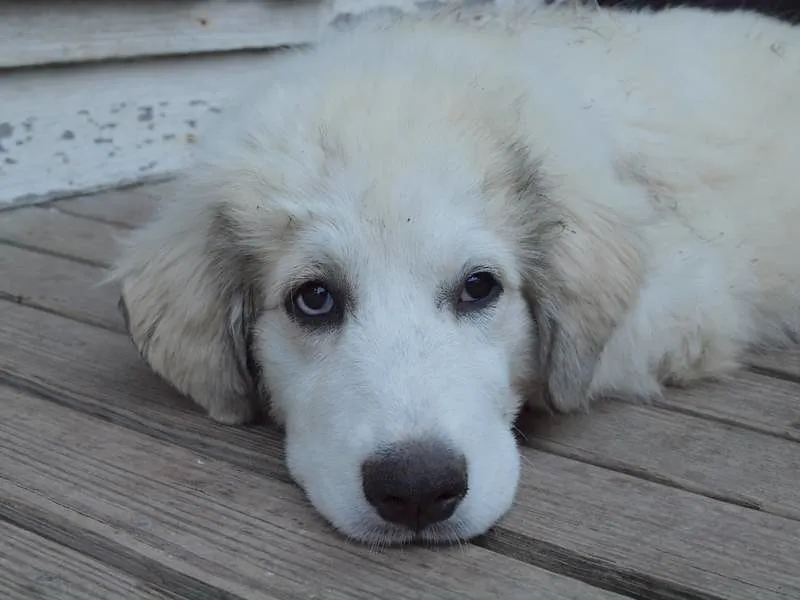
Many new owners feel weirdly rejected when their guardian decides to stay in the pasture shade while they walk off to fix a gate or run errands. It can look like the dog is lazy or uninterested in people. But a solid guardian is bonded first and foremost to the livestock, not to human entertainment.
By choosing to remain near the flock instead of following the owner, the dog is making a priority decision: the animals come first. That quiet refusal to abandon the group, even for a friendly walk, is a strong sign the dog understands its role.
It might feel less glamorous than the classic loyal dog at your heel, but in the world of livestock guardians, the one that ditches you for the sheep is doing exactly what it’s supposed to do.
#8 Sleeping Heavily in the Heat of the Day
🔥 Would you like to save this?
We'll email this post to you, so you can come back to it later!
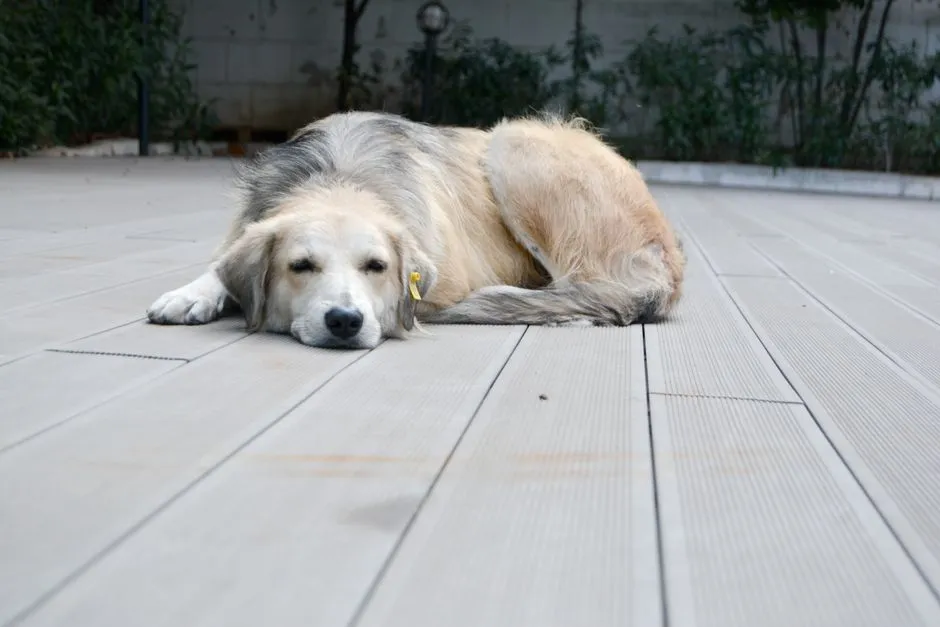
On a blazing summer afternoon, a guardian sprawled in the dust can look practically comatose. Tongue lolling, eyes closed, no interest in anything. It’s easy to label that as laziness, especially if you’re the one out fixing fence in the sun. But this is clever energy management.
Most predators are crepuscular or nocturnal – more active at dawn, dusk, and night. That means the dog’s most critical work happens during the cooler, darker hours when you are probably asleep. By resting deeply during the hottest parts of the day, the dog is banking energy for those long night shifts.
Think of it like a firefighter sleeping at the station between calls. You do not want an exhausted guardian at two in the morning when the coyotes finally roll in. That “lazy” afternoon nap is paid back with interest after dark.
#9 Playing Gently With Lambs or Young Animals
🔥 Would you like to save this?
We'll email this post to you, so you can come back to it later!
Seeing a huge guardian softly mouth a lamb’s ear or let kids climb over its back can look like pointless fooling around. Some people even worry the dog is being too rough or just goofing off instead of staying “alert.” But that play is critical relationship-building.
When the youngest, most fragile animals feel safe enough to approach and interact with the dog, it forges a powerful social bond. The dog becomes part of their inner circle, not an outsider. This trust makes the flock less likely to bolt or scatter under stress, which in turn keeps them safer.
Play also gives the dog a positive outlet for energy that might otherwise go into chasing or unwanted behavior. It’s a healthy, structured way for the dog to be both gentle and engaged with its charges – more like an older sibling than a strict security guard.
#10 Barking at “Nothing” in the Dark
🔥 Would you like to save this?
We'll email this post to you, so you can come back to it later!
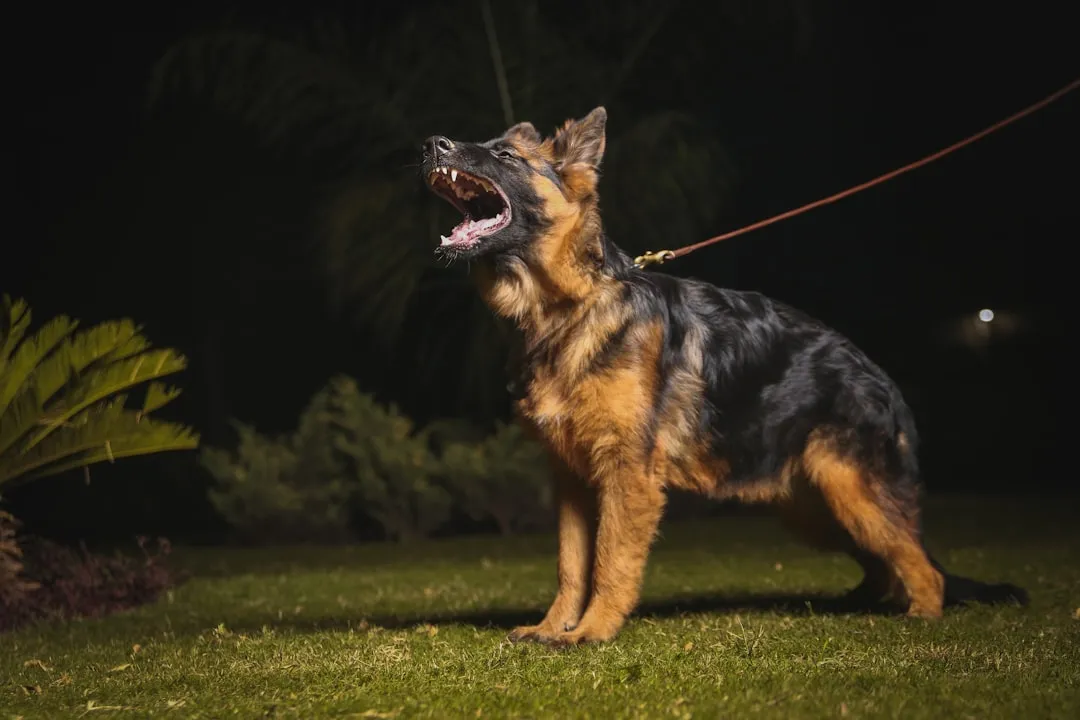
If you’ve ever laid in bed listening to your guardian bark into the night, you may have muttered something unflattering under your breath. From the house, it sounds like the dog is yelling at ghosts or the moon. But those barks are part of a carefully evolved deterrence strategy.
Predators test boundaries. They’ll move along fence lines, stay just out of sight, and watch for weakness. When the dog senses or hears them, even faintly, it barks not to chase them on sight, but to declare: this ground is claimed, and it is defended. Many predators will simply avoid a property where a confident dog patrols and calls out like this.
So that 2 a.m. chorus might feel like noise pollution, but from the perspective of your sheep, it’s an audible wall that often stops trouble before it even starts.
#11 Refusing to Play Fetch or Obey Fancy Tricks
🔥 Would you like to save this?
We'll email this post to you, so you can come back to it later!
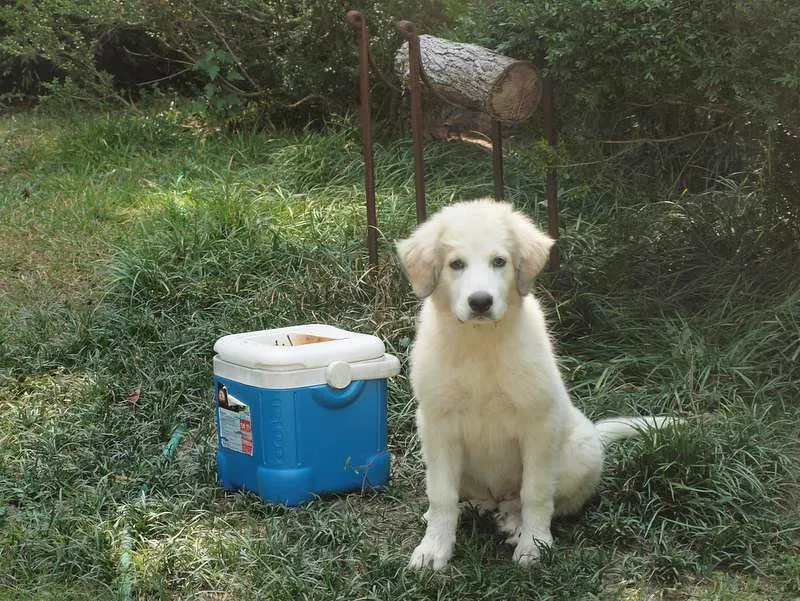
Lots of people are used to pet dogs that adore fetch, agility games, and constant commands. When a livestock guardian ambles over, looks at the ball, and then walks away, it can come across as stubbornness or laziness. In truth, this independence is a feature, not a bug.
Guardians are bred to think for themselves. Out in a field at night, there is no one to tell them what to do when they hear a sound or see movement. If they were hyper-focused on human commands, they might ignore real threats just because no one shouted an order.
That aloofness and selective obedience, which feels almost insulting compared to a pet dog, is actually the backbone of their working style. They’re more like a seasoned park ranger than a highly trained circus performer.
- Independence allows fast decisions without waiting for humans.
- Lack of interest in games keeps their focus on territory, not toys.
- They’re bred for judgment, not just blind obedience.
#12 Sitting With Their Back to the Flock
🔥 Would you like to save this?
We'll email this post to you, so you can come back to it later!
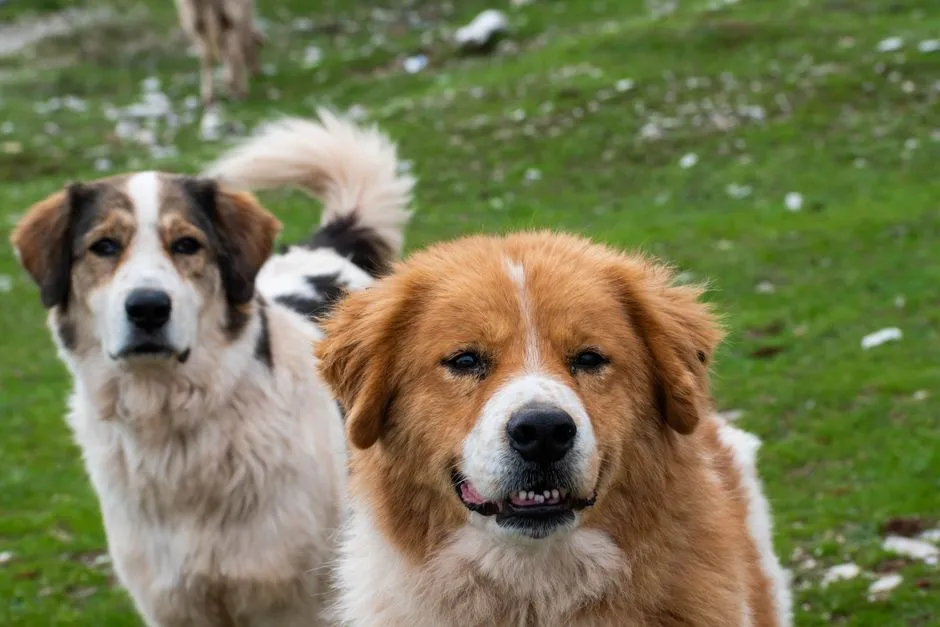
Every now and then you’ll spot a guardian sitting or lying with its back to the animals it’s supposed to be protecting, eyes cast outward. To someone used to the idea of “watching over” meaning literally looking at the sheep, this pose can seem completely backward.
But from the dog’s perspective, the flock behind it is the safe zone. The unknown, the place danger comes from, is outside the perimeter. So the dog places its body between the herd and the threat, facing the direction from which trouble is most likely to appear.
It’s comparable to a lifeguard facing the waves, not the people on the beach towels. The dog trusts its proximity to the flock; what it needs to monitor is the wider world beyond them.
#13 Sniffing the Air and Yawning Repeatedly
🔥 Would you like to save this?
We'll email this post to you, so you can come back to it later!
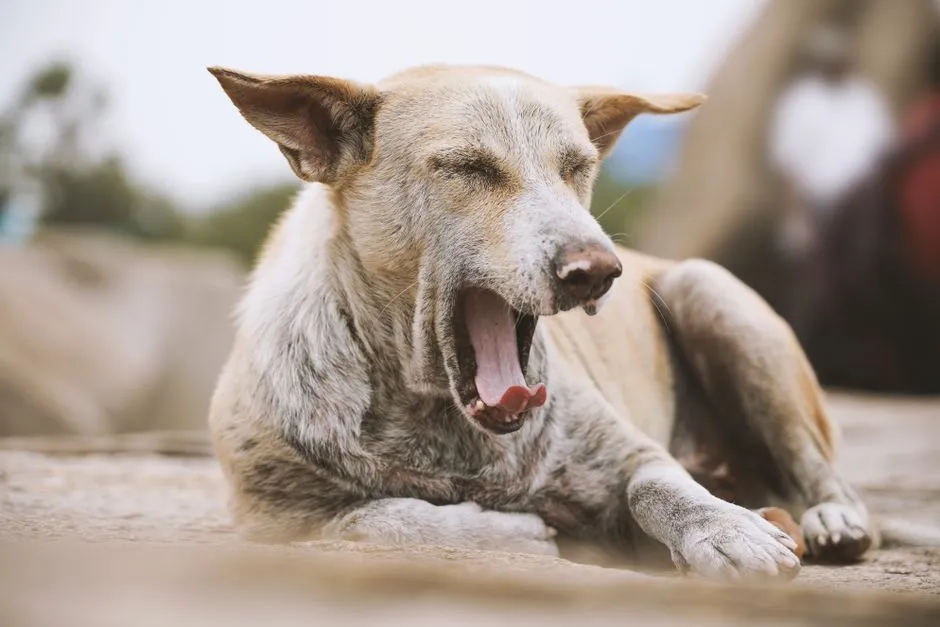
A guardian sitting in the field, sniffing the breeze and yawning over and over, can look bored enough to cry. Most people think of yawning as a pure sleep cue, but in dogs it can have multiple roles, including stress release and mental reset.
When a guardian dog repeatedly yawns while also scenting the air, it may be processing information and calming itself so it does not overreact. They can pick up faint predator smells, changes in weather, or the approach of unfamiliar humans long before we notice anything.
This mix of yawning and sniffing is like a pilot running quiet checks in the cockpit. It looks slow and uneventful, yet it keeps the dog balanced, aware, and ready to either relax or escalate depending on what the environment tells it.
#14 Hanging Out Near the Gate or Water Trough

🔥 Would you like to save this?
We'll email this post to you, so you can come back to it later!
Sometimes guardians seem weirdly obsessed with lying beside a gate, mineral feeder, or water trough, barely moving. It can make you think they’re lazy and just drawn to where the animals congregate so they can nap in the middle of the action. But those choke points are strategically important.
Gates and water sources are places where animals cluster, where outsiders might enter, and where escape attempts or predator approaches are most likely. By positioning themselves at these key spots, the guardians are covering the areas with the highest traffic and risk.
In a way, they’re guarding the “front door” and “kitchen” of the pasture – the places you yourself would probably watch if you were expecting trouble.
#15 Watching the Sky Instead of the Ground
🔥 Would you like to save this?
We'll email this post to you, so you can come back to it later!
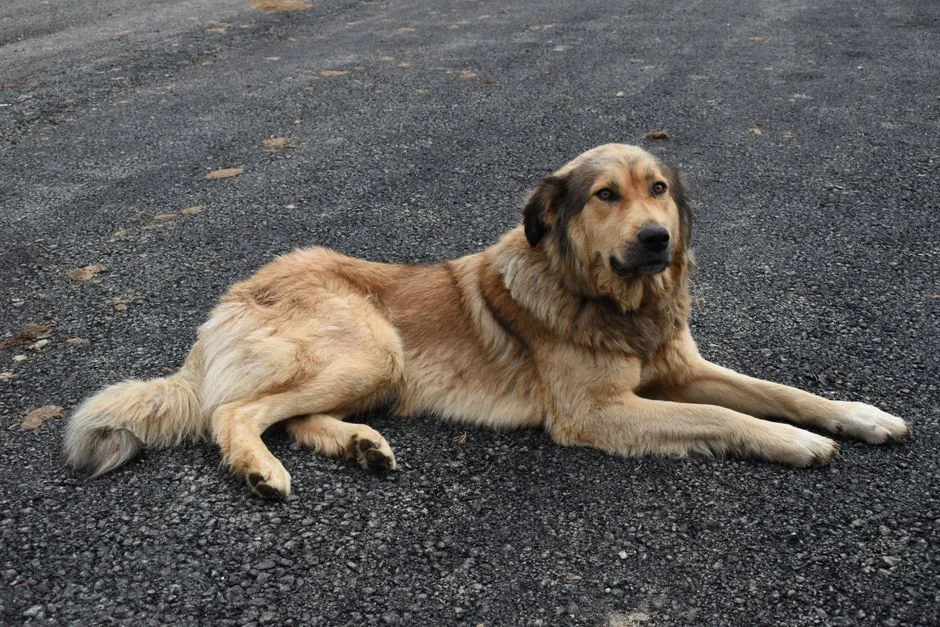
Not all threats come from ground level. A guardian that suddenly tips its head back to track birds of prey or stares up at circling shapes can look distracted, like it’s taking a break to bird-watch. But for small lambs, goat kids, or poultry, aerial predators can be deadly.
Many good guardians quickly learn that large shadows in the sky can equal danger. They may bark up at hawks or eagles, charge around to keep young animals under cover, or simply position themselves so their large body visually breaks the outline of the more vulnerable animals.
It may seem silly from a distance, but to a hungry raptor, a pasture with a big, alert, ground-based defender is a riskier place to hunt than a quiet, undefended flock.
#16 Staying on the Edge of the Light at Night
🔥 Would you like to save this?
We'll email this post to you, so you can come back to it later!
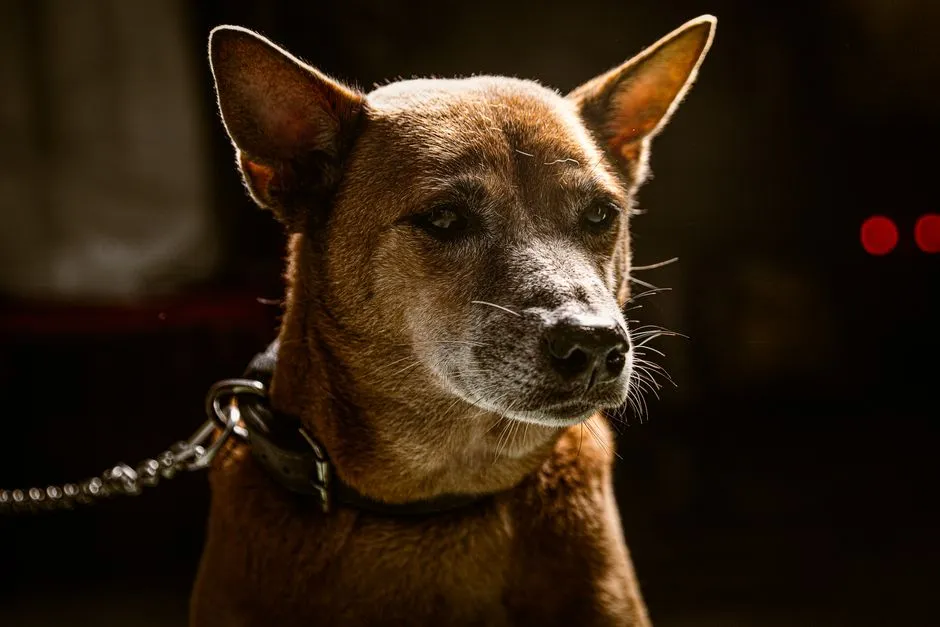
At night, you might notice your guardian hovering just outside the glow of yard lights or barn lights, instead of curling up in the brightest, safest-looking spots. From a human comfort view, that looks like an odd, drifty choice, maybe even an excuse to stand around doing nothing in the dark.
In reality, staying in the shadows while looking into the light gives the dog a far better view of what might be creeping along the edges. If they sit in the brightest place, their own night vision is compromised, just like ours when we stare into a flashlight beam.
So that “lurking” on the darker side of the fence or building is deliberate. The guardian keeps itself in a position where it can see both the lit areas and the surrounding dark, giving it a tactical advantage over anything approaching.
#17 Looking Bored When Visitors Arrive
🔥 Would you like to save this?
We'll email this post to you, so you can come back to it later!
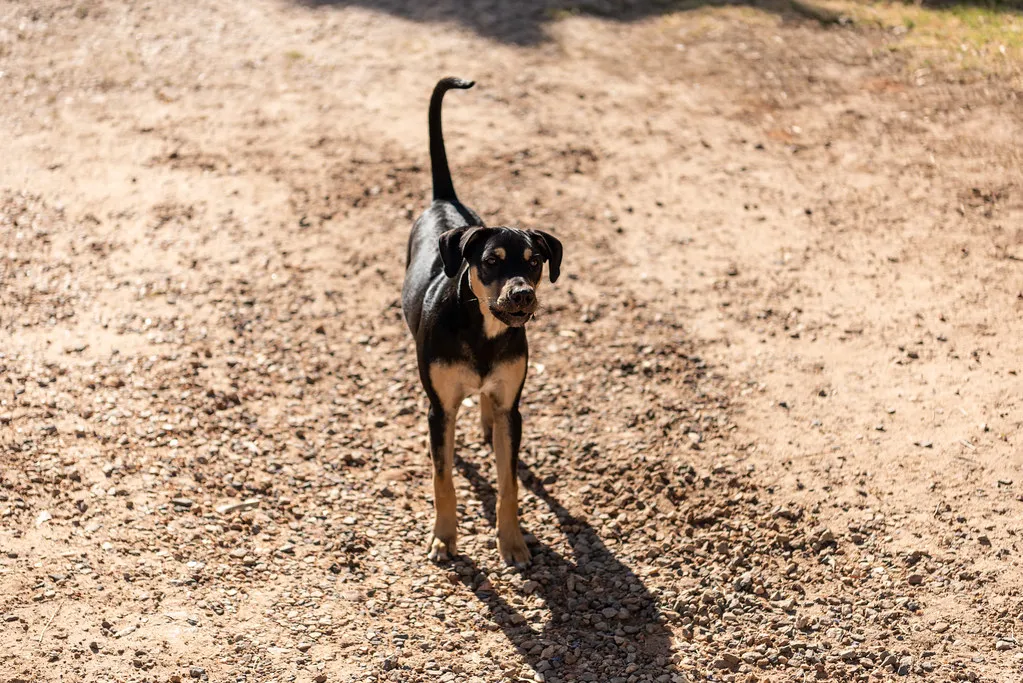
Many visitors expect the big guardian dog to rush up, wagging, or at least put on a dramatic performance when someone new arrives at the property. When the dog just watches quietly, maybe gives a low woof, then goes back to lying with the flock, people can conclude the dog is lazy or under-trained.
But a good guardian is not a greeter; it’s a gatekeeper. They notice the new person, evaluate their behavior, and decide whether they’re safe. Once the dog decides the visitor is not a threat, its job is actually to relax and resume its post, not to entertain.
- Calm observation is not disinterest; it’s controlled assessment.
- Overly excitable greeting behavior can actually undermine their seriousness as guardians.
- The dog’s priority remains the livestock, not human social life.
To you, that bored look is underwhelming. To your sheep, that same calm steady gaze is exactly what makes life feel safe.
Conclusion: The Quiet Power of “Doing Nothing”
🔥 Would you like to save this?
We'll email this post to you, so you can come back to it later!
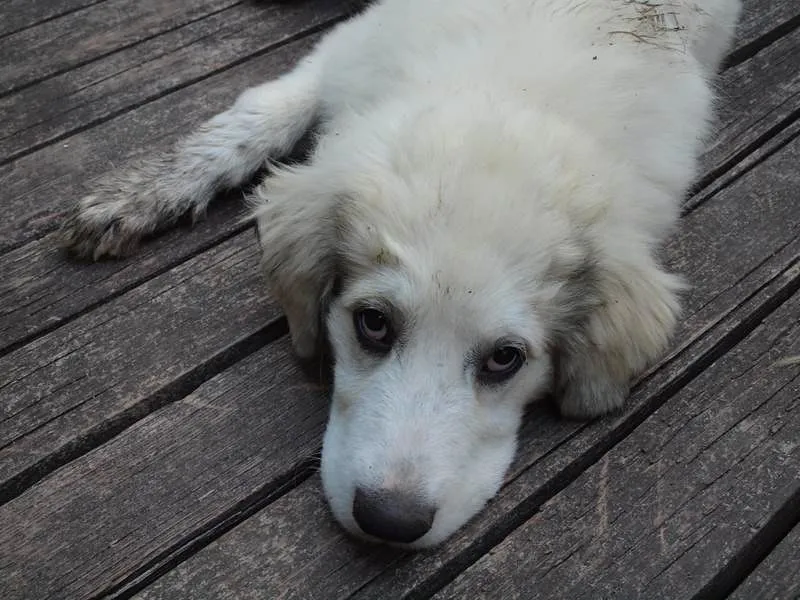
Once you start paying attention, it becomes almost shocking how much real work is hidden inside what looks like idleness in a livestock guardian. Lying still, ignoring chaos, napping in the heat, choosing not to chase every sound – these are not signs of a lazy dog, but of a seasoned professional that knows when to act and when to conserve its strength.
I’ll admit, the first time I saw a guardian sleep through a flurry of chickens, I thought it was useless. Over time, though, I realized that the strongest protectors are often the ones who waste the least motion and let their presence, not constant drama, do most of the talking. The real magic of a good livestock guardian is that most nights, nothing bad happens – and it looks like they did almost nothing to achieve that.
So next time you catch your guardian sprawled in the sun, eyes half-closed, ask yourself: is this laziness, or the calm center of a well-defended world? And now that you know what to look for, how many of these “idle” behaviors can you spot in your own field?

- 7 Everyday Habits That Can Make Your Senior Dog Happier - November 5, 2026
- 10 Enigmatic Structures That Continue to Puzzle Scientists Today - November 5, 2026
- 10 Strange Ruins in the Americas That Challenge What We Know About Early History - November 5, 2026