
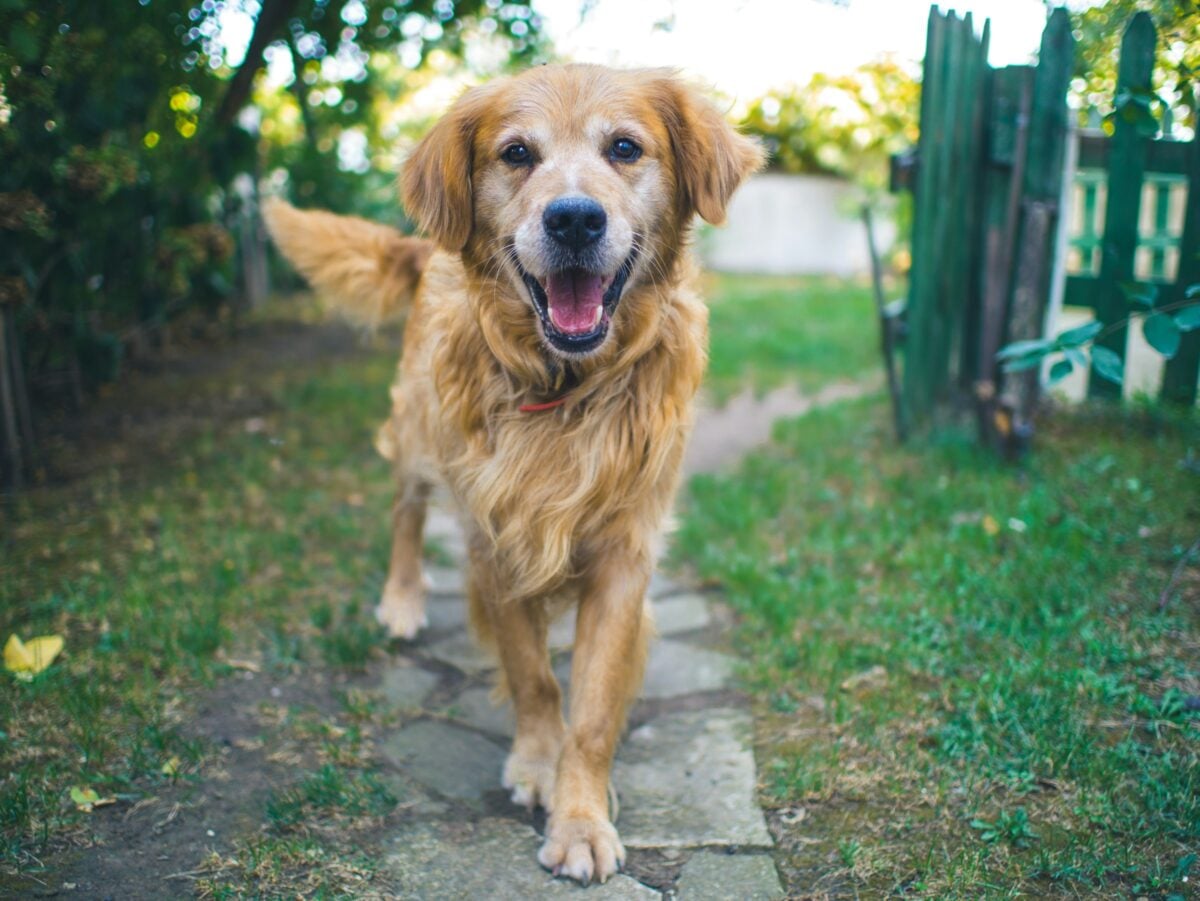
Nobody warns you that a dog’s final season almost never announces itself. There’s no single dramatic moment. There’s a water bowl that empties a little faster, a stair that quietly gets skipped, and a long stare at the corner of the room at 2 a.m. If you’ve ever felt something shifting while everyone else said “he looks fine,” this list was written for you.
Here’s the twist: most visitors never catch these changes, because they happen in the quiet hours when only one person is watching. That person knows which stair the dog now avoids and how the bowl usually gets emptied. And many of these signs are treatable, which means reading them correctly can buy a dog real comfort. Some of the seventeen below are easy to mistake for stubbornness or “just old age,” and the last one is something only you will ever fully see.
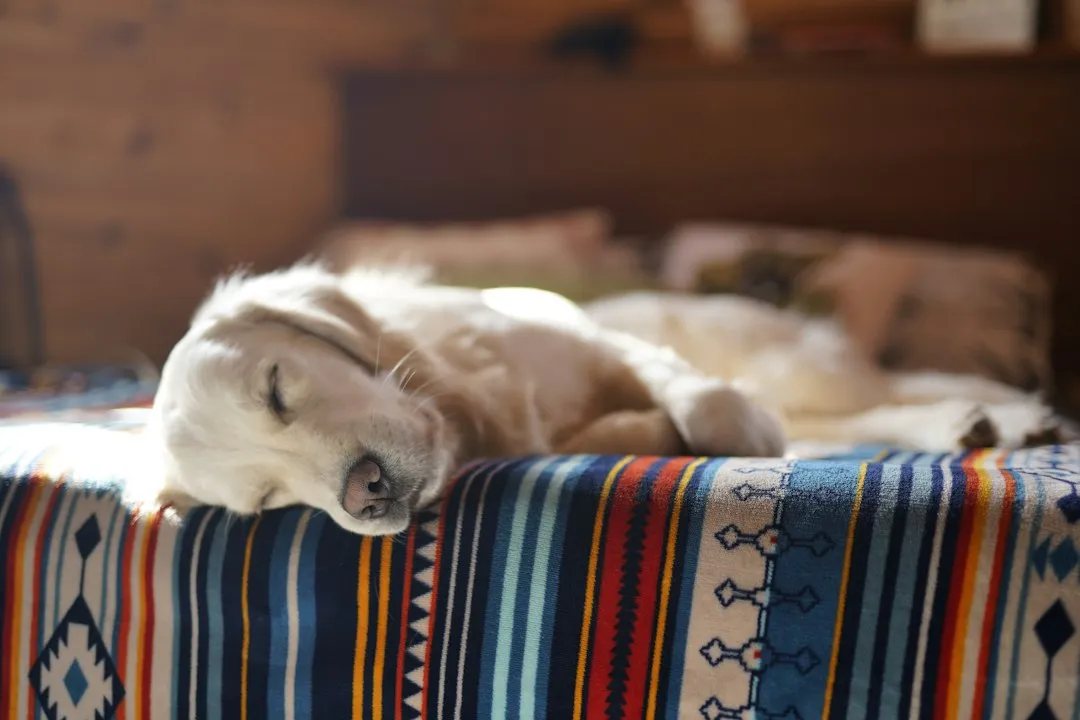
#17 – They Sleep Deeper, Longer, and Differently
🔥 Would you like to save this?
We'll email this post to you, so you can come back to it later!
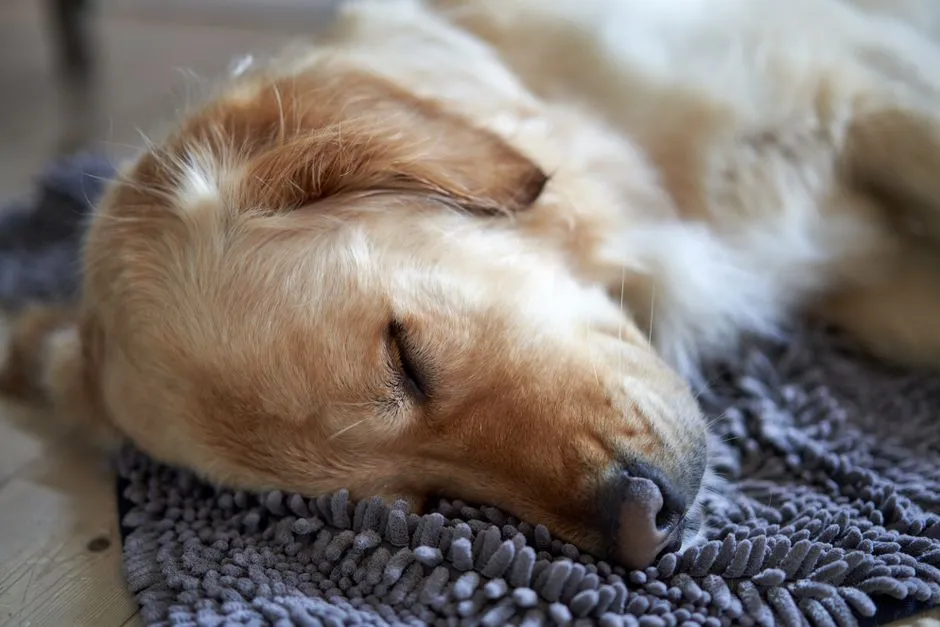
Extra sleep is the first change almost everyone notices and almost everyone brushes off.
Senior dogs commonly sleep more than they did as adults, and a dog who sleeps through the doorbell may not be ignoring you at all. Deeper sleep and hearing loss often overlap. The dog simply isn’t catching the signals that used to wake them.
What matters is the pattern. A dog who naps more but still wakes eager for meals and company is aging. A dog who sleeps more and also stops engaging is telling you something else.
Watch for these shifts:
- Sleeping in new, harder-to-reach spots
- Twitching, whimpering or restlessness during sleep
- Taking longer to fully wake up and orient
Many owners say “he’s just old.” Plenty of vets argue that’s the most dangerous phrase in senior dog care, because it ends the curiosity that catches treatable problems.
But the next sign is one most people mistake for stubbornness…
#16 – Walks Get Slower, and the Sniffing Gets Serious
🔥 Would you like to save this?
We'll email this post to you, so you can come back to it later!
Your dog isn’t being lazy on walks. They may be doing the only exercise that still feels good.
Older dogs often shorten their stride, lag behind, or plant themselves mid-walk. Arthritis is extremely common in senior dogs, and it often shows up first as reluctance, not limping. Many dogs with painful joints never cry out at all.
Dogs tend to hide discomfort, so the signal is behavioral. Look for stopping at the curb, turning toward home early, or lying down on the sidewalk like the pavement is a couch.
Here’s a contrarian take. Many people believe a dog must keep up long daily walks to stay healthy. Many vets now suggest shorter, more frequent outings with plenty of sniffing time. Sniffing is low-impact, and it keeps a dog’s brain engaged without punishing worn joints.
Why It Stands Out
- A dog’s nose is packed with roughly 300 million scent receptors, compared with about 6 million in a person.
- Sniffing asks for mental effort, not hard joint work.
- A “sniff stop” doubles as a rest break without feeling like one.
- Two or three short outings can feel better than one long slog.
The trick is to let the dog set the pace. If they stop, that’s information, not defiance.
But that slowed pace is often tied to something happening at the dinner bowl…
#15 – Appetite Turns Picky, Then Unpredictable
🔥 Would you like to save this?
We'll email this post to you, so you can come back to it later!
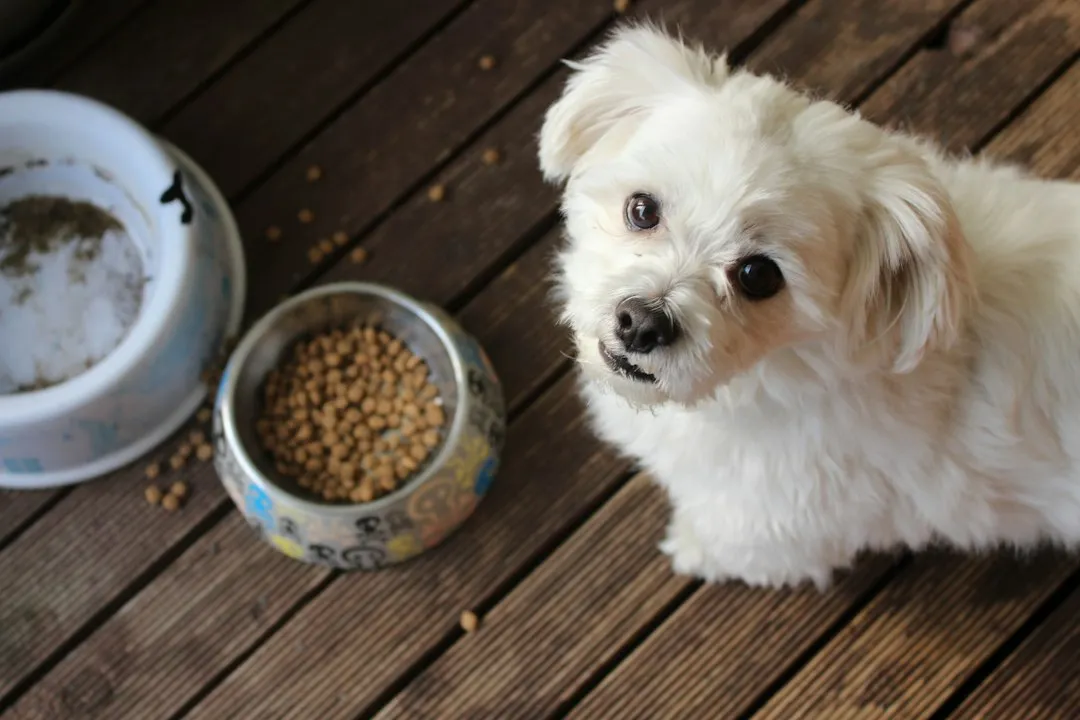
The dog who once inhaled dinner now sniffs it and walks away, and that’s rarely about the food.
Appetite changes in senior dogs have many possible causes. These include dental pain, nausea from kidney disease, medication side effects, and a declining sense of smell. A dog can be hungry and still refuse to eat because eating hurts or makes them queasy.
Owners often respond by piling on treats, and that can backfire. It may teach a dog to hold out for something better, and it can mask a real medical issue.
Patterns worth tracking:
- Eating only when hand-fed
- Chewing on one side of the mouth
- Dropping kibble, or approaching the bowl and backing off
- Interest in treats but not meals
And the water bowl may be telling an even bigger story…
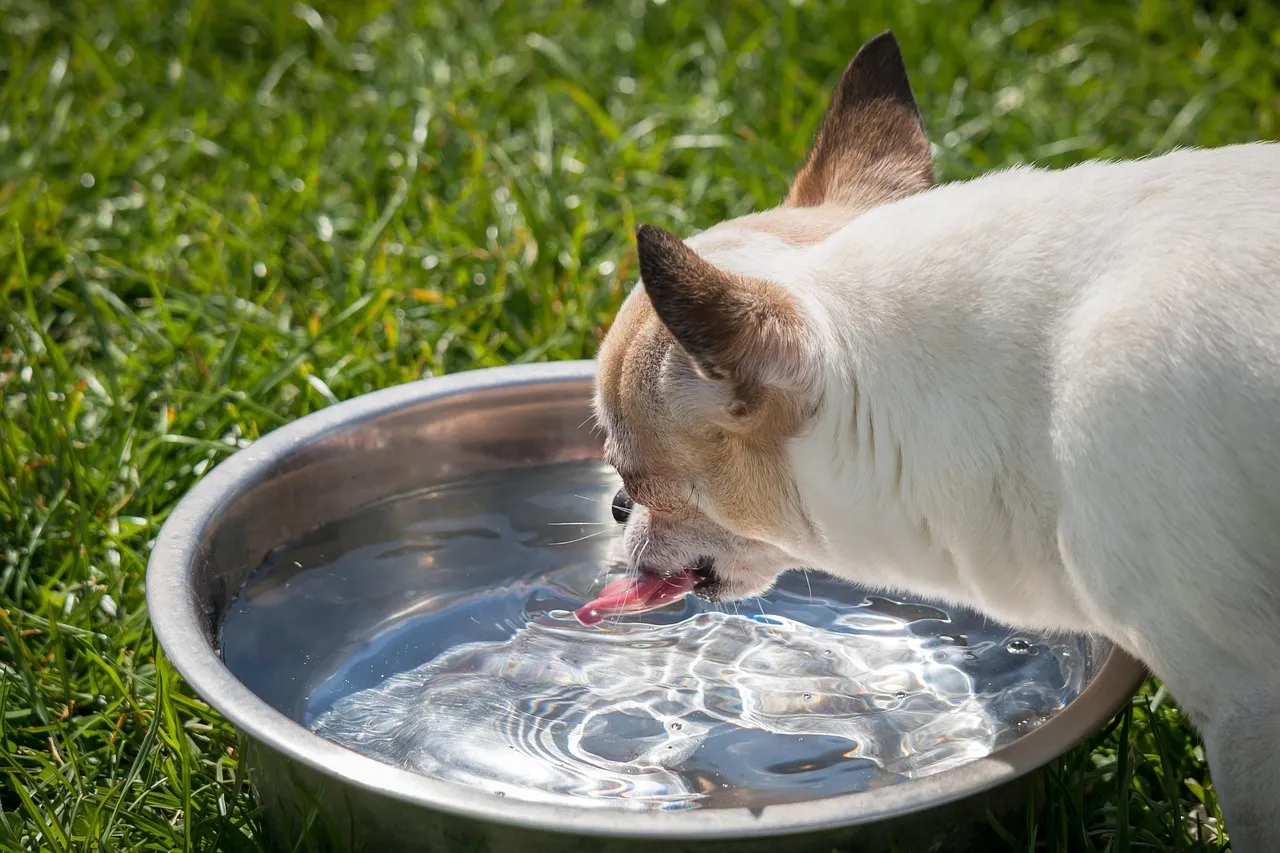
#14 – The Water Bowl Tells a Secret
🔥 Would you like to save this?
We'll email this post to you, so you can come back to it later!
Changes in drinking are one of the most overlooked clues in an aging dog.
A dog suddenly draining the bowl, or barely touching it, is giving you data. Increased thirst is a classic early sign of conditions like kidney disease and diabetes, and it can appear long before a dog looks sick. It’s also linked to some hormonal disorders and certain medications.
Many people notice it only when they’re refilling more often or mopping up more accidents. Dogs drinking more usually urinate more, which is why the two signs travel together.
Decreased drinking matters too. It can point to nausea, pain, or a dog who finds it hard to reach the bowl.
Next comes a behavior that stops many owners cold…
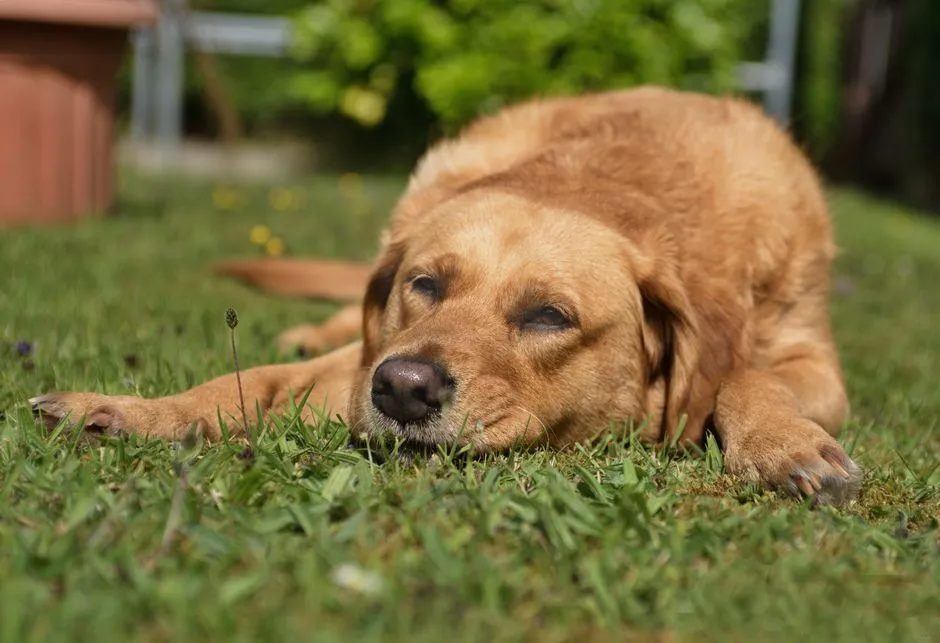
#13 – They Stare at Walls, Corners, or Nothing at All
🔥 Would you like to save this?
We'll email this post to you, so you can come back to it later!
A long blank stare into a corner can be unsettling, and it’s often misread as something spooky.
In senior dogs, it’s more commonly linked to canine cognitive dysfunction, sometimes compared to dementia in people. Vets often describe it with the acronym DISHAA: disorientation, interaction changes, sleep-wake cycle changes, house-soiling, activity changes, and anxiety. Staring, getting stuck behind furniture, and seeming lost in a familiar room are common examples.
Not every stare is dementia. Vision problems, pain, and some neurological conditions can look similar. That’s why a vet exam matters more than guessing from the couch.
Here’s the hopeful part. Diets, supplements, enrichment, and medication may help some dogs, so cognitive decline isn’t something you have to simply endure.
And when the sun goes down, the same dog may change completely…
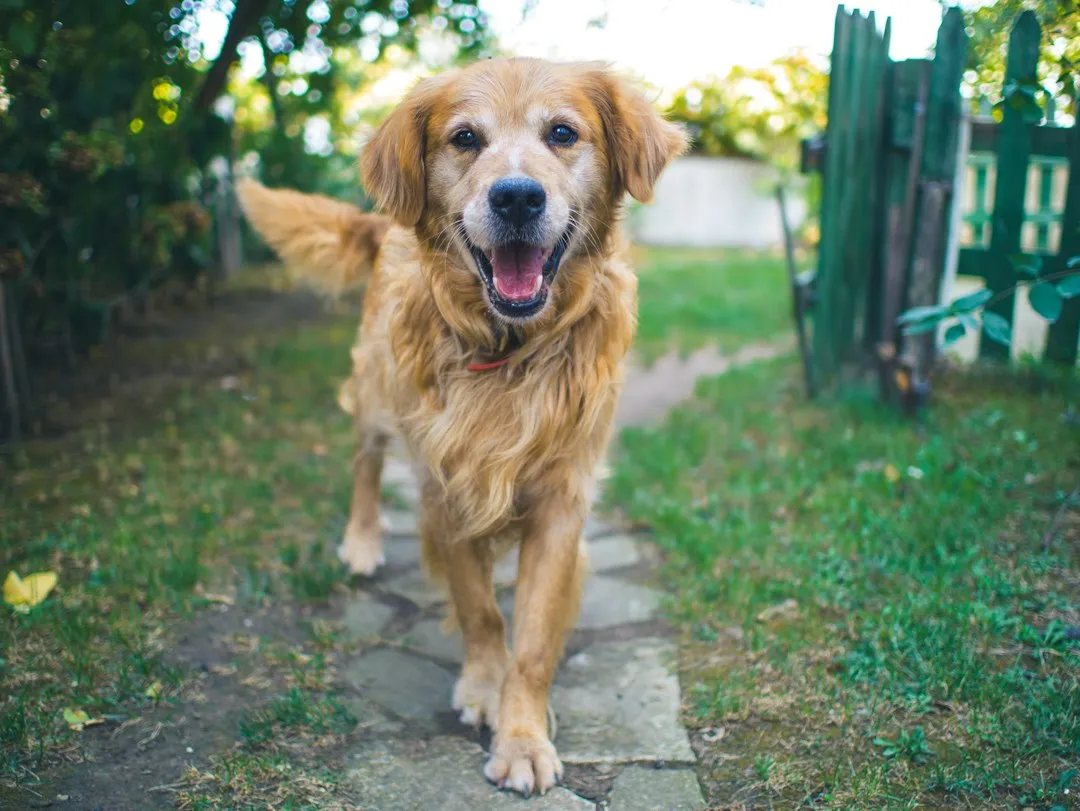
#12 – Nights Turn Restless and Pacing Begins
🔥 Would you like to save this?
We'll email this post to you, so you can come back to it later!
The most exhausting part of a dog’s final season often starts after dark.
Some senior dogs pace, pant, whine, or wander at night, then sleep through the afternoon. This flipped schedule is often called “sundowning” when it’s tied to cognitive decline. Some dogs will circle the same path for long stretches without seeming to know why.
Pain is another culprit. Joints stiffen when a dog lies still, so lying down can be uncomfortable. Anxiety, needing to go out, and medication timing can all play a role too.
What owners often try:
- A consistent evening routine
- A last potty trip right before bed
- A soft, supportive bed on a non-slip surface
- A dim night light so the dog can see
But that nighttime wandering often leads straight to a very different problem on your floors…
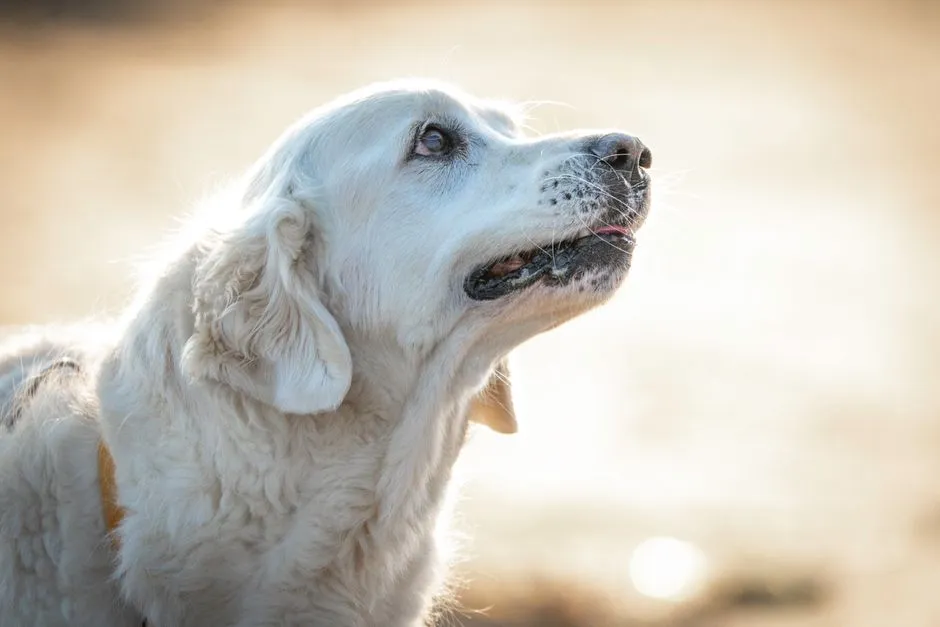
#11 – Accidents Happen in a Dog Who Was Never That Dog
🔥 Would you like to save this?
We'll email this post to you, so you can come back to it later!
A house-trained dog having accidents is almost never a behavior problem.
Senior dogs can lose control for many reasons. These include weak muscles, urinary tract infections, kidney disease, arthritis that makes getting outside harder, and cognitive decline. Some dogs have accidents simply because they can’t get up fast enough to make it.
Scolding makes things worse. It adds stress to a dog who is already confused or embarrassed, and it doesn’t fix the cause.
Practical steps tend to help more than frustration does. More frequent trips outside, easy-access potty areas, washable bedding, and a vet check for infection or medication options can all make a difference.
Now for a hiding place most owners never think to check…
#10 – They Choose Strange Places to Lie Down
🔥 Would you like to save this?
We'll email this post to you, so you can come back to it later!
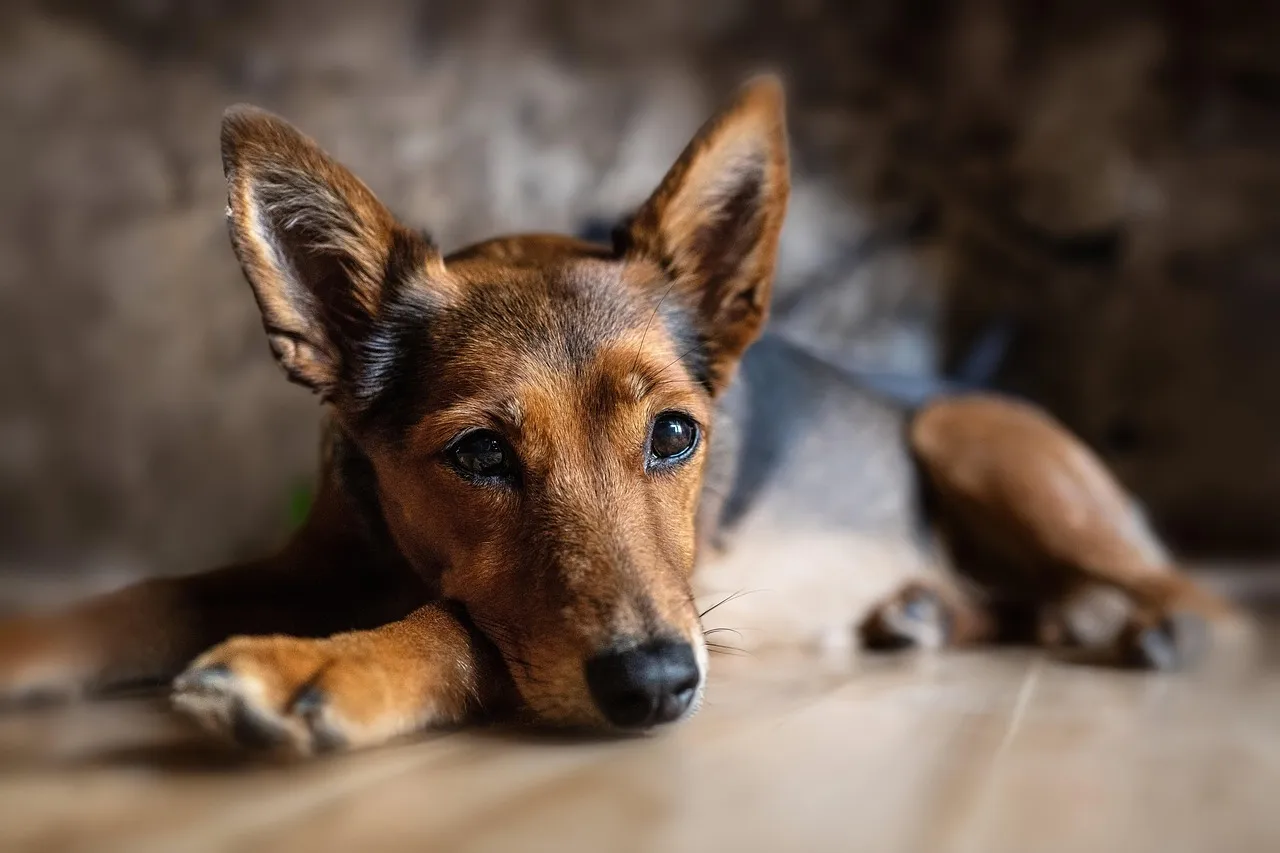
A dog who suddenly sleeps in the bathroom or on bare tile is probably solving a problem.
Dogs often seek cool floors when they’re uncomfortable. Some dogs retreat to tight, quiet spaces like closets or behind furniture, a behavior that may reflect pain, anxiety, or a wish for solitude.
Older dogs may also avoid their usual bed. A bed that’s hard to climb into, too soft to rise from, or in a high-traffic room can stop being a comfortable option.
Notice these changes:
- Choosing hard surfaces over cushioned ones
- Moving away from family activity
- Sleeping alone when they once slept close
But floors cause another problem entirely, and it’s one your dog can’t tell you about…
#9 – They Hesitate at Stairs, Couches, and Slick Floors
🔥 Would you like to save this?
We'll email this post to you, so you can come back to it later!
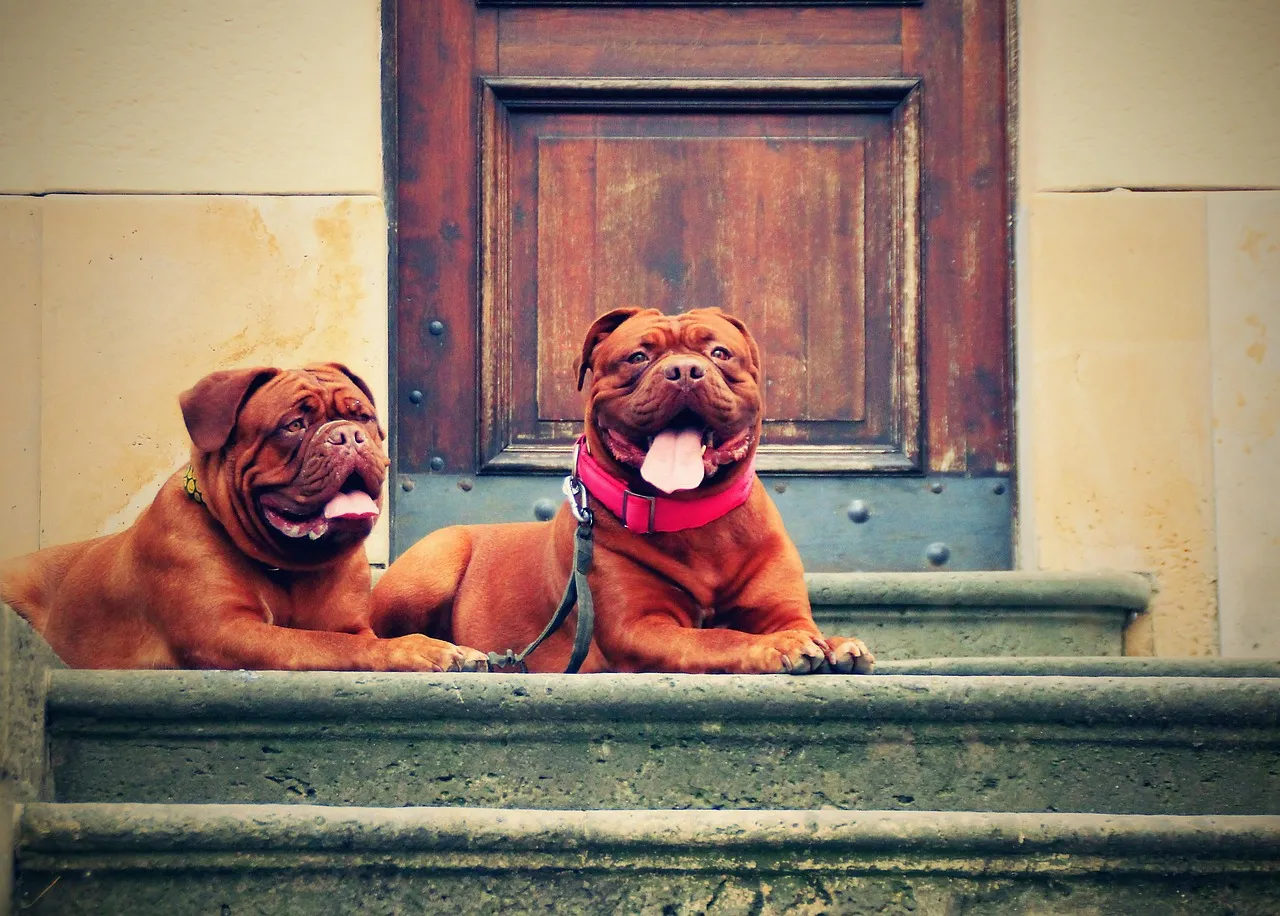
If your dog stops at the bottom of the stairs, they’re doing the math on pain.
Hesitation before jumping, slipping on hardwood, or refusing the car are all common early signs of joint or spine trouble. A dog may quit jumping onto the couch months before an owner notices a limp. The change looks like preference, so it gets ignored.
Weakness in the hind legs is especially common in older dogs. Scuffing nails, knuckling over, and a wobbly back end are all signs worth showing a vet.
Environment changes can ease the load. Rugs, ramps, and traction aids give a dog confidence, and confident dogs tend to move more.
And while the legs are failing, the ears may already be gone…
#8 – They Stop Greeting You at the Door
🔥 Would you like to save this?
We'll email this post to you, so you can come back to it later!
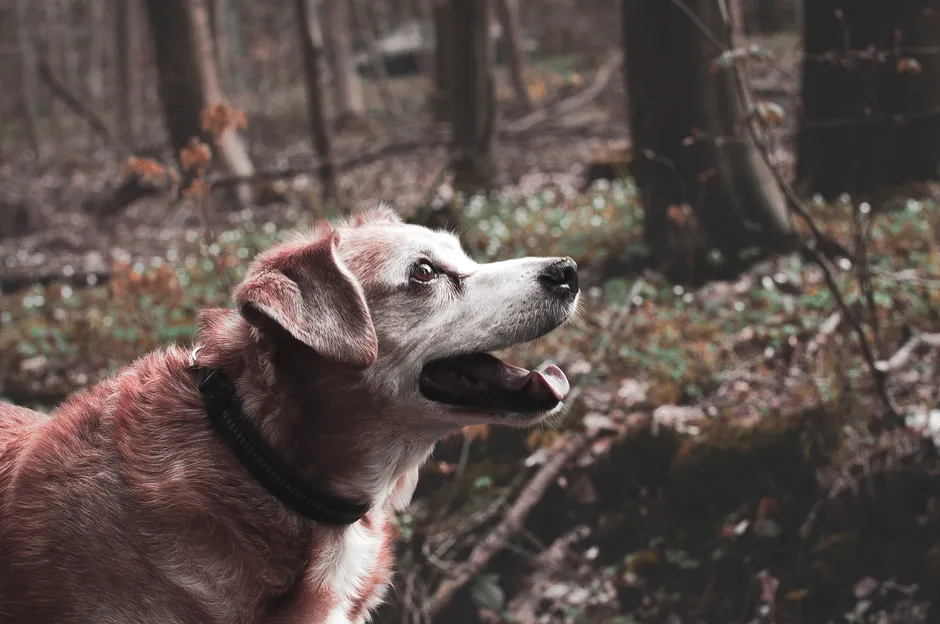
The dog who used to meet you with a full-body wag now lifts their head only when you’re standing right there.
Hearing loss is common in senior dogs and tends to arrive gradually. Many dogs adapt so well that owners don’t realize they’ve gone deaf until the dog is startled awake. Dogs compensate by watching you and feeling vibrations through the floor.
Ignored commands can look like selective hearing. Often, it’s real hearing loss.
Signs to look for:
- Not reacting to the doorbell, keys, or their name
- Startling when touched from behind
- Barking louder or more often than before
Touch signals and hand cues can replace spoken commands, and many dogs adapt quickly. Approach a sleeping senior dog gently so you don’t frighten them.
Fast Facts
- Young dogs typically hear up to roughly 45,000 Hz, while people top out near 20,000 Hz.
- Age-related hearing loss is usually gradual, and high-pitched sounds tend to fade first.
- Wax buildup and ear infections can muffle hearing, and both are treatable.
- A vet can confirm true deafness with a brain-response hearing test called a BAER test.
Their eyes may be changing too, in a way that’s easy to misread…
#7 – Their Eyes Cloud Over and They Bump Into Things
🔥 Would you like to save this?
We'll email this post to you, so you can come back to it later!
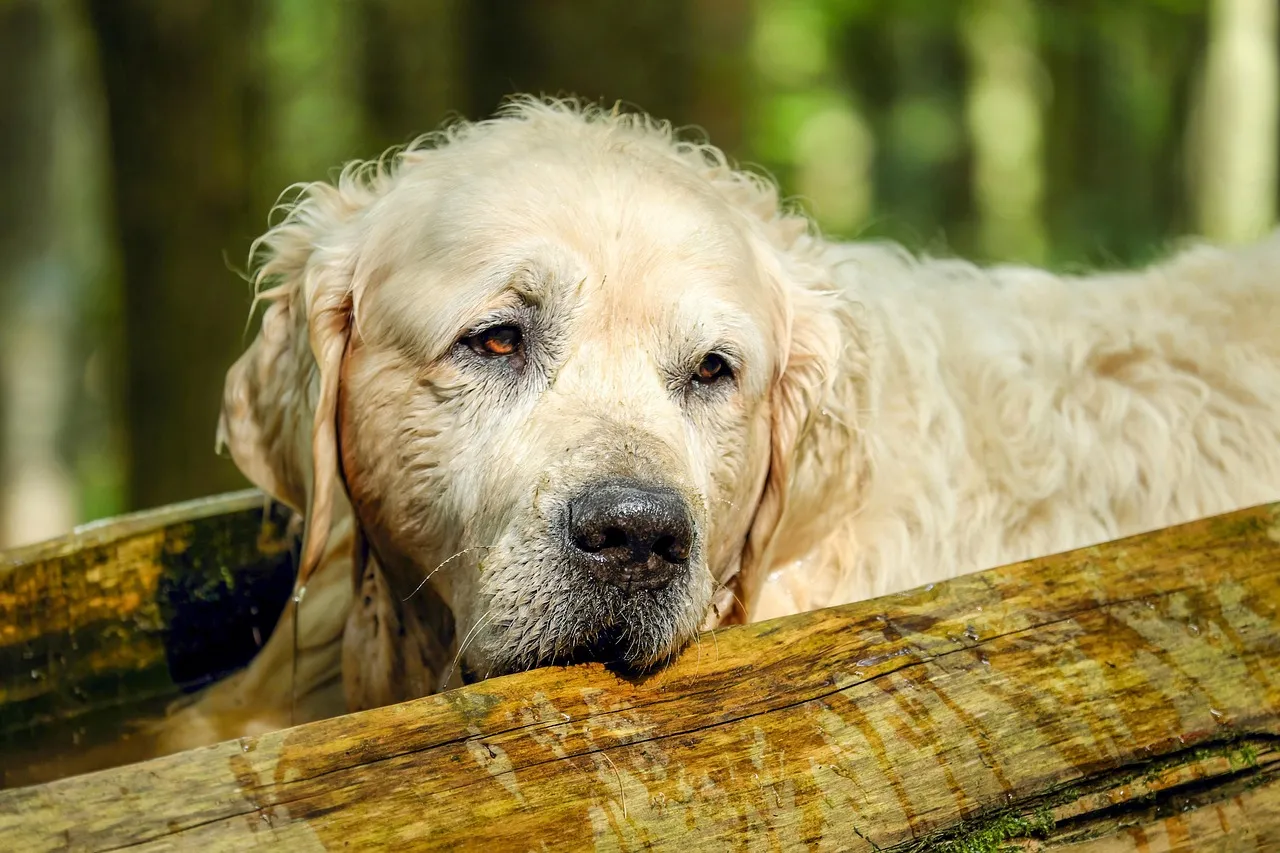
A bluish haze across a senior dog’s eyes looks alarming, but it’s not always what people fear.
Many older dogs develop a cloudy, bluish-gray look called nuclear sclerosis. It’s an age-related change in the lens, and it usually affects vision less than people expect. Cataracts, which look whiter and more opaque, can actually cause significant vision loss.
Telling them apart is a job for a vet. Eye cloudiness can also relate to glaucoma, dry eye, or other conditions, some of which are painful or urgent.
Behavior gives clues. A dog who hesitates in dim light, bumps furniture you haven’t moved, or misses a thrown treat may be losing sight.
But the most telling sign of all may be in how your dog breathes while resting…
#6 – Their Breathing Changes When They’re Perfectly Still
🔥 Would you like to save this?
We'll email this post to you, so you can come back to it later!
Resting breathing is one of the most useful numbers a dog owner can track.
Panting without heat or exercise, a belly that heaves, or fast breathing during sleep can all point to pain, heart disease, lung problems, or other conditions. Vets often ask owners of dogs with heart disease to count sleeping breaths at home. Home counts are more accurate than what a stressed dog shows in the clinic.
Many people assume heavy breathing is just part of getting old. That’s a risky assumption. Sudden changes or labored breathing should always get prompt veterinary attention.
Other red flags include:
- Coughing, especially at night
- Reluctance to lie down
- Pale or bluish gums
- Stretching the neck out to breathe
And the body itself may be quietly telling the same story…
#5 – The Spine and Hips Start to Show
🔥 Would you like to save this?
We'll email this post to you, so you can come back to it later!
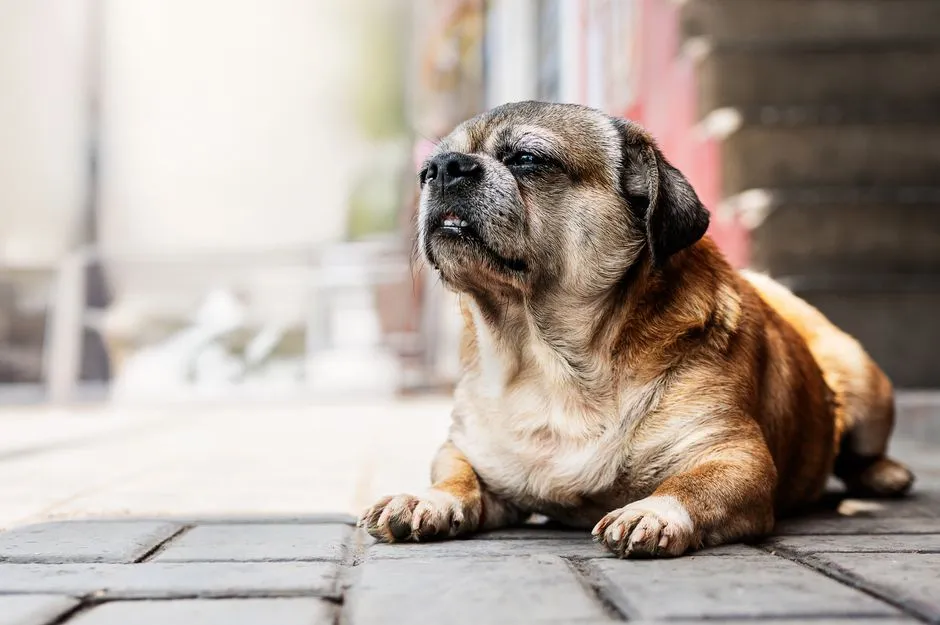
Weight loss in a senior dog is easy to miss because it happens under the fur.
Muscle loss often shows first along the spine, hips and thighs. A dog can lose significant muscle even while their belly looks the same or larger. That’s partly why a hands-on check matters more than a glance.
Muscle loss can come from reduced activity, arthritis, hormone problems, kidney disease, cancer, or simply aging. Unexplained weight loss in an older dog always deserves a vet visit.
At a Glance
- Spine: Individual bumps that feel sharper than they used to deserve a mention to your vet.
- Hips: Prominent pelvic bones and thinner thighs can signal muscle loss.
- Ribs: You should feel them under a thin layer of padding, without pressing hard.
- Scoring: Many vets use a 9-point body condition scale, where 4 to 5 is generally considered ideal.
Some owners worry about the opposite problem, and with good reason. Extra weight puts more strain on aching joints. Neither extreme is a harmless “old age” feature.
Running your hands over the ribs, spine, and hips every couple of weeks builds a baseline. Many vets use a body condition score and a muscle condition score for exactly this reason.
Even grooming habits may be shifting, and it matters more than you’d think…
#4 – The Coat Goes Dull and the Smell Changes
🔥 Would you like to save this?
We'll email this post to you, so you can come back to it later!
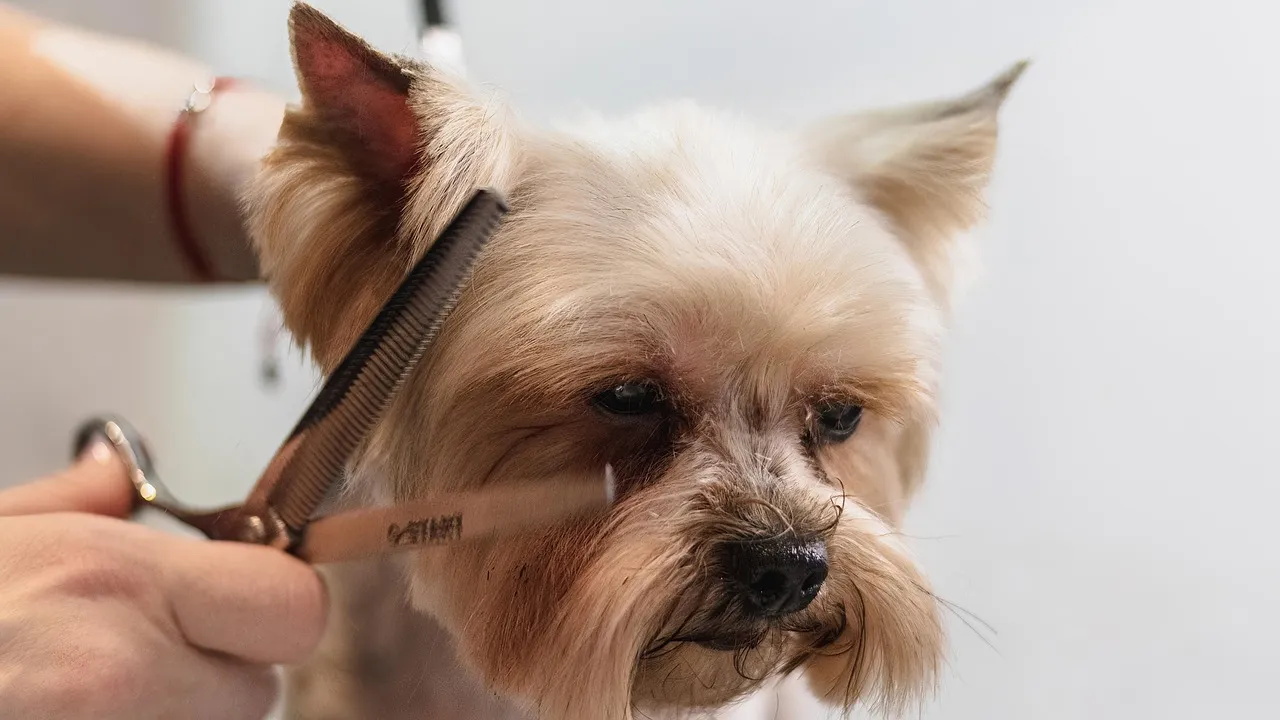
A dog who used to stay tidy may suddenly look unkempt, and the reason is often medical.
Senior dogs may groom less because bending or twisting hurts. Coat quality can also change with hormone disorders, nutrition, skin disease, or organ problems. A new or strong odor can be a clue to dental disease, infection, or kidney or skin trouble.
Mats, flaky skin, overgrown nails, and urine staining are easy to overlook. They’re also uncomfortable for the dog.
Gentle, regular grooming does double duty. It keeps the dog comfortable, and it lets you find lumps, sore spots, and skin changes early.
But the next change is the one that hurts owners the most…
#3 – They Lose Interest in Their Favorite Things
🔥 Would you like to save this?
We'll email this post to you, so you can come back to it later!
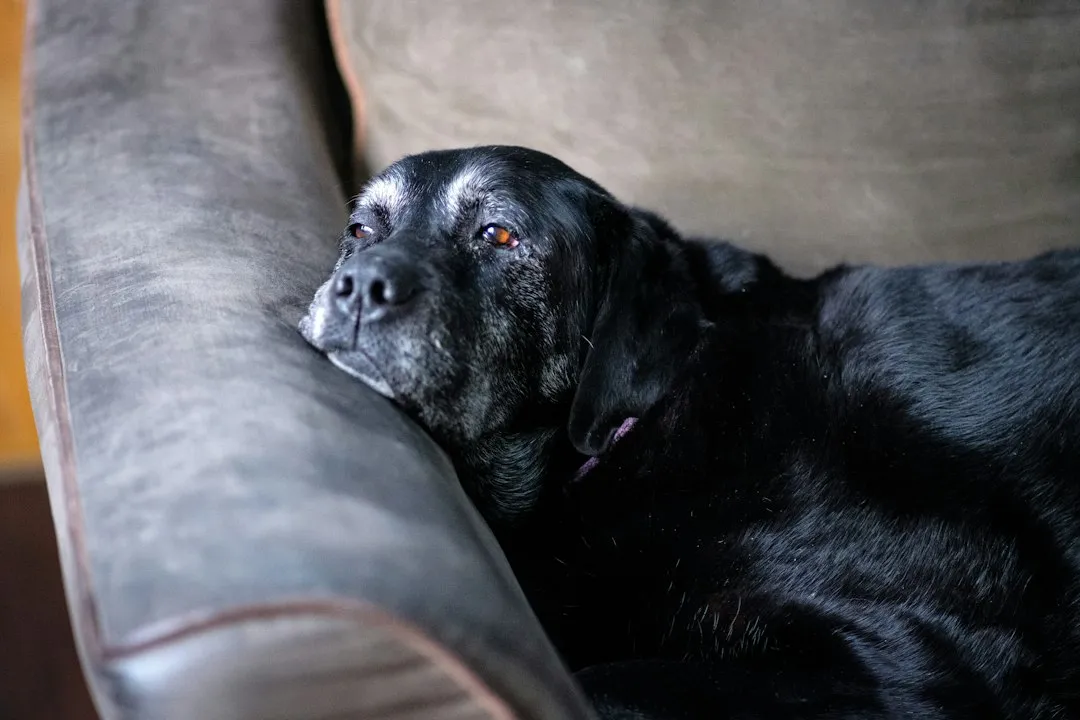
When the tennis ball sits untouched, owners often assume the dog has given up.
Usually, the dog is hurting, tired, or unwell. Loss of interest in favorite activities is one of the signs vets commonly use when assessing a senior dog’s quality of life. It can show up as skipping the walk, ignoring the squeaky toy, or no longer meeting you at the door.
Dogs don’t say “my hips hurt.” They say it by stopping what hurts.
Try adapting the activity before writing it off. Gentler games, puzzle feeders, and scent work can give a dog joy without stressing the body.
Some experts argue families should track “good days and bad days” on a calendar. It can feel clinical, but it replaces wishful thinking with a clear pattern.
And sometimes the change is far sharper than disinterest…
#2 – Their Personality Shifts, Even Toward You
🔥 Would you like to save this?
We'll email this post to you, so you can come back to it later!
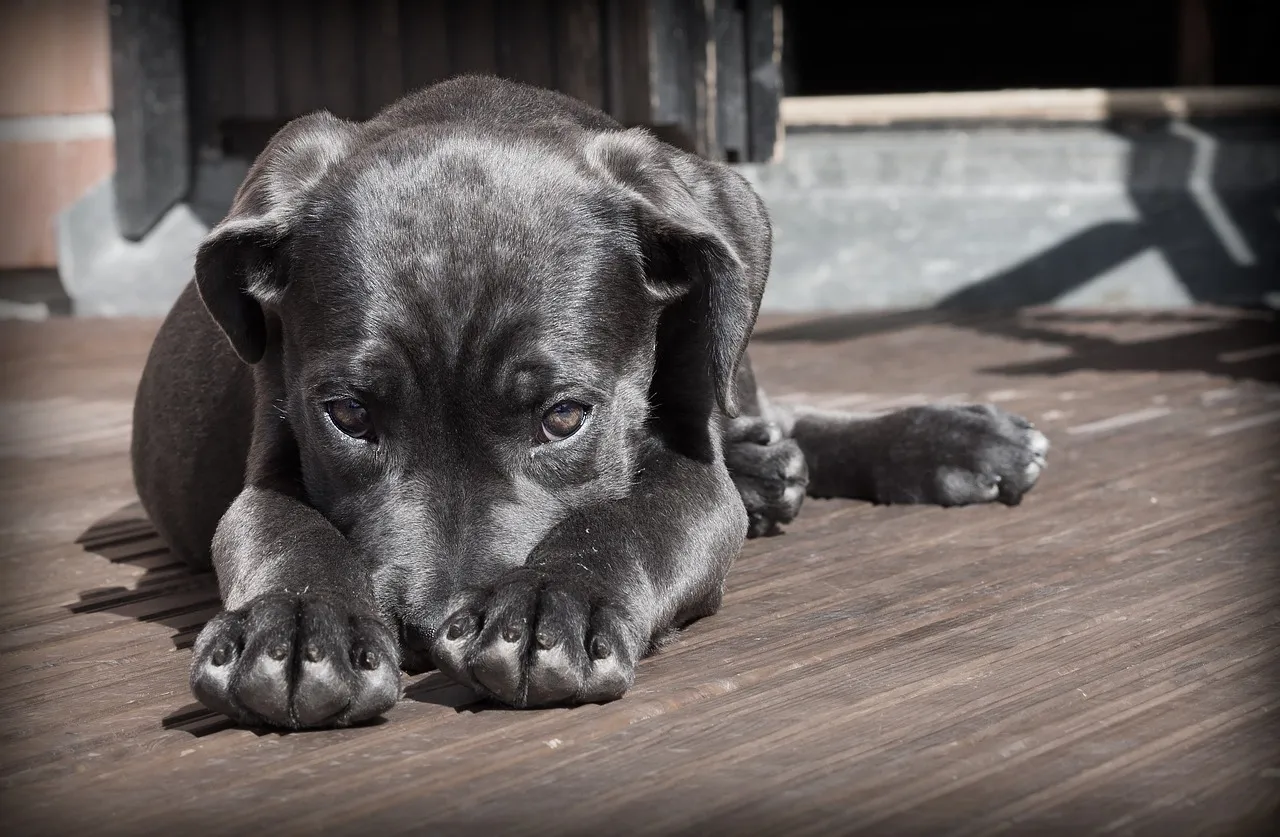
The gentlest dog you’ve ever owned may suddenly growl when you reach for them.
Pain is one of the most common causes of new irritability in older dogs. A dog who has never snapped can bite when touched on a sore spot, even by someone they trust completely. Cognitive decline, poor vision, and hearing loss can also make dogs more easily startled.
This isn’t a betrayal. It’s communication.
Practical steps help everyone stay safe:
- Approach calmly and announce yourself
- Avoid grabbing or lifting without support
- Use caution around children
- Ask your vet about pain management
Many owners hesitate to treat pain, fearing medication is too much for an old body. Most vets would say the opposite: untreated pain is the bigger risk.
But there’s one behavior that quietly outweighs all the rest…
#1 – They Need to Be Near You More Than Ever
🔥 Would you like to save this?
We'll email this post to you, so you can come back to it later!
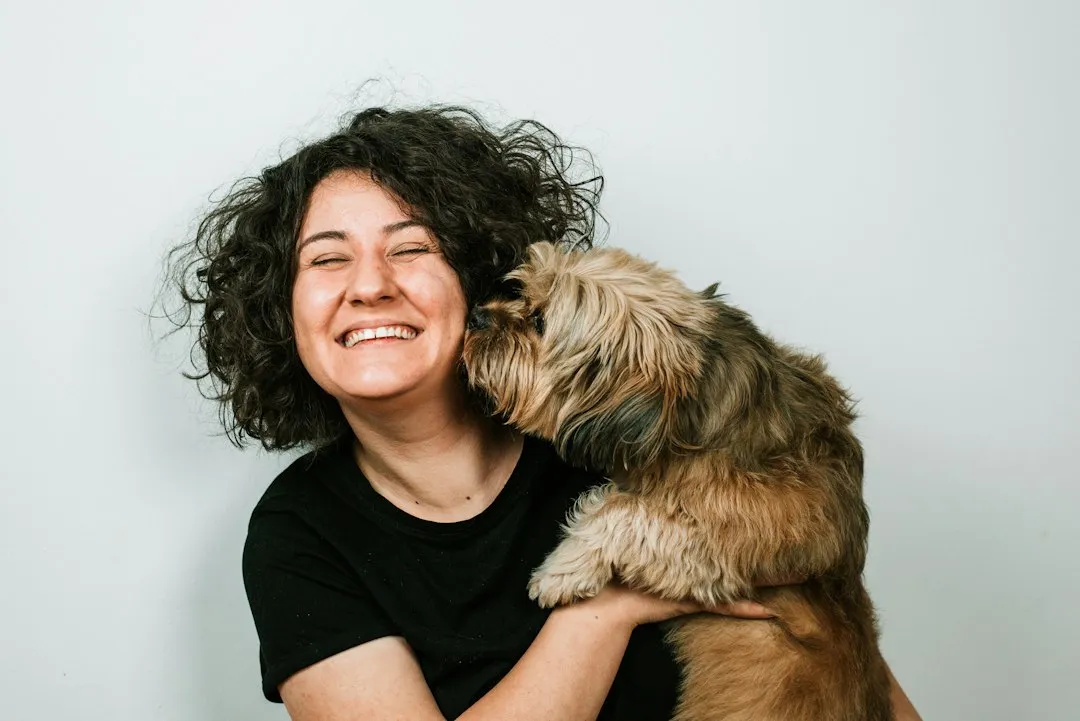
The last thing your old dog does is also the one that only you will ever truly see.
Many senior dogs follow their person from room to room, lean their full weight against a leg, or wait outside a closed bathroom door. For some dogs, the world seems to shrink until it’s about the size of one person. Anxiety, failing senses, and a need for security may all play a part.
Closeness isn’t always a sign of crisis. It can also be a dog drawing comfort from the one constant in a changing world.
You can meet that need:
- Keep their bed near where you spend time
- Move slowly and speak softly
- Keep routines predictable
- Offer gentle touch, if they welcome it
That quiet attention is the real gift, and it brings us to the part that matters most.
The truth is that the final season is rarely one dramatic sign. It’s a pile of small ones, and many of them are treatable pain or illness, not “just old age.”
My opinion: the most loving habit isn’t waiting for a certain sign. It’s asking your vet early about quality of life, and acting before a crisis forces the decision. A good plan made on a calm day beats a frantic one made at 2 a.m.
Which of these signs did you see first in your own dog?

- Embracing the Quiet Magic of Adopting a Senior Dog - November 5, 2026
- Scientists May Have Miscalculated Our Global Warming Timeline - November 5, 2026
- Marine Biology Says When Dolphins Suddenly Go Silent in Open Water It's Not Rest – They've Detected a Predator You Cannot See and Their Survival Strategy Reveals How They Read Danger - November 5, 2026