
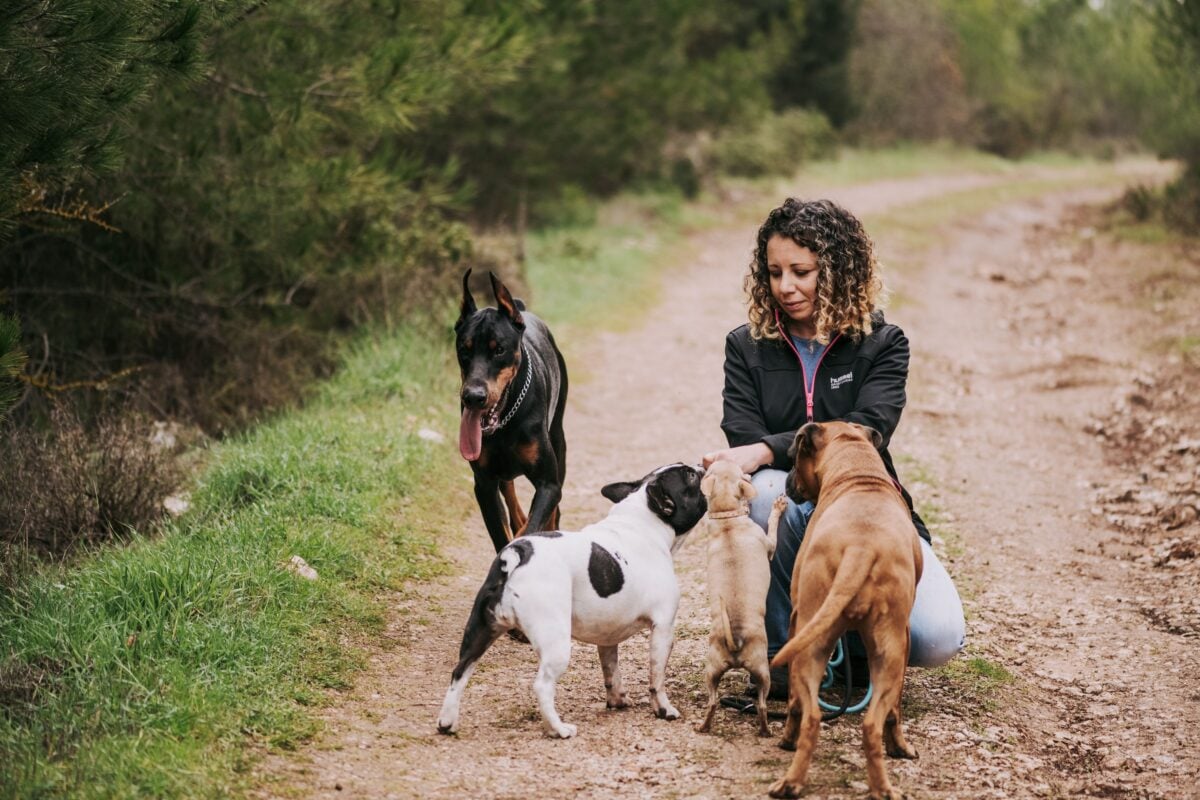
The puppy photo makes it look so simple: floppy ears, a chewed-up tennis ball, a caption that says “best decision ever.” Nobody posts the 3 a.m. accident on the carpet, the $600 vet bill from a swallowed sock, or the moment you sit on the bathroom floor crying because the dog won’t stop crying either.
That gap between the fantasy and the reality is exactly where burnout, guilt, and rehoming quietly start. The good news? Almost none of it has to blindside you if someone finally tells you the truth before you sign the adoption papers. Here’s what experienced owners and trainers actually wish they’d known first.
#1 – The First Year Is Way Harder Than Anyone Admits
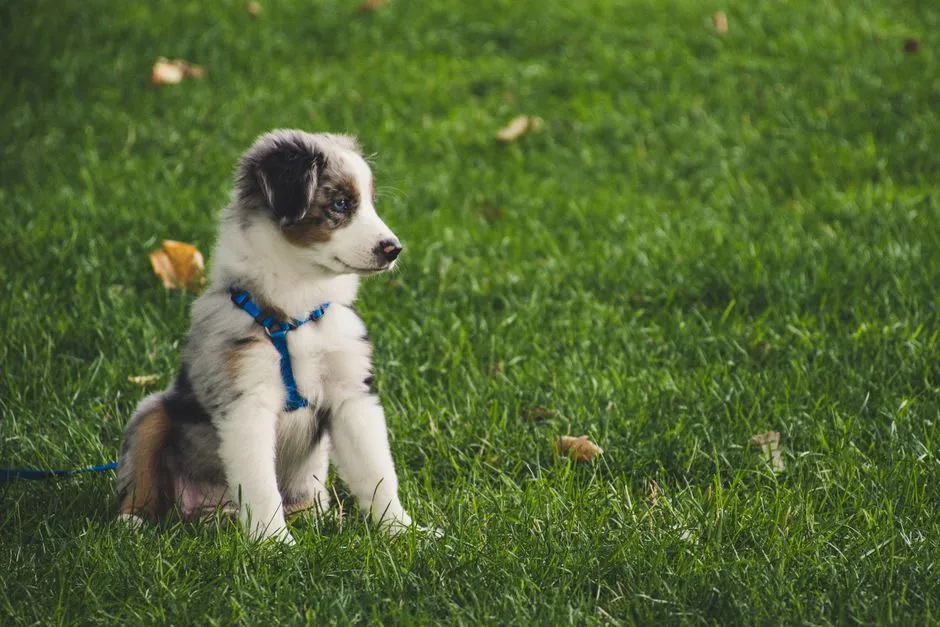
Everyone posts the cute puppy pictures. Almost nobody posts the exhausting, messy first year that feels like raising a toddler who can run faster than you and has zero impulse control.
The first six to twelve months are a blur of accidents, chewed shoes, interrupted sleep, and constant supervision. You’re not “just getting a dog” – you’re taking on a baby animal that has no idea what “no,” “don’t eat that,” or “please let me sleep” means yet.
Many first-timers secretly panic around months four to eight, when adolescent behavior kicks in and the initial cuteness high wears off completely. Suddenly you’re:
- Rearranging your entire day around potty breaks
- Managing biting, jumping, and 11 p.m. zoomies while running on fumes
#2 – The Real Cost Isn’t the Adoption Fee

Most people budget for food and a leash, then get blindsided when the first emergency vet bill hits four figures. The adoption or breeder fee is almost always the cheapest part of the whole equation.
Add vaccines, spay or neuter surgery, flea and tick prevention, heartworm meds, grooming, and training classes, and you’re already hundreds – sometimes thousands – deep before the dog turns one. And that’s before anything actually goes wrong, like a swallowed sock, an ear infection, or a torn ligament that wipes out savings in a single afternoon.
Fast Facts
- Adoption fees often run $50-$500, but total first-year costs frequently land between $1,000-$3,000
- Spay or neuter surgery alone can cost $200-$500 without assistance programs
- Routine vaccines and wellness visits typically add another $200-$300 in year one
- Monthly pet insurance premiums commonly range from $30-$70
Pet insurance helps, but it’s yet another monthly bill nobody warns you about. Long-term, large breeds eat more, some coats need professional grooming every four to eight weeks, and senior dogs rack up bloodwork and medication costs. You’re not buying a product – you’re signing up for a 10 to 15 year financial commitment.
#3 – Your Daily Schedule Quietly Stops Belonging to You

New owners think, “I’ll just walk the dog before work and after.” In reality, your dog’s needs start dictating when you wake up, when you go outside, when you travel, and even when you can use the bathroom alone.
Dogs need structure to feel safe, which means consistent feeding times, potty breaks, mental stimulation, and exercise. A young dog might need to go out every two to three hours at first, so spontaneous after-work drinks turn into anxious math about how long the dog’s been alone.
That 6 a.m. zoomie session doesn’t care about your late-night Netflix binge, either. You’ll notice yourself:
- Planning errands around when you can get back to let them out
- Leaving parties early because you feel guilty they’re home alone
Some people grow to love that built-in routine. Others resent it and just don’t say so out loud.
#4 – Separation Anxiety Is Way More Common Than You Think

Most people assume a dog will just nap calmly while they’re gone. Instead, many first-timers come home to scratched doors, a neighbor’s angry note about the howling, and a trembling dog glued to their leg the second they walk in.
Separation anxiety isn’t “being a bit clingy” – it’s a full-blown panic response. Dogs may bark for hours, drool, pace, destroy crates, or even injure themselves trying to escape, and it’s heartbreaking for owners who just wanted to run to the grocery store.
Fixing it isn’t a quick trick. It usually means gradual desensitization, cameras, puzzle toys, and sometimes a behaviorist on speed dial. Some landlords threaten eviction over the noise; some owners simply stop going out. A lot of “rehomed for bad behavior” dogs are actually victims of untreated separation anxiety, nothing more.
#5 – Not Every Dog Actually Likes Kids (Even “Family Breeds”)
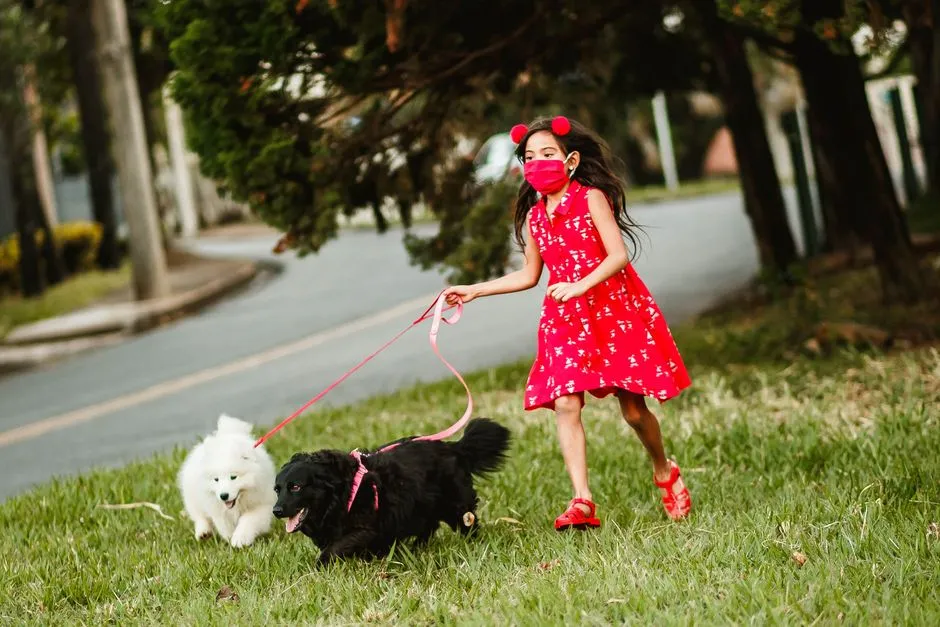
People assume “family-friendly” breeds automatically adore children. Reality check: kids can be terrifying and overwhelming to a lot of dogs, even the gentle ones.
Children move fast, squeal, grab, and completely ignore body language. A dog that’s perfectly relaxed around calm adults may panic the moment a toddler wraps arms around its neck or pokes at its face.
Many bites happen not because the dog is “aggressive,” but because subtle warnings – turning away, licking lips, going stiff – were missed or flat-out ignored. First-time owners are often shocked their sweet dog growls at a visiting niece or backs away from their own kid. You’ll need to:
- Supervise every interaction, especially with kids under age 10
- Teach children how to actually read and respect a dog’s space
Skip this step, and you risk ending up in the nightmare scenario where someone insists the dog “has to go” before anyone gets hurt.
#6 – Breed Stereotypes Hide Huge Personality Differences

“Goldens are always friendly.” “Huskies are wild.” “Pit bulls are dangerous.” Most of these sweeping statements are lazy shortcuts that get first-time owners in real trouble.
Within any breed, there are shy dogs, bold dogs, couch potatoes, and absolute chaos machines. A “cuddly” breed can still be fiercely independent; a “serious working breed” can turn out to be a total goofball who just wants belly rubs.
People pick dogs off TikTok trends, then discover their “cute, fluffy breed” needs two hours of exercise a day and an actual job to stay sane. Or they adopt a “chill lapdog” who’s secretly a nervous wreck without careful confidence-building. Instead of asking “what breed is best,” ask:
- “What energy level actually fits my real life?”
- “Can I meet this specific dog, not just read the breed label?”
#7 – Your House Will Never Be Truly Hair-Free Again
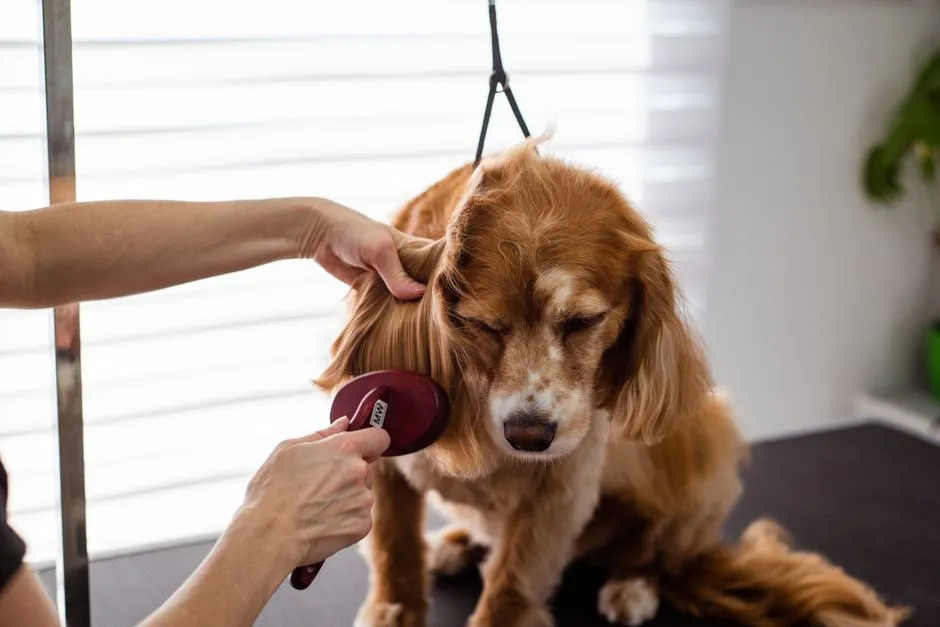
People massively underestimate how much fur, dirt, and smell a single dog can generate. Even “low-shedding” dogs track in mud, grass, and mysterious outdoor funk on every single walk.
Shedding isn’t a little fluff on the couch – it’s tumbleweeds in the corners, hair in your food, and a lint roller waiting by the door before every meeting. Add muddy pawprints, slobber streaks on the windows, and that unmistakable “wet dog” smell after rain, and your white-sofa dreams are officially over.
You can manage it with regular grooming, better vacuuming, washable throws, and an air purifier running nonstop. But truly pristine living spaces are basically a myth once a dog moves in. Expect to run the vacuum more in a week than you used to in a month, and keep towels permanently stationed by the door for muddy paws.
#8 – A Quick Walk Around the Block Is Not Enough for Most Dogs

New owners love to say, “We have a yard, so they’ll be fine.” In reality, most dogs are bored out of their minds with just a yard and a ten-minute stroll around the block.
A yard is a bathroom, not enrichment. Many breeds – especially herding, working, and sporting dogs – need serious physical and mental outlets, think 45 to 90 minutes of real activity spread across the day, plus brain work like training games, sniff walks, or puzzle toys.
Under-exercised dogs don’t just chill on the couch – they invent their own jobs: digging craters in the yard, barking at everything that moves, chewing furniture, and crashing your Zoom calls. A tired dog is a calmer, happier, better-behaved dog, full stop. If you hate walking or being outside in bad weather, a young, high-energy dog will expose that fast.
#9 – Training Isn’t a Six-Week Class; It’s a Lifestyle
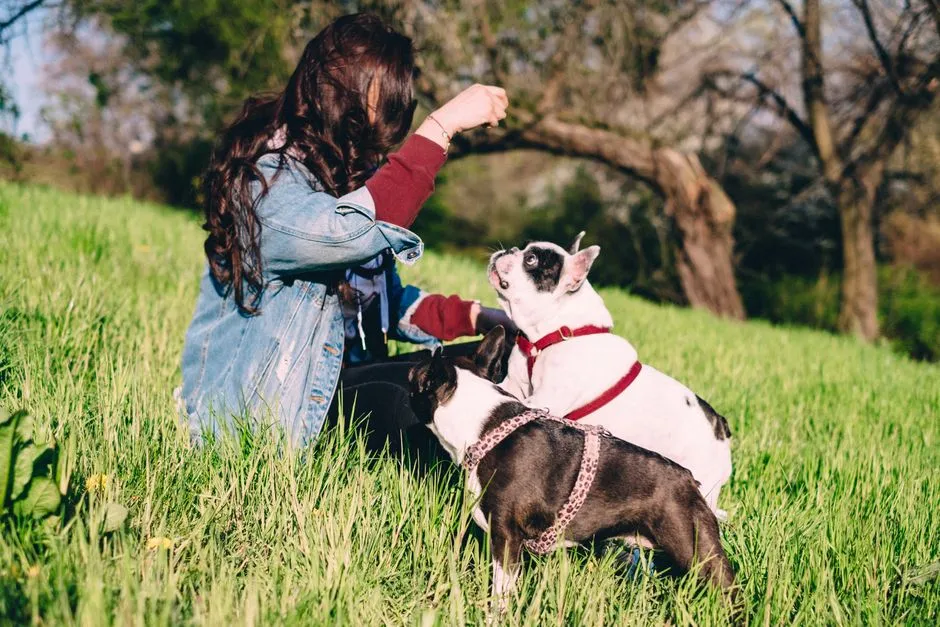
Most people sign up for one puppy class and think they’re set for life. The truth is that training is less a course you finish and more a daily language you’re teaching for years.
Puppy kindergarten is just the start – you’ll reinforce sits, stays, and recalls hundreds of times, in dozens of different places, around endless distractions. Adolescence, roughly six to eighteen months, is when many dogs seem to “forget” everything they knew, and that’s usually when frustrated owners quit, label the dog stubborn, and let problems snowball.
At a Glance
- 8-16 weeks: basic cues, socialization, and early potty training
- 4-6 months: adolescence begins, distractions increase, “forgetting” is normal
- 6-18 months: the hardest stretch for many owners; consistency matters most now
- 2+ years: most dogs finally settle into reliable, mature behavior
Consistency, patience, and clear rules turn a wild pup into a reliable adult – not a fancy collar or a one-off class. Real training looks like five-minute sessions sprinkled through the day and always rewarding the behavior you actually want to see again.
#10 – The Guilt and Worry Can Be Overwhelming

Nobody talks about the constant, low-level guilt that follows many dog owners around. Are they bored? Lonely? Getting enough exercise? Did you ruin them because you worked late twice this week?
You’ll second-guess everything – the food brand, the vet’s advice, the harness you chose, the daycare you picked. Social media makes it worse, flooding your feed with perfect dog moms doing homemade meals and two-hour hikes while you’re just trying not to cry over another accident on the rug.
Loving a dog deeply also means worrying deeply, about cars, off-leash encounters, strange lumps, and what happens to them when you travel. You may feel torn between work, a social life, and being a “good” dog parent, and beat yourself up over small mistakes your dog forgave the second you walked back in the door.
#11 – Your Social Life and Travel Plans Will Change – A Lot
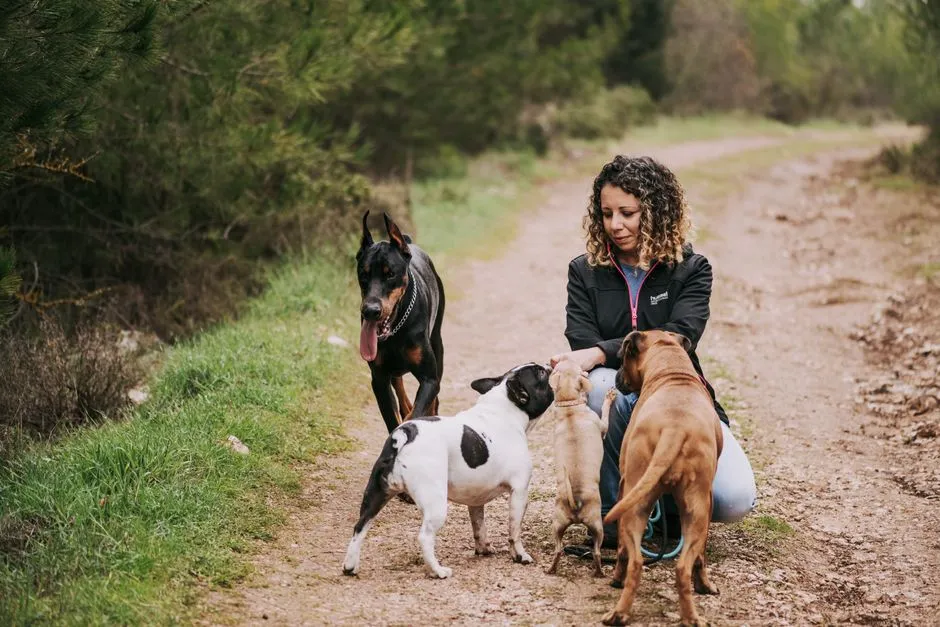
People assume they’ll “just find a sitter when needed.” In reality, your entire social and travel rhythm shifts the moment a dog enters the picture.
Spontaneous weekends away become logistics puzzles: Who can watch the dog? Can you afford boarding? Do you actually trust them with a stranger? Many new owners end up canceling trips or spending the whole vacation refreshing the pet cam instead of relaxing.
Even local plans shift. Brunch on a scorching patio isn’t fun when your dog is overheating under the table, and some friends or dates don’t understand why you keep leaving early “for the dog.” You might start saying no to events without reliable care, and gravitate toward dog-friendly friends and activities instead. Some people love that shift. Others are genuinely shocked by how limiting it feels.
#12 – Many Dogs Are Reactive, and It’s Embarrassing and Draining
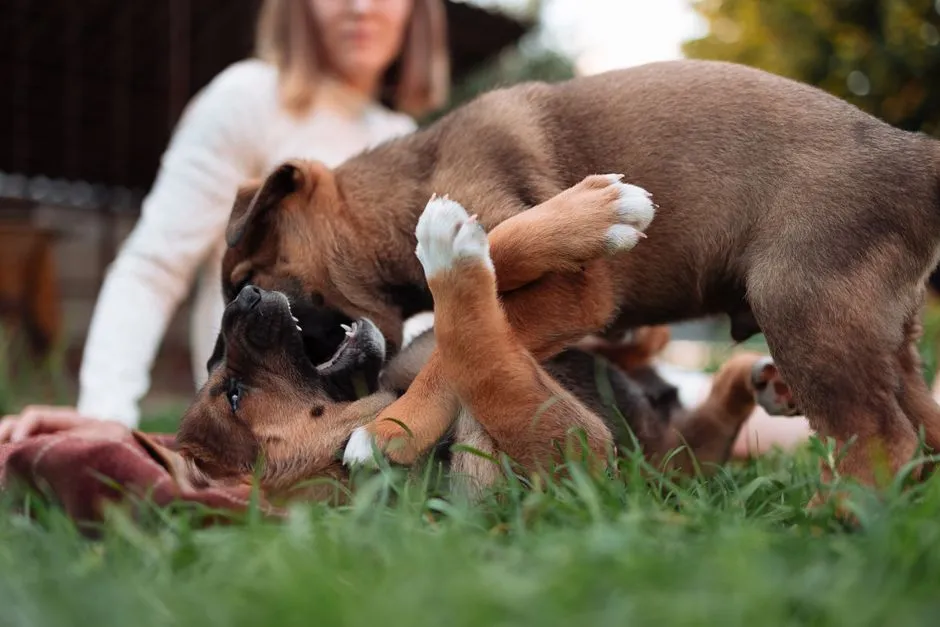
First-timers picture peaceful, postcard-worthy walks. Then their dog spots another dog across the street and explodes – barking, lunging, spinning on the leash – while every stranger on the block stares.
Reactivity, overreacting to triggers like other dogs, bikes, or strangers, is incredibly common, especially in busy urban and suburban areas. It’s not always “aggression,” but it looks like it, and it’s deeply stressful for the person holding the leash.
Worth Knowing
- Stiff body, a hard stare, or raised hackles often come before a reaction
- Lunging, barking, or spinning at the end of the leash is a classic pattern
- Many reactive dogs struggle to “shut off” even after the trigger is gone
- Real improvement usually takes weeks of controlled practice, not one lucky walk
Many owners start walking at odd hours just to avoid other people, or stop walking altogether. Without guidance, they jerk the leash, shout, or reach for harsher equipment, which usually makes everything worse. Helping a reactive dog takes counter-conditioning, controlled setups, thick skin for judgmental looks, and a lot of patience.
#13 – You Will Outlive Them, and It Will Break You

People focus on the “15 years of love” idea, but very few first-time owners emotionally prepare for how the story ends – or how fast it actually arrives. One day you’re cursing puppy teeth; the next you turn around and their muzzle has gone gray.
Senior dogs develop arthritis, vision or hearing loss, and sometimes cognitive decline. You’ll lift them into the car, change their diet, maybe carry them up the stairs, and watch vet visits become more and more frequent.
Dogs are not our whole life, but they make our lives whole.
Roger Caras
Then comes the hardest decision you’ll ever make – knowing when their suffering outweighs their joy, and it’s time to say goodbye. Most owners are blindsided by how devastating that moment feels, even when it’s clearly the kindest choice. They’re a chapter in your life, but you’re their entire story, and the grief can hit as hard as losing a human family member.
#14 – Your Dog Will Expose Your Own Bad Habits
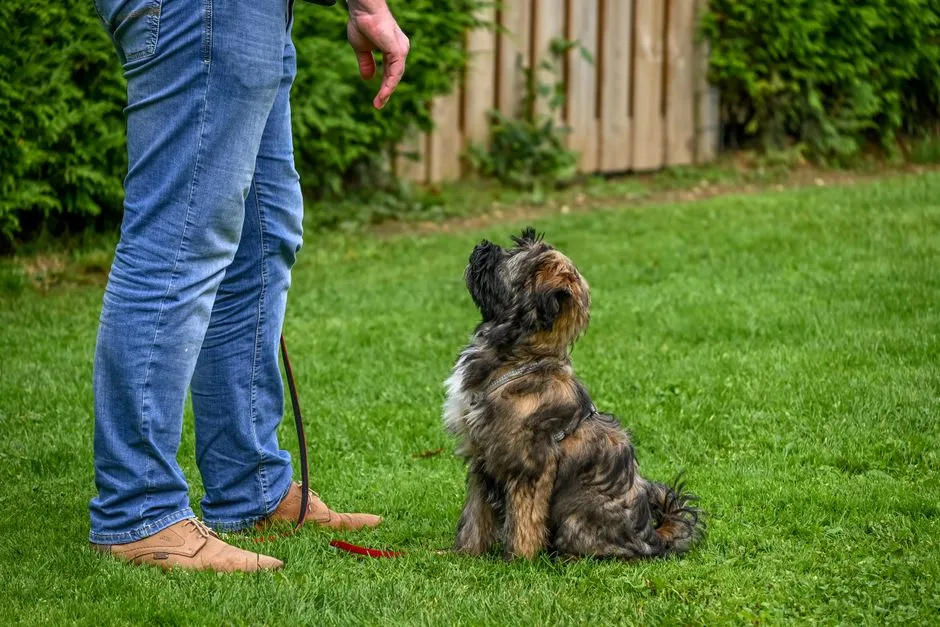
Dogs are brutally honest mirrors. Every inconsistency, mood swing, or lack of follow-through you have shows up in their behavior sooner or later.
Let them on the couch sometimes and yell about it other times, and they’ll seem “stubborn.” Only practice recall when the park is empty, and they’ll “ignore you” the second there’s a distraction. If you’re anxious, they may become clingy; if you’re impatient, they may shut down mid-training session.
Many owners blame the dog for what is, uncomfortably, a human consistency problem. This is why trainers quietly say that most dogs don’t need “fixing” – their routines and their humans do. Owning a dog will push you to tighten up your own rules and rewards, and work on your own emotional regulation whether you’re ready for that lesson or not.
#15 – Your Dog May Come With Invisible Baggage From a Past Life

If you adopt, there’s a real chance your dog carries baggage you’ll never fully understand, and it shows up in strange, specific ways. Maybe they panic at brooms, fear men in hats, or shut down around raised voices for reasons you’ll never uncover.
Even dogs from responsible breeders can have genetic predispositions toward anxiety or sensitivity. First-time owners often take this personally, thinking “they don’t love me” or “I’m failing,” when really they’re just watching old wiring and survival strategies play out.
You’ll need to accept that you may never fully “fix” everything, only make life safer and kinder around the edges. Celebrate the tiny wins, like a dog finally taking a treat on a busy, overwhelming street.
#16 – Everyone Has an Opinion on Your Dog, and They’re Not Shy About It
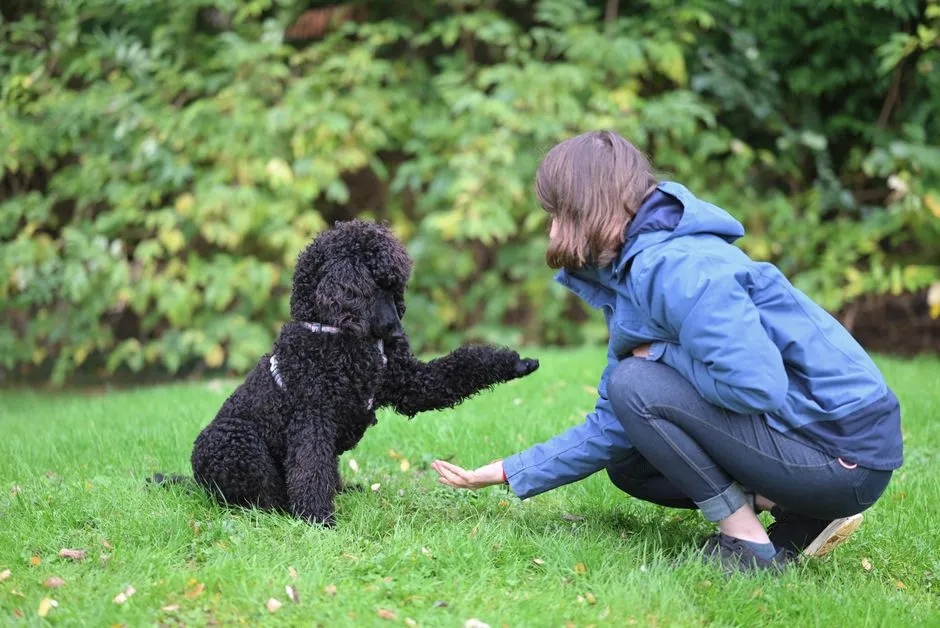
Once you get a dog, complete strangers suddenly become training experts, nutritionists, and moral judges of your every choice. You’ll hear unsolicited advice about food (“You’re feeding kibble? Wow.”) and equipment (“Harnesses ruin shoulders.” “Collars damage necks.”)
Social media is even worse. Raw feeders versus kibble feeders, positive-only versus balanced trainers, crate-is-cruel versus crate-is-essential – someone will insist you’re doing it wrong no matter what you choose, even when your own vet and trainer are perfectly happy with your dog’s progress.
Quick Compare
- Kibble vs. raw: both can work fine when nutritionally balanced and vet-approved
- Crate training vs. crate-free: crates support safety and house-training when used humanely
- Positive-only vs. balanced training: what works best depends on the dog and consistency, not internet consensus
If you’re not ready to grow a spine and stick with evidence-based, ethical choices that fit your actual dog, you’ll drown in other people’s opinions. Learning to say “thanks, we’re working with our vet and trainer” and simply moving on is a genuine survival skill.
#17 – Despite Everything, They Change You in Ways You Don’t See Coming
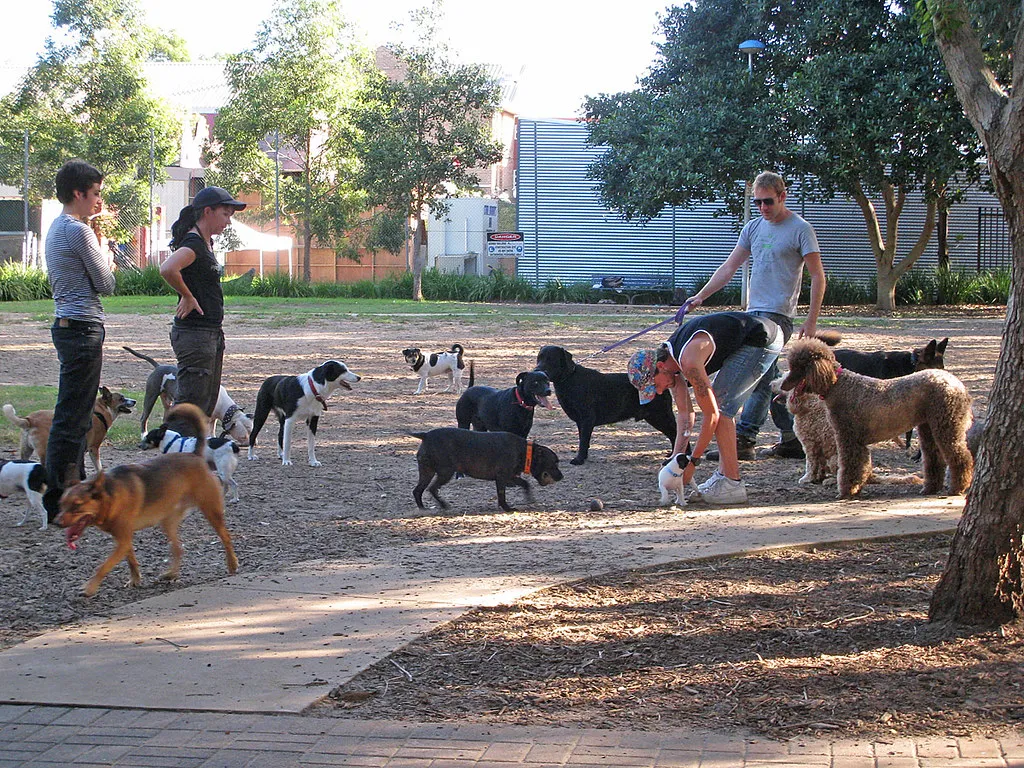
Here’s the part most “warnings” leave out: even with the mess, the money, and the heartbreak, most owners would still do it again in a heartbeat. You start walking more because they need it, and somewhere along the way, you notice you feel better too.
You talk to neighbors you’d ignored for years, because they stop to pet your dog. Rough days don’t feel as sharp when someone is losing their mind with joy the second you walk through the door.
You learn patience, routine, and how to show up for another living being even when you’re tired and cranky and would rather not. And yes, one day you’ll hold them as they leave, and it will hurt more than almost anything else in your life. But the years in between are packed with small, ordinary moments that quietly rearrange your entire definition of family – and for most people, that trade is brutally hard yet absolutely worth it.
The Bottom Line
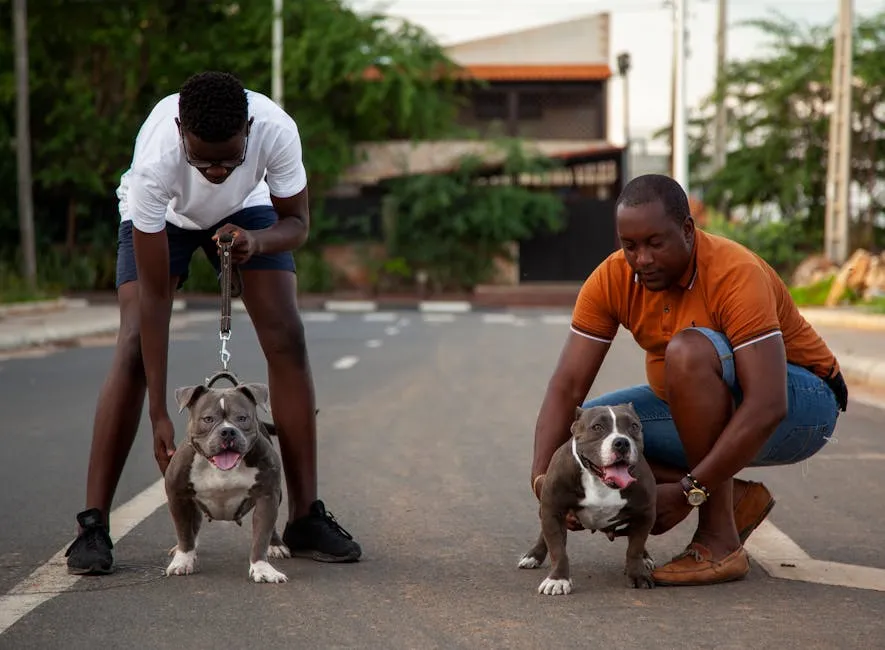
First-time dog owners aren’t failing because they’re lazy – they’re struggling because nobody handed them the whole truth up front. Dogs aren’t emotional support gadgets you pick up on a whim. They’re complex, messy, expensive, deeply feeling animals who will disrupt your sleep, your schedule, your budget, and your sense of control, often all in the same week.
They’ll also, if you let them, anchor your days, soften your edges, and teach you more about real commitment than any self-help book ever could. The actual mistake isn’t underestimating the work involved – it’s pretending the work doesn’t matter as long as the dog is cute enough for the group chat.
If you’re still reading this and thinking “I can handle it,” you’re already ahead of most people who bring a puppy home on impulse. So tell us honestly: did this list nail it, or do you think people are too dramatic about what dog ownership actually costs you? Drop your take in the comments.

- 17 Things First-Time Dog Owners Wish Somebody Had Warned Them About Before They Brought One Home - July 31, 2026
- What Your Old Cat Is Telling You in Its Last Weeks: 14 Signs Most Families Only Understand Later - July 31, 2026
- 16 Things Longtime Owners Say They Learned Far Too Late to Help Their First Dog - July 31, 2026