

Ask any horse owner and they’ll tell you, with total confidence, “I know my horse better than anyone.” Ask the stable hand who mucks that same stall at 6 a.m. every single day, and you’ll get a much quieter, much more knowing look.
Because here’s the uncomfortable part: by the time an owner finally says “something feels off,” the person holding the pitchfork has often been quietly worried for weeks. A dull eye. A weird pile of manure. A flinch under the curry comb. None of it dramatic enough to call a vet over—until it suddenly is. Here’s everything the barn staff clocks long before anyone else does.
#1 – The “Not-Quite-Right” Eye
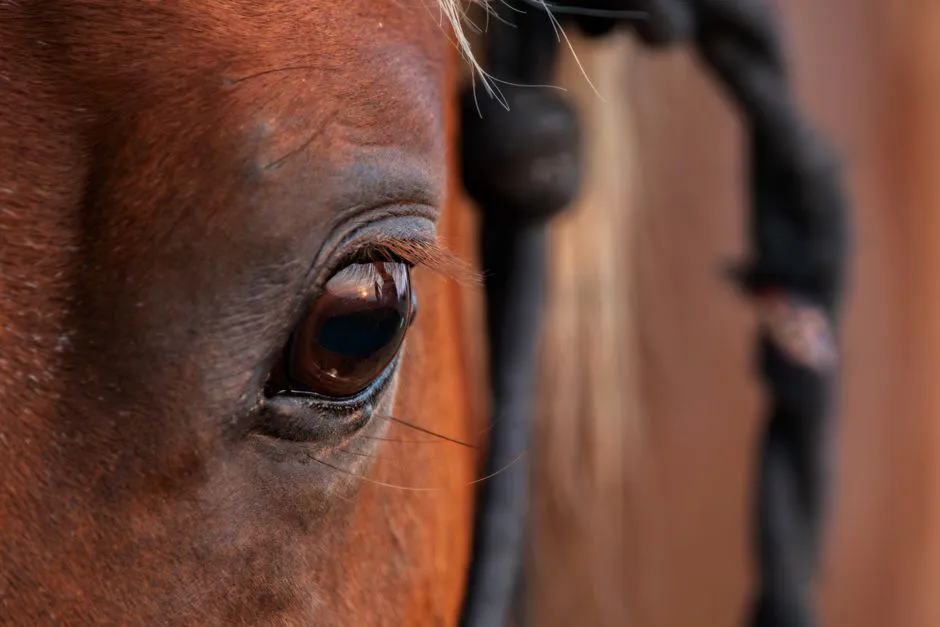
Veteran stable hands don’t check the legs first. They check the eyes. A horse that feels genuinely good has a bright, curious, “present” look, and when that shifts to something duller, half-lidded, or slower to blink, alarm bells start ringing quietly in the back of a groom’s mind.
Most owners only notice when an eye is visibly swollen, weeping, or clouded. Stable hands catch the horse that stops popping its head over the door, or blinks a little too often under bright light. They know eye changes can signal pain anywhere in the body—not just an eye problem. But that’s nothing compared to what they track next at feeding time.
#2 – Subtle Changes in Eating Style
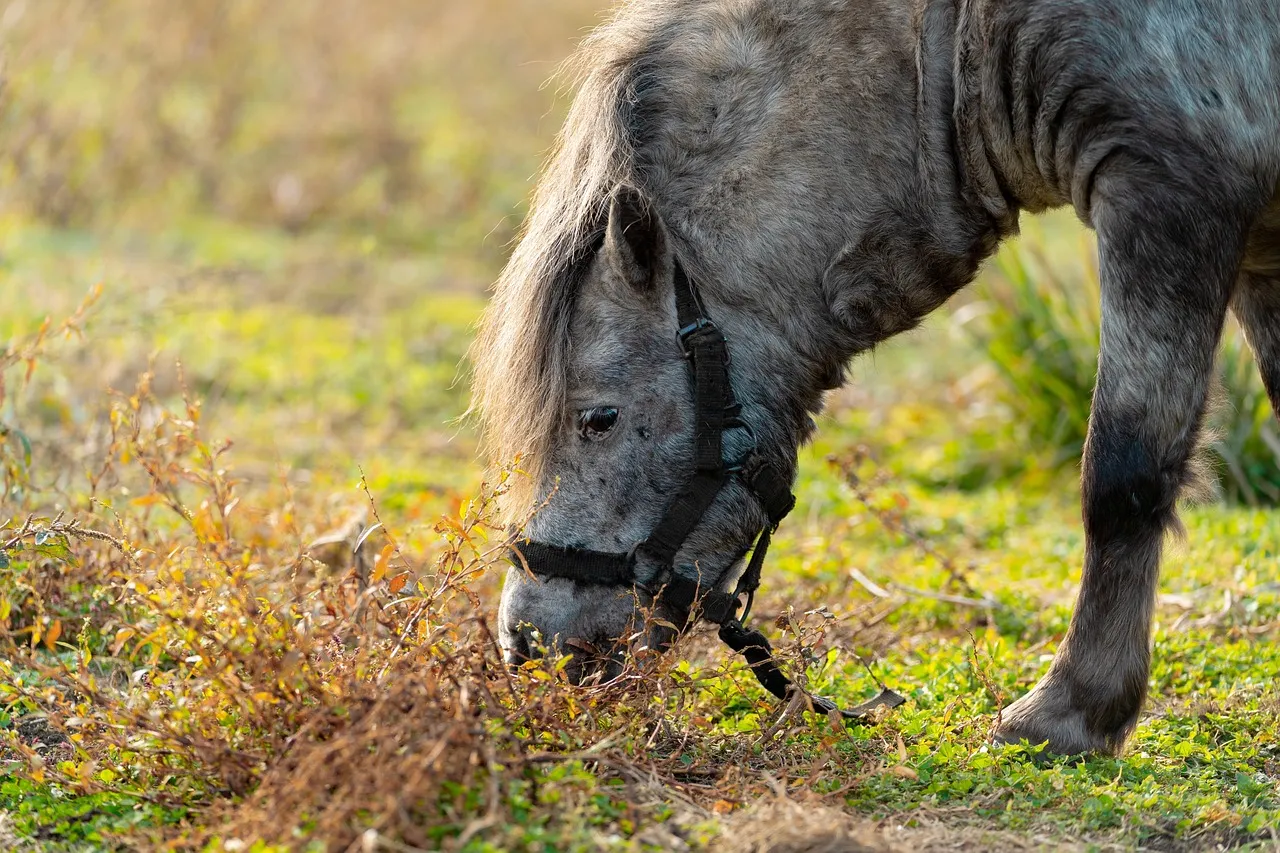
Most owners notice trouble only when a horse “won’t touch his grain.” Stable hands catch it days earlier, when the horse still finishes its feed but takes longer, pauses more, or starts sorting grain and hay in a way it never used to. A normally aggressive eater turning neat and slow is never “just being picky” to someone feeding twenty horses twice a day.
They notice a consistent ring of hay left around the feeder, or grain dunked in water more than usual. To an experienced hand, those are early whispers of dental pain, ulcers, or brewing colic. Owners chalk it up to “he’s bored with that feed.” A good groom already has that horse on a mental watch list.
#3 – Manure That “Looks Wrong” Even If It’s Still There
Most owners are just relieved their horse is “still pooping.” Stable hands go far deeper, clocking consistency, color, shape, and even smell without a second thought. Slightly drier balls, a glossy mucus coating, or manure that falls apart like sawdust are all quiet red flags to someone who cleans that stall every single day.
A horse with early gut trouble rarely stops passing manure outright. Instead, firm balls soften, or eight piles a day quietly drops to five. Many colic cases have days of “weird manure” beforehand—noticed only by the person pushing the wheelbarrow, long before the owner sees anything wrong at all.
Fast Facts
- Healthy adult horses typically pass manure 8 to 12 times a day.
- Normal manure should look like firm, well-formed balls that break apart easily on impact.
- Sudden shifts in frequency, texture, or smell can show up a full day or two before visible colic signs.
- The person mucking stalls daily often spots the shift long before an owner ever notices.
#4 – Tiny Weight Shifts and “Resting” Patterns
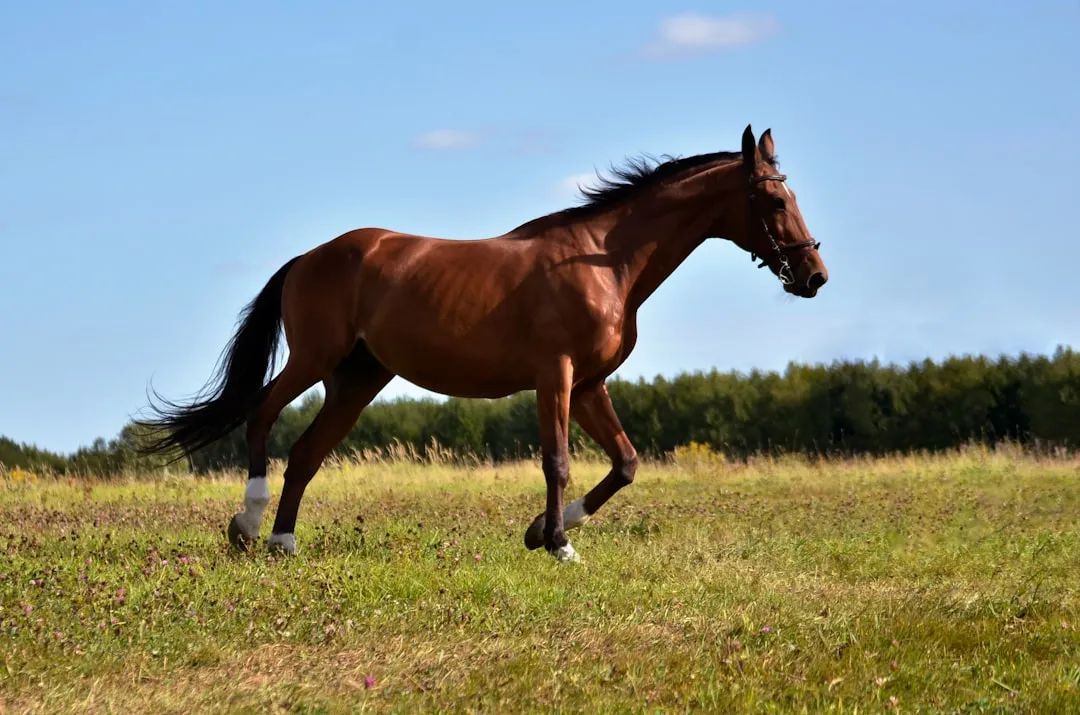
Owners watch for obvious limping. Stable hands catch discomfort in how a horse simply stands still. A horse pointing one front foot, resting one hind leg more often, or parking its legs under its body looks “relaxed” to a visitor. To a barn worker, it screams that something is bothering that leg, hoof, or back.
They quietly log the patterns: always resting the same hind leg, even during grooming; front feet placed farther forward than normal, hinting at hoof pain; reluctance to shift weight when the opposite hoof is picked up. These are the horses that “suddenly” go lame in the owner’s eyes—but the stable hand saw it coming days, sometimes weeks, ahead.
#5 – The Flinch You Only Feel With a Curry Comb
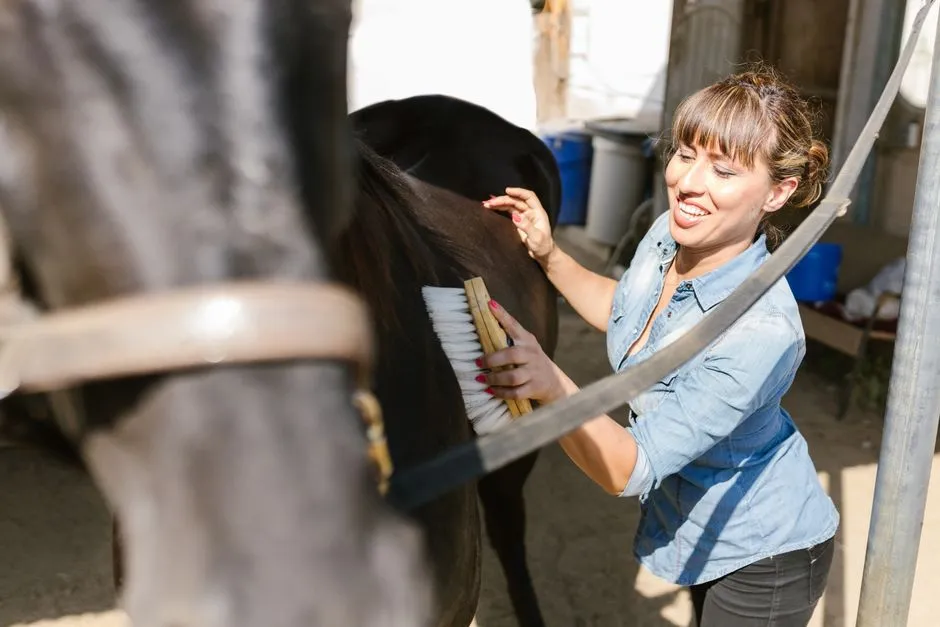
Most owners groom gently and quickly. Stable hands groom for a living, and they feel it instantly when a horse’s skin reactions change. A horse that used to lean into curry comb pressure but suddenly tenses, swishes its tail hard, or moves away from touch is sending a clear message: something hurts.
They notice skin twitching along the ribs where it never did before, a horse holding its breath under the brush, or flinching harder on one side than the other. Owners often mislabel this as “grumpy,” especially in mares. Stable hands know that behavior change under the brush is frequently the very first sign of pain—long before the horse limps, bucks, or refuses to work.
#6 – New Bite Marks and Kick Scrapes on Stall Surfaces
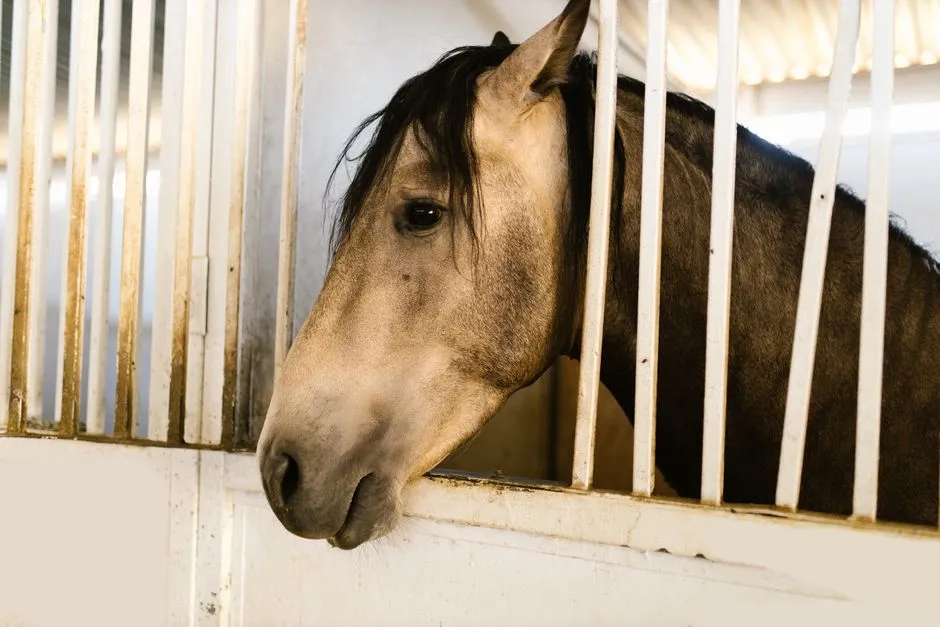
Most people see stall walls as just walls. Stable hands treat them like crime scenes. Fresh bite marks, new kick dents, or rubbed patches that weren’t there last week tell them something in that horse’s world has changed—pain, stress, or a social problem in turnout.
They know the difference between old, rounded chew marks and new sharp-edged ones at a glance. Is the horse suddenly chewing wood more, hinting at ulcers or boredom? Are new kick marks all at one height, pointing to a specific sore leg? Owners rarely look closely at a stall wall. Barn staff read it like a diary.
#7 – Water Bucket Patterns That Don’t Match the Weather
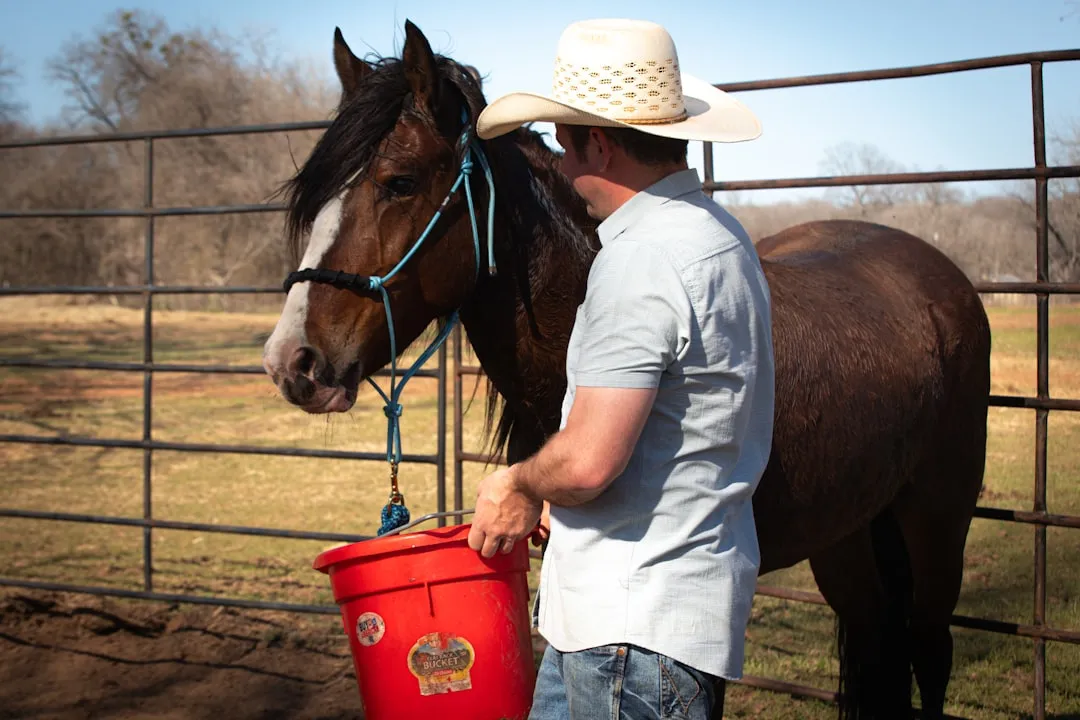
The average owner checks for water in the bucket and moves on. Stable hands track how much was drunk, how fast, and whether it matches the horse’s own history and the day’s temperature. A horse draining both buckets overnight in cool weather, or barely touching them on a scorching day, sets off instant internal alarms for a pro.
“He never used to drain this much—could this be stress?” is a thought that crosses a groom’s mind constantly. Hydration swings can precede colic, kidney trouble, or simple stress, and because grooms fill and carry buckets all day, they catch the shift long before anyone else notices the horse is even acting differently.
#8 – Coat and Sweat That Feel “Wrong” by Hand
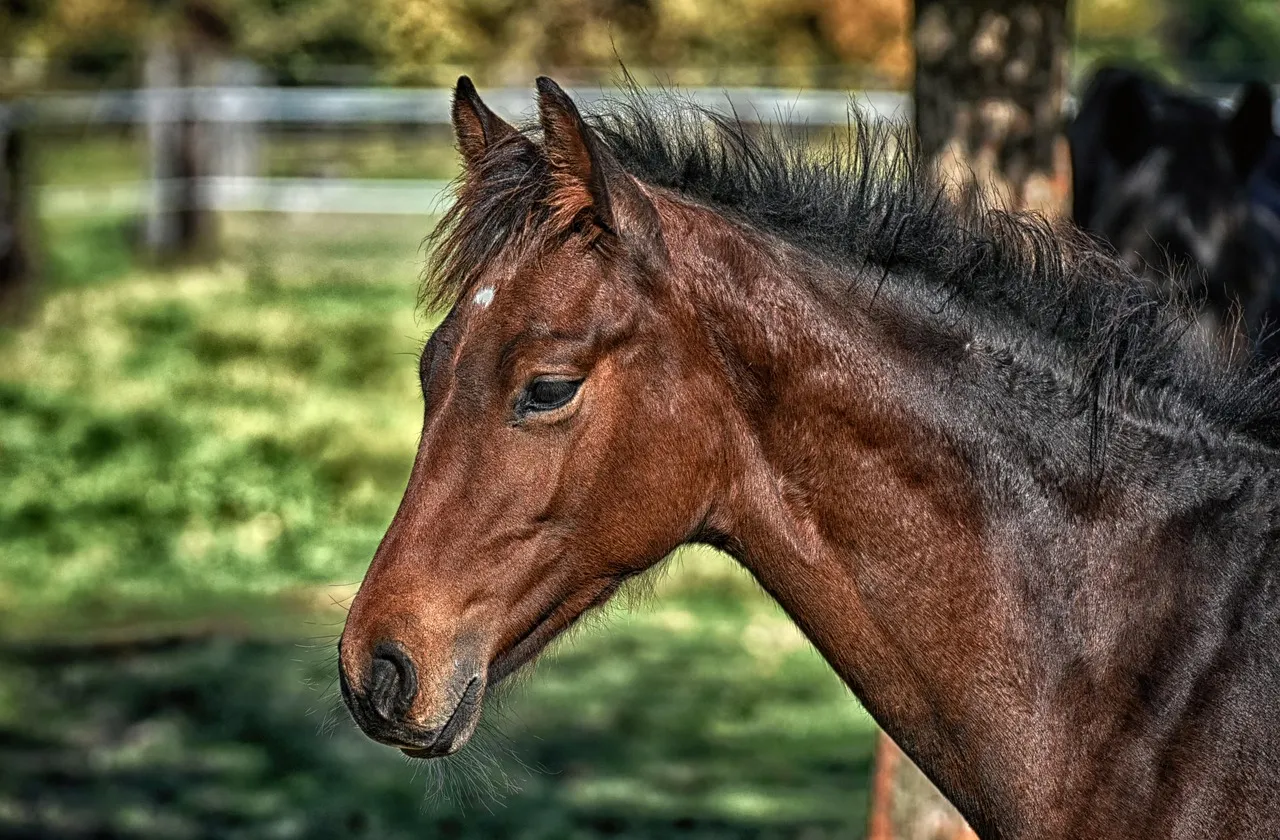
Photos rarely show it, but hands always do. Stable staff know exactly how each horse’s coat should feel—sleek, oily, dry, fluffy—and the moment a body brush turns up sudden dryness, rough patches, or unexpected dandruff, their radar goes off. Coat changes often surface weeks before dramatic weight loss ever does.
A normally shiny horse going dull despite good feed, patchy sweat in odd places, or oily scurf where the skin used to be clean—owners write it off as “seasonal.” Stable hands know coat and sweat changes are frequently the earliest visible sign of a metabolic or endocrine problem quietly brewing underneath.
#9 – Mood Swings at the Feed Cart
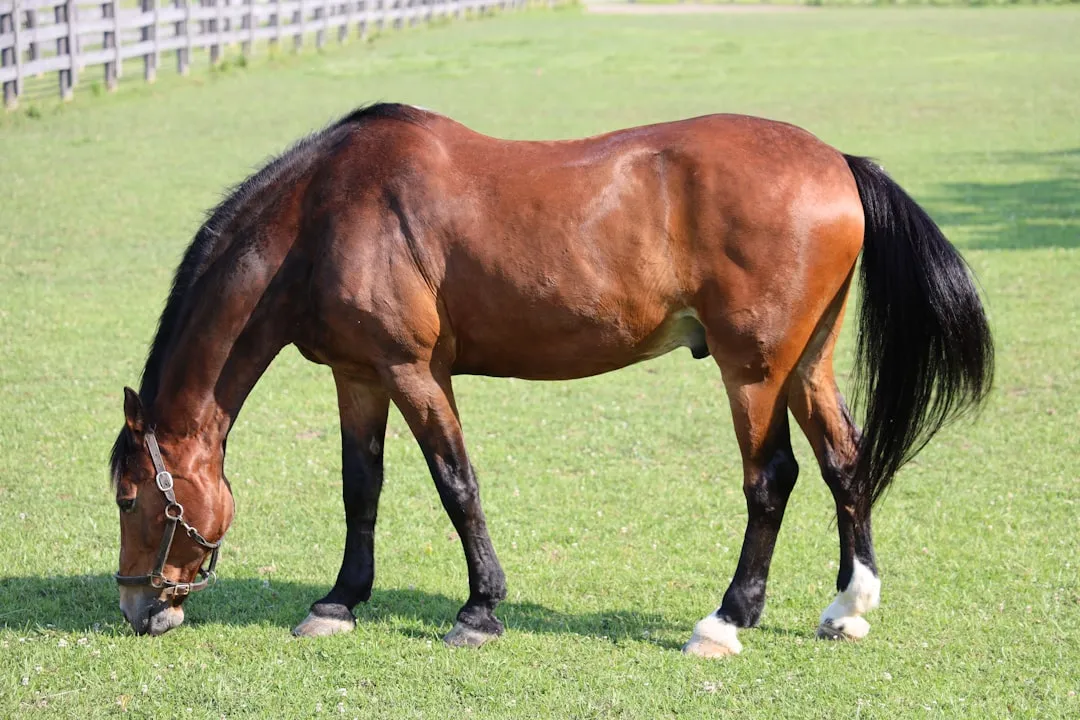
Feed time is when true personalities show up. Stable hands memorize who bangs the door, who nickers softly, who stands back and waits. So when the usual door-banger suddenly stands in the corner with pinned ears, nobody in the barn calls that “just tired.”
A formerly food-aggressive horse turning passive, a quiet eater suddenly lunging at neighbors, or pacing anxiously before feed even arrives—these are daily diagnostic tests to barn staff. They can hint at ulcers, chronic pain, or herd stress that makes eating physically uncomfortable. Owners miss it simply because they aren’t there twice a day to see the baseline shift.
#10 – Turnout Politics and the Horse That Quietly Opts Out
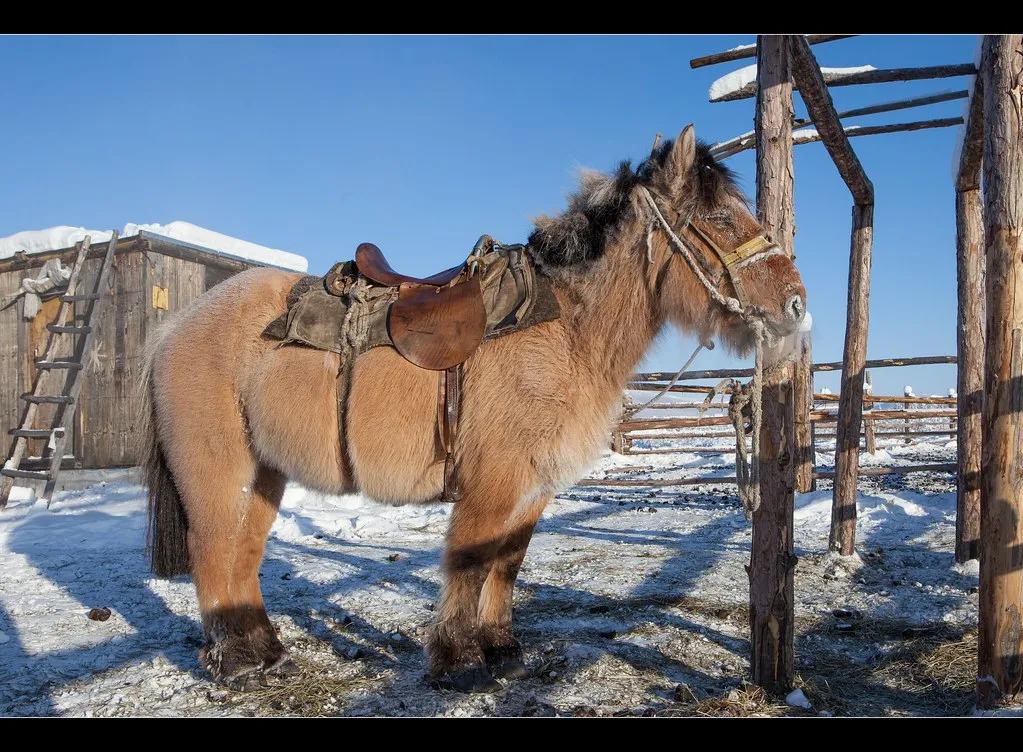
Owners watch their horse frolic for five minutes and leave satisfied. Stable hands see the other seven to ten hours. When the horse that usually plays with a certain pasture buddy starts standing alone by the gate instead, that’s rarely read as “independence.” It’s often the first visible sign of physical or mental stress.
They notice the horse that stops lying down in the field when it used to nap daily, new bullying that seems to target one animal, or a once-bold horse now clinging to the edges of the herd. Those quiet social shifts can predict injury or chronic pain the horse is instinctively trying to protect. Owners see a “sound” horse led back from the field. Barn workers see the entire story that led up to it.
At a Glance
- Horses are herd animals wired to mask pain from predators, including through subtle social withdrawal.
- A horse skipping its normal nap or play routine for more than a day is worth a closer look.
- Sudden bullying that targets one horse can mean the herd senses that animal is weaker or in pain.
- Social shifts in the field often show up before any physical lameness ever does.
#11 – The “Drag” or “Surge” on the Lead Rope
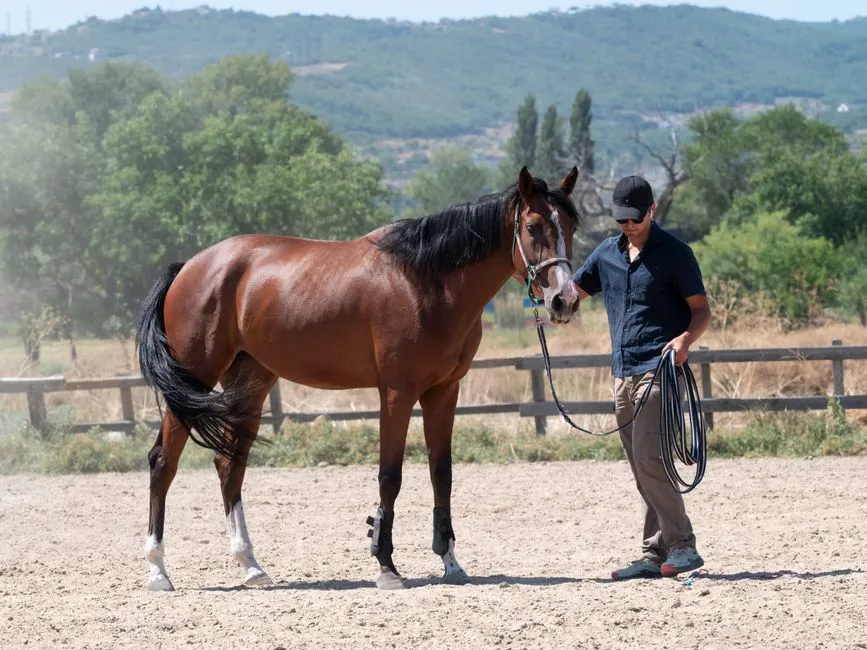
Most owners assume a horse that leads the same as always is fine. Stable hands register the smallest difference through the rope itself. A horse suddenly dragging behind, hesitating at the barn door, or surging forward nervously is telling them, through feel alone, that something has shifted.
A usually forward horse planting its feet, a laid-back horse suddenly marching tense and spooky, or a tiny stumble on flat ground that wasn’t there last week—none of this reads as “he’s being silly” to the person leading it daily. It reads as data: possible pain, vision changes, or mounting anxiety that a once-a-week visitor would never catch.
#12 – The Stride That’s Technically “Sound” but Totally Off
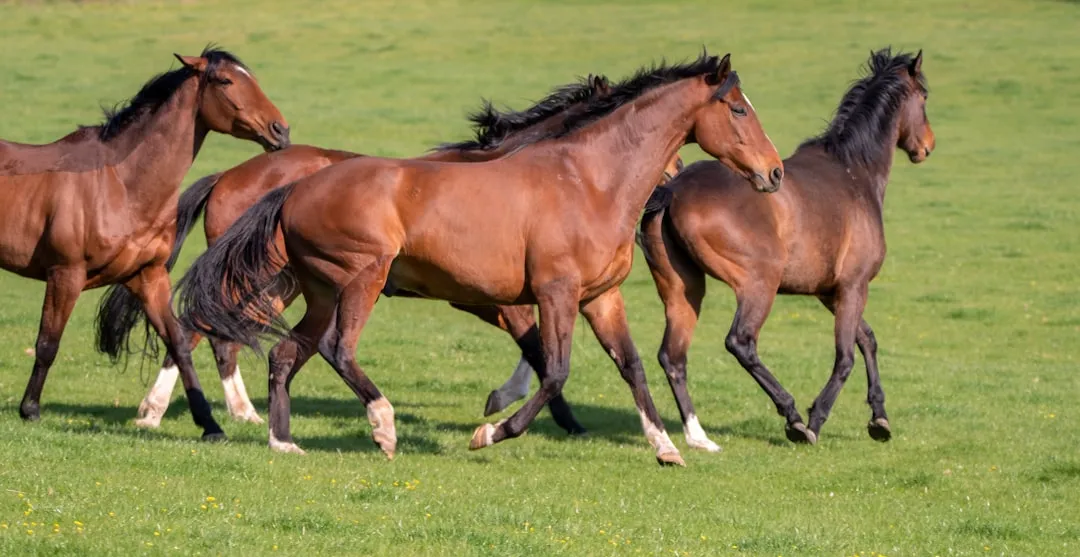
This is where most arguments between trainers and owners start. Stable hands and riders often feel a horse go “NQR”—not quite right—long before any textbook lameness shows up. The stride is shorter one direction, the push from behind is weaker, or the horse swaps leads more than usual. To them, that’s not a training problem. That’s a pain problem announcing itself early.
They catalog the horse that takes longer to warm up, the reluctance to bend one way, the extra stumble even when the horse “looks fine” on video. Owners say, “but he’s not limping.” The person riding or lunging that horse daily knows something is off in the feel long before it shows in the look—and they’re usually right.
#13 – Hoof Heat, Smell, and Growth That Don’t Match
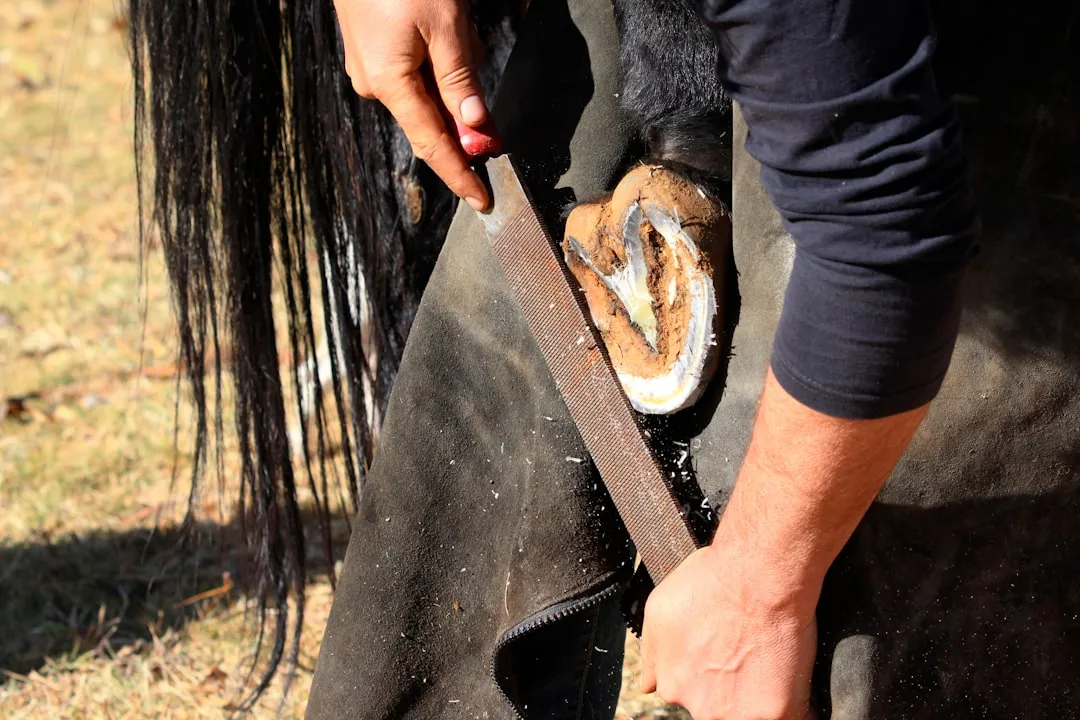
Farriers visit every few weeks. Stable hands handle those hooves multiple times a day. When they pick up a foot and feel more heat than usual, catch a faint thrush smell, or notice a sudden change in hoof wall quality, they mentally flag it long before any vet is ever called.
One hoof warmer than its pair, especially in the fronts, is an early laminitis or abscess hint. A black, crumbly frog or a deep crack that wasn’t there last trim matters too. Most owners only react when the horse is outright lame. Stable hands are tracking hoof health every single cleaning, and a “little extra warmth” is never nothing to them.
Worth Knowing
- A little extra hoof warmth right after exercise is normal; heat that lingers for hours often isn’t.
- Thrush frequently announces itself with a sharp, sour smell before any visible black discharge appears.
- Uneven growth rings on a hoof wall can point back to illness or diet changes from months earlier.
- Daily hoof picking gives stable hands far more data points than a farrier visit every six to eight weeks.
#14 – New Resting and Lying-Down Routines
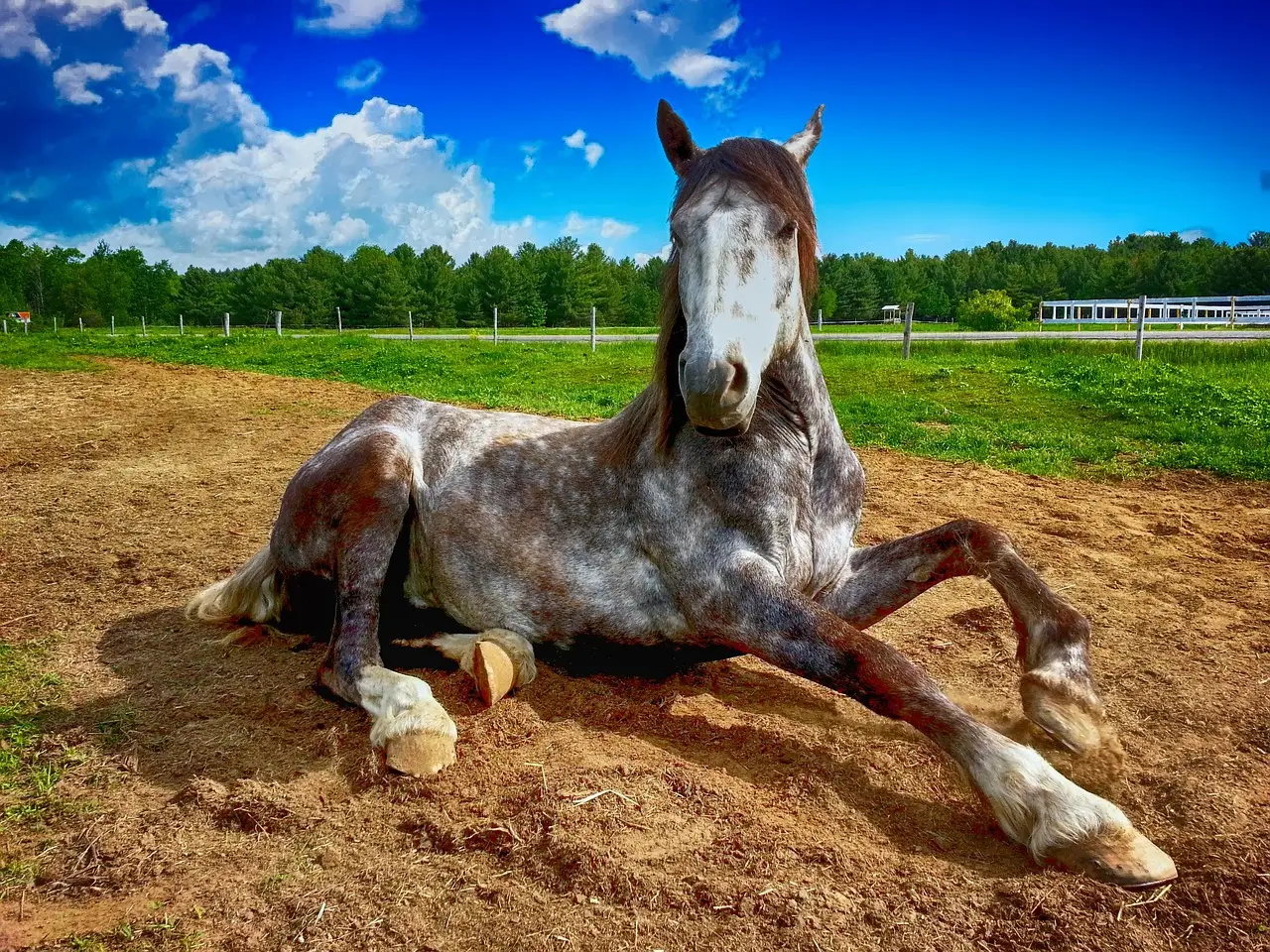
Horses are creatures of habit, and barn staff know exactly who naps at noon and who rarely rolls at all. So when a horse starts lying down more often, getting up slower, or stops rolling entirely, it gets noticed fast—often days or weeks before an obvious problem shows up.
A horse that never naps suddenly down multiple times a day, or a former enthusiastic roller who abruptly stops on one side, worries an experienced groom immediately. Owners hear “he’s been lying down a lot” and think it’s sweet. Stable hands hear “possible colic risk” or “joint trouble,” because rest patterns are one of the most overlooked early-warning systems in any barn.
#15 – Different Whinnies, Different Ears, Different Horse
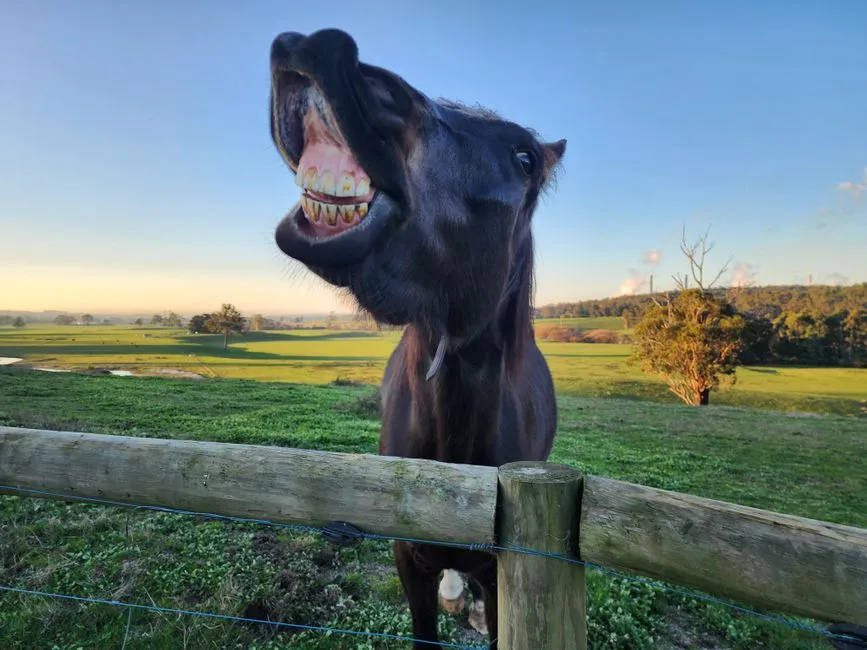
To most people, a whinny is just a whinny. To a stable hand, voice, ear position, and facial tension combine into an entire language. They know the happy feed-time nicker, the anxious “where’s my friend” call, and the sharp, stressed scream—and when those change with no obvious cause, it’s never dismissed as “personality.”
A naturally chatty horse going quiet and withdrawn, or a calm one suddenly screaming every time a particular herdmate leaves, tells barn staff a baseline has shifted. Owners might romanticize it as “he’s just being dramatic.” People who hear that horse morning and night know biology almost always explains it.
#16 – That One Extra Breath, Snort, or Cough
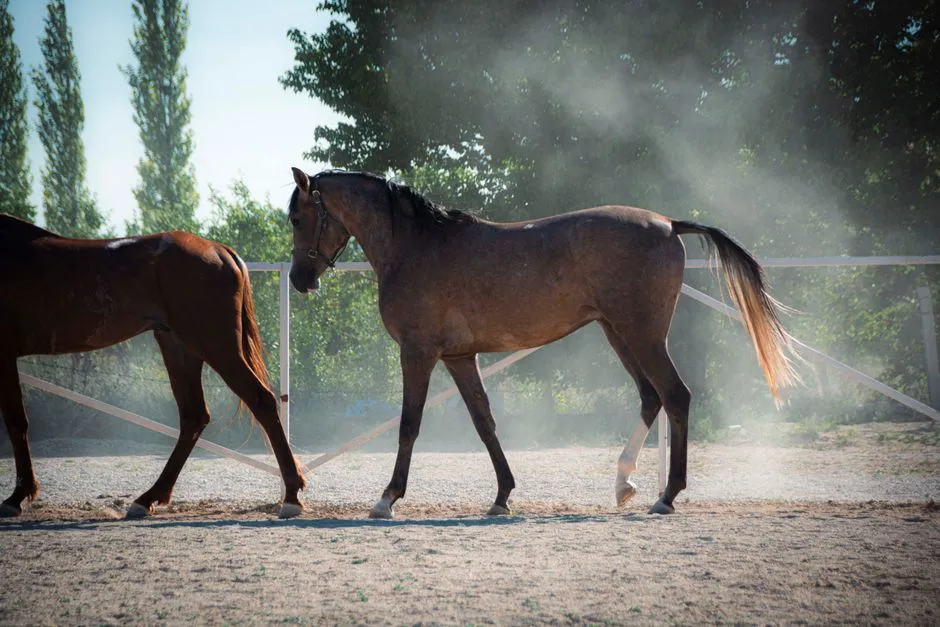
Respiratory issues rarely start with a full-on coughing fit. Stable hands hear the first extra snort in dusty air, the one-off cough at the start of a ride, or slightly heavier breathing after light work, and quietly file it away. One day means nothing. A pattern over a week means something.
A horse blowing harder after a small incline, flaring nostrils, or an occasional cough tied to hay or bedding—most owners only act once the cough is constant or the breathing is clearly labored. Stable hands, who spend hours breathing that same barn air, are often the ones quietly pushing for dust management or a vet check before things ever get serious.
#17 – The “Overall Vibe” Change Only Daily Eyes Catch
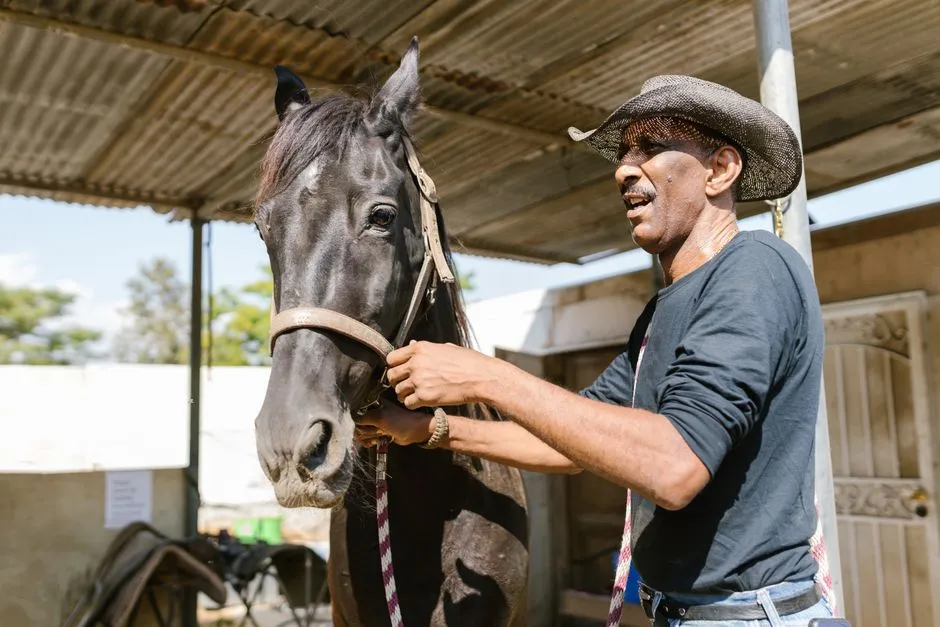
This one sounds vague, but every experienced groom will tell you it’s the most reliable sign of all. Stable hands carry a mental snapshot of each horse’s normal energy, posture, and expression. When they walk down the aisle and instantly feel “he’s just not himself today,” they’re actually reading a whole cluster of micro-changes at once: a slightly lower head, a quieter tail, a strangely empty look in the eye.
It isn’t magic. It’s repetition—seeing that same horse bright and curious on good days, then flat and distant right before a cold, an abscess, or a colic episode shows up. Owners sometimes dismiss it as “barn drama.” But that gut feeling from the person who sees the horse morning and night is, over and over again, the first whisper of a problem long before it becomes a shout.
Why It Stands Out
- No single sign proves illness on its own—it’s the pattern stacked across days that matters most.
- Stable hands see the same horse in every mood, weather, and season, building a mental baseline no single vet visit can replicate.
- That baseline is exactly why a barn “gut feeling” so often turns out to be right before test results confirm anything.
The Bottom Line
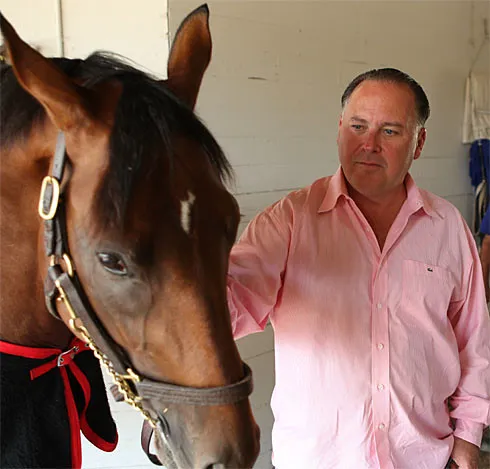
By the time most owners say “something’s wrong with my horse,” the stable hand has usually been quietly worried for days already. A duller eye. Slower eating. Strange manure. A tiny weight shift. None of it dramatic on its own—but stacked together, it paints an early-warning picture most weekend owners simply never see.
This isn’t about putting barn staff on a pedestal or shaming owners for not living in the aisle. It’s about admitting a simple truth: the people who show up morning and night, rain or shine, see the pattern first. Treat your stable hand like your horse’s first line of defense, not just hired help—because more often than not, they already know something you haven’t caught yet. Which early sign have you seen that everyone else ignored?

- 17 Cat Breeds That Grow Softer With Age and 17 That Turn Far More Particular - August 18, 2026
- 17 Things Stable Hands Notice About a Horse Long Before Its Owner Suspects Anything - August 18, 2026
- Animal Cognition Says Pigs Can Learn Complex Tasks Faster Than Their Reputation Suggests - August 17, 2026