
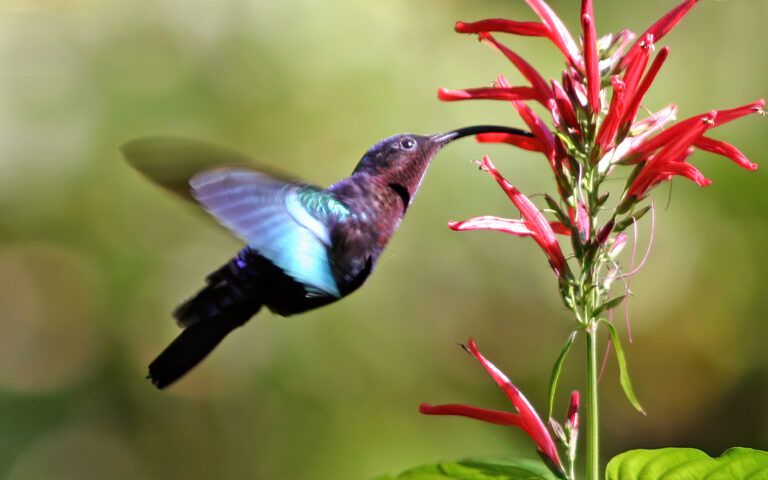
Most people imagine hummingbirds as tiny, tireless helicopters – always perfect, always precise, always in total control. But when one gets hurt, almost everything you think you know about them quietly falls apart.
Instead of dropping out of the sky the moment something goes wrong, an injured hummingbird will often survive for days, sometimes weeks, by making brutal, invisible trade-offs. It flies less. It feeds differently. It burns through reserves its body was never designed to spend. Most of this happens in broad daylight, right in your own backyard, and you would never know unless you knew exactly what to look for. Here are the 17 quiet survival tricks field biologists and wildlife rehabbers watch for – and the one moment when every trick finally runs out.
#17 – Slashing Flight Time to the Bare Minimum
🔥 Would you like to save this?
We'll email this post to you, so you can come back to it later!
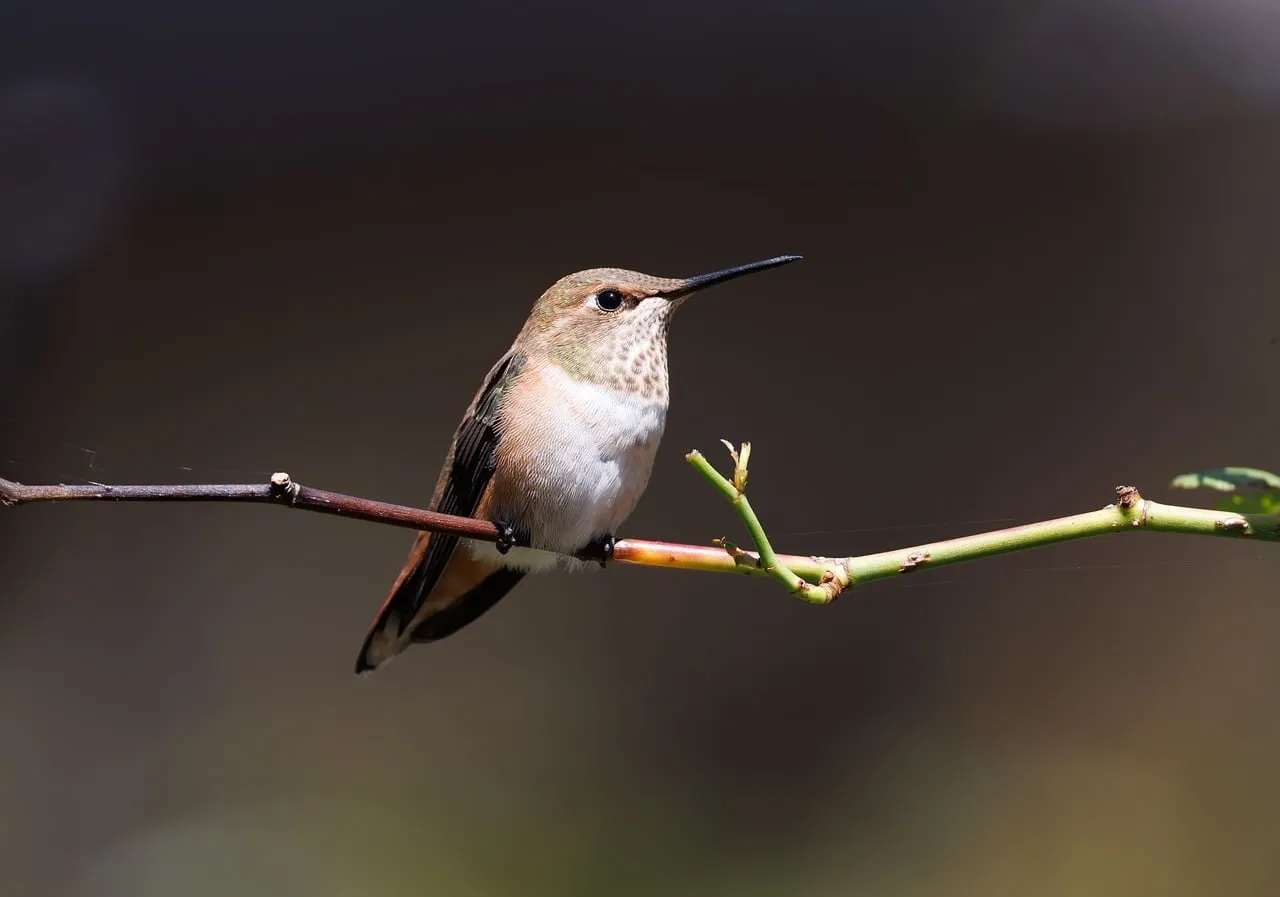
The first survival move is brutally simple: fly less, or die faster. Healthy hummingbirds are famous for endless hovering, but an injured bird often cuts its air time dramatically.
Instead of zigzagging across the yard, it may stay on a single favored perch for long stretches, only darting out when feeding feels absolutely unavoidable. To an untrained eye, it looks calm. In reality, it’s rationing every wingbeat like oxygen.
- Straight lines from perch to feeder
- Fewer territorial chases or aerial displays
This matters because hovering burns an absurd amount of energy. A hummingbird’s heart can spike over 1,200 beats per minute in flight. When something hurts – a wing strain, a chest bruise, even a mild concussion – those usual acrobatics become unsustainable.
So the bird quietly edits its whole schedule down to three things: rest, feed, hide. Many backyard watchers totally misread this as “tame” or “friendly” behavior. But that’s nothing compared to what we found about #16…
#16 – Switching to “Perch Feeding” Instead of Hover Feeding
🔥 Would you like to save this?
We'll email this post to you, so you can come back to it later!
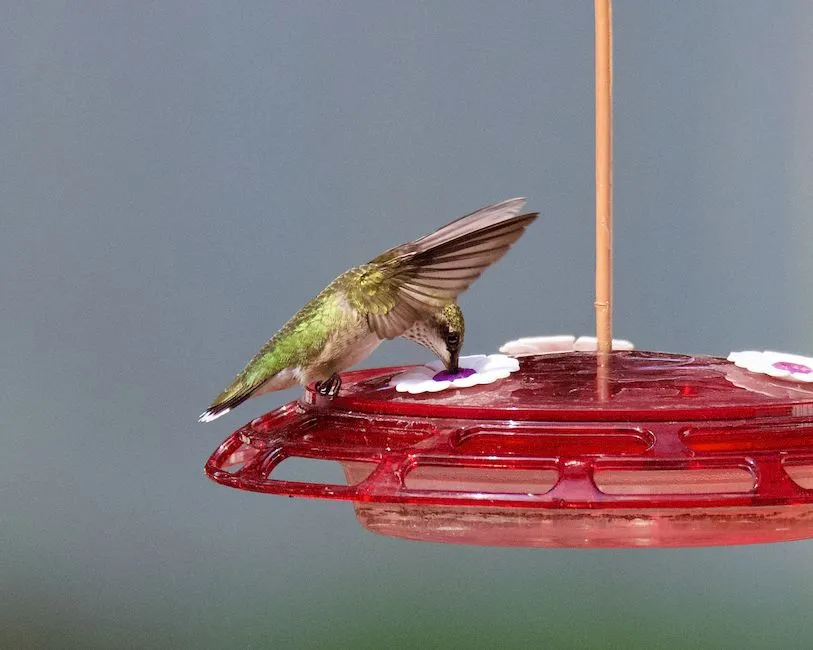
When a hummingbird is healthy, it loves to show off: hover-feeding mid-air, sidestepping, backing up, rotating like a tiny drone. Injury changes that overnight.
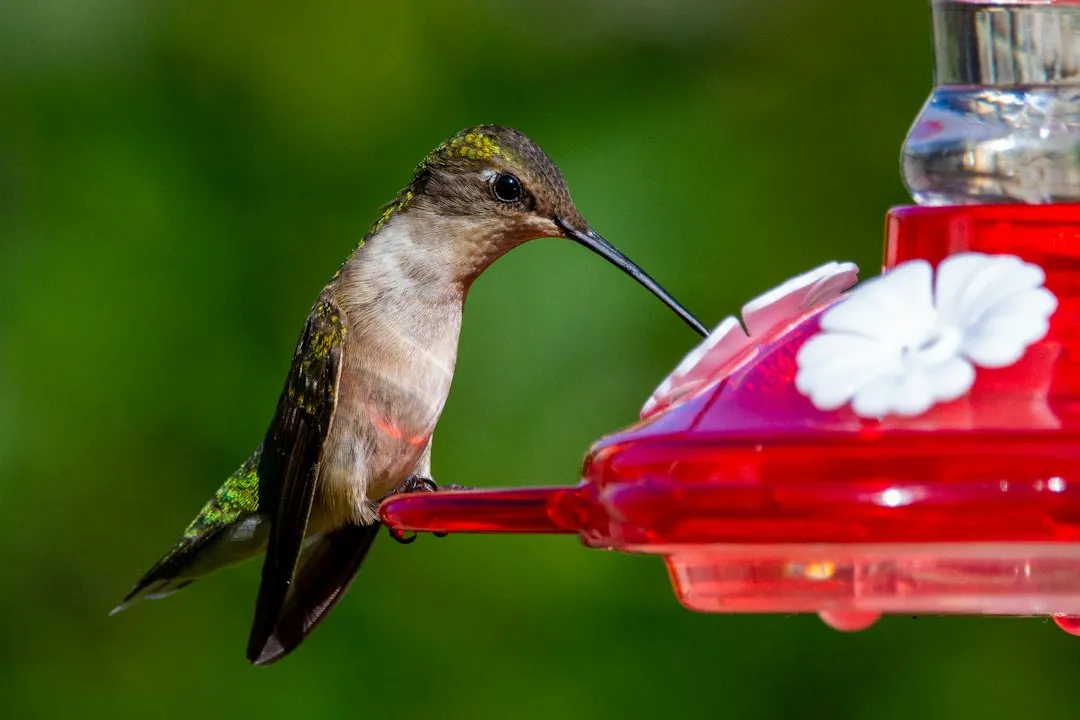
Injured birds often try to feed while clinging to the feeder or a nearby branch instead of hovering. This tiny change is huge. Perch feeding slashes energy use and takes pressure off damaged wings, chest muscles, or shoulders – yes, birds have shoulder joints too.
It’s not laziness; it’s emergency budgeting. Watch closely and you’ll notice:
- Longer, slower sips while perched
- Awkward gripping, sometimes only with one foot
- Less “dancing” in front of the feeder
Fast Facts
- Ruby-throated hummingbirds beat their wings roughly 50 to 80 times per second in normal flight
- A hummingbird’s heart can idle around 250 beats per minute even at rest
- Most North American hummingbirds weigh only 3 to 4 grams, about the same as a penny
- Hovering is considered one of the most energy-expensive forms of flight in the animal kingdom
This is one of the clearest compensation tricks rehabbers look for. A bird that can’t maintain a steady hover but will fight to stay perched is telling you the engine still works, just not at full throttle. It’s like a marathon runner suddenly using a cane but refusing to stop moving.
Some people think this “cute clinging” is just personality. In reality, it can be one of the earliest warning signs that something is wrong. But that’s nothing compared to the quiet food hacks happening in #15…
#15 – Preferring Easy Feeders and Softer Natural Blooms
🔥 Would you like to save this?
We'll email this post to you, so you can come back to it later!
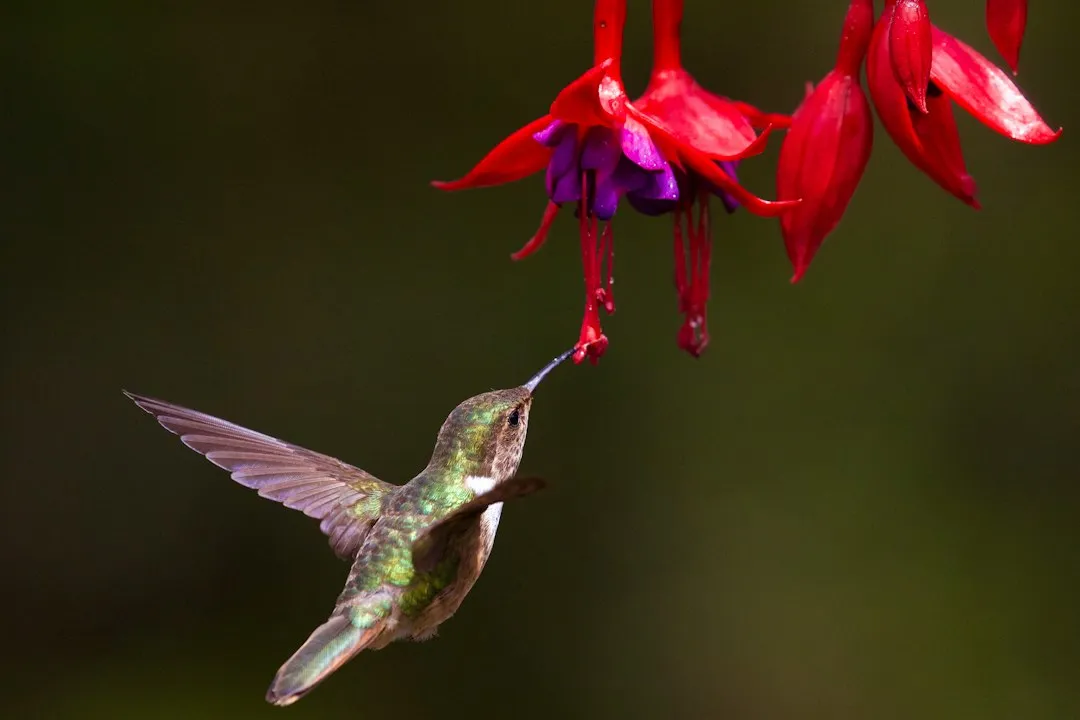
A wounded hummingbird becomes ruthlessly practical about where it eats. Instead of working hard for deep or awkward flowers, it tends to favor the path of least resistance.
- Shallow, wide flowers that require less bill pressure
- Feeders with large, smooth ports and sturdy perches
- Places where it doesn’t have to hover long or fight other birds
If the bill or tongue is even slightly injured, a bird may completely abandon tougher blooms it used to visit dozens of times a day. It might shift from wild flowers to artificial feeders almost overnight, simply because feeders are mechanically easier to work.
This shift can last for weeks. The bird remembers exactly where the least demanding food is and keeps coming back, sometimes at off-peak hours when competition is lowest. Many rehabbers quietly encourage this by offering shallower nectar levels and cleaner, larger ports.
The sad catch is what happens when no easy option exists nearby. Injured birds will still burn precious energy trying and failing at harder sources, and that wasted effort is often completely invisible to humans watching from a window. As we’ll see in #14, food access isn’t the only thing they rearrange – sleep gets hacked too.
#14 – Stretching Rest Periods and Micro-Naps Between Feeds
🔥 Would you like to save this?
We'll email this post to you, so you can come back to it later!
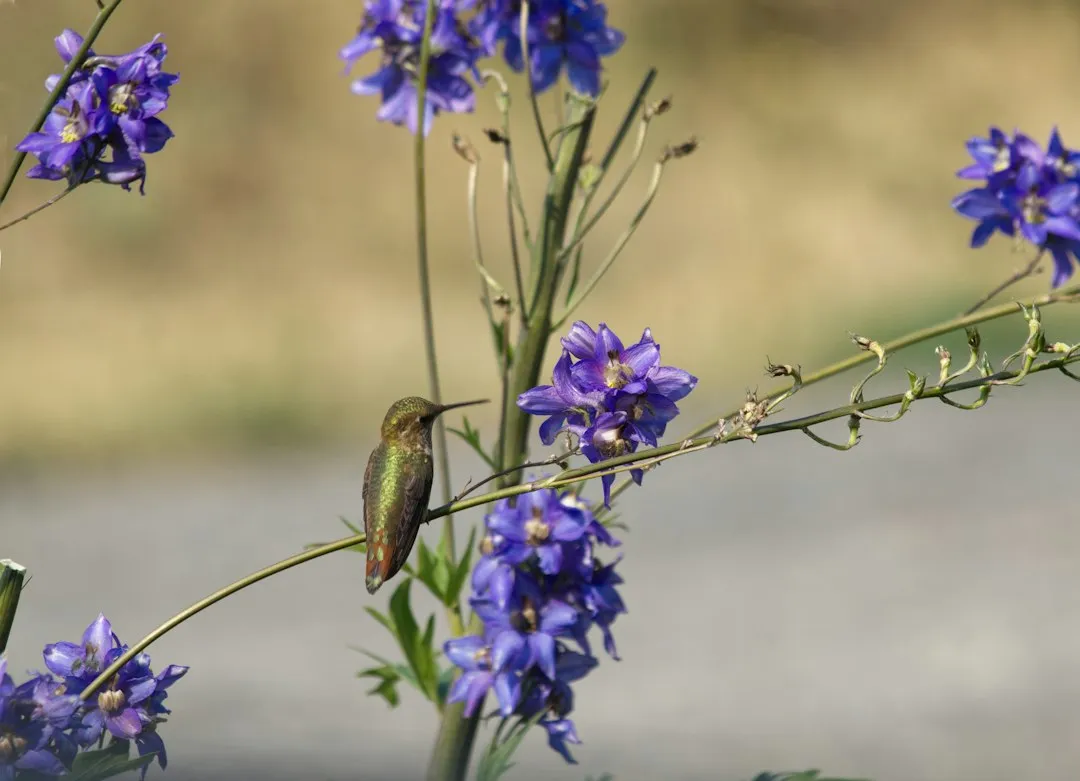
For a healthy hummingbird, rest is already extreme. At night, many enter a state called torpor – a kind of power-saving mode. But an injured bird doesn’t just rely on nighttime torpor; it often pads the entire day with extra rest.
- Sitting fluffed up on the same branch for long stretches
- Closing its eyes briefly between sips at the feeder
- Avoiding the usual constant patrols around “its” territory
These look like micro-naps, and they are. Each extra minute of stillness is a direct trade-off: less energy burned, more fuel left for healing and emergency escapes. Studies on small birds show that injury can push them toward longer torpor durations and more daytime resting, simply because repair takes calories they don’t really have.
This is where things get dark. There’s a tipping point where “adaptive rest” quietly becomes “lethargy.” That’s when the bird is no longer choosing to rest – it’s being forced to by sheer exhaustion.
Many people only notice the bird right at this crash point, assuming the problem started that very day. It didn’t. But that’s nothing compared to how violently they start sacrificing their social lives in #13…
#13 – Quietly Abandoning Territory Defense (Even Favorite Feeders)
🔥 Would you like to save this?
We'll email this post to you, so you can come back to it later!
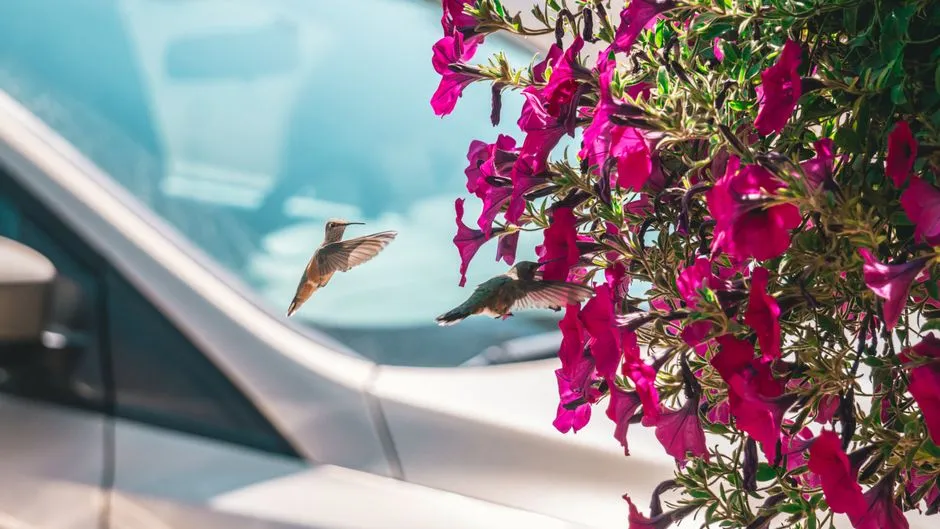
Healthy hummingbirds are bullies, bluntly put. They’ll chase off rivals with ridiculous intensity, burning insane amounts of fuel just to prove a point. An injured bird cannot afford that luxury anymore.
So one of the first big behavioral sacrifices is territory defense. You may suddenly see:
- A bird that used to dominate the feeder now tolerating others
- Fewer high-speed chases and loud chirps
- A once-“brave” bird backing off during disputes
At first glance, this looks like a charming personality change. It isn’t. It’s triage. Every aggressive chase is a risk of collision, of overexertion, of simply not having enough fuel left to recover.
When something hurts, the cost-benefit math flips completely. Better to get 60% of the nectar with no fights than 100% with constant battle. This choice has a downside, though: by not defending, the injured bird gets pushed out during peak times and may have to feed at dawn, dusk, or weird gaps in the day. That fragmented schedule can slowly starve it, especially if other birds nearby are healthy and relentless. And as the social aggression dials down, another instinct dials way up in #12…
#12 – Shifting to High-Cover, Low-Profile Perches
🔥 Would you like to save this?
We'll email this post to you, so you can come back to it later!
Injury turns a flashy aerial show-off into a paranoid introvert. Normally, hummingbirds will perch in pretty visible spots, partly to keep watch, partly because they feel untouchable. A hurt bird often relocates to denser foliage, shaded corners, or the backside of shrubs, where it can’t be seen easily by predators – or by you.
- Perching deeper inside a bush instead of on the outer twig
- Choosing spots with multiple quick escape routes
- Sitting lower than usual, below typical eye level
This is classic “I know I can’t outfly a predator right now” behavior. Camouflage becomes more important than vantage point. It also conserves energy: shaded, wind-sheltered perches stabilize body temperature and reduce constant micro-adjustments of balance.
Here’s the brutal twist. If the injury is severe enough to affect vision or balance, these perches can become traps. A bird may be so determined to stay hidden that it hesitates to leave even when it desperately needs food. From an outside perspective, it just “vanishes” from your yard. But that’s nothing compared to the metabolic black magic they start pulling in #11…
#11 – Leaning Hard on Fat Reserves and Torpor Like a Failing Battery
🔥 Would you like to save this?
We'll email this post to you, so you can come back to it later!
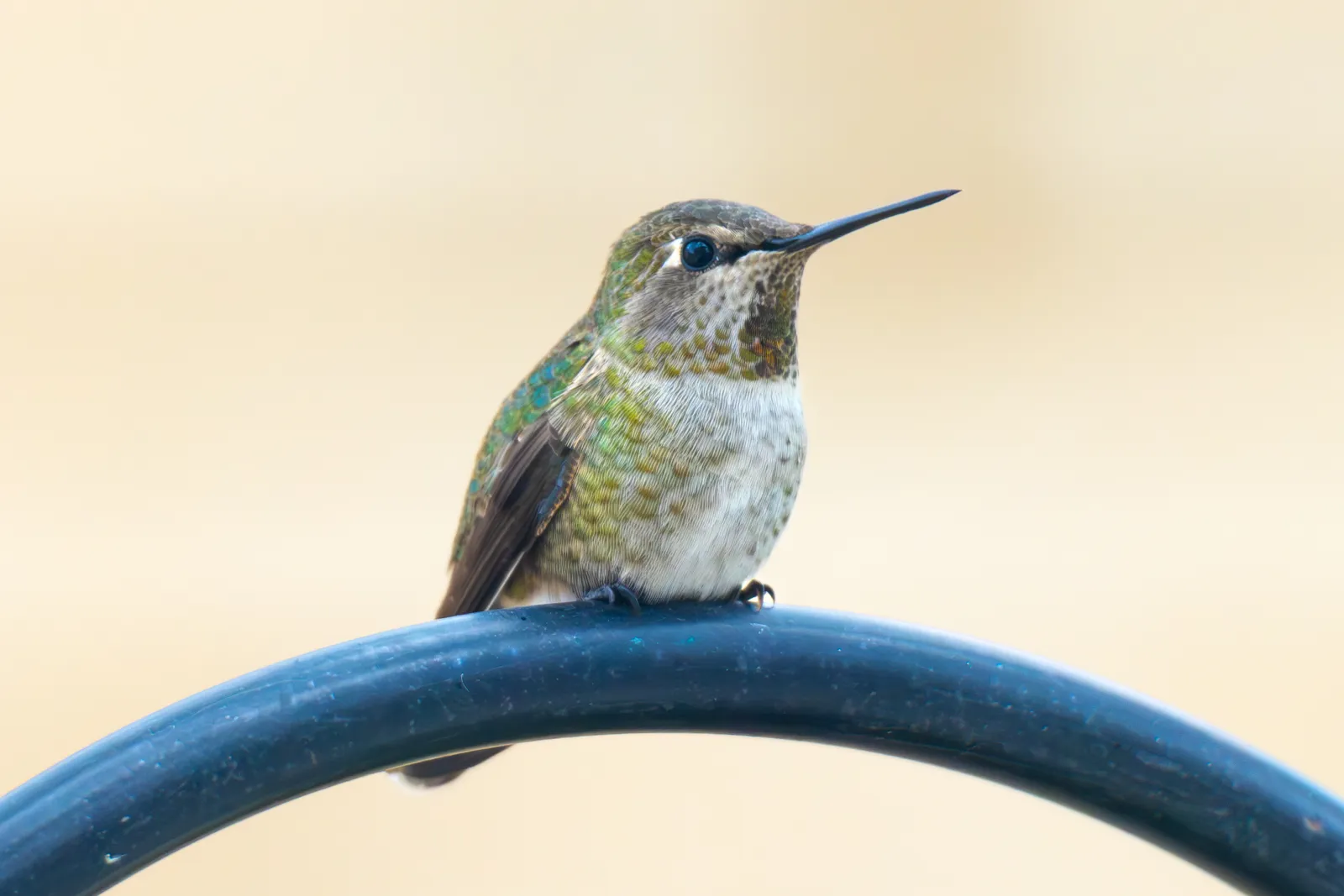
Hummingbirds are already extreme when it comes to fat. Before migration, some double their body weight in a matter of days. When hurt, they start dipping into those reserves in a very different, more desperate way.
- Spend more time in torpor to slow their metabolic burn
- Rely on fat between fewer, more targeted feeding trips
- Accept dramatic daily weight swings as an acceptable trade-off
Worth Knowing
- During torpor, a hummingbird’s body temperature can drop dramatically below its normal daytime range
- Some hummingbirds can lose close to 10% of their body weight overnight, even when perfectly healthy
- Migratory hummingbirds may nearly double their body weight in fat before a long flight
- Torpor slows the heart rate down to a small fraction of its normal flying speed
In plain English, they start acting like their body is a phone stuck on 5% battery – dim the screen, close every background app, use only what’s necessary. Torpor, which normally is a night-only strategy, can deepen or stretch because the bird simply can’t afford its normal daytime burn.
This can work for a shockingly long time – days, even a couple of weeks – if the injury is moderate and food is still accessible. But fat is not infinite. Every day of reduced intake plus high repair demands moves the bird closer to the point where it simply runs out of spare fuel. And when that happens, what you see next often shows up as weird, clumsy flight – exactly what #10 is about…
#10 – Accepting Sloppier Flight Paths and One-Sided Wingbeats
🔥 Would you like to save this?
We'll email this post to you, so you can come back to it later!
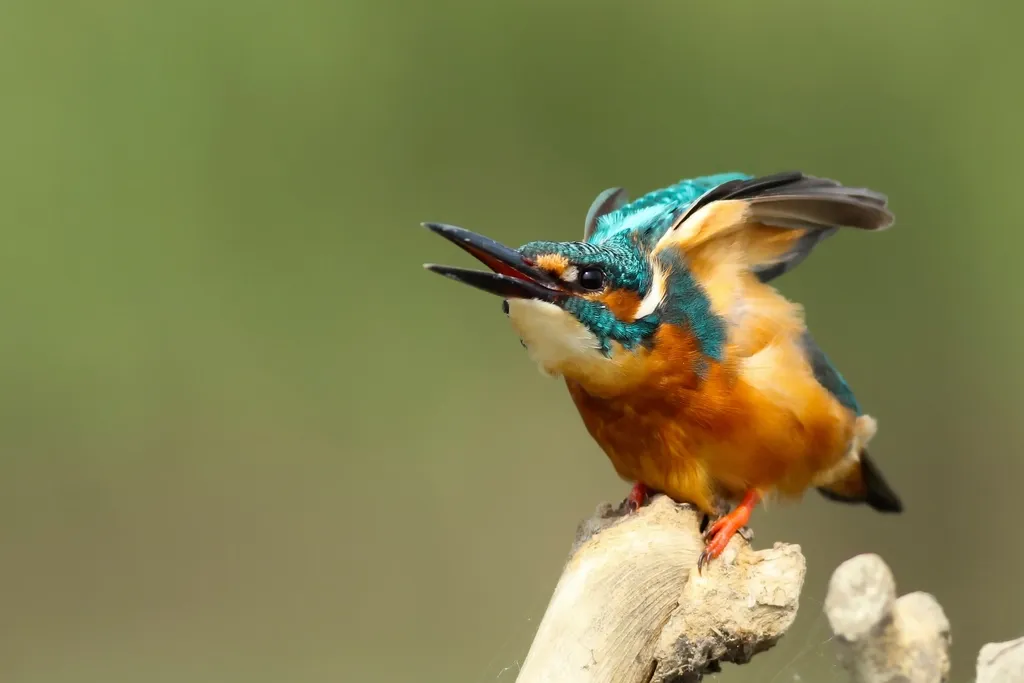
Healthy hummingbirds are symmetrical flying machines. When one side of the body is hurt – shoulder, wing, chest, or even one set of flight feathers – the bird quietly abandons perfect control and starts flying “good side first.”
- Slightly arcing paths instead of straight lines
- Weirdly wide turns or over-shooting feeders
- Inability to hover perfectly in place
Researchers studying wing damage in small birds repeatedly find that even minor asymmetries force them to burn more energy just to stay aloft. An injured hummingbird pays double: it uses more fuel while already struggling to take in enough of it.
What’s stunning is how long some birds tolerate this instead of quitting. They keep adjusting with shorter hops instead of long flights, gliding “drops” downward instead of powered descents, and anchoring their takeoff to one particular angle they can still manage.
The cost is cumulative. Day one, it’s just an odd wobble. By day ten, it’s a constant fight against gravity. And as you’ll see in #9, this messy flying pairs with ruthless, almost cold-blooded decisions about what pain is actually worth pushing through.
#9 – Ignoring Pain to Prioritize Survival Tasks Only
🔥 Would you like to save this?
We'll email this post to you, so you can come back to it later!
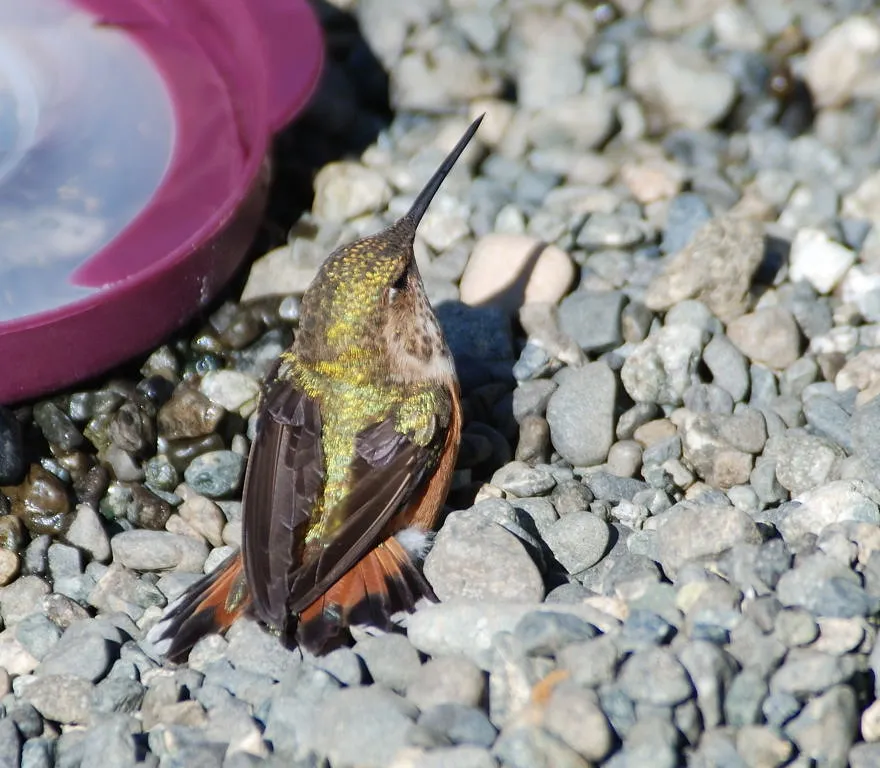
Pain in animals is sneaky. They rarely show it the way humans do. An injured hummingbird doesn’t whimper; it edits its entire life into two categories: “worth the pain” and “not worth the pain.”
“Worth it” usually includes essential feeding trips, short repositioning moves to safer perches, and occasional defensive flights if a threat gets too close. “Not worth it” gets cut ruthlessly – courtship displays, extended chases, and any non-essential exploration of new areas.
Why It Stands Out
- Wild animals rarely display pain the way humans do, since visible weakness can attract predators
- Hummingbirds instead ration effort, saving strength for only the tasks that matter most
- This kind of silent coping can make injuries invisible to backyard observers for days or weeks
- By the time distress becomes obvious, energy reserves are often already critically low
This is why a bird can look “fine” when it dashes to the feeder, then sit miserably still for 30 minutes afterward. That one good-looking flight cost more than you think. People often misread this as the bird “getting better,” because they only ever see the high-intensity moments.
There’s a cruel twist here. This coping strategy works right up until pain crosses a threshold where even critical tasks become unaffordable. At that point, the bird may literally watch food from a distance and not go to it. By then, you’re not looking at coping anymore – you’re watching the endgame begin. But before that collapse, something else starts to deteriorate that most people never think about: grooming. That’s #8.
#8 – Letting Grooming Slide and Risking Feather Quality
🔥 Would you like to save this?
We'll email this post to you, so you can come back to it later!
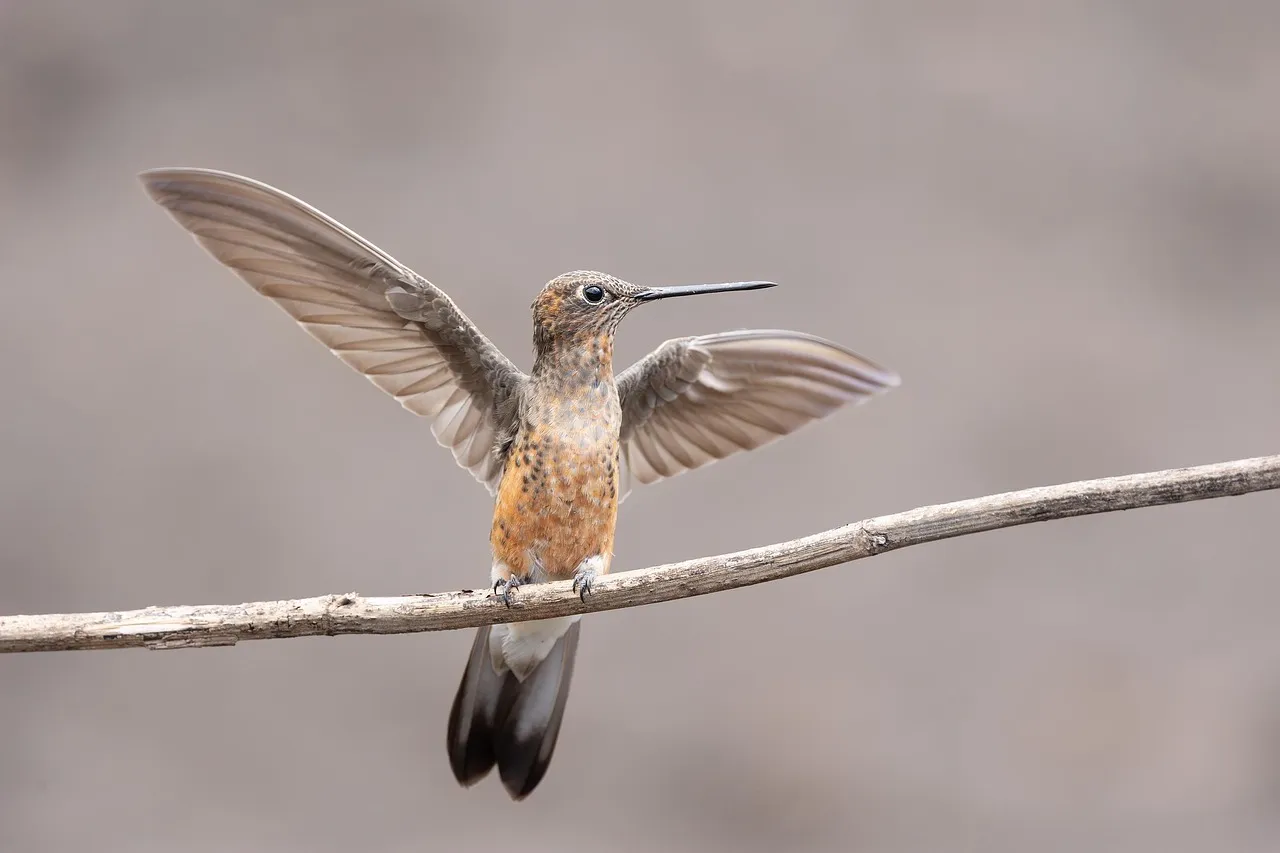
A perfectly groomed hummingbird is a flying needle. Every feather is in place, streamlined for efficiency. Injury breaks that self-maintenance routine fast.
- Preens less frequently or less thoroughly
- Struggles to reach certain spots on one side
- Allows feathers to look slightly ruffled or disordered
This isn’t vanity. Preening realigns feathers for aerodynamic performance, distributes oils that repel water and protect structure, and removes parasites and dirt that would otherwise accumulate. When grooming fails, flight becomes even less efficient – like flying with a crumpled wingtip or dragging a wet jacket.
That means more energy burned per meter flown, which is exactly what an injured bird cannot afford. It’s a vicious loop: injury reduces grooming, which degrades feathers, which makes every flight harder, which leaves even less energy for grooming.
Many rehabbers can tell from feather condition alone that a bird has been quietly struggling for some time. And while the body looks rougher, the mind is changing too. The cognitive side of compensation shows up sharply in #7…
#7 – Simplifying Routes and Relying on “Muscle Memory” Paths

🔥 Would you like to save this?
We'll email this post to you, so you can come back to it later!
Hummingbirds normally carry intricate mental maps of your yard – which flowers refill fastest, which feeders are safest, which predators lurk where. Injury forces them to stop experimenting and lean on the simplest, safest known routes.
- Repeated use of the same approach path to a feeder
- Avoidance of newer or more complex feeding spots
- Hesitation around obstacles they used to zip through
This is partly about energy and partly about risk. Complex flight paths demand instant physics calculations – angles, speeds, escape options. When a bird is weakened, anything unpredictable becomes a threat, so it defaults to the shortest lines between high-reward spots, with fewer sharp turns and easy bail-out approaches.
It’s the cognitive equivalent of an injured human taking the elevator instead of an unfamiliar staircase. The tragedy is that when their preferred path gets disrupted – a feeder moved, a branch cut – it can seriously throw them off. Still, that mental discipline is nothing compared to the brutal trade-offs they make around breeding and mating, revealed in #6…
#6 – Quietly Dropping Courtship and Breeding Efforts
🔥 Would you like to save this?
We'll email this post to you, so you can come back to it later!
We love hummingbirds for their flashy courtship dives and dances. But those spectacular moves are luxury behaviors, and they vanish fast when a bird is hurt.
- Skips the high-speed plunge displays
- Avoids chasing or courting potential mates
- May not even attempt to defend a prime nesting territory
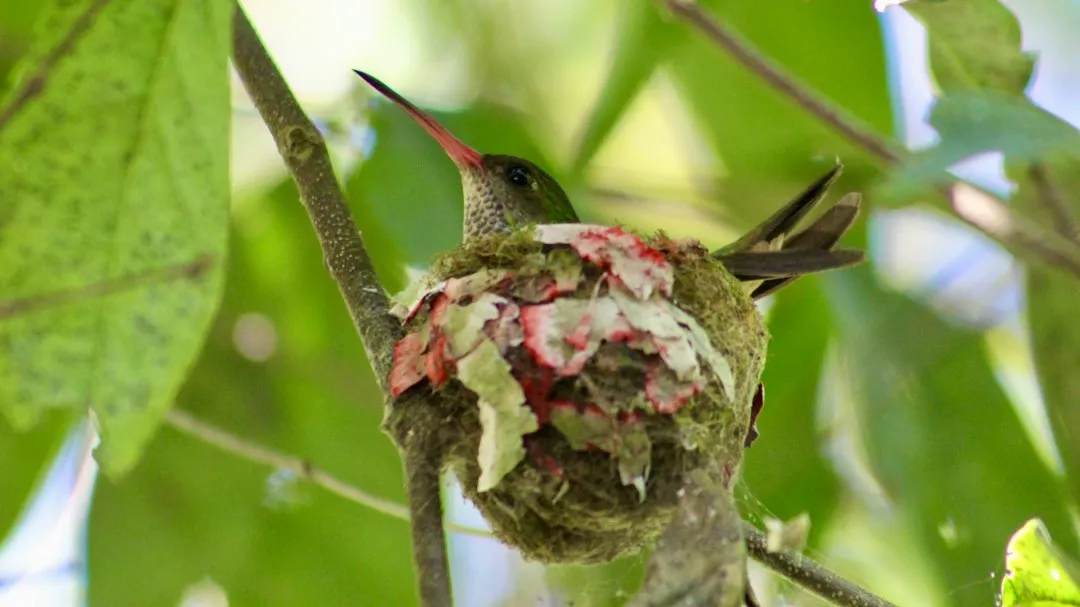
From a cold evolutionary standpoint, this makes total sense. A bird barely staying alive cannot invest in offspring that will demand even more energy. For females, this can mean not building or maintaining a nest that season; for males, it means tolerating rivals on “their” patch of flowers without a fight.
This is one of those details bird lovers romanticize, but biology is blunt about it: survival usually beats reproduction, especially for a small, high-metabolic animal already living on the edge. There are exceptions, of course, and they tend to die trying.
By the time breeding behaviors disappear, the bird has already shifted many other parts of its life. Next up in #5 is a change that looks almost invisible unless you know exactly what to watch for: how and when they drink water.
#5 – Opportunistic Sipping and Avoiding Extra Water Trips
🔥 Would you like to save this?
We'll email this post to you, so you can come back to it later!
Most people think hummingbirds “drink” only nectar. Not true – they also need plain water, especially in heat. But an injured bird can’t afford special water trips anymore.
- Taking longer, more deliberate sips of nectar per visit to reduce the number of trips
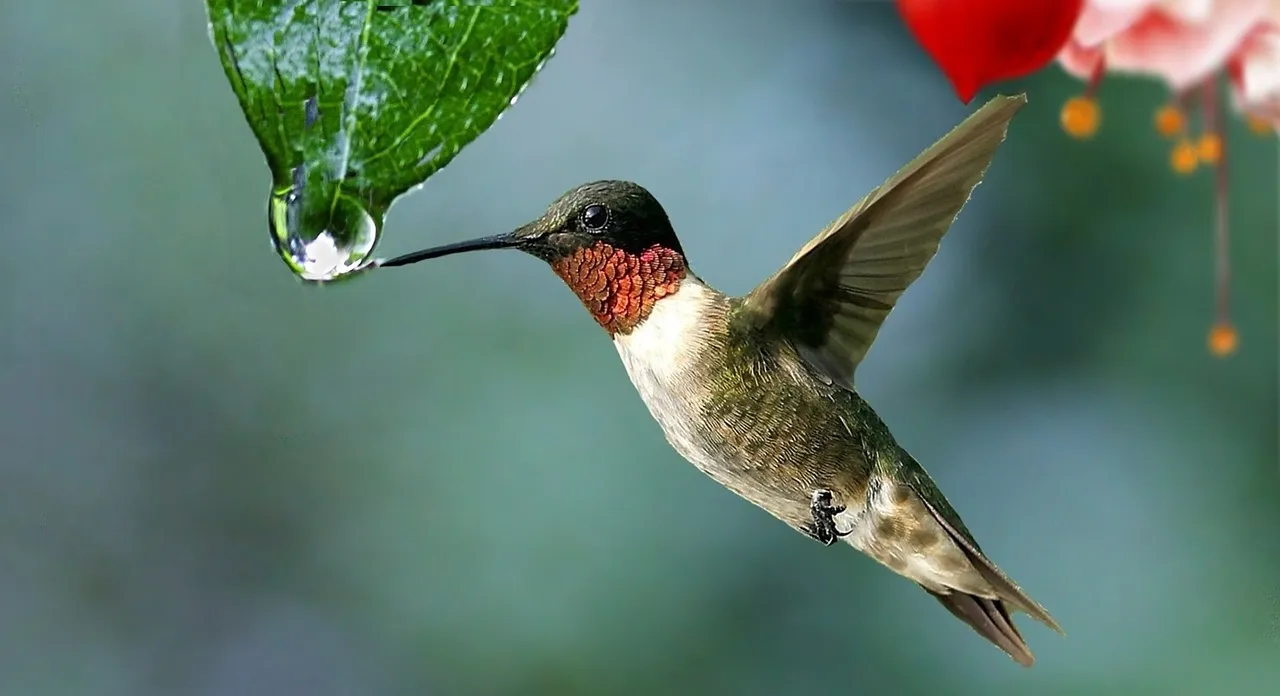
- Opportunistically sipping from wet leaves or tiny water films near known feeding spots
- Skipping dedicated water sources that require extra detours
This might sound minor, but in a creature whose entire life is measured in calories per second, even one extra flight to a birdbath is an expense. Injury magnifies that. There’s another subtle shift too: heavily concentrated sugar solutions can actually dehydrate birds if that’s all they get, so some injured individuals instinctively favor slightly more dilute nectar sources because they’re easier to process.
Backyard people sometimes misread this as “they don’t like my feeder anymore,” when in reality the bird is self-medicating its fluid balance. That careful rationing of effort shows up even earlier in life strategies. In #4, we see what happens when injury collides with something even more intense than day-to-day survival: migration.
#4 – Delaying or Aborting Migration Altogether
🔥 Would you like to save this?
We'll email this post to you, so you can come back to it later!
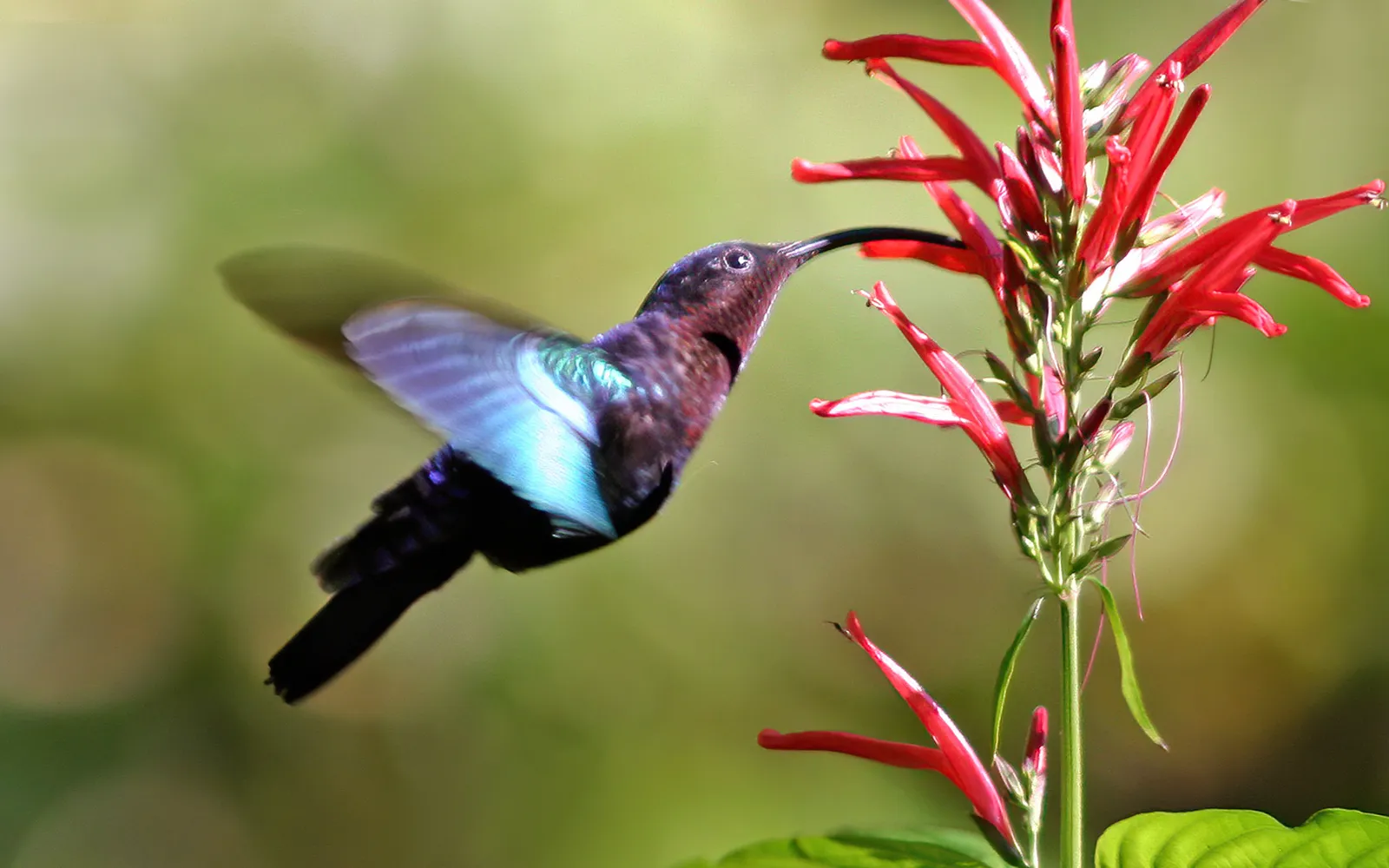
Migration is already a brutal test for a healthy hummingbird. For an injured one, it can be a death sentence if attempted too soon. Instead of launching into a long-distance journey, a hurt bird may stick around past its usual departure window, move only short local distances instead of long leaps, and rely on any remaining local feeders or late-blooming flowers.
This isn’t sentimental; it’s survival math again. A slightly late, underpowered migrant may still make it – an early, badly injured one almost certainly won’t. Some birds appear to gamble on partial recovery: stay put, build strength, then attempt a shorter hop to the next resource-rich zone.
Of course, this compensation has a hard limit. If weather turns, flowers die off, or feeders get taken down, the delayed bird can suddenly find itself with no options left at all. That’s when weeks of clever coping can unravel in just a couple of cold nights.
Which brings us closer to the threshold no one likes to talk about. In #3, the bird is still fighting, but the cracks are getting impossible to hide.
#3 – Clinging to Feeders and Perches as Balance Fails
🔥 Would you like to save this?
We'll email this post to you, so you can come back to it later!
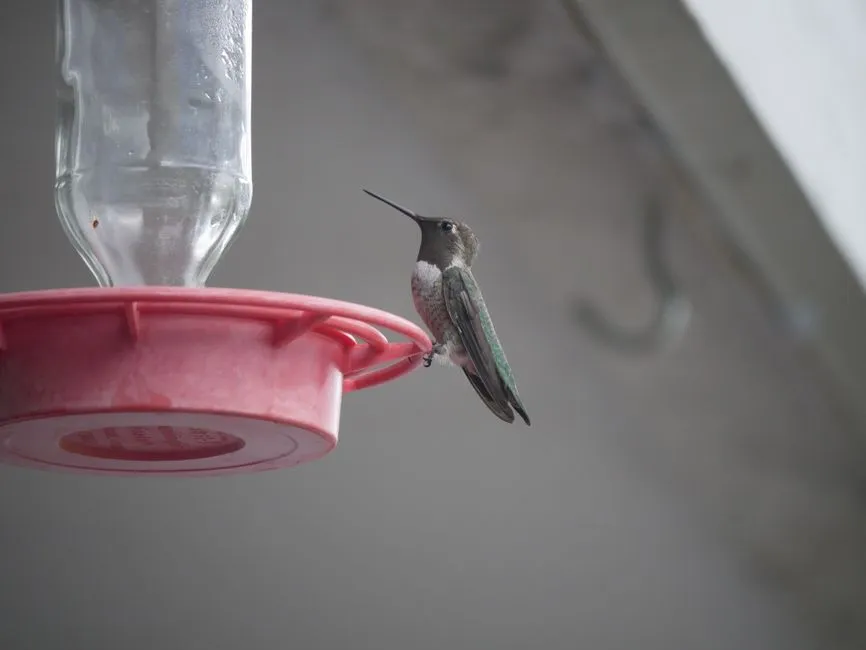
There’s a particular sight rehabbers dread: a hummingbird hanging awkwardly from a feeder port or clinging far longer than normal, as if it’s afraid to let go. At this stage, compensation becomes desperate.
- The bird may use its feet more aggressively to stabilize itself
- It might “rest” mid-feed, just hanging there with wings partly drooped
- Flights become extremely short, almost like flutters between two adjacent points
At a Glance
- Clinging longer than normal to a feeder port
- Wings drooping slightly while still perched
- Very short, fluttery flights between nearby points
- Returning to the exact same perch again and again
Balance issues can come from wing injuries, neurological damage, or sheer exhaustion. Perches become lifelines. You might notice the bird returning to the same exact spot again and again, sometimes even sleeping closer to feeders than it normally would.
From a distance, some people think this is adorable – “he loves that feeder so much he won’t leave it.” Up close, it’s grim. The bird is leaning on hardware to do what its muscles and coordination can no longer handle reliably on their own. But the mind is still trying to cope. In #2, you see one of the last subtle tricks: timing.
#2 – Feeding in “Safe Windows” and Avoiding Peak Competition
🔥 Would you like to save this?
We'll email this post to you, so you can come back to it later!
At this point, the injured hummingbird knows, in a very real way, that it is not the strongest bird in the yard anymore. So it cleverly reshuffles its entire schedule around avoiding conflict.
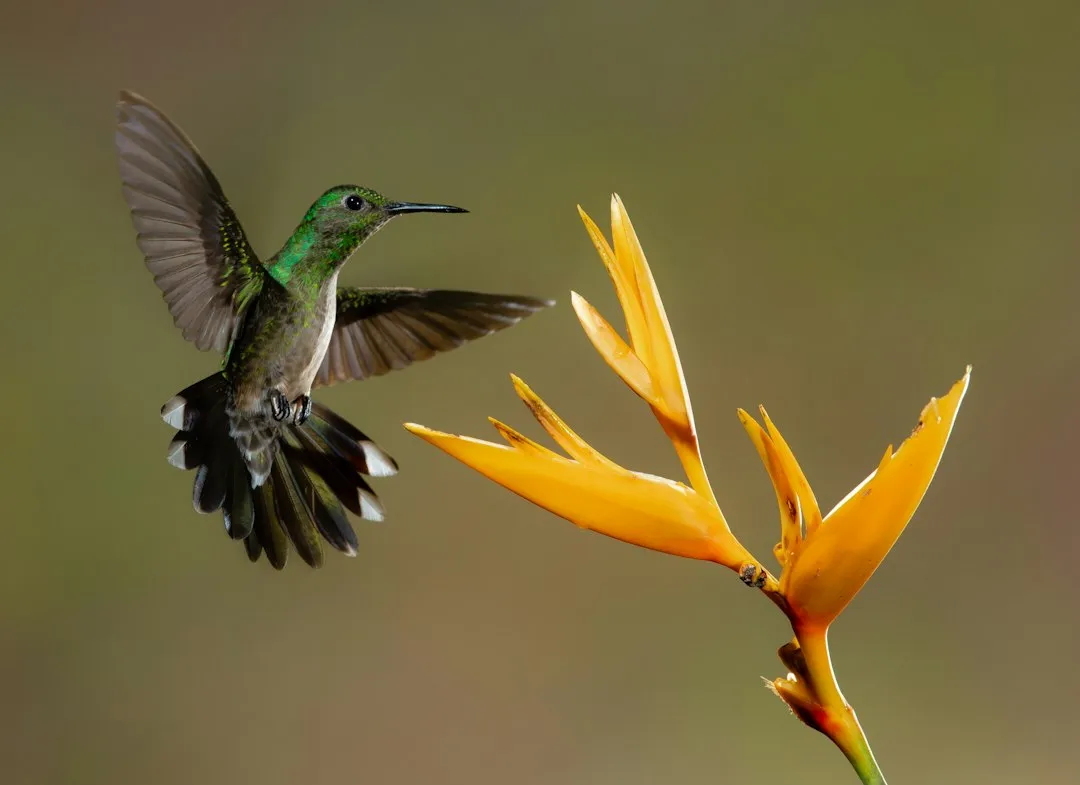
- Showing up very early in the morning or right before dark
- Slipping in during brief lulls when dominant birds are absent
- Avoiding booming midday periods altogether
This is textbook risk-minimization. Instead of relying on speed and aggression, it leans entirely on timing and stealth. Every successful quiet feeding window is a tiny victory that buys another hour, another day.
You may notice that “your” hummingbird has become a dawn regular, almost like clockwork, then seems to disappear for the rest of the day. That’s not random; it’s strategic. It’s also a hint that the bird is operating close to its limits, unable to fight, yet still unwilling to quit.
Which brings us, finally, to the moment when compensation stops being possible at all. That’s #1 – and it’s where this story stops being clever and becomes brutally honest.
#1 – The Sudden Collapse After Weeks of Hidden Compensation
🔥 Would you like to save this?
We'll email this post to you, so you can come back to it later!
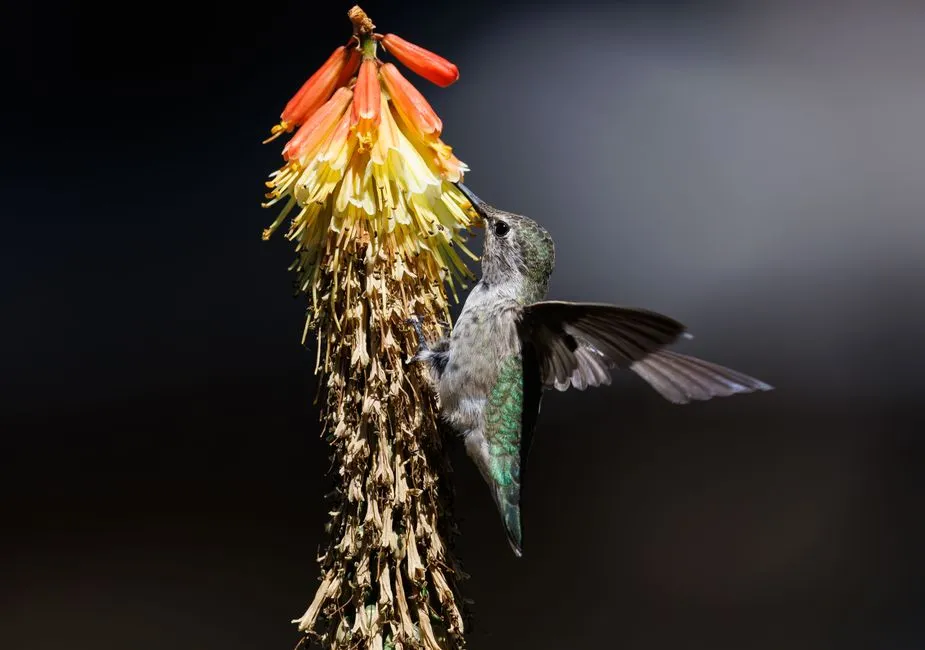
Here’s the hardest truth: hummingbirds are so good at masking weakness that by the time they “look sick” to the average person, they are often already beyond saving.
After weeks of slashed flight time, perch feeding, torpor-heavy nights, abandoned courtship, simplified routes, and high-cover perches, there comes a day when the math simply no longer works. Fat reserves are gone. Muscles are too damaged or depleted to lift that frantic heart and those helicopter wings.
- Sit fluffed up for hours, barely reacting
- Drop to the ground after a short flight and not get back up
- Ignore even the closest feeder it once lived at
To us, it looks sudden – “one day he was fine, the next day he was on the patio.” In reality, the collapse is just the last visible frame of a long, invisible slideshow of compensation strategies. This is not nature being cruel; it’s nature being brutally efficient. A hummingbird’s entire design is based on operating at the edge, and there is very little room for partial function. When the edge is crossed, there’s simply nothing left to tweak, no more clever adjustments left to make.
The Bottom Line
🔥 Would you like to save this?
We'll email this post to you, so you can come back to it later!
The real shock isn’t that injured hummingbirds die. It’s how hard and how long they quietly fight not to.
For weeks they rewrite every rule of their tiny, high-octane lives – cutting flight time, hacking their feeding style, dropping courtship, leaning on torpor, and squeezing every last calorie out of fat and memory. By the time a casual observer thinks, “hmm, that bird looks off,” the damage has often been accumulating for days.
Here’s the uncomfortable opinion: most backyard nature lovers seriously underestimate how much responsibility they carry. Clean feeders, safe windows, pesticide-free yards, and simply paying attention can be the thin line between a bird that compensates and recovers, and one that compensates until it simply cannot anymore.
Did we miss a behavior you’ve witnessed yourself – or do you disagree with how far we should intervene? Drop it in the comments and let’s argue it out.

- 10 Enigmatic Structures That Continue to Puzzle Scientists Today - November 5, 2026
- 10 Strange Ruins in the Americas That Challenge What We Know About Early History - November 5, 2026
- Beyond the Bark: Decoding Your Dog’s 12 Most Common Vocalizations - November 5, 2026