
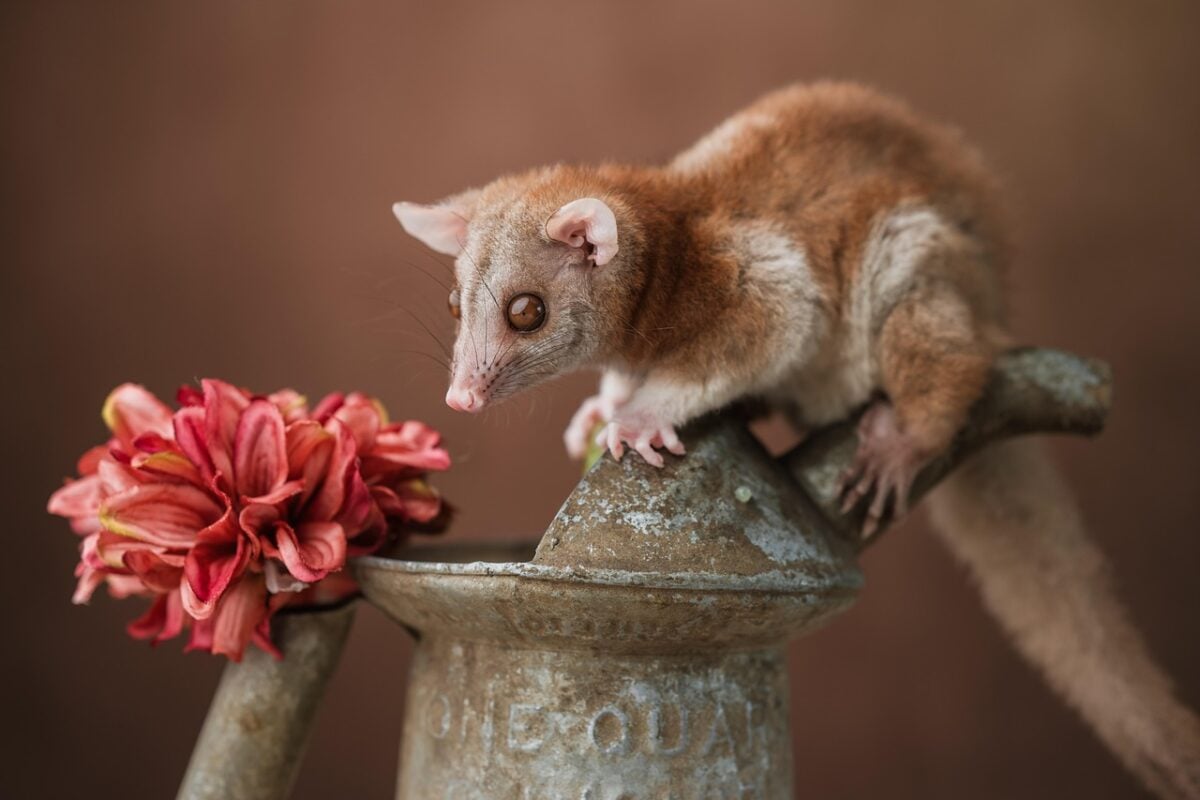
You’ve probably been told sharks are mindless killers, lemmings leap off cliffs on purpose, and goldfish forget everything after three seconds. None of that came from mountains of careful research. It came from one bad experiment, one staged stunt, or one badly generalized study that got repeated so often it hardened into “common knowledge.”
Some of these myths are almost a century old, and scientists have quietly corrected them for decades – yet the original, dramatic version still wins in classrooms, movies, and dinner table conversations. Here are 18 animals still living down a reputation built on shaky science, starting with the one that basically launched an entire genre of horror movies.
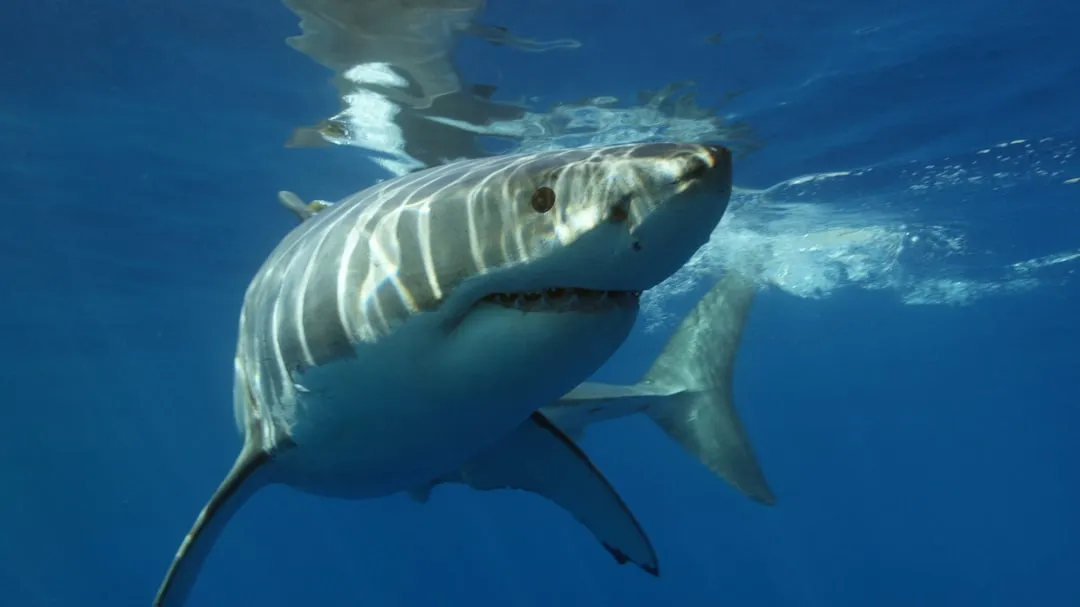
#1 – Sharks: Branded as Mindless Man-Eaters by One Bloody Experiment
🔥 Would you like to save this?
We'll email this post to you, so you can come back to it later!
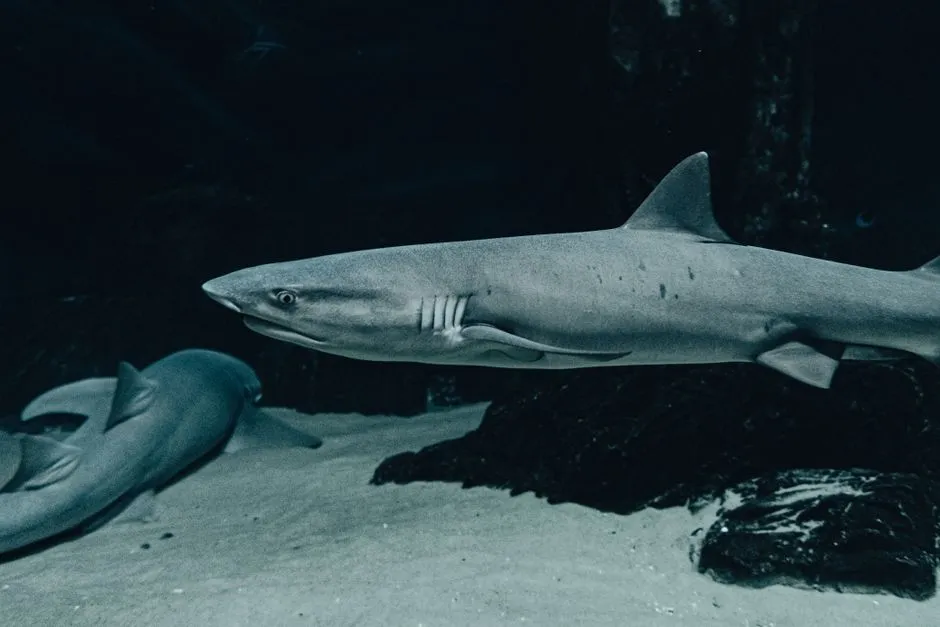
The idea that sharks are “mindless killing machines” traces back to early 20th-century researchers who literally poured blood into the water and provoked frenzies just to film how fast sharks would attack.
Those staged “experiments” became sensational documentaries and newsreels, cementing the idea that sharks are hyper-focused on hunting humans. The problem? The setups pushed sharks into abnormal behavior – crowded, baited, and stressed. It was less natural observation and more horror-movie production.
Modern tracking shows most sharks avoid humans entirely, and attacks are vanishingly rare compared to dogs, horses, or even vending machines. The “once they taste blood, they never stop” narrative came from tiny, dramatized trials – cherry-picked moments with zero context.
Today biologists know sharks are cautious, often taking one exploratory bite and swimming off, which is the opposite of the unstoppable predator myth. But thanks to that early footage, plus decades of Jaws-style storytelling, people still picture sharks locked in a permanent feeding frenzy.
Fast Facts
- Worldwide, unprovoked shark bites average roughly 70 per year, with fatalities typically in the single digits.
- Cows, dogs, and even vending machines are linked to more annual human deaths in the U.S. than sharks.
- Most bites are a single “test bite,” not a sustained attack – sharks rarely return for a second strike.
- Great whites and tiger sharks account for most recorded incidents, out of more than 500 shark species total.
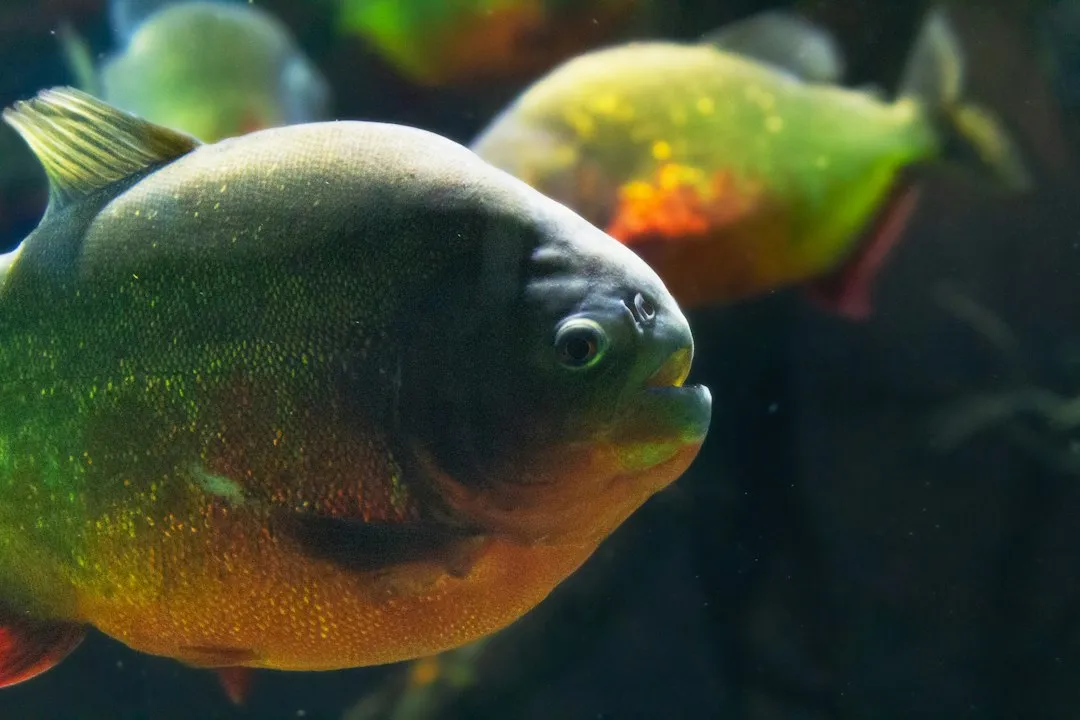
#2 – Piranhas: One Classroom Stunt That Turned Them Into Monsters
🔥 Would you like to save this?
We'll email this post to you, so you can come back to it later!
Piranhas got their horror-movie label from a famously over-the-top “demo” where a cow carcass was lowered into a river while cameras rolled and swarms of fish tore into it. That footage became the defining image of piranhas worldwide.
Almost nobody mentioned the situation was engineered: starved fish, limited space, a giant bleeding carcass dumped in the water. Of course they swarmed. Under normal conditions, piranhas are shy omnivores that mostly eat smaller animals, plant material, and carrion, not healthy, moving humans.
For decades, that one event got treated almost like formal proof that piranhas could strip a body in seconds. Textbooks and TV specials repeated it without ever explaining how staged it was.
Modern field studies show attacks on humans are rare, usually non-fatal, and often linked to drought or people wading into nesting areas. Some ecologists argue piranhas are more important as river cleaners than as predators – but one shocking demonstration still outweighs years of quiet data.
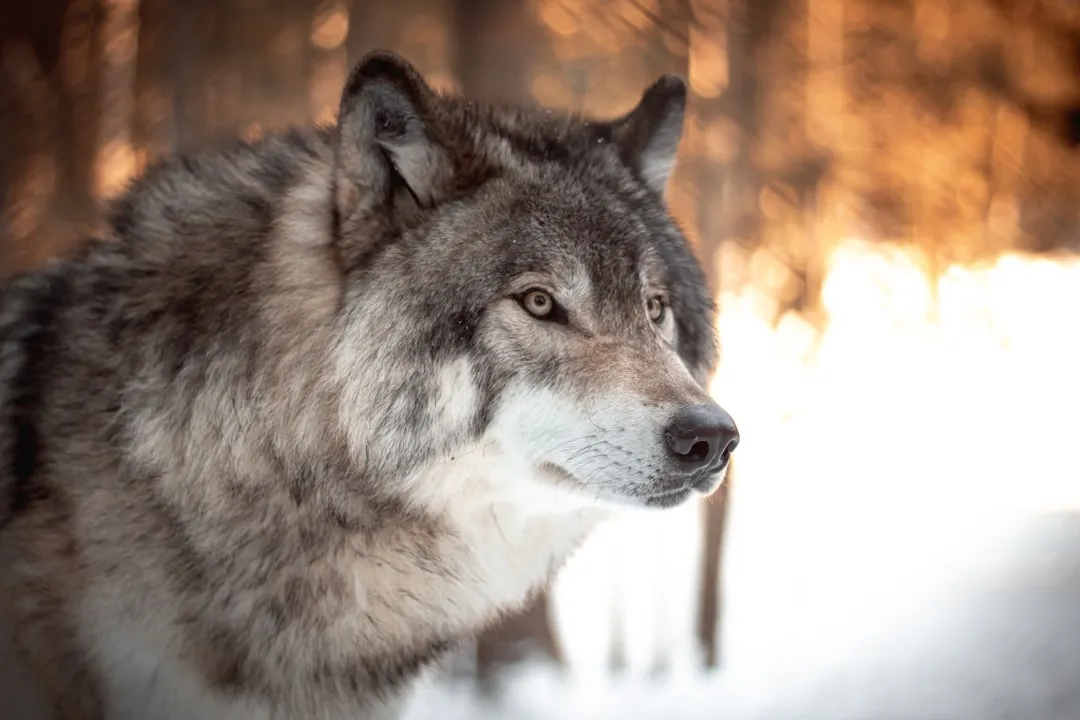
#3 – Wolves: Demonized by Early Livestock “Damage” Reports
🔥 Would you like to save this?
We'll email this post to you, so you can come back to it later!
Wolves were nearly wiped out across parts of North America and Europe because of early “damage assessment” reports claiming they were relentless livestock killers. Many of those reports came from flawed field surveys and bounty records that blamed wolves for almost any dead animal found.
If a cow died of disease or exposure, it was easy – and politically convenient – to mark “wolf” on a form and collect compensation or justify extermination campaigns. One influential early analysis cited huge kill numbers with no proper carcass verification or predator ID standards.
Later, when biologists actually tagged and tracked wolves, the earlier kill rates fell apart. Carrion scavenging was routinely counted as active predation, and other predators – dogs, coyotes – often did the killing while wolves took the blame.
Despite better data today showing wolves can stabilize entire ecosystems and rarely target healthy livestock, that original, shaky narrative still fuels “big bad wolf” politics in rural areas. Some ranchers still swear by numbers we now know were basically guesswork.
#4 – Hyenas: One Dissection That “Proved” They Were Hermaphrodites
🔥 Would you like to save this?
We'll email this post to you, so you can come back to it later!
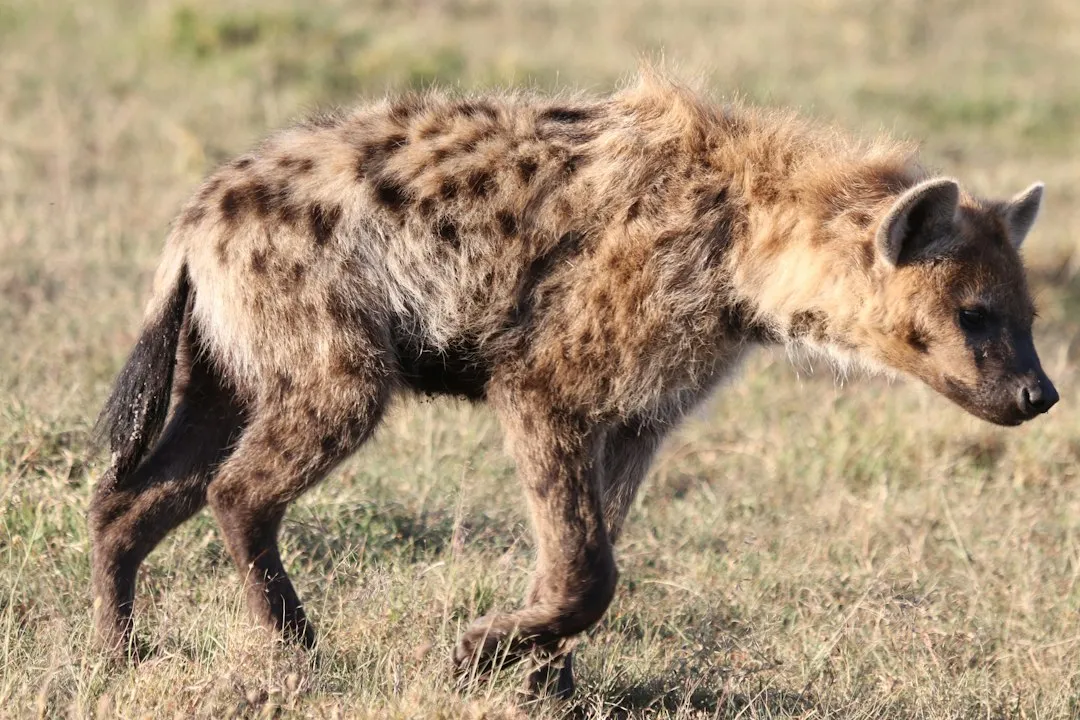
Spotted hyenas have one of the strangest anatomies in mammals, and early anatomists didn’t know what to make of it. A small number of 19th-century dissections led to the dramatic claim that hyenas were hermaphrodites or “sexless monsters,” because females have a pseudo-penis and fused labia.
Those papers were based on a handful of specimens and a genuine misunderstanding of reproductive organs, yet the idea spread like wildfire. Moral panics and myth-making followed, painting hyenas as unnatural or biologically cursed.
Modern endocrinology tells a calmer story: female hyenas are simply masculinized by high androgen levels, not hermaphrodites at all. They have normal ovaries, bear live young, and run complex matriarchal clans with females leading and forming alliances.
Still, that original anatomical misread became cultural canon. People casually repeat that hyenas “don’t have real sexes” – a claim directly traceable to a tiny cluster of badly interpreted dissections that turned into a centuries-long insult.
#5 – Lemmings: A Staged “Suicide” Scene That Became “Science”
🔥 Would you like to save this?
We'll email this post to you, so you can come back to it later!
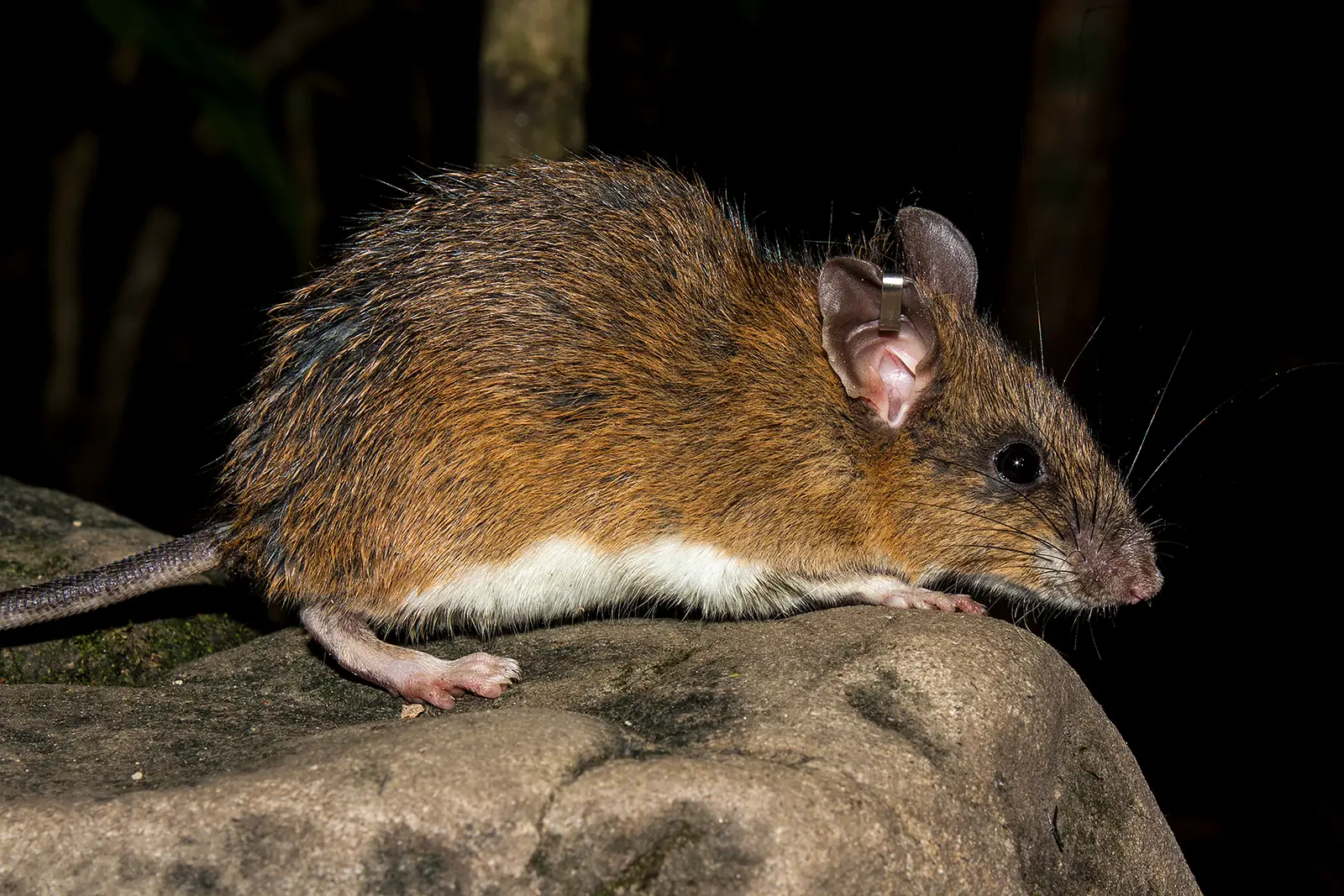
If you’ve heard that lemmings commit mass suicide, thank a single unethical mid-20th-century nature film, not biology. Filmmakers, chasing drama, physically pushed lemmings off a cliff into the water to stage a “migration gone wrong,” then sold it as documentary evidence of suicidal rodents.
That footage got replayed in classrooms and TV reruns so often that people started treating it as scientific fact instead of what it actually was: animal cruelty for a better shot.
Real field biologists have never documented intentional lemming suicide. These rodents go through population booms and busts, and during booms they disperse widely – some do drown crossing rivers or fall from rocky terrain, but that’s an accident, not self-destruction.
The entire “lemming suicide” story rests on faked footage and zero peer-reviewed data. Yet the myth persists, even used as a metaphor for humans blindly following the crowd – one grim film scene rewiring how the world sees an otherwise unremarkable little rodent.
Worth Knowing
- The infamous “suicide” footage came from a widely aired 1958 Disney nature documentary, not a research film.
- It was shot in landlocked Alberta, Canada – nowhere near the ocean cliffs the scene implied.
- The lemmings used were reportedly brought in for the shoot and herded toward the edge for the camera.
- Real lemming die-offs track with predator cycles and food scarcity, not any collective urge to self-destruct.
#6 – Turkeys: The “So Dumb They Drown in the Rain” Lab Anecdote
🔥 Would you like to save this?
We'll email this post to you, so you can come back to it later!
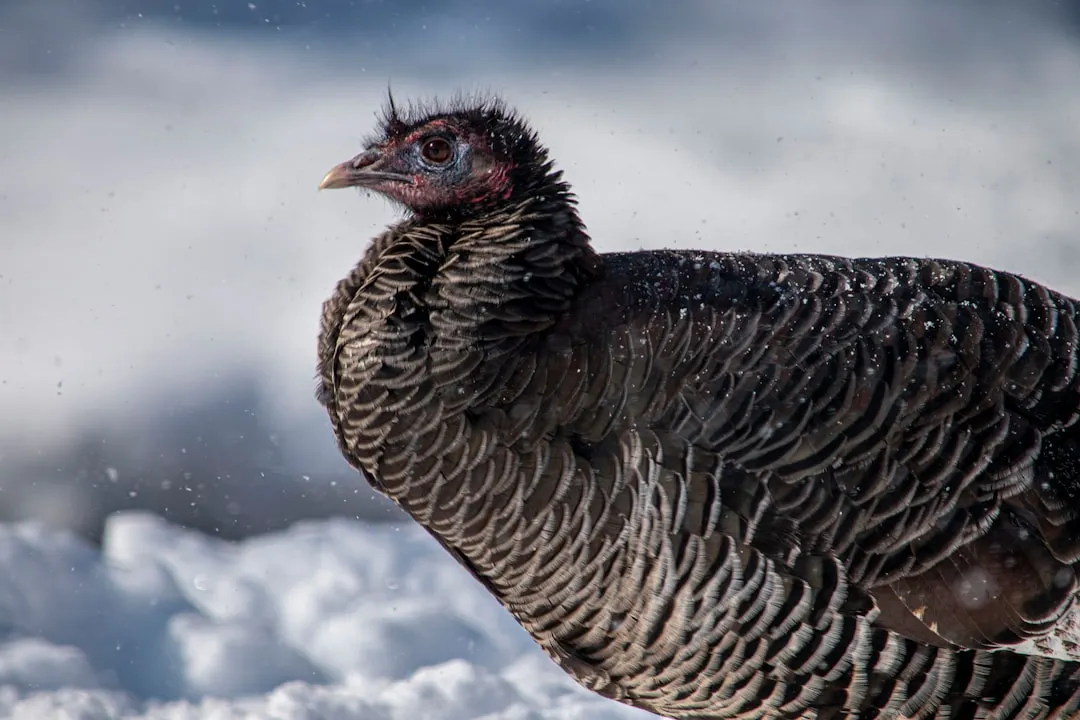
You’ve probably heard the joke: turkeys are so stupid they’ll stare at the sky in a storm and drown. That myth traces back to one early behavior study on a genetic disorder in a small line of domestic turkeys, whose neurological issue made them tilt their heads strangely upward under stress.
That odd posture, observed in a narrow lab population, somehow escaped into popular culture as proof that all turkeys are brainless and would literally die looking at rain.
Outside that one study, wild turkeys are anything but stupid. They navigate complex forests, recognize individual flock members, and learn predator patterns over time – hunters and wildlife photographers will tell you how wary they actually are.
Domestic industrial turkeys, bred for rapid growth, do have real health and behavior issues. But extrapolating from one abnormal research line to an entire species was bad science and worse storytelling – and it’s still Google’s top “fact” about turkey intelligence.
#7 – Goldfish: A Single Maze Test That “Proved” 3-Second Memory
🔥 Would you like to save this?
We'll email this post to you, so you can come back to it later!
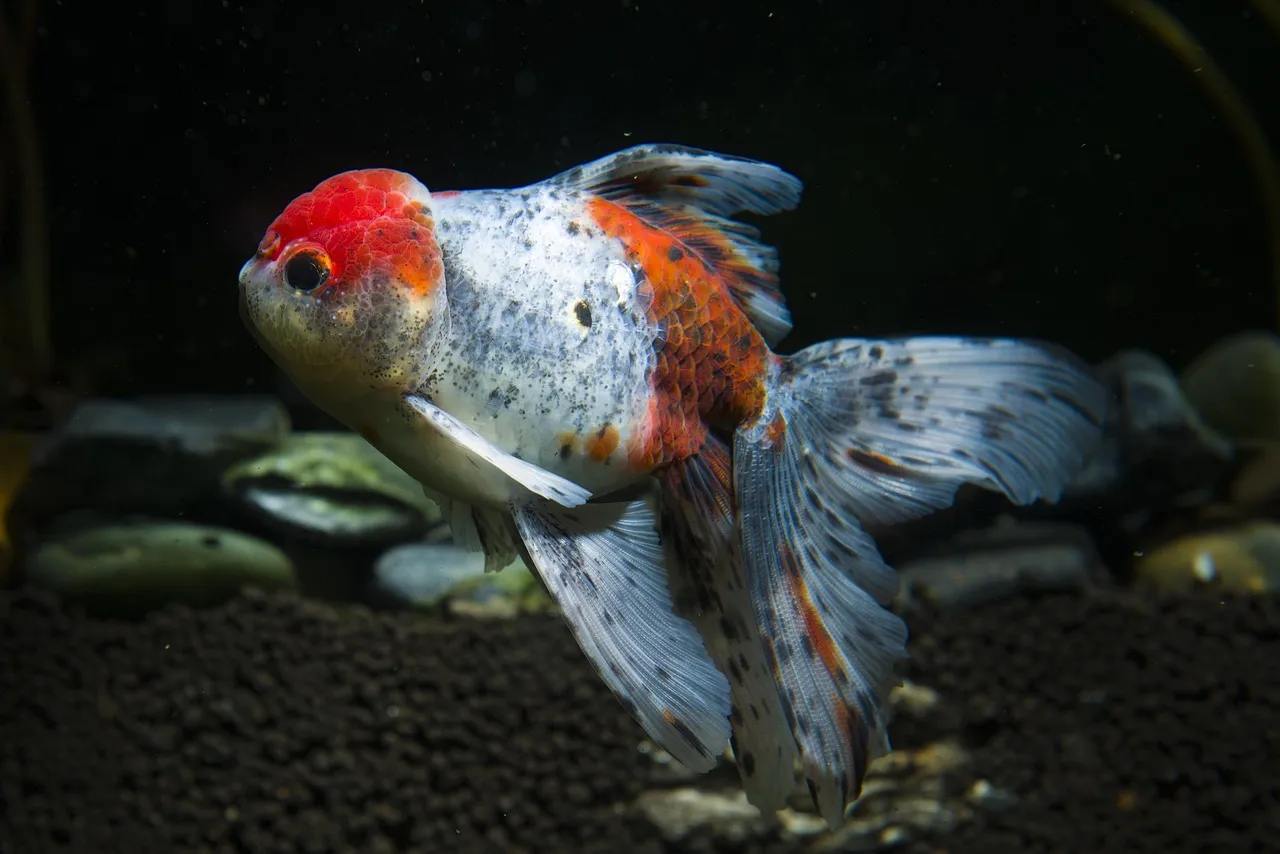
The goldfish 3-second memory myth is one of the laziest “facts” people still repeat. It mostly stems from an early, poorly designed learning experiment using crude mazes and short training intervals, which concluded that fast-fading performance meant goldfish had almost no memory.
Popular science writers stripped that finding of nuance and repackaged it as “goldfish can only remember 3 seconds.” It sounded quirky, so it stuck.
Later research using better methods – longer training, positive reinforcement, more naturalistic tanks – showed the exact opposite. Goldfish learn mazes, respond to feeding times, recognize caretakers, and remember tasks for weeks or months.
Aquarists have quietly known this for ages, watching fish swim to specific corners at the sound of a familiar noise. The original study essentially stressed the animals with a clumsy setup, then insulted their intelligence when they underperformed – a conclusion modern science flatly rejects.
#8 – Ostriches: The Head-in-the-Sand Myth From a Misread Field Note
🔥 Would you like to save this?
We'll email this post to you, so you can come back to it later!
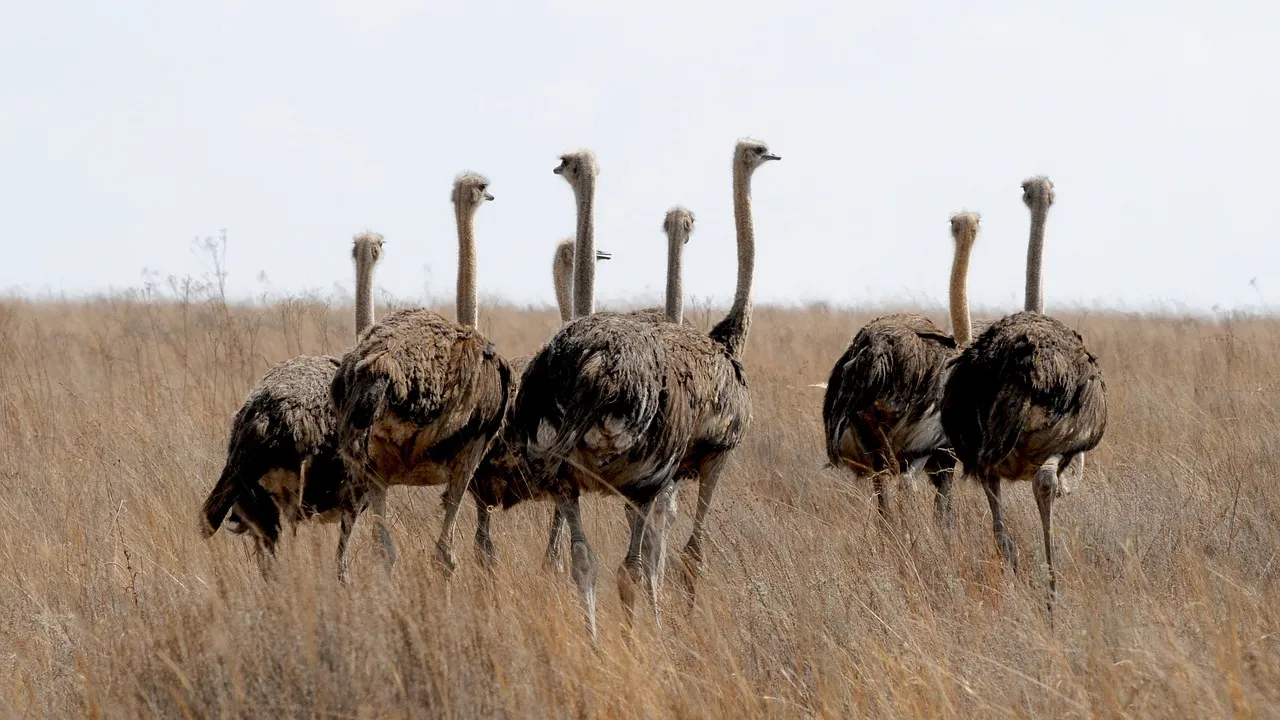
The famous idea that ostriches bury their heads in the sand when scared isn’t based on dozens of robust behavioral studies – it’s mostly rooted in one misinterpreted observation. Early naturalists saw ostriches lowering their heads to turn eggs, forage, or blend their long necks into the horizon, and assumed the birds were hiding underground.
That dramatic interpretation worked its way into popular writing and got repeated so often it effectively became “scientific,” without anyone ever verifying it systematically.
In reality, ostriches run when threatened, sprinting around 40 mph and relying on speed and powerful kicks, not magical invisibility. When they do crouch, it’s to flatten their profile with the head stretched along the ground, not buried.
There was never a credible experimental study showing head-burying as a fear response. But the story made such a good metaphor for human denial that it stuck – school posters, cartoons, even leadership seminars turned one bad guess into a global “fact.”
#9 – Bats: A “Blindness” Label From One Vision Test in Bright Light
🔥 Would you like to save this?
We'll email this post to you, so you can come back to it later!
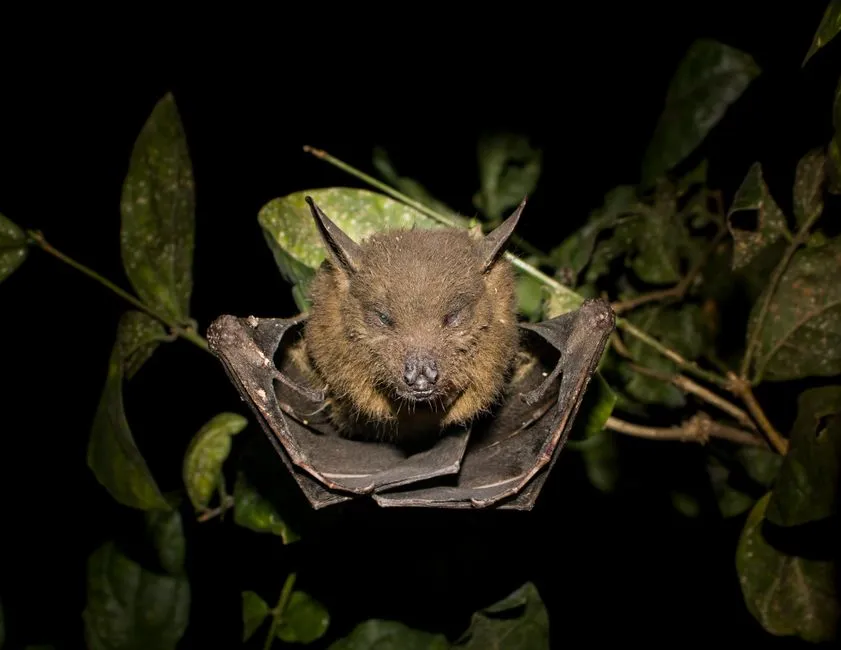
“Blind as a bat” started as a catchy phrase, but it picked up false scientific authority thanks to an early experiment testing bat vision in bright, open environments where bats don’t normally rely on sight at all.
Researchers exposed bats to intense light, watched them bump around clumsily, and concluded they had essentially no functional vision – feeding the idea that bats navigate purely by sonar and can’t see anything.
Later work revealed a more complicated reality. Most bats see reasonably well in low light, and some fruit bats have vision comparable to other nocturnal mammals. They combine echolocation with visual cues, especially at dusk and dawn.
That old experiment was like judging human vision underwater without goggles, then announcing “humans are basically blind.” Textbooks and idioms still echo that first flawed claim, rarely mentioning it came from tests that ignored how bats actually live.
Quick Compare
- Microbats: Lean heavily on echolocation to hunt insects in total darkness, but still retain functional eyesight.
- Megabats (fruit bats): Mostly skip echolocation, navigating instead by sight and smell with eyes built for low light.
- Both groups: No bat species has ever been documented as truly blind.
#10 – Opossums: “Immune to Rabies” Because of One Temperature Study
🔥 Would you like to save this?
We'll email this post to you, so you can come back to it later!
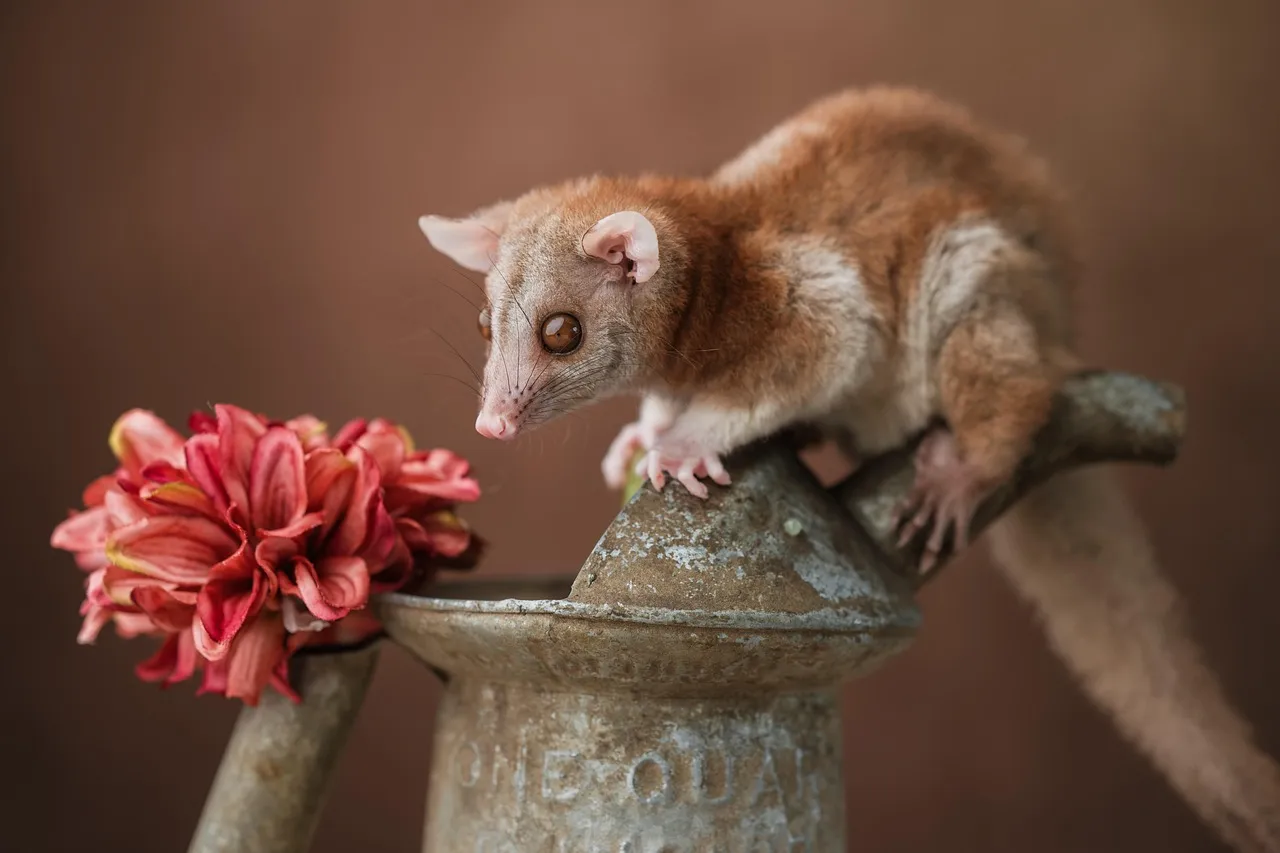
For years, people passed around the claim that opossums can’t get rabies, citing a single study on body temperature and rabies virus replication. Because opossums run cooler than many mammals, that early research suggested the virus might not thrive in them.
Popular media then inflated “less susceptible in lab conditions” into “they’re completely immune.” Wildlife rehabbers and animal control officers still fight this oversimplification when the public handles opossums recklessly, assuming zero risk.
More recent surveillance shows opossums can absolutely contract rabies – it’s just relatively rare compared to raccoons, skunks, or bats. Their cool body temperature and lifestyle might reduce incidence, but they’re not magically exempt.
The original study was small and specific, never meant to become a universal rule. Yet for many people, that one experiment is the only “science” they’ve ever heard about opossums – shaping both misplaced confidence and an unearned reputation as biological outliers.
#11 – Sloths: One Metabolism Study That Labeled Them “Lazy and Useless”
🔥 Would you like to save this?
We'll email this post to you, so you can come back to it later!
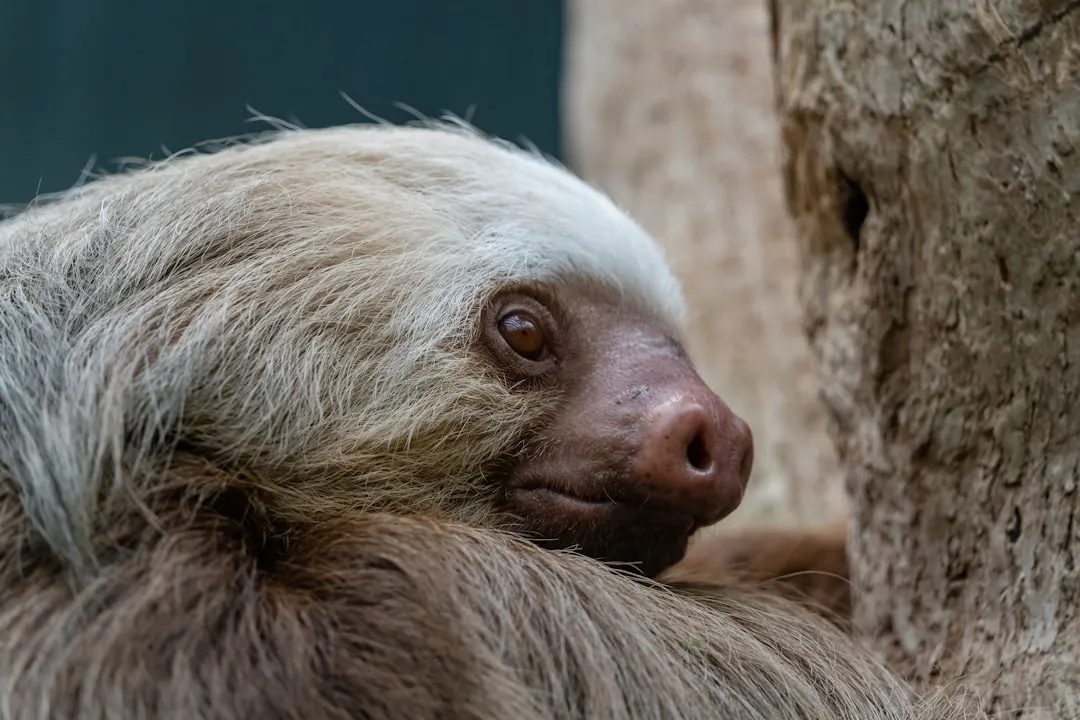
Sloths are often mocked as nature’s couch potatoes, allegedly contributing nothing to their ecosystems. That stereotype comes largely from one heavily publicized study of their slow metabolism, which measured low activity in captivity and concluded they were near the bottom of the “ecological value” ladder.
The study tracked caloric output and movement but barely addressed how those traits might be adaptive in the wild. Media coverage boiled it down to “sloths are barely alive,” which made for funny headlines and cruel jokes.
In reality, sloths are finely tuned to their environment. Moving slowly helps them avoid predators and conserve energy on a nutrient-poor leaf diet, and their fur hosts complex algae and insect communities that make them slow-motion nutrient movers in the canopy.
That early, metabolism-centric snapshot ignored context entirely and turned into a personality judgment. It’s like calling a hybrid car “lazy” because it doesn’t rev like a race car – yet most people’s mental image of sloths still comes from that one narrow lab perspective.
#12 – Chimpanzees: Overgeneralizing Aggression From One Famous Troop
🔥 Would you like to save this?
We'll email this post to you, so you can come back to it later!
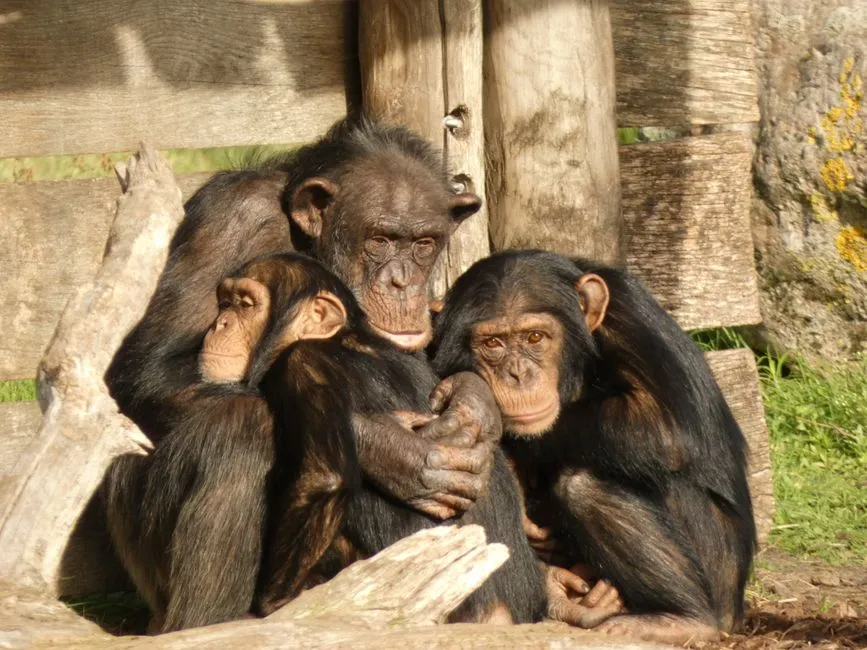
Chimps are now widely branded as hyper-aggressive “natural-born killers,” and a huge chunk of that reputation comes from one famously studied troop that showed unusually high rates of violence, including infanticide, coalition attacks, and intergroup killings.
The research itself was rigorous – it was just limited to one population under particular ecological and social pressures. Despite the authors’ own cautions, many commentators treated those chimps as a stand-in for the entire species.
Subsequent studies across other chimp communities and related species like bonobos show a far more variable picture. Some groups are markedly less violent; food scarcity, habitat fragmentation, and human disturbance can all amplify aggression rather than being fixed traits.
Yet when people talk about chimp behavior, they almost always reach for the bloodiest case study. It’s not that the original research was bad – it’s that the leap from one population to sweeping claims about “chimp nature” was terrible scientific storytelling.
#13 – Koalas: “Dumb Because Their Brains Are Smooth” From Old Anatomy Papers
🔥 Would you like to save this?
We'll email this post to you, so you can come back to it later!
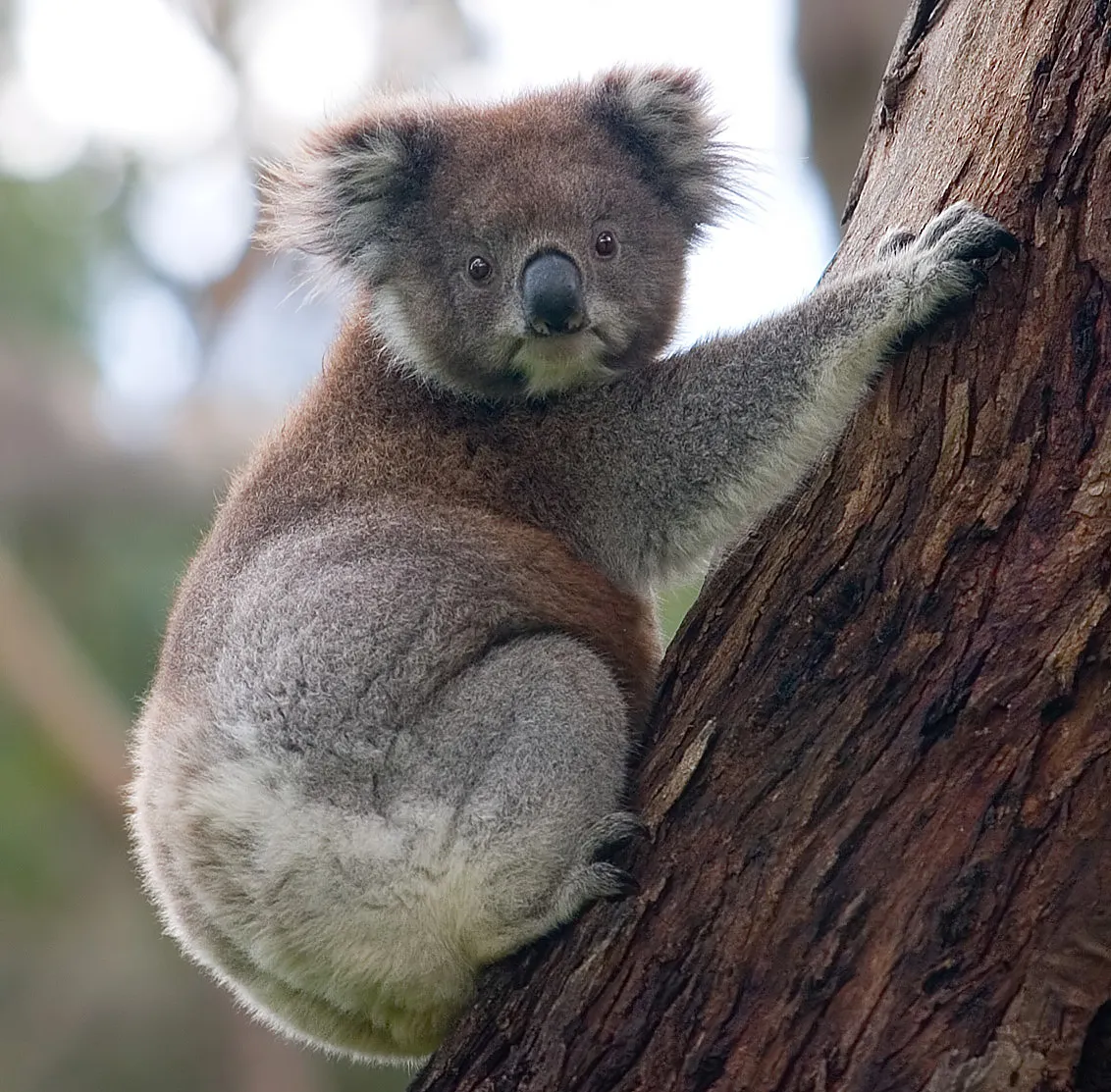
Koalas get roasted online as “too stupid to recognize leaves off a branch,” and that slur mainly comes from early anatomical studies noting their relatively smooth brains and small frontal lobes. A handful of 19th- and early 20th-century papers speculated this meant koalas were cognitively simple.
Those speculations got repeated and exaggerated until they became a meme-level conclusion, backed by a couple of casual anecdotes of captive koalas ignoring leaves placed in a bowl.
More balanced research suggests koalas are specialized, not brainless. They show strong spatial memory of home ranges, trees, and travel routes, and their “picky eating” is actually a finely tuned adaptation to toxic eucalyptus chemistry.
Judging a eucalyptus specialist by its performance in a zoo puzzle box is like calling a chess grandmaster stupid for being bad at juggling. Still, those old brain-shape papers cast a long shadow – most people assume koala intelligence has been robustly tested and found lacking, when really we’ve mostly repeated one anatomical impression for a century.
#14 – Vultures: A Single Toxin Study That Branded Them “Filthy Disease Spreaders”
🔥 Would you like to save this?
We'll email this post to you, so you can come back to it later!
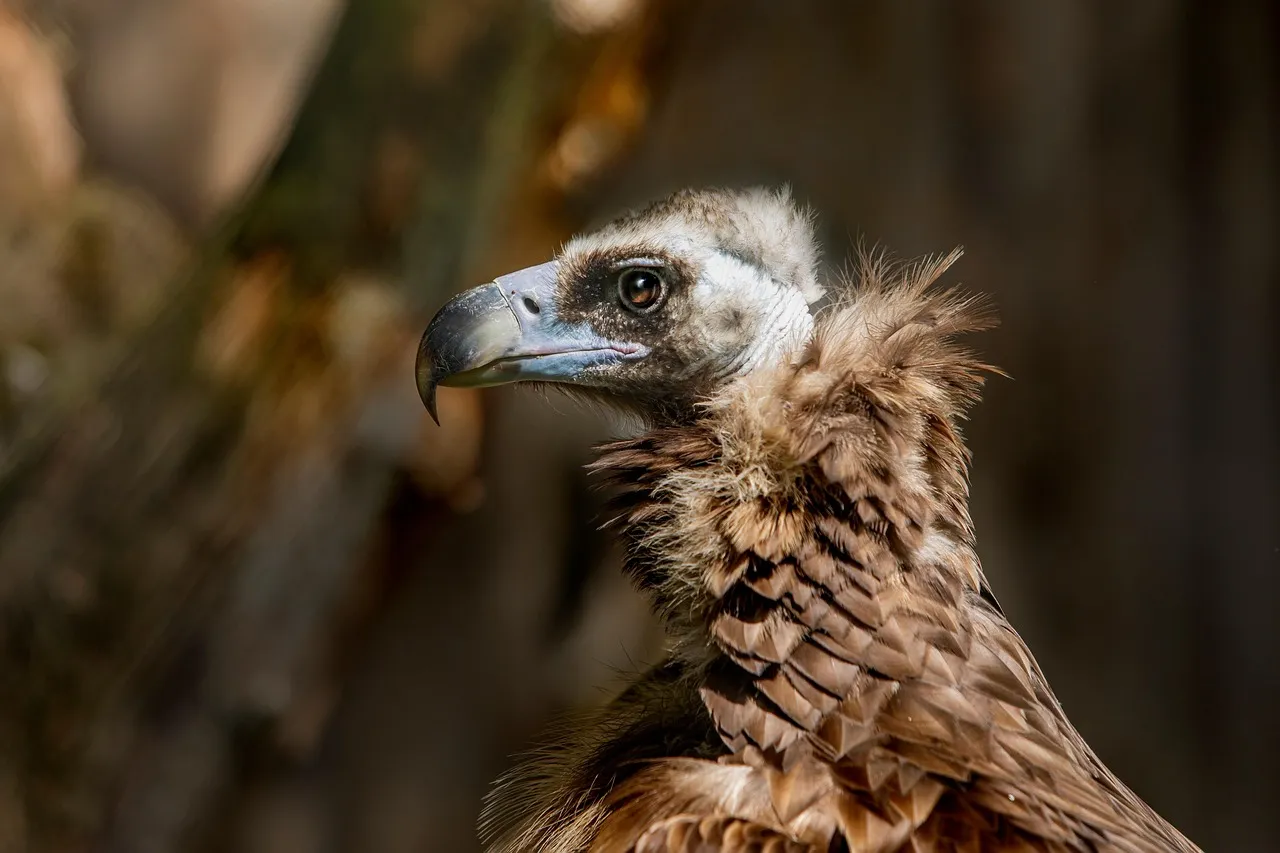
Vultures get slammed as dirty birds spreading sickness, and a lot of that stigma traces back to one influential early study on pathogens found on carrion-eating animals. Researchers swabbed beaks and feathers, found bacteria you’d expect on dead meat, and implied vultures might be major disease vectors.
That implication quickly morphed into “vultures are dangerous,” despite the study never actually tracking transmission or illness in humans or livestock. It measured presence, not impact.
Follow-up research has flipped the narrative completely. Vultures’ extremely acidic stomachs destroy many harmful pathogens, and by consuming carcasses quickly, they likely reduce disease spread rather than fuel it. In regions where vulture populations crashed, some data suggest a rise in feral dogs and rabies risk.
The leap from “they encounter bacteria” to “they’re flying biohazards” was enormous and never justified by field epidemiology. Most people have never been told vultures act more like public sanitation workers than villains.
#15 – Pit Bulls: Temperament Panic From One Biased Bite Survey

🔥 Would you like to save this?
We'll email this post to you, so you can come back to it later!
Pit bulls might be the most divisive domestic animals alive, and their reputation as inherently vicious dogs largely grew out of one highly publicized bite-statistics survey that lumped multiple breeds together and relied on inconsistent reporting.
The study counted “pit bull-type” dogs as a single aggressive category without controlling for popularity, training, environment, or misidentification. Media outlets pounced on the numbers, claiming they “proved” pit bulls were uniquely dangerous – fueling breed bans and insurance restrictions that still exist today.
More recent, methodologically careful work shows owner behavior, socialization, and context are far stronger predictors of aggression than breed label alone. Many so-called pit bull attacks actually involve mixed-breed dogs misidentified after the fact.
Breed is a poor predictor of aggression; deeds, not breeds, is where the evidence actually points.
American Veterinary Society of Animal Behavior position statement
Independent temperament tests often place pit bull-type dogs in the same range as popular family breeds. But the original, thin-on-nuance survey continues to shape laws and public opinion – one shaky dataset became the foundation for a global stereotype that now affects millions of individual dogs.
#16 – Pandas: The “Bad at Sex” Myth From One Captive Breeding Study

🔥 Would you like to save this?
We'll email this post to you, so you can come back to it later!
The running joke that giant pandas are “too dumb or too lazy to mate” comes mainly from early captive breeding studies where researchers saw very low reproductive success in zoos and concluded pandas were naturally inept breeders.
Those conclusions ignored cramped enclosures, poor environmental enrichment, mismatched pairs, and chronic stress. Instead of questioning the setup, many scientists and journalists doubled down on the idea that pandas were evolutionary accidents that “didn’t even want to survive.”
Field research tells a completely different story. In the wild, pandas roam, choose mates, and show complex scent-marking and courtship behavior.
When zoos redesigned enclosures, adjusted diets, allowed more natural social interaction, and improved insemination timing, captive breeding success improved dramatically. The “pandas are bad at sex” meme is mostly a relic of one clumsy phase of husbandry – ironically, the “proof” of panda incompetence was really a study of how badly we were accommodating them.
#17 – Black Cats: A Superstition “Study” That Pretended to Be Statistics
🔥 Would you like to save this?
We'll email this post to you, so you can come back to it later!
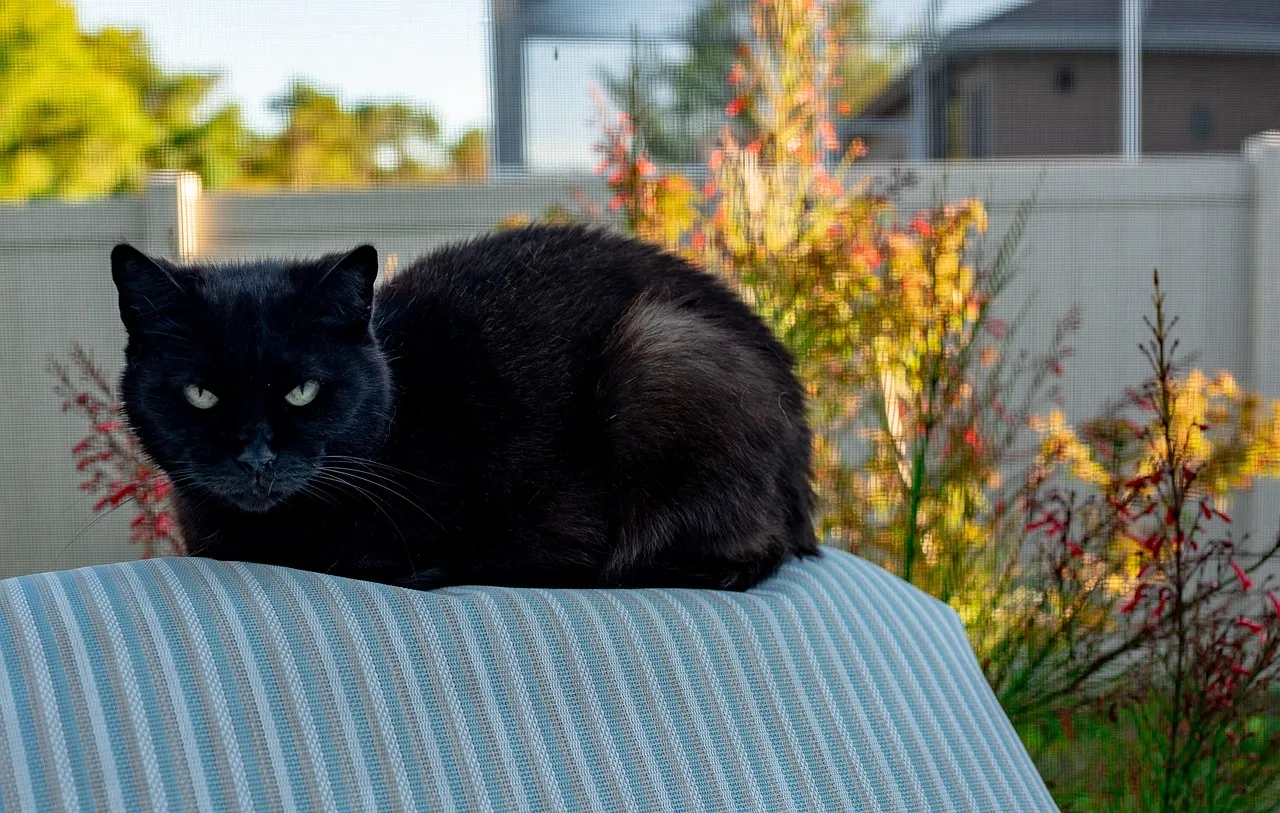
Black cats’ reputation as bad luck predates modern science, but it was cemented in the 19th and early 20th centuries by pseudo-statistical pamphlets and “moral studies” claiming higher misfortune rates among owners of black cats.
These weren’t controlled epidemiological papers – they were biased collections of anecdotes framed as data to justify existing superstition. A few sensationalist writers tallied tragic stories involving black cats, ignored every mundane, happy household with one, and declared a pattern.
Despite zero credible evidence that coat color affects behavior or fate, black cats still take the reputational hit. Some shelters report they’re adopted more slowly, and urban legends linger about them being targeted around Halloween.
Modern behavior research focuses on personality, socialization, and environment, not fur color – no rigorous study has ever shown black cats bring bad luck. It’s a case where “science-ish” rhetoric gave old superstition a fake empirical backbone, making irrational fear harder to shake.
#18 – Gray Wolves (Again): The “Alpha” Myth From One Captive Pack Study
🔥 Would you like to save this?
We'll email this post to you, so you can come back to it later!
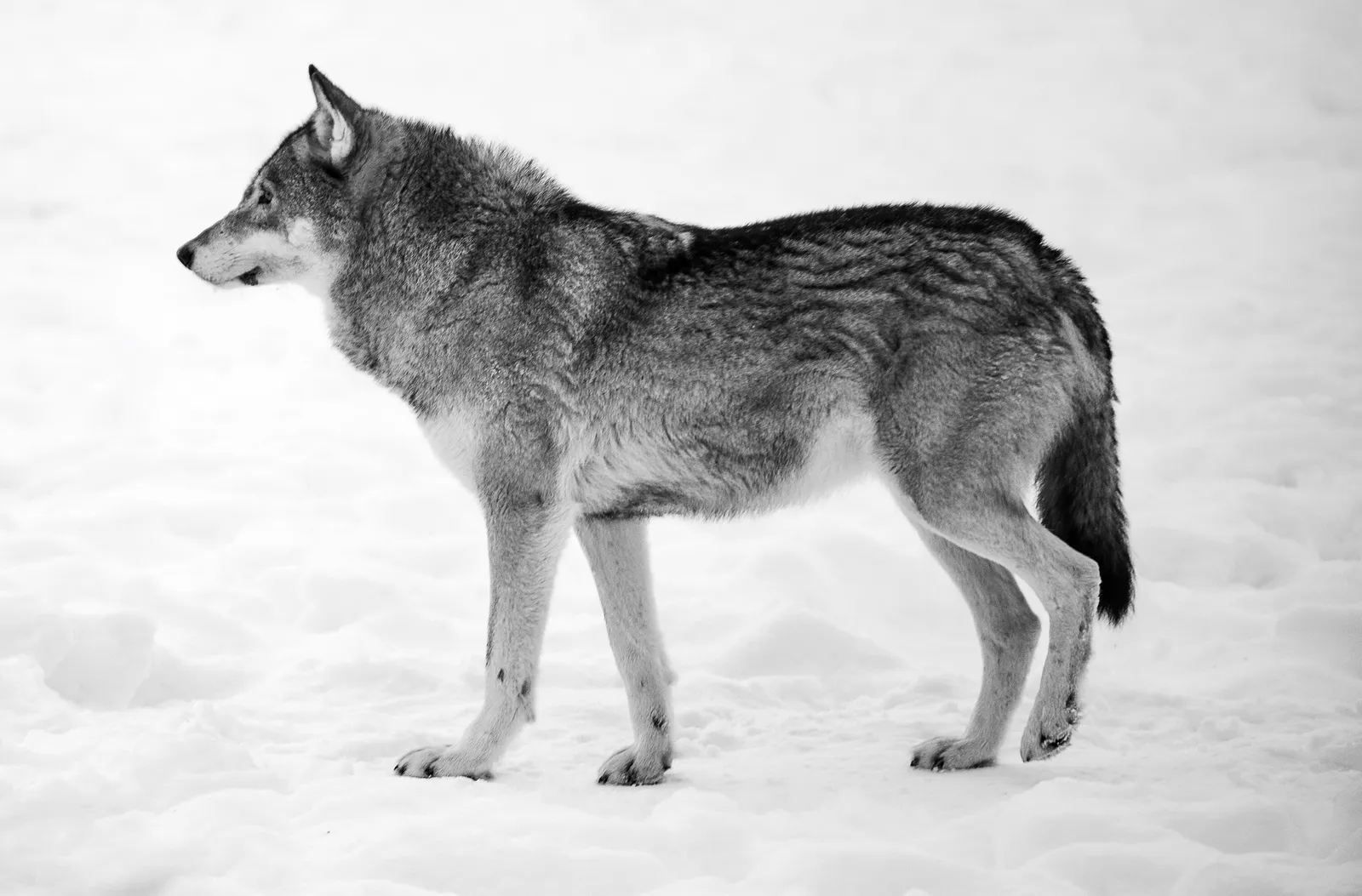
If there’s one reputational mess that shows exactly how a single study can warp the world, it’s the “alpha wolf” concept, born from early research on unrelated wolves forced into captive enclosures.
Observing these stressed, artificial groups, scientists saw rigid dominance hierarchies and coined terms like “alpha,” “beta,” and “omega.” That model got exported to wild wolf behavior, dog training, and even human leadership theory – self-help books and TV trainers pushed dominance-based methods, insisting we had to be “alpha” over our dogs because “that’s how wolves work.”
Later, long-term field research on natural wolf families blew the whole thing up. Wild packs are typically parents and offspring, not random prisoners thrown together – “alpha” wolves are basically mom and dad, and stable packs rely on cooperation far more than constant dominance fights.
Even the researcher who popularized the term later said it was misleading applied to wild wolves – but the correction came decades too late. One captive-pack study, taken wildly out of context, reshaped our cultural language about power, parenting, and pets more than any wild wolf ever did.
At a Glance
- Origin: a mid-20th-century study of unrelated wolves crammed together in captivity.
- Result: researchers saw forced dominance battles and labeled ranks “alpha,” “beta,” and “omega.”
- Reality check: wild packs are usually just a mated pair and their pups – parents, not prizefighters.
- Reversal: the scientist who popularized “alpha wolf” later publicly walked the term back for wild populations.
The Bottom Line
🔥 Would you like to save this?
We'll email this post to you, so you can come back to it later!
Zoom out and a pattern jumps off the page: again and again, one flashy experiment, one staged stunt, or one poorly contextualized field study became the story about an entire species – and we just ran with it for generations.
Sharks as man-eaters, lemmings as suicidal, pit bulls as born vicious, wolves as obsessed with “alpha” dominance – none of these are conclusions from massive, converging datasets. They’re thin, early, sometimes outright wrong results that happened to be dramatic enough for a headline.
Honestly, the animals aren’t the ones who should be embarrassed here. We are. A species can spend a hundred years quietly proving it was misjudged, and the myth still wins because it’s more fun to repeat than the correction. If you take one thing from this list, take this: the next time an animal fact sounds too clean, too quotable, too perfect for a meme, ask what one shaky old study it’s actually standing on.

- 7 Everyday Habits That Can Make Your Senior Dog Happier - November 5, 2026
- 10 Enigmatic Structures That Continue to Puzzle Scientists Today - November 5, 2026
- 10 Strange Ruins in the Americas That Challenge What We Know About Early History - November 5, 2026