

The natural world is a delicate balance of ecosystems, where every species plays a crucial role. Unfortunately, many bird species are facing the brunt of human activities, particularly habitat destruction. From deforestation to urbanization, their homes are disappearing, bringing them perilously close to extinction. In this article, we’ll delve into 18 bird species currently on the brink due to habitat destruction. Understanding these species’ predicaments can help drive conservation efforts and inspire action to preserve our planet’s rich biodiversity.
The Harpy Eagle: Majestic Predator Under Threat

The Harpy Eagle, one of the largest and most powerful birds of prey, is native to Central and South American rainforests. Habitat destruction caused by logging and agricultural expansion has led to significant declines in their population. As top predators, they play a crucial role in controlling prey populations and maintaining forest health.
The Kakapo: The Flightless Wonder

The Kakapo, a flightless parrot endemic to New Zealand, is critically endangered. This nocturnal bird faces threats from habitat loss due to deforestation and predation by non-native species. Conservation efforts focus on protecting their remaining habitats and breeding programs.
The Philippine Eagle: A National Treasure in Danger
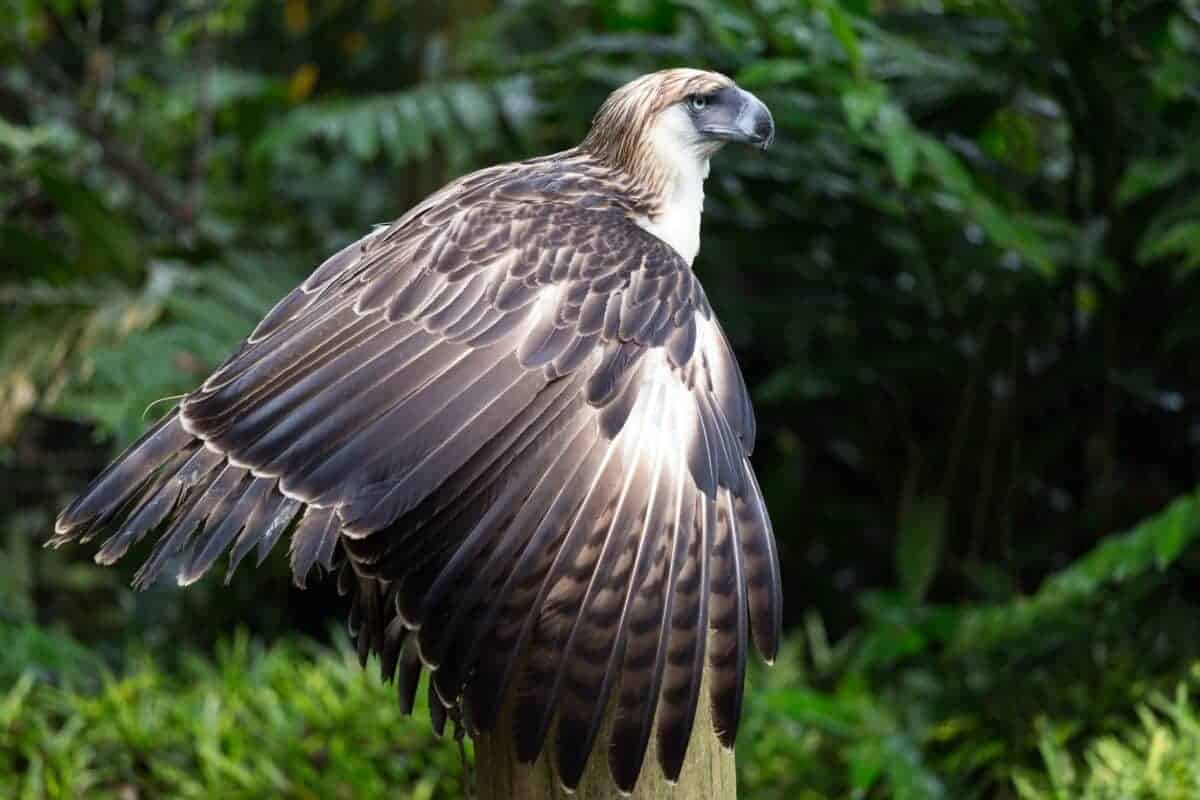
Known as the “Monkey-eating Eagle,” the Philippine Eagle is one of the rarest birds in the world. Endemic to the Philippines, it suffers from habitat loss due to deforestation for agriculture and urban development. Conservationists are striving to protect the remaining forests critical to its survival.
The Spix’s Macaw: Blue Gem at Risk

The vibrant Spix’s Macaw gained fame through the animated movie “Rio,” but in reality, it’s nearly extinct in the wild. Native to Brazil, this bird’s habitat has been severely reduced due to agriculture and dam construction. Captive breeding programs offer hope for its reintroduction.
The Spoon-billed Sandpiper: Small and Vulnerable

Breeding in the remote Arctic tundra, the Spoon-billed Sandpiper faces critical threats from habitat loss due to climate change and land reclamation. These factors lead to wetland destruction, directly impacting their breeding and feeding grounds.
The Black Rhinoceros Hornbill: Forest Guardian in Peril
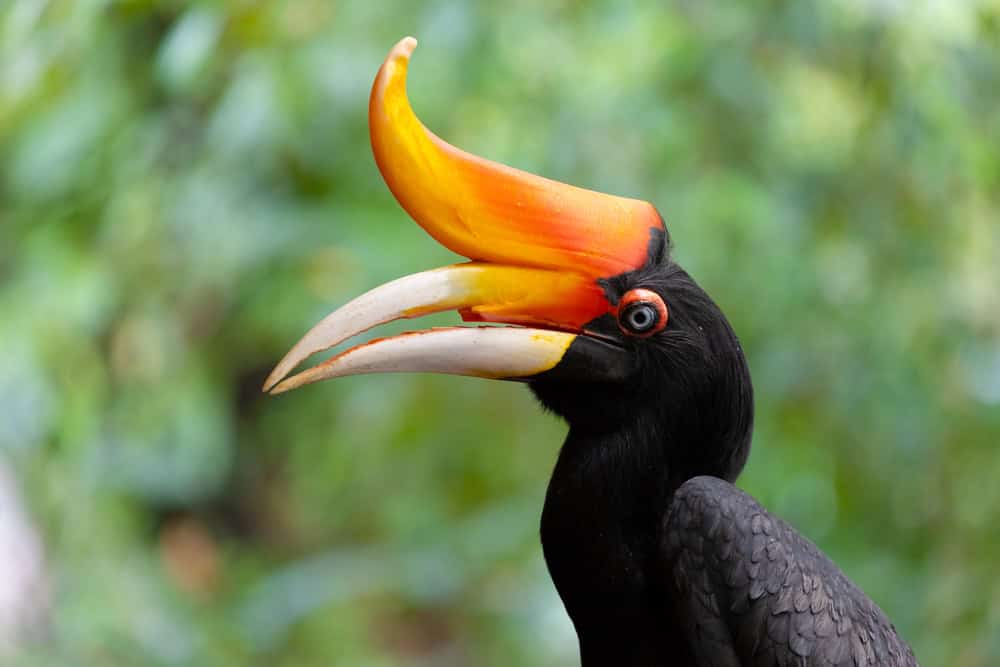
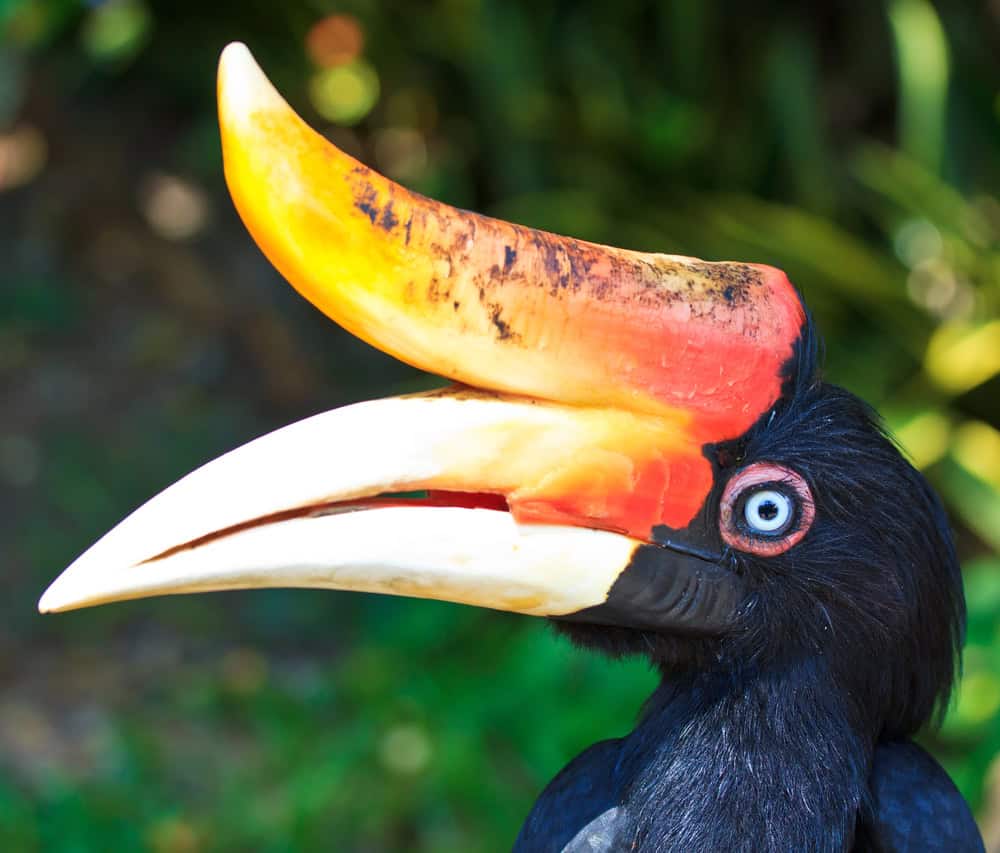
Inhabiting Southeast Asian tropical forests, the Black Rhinoceros Hornbill is encountering habitat destruction from logging and agricultural conversion. Their presence is vital for seed dispersal, making them crucial for forest regeneration.
The Madagascar Pochard: Rediscovered Survivor
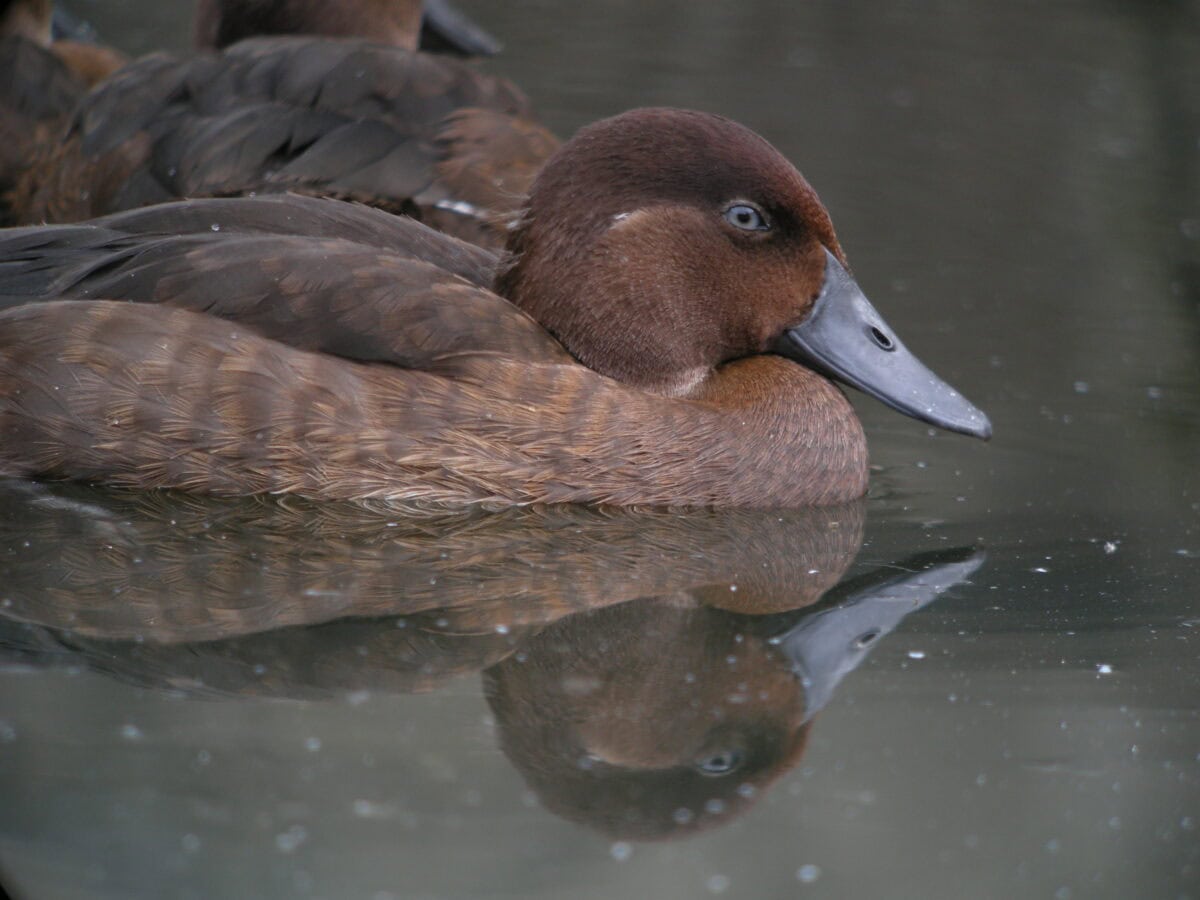
Once thought extinct, the Madagascar Pochard was rediscovered in 2006. It inhabits a few northern Madagascar lakes which are under threat from pollution and invasive species. Conservation efforts are underway to improve its habitat and increase its population.
The Regent Honeyeater: Spectacular Songbird on the Edge
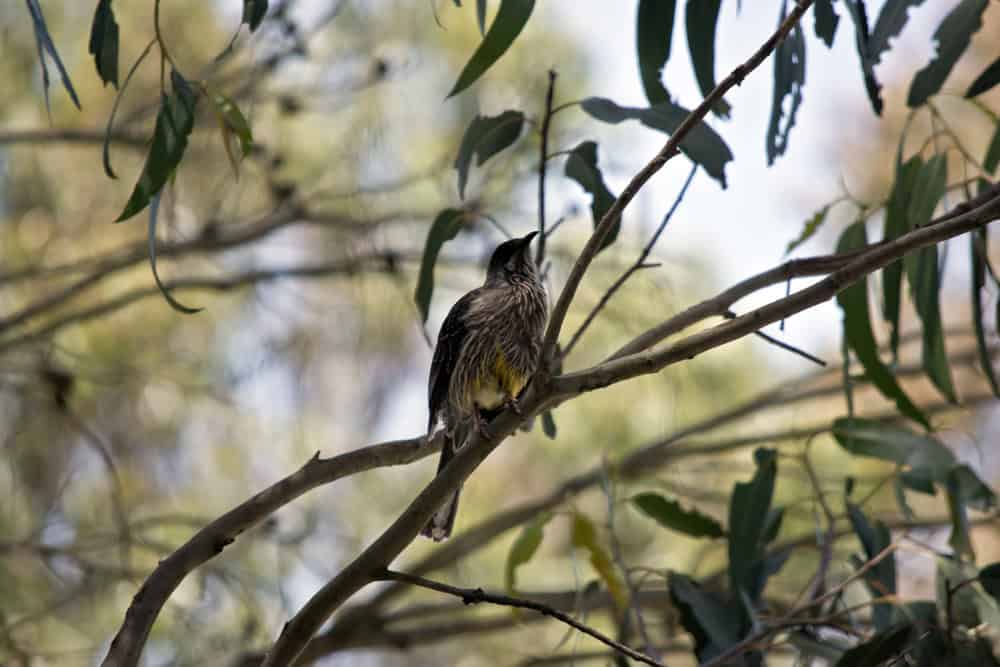
This striking Australian bird is endemic to woodland regions that are shrinking due to agriculture and urban expansion. The Regent Honeyeater relies on nectar from eucalyptus flowers, which are also declining, exacerbating their plight.
The Hawaiian Crow: A Symbol of Cultural Significance
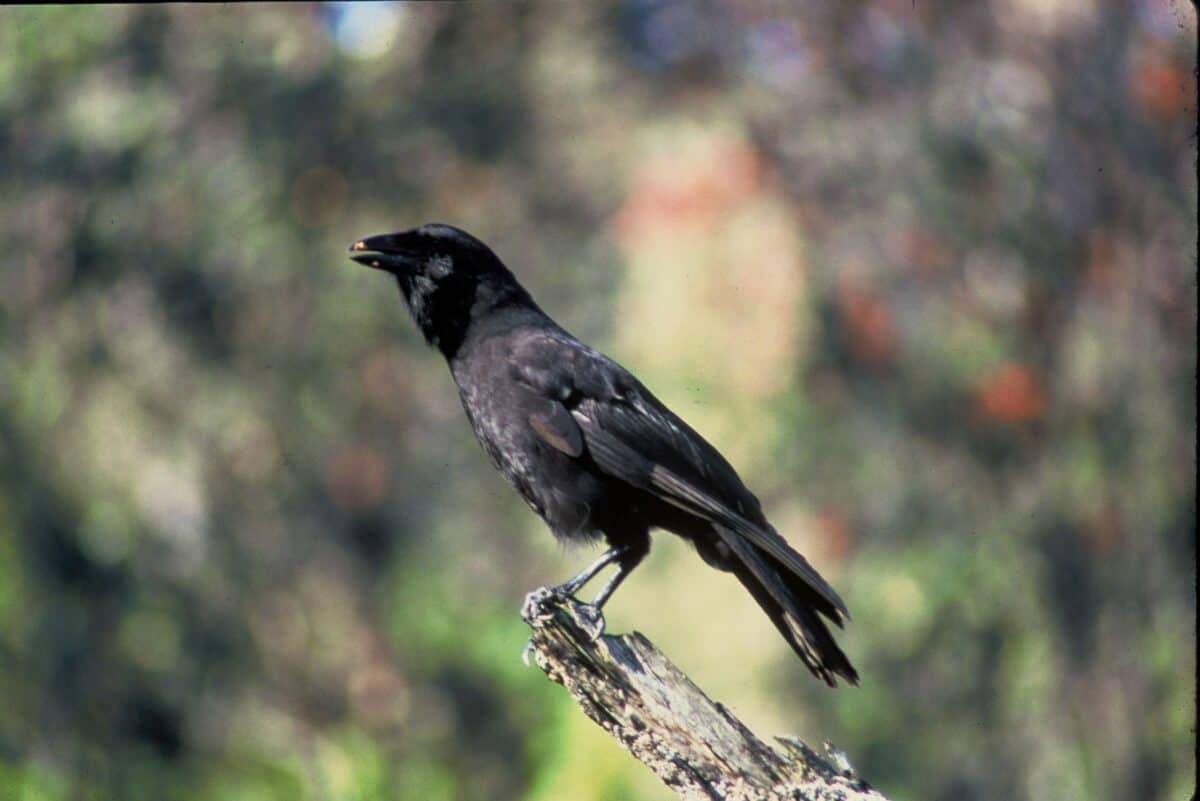
Known locally as ‘Alalā, the Hawaiian Crow is extinct in the wild primarily due to habitat destruction and diseases. Native forests continue to face challenges from invasive plant species and livestock grazing, hindering reintroduction efforts.
The Yellow-eyed Penguin: Coastal Species in Crisis
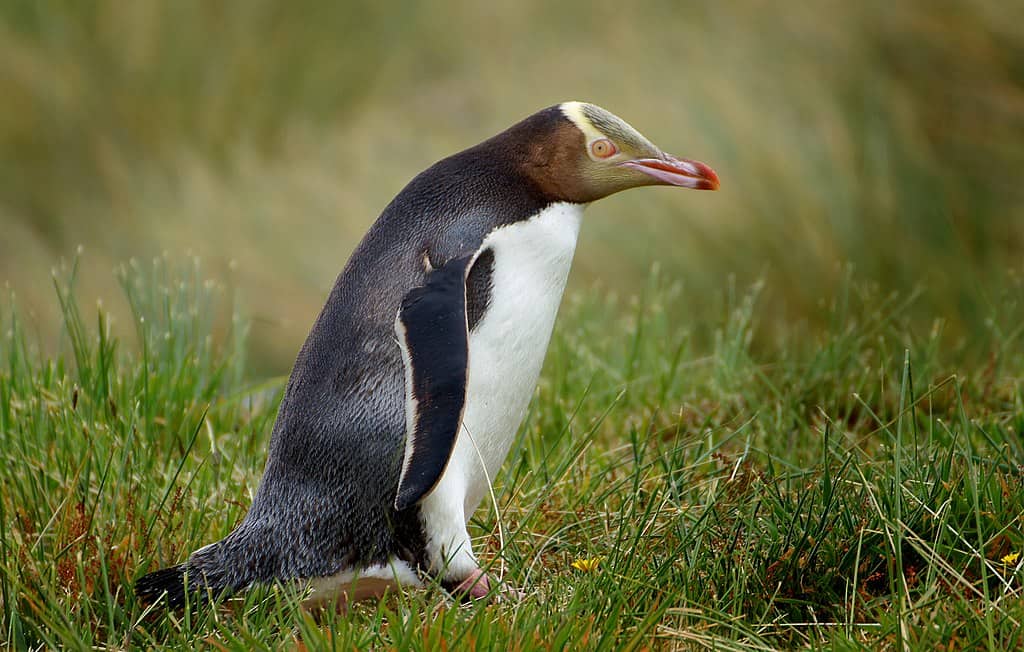
Native to New Zealand, the Yellow-eyed Penguin is endangered due to coastal habitat destruction and bycatch in fishing nets. Climate change and human disturbance further exacerbate the threats they face, highlighting the need for stringent protective measures.
The Andean Condor: Mountain Majesty in Decline

Once soaring prominently across the Andes, the Andean Condor is now endangered. Habitat loss from mining and agriculture, combined with poisoning and hunting, are major threats. Preserving their mountainous habitats is critical for their survival.
The Forest Owlet: A Resilient Survivor

Believed extinct for over a century, the Forest Owlet was rediscovered in India. Its limited remaining habitat is threatened by deforestation and human encroachment. Conservation initiatives focus on protecting its forested habitats from further degradation.
The Florida Grasshopper Sparrow: A State Treasure at Risk

Endemic to the prairies of central Florida, this sparrow species is highly endangered due to habitat loss from agricultural development and land conversion. Conservation efforts are essential to restore and protect their dwindling grassland habitats.
The Javan Hawk-Eagle: Indonesia’s Conservation Icon
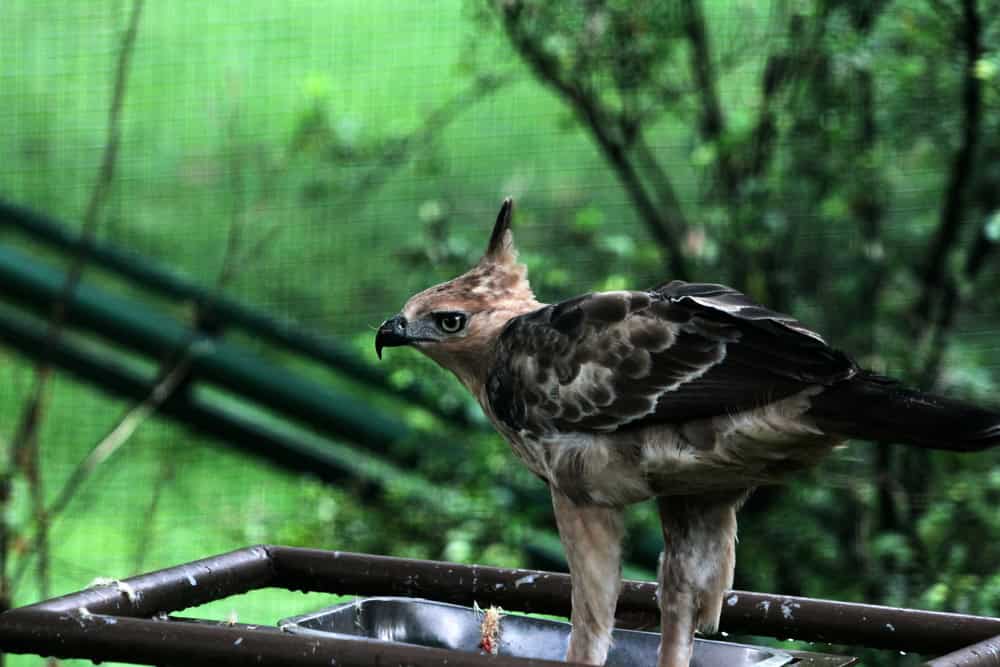
Indonesia’s national bird, the Javan Hawk-Eagle, is endangered due to extensive deforestation in Java. It depends on lowland forests for nesting and hunting, both of which are rapidly disappearing.
The Kirtland’s Warbler: A Woodland Migrant Endangered
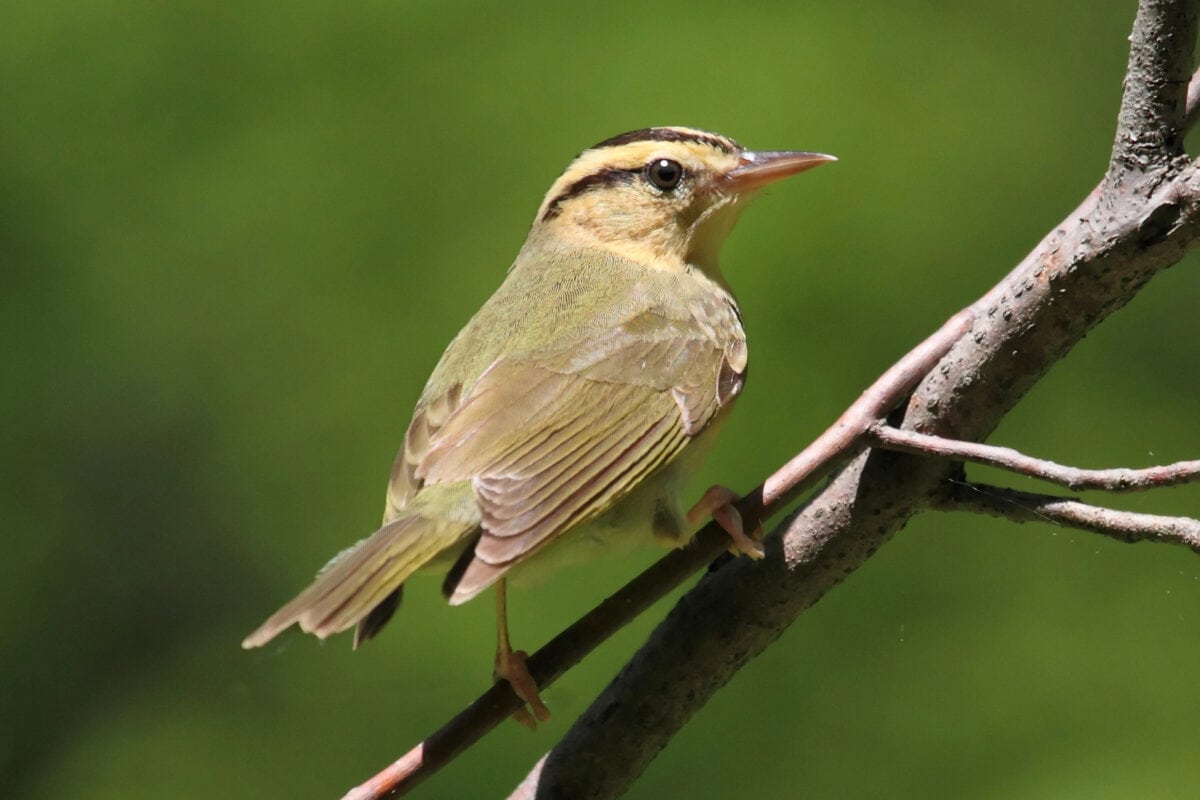
Known for its specific nesting requirements in mature jack pine forests, the Kirtland’s Warbler faces threats from habitat loss due to logging. Conservation efforts have focused on habitat management and cowbird control to protect this species.
The Rimatara Lorikeet: Polynesia’s Rainbow Gem
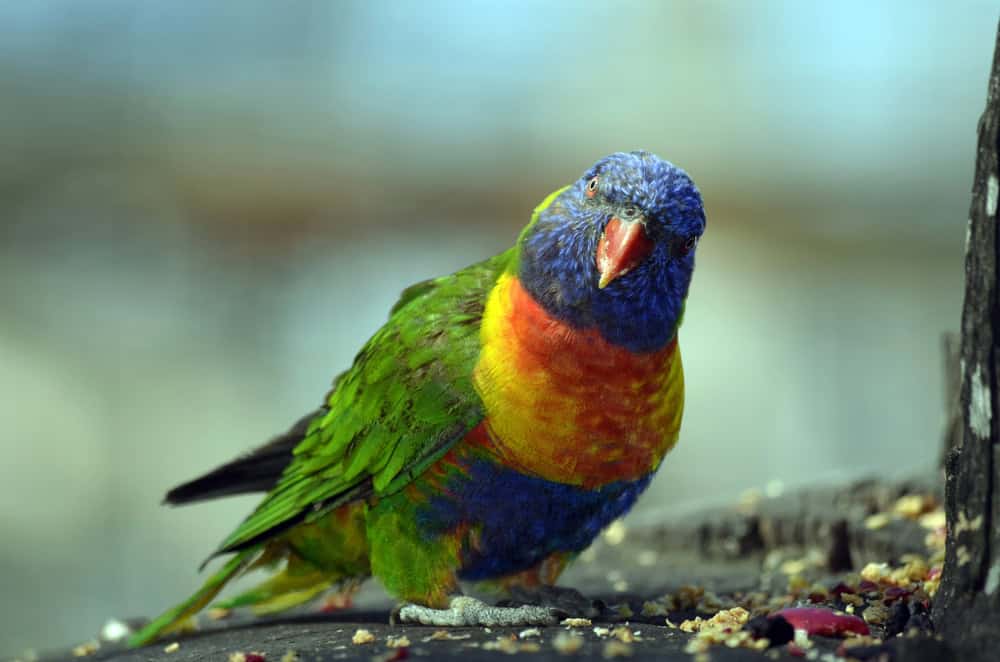
Once widespread, this vibrant bird is now mostly confined to small islands. Habitat alteration due to agriculture and the introduction of predators pose significant threats to the Rimatara Lorikeet’s survival.
The Uluguru Bushshrike: Mountain Mystery Bird

Found only in the small Uluguru Mountains of Tanzania, this bird’s habitat is at risk due to agricultural expansion and logging. Conservationists are working to protect the lush montane forests critical to their existence.
The White-winged Flufftail: Wetland Wonders in Jeopardy
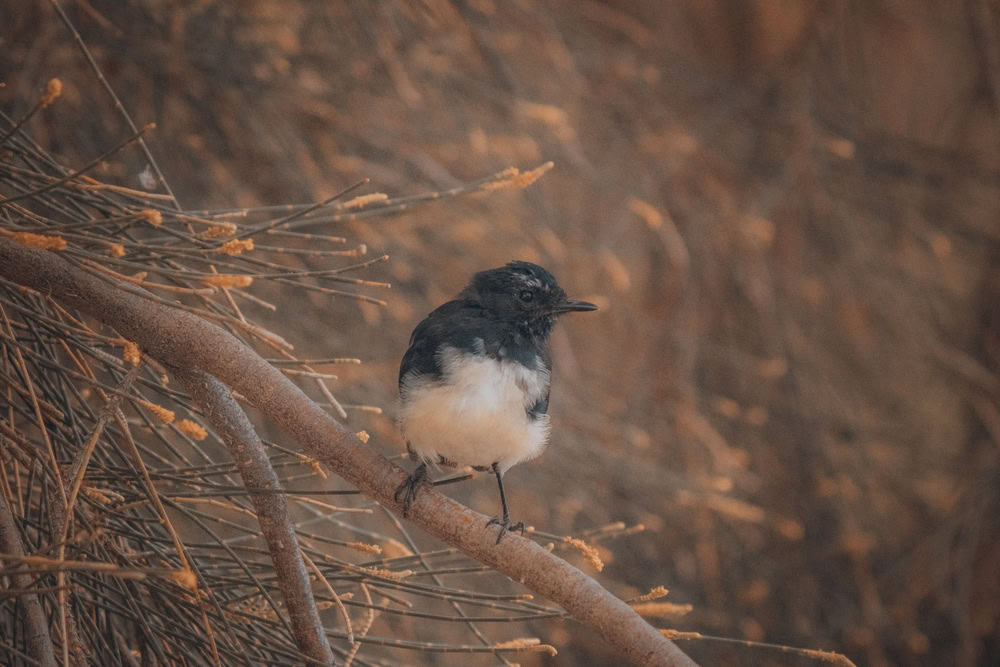
This elusive bird inhabits the marshes of Ethiopia and southern Africa, facing habitat destruction from agriculture and drainage. Protecting wetlands is essential for the survival of the White-winged Flufftail.
Conclusion: Turning the Tide Through Conservation
The diversity and beauty of bird species around the globe are under insidious threat from habitat destruction. Without swift and concerted conservation efforts, these vibrant and crucial members of our planet’s ecology face an uncertain future. By understanding and protecting their habitats, supporting conservation programs, and spreading awareness, we can help ensure these species continue to thrive for future generations.

- 7 Animals That Can Survive Extreme Environments You Couldn’t - July 20, 2026
- The Longest Snake Ever Found in the U.S. - July 20, 2026
- The Top 10 Animal Escapes That Shocked the World - July 20, 2026