
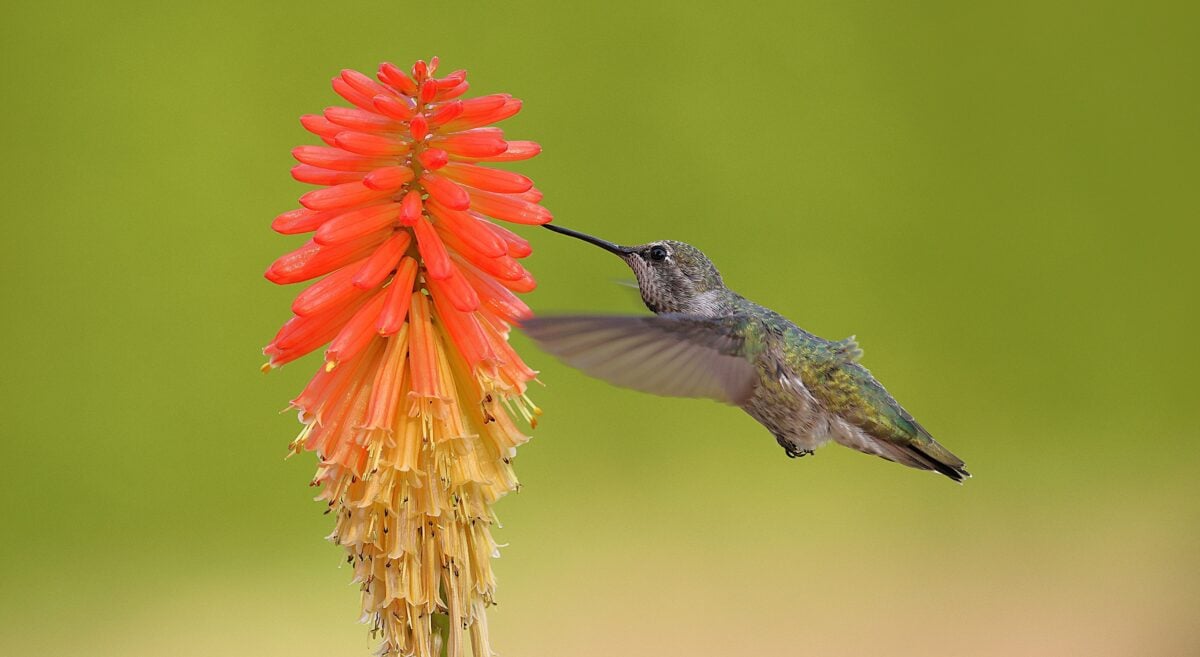
Everyone assumes a hummingbird’s life is one long, sugar-rushed hover between flowers – effortless, sparkly, weightless. Then someone put the exact same bird on a scale at dusk, and again at dawn, and the numbers flatly refused to cooperate with that fantasy.
What that simple, repeated act uncovered wasn’t cute. It read more like a tiny creature’s bank statement, full of overdrafts, emergency loans, and razor-thin margins. Eighteen times, the scale caught something the naked eye never could – and by the end, you won’t look at a hummingbird feeder the same way again.
#1 – Hummingbirds Wake Up Already Running on Empty

🔥 Would you like to save this?
We'll email this post to you, so you can come back to it later!
Most people picture a hummingbird waking up recharged, like it slept off a sugar high. The scale says the opposite. When researchers weighed the same bird late in the evening and again at first light, overnight weight loss sometimes reached 15 to 20 percent of body mass. For a human, that’s like losing 30 pounds overnight and needing every bit of it back by dinner just to stay alive.
Dawn after dawn, the pattern held: these birds hit sunrise at or near their lowest safe weight, every single day. They’re not waking up rested – they’re waking up on the edge of a cliff. One bad morning, a cold snap, no open flowers, a bully hogging the feeder, and they’re in genuine danger before the sun has even cleared the trees.
Fast Facts
- Overnight weight loss can reach 15 to 20 percent of body mass in a single night
- A typical hummingbird weighs just 3 to 4 grams – about the same as one penny
- Body temperature and metabolism both drop sharply once torpor kicks in
- Dawn weigh-ins consistently land near the bird’s lowest safe survival threshold
#2 – They Build “Emergency Fat” in Just a Few Hours
🔥 Would you like to save this?
We'll email this post to you, so you can come back to it later!
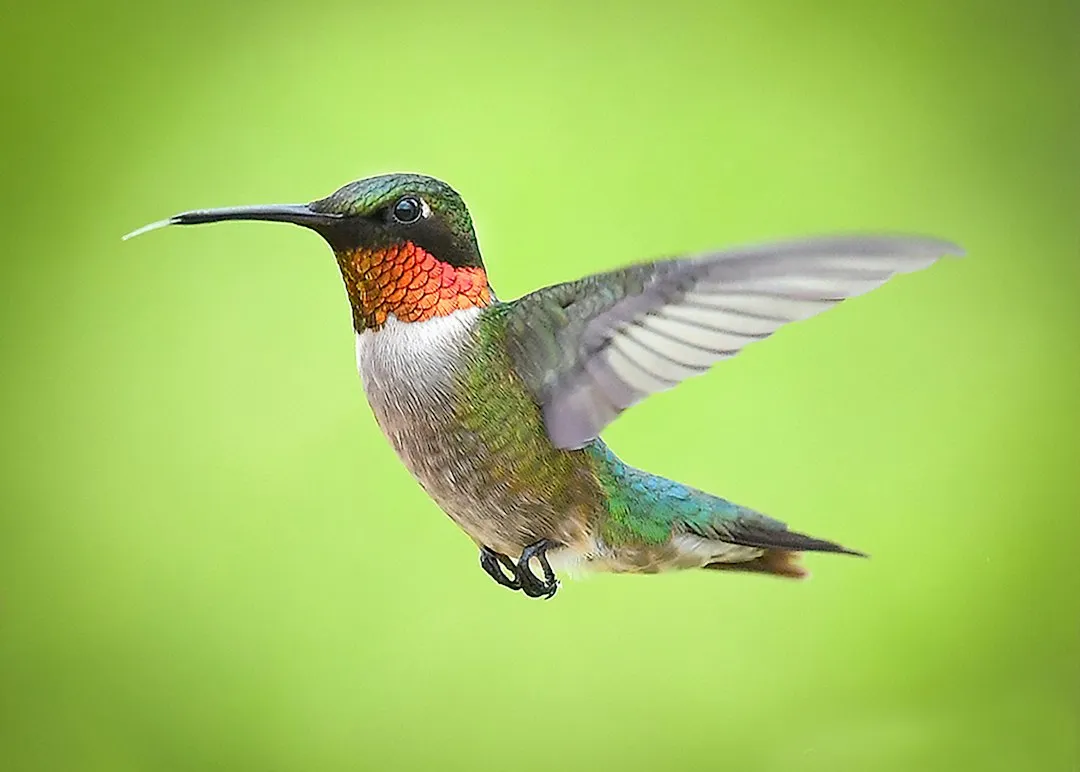
Weigh the same bird at sunrise, then again by late afternoon, and the numbers look almost fake. In half a day, a hummingbird can nearly double its fat reserves, turning a feathered skeleton into a tiny flying fuel tank. This isn’t casual snacking. It’s a hyper-precise survival strategy running on an internal clock.
Researchers noticed the mass spike happened on a predictable schedule, even when food was available all day long. These birds aren’t just eating whenever – they’re timing their heaviest weight to land right before nightfall. Miss that afternoon surge, and the overnight math simply stops working.
#3 – One Cold Night Rewrites Their Entire Strategy
🔥 Would you like to save this?
We'll email this post to you, so you can come back to it later!
The real surprise came after a cold snap. Weigh the same bird on a mild day, then again after a chilly night, and its “target weight” the following afternoon jumps noticeably higher. It’s as if the bird remembered the cold and quietly refused to risk it twice.
This wasn’t a one-off fluke – it repeated across individuals and seasons. Mild nights meant modest afternoon weigh-ins. Cold nights meant the same birds packed on extra fuel the next day, like running a mental weather forecast and adjusting their savings account accordingly. Documentaries love to paint hummingbirds as tiny predictable robots. The scale says they learn, remember, and hedge against risk.
#4 – The Morning Feeding Rush Is Genuinely Life or Death

🔥 Would you like to save this?
We'll email this post to you, so you can come back to it later!
Twice-daily weigh-ins made the morning scramble look brutal. At dawn, hummingbirds often clocked in at their lowest mass of the entire day – so light that their remaining fat might have lasted only minutes without food. By mid-morning, that number shot back up, exposing just how frantic that first feeding sprint really is.
Those early hours aren’t a leisurely sip of nectar; they’re a race to rebuild what the night stole. A short interruption – bad weather, an aggressive rival, disturbed flowers – shows up that same day as a suppressed afternoon weight. We love calling hummingbirds symbols of freedom, but the cold math says they’re closer to full-time crisis managers juggling a permanent deficit.
#5 – The Neighborhood Bully Leaves a Measurable Scar

🔥 Would you like to save this?
We'll email this post to you, so you can come back to it later!
You’d think a chased-off hummingbird just shrugs, finds another flower, and moves on. The scale disagrees. Birds repeatedly harassed by dominant males, or forced into worse territory, often weighed less at both morning and afternoon checks – sometimes by a meaningful margin.
In other words, aggression has a price tag. The bully hogging the feeder isn’t just annoying – he’s pushing weaker birds closer to starvation, one chase at a time. On bad days, subordinates couldn’t fully rebuild their afternoon reserves, and that shortfall carried straight into the next morning. Birdwatchers call these chases entertaining. The scale calls it a slow, calorie-based squeeze that can decide who survives the next cold snap.
#6 – Migration Turns Them Into Floating Fuel Tanks
🔥 Would you like to save this?
We'll email this post to you, so you can come back to it later!
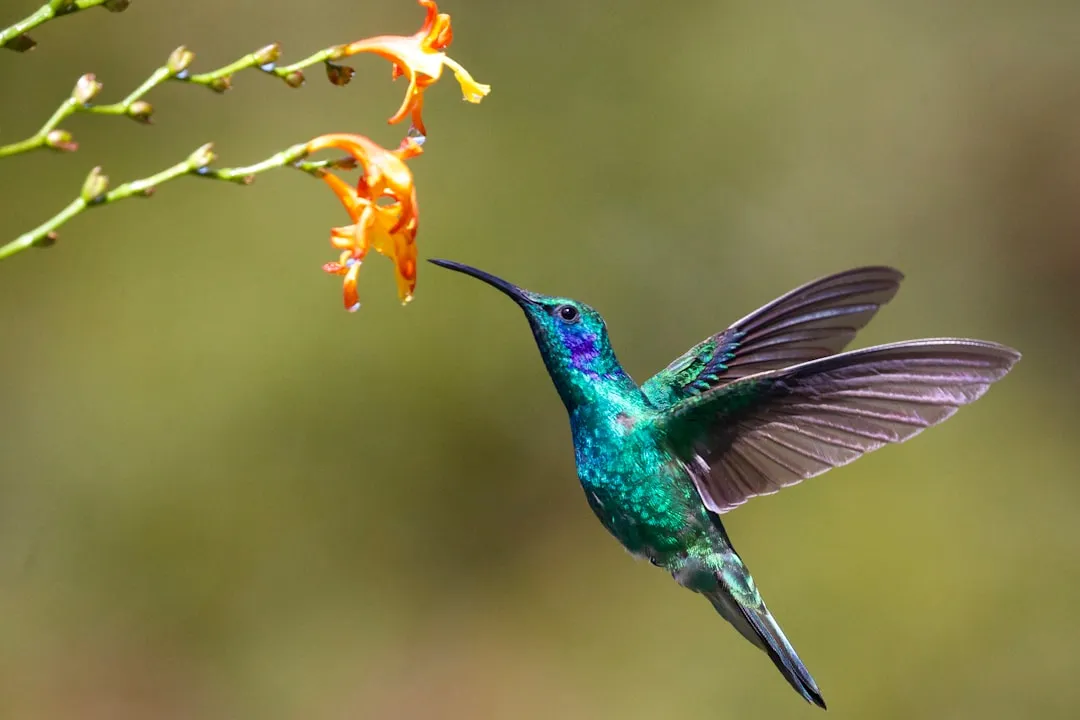
Everyone’s heard hummingbirds “fatten up” before migration, but that phrase undersells what the scale actually recorded. As migration approached, the same individuals began overshooting their usual afternoon peak, sometimes more than doubling their lean body mass in stored fuel.
Even their mornings changed. Instead of starting the day right on the edge, pre-migratory birds woke up noticeably heavier, then still packed on more grams by evening – like a car topping off not just its tank, but a few spare cans in the trunk too. This wasn’t random overeating; it lined up perfectly with the migration calendar, revealing exactly how extreme and finely tuned that loading phase really is.
#7 – Every Species Runs a Completely Different Energy “Budget”
🔥 Would you like to save this?
We'll email this post to you, so you can come back to it later!
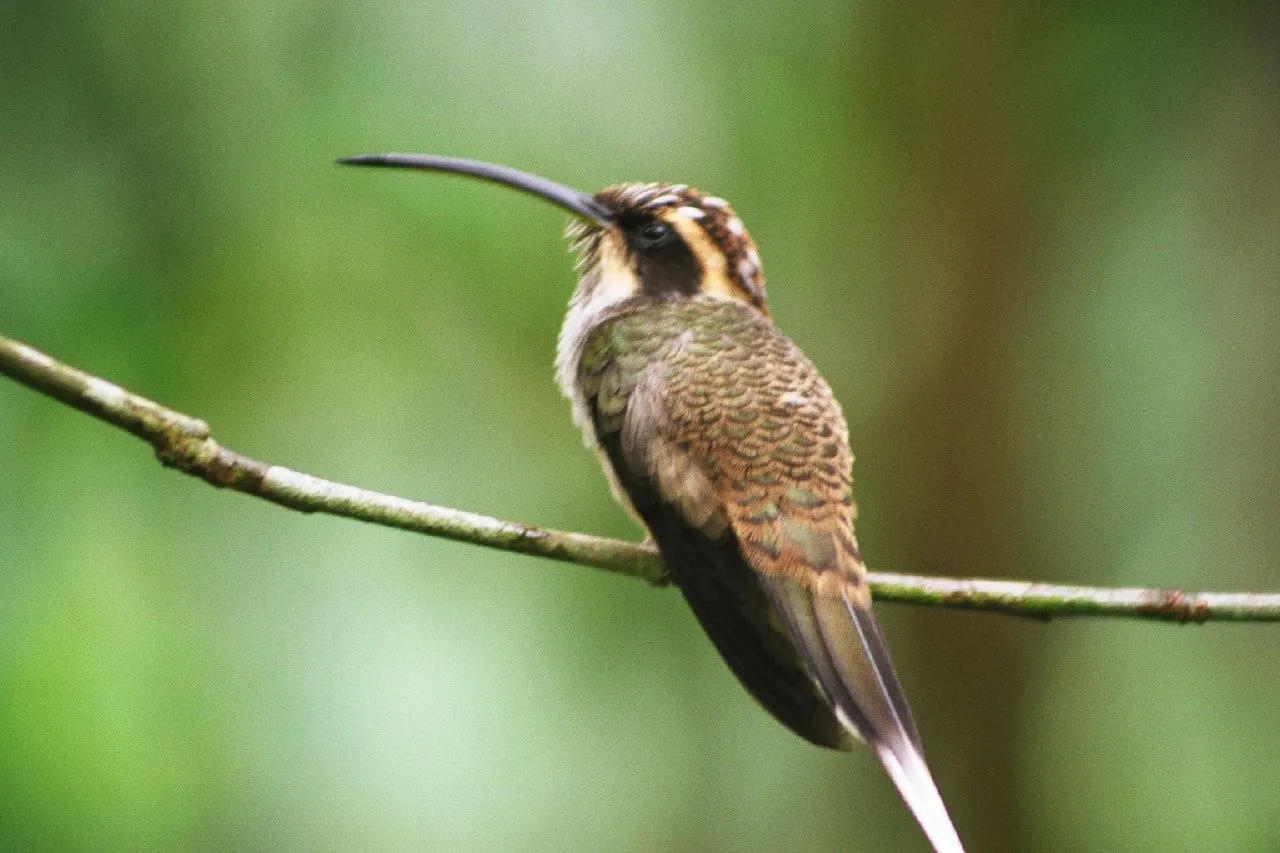
Weigh different hummingbird species twice a day under similar conditions, and a bold pattern emerges: not all hummingbirds play the energy game the same way. Some species live on razor-thin margins, ending the day barely above what they need to survive the night. Others consistently sleep “fatter,” carrying extra insurance even when conditions are calm.
These repeated weigh-ins basically exposed a financial personality for each species. High-risk types ride close to zero every morning and evening, trading safety for speed and agility. More conservative species stay heavier, accepting a small performance cost for better odds when the weather turns nasty. At the flowers, they all look the same. On the scale, you can see exactly who’s living paycheck to paycheck.
Quick Compare: High-Risk vs. Low-Risk Species
- High-risk flyers: End each day near their minimum safe weight, prioritizing speed and agility
- Low-risk flyers: Carry extra reserves even in calm weather, trading some agility for insurance
- Shared trait: Both types still face the same nightly torpor decision
- Visual overlap: At the feeder, the two strategies look completely identical
#8 – Torpor Isn’t Rare – It’s a Nightly Financial Decision

🔥 Would you like to save this?
We'll email this post to you, so you can come back to it later!
Most people still think torpor, the trick where a hummingbird cools its body and slows its metabolism, is some rare emergency measure. Daily weigh-ins say otherwise. Birds that used torpor frequently showed noticeably less overnight weight loss compared to nights they stayed fully “awake” metabolically, even under similar conditions.
Over multiple days, the pattern became impossible to ignore: the same bird, in the same territory, could post dramatically different morning weights depending on whether it dropped into torpor that night. Some nights it seems to choose alertness, maybe to stay responsive to predators. Other nights it slams on the metabolic brakes and wakes up heavier. Torpor isn’t a weird exception – it’s a normal, adjustable line item in a daily budget.
#9 – Cloudy, Windy Days Hit the Scale Within Hours, Not Days
🔥 Would you like to save this?
We'll email this post to you, so you can come back to it later!
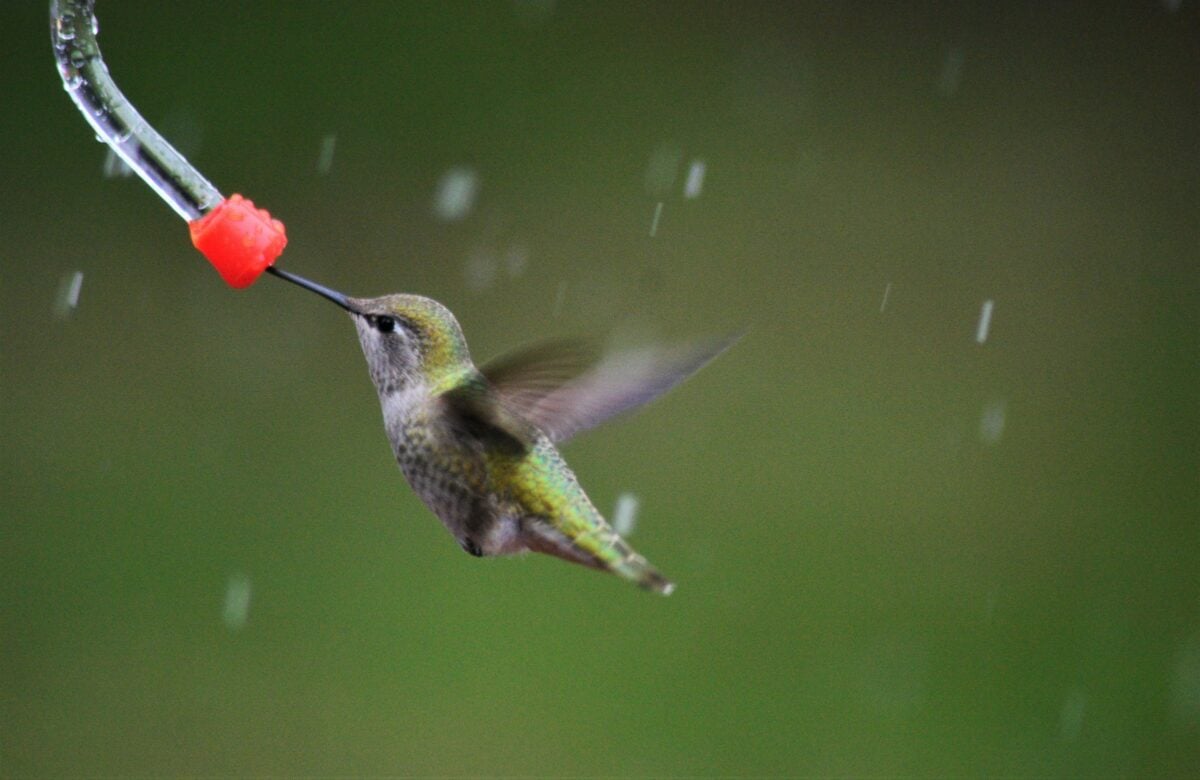
We like to imagine “weather affects wildlife” happening slowly and softly. Twice-a-day weigh-ins exposed how immediate that effect really is. On windy or rainy days, even with flowers technically available, birds often showed suppressed afternoon weights compared to clear days, sometimes shrinking their nighttime safety margin within a single afternoon.
Cloud cover cuts nectar production, wind makes hovering more expensive, and rain disrupts foraging entirely – and none of it stays theoretical once there’s scale data attached to it. A single bad-weather day can leave a bird going to bed lighter, waking up closer to empty, and sprinting harder the next morning just to break even. We complain when rain ruins a picnic. Hummingbirds are reading the forecast in calories, not comfort.
#10 – Backyard Feeders Quietly Flatten the Danger Zone
🔥 Would you like to save this?
We'll email this post to you, so you can come back to it later!
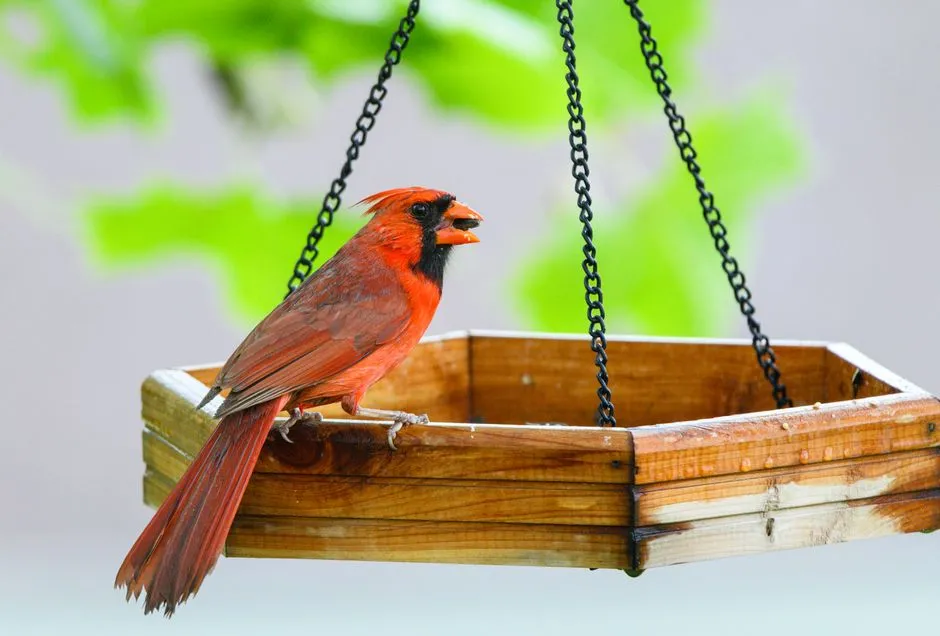
Here’s the controversial part: twice-daily weigh-ins revealed that access to a stable backyard feeder flattens some of the wild daily swings in mass. Birds with reliable, low-competition feeders often maintain slightly higher afternoon weights and wake up with a bit more in reserve, even though they still lose plenty overnight.
That doesn’t mean feeders make hummingbirds lazy, a popular but lazy opinion in itself. The data instead suggests feeders act as a predictable income stream in an otherwise unstable economy. The sharp morning gains and evening peaks still happen, but the troughs aren’t always as deep. It’s not salvation – but it’s probably not the disaster some purists claim, either.
#11 – Young Hummingbirds Pay a Steep “Tuition” in Grams

🔥 Would you like to save this?
We'll email this post to you, so you can come back to it later!
When researchers started weighing juvenile hummingbirds twice a day, the numbers revealed something like a tuition fee for inexperience. Compared to adults, young birds showed less predictable afternoon gains and more mornings at dangerously low weights, especially early in the season. They simply weren’t yet efficient at turning daylight into stored energy.
But it wasn’t random noise. Over days and weeks, the same young birds gradually improved – afternoon weights grew more consistent, and overnight losses began from a safer starting point. It’s hard to see learning just by watching birds zip around a garden, but the scale records it in cold detail: they misjudge food sources, lose more to territorial chases, and pay for every mistake in grams. Surviving that first season is basically passing an invisible exam, graded in milligrams.
#12 – Sex and Season Quietly Rewire the Energy Strategy
🔥 Would you like to save this?
We'll email this post to you, so you can come back to it later!
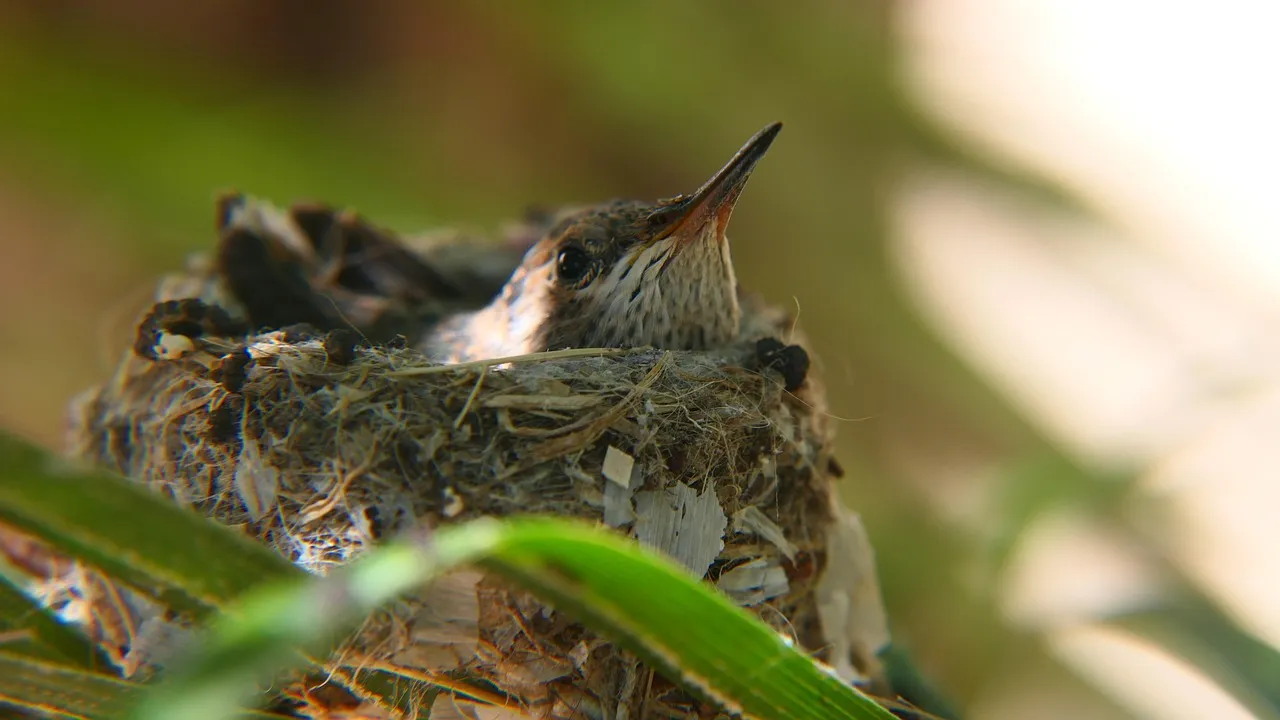
Not every hummingbird of the same species follows an identical daily weight pattern. Weighing males and females across seasons revealed distinct, repeatable differences tied to breeding, display, and nesting duties. Males in display season sometimes carried leaner daytime profiles, likely trading fuel reserves for agility during courtship flights and territorial fights.
Females, especially while nesting, often ran a different program – sometimes going to bed heavier when they could, since their margin for error shrinks the moment they’re tied to a nest. Field guides oversimplify this into “males are flashy, females are dull.” The scale exposes the real tradeoff: who gambles on speed, and who quietly hoards extra insurance when the stakes are highest.
#13 – The Scale Catches Illness Before Your Eyes Ever Could
🔥 Would you like to save this?
We'll email this post to you, so you can come back to it later!
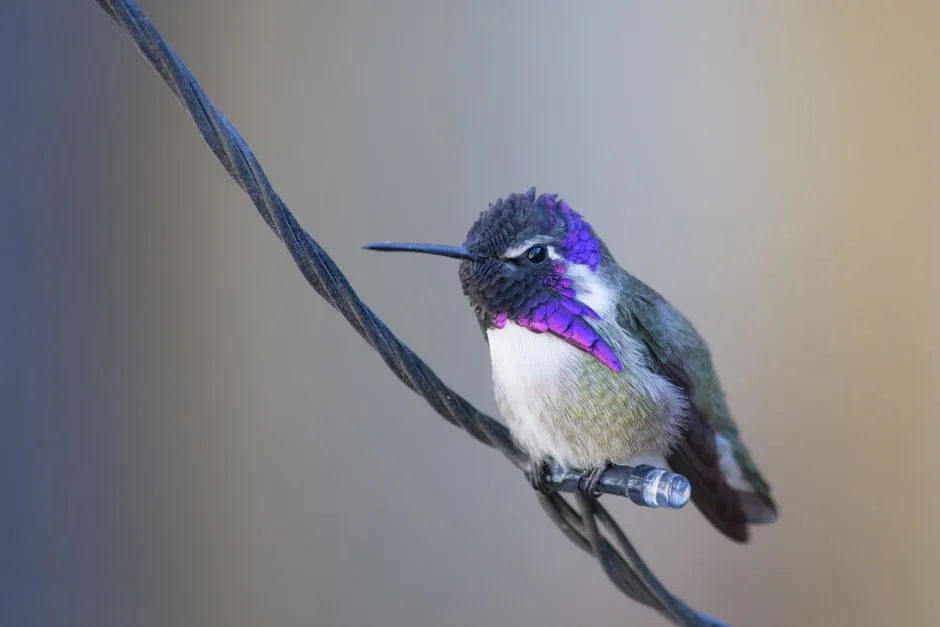
This is the part that feels almost unfair. Human eyes are terrible at spotting early trouble in a hummingbird. The scale isn’t. Birds weighed twice daily sometimes showed subtle, steady declines in both morning and afternoon mass days before they visibly looked “off” in any obvious way.
A minor infection, a small injury, or unseen internal stress could shave just enough off the energy budget to show up in the numbers first. Over several days, that slow bleed adds up – and in some cases, birds that eventually disappeared from a study had been quietly trending lighter for a while, even while still flying and feeding normally. Their weight curve started failing before their behavior did, which means regular weighing isn’t just curiosity. It’s an early-warning radar the naked eye simply doesn’t have.
Worth Knowing
- Weight decline can appear days before any visible symptoms show up
- Minor injuries or infections quietly drain the daily energy budget first
- Flying and feeding behavior often looks completely normal during early decline
- Consistent weigh-ins act as an early-warning system long before visual checks catch anything
#14 – There’s No Such Thing as a Hummingbird’s “Normal Weight”
🔥 Would you like to save this?
We'll email this post to you, so you can come back to it later!
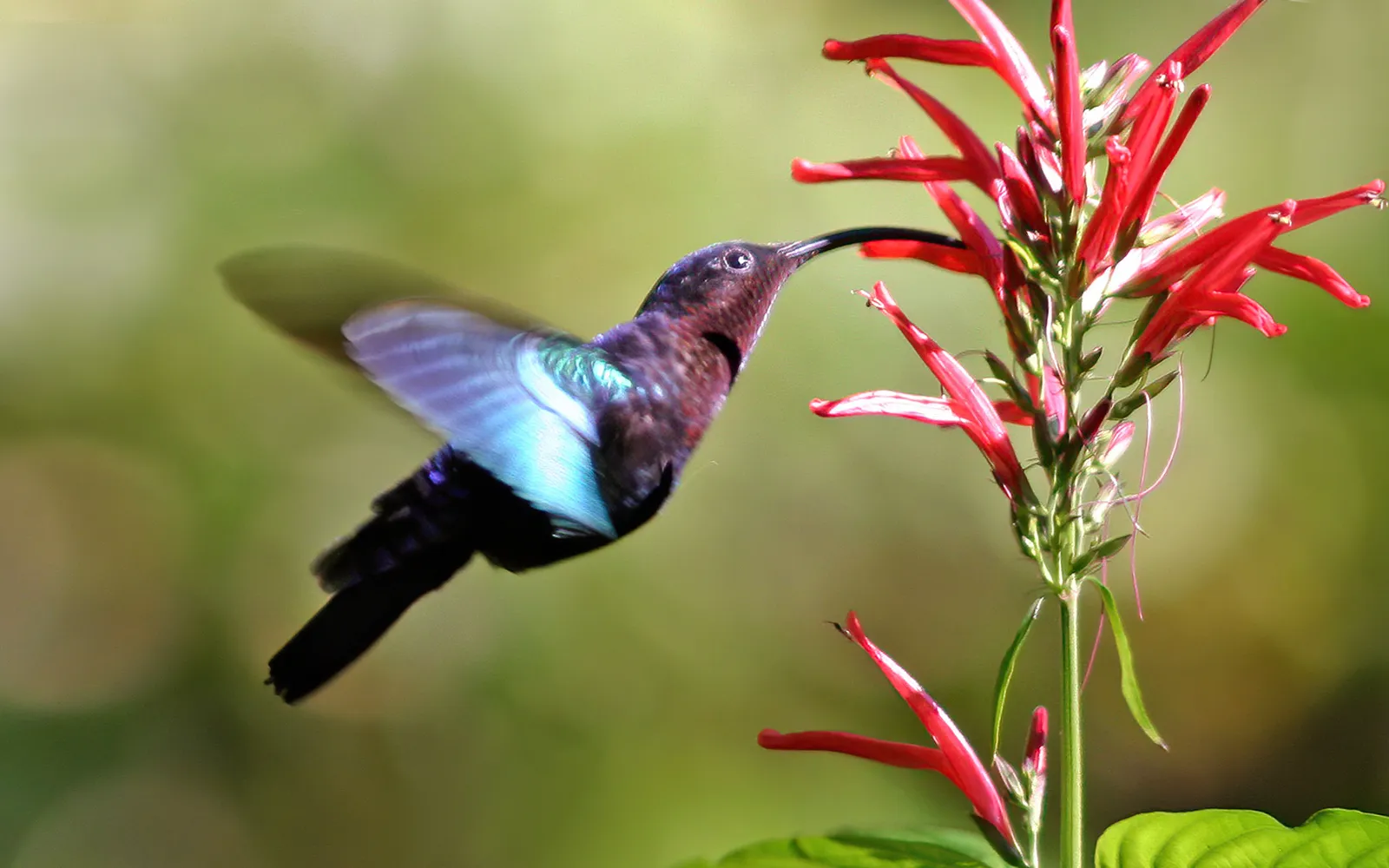
One myth the daily weigh-ins completely crushed is the idea that a hummingbird has a fixed, normal weight. The same individual, in the same territory, never hovered around one steady value. Instead, it cycled through a deliberate daily low and high, and even those endpoints shifted with weather, season, and life stage.
On warm, stable days with plenty of flowers, a bird might comfortably end the day lighter and be perfectly fine. In harsher conditions, it aimed for a heavier end-of-day target, even if that meant flying with more load in the air. We tend to think of “healthy weight” as a static line on a chart. For a hummingbird, health looks more like a flexible range with purposeful peaks and valleys, constantly tuned to the environment around it.
#15 – Shrinking Daylight Quietly Rewrites Their Whole Schedule
🔥 Would you like to save this?
We'll email this post to you, so you can come back to it later!
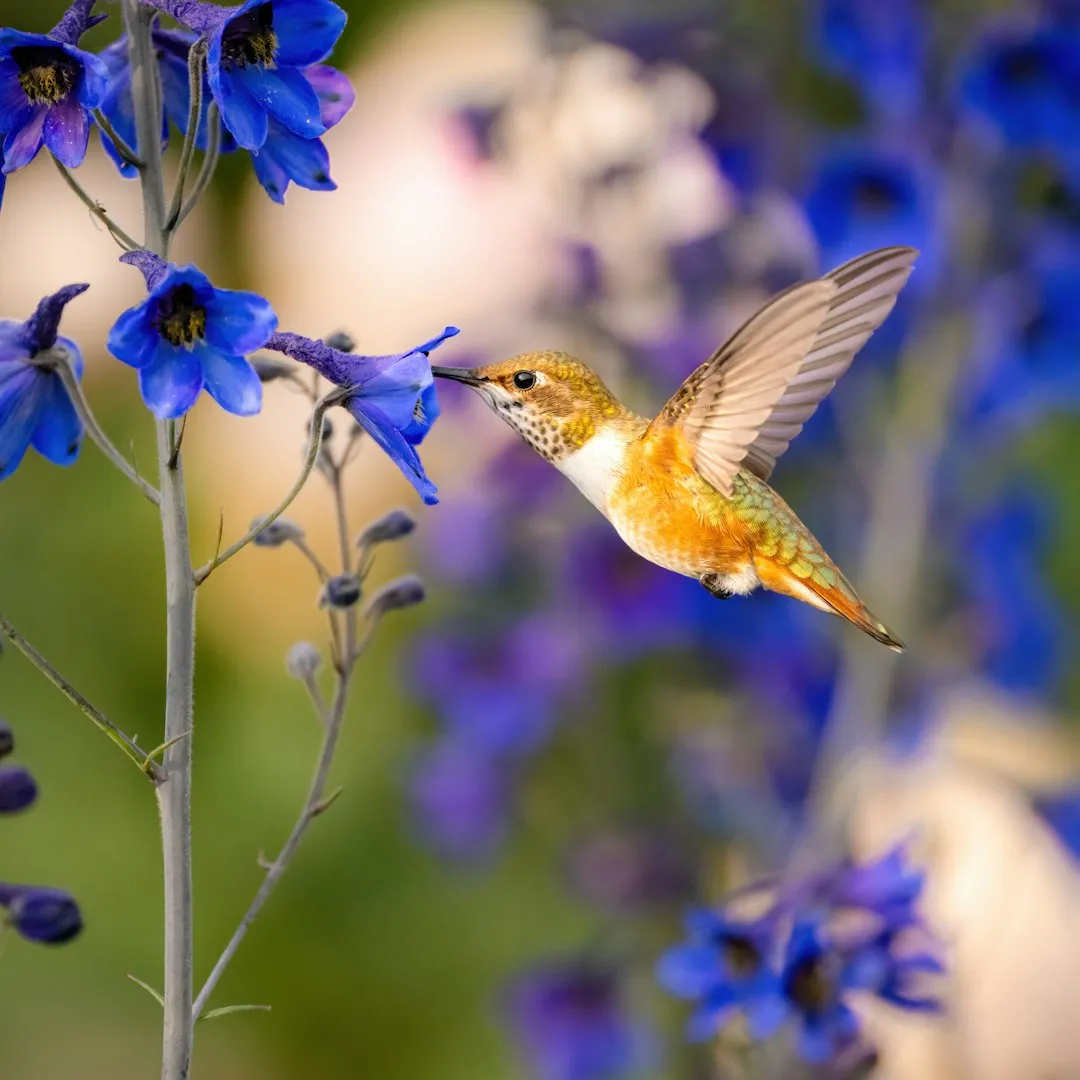
Weighing the same hummingbirds at different times of year showed exactly how much changing day length rewires their whole routine. On longer summer days, birds could build reserves gradually. On shorter days, the afternoon weight climb became steeper and more urgent, cramming the same survival fuel into fewer feeding hours.
Morning weights shifted too. During long-night seasons, birds often pushed their evening weights higher, then still woke up lighter simply because they’d burned through more hours of darkness. Hummingbirds don’t run on a fixed 24-hour script – they actively rewrite it to match sunrise and sunset. Longer nights mean a higher evening safety margin; shorter nights mean slightly looser ones. The calendar gets a very real vote in their survival math.
#16 – A Single Missed Meal Can Haunt the Next Day
🔥 Would you like to save this?
We'll email this post to you, so you can come back to it later!
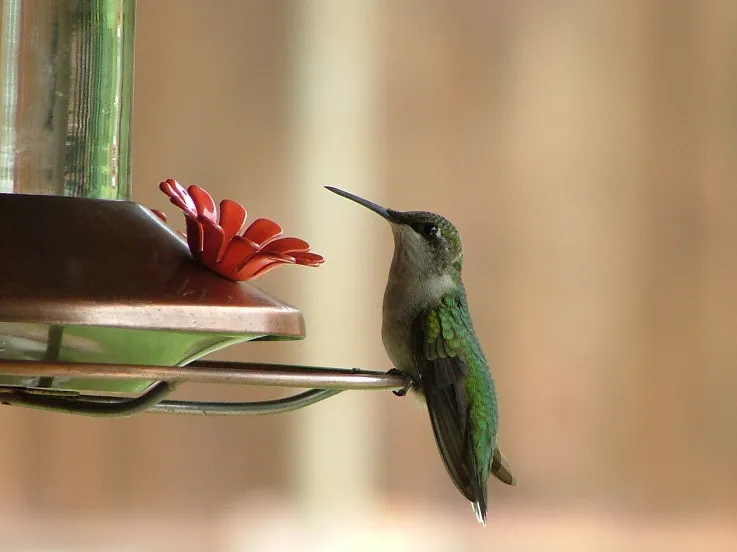
We tend to see wildlife as endlessly resilient in a vague, “they’ll bounce back” kind of way. The scale calls that wishful thinking. When a hummingbird had an obviously bad foraging window – a long storm, or intense competition during peak hours – its afternoon weight sometimes failed to reach its usual high, and it started the next morning from a worse baseline.
That deficit wasn’t always erased in a single day. Sometimes it took multiple good days for the same bird’s numbers to climb back to its normal pattern. In other words, a truly bad day doesn’t just cost one rough night – it creates a small energy debt repaid over time. For an animal already living this close to empty, that lingering debt is dangerous, and it’s proof that nature isn’t nearly as forgiving as we like to imagine.
#17 – Their Heart and Wings Demand a Ridiculous Energy Flow
🔥 Would you like to save this?
We'll email this post to you, so you can come back to it later!
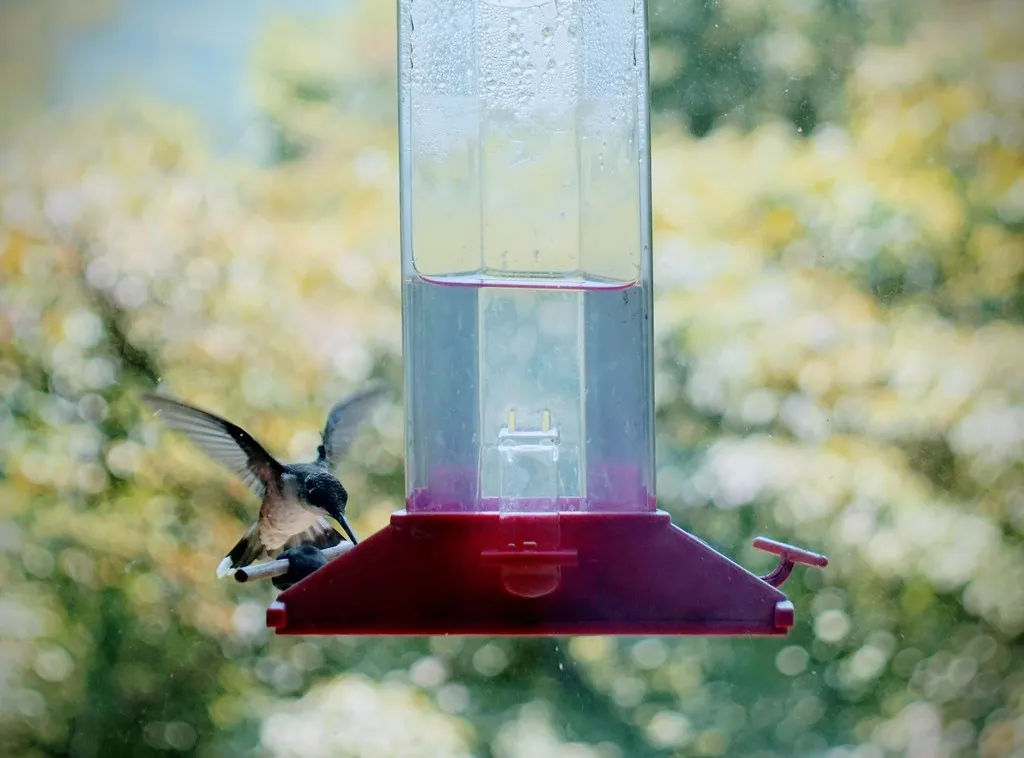
You don’t need a stethoscope to sense how intense a hummingbird’s life is – you can hear the heart and see the wings. But it’s the scale, morning and evening, that turns that spectacle into hard economics. The gap between their heaviest point in late afternoon and their lightest just before dawn is a direct readout of what it costs to run a heart that can top 1,000 beats per minute and wings that flick 50 to 80 times a second.
Those overnight grams are just the price of idling through the dark – not even counting the burn rate during active flight. Watching that number repeat day after day makes one thing uncomfortably clear: there is almost no slack in this system.
The rate of energy consumption by a hovering hummingbird is greater than that of any other vertebrate.
Crawford Greenewalt, hummingbird researcher
At a Glance
- Heart rate: can exceed 1,000 beats per minute during activity
- Wingbeats: 50 to 80 flaps per second during hovering flight
- Fuel source: nectar sugars convert almost instantly into usable energy
- Overnight cost: even resting quietly still burns through stored fat reserves
#18 – Every Gram Is a Choice Between Safety and Speed
🔥 Would you like to save this?
We'll email this post to you, so you can come back to it later!
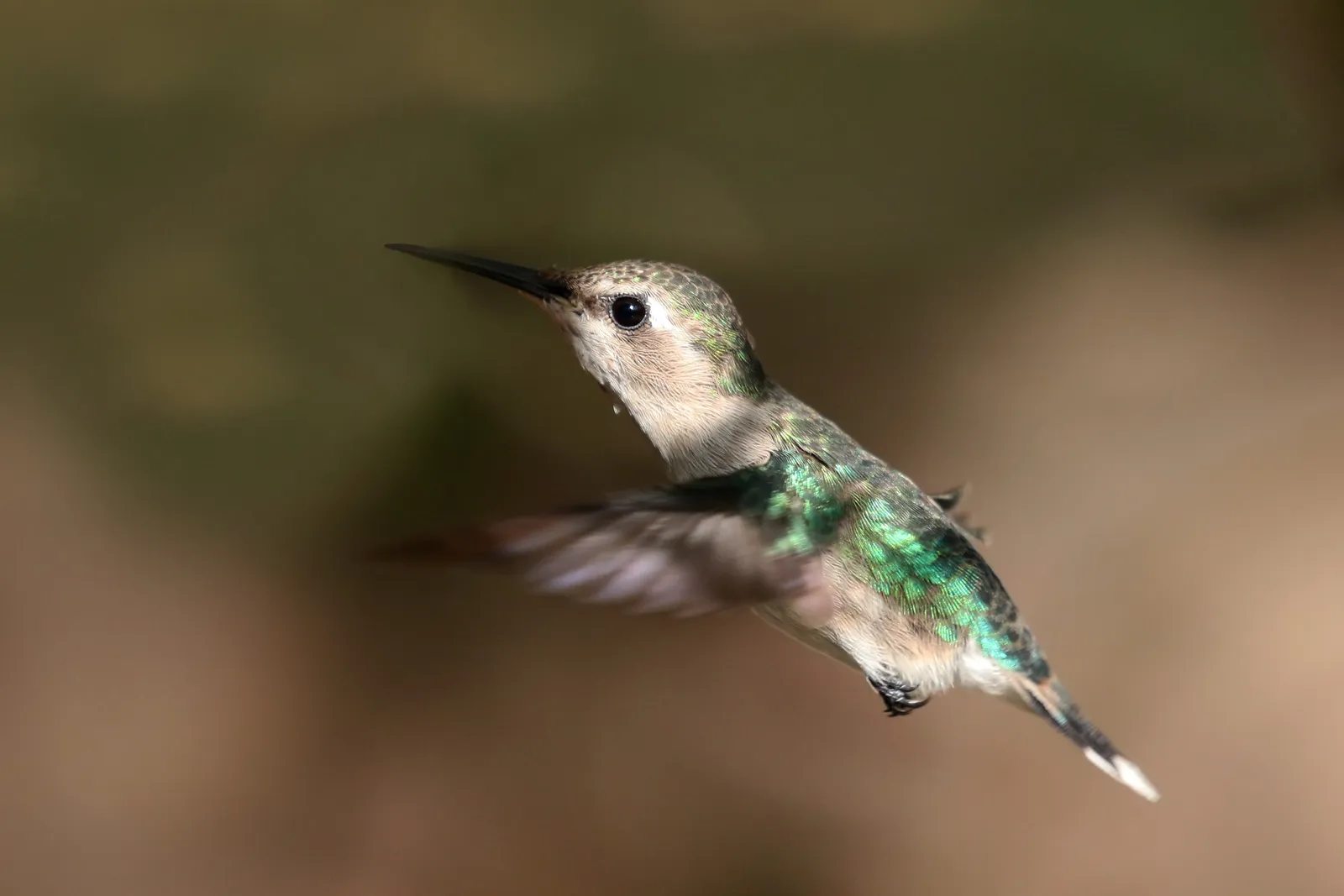
The most important discovery from weighing the same hummingbird twice a day isn’t a single number – it’s the pattern. Line up days, weeks, and seasons, and a blunt truth emerges: every gram is a decision. Stay light, and you’re faster, more agile, better at dodging predators and rivals. Stay heavy, and you walk into the night with more fuel, but fly like you’re carrying a backpack.
Cold night coming? Go heavy. Calm weather, low risk? Run leaner. Nest to protect? Add insurance. Migration looming? Go all-in on fuel, even if flying feels like dragging sandbags. We love romanticizing hummingbirds as effortless little miracles. The numbers say otherwise – they’re ruthless strategists negotiating in milligrams, and once you’ve seen that curve, “just a pretty bird at the feeder” starts to feel like the most wrong take imaginable.
The Bottom Line
🔥 Would you like to save this?
We'll email this post to you, so you can come back to it later!
Weighing the same hummingbird twice a day rips away the soft-focus filter. Instead of a whimsical blur, you see a tiny animal living on the financial edge of biology, resetting its bank account every twelve hours and hoping the universe doesn’t send a storm, a bully, or a cold snap at exactly the wrong moment.
Here’s the uncomfortable opinion: most of us wildly underestimate how close to the line these birds actually live, and how much even small human changes – feeders, habitat loss, a warming climate – can tilt that math one way or the other. Now that you’ve seen the numbers, ask yourself honestly: are hummingbirds doing fine out there, or are we just lucky they’re still keeping up?

- 7 Everyday Habits That Can Make Your Senior Dog Happier - November 5, 2026
- 10 Enigmatic Structures That Continue to Puzzle Scientists Today - November 5, 2026
- 10 Strange Ruins in the Americas That Challenge What We Know About Early History - November 5, 2026