
Here’s the thing nobody tells new dog owners: a bark doesn’t mean a guard. Behaviorists will tell you the opposite is usually true – the dog who barks at every leaf blowing past the window is often the one who’s checked out, while the truly “on duty” dog goes eerily quiet and simply stops doing the small things that used to keep your house covered at night.
Most dogs don’t announce their retirement from night watch. They fade out of it slowly, one missed patrol and one un-scanned window at a time, until the day something actually happens and you realize the dog you trusted to notice… didn’t. Below are 18 of those quiet, easy-to-miss signs – and once you see them, you won’t be able to unsee them in your own living room.
#1 – They Stop Doing a Bedtime Security Lap

🔥 Would you like to save this?
We'll email this post to you, so you can come back to it later!
Dogs who take guarding seriously usually run a little pre-sleep patrol: a check of the doors, a sniff at the windows, a pause in the hallway before finally settling. When that ritual quietly disappears, it’s not a personality quirk. It’s often the first sign your dog has mentally clocked out of night duty.
A once-alert dog who now walks straight to bed the second you do may have shifted their sense of responsibility – or lost the physical ability – to watch over the house. Sometimes it’s a compliment; they finally trust the environment enough to relax. But just as often, it’s a quiet cry for help from a dog whose joints ache too much to patrol, or whose hearing has faded past the point of noticing anything worth checking on.
#2 – They No Longer React to Common Night Noises
🔥 Would you like to save this?
We'll email this post to you, so you can come back to it later!
You know that little head tilt when a car door slams outside at 11 p.m.? A dog on watch gives every unfamiliar sound at least a flicker of acknowledgment, even if they never bark. When that flicker disappears completely, something in your dog’s internal alarm system has gone dark.
A dog who ignores noises they used to notice may be dealing with hearing loss, rising anxiety, or a fading sense of duty. Not every case is a red flag – some dogs simply learn to file neighborhood sound under “background noise.” But a sudden drop from hyper-aware to totally indifferent deserves a second look, because quiet is not automatically the same thing as calm.
#3 – They Abandon the Best Vantage Point in the House
🔥 Would you like to save this?
We'll email this post to you, so you can come back to it later!
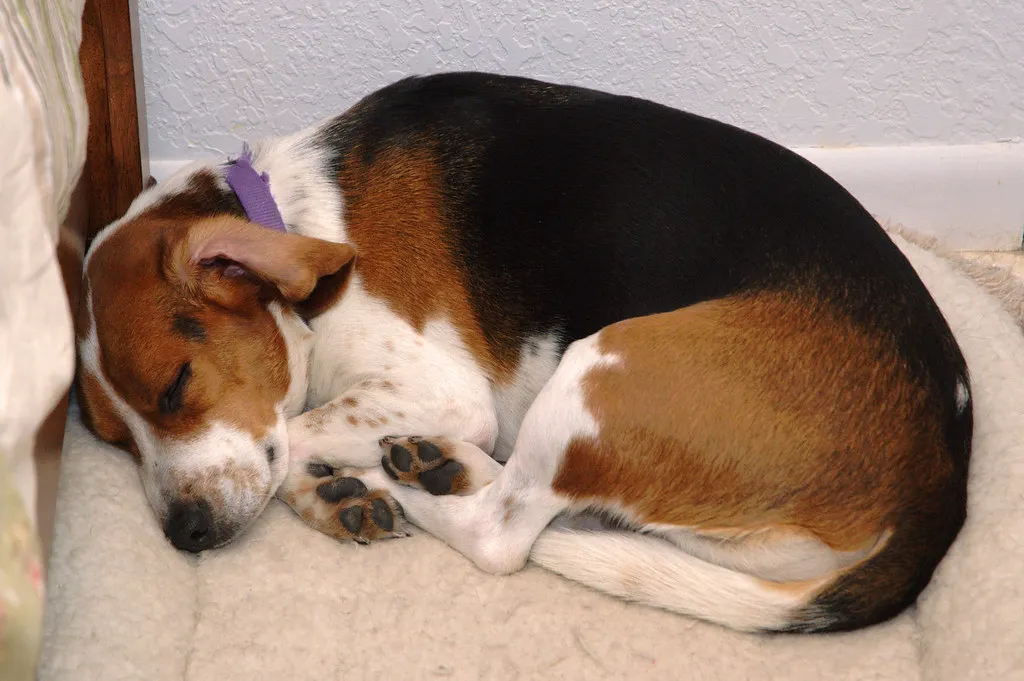
Pay attention to where your dog actually chooses to sleep. Guard-minded dogs gravitate toward spots with a vantage point – the top of the stairs, the end of the hallway, a clear sightline to the front door. When they trade that spot for the farthest, quietest corner of the house, it’s a small move with a big meaning.
A dog who intentionally sleeps where they can’t see or hear the entrances is choosing comfort over watchfulness, whether they realize it or not. Maybe the hallway floor is cold, or you bought a plush new bed in a back bedroom, and your dog simply took the better deal. The danger is that you keep assuming “my dog will alert me” while they’re actually curled up out of earshot at the back of a closet.
Quick Compare
- Guard-ready spot: top of the stairs, a hallway junction, or a clear line to the front door
- Retreat spot: closets, back bedrooms, or corners with no sightlines at all
- Guard-ready dogs often reposition themselves if you rearrange furniture near entrances
- Retreat-mode dogs stay put even after obvious changes to the room
#4 – The Late-Night “Listen and Sniff” Ritual Disappears
🔥 Would you like to save this?
We'll email this post to you, so you can come back to it later!
Many dogs run a small systems check right before falling into a deep sleep – ears up, nose working, sometimes a slow walk to a window or door. It’s easy to miss, but it’s a real behavior. When it vanishes, don’t assume your dog simply “grew out of it.”
Dropping this listen-and-sniff routine usually means your dog no longer feels responsible for monitoring the perimeter. In previously anxious dogs, that can be genuinely good news. But in a dog who once carried a healthy level of alertness, it can signal emotional burnout, sensory decline, or a dog who has quietly decided that safety is now entirely your job, not theirs.
#5 – Deep Sleep Becomes Their Nightly Default
🔥 Would you like to save this?
We'll email this post to you, so you can come back to it later!
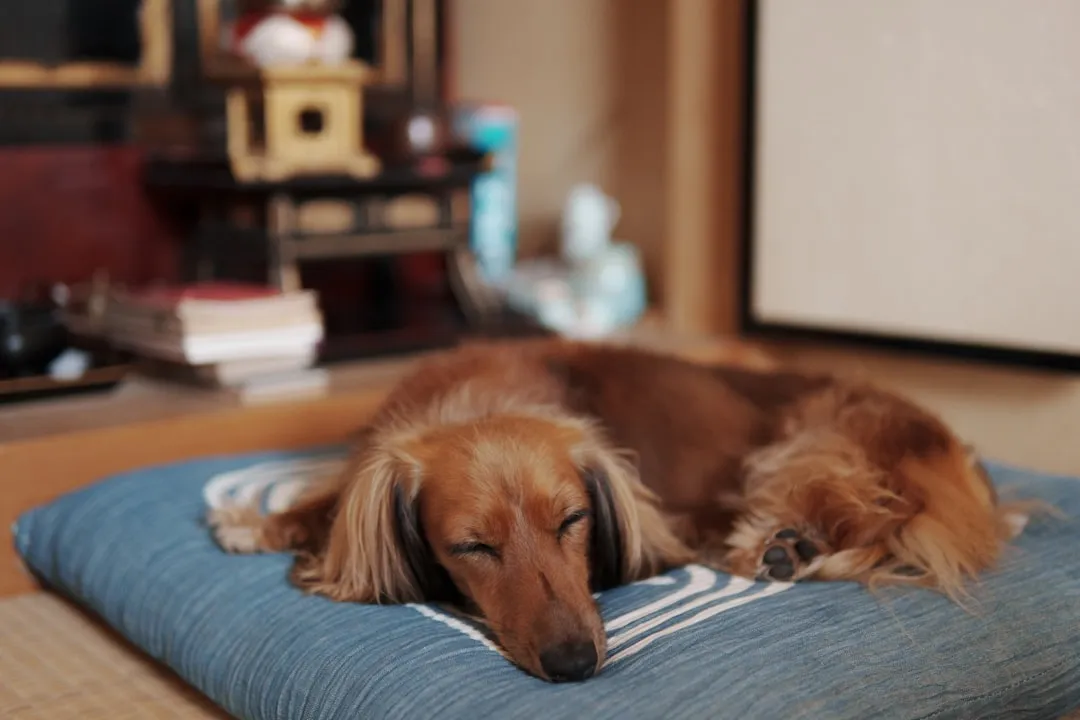
Every dog has an occasional knockout night after a big day. But if “dead to the world” becomes the norm instead of the exception, that’s not typical guard-dog behavior. A dog who used to half-sleep with one ear open, now snoring through door slams and midnight snack raids, is waving a quiet flag.
When a previously light-sleeping dog suddenly becomes almost impossible to wake, they’ve either stopped actively monitoring or their body can no longer sustain it. This can be simple aging, but it can also point to hypothyroidism, heart issues, or chronic stress shutdown. Owners often celebrate the peace and quiet without realizing they may have just lost their only living alarm system.
#6 – The Front Door Stops Being Their Stage
🔥 Would you like to save this?
We'll email this post to you, so you can come back to it later!
For most dogs, the front door is the main event – packages, visitors, strange smells, a nonstop newsfeed of activity. When a dog who used to rush or at least glance toward the door at any disturbance now stays completely still, that’s a significant downgrade.
A dog who ignores footsteps on the porch or a late-night delivery is no longer actively guarding your access points. Sometimes it’s environmental – a white noise machine, a new sleeping spot farther from the entrance. But it can also be emotional: dogs repeatedly scolded for “barking at everything” eventually learn that engaging with the front door just isn’t worth it anymore.
#7 – Their Ears Stop Scanning the Room
🔥 Would you like to save this?
We'll email this post to you, so you can come back to it later!
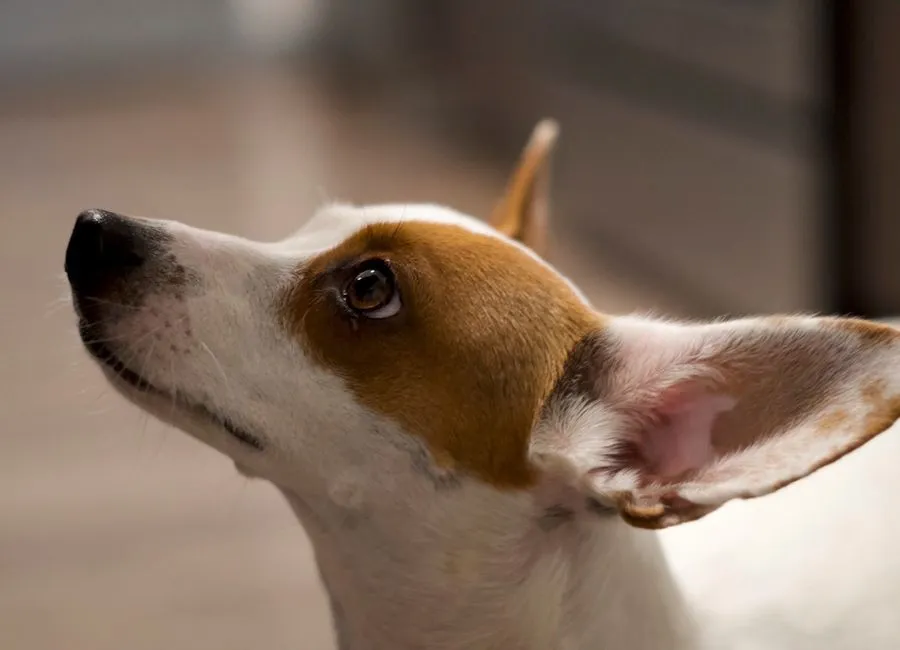
Watch your dog’s ears when the house goes quiet. In alert dogs, the ears move like little radar dishes, swiveling and orienting toward every subtle sound, even while the dog looks relaxed. A dog who has stopped doing this – ears flat, barely twitching – may not be tracking the environment at all anymore.
Losing that micro-scanning behavior is one of the most overlooked signs that a dog’s internal security system has gone offline. Floppy-eared breeds show it less obviously, but you can usually still catch subtle head tilts and muscle movement. When that fades entirely, think hearing loss or neurological changes first – and emotional resignation second, especially in dogs from loud or chaotic households who’ve simply stopped bothering to decode sound.
Worth Knowing
- Hearing loss in dogs often starts with higher-pitched sounds before deeper ones fade too
- Floppy-eared breeds mask ear-scanning with subtle head or muscle shifts instead of visible movement
- Neurological changes and chronic ear infections can both flatten this reflex
- Years of “false alarms” can quiet the reflex even when hearing is still fine
#8 – They Stop Investigating New Nighttime Smells
🔥 Would you like to save this?
We'll email this post to you, so you can come back to it later!
Dogs live through their noses, especially after dark when vision is nearly useless. A guarding dog will often pause mid-nap to sniff the air the moment a window cracks open or a breeze carries something unfamiliar. When your dog stops lifting their head for any of it, that’s a real shift away from watchfulness.
A dog who no longer cares about unfamiliar nighttime scents isn’t “calmer” – they’re less engaged with everything happening around them. This can come from age-related smell loss, chronic congestion, or simple emotional shutdown after years of every scent turning out to be nothing.
- Age-related loss of smell
- Chronic allergies or congestion
- Emotional shutdown from overstimulation
The risk is obvious: the one time it isn’t boring, they may miss it completely.
#9 – They Stop Following You on Night Walk-Throughs
🔥 Would you like to save this?
We'll email this post to you, so you can come back to it later!
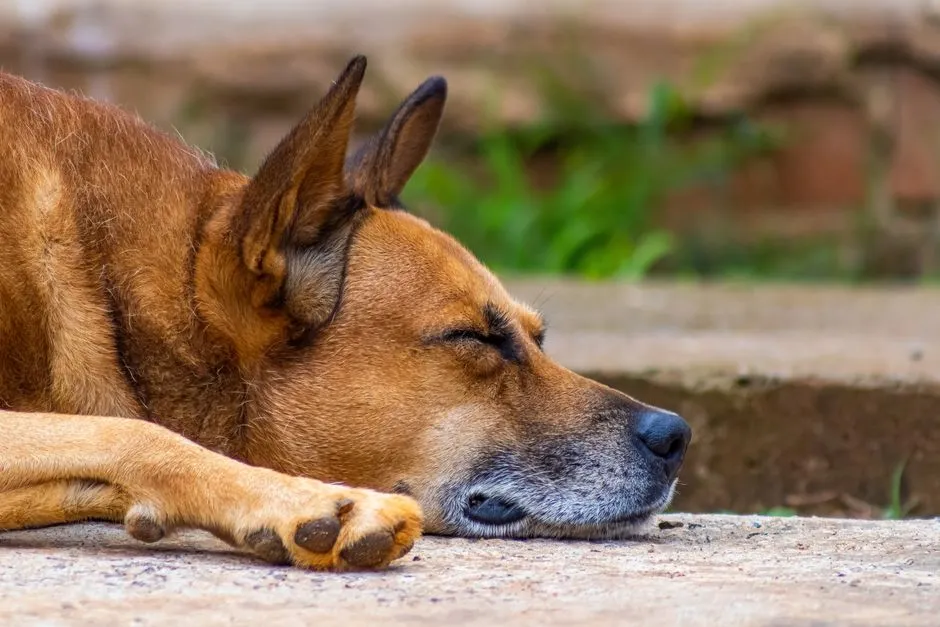
Lots of dogs naturally escort their humans on late-night bathroom trips or “did I lock that?” checks – part curiosity, part protection detail. When that escort behavior disappears entirely, and you’re walking a dark hallway alone while your dog doesn’t even open an eye, that’s worth noticing.
A dog who no longer shadows you through the house at night has often quietly retired from monitoring your movements after dark. Ask yourself a few honest questions before writing it off as laziness:
- Are they in pain when rising or walking on slippery floors?
- Are they more anxious in the dark than you realized?
- Have you unintentionally punished them for “getting in the way” at night?
Owners often love that their dog “finally stays in bed,” without realizing that’s one less set of senses covering the house when it matters most.
#10 – They Start Choosing a Crate or Closed Room Over Free Roaming
🔥 Would you like to save this?
We'll email this post to you, so you can come back to it later!
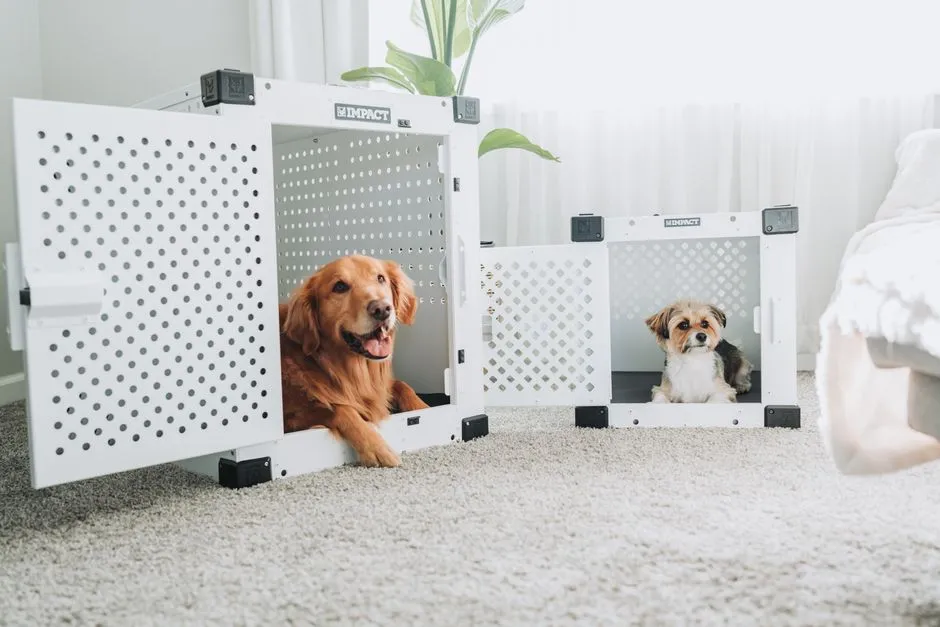
A dog who used to roam freely at night but now insists on a crate or closed bedroom isn’t necessarily clingy – sometimes they’re simply opting out. It’s a small choice with a big underlying message.
When a dog trades open access to the whole house for a confined, predictable space, they’re choosing safety for themselves over surveillance for you. This often shows up after overstimulation, past scares like fireworks or storms, or age-related anxiety. The irony is that many owners interpret this as the dog “guarding the bedroom,” when really the dog just wants a small, controlled den – while the rest of the house goes completely unmonitored.
#11 – They Refuse to Settle Until You Go to Bed
🔥 Would you like to save this?
We'll email this post to you, so you can come back to it later!
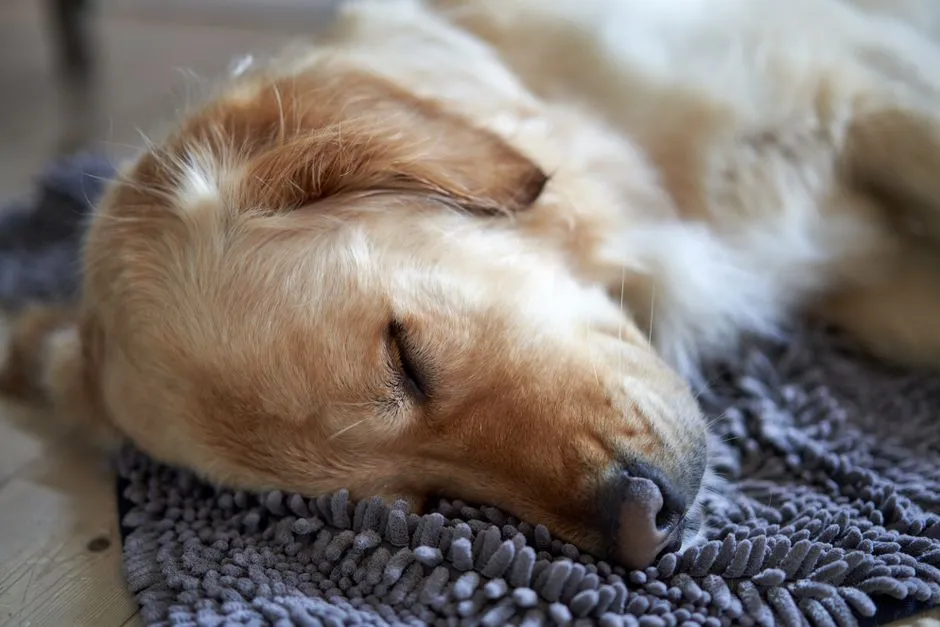
Some dogs won’t fully relax until their humans are safely tucked in – that’s completely normal. But if your dog refuses to rest until you do, then crashes instantly and sleeps like a rock no matter what happens afterward, they may have quietly outsourced the entire night watch to you.
A dog who treats your bedtime as their own “off duty” bell has stopped treating nighttime hours as their responsibility at all. This becomes obvious in multi-person homes: if one person stays up late and the dog still clocks out with whoever fell asleep first, the dog isn’t guarding the household – they’re emotionally tethered to one person’s routine, not the home’s safety.
#12 – Window and Glass Door Patrols Quietly Stop
🔥 Would you like to save this?
We'll email this post to you, so you can come back to it later!
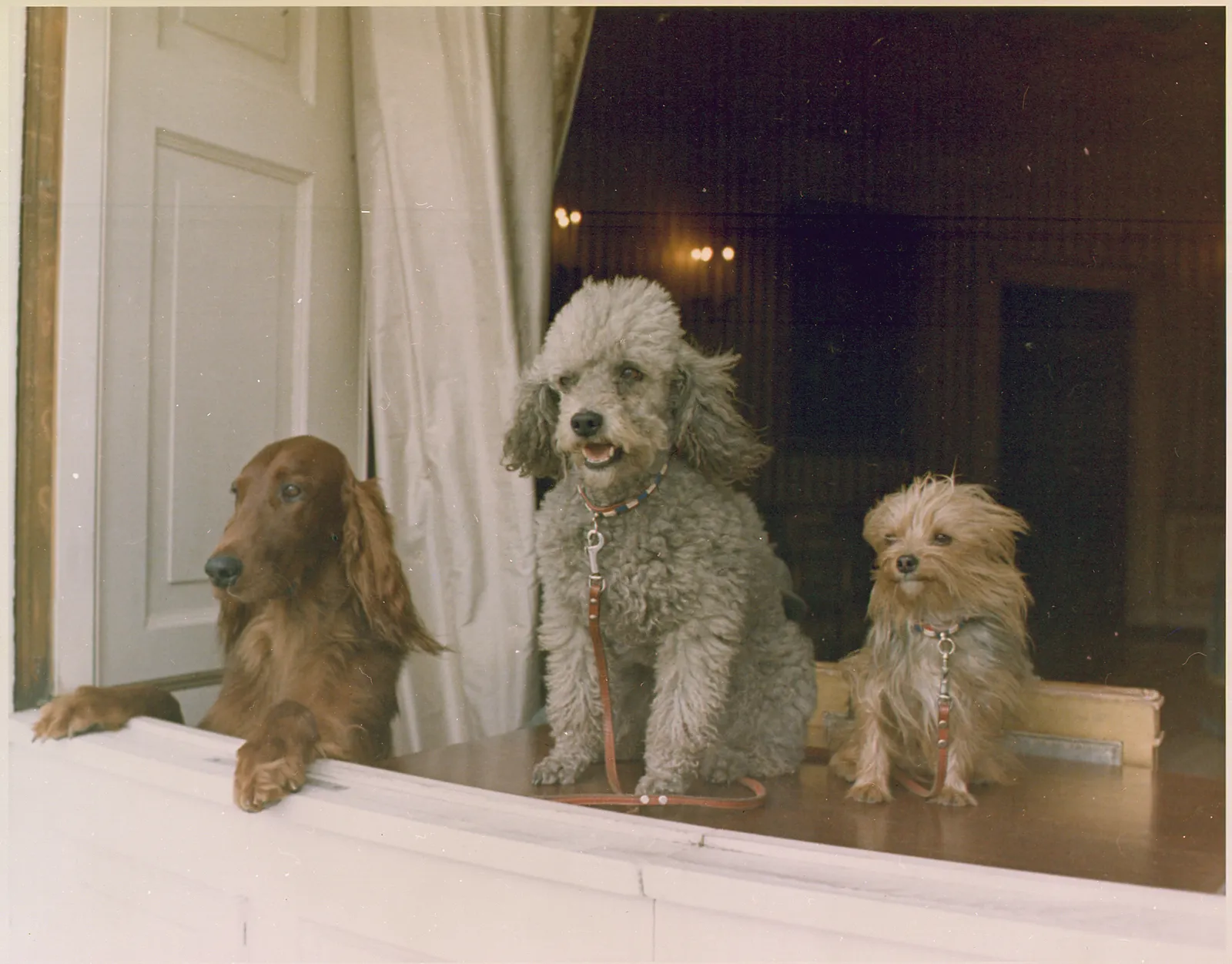
Window patrol is classic dog behavior – tracking people, reacting to yard rustles, staring down the street. It’s visual security work, even when it’s annoying. When a dog who used to do nightly window checks stops entirely, you’ve lost a major early-warning system without even realizing it.
The disappearance of post-sunset window watching is one of the strongest signals that your dog has quit the night shift. Sometimes it’s just closed blinds. But if the windows are accessible and your dog has free movement, yet never glances out anymore, their internal “scan for threats” script has likely stopped running for good.
Fast Facts
- Classic window-patrol triggers: passing headlights, yard wildlife, delivery trucks, and neighborhood dogs
- Active guard dogs often reposition themselves near the glass without being asked
- Closed blinds or curtains can mimic “checked out” behavior – rule that out first
- A dog with full window access who never glances outside has likely stopped scanning altogether
#13 – Their Bark Pattern Quietly Changes
🔥 Would you like to save this?
We'll email this post to you, so you can come back to it later!
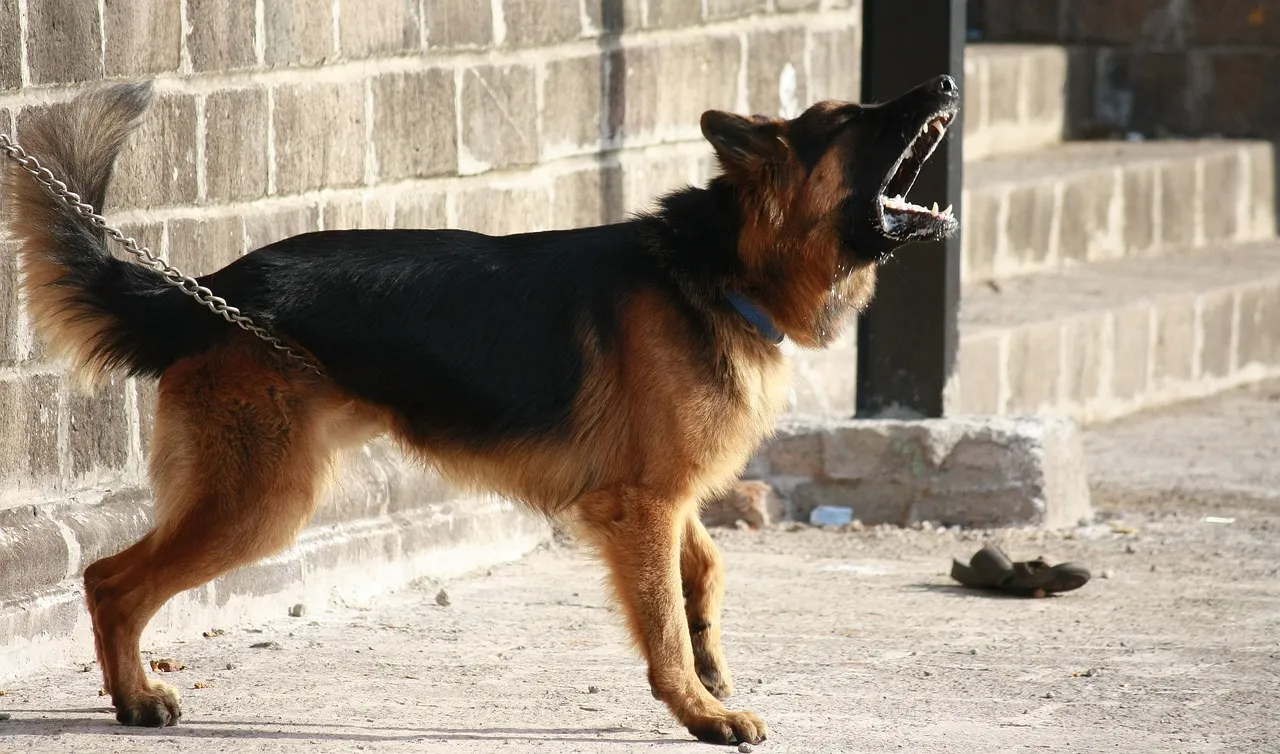
Most owners focus on whether a dog barks, not how they bark. Guard-type dogs usually have a distinct “something’s up” bark at night – short, sharp, directional. When that specific sound disappears and all that’s left is the occasional lazy woof at nothing in particular, your dog’s functional role has changed.
A dog without a specific, urgent alert bark after dark has probably stopped doing serious monitoring, even if they still make noise sometimes. Listen for the difference:
- No more quick “who’s there?” bursts at genuine disturbances
- Random, unfocused barking at nothing obvious
- Delayed barking, long after a noise has already happened
Plenty of people still treat any barking as proof their dog is “on guard,” when the dog is really just vocal, not vigilant.
#14 – They Seem Lost or Anxious in the Dark
🔥 Would you like to save this?
We'll email this post to you, so you can come back to it later!
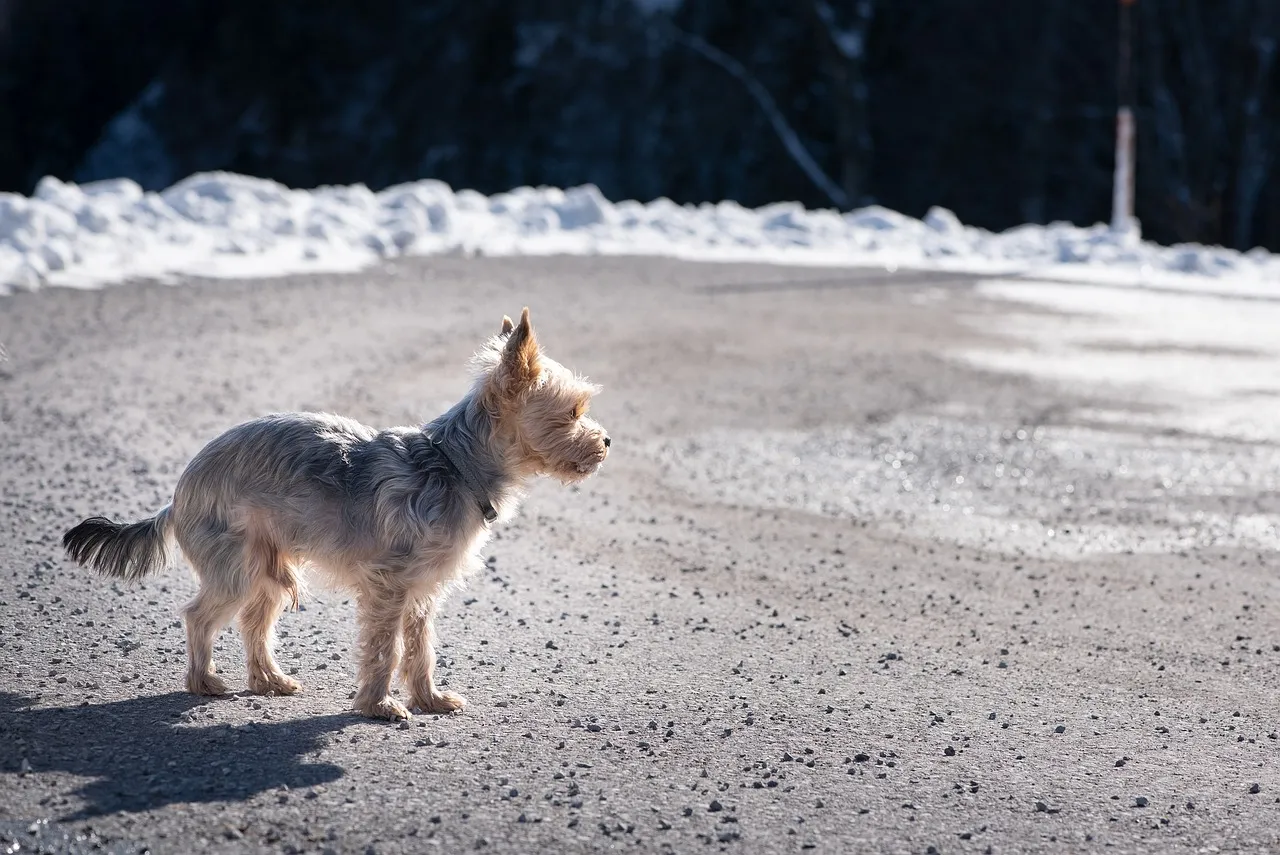
A dog can’t guard what they’re scared of. If your dog hesitates in dark hallways, startles at shadows, or refuses to enter certain rooms at night, they’re not functioning as a protector anymore – they’re another vulnerable creature who needs protecting.
Nighttime anxiety or confusion, especially in senior dogs, quietly removes them from the security equation long before most owners are willing to admit it. Canine cognitive dysfunction often shows up first at night – pacing, panting, staring at walls – and these dogs aren’t scanning their environment, they’re lost in it. Even younger dogs can develop night-specific fear after a traumatic event like a storm or a break-in.
#15 – They Let Strangers Approach the House Without Reacting
🔥 Would you like to save this?
We'll email this post to you, so you can come back to it later!
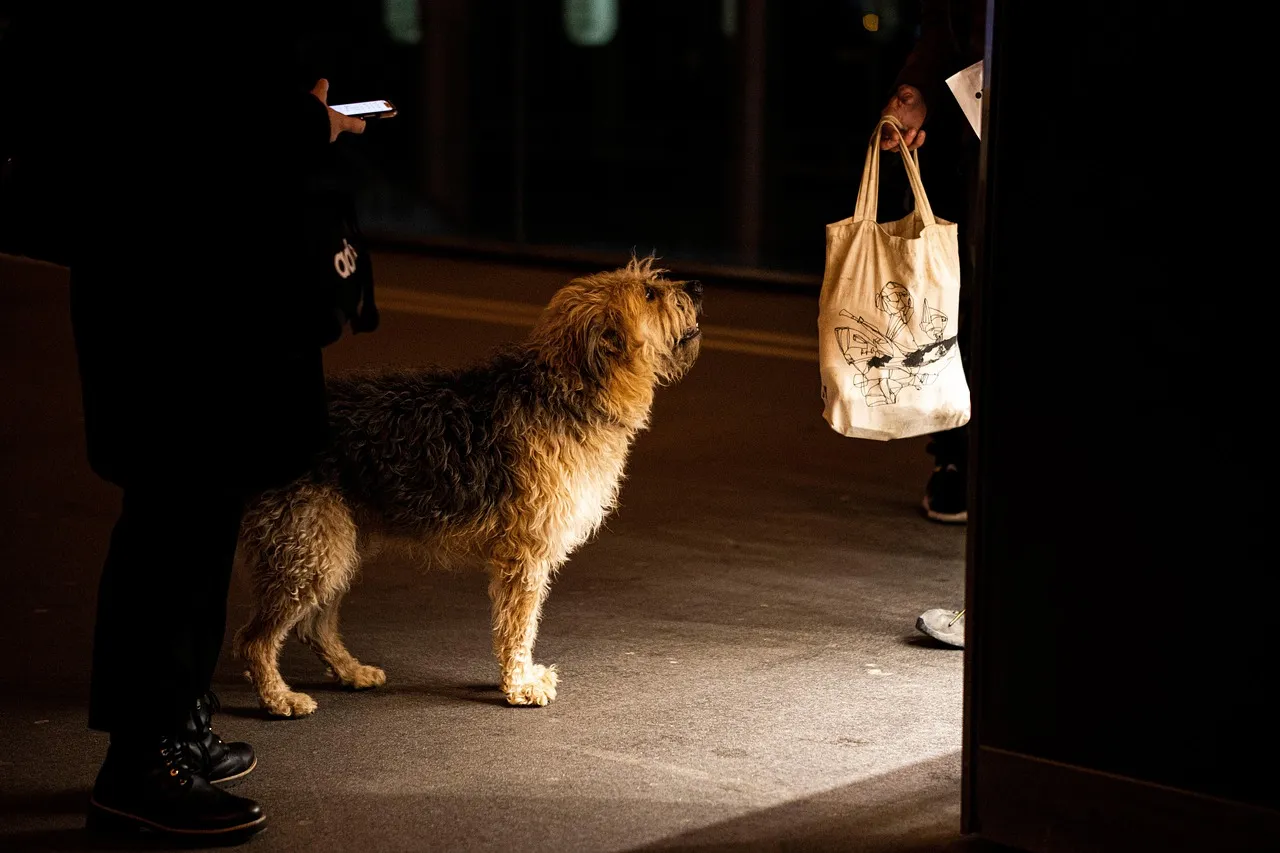
This is the sign that shocks owners the most. A food delivery runs late, or a neighbor knocks after dark, and you suddenly notice your dog didn’t react at all – no lifted head, no movement toward the door, nothing.
When a dog lets an unfamiliar person walk right up to the house at night without investigating, they’re no longer functioning as any kind of deterrent. A few honest explanations are worth considering:
- They genuinely didn’t hear or smell the person
- They’ve generalized night visitors as “no big deal”
- They’re so socially confident they’ve stopped caring about boundaries at all
The internet jokes that “my dog would help the burglar carry the TV,” and for a lot of friendly, apathetic dogs, that’s not far from the truth.
#16 – Day and Night Activity Get the Exact Same Reaction
🔥 Would you like to save this?
We'll email this post to you, so you can come back to it later!
Hyper-vigilant dogs treat nighttime as special – slower, quieter, more suspicious. They might completely ignore the mail truck at noon but raise an eyebrow at a car idling outside at midnight. When your dog reacts identically to 2 p.m. and 2 a.m. activity, or even less at night, that “night shift” instinct is gone.
A dog with no heightened awareness after dark isn’t acting as a time-sensitive guardian anymore, just a general-purpose roommate. This flattening often comes from predictable neighborhoods where nothing bad has ever happened, or from owners who unintentionally reward daytime alerting while shutting down nighttime alerts. Either way, you can’t assume they’ll treat a midnight window rattle as more important than the ice maker.
At a Glance
- Active night-shift dog: calmer by day, noticeably sharper after dark
- Retired night-shift dog: the same flat reaction at noon and at midnight
- Warning sign: less reaction at night than during the day
- Common cause: a predictable neighborhood where nothing has ever gone wrong
#17 – They Guard Their Stuff, Not the House
🔥 Would you like to save this?
We'll email this post to you, so you can come back to it later!
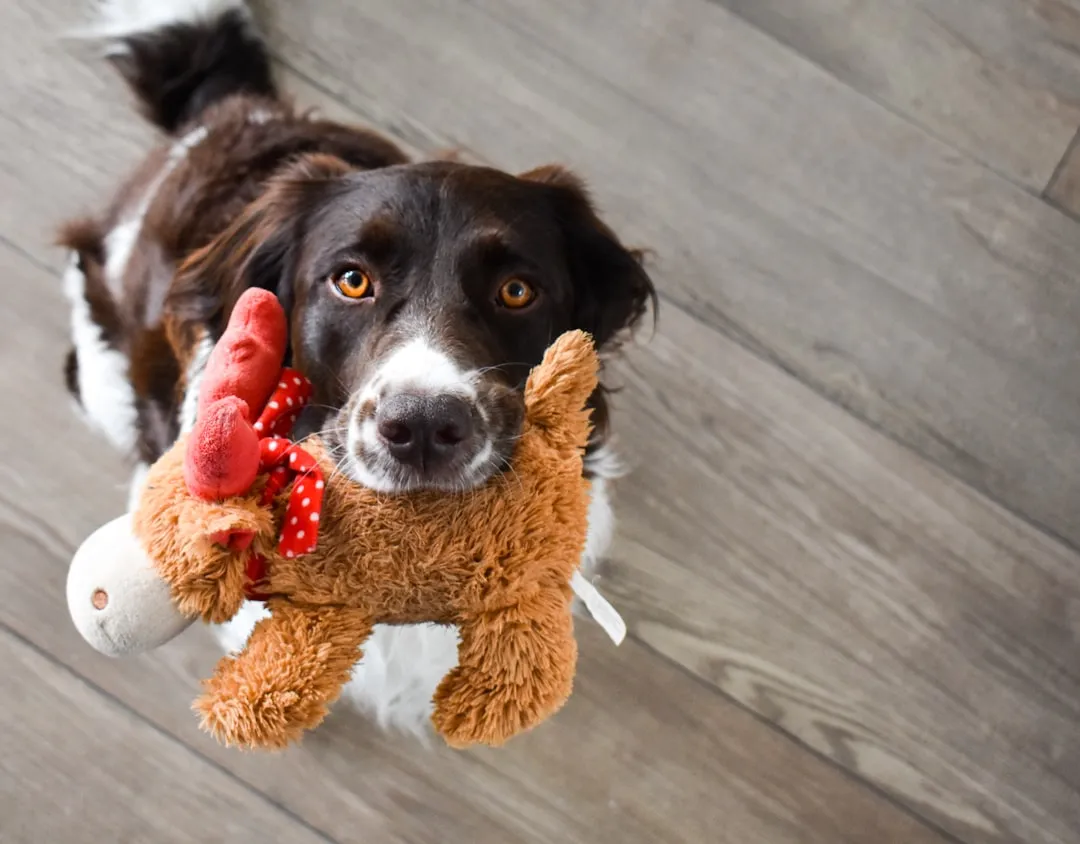
Resource guarding – protecting food, toys, or a favorite bed – is not the same thing as home guarding, but plenty of owners confuse the two. “He growls if someone touches his bone, so obviously he’d protect the house” is one of the most common myths in dog ownership.
A dog who only shows protective behavior around their own belongings, yet shows zero concern for doors, yards, or late-night sounds, has internalized protection as self-focused, not family-focused. These dogs will defend a chew toy but ignore a stranger in the yard, or growl at another pet near their bed while sleeping straight through porch activity. Behaviorists are blunt about this one: a dog like this hasn’t “stopped” guarding the house – they never actually started.
#18 – Aging Quietly Hands the Job Back to You
🔥 Would you like to save this?
We'll email this post to you, so you can come back to it later!
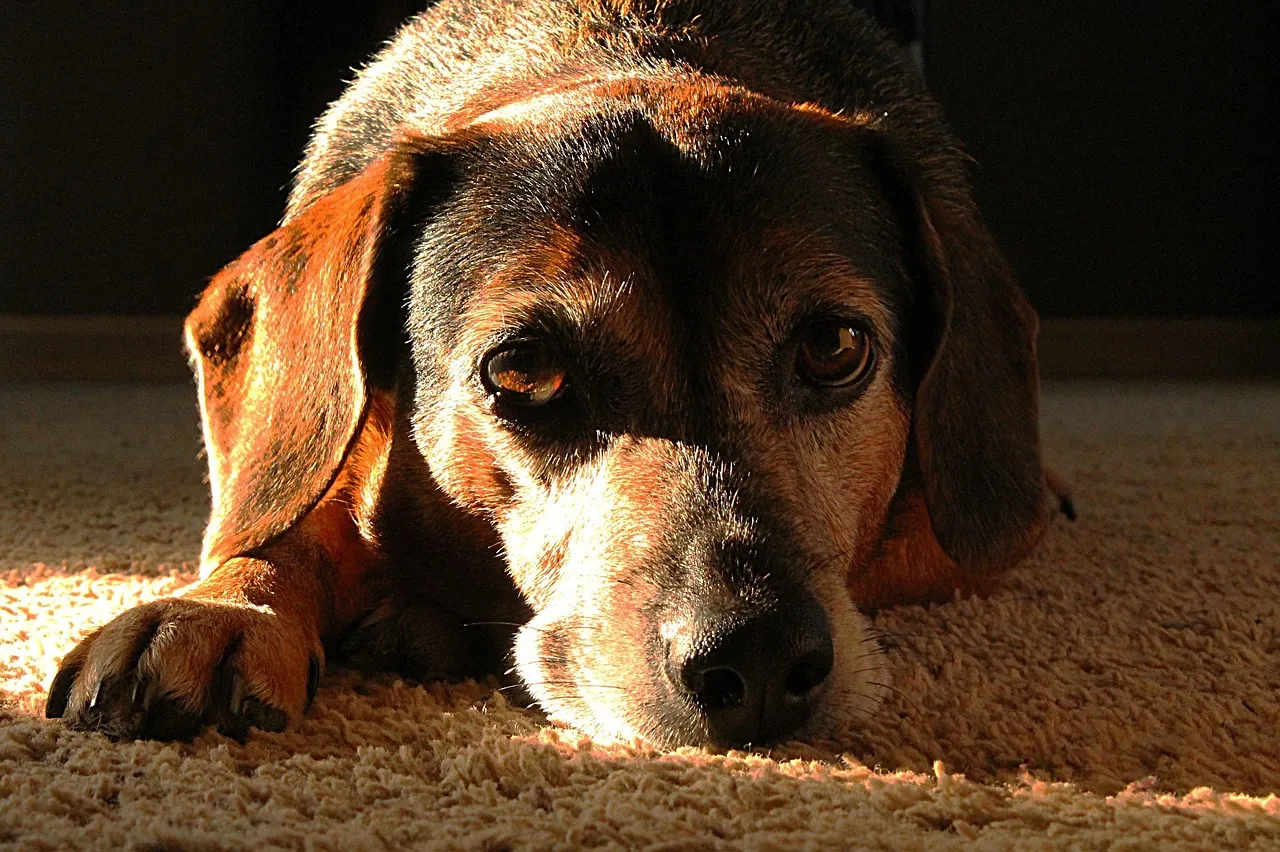
The most common, and honestly the most heartbreaking, sign on this list is simple age. Senior dogs rarely announce their retirement. Instead, their bed slowly migrates closer to warmth, minor sounds stop registering, and comfort quietly wins out over vigilance.
An old dog who once patrolled all night but now sleeps hard, hears little, and moves slowly hasn’t failed you – they’ve given you years on duty and are finally asking you to take over. Watch for fewer trips to the door even when something is clearly happening, confusion when abruptly woken, or a sudden preference for orthopedic beds far from any entryway.
We give dogs to our children to teach them about love, life and death.
Erica Jong
Many people cling to the idea that “he’d still protect us if it came down to it” – and maybe, in a burst of adrenaline, that’s even true once. But relying on “maybe” from a body that has already done the hard work for years isn’t fair to the dog, and it isn’t a real safety plan either.
Here’s my honest take after going through all 18 of these: a dog is not a security system, and treating one like it is does both of you a disservice. The uncomfortable truth is that most dogs we assume are “watching the house” quietly stopped doing that job months or even years ago, and we simply never noticed because nothing bad happened in the meantime.
None of this makes them bad dogs. It usually means they’re aging, hurting, anxious, or just too comfortable to bother – and none of those things are betrayals. If your dog is showing several of these signs, the answer isn’t guilt, it’s action: better locks, cameras, decent lighting, and maybe honesty with yourself about what your dog can and can’t do for you anymore. Love them for the years they did stand watch, and stop asking a retired guard to work a shift they’ve already earned the right to skip.

- 7 Everyday Habits That Can Make Your Senior Dog Happier - November 5, 2026
- 10 Enigmatic Structures That Continue to Puzzle Scientists Today - November 5, 2026
- 10 Strange Ruins in the Americas That Challenge What We Know About Early History - November 5, 2026