
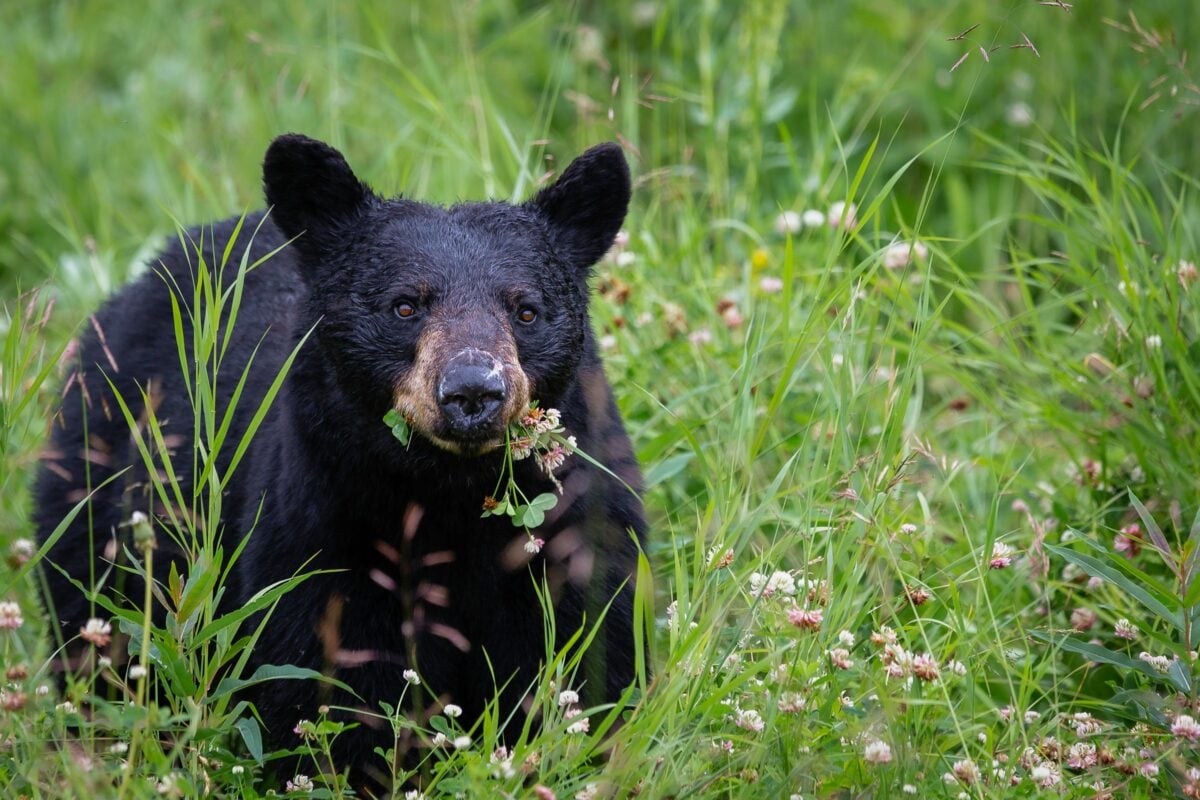
Picture a patient admitted to a hospital this morning with these orders: no food, no water, no bathroom breaks, and almost no movement, for five straight months. Any doctor on staff would call that a death sentence within weeks. Yet right now, somewhere in a hollow log or a rocky crevice, a black bear is doing exactly that, and it will walk out in spring with strong bones, a sharp brain, and a heart that never skipped a beat.
Scientists have been peeking inside dens for decades, and the deeper they look, the stranger it gets. It’s not one lucky adaptation keeping these animals alive. It’s closer to eighteen separate medical miracles happening at once, quietly, in the dark, with zero machines involved. Here’s what’s actually happening inside that den, system by system, and why we still can’t bottle any of it.
18. Turning Off Thirst Without Damaging Kidneys
🔥 Would you like to save this?
We'll email this post to you, so you can come back to it later!
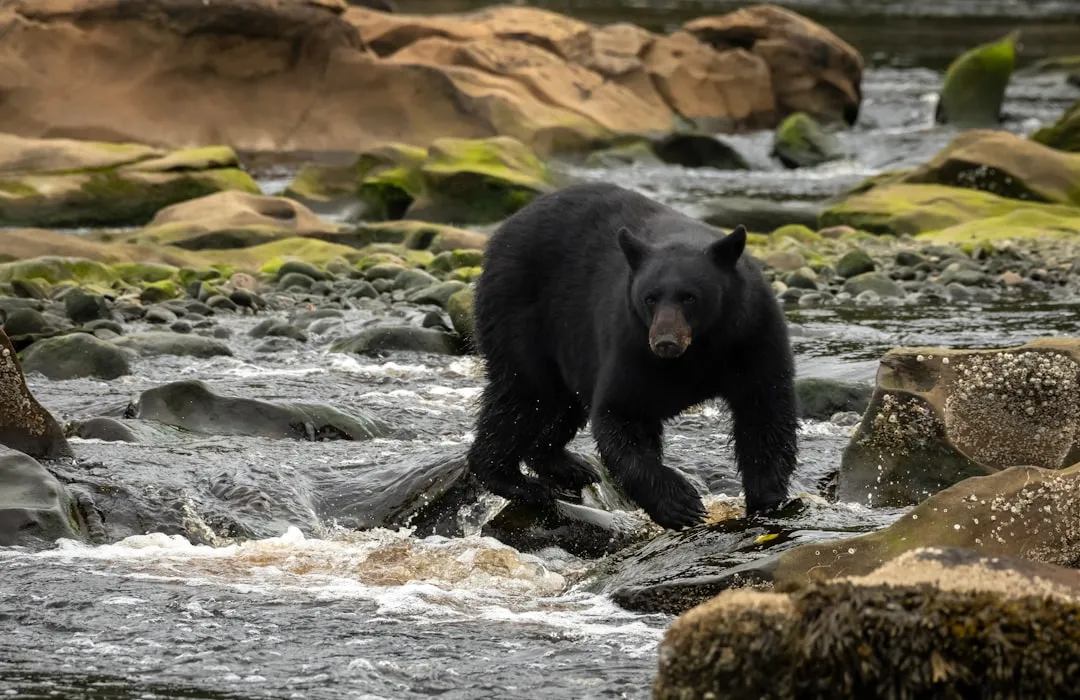
A black bear can go 100+ days without drinking water, and its kidneys don’t fail. Humans can’t safely go a week without fluids, even in an ICU with IV lines running around the clock.
During denning, a bear’s body pulls water from its own fat metabolism and recycles internal fluids so efficiently that dehydration never reaches crisis levels. Researchers studying denning bears have found stable electrolytes and normal kidney function the entire time, even though the bear stops producing liquid urine.
Creatinine and urea, the classic kidney “waste” chemicals, never climb to toxic human levels. We can temporarily clean blood with dialysis, but only by running it through a machine several times a week, with strict diets and real risk attached.
The wild part is that a bear’s version of this happens with no pumps, no tubing, and no hospital staff standing by. But that’s nothing compared to what its body does with urine itself.
17. Recycling Urine Into Protein Instead of Peeing It Out
🔥 Would you like to save this?
We'll email this post to you, so you can come back to it later!
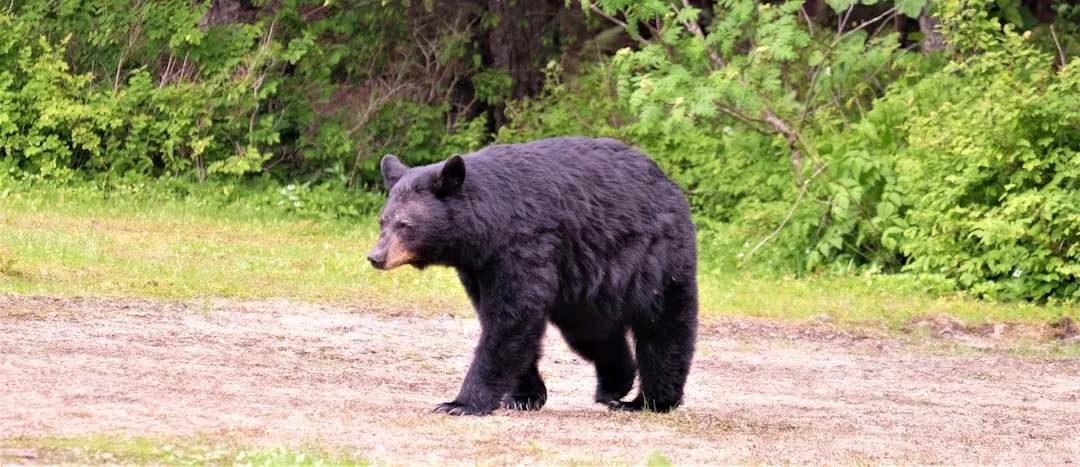
Here’s where it starts sounding like science fiction: denning black bears don’t urinate for months. Instead, they chemically recycle the nitrogen in urea, the very compound that would be flushed away as waste in a human, and turn it back into usable protein.
In humans, urea is pure garbage. We filter it out through the kidneys and get rid of it, because if it builds up, it becomes lethal. In a black bear, that same molecule becomes raw material for the body.
Gut microbes and liver metabolism appear to work together, converting nitrogen from urea into amino acids that support tissue repair and basic cell function. It’s like having an internal dialysis machine that also 3D-prints new protein.
Medicine dreams about this. Dialysis patients lose protein constantly and need strict diet support, because we have no way to turn their urea load into muscle-saving fuel. A bear does it lying perfectly still in the dark, no power outlet required. As wild as that sounds, it’s nothing next to what happens to a bear’s blood over those same months.
16. Avoiding Deadly Blood Clots During Extreme Inactivity
🔥 Would you like to save this?
We'll email this post to you, so you can come back to it later!
If you or I stay in bed for a week, doctors start worrying about blood clots. After a month, we’d be at terrifying risk of deep vein thrombosis and pulmonary embolism. A denning black bear spends months barely moving, yet almost never develops clots that block blood flow.
Scientists studying hibernators have found that their blood chemistry shifts into a strange “anti-clot, but not too thin” state. Platelets, the cell fragments that form clots, appear to become less sticky and may even be stored differently during this time. Meanwhile, circulation slows without fully stagnating, helped by a lower heart rate and blood pressure that keep shear stress gentle but continuous.
Fast Facts
- Human clot risk climbs sharply after just days of strict bed rest
- Denning bears stay almost motionless for months at a stretch
- Platelets appear to become less “sticky” during hibernation
- Heart rate and blood pressure drop together, easing stress on vessel walls
Human medicine tries to mimic this with blood thinners like heparin or warfarin, but those drugs come with a brutal trade-off: stop the clots, and you risk dangerous bleeding. Bears somehow get clot protection without spontaneous hemorrhages. We don’t yet know how to engineer that balance in a hospital setting. Dodging clots is impressive on its own, but wait until you see what happens to a bear’s blood sugar after a whole fall of nonstop eating.
15. Staying Obese for Months Without Developing Diabetes
🔥 Would you like to save this?
We'll email this post to you, so you can come back to it later!
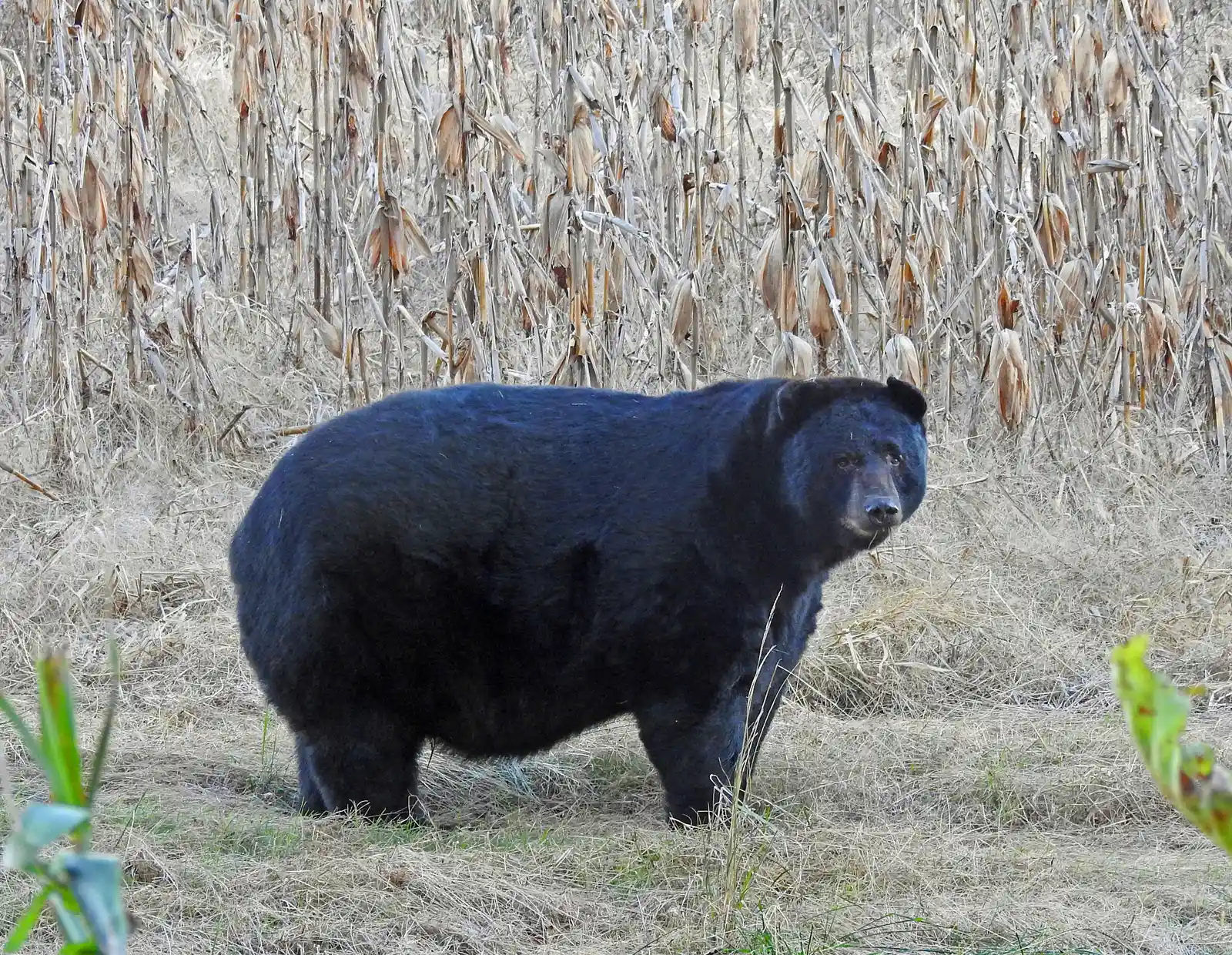
A wild black bear can enter its den with body fat up to 30 to 40 percent of its total mass, a number that would flash red on any human chart. Yet its blood sugar, insulin sensitivity, and cholesterol profile stay surprisingly healthy the entire time.
Try to imagine a human carrying that much body fat, doing zero exercise for months, and still testing metabolically normal afterward. It doesn’t happen. Before denning, bears binge hard on berries, nuts, insects, and carrion, packing on enormous calorie reserves that would send most human metabolisms into a downward spiral.
Most obese humans drift toward insulin resistance, where cells stop responding properly to insulin and the body edges toward type 2 diabetes. Denning bears instead appear to reset their metabolism into an efficient, low-glucose, high-fat-burning mode that protects the brain without wrecking blood vessels or nerves. Some research suggests hibernator hormones may temporarily retune insulin pathways and change how fat cells communicate with the rest of the body.
Medicine has GLP-1 drugs and bariatric surgery, but we still can’t let a patient sit motionless, morbidly obese, for months and wake up metabolically unscathed. Staying diabetes-free at that fat percentage is one thing. Keeping every ounce of muscle while doing it is a whole different level.
14. Burning Pure Fat While Sparing Precious Muscle
🔥 Would you like to save this?
We'll email this post to you, so you can come back to it later!
Most people don’t realize how fast human muscle melts away. Two weeks in a hospital bed and you’re already noticeably weaker. A month or two, and elderly patients may never walk quite the same way again.
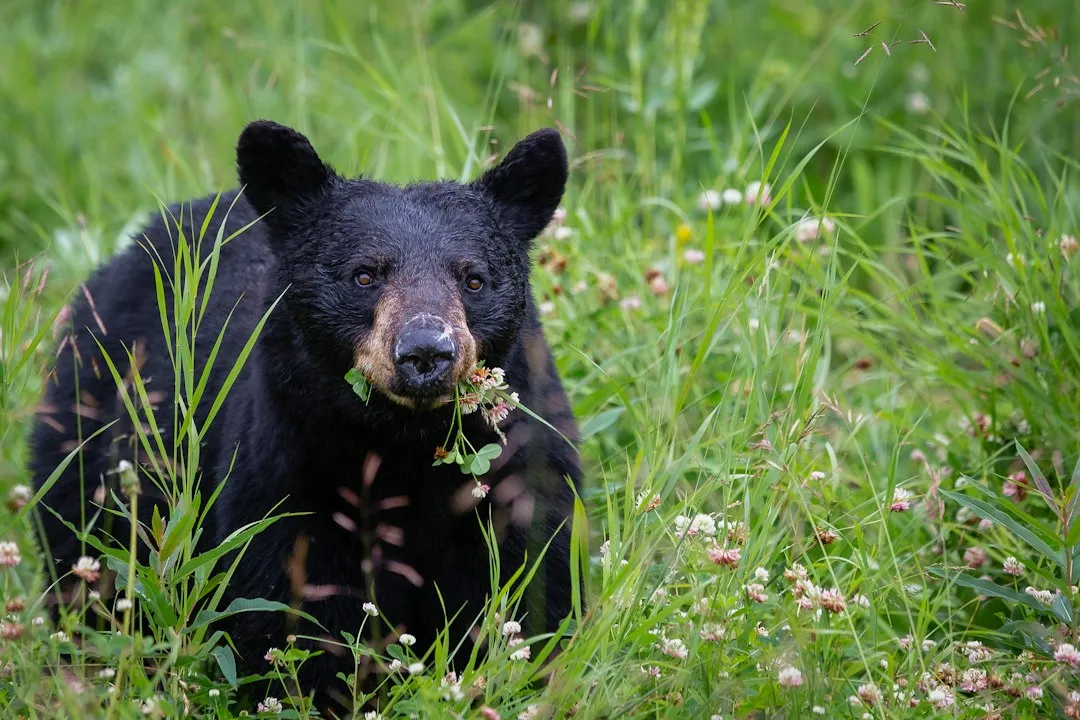
Denning black bears defy this pattern completely. They lose fat aggressively while keeping shocking amounts of muscle mass and strength. During denning, their metabolism swerves hard toward stored fat as the primary fuel source, and hormones like leptin and adiponectin likely shift in ways researchers still don’t fully understand.
Meanwhile, the usual human “use it or lose it” rule simply doesn’t apply. Bear muscle tissue shows less activation of atrophy pathways and better preservation of structural proteins. They basically pause the muscle-loss clock while still living entirely off internal calories.
For humans, we try resistance training, protein supplements, and even experimental drugs to slow wasting, and we still lose muscle after long bedrest or aggressive weight loss. Bariatric surgery patients, crash dieters, and elderly patients recovering from illness would all kill for bear-style “fat first, muscle later” metabolism. Sparing muscle is remarkable, but the skin underneath it is fighting its own quiet battle.
13. Preventing Bedsores Without Turning Over Every Two Hours
🔥 Would you like to save this?
We'll email this post to you, so you can come back to it later!
Ask any nurse: immobilized humans get pressure ulcers, and it’s so predictable that hospitals build entire protocols around it. Patients get turned every two hours, placed on special mattresses, and checked constantly for skin breakdown.
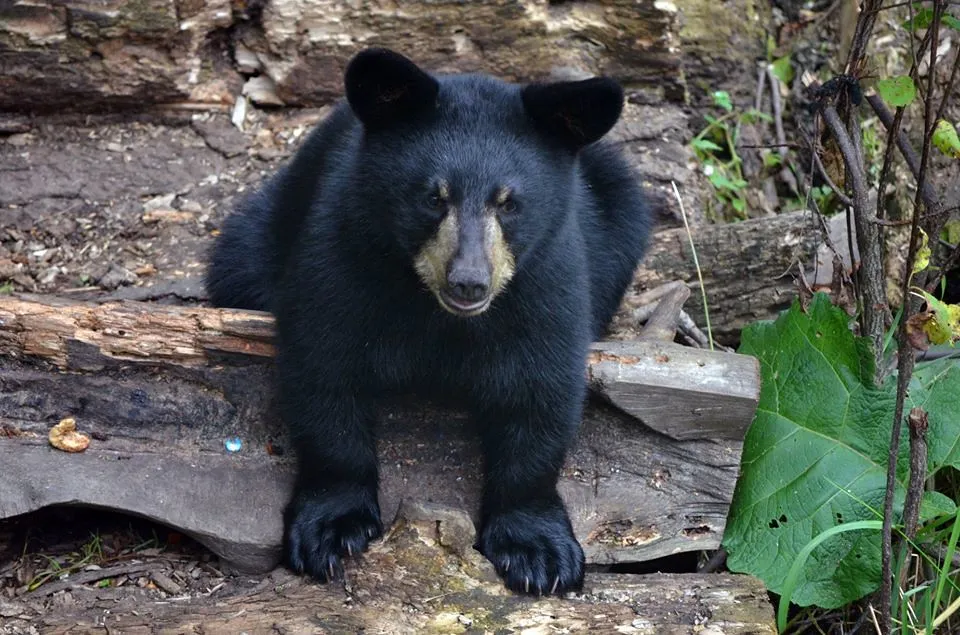
Now picture a black bear lying in a cramped den, often in one position, for weeks on end, with no rotating schedule and no foam mattress. Yet when it emerges in spring, there’s no epidemic of gaping bedsores waiting for it.
Researchers suspect several overlapping tricks are at play:
- Reduced body temperature and slowed circulation lower metabolic demand in skin tissue
- Small, barely visible micro-movements may still be enough to relieve pressure points
- Shifts in blood flow and immune function may make skin more resilient overall
Even more surprising, the skin and fur barrier doesn’t just avoid breaking down; it often looks intact and infection-free. Human medicine throws technology, staff hours, and millions of dollars at pressure ulcer prevention every year, and still loses ground. A denning bear, in a damp hole with zero nursing care, usually wins without trying. If the skin holds up, the obvious next question is what’s happening to the skeleton underneath it.
12. Keeping Bones Dense Without Weight-Bearing Exercise
🔥 Would you like to save this?
We'll email this post to you, so you can come back to it later!
Astronauts, bedbound patients, and even sedentary office workers all face the same enemy: bone loss. Remove weight-bearing activity, and calcium leaks out of bone like water from a cracked pipe.
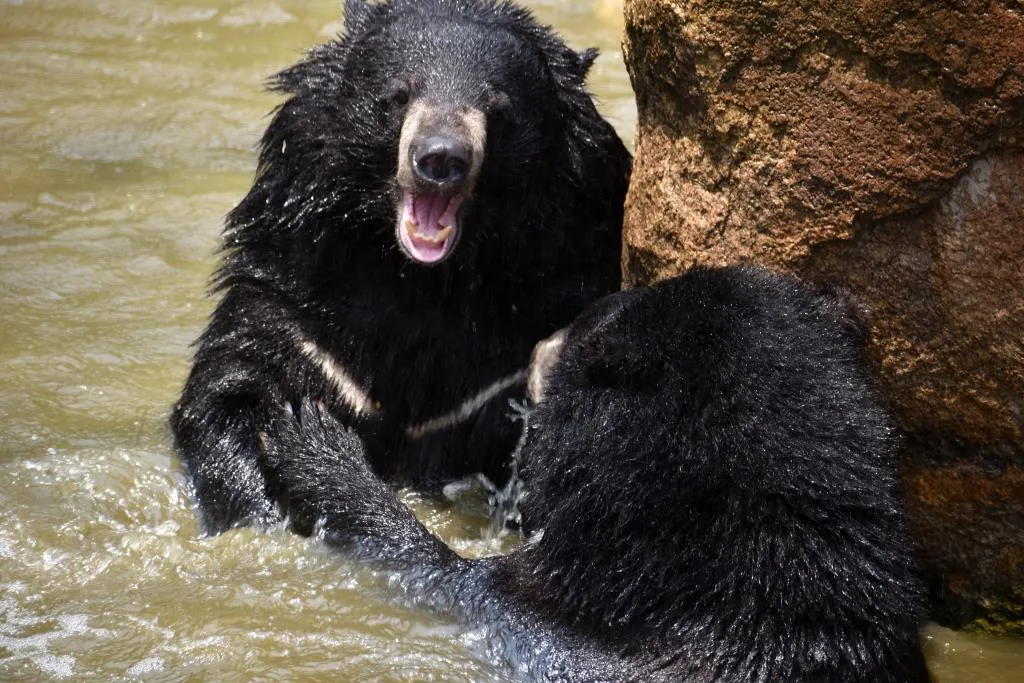
Black bears skip winter workouts for months and do not develop the fragile, osteoporotic bones we’d expect from that level of inactivity. Studies of bear skeletons show bone density staying remarkably stable across repeated hibernation cycles, year after year.
Their bodies seem to reduce bone breakdown while maintaining bone formation in careful balance, even when gravity isn’t stressing the skeleton at all. It’s as if they flip a switch that tells bone cells, “Hold what you’ve got, winter mode is on.”
Medicine has bisphosphonates, hormone therapies, and even anabolic bone drugs, but none of them let a person lie in bed for months without significant loss. If we ever cracked the “hibernation bone code,” it could reshape:
- Osteoporosis treatment in aging adults
- Bone health strategies for long-term spaceflight
- Recovery protocols after major fractures
Bones are only half the skeleton’s story, though. The organ working hardest inside that ribcage is doing something even stranger.
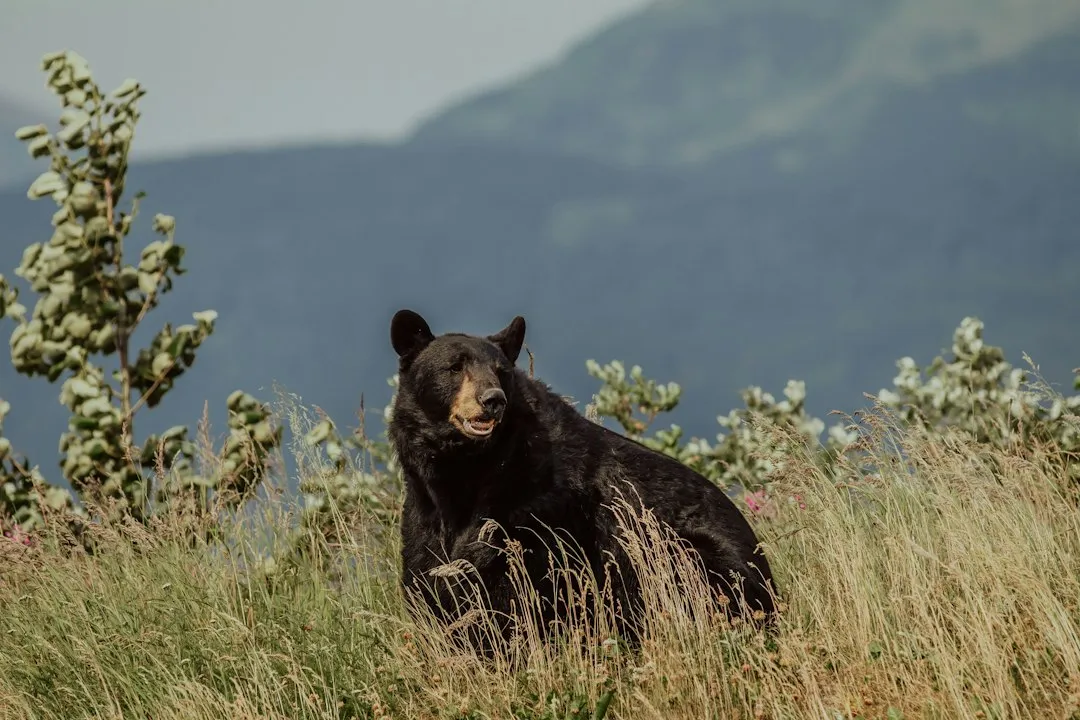
11. Slowing the Heart Without Triggering Dangerous Arrhythmias
🔥 Would you like to save this?
We'll email this post to you, so you can come back to it later!
People hear “heart rate drops to 8 beats per minute” and assume death is close. For a human, that kind of profound bradycardia is a medical emergency requiring immediate intervention.
For a denning bear, a drastically slowed heart is just business as usual, and the rhythm stays stable the entire time. During denning, black bears lower their heart rate from normal active values, often 40 to 70-plus beats per minute, down to single digits between beats, with long pauses yet surprisingly strong, efficient contractions when the heart does fire.
Quick Compare: Heart Rate
- Active black bear: roughly 40 to 70+ beats per minute
- Denning black bear: as low as single digits between beats
- Resting healthy human: typically 60 to 100 beats per minute
- Human bradycardia under 40 bpm: treated as a medical emergency
This reduced rate slashes energy use but somehow doesn’t let blood pressure crash or push rhythms into deadly arrhythmias. We can slow a human heart pharmacologically or with pacemakers, but it’s a blunt tool at best. Too slow, and organs start starving. Small rhythm errors can trigger strokes or sudden cardiac death.
Bears move in and out of this low-gear cardiac state every single season, with no obvious scarring or chronic heart failure. Cardiologists would love to safely “hibernate” a human heart after a major attack, but we’re nowhere near that kind of precision. A heart that idles for months is remarkable, but temperature control is where bears really break the hibernation stereotype.
10. Managing Body Temperature Without Full “Cold Hibernation”
🔥 Would you like to save this?
We'll email this post to you, so you can come back to it later!
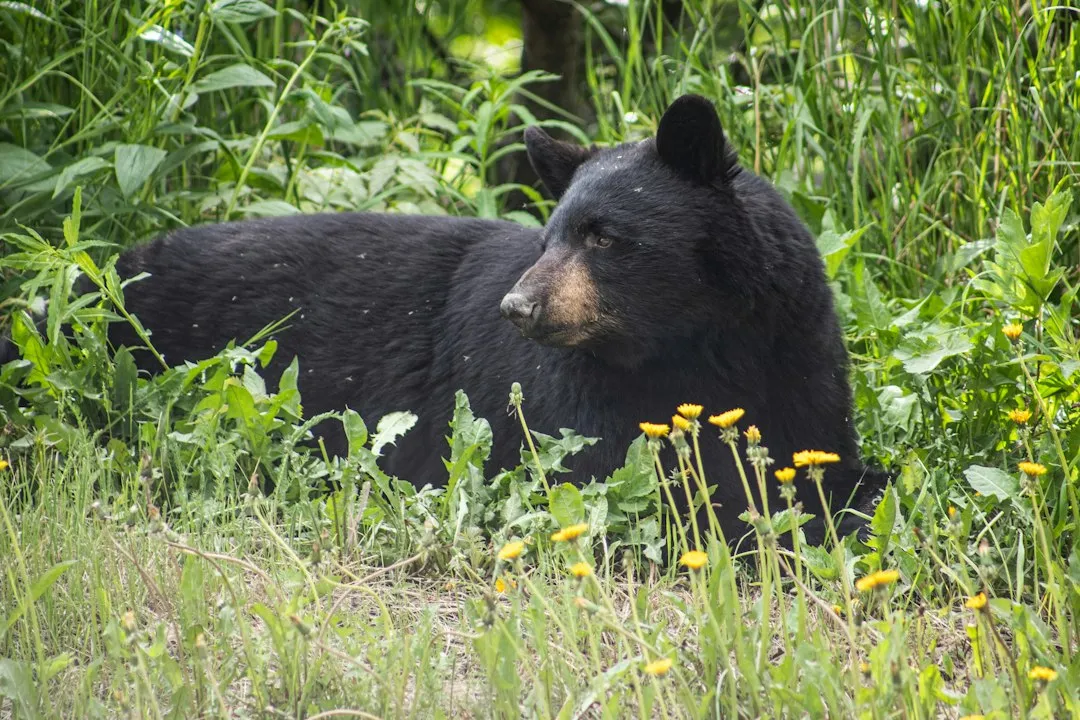
Most people picture hibernation as a freezing-cold, near-death slumber. Black bears break that stereotype entirely. They’re “shallow hibernators,” meaning body temperature only drops a few degrees rather than plunging near freezing like smaller mammals do.
Yet their metabolism still slows dramatically anyway. This is medically fascinating because they decouple temperature from metabolism in a way humans simply can’t replicate. We use therapeutic hypothermia after cardiac arrest or during certain surgeries, cooling the body to try to protect the brain, but it’s risky, complicated, and limited to short windows.
A denning bear runs on a kind of “winter idle” mode instead:
- Core temperature modestly reduced, never dangerously low
- Metabolic rate cut by roughly 50 to 75 percent
- Full consciousness easily restored if disturbed
Humans can’t simply switch into a safe low-metabolism state while staying warm enough for normal enzyme function and immune defense. Bears dance on that exact line for months without falling off either side. If we could pull that off even briefly in an ICU, outcomes after massive trauma or cardiac events might look completely different. Managing temperature is one thing. Keeping the brain sharp through all of it is the part neurologists still can’t fully explain.
9. Preserving Brain Function After Months of Near-Inactivity
🔥 Would you like to save this?
We'll email this post to you, so you can come back to it later!
Extended bedrest wrecks more than muscles; it clouds the mind too. Long hospital stays are linked to delirium, memory problems, and long-term cognitive decline, especially in older patients.
Black bears, by contrast, emerge from months of denning and quickly navigate territory, find food, avoid threats, and care for cubs as if nothing happened. Their brains skip the usual markers of damage tied to prolonged inactivity and metabolic stress:
- No obvious widespread neuron death
- No devastating cognitive slowdown
- A rapid return to complex, coordinated behavior
Some studies in other hibernating species show synapses retracting and then regrowing seasonally, almost like pruning a tree and watching it leaf out again. Bears may be running a large-scale version of that same trick. Their nervous systems tolerate low blood flow, altered chemistry, and reduced stimulation without falling apart.
Neurocritical care teams use sedatives, temperature management, and controlled ventilation to protect human brains, even over the course of just days. We still see strokes, swelling, and long-term deficits regardless. In cognitive resilience, the bear is playing a different game entirely. A sharp brain needs a working immune system behind it, and that’s where things get delicate fast.
8. Quieting the Immune System Without Opening the Door to Sepsis
🔥 Would you like to save this?
We'll email this post to you, so you can come back to it later!
If a human immune system goes quiet, infections bloom. If it overreacts instead, we get deadly sepsis or autoimmune flares. There’s almost no safe middle ground for us.
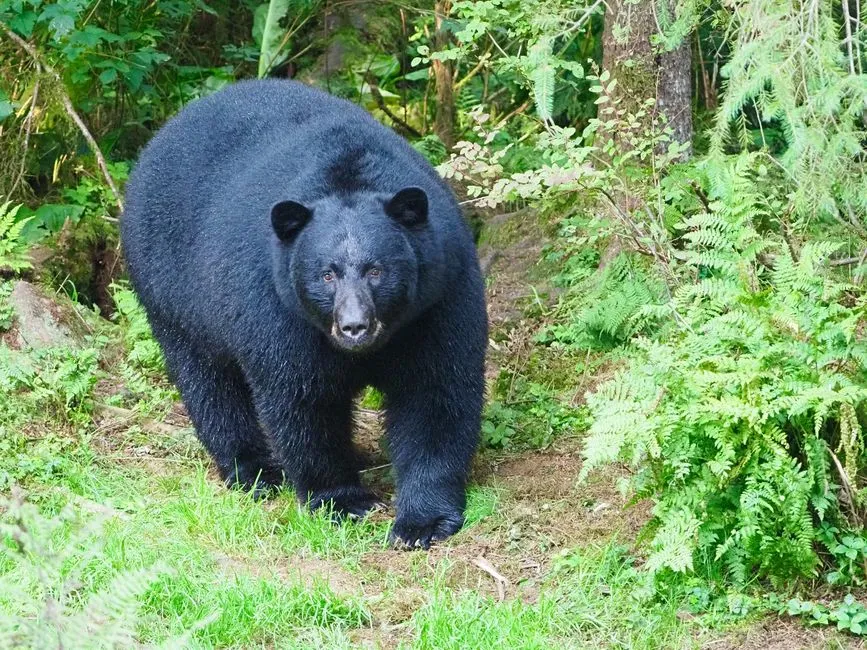
Black bears appear to turn down immune activity during denning to conserve energy, without collapsing their defenses entirely. Their white blood cell counts and inflammatory markers shift in a pattern that looks like a controlled dimmer switch, not an on-off breaker.
Inflammation drops, which reduces energy use and tissue damage. Yet these animals don’t typically emerge riddled with abscesses or systemic infections, even though:
- They den in dirty, damp environments
- They may enter with minor wounds or dental issues
- They get no dietary antioxidants or vitamins all winter
Human medicine tries something similar with immunosuppressants for transplant patients and anti-inflammatories for autoimmune disease. The problem is that we overshoot, undershoot, or create new vulnerabilities almost every time. Bears seem to thread the needle: low energy expenditure, low collateral damage, but preserved critical defense. Immune balance is hard enough for an ordinary bear. Now imagine doing it while pregnant.
7. Letting Pregnant Females Hibernate While Growing and Birthing Cubs
🔥 Would you like to save this?
We'll email this post to you, so you can come back to it later!
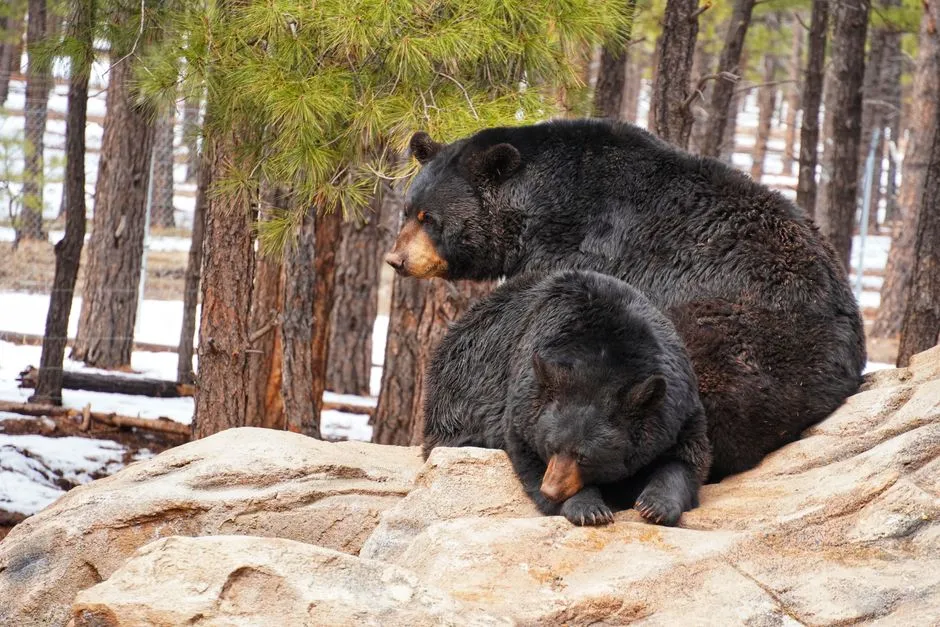
Here’s a trick so extreme it almost sounds fake: pregnant female black bears den, hibernate, give birth, and nurse, all while barely eating or drinking.
Human pregnancy demands increased calories, protein, and micronutrients, which is exactly why we monitor weight gain and bloodwork so carefully. Deficiencies threaten both mother and baby fast.
A denning sow enters winter already pregnant or freshly bred just before den entry, with embryo implantation sometimes delayed until her body condition is right. Inside the den, she:
- Supports fetal growth using only her stored fat and protein
- Maintains her own organ function under fasting conditions
- Births tiny, underdeveloped cubs mid-hibernation
- Produces calorie-rich milk from stored energy, not fresh meals
Human obstetrics can’t safely “hibernate” a pregnant patient while she grows and feeds a baby using only pre-stored reserves. Even in an ICU, attempting anything close would be dangerously reckless. Bear biology casually pulls it off every winter, in cold, uncontrolled environments, with no medical supervision at all. Growing cubs on empty reserves is wild enough. Feeding them afterward is somehow even harder.
6. Producing High-Fat Milk Without Eating
🔥 Would you like to save this?
We'll email this post to you, so you can come back to it later!
Milk is expensive for any body to produce. Lactating humans often feel constantly hungry, because their bodies demand extra calories just to keep up with output.
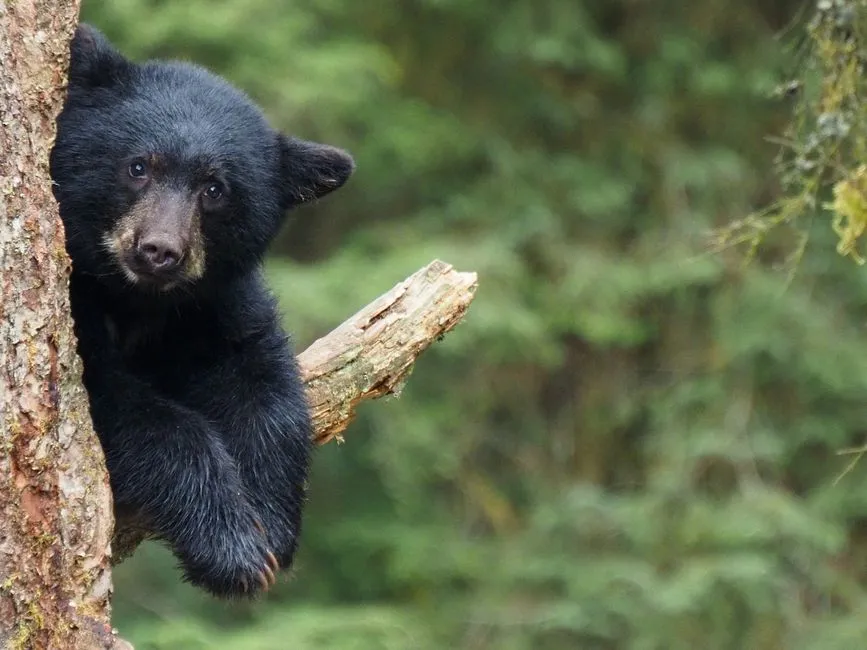
A denning mother black bear, though, makes extremely rich milk while taking in virtually no food or water. Her body taps deep into fat and protein stores to secrete milk with fat content far higher than typical human breast milk.
Cubs rely entirely on this energy-dense liquid inside a tiny, enclosed den, growing fur and fat quickly before spring even arrives. From a metabolic standpoint, this is brutal work. She’s simultaneously:
- Maintaining her own basic functions in hibernation mode
- Shunting precious nutrients into milk at a net personal loss
- Keeping calcium, fluid balance, and electrolytes functional throughout
Human medicine supports breastfeeding with diet advice and, occasionally, supplements. We absolutely cannot engineer a scenario where a mother doesn’t eat or drink for weeks and still nurses safely. The bear’s endocrine and metabolic networks juggle priorities with a precision we simply can’t mimic. If the milk doesn’t wear her down, you’d think her muscles would. Somehow, they don’t either.
5. Avoiding Severe Muscle Atrophy in the Heart and Limbs
🔥 Would you like to save this?
We'll email this post to you, so you can come back to it later!
It’s not just skeletal muscle that melts away in humans; the heart itself weakens with prolonged inactivity and disease. Heart failure patients lose cardiac muscle, grow more fragile, and often spiral downward fast.
Denning bears sidestep that slide almost entirely. Their limb muscles and heart both show remarkable resistance to atrophy, despite months of minimal use. In lab animals and humans, disuse typically triggers increased protein breakdown, fiber shrinkage, and reduced mitochondrial function.
In bears, those atrophy signals stay dampened the whole time. Some studies point to altered expression of genes tied to muscle breakdown and maintenance. The payoff shows up fast: when spring arrives, bears can stand, climb, run, and hunt within a short window, and their hearts handle the sudden jump from low-demand denning to high-demand activity without missing a beat.
Worth Knowing
- Bedridden ICU patients can lose noticeable muscle mass within one to two weeks
- Denning bears preserve limb and heart muscle across months of inactivity
- Bears typically resume full mobility within days of leaving the den
- Bear cardiac muscle shows little sign of the weakening seen in human heart failure
We try to approximate this in humans with physical therapy, electrical muscle stimulation, and experimental anti-catabolic drugs, and ICU or long-stay patients still walk out dramatically weaker. Bears take a metabolic nap and wake up only a little out of shape. Muscles holding steady is great, but none of it matters if blood pressure goes haywire.
4. Stabilizing Blood Pressure Without Daily Medication
🔥 Would you like to save this?
We'll email this post to you, so you can come back to it later!
Humans are practically addicted to blood pressure medications. ACE inhibitors, beta-blockers, calcium channel blockers, you name it. Our cardiovascular system hates big shifts; sudden drops cause fainting, and big surges cause strokes.
Yet a denning black bear lets blood pressure drift down alongside heart rate and metabolism without blacking out or damaging a single organ. They likely achieve this through:
- Flexible blood vessel tone that adjusts smoothly over time
- Shifts in autonomic nervous system balance between sympathetic and parasympathetic control
- Reduced overall metabolic demand across every major organ
In a medical setting, dropping a patient’s blood pressure this much for this long would be dangerous fast. Organs would starve, kidneys would fail, and the brain would suffer. But in bears, tissues are simultaneously more tolerant of low flow and better protected against oxygen deprivation.
We can induce controlled hypotension during certain surgeries, but only for short windows with massive monitoring in place. Bears ride a gentle, months-long low-pressure wave and emerge without chronic kidney disease or global brain injury. Stable pressure keeps a bear alive underground, but waking back up safely is a whole different challenge.
3. Rebooting Metabolism in Spring Without “Refeed” Complications
🔥 Would you like to save this?
We'll email this post to you, so you can come back to it later!
Here’s something refeeding-syndrome specialists know all too well: when a starving human suddenly eats again, the body can go haywire. Electrolytes shift violently, heart rhythms destabilize, and people can actually die from being refed too fast.
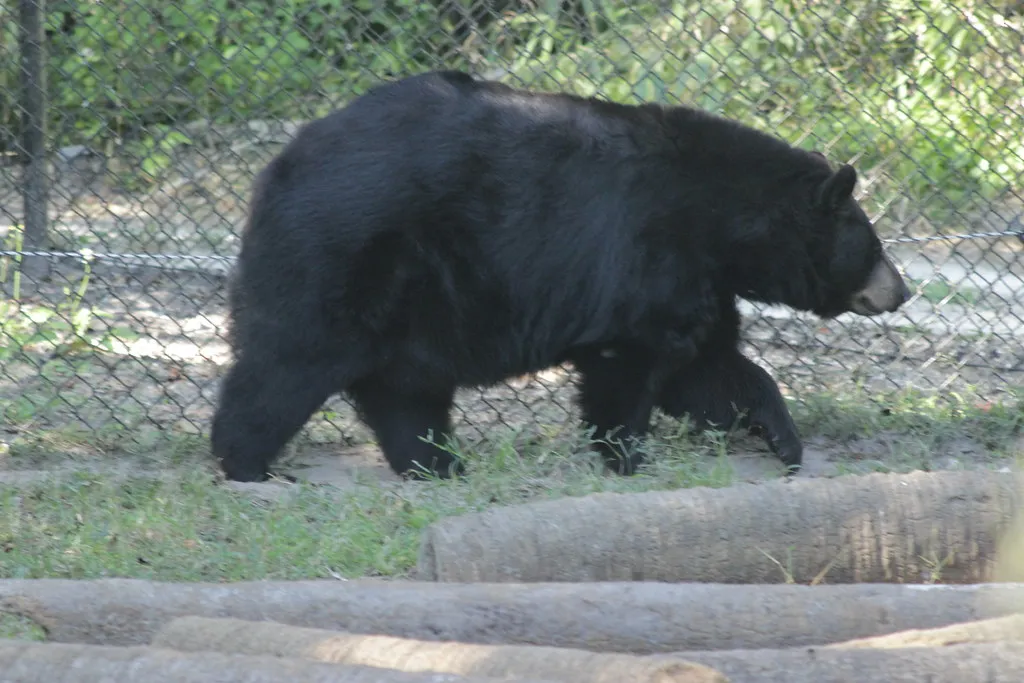
Black bears, however, transition from deep denning fast to active foraging without any spectacular metabolic crashes. They go from burning nearly pure fat, running on minimal insulin demand, and very low gut activity, straight to processing complex foods again, restoring full liver, kidney, and pancreatic workloads, and rehydrating and re-mineralizing all at once.
Yet we don’t see mass die-offs from sudden heart failure every spring. Their endocrine systems up-shift in a coordinated way that human medicine can barely simulate, even with calculators and ICU monitors running full-time.
In hospitals, dietitians and physicians painstakingly plan refeeding schedules, checking labs constantly to avoid disaster. Bears rely on instinct and built-in biological programming instead of infusion pumps. That smooth handoff from winter to spring is one of the least glamorous, but most medically impressive, things they do all year. A smooth restart is impressive, but there’s one more silent threat working against every denning bear the whole time: its own blood.
2. Preventing Dangerous Blood Thickening Despite Dehydration and Cold
🔥 Would you like to save this?
We'll email this post to you, so you can come back to it later!
Cold, low fluid intake, and inactivity are a perfect recipe for thick, sludge-like blood in humans. That’s exactly why winter heart attacks and strokes are such a real concern for people every year.
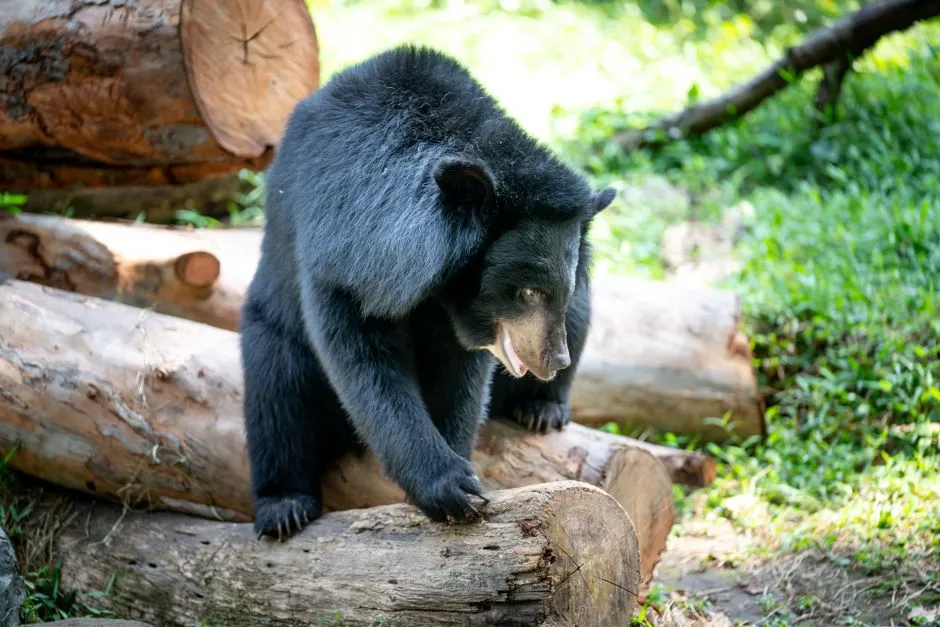
Denning black bears combine all three stressors, cold, dehydration, and immobility, yet don’t routinely drop dead from clots or strokes when they wake. Evidence suggests their blood becomes more viscous, but not catastrophically so, while red blood cells maintain flexibility and clotting factors stay balanced against anti-clotting mechanisms with impressive precision.
At a Glance
- Cold, dehydration, and immobility together raise human stroke and clot risk
- Denning bears face all three stressors for months at once
- Red blood cells reportedly stay flexible even as blood thickens slightly
- Clotting and anti-clotting factors stay in careful balance throughout denning
Humans use IV fluids, warming blankets, and blood thinners for cold-exposed or immobile patients, and complications still show up regularly. Bears, meanwhile, flirt with the edge of physiological limits and walk away each spring anyway. Their vascular systems reawaken, re-expand, and re-pressurize without a wave of strokes or embolisms following behind.
We can thin blood. We can warm people up. But we cannot program a human cardiovascular system to endure months of semi-frozen, low-flow status and then simply “just work” again on command. Every one of these tricks is remarkable on its own. The real jaw-dropper is what happens when a bear’s body runs all of them together.
1. Running a Full-Body “Pause & Repair” Program Without External Support
🔥 Would you like to save this?
We'll email this post to you, so you can come back to it later!
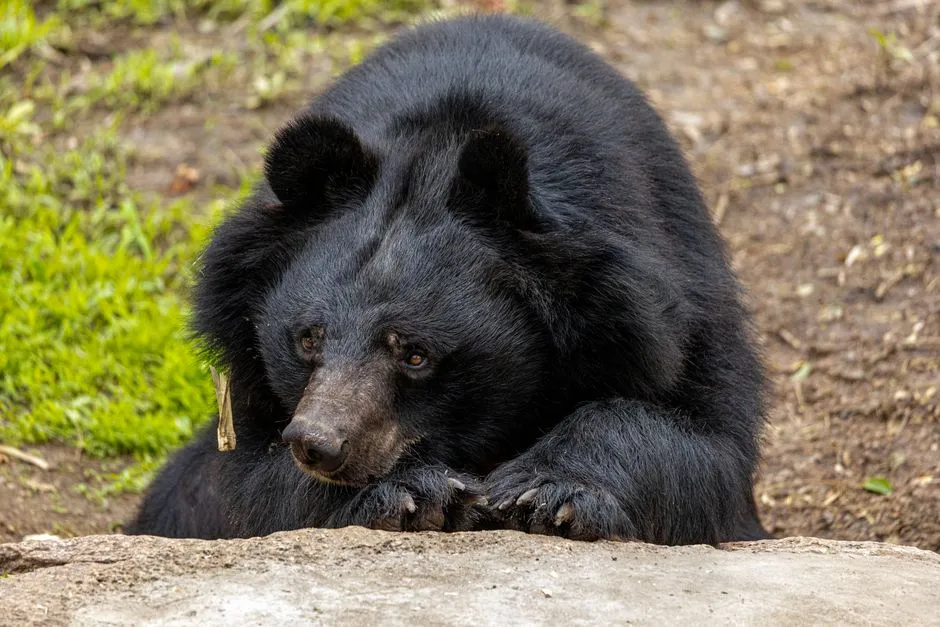
Zoom out, and the most jaw-dropping thing isn’t any single trick, it’s the integrated whole. During denning, a black bear essentially runs a coordinated, months-long maintenance mode that touches every system at once: heart, kidneys, bones, brain, immune system, skin, metabolism, and even reproduction.
Think about what a hospital would need just to approximate this in a human patient:
- Dialysis or advanced renal support to handle waste without urine
- Total parenteral nutrition or complex feeding plans to prevent muscle loss
- Anticoagulants and compression devices to prevent clots
- Bisphosphonates and hormonal therapy to protect bones
- Temperature and sedation management to reduce brain demands
- Continuous monitoring to prevent pressure sores and infections
Even with all of that stacked together, we’d still see complications, and we’d only sustain it for weeks, not months. The bear does all of this internally, automatically, with no machines, in a dirt den.
That’s the part human medicine simply cannot copy: the elegant, pre-programmed orchestration running across every organ system at once. Until we understand that master blueprint, we’re just imitating single pages of a manual the bear has already memorized cover to cover.
The Bottom Line
🔥 Would you like to save this?
We'll email this post to you, so you can come back to it later!
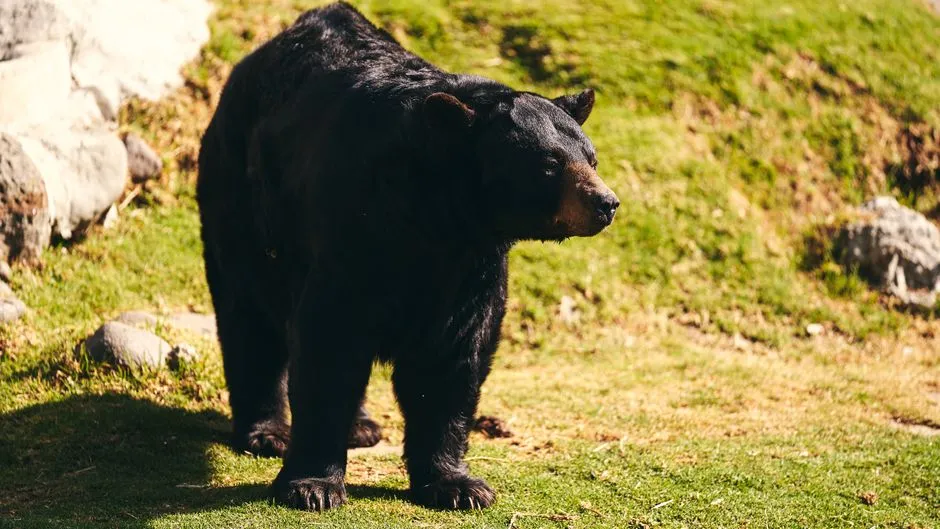
Strip away the cute teddy-bear image, and black bears turn into walking medical provocations. Their denning bodies quietly solve problems that fill entire hospital wings: kidney failure, blood clots, muscle wasting, osteoporosis, high-risk pregnancy, even cognitive decline. Each adaptation alone would be a blockbuster therapy; together, they form a full-body survival strategy modern medicine still can’t reproduce without wires, tubes, and a small army of specialists standing by.
Honestly, it’s a little humbling. We celebrate new drugs for diabetes or osteoporosis as breakthroughs, yet a bear curled up in a frozen hillside den casually outperforms our best protocols every single winter. The uncomfortable truth is that right now, wilderness biology is ahead of big pharma on some of the most important questions we have about aging, immobility, and chronic disease.
Which adaptation blew your mind the most, and which one do you think medicine should try to steal first?

- 7 Everyday Habits That Can Make Your Senior Dog Happier - November 5, 2026
- 10 Enigmatic Structures That Continue to Puzzle Scientists Today - November 5, 2026
- 10 Strange Ruins in the Americas That Challenge What We Know About Early History - November 5, 2026