
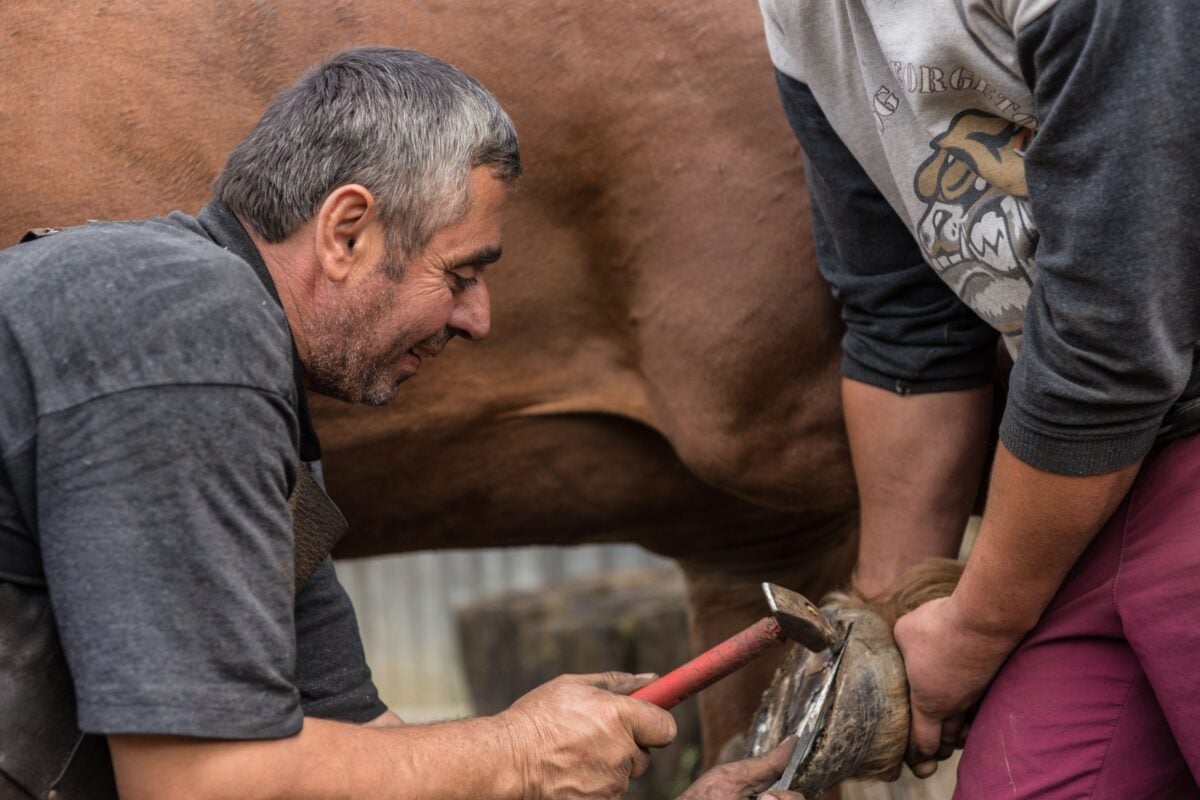
Most horse owners think their farrier is just there to look at hooves, hammer a few nails, and roll on to the next barn. That assumption is exactly why so many people get caught off guard by what farriers actually notice. Every visit is a quiet audit – of your barn, your habits, your patience, and the real state of your relationship with your horse.
A good farrier can tell who cleans corners and who cuts them, who listens to the vet and who argues with the internet instead. And here’s the part that makes people squirm: your horse gives you away every single time they pick up a foot. Here are 18 things farriers actually notice but almost never say out loud, starting with the one that gives you away before they’ve even touched a hoof.
#18 – How Seriously You Take Basic Daily Care
🔥 Would you like to save this?
We'll email this post to you, so you can come back to it later!
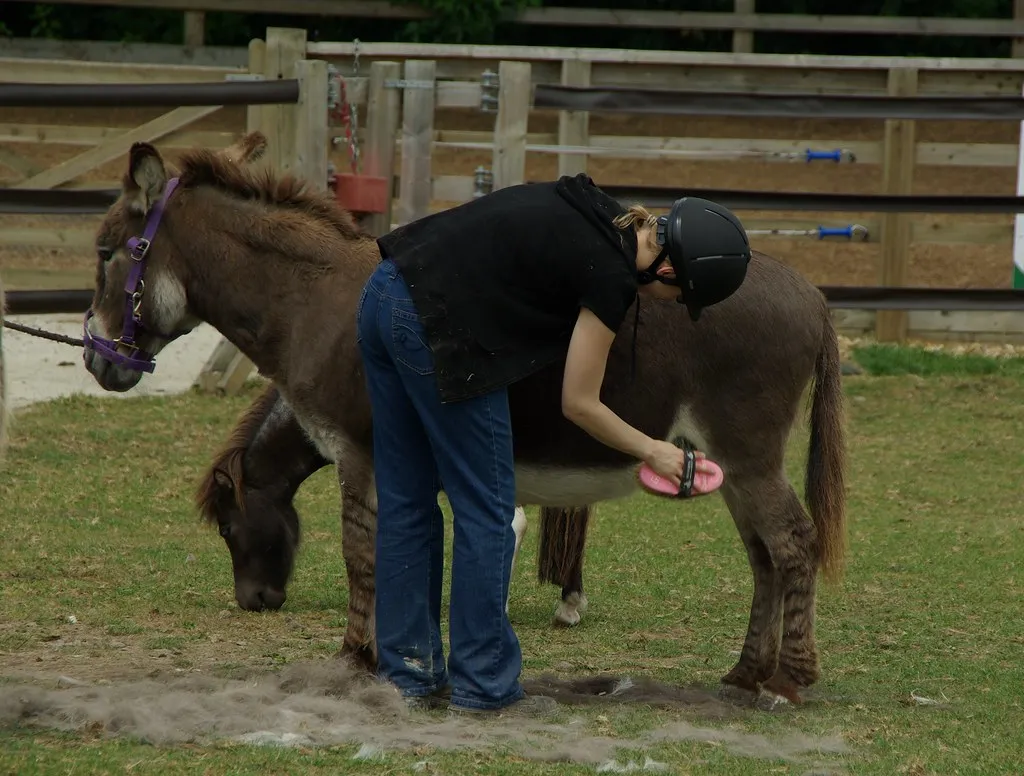
Farriers can tell in the first ten seconds whether your “I take great care of him” line is actually true. The feet don’t lie, and neither does everything attached to them.
They notice:
- Condition of the hoof wall and sole
- Cleanliness of the legs and fetlocks
- Smell – thrush never keeps a secret
If your horse walks in with packed mud, manure crusted up the pasterns, and frog tissue rotting from chronic thrush, it signals more than a dirty week. It screams “basic care is optional here.” A well-cared-for horse doesn’t need to look show-ring perfect, but there’s a visible difference between “turned out and happy” and “neglected until the farrier shows up.”
Farriers also track consistency. A horse that arrives reasonably clean and brushed out every six weeks tells them you’ve built some kind of routine, even an imperfect one. A horse that cycles between filthy and emergency-scrubbed right before appointments suggests you only react when someone’s coming to judge.
Owners sometimes insist the horse is “just messy” or “lives out 24/7.” But the hoof quality, skin condition, and smell tell the farrier exactly how often that curry comb really sees daylight. Cleanliness is just the surface, though – what they see about your time management in #17 is even more revealing.
#17 – Whether You Actually Respect Other People’s Time
🔥 Would you like to save this?
We'll email this post to you, so you can come back to it later!
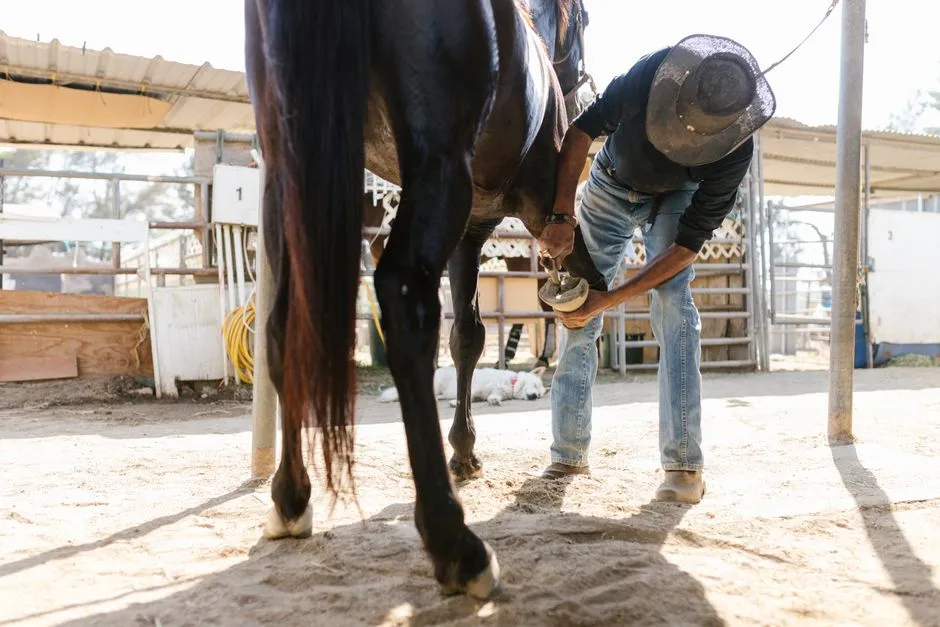
Farriers run on tight schedules, and your horse’s behavior often broadcasts how much you respect that. When a horse comes in on time, haltered, brushed, and mentally ready to work, it shows you thought ahead.
The farrier notices:
- Is the horse still eating when they arrive?
- Are you scrambling for a halter while they stand in the driveway?
- Do you “just need 10 minutes to catch him” every single visit?
If your horse is sweaty from a last-minute chase, panting, and wired, the farrier knows you didn’t plan. A rushed, unprepared horse wastes far more time under the farrier than a calm, ready one ever does.
Owners who treat appointments like a vague suggestion instead of a commitment almost always have horses that are harder to handle, harder to shoe, and more dangerous to work on. Running late occasionally happens, and pros understand that. But the pattern matters.
If they’re always waiting in the truck watching you flap around the paddock while your horse disappears over the hill, they silently tag you as “high friction.” Some farriers quietly stop taking those clients first when their books get full. But time is only part of it – what your horse’s body tells them about your long-term planning shows up in #16.
#16 – Your Sense of Long-Term Responsibility (or Lack of It)
🔥 Would you like to save this?
We'll email this post to you, so you can come back to it later!
Trims and shoeing cycles reveal who’s thinking six weeks ahead and who only reacts once the horse is limping.
Farriers see:
- Overgrown, flared hooves from stretched-out cycles
- Cracked walls from letting things “go one more week”
- Shoes hanging on by one nail because “I didn’t want to bother you”
When a horse is consistently overdue, they don’t just see poor scheduling; they see your attitude toward responsibility. Horses whose feet are always a train wreck tell the farrier the owner tolerates discomfort until it becomes a full-blown crisis.
Fast Facts
- Most shod horses need a trim or reset every 6 to 8 weeks
- Hooves grow roughly a quarter to three-eighths of an inch per month
- Overdue cycles are one of the most common causes of cracked walls and pulled shoes
This usually shows up elsewhere too: late deworming, skipped dental work, “forgot-to-book” annual shots. On the flip side, horses scheduled on regular intervals, even when funds are tight, signal an owner who understands preventative care.
Those horses usually have fewer dramatic problems, which makes the farrier’s job safer, faster, and cheaper for everyone. While most people brag about saddles and supplements, farriers quietly note whether you even own a calendar. And when that calendar never lines up with the vet’s recommendations, something deeper surfaces about how you deal with expert advice – that’s #15.
#15 – Whether You Actually Follow Vet and Farrier Recommendations
🔥 Would you like to save this?
We'll email this post to you, so you can come back to it later!
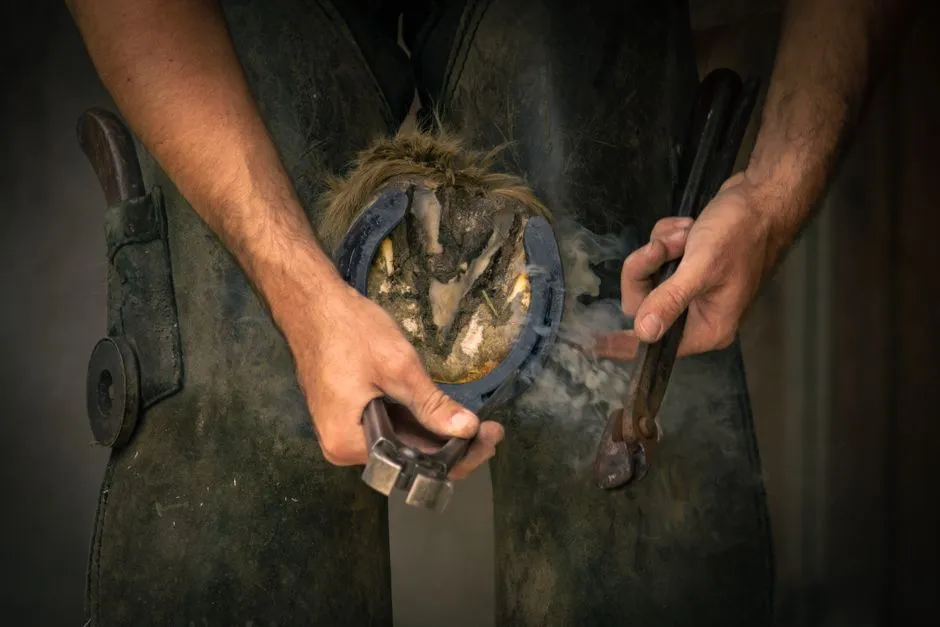
A farrier can tell within about two visits whether you’re the “I’ll do what the professional says” type or the “well, Facebook said…” type. They remember exactly what they and your vet recommended.
Things like:
- Shorter shoeing cycles for that laminitic mare
- Moving from barefoot to shoes for more support
- Changing turnout or footing to help chronic cracks
Then they watch what shows up next time. If the same issues are worse, plus new problems created by ignoring advice, they know the truth. Hooves tell on every “I never got around to that” and every “I thought I’d try something different I saw online.”
Some owners argue mid-appointment, second-guessing every suggestion. Others nod, agree, and then do nothing between visits. In both cases, the farrier quietly files you under “doesn’t actually want help, just wants validation.”
The farriers who stay booked solid tend to gravitate toward owners who follow through. They know their work will hold up and the horse will stay sound. But the way your horse stands while they work tells another story about what you reinforce, or ignore, every single day – that’s #14.
#14 – How You Handle (or Avoid) Discipline and Boundaries
🔥 Would you like to save this?
We'll email this post to you, so you can come back to it later!
Farriers don’t need you to have a perfectly trained horse. But they notice very quickly if your horse has any boundaries at all.
When your horse:
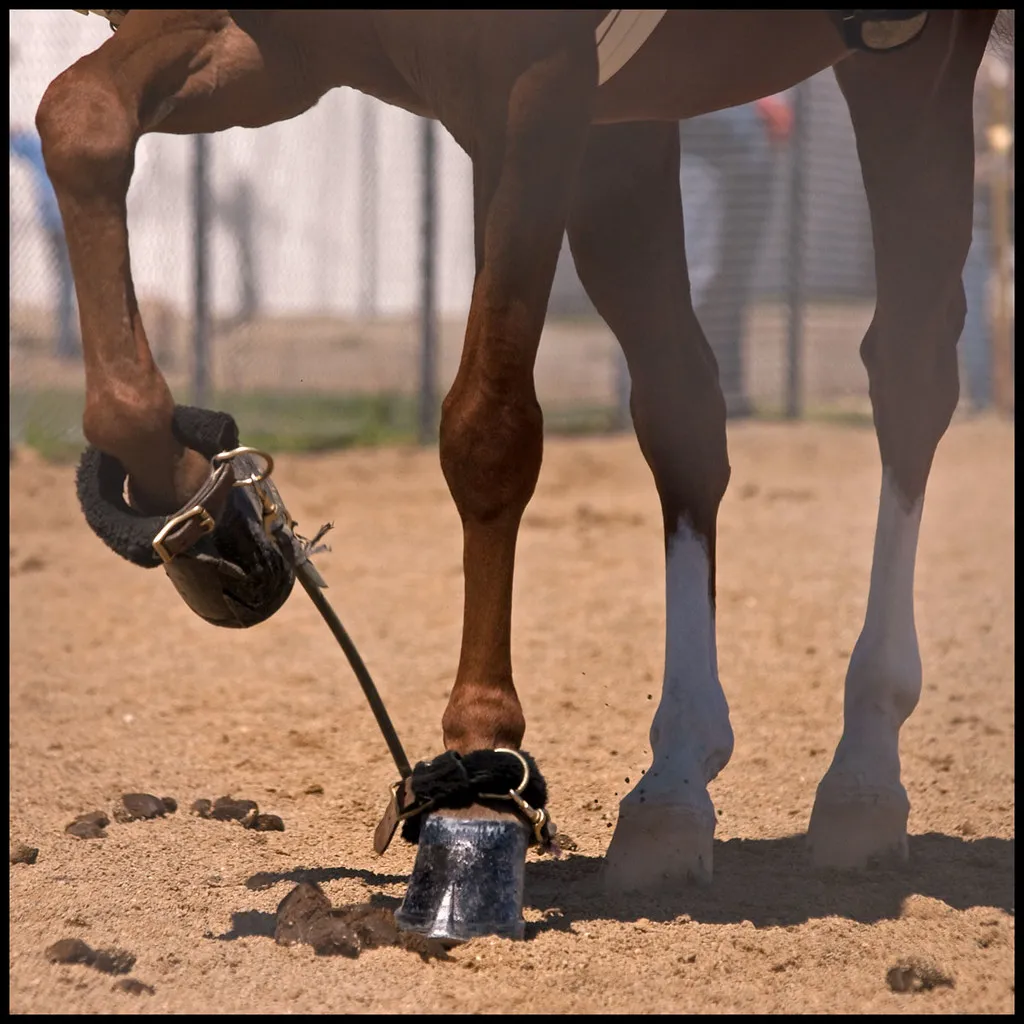
- Pushes into their space
- Swings its hindquarters toward them
- Snatches feet away and wins that battle every time
…they know this isn’t just a “bad day.” It’s the result of hundreds of small moments where you let rude behavior slide because it was easier at the time.
Horses that drag you to grass, lean on you, or crowd the farrier’s shoulder are repeating habits you’ve allowed to become normal. Farriers see the owners who laugh nervous behavior off as “cute” or “just his personality,” and the ones who calmly correct it and move on.
They don’t expect you to punish the horse; in fact, they actively dislike owners who suddenly overreact mid-appointment. What they’re watching for is whether you ever say “no, that’s not acceptable” and actually mean it. A horse that’s never been told no is far more dangerous than one who’s simply green. Meanwhile, your horse’s anxiety level reveals volumes about your training style, which shows up loud and clear in #13.
#13 – Whether You Create Anxiety or Confidence in Your Horse
🔥 Would you like to save this?
We'll email this post to you, so you can come back to it later!
Farriers are underwater psychologists. They don’t just see bad behavior; they see why the horse is acting that way in the first place.
A horse that’s tense, snorting, and dancing at the end of the lead rope might get labeled “hot” or “dramatic” by the owner. The farrier is watching you instead:
- Are you gripping the lead rope, jerking with every move?
- Are you talking nonstop, “it’s okay, it’s okay, shhh,” while your body screams panic?
- Or are you loose, quiet, and consistent even when they fuss?
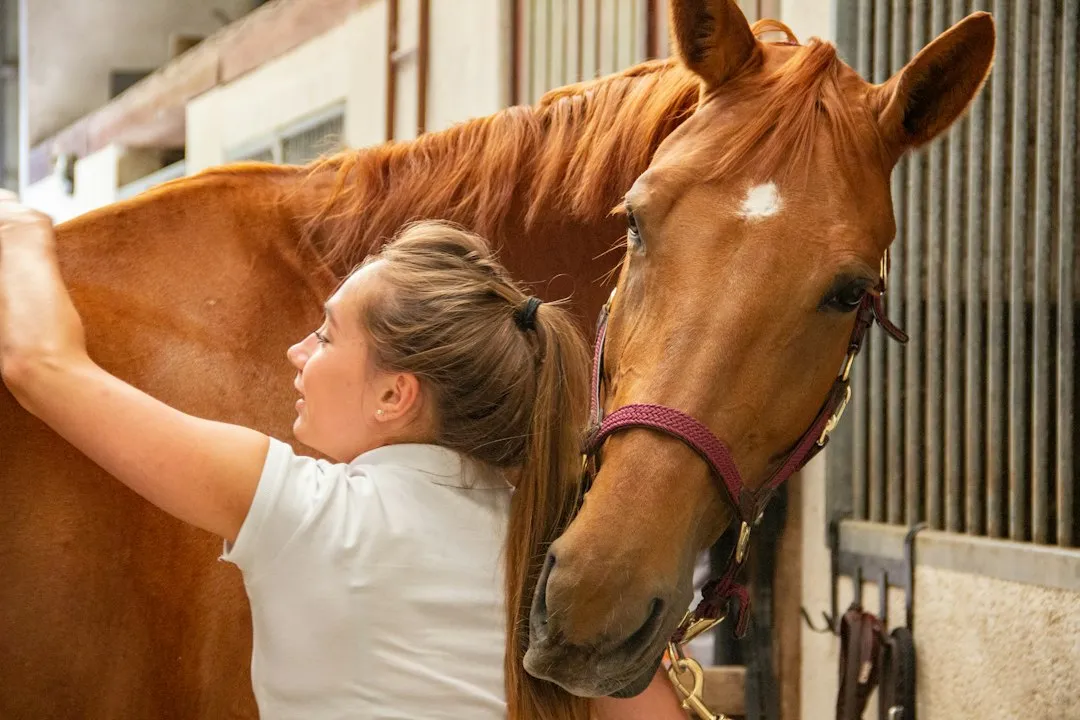
Often the horse is simply mirroring the handler. Farriers notice that the calmest horses usually belong to owners who don’t make a production out of every little spook or shuffle. Those horses have been handled consistently enough to know expectations don’t change with every mood swing.
They also recognize the horses whose fear has been trained in by rough handling or constant punishment. These horses stand like statues, but their eyes are wide and dead. Farriers pick up on that too – confidence and shut-down compliance look completely different, and your horse’s body language tells them which camp you’re in.
How your horse responds to new or difficult things, like tricky footing or strange setups, also tells the farrier what kind of environment you’ve built. That’s #12.
#12 – The Real Story Your Barn and Setup Tell
🔥 Would you like to save this?
We'll email this post to you, so you can come back to it later!
Your barn talks before you ever say a word. A farrier may not comment on it, but they’re constantly reading the environment.
They see:
- Is there a flat, safe, dry place to work?
- Are tools, hoses, and junk strewn across the path?
- Is there decent lighting, or are they trimming in a dark corner?
A cluttered, dangerous working area tells them you haven’t really thought about anyone else’s safety, including your horse’s. When they have to dodge extension cords, duck under hay nets, and work on uneven gravel, they know practicality was never a priority here. That usually lines up with owners who are reactive instead of proactive in everything else.
On the other hand, a swept, organized spot with decent lighting and minimal chaos doesn’t mean you’re wealthy; it means you’ve thought about the horse and the person working on it. Farriers remember the barns where they feel respected, not pampered, just not treated like an afterthought.
But the barn is only one kind of infrastructure they read. The footing your horse lives on every day tells them how deeply you actually understand hoof health, which we hit in #11.
#11 – How Much You Actually Understand About Hoof Health
🔥 Would you like to save this?
We'll email this post to you, so you can come back to it later!
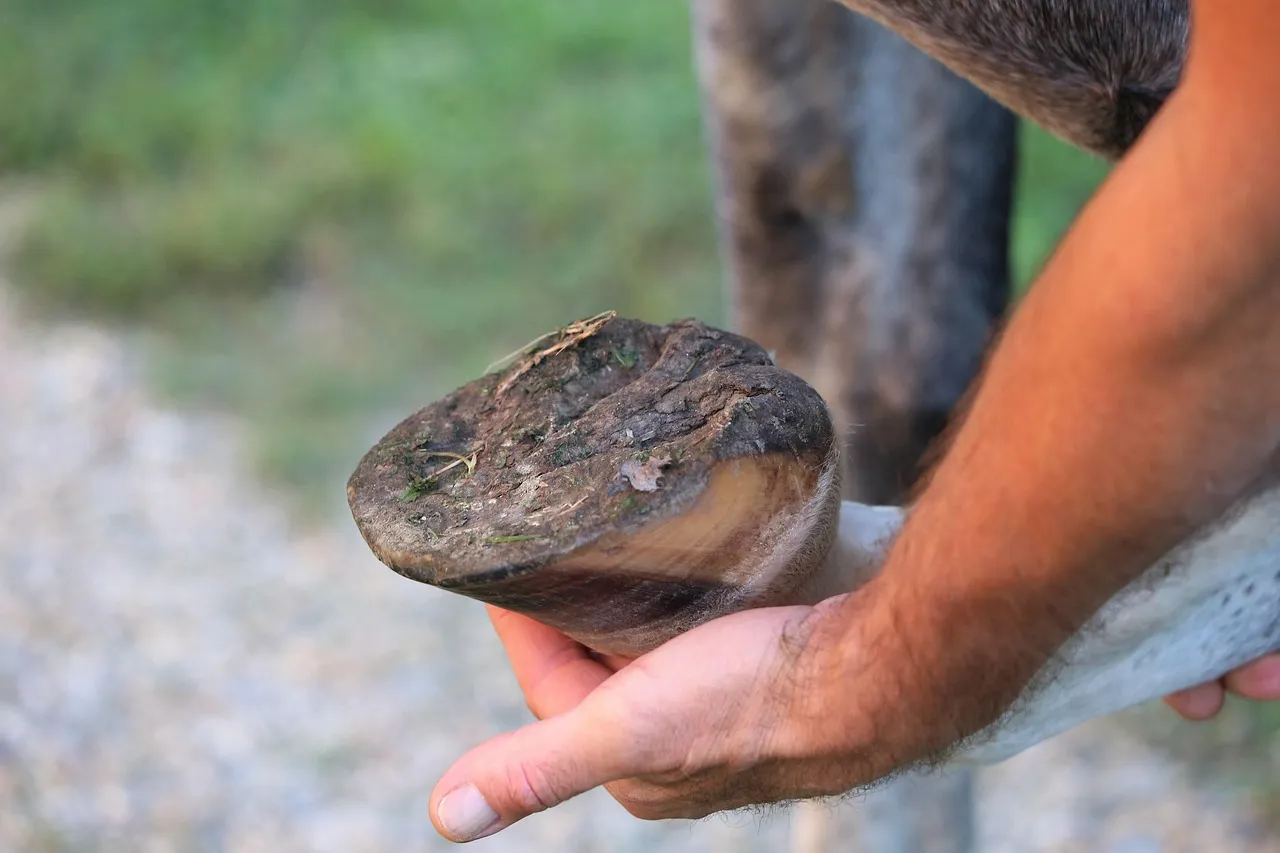
Farriers know which owners have genuinely learned about hooves and which ones just repeat buzzwords they’ve heard in a Facebook group.
They look at:
- Turnout surfaces: rock-hard clay, deep mud, soft bedding, mixed footing
- How often the horse moves versus stands in a stall
- Whether diet and environment match the hoof issues they’re seeing
If you complain about “terrible feet” while your horse lives 23 hours a day in a wet, manure-filled paddock, the farrier sees the disconnect instantly. When they spot thin soles, constant thrush, and crumbling walls, they know this didn’t come from nowhere – it’s the slow result of daily conditions.
Owners who truly understand hoof health usually ask better questions, volunteer diet info without getting defensive, and are willing to change management instead of blaming genetics or the farrier.
Farriers don’t expect you to be a hoof nerd. But they can tell if you’re even interested in learning. Your horse’s hooves absolutely snitch on every shortcut and every genuinely thoughtful choice. Next, your horse’s physical shape exposes something a lot of people get touchy about: your feeding and fitness priorities. That’s #10.
#10 – Whether Your Horse’s Body Condition Matches Your Story
🔥 Would you like to save this?
We'll email this post to you, so you can come back to it later!
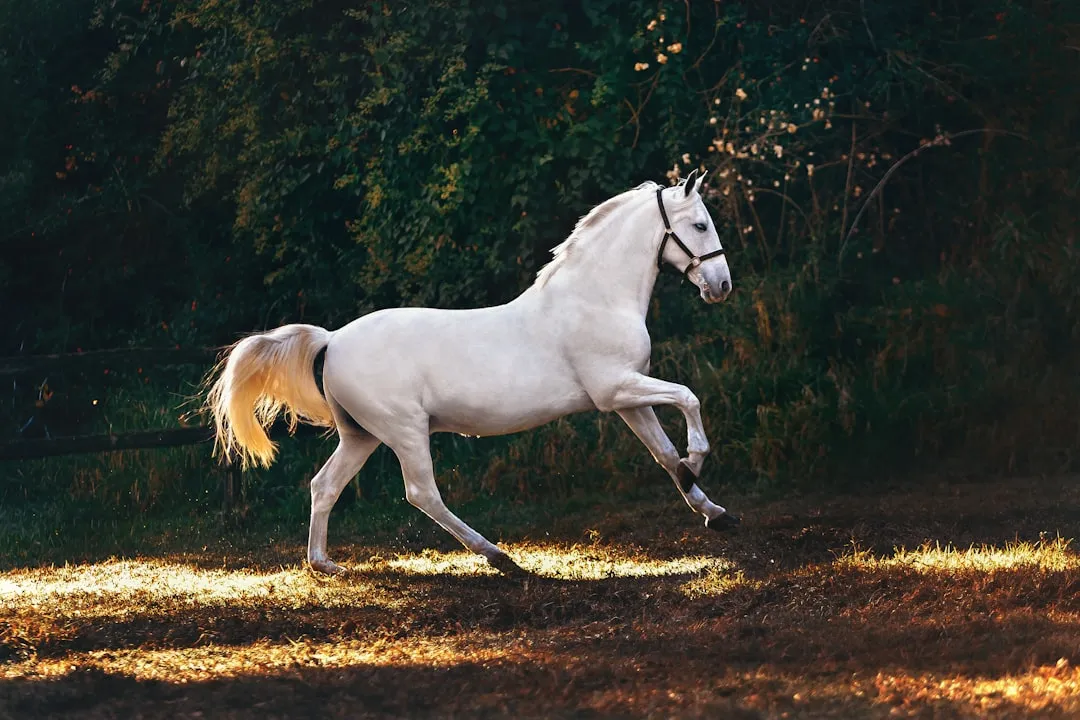
Farriers spend an hour at a time inches from your horse. They see body condition more clearly than almost anyone else who visits your barn.
They notice:
- Cresty necks and fatty deposits over the tail head
- Ribs too visible under a dull coat
- Muscle, or the lack of it, over the topline and hindquarters
When someone says “he’s just an easy keeper,” but the horse’s feet show laminitic rings and a dangerously cresty neck that screams metabolic risk, the farrier hears: “we’re ignoring a problem until it becomes a crisis.” Likewise, a thin horse with long toes and underrun heels paints a picture of stress, poor nutrition, or unmanaged pain.
They also correlate body condition with workload. Weekend-warrior horses that stand five days and work hard for one are easy to spot; their feet tell a story of inconsistent use, and their bodies show strain in the wrong places.
This isn’t about shaming anyone. It’s pattern recognition. Farriers quietly note which owners adjust feed or workload when issues show up, and which ones always have an excuse. The excuses get louder when the topic shifts to money, which your horse indirectly exposes in #9.
#9 – Your Real Financial Priorities (Not What You Say)
🔥 Would you like to save this?
We'll email this post to you, so you can come back to it later!
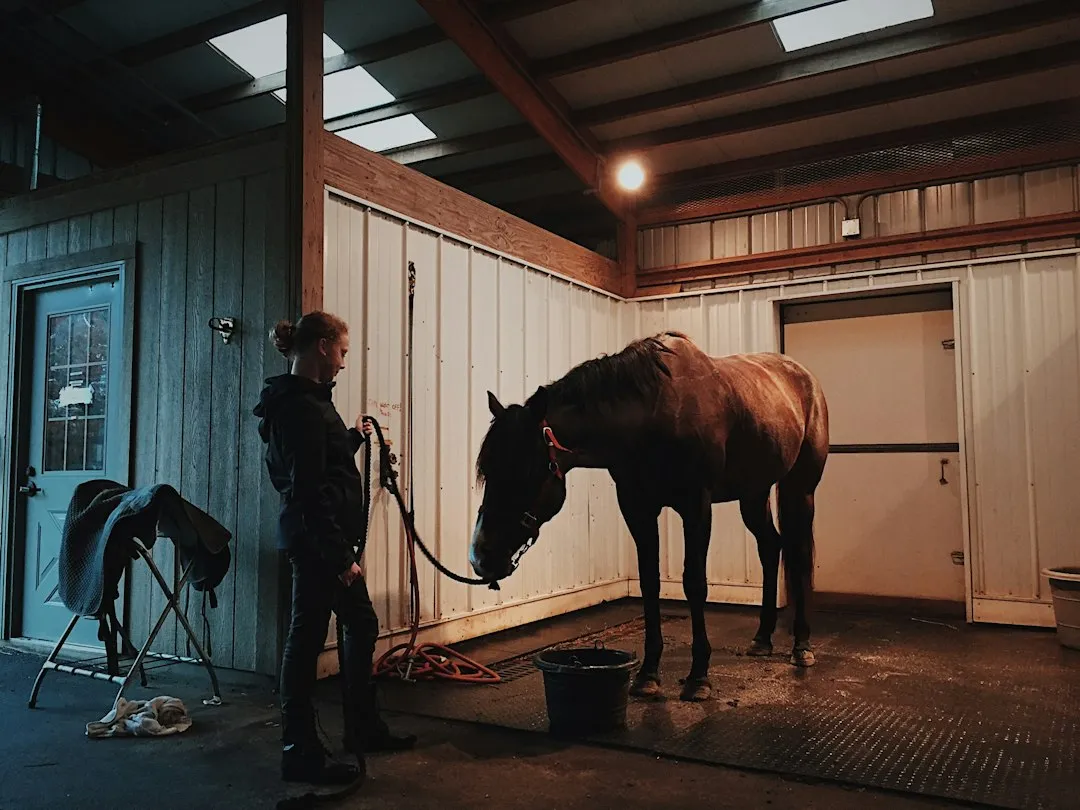
Farriers don’t know your bank account. But your horse often shows them exactly where the horse-related money actually goes.
They see:
- Expensive brand-name blankets on a horse standing over rotting pallets
- Color-coordinated tack and fancy pads over overgrown, cracking hooves
- High-end supplements in the feed room, but stretched-out 10 to 12 week shoeing cycles
When someone constantly asks for “just a quick trim to get by” or “the cheapest option” while chatting about a new trailer or show schedule, the farrier understands the actual hierarchy of priorities. Hoof care is either in the top three essentials, or it isn’t. Horses with chronically poor hoof condition almost always belong to owners who treat feet as negotiable.
Quick Compare
- Smart budgeting: trims stay on schedule, extras get cut first
- Misplaced priorities: new tack and gadgets arrive while trims stretch past 10 weeks
- Red flag pattern: constant “just get by” requests paired with visible discretionary spending elsewhere
Plenty of owners on tight budgets make it work by cutting extras, not basics. Those are the clients farriers respect deeply – the ones who’ll skip the bling but never skip a trim. They understand that soundness starts from the ground up.
The money story ties directly into how you show up as a client, which your horse’s stress and behavior make obvious in #8.
#8 – Whether You See Professionals as Partners or Servants
🔥 Would you like to save this?
We'll email this post to you, so you can come back to it later!
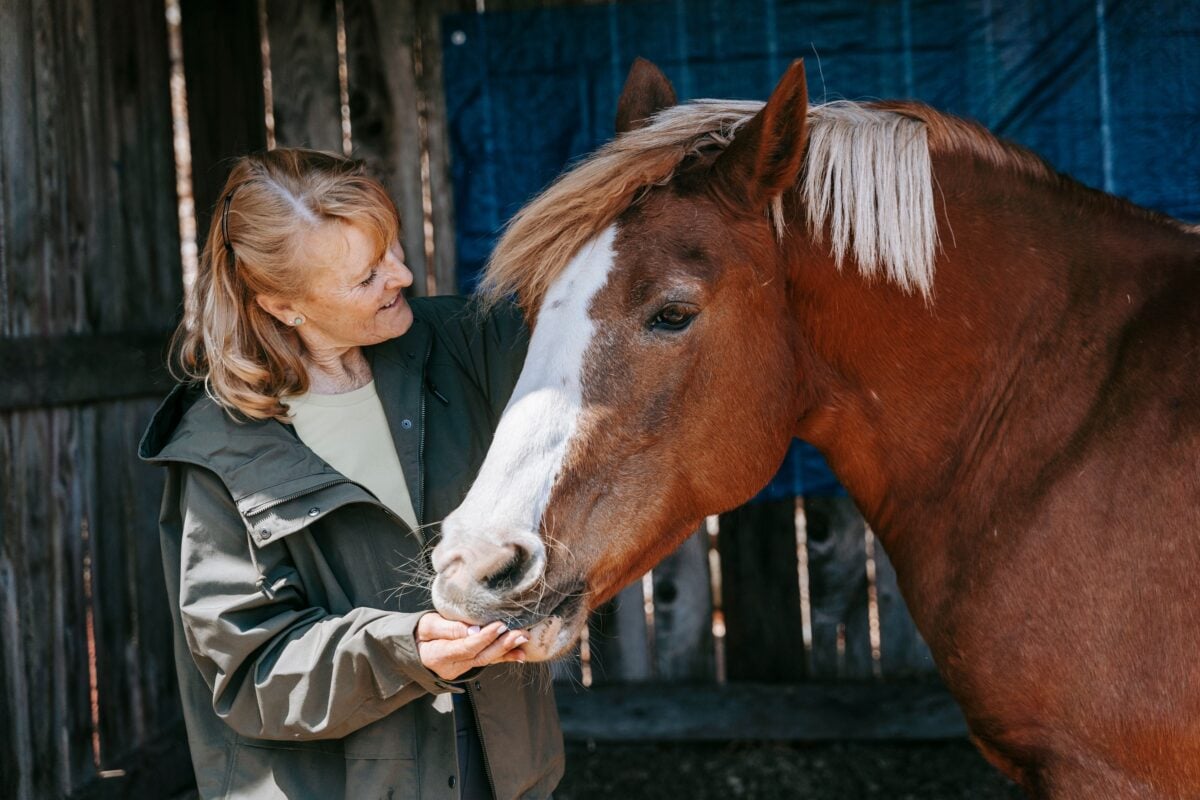
Farriers know instantly when they’re treated like a valued part of the team versus a necessary inconvenience. Your horse’s behavior often mirrors the energy in that relationship.
Owners who treat farriers as equals usually stand present and engaged, help hold or soothe the horse appropriately, and ask questions without talking over the answers.
Owners who treat farriers as hired help often vanish to go do something else, leave a barely-handled horse tied, complain about price while scrolling their phone, or argue about every suggestion because “we’ve always done it this way.”
No hoof, no horse.
Old horsemanship proverb
Horses owned by the second type of client are frequently more difficult. A lack of respect for the person under the horse usually reflects a broader lack of consistency in the horse’s entire handling routine. Farriers remember owners who step up and learn with them, and they remember who treats them like a nail-pounding annoyance. Respect, or the lack of it, also shows up in something many owners don’t realize is obvious: your safety habits. That’s #7.
#7 – How Seriously You Take Safety (for Everyone)
🔥 Would you like to save this?
We'll email this post to you, so you can come back to it later!
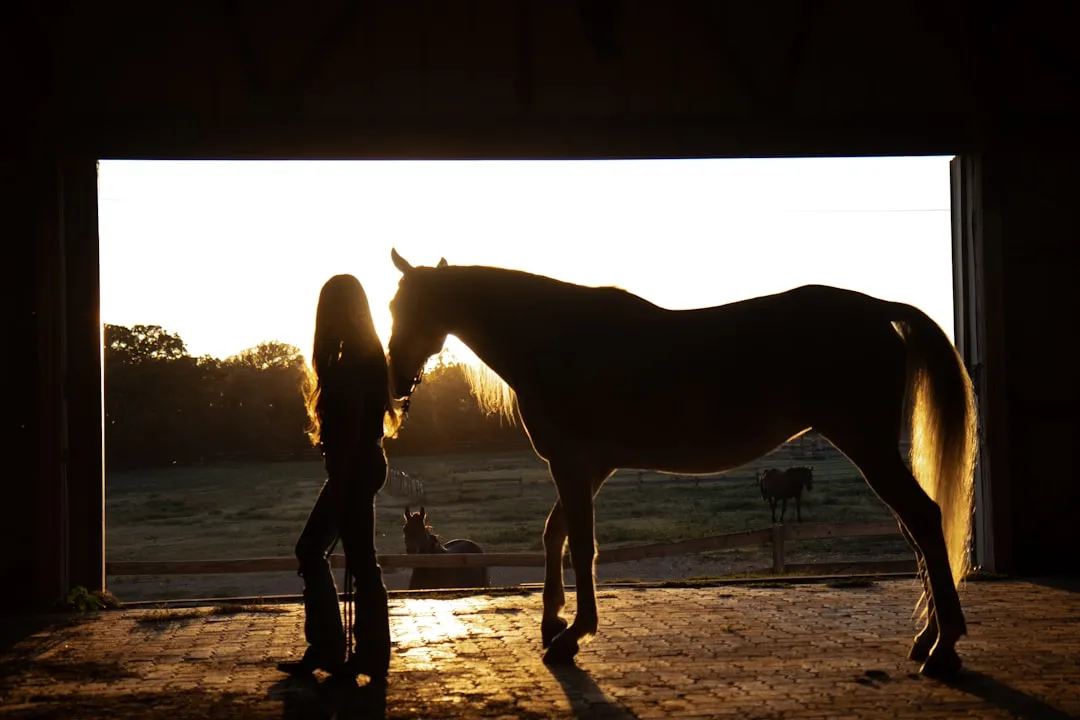
Working underneath a thousand pounds of animal is always risky. Farriers instantly pick up whether you’re a safety-first owner or an “it’ll be fine” gambler.
They look at:
- Footwear – are you in sandals or flip-flops around hooves?
- Tying – is the horse safely secured, or loosely looped to something breakable?
- Dogs and kids – controlled, or darting under the horse mid-trim?
When owners wander off, leave gates open, or let horses sniff and nudge farrier tools, it tells a clear story. People who are casual with safety are usually casual with training and boundaries too. Those horses often step around, fidget, or invade the farrier’s space because they’ve never been asked not to.
Owners who tighten up safety, clear the area, wear appropriate footwear, and choose safe tying spots signal that they understand how quickly things can go wrong. Their horses tend to move less, fuss less, and recover faster from little startles because they’re not living in chronic chaos.
How your horse handles small stressors and bounces back tells the farrier something deeper about resilience and comfort, which ties straight into #6.
#6 – How Good You Are at Reading (and Responding to) Pain
🔥 Would you like to save this?
We'll email this post to you, so you can come back to it later!
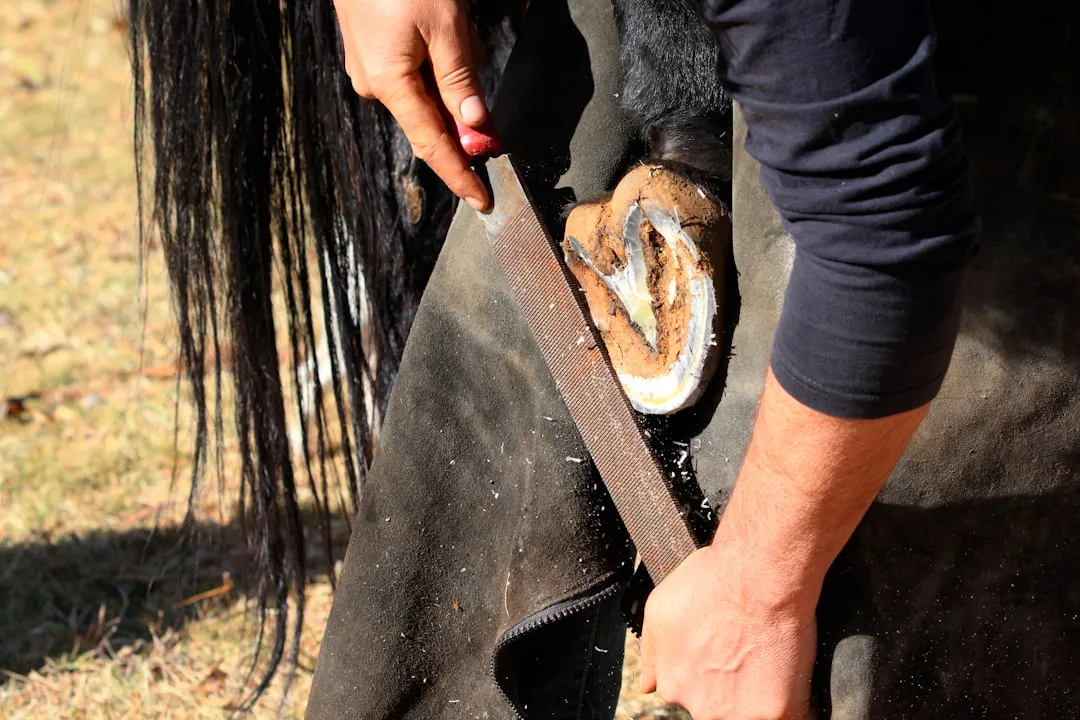
Farriers are often the first to see subtle signs of discomfort, but your reaction tells them how tuned in you really are.
They notice little flinches when lifting a particular leg, reluctance to bear weight on one side, and changes in attitude compared to previous visits.
Worth Knowing
- Shifting weight off one leg repeatedly can signal developing soreness
- A shortened stride or subtle head bob often shows up before visible swelling does
- Sudden reluctance to pick up a foot is frequently pain, not attitude
Owners who are in tune will say, “he seemed a bit off on that leg yesterday,” or “he’s been stumbling more, could you take a look?” Owners who aren’t will dismiss obvious signs with, “he’s just being naughty,” even as the horse struggles to hold a hoof up.
Farriers silently categorize owners by whether they believe their horse when it whispers, or only when it screams. If they point out a brewing abscess or soreness in the shoulders, do you follow up, or shrug it off? Your horse remembers too. Horses whose pain has been ignored or punished often become “difficult” for farriers, because the last time they struggled, nobody listened. That willingness, or unwillingness, to listen ties very closely to #5, which is all about ego.
#5 – Whether Your Ego Is Bigger Than Your Curiosity
🔥 Would you like to save this?
We'll email this post to you, so you can come back to it later!
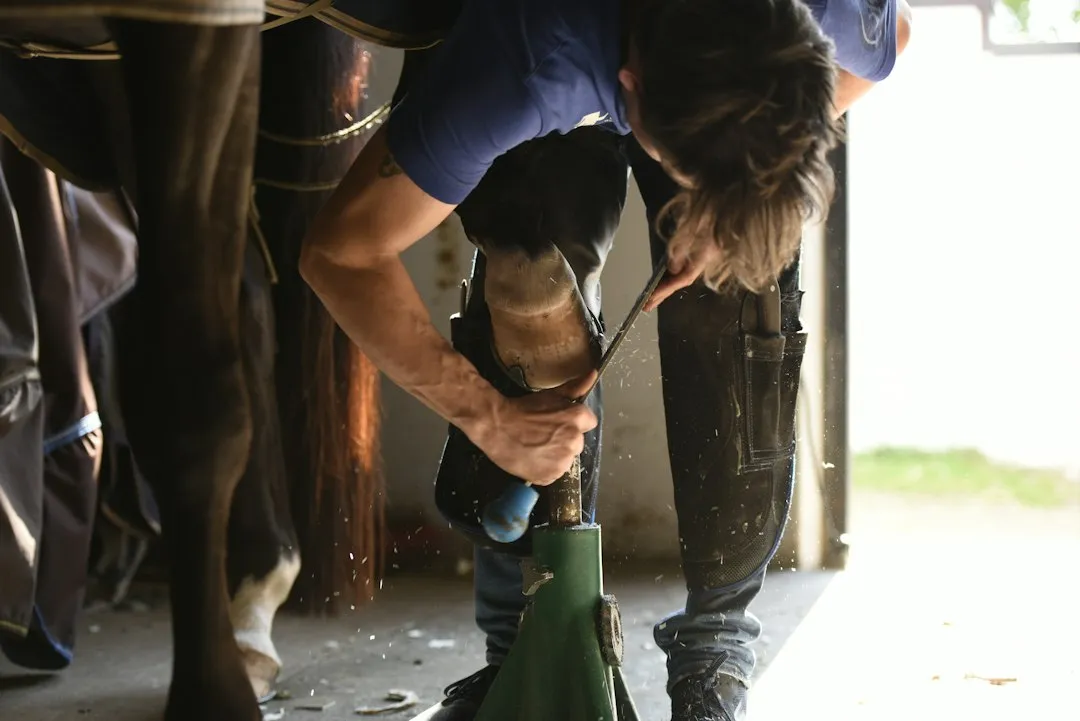
Farriers deal with every personality type. But they always notice whether you’re more invested in being right or in actually helping your horse.
The clues come from how you react when they explain an issue, whether you ask genuine questions or just wait to argue, and whether you ever say, “I didn’t know that, can you show me?”
Owners with big, fragile egos tend to shut down or push back on any suggestion that implies they missed something. They might say, “my last farrier never mentioned that,” or “he’s been fine like this for years,” while the horse stands there with obvious hoof distortions that didn’t happen overnight.
Curious owners, even experienced ones, are different. They admit what they don’t know and adjust when new evidence appears. Over time, farriers quietly collect their “dream clients” list, and it has nothing to do with discipline or breed. It’s about people whose curiosity outweighs their pride. That humility, or lack of it, spills over into something much more personal: how you attach to outcomes and labels. Your horse exposes that in #4.
#4 – How Attached You Are to the Story You Tell About Your Horse
🔥 Would you like to save this?
We'll email this post to you, so you can come back to it later!
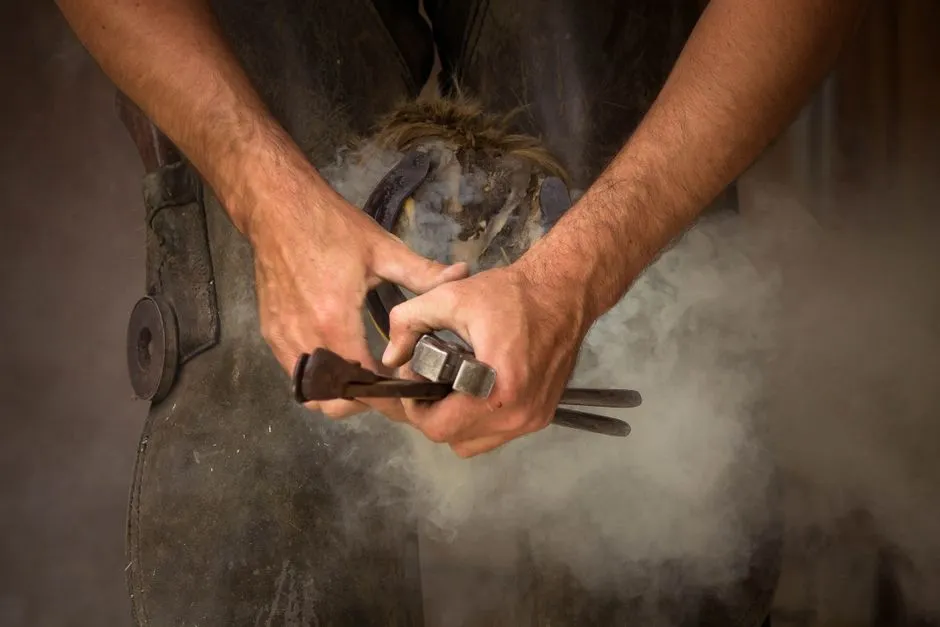
Listen to yourself talk during a shoeing. Your farrier does.
Common scripts: “he’s just lazy,” “she’s such a drama queen,” “he’s always been like this, nothing will help.” Farriers quietly compare your narrative to what they actually see. Is that “lazy” horse really sore or under-muscled? Is that “drama queen” mare actually anxious from inconsistent handling? Is that “hopeless” case improving slightly each visit despite what you’re saying?
Horses often contradict the stories their owners cling to. Farriers notice when you use labels to excuse behavior or avoid making changes. If your story never shifts, even as the horse’s body is clearly trying to, they quietly see you as emotionally stuck.
Owners who update their story, “he used to be nervous, but he’s gotten so much better since we changed X,” show flexibility. Their horses usually look and act differently over time too. That dynamic mindset is a genuine green flag. Your emotional attachment shows up in another way as well: how you react when your horse is less than perfect in front of other people. That’s #3.
#3 – Whether You’re More Worried About Judgment Than the Horse
🔥 Would you like to save this?
We'll email this post to you, so you can come back to it later!
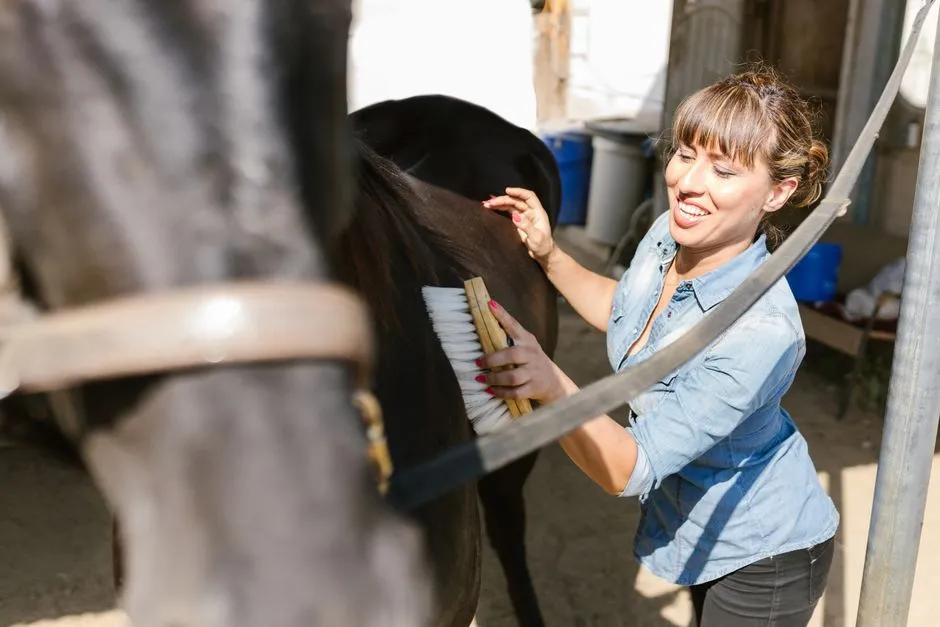
Farriers can tell immediately whether you’re embarrassed or genuinely concerned when your horse misbehaves.
If the horse fidgets, yanks a leg, or leans, do you snap or jerk the lead rope because someone’s watching? Do you apologize profusely and make excuses? Or do you calmly step in, correct, and help the farrier?
Owners who are ashamed of being “that person” at the barn often overreact to small mistakes, making everything worse. The horse senses the tension and escalates, creating a self-fulfilling disaster. Farriers witness a lot of performance parenting: owners correcting harder because they feel judged, not because they’re thinking about what the horse actually needs.
Owners who put the horse first instead of their image usually ask, “what can I work on before next time to make this easier?” Farriers remember who is trying to impress other humans and who is genuinely trying to help the horse. Unsurprisingly, the horses themselves are calmer and safer when the owner’s ego isn’t running the show. All of this builds toward something bigger: the overall relationship between you and your horse, which hits hardest in #2.
#2 – The True Quality of Your Relationship With Your Horse
🔥 Would you like to save this?
We'll email this post to you, so you can come back to it later!
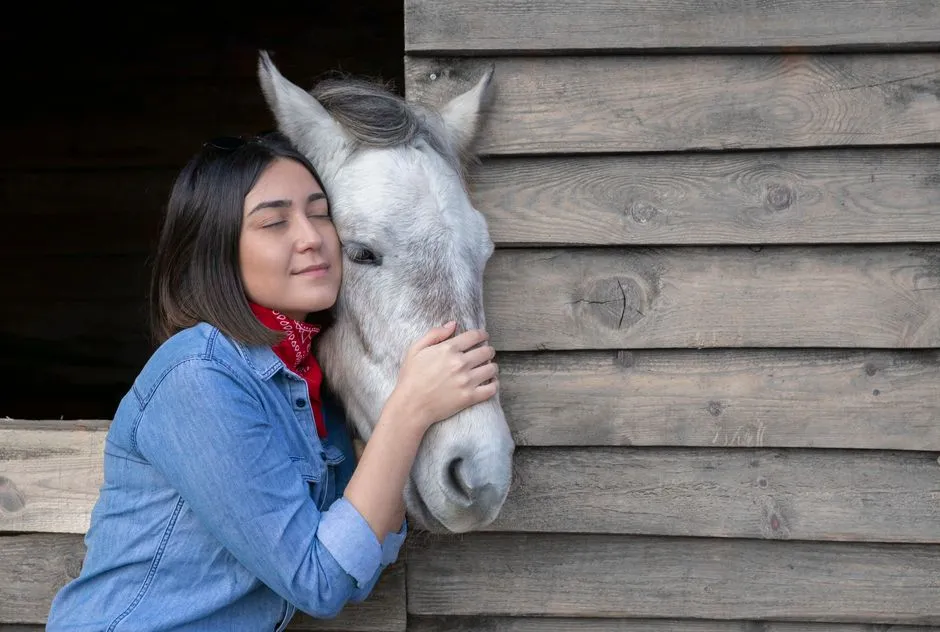
Your horse tells the farrier how they really feel about you in the little moments you don’t even notice.
They watch: does the horse look to you for reassurance when nervous? Do they plant their feet and refuse to move when you ask? Do they drag you around, or walk beside you on a loose line?
At a Glance
- Trusting horse: soft eye, relaxed poll, follows on a loose line
- Anxious horse: braces, plants feet, watches your hands instead of your face
- Shut-down horse: complies but shows no engagement or curiosity
A horse that quietly steps up, lowers their head, and stands near you without leaning or pulling is showing trust built over time. Farriers know that kind of relationship doesn’t come from shortcuts or expensive gear. It comes from boring, consistent, daily interactions where you show up the same way every single time.
Horses that flinch when you raise a hand, hesitate when you approach, or only behave when you’re holding a whip are telling a very different story. Even if you insist you “love him to death,” the animal’s tension under hoof work and general demeanor will tip your hand. Farriers aren’t therapists, but they are chronic observers. They see which horses light up when their people arrive, and which ones simply tune out. That’s when the deepest truth becomes unavoidable in #1.
#1 – Whether You’re the Kind of Owner They’d Trust With Their Own Horse
🔥 Would you like to save this?
We'll email this post to you, so you can come back to it later!
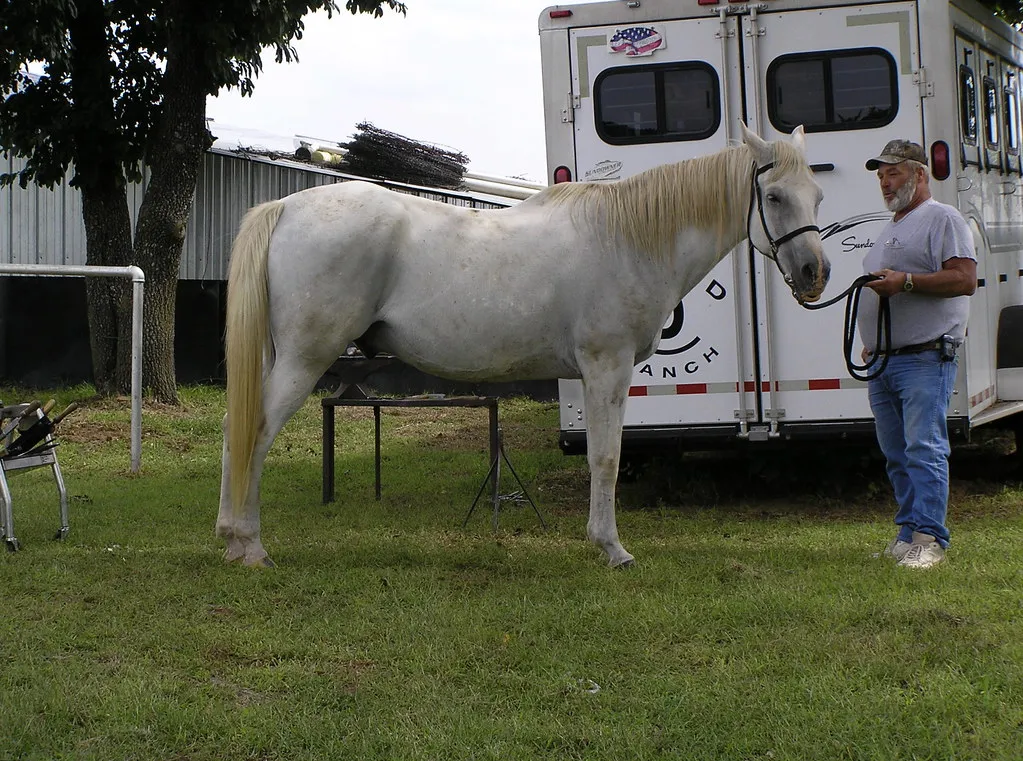
After enough barns and enough horses, farriers form a private metric: would I let this person own my horse?
They base that on how your horse’s feet and body change over time, how consistently you show up and follow through, and how your horse behaves and feels in their hands, month after month.
Your horse is a walking report card on your priorities, your patience, and your willingness to learn. No Instagram post or barn gossip matters as much as what the farrier feels under their rasp: stronger wall, healthier frog, better balance, or the same problems, over and over.
Owners who improve, even slowly, even imperfectly, earn enormous respect. Their horses get sounder, quieter, and more confident, and farriers quietly reshuffle schedules to squeeze in emergencies for those clients first. Then there are the others: nice words, bad patterns, horses that never get better because nothing between appointments ever changes. Farriers might still show up and still do the job, but deep down, they’ve already answered the question. Your horse answered it for them.
The Bottom Line
🔥 Would you like to save this?
We'll email this post to you, so you can come back to it later!
Farriers don’t just trim hooves; they read lifestyles. Your horse tells them if you’re organized or chaotic, curious or defensive, safety-minded or reckless. Overgrown toes, chronic thrush, anxious fidgeting, or quiet confidence are all data points in a story about you.
Some people will hate that idea and insist, “he’s just like that.” Others will realize, uncomfortably, that their farrier has probably known the truth about their habits for years. Honestly, I think the second group is closer to reality. You can’t hide behind tack brands, training theories, or social media posts when the animal in front of you is limping, stressed, or thriving.
Hooves don’t care about your excuses. They only reflect your choices. So be honest with yourself: if your farrier judged you solely by what your horse shows them, would you be proud of that report card, or arguing with it in the comments?

- The Cheetah: The Speed King of the Animal Kingdom - November 5, 2026
- The Remarkable Intelligence of Octopuses: Beyond What Scientists Imagined - November 5, 2026
- What Your Dog’s Tail Wags Are Really Trying to Tell You - November 5, 2026