
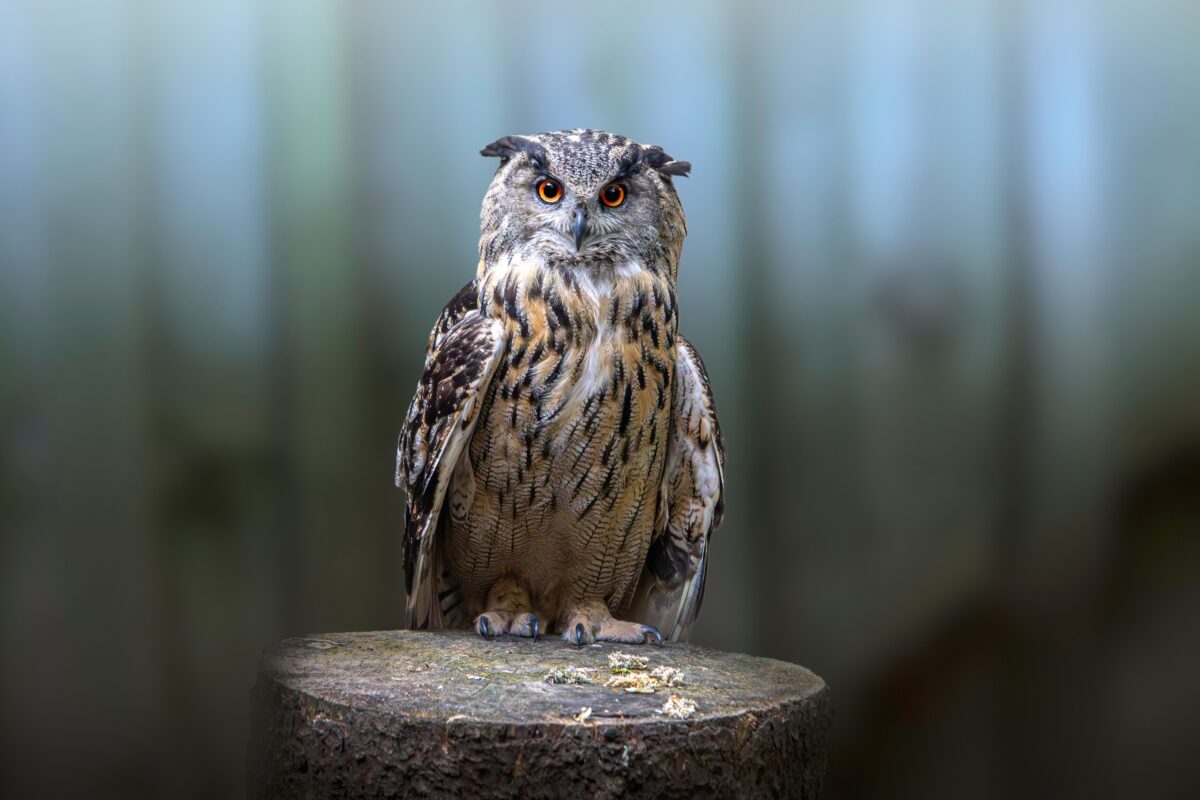
Every autumn, when the air starts to cool and the leaves begin to drop, something else quietly starts falling: owls. Not literally raining from the sky, of course, but wildlife hospitals see a predictable wave of owl patients as the season changes. To most people, it looks like bad luck. To a wildlife vet, it looks like a pattern you can almost set your watch by.
Owls show up dazed, thin, soaked, tangled, or just heartbreakingly still. But behind every admission form is a story about how these birds really live, struggle, and survive on the edge of human activity. Autumn acts like a spotlight, revealing all the pressures they face the rest of the year but hide a bit better.
After you’ve handled enough owls, you start noticing the same 18 things again and again – details about their bodies, behavior, and injuries that most people never see. Some are surprising, some are grim, and a few are quietly hopeful. Once you know them, you’ll never drive past a dark hedgerow or hear a distant hoot the same way again.
#18 – Young Owls Show Up Confused, Not Just Injured
🔥 Would you like to save this?
We'll email this post to you, so you can come back to it later!
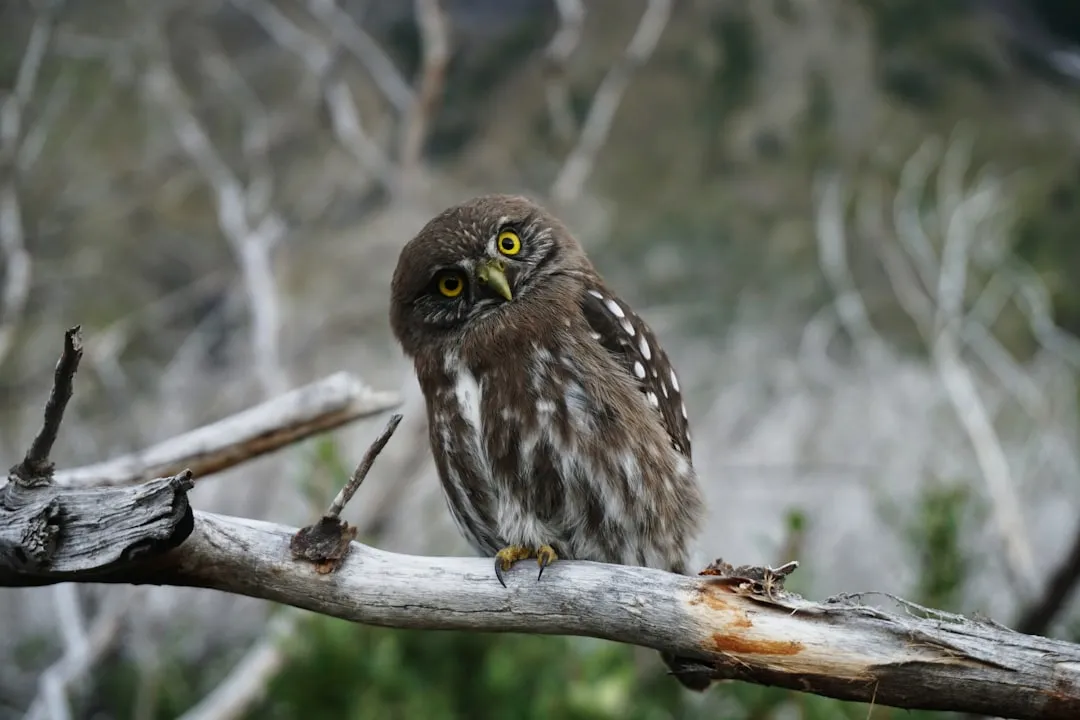
One of the first things you notice each autumn is how many owls are not obviously broken, but just… lost. Juvenile owls, only a few months out of the nest, suddenly hit a wall when summer’s easy pickings vanish and nights get longer and colder. They arrive stunned, thin, or sitting on the ground in open spaces where an owl really should never be.
A lot of people assume every owl on the ground has a broken wing. Often, what you really see is inexperience. These are teenagers of the owl world: old enough to fly, but not old enough to be smart. They misjudge distances, chase cars, get trapped in barns, or simply run out of energy trying to hunt in unfamiliar places.
- Many autumn admissions are first-year birds struggling to adapt.
- They’re often underweight and dehydrated more than visibly injured.
- Confusion and inexperience can be as deadly as trauma.
When you hold one of these birds, you can feel the difference. Adult owls have a solid, coiled-spring presence. Juveniles feel lighter, bonier, and somehow not fully put together yet, like the world has hit them faster than they could grow into it.
#17 – Weight Tells You More Than Wounds Do
🔥 Would you like to save this?
We'll email this post to you, so you can come back to it later!
People bring in owls fixated on broken bones or cuts, but the scale is often more revealing than the X‑ray. A healthy owl has a firm, muscular breast, and under the feathers there should be a modest layer of fat over the keel bone. In autumn, far too many owls come in with that keel sticking out sharp as a knife.
Weight loss in an owl is rarely just about not eating. It’s usually about a chain reaction: less prey available, more competition, more flying, more stress, and then an injury or sickness that they cannot recover from because the reserves are already gone. By the time a wild owl lets itself be caught, it’s often near collapse.
I’ve handled birds whose feathers looked immaculate, eyes bright, but the moment you palpate the chest, the truth hits you. They have survived on the edge for weeks or months, the body quietly cannibalizing muscle to keep the brain and heart going. In autumn, the line between “just thin” and “too late” gets crossed far more often.
#16 – Silent Flight Feathers Are Often Worn Down
🔥 Would you like to save this?
We'll email this post to you, so you can come back to it later!
Everyone loves to talk about how owls fly silently, but a wildlife vet learns that silence has a cost. Those special fringed feathers that muffle sound wear down faster, especially when birds are forced to hunt in rough conditions. In autumn, you see a lot of owls whose feathers are noticeably battered.
Sometimes the outer primaries are frayed from scraping through thick hedges or barbed wire fences while chasing rodents. Other times, the feathers are waterlogged and clumped after repeated wet nights. The photos people imagine of perfect, ghostly wings rarely match the real patients you place on the exam table.
- Silent flight comes from soft, specialized feather structure.
- Those same modifications make feathers more fragile and demanding to maintain.
- Autumn storms and longer nights accelerate wear and tear.
When feather wear combines with malnutrition, the result is a bird that has to work much harder just to stay airborne. That extra effort eats into the last remaining energy reserves, making any additional injury – like a collision or infection – far more dangerous.
#15 – Rodent Poison Leaves Invisible Wounds
🔥 Would you like to save this?
We'll email this post to you, so you can come back to it later!
One of the most frustrating things you see each autumn is an owl bleeding from places it should not be bleeding from: around the beak, in the mouth, under the skin, sometimes even from a small bump that looks far too dramatic for the impact. That pattern points toward anticoagulant rodent poisons higher up the food chain.
Owls eat poisoned rodents that may appear perfectly normal but are already carrying the chemicals in their blood. By the time the owl shows signs, it is often late. The bird may arrive weak, breathing fast, with pale mucous membranes and unexplained bruising. To the finder, it just looks like a “sick owl.” To a vet, the suspicion of poisoning is immediate.
Treatment is possible if they get in early enough, but it is slow, expensive, and not always successful. The worst part is knowing this is entirely preventable. Each autumn, as people push to control rodents around homes, farms, and stables before winter, wildlife centers quietly deal with the collateral damage, one owl at a time.
#14 – Car Collisions Spike As Nights Grow Longer
🔥 Would you like to save this?
We'll email this post to you, so you can come back to it later!
Ask anyone in wildlife rehab which sound they dread and you’ll often hear the same story: the late-night phone call from a driver who hit “a big bird” on a dark road. Owls hunt along road verges where rodents thrive, and autumn’s longer nights mean more hours of overlap between hunting owls and commuting humans.
On the exam table, car-collision owls tend to show a familiar mix: blunt trauma to the head, chest or wings, eye damage, fractures, and sometimes internal bleeding. Often the left wing or side is worse, suggesting they’ve been clipped by oncoming traffic while swooping low over the road.
- Road verges attract small mammals, drawing owls in close to traffic.
- Headlights can temporarily dazzle or confuse night-adapted eyes.
- Most collision patients arrive in autumn and winter, not summer.
The hard truth is that many of these owls do not make it, and those that do may never see or fly well enough to survive in the wild again. Every owl released after a car collision feels like a minor miracle won against very long odds.
#13 – Eye Injuries Are More Common Than People Realize
🔥 Would you like to save this?
We'll email this post to you, so you can come back to it later!
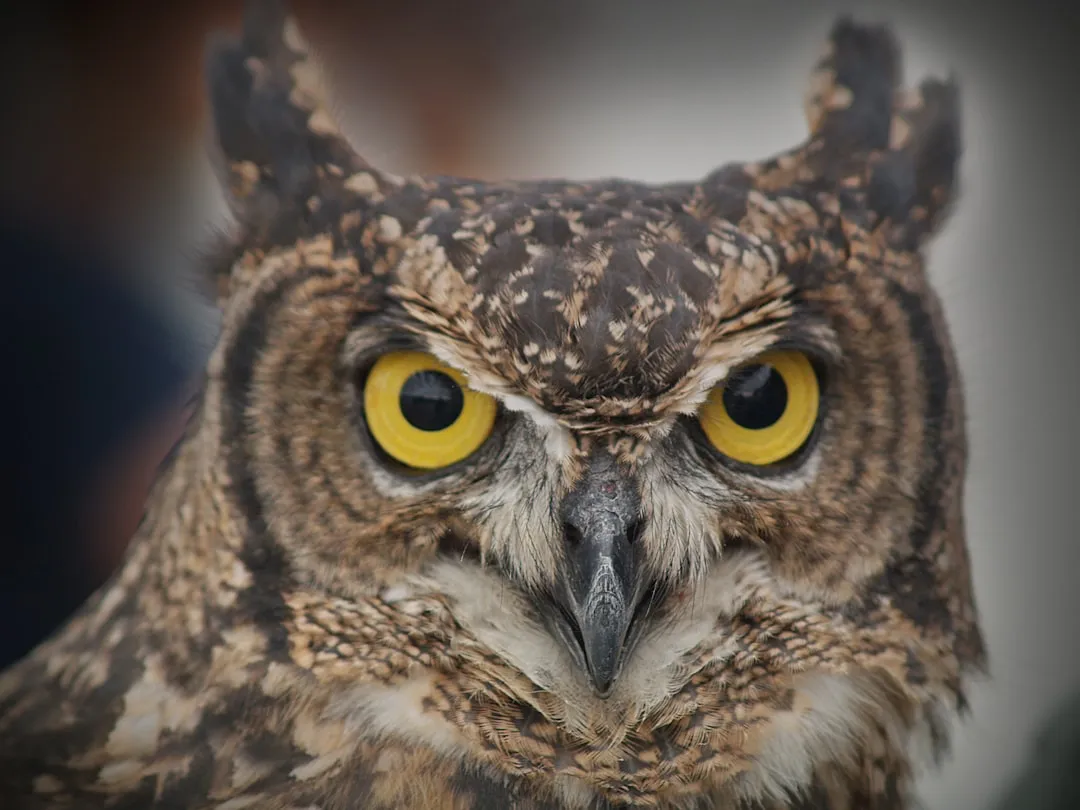
You cannot forget the first time you look into an owl’s eyes at close range. They are enormous, intense, and strangely human in their ability to hold your gaze. As a vet, you also cannot forget how fragile they are. Eye problems are heartbreakingly common in autumn admissions.
High-speed impacts, like colliding with vehicles, fences, or windows, often injure the eyes. You see blood in the eye, detached retinas, ruptured globes, or severe swelling that suggests deeper damage. A one-eyed owl might look majestic in a photograph, but in reality, binocular vision is vital for accurate hunting.
Even subtle vision loss can be fatal once a bird is back in the wild. That is one of the hardest calls a wildlife vet has to make: the owl looks strong, eats well, flies decently in an aviary, but cannot judge distances with the precision needed to catch fast-moving prey at night. Sometimes compassion means not releasing.
#12 – Parasites Flare Up When Owls Are Stressed
🔥 Would you like to save this?
We'll email this post to you, so you can come back to it later!
Another pattern you quickly see is how stress and malnutrition open the door for parasites. Wild owls always carry some internal and external parasites; that is normal. But in autumn, when food becomes less predictable, those hitchhikers can tip the balance from coping to crashing.
Under the microscope, fecal samples often show heavy loads of worms or coccidia in these thin, exhausted birds. On the body, you may find mites in the feathers or around the face. Individually, each parasite might not be catastrophic, but together, in a bird already running on empty, they can be the final straw.
- Parasites thrive when the immune system is weakened by hunger and stress.
- Autumn’s food shortages make young and old owls especially vulnerable.
- Treatment in care often reveals just how overwhelmed some birds have become.
Once an owl gets supportive care, nutrition, and targeted parasite treatment, you can almost watch them come back to life over days or weeks. The transformation from dull, hunched bird to alert, fierce hunter is one of the most satisfying parts of the job.
#11 – Species Differences Become Obvious Very Quickly
🔥 Would you like to save this?
We'll email this post to you, so you can come back to it later!
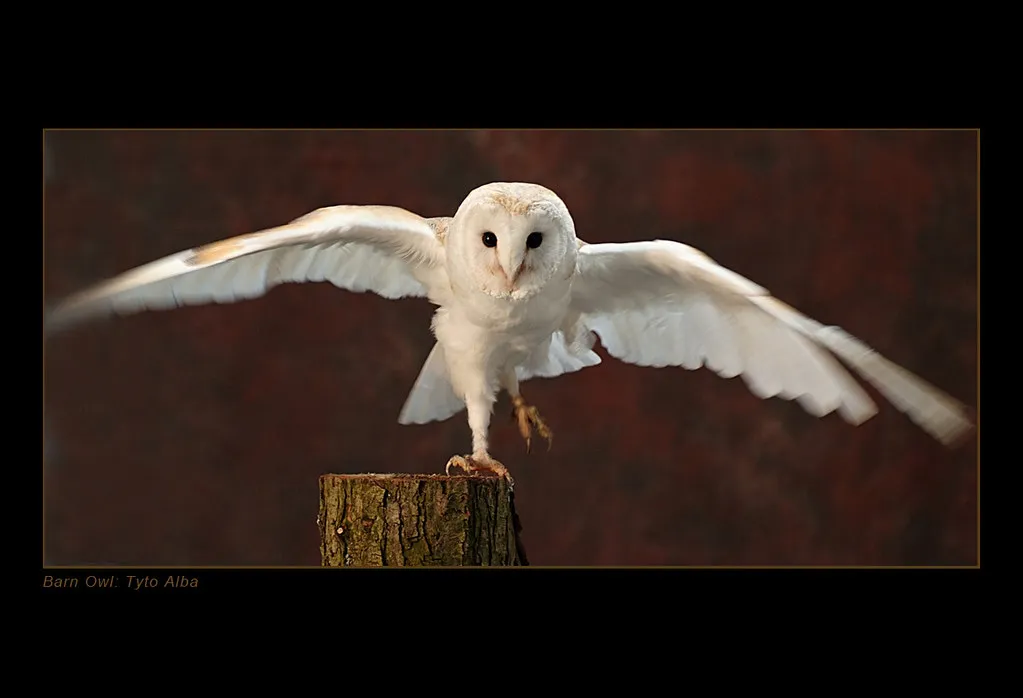
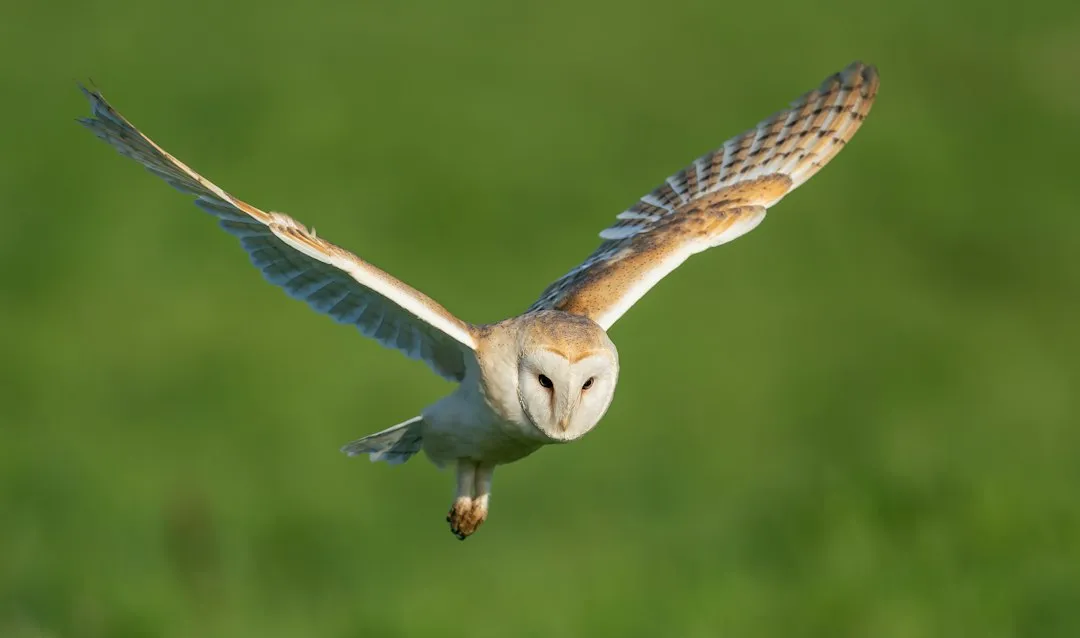
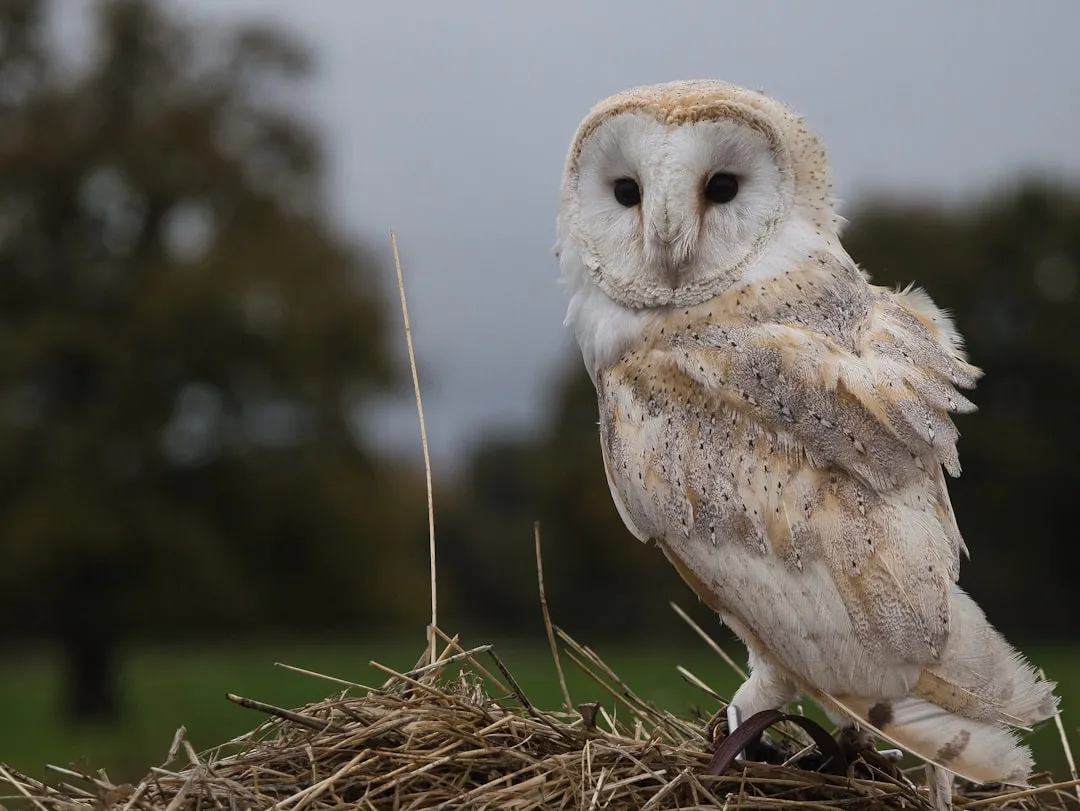
On paper, all owls share the same basic blueprint. On the exam table, especially in autumn, the differences jump out. A young barn owl feels almost fragile and alien, with a heart-shaped face and long, delicate legs, while a tawny or barred owl has a sturdier, woodland bruiser vibe.
Each species also tends to show up with its own typical problems. Barn owls often come in thin, having specialized in open-field hunting that collapses quickly when weather or habitat changes. Woodland owls might be more likely to suffer collision injuries near forest edges and suburban gardens. Urban-adapted owls can arrive smelling faintly of city, with soot and grime in their feathers.
For a vet, recognizing the species is not just about labeling the file. It guides what you expect in terms of behavior, stress tolerance in captivity, diet preferences, and long-term survival prospects after release. A one-size-fits-all approach is the fastest way to fail these birds.
#10 – Many Injuries Come From Human Structures, Not Wild Predators
🔥 Would you like to save this?
We'll email this post to you, so you can come back to it later!
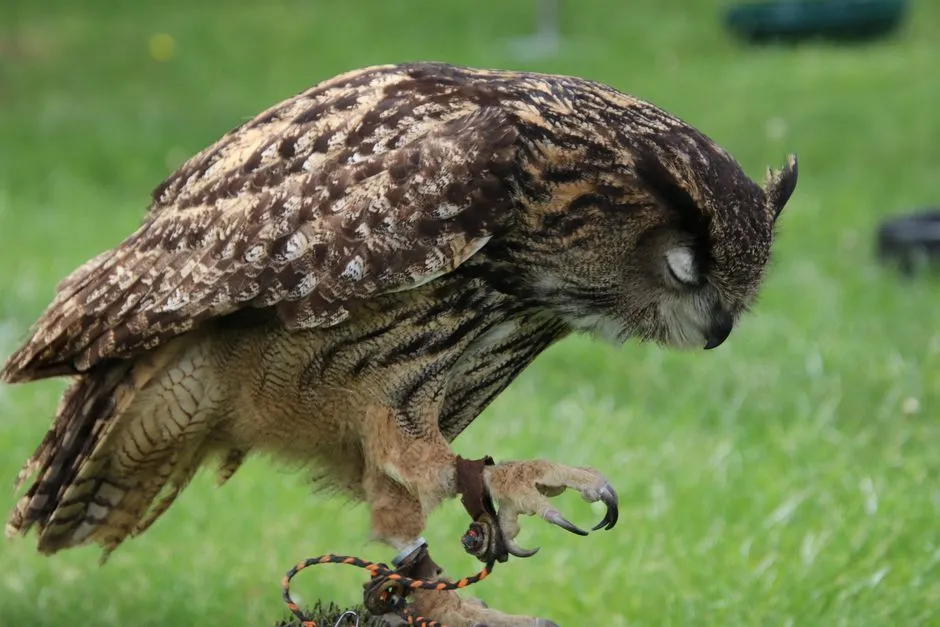
When people imagine threats to owls, they picture foxes, larger raptors, or harsh winter storms. But in a wildlife clinic, you quickly realize that the built environment is the main villain. Fences, power lines, barbed wire, glass windows, netting around gardens or sports fields – all of these show up in case histories far more often than talons or beaks of other animals.
Autumn is especially bad because vegetation dies back and more human-made hazards become exposed. Owls that once flew above thick hedgerows may now skim low over wires, posts, and structures that were hidden or cushioned earlier in the year. The result is a sharp rise in lacerations, wing injuries, and entanglements.
- Fencing and netting can slice or trap wings and legs.
- Buildings and windows cause high-speed impacts during low-level hunting.
- Power lines and poles present collision and electrocution risks.
Most of these injuries are not dramatic Hollywood scenes; they are quiet, unseen moments in a dark field or yard. The owl is just doing what owls do. Our landscape is what turns a normal flight into a life-threatening event.
#9 – Some Owls Are Shockingly Calm, Others Terrifyingly Wild
🔥 Would you like to save this?
We'll email this post to you, so you can come back to it later!
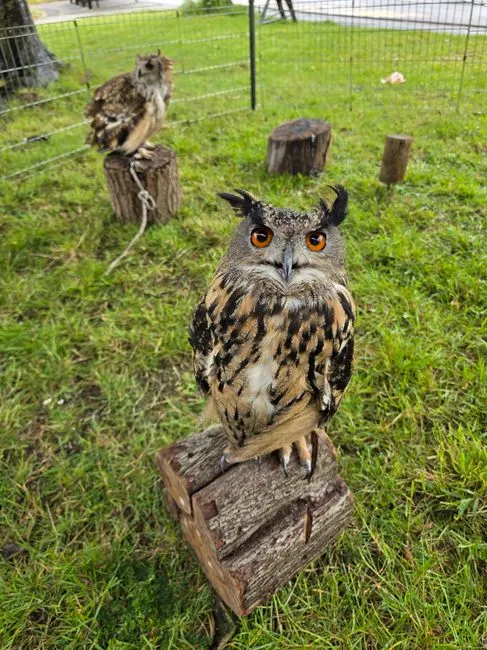
Personality is not a scientific term, but if you handle enough owls, you cannot ignore the differences. Some come in almost eerily calm, sitting low, barely striking, and allowing exams with minimal restraint. Others fight every touch with explosive power, hissing, snapping, and kicking with talons that mean business.
At first glance, a quiet bird may seem easier and “nicer,” but often that flat calm is a bad sign. A truly healthy wild owl should want nothing to do with you and make that very clear. The calmer birds are frequently the sicker ones, too weak or stunned to put up a real fight.
I have had birds that looked half-dead on admission turn into absolute dragons once they started feeling better, suddenly flaring their wings and launching at anyone who dared open the kennel. That switch from tolerant to furious is oddly reassuring. It means the wildness is still there, and that wildness is exactly what will keep them alive after release.
#8 – Feather Condition Tells the Story of Their Recent Life
🔥 Would you like to save this?
We'll email this post to you, so you can come back to it later!
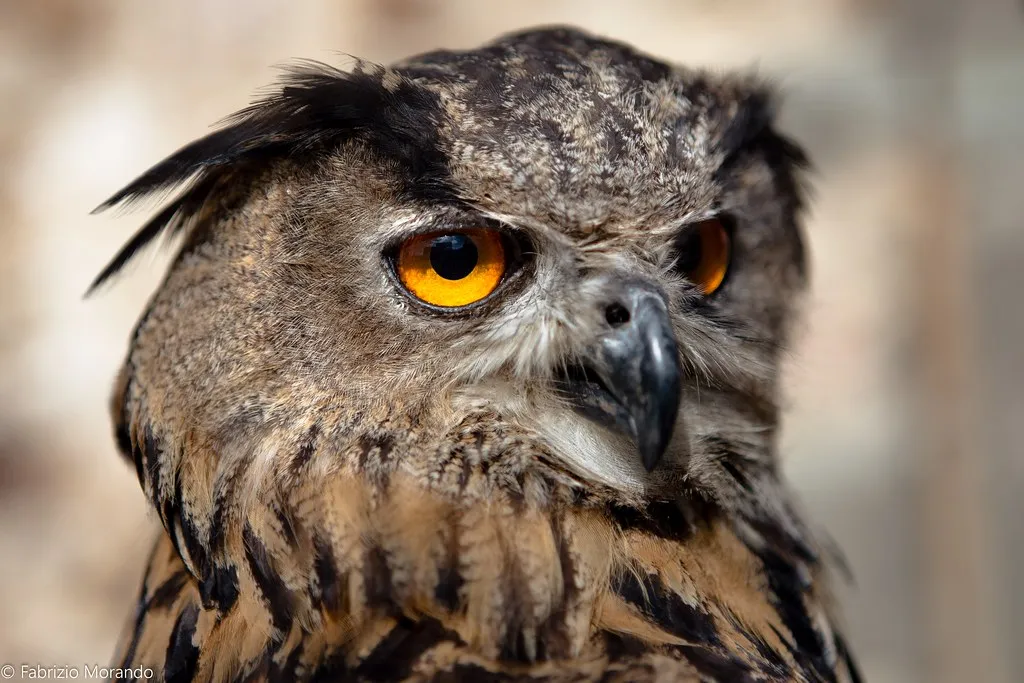
An owl’s feathers are like a diary if you know how to read them. In autumn, those diaries often tell stories of hardship. You see stress lines in growing feathers, areas stained by mud or oil, and broken or bent shafts where birds have collided with something or squeezed through tight spaces.
Sometimes you find singed feather tips, hinting that an owl has flown too close to a chimney or power line. Other times, feathers are packed with dust and cobwebs, suggesting time spent trapped in buildings or barns. Each clue helps reconstruct where the bird has been and what it has been facing.
- Stress bars or lines often reflect poor nutrition during feather growth.
- Dirty, matted plumage can signal prolonged weakness or entrapment.
- Clean, glossy feathers after care are a key release criterion.
You learn quickly that a bird can be within a normal weight range and still unreliable for release if its feathers are too damaged. Silent flight, waterproofing, and insulation all depend on precise feather structure. Without that, an owl is basically a grounded predator waiting for trouble.
#7 – Many “Rescues” Are Actually Kidnappings
🔥 Would you like to save this?
We'll email this post to you, so you can come back to it later!
Every autumn, a certain percentage of owl admissions come from well-meaning people who have removed a bird that never needed saving. They find a fluffy juvenile on the ground, hear faint begging calls, and assume it has been abandoned. In reality, many young owls leave the nest before they can truly fly and spend days or weeks on or near the ground while parents continue to feed them.
By the time these “orphans” arrive at a clinic, the damage is already done. They have been taken out of their territory, away from parents who probably knew exactly where they were. The vet then has to decide whether the bird is truly at risk or whether it should have been left in place and simply monitored from a distance.
This is one of those situations where a little knowledge in the public could save a lot of stress for owls. In my opinion, many of the healthiest owls that walk through a clinic door are the ones that should never have been picked up at all. Caution is understandable, but intervention should not be the default response.
#6 – The Smell of an Owl Tells You More Than You’d Think
🔥 Would you like to save this?
We'll email this post to you, so you can come back to it later!
People do not usually think about how an owl smells, but after a while, you notice it immediately. A healthy wild owl smells faintly earthy, with a dry, dusty quality from their feathers and prey. A sick, soaked, or long-grounded owl often has a sour or moldy odor from damp feathers and skin infections beginning to take hold.
Owls that have been trapped in buildings or vehicles may arrive smelling of fuel, smoke, or chemicals. Birds that have been lying in ditches, fields, or roadside verges for some time can carry the smell of decay or stagnant water, even when still alive. These sensory details help you guess how long the bird has been in trouble.
- Healthy owls tend to smell subtle and dry.
- Bad or unusual smells can hint at infection, entrapment, or contamination.
- Odor, combined with visual exam, helps build the full clinical picture.
It sounds odd, but your nose ends up being just as important as your eyes and hands. When you handle animals long enough, your brain quietly builds a library of “normal” and “wrong” smells, and owls are no exception.
#5 – Rehabilitated Owls Learn Fast Once They Stabilize
🔥 Would you like to save this?
We'll email this post to you, so you can come back to it later!
Despite all the bleakness, there is something deeply impressive about how quickly many owls bounce back once they are given what they need. With proper fluids, nutrition, and pain management, some birds go from slumped and unresponsive to standing, eating, and even threatening you within a surprisingly short time.
Once in aviaries, rehabilitated owls often relearn or reinforce hunting behavior rapidly. Given live or moving prey training under controlled conditions, they start to show the same lightning-fast pounces and head turns you would expect in the wild. Muscle memory, it seems, runs deep in these birds.
I have watched owls that could barely stand when admitted progress to flying strong circuits around a large flight enclosure, timing their strikes on tossed food with chilling precision. It is a reminder that wild instincts are not fragile. If the body can be repaired or supported, the owl inside is usually very ready to get back to work.
#4 – Not Every Owl Is a Good Candidate for Release
🔥 Would you like to save this?
We'll email this post to you, so you can come back to it later!
This is the part that most people hate to hear, and frankly, most vets hate to say: not every owl that survives treatment should be released back into the wild. Survival is not the only measure; competence matters. An owl that cannot see well enough, fly powerfully enough, or hunt effectively enough will simply starve or suffer once set free.
Clinics have strict criteria that go far beyond “can it flap its wings” or “does it eat.” They assess flight stamina, maneuverability, response to live prey, and sensory function, especially vision and hearing. An owl can look magnificent to a visitor and still fail critical tests that tell you it would not make it a week outside.
- Release decisions balance welfare, ecology, and realism.
- Permanent captivity is rarely ideal for wild-born owls.
- Sometimes euthanasia is the most humane decision, as painful as that is.
This is where I tend to be opinionated: sentimentality cannot override biology. To truly respect these birds means refusing to condemn them to a slow, confused death in the name of feeling better about “saving” them.
#3 – Autumn Teaches You How Fragile Habitats Really Are
🔥 Would you like to save this?
We'll email this post to you, so you can come back to it later!
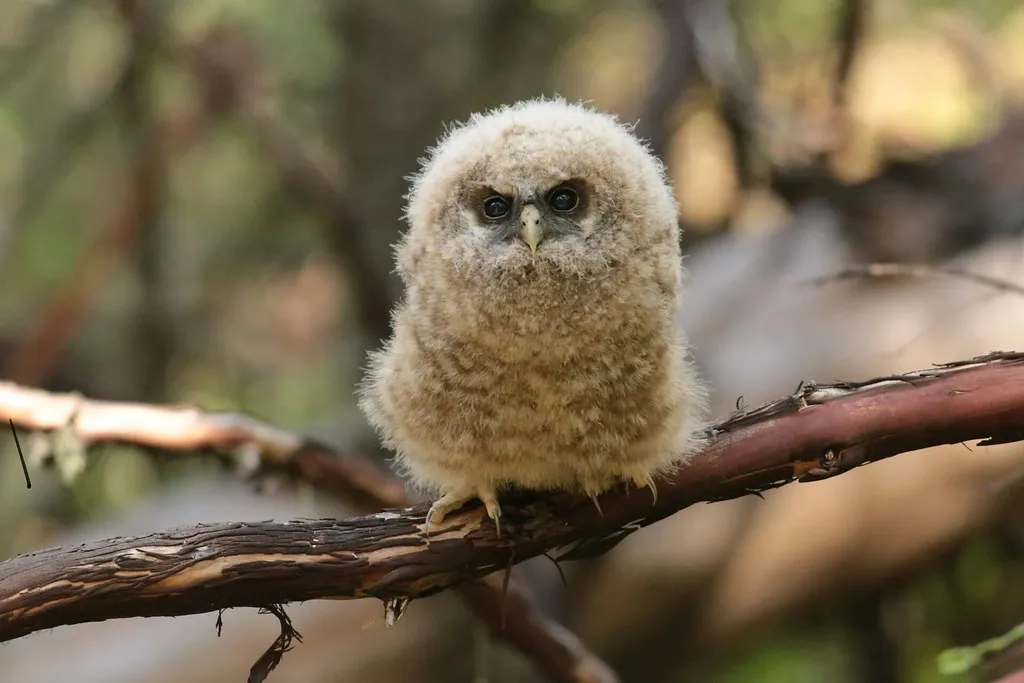
Looking at individual cases, it is easy to blame bad luck. But after enough autumn seasons, patterns pile up in a way that is impossible to ignore. Thinner birds, more road injuries, more poisoning, more collisions with structures; all of it points toward habitats stretched thin and heavily shaped by human behavior.
Fields that once held rough grass and small mammals get turned into uniform crops or paved over completely. Old barns and hedgerows vanish, replaced by sterile fencing and featureless sheds. Rodent control ramps up with poison instead of tolerant coexistence or smarter trapping. Every small change chips away at what an owl needs, and autumn simply reveals the cracks.
To me, each owl in a clinic is a messenger from the landscape. Their bodies keep score of decisions made far away: which chemicals we use, how we light our roads, where we build, how we treat “pests.” Ignore enough messengers, and you eventually run out of owls.
#2 – Public Awareness Is Slowly Improving, But Not Fast Enough
🔥 Would you like to save this?
We'll email this post to you, so you can come back to it later!
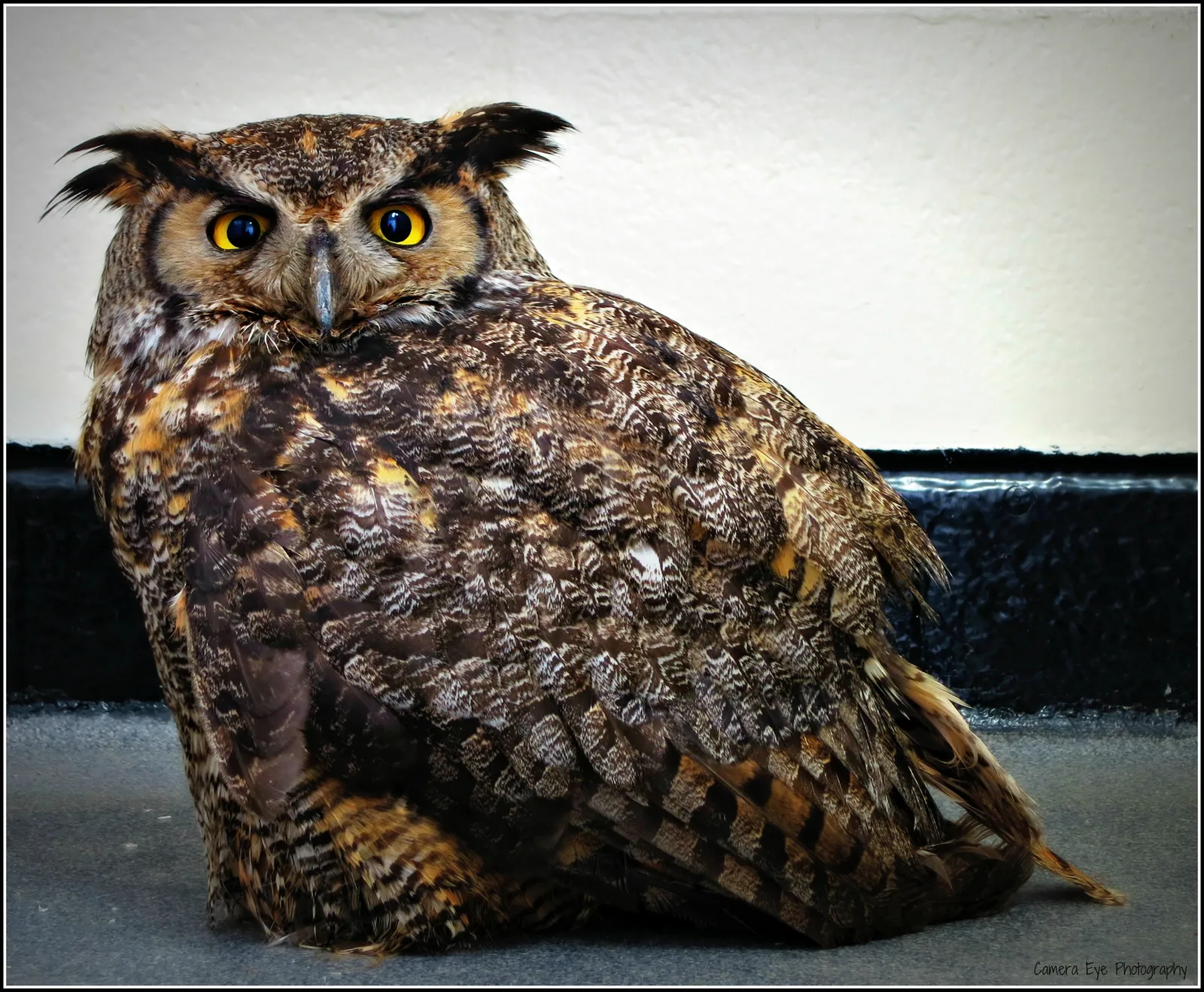
On the positive side, each year more people seem willing to slow down for wildlife, call a rehab center, or ask for advice rather than immediately intervening on their own. Social media, local campaigns, and education by wildlife groups are gradually changing how people think about nocturnal animals like owls.
Drivers bring in injured birds rather than leaving them on the roadside. Farmers call to ask about non-poison alternatives for rodent control. Homeowners shield windows or switch off unnecessary lights. These are small, hopeful shifts, and they absolutely make a difference when multiplied across a region.
But it still feels like a race between education and destruction. For every person who learns to leave a healthy fledgling alone, another property owner stretches new barbed wire without considering the impact. For every driver who keeps an eye out on country roads, someone else speeds through dusk with no thought of what hunts just beyond the headlights.
#1 – Owls Are Tough, Wild, And Never Really “Ours”
🔥 Would you like to save this?
We'll email this post to you, so you can come back to it later!
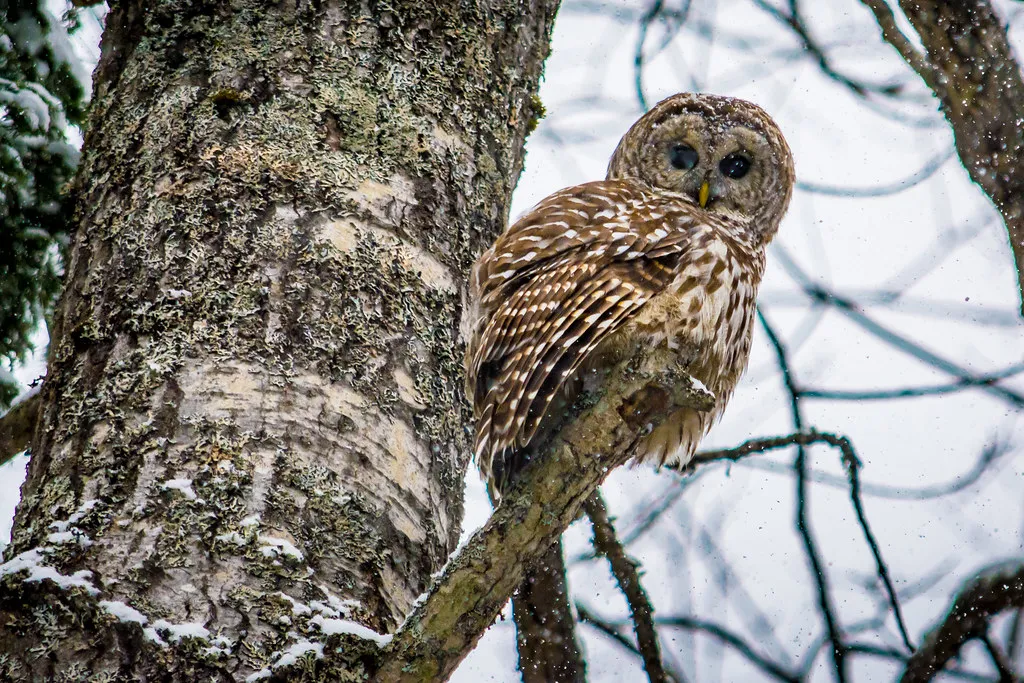
At the core of all of this is a simple truth: owls are not pets, mascots, or props from fantasy stories. They are wild, highly specialized predators that tolerate our help only as long as they must. Even the calmest rehab patient, the one who seems almost to accept handling, will usually show you their true feelings the moment a release crate opens.
I have seen owls launch out of carriers without a backward glance, vanishing into the dusk in three wingbeats like they were never there. Others hesitate just a moment, then slip into the nearest tree and disappear into leaves and shadow. Either way, there is a clear, almost tangible distancing: they are back where they belong, and we are irrelevant again.
For me, that is exactly how it should be. The job of a wildlife vet is not to keep these birds, tame them, or turn them into some kind of living decoration. It is to patch them up when possible, admit when it is not, and fight quietly for a world where fewer owls need rescuing in the first place.
Conclusion – Autumn Owls Are a Mirror, Whether We Like It or Not
🔥 Would you like to save this?
We'll email this post to you, so you can come back to it later!
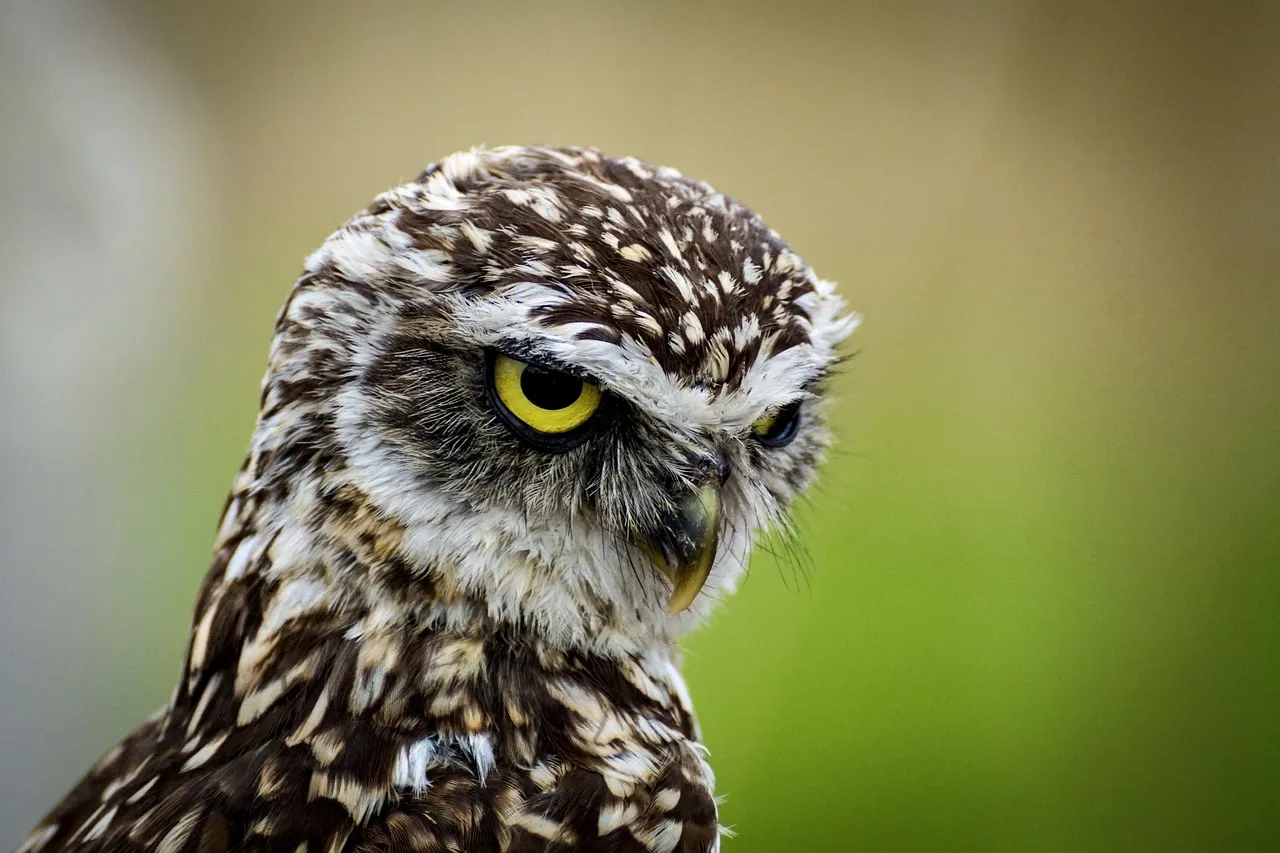
By the time autumn is winding down, a wildlife vet’s memory of the season is not leaf color or pumpkin flavors; it is X‑rays of shattered wings, notes about body condition, and the brief, bittersweet flashes of releases that did work. Owls brought in each autumn are not random accidents scattered through the year; they are concentrated signals from a landscape under pressure.
Personally, I think the most uncomfortable truth is this: almost everything that hurts owls in autumn is something we built, bought, or decided. Poison, fences, windows, cars, habitat loss – none of that is an act of nature. If we genuinely admire these birds, plaster them on mugs and school emblems, then the least we can do is make our world less deadly for them.
In the end, every owl on a vet’s exam table is a small test of who we are. Do we keep shrugging off the patterns as bad luck, or do we finally treat these autumn visitors as the warning lights they really are? When you next hear an owl calling in the dark, will you be able to listen without wondering what it has to survive just to make it to spring?

- 7 Everyday Habits That Can Make Your Senior Dog Happier - November 5, 2026
- 10 Enigmatic Structures That Continue to Puzzle Scientists Today - November 5, 2026
- 10 Strange Ruins in the Americas That Challenge What We Know About Early History - November 5, 2026