
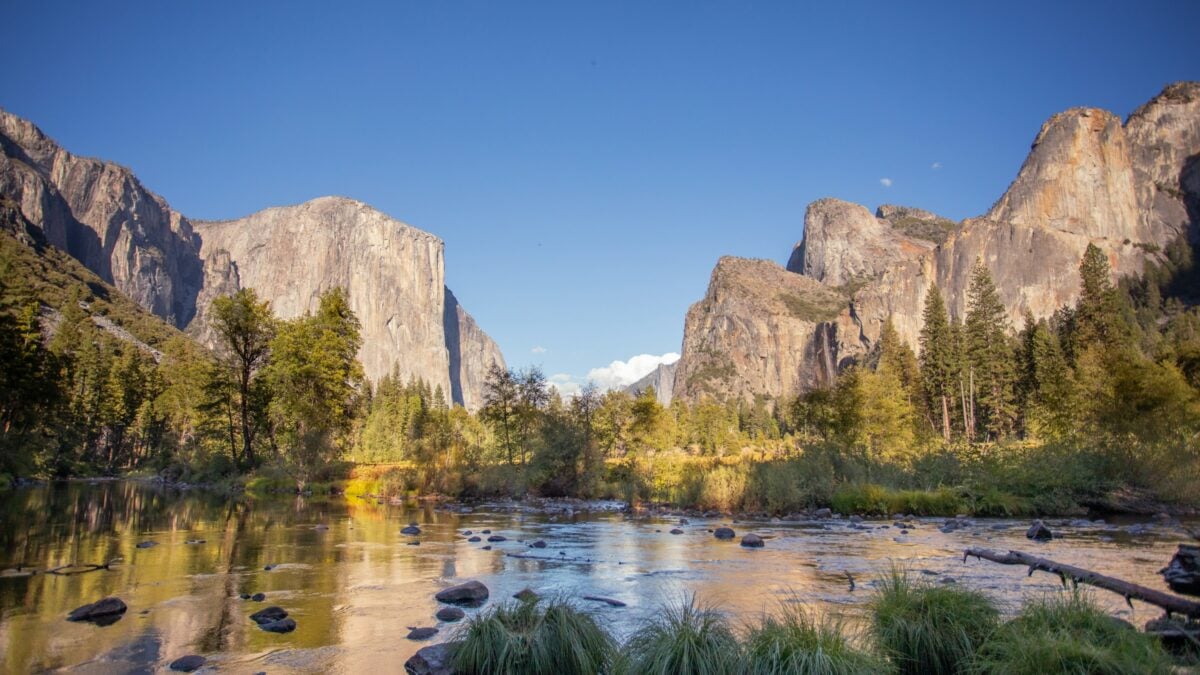
Most people assume Yosemite “wakes up” the moment the first tour buses roll in and the parking lots start filling. That assumption is completely backwards. The wildest, strangest, and most beautiful things in this park happen hours earlier, while almost every visitor is still asleep or stuck in traffic on Highway 140.
Dawn in Yosemite isn’t a quieter version of the daytime park – it’s basically a different place. Animals move like the valley belongs to them. Granite walls shift color in real time. The air itself smells different. Stick around long enough and you start to wonder if the Yosemite you thought you knew was ever the real one at all.
18. The Valley Floor Drops Into Actual Silence
🔥 Would you like to save this?
We'll email this post to you, so you can come back to it later!
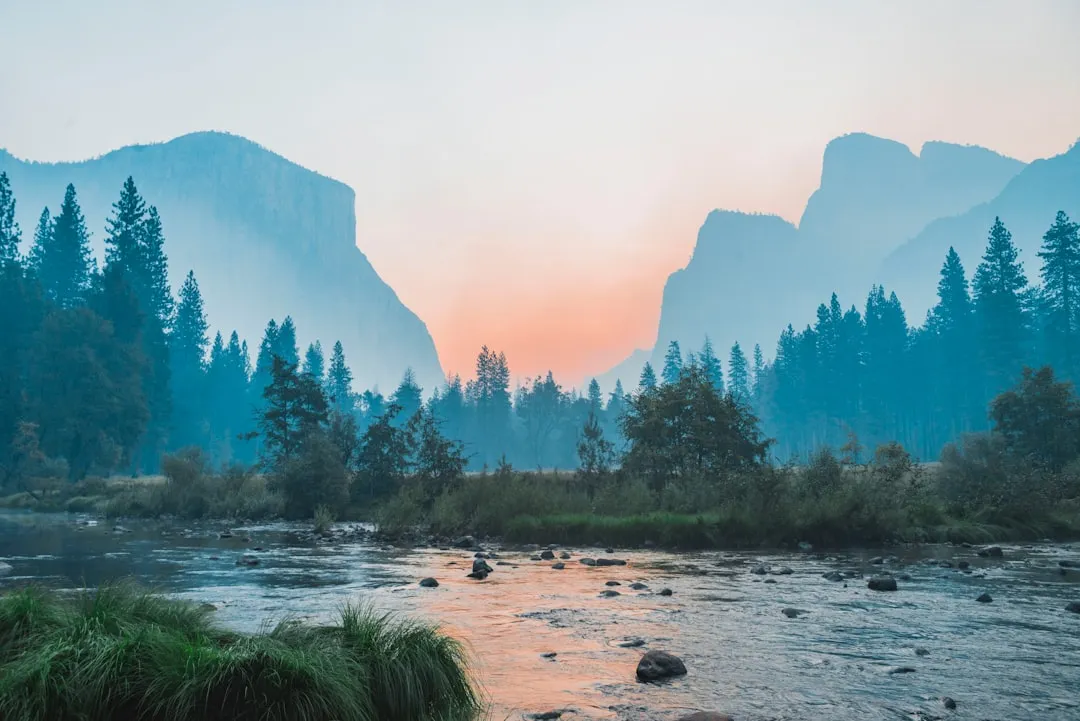
At dawn, Yosemite Valley doesn’t wake up – it empties out. Human sound drops to almost nothing. The traffic noise, bus brakes, car doors, and campground chatter that dominate from 8 a.m. onward are simply gone.
What’s left is a kind of quiet modern visitors almost never hear. Researchers who’ve monitored soundscapes in national parks have found ambient noise runs noticeably lower before sunrise than at midday, and your ears register that difference almost immediately.
You start noticing details you’d normally miss entirely: wings brushing past your head, a pine cone dropping onto dry needles, water slapping against a rock. In this pre-car stillness, you can:
- Hear Yosemite Falls from half a mile away, like it’s just around the corner.
- Catch the distant rumble of the glacier-fed Merced River without a single engine drowning it out.
Psychologists say this kind of acoustic relief can lower stress almost instantly. No podcasts, no engines, no generators – just water, wind, and the occasional raven heckling nothing at all.
17. Coyotes Take Over the Empty Meadows
🔥 Would you like to save this?
We'll email this post to you, so you can come back to it later!
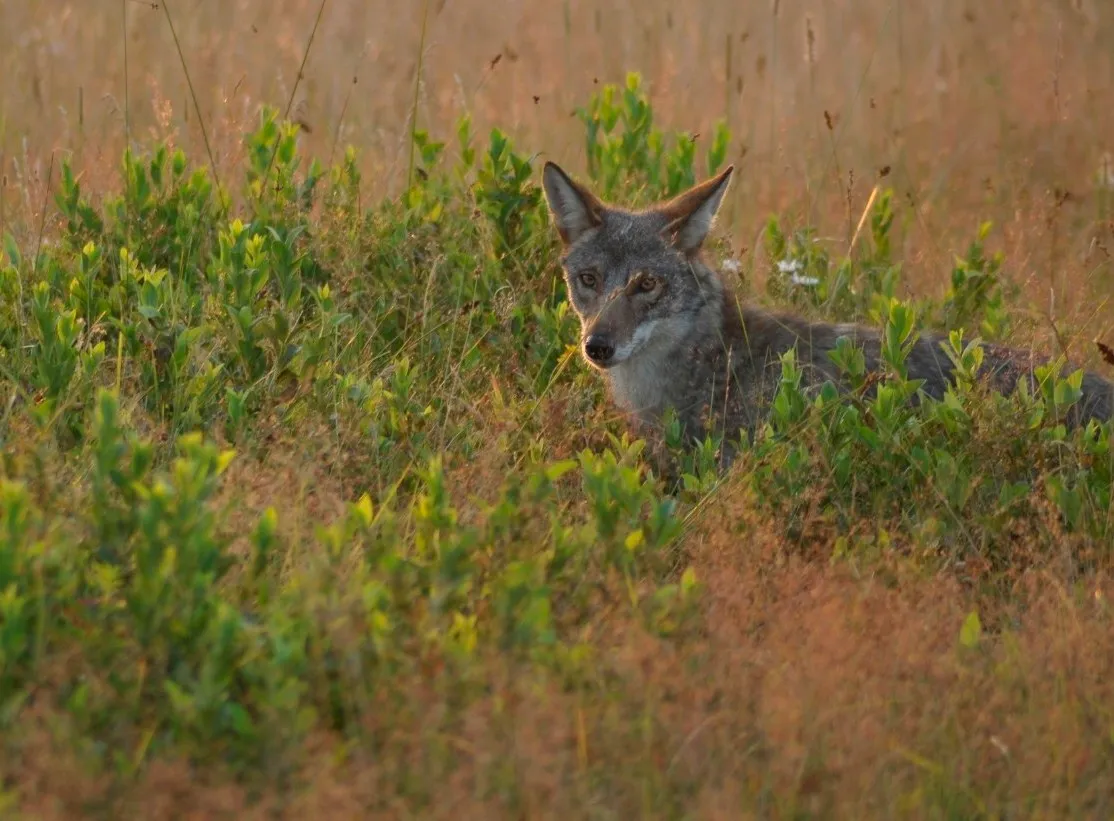
While most visitors are still fumbling for hotel coffee, coyotes are already patrolling Yosemite’s meadows like they own the place. Dawn is prime hunting time, and they use the low, slanting light and wet grass to their advantage.
You’ll see them ghosting along the edges of Cook’s Meadow, swinging their heads side to side, listening. Biologists have watched them cock their ears to pinpoint tiny vole movements hidden under inches of grass, then pounce with startling accuracy.
They benefit from something simple: no cars, no crowds, no dogs.
- Mice and voles feel safer crossing open ground before the first vehicles arrive.
- Coyotes know this window is short and move with visible urgency.
Yosemite’s coyotes are also surprisingly habituated to the valley – they’ll trot the bike paths at dawn like commuters heading to work. But the moment the first car doors start slamming, they pull back toward the tree line. If you’ve only seen them at midday near a dumpster, you haven’t actually seen how they behave when they think the whole park is theirs again.
16. Granite Walls Change Color in Minutes
🔥 Would you like to save this?
We'll email this post to you, so you can come back to it later!
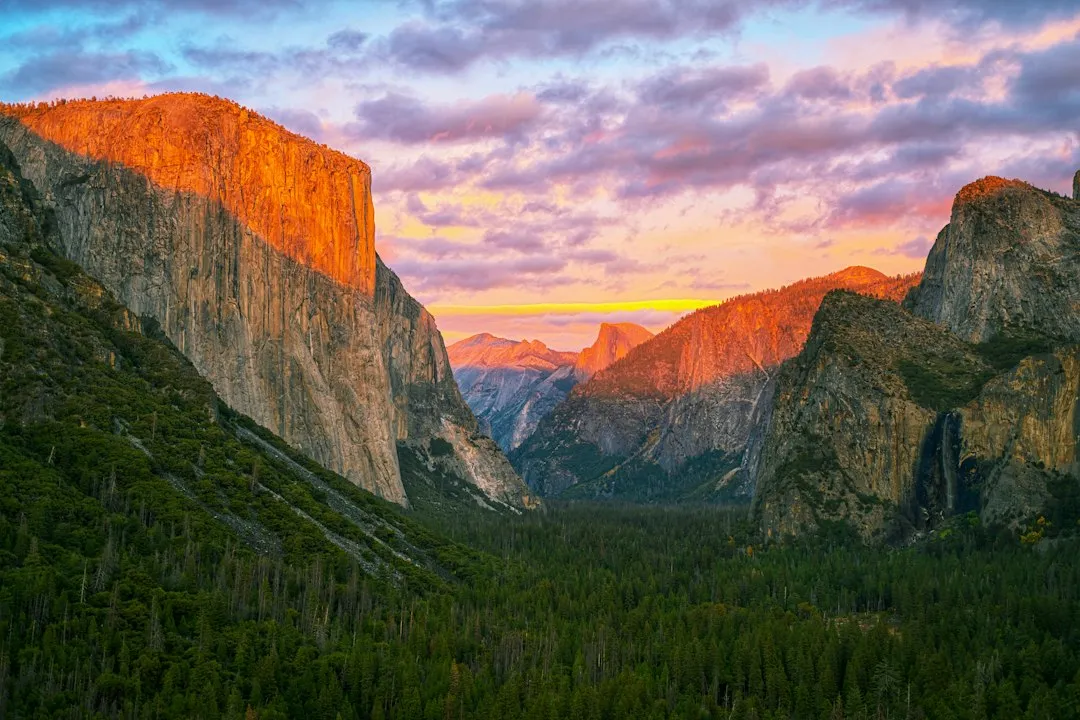
Everyone posts sunset photos of El Capitan and Half Dome, but the real color show happens in the 30 to 40 minutes around dawn. Granite is light-colored rock, and in Yosemite it’s coated in lichens, iron stains, and moisture that all react differently as the light shifts.
Just before sunrise, the cliffs look flat and steel-blue. Then the sun edges over the Sierra crest and something strange happens – the faces flash from gray to rose to warm gold in a matter of minutes.
Fast Facts
- El Capitan soars about 3,000 feet above the Valley floor, giving that color shift an enormous, unbroken canvas to play out on.
- Half Dome towers roughly 4,737 feet above the valley floor, with its summit sitting near 8,839 feet.
- Nearby Nevada Fall drops 594 feet in a single plunge as part of the Merced’s “Giant Staircase.”
Photographers obsess over this window. Low solar angle creates long, soft shadows, and cold morning air means less haze and dust in the way. Cracks, ledges, and dark streaks you’d never notice at noon suddenly pop into three dimensions.
Scientists call this directional lighting. Climbers just call it the moment the wall goes from dead to alive. You’ll sometimes spot tiny headlamps halfway up El Cap at this hour – climbers finishing a night on the wall just as the rock ignites around them. The contrast between that silent human drama and the shifting color is honestly kind of brutal to witness.
15. Cliff Swallows and Ravens Run the Airspace
🔥 Would you like to save this?
We'll email this post to you, so you can come back to it later!
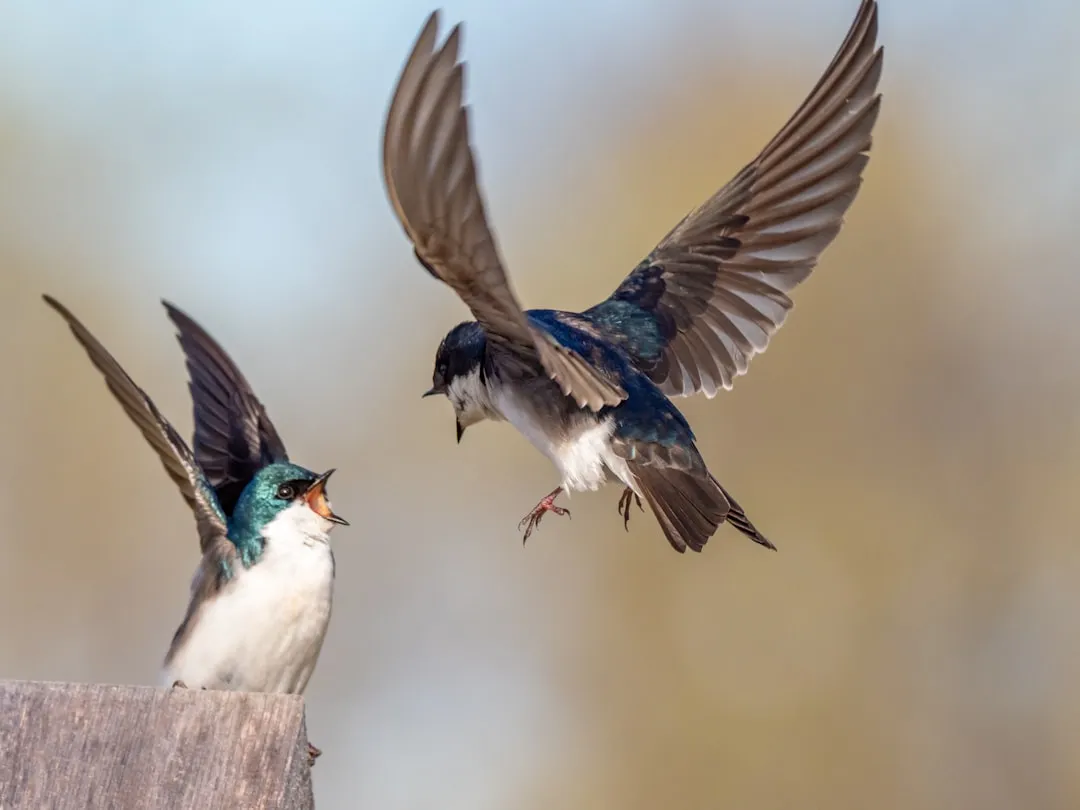
Long before you hear a single car engine, you hear wings. Cliff swallows and ravens treat Yosemite Valley like their personal airport at dawn.
Swallows explode off their nests under bridges and overhangs, stitching back and forth above the Merced. Their goal is simple: morning insect hatches are densest near water as temperatures start to climb, so they hit the river corridor first.
Ravens are on recon. They’re not just calling for fun – ravens are absurdly intelligent, and they use the early light to scout:
- Leftover campground scraps
- Open dumpsters and trash stations
- Newly parked vehicles left overnight by climbers
The quiet helps them too. With the valley this silent, alarm calls and contact calls carry farther, and it’s common to hear a raven’s croak echo off multiple cliff faces before you ever spot the bird. Most tourists only notice these species when they’re stealing chips at lunch. At dawn, they’re doing something far more calculated – mapping the entire day’s food supply across a nearly car-free landscape.
14. Mist Turns to “Waterfall Smoke”
🔥 Would you like to save this?
We'll email this post to you, so you can come back to it later!
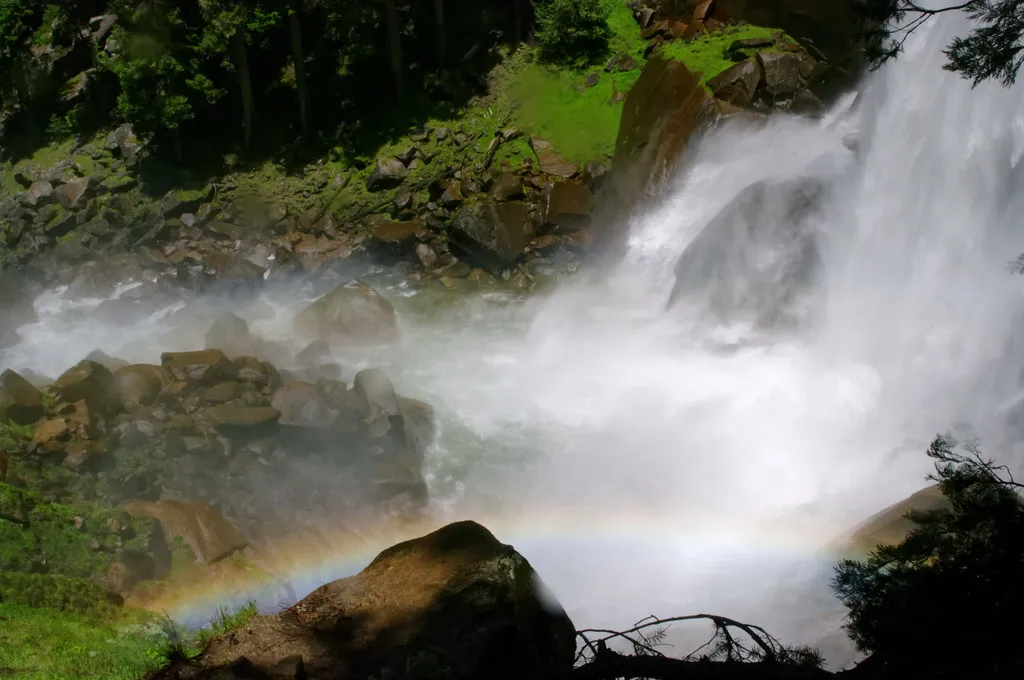
Stand near Yosemite Falls or Bridalveil Fall at dawn and you’ll see something that almost never shows up in Instagram photos: waterfall smoke.
As cold night air hugs the valley floor, spray from the falls condenses and hangs lower than it does later in the day. In the oblique morning light, that mist doesn’t look like mist at all – it looks like slow-motion smoke drifting sideways across the talus.
- Cooler air holds less moisture, so droplets stay visible longer.
- Slight, early breeze patterns can push the mist up-valley instead of straight down.
In big snow years, when flows run high, this effect gets dramatic – bands of glowing white vapor slicing across dark rock before the sun fully clears the rim. It genuinely feels like the falls are breathing.
By mid-morning, convection kicks in, the air warms, and wind patterns shift. The same waterfall looks harsher and more blown-out in full sun. Visitors who roll in at 10 a.m. never see this softer smoke phase at all.
13. The Merced River Runs Colder and Cleaner
🔥 Would you like to save this?
We'll email this post to you, so you can come back to it later!
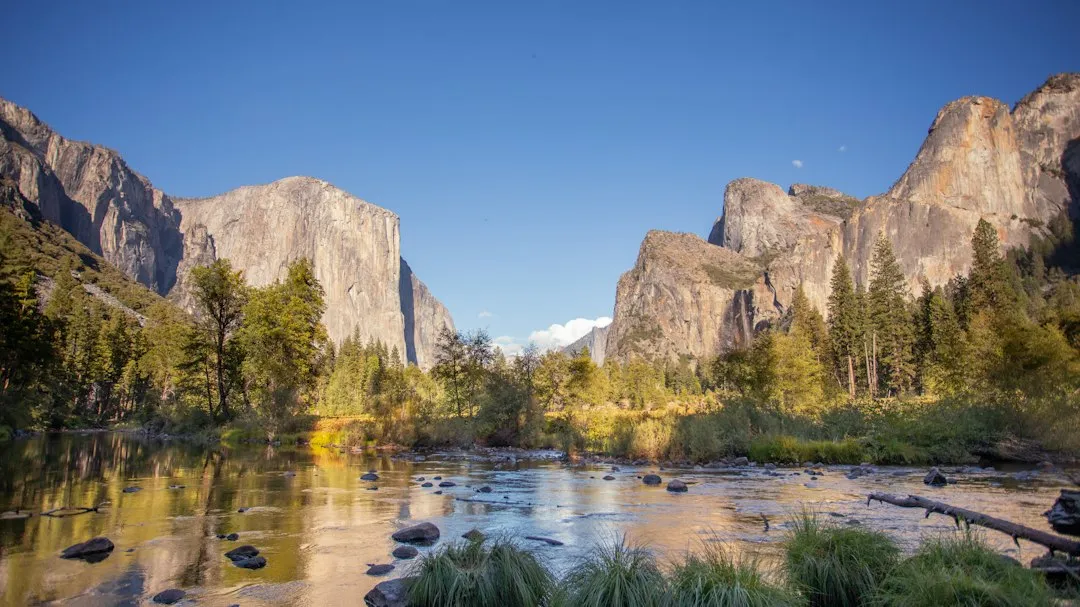
Most people don’t realize the Merced River they see at noon is not the same river they see at dawn. Water temperatures in snowmelt-driven rivers often dip to their lowest point right before sunrise, meaning the Merced at dawn is at its clearest, coldest state of the entire day.
Cold water holds more dissolved oxygen and carries less algae and sediment in suspension, which makes it look sharper – almost glassy – especially in the slow sections. Walk the banks early and you’ll notice details that vanish later:
- Stones on the bottom look more defined through the surface.
- Reflections of cliffs and pines are crisper, almost mirror-like.
Anglers quietly love this window. Trout, adapted to cold water, get more active right as light levels start to rise, and sunscreen, dust, and micro-trash from swimmers and rafters haven’t entered the system yet for the day.
By the time the first rafts launch, that crystalline quality is already fading. It’s still beautiful – but if you’ve seen the Merced at dawn during a heavy snow year, the daytime version genuinely feels like a downgrade.
12. Rockfall and Ice Release More Often Than You’d Think
🔥 Would you like to save this?
We'll email this post to you, so you can come back to it later!
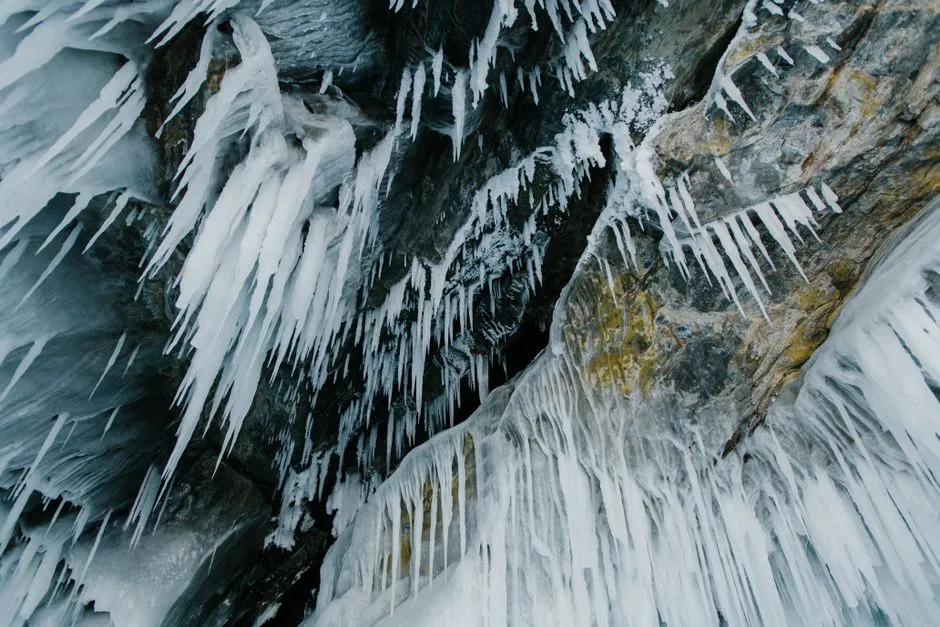
Here’s the uncomfortable part: some of the park’s most dangerous natural events – small rockfalls and ice releases – often happen right around dawn, when almost no one is watching.
Temperature swings are the culprit. Granite expands in heat and contracts in cold, and after a freezing night followed by a rapid sunrise warm-up, rock faces experience mechanical stress that can pop loose flakes or send ice sliding down gullies. Climbers know to stay cautious on spring mornings under certain walls for exactly this reason.
You might hear:
- A deep boom echoing off the far cliffs.
- A series of rattling clacks as smaller debris follows.
Rangers quietly track these incidents, and plenty go unobserved by the daytime crowd. It’s not that rockfall doesn’t happen in the afternoon – it does – but those early transition hours are sneakily active. To a lone hiker standing in a silent meadow, it can feel surreal: a crystal-clear, peaceful landscape suddenly punctured by a sound like thunder with no clouds anywhere in sight.
11. Dawn Fog Builds “Floating Forests” in the Meadows
🔥 Would you like to save this?
We'll email this post to you, so you can come back to it later!
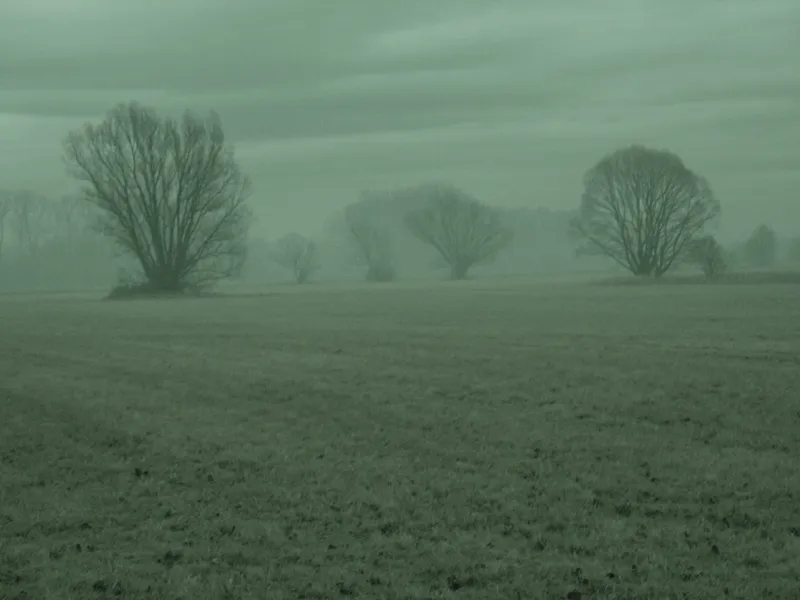
On some mornings, Yosemite’s meadows don’t just have fog – they levitate. Radiation fog forms when ground-level heat from the previous day radiates away overnight, cooling the moist air near the surface.
In broad, flat meadows like Cook’s Meadow or El Cap Meadow, this creates a thin layer of mist that floats waist-high, with clear air above and grass below. The effect at dawn is almost ridiculous:
- Trees appear to be growing straight out of a glowing white sea.
- Deer and coyotes materialize as silhouettes sliding through the “cloud.”
Because there’s almost no vehicle disturbance this early, the fog layer stays clean and undisturbed. As the sun climbs, just a few degrees of warming cause it to fragment, rise, and disappear.
Photographers chase this exact condition for years. Locals will tell you: if you drive in at 9:30 a.m. and see nothing but flattened grass, you missed the actual show by about three hours.
10. Deer Graze Boldly Near Empty Roads and Lodges
🔥 Would you like to save this?
We'll email this post to you, so you can come back to it later!
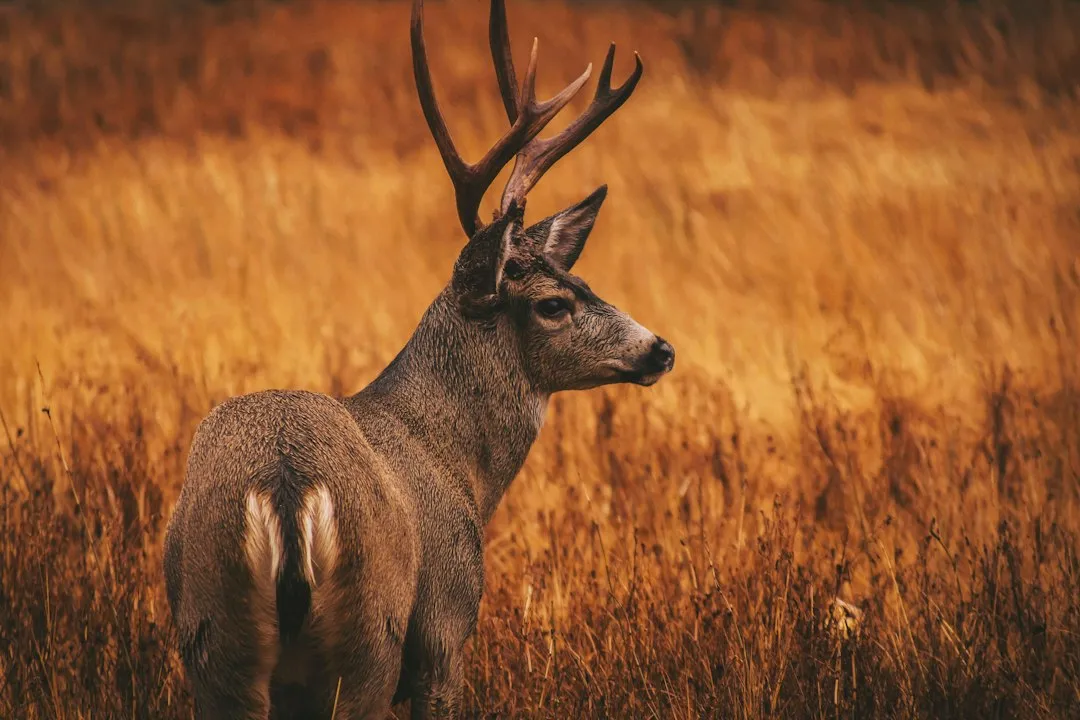
Ask visitors when they see deer and most will say “around sunset.” Regulars know the more honest answer: just before and just after sunrise, especially before the first cars arrive.
Black-tailed deer are crepuscular, most active at dawn and dusk, and in Yosemite Valley they’ve learned human patterns well. At first light, with roads empty and parking lots silent, they move into roadside grasses and even hotel lawns to feed.
- Small groups browse almost shoulder-deep in meadow grasses.
- Young bucks test each other with half-hearted, sleepy sparring matches.
With no engine noise around, you can often hear them tearing grass and snorting quietly. Once cars start trickling in, they melt back toward the forest edges. Visitors who “see tons of deer” at Curry Village in the evening are only catching the tail end of their active window, not the full performance.
Some biologists argue this shift toward human infrastructure during low-traffic hours is learned behavior – dawn is simply when deer cash in on the strange safety bubble we’ve built without meaning to.
9. The Sky Goes From Black to Indigo to Electric Blue
🔥 Would you like to save this?
We'll email this post to you, so you can come back to it later!
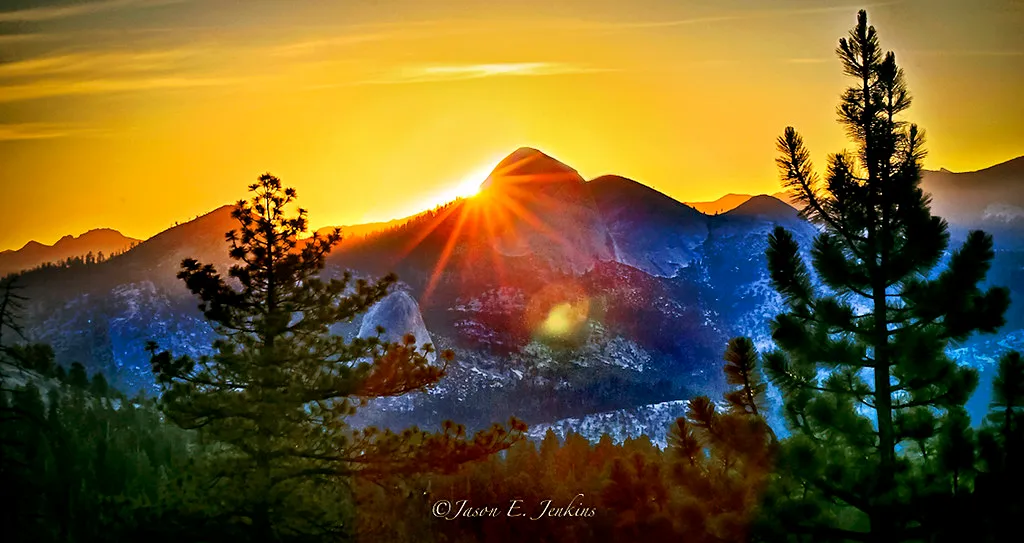
Everyone obsesses over the exact moment of sunrise, but the real spectacle starts long before the sun clears the horizon. Astronomical, nautical, and civil dawn are three distinct phases, and in Yosemite, surrounded by high peaks, these phases feel exaggerated.
You’ll see the sky shift through at least three distinctly different blues while the valley floor is still sitting in shadow. Here’s how it plays out:
- First, stars begin to fade against a deep indigo overhead.
- Then a faint band of cobalt forms behind the peaks.
- Finally, the entire sky turns a luminous, almost electric blue before any direct light touches El Cap.
Worth Knowing
- Astronomical twilight comes first, when the sun is still far below the horizon and only the faintest glow interrupts a fully dark sky.
- Nautical twilight follows, bright enough that the horizon line against the peaks becomes visible.
- Civil twilight is the final stage before sunrise, when color and fine detail return to the landscape.
During this stretch, granite walls look like cardboard cutouts – flat, black shapes against a brightening sky – and conifers turn into pure silhouettes. It’s one of the only times all day your eyes genuinely struggle to judge scale, which is saying something in a valley with 3,000-foot cliffs.
The irony is almost funny: most people are still in bed scrolling through yesterday’s sunset photos while a better, quieter show is happening for free right outside.
8. Campgrounds Shift From Snoring to Whisper Networks
🔥 Would you like to save this?
We'll email this post to you, so you can come back to it later!
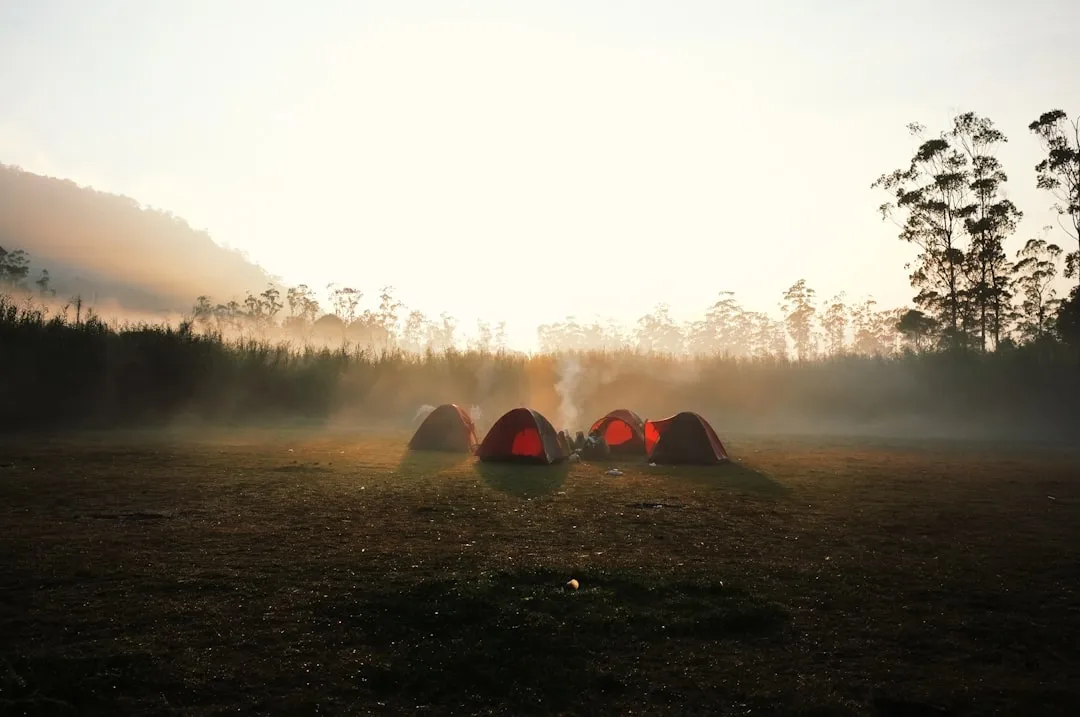
If you want to know who actually understands Yosemite, walk through a campground at pre-car dawn. The soundscape changes in a very specific way.
The drunk laughter and campfire debates from midnight are gone. What replaces them are low, practical voices – climbers planning routes, photographers discussing wind, hikers repacking bear canisters. You’ll hear soft zippers, stoves hissing, the clink of carabiners, and it’s almost comical how many people move like ghosts to avoid waking the last sleepers.
By 5 a.m., the folks who came for selfies are unconscious while the people chasing an actual experience are already halfway packed. A few quick tells you’re hearing the dawn crew:
- Headlamps bobbing between bear boxes and cars.
- Quiet, efficient conversations about snow levels, trail reports, and shuttle times.
Then, as the first commuters roll in, the vibe flips again. The campground becomes a place to escape from, not a place to launch from. It’s a tiny social experiment that quietly repeats every single day.
7. Owls Clock Out While Songbirds Clock In
🔥 Would you like to save this?
We'll email this post to you, so you can come back to it later!
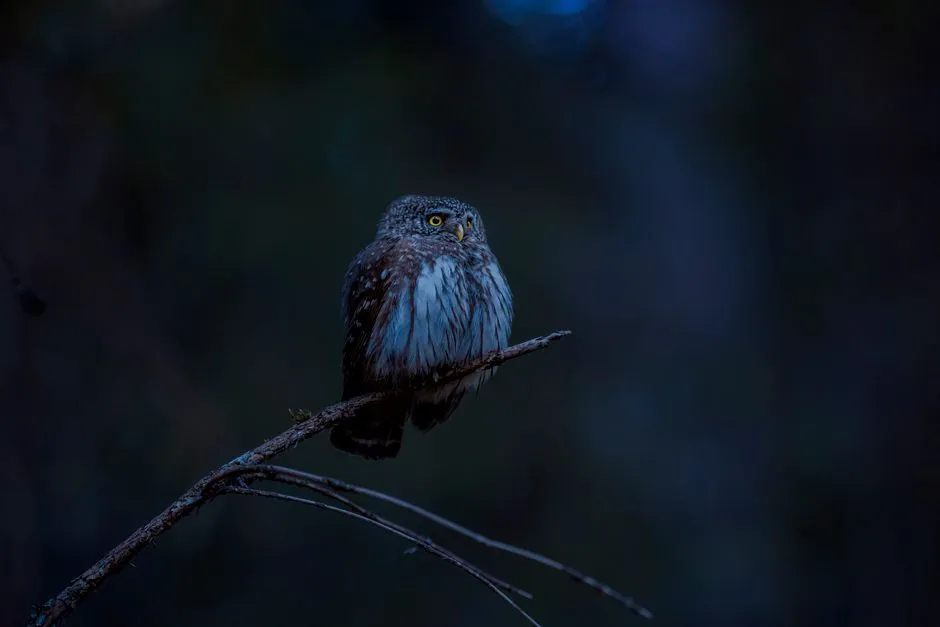
Yosemite’s bird world runs on shift work, and dawn is the literal handoff. For hours, great horned owls and Northern saw-whet owls have been the top nocturnal predators. As the sky lightens, their advantage disappears.
Studies on owl behavior show that hunting activity drops sharply once ambient light crosses a certain threshold, and you can practically watch that shift happen in real time. Right as the last owl calls fade, the first songbirds explode:
- American robins open with clear, fluting phrases from mid-level branches.
- Warblers, finches, and sparrows layer in a chaotic-sounding but tightly structured chorus.
This isn’t random noise – males are advertising territory and fitness during the exact window when sound carries best and predators are switching shifts. The dawn chorus is a textbook example of evolved timing.
Most midday visitors assume the forest is “quiet” simply because they missed this overlapping swap entirely. By 9 a.m. you’ll still hear birds, but that sharp, urgent, wall-of-sound energy is already gone.
6. The Air Smells Completely Different
🔥 Would you like to save this?
We'll email this post to you, so you can come back to it later!
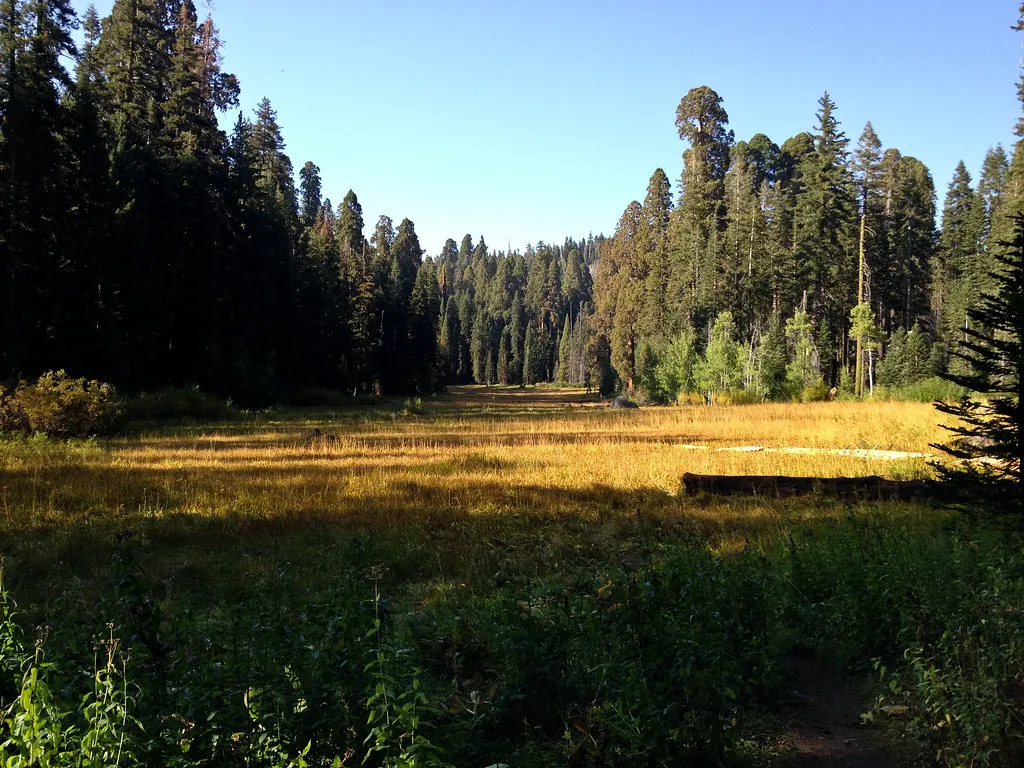
It sounds subjective, but ecologists actually study this – the chemical makeup of forest air changes from night to day, and at dawn in Yosemite, you can genuinely smell the transition.
Conifers release volatile organic compounds like pinene, which create that sharp “pine” scent. At night, cooler temperatures and higher humidity let these compounds linger near the ground, so just before sunrise you get a peak concentration of cool, resin-heavy air sitting low in the valley.
- Strong pine and fir resin near sun-warmed trunks from the day before.
- Damp earth and decomposing needles where cold air pooled overnight.
As the sun rises and convection starts, those layers mix and dilute. Car exhaust, sunscreen, and smoke from breakfast fires slowly dump more human smell into the system. By late morning the air is still fresh by city standards, but it’s no longer that razor-clean mix you got at 5:30 a.m.
People romanticize this as “that Yosemite smell.” The slightly annoying truth is you only get the undiluted version when almost nobody’s awake to notice it.
5. Photographers Fight for Seconds of Perfect Light
🔥 Would you like to save this?
We'll email this post to you, so you can come back to it later!
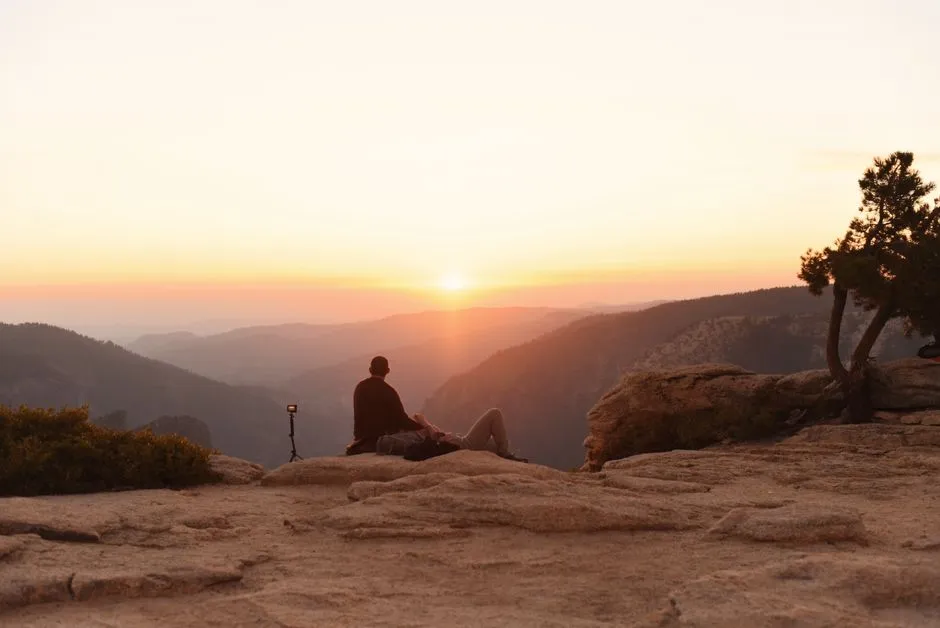
Here’s an uncomfortable truth: some of the calmest dawn scenes in Yosemite are surrounded by cutthroat, quiet competition between serious photographers.
They’re out long before first light, staking out exact tripod positions for the classic shots – Tunnel View, Sentinel Bridge, the meadows under Half Dome. Why so early? Because the best light window is brutally short, sometimes just a handful of minutes of balanced, warm light before contrast blows out the whole scene.
Their ritual looks like this:
- Scout the foreground – a fallen log, a river bend, a reflection – in the dark.
- Watch test exposures as the sky brightens but the cliffs are still dark.
- Fire off bursts the instant the cliffs catch golden light while the sky is still pastel.
Then it’s over. By the time a casual visitor walks up and says, “Wow, the light is perfect right now,” every serious photographer has already packed up, because they know it actually isn’t anymore. This is exactly why sunrise photos feel almost unreal compared to what most people see in person – the camera caught a version of Yosemite that exists for a few minutes, at an hour only the most committed bother to meet.
4. Trails Belong to the First Footprints
🔥 Would you like to save this?
We'll email this post to you, so you can come back to it later!
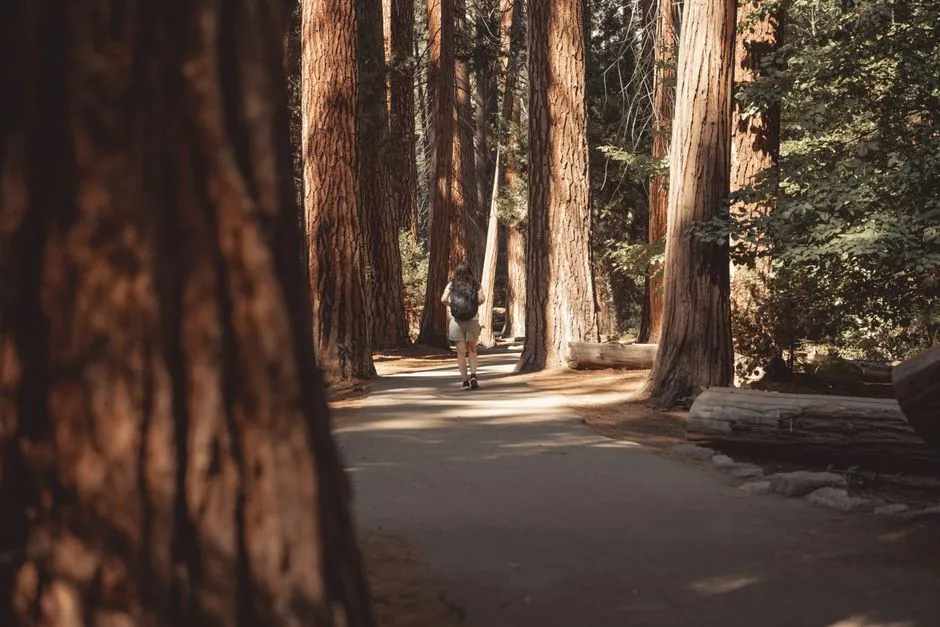
If you’ve only known Yosemite’s trails as conga lines of people, dawn will feel almost illegal. Before the first day-hikers arrive, major paths like Mist Trail, Lower Yosemite Falls, and even stretches of the Four Mile Trail can be shockingly empty.
You’ll often find no fresh shoe prints in the dust or dew except your own, which is increasingly rare in any famous park. That emptiness changes how the whole place feels:
- Wildlife is more likely to use the trail itself as a travel corridor.
- You hear your own breathing instead of twenty overlapping conversations in six languages.
Quick Compare: Dawn vs. Midday on the Trail
- Dawn: empty switchbacks, cool air, wildlife on the move, unobstructed photos.
- Midday: crowded trailheads, rising heat, wildlife retreated into shade, hazier views.
- Dawn: your own footsteps are the only fresh tracks.
- Midday: dozens of overlapping conversations and selfie-stick traffic jams.
There’s a safety angle too. Rangers quietly favor early starts for big hikes, since afternoon thunderstorms, dehydration, and heat stress all hit later in the day. The people shuffling onto the trail at noon in cotton hoodies are gambling; the ones stepping onto it at dawn are planning.
By the time the parking lots fill, that raw, lonely, almost wilderness-like version of Yosemite is gone – replaced by something closer to an outdoor mall with cliffs.
3. Half Dome’s Shadow Plays Tricks on the Valley
🔥 Would you like to save this?
We'll email this post to you, so you can come back to it later!
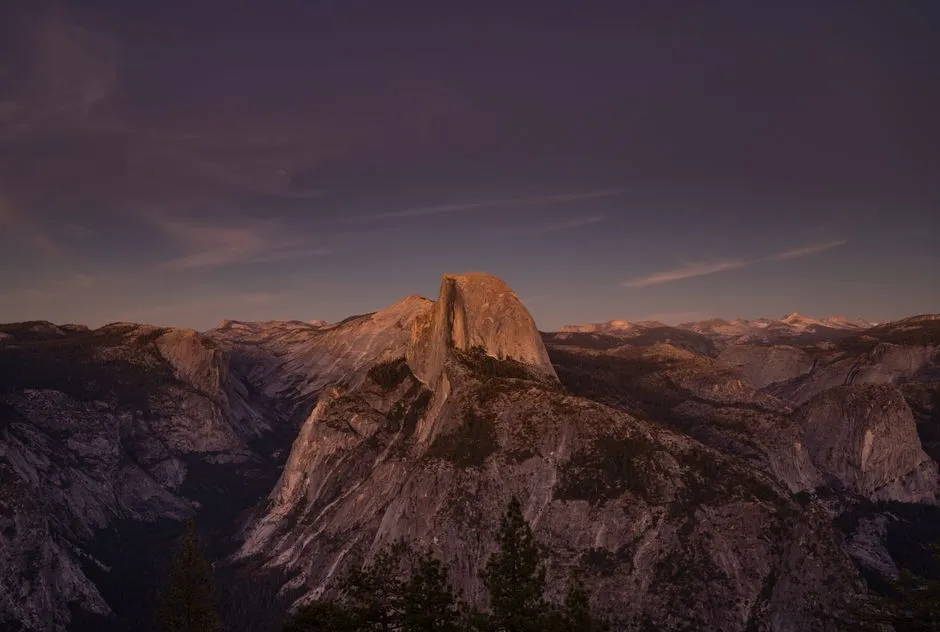
On clear mornings, Half Dome doesn’t just dominate the valley – it projects itself onto it. As the sun rises behind you in the east and strikes the dome, it casts vast, moving shadows across the granite walls and forests opposite it.
The exact shape and speed of that shadow shift with the season and the sun’s angle, creating a kind of slow-motion light show. You can watch:
- The shadow line crawl down distant cliffs like ink spilling downward.
- Patches of forest flip from cold blue-gray to warm green-gold in seconds.
Geometrically, it’s simple – a big object, a low-angle light source. Psychologically, it’s bizarre. The valley starts to look like a living sundial, telling time not by numbers but by where Half Dome’s darkness lands.
In winter, with snow on the cliffs, the effect gets even sharper – dark shadow against bright snow makes the movement impossible to miss. Stand still long enough and you can genuinely feel the day turning around you.
2. Human Time and “Yosemite Time” Split Apart
🔥 Would you like to save this?
We'll email this post to you, so you can come back to it later!
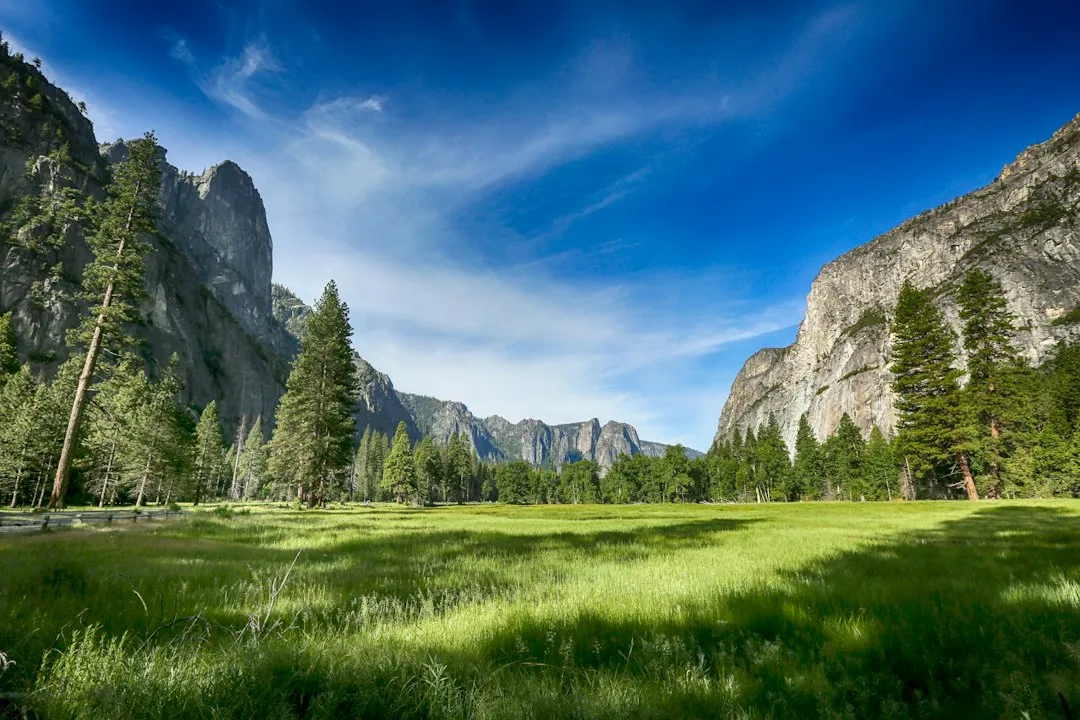
Once you’ve watched the park wake up at dawn, you start to realize something a little uncomfortable: Yosemite is not on your schedule at all. Nature here runs on melt cycles, temperature shifts, and light angles – not on checkout times, shuttle schedules, or when brunch starts at the valley lodge.
Dawn is when this mismatch becomes brutally clear. Climbers are topping out in gray light, deer are already on their second feeding session, and the river is hitting its minimum temperature for the day – all while most visitors are still deciding what to wear for photos.
The mountains are calling and I must go.
John Muir
You can feel two timelines coexisting:
- Human time: alarms, parking spots, coffee lines.
- Park time: owls to robins, dark to cobalt, freeze to thaw.
At dawn, human time goes quiet, so park time is all you hear. Once the first cars arrive, the human layer rushes back in like noise crashing over a soundtrack, and most people never realize there was a different tempo running underneath the whole time.
1. You Realize You’ve Been Visiting the Park at the Wrong Time
🔥 Would you like to save this?
We'll email this post to you, so you can come back to it later!
The most dramatic thing that happens in Yosemite at dawn isn’t geological or biological – it’s psychological.
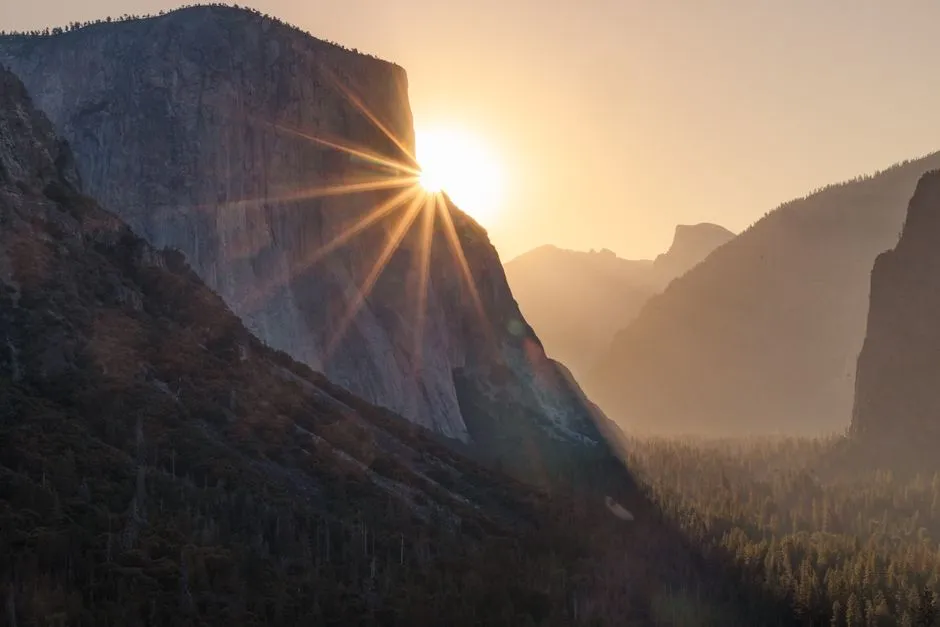
Standing in a nearly empty valley while cliffs ignite, mist crawls across the meadows, and animals move like the place belongs to them, you get hit with an uncomfortable realization: the “real” Yosemite exists in the hours you’ve been sleeping through. The version packed with cars, selfie sticks, and pizza boxes is, from the park’s perspective, the strange temporary overlay.
This can genuinely change how you relate to the place:
- You stop thinking of sunrise as a photo opportunity and start treating it as a negotiation with the park’s actual rhythms.
- You finally understand why serious hikers, rangers, and climbers talk about 4 a.m. alarms like a non-negotiable ritual, not a quirky hobby.
For some visitors, this is exciting. For others, it’s honestly a little threatening – it means if you want the experience you thought you were buying with that national park pass, you may have to radically shift when you show up, not just where you stand.
And once you’ve seen dawn Yosemite even once, rolling in at 11 a.m. starts to feel like showing up to a concert after the band has already left the stage.
The Bottom Line
🔥 Would you like to save this?
We'll email this post to you, so you can come back to it later!
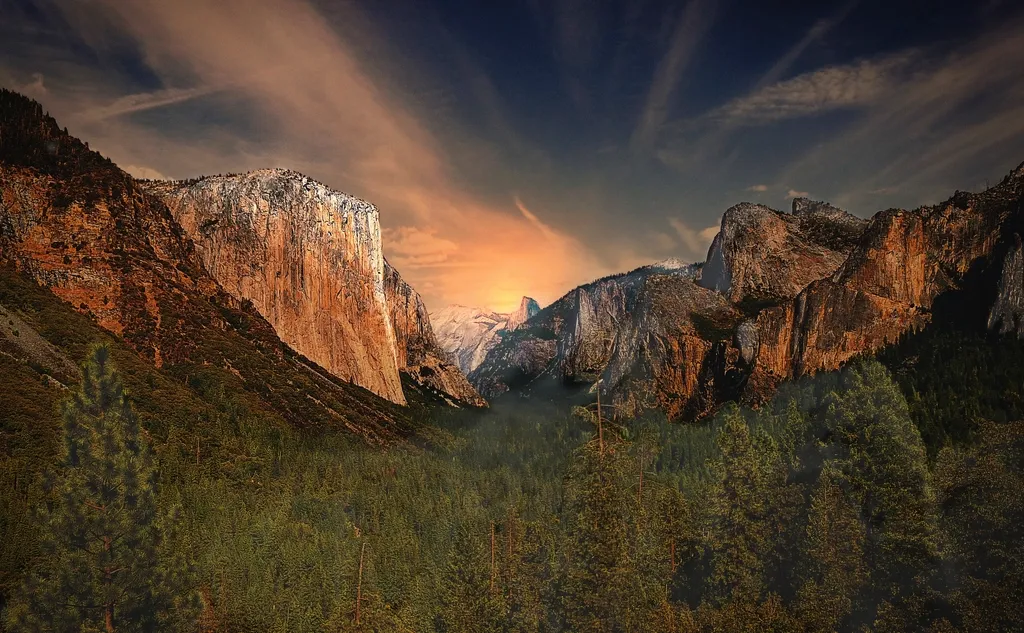
Yosemite at dawn isn’t just “prettier light.” It’s practically a different park – quieter by design, more honest about who it actually belongs to, and far less interested in our brunch plans or battery percentages.
Coyotes hunt the meadows before cars push them back into the trees. Granite walls and fog banks stage a light show almost nobody sees. Birds change shifts, trails sit completely empty, and even the smell of the forest is sharper and less diluted by us.
Some people will always say it’s not worth losing sleep over. Honestly, I think that’s exactly backwards – if you’ve only ever known Yosemite after the parking lots fill, you haven’t actually seen the park. You’ve been watching the trailer and calling it the movie.
Did we miss a dawn moment you’ve witnessed with your own eyes? Drop it in the comments – just don’t be surprised if the people who were up at 4 a.m. disagree with you.

- 7 Everyday Habits That Can Make Your Senior Dog Happier - November 5, 2026
- 10 Enigmatic Structures That Continue to Puzzle Scientists Today - November 5, 2026
- 10 Strange Ruins in the Americas That Challenge What We Know About Early History - November 5, 2026