
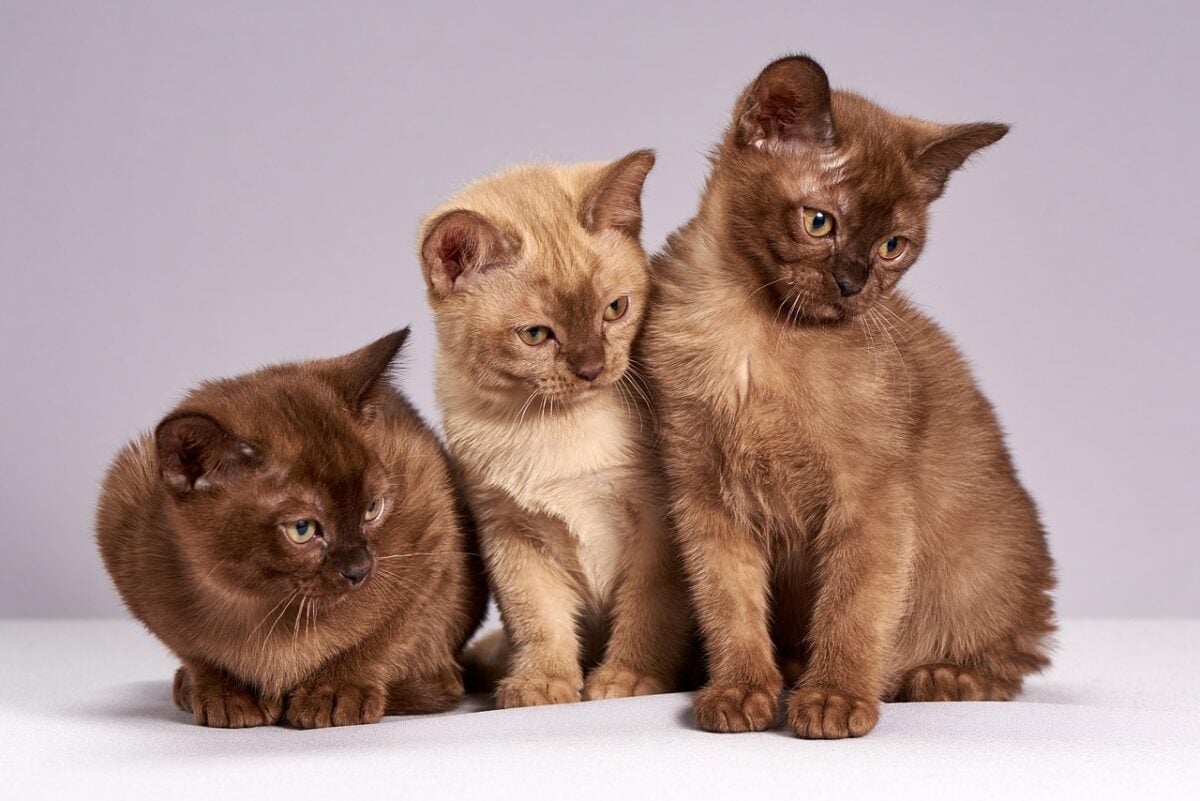
Most people think cats are aloof, coolly indifferent little roommates who “don’t really care who feeds them.” That myth falls apart completely with the breeds on this list. These cats don’t just prefer a favorite human – they fuse to one person so deeply that separation can look and feel like real grief, not simple adjustment.
Some of these cats will refuse food from anyone else. Some will pace by the door for hours, waiting for a specific set of footsteps. And at least one breed on this list has rescue workers describing them as “confused ex-partners” instead of surrendered pets. Keep scrolling, because the higher this list climbs, the harder these bonds are to break – and the final entry might change how you think about “just a cat” for good.
#19 – Russian Blue: The Quiet Shadow You Didn’t See Coming
🔥 Would you like to save this?
We'll email this post to you, so you can come back to it later!
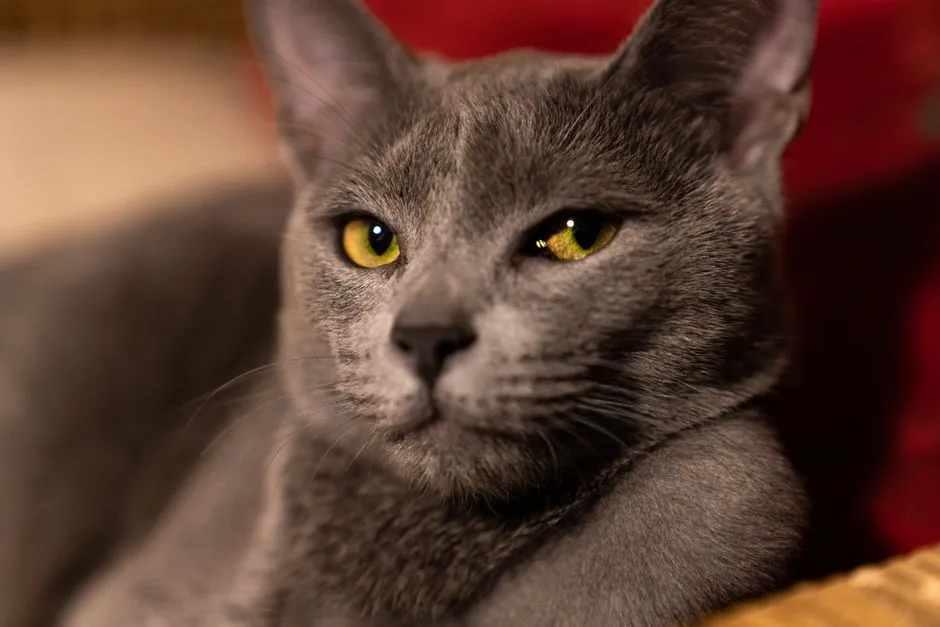
Russian Blues have a reputation for being calm and elegant, but insiders know their real secret: once they choose “their” person, everyone else becomes background noise. These cats are often shy or even skittish with strangers, yet they turn startlingly affectionate and clingy with a single trusted human. Many owners say their Russian Blue hides from visitors but materializes instantly when their one person walks in, chirping softly and weaving around their legs like a little grey ghost.
Because they’re sensitive and routine-driven, rehoming a Russian Blue can trigger severe stress. They’re the type to stop eating, over-groom, or vanish under furniture for weeks if their world suddenly changes. “Just finding a new home” sounds simple until you’re the one watching a cat unravel in real time.
Fast Facts
- Origin: Northern Russia, historically nicknamed the “Archangel Cat”
- Coat: Dense, silvery-blue double coat with a distinctive plush texture
- Typical lifespan: 15 to 20 years
- Temperament: Reserved with strangers, deeply loyal to one chosen person
#18 – Chartreux: The Silent Devotee With a Steel Attachment
🔥 Would you like to save this?
We'll email this post to you, so you can come back to it later!
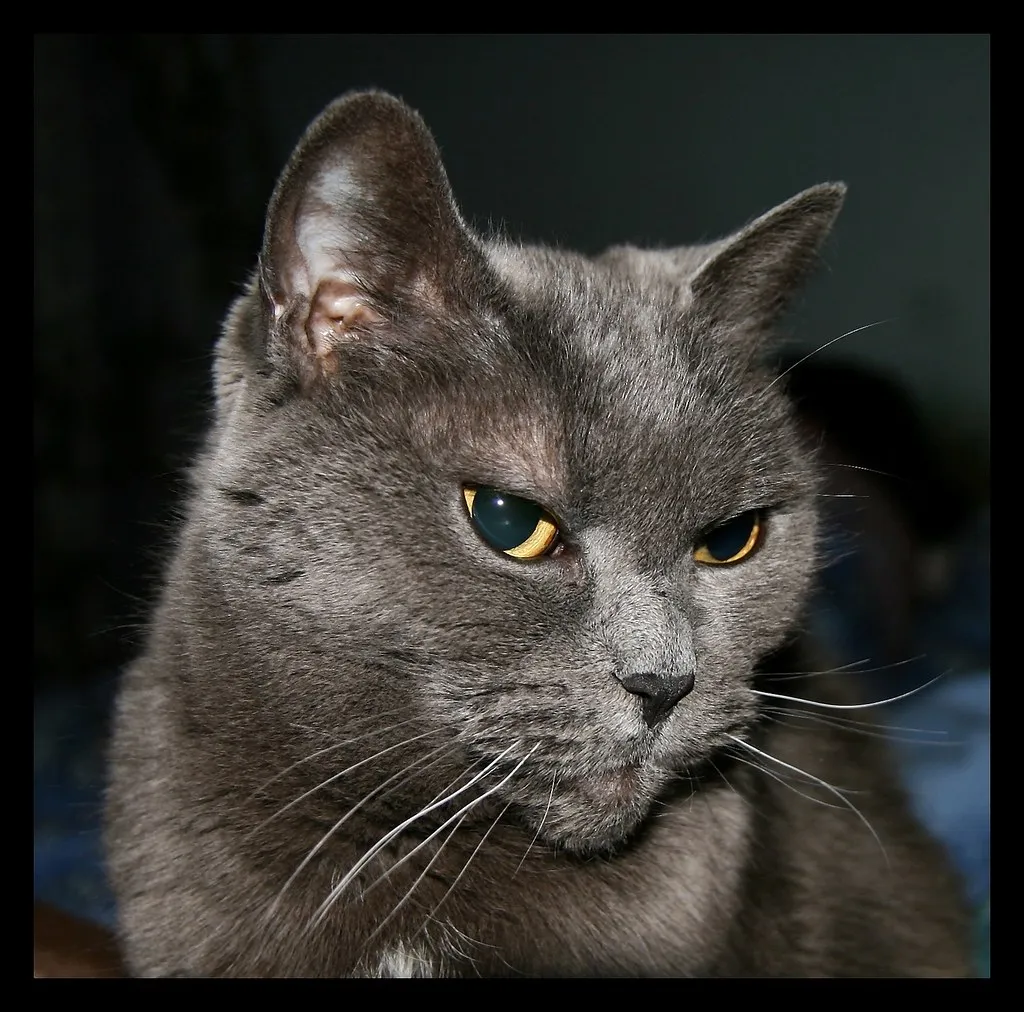
The Chartreux gets marketed as a “smiling, easygoing” French cat, but long-time fanciers will quietly warn you: once a Chartreux bonds, they are emotionally all-in. These cats rarely meow, yet they communicate volumes through eye contact, body language, and sheer physical closeness. They’re the type to park themselves on your laptop, not to be annoying, but to stay physically connected to you at all times.
Many Chartreux are picky about who they trust. They’ll tolerate the rest of the household, but that one special person gets the slow blinks, the headbutts, and the shadow-like following from room to room. When forced into a new home, that loyalty becomes a liability – some withdraw, hide, or develop stress-related health issues. Breeders often call rehoming a mature Chartreux a last resort, not a solution.
#17 – Korat: The “Good Luck” Cat That Refuses to Let Go

🔥 Would you like to save this?
We'll email this post to you, so you can come back to it later!
Korats are sold as good-luck symbols in Thailand, but nobody talks enough about how intensely they imprint on their chosen human. These sleek blue cats are hyper-attuned to their person’s emotions, often mirroring stress or sadness and staying physically close the moment something feels off. Owners regularly report their Korat refusing to leave their side when they’re sick, even skipping meals just to stay nearby.
Because Korats are so intensely people-focused, sudden separation can hit them like a truck. They can become vocal, restless, and visibly distressed once their primary person disappears from their life. Unlike more adaptable breeds, they don’t simply transfer affection to whoever fills the food bowl next – and rescuers quietly admit that rehoming a deeply bonded adult Korat rarely goes smoothly.
#16 – Burmese: The Velcro Cat That Takes It Personally
🔥 Would you like to save this?
We'll email this post to you, so you can come back to it later!
Burmese cats are often described as “dog-like,” but that undersells it completely. These are full-on velcro companions who want eye contact, conversation, and actual participation in your day. A Burmese who has bonded with you will follow you from room to room, sometimes crying at the door if you dare shower alone. They don’t just want your presence – they want to be involved.
This breed tends to pick a primary person even in a crowded household, and attaches with almost uncomfortable intensity. Their emotional dependence means rehoming is rarely straightforward; many Burmese become depressed, lethargic, or cling obsessively to any familiar scent from their old life. Some breeders are blunt: if you’re not ready for a long-term, emotionally demanding relationship, skip this breed.
#15 – Siamese: The Drama-Bonded Soulmate
🔥 Would you like to save this?
We'll email this post to you, so you can come back to it later!
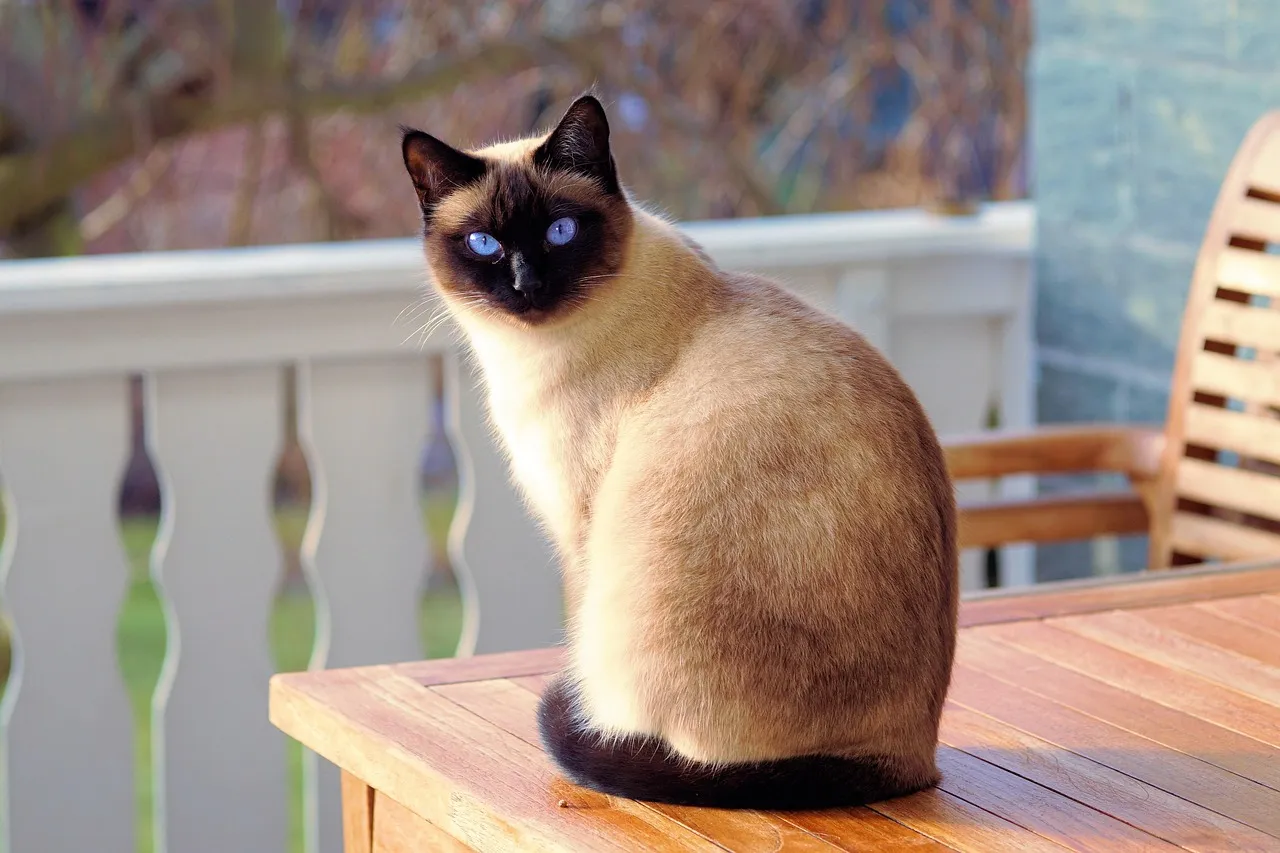
Everyone knows Siamese are vocal, but fewer people understand why: these cats use their voice to keep a constant conversation running with their person. When a Siamese locks onto you, they don’t just meow – they narrate your life, protest your absence, and scream their feelings if they think you’ve abandoned them.
That chatty intensity often turns into a one-person obsession. Long workdays, overnight trips, or a shift in routine can spark loud complaints and clingy behavior. Rehoming a mature Siamese who’s had “their” human for years can be brutal – they may vocalize endlessly, pace, or develop new behavior problems overnight. Some rescuers say plainly that with Siamese, you’re adopting a relationship, not a pet.
#14 – Tonkinese: The Hybrid That Doubled Down on Attachment
🔥 Would you like to save this?
We'll email this post to you, so you can come back to it later!
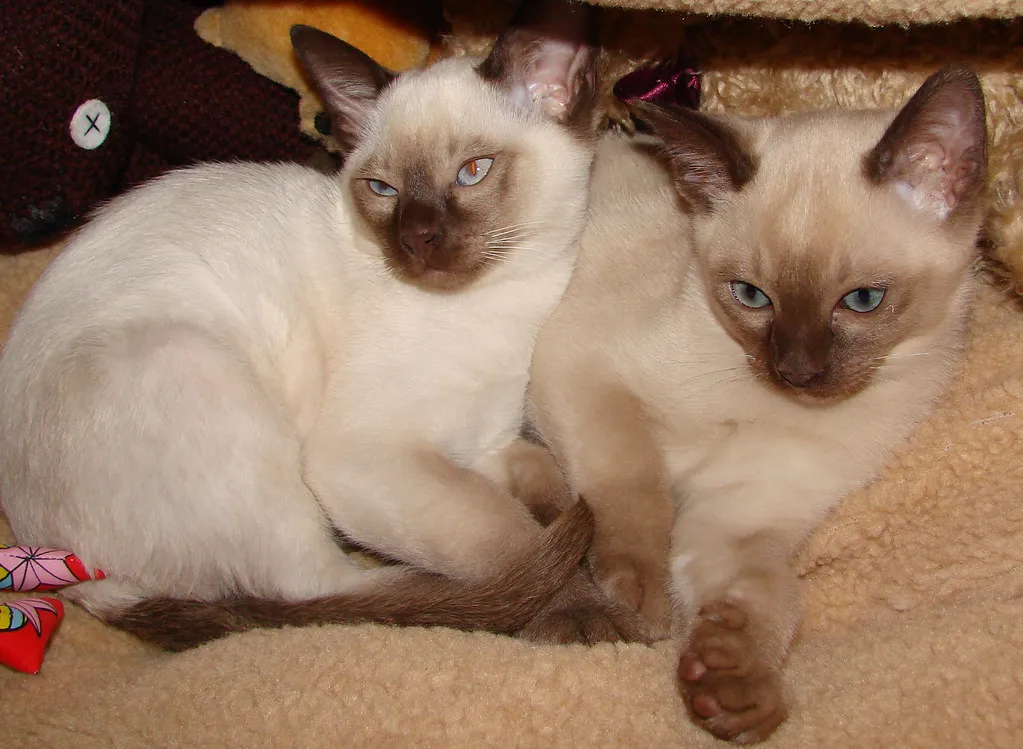
Tonkinese cats sit genetically between Siamese and Burmese, and emotionally, they often feel like both breeds turned up to eleven. They’re social, extroverted, and crave near-constant interaction, but they usually choose one person as their emotional anchor and orbit them obsessively. That person gets the warmest greetings, the loudest purrs, and the most insistent lap invasions.
Tonks don’t do well in quiet, lonely homes. They want noise, activity, and – critically – their chosen human within easy reach. When separated, many turn vocal or destructive, not out of spite but sheer frustration. Rehoming a deeply bonded Tonkinese can feel like uprooting a tree with your bare hands; some never trust quite as fully again.
#13 – Ragdoll: The Gentle Giant With a Hidden Dependency
🔥 Would you like to save this?
We'll email this post to you, so you can come back to it later!
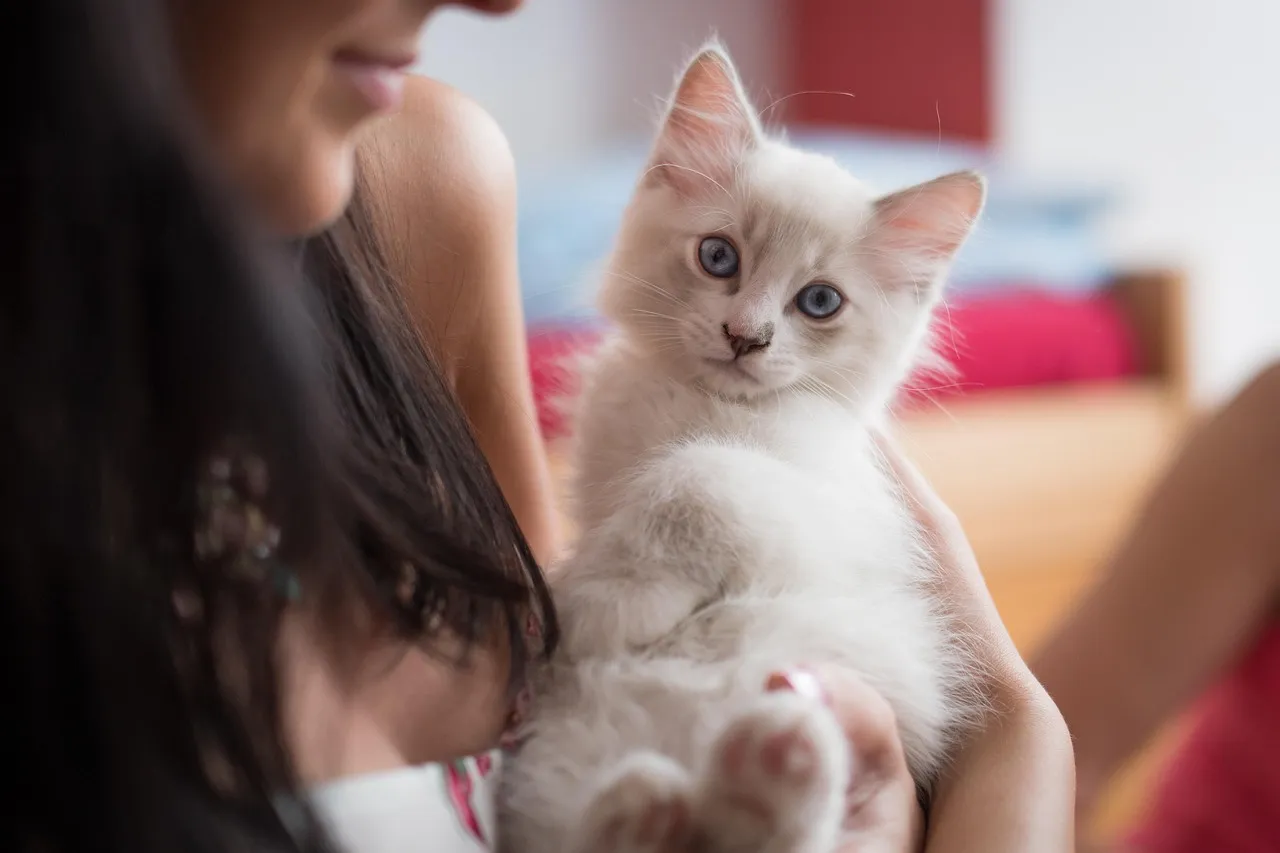
Ragdolls have a cutesy reputation as floppy, relaxed “living plush toys.” What gets downplayed is how emotionally dependent they become on a single human. Many Ragdolls will literally go limp in the arms of their person, but stiffen or resist when someone else tries to pick them up. They follow that one person from room to room, lying just close enough to touch.
They’re bred for docility and human focus, which sounds ideal until life changes. A Ragdoll suddenly without their person may stop grooming properly, overeat or undereat, or lie in one spot, unresponsive, for days. Rescuers routinely describe them as emotionally fragile when uprooted, especially after years in one stable home.
#12 – Birman: The Sacred Cat That Chooses Its Own Human
🔥 Would you like to save this?
We'll email this post to you, so you can come back to it later!
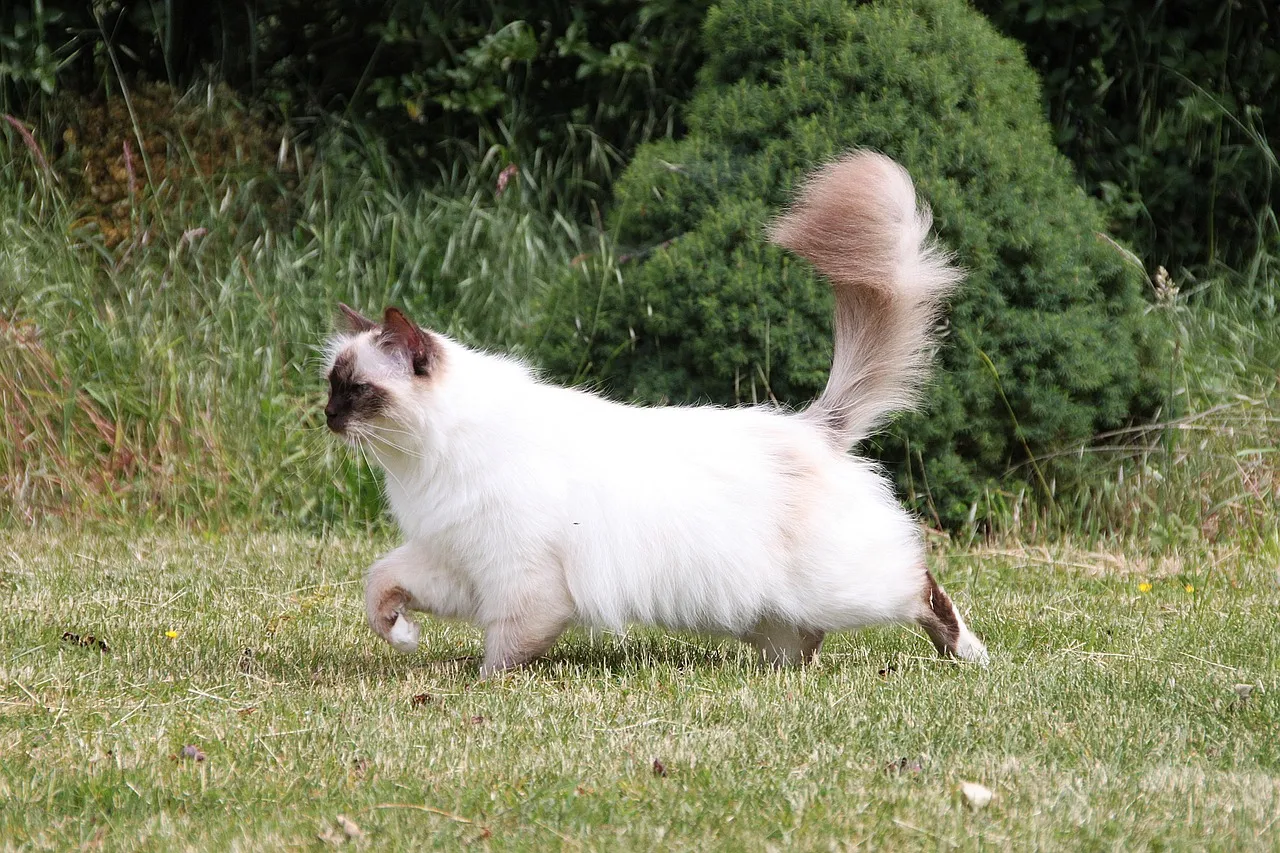
Birmans carry a mythic backstory as “sacred temple cats,” and honestly, they act like it – they decide who’s worthy. Once a Birman has chosen you, you become their temple. They sleep near your head, trail you politely, and stare at you with an intensity that’s hard to shrug off. They’re generally gentle with everyone, but there’s no mistaking who holds their heart.
This breed forms long-term, stable bonds and thrives on predictable affection from one special person. Break that pattern, and you risk a real behavioral crash. Birmans don’t usually turn aggressive when rehomed – instead, they shut down, hide, or cling desperately to any object that still smells like their former human. Many ethical breeders insist on taking Birmans back themselves rather than risk casual rehoming.
#11 – Scottish Fold: The Quiet Obsessor in a Cute Package
🔥 Would you like to save this?
We'll email this post to you, so you can come back to it later!
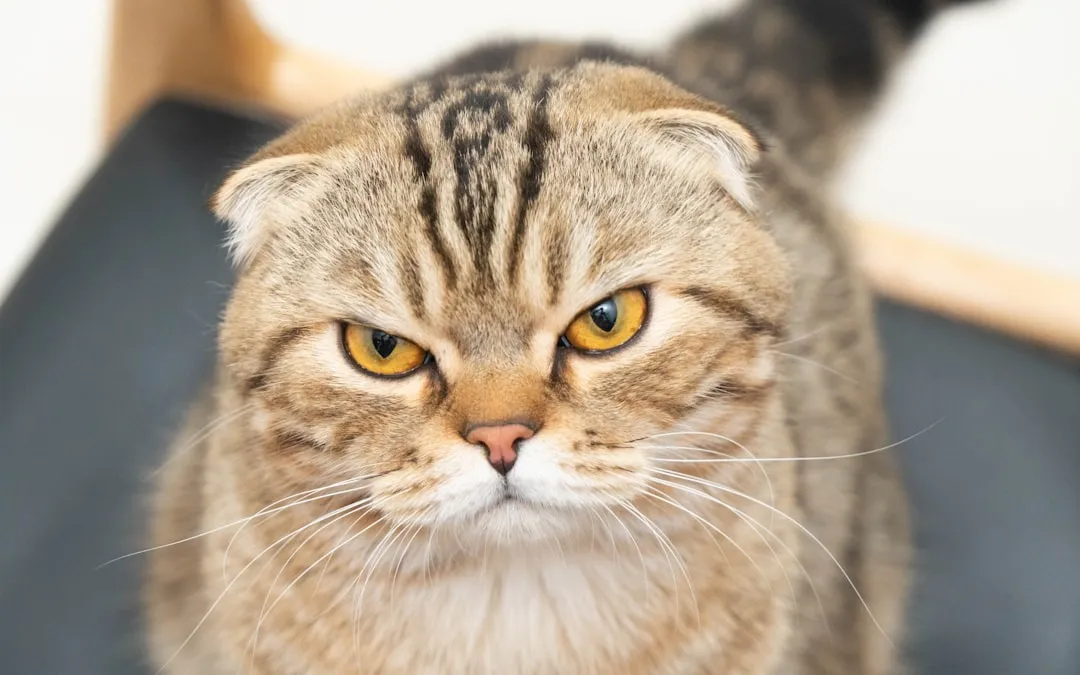
People are drawn to Scottish Folds for their folded ears and round faces, but behaviorally, the bigger story is their attachment style. Properly socialized Folds tend to fixate on one person, quietly shadowing them and curling up against them at every opportunity. They’re often reserved or even indifferent toward everyone else in the house.
Because Scottish Folds are prone to certain health issues, their lives already involve extra vet visits and care. Combine that with a one-person emotional bond, and rehoming becomes far more than “finding a new couch.” A Fold who loses their person may struggle with the double hit of stress and possible chronic pain, and owners who know the breed will tell you: once a Fold chooses you, you’re not supposed to break that contract.
#10 – Singapura: The Tiny Stalker With a Massive Attachment
🔥 Would you like to save this?
We'll email this post to you, so you can come back to it later!
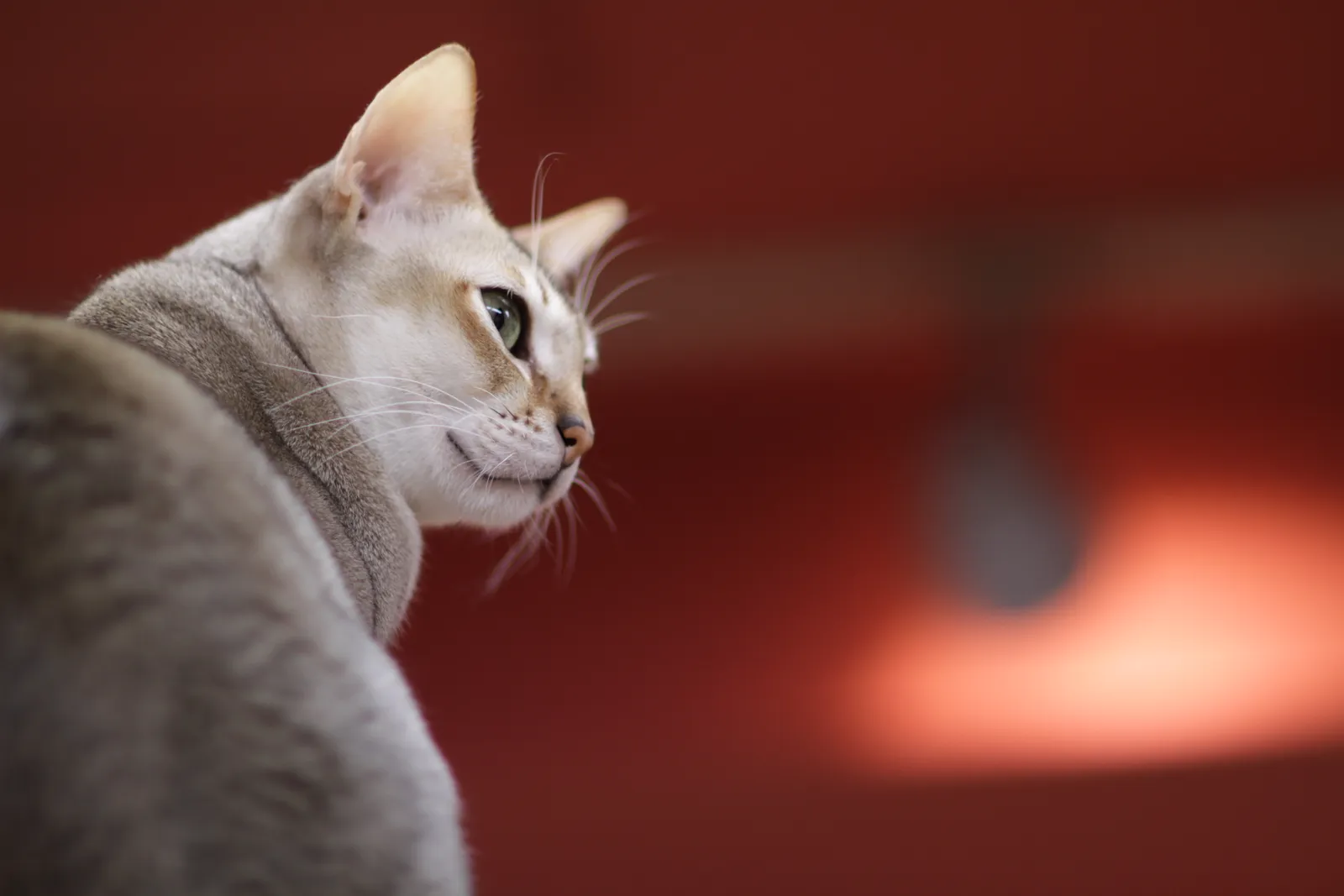
The Singapura might be small, but its need for connection is enormous. These cats are famously people-oriented, often perching on their person’s shoulder like it’s an assigned seat. They don’t just enjoy company – they require it, checking in constantly with affectionate headbutts and direct eye contact.
Because Singapuras are highly sensitive to social cues, they can be devastated by abrupt separation. They rarely turn aggressive; instead they go anxious, hyper-vigilant, or unusually quiet in a new home, as if waiting for their real person to come back. Enthusiasts say this isn’t a “starter cat” for anyone unsure of long-term commitment – once the routines and inside jokes exist, replacing them is nearly impossible.
#9 – Oriental Shorthair: The Emotion Amplifier
🔥 Would you like to save this?
We'll email this post to you, so you can come back to it later!
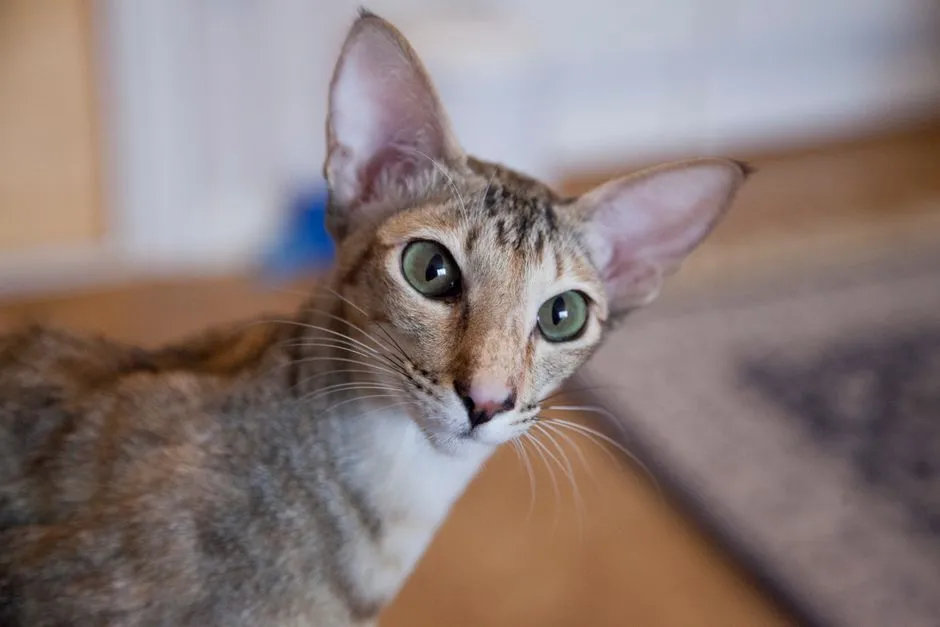
Oriental Shorthairs are basically extroverted Siamese in a designer suit, and their emotional volume is cranked all the way up. They’re animated, chatty, and hilariously fixated on the human they deem “theirs,” often to the point of ignoring everyone else. Expect them to sleep under your covers, yell when you close a door, and insist on supervising everything you do.
What people underestimate is how badly an Oriental Shorthair takes rejection or separation. They’re thinkers as well as feelers, and in a new home they may turn into over-groomers, wall-climbers, or door-scratchers out of sheer confusion. Rescue groups stress that these cats do best adopted young into a stable, long-term situation – pulling a fully bonded adult out of their life can be borderline cruel.
Quick Compare
- Siamese: Loud, constant vocal check-ins; protests dramatically when ignored
- Tonkinese: Blends Siamese chattiness with Burmese-style physical closeness
- Burmese: Quiet, “dog-like” devotion; cries at closed doors rather than yelling
- Oriental Shorthair: The most theatrical of the four, treats separation like a personal insult
#8 – Turkish Van: The “Dog Cat” That Actually Means It
🔥 Would you like to save this?
We'll email this post to you, so you can come back to it later!
Turkish Vans are known for loving water and being athletic, but the deeper truth is that many form intense, almost possessive bonds with one human. These are not background couch ornaments; they often act like a high-energy herding dog, supervising your every move and “helping” with everything. They’re intelligent, opinionated, and deeply loyal once attached.
Because Vans crave interaction specifically from their chosen person, losing that anchor can push them into problematic behavior. Some become aggressive with new people, others hide and refuse to engage at all. The breed’s intensity paradoxically makes them less rehome-friendly – they remember, they compare, and they don’t always accept substitutes. Seasoned Van owners call this a “for-life relationship cat,” full stop.
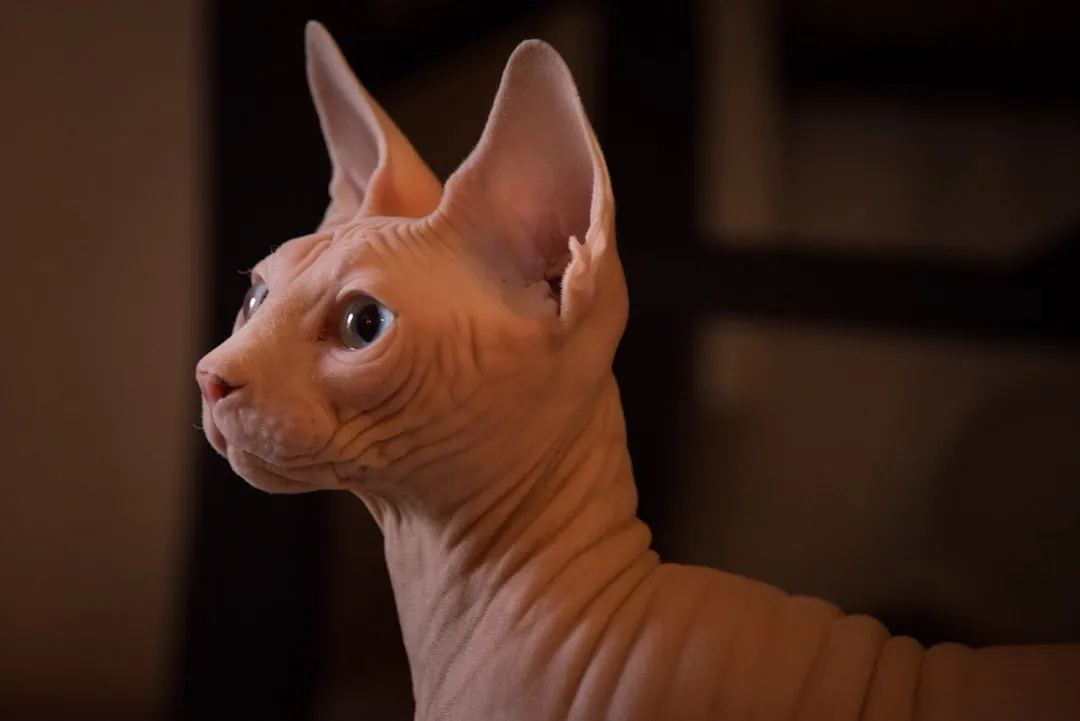
#7 – Sphynx: The Skin-to-Skin Addict
🔥 Would you like to save this?
We'll email this post to you, so you can come back to it later!
Sphynx cats don’t just like warmth – they crave human contact on a level that almost feels intrusive. Without fur, they lean heavily on body heat, which means they’re constantly draping themselves over their favorite human, burrowing under clothes, or curling against bare skin. That physical dependence quickly fuses into emotional dependence.
These cats notoriously struggle when routines or relationships change. A Sphynx that’s spent years sleeping in your bed and riding on your shoulder doesn’t shrug off a new home with new rules and a new person. Sphynx rescues will tell you bluntly: adults can spiral into anxiety, vocalization, and even physical decline after losing their person. You don’t just adopt a Sphynx – you sign up to be their full-time space heater, indefinitely.
Worth Knowing
- The breed traces back to a single hairless kitten named Prune, born in Toronto in 1966
- Their hairlessness comes from a natural genetic mutation, not human engineering
- Because there’s no coat to absorb natural oils, regular bathing is standard care
- Despite their delicate look, Sphynx are classified as sturdy, medium-sized cats
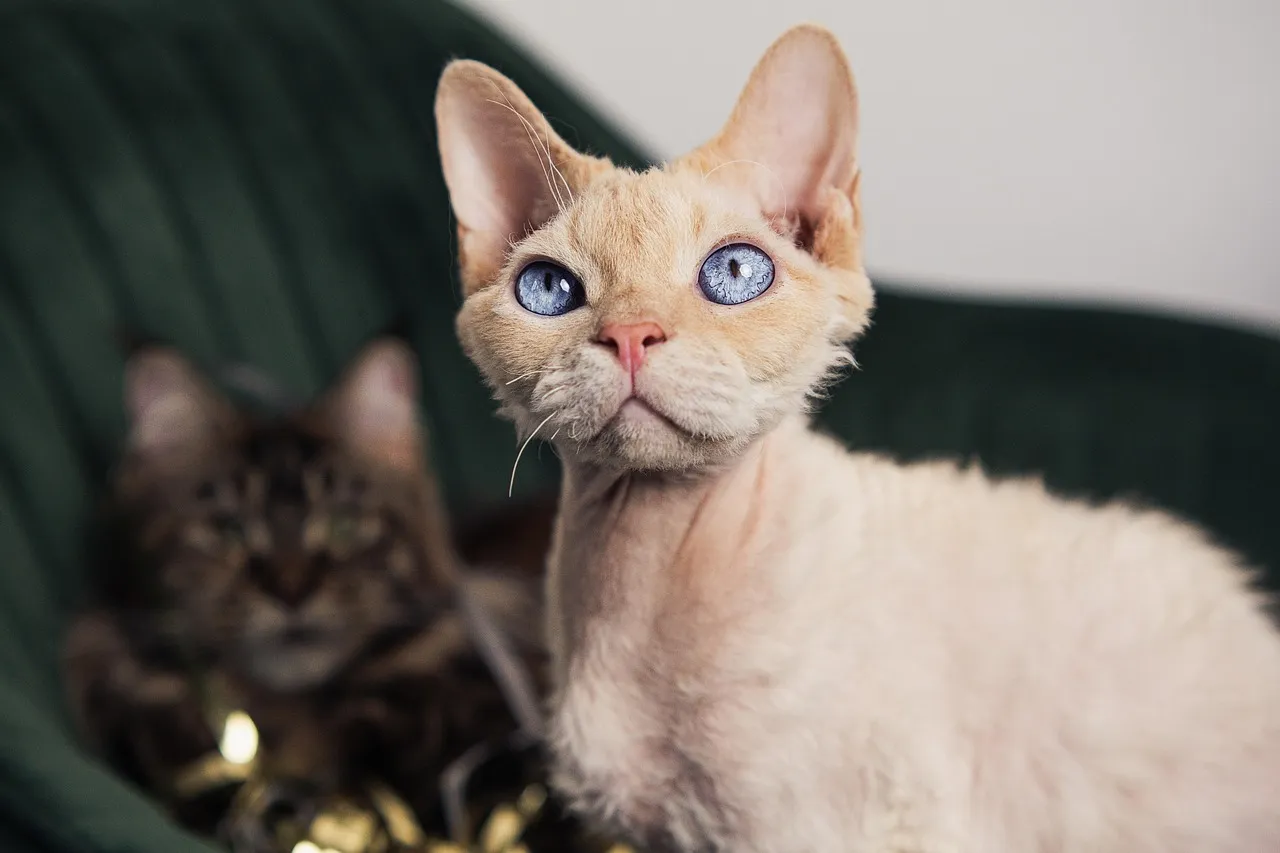
#6 – Devon Rex: The Mischief Maker With a Singular Favorite
🔥 Would you like to save this?
We'll email this post to you, so you can come back to it later!
Devon Rex cats look like little aliens and behave like hyper-attached pranksters. They’re active, clever, and almost unnervingly focused on their chosen human. Many Devons will ride on your shoulder, sleep wrapped around your neck, and physically insert themselves between you and your laptop. Their favorite person is essentially their home base and playground combined.
Because they’re so people-centric, Devons can crash hard emotionally when separated. Boredom and grief easily turn into mischief – chewing, climbing, loud protesting. In a rehoming situation they can become either desperate for constant reassurance or strangely aloof, as if waiting for the “real” human to walk back in. Breeders emphasize this breed is best for people who are home a lot and committed for the long haul.
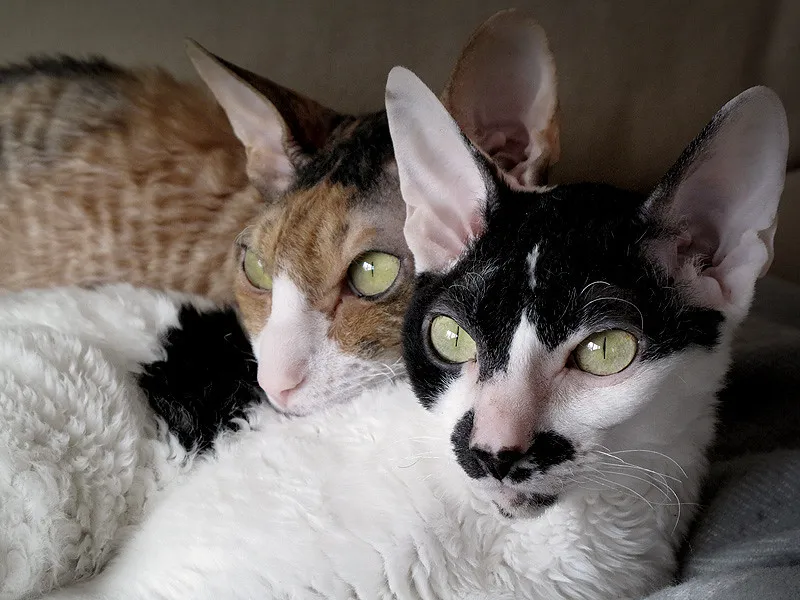
#5 – Cornish Rex: The High-Octane Soulmate
🔥 Would you like to save this?
We'll email this post to you, so you can come back to it later!
If the Devon Rex is a prankster, the Cornish Rex is an athlete on a caffeine drip – with feelings. Cornish Rex cats are agile, intense, and ferociously bonded to their one special person, often to the point of visibly ignoring everyone else in the room. That human gets all the purrs, all the cuddles, and every enthusiastic zoomie aimed squarely at their ankles.
Because their emotional thermostat runs hot, disruption hits them hard. A Cornish used to constant play and affection from “their” human can become depressed, anxious, or hyperactive in unfamiliar surroundings. Some simply never connect with a new person the same way again – they’ll accept care, but the spark is gone. Rescue volunteers often describe rehomed Cornish Rex as “confused ex-partners” more than surrendered pets.
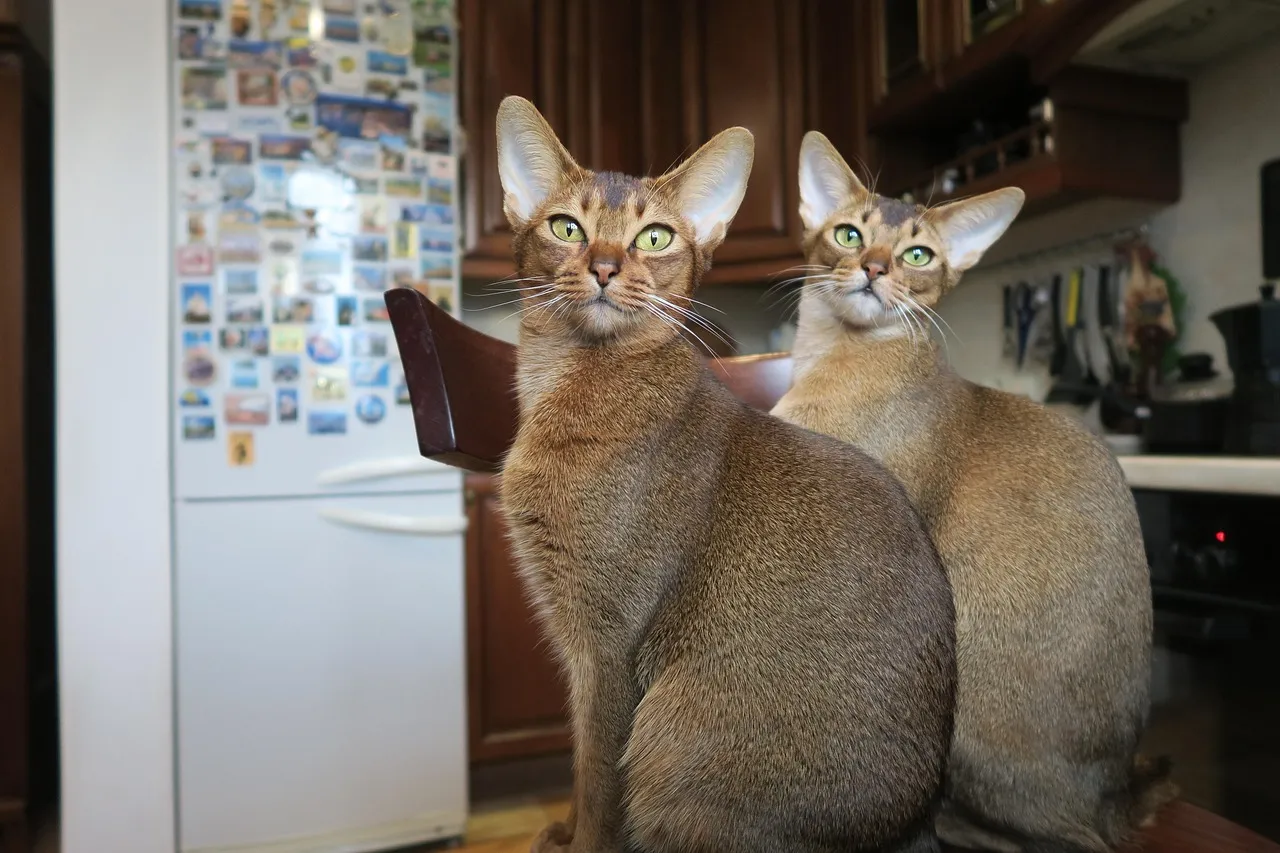
#4 – Abyssinian: The Adventure Buddy Who Chooses One Co-Pilot
🔥 Would you like to save this?
We'll email this post to you, so you can come back to it later!
Abyssinians are marketed as active, curious “adventure cats,” but what gets glossed over is how sharply they focus that energy on one human. These are not passive lap cats; they’re co-pilots, climbing on your shoulders, supervising your tasks, and insisting on being wherever the action – meaning you – is. They typically like people, but they love one person.
Because they’re intelligent and highly observant, Abys don’t just “roll with it” when their primary person disappears. Many pace, vocalize, or obsessively check old hiding spots looking for their human. In a new home they can form a secondary bond, but longtime owners argue it’s rarely as deep as the first – which is exactly why ethical breeders are so picky about where an adult Aby lands.
#3 – Maine Coon: The Gentle Giant Who Quietly Chooses a Favorite
🔥 Would you like to save this?
We'll email this post to you, so you can come back to it later!
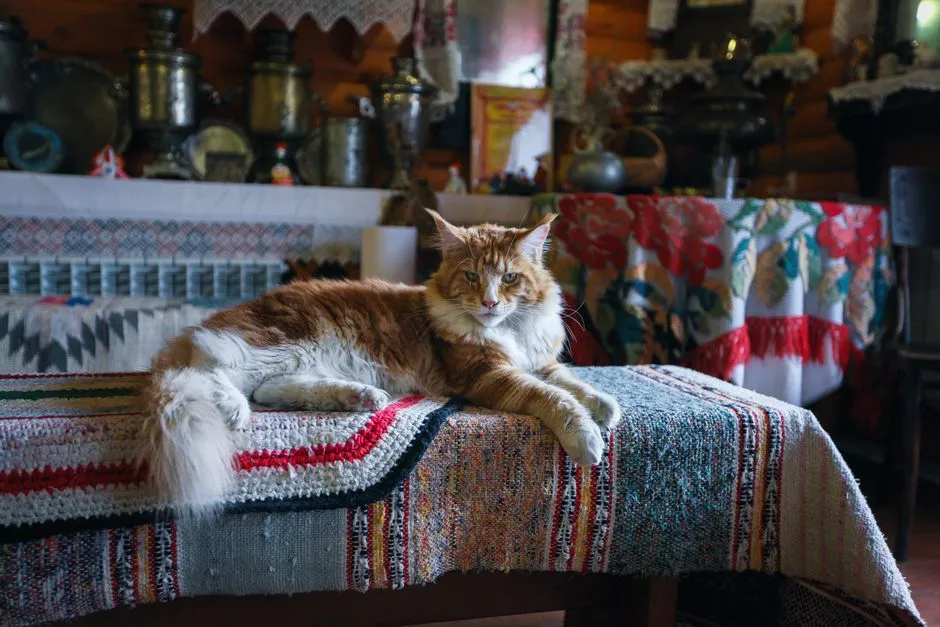
Maine Coons get advertised as “friendly with everyone,” and to a point, that’s true. But people who actually live with them know another layer: most Maine Coons eventually pick a clear favorite human and treat them very, very differently. That person becomes the one they sleep near, greet at the door, and follow like a furry bodyguard.
Because they’re large, laid-back, and often live for many years, their bonds deepen slowly and permanently. A Maine Coon that’s spent a decade curling up on the same bed, listening to the same voice, does not casually reboot in a new house. Many become withdrawn or cling obsessively to any familiar object after rehoming, and some never fully relax again. “It’s just a cat, they’ll adapt” simply doesn’t match what real Maine Coon owners see.
Why It Stands Out
- Named the official state cat of Maine in 1985
- Widely considered one of the oldest natural cat breeds in North America
- Males commonly weigh 13 to 18 pounds, with some topping 20
- Nicknamed the “gentle giant” for pairing serious size with a famously mellow temperament
#2 – Norwegian Forest Cat: The Forest Spirit With a Single Chosen Human
🔥 Would you like to save this?
We'll email this post to you, so you can come back to it later!
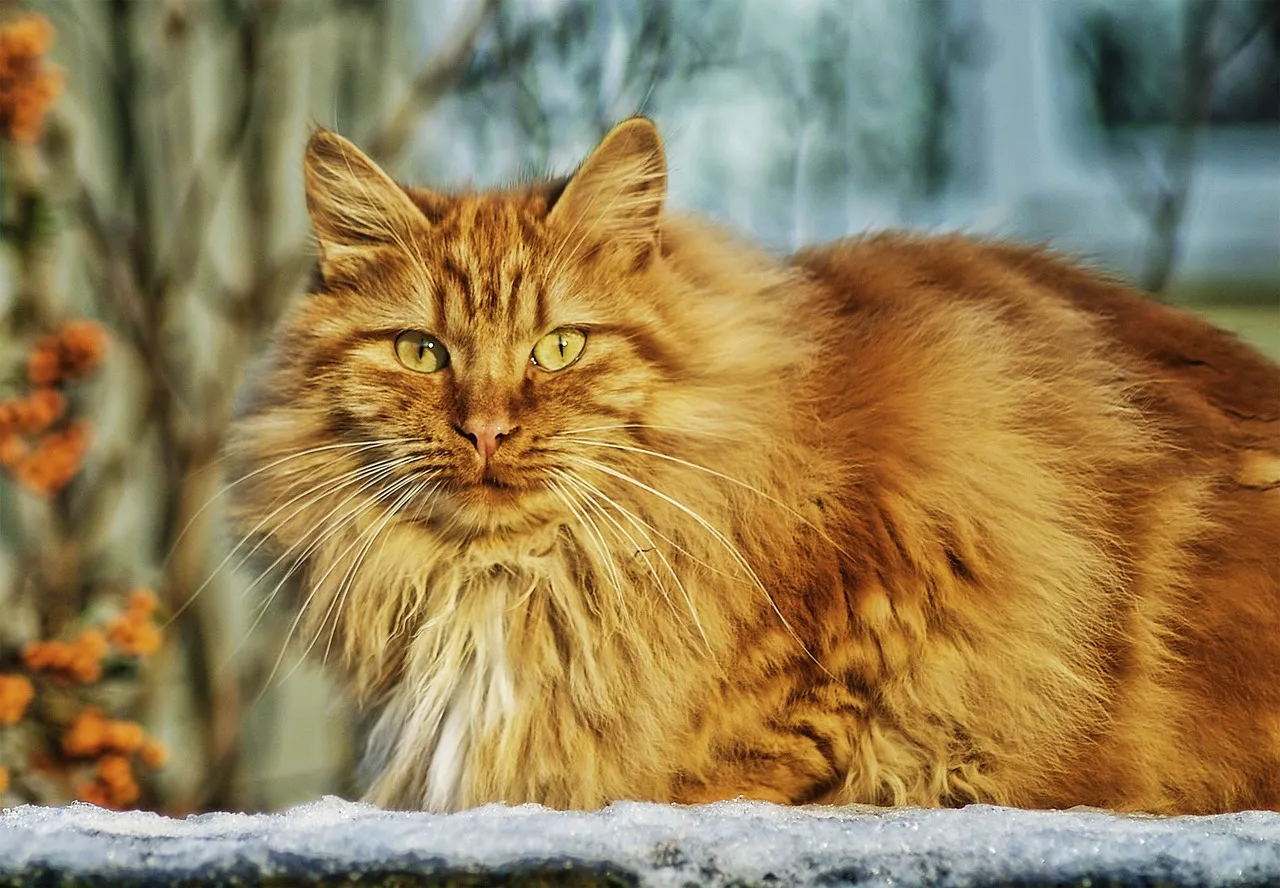
Norwegian Forest Cats look independent and wild, but that’s misleading. Under all that fluff is a cat who often imprints on one human as their “safe tree” and builds their entire world around them. They may seem chill and confident, yet their favorite person quietly becomes their emotional axis.
These cats are thinkers. They watch, they learn routines, and they develop subtle communication with their human – specific meows, certain looks, predictable reactions. Break that bond, and you’re not just moving a cat; you’re demolishing a highly detailed internal map. Many Wegies will hide, avoid touch, or go eerily quiet in a new home, as if conserving themselves until the original human returns. Experienced owners call this one of the hardest breeds to rehome once fully bonded – not because they lash out, but because you can see the disappointment in their eyes.
#1 – American Burmese (And Closely Related Lines): The Cat That Loves You Too Much
🔥 Would you like to save this?
We'll email this post to you, so you can come back to it later!
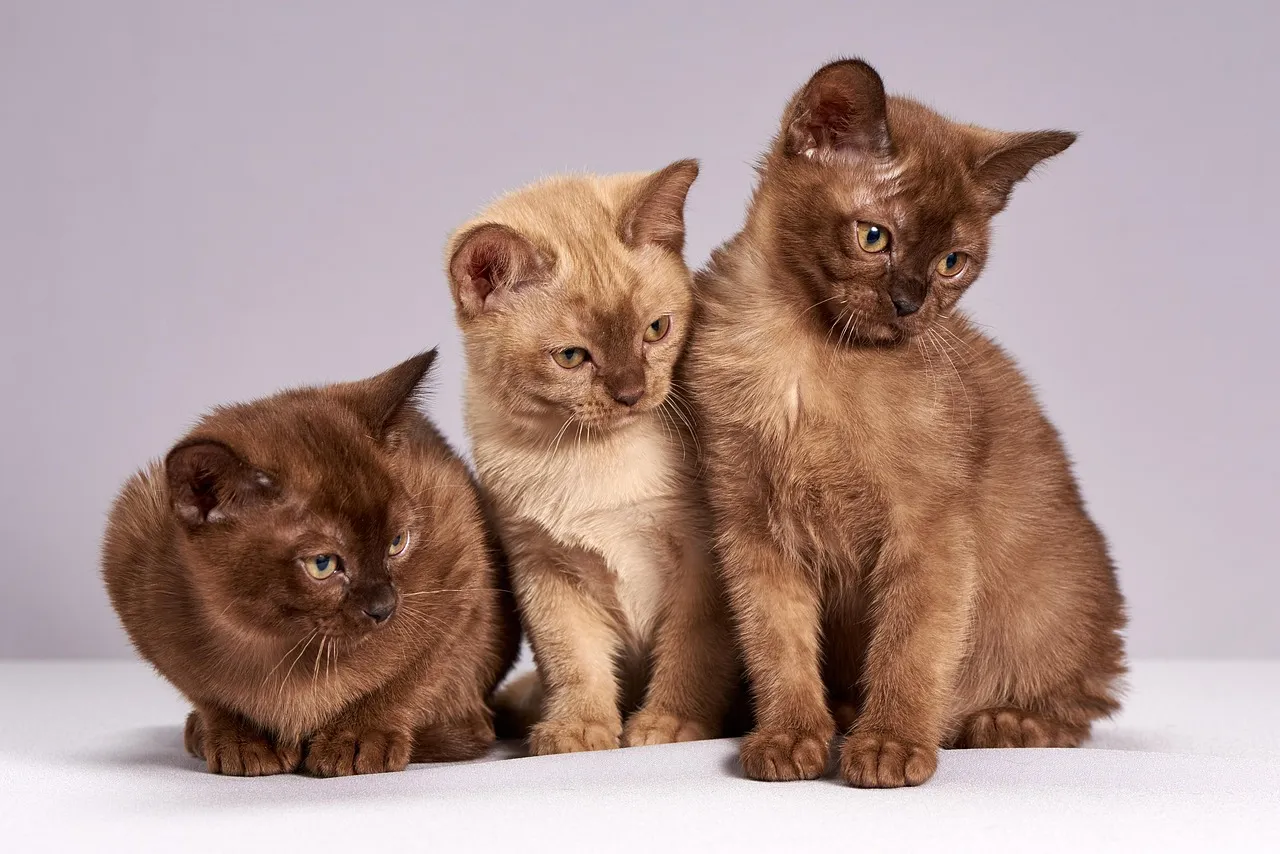
At the top of the list sits the American Burmese and closely related Burmese-type lines – arguably the most one-person-attached cats in the mainstream pet world. These cats don’t just bond; they fuse. They sleep on your chest, touch your face, follow your every step, and often become visibly distressed if they can’t see or hear you. Owners report their Burmese waiting by the door at specific times, pacing if you’re late, and refusing to settle with anyone else.
This level of devotion is heart-melting, but it carries a real ethical sting: rehoming an adult Burmese deeply bonded to one human is often devastating for the cat. Stories of Burmese losing weight, crying at doors, or slipping into depression after being surrendered are sadly common in rescue circles. Some do adapt – but many never again form that same soul-deep bond. With this breed more than almost any other, you’re not choosing a cat; you’re agreeing to be someone’s entire world, for life.
The Bottom Line
🔥 Would you like to save this?
We'll email this post to you, so you can come back to it later!
When people say “cats are independent,” they’re usually talking about the wrong cats – or no cats at all. The breeds on this list don’t just tolerate human company; they build an entire emotional universe around one specific person and defend that connection with startling intensity.
That devotion is what makes them magical in the right home and genuinely difficult to rehome once the bond is set. “Someone else will adopt them” isn’t a neutral fallback with these cats – for some, losing their one person is a real psychological wound, not a minor inconvenience.
A cat has absolute emotional honesty: human beings, for one reason or another, may hide their feelings, but a cat does not.
Ernest Hemingway
If you change jobs often, move constantly, or treat pets as temporary houseguests, several of these breeds simply aren’t a fair match for your life. But if you’re ready for a ride-or-die relationship with fur, claws, and occasionally inconvenient devotion, these one-person cats offer a level of loyalty most dog owners insist doesn’t exist outside their own species. Which breed on this list do you think is the most impossible to rehome – and would you sign up for that kind of love anyway?

- 7 Everyday Habits That Can Make Your Senior Dog Happier - November 5, 2026
- 10 Enigmatic Structures That Continue to Puzzle Scientists Today - November 5, 2026
- 10 Strange Ruins in the Americas That Challenge What We Know About Early History - November 5, 2026