
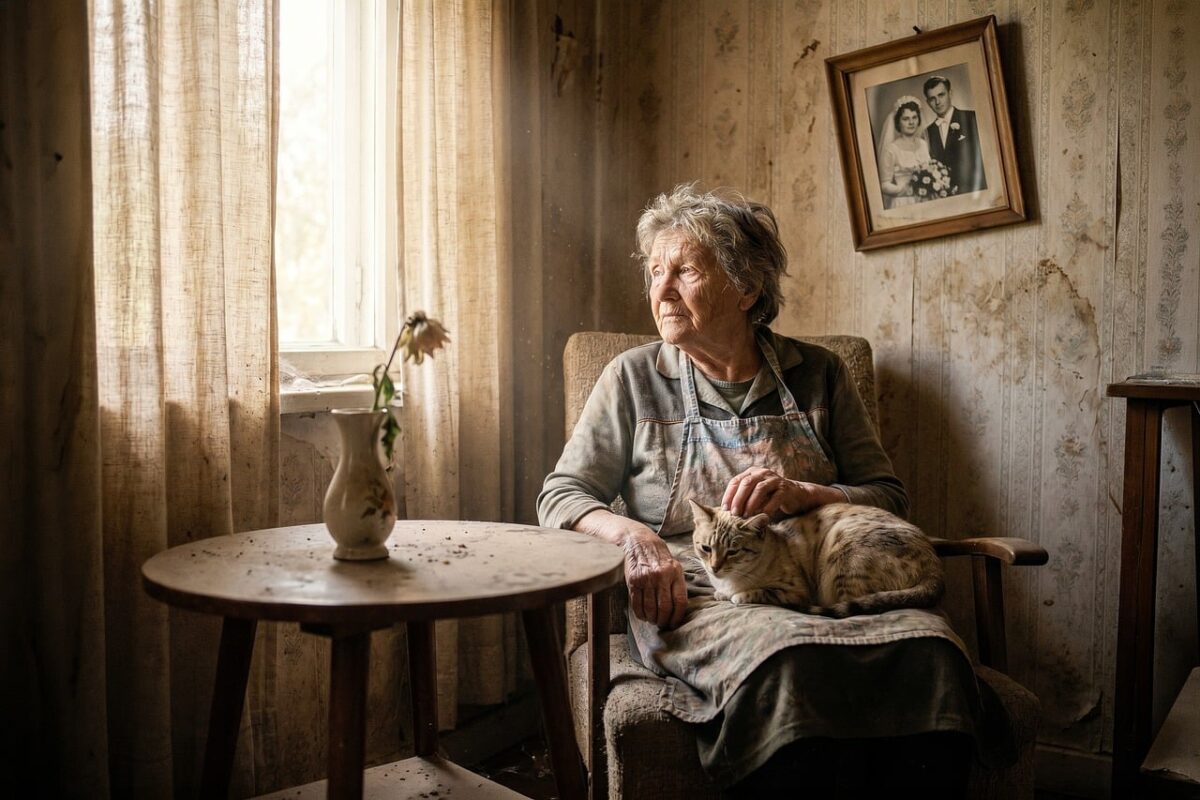
Most people assume cats age in a straight, predictable line – one year older, one year sleepier, nothing dramatic. But ask any longtime cat owner and you’ll hear the same strange confession: their senior cat seems to age overnight the second the weather flips. The first cold snap. The first heavy rain. The first brutal heat wave. And suddenly the “same old cat” isn’t acting like the same old cat at all.
Joints stiffen, appetites shift, moods flip, and sleeping spots change without warning. These aren’t random personality quirks – they’re patterns vets quietly see every single year, and most owners don’t clock them until something feels seriously wrong. Here are the 19 weather-triggered changes in ageing cats that slip past almost everyone, until the season does the explaining for you.
#19 – The Sudden “Cold Floor” Avoidance
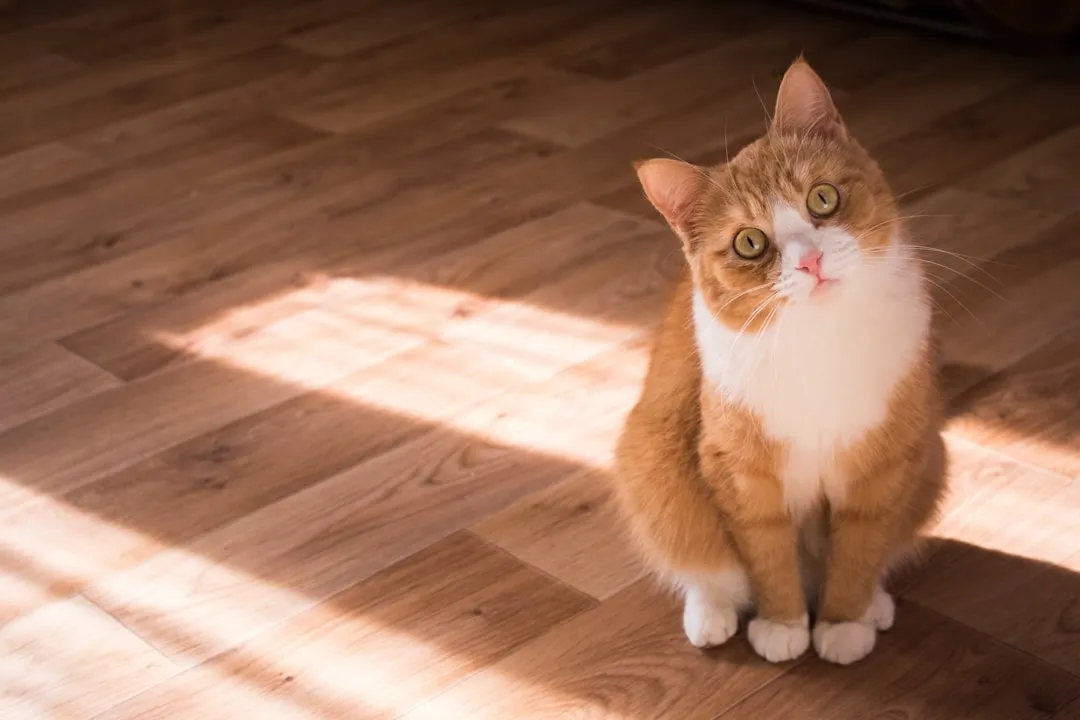
Many owners assume their older cat is just “choosing cozier spots,” but this switch almost always starts with the very first real temperature drop. One day your cat is sprawled flat on the tile like a puddle. The next, they won’t even walk across it – they’re rerouting like the floor is lava.
Cold, hard surfaces amplify age-related joint pain and stiffness, especially in cats with early arthritis you haven’t noticed yet. Watch for hesitation before jumping down onto bare floors, circling to find a rug, or loafing tightly instead of stretching out. These are quiet pain signals dressed up as “spoiled behavior,” and vets treat them as one of the earliest physical clues that something actually hurts.
#18 – New Obsession With Warm Appliances
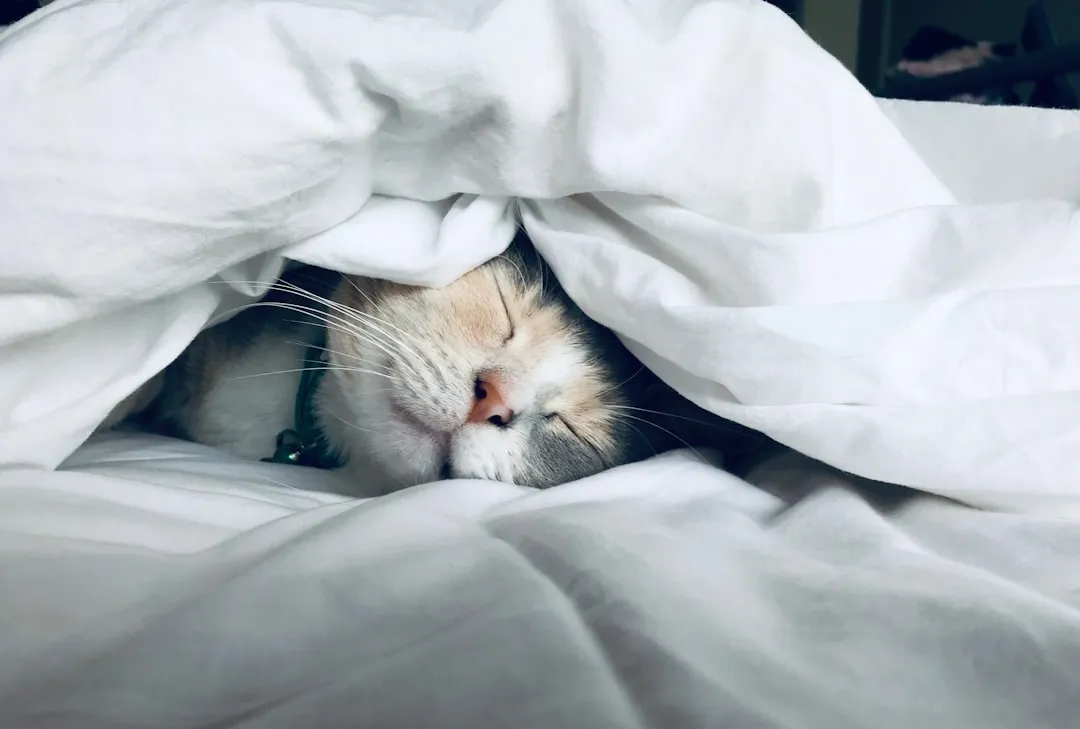
The first chilly week hits and suddenly your old cat is fused to the laptop, hugging the router, or pressed flat against the warm back of the TV. It looks adorable on camera, but it’s really a survival strategy in disguise. Ageing cats lose some ability to regulate their own body temperature, so once the air cools, they start hunting aggressively for micro-heat sources.
Keep an eye out for cats parking themselves over floor vents and radiators, or sprinting to claim warm laundry the second it leaves the dryer. If this obsession only shows up in cold weather and never in spring or summer, it can be masking something deeper – low body fat, thyroid changes, or chronic pain your cat can no longer power through on its own.
#17 – Weather-Triggered Litter Box “Accidents”
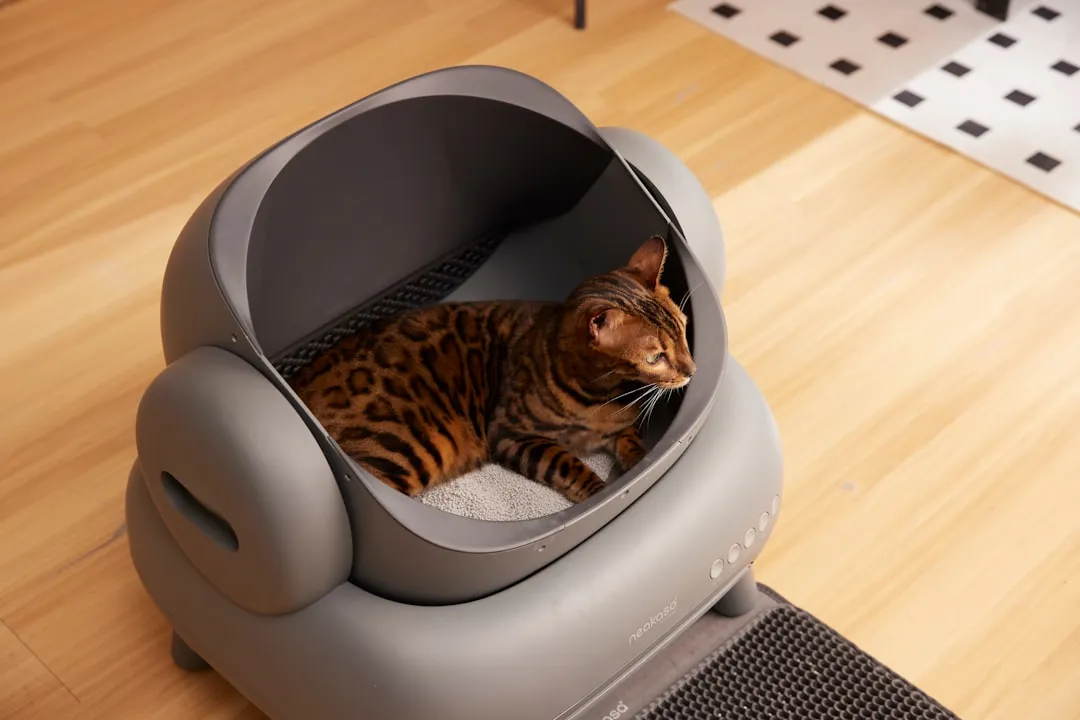
When temperature or humidity shifts, so does your cat’s litter box behavior – and rarely for the better. Older cats with arthritis or kidney disease often manage “okay” in mild weather, then quietly start missing the box once it turns cold. It’s not spite. A cold, drafty bathroom or basement litter box can genuinely become painful to reach.
Watch for hesitation at the box’s edge, cats leaving their back paws outside while only their front paws go in, or a sudden preference for soft bathmats and laundry in warmer rooms. Punishing this is exactly backward. Stiff joints plus a chilly, distant box plus a high-sided entry is a perfect storm for winter accidents – and adding a low-entry box in a warmer spot, with softer unscented litter, often fixes it fast.
Fast Facts
- Arthritis is extremely common in older cats and is often missed until behavior changes.
- Cold, damp air can intensify joint stiffness within hours, not days.
- Low-sided litter boxes placed in warmer rooms cut down on “missed the box” accidents.
- Soft, unscented litter is gentler on sensitive senior paws than coarse or scented brands.
#16 – Stiff, “Robot-Like” Morning Movements
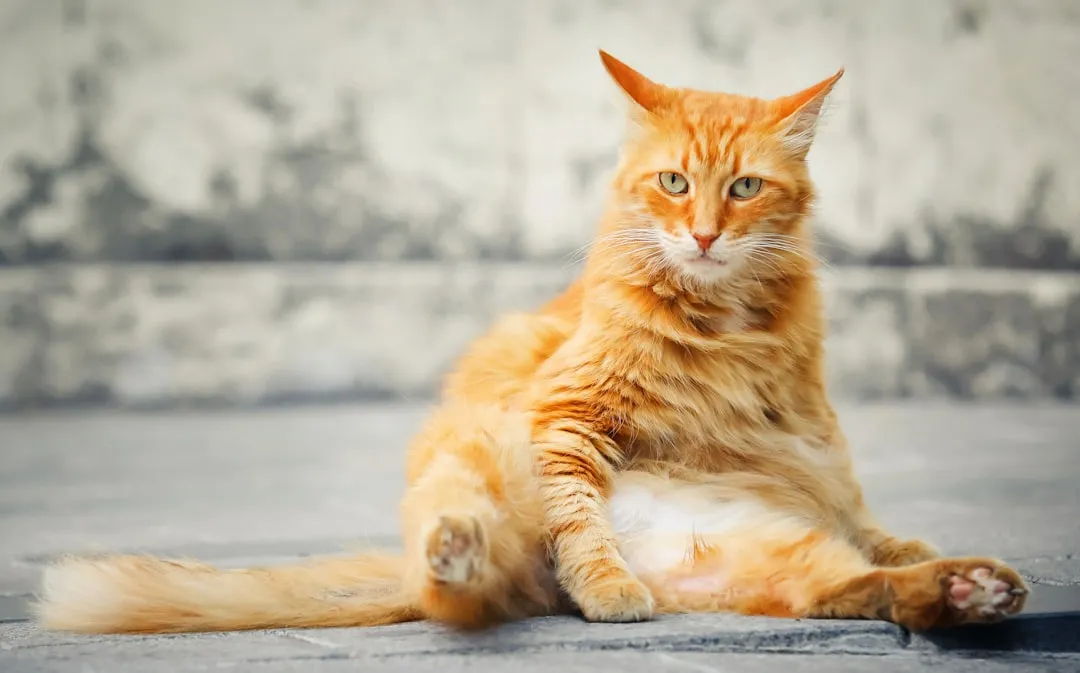
On a warm day, your older cat might still leap to the couch like nothing’s changed. Then the first cold or damp spell rolls in, and suddenly they move like they’re made of hinges and rust. Cold, wet weather exaggerates arthritis and age-related joint changes in cats exactly the way it does in people – and mornings tell the truth their afternoon selves try to hide.
Look for slow, careful steps off the bed, a pause before climbing stairs, or noticeably less grooming of the back and hips because twisting hurts. Calling this “just getting old” is often code for ignoring treatable pain. If mobility clearly dips between warm and cold weather, that’s a real conversation to have with your vet about joint support and pain relief.
#15 – Altered Appetite When It Gets Dark Earlier
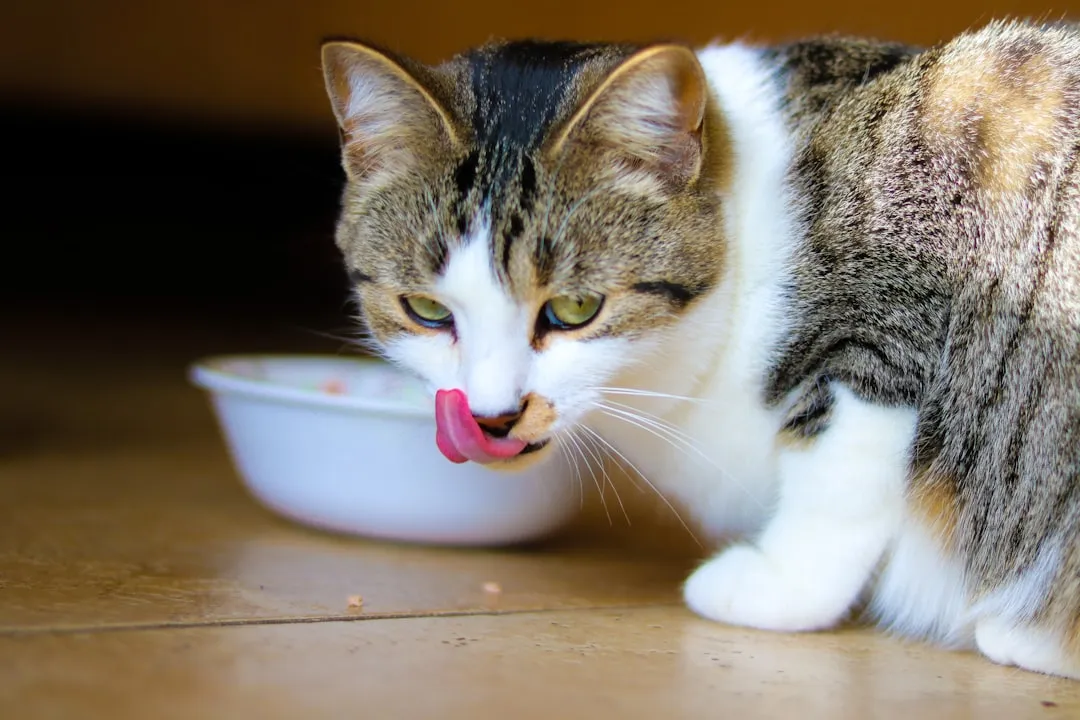
People joke about “winter weight gain” in humans, but cats quietly go through their own version – especially seniors. As days shorten and temperatures drop, many older cats subtly shift how they eat, either begging more often or going off food entirely once the cold makes them stiffer and less interested.
Some cats eat more on chilly, dark evenings and then crash into a deep sleep; others eat noticeably less as pain and reduced activity dull their appetite. Ageing cats also struggle more with dehydration in winter, thanks to dry indoor air and fewer water breaks. Chalking every shift up to “cute winter appetite” is risky, since seasonal swings can quietly unmask kidney disease, thyroid problems, or dental pain.
#14 – Nighttime Restlessness in Wind, Rain, or Heat
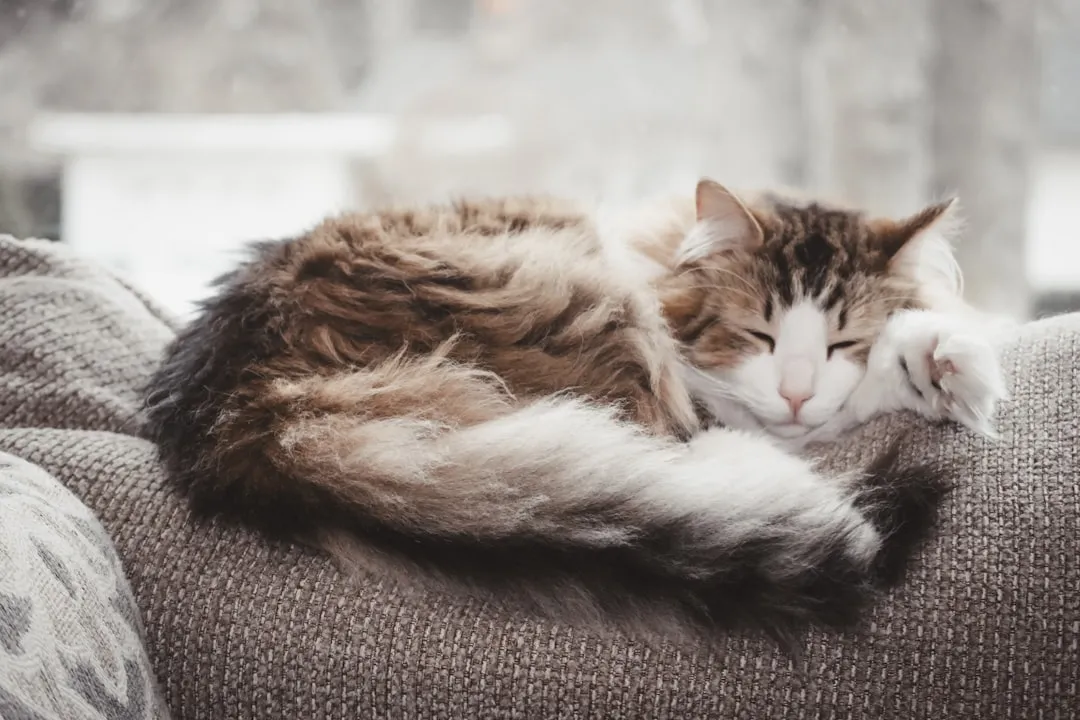
You notice it during the first stormy week or the first real heat wave: your older cat, who normally sleeps like a log, starts pacing, vocalizing, or waking you up over and over. It’s tempting to blame simple thunder anxiety, but in seniors, weather-linked restlessness often exposes hidden pain, cognitive decline, or blood pressure issues.
Increased wind, sudden pressure drops, or loud rain can sharpen joint pain, disturb hearing- or vision-impaired cats, and even trigger confusion in cats with early cognitive dysfunction. Instead of snuggling for comfort, some seniors meow at blank walls or wander like they’ve forgotten where they were going. It’s rarely just “drama about the storm” – weather is often the final straw for a body already quietly compensating.
#13 – Choosing New, Weird Sleeping Spots
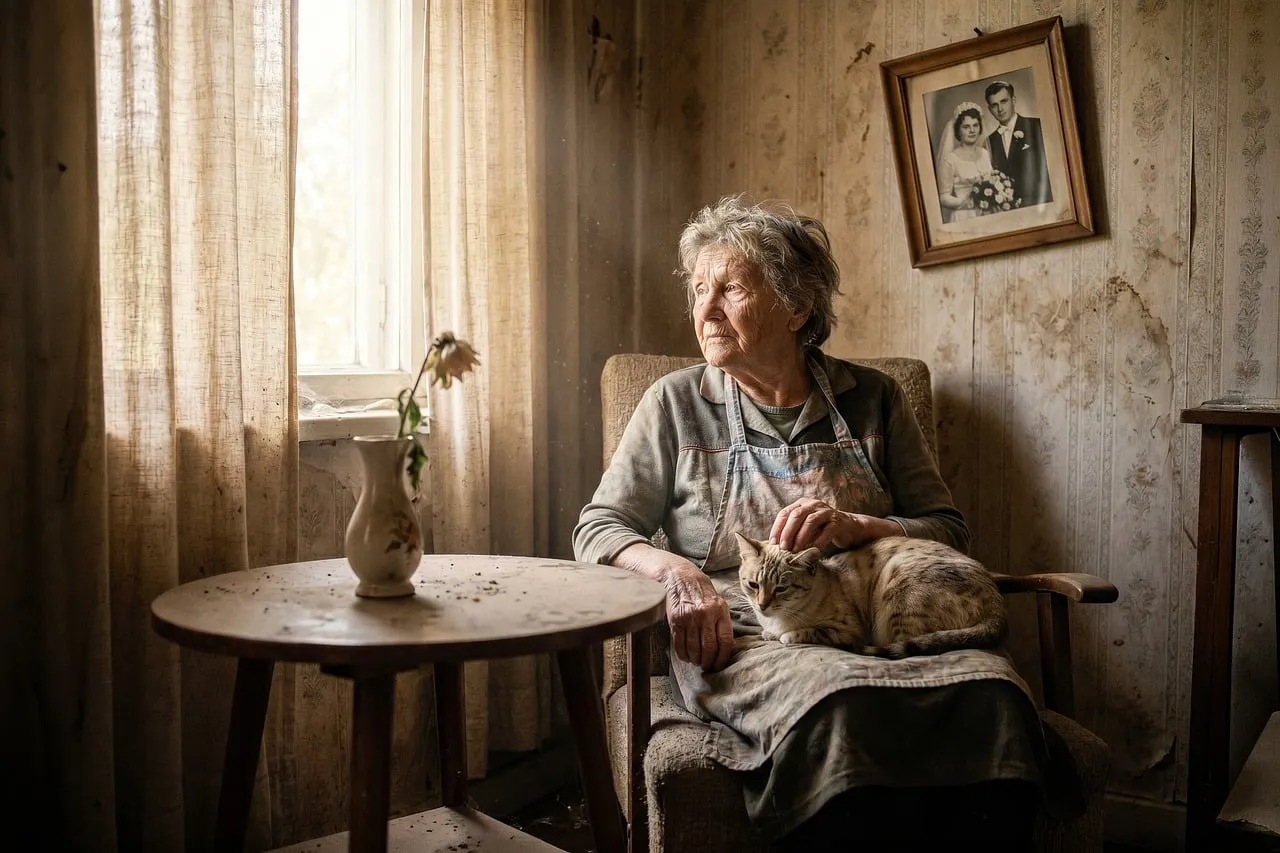
When the weather turns, your ageing cat might abandon their favorite bed completely and start sleeping somewhere bizarre – behind the fridge, on a pile of towels in the closet, wedged tight beside the radiator. This is almost never random. It’s usually about temperature, draft avoidance, or finding joint-friendly surfaces.
Older cats get strategic fast, seeking higher spots to dodge floor-level drafts, soft-but-supportive surfaces that don’t aggravate hips or spine, or sunny windowsills in winter and cool tiles during a heat wave. If these odd relocations line up exactly with the season’s first big shift, your cat is negotiating comfort in a body that can no longer self-regulate the way it used to – and a few small home layout changes can genuinely improve their quality of life.
#12 – Sudden Clinginess… or Unexpected Withdrawal
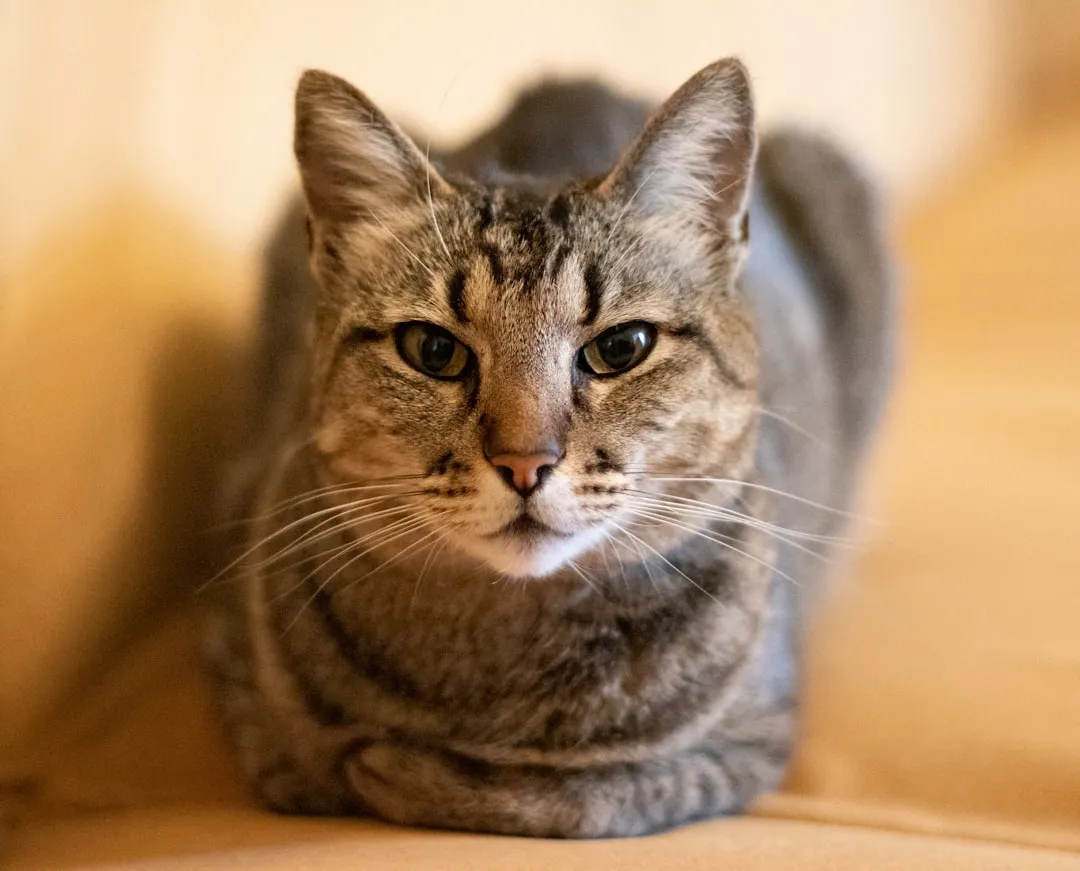
Weather turns, and so does the social dial on your senior cat. Some become full velcro cats overnight during cold snaps; others vanish under the bed during storms like they owe someone money. These aren’t random mood swings – ageing brains combined with environmental stress produce very visible behavior shifts.
Clinginess can mean your cat feels physically vulnerable in the cold or noise, or that fading vision and hearing make them lean on you for security cues. Withdrawal can mean pain that makes touch unwelcome, or overstimulation from wind, rain, or the furnace kicking on. The subtle version – just a bit needier, just a bit more distant – usually starts right at the season change, and that’s exactly when a vet check for pain and senior bloodwork pays off most.
#11 – Grooming Habits Quietly Breaking Down
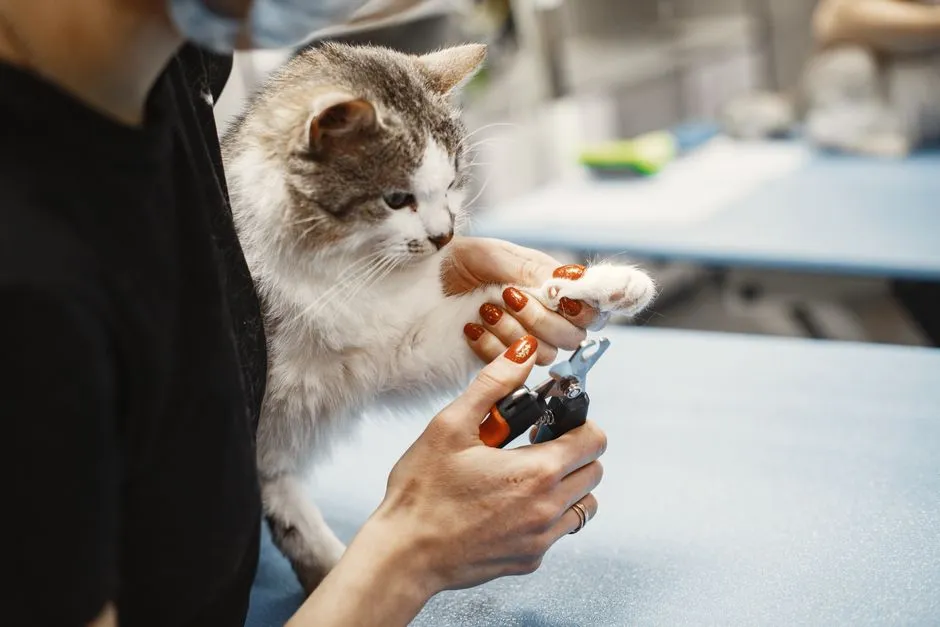
When the weather turns cold or damp, you might notice your older cat’s coat looking dull, greasy, or slightly matted along the back and hips. That’s not a fluffy “winter coat” – it’s often the exact moment arthritis and stiffness finally overpower their ability to twist and reach.
Look for mats forming exactly where their tongue can’t comfortably reach, dandruff along the lower back, or grunting and hesitation when they try to twist around. Humidity shifts can make skin less comfortable too, discouraging grooming even further. Dismissing this as “she just gets scruffy in winter” misses that the weather is exposing a mobility issue that’s been quietly brewing for a while – gentle brushing, vet-approved pain relief, and easier grooming access can make a real difference.
#10 – Breathing Changes You Only Notice in Extreme Temperatures
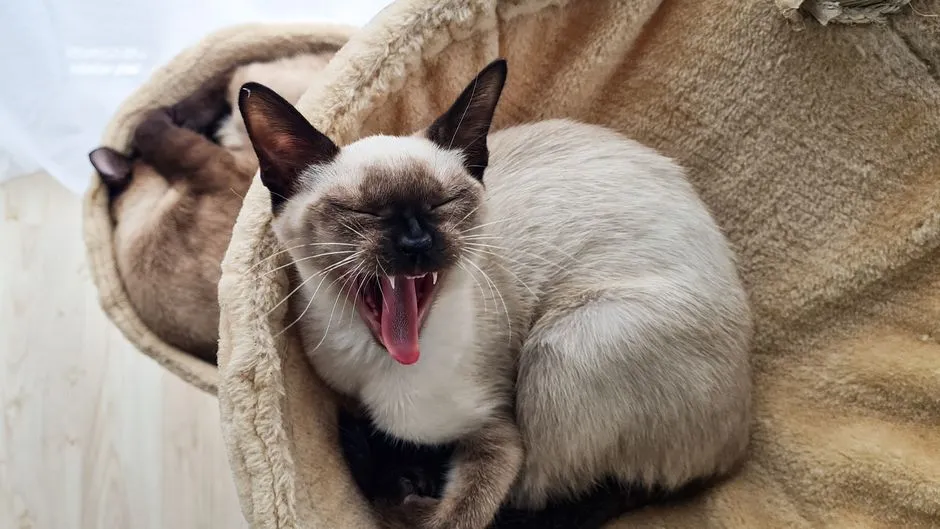
Most people never really watch their cat breathe – until a heat wave or deep freeze forces the issue. Suddenly, that ageing cat pants slightly after minimal play, breathes faster at rest, or seems to work harder climbing the stairs. Extreme temperatures often unmask early heart or respiratory disease in seniors that stayed invisible during mild weather.
Watch for open-mouth breathing after minor exertion in the heat, faster shallow breathing near cold drafts, or a cat choosing the “sphinx” position specifically to ease breathing. It’s easy to write off as “too hot” or “too cold,” but when these signs only appear at temperature extremes, they’re loud whispers about the heart or lungs – issues that often stay hidden until something like a heat spike finally stresses the system.
At a Glance
- Panting after light play in warm weather can signal early heart strain.
- Faster breathing near cold drafts may point to airway or lung sensitivity.
- The “sphinx” position with elbows out often helps a cat breathe more easily.
- Extreme temperatures act like a stress test, exposing heart or lung issues mild weather hides.
#9 – Changes in Drinking Habits With Dry Indoor Air
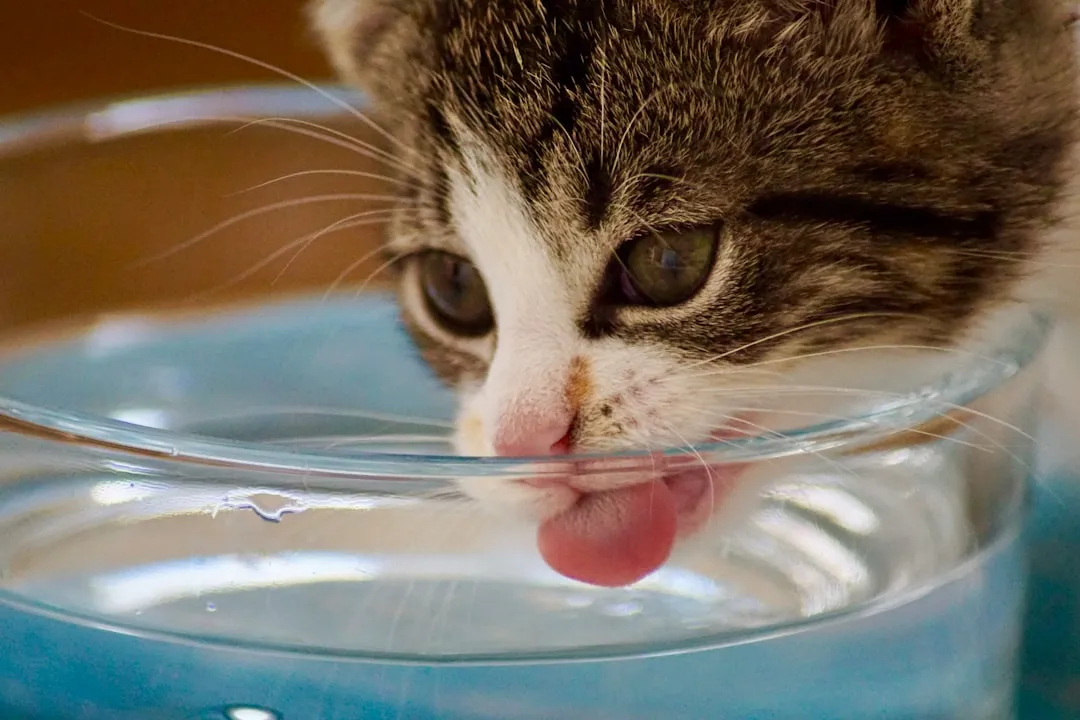
Once the heat clicks on for the season, the air inside your house turns desert-dry. Younger cats shrug it off; older cats often can’t. You may suddenly find your senior cat glued to the water bowl – or barely drinking at all – right when the furnace kicks in, and both patterns are worth worrying about in a cat already at higher risk for kidney disease.
Watch for frequent, longer visits to the bowl, odd new water sources like sinks or plant trays, or dry, tacky gums if they’re actually drinking too little. “She’s just thirsty because it’s winter” isn’t the reassurance it sounds like – weather-linked water changes in seniors can accelerate kidney stress or reveal diabetes and hyperthyroidism. A cheap humidifier and more wet food help, but a sudden yearly pattern like this deserves a vet visit.
#8 – Hearing and Vision Problems Exposed by Storms
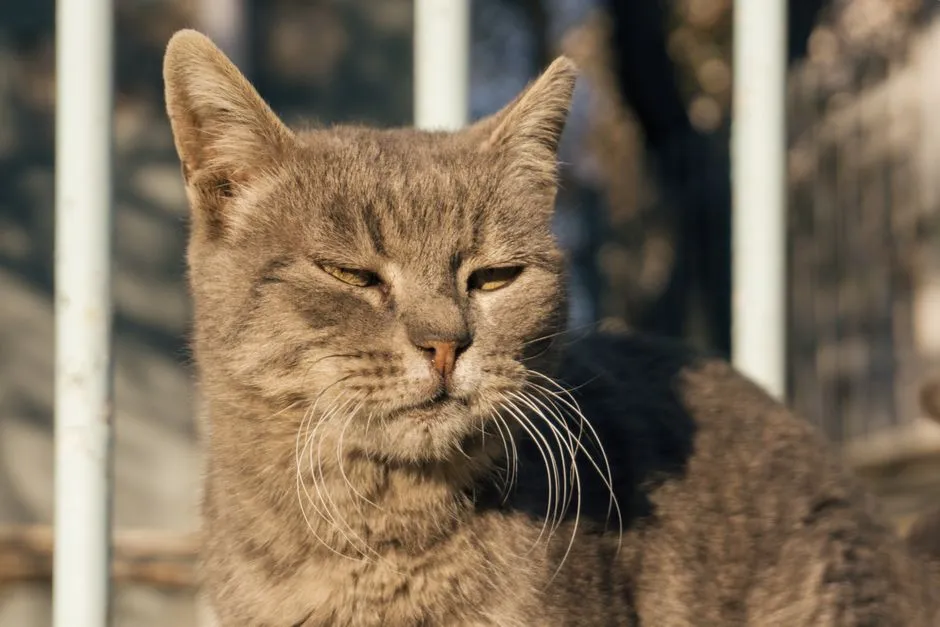
Thunderstorms, high winds, and gloomy days act like stress tests for older senses. A cat who navigated bright, calm summer light just fine might suddenly hesitate at doorways, misjudge jumps, or startle hard at sounds once the weather turns unpredictable.
Look for confusion navigating dim rooms on rainy days, ignoring familiar sounds but overreacting to sudden bangs, or needing you to “lead” them more with your voice or touch. Most owners chalk this up entirely to storm fear, but if your cat now hugs walls, avoids stairs, or cries in low light when they never did in summer, their senses – not just their nerves – may be fading. The weather isn’t the cause; it’s just the spotlight.
#7 – Personality “Flip” When the Barometer Drops
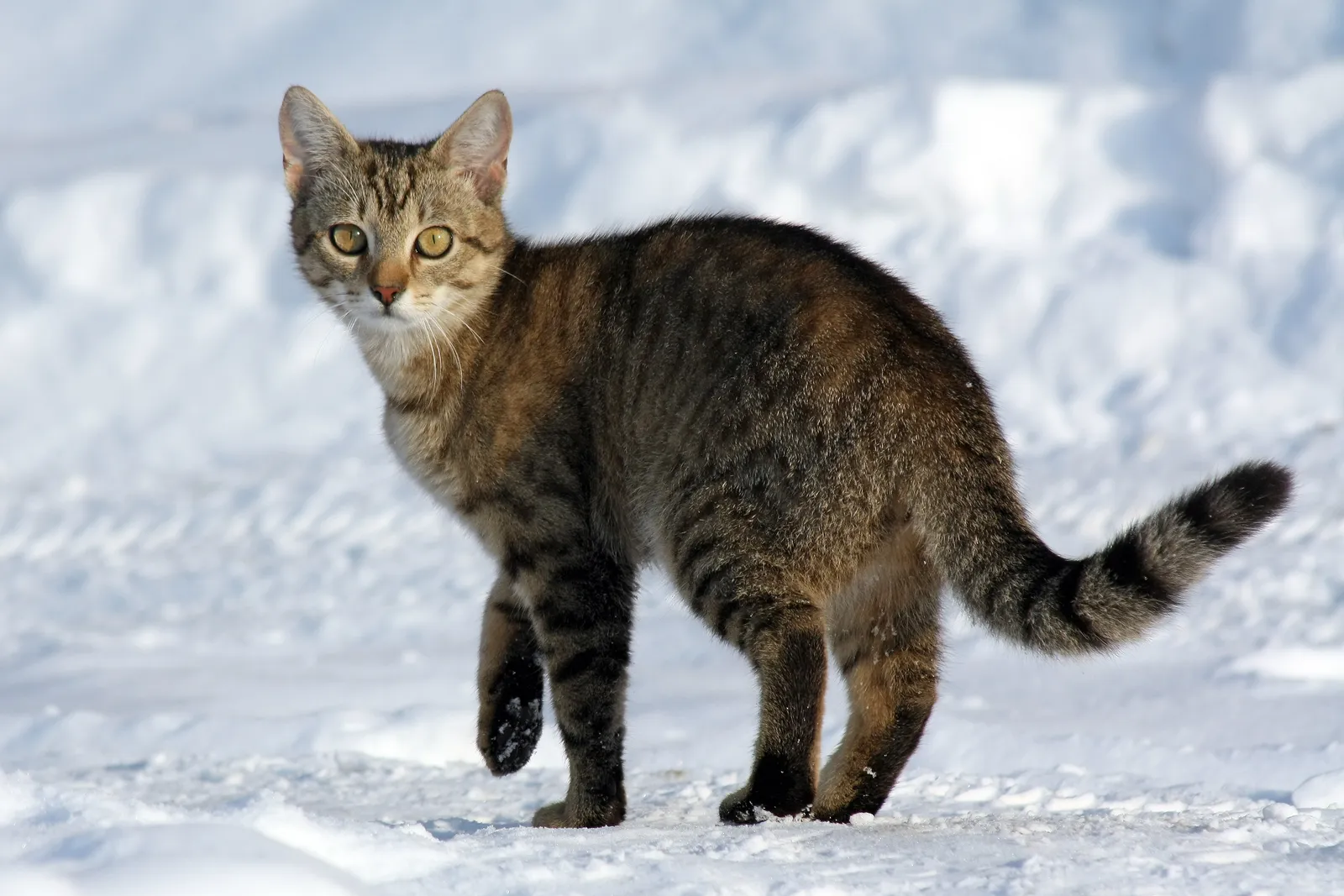
There’s a reason vets side-eye sudden behavior changes during rainy or stormy stretches. Barometric pressure shifts appear to worsen pain and discomfort in arthritic animals, and cats are no exception. Your sweet senior might turn snappy, hidey, or oddly irritable right as the weather turns ugly.
Growling or flinching when you touch their hips or legs, refusing to be picked up when they used to be fine with it, or hissing at housemates who bump into them are all signs it’s pain, not attitude. It’s a little controversial, but plenty of owners and vets now accept that some cats are essentially walking pressure gauges. Writing it off as “cranky old cat in bad weather” lets treatable pain go unmanaged for months.
#6 – Heat-Seeking That Reveals Weight and Muscle Loss
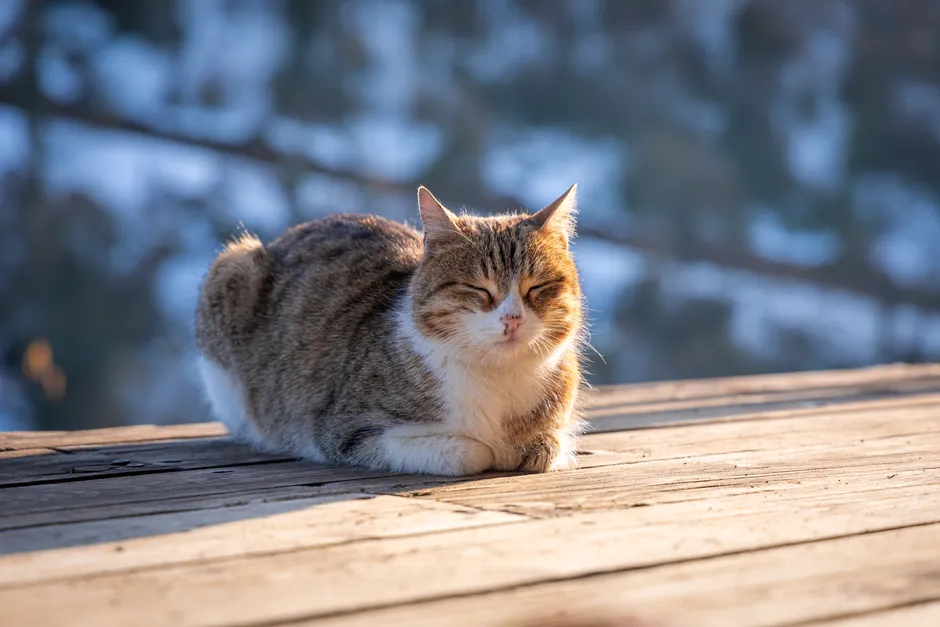
Then there’s the cat who used to be a chunky little space heater themselves – but once the cold hits, they spend all day hunting for warmth instead of generating it. Older cats slowly lose muscle mass and subcutaneous fat, becoming less insulated, and the first real cold stretch is what finally exposes it.
That once-squishy belly suddenly feels bonier under your hand, and they may tremble briefly after leaving a warm spot. Curling tighter to conserve heat or suddenly avoiding a windowsill they used to love are both worth noting. It can look like “cozy senior vibes,” but it may point to hyperthyroidism, kidney disease, or intestinal issues that have been quietly eating away at their muscle for months – the weather just made it impossible to ignore.
Worth Knowing
- Muscle loss in senior cats often shows up first along the spine, shoulders, and hips.
- Less body fat means less natural insulation once temperatures drop.
- Unexplained weight loss paired with sudden heat-seeking can hint at thyroid or kidney trouble.
- A once-favorite cool windowsill being avoided is a subtle but telling seasonal clue.
#5 – Sudden Disinterest in Play During Temperature Extremes
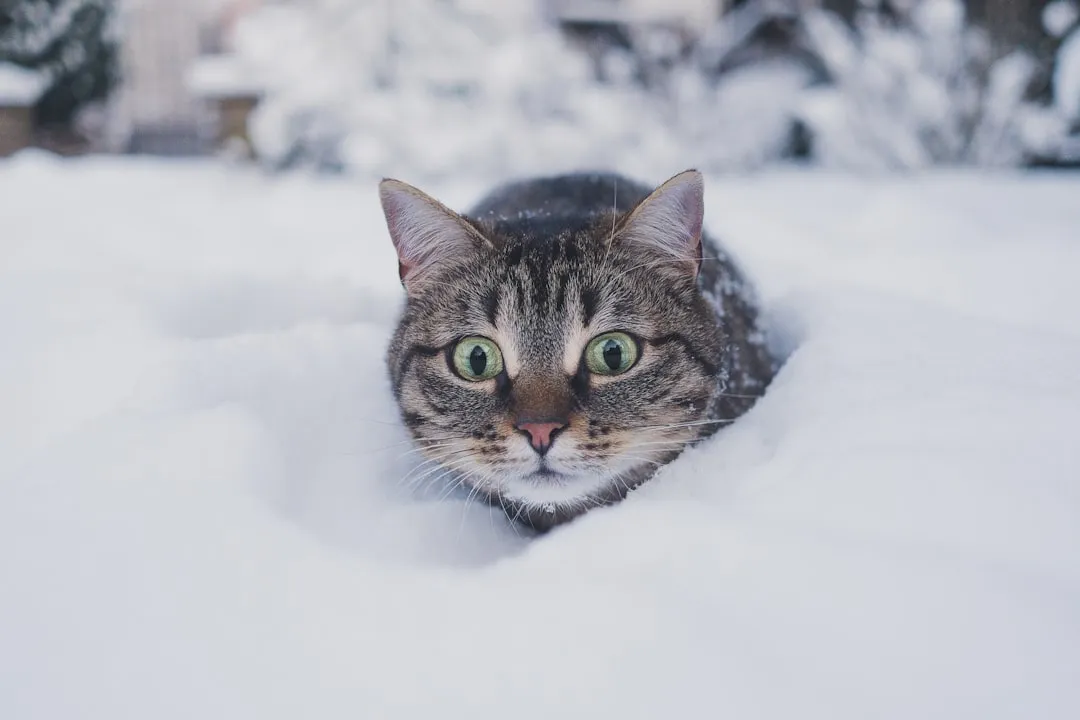
Every cat slows down with age, sure, but the pattern is what matters here. If your older cat still happily batted at toys through mild weather and then abruptly stops the moment it gets bitterly cold or brutally hot, the real issue is usually pain or fatigue, not some sudden personality shift.
In spring and fall they might still chase a wand toy or manage a brief zoomie, then during the first heat wave or hard freeze, they only watch from a distance or lie down mid-game. “Well, she is older now” treats ageing like a sudden birthday switch, when really the extra energy spent regulating body temperature is stealing fuel from everything else, including play. When weather flips their “I feel like it” switch to “no thanks,” it’s worth mentioning to your vet.
#4 – New Litter Box Odor or Urine Changes in Cold Weather
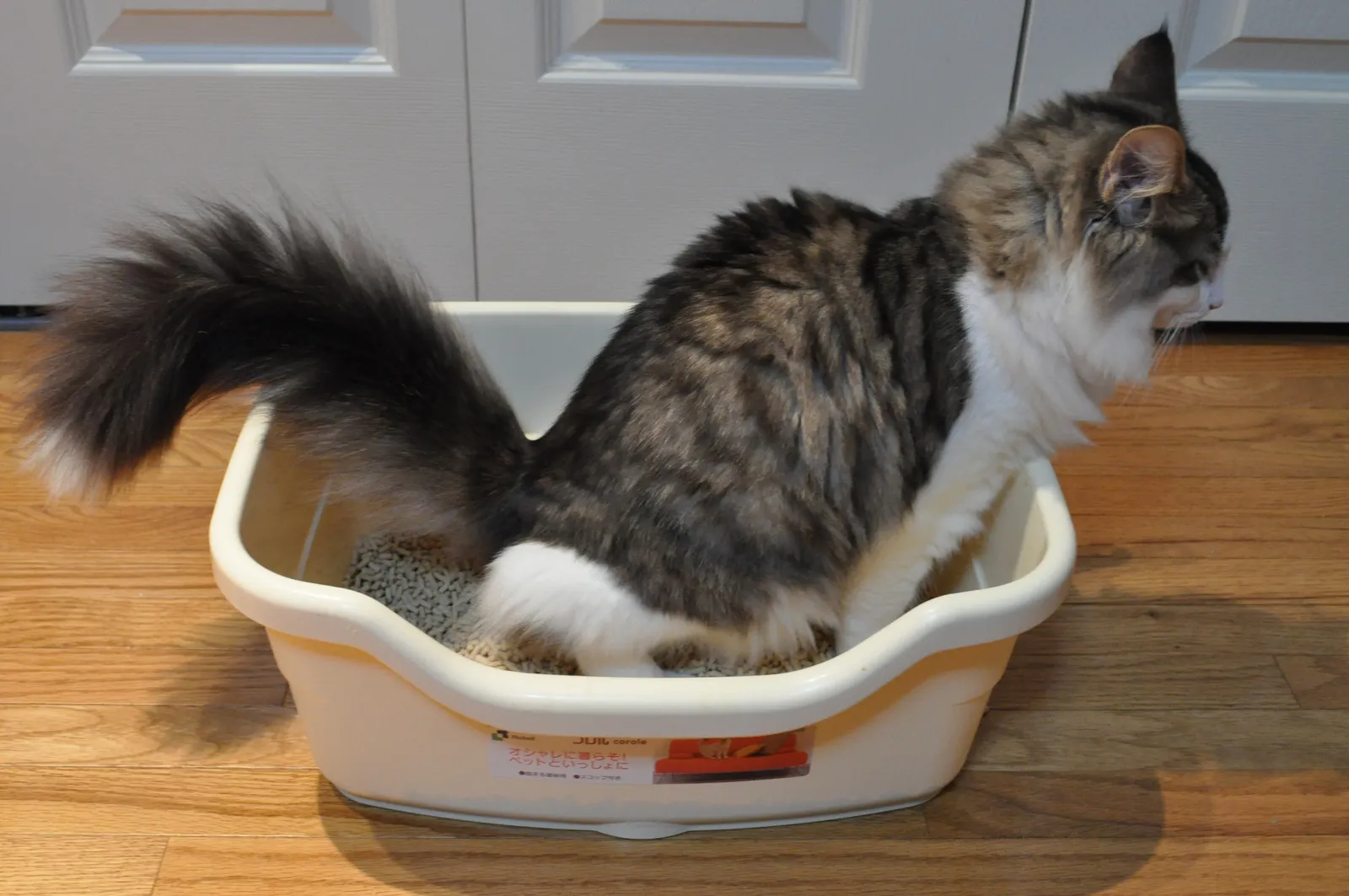
You’re not imagining it: the first serious cold spell hits, windows stay shut all day, and suddenly your senior cat’s urine smells stronger, looks darker, or clumps bigger than before. Reduced ventilation plays a small role, but seasonal weather often exposes kidney and urinary issues that were already simmering.
Colder weather tends to reduce water intake, which concentrates urine and stresses the kidneys further. A stronger odor, a darker yellow-orange tinge, or larger and more frequent clumps are all red flags. “It’s just because the house is closed up” is a lazy explanation for seniors – kidney and urinary disease are among the top killers in ageing cats, and this is exactly the moment a simple urinalysis can catch trouble early.
#3 – Confusion and “Getting Lost” After Seasonal Routine Changes
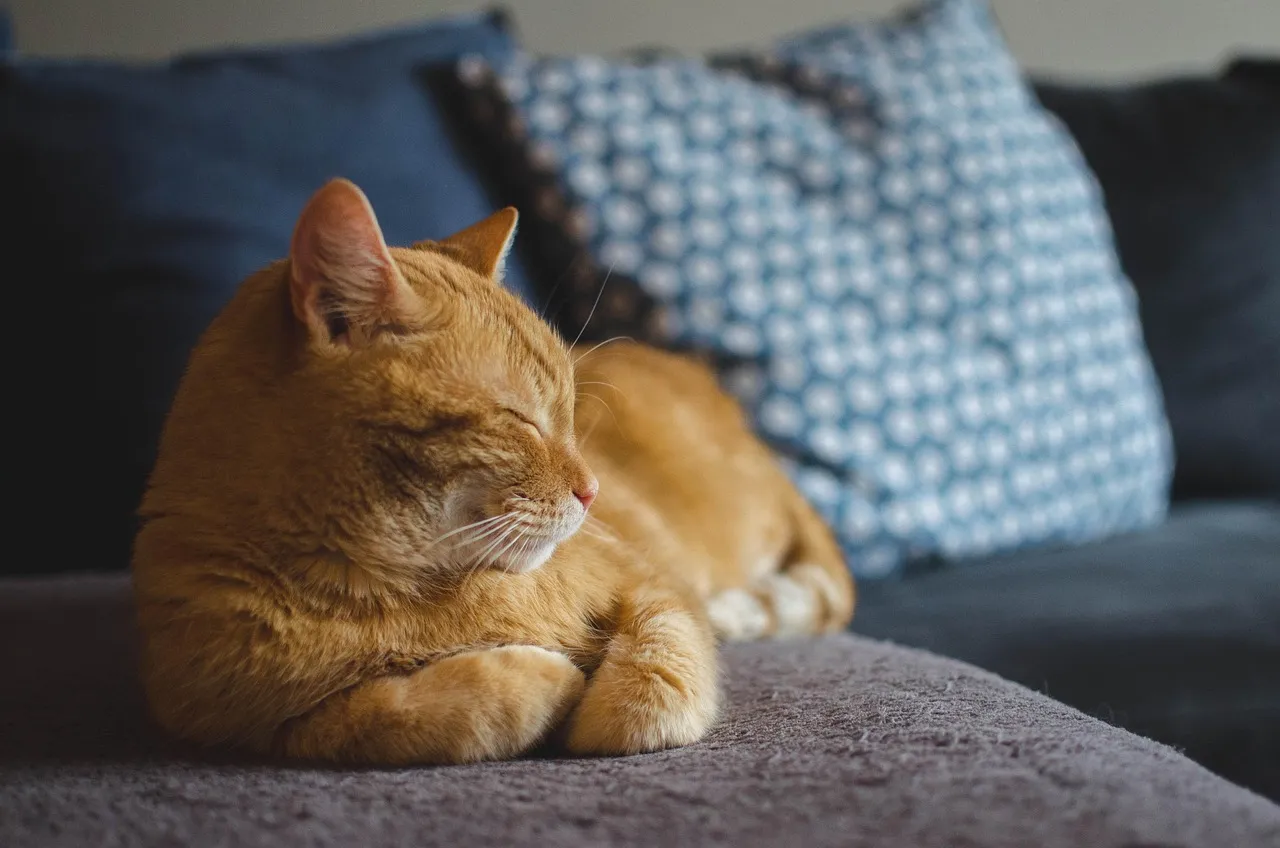
Clocks change, darkness comes earlier, heating schedules shift – humans adjust with a yawn and move on. Senior cats, especially those tipping into cognitive decline, often don’t adjust nearly as easily. Weather-triggered routine shifts can suddenly make an older cat seem disoriented, unusually vocal, or genuinely lost inside their own home.
Watch for it right after the clocks change and feeding time shifts, after windows stay shut and familiar smells and sounds disappear, or once daylight vanishes during their usual active hours. A cat standing in a room meowing at nothing, staring at corners, or heading to the wrong door to be fed is showing more than “moodiness” – vets increasingly treat this as an early cognitive red flag. Keeping feeding times stable and adding nightlights can genuinely help.
#2 – Skin Flare-Ups and Overgrooming With Weather Shifts
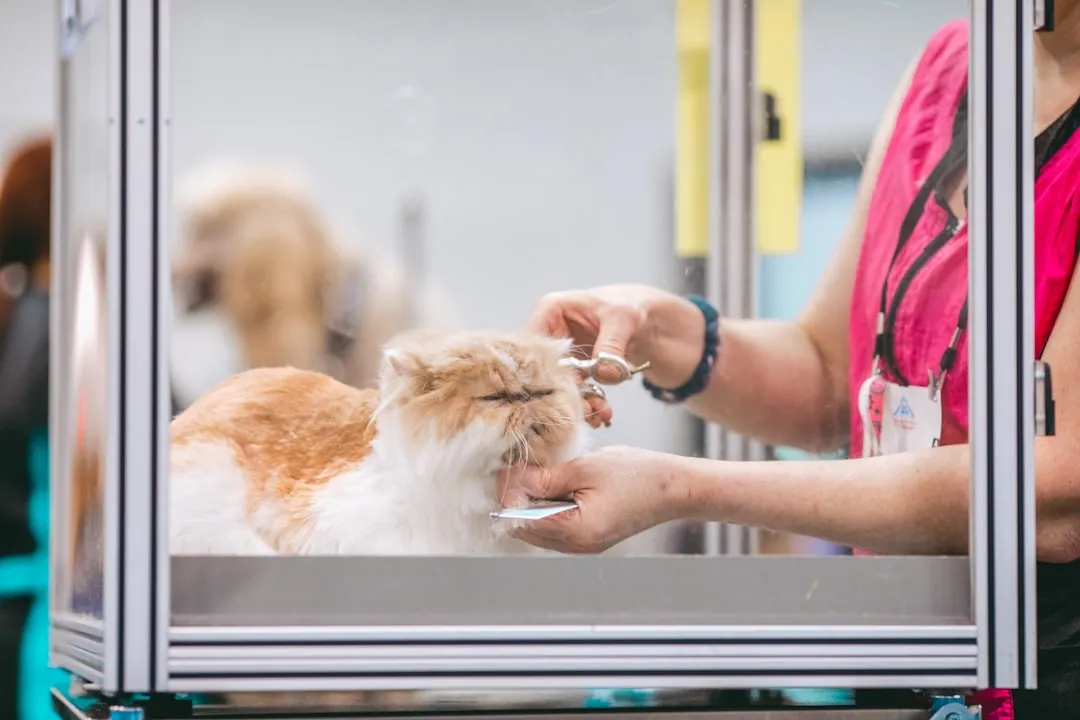
When humidity and temperature swing hard, so does your senior cat’s skin comfort. Older cats are more prone to dry, itchy skin, flea allergies, and environmental sensitivities that flare the moment the weather changes – and what looks like “just shedding season” can actually be the start of a full-blown itch cycle.
Watch for intense licking of the belly, legs, or base of the tail, small scabs or dandruff, or overgrooming concentrated right where the joints already hurt – a nasty itch-pain combo. Treating this as purely cosmetic misses how much a weather-linked spike in grooming or scratching can wreck sleep, mood, and mobility in a senior cat. Handling fleas, humidity, and diet right at the seasonal tipping point can head off months of quiet discomfort.
Quick Compare
- Normal seasonal shedding: even coat thinning, no irritation, cat seems otherwise comfortable.
- Weather-triggered flare-up: patchy overgrooming, visible scabs or dandruff, licking concentrated near sore joints.
- Normal: a brief uptick in grooming during a coat change.
- Flare-up: grooming disrupts sleep or mood, especially right after a temperature swing.
#1 – The “Not Quite The Same Cat” Feeling
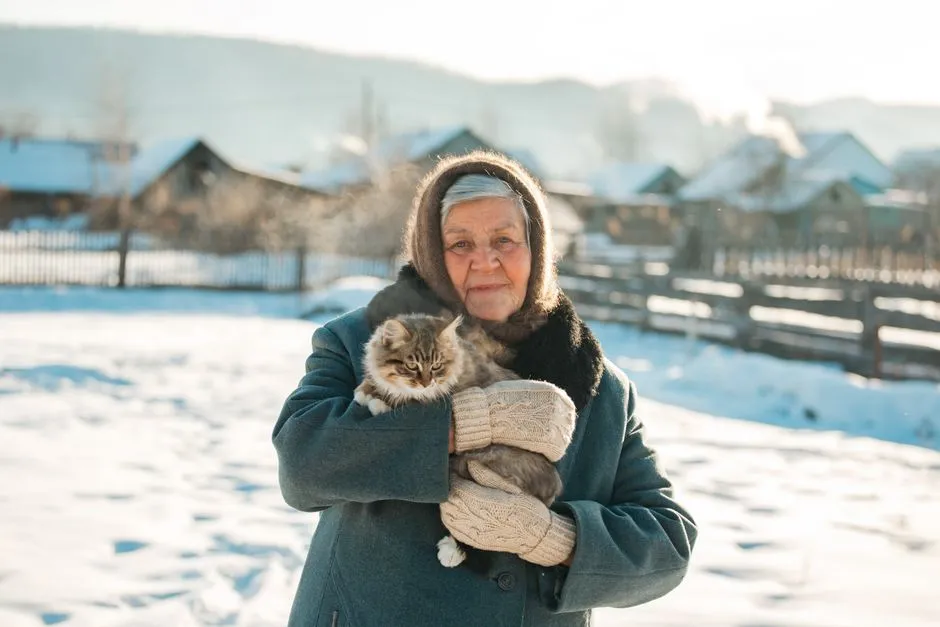
Here’s the uncomfortable truth most owners don’t say out loud: the first big weather shift of the year is often the exact moment you realize your old cat has aged more than you’d admitted to yourself. It’s rarely one dramatic symptom – it’s a cluster. A little stiffness, a new sleeping spot, slightly louder meows at night, a different relationship with the litter box.
Nothing alone feels like an emergency, but together, the whole vibe of the cat changes. You catch yourself thinking, “She just seems… older this winter,” or “He’s still himself, but something’s off.” That gut feeling matters more than people give it credit for. Weather doesn’t create ageing – it reveals it, stripping away the compensations a senior cat has been quietly running all year. Ignoring that unease because “it’s just the season” is exactly how treatable issues turn into emergencies.
The Bottom Line
Ageing cats don’t fall apart out of nowhere when the weather turns; the weather simply drags into daylight what their bodies have been quietly hiding all year. Those small changes you’re tempted to file under “winter quirk” or “storm mood” are frequently early warnings – arthritis, kidney strain, heart stress, cognitive decline, fading senses, all hiding in plain sight until the season stops letting them hide.
Here’s my honest take: the difference between a comfortable senior cat and a suffering one usually isn’t the vet bills or the fancy diagnostics – it’s whether you treat these seasonal shifts as background noise or as data. A cat that only limps in the cold, only hides during storms, or only skips meals when it’s dark early isn’t being dramatic. They’re handing you a diagnosis in slow motion. Paying attention to what your cat does when the temperature swings might be the single most “insider” skill a good cat guardian can have.
Did one of these hit uncomfortably close to home with your own senior cat – or do you think owners are overthinking normal ageing? Drop your experience in the comments.
