
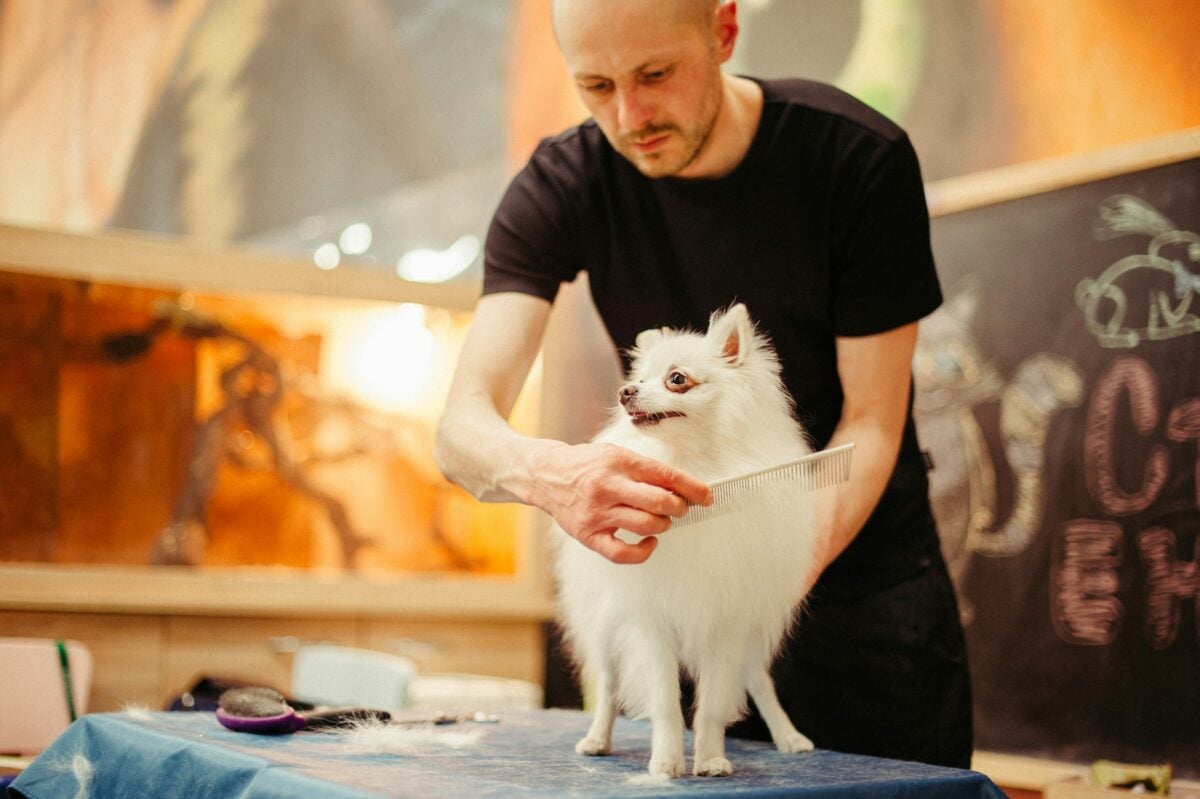
You think you’re dropping off a dog for a bath and a trim. Your groomer thinks they’re getting a quiet look into your household. Every few weeks the same pet lands on the same table, and the small clues pile up: who brushes, who sneaks the treats, who notices when something changes.
None of it is a diagnosis or a verdict, and good groomers will tell you that first. But these 19 conclusions are what groomers say they genuinely read from one regular appointment. The last one is the one that matters most, and most families never see it coming.
#19 – Who Really Runs the Household
🔥 Would you like to save this?
We'll email this post to you, so you can come back to it later!
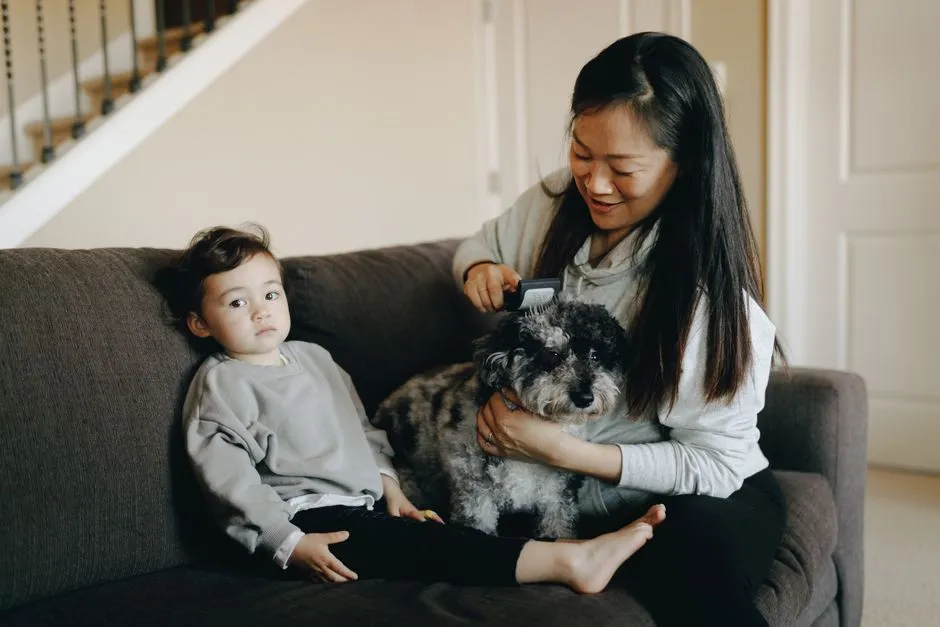
The person who drops off the pet is rarely the person who makes the decisions.
Groomers learn fast who holds the real authority. One parent walks in with the leash, but the instructions arrive by text from someone else. Sometimes a grandparent calls halfway through the appointment and changes the whole plan.
That tells a groomer how the household divides pet duties. One person handles logistics. Another holds the opinions. A third pays the bill.
Here’s what that looks like at the front desk:
- The drop-off person says, “I’ll have to check.”
- Instructions change from one visit to the next.
- A different family member picks up every time.
This is more useful than it sounds. A groomer who knows who decides can get a fast yes on a haircut change or a vet recommendation, instead of a week of message tag.
But that’s nothing compared to what the coat reveals at #18…
#18 – How Much Brushing Happens at Home
🔥 Would you like to save this?
We'll email this post to you, so you can come back to it later!
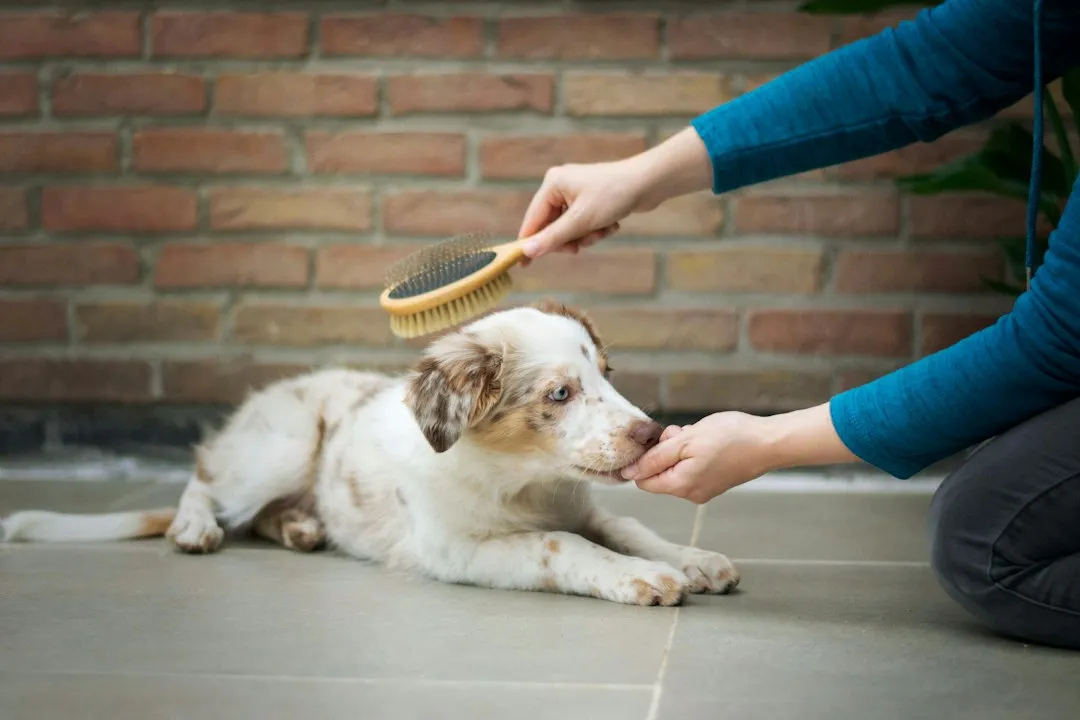
Groomers can often tell within seconds whether anyone brushed the dog between visits.
A coat tells a story. Smooth, tangle-free fur means someone is putting in a few minutes at home. Tight knots behind the ears, under the legs, and around the hindquarters suggest nobody has.
This matters beyond looks. Matted hair can progress quickly from mild skin irritation to infected wounds, and fleas and ticks can hide relatively unseen inside a mat.
Groomers try not to judge. Life gets busy, and plenty of dogs hate the brush. Still, a brushing pattern shows how a family’s routine really runs, and whether it matches what the groomer has been recommending.
And the way a family books its next visit says even more, as #17 shows…
#17 – What the Rebooking Rhythm Says
🔥 Would you like to save this?
We'll email this post to you, so you can come back to it later!
The calendar is one of the most honest documents in a salon.
Some families rebook before they leave the building. Others call only when the dog starts to look like a mop. Groomers notice which type you are, and they draw conclusions about planning, priorities, and budget.
Many groomers argue that stretching appointments too far is a mistake for long-coated or curly-coated breeds. By the time the next visit arrives, the coat may be too tangled to brush out comfortably. That’s a view from the trade, not a rule for every dog.
Typical patterns include:
- Pre-booked families, who plan ahead and rarely have emergencies.
- Reactive families, who book only when something looks wrong.
- Seasonal families, who show up when the weather changes.
None of these patterns says anything about love. Money, work schedules, and a dog’s coat type all play a part.
But what a family says at drop-off may be even more telling at #16…
#16 – The Drop-Off Instructions Nobody Agrees On
🔥 Would you like to save this?
We'll email this post to you, so you can come back to it later!
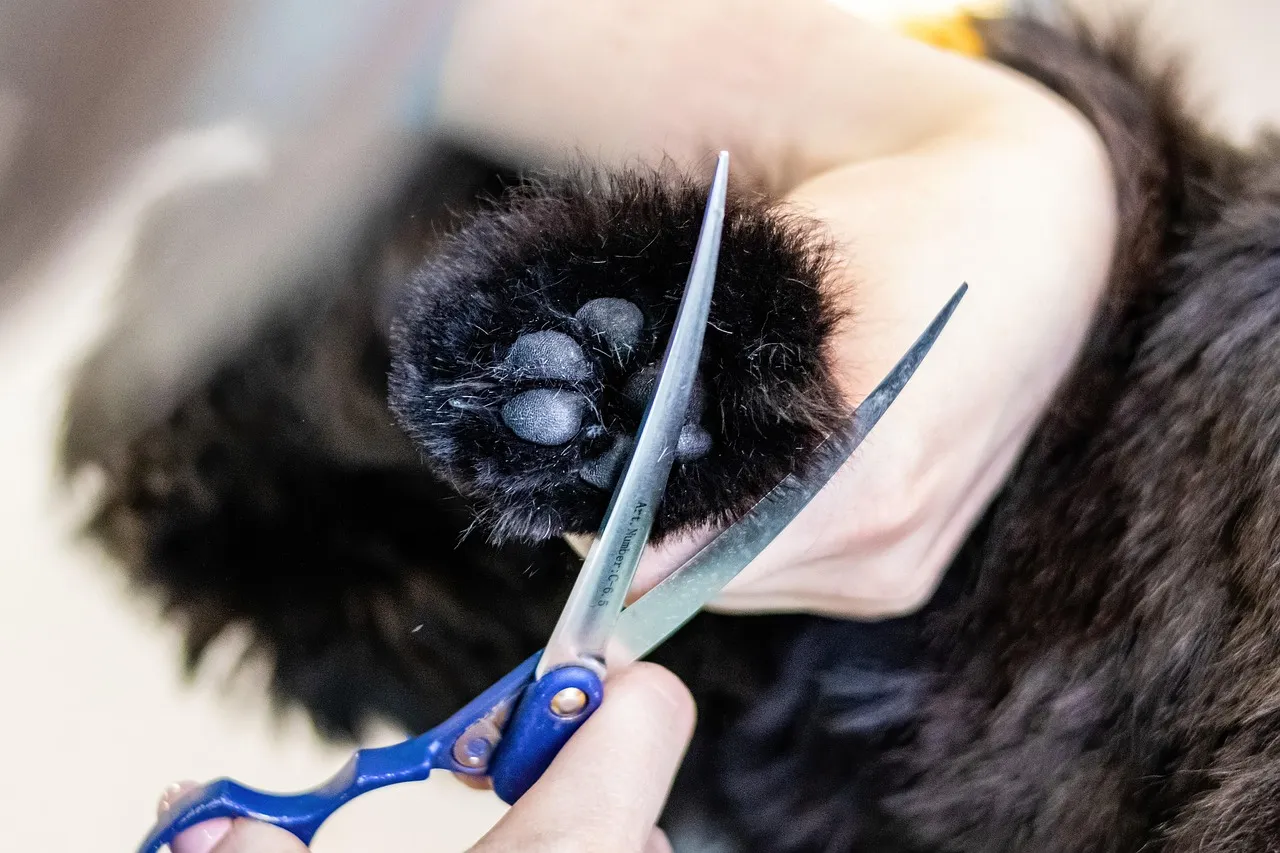
“Just a little off the top” means something different to every person in the house.
Groomers hear conflicting requests from the same family all the time. One person wants the dog short for summer. Another insists the long, fluffy look must stay. Sometimes the notes on file flat-out contradict each other.
That reveals how the household makes decisions. Do they talk it out at home, or does the groomer end up refereeing at the front desk?
Experienced groomers often settle it with a few habits:
- Ask for a photo of the desired cut.
- Write the agreed style on the client record.
- Confirm one point of contact.
The clearest families aren’t the ones with the fewest opinions. They’re the ones who agree on one before they walk in.
Still, nothing is quite as visible as what a pet’s body shows about its diet, which is #15…
#15 – Treat Culture and Body Condition
🔥 Would you like to save this?
We'll email this post to you, so you can come back to it later!
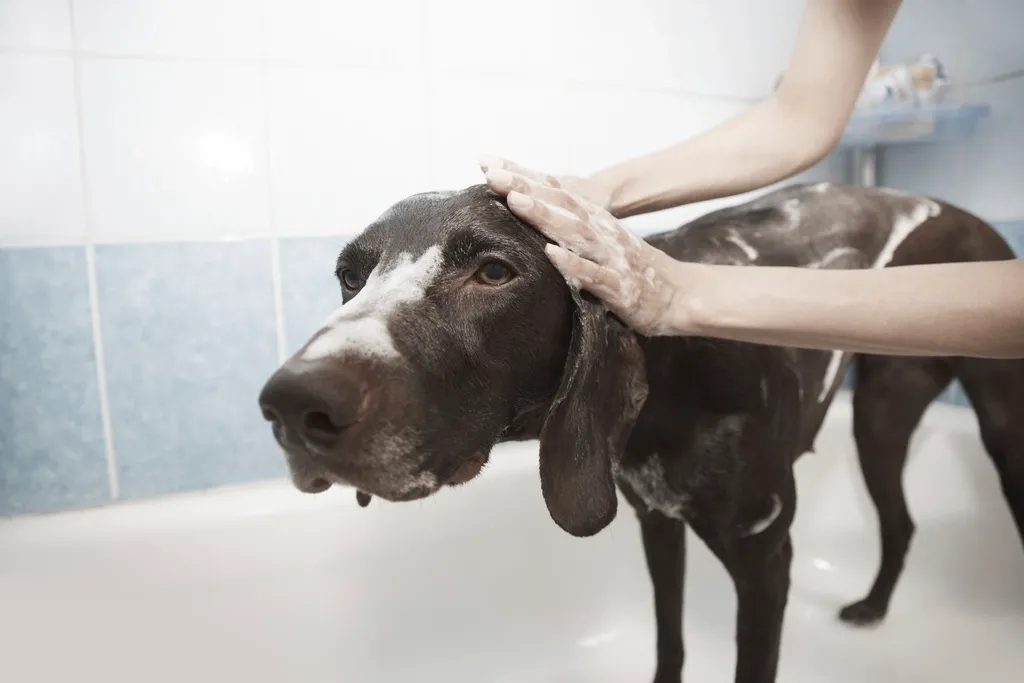
A groomer’s hands often notice weight changes before the owner does.
Groomers lift, turn, and support the same dog every few weeks. They feel the ribs, the waistline, and how heavy the dog is on the table. Gradual weight gain can slip right past people who see the pet every day.
They also pick up on treat culture. Kids sneak snacks. Grandparents “just give a little.” A dog who eats what the family eats often shows it.
Groomers aren’t vets, so they won’t diagnose. Many will still raise it gently, because extra weight can make a pet less comfortable on the table and affect how long it can stand.
At a Glance
- Ribs: In most dogs, they should be easy to feel under a thin layer of padding.
- Waist: Viewed from above, there should be a gentle tuck behind the ribs.
- Belly: Viewed from the side, the abdomen should slope up toward the back legs.
- The fur factor: Thick coats hide body shape, so hands beat eyes.
Here’s the awkward part: the most generous person in the house is usually the last to see the problem.
But the paws tell a different story, as #14 explains…
#14 – What Overgrown Nails Reveal About Daily Life
🔥 Would you like to save this?
We'll email this post to you, so you can come back to it later!
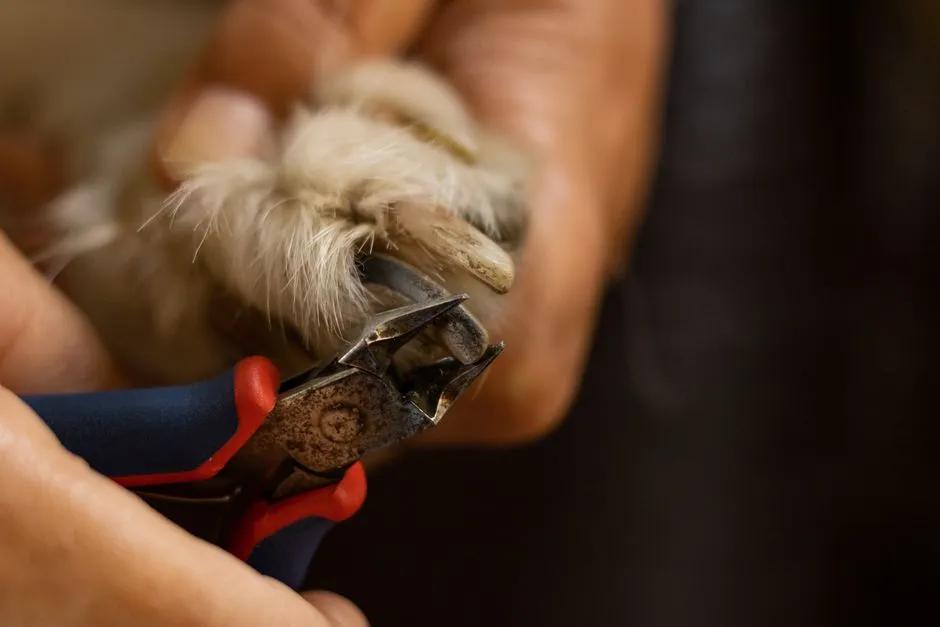
Nails are a surprisingly accurate record of how a pet spends its days.
Short, tidy nails often go with regular trims or plenty of walking on hard surfaces. Long nails can suggest the opposite, though not always. Some dogs simply grow nails fast or have nails that resist wear.
Groomers use this as one clue among many. A family that walks daily on pavement gives the pet natural filing. A household that mostly uses a yard or carpet gives it much less.
Overgrown nails can also change how a dog stands and moves. Groomers usually mention this kindly, because the point is comfort, not blame.
And if you think paws say a lot, wait until you hear what ears say at #13…
#13 – Ear Care and the Family’s Attention to Detail
🔥 Would you like to save this?
We'll email this post to you, so you can come back to it later!
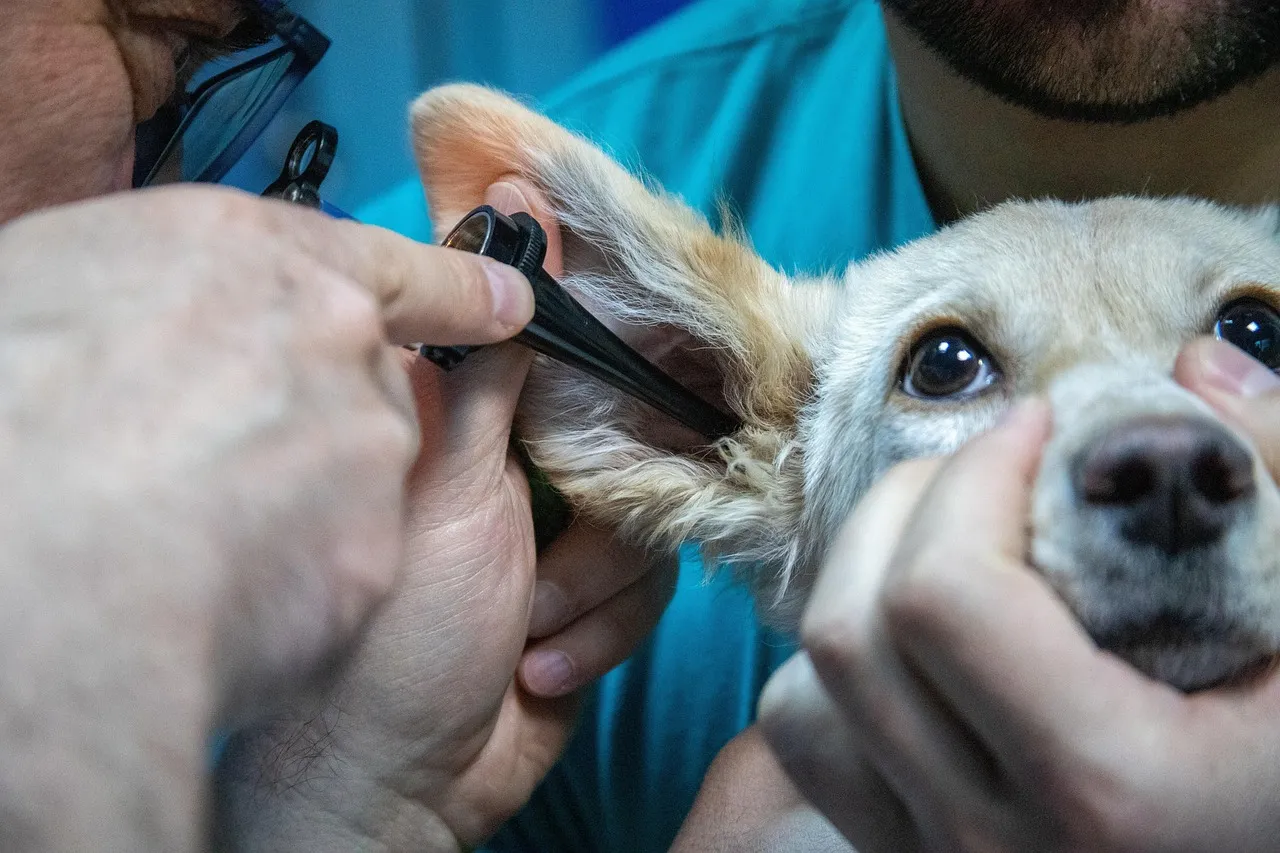
Ears hide problems better than almost any other part of a pet.
A quick look can show redness, odor, wax, or discharge, and groomers check routinely. Dogs with floppy ears tend to be more prone to ear infections.
This is where a family’s attention to small details shows up. A pet who shakes its head or scratches constantly may be signaling discomfort, and families who notice early usually mention it at drop-off.
Groomers also see what happens when nobody noticed. They may find infections, cysts, or skin conditions that were hiding under fur before the owner knew a thing.
The most overlooked clue is often a smell, not a sight.
But the skin underneath is where the real surprises hide at #12…
#12 – Fleas, Ticks, and the Prevention Question

🔥 Would you like to save this?
We'll email this post to you, so you can come back to it later!
A groomer can often tell whether a family keeps up with parasite prevention.
Fleas and ticks leave signs: specks in the coat, irritated skin, or a dog who can’t stop scratching. A groomer sees them up close, often on a freshly bathed dog where the skin is easy to see.
Wet coats reveal more than dry ones, which is why bath time is often when problems finally come into view.
Parasites don’t mean a family is careless. They can show up in the cleanest homes. But a pattern of repeat infestations suggests prevention isn’t on a regular schedule, and groomers usually deliver that news kindly and suggest asking a vet about prevention.
Worth Knowing
- Flea dirt test: Tiny dark specks that smear reddish-brown on damp white paper are a classic flea sign.
- The hidden majority: Much of a flea problem lives off the pet, as eggs and larvae in bedding and carpet.
- Tick hot spots: Ears, armpits, and between the toes are favorite hiding places.
- Product safety: Some dog treatments are unsafe for cats, so check with a vet first.
The skin is a pet’s early warning system, and most owners rarely get a clear look at it.
And what a groomer finds under the coat can change a whole afternoon, as #11 shows…
#11 – How the Family Reacts to a Lump
🔥 Would you like to save this?
We'll email this post to you, so you can come back to it later!
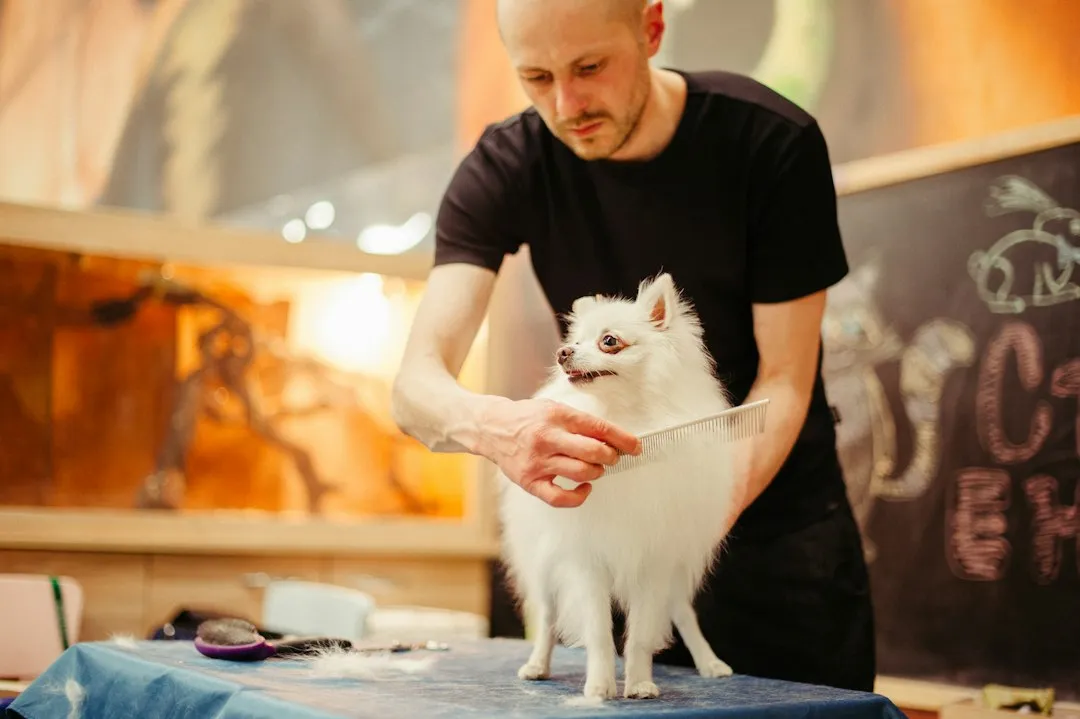
The way an owner responds to “I found a lump” says more than the lump does.
Most lumps are harmless, but some can signal bigger problems such as tumors. A groomer can’t tell which is which. That’s a vet’s job.
What the groomer can see is the reaction. Some owners book a vet visit that same week. Others brush it off or say they’ll “keep an eye on it.”
Over time groomers learn which families follow through. They also learn which ones need a gentler nudge, plus a note on the record so the lump gets rechecked at the next visit.
Here’s what groomers usually do when they find one:
- Point it out and describe where it is.
- Suggest a vet check without guessing at a cause.
- Note it so they can compare at the next appointment.
But how a pet behaves on the table is a different kind of clue, and #10 explains why…
#10 – A Pet’s Behavior Is a Mirror, Not a Verdict
🔥 Would you like to save this?
We'll email this post to you, so you can come back to it later!
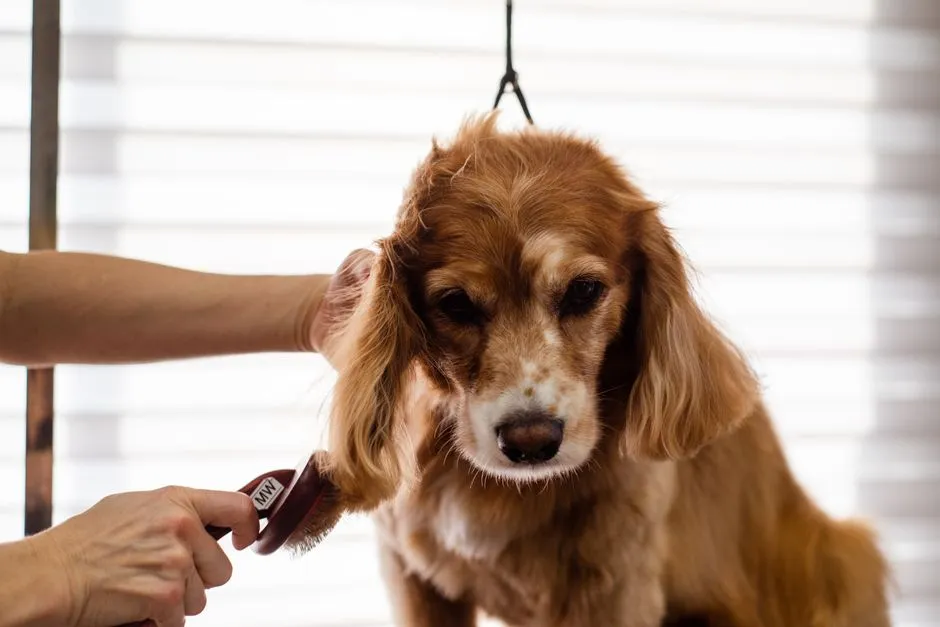
Groomers watch how a pet acts, but they’re careful about what they conclude.
A calm, trusting dog suggests regular handling and positive experiences. An anxious dog might be shy, in pain, or just new to the salon. The behavior alone doesn’t blame the family.
What groomers do notice is change. A sudden shift in behavior during or after grooming may prompt a veterinary exam that leads to a diagnosis.
Stress can also expose hidden problems. In pets with undiagnosed heart disease, the strain of grooming can bring on lethargy, coughing, or even collapse. That’s why good groomers keep sessions calm and take breaks when a pet struggles.
And the mouth often tells a quieter story at #9…
#9 – Dental Habits Show Up Near the Face
🔥 Would you like to save this?
We'll email this post to you, so you can come back to it later!
You can’t hide bad breath from someone who dries your dog’s face.
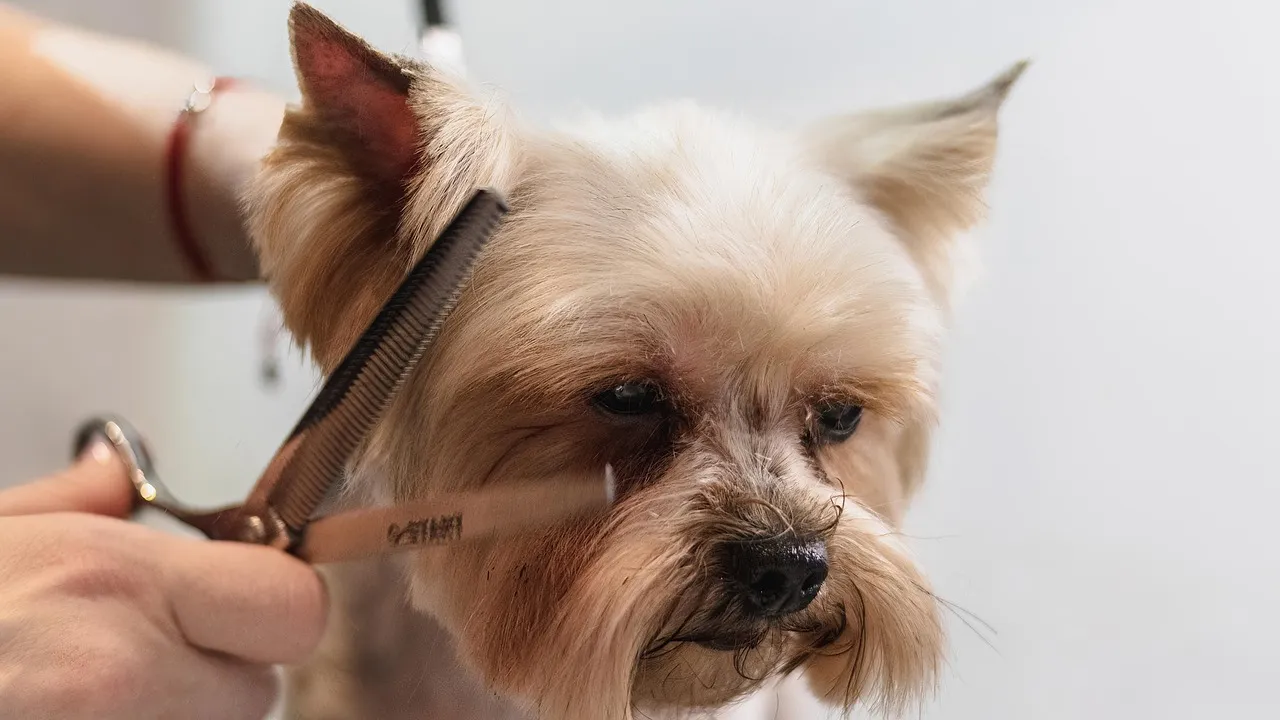
Groomers work around the mouth during face trims and drying. They notice odor, tartar, and whether a pet flinches when the muzzle is handled.
Handling the face can reveal pain or swelling from infected teeth or gums. That may be the first sign a family has missed, since plenty of owners assume bad breath is “just dog breath.”
Our take: brushing teeth is the pet-care habit most families claim to do and few actually do. Groomers see the evidence at every visit.
But the clues in the fur get even more personal at #8…
#8 – The Kids’ Fingerprints
🔥 Would you like to save this?
We'll email this post to you, so you can come back to it later!
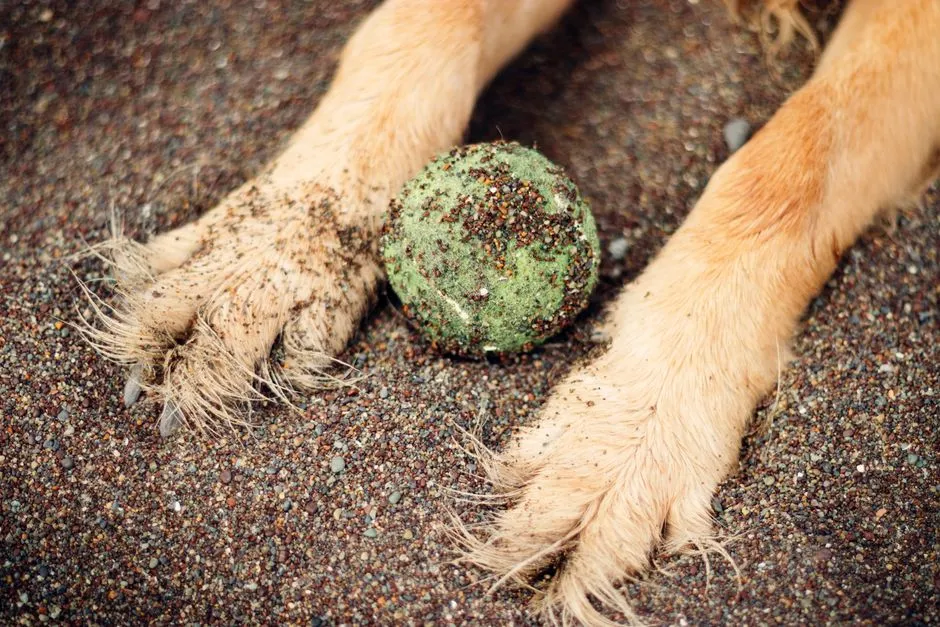
Groomers can often tell when children are in the house.
Sticky patches, stray glitter, or craft glue in the fur are dead giveaways. So are ribbons, hair elastics, and a dog who is clearly used to being hugged, tugged, and dressed up.
Tolerance matters here. A dog who is relaxed about handling often lives with people who handle it gently, while a dog who flinches may simply not be used to being touched all over.
Groomers pay attention to how comfortable pets are with:
- Having paws touched.
- Being held still for brushing.
- Face handling and ear checks.
Many pets with kids at home are more social and more used to noise. It’s a pattern, not a rule.
But what the dog picks up outdoors tells you even more, at #7…
#7 – Burrs, Mud, and Weekend Habits
🔥 Would you like to save this?
We'll email this post to you, so you can come back to it later!
Your weekend plans are written into your dog’s coat.
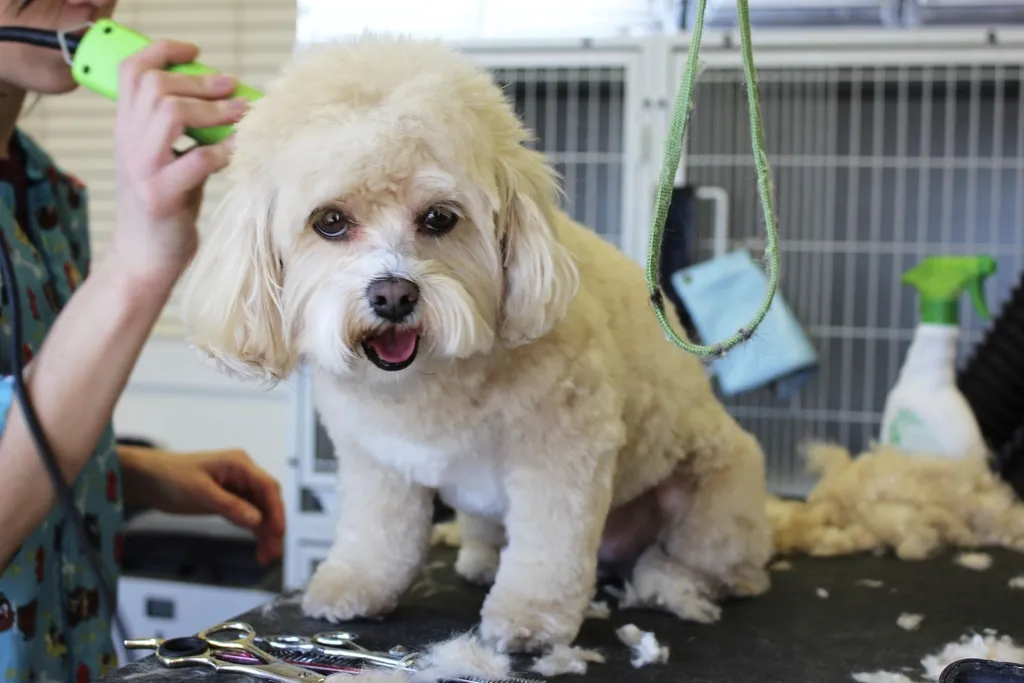
Burrs, sand, salt, mud, and seeds reveal where a dog has been. A coat full of burrs suggests regular trail time. Fine dust and sand suggest the beach. A clean, soft coat suggests a mostly indoor life.
This is more than curiosity. Tight matting can hide embedded objects like burrs or foxtails, so groomers check closely in these cases.
An active family often needs more frequent grooming, since an outdoor coat collects debris faster. Groomers may suggest a shorter cut or a quick brush-out after outings. That’s practical advice, not criticism.
And the pet’s age says something about the family’s life stage, which is #6…
#6 – Age, Patience, and Changing Needs
🔥 Would you like to save this?
We'll email this post to you, so you can come back to it later!
A good groomer reads a family’s flexibility in how they handle an aging pet.
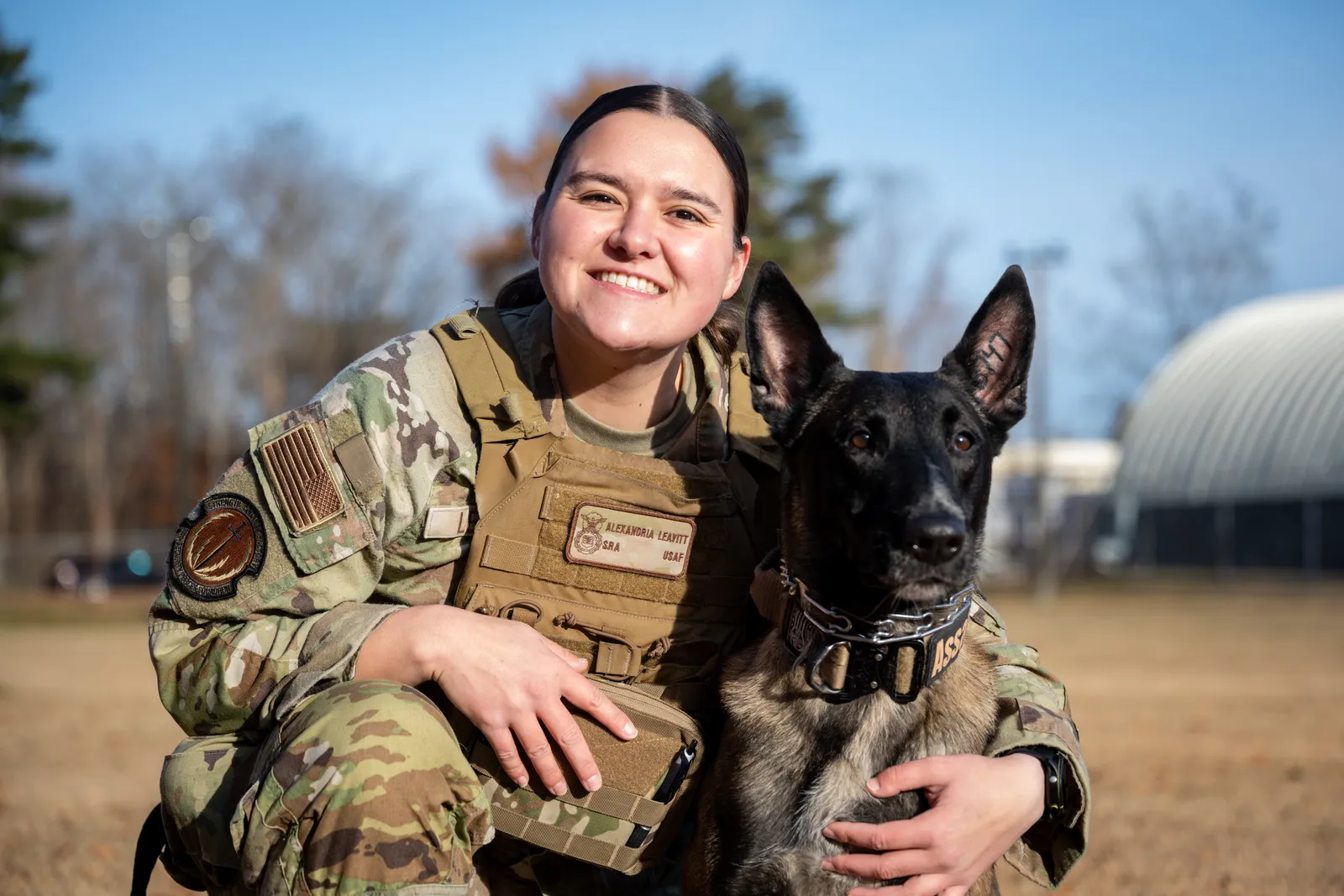
Older pets often need shorter sessions, softer handling, and more breaks. Standing for long periods gets harder, and joints may ache. The same appointment that worked at age three may not work at twelve.
Families who adapt tend to ask questions. Can we shorten the visit? Can she rest between steps? Those questions show attention and care.
Others keep the old routine without noticing the pet has changed. Groomers see this often and usually bring it up gently. They also meet the opposite type: first-time puppy families who have everything to learn and arrive with plenty of questions.
Here’s what changes with age:
- Appointments may need to be shorter.
- Handling needs to be gentler around sore joints.
- Rest breaks become essential.
But how a family communicates is its own kind of signal, as #5 explains…
#5 – Communication Style Says It All
🔥 Would you like to save this?
We'll email this post to you, so you can come back to it later!
The best groomer–client relationships are built on clear notes, not long chats.
Groomers notice whether families answer messages, read notes, and follow up on advice. Some clients reply fast and ask smart questions. Others go quiet the moment a health concern is raised.
This isn’t about politeness. It’s about how information moves through a household. If a groomer flags an ear problem, does the message reach the person who can book the vet?
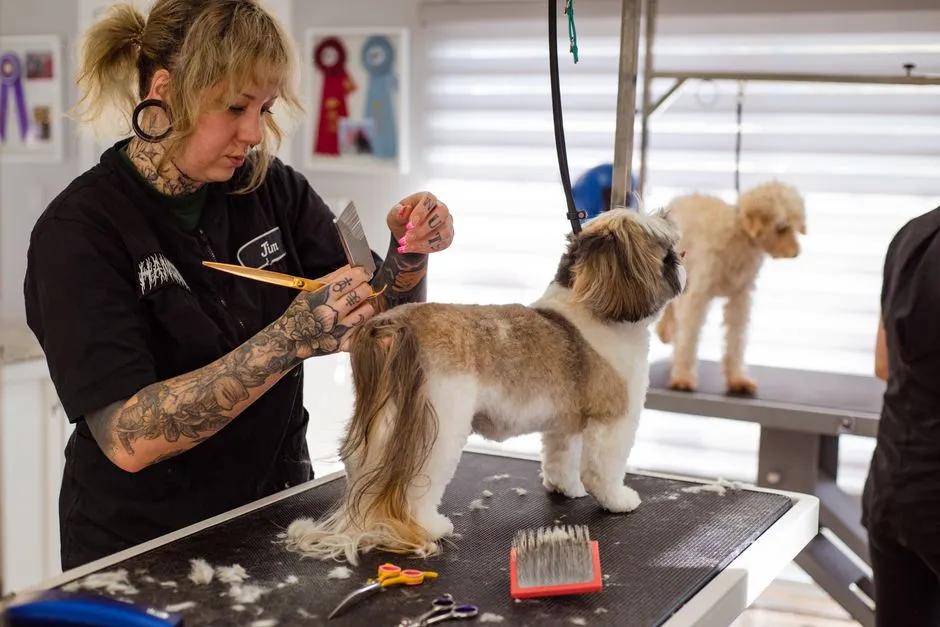
Experienced groomers adapt. They send photos, short written summaries, or a note at pickup. Clear communication is usually the difference between a concern that gets handled and one that fades.
And when a coat is hopelessly matted, groomers hear the most dramatic request of all, at #4…
#4 – The “Just Shave It All Off” Conversation
🔥 Would you like to save this?
We'll email this post to you, so you can come back to it later!
Few requests divide groomers like a demand to shave a matted dog to the skin.
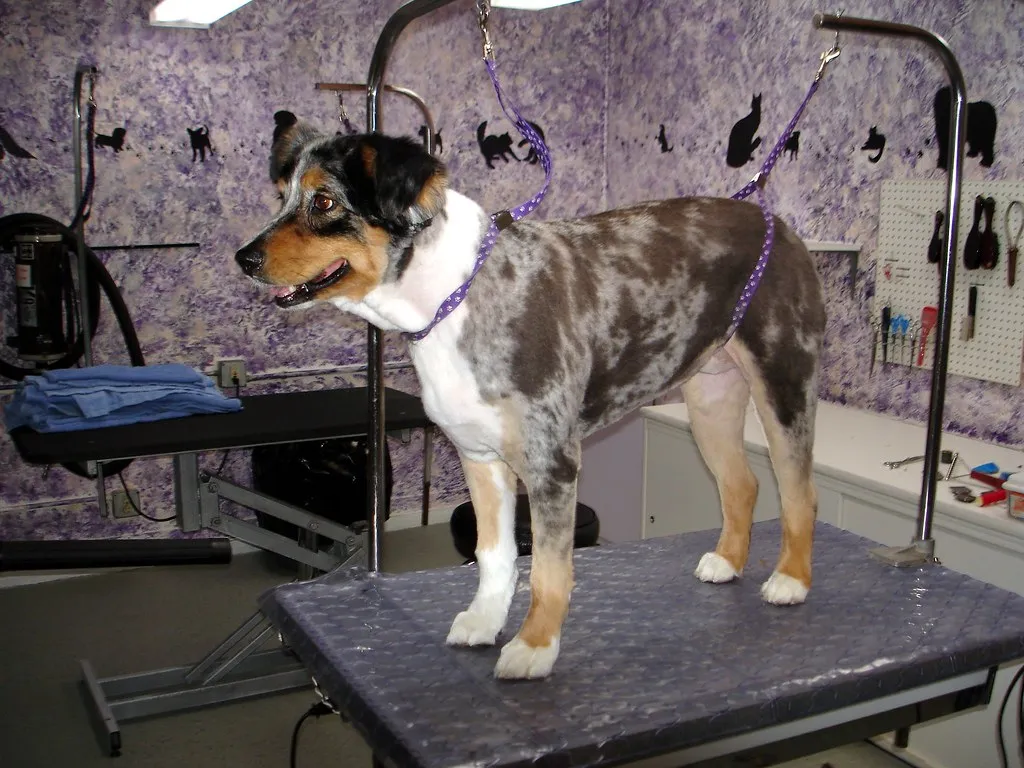
Sometimes it’s the kindest option. Severe matting can be painful to brush out, and removing it quickly can spare a dog hours of discomfort. It can also expose hidden wounds or irritation that were covered up.
Here’s where opinion splits. Many groomers argue that repeated shave-down visits are a sign the home routine needs to change. Others say the real fault is a pricing system that makes regular visits unaffordable. Both views are common in the trade.
Either way, a shave-down is not a moral failure. It’s often the result of busy lives, tight budgets, or a coat that grows faster than expected. And because severe mats can grow tight enough to restrict circulation, groomers take them seriously.
Quick Compare
- Gentle brush-out: Works for light tangles, but gets stressful once mats reach the skin.
- Shave-down: Faster for severe mats, and lets the groomer see the skin underneath.
- Prevention: Short, regular brushing and shorter gaps between visits help avoid both.
But the biggest conclusion of all might be about the bond itself, as #3 shows…
#3 – The Goodbye at the Door
🔥 Would you like to save this?
We'll email this post to you, so you can come back to it later!
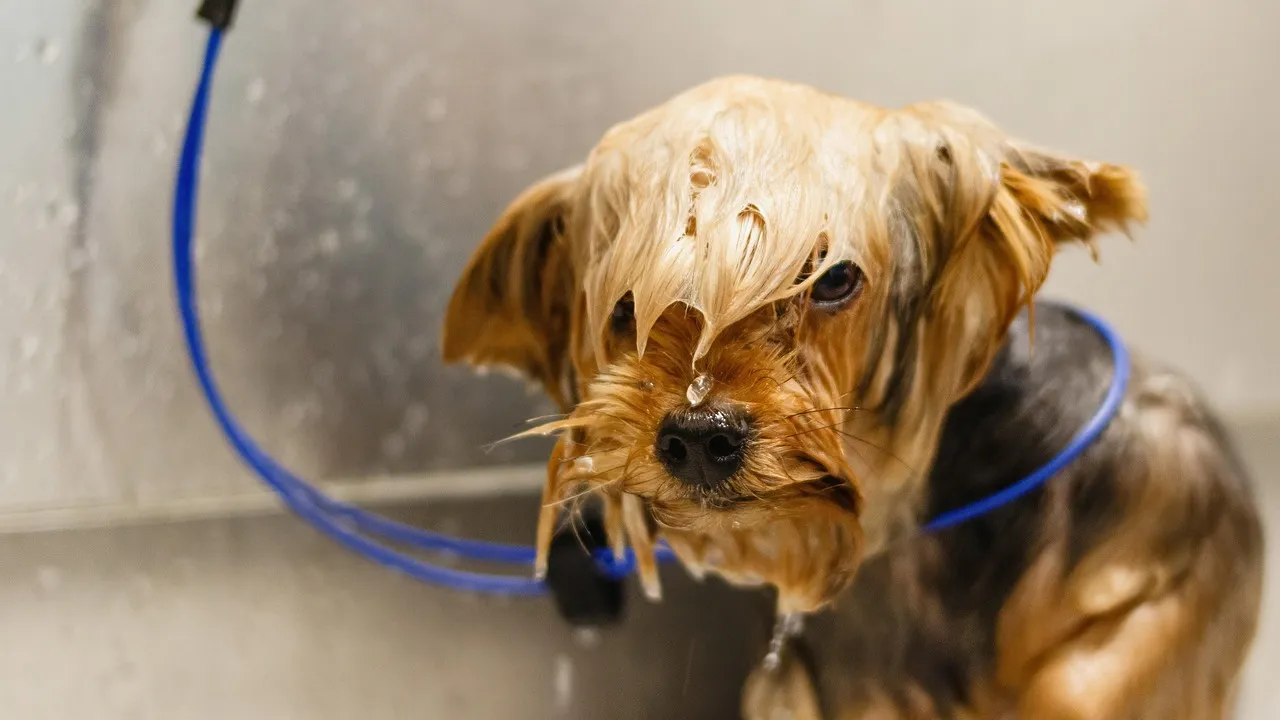
How a family says goodbye can tell a groomer more than any form.
Some families drop the leash and go. Others linger, whisper reassurance, or call to check in. Neither is wrong. Both tell the groomer something about the bond.
A calm handoff helps the pet. Long, anxious goodbyes can sometimes make a nervous dog more worried, so groomers often suggest a short, cheerful drop-off.
At pickup, the pet’s reaction matters just as much. A dog who runs to the family and relaxes is showing trust. A pet who shies away may be tired, stressed, or simply overstimulated.
And the most revealing pattern takes years to see, at #2…
#2 – Life Changes Show Up in the Pet
🔥 Would you like to save this?
We'll email this post to you, so you can come back to it later!
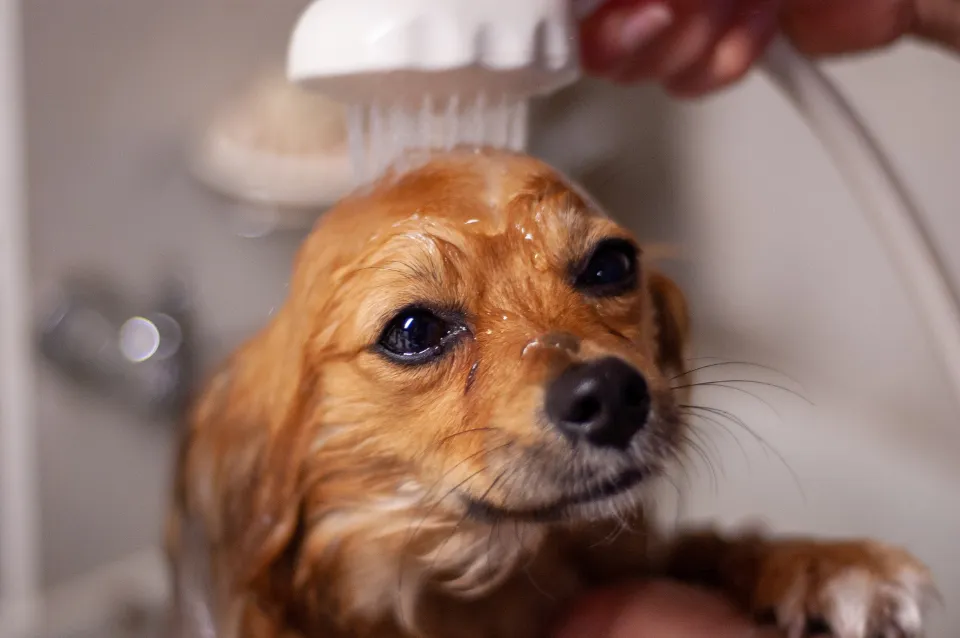
Over years of visits, groomers quietly watch families go through big changes.
A new baby, a move, a job change, or a loss at home can show up in small ways. Appointments shift. A different person starts bringing the dog. The coat condition changes.
Groomers don’t pry, and they rarely draw firm conclusions. But they notice. A pet who suddenly comes in matted after years of being tidy may belong to a family that is stretched thin.
That’s why many groomers become gentle observers rather than just service providers. They may be one of the few outside people who see the pet this regularly.
But the biggest conclusion groomers draw is waiting at #1…
#1 – Who Is Really Watching Out for This Pet
🔥 Would you like to save this?
We'll email this post to you, so you can come back to it later!
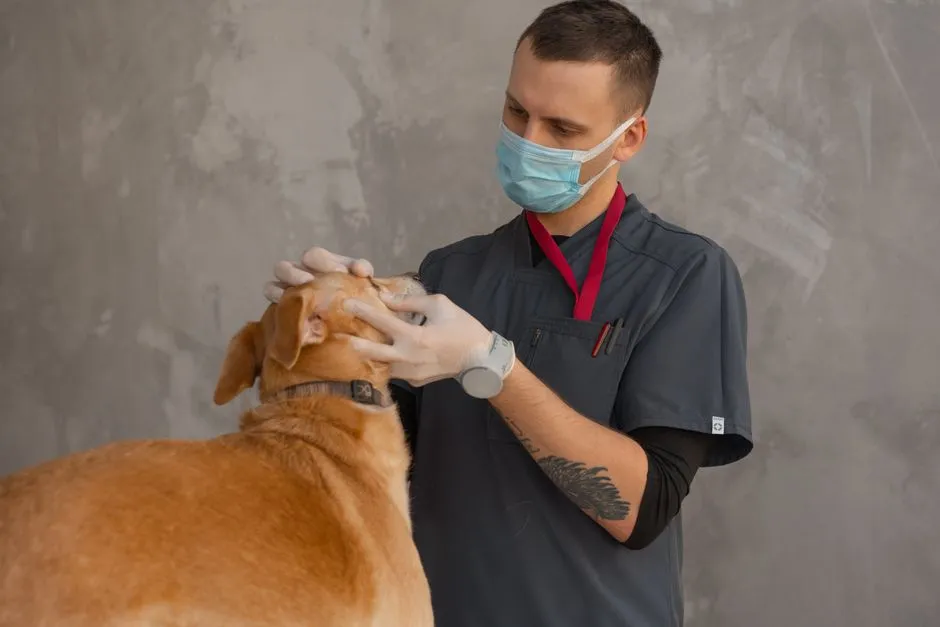
The conclusion groomers draw most often is whether anyone in the family is truly paying attention.
That attention may show up in a note about a limp, a question about a new bump, or a quick comment about a changed appetite. It rarely shows up in money or fancy products.
Groomers handle the same body zones again and again, which makes change easier to spot. That repeated, hands-on contact can help catch lumps, infections, and parasites earlier than owners might on their own.
So the most valuable thing a family can do is simple: listen when the groomer speaks up. A groomer doesn’t diagnose, but their observation can be the first step toward early care.
Why It Stands Out
- Repeat contact: The same pet, the same table, every few weeks.
- Whole-body access: Ears, paws, skin, teeth, and coat all get handled in one visit.
- Clean-slate view: A freshly bathed coat makes skin problems easier to see.
- A built-in baseline: Groomers remember what normal looked like last time.
The families who do best aren’t the ones with the neatest dogs. They’re the ones who treat a grooming visit like a checkup.
Groomers don’t read minds, and they don’t judge a family by one messy coat. What they see is a series of small clues about brushing habits, treats, teeth, ears, and how information moves through a household. The pattern matters far more than any single appointment.
Our opinion: grooming is the most underrated preventive-care visit in pet ownership, and families who treat it as a quick haircut are missing its best feature. A groomer’s quiet “have you noticed this?” is worth far more than a fancy bow.

- 10 Enigmatic Structures That Continue to Puzzle Scientists Today - November 5, 2026
- 10 Strange Ruins in the Americas That Challenge What We Know About Early History - November 5, 2026
- Beyond the Bark: Decoding Your Dog’s 12 Most Common Vocalizations - November 5, 2026