
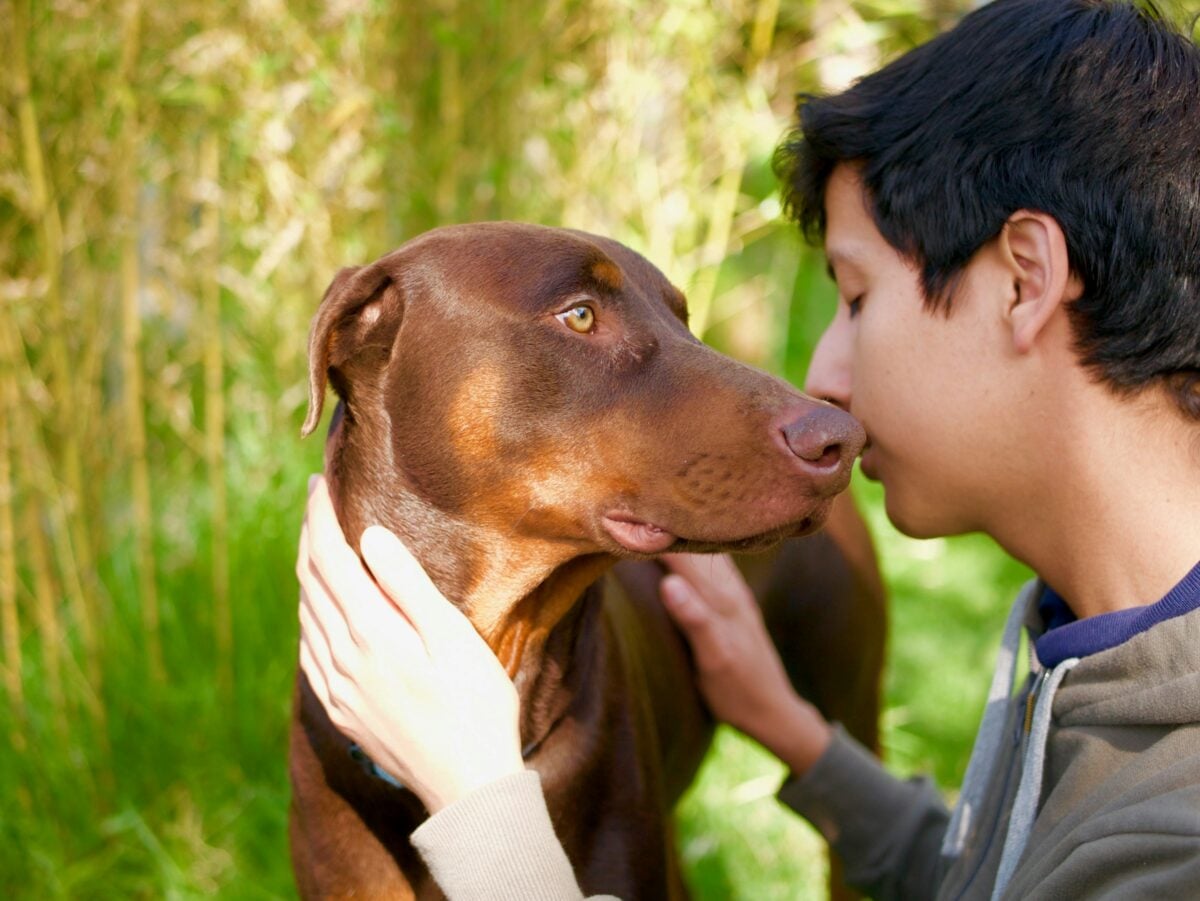
Most owners are sure the “crazy puppy phase” ends around the first birthday. Then the third birthday rolls around, and plenty of them swear they’re living with a different dog. If you’ve ever looked at your three-year-old and wondered where the dog you knew went, this countdown is for you.
The strange part is that the shift doesn’t always go the way you’d expect. In one study of Border collies, “novelty seeking” dropped markedly after the age of 3. But some breeds mellow, some get pickier, and a few dig in harder. Individual dogs also differ so much in how their personalities develop that no two change in exactly the same way. Stick around, because the breed at #1 is the one science has actually measured.
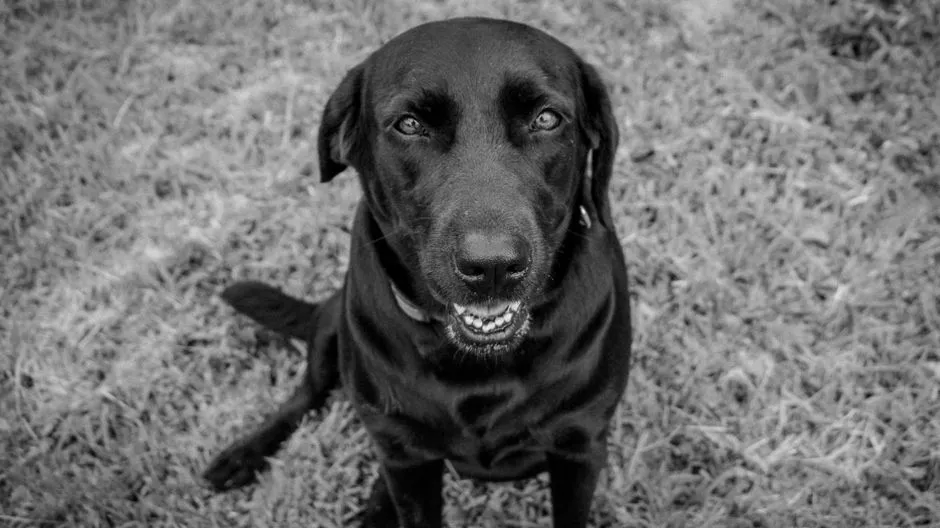
#19 – Labrador Retriever: The Land Shark Finally Exhales
🔥 Would you like to save this?
We'll email this post to you, so you can come back to it later!
Labs have a reputation for staying puppies far longer than anyone warns you.
Owners often describe the first two to three years as a blur of chewing, jumping and selective hearing. Then something clicks. The dog that once treated every guest like a trampoline starts greeting people with a wagging, waist-high calm.
That fits the broader research. In one study, the age of the dog was the strongest predictor of calmness. A Lab’s brain simply takes a while to catch up with its body, and this is a breed built to work long days retrieving, so the engine is big.
Here is the unpopular part. Many trainers argue the Lab is a poor “easy first dog” for the first three years, and that the calm adult is the one people are really picturing when they bring the puppy home.
- Impulse control tends to improve in the third year
- Counter-surfing and mouthing often fade with consistent training
But the next breed shows that a calmer dog isn’t always a quieter one…
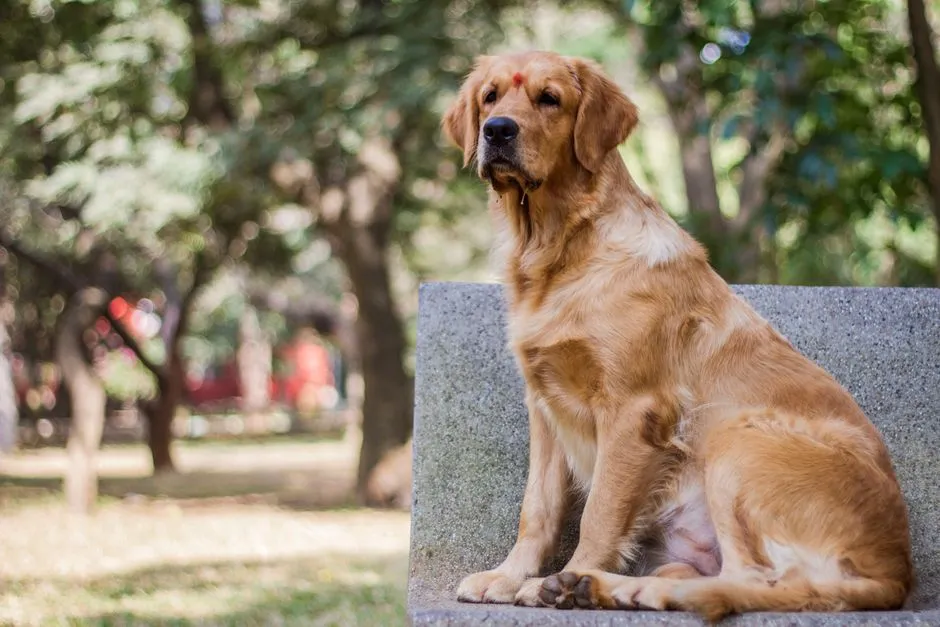
#18 – Golden Retriever: Sweet Goofball to Sensitive Soul
🔥 Would you like to save this?
We'll email this post to you, so you can come back to it later!
Goldens are often called eternal puppies, but many owners report a quieter emotional shift in year three.
Young Goldens tend to greet everything with the same full-body joy. By adulthood, many become more selective about when to play and when to simply sit beside you.
Some owners notice more sensitivity too. A dog that once ignored a raised voice may now react to the mood in the room, and may even seem to check your face before deciding how to feel.
Researchers who studied dogs of all ages found that age was strongly associated with energy and dog sociability. That fits what many Golden owners describe as a softening of the “greet everyone” reflex.
Breed isn’t destiny, though. Within any breed, there is a broad range of personalities across individuals.
And the next breed takes “slow to mature” to a whole new level…
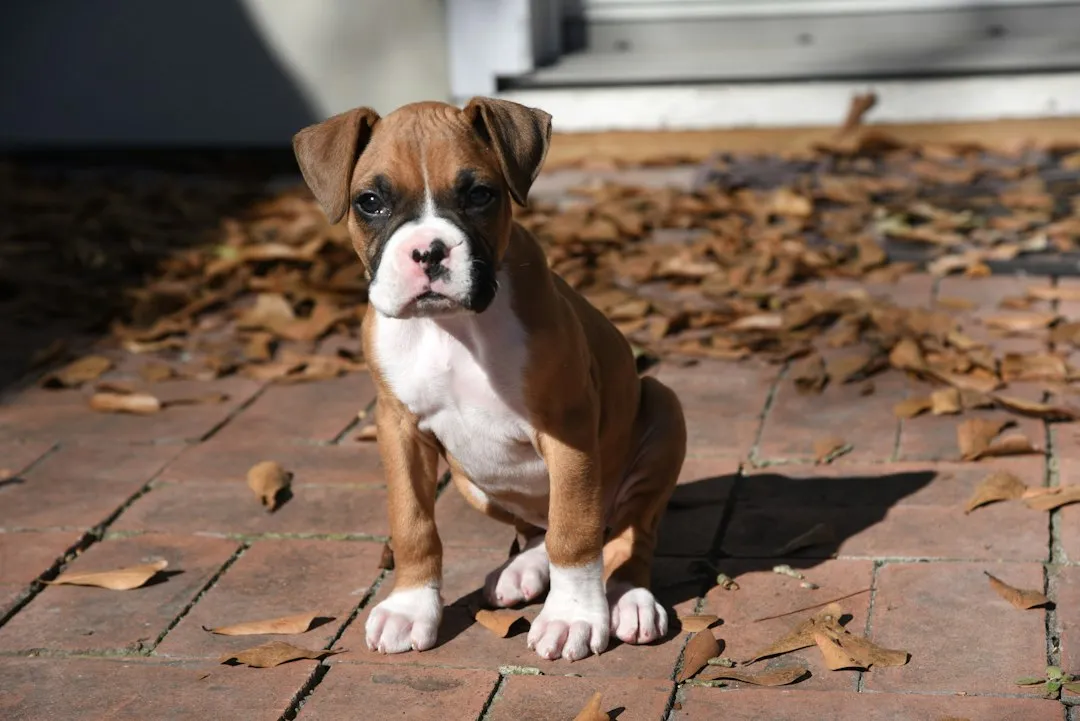
#17 – Boxer: The Clown Who Takes His Time
🔥 Would you like to save this?
We'll email this post to you, so you can come back to it later!
Boxers are famous for acting like puppies well past the age when other breeds have settled.
Many owners say the bounce, the wiggle and the head-butting stay strong into the third year. Then the dog starts to read situations instead of simply reacting to them.
That change is gradual. You may not spot a single “switch” moment. One day you just realize the dog can wait at a door without launching through it.
Here’s a take that may start an argument. Plenty of trainers say Boxers are underrated as adults and overrated as puppies. The calmer three-year-old is, arguably, the better version.
- Roughness during play often eases
- Attention spans tend to get longer
But that’s nothing compared to what happens with our next breed, which seems to cut its own path…
#16 – Siberian Husky: Independence Gets Louder
🔥 Would you like to save this?
We'll email this post to you, so you can come back to it later!
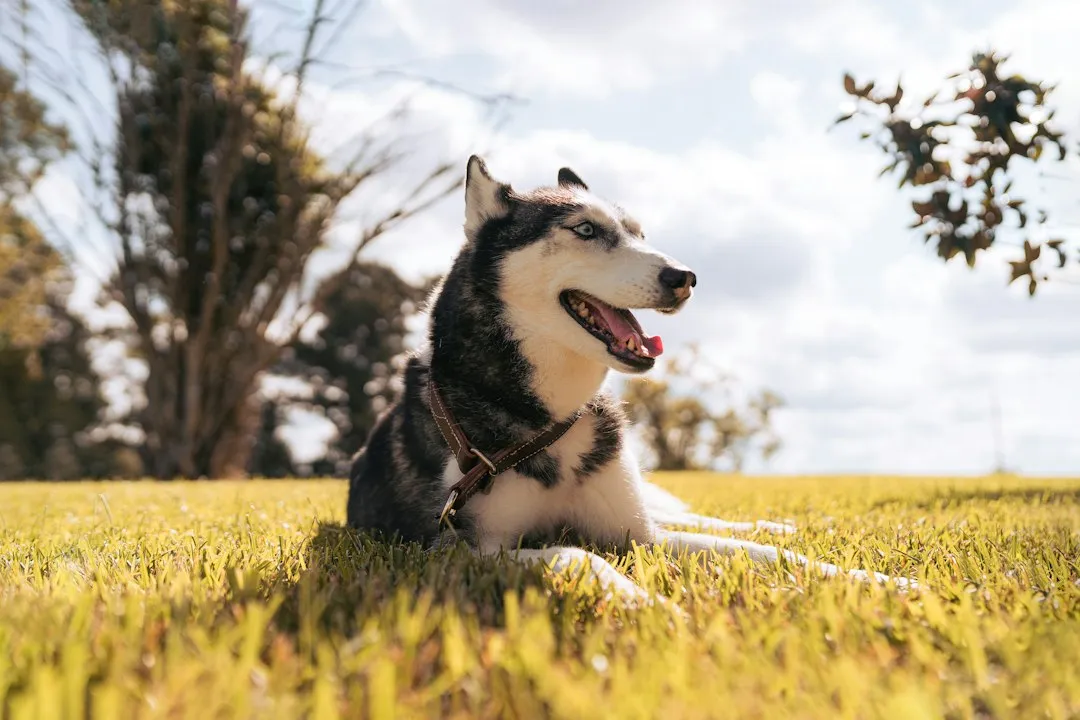
Huskies don’t mellow so much as get more confident in their own opinions.
A young Husky may trail you around the yard. By year three, many owners say the dog is more self-directed, more willing to push boundaries and far more interested in whatever it just smelled.
Escape attempts and selective recall are the classic complaints. Owners often say these get sharper, not softer, as the dog gains confidence, and a fence that held a puppy may suddenly look like a puzzle.
This is where many experts push back on the glamorous image. A dog bred for independent work over long distances isn’t being “disobedient” when it ignores you. It’s doing what the breed was built to do.
- Expect stronger opinions, not blind obedience
- Secure fencing matters more, not less
Quick Compare
- Puppy Husky: Sticks close, follows you from room to room, tests a fence by accident
- Three-year-old Husky: Wanders off on its own agenda, tests a fence on purpose
- What changes for you: Less “Where are you going?” and more “Where did you go?”
Next up is a breed whose caution tends to show up right on schedule…
#15 – German Shepherd: The Watchful Adult Emerges
🔥 Would you like to save this?
We'll email this post to you, so you can come back to it later!
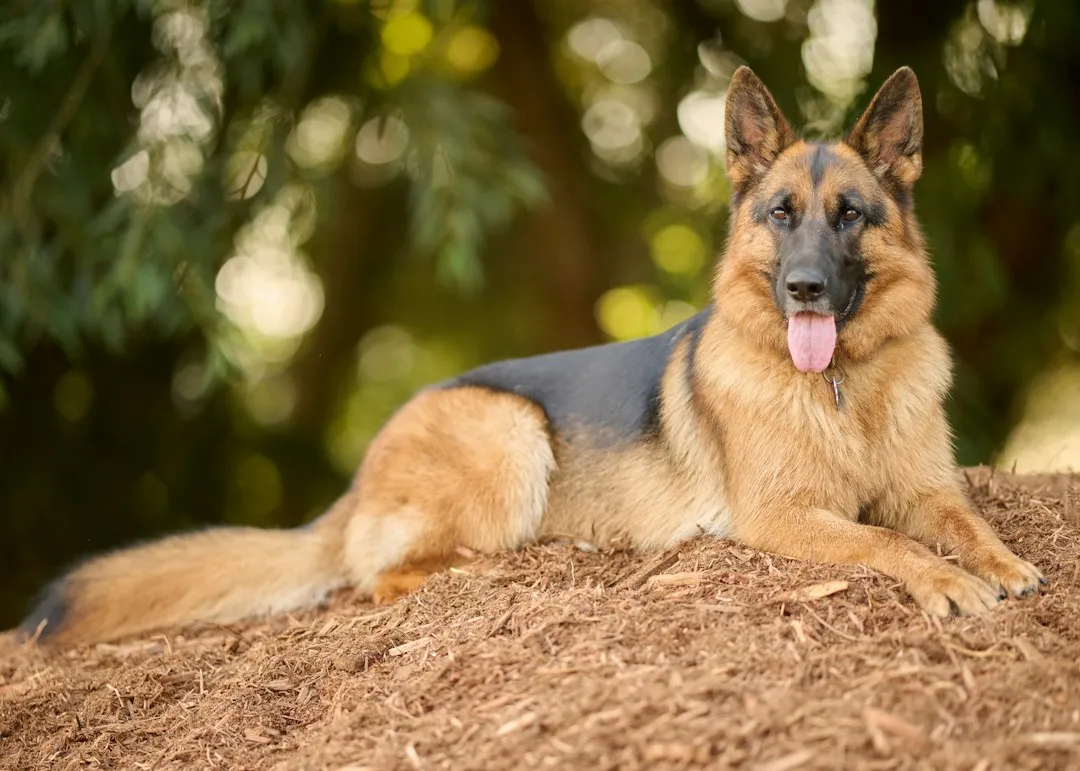
A friendly adolescent German Shepherd can become a noticeably more watchful adult.
Many owners report that wariness around strangers and a stronger sense of “my territory” appear as the dog moves from adolescence into full adulthood. Shepherds were bred to watch and guard, and that trait often sharpens with maturity.
The shift is not always negative. Many Shepherds become steadier, more focused and easier to read once the teenage phase ends.
Early socialization matters a great deal here. In a survey of more than 11,000 dogs, puppyhood socialization was associated with personality. A well-socialized young Shepherd is more likely to channel that alertness well.
But the breed we’re covering next gets misread even more often…
#14 – Rottweiler: From Bouncy Teen to Quiet Guardian
🔥 Would you like to save this?
We'll email this post to you, so you can come back to it later!
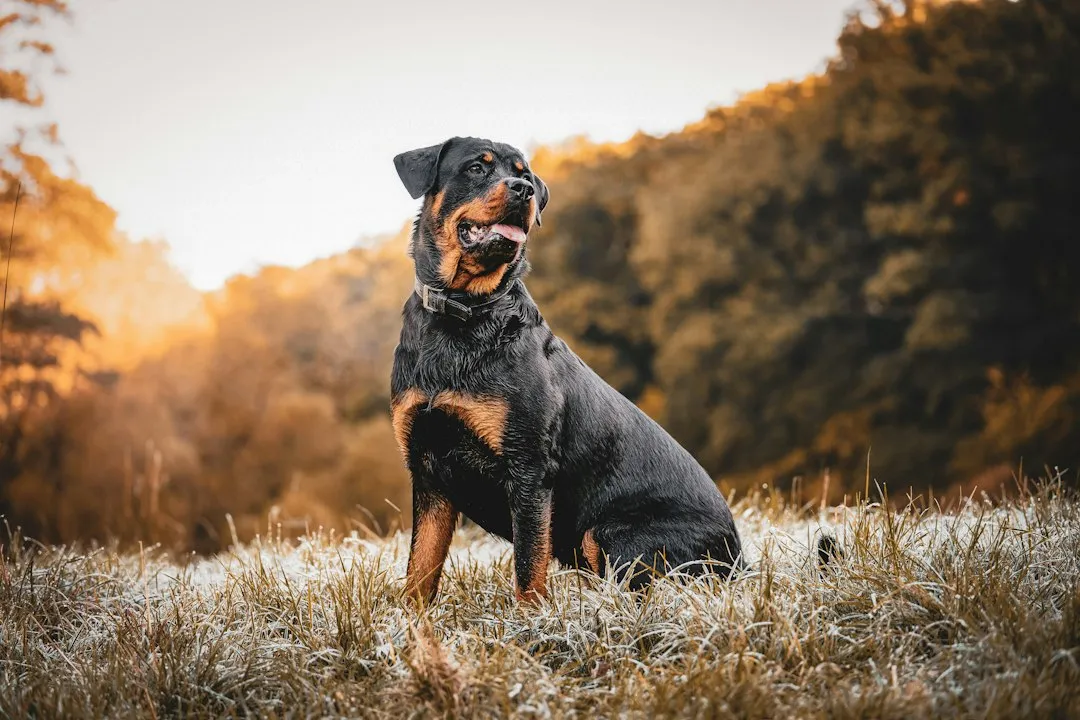
The boisterous young Rottweiler and the calm adult can seem like two different dogs.
Rottweilers often mature mentally later than people expect. Many owners describe the first two or three years as goofy and strong-willed, followed by a steadier, more self-assured dog.
Confidence is the key word. Adult Rotties are often described as watchful without being frantic, and less eager to wrestle with everyone they meet.
Here’s the uncomfortable truth. A big, strong dog that never got training in its teenage years is much harder to manage at three than at one. Maturity doesn’t fix a lack of structure.
- Calm tends to replace clumsy exuberance
- Training gaps become more obvious, not less
Our next breed combines intensity with a surprising soft side…
#13 – Doberman Pinscher: The Velcro Dog Grows Up
🔥 Would you like to save this?
We'll email this post to you, so you can come back to it later!
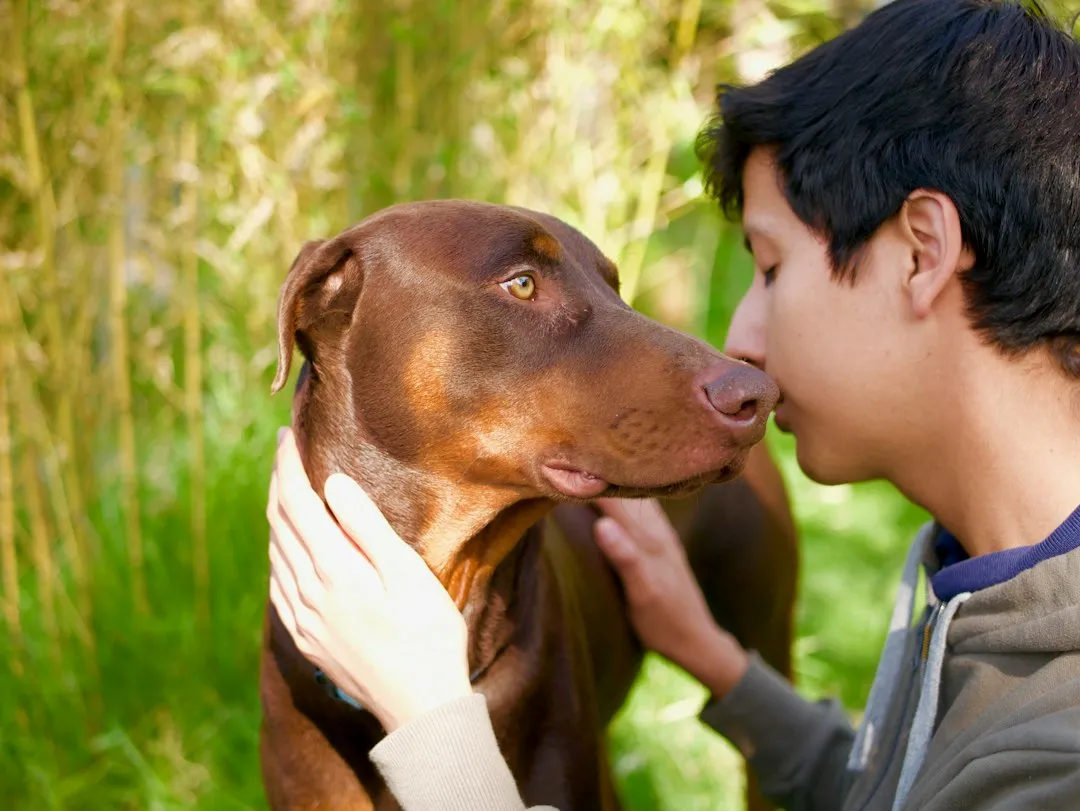
Dobermans are often described as dogs that become more attached, not less, as they mature.
Young Dobermans are energetic, quick and eager. Many owners say the third year brings a more settled temperament and a stronger focus on one particular person or household.
That closeness can tip into separation stress for some dogs. A dog that was fine alone at one may start to struggle at three, and owners are often caught off guard because the problem shows up after the “hard” years are supposedly over.
Sensitivity is part of the package, and the dog’s training history matters a lot. Calm, predictable routines tend to help.
But the next breed proves that bigger doesn’t mean faster to grow up…
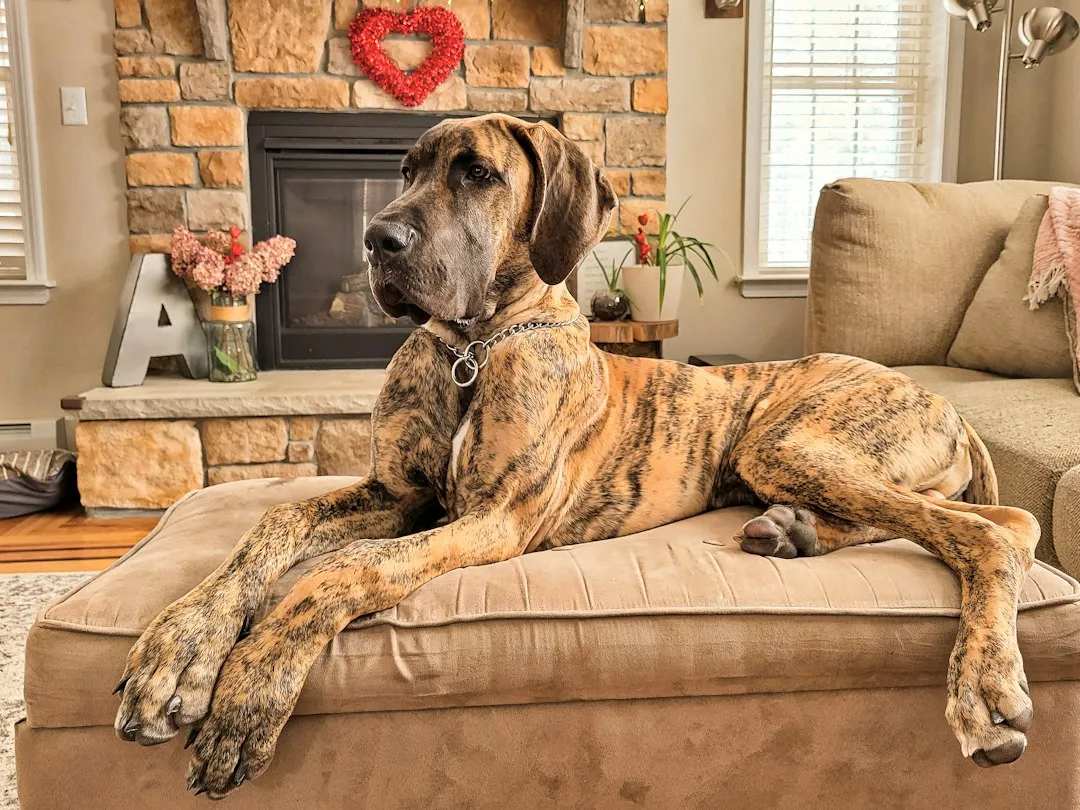
#12 – Great Dane: A Slow-Motion Transformation
🔥 Would you like to save this?
We'll email this post to you, so you can come back to it later!
Great Danes are one of the clearest examples of a dog that matures on a delayed schedule.
Giant breeds usually take longer to reach physical maturity than small ones. Many owners say that mental maturity runs on a similar delay.
Between two and three years, the “gangly teenager” often turns into a more composed, deliberate adult. The classic sign is the couch-sized lean: a dog that now leans its whole weight against your legs instead of bulldozing through them.
The practical side is the part nobody mentions. A rambunctious Dane puppy is a lot of dog to manage, so early training isn’t optional. Habits learned at 60 pounds are hard to reverse at 140.
- Slower maturation than most smaller breeds
- Calmer indoors by the third year, according to many owners
Fast Facts
- Adult males typically stand about 30 to 32 inches at the shoulder
- Typical lifespan is roughly 7 to 10 years, so year three is a meaningful slice of adult life
- Many giant breeds keep filling out well past their first birthday
- Early manners matter, because size makes every bad habit bigger
Now for a breed that research itself says may break the rules…
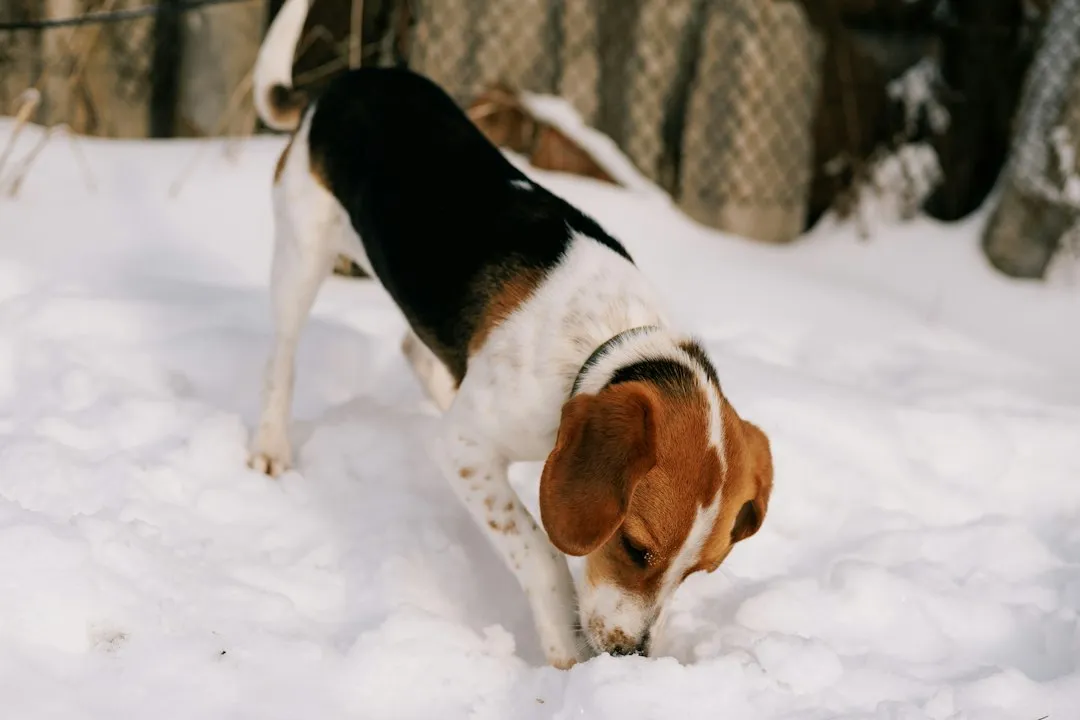
#11 – Beagle: The Nose Takes Over
🔥 Would you like to save this?
We'll email this post to you, so you can come back to it later!
Beagles may not follow the “mellow with age” script at all.
When researchers described the Border collie findings, one expert cautioned that the downward trends in novelty-seeking might be different with beagles, for example. That is an honest admission that breed matters.
Many owners say a Beagle’s scent drive stays strong or gets stronger in adulthood. A three-year-old Beagle can be harder to call back than a one-year-old, because the nose often wins.
Treat any “dogs always calm down” claim with suspicion. For scent hounds, the evidence is thinner and the owner reports are mixed.
But the next little dog has a different problem altogether…
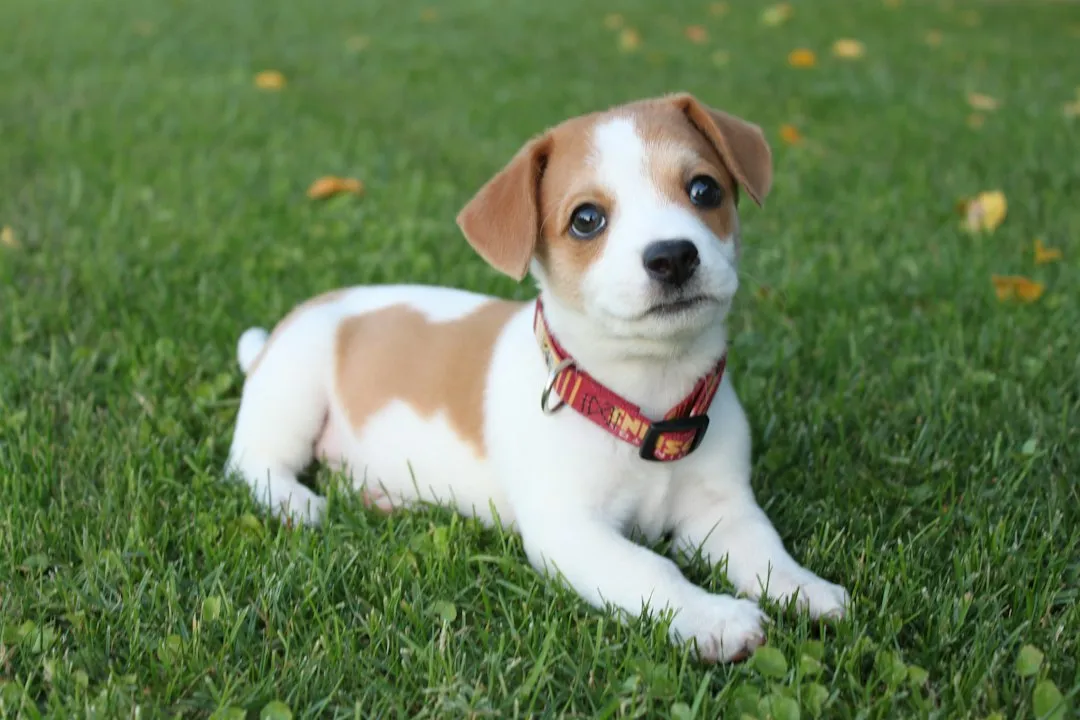
#10 – Jack Russell Terrier: Energy That Needs a Job
🔥 Would you like to save this?
We'll email this post to you, so you can come back to it later!
Jack Russells don’t slow down so much as get smarter about getting what they want.
Young terriers are chaos in a small body. By three, many owners say the dog is more focused but still very driven, with a strong urge to chase and dig.
This breed is the best argument against the myth that small dogs are low-maintenance. A bored adult terrier can be far more creative than a puppy, and your couch cushions will tell the story.
Mental work often helps more than extra miles. Puzzle feeders, scent games and short training sessions give a terrier something to solve.
- Drive tends to become more targeted
- Boredom behaviors often become more inventive
Our next herding breed shows the same pattern in a different form…
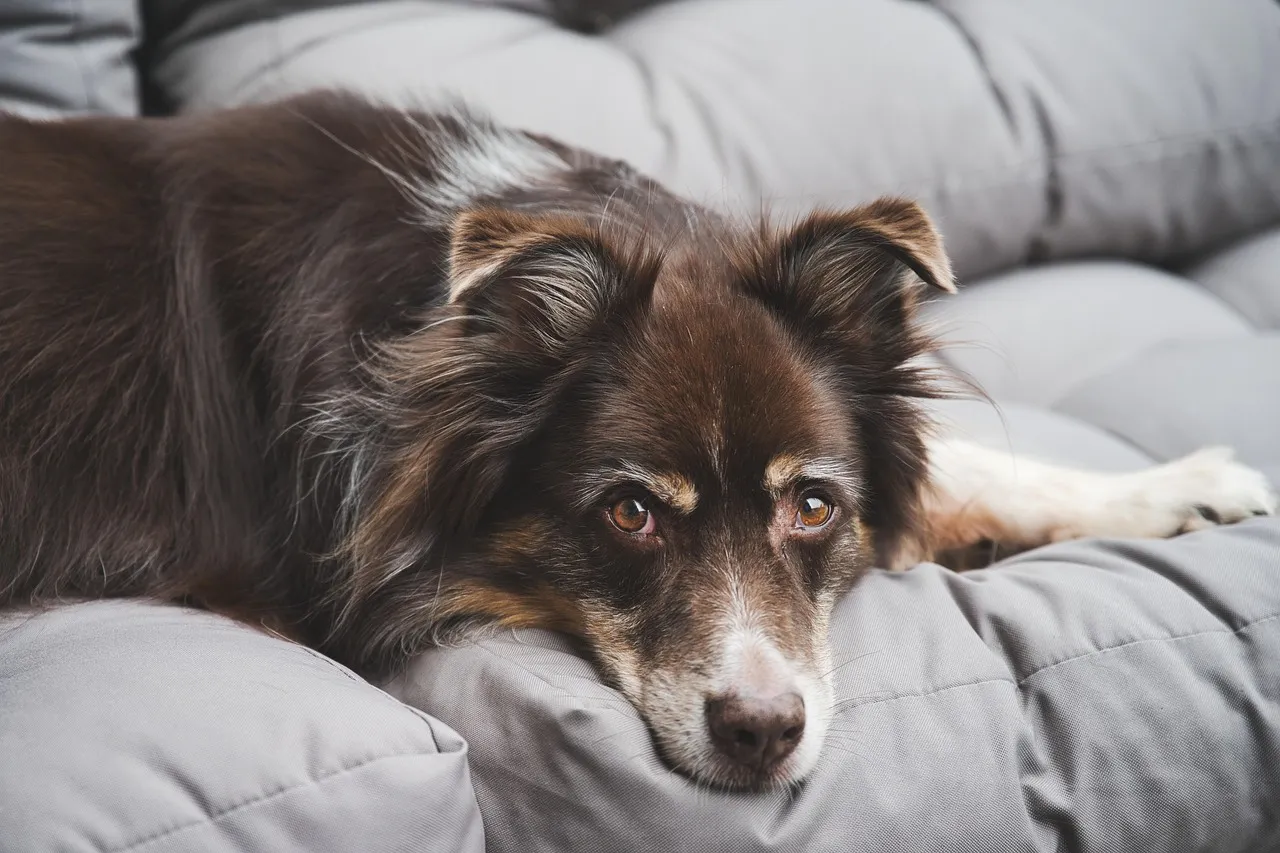
#9 – Australian Shepherd: Smart Enough to Get Bored
🔥 Would you like to save this?
We'll email this post to you, so you can come back to it later!
Aussies often seem to get more particular, not less, as they mature.
As adolescents, they burn through energy with little judgment. By year three, many owners say the dog is more tuned in to routines, and also gets frustrated more quickly when those routines change.
Herding breeds can develop sound sensitivity or a tendency to herd children and other pets. These habits often become clearer once the dog is an adult.
Researchers who studied Border collies found that problem orientation increased strongly until middle age. Many herding owners would say their Aussie fits that pattern.
But the next breed is the opposite: a clown who becomes a thinker…
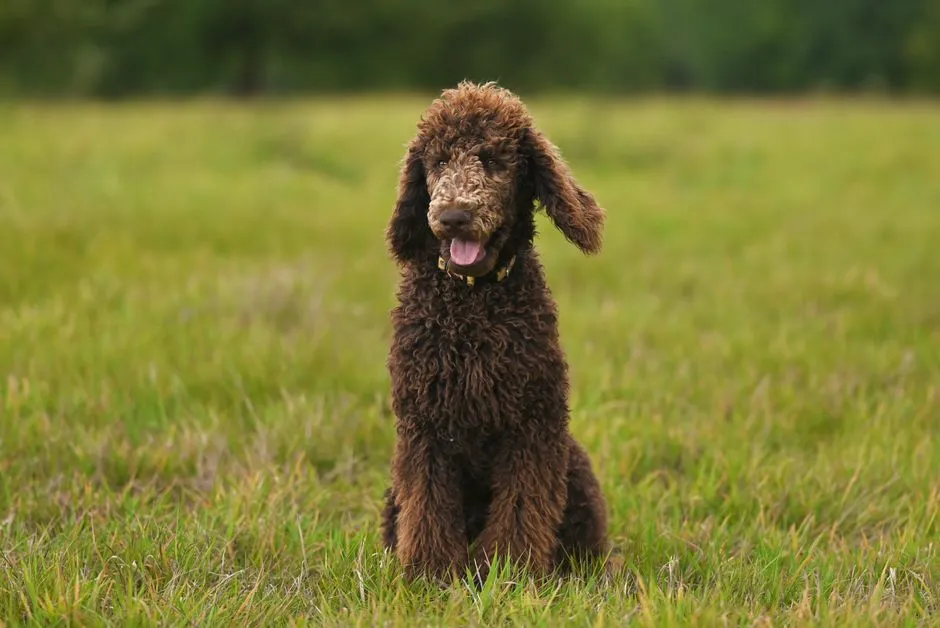
#8 – Standard Poodle: The Clown Becomes a Diplomat
🔥 Would you like to save this?
We'll email this post to you, so you can come back to it later!
Standard Poodles often turn from bouncy comedians into thoughtful, people-focused adults.
Young Poodles are quick learners who can also be remarkably mischievous. By three, many owners describe a dog that reads household routines well and rarely misses a cue.
Intelligence cuts both ways. A smart adult dog can learn the wrong habits as easily as the right ones, so consistency matters.
Many Poodle owners also say the dog’s sensitivity grows with age. Harsh corrections tend to backfire with sensitive dogs.
- Strong learning ability continues into adulthood
- Reward-based methods tend to work best
Worth Knowing
- The Standard is the largest of the three Poodle sizes, standing over 15 inches at the shoulder
- The breed’s roots are in water retrieving, which helps explain the stamina and eagerness to work
- Many Poodles live well into their teens, so a three-year-old is still early in the story
Next is a breed whose sweet face hides a lot of change…
#7 – Cocker Spaniel: Sweetness With Opinions

🔥 Would you like to save this?
We'll email this post to you, so you can come back to it later!
The merry young Cocker can develop surprisingly strong preferences.
Many owners say that as a Cocker matures, it bonds more tightly with its people and may become more reserved with strangers. Some become more anxious when left alone.
Ear and skin issues are common in this breed, and pain can affect mood. Before blaming “attitude,” a vet check is wise.
This is the big caveat for every breed on this list. A sudden behavior change at any age can have a medical cause, not just a personality one. Owners often dismiss it as normal aging, and that’s a mistake. As one study noted, behavioural changes, even those indicative of age-related diseases, are commonly dismissed by owners.
But the next breed is famous for a very different kind of change…
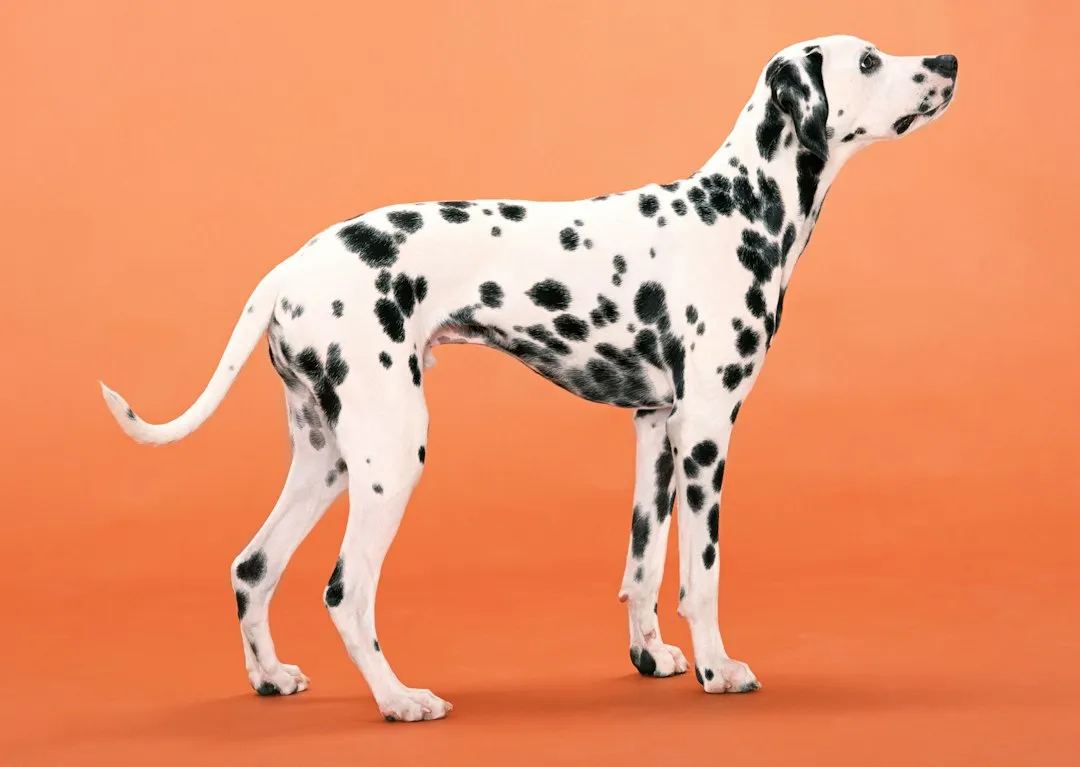
#6 – Dalmatian: High Energy, Higher Sensitivity
🔥 Would you like to save this?
We'll email this post to you, so you can come back to it later!
Dalmatians often shift from nonstop motion to a more selective, sensitive adult.
Young Dalmatians have a reputation for endless stamina. Many owners say the energy stays high, but the dog gets clearer about who it trusts and what it likes.
Dalmatians are also sometimes described as reserved with strangers and sensitive to harsh handling. Calm, consistent training tends to suit the breed.
The popular image of a spotted firehouse mascot leaves out how demanding they can be. Many experts say they’re a poor match for casual owners who can’t commit to daily exercise.
- Stamina stays high into adulthood
- Social caution may increase with age
Our next breed is where independence turns into something far more selective…
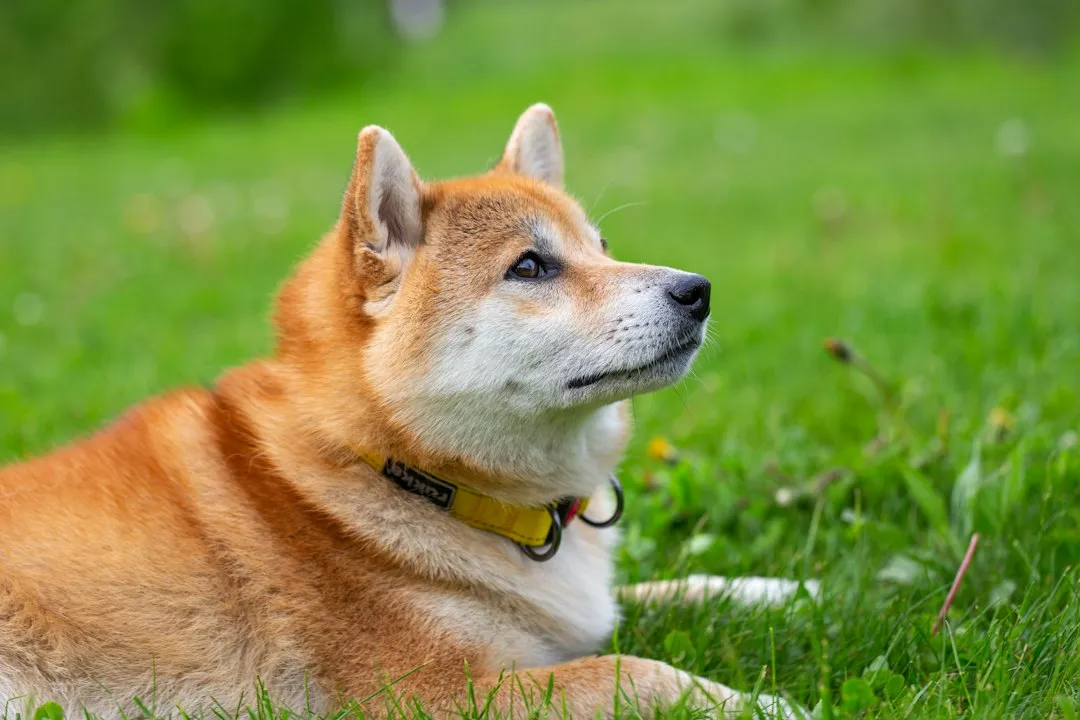
#5 – Shiba Inu: The Cat-Like Adult
🔥 Would you like to save this?
We'll email this post to you, so you can come back to it later!
Shibas often become more independent and more particular as they mature.
Young Shibas are curious and mischievous. By three, many owners say the dog is more reserved, less interested in constant attention and more likely to express strong opinions about handling.
Dog-to-dog tolerance can also shift in some individuals. A pup that played with everyone may become picky about which dogs it likes.
Here’s the debatable part. Some trainers say the breed’s “stubborn” label is unfair. The dog isn’t ignoring you, it just doesn’t see the point.
But the next breed’s choosiness can be even more pronounced…
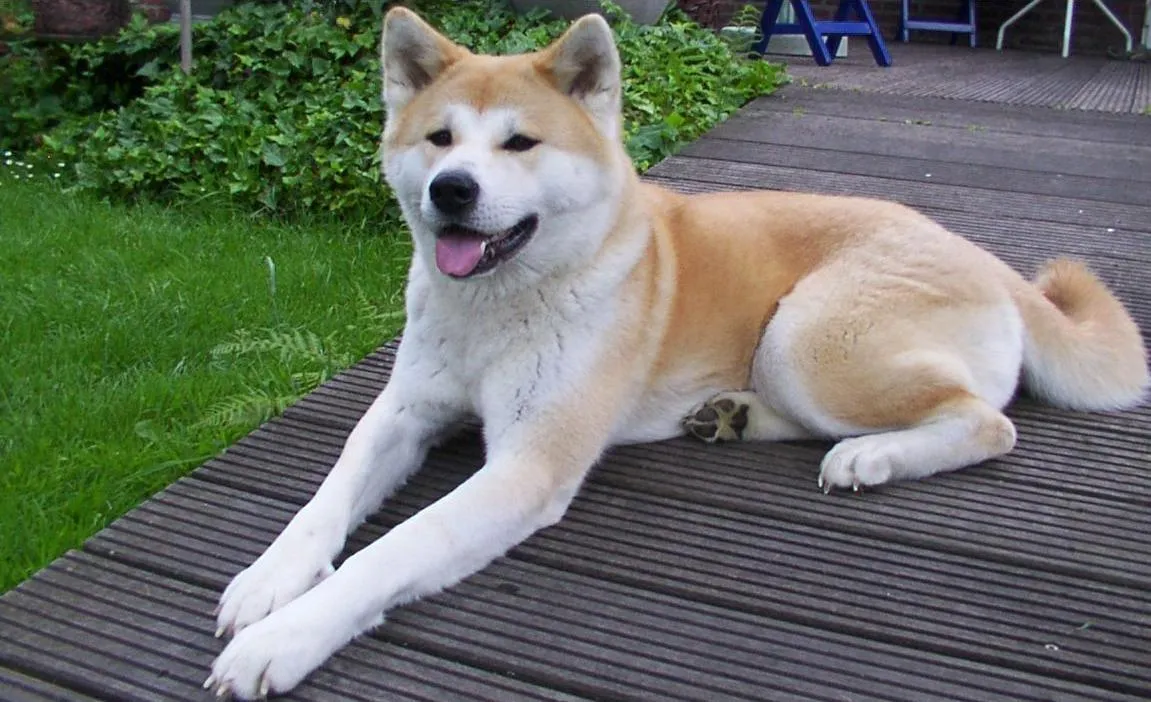
#4 – Akita: Selective by Design
🔥 Would you like to save this?
We'll email this post to you, so you can come back to it later!
Akitas often get more dignified, and more selective about other dogs, as they age.
A young Akita can be goofy and affectionate. Many owners and breed groups say that adults can become less tolerant of unfamiliar dogs, especially of the same sex.
This is not meant to scare anyone. It’s a reason to plan, because management matters more than hope. Secure leashes, controlled introductions and early socialization all help.
The adult Akita is often calm and quiet at home. Many owners say they’re remarkably clean, deliberate and attached to their family.
- Dog-to-dog selectivity may increase
- Calm and dignified at home
At a Glance
- Introduce new dogs one at a time, on neutral ground
- Skip crowded off-leash dog parks once your Akita is an adult
- Keep socialization going after puppyhood, not just during it
- Learn your dog’s early warning signs, such as stiffening and a fixed stare
Next is a breed that doesn’t settle at three. It sharpens.
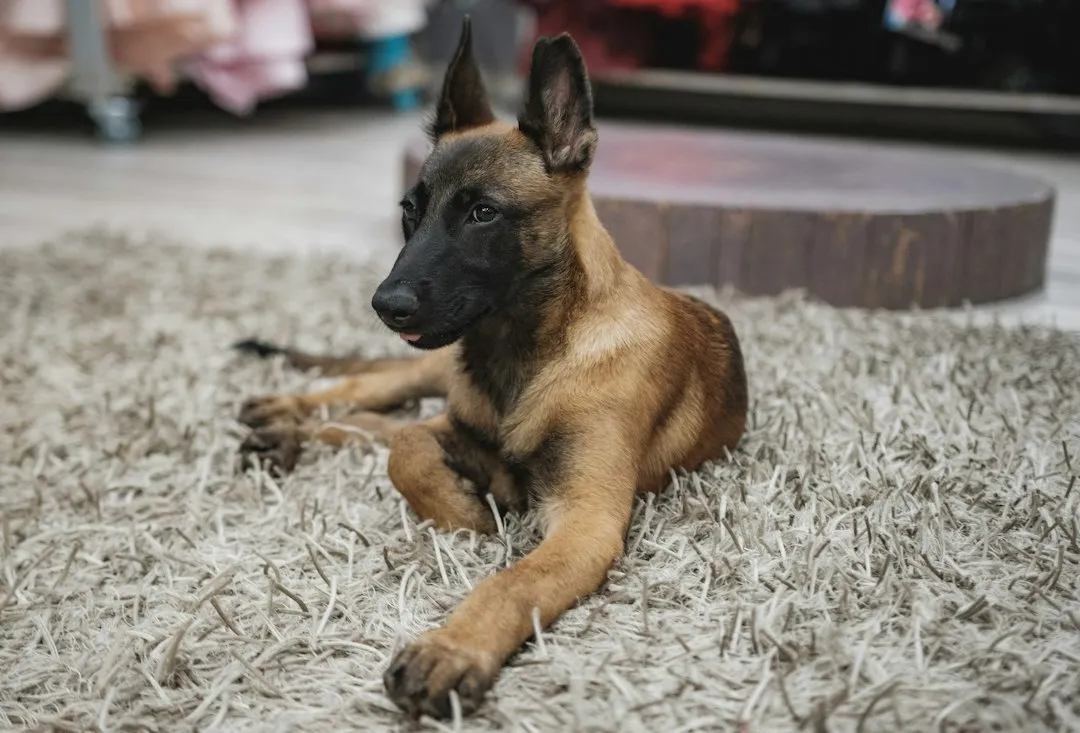
#3 – Belgian Malinois: Drive Doesn’t Fade, It Focuses
🔥 Would you like to save this?
We'll email this post to you, so you can come back to it later!
Malinois often get more intense and more demanding as they mature.
Many owners describe a young dog that is energetic, and an adult that is consistently driven. By the third year, the dog often knows exactly what it wants to do and will pursue it.
It’s a breed for experienced handlers. The popularity of “working dog” images has pushed many pet homes into a breed they were not ready for.
Honestly, this is one of the strongest cases against choosing a dog by its looks. A bored, under-stimulated Malinois can be a serious handful at any age.
But the next breed is the one owners say changes the most emotionally…
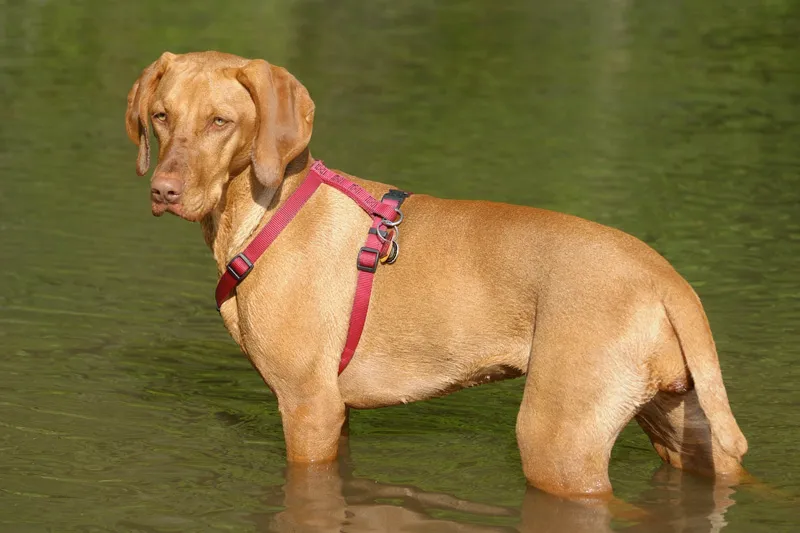
#2 – Vizsla: The Shadow Gets Sensitive
🔥 Would you like to save this?
We'll email this post to you, so you can come back to it later!
Vizslas often become even more attached to their people as they grow up.
Young Vizslas are famously energetic and clingy. Many owners say the third year brings greater focus, though the dog’s need for closeness often stays strong.
That closeness can mean a sensitive dog. Some Vizslas struggle when left alone, and changes in routine can be harder for them.
Exercise helps, but connection matters just as much. A Vizsla that gets plenty of running but little interaction is often still unsettled.
- Attachment tends to deepen
- Sensitivity to routine changes can increase
And the final breed is the one science has studied most closely…
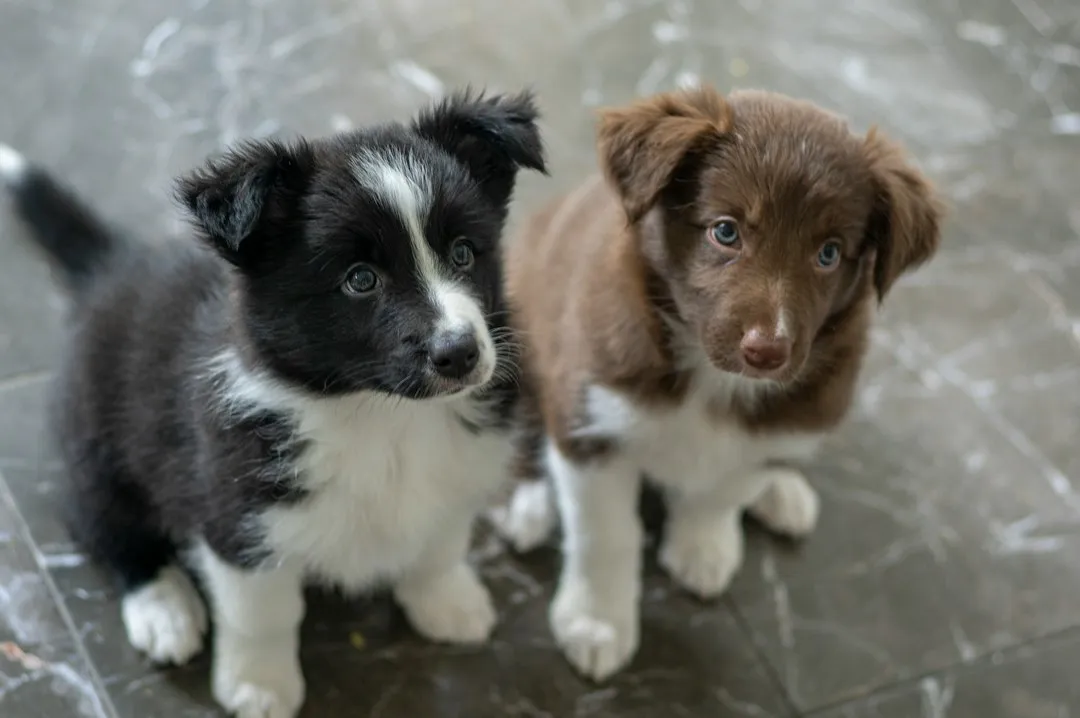
#1 – Border Collie: The Study Breed That Changed
🔥 Would you like to save this?
We'll email this post to you, so you can come back to it later!
The Border collie is the clearest, best-documented case of a dog changing around its third birthday.
Researchers tested 217 Border collies from six months to 15 years old. They found that novelty seeking dropped markedly after the age of three.
Another finding was that on average, dogs become less active and less curious as they age. Researchers also noted that changes occur unevenly during a dog’s life course.
The study has limits. It looked at only one breed, and it can’t predict what any individual dog will do. A behaviorist described the shift as moving from an exploratory age to day-to-day life, like a young adult settling into a routine.
Which brings us to what all of this really means.
The third birthday is real, but it isn’t a switch. Only one breed on this list has been studied closely, and its dogs lost some of their appetite for novelty after age three. For the rest, the picture comes from owner reports and breed knowledge, not hard data.
Here’s our opinion. Stop blaming a “bad phase” and start looking at structure. A calm three-year-old is usually the product of the first two years of training, and a dog that never learned the basics won’t pick them up by magic.
Age can soften a dog, sharpen a dog or simply reveal it. What it can’t do is go back and do the work you skipped. The dog you live with at three is, more often than not, the dog you built at one.

- Marine Biology Says When Dolphins Suddenly Go Silent in Open Water It's Not Rest – They've Detected a Predator You Cannot See and Their Survival Strategy Reveals How They Read Danger - November 5, 2026
- Why Veterinarians Say If Your Cat Sleeps With Their Back to You, It's the Highest Form of Trust in Feline Behavior - November 5, 2026
- 10 Common Garden Pests That Are Actually Beneficial To Your Backyard Ecosystem - November 5, 2026