

Every single day, dogs are dropped off at shelters across America. Some arrive confused, some frightened, and some in perfect health with not a single behavioral issue to their name. What they all share is a story that started with good intentions – an excited owner, a new home, a hopeful beginning. So what went wrong?
Bringing home a dog should feel like a forever decision, yet some breeds land back in shelters more than others. It’s rarely about a bad dog and more about a mismatch between needs and lifestyle. The patterns, when you look closely, are striking. Certain breeds appear on shelter intake lists with a consistency that raises real questions about how people choose their pets. Trainers who work with these dogs daily have started speaking up – and what they’re saying is worth hearing before you fall in love with a breed at first sight.
#1. Pit Bull Terrier
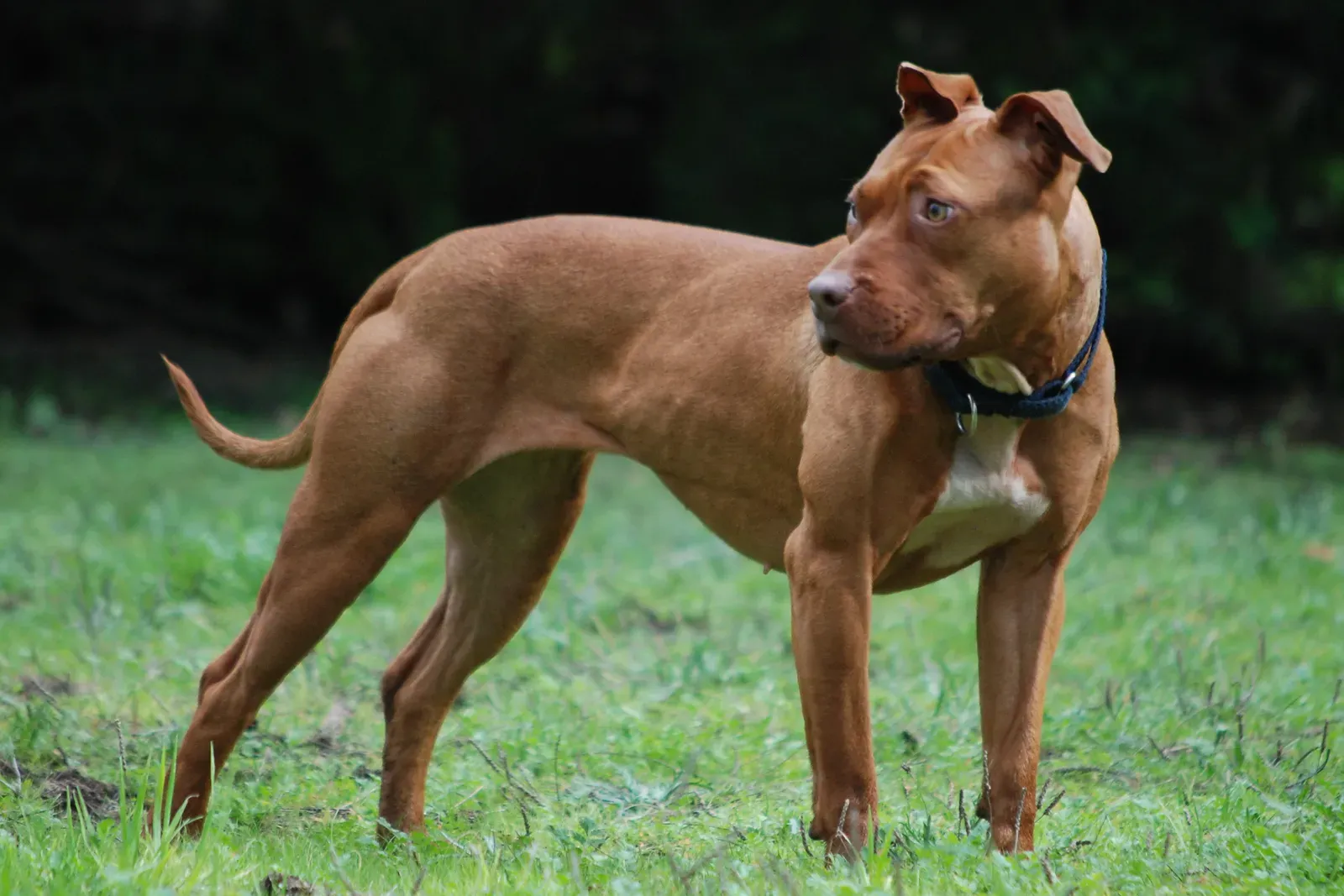
Pit Bull Terriers account for nearly 22% of all dogs listed in shelters and rescues, making them the single most common breed in need of new homes across America’s largest cities. That number is staggering when you sit with it. These are dogs filling roughly one in five shelter kennel runs nationwide.
Sadly, these dogs face high surrender rates due to misunderstanding, stereotypes, and housing restrictions – not because of behavior or temperament. Many housing communities have size or breed bans that force owners to give up their pets. Despite their loving and loyal nature, many people are hesitant to adopt Pit Bulls due to unfounded assumptions that they’re dangerous. In reality, Pit Bulls tend to be affectionate, gentle, and playful.
#2. German Shepherd
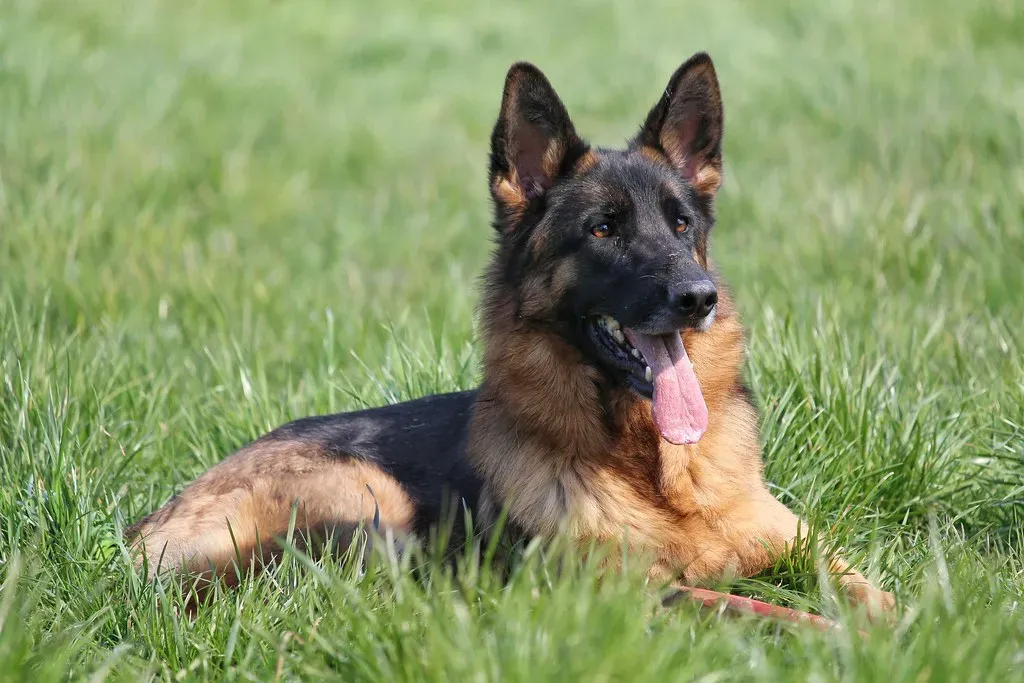
German Shepherds take the number two spot, making up 11.4% of shelter listings. They are the most common shelter breed in four of the 50 cities analyzed – Los Angeles, Sacramento, San Diego, and Seattle. Those numbers reflect something deeper than bad luck.
German Shepherds are intelligent and versatile dogs, often used in police and military work. However, they are also among the breeds most commonly found in shelters. This is often due to their high energy levels, need for mental stimulation, and protective instincts, which can lead to behavioral problems if not properly managed. German Shepherds require experienced owners who can provide consistent training and exercise. Unfortunately, many owners underestimate these needs, leading to abandonment.
#3. Labrador Retriever
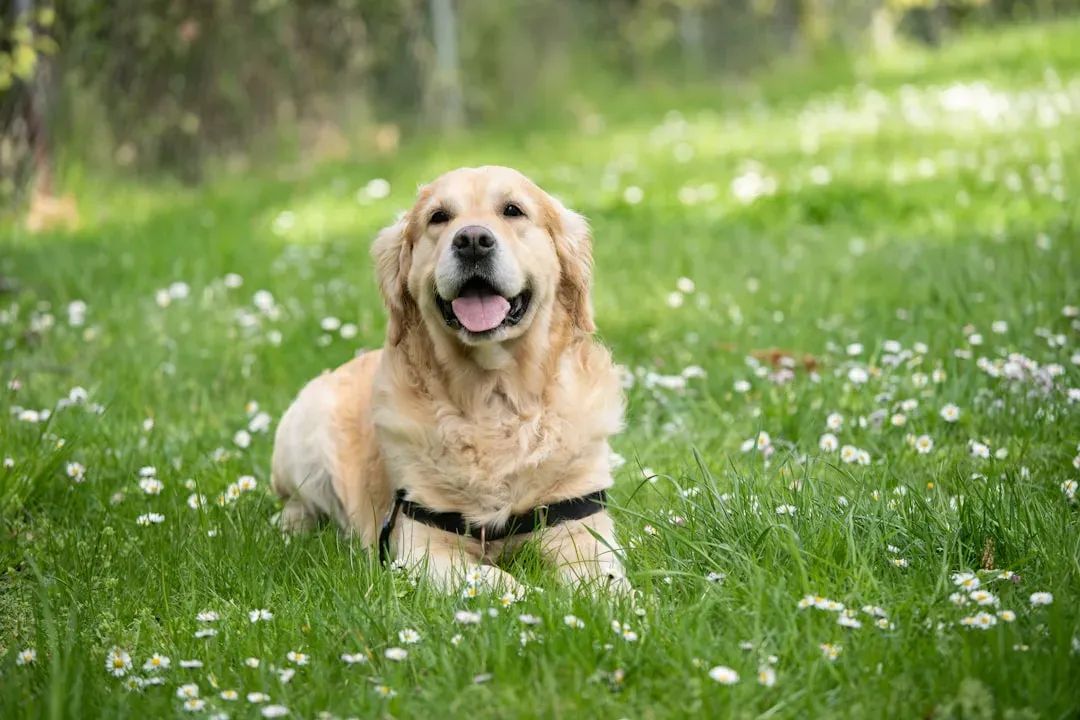
The Labrador Retriever, one of America’s most beloved dog breeds, is also one of the most common dog breeds in shelters all over the country. Their excellent reputation as loving and loyal pets could be their downfall, due to overbreeding to meet demand. It’s one of the more ironic realities in the dog world.
Labs are very energetic dogs that need a lot of daily exercise – and if this is not provided, they usually develop destructive behaviors. When Labs grow from a cute puppy to a larger dog that destroys shoes, furniture, toys, plants, and pillows, owners get very frustrated and decide to let them go. The dog didn’t change. The owner’s expectations simply never matched reality.
#4. Siberian Husky
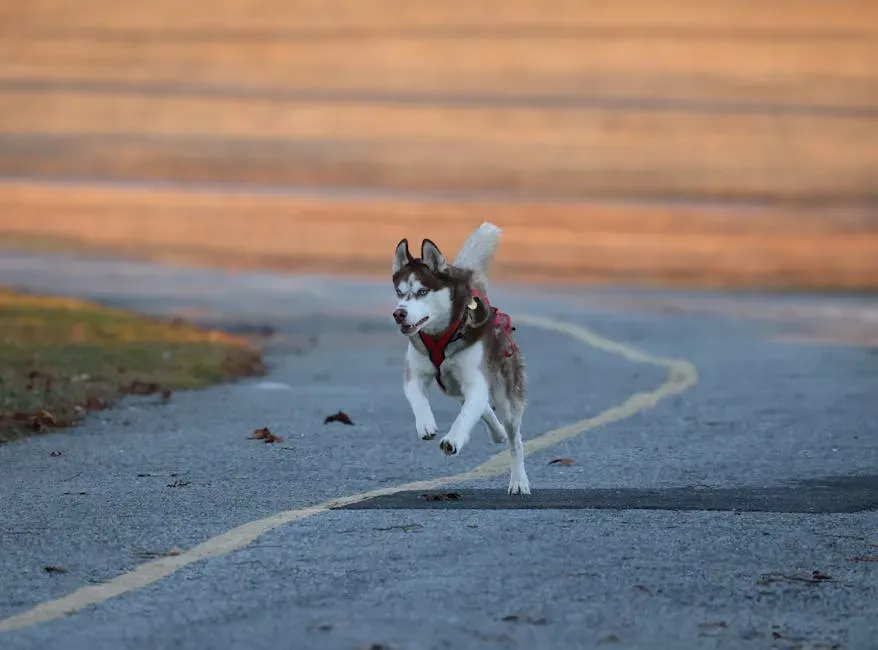
Siberian Huskies look breathtaking, but their energy can steamroll unprepared owners. Bred to run for miles, they need vigorous daily exercise, mental games, and secure fencing to curb escape artist habits. Without that outlet, you see digging, howling, and destructive boredom that pushes families to surrender.
Huskies are also independent and vocal, which surprises people wanting an always obedient dog. Their prey drive can challenge homes with cats or small pets, and their thick coat sheds heavily year round. Social media has made Huskies look glamorous and manageable. Neither description fully applies.
#5. Chihuahua

In California alone, Chihuahuas make up 30% of the dog population in shelters. This breed is extremely popular, especially in urban areas. Many are seen as a “fashion statement” as opposed to an animal one has to care for. That attitude has real consequences for millions of small dogs.
Chihuahuas are small dogs with big personalities, often seen in shelters due to overbreeding and high energy levels. While Chihuahuas can make excellent companions, they are known for being yappy and sometimes aggressive, especially if not properly socialized. Their small size can also lead to misunderstandings about their care needs, resulting in behavioral problems. Overbreeding, particularly by irresponsible breeders looking to profit from their popularity, has led to many Chihuahuas ending up in shelters.
#6. Belgian Malinois
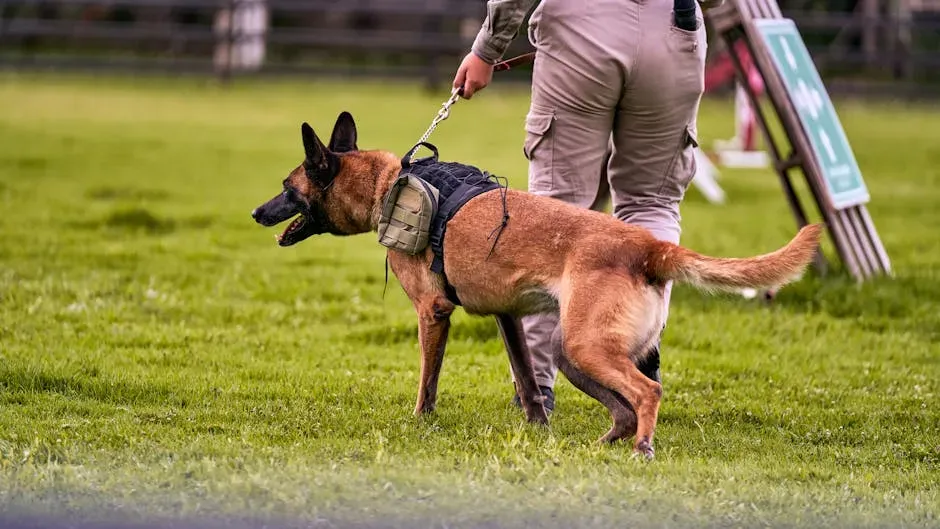
Belgian Malinois are elite athletes with razor-sharp intensity. Many are returned when families discover they behave like working missiles without constant direction. They require advanced training, substantial exercise, and structured jobs to prevent biting, nipping, or frantic pacing.
Belgian Malinois are highly intelligent and energetic dogs often used in police and military work. Their intense drive and work ethic make them excellent at what they do, but these traits can be overwhelming for the average pet owner. Malinois need a lot of physical and mental exercise to keep them from becoming bored and destructive. They are also highly protective and require consistent training and socialization. Without proper guidance, their energy and drive can lead to behavioral issues. Belgian Malinois are best suited for experienced handlers who can meet their high exercise and training needs.
#7. Alaskan Malamute
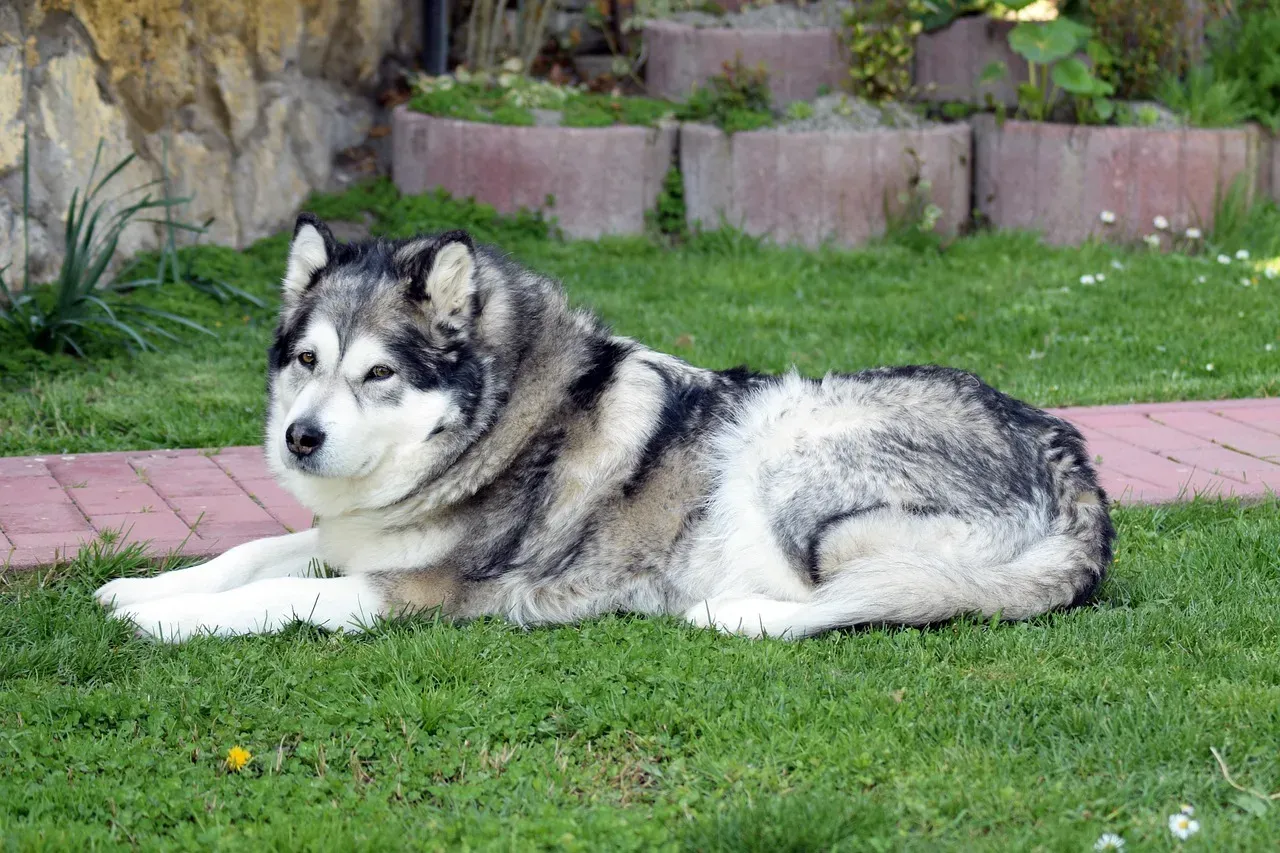
Bred to haul heavy loads in harsh conditions, Malamutes thrive on physical activity and mental challenges. However, their high energy levels and strong prey drive can be difficult to manage in a typical household setting. Malamutes are also known for their independent nature and stubbornness, which can challenge training. Many Malamutes are surrendered to shelters because their owners cannot meet their exercise needs or handle their dominant personalities.
People often confuse the Malamute with the Husky and assume one is simply a bigger, fluffier version of the other. The reality is that Malamutes are considerably more powerful, more stubborn, and more physically demanding. They were built for arctic expeditions, not apartment living. When that gap between expectation and reality becomes too wide, the shelter door opens.
#8. Border Collie
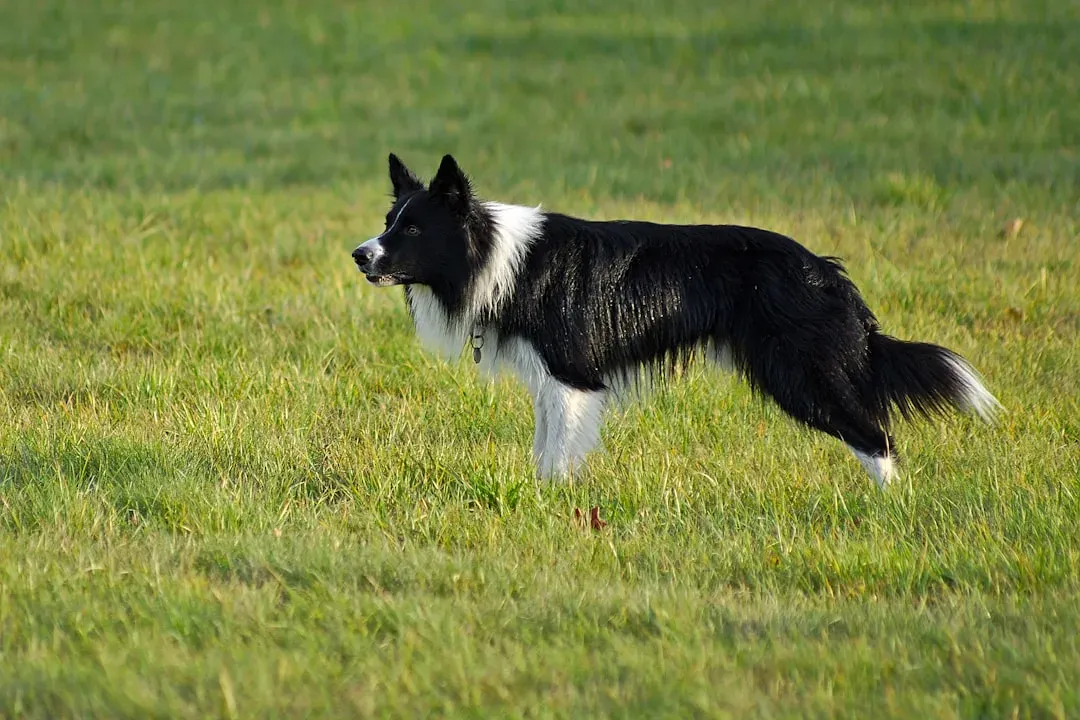
Border Collies are legendary problem solvers with rocket fuel energy. They are often returned when clever antics turn into herding kids, chasing wheels, or obsessive behaviors. Without intense exercise, trick training, and brain games, that genius can morph into frustration that overwhelms busy families.
Energetic to the point of downright hyperactivity, Border Collies need a secure yard and a dedicated family to help them get their energy out daily. When Border Collies don’t get the chance to run and exert themselves, they’ll channel their energy into mass destruction in the home. This eventuality, borne of an owner’s lack of education, sadly surrenders the happy, fun-loving Border Collie to shelters in droves.
#9. Boxer
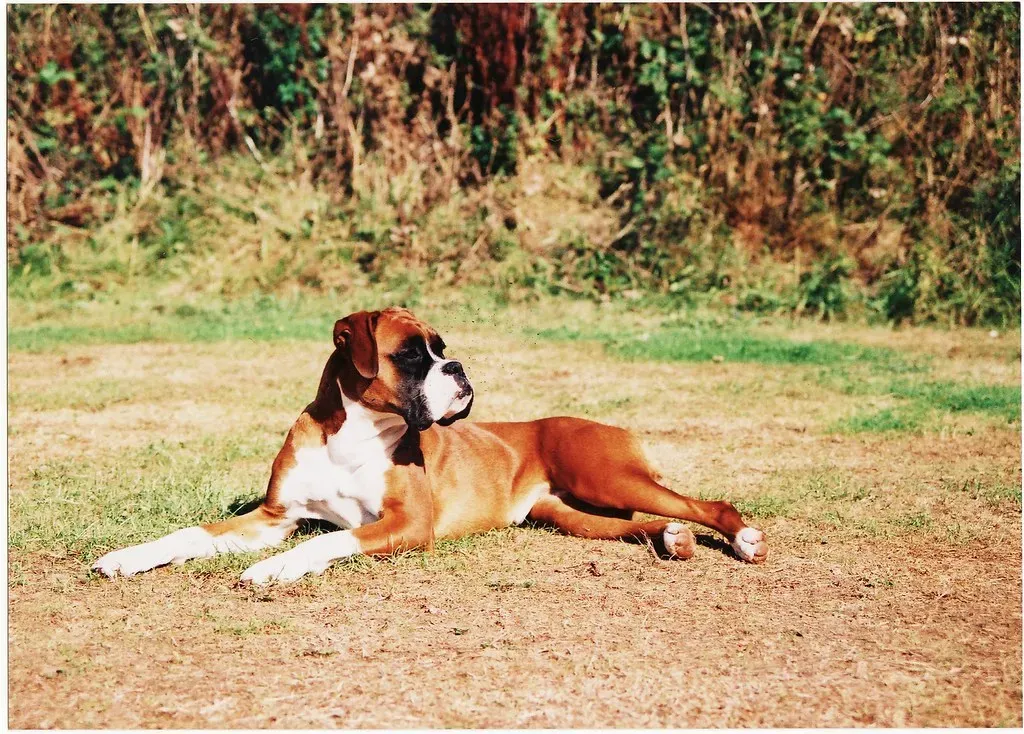
If they don’t get enough exercise, attention, and mental stimulation, Boxers will develop behavioral issues. Somewhere along the line, a falsehood began that Boxers are lazy dogs. Perhaps it’s their slight resemblance to Bulldogs. That misconception costs a lot of Boxers their homes.
Boxers are playful, energetic breeds that need a lot of attention. If not given enough interaction, they can become destructive. With the right structure and plenty of love, they can make great family pets. Trainers consistently point out that the Boxer’s clownish, puppy-like energy never fully fades with age – which is wonderful news for the right home, and genuinely exhausting for the wrong one.
#10. Beagle

Beagles are friendly and curious dogs known for their excellent sense of smell and energetic nature. Despite their charm, Beagles are commonly found in shelters due to their high energy levels and tendency to follow their noses, often leading to escape attempts. Beagles require a lot of exercise and mental stimulation, which can be challenging for some owners to provide.
The Beagle’s nose is its entire world. Once a scent captures its attention, recall training becomes almost irrelevant – the dog is simply gone, following an instinct refined over centuries of hunting. Owners who want an obedient, stay-close companion are often blindsided by this. The Beagle’s howl, which can carry for considerable distances, also tests the patience of neighbors and landlords in equal measure.
#11. Rottweiler

Rottweilers are strong, protective dogs that require experienced handling. They are often found in shelters due to misconceptions about their temperament and the responsibilities of owning such a powerful breed. Rottweilers are loyal and can be excellent family pets, but they need consistent training and socialization to ensure they are well-behaved.
In some areas, certain breeds are subject to breed-specific legislation. This refers to laws and regulations that restrict or ban certain dog breeds due to perceptions that these breeds are inherently dangerous or aggressive. These laws typically target breeds like Pit Bulls, Rottweilers, and others who are considered “bully breeds.” Housing restrictions alone account for a significant share of Rottweiler surrenders, separating well-trained, well-loved dogs from families who genuinely want to keep them.
#12. Jack Russell Terrier
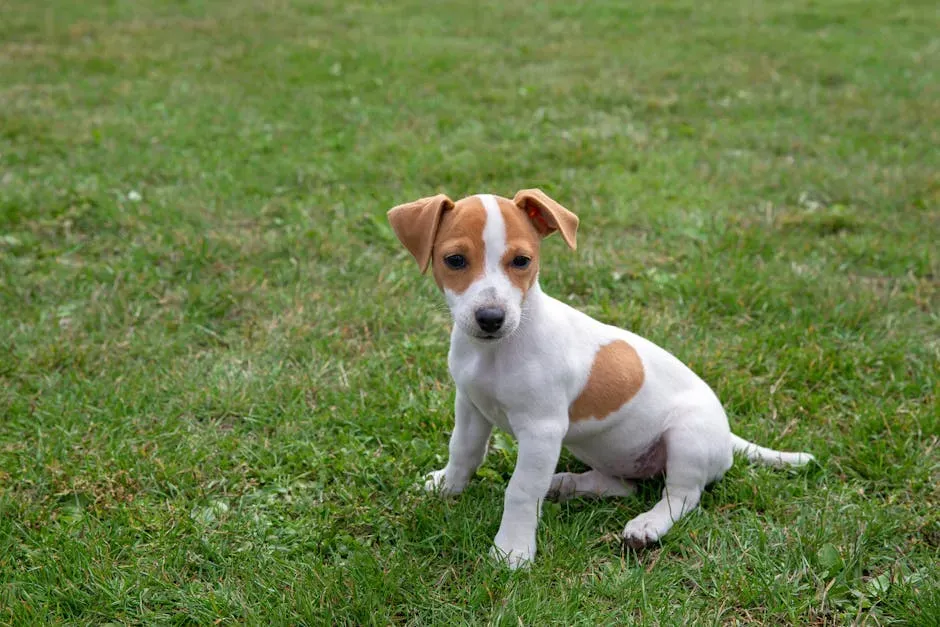
This small but highly energetic breed can be challenging without proper training. Despite their size, they need rigorous daily exercise to avoid boredom-related behaviors like digging and barking. This misunderstood requirement often leads to Jack Russells becoming one of the most common breeds in shelters.
Jack Russell Terriers are popular dogs for pets because they’re such cute, playful puppies. These puppies, however, turn into adult terriers with a terrier personality. They sometimes do not do well with other dogs, cats, small animals, and children, and are often turned in to shelters because of their personalities. That said, in an experienced and active home they make great pets.
#13. Dachshund
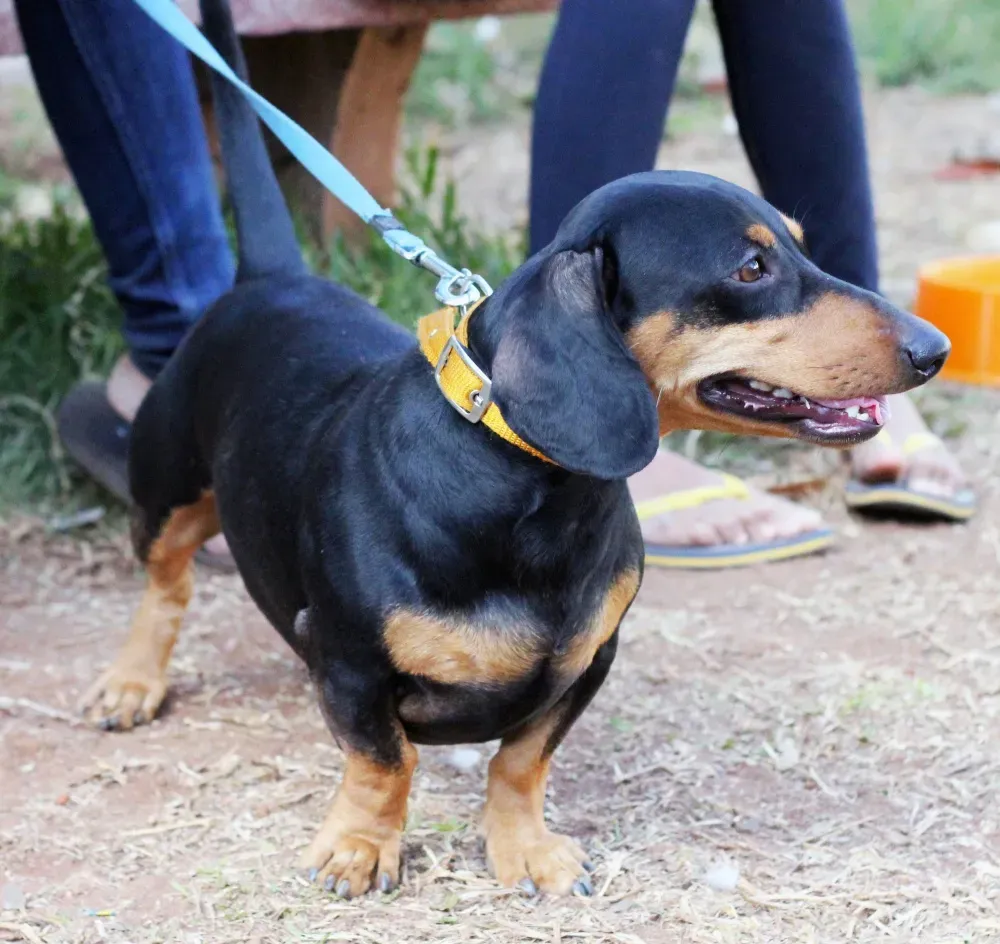
With a high level of personality packed into a small dog, Dachshunds can be irresistible but also challenging due to their stubborn and quirky nature. They’re known for their propensity to dig, an instinct from their badger and mole hunting days, which can lead to household and lawn damage if left unchecked. These issues often result in them being among the most surrendered breeds.
Beyond the digging and stubbornness, Dachshunds carry a well-documented risk of intervertebral disc disease due to their long spines. That veterinary reality can become financially overwhelming for owners who weren’t prepared for it. Dachshunds often arrive at shelters due to their stubborn and independent nature, but health costs play a quiet, significant role that rarely makes the headline reasons lists.
#14. Australian Shepherd

Australian Shepherds are beautiful herding dogs that many people get because of their looks alone. Although they do have gorgeous, flowing coats, these coats need regular grooming that can become very expensive. On top of that, this is an active and intelligent breed that will become destructive when bored – leading to a high number of dogs in shelters.
Shelters report Australian Cattle Dog residents come to them for a solitary reason: the owner’s lack of understanding of their needs creates a bad fit for the family and dog – and therefore surrenders it. The same logic applies directly to the Australian Shepherd. These dogs need a purpose. They need movement, mental challenges, and meaningful engagement every single day. Without it, they don’t simply rest – they redirect.
#15. Akita
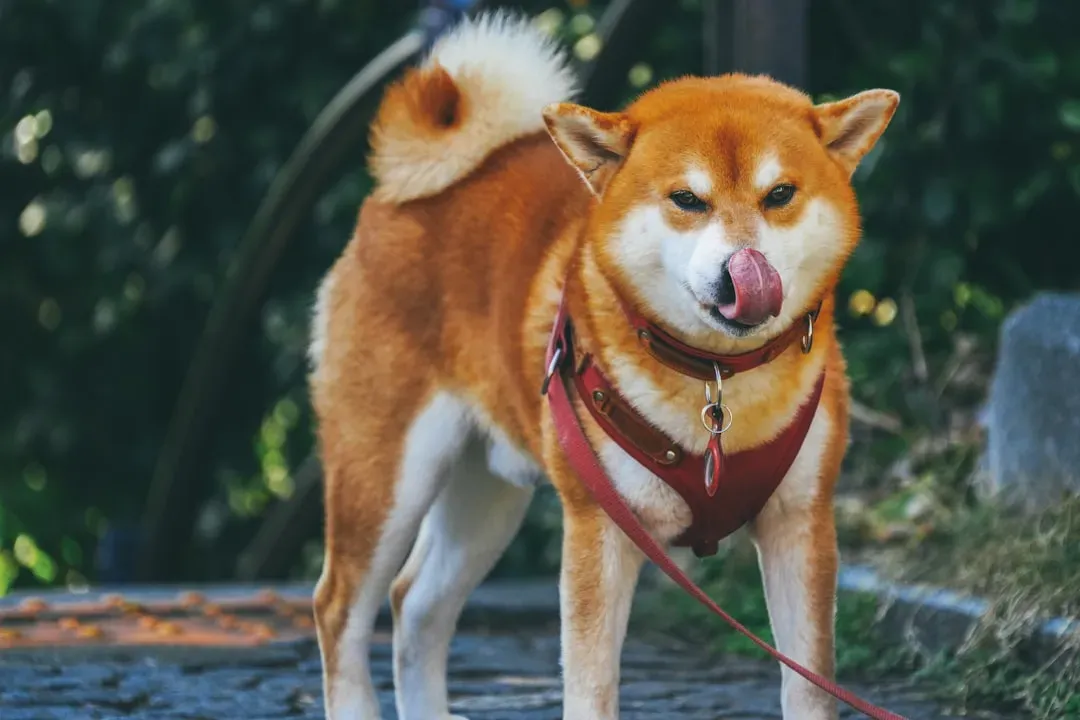
Akitas are large, powerful dogs known for their loyalty and protective instincts. While these traits make them excellent guardians, they can also lead to aggression and behavioral issues if not properly trained and socialized. Akitas require an experienced owner who can handle their strong-willed nature and provide consistent, firm training. Their independent streak and potential for dominance make them a challenging breed for first-time dog owners.
The Akita’s devotion to its family is genuine and deep. The problem is that this same devotion can translate into wariness or outright hostility toward strangers and other animals when proper socialization is skipped. Many families adopt an Akita for its dignified, beautiful appearance and discover too late that the breed requires an unusually high level of experienced leadership to thrive safely in a home environment.
#16. Doberman Pinscher
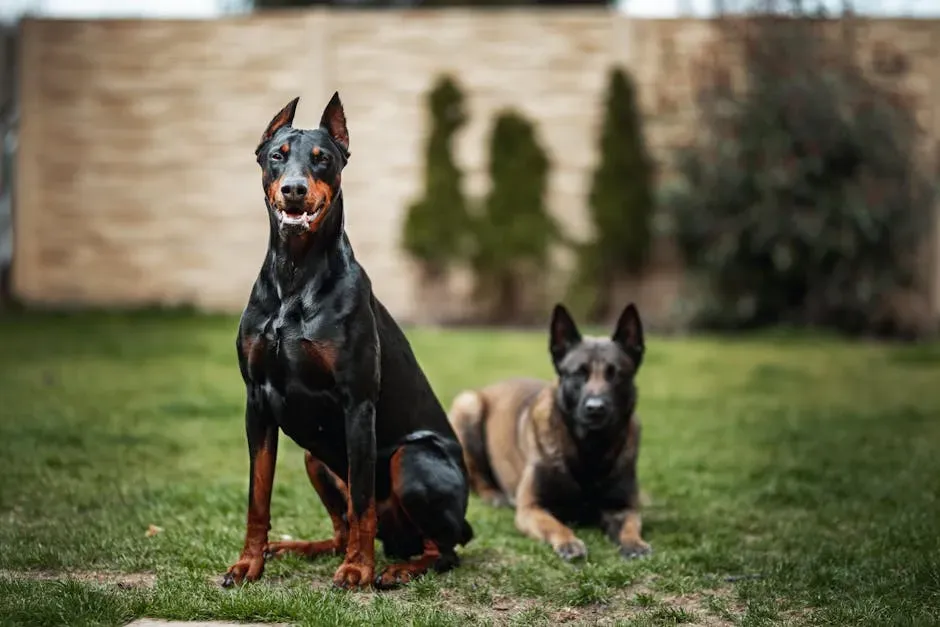
Quite often chosen as guard dogs due to their bold, proud, and alert temperament, Dobermans are also very loyal and affectionate, given the right attention and training. Unfortunately, if Dobermans don’t get the right care and their owners don’t learn enough about the traits of the breed and their requirements, they often end up in shelters.
According to PetMD, the Doberman Pinscher is an energetic, intelligent, and excellent guard dog breed that needs regular exercise and early training, as its protective nature can make it wary of strangers. Owners who underestimate that protective wiring and skip the training investment often find themselves with a large, fast, intensely alert dog they can’t manage in public. The shelter becomes the only option they can think of.
#17. Shih Tzu

Many Shih Tzus are surrendered to shelters because their owners underestimate the commitment and expense required to maintain their grooming and health needs. It’s a sobering reality for a breed that looks, at first glance, like a low-effort lapdog. The appearance is deceptive.
Shih Tzus are prone to certain health issues, including respiratory problems and dental issues, which can add to the challenges of caring for them. Many Shih Tzus are surrendered to shelters because their owners underestimate the commitment and expense required to maintain their grooming and health needs. Their popularity has led to an influx of money-making breeders and puppy mills pushing out an outrageous number of puppies to satisfy impulse buyers, creating a pipeline from trendy purchase to shelter intake that shows little sign of slowing down.
#18. Cocker Spaniel
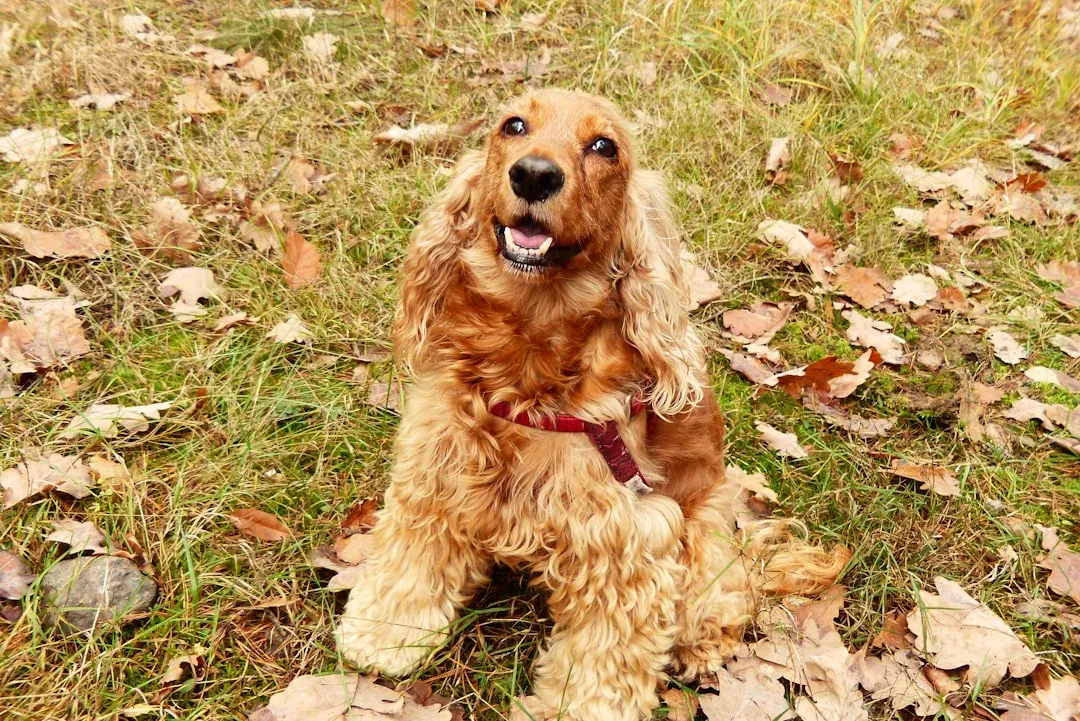
Cocker Spaniels are affectionate and playful dogs known for their beautiful coats and friendly disposition. Despite their popularity as family pets, they are often found in shelters due to grooming needs, health issues, and behavioral challenges. Their long, silky ears and warm eyes make them endlessly adoptable – and then, too often, returnable.
Cocker Spaniels can develop a condition sometimes referred to as “rage syndrome,” a poorly understood neurological issue that may cause sudden, unpredictable aggression even in otherwise well-socialized individuals. Beyond that specific concern, the breed’s grooming requirements demand professional attention every six to eight weeks at minimum. When those costs stack up alongside veterinary bills for common ear infections, some owners reach a breaking point that ends with a shelter intake form.
#19. Cane Corso
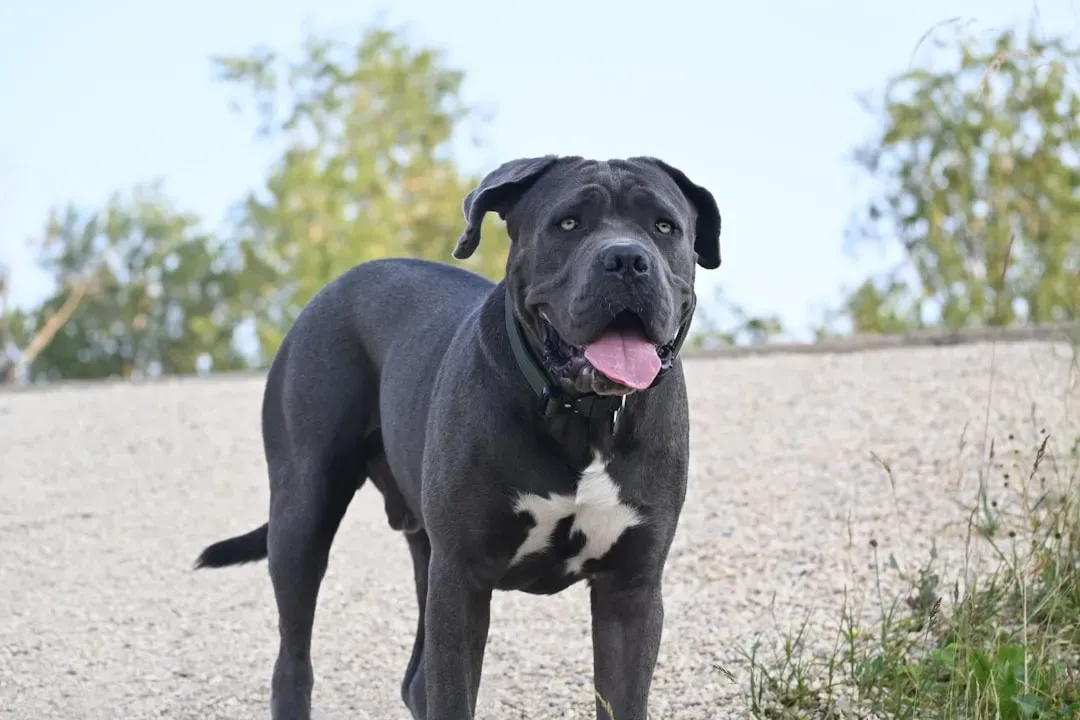
Most Cane Corsos surrendered to shelters are euthanized. They are large, misunderstood, and labeled unadoptable due to their behavior or energy. If you give up your dog and you haven’t already secured a proper home, they may not survive. That sobering fact makes the Cane Corso’s shelter story one of the most urgent on this entire list.
This breed needs early guidance, strong management, and purposeful work to stay balanced and safe. With consistent and timely training, this breed responds well and develops controlled, confident behavior. They need to be taught some discipline, so only owners who have had prior experience with large dogs should consider adopting this breed. When that experience is missing, the consequences for the dog are almost always severe. A Cane Corso without structure isn’t just difficult – it’s a crisis waiting to happen, and shelters rarely have the resources to rehabilitate one.
The Real Problem Isn’t the Dogs – It’s the Mismatch
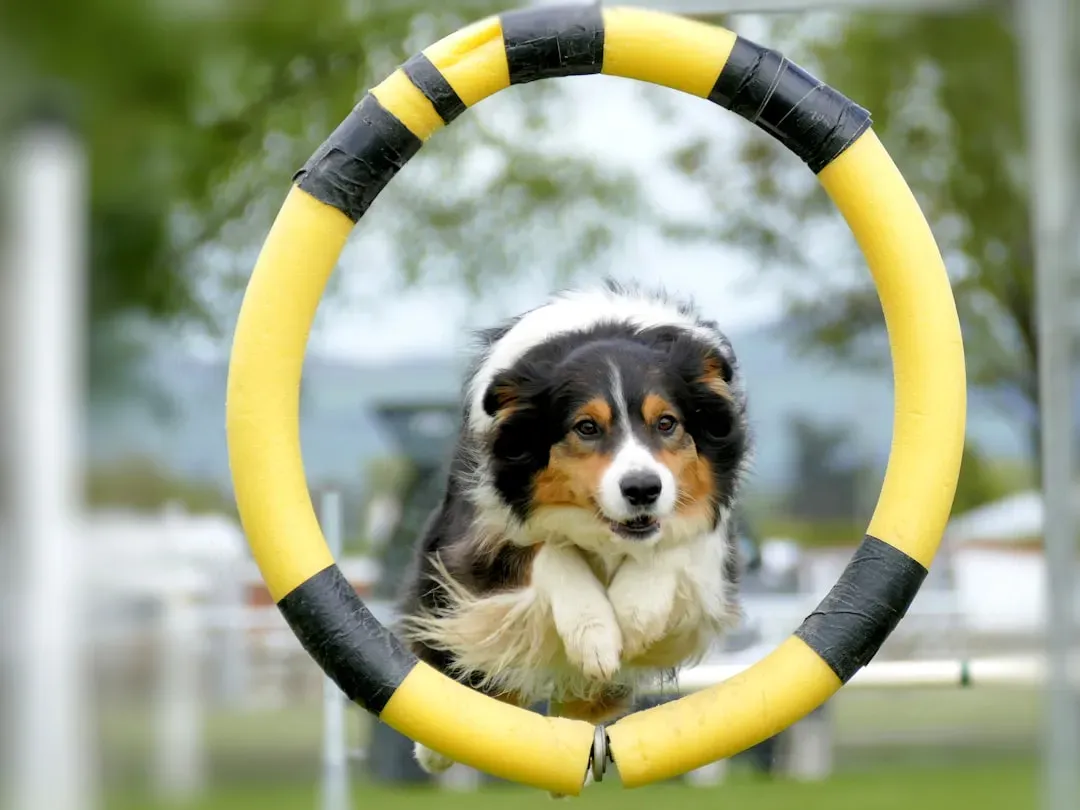
Looking at this list, a clear pattern emerges. Some breeds, especially working dogs, need a lot of exercise and mental stimulation to thrive. When pet parents aren’t fully aware of these needs – or don’t have the time or energy – dogs can become bored, anxious, or even destructive. As a result, they often end up in shelters and rescues simply because their energy and attention requirements were not met.
The issue of dogs ending up in shelters is complex, influenced by overbreeding, owner surrender, and changing life circumstances. While all breeds can find themselves in shelters, some are more commonly seen due to their popularity, specific breed traits, or misconceptions about their behavior. The ASPCA reports that 5.8 million dogs and cats entered shelters in 2024, and the numbers for 2025 and 2026 show little improvement as cost-of-living pressures continue to strain households.
Trainers who work with surrendered dogs often say the same thing in different words: the dog was never the problem. The problem was the gap between what an owner imagined and what the breed actually requires. The real issue isn’t the breed – it’s the lack of guidance, structure, and support for owners. Closing that gap, before someone brings a dog home, is the single most effective thing the pet community can do to keep shelters from overflowing.
—
Here’s an uncomfortable truth worth sitting with: nearly every breed on this list is capable of being a magnificent companion in the right home. The Pit Bull that’s been waiting in a shelter kennel for six months isn’t broken. The Border Collie pacing its run isn’t dangerous. The Malinois staring at the ceiling isn’t unlovable. They are all, without exception, dogs who needed more than they got – more research from the person who chose them, more structure from the person who raised them, and more honesty from an industry that too often sells puppies on aesthetics and charm alone.
If you’re thinking about adding a dog to your life, resist the urge to choose with your eyes. Choose with your calendar, your floor plan, your lifestyle, and your honest answer to the question every trainer eventually asks: “How much time, every single day, can you genuinely commit?” The answer to that question matters far more than the color of a coat or the popularity of a breed name. And the dog waiting in kennel seven at your local shelter deserves nothing less than the truth.
