

Here’s a quiet shortcut most animal lovers over 65 never take: some of the best animal experiences in America cost nothing at the gate, and a surprising number were practically built for retirees. No ticket line, no pricey add-ons. Just wagging tails, wild wings and a real reason to leave the house.
But “free” can be slippery. A few of these programmes only look free until a parking fee, a surprise rule or an age cutoff shows up. We sorted the real freebies from the “free-ish” ones, and the most rewarding picks aren’t in zoos at all. They’re tucked inside shelters, refuges and birding circles, and the #1 pick may change how you think about what free really means.
#20 – Shelter “Doggy Day Out” Programs: Borrow a Dog for an Afternoon

🔥 Would you like to save this?
We'll email this post to you, so you can come back to it later!
Picture walking out of a shelter with a dog on a leash, no adoption papers and no long-term commitment. Some shelters really do offer exactly that.
Doggy Day Out programs let visitors give a shelter dog a break from kennel life. You sign out a dog, head off for a walk or a picnic, and bring it back by closing time. Most shelters ask for ID and a short waiver.
The outing often helps the dog as much as it helps you. A quiet afternoon away from the barking can calm an anxious animal, and a photo of the dog out in the world can help it get adopted.
- Usually free to join
- Lower commitment than owning a pet
- Rules and age limits vary by shelter, so call first
If one afternoon leaves you wanting more, the next option turns that spark into a routine…
#19 – Volunteer Dog Walking and Cat Cuddling: The Job Shelters Can’t Fill

🔥 Would you like to save this?
We'll email this post to you, so you can come back to it later!
Shelters need steady, calm adults, and retirees fit that description better than almost anyone.
Volunteering costs nothing in most shelters beyond a short orientation. Daytime shifts are often the hardest to fill, because most volunteers are at work. A person who can show up on a Tuesday morning is worth their weight in kibble.
Typical jobs include walking dogs, socializing shy cats, folding laundry and greeting visitors. Many shelters struggle to fill weekday daytime shifts, which makes retirees the ones in demand. Shelters often prefer a regular two-hour shift to a single big burst of help, because animals relax around familiar faces.
And if you’d rather have an animal snoozing at your feet than waiting at the shelter, the next program is for you…
#18 – Shelter Foster Programs: Live With an Animal Without Keeping It

🔥 Would you like to save this?
We'll email this post to you, so you can come back to it later!
Fostering lets you share your home with an animal without signing up for a decade of care.
Many shelters run foster programs for animals that need a break from kennel life. Some supply food, supplies or veterinary care for foster animals. Policies vary, so ask exactly what’s covered before you sign.
This suits retirees who travel or who aren’t sure about a long-term pet. Fostering can last days, weeks or months. Most people don’t realize you can often request a specific kind of animal, such as a calm adult cat.
- Short-term fosters can fit around travel plans
- Ask about emergency backup if you’re ever unwell
- Confirm what happens if you want to adopt
Foster arrangements are a gentle way in, and some shelters will let you adopt the animal you fostered. The next program, though, works with animals that will never be anyone’s pet…
#17 – Wildlife Rehabilitation Center Volunteering: Helping Animals That Go Back to the Wild
🔥 Would you like to save this?
We'll email this post to you, so you can come back to it later!
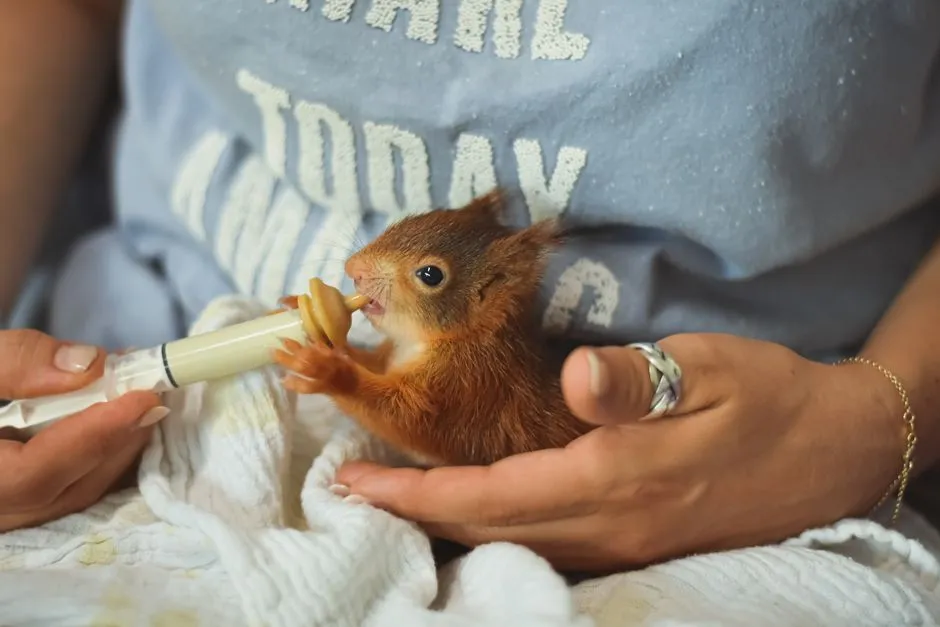
Wildlife rehab is one of the few places where retirees help save animals that never end up in a home.
Licensed rehabilitation centers care for injured and orphaned wildlife until they can go back outside. Many rely on volunteers for jobs that don’t involve touching the animals. That means food prep, cleaning, laundry and driving.
Hands-on care of wild animals is usually restricted to trained, permitted staff. That’s for the animals’ safety as much as yours. Wild animals that grow used to people can be harder to release.
If you’d rather simply watch wildlife than care for it, the next one is a free sunset show…
#16 – Bat Watching at Austin’s Congress Avenue Bridge: The Free Show at Dusk

🔥 Would you like to save this?
We'll email this post to you, so you can come back to it later!
A wildlife spectacle begins at dusk, and it needs no ticket.
The Congress Avenue Bridge in Austin, Texas hosts a famous colony of Mexican free-tailed bats. Visitors line the bridge and nearby shoreline to watch the bats stream out into the evening sky. Watching from public spaces is free.
Timing matters. The colony is seasonal, and the best viewing is generally in warmer months. Most people don’t realize this is a city bridge, not a wildlife park, so crowds are real. Arrive early and check seasonal guidance before you travel.
Next up is a federal program that gets overlooked, with real rangers and real wildlife…
#15 – National Wildlife Refuge Ranger Programs: Federal Wildlife, Often Free

🔥 Would you like to save this?
We'll email this post to you, so you can come back to it later!
Hundreds of federal refuges run public programs, and many of those events are free.
U.S. Fish and Wildlife Service refuges host guided walks, bird counts and talks. Some events cost nothing, while some sites charge an entrance fee. Check the specific refuge before you plan a trip.
One example is a refuge in Oklahoma that hosted a Christmas Bird Count. The event was listed as free, and anyone interested in birds and the refuge was welcome. Many refuges follow a similar format.
The truth about the Senior Pass is that it isn’t free. Free refuge events don’t require it, but it’s worth knowing the numbers if you plan to visit often.
Worth Knowing
- Open to U.S. citizens and permanent residents ages 62 and older
- $20 for an annual pass
- $80 for a lifetime pass
- Not needed for free ranger events, but some refuges charge an entrance fee, so check first
The next option is closer to home and needs nothing but a pair of comfortable boots…
#14 – Local Audubon Chapter Bird Walks: The Club Nobody Told You About
🔥 Would you like to save this?
We'll email this post to you, so you can come back to it later!
Your local bird club probably runs free walks, and chances are nobody mentioned it.
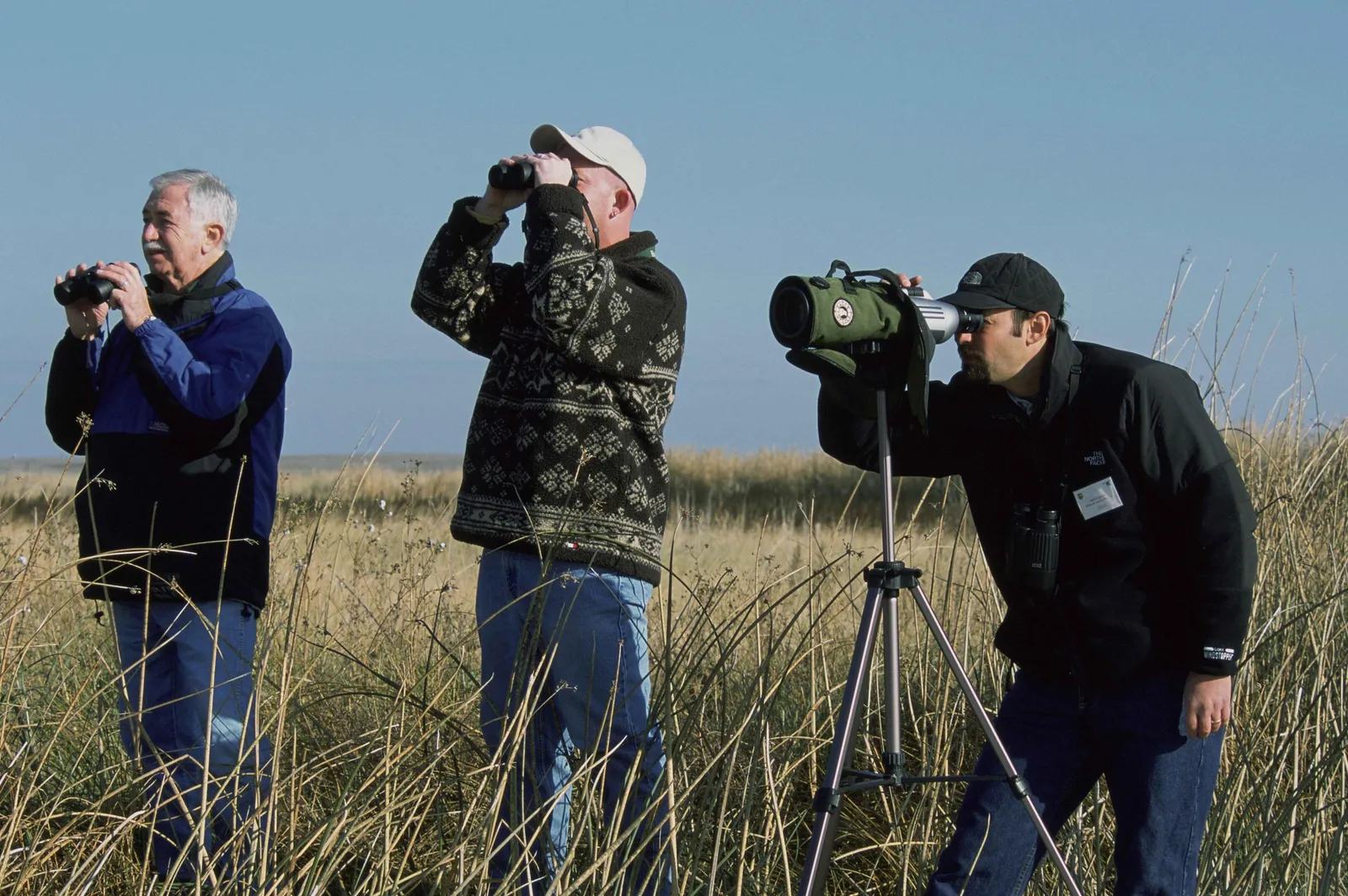
Many local Audubon chapters and bird alliances offer guided bird walks. Beginners are usually welcome, and many walks are free. A knowledgeable leader will point out birds you’d otherwise walk straight past.
A guided walk is one of the fastest ways to learn birds. In a single morning you pick up calls, habits and local hotspots. Some chapters also lend binoculars, so you can show up with nothing but curiosity.
If you’d rather use your phone than a field guide, the next one is surprisingly powerful…
#13 – iNaturalist: Turn Your Phone Into a Field Notebook

🔥 Would you like to save this?
We'll email this post to you, so you can come back to it later!
You can contribute real scientific data from a walk around your own block.
iNaturalist is a free platform where you photograph plants and animals and share them with a community of naturalists. You don’t need to know what you saw. Other users, and the app’s suggestions, help identify it.
It works at any pace. A slow garden walk is as valid as a mountain hike. Your backyard sparrow can become data that researchers use.
The next program takes you even closer to wild animals’ homes, with a little patience…
#12 – NestWatch: One Bird Box, One Season, Real Science
🔥 Would you like to save this?
We'll email this post to you, so you can come back to it later!
Watching a single bird box for a season counts as real science.
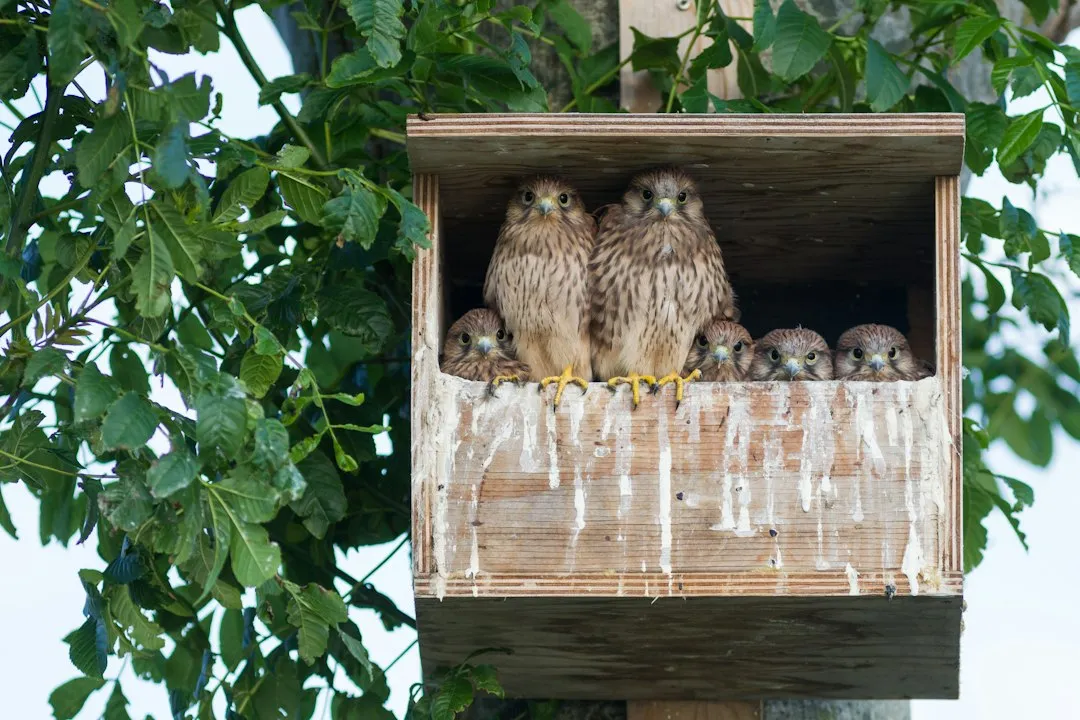
NestWatch is a free program from the Cornell Lab of Ornithology. Volunteers monitor nests of birds in their area and submit the data online. Many participants watch a nest box in their yard or at a local park.
You don’t have to climb anything. Most people monitor nests from a respectful distance, and the program has guidelines to avoid disturbing the birds. The key is to check briefly and leave.
- Free to join
- Works in a yard, a park or a community garden
- Follow the program’s rules on distance and timing
Nests take a whole season. The next program takes about one weekend, or even just fifteen minutes…
#11 – The Great Backyard Bird Count: Fifteen Minutes That Count
🔥 Would you like to save this?
We'll email this post to you, so you can come back to it later!
You can help scientists in as little as fifteen minutes.
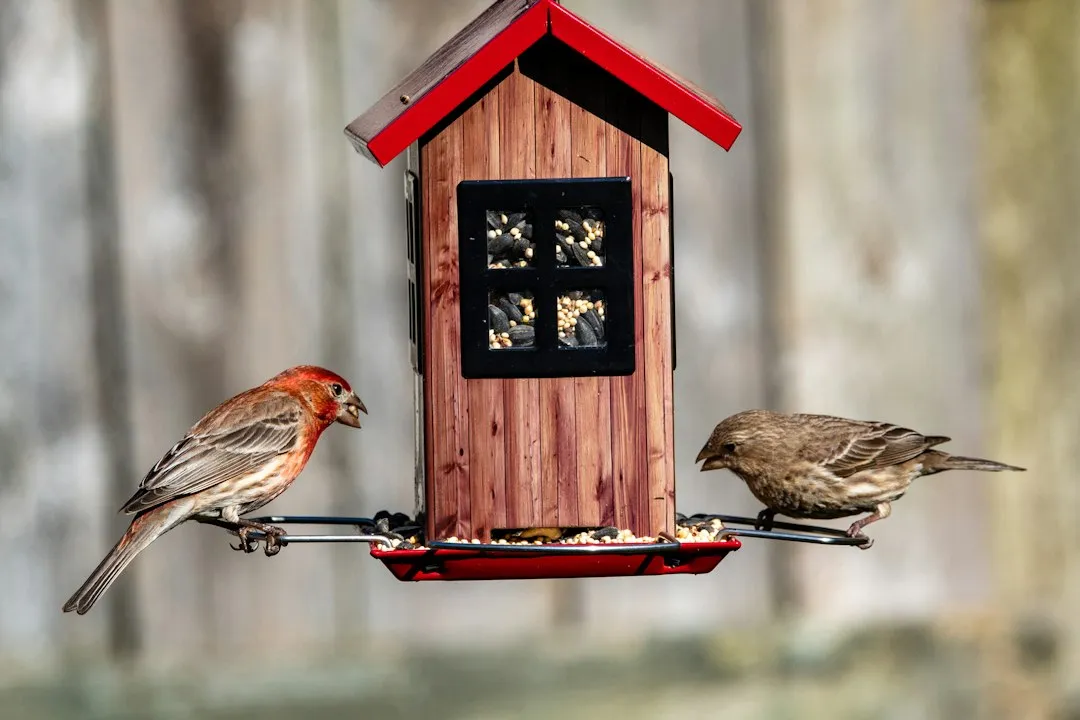
The Great Backyard Bird Count is a free event held each February by the Cornell Lab of Ornithology and Audubon. You pick a spot, count the birds you see for a short stretch, and report them online. It’s built for beginners.
Most people don’t realize a short count still matters. Researchers use the combined results to see where birds are. A single feeder in your yard can contribute data to a continent-wide snapshot.
You can do it from a kitchen window with a cup of coffee. No travel, no gear, no cost.
At a Glance
- Great Backyard Bird Count: every February, as little as 15 minutes
- NestWatch: one full nesting season, with brief check-ins
- Christmas Bird Count: December 14 to January 5, with beginners paired up (more at #2)
Now we move on to the zoos that really do cost nothing at the gate, starting in a rainforest…
#10 – Pana’ewa Rainforest Zoo (Hilo, Hawaii): A Free Zoo in a Real Rainforest
🔥 Would you like to save this?
We'll email this post to you, so you can come back to it later!
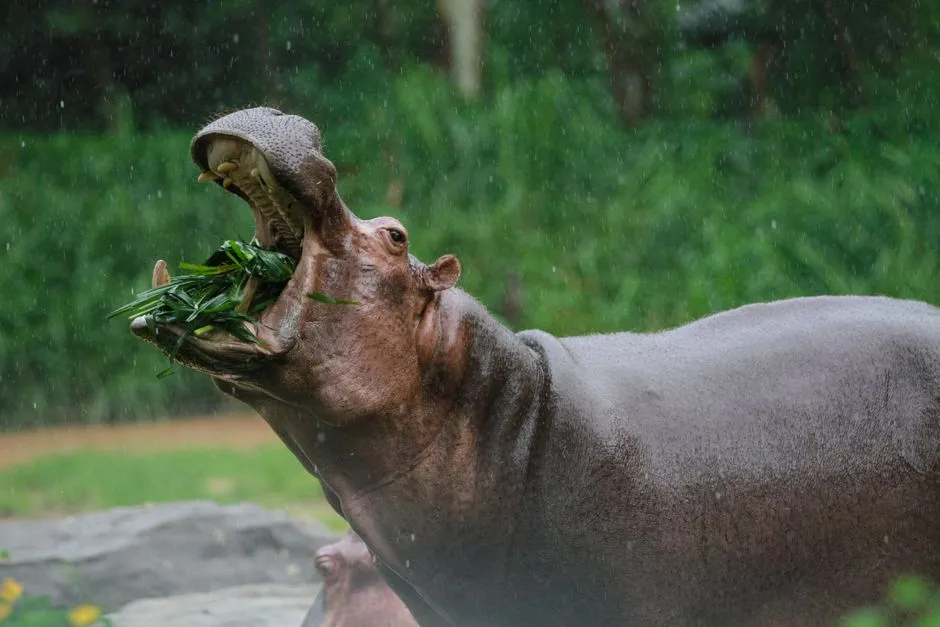
A free zoo set inside an actual tropical rainforest is as rare as it sounds.
Pana’ewa sits on 12 acres on the Big Island of Hawaii. It’s home to endangered animals native to the island. Think small, quiet and green rather than giant and flashy.
Most people assume a Hawaii vacation means expensive attractions. Some of the best animal experiences cost nothing, which is a rare thing in Hawaii.
But a free zoo in Kansas puts a very different spin on the word “free”…
#9 – Lee Richardson Zoo (Garden City, Kansas): Free, With a Catch for Drivers
🔥 Would you like to save this?
We'll email this post to you, so you can come back to it later!
This one is free, unless you arrive in a car.
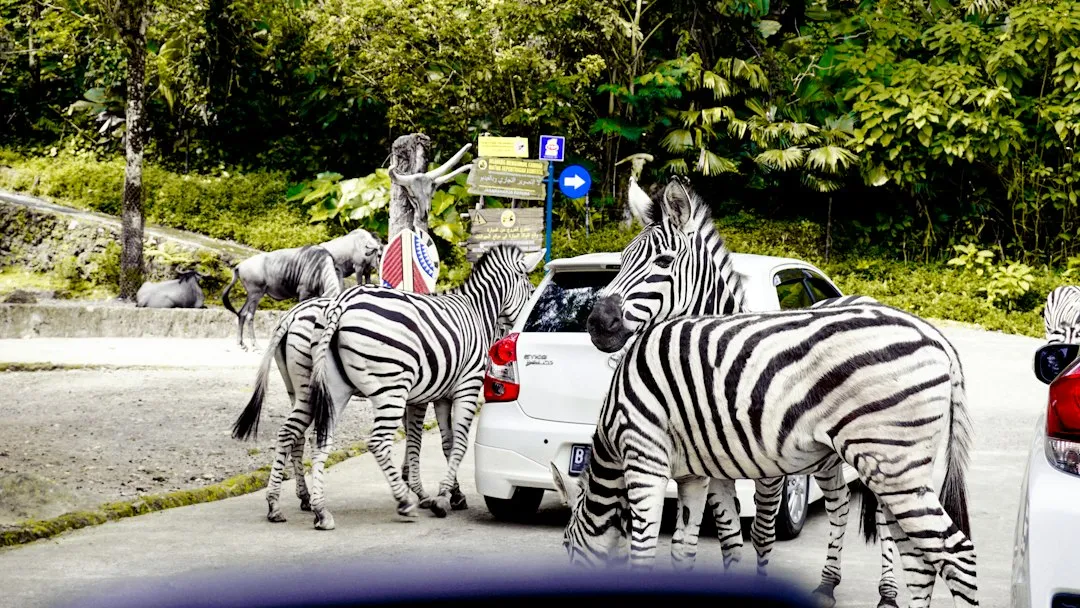
Lee Richardson Zoo is free to pedestrians, with a $10 per vehicle fee to drive through. If you walk or use transit, you pay nothing. If you drive in, you do.
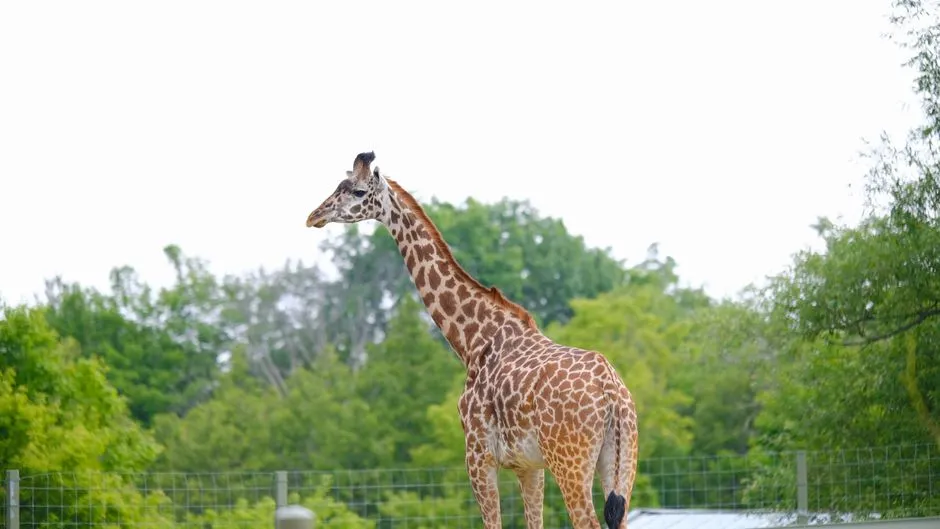
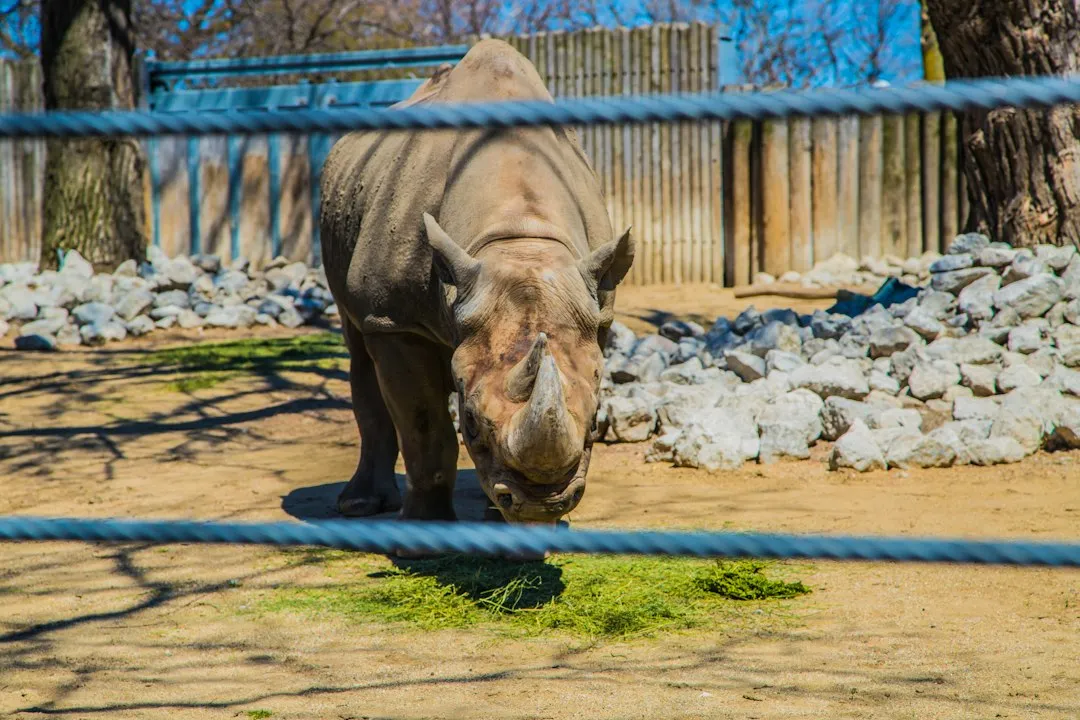
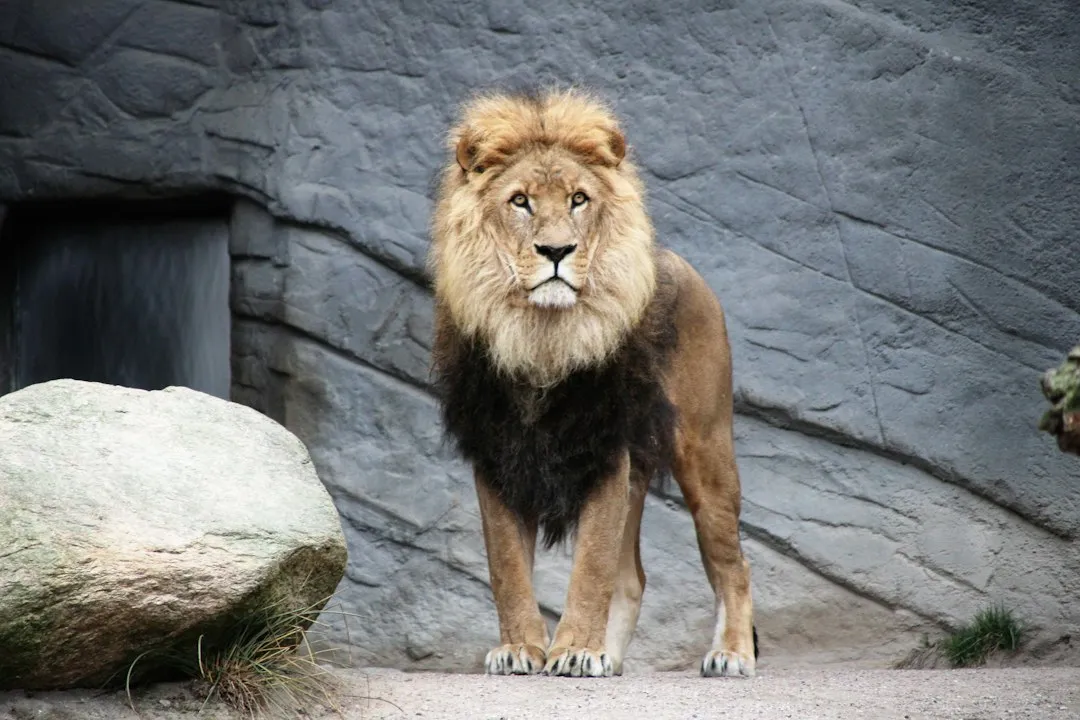
The zoo is organized by region. Areas include a South American Pampas section and an African Plains section, which houses animals such as African lions, giraffes and rhinos.
The truth is that “free” zoos often have fees you only find at the gate. Always check parking and vehicle policies first, and confirm the current fee before you go.
Not every free zoo is free in the same way, and the next one carries a different kind of asterisk…
#8 – Salisbury Zoo (Salisbury, Maryland): Free Admission With a Complicated Record
🔥 Would you like to save this?
We'll email this post to you, so you can come back to it later!
Admission is free, and the story behind it is a little more complicated.
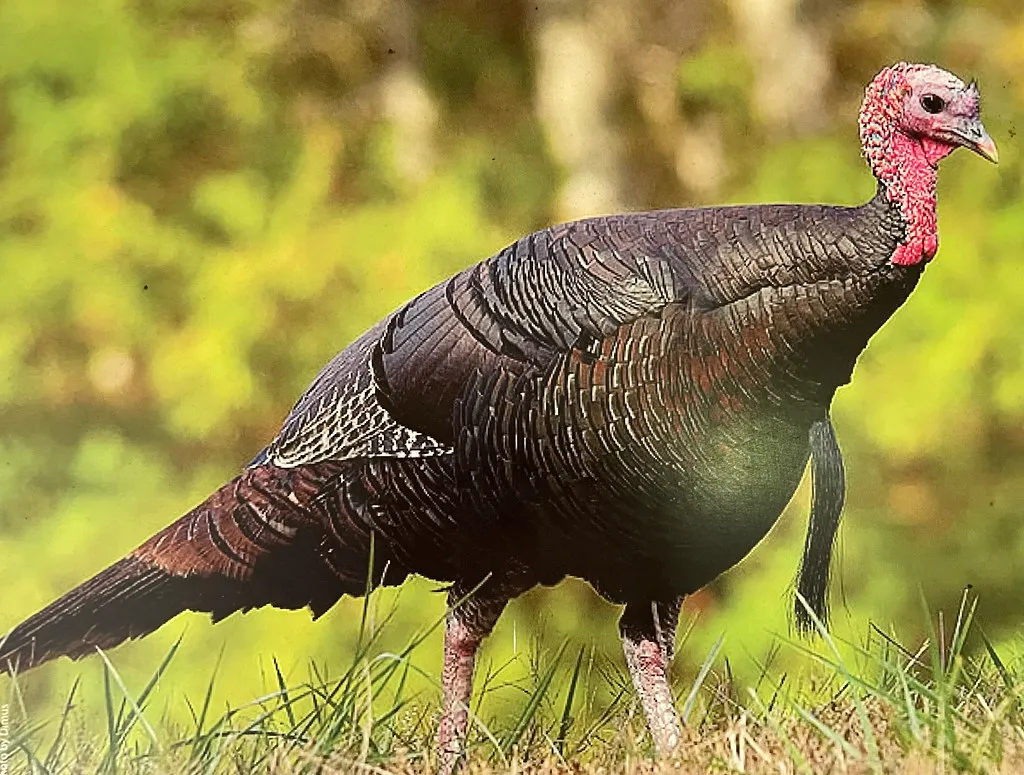
Salisbury Zoo is a 12-acre zoo on the Delmarva Peninsula. It’s an easy small-town stop on a road trip, with no ticket booth to slow you down.
But the zoo lost its Association of Zoos and Aquariums accreditation in 2020. Some argue accreditation is the best shortcut for judging animal care. Others say a free local zoo is still worth a visit.
The next stop has fewer asterisks, and it’s in New Jersey…
#7 – Cape May County Zoo (New Jersey): Free Admission and Free Parking
🔥 Would you like to save this?
We'll email this post to you, so you can come back to it later!
Here’s a free zoo where even the parking doesn’t cost a dime.
Cape May County Zoo is listed as open every day but Christmas, from 7:00 am to dusk. Admission and parking are free, though donations are encouraged. Those are unusually generous hours for a zoo, so confirm them before you go.
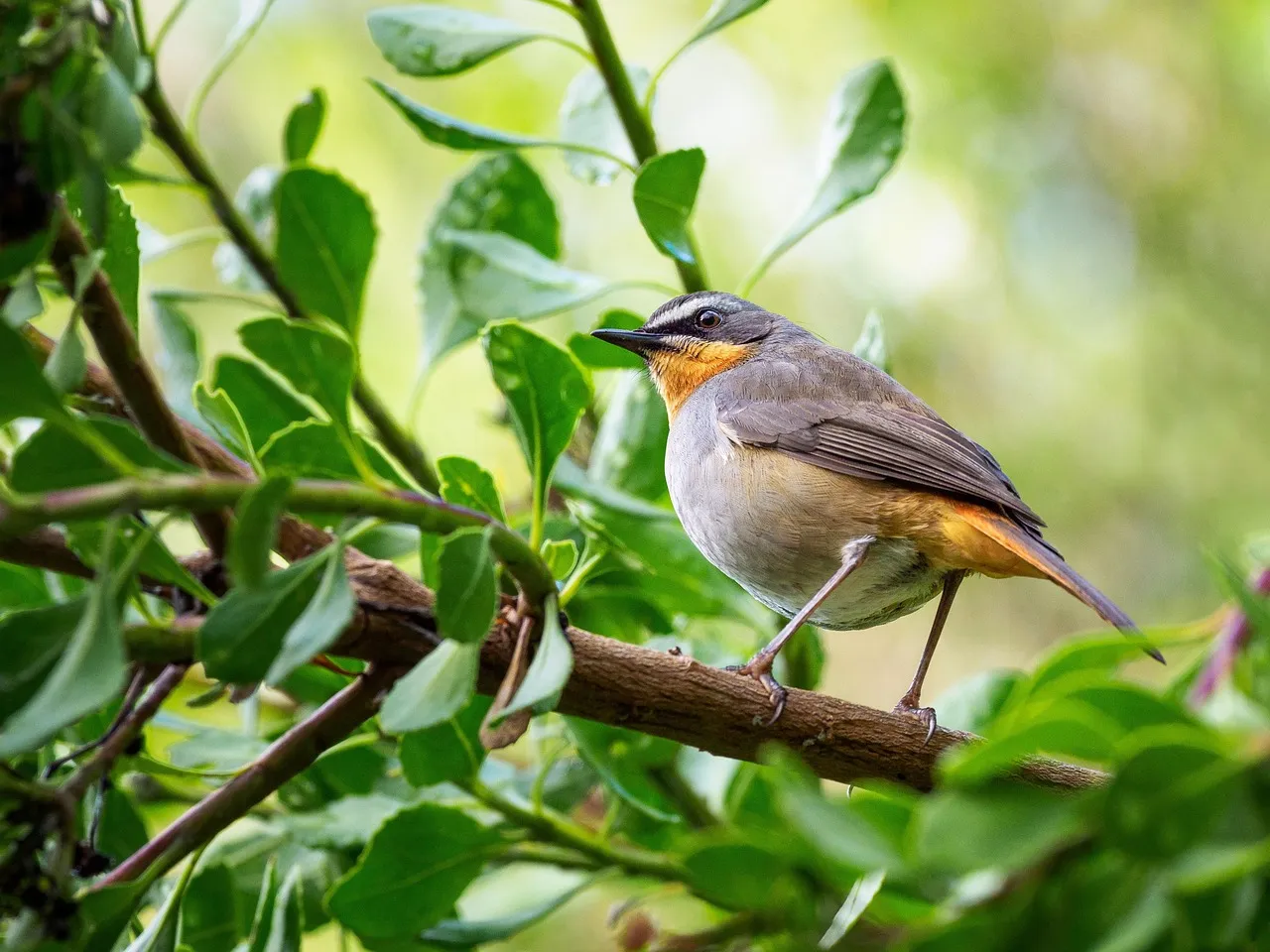
You can see more than 200 species of mammals, reptiles and birds. It’s a lot of variety for a zoo that never asks for a ticket.
The early opening is a gift for retirees who like quiet mornings. Animals are often more active in the cool of the day, too.
Quick Compare: Free Zoo Fine Print
- Lee Richardson (#9): free on foot, $10 per vehicle to drive in
- Salisbury (#8): free admission, but accreditation was lost in 2020
- Cape May County (#7): free admission and free parking
Next is a zoo with a donor’s century-old rule behind its free admission…
#6 – Henry Vilas Zoo (Madison, Wisconsin): A Promise More Than a Century Old
🔥 Would you like to save this?
We'll email this post to you, so you can come back to it later!
The free admission here is a promise that’s more than a century old.
The zoo has been free since the first animals were housed there in 1911, as decreed by the donors of the land. It’s also an accredited member of the Association of Zoos and Aquariums. That combination is rare among free zoos.
Some attractions inside may carry separate fees. Check the zoo’s site before you go if you plan to ride or pay for add-ons.
The next zoo is one of the biggest names in free admission, and it has been for a very long time…
#5 – Lincoln Park Zoo (Chicago, Illinois): A Big-City Zoo That Never Charges at the Gate
🔥 Would you like to save this?
We'll email this post to you, so you can come back to it later!
A major-city zoo that has never put up a gate fee is a rare thing to find.
Lincoln Park Zoo is open 365 days a year and is always free. It has been that way since it opened in 1868, which makes it one of the oldest zoos in the country.
It’s a chance to see a big-city zoo without buying a ticket. Chicago visitors can pair it with a stroll toward the lakefront.
Some special exhibits and parking may cost money. Check the zoo’s website for current details.
Now we get to a famous name with a surprising parking bill…
#4 – Saint Louis Zoo (Missouri): Free Entry, One Costly Catch
🔥 Would you like to save this?
We'll email this post to you, so you can come back to it later!
Free admission at one of the best-known zoos in the country, with one catch.
There’s no admission fee to visit the Saint Louis Zoo, but parking is currently $10 per vehicle. That figure may have changed, so confirm before you drive. Most people don’t realize the parking fee is the real cost of the visit.
Some travel sources rank it among the most popular zoos. Others argue the crowds make it a poor fit for slow-paced visitors. Weekday mornings are your best option.
The zoo coming next is run by the Smithsonian, and its history goes back to the 1800s…
#3 – Smithsonian’s National Zoo (Washington, D.C.): 163 Acres, No Admission Fee
🔥 Would you like to save this?
We'll email this post to you, so you can come back to it later!
You can wander 163 acres of animals in the nation’s capital without paying to get in.
The National Zoo is part of the Smithsonian Institution and does not charge admission. The zoo is home to about 400 species, and it’s accredited by the AZA. Its giant pandas have been famous draws for decades.
It opened in 1889, so it’s one of the oldest zoos in the country. It has long been known for its work with endangered species.
The grounds are hilly, so pace yourself and wear good shoes. Check whether timed entry passes are required for your date.
Fast Facts
- 163 acres in Washington, D.C.
- About 400 species
- Opened in 1889
- No admission fee, and AZA accredited
- Hilly terrain, so plan for rest stops
Now for the program with real scientific stakes, which happens in the dead of winter…
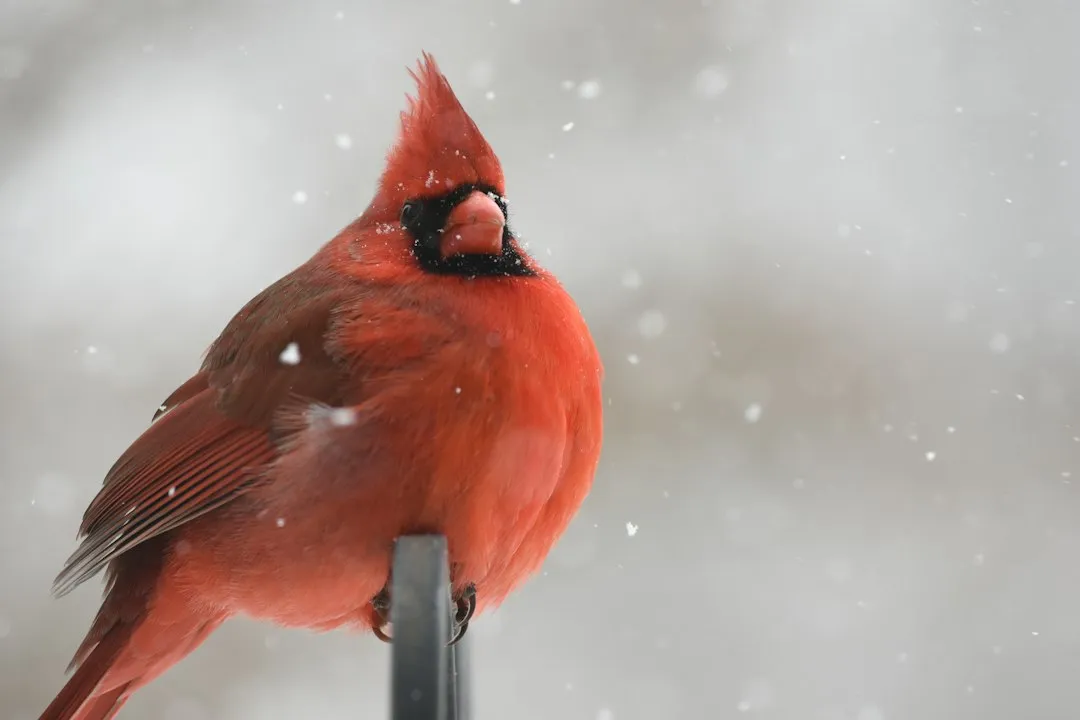
#2 – The Christmas Bird Count: The Longest-Running Citizen Science Project in the Country
🔥 Would you like to save this?
We'll email this post to you, so you can come back to it later!
The longest-running citizen science project in the country is free to join.
The count runs between December 14 and January 5 each year. The 127th runs from December 14, 2026 to January 5, 2027. Participation has been free since 2012.
Counts take place in 15-mile-wide circles led by a compiler. Beginners are matched up with more experienced birders. Scientists have published more than 300 peer-reviewed studies using the data.
You can also count from home. Feeder counts require no binoculars or hiking. Sign up early, because circles organize in advance.
But the most meaningful one on this list isn’t a count at all…
#1 – “Seniors for Seniors” Pet Adoption: The Fee Waiver Worth Hunting For

🔥 Would you like to save this?
We'll email this post to you, so you can come back to it later!
Some shelters will waive the adoption fee when an older adult adopts an older pet.
The details vary by shelter. Some programs start at 60, others at 65. A Missouri shelter waives fees for adopters 65+ with valid ID and pets 7 or older. A New Jersey program covers adopters 65 and older adopting a senior cat or dog.
New York City’s shelter system offers it to adopters 60 or older, with pets at least 6 years old. Others only reduce the fee. One Colorado rescue reduces fees to $25 for adopters 65 and over. Some programs depend on county funding, so they can disappear.
Pets will still cost money later. Food, vet care and supplies add up, so plan for that. Shelters note that senior pets are often calmer and come with prior training, which can make them a gentler match for a slower pace.
Here’s my honest verdict: the best free animal experiences for people over 65 aren’t the famous zoos. They’re the ones that need you. Shelter volunteering, bird counts and nest monitoring all hand you a job, a routine and a reason to come back. A zoo gives you an afternoon. A shelter or a count gives you a standing appointment with something that matters.
The truly free zoos are worth a visit, but read the fine print on parking and accreditation. The Senior Pass is a fair deal, but it isn’t free, and it starts at 62, not 65.
If you only do one thing, adopt an older pet or join a bird count. Everything else is a nice way to spend a morning, but those two can change what your weeks look like.

- 10 Enigmatic Structures That Continue to Puzzle Scientists Today - November 5, 2026
- 10 Strange Ruins in the Americas That Challenge What We Know About Early History - November 5, 2026
- Beyond the Bark: Decoding Your Dog’s 12 Most Common Vocalizations - November 5, 2026