


Wild animals are fascinating creatures, admired for their beauty, strength, and mystery. However, they are not pets or toys; they live by their instincts in environments designed to support their natural behaviors. Unlike domestic animals, wild creatures haven’t been tamed to coexist with humans. Approaching them can not only disrupt their natural life but also pose significant risks to both parties involved. Understanding why we should maintain a respectful distance is crucial in promoting coexistence and conservation.
The Risk of Injury

🔥 Would you like to save this?
We'll email this post to you, so you can come back to it later!
Wild animals are unpredictable. Even small ones have physical defenses developed over millennia for survival. Approaching them may trigger these instincts, leading to injuries by bites, scratches, or more severe attacks. Such encounters can result in both immediate physical harm and long-term health issues from infections.
Potential for Disease Transmission

🔥 Would you like to save this?
We'll email this post to you, so you can come back to it later!
Many wild animals carry diseases that can be transmitted to humans, such as rabies, Lyme disease, and various zoonotic viruses. Interaction increases the risk of disease transmission, which can have serious health consequences for humans and vice versa for animals.
Disturbance of Natural Behaviors

🔥 Would you like to save this?
We'll email this post to you, so you can come back to it later!
Approaching wild animals disrupts their natural behavior patterns, such as feeding, mating, or hunting. Wildlife relies heavily on routine and instinct to survive; interference can lead to stress, reduced fitness, and challenges in finding food or protecting their young.
Environmental Imbalance

🔥 Would you like to save this?
We'll email this post to you, so you can come back to it later!
Humans approaching wildlife can create imbalances in local ecosystems. Introducing smells, sounds, or even just presence can deter species from occupying their natural habitats, affecting predator-prey dynamics and plant-animal interactions essential for the ecosystem’s health.
Loss of Natural Fear

🔥 Would you like to save this?
We'll email this post to you, so you can come back to it later!
When animals lose their natural fear of humans due to frequent encounters, they may become bolder in seeking out human company and resources. This can lead to increased conflicts and often unfortunate outcomes for the wildlife, such as relocation or extermination.
Negative Impact on Conservation Efforts

🔥 Would you like to save this?
We'll email this post to you, so you can come back to it later!
Approaching or feeding wild animals can undermine conservation efforts. Habituated wildlife may become dependent on human food, which affects their health and diminishes their role in natural seed dispersal or pest control, thus affecting biodiversity conservation.
Legal Implications

🔥 Would you like to save this?
We'll email this post to you, so you can come back to it later!
In many areas, feeding or disturbing wildlife is prohibited by law. Such regulations aim to protect both wildlife and humans. Breaching these laws can result in hefty fines or other legal repercussions, along with contributing to wildlife distress.
Hazards to Children and Pets
🔥 Would you like to save this?
We'll email this post to you, so you can come back to it later!
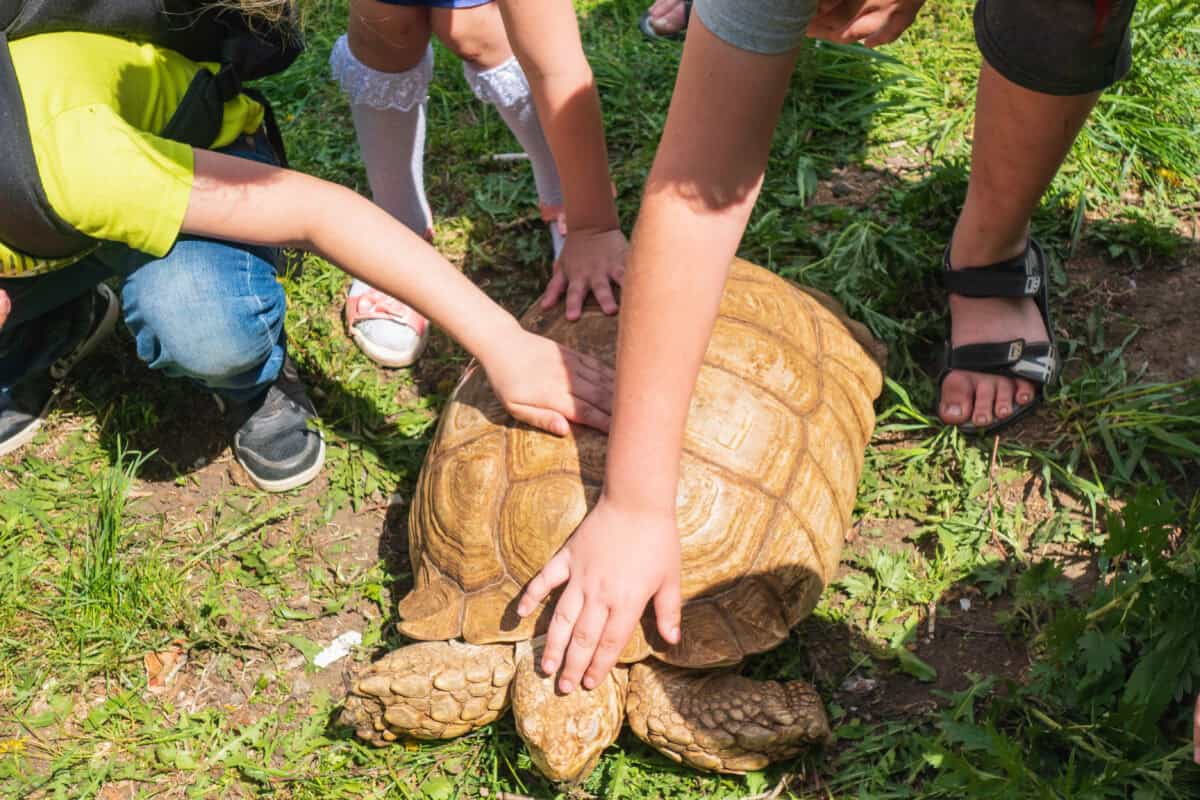
While exploring nature can be educational, bringing children and pets too close to wild animals can be dangerous. Children are naturally curious, and pets may provoke wildlife, leading to risky situations that can quickly escalate.
Wild Animals as Carriers of Parasites

🔥 Would you like to save this?
We'll email this post to you, so you can come back to it later!
Beyond diseases, wild animals can also carry parasites like lice, fleas, and ticks, which can transfer to humans or domestic animals, posing additional health concerns and necessitating medical treatment.
Animals’ Natural Diet Disruption

🔥 Would you like to save this?
We'll email this post to you, so you can come back to it later!
Feeding wildlife can disrupt their natural diet, leading to malnutrition or obesity and altering their role in the ecosystem. Animals require specific nutrients found in their natural foods, which human food often cannot fully provide.
Interference with Predatory Skills
🔥 Would you like to save this?
We'll email this post to you, so you can come back to it later!
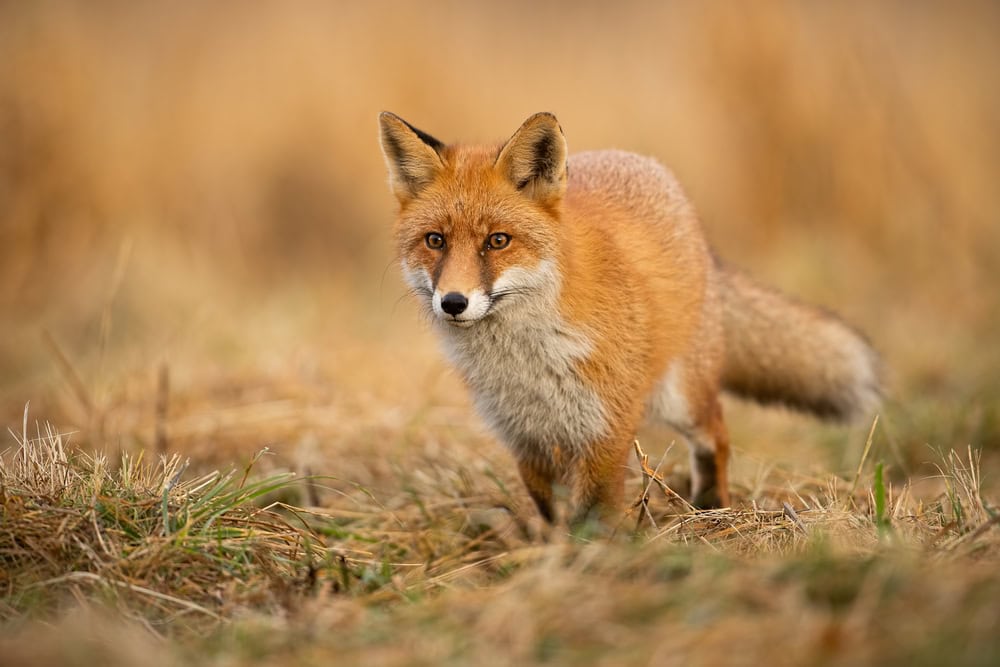
Animals that become reliant on humans for food may lose essential survival skills, like hunting or foraging. This can lead to starvation when human provisions aren’t available, creating a dangerous dependency.
Damage to Personal Property

🔥 Would you like to save this?
We'll email this post to you, so you can come back to it later!
Wild animals losing their fear of humans may venture into homes or campsites, leading to property damage in search of food. This is not only destructive but puts the animal at risk, creating potentially harmful conflict situations.
Stress and Anxiety in Wildlife

🔥 Would you like to save this?
We'll email this post to you, so you can come back to it later!
Human interaction can cause significant stress and anxiety in animals, leading to erratic or fearful behavior. Such stress can weaken their immune response, making them vulnerable to disease and reducing their lifespan.
Negatively Influencing Animal Patterns

🔥 Would you like to save this?
We'll email this post to you, so you can come back to it later!
An animal’s migration, hibernation, or breeding patterns can be negatively influenced by human proximity. This not only affects the animals directly involved but can also impact entire ecosystems that rely on these patterns.
Potential for Aggression

🔥 Would you like to save this?
We'll email this post to you, so you can come back to it later!
Wild animals may perceive human proximity as a threat, leading to aggressive defensive behaviors. Such aggressive encounters can put humans in danger and often result in negative outcomes for the animal involved.
Unintended Effects on Offspring

🔥 Would you like to save this?
We'll email this post to you, so you can come back to it later!
If young animals are handled or approached, even unintentionally, this can lead to rejection by their mothers, leaving them vulnerable and significantly decreasing their odds of survival.
Learning from Nature Safely
🔥 Would you like to save this?
We'll email this post to you, so you can come back to it later!
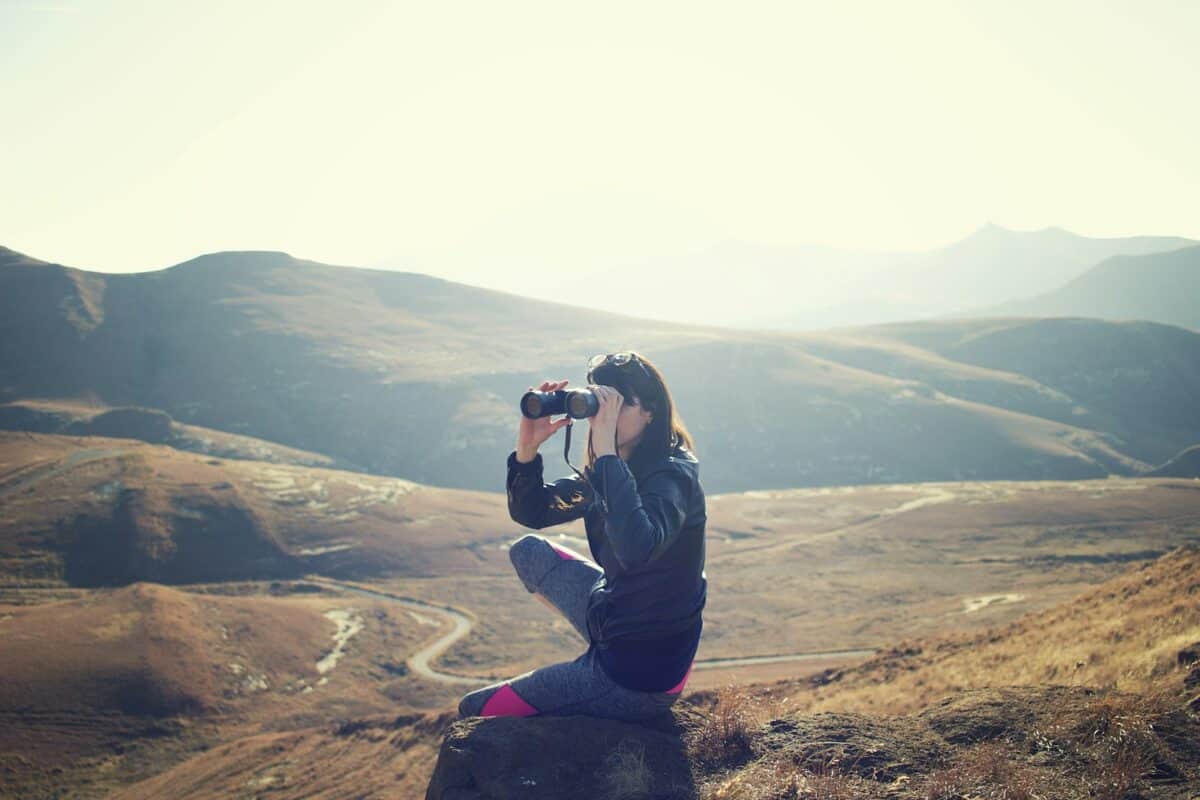
Observing wild animals from a distance allows people to learn and appreciate their natural behaviors without interference. Binoculars, cameras, and guided tours can enhance this experience without compromising safety.
Protecting Our Environment

🔥 Would you like to save this?
We'll email this post to you, so you can come back to it later!
Consciously avoiding contact with wild animals helps preserve the delicate balance of our natural environments. By refraining from encroaching upon their space, we allow ecosystems to thrive, benefiting all species within them, including humans.
Promoting Responsible Tourism
🔥 Would you like to save this?
We'll email this post to you, so you can come back to it later!
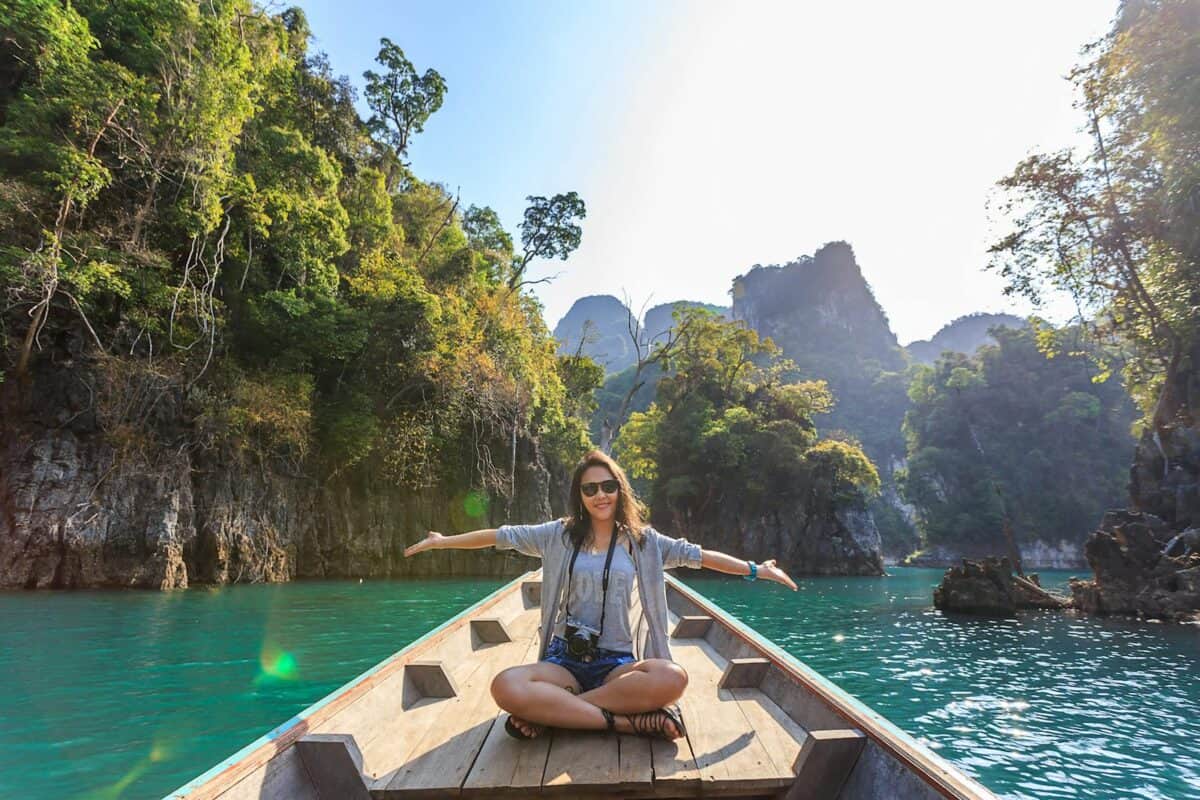
Wildlife tourism is a popular activity, but it’s our responsibility to ensure it’s done ethically and sustainably. By keeping our distance, we support practices that prioritize animal welfare, contributing to conservation and respecting their habitats.
Embracing Respectful Coexistence

🔥 Would you like to save this?
We'll email this post to you, so you can come back to it later!
Ultimately, the key to living harmoniously with wild animals lies in respect. Appreciating their role in our ecosystems from a safe distance not only protects both parties but enriches our understanding and appreciation of the natural world, fostering a future where human and animal life flourish symbiotically.

- How Koalas Survive on a Diet of Toxic (To Humans) Eucalyptus Leaves - November 5, 2026
- The Largest Python Ever Captured in Florida’s Everglades - November 5, 2026
- The Largest Sea Turtle Ever Rescued Off North Carolina - November 5, 2026