


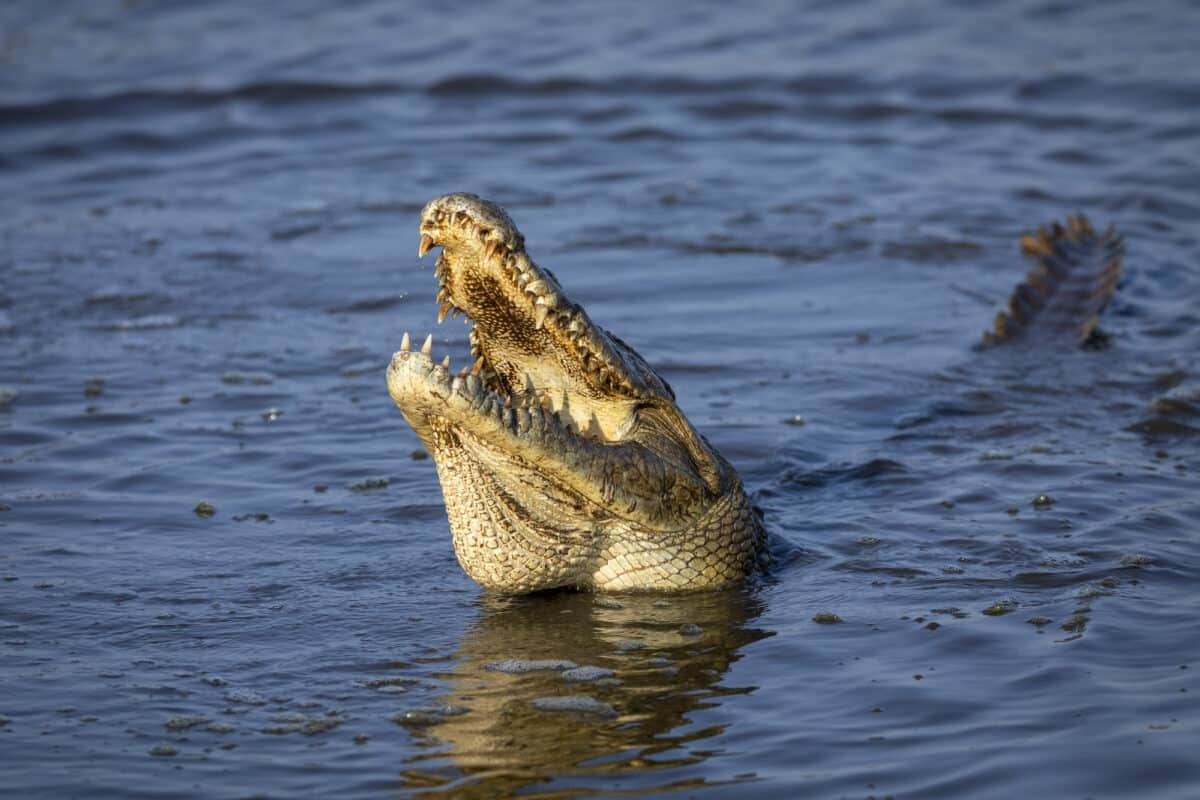
American alligators have long been a fixture in the southeastern United States, but climate change, habitat loss, and human development are altering their traditional ranges. In recent years, wildlife officials across the country have reported increasing numbers of alligator sightings in areas where they were once rare or nonexistent. This northward and westward expansion of alligator territory has implications for both human safety and ecological balance. From unexpected appearances in suburban swimming pools to establishing new breeding populations in previously alligator-free zones, these prehistoric reptiles are adapting to changing environments and expanding their presence across the American landscape.
Florida’s Expanding Alligator Territory

Florida has always been alligator country, with an estimated 1.3 million alligators calling the state home. However, wildlife officials have documented a significant increase in alligator sightings in previously less-populated areas of central and northern Florida. Counties like Marion, Lake, and Seminole have reported a 30% increase in nuisance alligator calls over the past five years. This expansion correlates with Florida’s booming development, which often encroaches on wetlands and creates new water features like retention ponds and artificial lakes that provide perfect alligator habitat. The result is more frequent human-alligator interactions in suburban neighborhoods, golf courses, and even shopping center parking lots throughout the state.
Georgia’s Coastal Plains and Beyond

Georgia’s traditional alligator range has historically been limited to the southern third of the state, primarily in the coastal plains. However, in the past decade, alligator sightings have become increasingly common in the central regions of Georgia, including areas around Macon and Columbus. The Georgia Department of Natural Resources has confirmed a 22% increase in alligator reports from counties that were previously considered outside their established range. Climate data suggests that milder winters may be allowing alligators to survive in these new territories, while the proliferation of man-made reservoirs and ponds provides suitable habitat. In 2022 alone, wildlife officials captured and relocated over 400 alligators from residential areas in previously low-incidence regions of the state.
South Carolina’s Upstate Regions
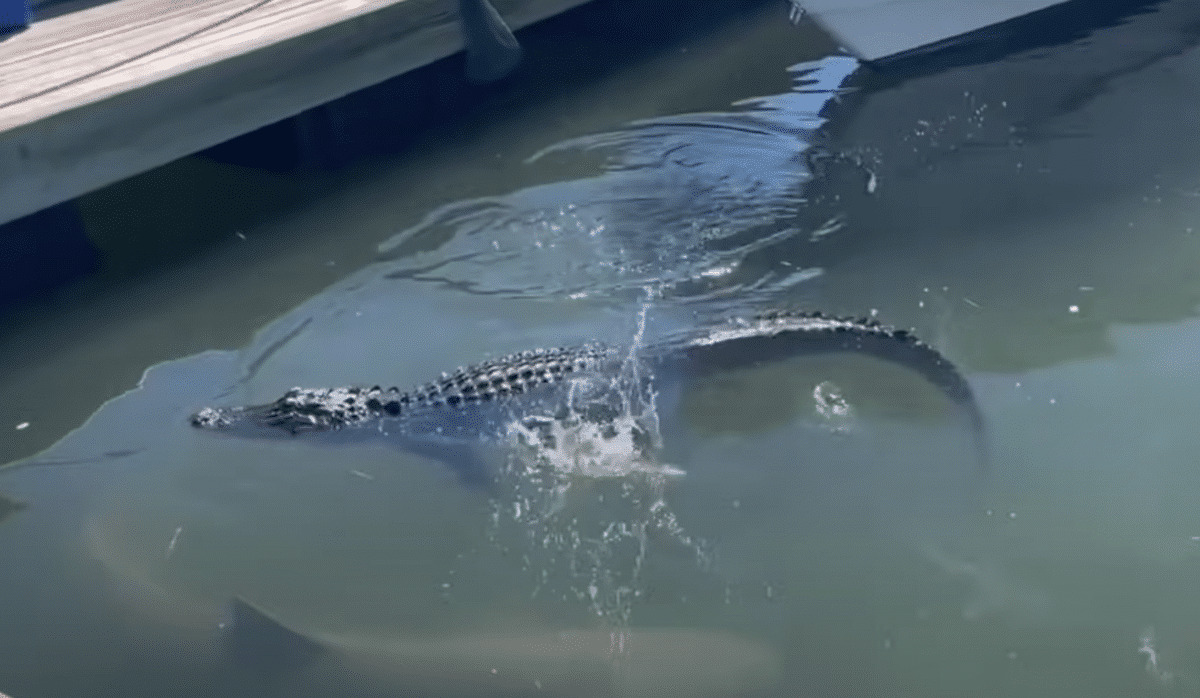
South Carolina’s coastal regions have long been home to alligators, but wildlife experts have noted a troubling trend of increasing alligator populations moving into the state’s upstate regions. Counties like Greenville and Spartanburg, which historically saw very few alligators, have reported dozens of sightings in recent years. The Savannah River watershed seems to be serving as a natural corridor for this northward expansion. Development patterns that create ideal habitat and potentially warmer temperatures may be contributing factors. Local wildlife authorities have responded by implementing new educational programs for residents in these areas who may be encountering alligators for the first time and are unfamiliar with appropriate safety protocols.
North Carolina’s Expanding Range

North Carolina traditionally marked the northernmost natural range of American alligators, with populations limited to the southeastern coastal areas. However, recent years have seen alligators appearing in counties further north and west than ever before. The North Carolina Wildlife Resources Commission has documented confirmed sightings as far north as the Albemarle Sound and as far west as Moore County. Wildlife biologists attribute this expansion partly to successful conservation efforts that have allowed alligator populations to rebound from historical lows, combined with milder winter temperatures that enable survival in previously inhospitable regions. The expansion has prompted new management challenges, as many residents in these areas have no experience with alligator safety practices.
Alabama’s Tennessee River Basin
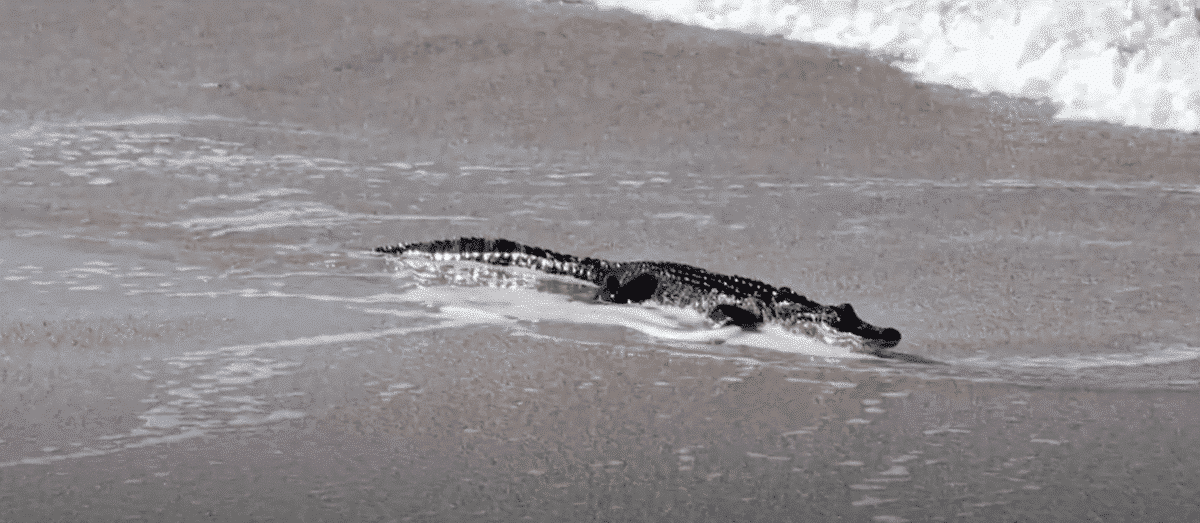
Alabama’s traditional alligator territory has been concentrated in the southern part of the state, particularly in the Mobile-Tensaw Delta. However, in a surprising development, alligators have been increasingly spotted in the Tennessee River basin in northern Alabama. The Alabama Department of Conservation and Natural Resources has confirmed multiple sightings in Wheeler National Wildlife Refuge and surrounding areas, suggesting a northward expansion of their range. Some experts believe these may be released pets, while others suggest they represent a genuine range expansion facilitated by warming temperatures. Either way, their presence has required new management protocols in an area where alligators were historically absent from the ecosystem.
Mississippi’s Delta Region and Beyond

Mississippi’s alligator population has traditionally been concentrated in the southern counties near the Gulf Coast. However, wildlife officials have documented a substantial increase in alligator sightings throughout the Mississippi Delta region and into the central part of the state. Counties like Washington, Humphreys, and even as far north as Grenada have reported increased alligator encounters. The Mississippi Department of Wildlife, Fisheries, and Parks has noted a 35% increase in nuisance alligator calls from these historically low-incidence areas over the past decade. This expansion appears to follow the Mississippi River and its tributaries, with oxbow lakes and backwaters providing ideal habitat. Local authorities have responded by implementing new educational initiatives for residents and updating management plans to address the changing distribution.
Louisiana’s Northern Parishes
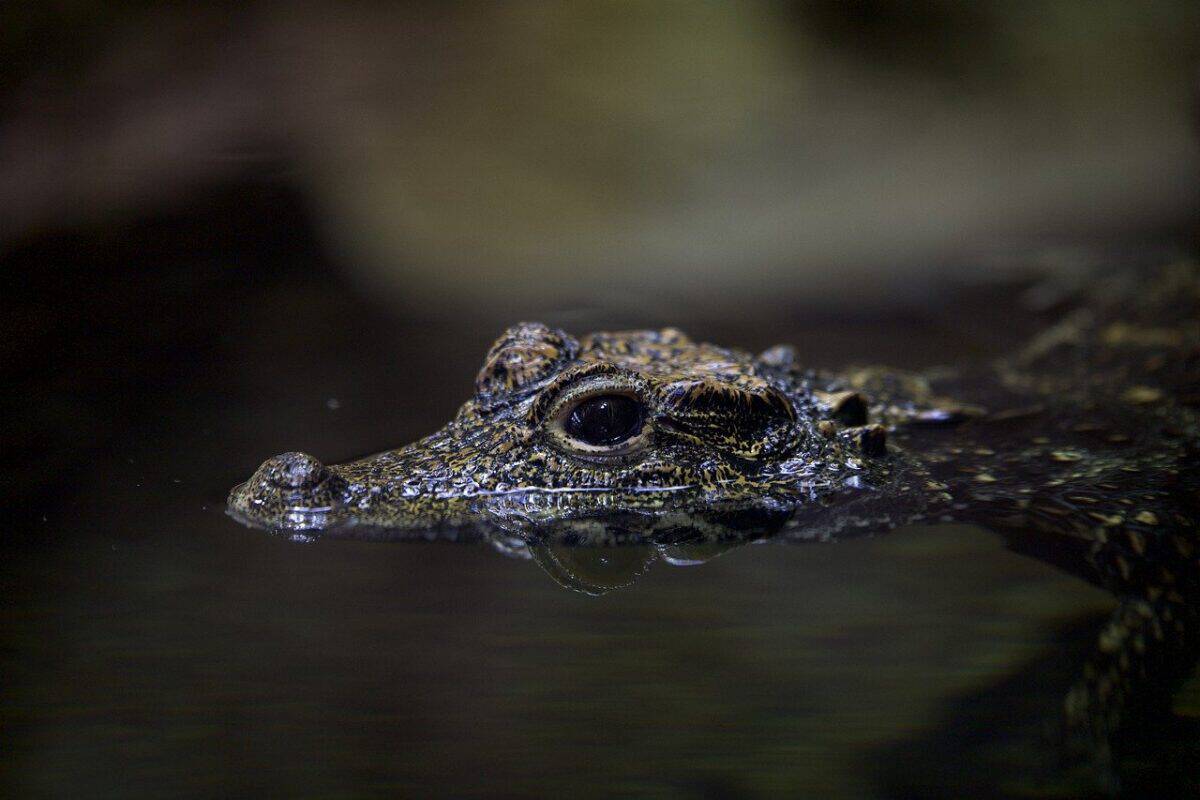
Louisiana hosts the largest alligator population in the United States, with an estimated 2 million alligators throughout its southern wetlands. Traditionally, alligator populations have been concentrated in the coastal parishes and southern wetlands. However, wildlife biologists have documented a significant increase in alligator sightings in northern parishes like Ouachita, Lincoln, and even Caddo Parish near the Arkansas border. The Louisiana Department of Wildlife and Fisheries reports that nuisance alligator calls from these northern regions have increased by nearly 40% since 2015. This northward expansion follows the Red River and Ouachita River watersheds and may be facilitated by a combination of successful conservation efforts, habitat alterations due to development, and possibly climate factors allowing alligators to survive winter conditions that would have previously limited their range.
East Texas Urban Interfaces
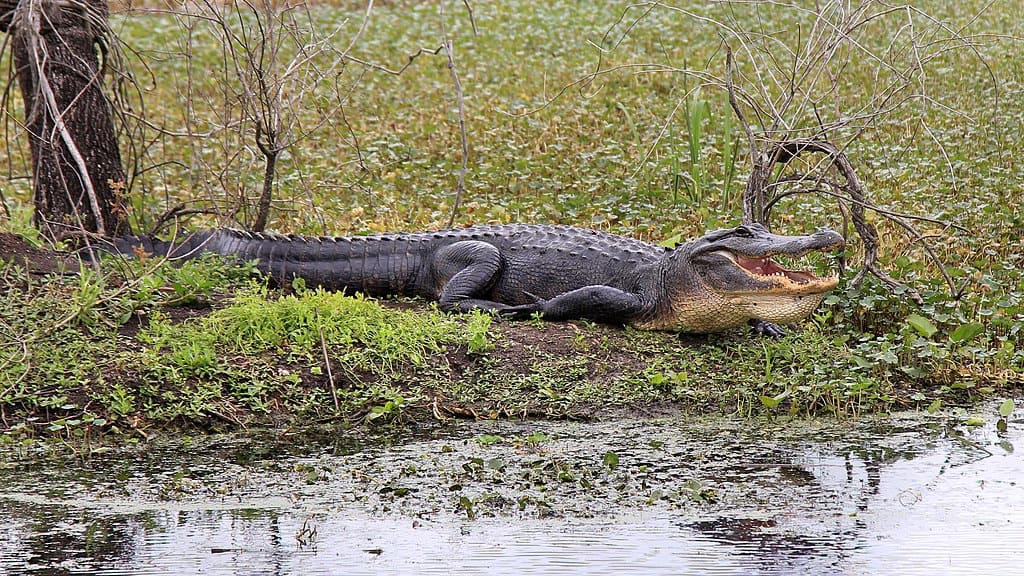
East Texas has always supported alligator populations, particularly in the coastal wetlands and bayous. However, wildlife officials have noted a troubling trend of increasing alligator encounters in urban and suburban areas around Houston, Beaumont, and even as far north as the Dallas-Fort Worth metroplex. Texas Parks and Wildlife Department data shows a 28% increase in nuisance alligator reports from urban counties over the past five years. This trend appears to be driven by rapid development that encroaches on alligator habitat while simultaneously creating new artificial water features. Particularly concerning is the increase in sightings in suburban neighborhoods around lakes and retention ponds in previously low-incident counties like Collin and Denton north of Dallas, suggesting a significant northward range expansion accelerated by human landscape modification.
Arkansas’s Southeastern Counties
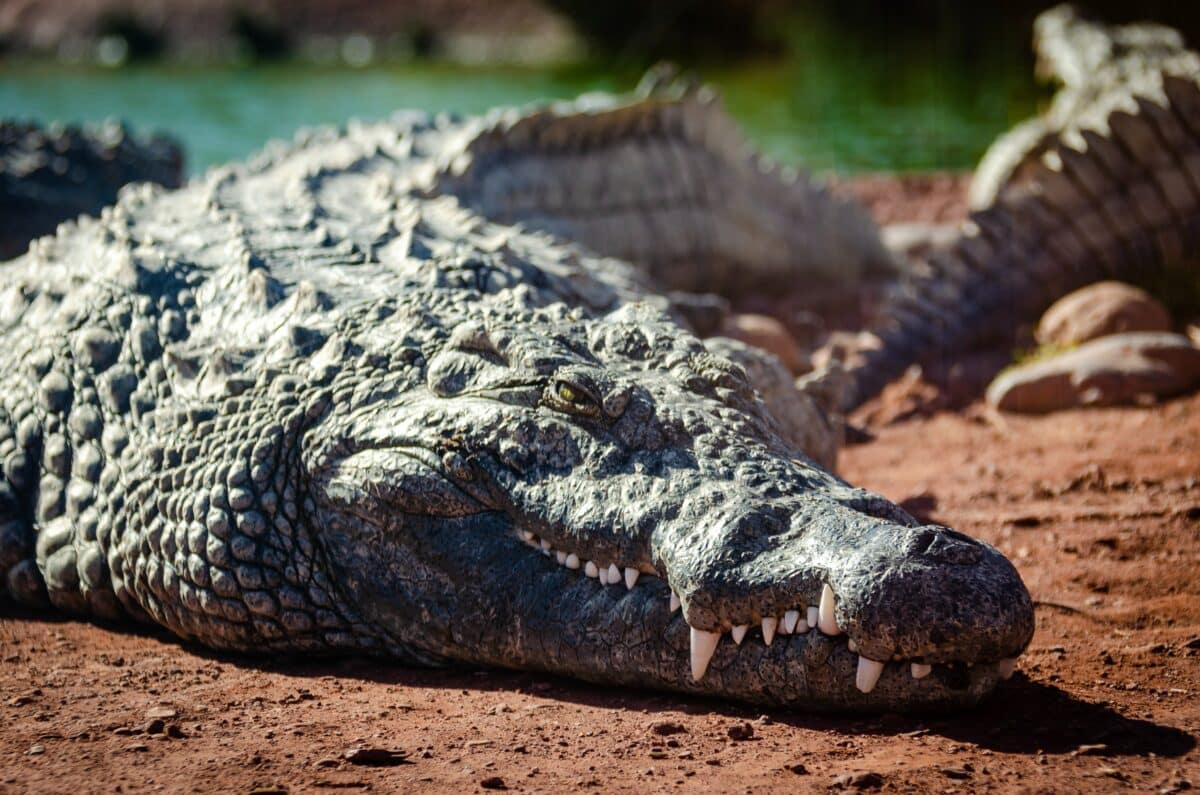
Arkansas represents one of the northwestern boundaries of the American alligator’s range, with populations traditionally limited to the extreme southeastern counties bordering Louisiana and Mississippi. However, the Arkansas Game and Fish Commission has documented a clear trend of alligator sightings moving further north and west within the state. Counties like Arkansas, Jefferson, and even as far north as White County have reported confirmed alligator sightings in recent years. This expansion follows river systems, particularly the Arkansas and White Rivers. Wildlife officials suggest that warmer average temperatures, especially milder winters, may be allowing alligators to survive in previously marginal habitat. The commission has responded by implementing new management protocols and public education campaigns in areas where residents have little historical experience with alligator safety.
Oklahoma’s Southeastern Corner
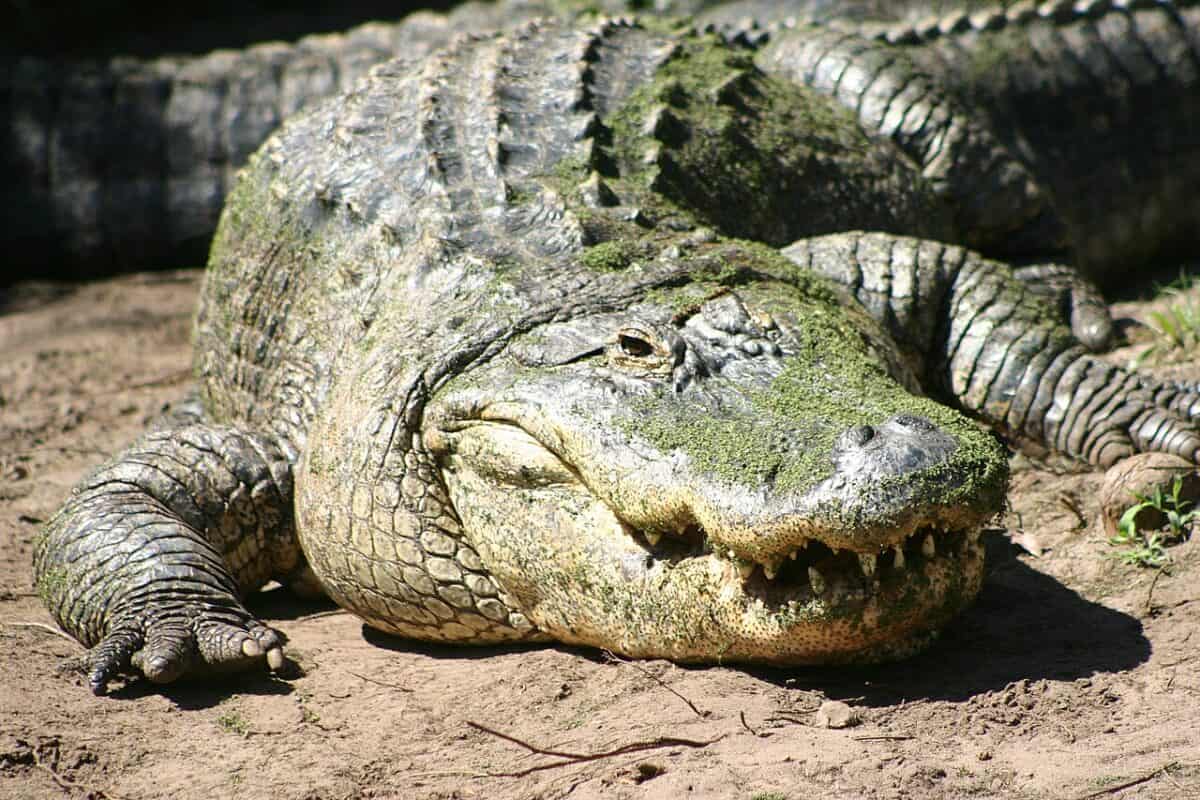
Oklahoma marks the western edge of the American alligator’s traditional range, with small populations historically documented only in the extreme southeastern corner of the state in McCurtain County. However, the Oklahoma Department of Wildlife Conservation has confirmed increasing alligator sightings in counties further west and north, including Choctaw, Pushmataha, and even as far north as Haskell County. While the total numbers remain relatively small compared to states like Louisiana or Florida, the 150% increase in confirmed sightings since 2010 represents a significant range expansion. Wildlife biologists attribute this partly to successful conservation efforts in neighboring states combined with habitat alterations from reservoir construction and possibly climate factors. Local authorities have begun implementing educational programs for residents in these areas, many of whom are encountering alligators for the first time.
Missouri’s Southeastern Bootheel

Missouri represents one of the most surprising locations for increasing alligator sightings. Historically, alligators were not considered native to Missouri, but the state’s southeastern “bootheel” region bordering Arkansas has seen multiple confirmed alligator sightings in recent years. Counties like Dunklin, Pemiscot, and New Madrid have reported alligator encounters in wetlands and drainage ditches. The Missouri Department of Conservation has confirmed that at least some of these represent legitimate wild alligators rather than released pets. Wildlife biologists speculate that warming temperatures may be allowing alligators to expand northward from Arkansas, potentially establishing small breeding populations in Missouri’s southernmost counties. While still rare, the increase from essentially zero historical presence to multiple confirmed sightings represents a significant change in distribution that has prompted new management considerations.
Tennessee’s Western Wetlands
Tennessee has historically been considered well outside the American alligator’s native range. However, in a development that has surprised wildlife officials, there have been multiple confirmed alligator sightings in the western portions of the state, particularly in wetland areas along the Mississippi River in counties like Shelby, Tipton, and Dyer. The Tennessee Wildlife Resources Agency initially suspected these were released pets, but the pattern and frequency of sightings suggest at least some may represent genuine range expansion from populations in Arkansas and Mississippi. While no breeding populations have been confirmed yet, the increasing frequency of sightings has prompted the agency to develop contingency management plans and educational materials for residents in western Tennessee who may encounter these reptiles. Wildlife biologists are closely monitoring the situation to determine whether these represent transient individuals or the beginning of a permanent range extension into Tennessee.
Virginia’s Southern Counties
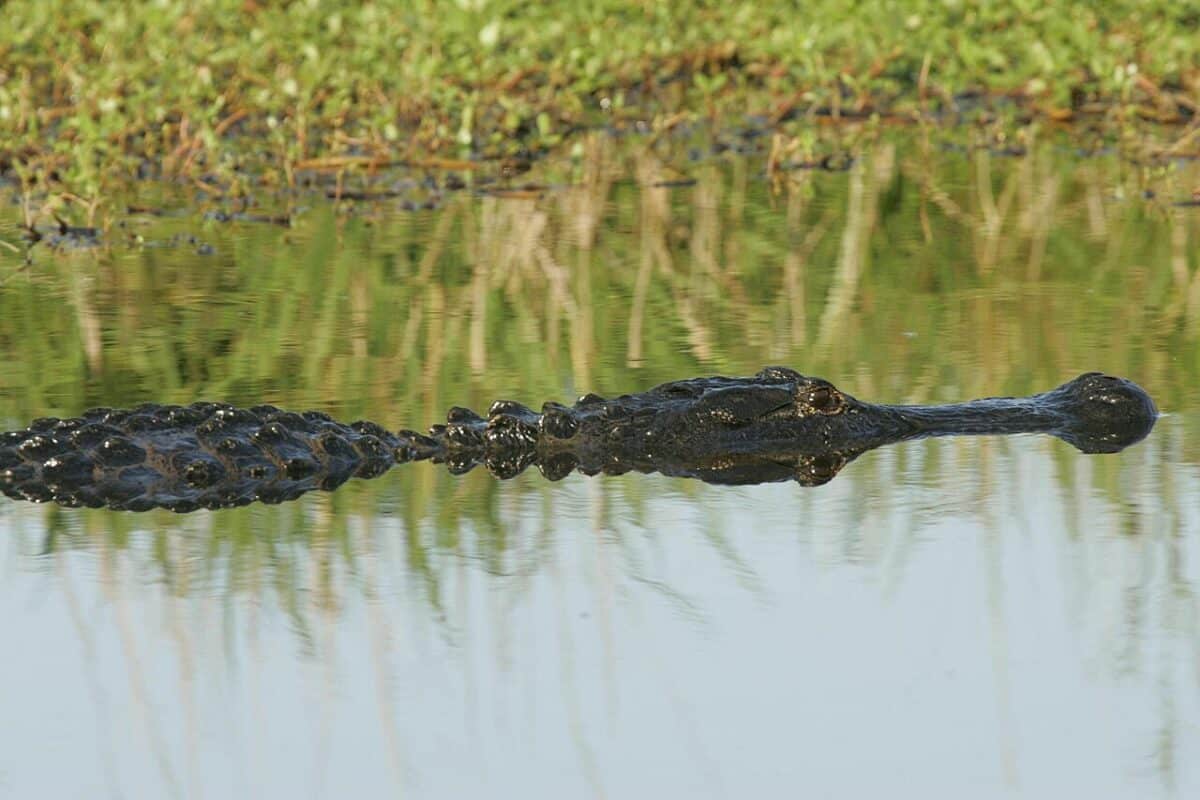
Virginia has traditionally been considered well north of the American alligator’s native range. However, in recent years, the Virginia Department of Wildlife Resources has confirmed isolated alligator sightings in the state’s southernmost counties, particularly those bordering North Carolina. Counties like Southampton, Greensville, and Brunswick have reported confirmed alligator sightings in wetlands and river systems. While most experts believe these represent released or escaped pets rather than natural range expansion, the frequency of sightings has increased significantly, with reports more than doubling since 2015. Wildlife officials are monitoring the situation closely, particularly given climate projections that suggest Virginia’s southern counties could potentially support alligator populations in the coming decades if warming trends continue. The department has already begun developing educational materials and management protocols in anticipation of potential further sightings.
Kentucky’s Western Border
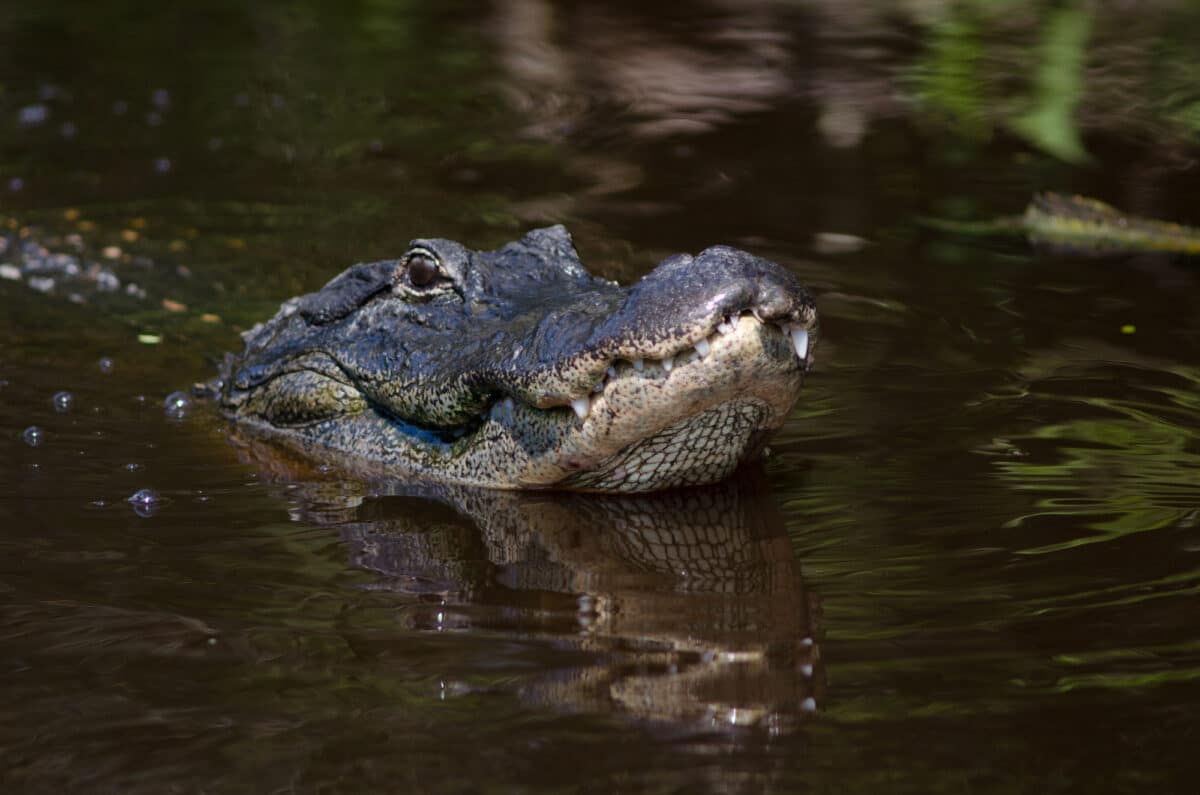
Kentucky represents one of the most unexpected locations for alligator sightings in recent years. The state is well north of the traditional alligator range, but the Kentucky Department of Fish and Wildlife Resources has confirmed multiple alligator sightings in western Kentucky, particularly in counties bordering the Mississippi River like Fulton, Hickman, and Carlisle. While officials initially suspected these were released pets, the pattern of sightings suggests at least some may represent genuine northward expansion from populations in Missouri and Tennessee. No breeding populations have been confirmed, and winter temperatures likely remain too cold for successful reproduction, but the increasing frequency of sightings has prompted the department to develop preliminary management protocols and educational materials for residents in western Kentucky. Wildlife biologists consider these sightings significant as they potentially represent the northernmost extension of alligator range along the Mississippi River corridor.
Illinois’s Southern Tip
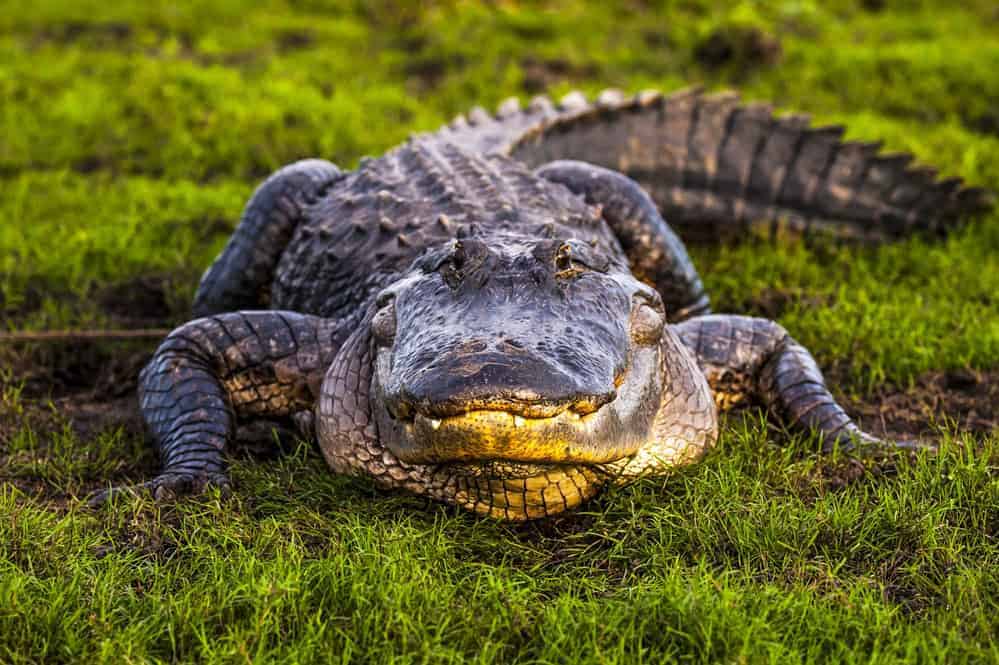
Illinois marks what many would consider an impossible location for alligator sightings, yet the Illinois Department of Natural Resources has confirmed multiple alligator encounters in the state’s southernmost counties in recent years. Alexander and Pulaski counties, which border the Ohio and Mississippi Rivers, have reported confirmed alligator sightings in wetlands and backwaters. While wildlife officials believe most of these are released pets rather than natural migrants, the frequency of reports has increased significantly, with more than a dozen confirmed sightings since 2018. Winter temperatures in southern Illinois remain too cold to support breeding populations, but individual alligators can survive for extended periods during warmer months. The department has developed protocols for responding to alligator reports and educational materials for residents who may encounter these unexpected reptiles. These sightings, while still rare, represent a significant management challenge in a state with no historical experience managing alligator populations.
Kansas’s Southeastern Corner
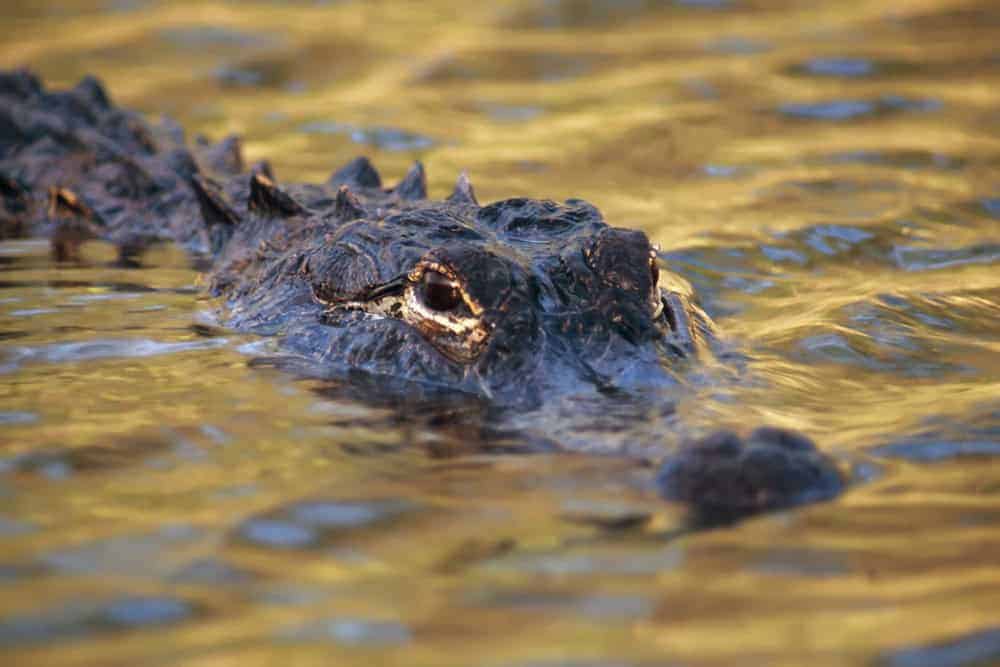
Kansas seems an unlikely location for alligator sightings, yet the Kansas Department of Wildlife and Parks has confirmed several alligator encounters in the state’s southeastern corner in recent years. Counties like Cherokee and Crawford, which border Missouri and Oklahoma, have reported alligator sightings in ponds, creeks, and reservoirs. Wildlife officials believe these are primarily released pets rather than natural range expansion, but the increasing frequency of reports—from essentially zero historical presence to multiple confirmed sightings in the past five years—represents a significant change. While Kansas’s climate remains too harsh for alligators to establish breeding populations, individual alligators can survive for extended periods during warmer months. The department has developed response protocols and educational materials focusing on discouraging the illegal release of exotic pets, which they believe is the primary source of these unusual sightings.
New Mexico’s Eastern Border
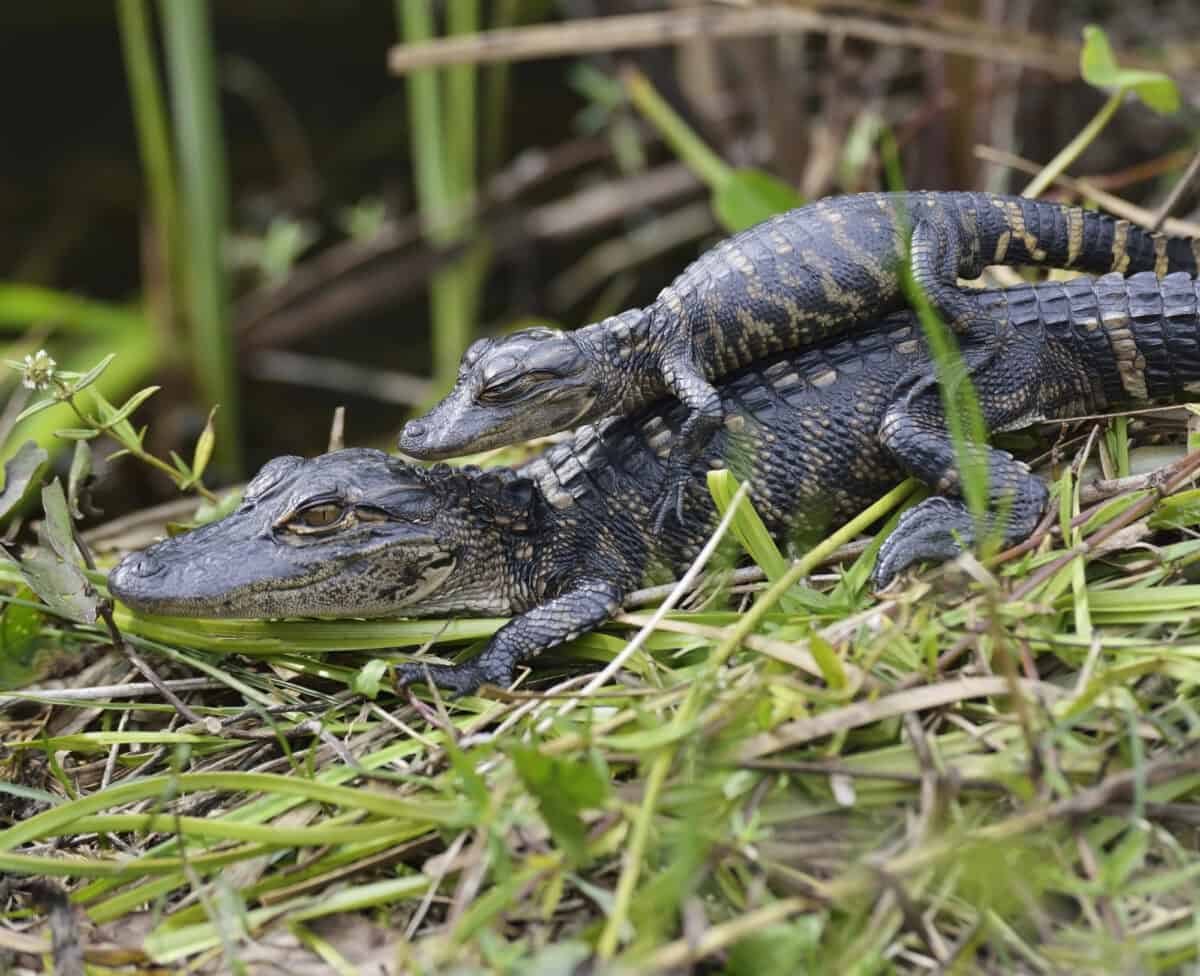
New Mexico represents one of the most surprising locations for alligator sightings in the United States. The state’s arid climate would seem to preclude alligator habitation, yet the New Mexico Department of Game and Fish has confirmed multiple alligator sightings in the eastern counties bordering Texas, particularly in areas with permanent water sources like the Pecos River watershed. Counties like Eddy, Lea, and Chaves have reported confirmed alligator encounters in recent years. Wildlife officials believe these represent a combination of released pets and potential natural dispersal from populations in eastern Texas. While New Mexico’s climate generally remains too dry to support breeding populations except in very specific microhabitats, the increasing frequency of sightings has prompted the department to develop response protocols and educational materials. These sightings, while still rare, represent a significant management challenge in a state with essentially no historical experience with alligator populations.
Indiana’s Southern Counties
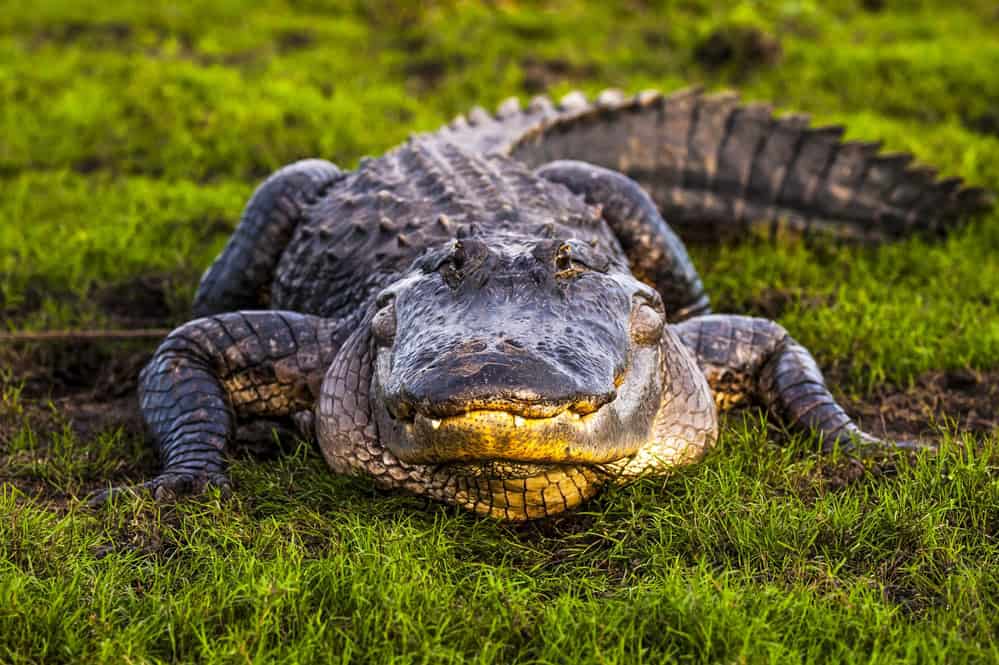
Indiana has historically been well outside the American alligator’s native range. However, the Indiana Department of Natural Resources has confirmed multiple alligator sightings in the state’s southern counties in recent years, particularly those bordering the Ohio River. Counties like Vanderburgh, Posey, and Spencer have reported confirmed alligator encounters in wetlands, ponds, and river backwaters. Wildlife officials believe these represent primarily released or escaped pets rather than natural range expansion, but the frequency of reports has increased significantly, with more than two dozen confirmed sightings since 2017. Indiana’s climate remains too cold to support breeding populations, but individual alligators can survive for extended periods during warmer months. The department has developed response protocols for these unusual situations and educational materials focusing on the illegal release of exotic pets, which they consider the primary source of these unexpected sightings.
Delaware’s Southern Wetlands
Delaware represents one of the northernmost states with confirmed alligator sightings in recent years. While well outside the traditional range of American alligators, Delaware’s Department of Natural Resources and Environmental Control has documented multiple confirmed alligator sightings in the state’s southern wetlands, particularly in Sussex County. These sightings have occurred primarily in freshwater wetlands and ponds, with the frequency increasing from essentially zero historical presence to multiple confirmed reports in the past five years. Wildlife officials believe these represent primarily released pets rather than natural range expansion, as Delaware’s winters remain too harsh to support breeding populations. However, individual alligators can survive for extended periods during warmer months. The department has developed response protocols for these unusual situations and educational materials focusing on the illegal release of exotic pets, which they consider the primary source of these unexpected sightings. The increasing frequency of these encounters represents a novel management challenge in a state with no historical experience with alligator populations.
Pennsylvania’s Southeastern Region
Pennsylvania seems an improbable location for alligator sightings, yet the Pennsylvania Fish and Boat Commission has confirmed multiple alligator encounters in the state’s southeastern region in recent years. Counties like Delaware, Chester, and Philadelphia have reported confirmed alligator sightings in ponds, creeks, and even urban waterways. Wildlife officials are confident that these animals are primarily abandoned or escaped exotic pets rather than indicators of natural range expansion. However, the frequency of these reports has increased dramatically—rising from rare anomalies to multiple confirmed sightings each year since 2018. While Pennsylvania’s cold winters prevent the establishment of breeding populations, wildlife authorities have responded by creating public awareness campaigns and reinforcing laws prohibiting the release of exotic species. The rise in sightings underscores the need for stronger pet ownership regulations and continued public education on the ecological risks posed by introducing non-native species.
Conclusion

The growing number of alligator sightings across regions once thought inhospitable to these reptiles reflects a combination of climate change, habitat modification, and human behavior—particularly the release of exotic pets. As their range expands both naturally and artificially, American alligators are increasingly appearing in suburban neighborhoods, public waterways, and unexpected corners of the United States. While not all sightings indicate permanent population shifts, the trend presents new challenges for wildlife management, public safety, and ecological planning. As these apex predators move beyond their traditional habitats, education, awareness, and proactive policy-making will be essential to balance conservation goals with human safety in a changing environmental landscape.

As a little kid, I fell in love with nature, wildlife, and animals. Living in the USA, South Africa, Italy, China and Germany gave me the opportunity to discover the world's Wildlife. My favorite animals are Mountain Gorillas, Siberian Tigers, and Great White Sharks.
I'm a certified PADI Open Water Diver, went to Everest Base Camp and Trekked Gorillas in Uganda. I hold a Master of Science in Economics and Finance.
Please send any feedback to feedback@animalsaroundtheglobe.com
- The Most Enormous Lobster Ever Pulled From Maine Waters - July 18, 2026
- The Most Dangerous Waters for Sharks in North America - July 18, 2026
- 10 Creatures Sharks Hunt Often And 3 That Outmaneuver Them - July 18, 2026