


Dinosaurs, the colossal creatures that dominated the Earth millions of years ago, have long fascinated scientists and the public alike. Each new discovery not only ignites imaginations but also deepens our understanding of these prehistoric giants. Here, we explore 20 unbelievable dinosaur discoveries that have reshaped the way we view the ancient past.
Feathered Dinosaurs Rethinking Dinosaur Appearance

The discovery of feathered dinosaurs in China has radically altered our perception of dinosaur skin. Specimens such as the Sinosauropteryx, discovered in the Liaoning Province, revealed that feathers were more common than previously thought, suggesting a closer evolutionary link to birds.
Argentina’s Titanosaurs Giants of the Ancient World

In Argentina, the unearthing of the Dreadnoughtus schrani changed everything we thought we knew about dinosaur size. This enormous creature, weighing approximately 65 tons, pushed the boundaries of what was conceivable for terrestrial vertebrates.
The Bird-Dinosaur Connection
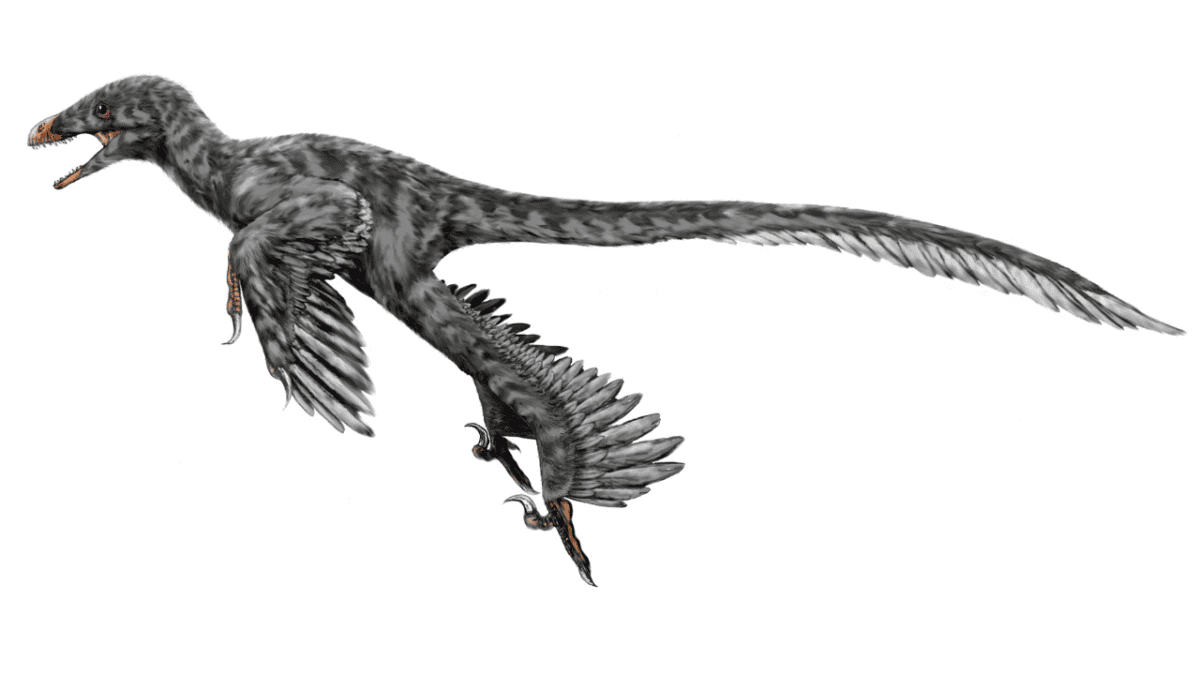
Fossils from theropod species like Archaeopteryx have shown us anatomical features that closely resemble modern birds. These discoveries emphasized that birds are essentially living dinosaurs, reshaping evolutionary trees and understanding of survival through mass extinction events.
A Nesting Trove in Mongolia
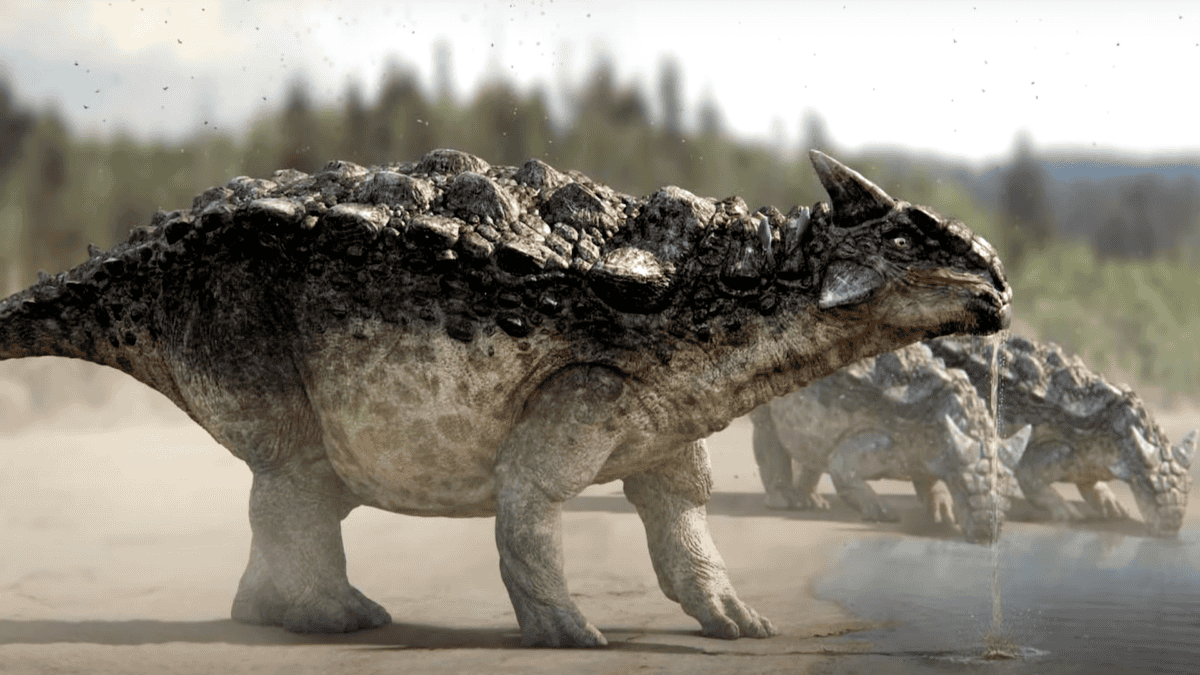
The Gobi Desert in Mongolia yielded a remarkable discovery: a nest of Protoceratops. This finding provided solid evidence that some dinosaur species cared for their young, challenging previous beliefs about dinosaur behavioral ecology.
Soft-Tissue Marvels in North Dakota
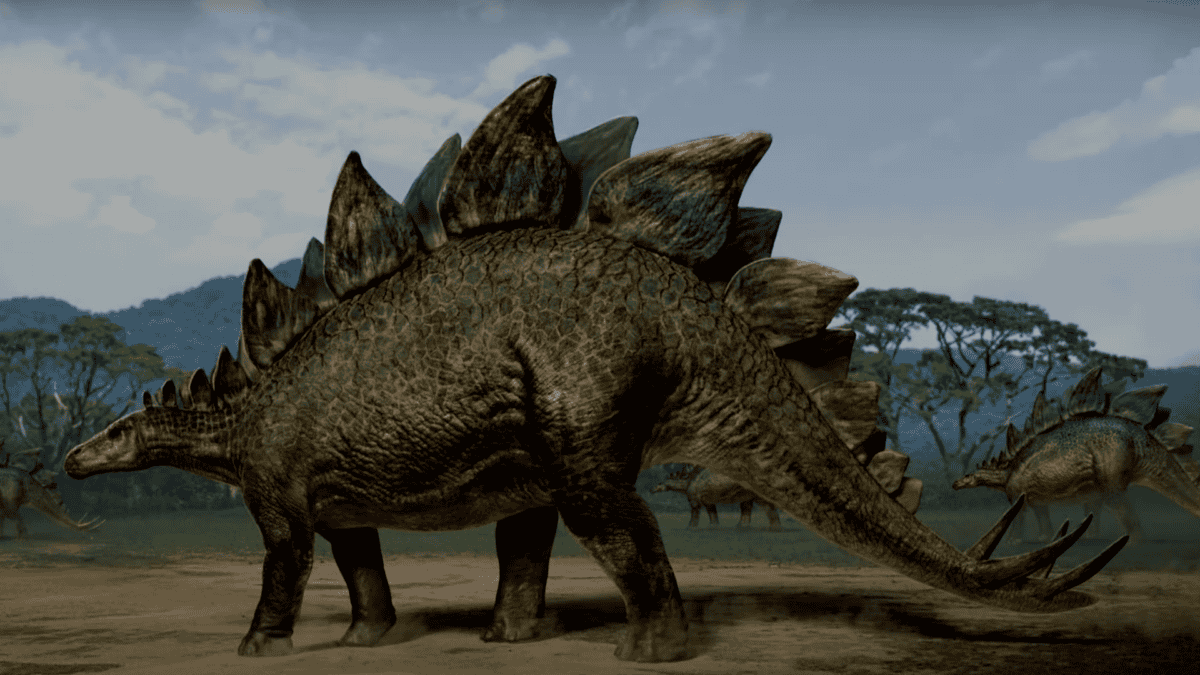
The preservation of soft tissue and proteins in a T. rex femur discovered in the Hell Creek Formation has revolutionized paleontological practices. It prompted a reevaluation of the fossilization process, as it was previously thought impossible for such materials to survive millions of years.
Spinosaurus The First Aquatic Dinosaur

The Spinosaurus, discovered in North Africa, displayed adaptations that indicate a semi-aquatic lifestyle, a first in dinosaur studies. New fossil evidence, including its unique tail, suggests a more complex picture of dinosaur habitats and versatility.
Venezuela’s Early Dinosaurs

Fossils from La Quinta in Venezuela indicated that dinosaurs existed earlier than previously believed. The early Triassic fossils suggest the dawn of the dinosaur era was a global phenomenon, not just limited to the supercontinent Pangaea.
Microraptor The Four-Winged Wonder

The discovery of the Microraptor, a small theropod dinosaur with four wings, indicated a unique evolutionary pathway and possible gliding ability. This finding adds complexity to the evolutionary history of flight in dinosaurs.
The Changing Diet of Dinosaurs

A peculiar find in China revealed Yunnanosaurus with gastroliths or stomach stones. This find opened the door to understanding dietary adaptations in herbivorous dinosaurs and their complex digestive processes, similar to modern animals.
Antarctic Dinosaurs

Fossils found on Vega Island in Antarctica proved that dinosaurs inhabited every continent. The unique adaptations to polar environments challenged ideas about dinosaur physiology and their ability to survive in extreme climates.
Baby Dinosaurs The Small Wonders

Paleontologists discovered hatchling-sized bones of a variety of species in the United States, revealing much about dinosaur ontogeny and growth rates. These gave clues to reproductive strategies and early life behavior of dinosaurs.
The Dragon of Qijiang

The Qijianglong, a long-necked sauropod found in China, displayed unique anatomical features that rewrote sauropod evolutionary history. Its unusually long neck and light skull suggested specialized feeding techniques and evolutionary advantages.
Incredible Armor Ankylosaurus Defense

New fossil finds of Ankylosaurus in Alberta, Canada, displaying extensive bony armor and clubbed tails, have revealed the lengths to which dinosaurs evolved for survival against predators, showcasing incredible evolutionary adaptations.
The Speedy Raptors

New studies on the biomechanics of Velociraptors and their kin suggest they were much faster than previously believed. These findings highlight their role as agile predators and enhance our understanding of their ecological niches.
Jurassic Pharmaceuticals Healing with Plants

Fossilized dung (coprolites) revealed that some herbivorous dinosaurs medicated themselves with certain plants. This insight into their diets hints at an instinctual understanding of plant properties for self-healing.
Finding Nigersaurus The Vacuum-Cleaner Dinosaur

The Sahara Desert unveiled Nigersaurus, a dinosaur with more than 500 teeth adapted for sweeping up ground vegetation. Its unique skull and jaw mechanics beguile scientists wishing to understand niche dietary roles in prehistoric ecosystems.
Horned Wonders A Variety of Ceratopsians

Discoveries of diverse ceratopsian species with varying numbers and types of horns, such as Triceratops and Kosmoceratops, offer insight into evolutionary pressures and the possible role of such features in mating displays or defense.
South America’s Unusual Crocodilomorphs

Fossils of prehistoric relatives of crocodiles unearthed in Argentina suggest convergent evolution with dinosaurs, exhibiting bipedalism and similar dietary strategies. These fossils challenge traditional ideas about lineage separation.
Artistic Dinosaurs Discovering Color in Fossils
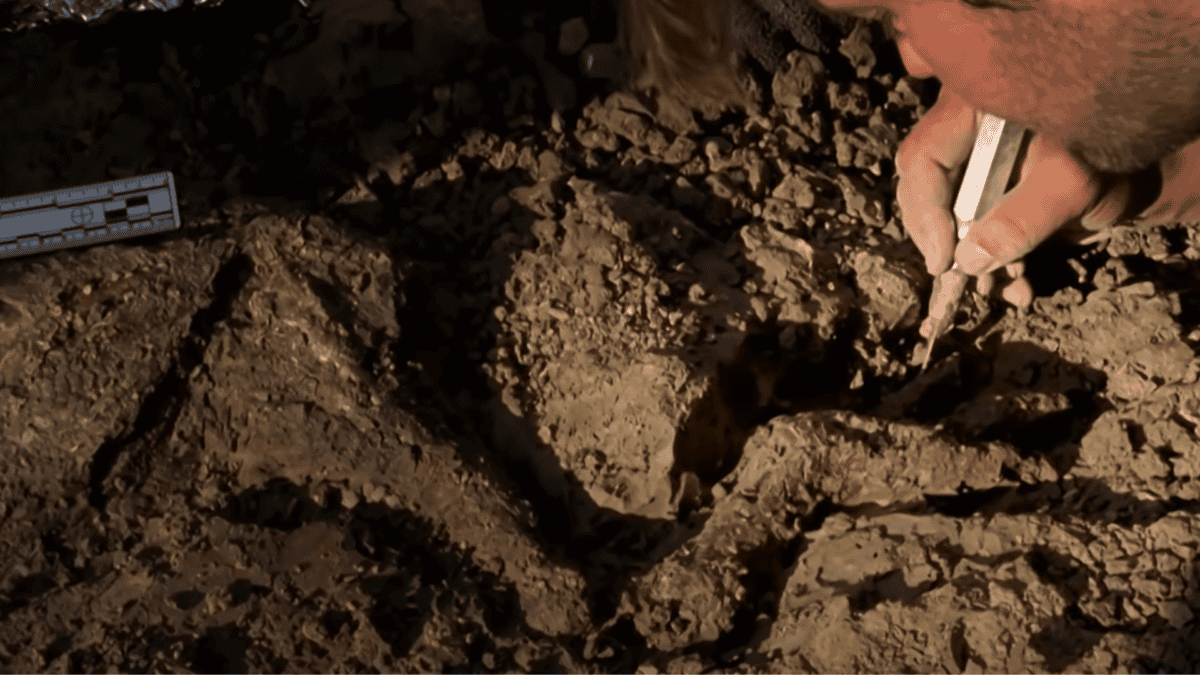
Advanced technology has detected pigments in fossilized feathers, bringing color back to the world of dinosaurs. Discoveries in China and elsewhere suggested many dinosaurs, like Anchiornis, were flamboyantly colored, not just dull gray or brown.
Tongue-Tied Dinosaurs

A study of dinosaur hyoid bones suggested that most dinosaurs had limited tongue mobility akin to reptiles rather than birds. This finding indicates differences in feeding habits and vocalization capabilities, reshaping assumptions about their behavior.
These remarkable discoveries continue to unveil the mysteries of dinosaurs, providing new insights into their diverse world. While we have come a long way in understanding these ancient creatures, each excavation reminds us of how much more there is yet to learn.

As a little kid, I fell in love with nature, wildlife, and animals. Living in the USA, South Africa, Italy, China and Germany gave me the opportunity to discover the world's Wildlife. My favorite animals are Mountain Gorillas, Siberian Tigers, and Great White Sharks.
I'm a certified PADI Open Water Diver, went to Everest Base Camp and Trekked Gorillas in Uganda. I hold a Master of Science in Economics and Finance.
Please send any feedback to feedback@animalsaroundtheglobe.com
- 15 Crocodile Facts That Prove They Have not Needed to Evolve - June 16, 2026
- 12 Signs a Koala Is Under Stress in Captivity - June 16, 2026
- 15 Ways Weather Changes Are Affecting Backyard Birds - June 16, 2026