
You probably think you know how dog breeds got their names – a proud homeland, an honest job description, maybe a beloved founder who bred them out of pure love for the work. That comforting version falls apart fast once you look at the actual paperwork, wartime propaganda, and marketing decisions behind 20 of the toughest working breeds on the planet. Kennel clubs didn’t just standardize these dogs. They rebranded them, and in more than a few cases, quietly buried the ugliest parts of their history in the process.
Some of these dogs went through legal name changes to dodge breed bans. Others got split, merged, or stripped of a national label the moment that identity became too dangerous to sell. By the time you reach the end of this list, you won’t look at your “gentle family guardian” the same way again.
#1 – German Shepherd Dog (The “Alsatian” Wartime Rebrand)
🔥 Would you like to save this?
We'll email this post to you, so you can come back to it later!
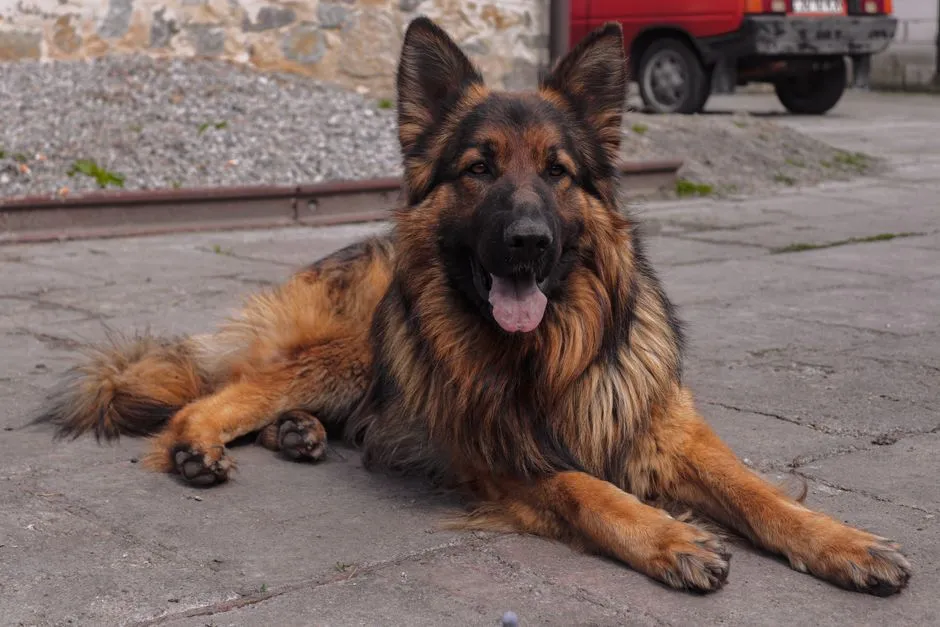
For decades, nobody questioned the name “German Shepherd Dog.” But during World War I and World War II, the word “German” became a PR disaster in English-speaking countries. Kennel clubs in the UK pushed the name “Alsatian Wolf Dog” instead – a nod to Alsace-Lorraine – as if the breed’s identity had nothing to do with Germany at all.
The goal wasn’t accuracy. It was damage control. Behind the marketing, the breed never stopped being a German herding and protection dog, shaped by cavalry officer Max von Stephanitz for farm, military, and police work.
Utility is the true criterion of beauty.
Max von Stephanitz
Even today, some “American show” lines look and move nothing like the original working shepherd Stephanitz built. That split in type is a direct legacy of a name game that started over a century ago.
#2 – Doberman Pinscher (Quietly Stripped of Its National Label)
🔥 Would you like to save this?
We'll email this post to you, so you can come back to it later!
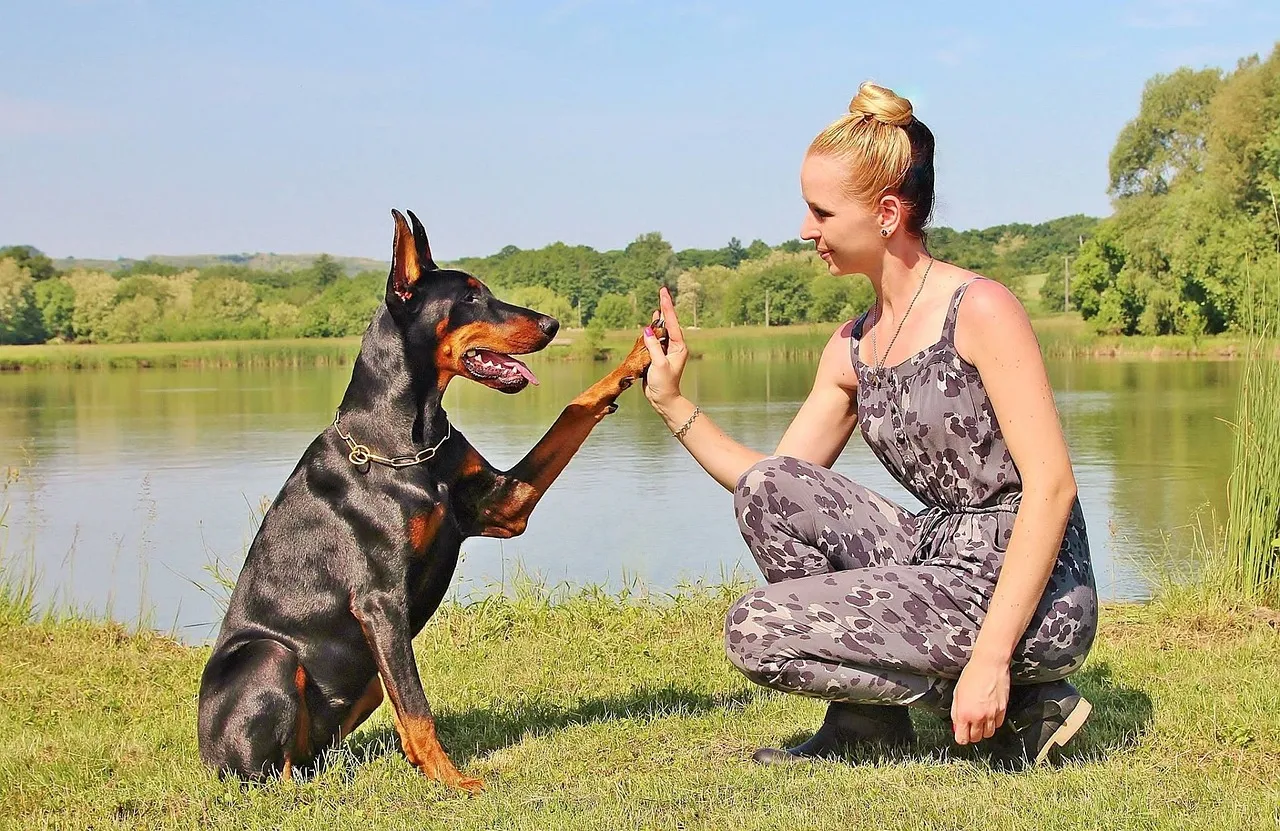
The Doberman Pinscher looks like a slick modern guardian, but its roots are brutally practical. A tax collector in 19th-century Germany wanted a personal protection dog, so he selectively bred local working types until he got one.
After the world wars, the “German” identity got dialed back in casual descriptions. In Europe, breeders even dropped the “Pinscher” part entirely – you’ll often just see “Dobermann,” leaning on a founder’s name instead of a national flag.
That subtle shift helped detach the dog psychologically from other prick-eared “German” police breeds, making it easier to market as a cosmopolitan family protector. Ironically, most people now forget this “luxury” dog was built by and for working-class Germans who needed a living weapon at their side.
#3 – Rottweiler (From Roman Drover to Rebranded “Family Guardian”)
🔥 Would you like to save this?
We'll email this post to you, so you can come back to it later!
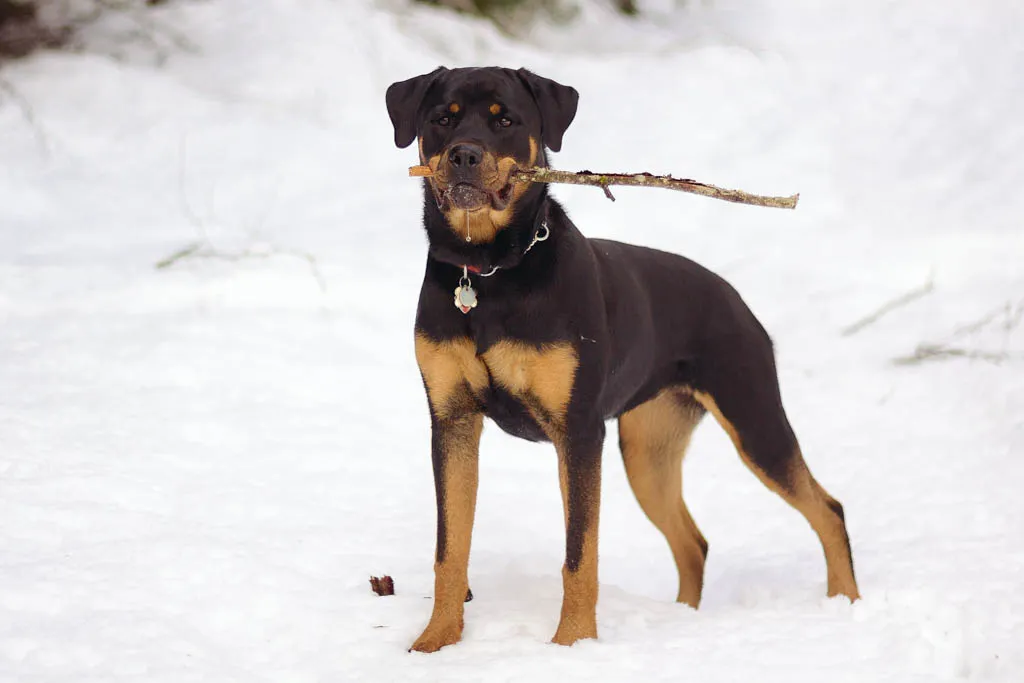
On paper, the Rottweiler is the muscular German butcher’s dog from the town of Rottweil. But working-dog historians trace its job description back to Roman drover dogs that pushed cattle over brutal, long-distance routes centuries earlier.
As the modern breed standard tightened, the tidy “butcher’s dog” story got preserved while the messier, rougher continental drover heritage was mostly written out. One picturesque town and one noble purpose simply sells better than a complicated Roman backstory.
Then, as Rottweilers started making headlines for bite incidents, the breed got a second, quieter PR scrub. Brochures leaned hard on “gentle family protector,” softening any mention of the powerful livestock-guarding instincts and serious defensive drive that made the breed useful in the first place.
#4 – Belgian Malinois (Packaged as a “K-9 Superhero,” Not a Farm Tool)
🔥 Would you like to save this?
We'll email this post to you, so you can come back to it later!
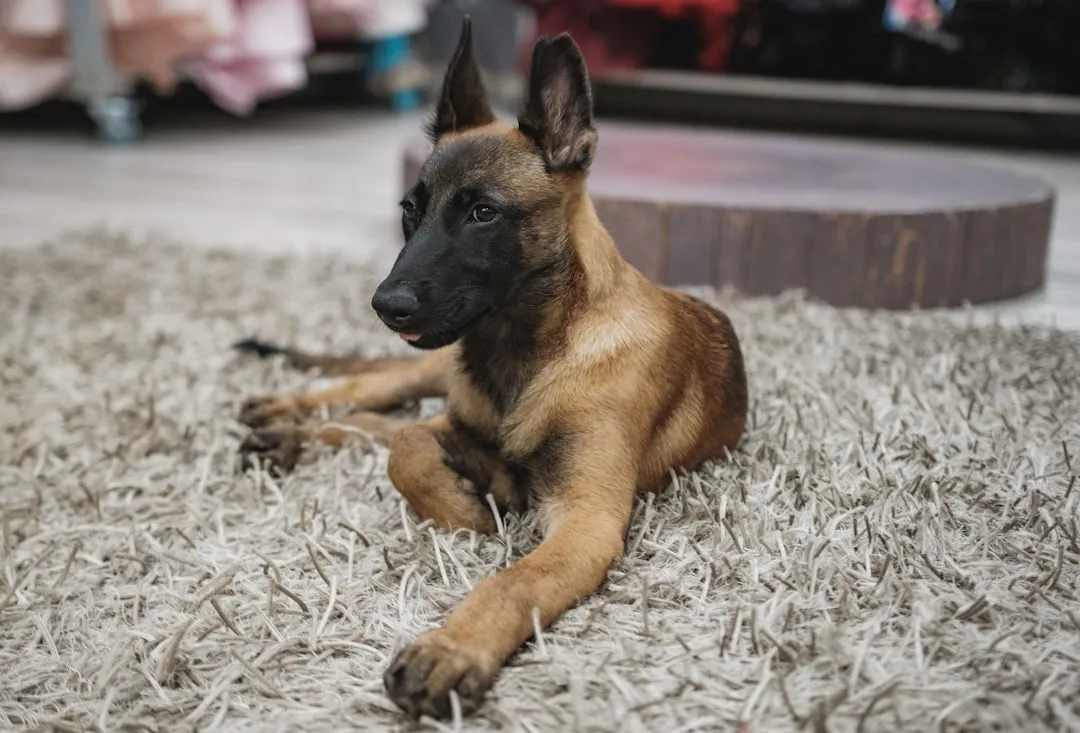
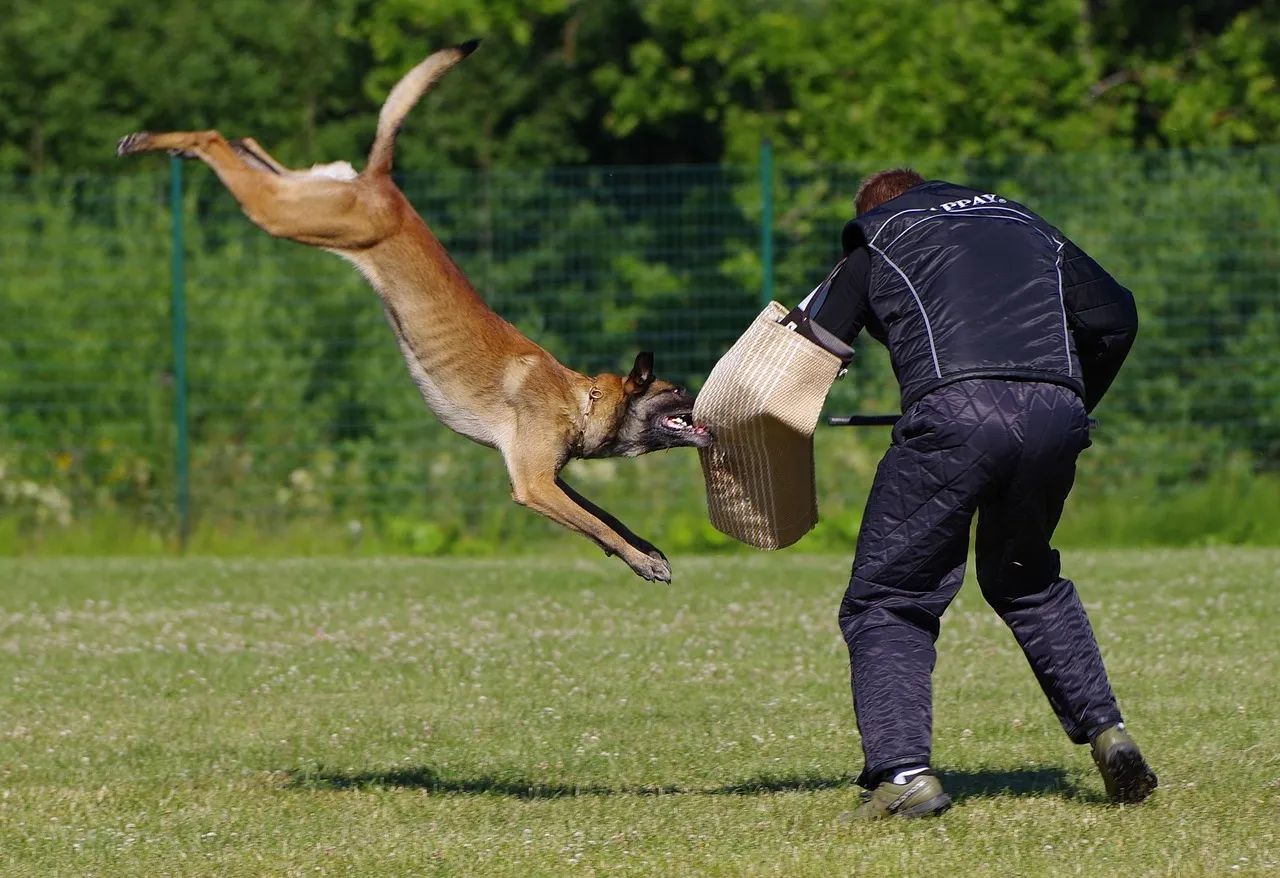
Most people know the Belgian Malinois as the elite special-forces dog that rappels from helicopters and takes down high-risk suspects. What they don’t realize is that this “tactical athlete” started life as a fairly plain Flemish sheepdog, built for exhausting, muddy herding work.
For years, it was just one coat-type variety within the broader Belgian shepherd family, named after the town of Malines and never treated as its own super-breed.
Fast Facts
- Named after Malines (Mechelen), the Belgian city where the short-coated variety was refined
- One of four traditional Belgian Shepherd varieties, alongside the Tervuren, Groenendael, and Laekenois
- Now a top pick for military, Secret Service, and SWAT K-9 units worldwide
- Needs serious daily exercise and a job – boredom is where “suburban living room chaos” begins
As police and military units started favoring the Malinois over the heavier German Shepherd, the story changed fast. Marketing repackaged it as “the Navy SEAL of dogs,” quietly erasing its small-farmer roots – and leaving plenty of new owners stunned by how much raw herding energy they just brought into a suburban living room.
#5 – American Pit Bull Terrier (Multiple Labels to Blur the Bloodsport Past)
🔥 Would you like to save this?
We'll email this post to you, so you can come back to it later!
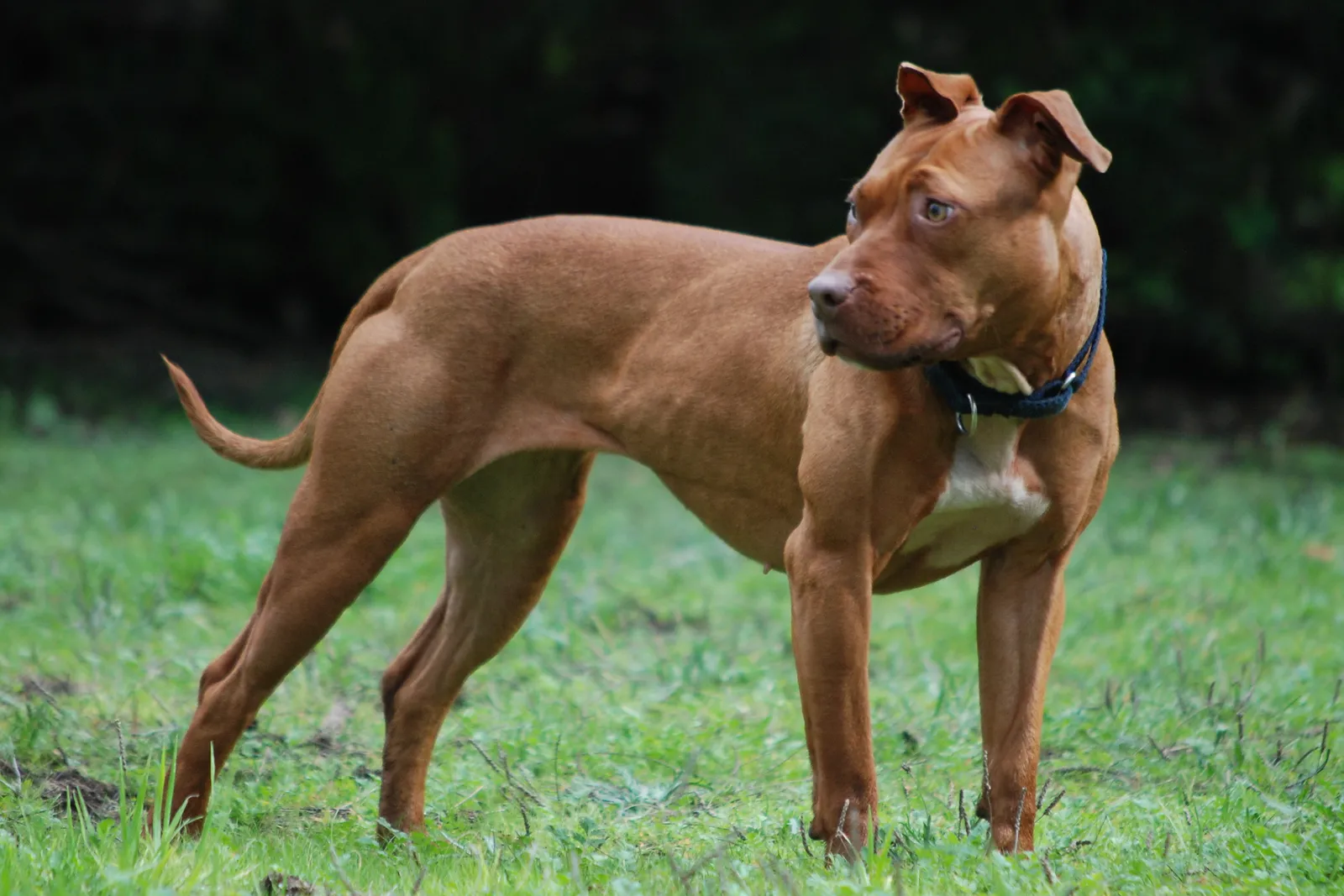
No working breed has had its identity scrambled more aggressively than the American Pit Bull Terrier. Under shifting registry rules and legal pressure, the same basic dog has worn labels like “American Staffordshire Terrier,” “Staffordshire Terrier,” “Pit Bull,” and the vague catch-all “bully breed” – each version deployed to either lean into toughness or dodge breed-specific laws.
The origin, though, is brutally clear: bulldog-type dogs crossed with gameness-bred terriers for bull-baiting and pit fighting in Britain, later refined in the U.S.
When dogfighting went underground and public sentiment turned, optics mattered more than honesty. Show-ring versions got pushed as the “reformed” American Staffordshire Terrier, and different registries drew artificial lines between nearly identical gene pools – lines that helped some dogs dodge bans while burying the truth about what the breed was built to do.
#6 – American Staffordshire Terrier (The Respectable Twin with a Sanitized Bio)
🔥 Would you like to save this?
We'll email this post to you, so you can come back to it later!
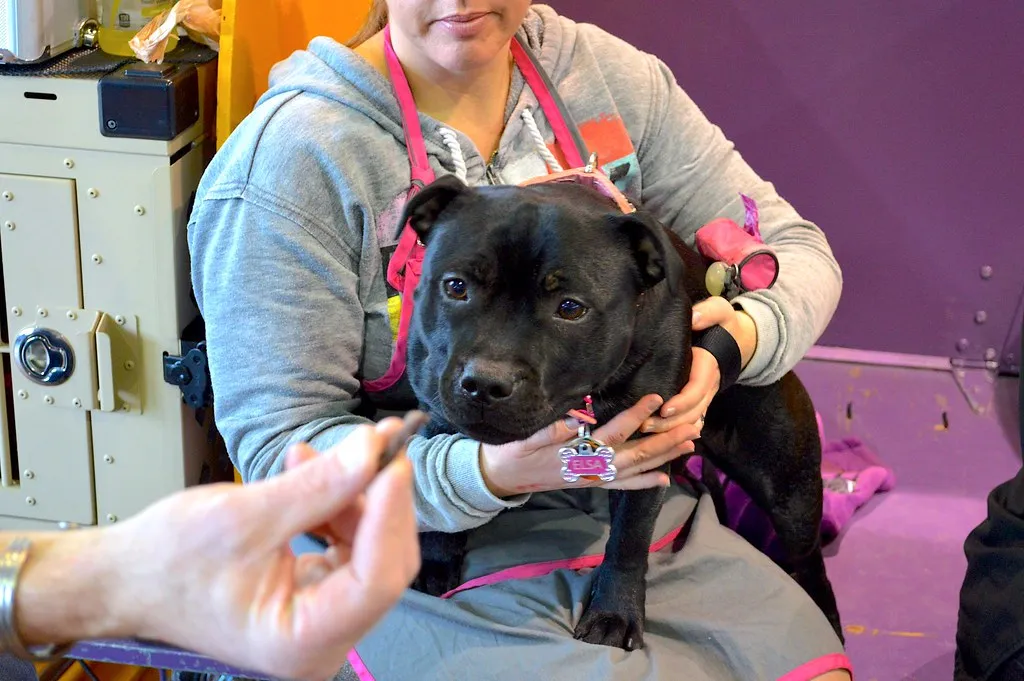
The American Staffordshire Terrier is often marketed as a completely different dog from the American Pit Bull Terrier – “just a loyal family companion with a big smile.” Trace the pedigrees back to early 20th-century America, though, and you find the exact same fighting-dog ancestors, with show lines split off more for image than for any real functional difference.
Renaming the dog after England’s Staffordshire region, then tacking on “American,” gave it distance from the word “pit.” That let owners say, “No, my dog isn’t a pit bull, it’s an AmStaff,” in cities where legislation could turn against them overnight.
Breed clubs leaned into therapy-dog wins and obedience titles while quietly downplaying the historic emphasis on dog-on-dog grit. Experts already know the truth here: these are sibling breeds, not strangers, and the rename was never really about origin – it was about making a bloodsport dog acceptable in nice neighborhoods.
#7 – Bullmastiff (Gamekeeper’s “Night Dog” with the Bulldog Part Toned Down)
🔥 Would you like to save this?
We'll email this post to you, so you can come back to it later!
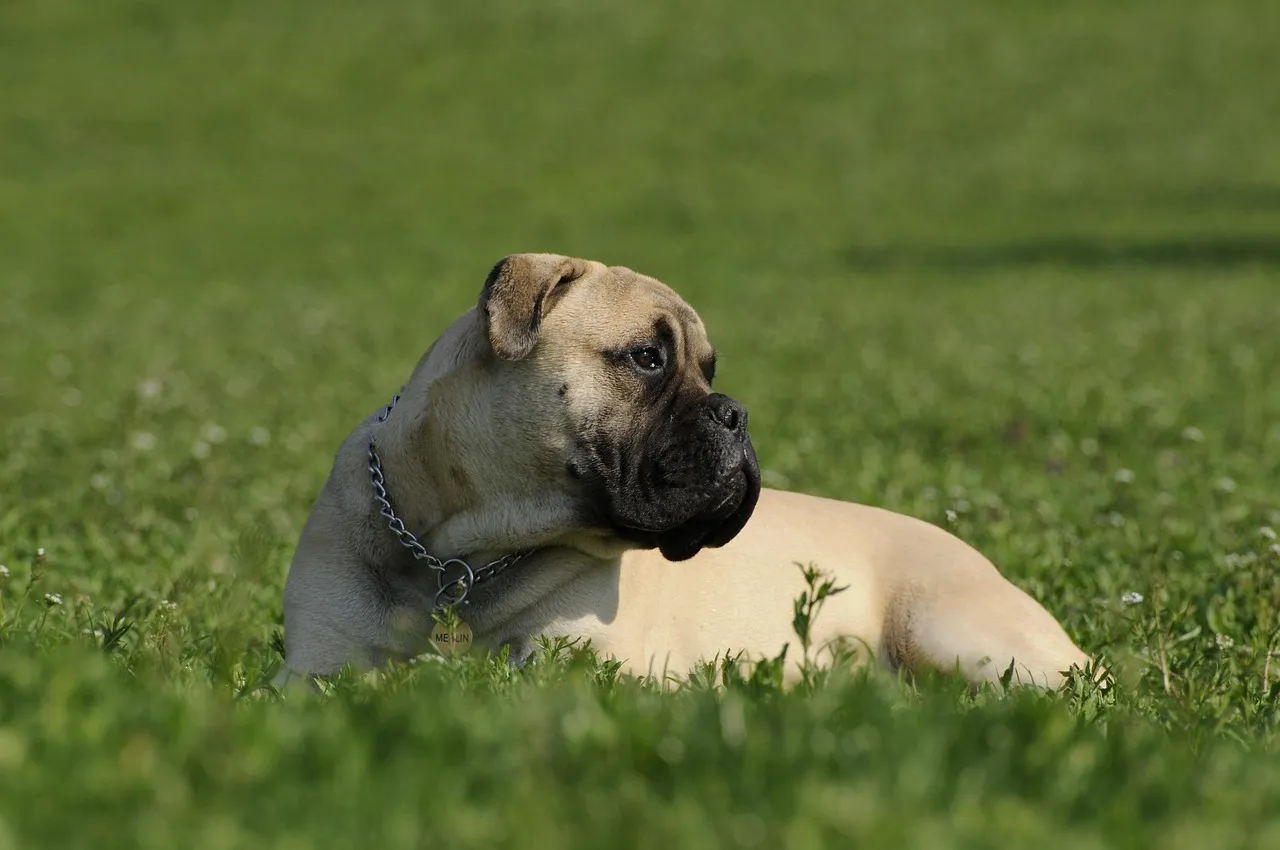
The Bullmastiff is often described as a generic large guardian, like it simply materialized to watch over estates. The real story is more awkward: 19th-century English gamekeepers needed a dog that could silently track, knock down, and pin a poacher without killing him.
So they crossed the already-intimidating mastiff with the more aggressively determined bulldog – a lineage tied directly to bull-baiting and street fighting, and not exactly a charming detail to advertise.
Over time, the branding shifted toward “gentle giant” and “family guardian,” with the bulldog connection minimized to soften what the dog was actually engineered to do. Plenty of modern owners are genuinely shocked when a bored Bullmastiff shows just how much physical control it was bred to exert on an intruder.
#8 – Cane Corso (An Italian Farm Utility Dog Polished into a “Roman War Mastiff”)
🔥 Would you like to save this?
We'll email this post to you, so you can come back to it later!
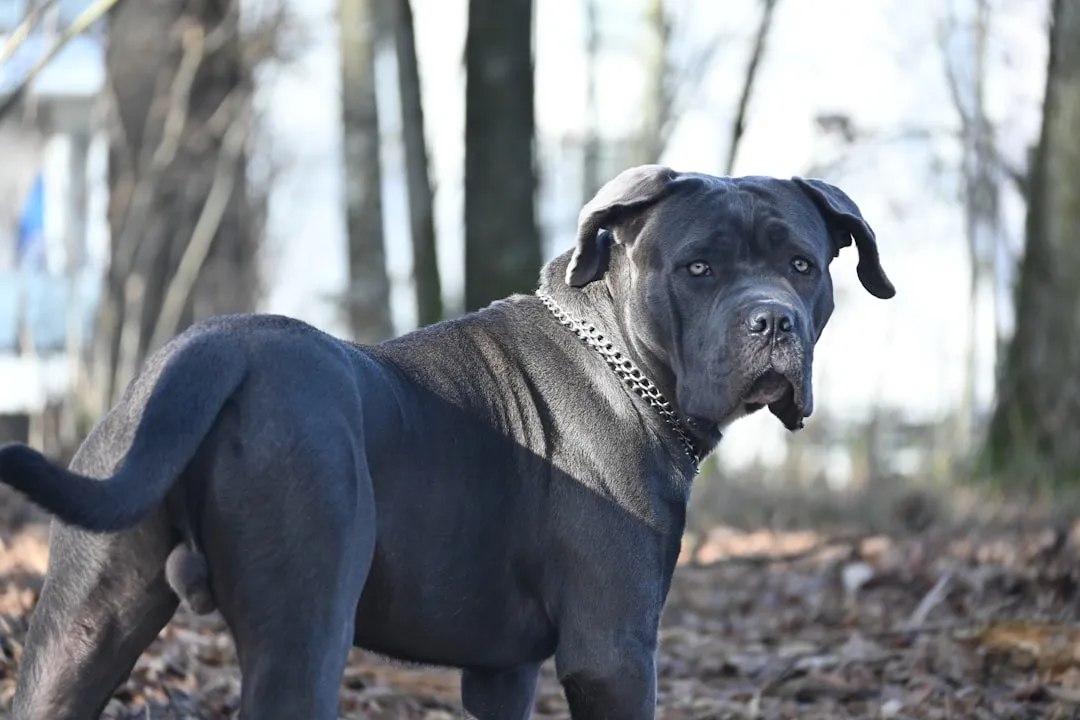
Scroll social media and you’ll see Cane Corsos sold as “ancient Roman war mastiffs,” a dramatic label that conveniently skips the centuries where these dogs were just rugged Italian farm helpers. Historically, the cane corso drove pigs, guarded property, and helped at the hunt – it wasn’t marching in legions wearing armor.
The modern war-dog mythos arrived with the breed’s revival and export in the late 20th century, when marketing leaned hard on a mysterious, noble heritage.
Emphasizing “Roman” roots – and glossing over the fact that “cane” simply means “dog” in Italian – made the breed feel grander to international buyers. The gritty reality, a land-race of tough southern Italian working dogs, got overshadowed by a cinematic story built for people who wanted a fearsome-sounding guardian in their driveway.
#9 – Rhodesian Ridgeback (The “African Lion Hound” with Local Dogs Erased)
🔥 Would you like to save this?
We'll email this post to you, so you can come back to it later!
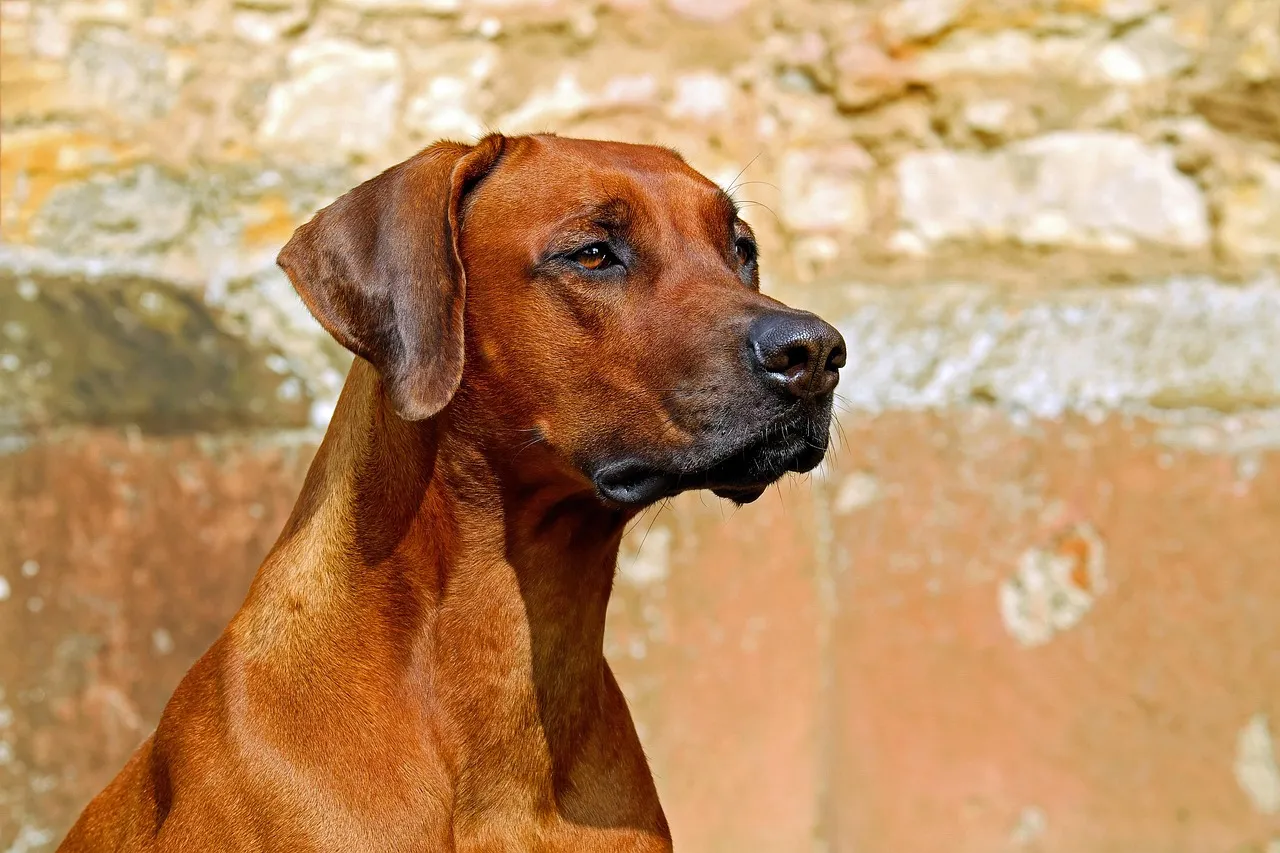
The Rhodesian Ridgeback is commonly pitched as a pure “African lion dog,” but the way its origin gets told often glosses over whose dogs actually built it. In colonial Rhodesia, now Zimbabwe, settlers crossed imported European dogs with local ridged hunting dogs kept by indigenous peoples, especially Khoikhoi-type dogs from southern Africa.
When kennel clubs formalized the breed, the narrative solidified around European breeders and colonial place-names. “Rhodesian” itself is a relic of British colonial administration, and it quietly centers white settlers rather than the African communities whose dogs supplied the real genetic backbone.
Only recently have more honest conversations started acknowledging those indigenous roots. The name, though, hasn’t changed – and much of the breed literature still frames the Ridgeback as something “developed by European hunters,” with local dogs reduced to a footnote.
#10 – Anatolian Shepherd Dog (Generic Label That Hides Strict Regional Origins)
🔥 Would you like to save this?
We'll email this post to you, so you can come back to it later!
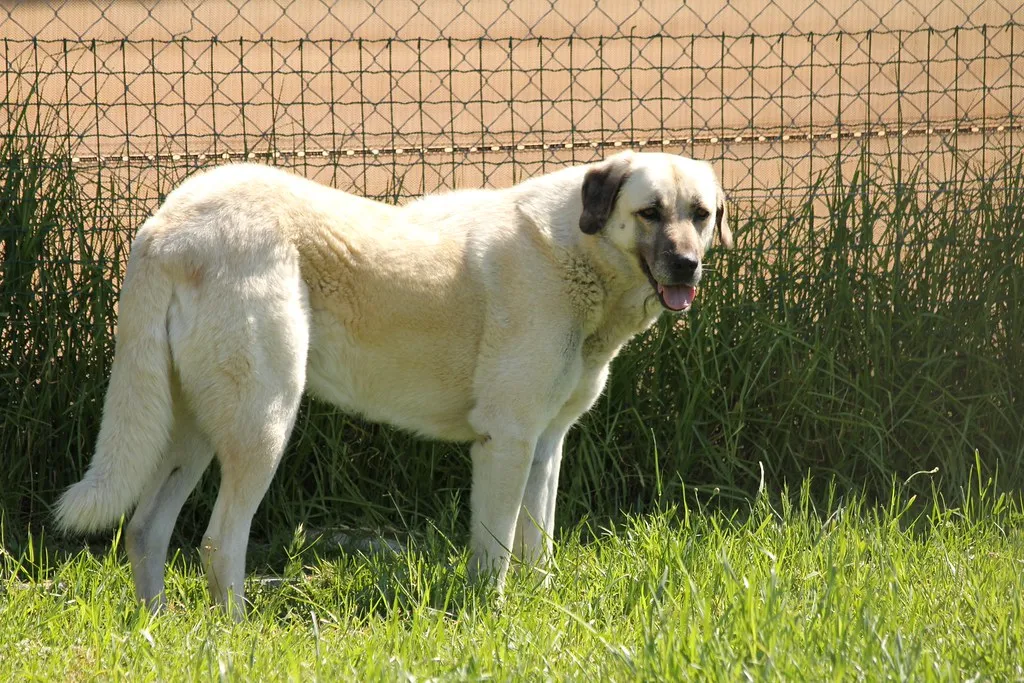
“Anatolian Shepherd Dog” sounds like a tidy, singular Turkish herding breed. In reality, it’s a catch-all label built largely by Western registries to bundle multiple distinct Turkish livestock guardian types – Kangal, Akbaş, and others – under one export-friendly banner.
In the U.S. especially, dogs imported from very different Turkish regions were merged and marketed as one breed with a vague, semi-fictional composite origin.
Quick Compare
- Anatolian Shepherd: a Western-built umbrella term covering several regional Turkish guardian types, recognized by the AKC in 1996
- Kangal: a specific land-race tied to the Sivas province, treated by Turkey as its national dog and a protected genetic asset
- Export rules: Turkey kept a strict export ban on purebred Kangals for decades, only easing it to a controlled system in 2021
- Buyer confusion: a dog sold as “Anatolian” abroad may share little with a true village-line Kangal
Turkish experts have argued for years that the Kangal in particular is its own land-race with deep roots in specific districts, and shouldn’t be diluted under the “Anatolian” umbrella. Western kennel politics and military-contract needs favored the broader category anyway, leaving buyers unsure whether they’re getting an authentic village line or a blended composite assembled for export.
#11 – Kangal Shepherd Dog (From Village Secret to National Brand)
🔥 Would you like to save this?
We'll email this post to you, so you can come back to it later!
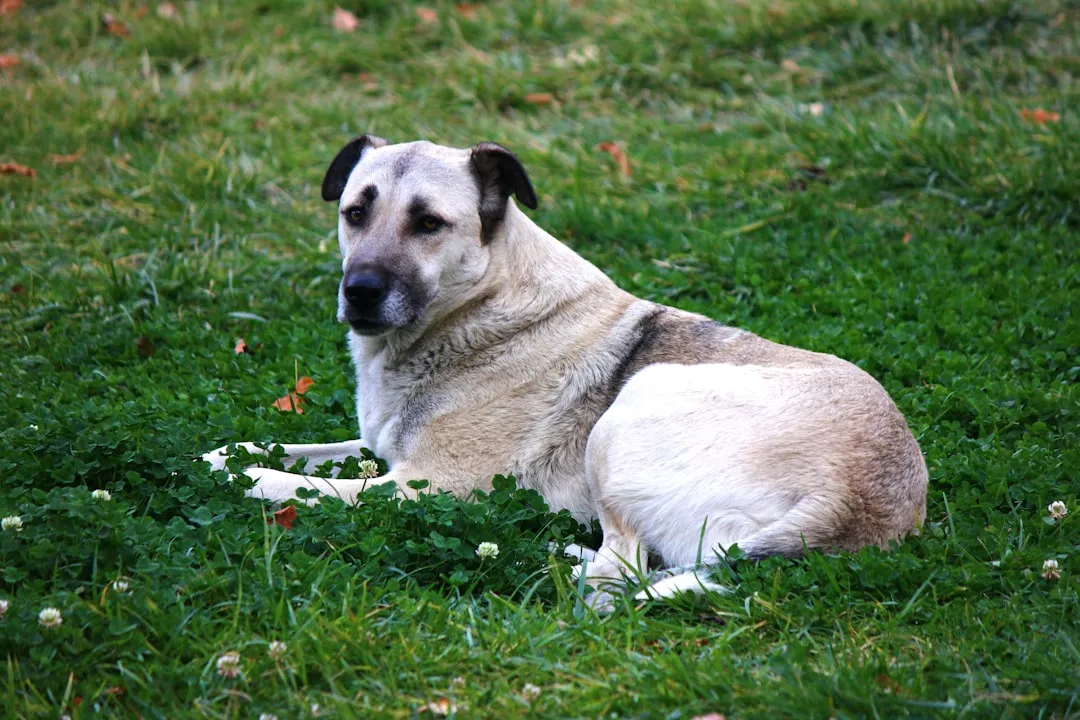
Ironically, the Kangal itself is a kind of rebrand. Once a mostly local livestock guardian around the town of Kangal in Turkey’s Sivas province, these dogs were simply working animals – not a global product with a name to defend.
When outsiders started paying attention, Turkish advocates leaned hard into the Kangal name to separate their “national dog” from the generic “Anatolian Shepherd” bucket that Western registries preferred. The new label served national pride as much as canine accuracy.
Now some breeders abroad slap “Kangal” onto almost any big, sandy guardian with a black mask, even when its actual village origins are murky at best. Once again, a simple origin story doesn’t fully match what the genetics actually show.
#12 – Belgian Tervuren & Belgian Sheepdog (Same Dog, Different Coats, Confusing Names)
🔥 Would you like to save this?
We'll email this post to you, so you can come back to it later!
Non-experts are often shocked to learn that the Belgian Malinois, Tervuren, Belgian Sheepdog (Groenendael), and Laekenois were historically one loose population of Belgian herding dogs, separated more by coat and local preference than by any hard border. As kennel clubs formalized things, these varieties got separate names that made them sound like distinct, ancient breeds.
The truth: it was one working type, sliced three or four ways on paper.
“Belgian Sheepdog” in American usage muddies the water further, implying the other Belgian varieties aren’t sheepdogs at all. Tervurens and Groenendaels got marketed as glamorous show and sport dogs while the Malinois got pushed as the intense working variant – giving newcomers the illusion of separate origin stories for animals that, in many village pedigrees, interbred within living memory.
#13 – Australian Cattle Dog (Renamed to Downplay Its Dingo and Collie Mix)
🔥 Would you like to save this?
We'll email this post to you, so you can come back to it later!
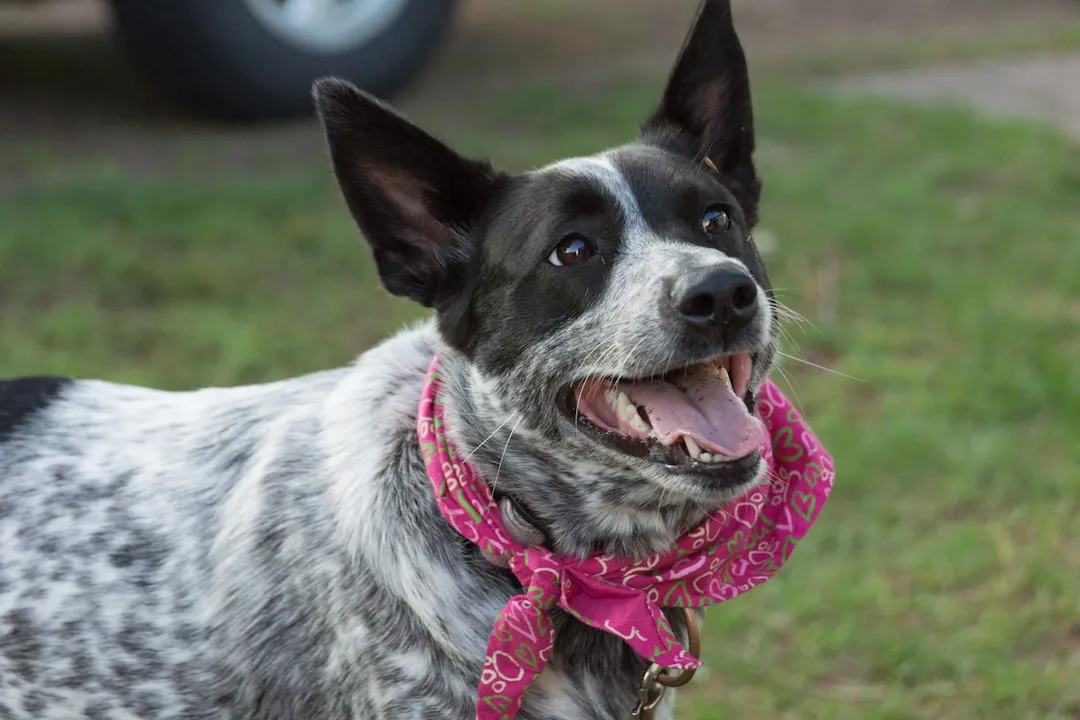
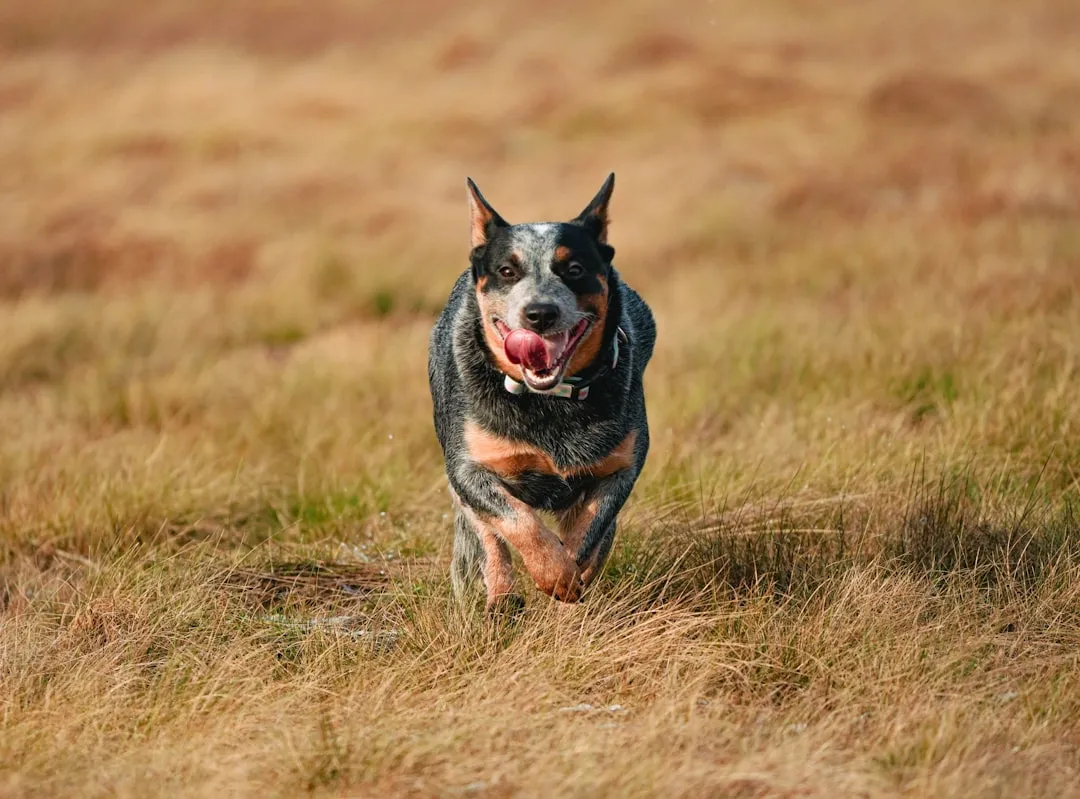
Most people picture the Australian Cattle Dog as a pure “Aussie” creation with an outback-romance backstory. The reality is far messier: early breeders used imported British collies, bull terrier blood, and Australia’s native dingoes to build a dog tough enough for brutal cattle drives.
Names like “Queensland Heeler,” “Blue Heeler,” and “Hall’s Heeler” circulated for years, tied to specific regional lines and the people behind them.
Worth Knowing
- Early lines were named after cattleman Thomas Hall, whose “Hall’s Heelers” worked the harsh outback in the 1840s
- “Blue Heeler” and “Queensland Heeler” both referred to regional versions of the same working dog
- The dingo cross wasn’t a romantic partnership – it was a practical fix for heat tolerance and toughness on long drives
- “Australian Cattle Dog” became the standardized export name once the breed left home soil
As the breed traveled overseas, “Australian Cattle Dog” became the dominant name – neat, exportable, and far less likely to spark arguments about dingo ancestry or bull-breed grit. That polished label gently erases the opportunistic crossbreeding that actually created the dog, replacing it with romantic myths about a friendly “wild dingo partnership” that never really existed.
#14 – Australian Kelpie (From “Working Mongrel” to Branded Stockdog)
🔥 Would you like to save this?
We'll email this post to you, so you can come back to it later!
The Australian Kelpie’s name sounds tidy, but its origin story is anything but. “Kelpie” references a Scottish water spirit, yet the dogs themselves were shaped heavily by unregistered, often disparaged “mongrel” herding dogs and various collie types brought over by settlers.
For years, these were just practical farm dogs, valued for workability, not pedigree, and known by station names more often than any standardized title.
As trial culture and studbooks emerged, “Kelpie” hardened into a formal breed name, and the chaotic mix-and-match history got cleaned up into a smoother tale of “Scottish roots refined in Australia.” Today there’s still a real split between show Kelpies and true station-bred Kelpies – proof that the branded name hides just how far apart their jobs and abilities can be.
#15 – Labrador Retriever (Polished Away from Its Rough “St. John’s Dog” Origins)
🔥 Would you like to save this?
We'll email this post to you, so you can come back to it later!
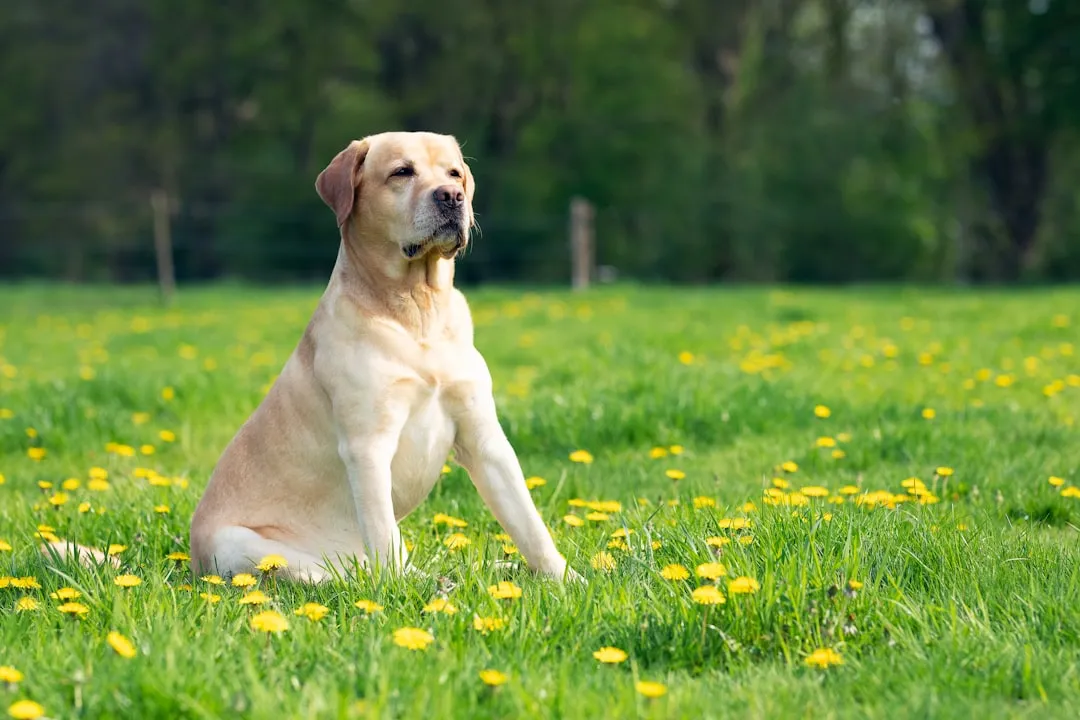
The Labrador Retriever is sold as the ultimate family gun dog, conveniently named after the Labrador region of Canada. Historically, though, these dogs descended from St. John’s water dogs – rough fishing dogs from Newfoundland that worked on boats, hauled nets, and retrieved fish out of freezing water.
British nobles imported them, refined them, and eventually slapped the more elegant “Labrador” name on top – a label that sounds far cleaner than “Newfoundland boat dog.”
The “retriever” half of the name nudged the breed firmly into sporting circles and away from its brute, blue-collar past. Official histories still skim quickly over the dirt-under-the-nails fishing culture that actually shaped these dogs, preferring gentlemanly shooting-party imagery instead.
#16 – Golden Retriever (From “Yellow Retriever” to Aristocratic Brand)
🔥 Would you like to save this?
We'll email this post to you, so you can come back to it later!
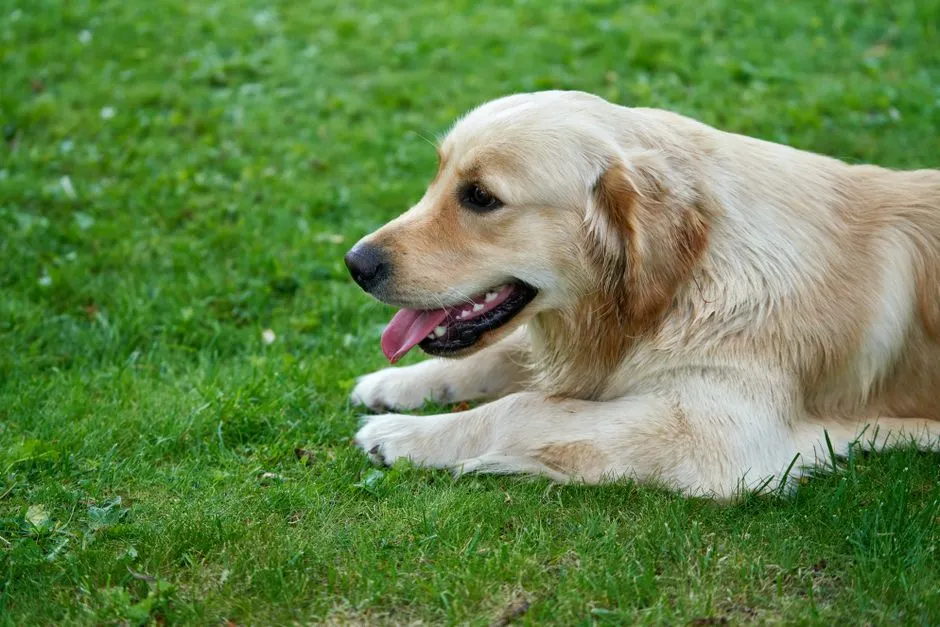
The Golden Retriever’s origin story is usually told as a cozy Scottish estate fairy tale, and there’s some truth in that. But early on, these were simply yellow-colored retrievers, one variant among other wavy-coated and flat-coated types used by sportsmen.
“Yellow Retriever” didn’t sound like a posh, distinct product – it sounded like a color. So as dedicated breeding continued, the fancier name “Golden Retriever” stuck, rebranding a color morph into a whole separate, noble-sounding breed.
That shift in naming helped erase how fluid early retriever breeding really was, with constant crossings among types chasing performance. Today the “Golden” brand leans hard on therapy work and default wholesomeness, while the gun-dog heritage that built the breed gets reduced to a quaint backdrop.
#17 – Border Collie (Reframed to Sound Like a Pure National Icon)
🔥 Would you like to save this?
We'll email this post to you, so you can come back to it later!
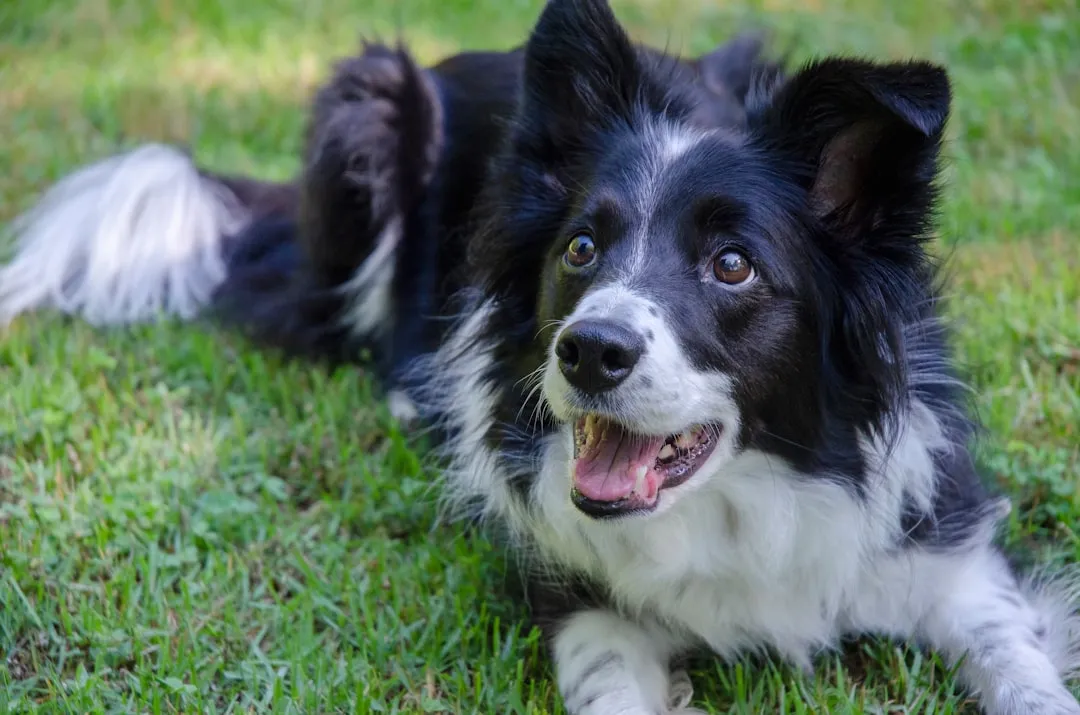
The Border Collie is often treated as the Scottish or English working-dog icon, its name evoking romantic borderlands and ancient shepherd traditions. The truth is more blended: “collie” was long a catch-all term for various herding dogs, and the border country simply happened to be a hotspot for intense sheep work and trialing.
As trial winners and influential sires emerged, registries carved out “Border Collie” as its own distinct breed name, making one regional style sound singular and timeless.
That tidy branding sidelines how much exchange there really was between British and Irish working dogs. It also let distant registries later push the Border Collie into the show ring – a move plenty of working handlers rejected outright, keeping their own registries instead.
#18 – Rough & Smooth Collie (Split and Softened from Tough Farm Dogs)
🔥 Would you like to save this?
We'll email this post to you, so you can come back to it later!
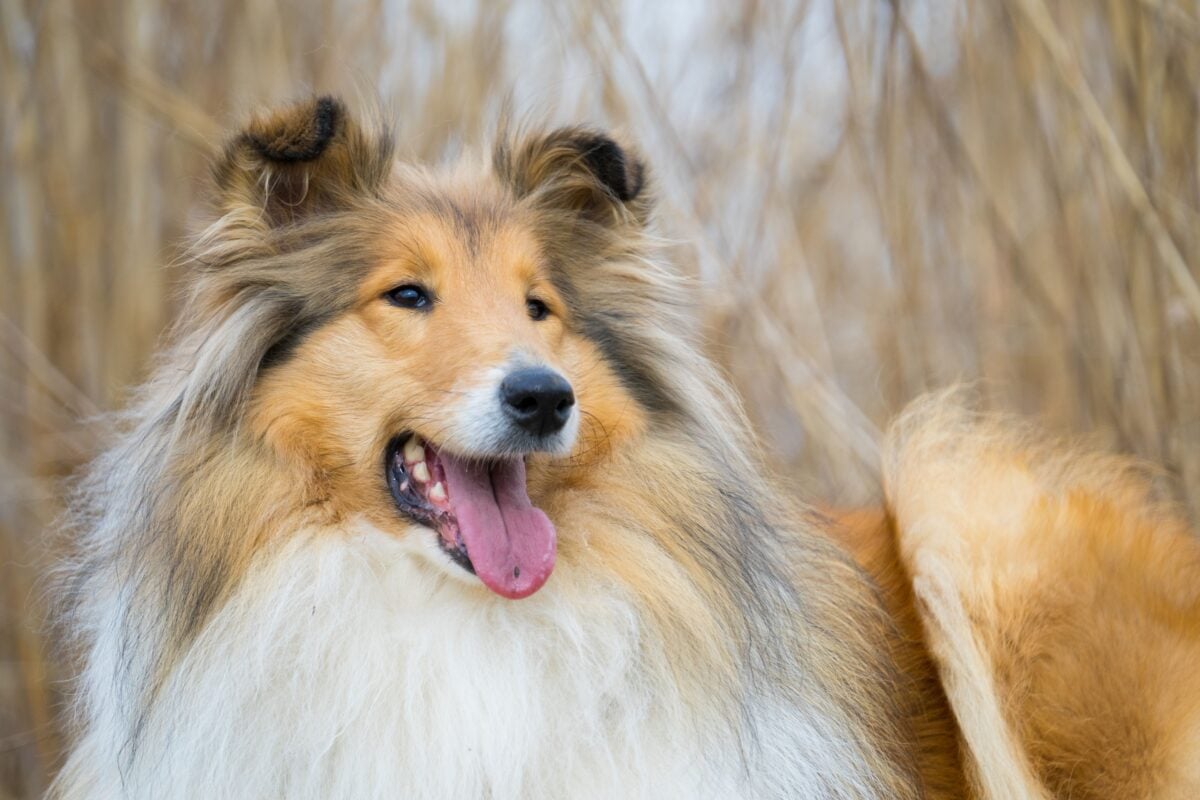
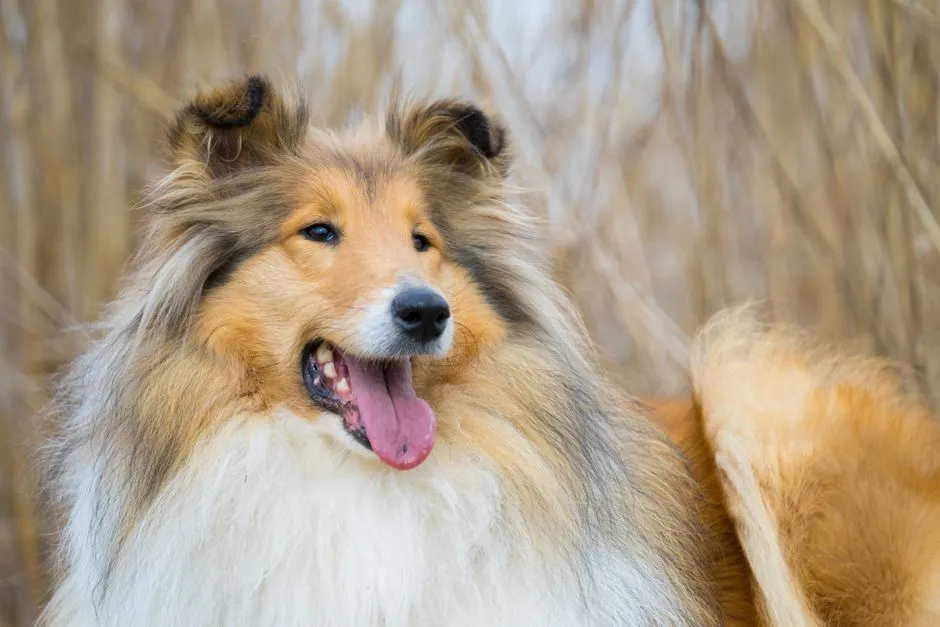
The Lassie-style Rough Collie and its close cousin, the Smooth Collie, are now seen as gentle family dogs or polite show herders. Early on, though, these were rugged British farm collies, often quite sharp, used for exhausting real-world pastoral work.
As Victorian fanciers fell for their looks, the breed’s image got aggressively gentrified. Names settled around coat type – Rough and Smooth Collie – while older, rougher nicknames simply faded away.
The collies’ working grit and occasional edge got bred and branded out in favor of aristocratic elegance and child-friendly advertising. Add a Hollywood spotlight on top, and the origin as unsentimental, sometimes hard-bitten hill dogs became a quaint footnote instead of the core of who they actually were.
#19 – Giant Schnauzer (From “Munich Cattle Dog” to Marketable Giant)
🔥 Would you like to save this?
We'll email this post to you, so you can come back to it later!

🔥 Would you like to save this?
We'll email this post to you, so you can come back to it later!
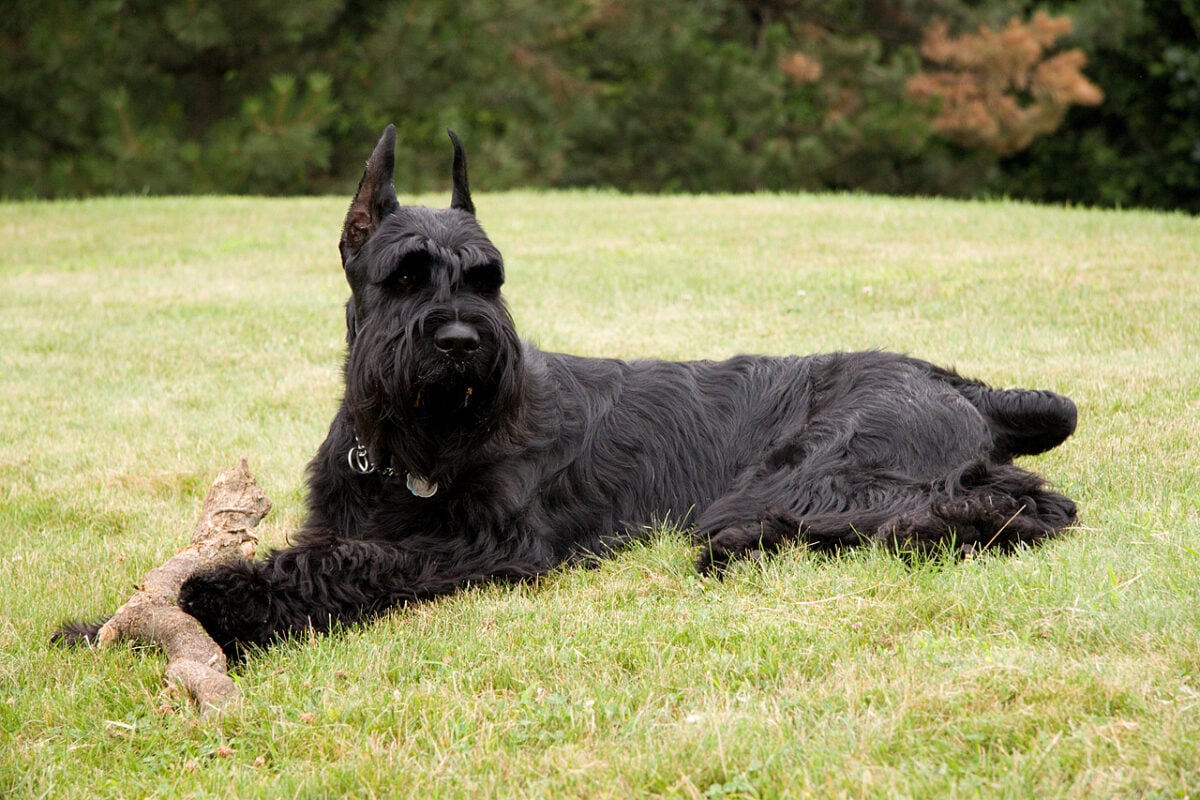
The Giant Schnauzer gets marketed as a “giant German working Schnauzer,” which isn’t wrong – just incomplete. Before standardization, these were regional cattle-driving and guard dogs around Bavaria and Württemberg, named after local jobs rather than any fixed breed identity.
As breeders refined a larger, more imposing variety from rough farm stock, the “Giant Schnauzer” name emerged to align it with the already-recognized Standard Schnauzer.
At a Glance
- Originated as a cattle-driving and brewery-guard dog in Bavaria and Württemberg
- Built from rough farm stock, then bred up in size to align with the existing Schnauzer name
- Adopted early by German police for its size, drive, and trainability
- Still a favorite in protection sports today, a direct echo of its blue-collar guard-dog past
That relabeling tied a practical, sometimes coarse cattle dog into a sleeker brand family, and made it far easier to sell as a police and military prospect. Lost in the shuffle was the sense that these dogs came from gritty market-town labor, not a polished urban breeding program.
#20 – Standard Schnauzer (From Wire-Haired Pinscher to Retro-Branded “Standard”)
🔥 Would you like to save this?
We'll email this post to you, so you can come back to it later!
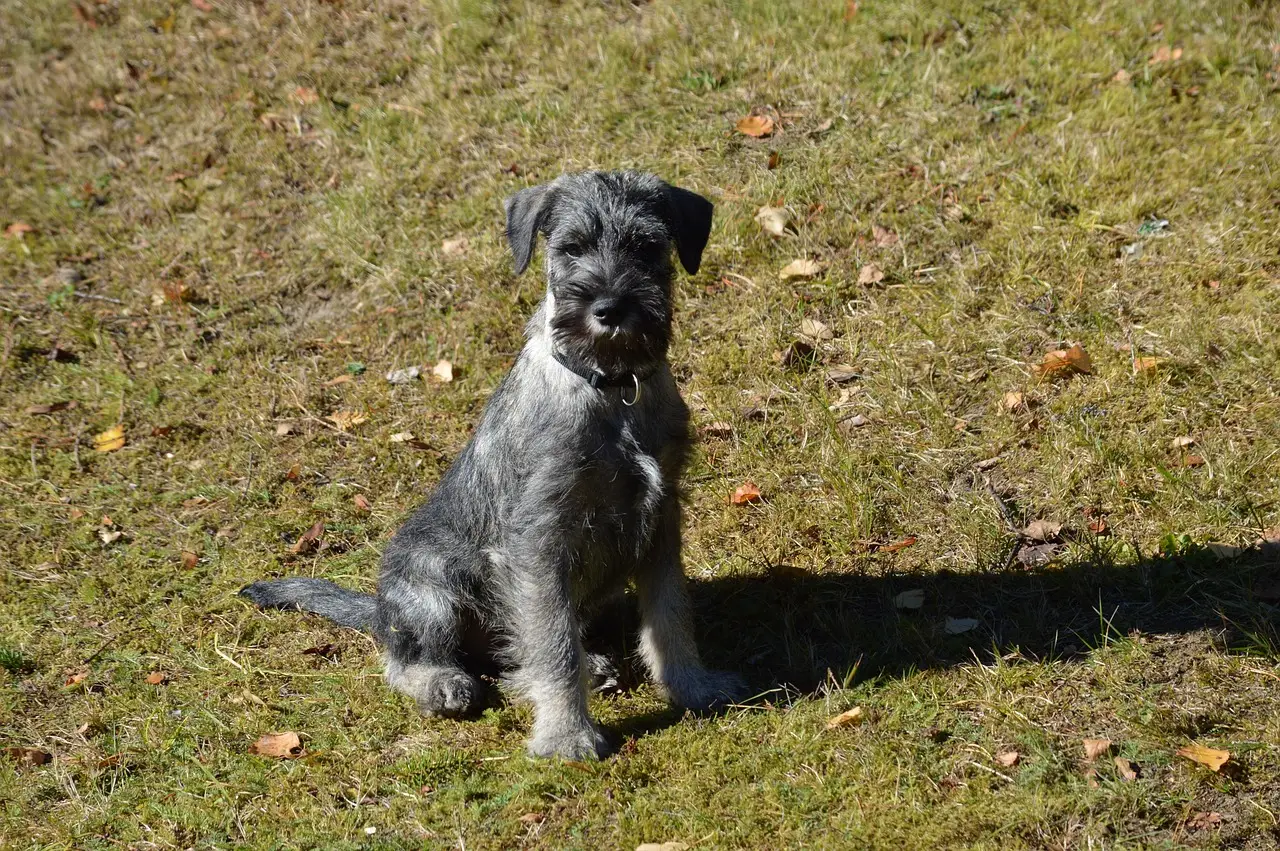
The Standard Schnauzer’s current name is itself a cleanup job. Early on, these bearded farm and ratting dogs were known as wire-haired pinschers – rough-coated cousins of the smooth pinscher types.
As breed clubs organized in Germany, “Schnauzer” – from the German word for “snout” – was adopted, and “Standard” got added later to distinguish it from the newly created Miniature and Giant versions.
The new terminology made it sound like a central template rather than one branch of a much bigger pinscher family. That rename conveniently deemphasized the pinscher connection, which to some ears suggested scrappy, lower-status vermin dogs instead of a noble working companion – a small wording change that quietly rewrote how the public understood the breed’s place in history.
The Bottom Line
🔥 Would you like to save this?
We'll email this post to you, so you can come back to it later!
Zoom out and a pattern jumps off the page: these “renamed” working dogs didn’t change because their origins were unknown. They changed because their real origins were inconvenient.
Wartime politics made anything “German” radioactive. Anti-fighting sentiment pushed pit dogs into softer labels. Colonial and national pride erased indigenous dogs in favor of settler names. Show culture and marketing turned rough, mixed farm dogs into tidy, “ancient” breeds with polished backstories.
None of this makes these breeds less worthy of love or respect. But it does mean plenty of owners who believe the brochure version are underestimating exactly what kind of power, drive, and grit is currently sleeping on their couch. My take: we’d all be better off if breed histories stopped chasing marketable myths and started owning the hard, sometimes brutal jobs these dogs were actually built for. Which origin story on this list surprised – or genuinely annoyed – you the most?

- 7 Everyday Habits That Can Make Your Senior Dog Happier - November 5, 2026
- 10 Enigmatic Structures That Continue to Puzzle Scientists Today - November 5, 2026
- 10 Strange Ruins in the Americas That Challenge What We Know About Early History - November 5, 2026