


Discover the unique animals that call Mammoth Cave National Park home; let’s dive in to learn more!
1. Kentucky Cave Shrimp

🔥 Would you like to save this?
We'll email this post to you, so you can come back to it later!
This unique shrimp species is endemic to the caves of Kentucky, including Mammoth Cave. It is nearly blind and has adapted to the cave environment over time.
2. Indiana Bat

🔥 Would you like to save this?
We'll email this post to you, so you can come back to it later!
A federally endangered species, the Indiana bat roosts in caves during the winter, including those found in Mammoth Cave National Park.
3. Northern Long-eared Bat

🔥 Would you like to save this?
We'll email this post to you, so you can come back to it later!
Another bat species found in the park, the northern long-eared bat also relies on caves for roosting and hibernation.
4. Eastern Pipistrelle

🔥 Would you like to save this?
We'll email this post to you, so you can come back to it later!
This small bat species can be found foraging around the entrances of caves within the park.
5. Cave Salamander

🔥 Would you like to save this?
We'll email this post to you, so you can come back to it later!
True to its name, the cave salamander inhabits the dark, damp environments of caves, including those in Mammoth Cave National Park.
6. Northern Slimy Salamander

🔥 Would you like to save this?
We'll email this post to you, so you can come back to it later!
This species of slimy salamander can be found in the forested areas surrounding the caves of the park.
7. Eastern Red-backed Salamander

🔥 Would you like to save this?
We'll email this post to you, so you can come back to it later!
Another salamander species found in the park, the eastern red-backed salamander inhabits the leaf litter and rocky areas near cave entrances.
8. Cave Crayfish

🔥 Would you like to save this?
We'll email this post to you, so you can come back to it later!
Several species of crayfish inhabit the underground rivers and streams within the cave systems of Mammoth Cave National Park.
9. Northern Cavefish

🔥 Would you like to save this?
We'll email this post to you, so you can come back to it later!
This eyeless fish species is specifically adapted to the dark cave environment and can be found in the underground waters of the park.
10. Green Salamander

🔥 Would you like to save this?
We'll email this post to you, so you can come back to it later!
While not strictly confined to caves, the green salamander can occasionally be found in rocky crevices and cave entrances within the park.
11. Northern Spring Peeper

🔥 Would you like to save this?
We'll email this post to you, so you can come back to it later!
This small tree frog species can be heard calling from the forested areas surrounding the caves during the spring breeding season.
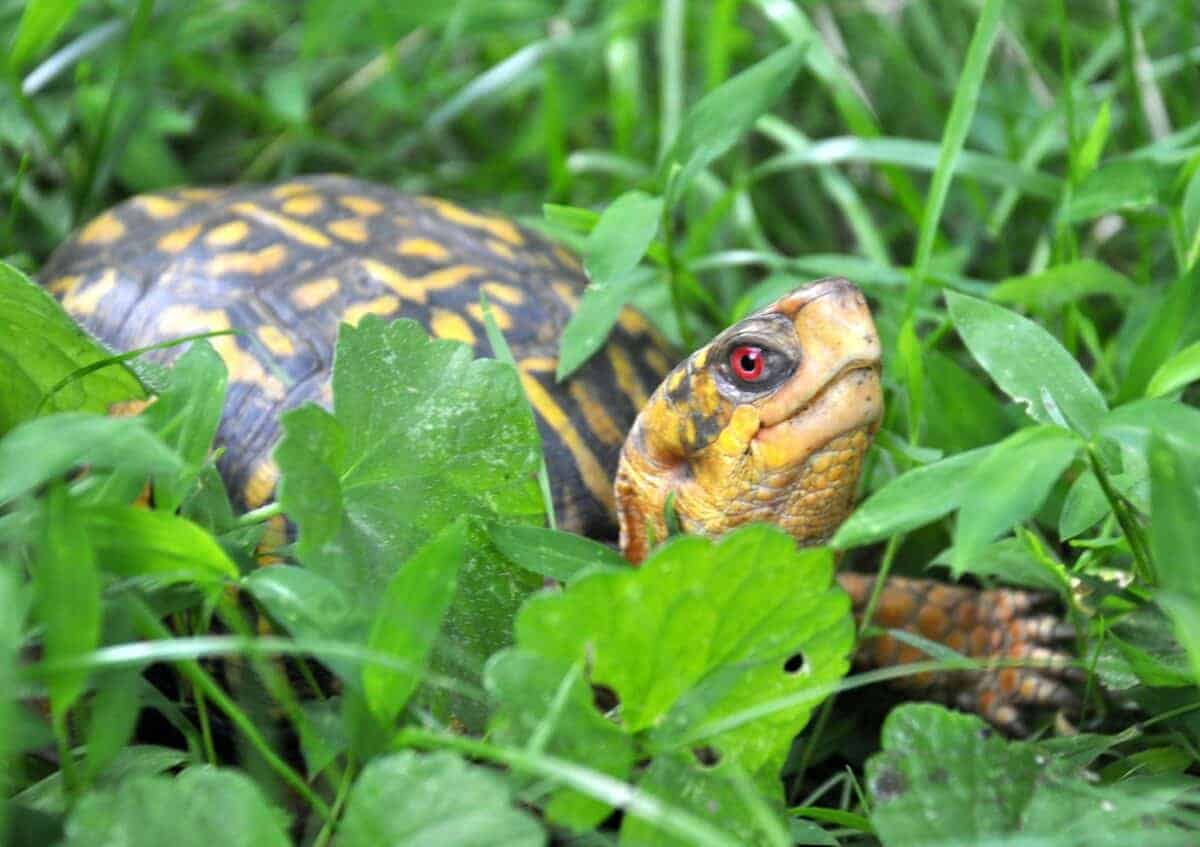
12. Eastern Box Turtle
🔥 Would you like to save this?
We'll email this post to you, so you can come back to it later!
While not exclusive to caves, eastern box turtles can sometimes be found foraging in the leaf litter near cave entrances.
13. Black Rat Snake

🔥 Would you like to save this?
We'll email this post to you, so you can come back to it later!
These non-venomous snakes are commonly found in the woodlands surrounding Mammoth Cave National Park and occasionally enter caves in search of prey.
14. Eastern Garter Snake

🔥 Would you like to save this?
We'll email this post to you, so you can come back to it later!
Another common snake species in the park, the eastern garter snake can be found near streams and wetland areas within the park.
15. Eastern Fence Lizard

🔥 Would you like to save this?
We'll email this post to you, so you can come back to it later!
This lizard species is often seen basking on rocks and tree trunks in the forested areas surrounding the caves.
16. Eastern Boxelder Bug

🔥 Would you like to save this?
We'll email this post to you, so you can come back to it later!
While not a cave-dweller, these insects are commonly found in the forests surrounding the caves of Mammoth Cave National Park.
17. Eastern Red-spotted Newt

🔥 Would you like to save this?
We'll email this post to you, so you can come back to it later!
This amphibian species can be found in the moist woodlands surrounding the caves, particularly near streams and seeps.
18. Eastern Mole

🔥 Would you like to save this?
We'll email this post to you, so you can come back to it later!
While primarily terrestrial, eastern moles can occasionally be found near cave entrances where the soil is loose and suitable for burrowing.
19. Northern Short-tailed Shrew

🔥 Would you like to save this?
We'll email this post to you, so you can come back to it later!
These small insect-eating mammals are often found in the leaf litter and soil near cave entrances.
20. American Toad

🔥 Would you like to save this?
We'll email this post to you, so you can come back to it later!
Commonly found in the forests and meadows surrounding the caves, American toads may occasionally venture into cave entrances during periods of high humidity.
21. American Black Bear

🔥 Would you like to save this?
We'll email this post to you, so you can come back to it later!
The largest mammal in the park, black bears are primarily forest-dwelling but may travel near cave entrances in search of food, particularly during the spring and summer months.
Conclusion

🔥 Would you like to save this?
We'll email this post to you, so you can come back to it later!
These are just a few examples of the diverse array of wildlife that call Mammoth Cave National Park home. To read more like this, check out the articles below:
- 21 Animals That Call The Great Basin Home
- 21 Animals That Call Badlands National Park Home
- 21 Animals That Call Sequoia National Park Home

adventuring, photography and videography. I am currently working towards a BSc in Biodiversity and Ecology at Stellenbosch University to go on to specialise in Marine Sciences one day.
Please send any feedback to Feedback@animalsaroundtheglobe.com
- 26 Most Dangerous Snakes Found in North America - October 19, 2026
- 21 Things Not to Feed Your Pet Dog - October 18, 2026
- 10 Sacred Native American Sites in North America - October 16, 2026