


Acadia National Park is located on Maine’s Mount Desert Island and has 47000 acres. The coastal island is an exciting biodiversity hotspot, and various animals live there. Let’s find out which animals call Acadia National Park home.
Bald Eagle

🔥 Would you like to save this?
We'll email this post to you, so you can come back to it later!
These majestic birds of prey are often seen soaring over Acadia’s coastline and nesting in tall trees.
Harbor Seal

🔥 Would you like to save this?
We'll email this post to you, so you can come back to it later!
Harbor seals can be spotted along the rocky shores and in the waters around Acadia, especially during the breeding season.
Moose

🔥 Would you like to save this?
We'll email this post to you, so you can come back to it later!
While elusive, moose can sometimes be seen in the forests and wetlands of Acadia National Park.
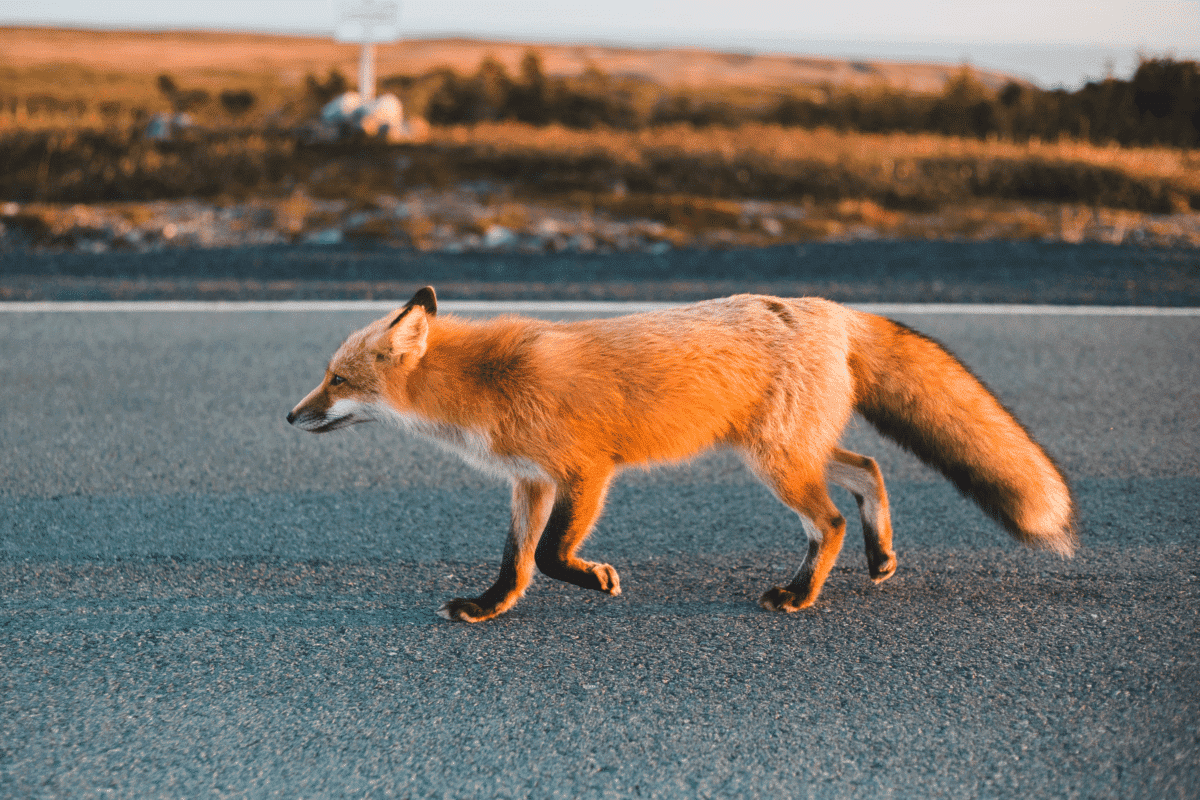
Red Fox
🔥 Would you like to save this?
We'll email this post to you, so you can come back to it later!
Red foxes are common in Acadia, with their reddish fur standing out against the park’s diverse landscapes.
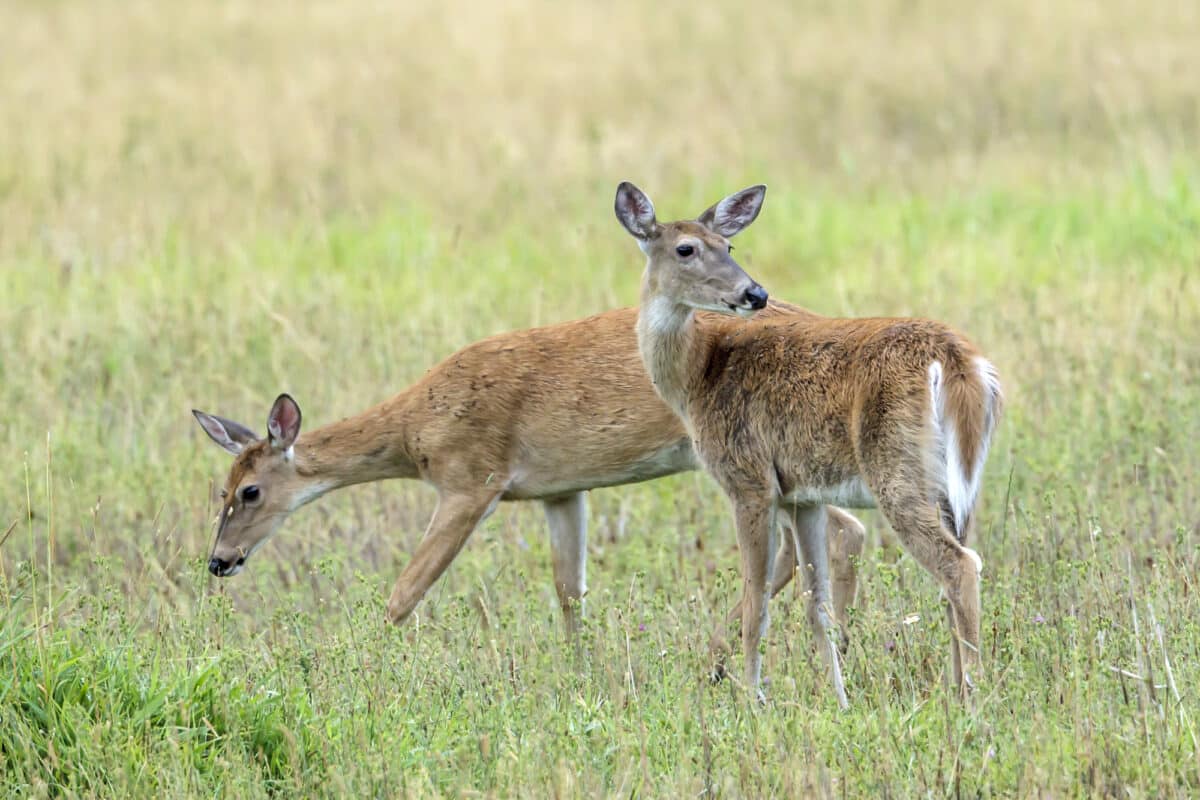
White-tailed Deer
🔥 Would you like to save this?
We'll email this post to you, so you can come back to it later!
These graceful herbivores are abundant in Acadia’s woodlands and meadows.
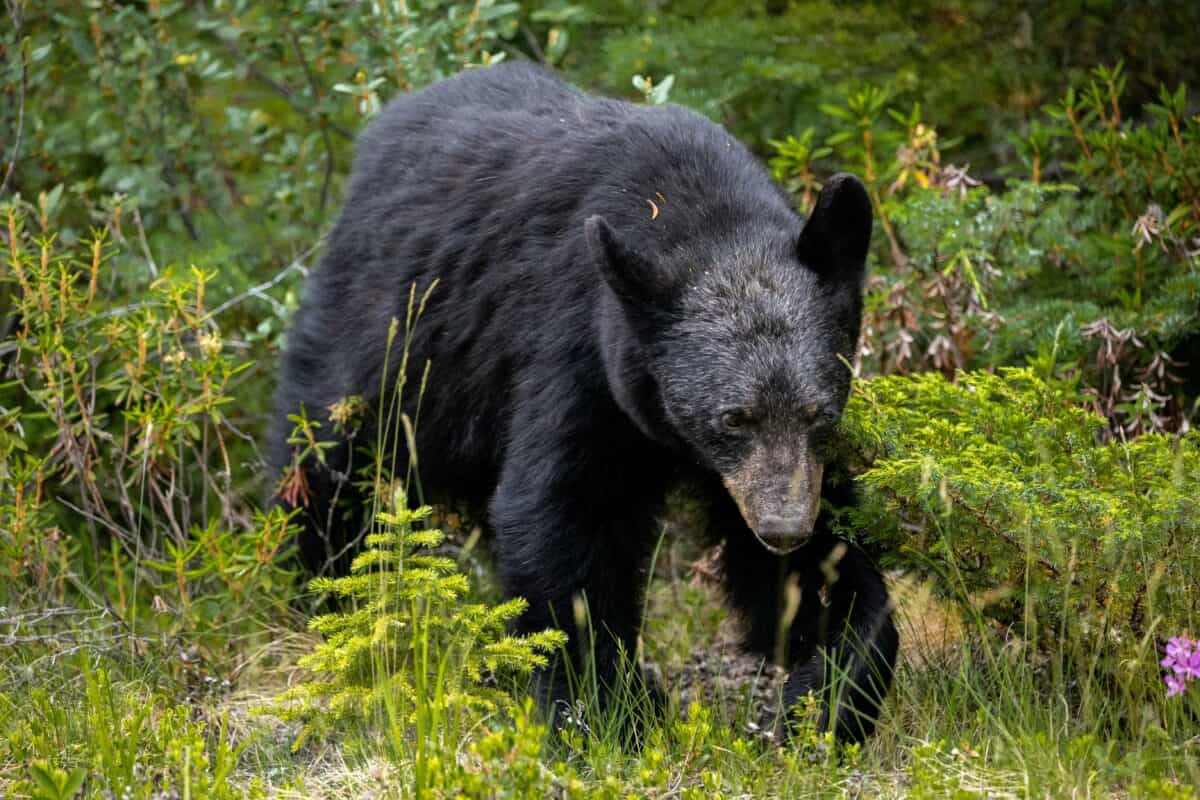
Black Bear
🔥 Would you like to save this?
We'll email this post to you, so you can come back to it later!
While encounters are rare, black bears inhabit the forests and mountains of Acadia National Park.
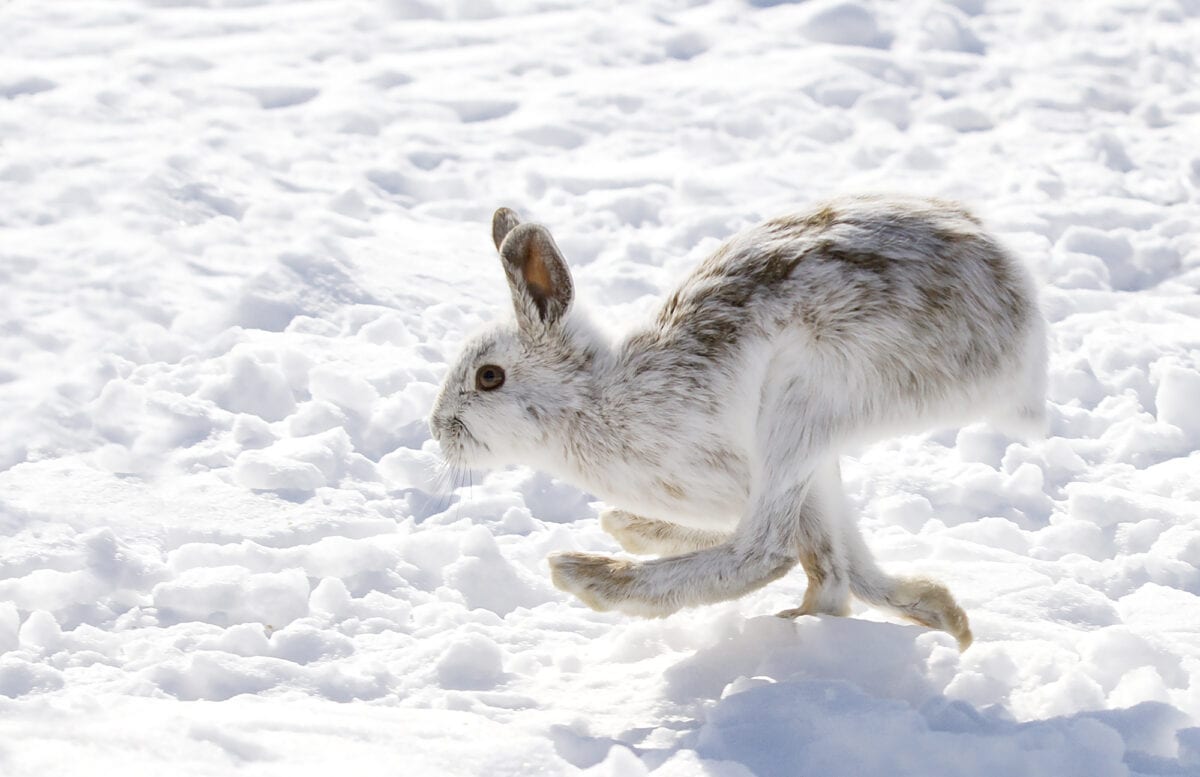
Snowshoe Hare
🔥 Would you like to save this?
We'll email this post to you, so you can come back to it later!
Snowshoe hares are well – adapted to Acadia’s winter conditions, changing their fur color to white to blend in with the snow.
Northern Goshawk

🔥 Would you like to save this?
We'll email this post to you, so you can come back to it later!
This formidable raptor hunts in Acadia’s forests, preying on smaller birds and mammals.
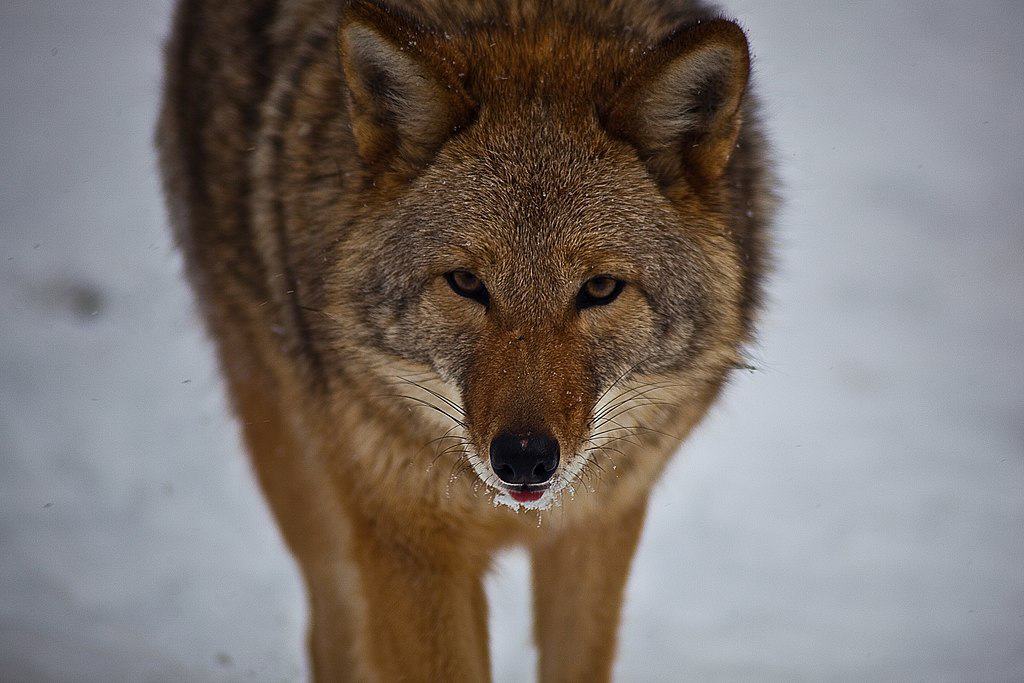
Eastern Coyote
🔥 Would you like to save this?
We'll email this post to you, so you can come back to it later!
Coyotes are occasionally seen in Acadia, primarily in the more remote areas of the park.
Bobcat

🔥 Would you like to save this?
We'll email this post to you, so you can come back to it later!
These elusive felines roam the forests of Acadia, hunting small mammals and birds.
Common Loon

🔥 Would you like to save this?
We'll email this post to you, so you can come back to it later!
Loons can be found on the lakes and ponds of Acadia National Park, known for their haunting calls.
Barred Owl

🔥 Would you like to save this?
We'll email this post to you, so you can come back to it later!
Barred owls are nocturnal hunters, inhabiting Acadia’s forests and wetlands.
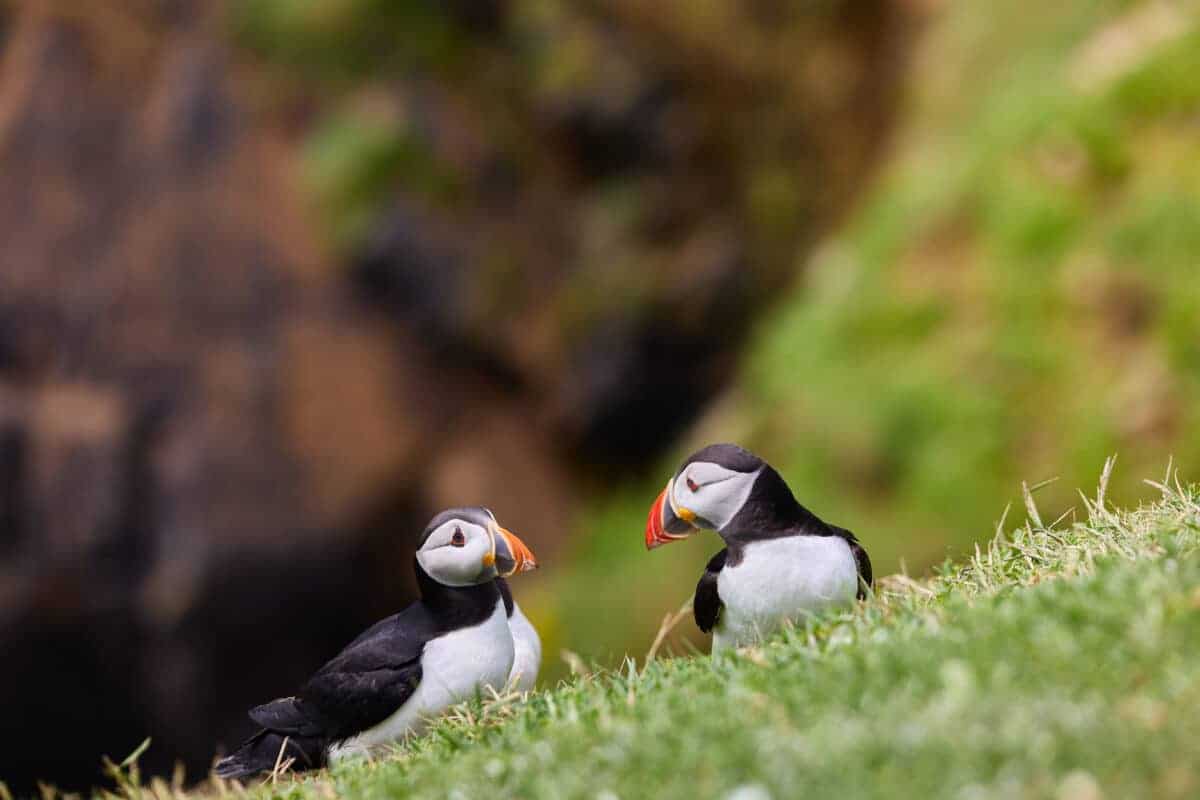
Atlantic Puffin
🔥 Would you like to save this?
We'll email this post to you, so you can come back to it later!
Acadia’s offshore islands host breeding colonies of these iconic seabirds during the summer months.
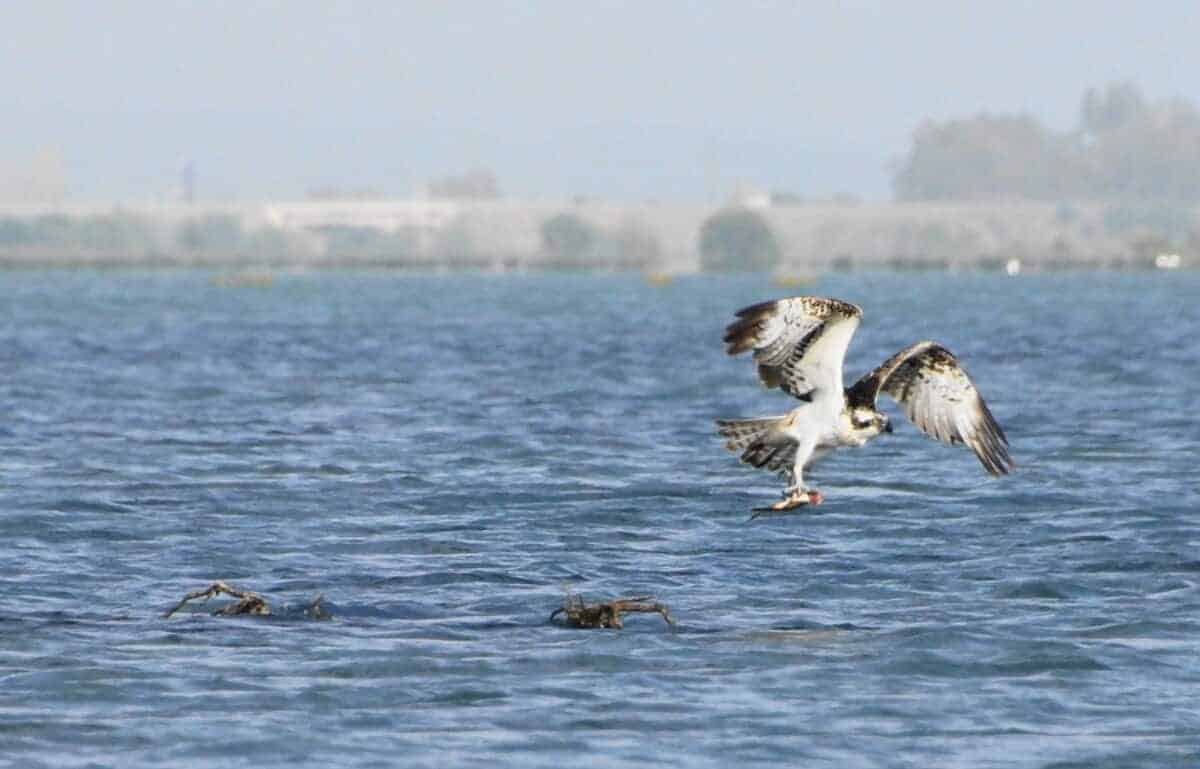
Osprey
🔥 Would you like to save this?
We'll email this post to you, so you can come back to it later!
Ospreys can be seen diving for fish in Acadia’s coastal waters, nesting on platforms and tall structures.
Northern Saw-whet Owl

🔥 Would you like to save this?
We'll email this post to you, so you can come back to it later!
These small owls are occasionally spotted in Acadia’s woodlands, particularly during the winter months.
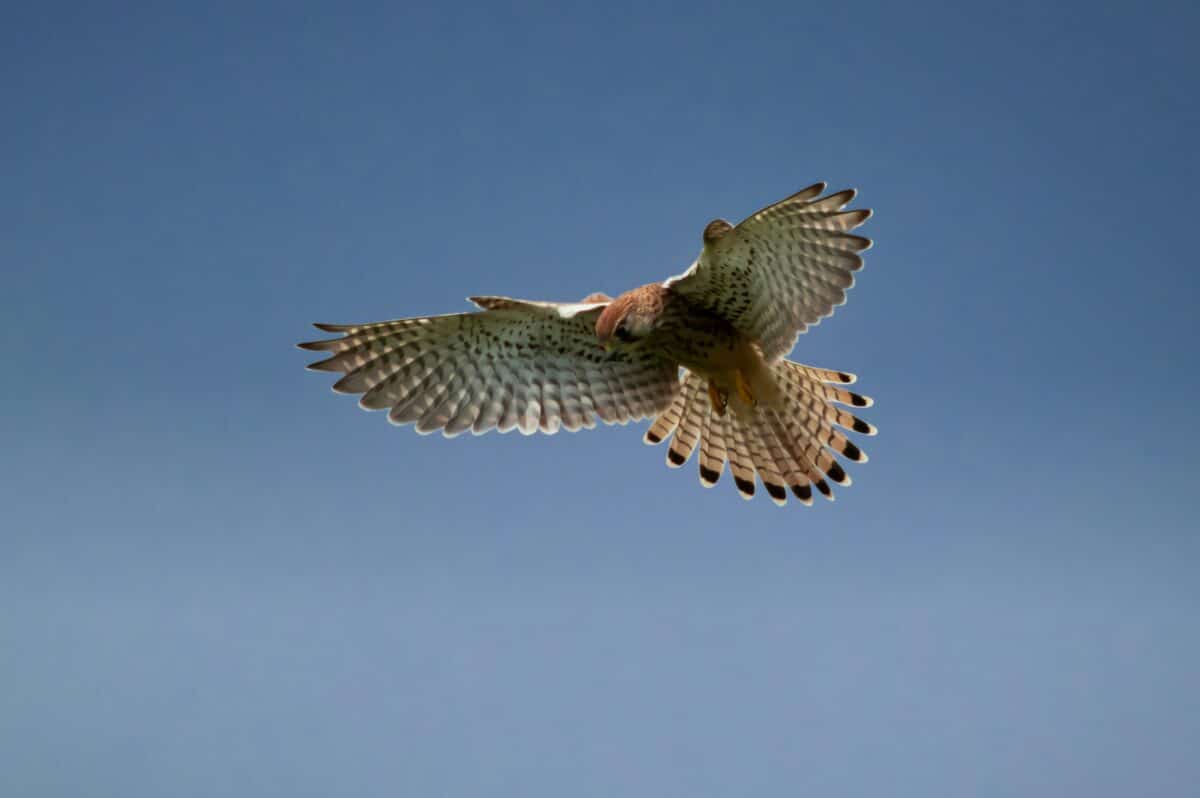
Peregrine Falcon
🔥 Would you like to save this?
We'll email this post to you, so you can come back to it later!
Peregrine falcons nest on the cliffs of Acadia, using their incredible speed to hunt birds in flight.
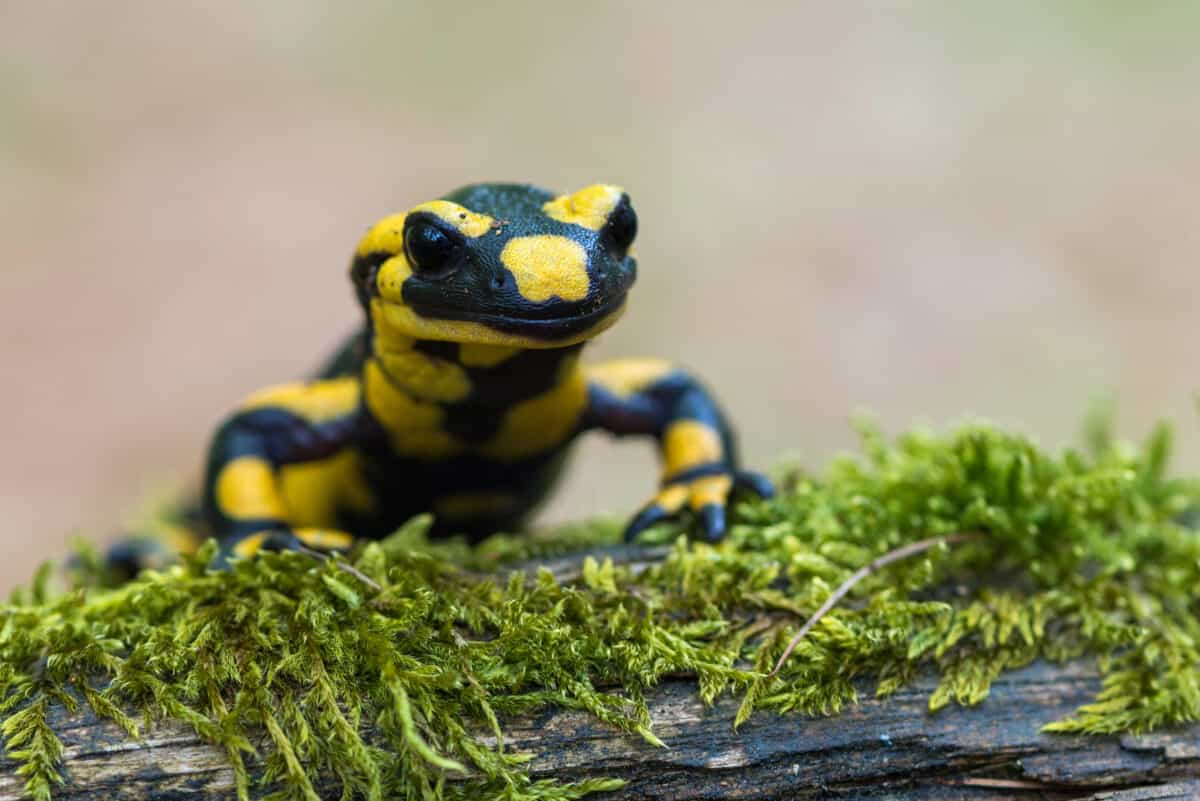
Spotted Salamander
🔥 Would you like to save this?
We'll email this post to you, so you can come back to it later!
These amphibians breed in the vernal pools of Acadia National Park, migrating to the pools during the spring.
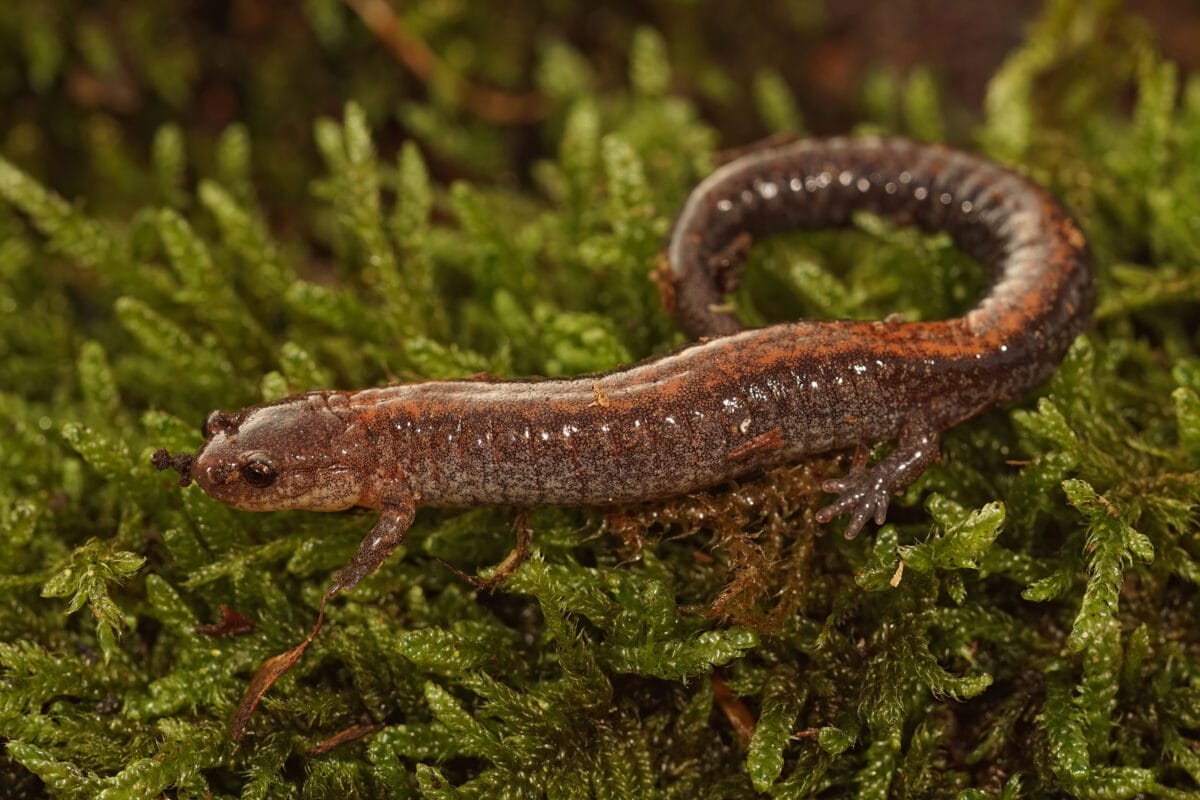
Eastern Red-backed Salamander
🔥 Would you like to save this?
We'll email this post to you, so you can come back to it later!
Found in the park’s forests, these small salamanders are often encountered under rocks and logs.
Red Squirrel

🔥 Would you like to save this?
We'll email this post to you, so you can come back to it later!
Red squirrels are abundant in Acadia’s forests, with their chattering calls often heard overhead.
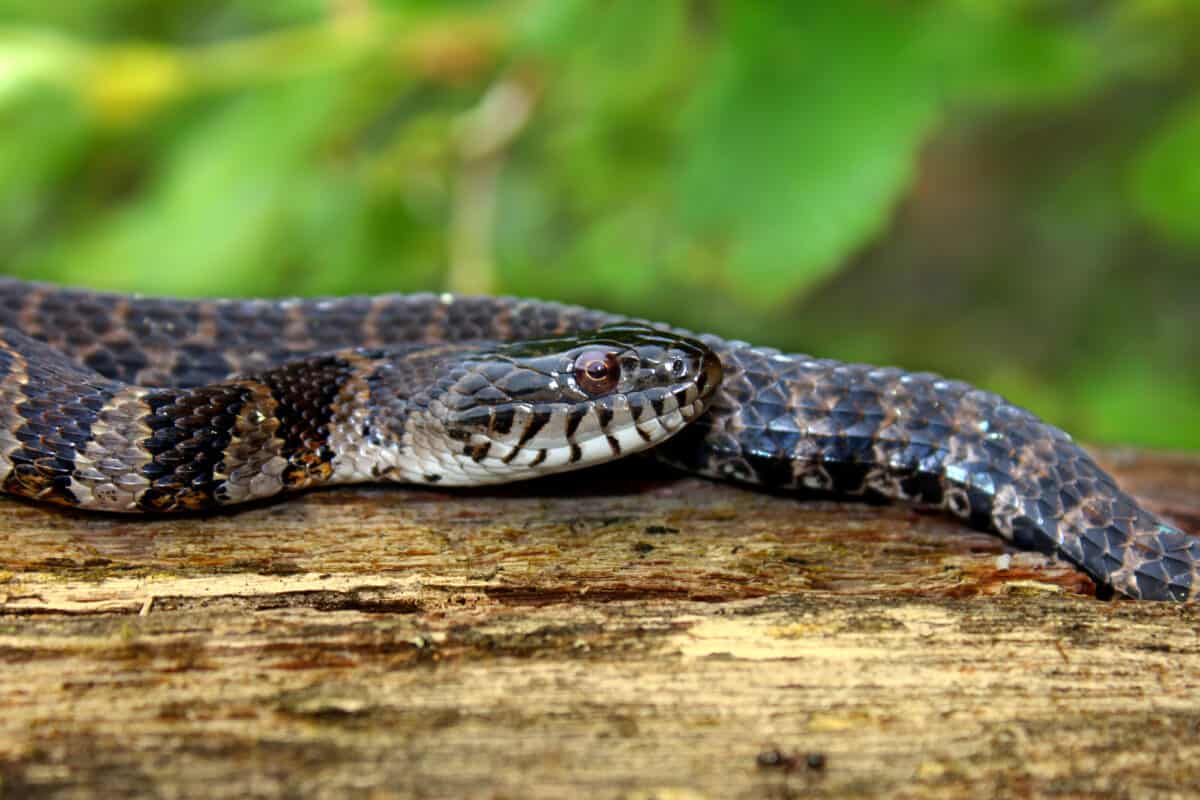
Northern Water Snake
🔥 Would you like to save this?
We'll email this post to you, so you can come back to it later!
These non-venomous snakes can be found in Acadia’s freshwater habitats, feeding on fish and amphibians.
Wood Frog

🔥 Would you like to save this?
We'll email this post to you, so you can come back to it later!
Wood frogs are common in Acadia’s forests, known for their ability to survive freezing temperatures during the winter months.
Conclusion

🔥 Would you like to save this?
We'll email this post to you, so you can come back to it later!
These are just a few examples of the diverse wildlife that can be found in Acadia National Park. Each species plays a vital role in the park’s ecosystem, contributing to its biodiversity and natural beauty. I hope you enjoyed reading about the animals that call Acadia National Park Home.

adventuring, photography and videography. I am currently working towards a BSc in Biodiversity and Ecology at Stellenbosch University to go on to specialise in Marine Sciences one day.
Please send any feedback to Feedback@animalsaroundtheglobe.com
- 26 Most Dangerous Snakes Found in North America - October 19, 2026
- 21 Things Not to Feed Your Pet Dog - October 18, 2026
- 10 Sacred Native American Sites in North America - October 16, 2026