


Despite its foreboding name and reputation for extreme heat, Death Valley National Park is home to a surprising array of wildlife. These animals have adapted to survive in one of the harshest environments on Earth, including extreme temperatures and limited water sources. Let’s find out which animals call Death Valley home, each uniquely adapted to this harsh ecosystem.
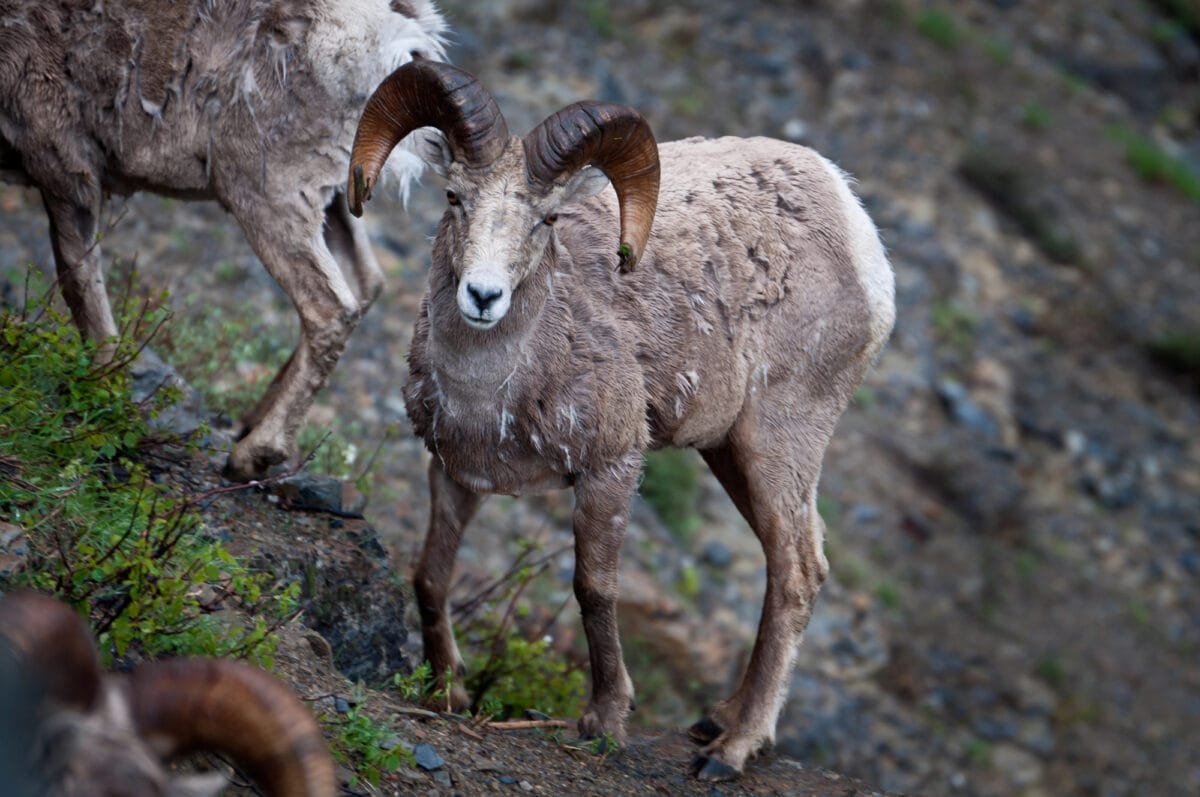
Bighorn Sheep
🔥 Would you like to save this?
We'll email this post to you, so you can come back to it later!
The park’s largest mammal, adapted to rugged terrain, can go without water for days.
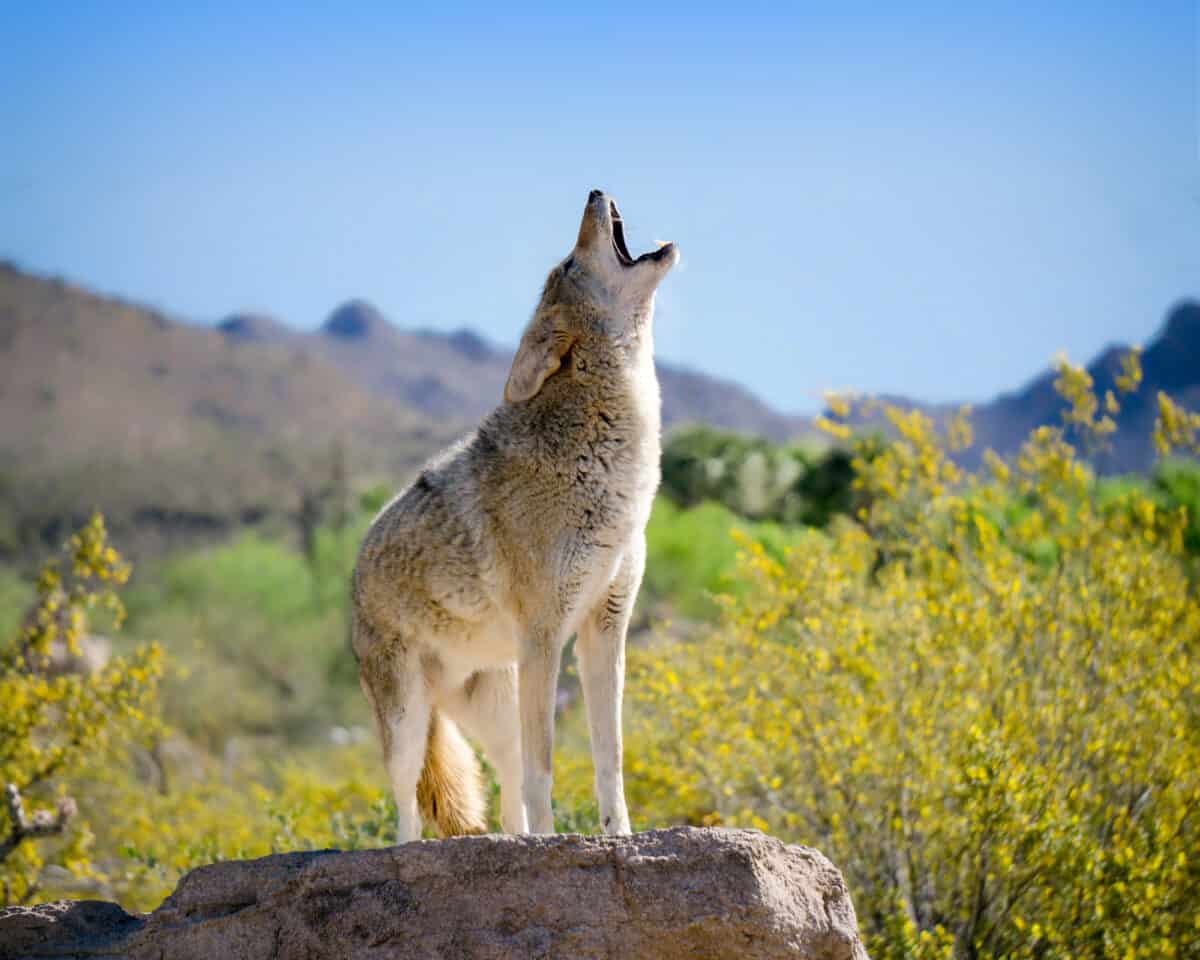
Coyote
🔥 Would you like to save this?
We'll email this post to you, so you can come back to it later!
Opportunistic feeders that can survive on a wide range of food sources.
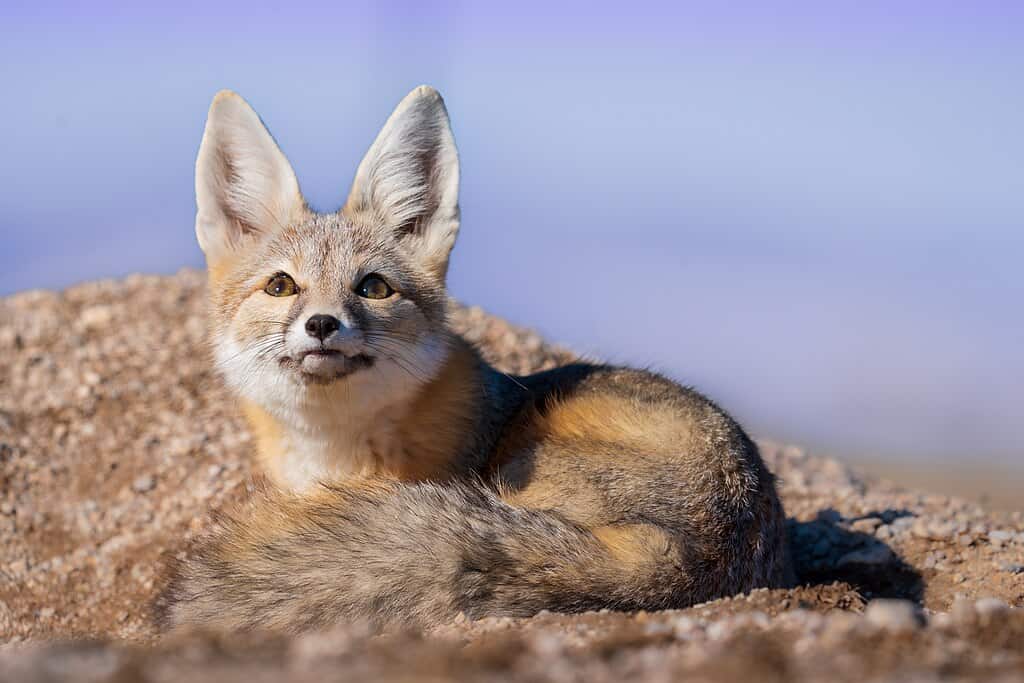
Kit Fox
🔥 Would you like to save this?
We'll email this post to you, so you can come back to it later!
Small nocturnal foxes that avoid the daytime heat by being active at night.
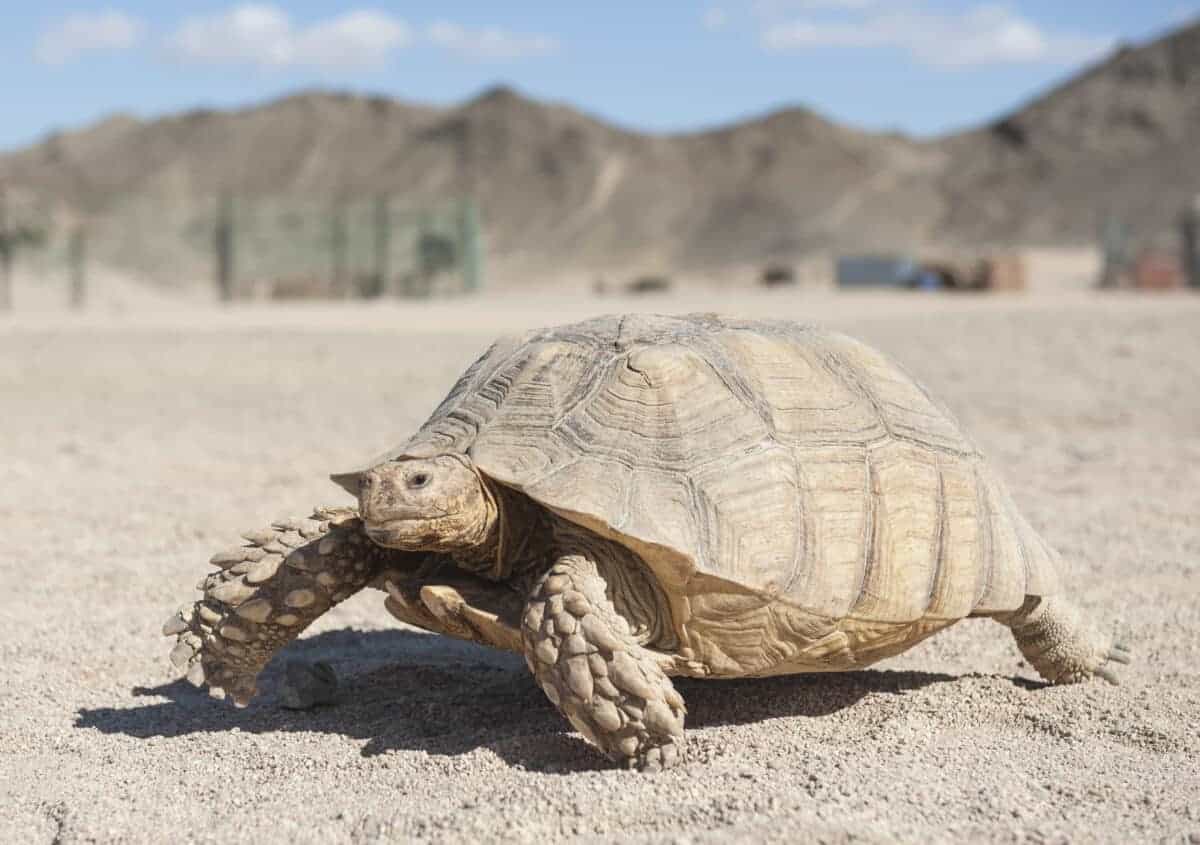
Desert Tortoise
🔥 Would you like to save this?
We'll email this post to you, so you can come back to it later!
A reptile that spends much of its life underground to escape the heat.
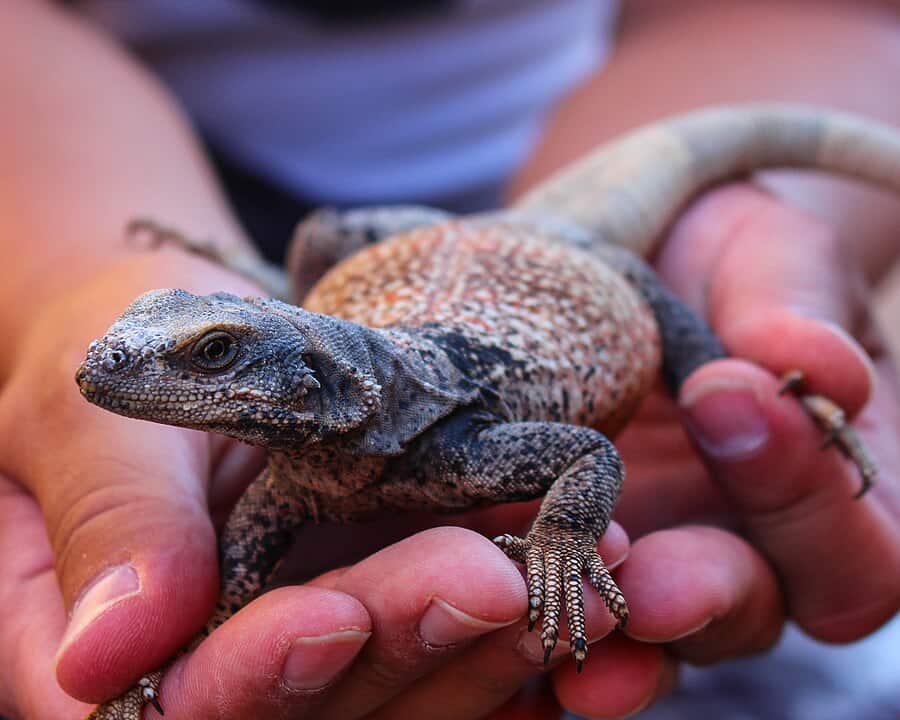
Chuckwalla
🔥 Would you like to save this?
We'll email this post to you, so you can come back to it later!
A large lizard that uses crevices to escape predators and the heat.
Gila Monster

🔥 Would you like to save this?
We'll email this post to you, so you can come back to it later!
One of the only venomous lizards in the U.S., spending 90% of its life underground.
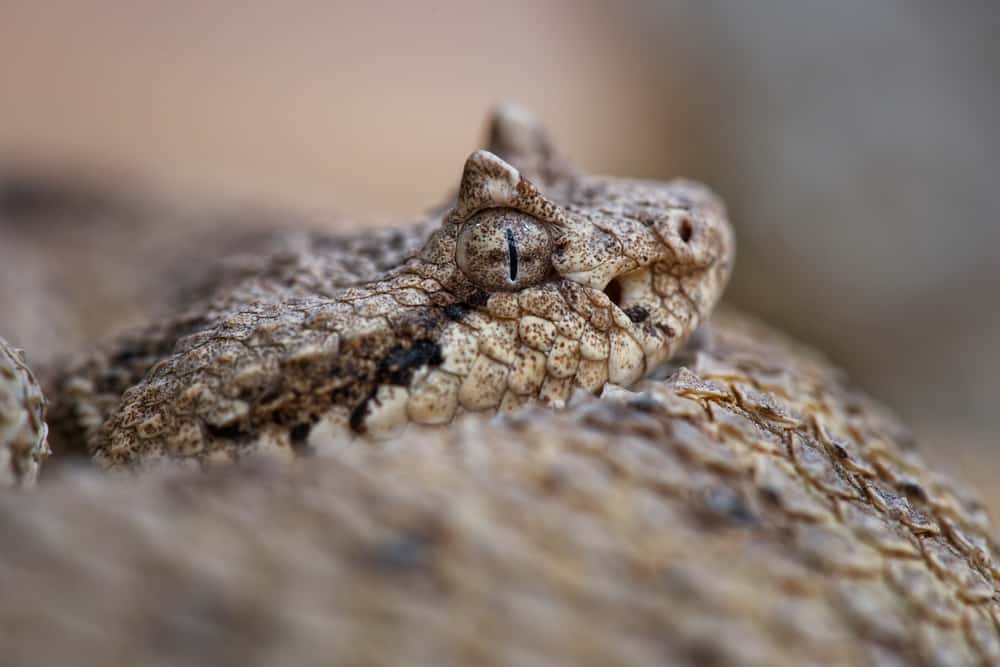
Sidewinder Rattlesnake
🔥 Would you like to save this?
We'll email this post to you, so you can come back to it later!
A venomous snake known for its distinctive sidewinding movement and heat-sensing pits.
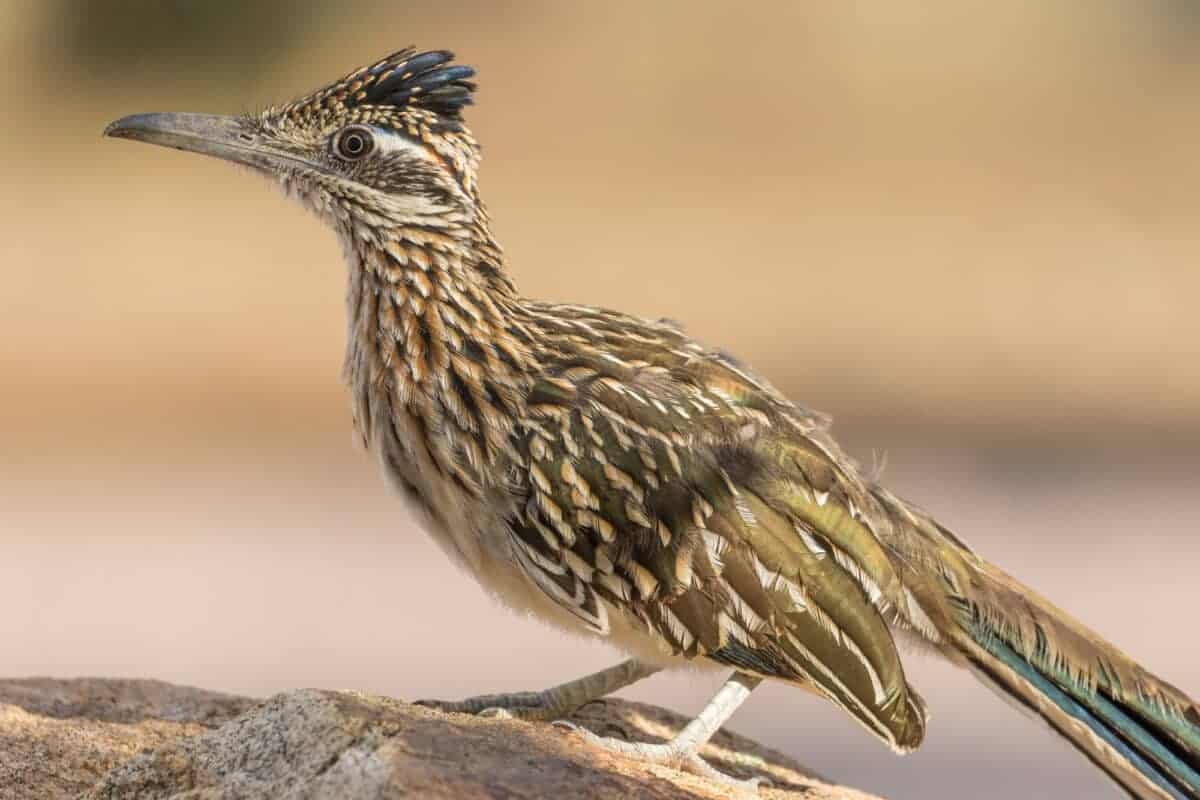
Roadrunner
🔥 Would you like to save this?
We'll email this post to you, so you can come back to it later!
A bird capable of running at speeds up to 20 mph to catch prey or escape predators.
Golden Eagle

🔥 Would you like to save this?
We'll email this post to you, so you can come back to it later!
A large raptor that preys on mammals and birds, using thermal updrafts to soar.
Peregrine Falcon

🔥 Would you like to save this?
We'll email this post to you, so you can come back to it later!
The world’s fastest bird, known for its high-speed dives to catch other birds in flight.
Western Burrowing Owl

🔥 Would you like to save this?
We'll email this post to you, so you can come back to it later!
Small ground-dwelling owls that utilize abandoned burrows for nesting.
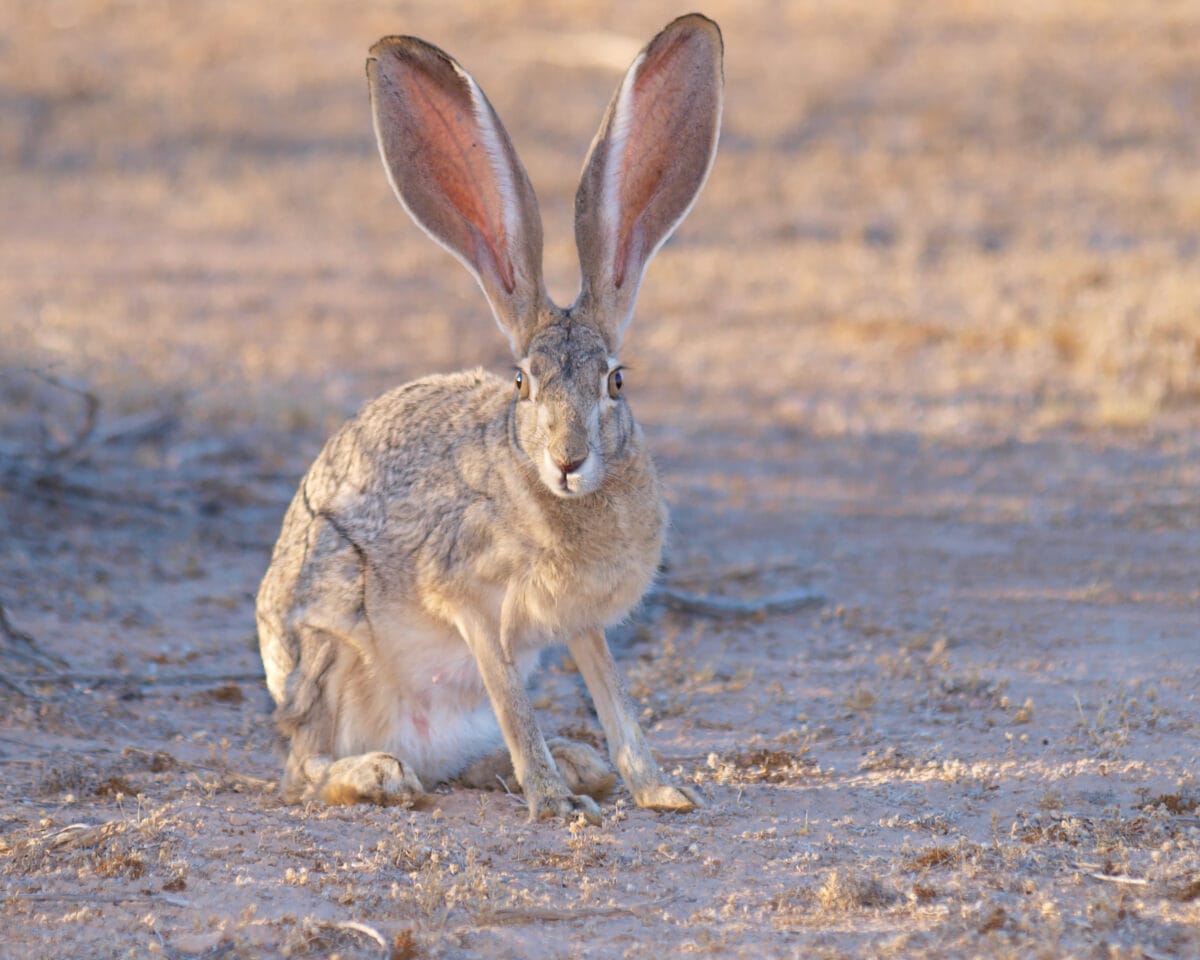
Jackrabbit
🔥 Would you like to save this?
We'll email this post to you, so you can come back to it later!
Has large ears that help with thermoregulation, allowing it to survive extreme heat.
Kangaroo Rat

🔥 Would you like to save this?
We'll email this post to you, so you can come back to it later!
Nocturnal rodents that can survive without ever drinking water, getting moisture from their food.
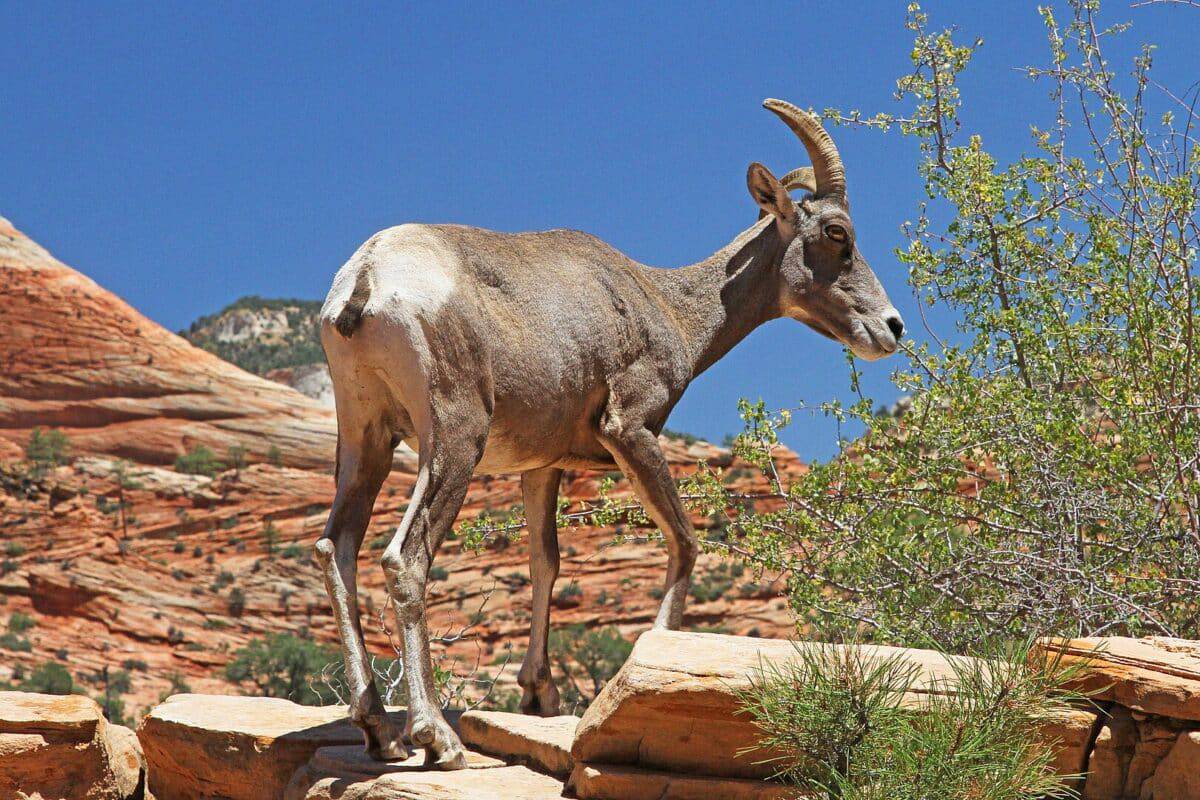
Desert Bighorn Sheep
🔥 Would you like to save this?
We'll email this post to you, so you can come back to it later!
Skilled climbers with specialized hooves for navigating steep, rocky terrain.
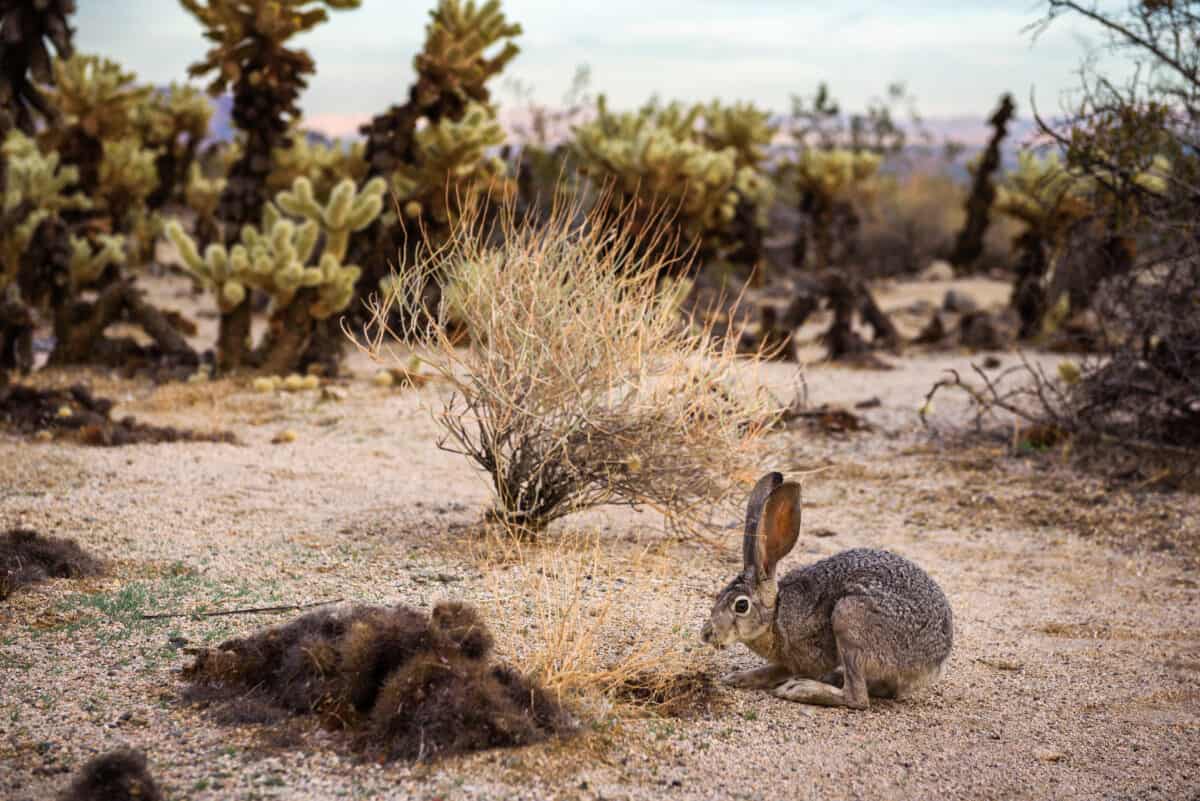
Black-tailed Jackrabbit
🔥 Would you like to save this?
We'll email this post to you, so you can come back to it later!
Uses its long legs and ears to dissipate heat and listen for predators.
Mountain Lion

🔥 Would you like to save this?
We'll email this post to you, so you can come back to it later!
Top predator in Death Valley, preying on smaller mammals and birds.
Bobcat

🔥 Would you like to save this?
We'll email this post to you, so you can come back to it later!
Smaller than mountain lions, but equally adaptable to desert and rocky environments.
Desert Cottontail

🔥 Would you like to save this?
We'll email this post to you, so you can come back to it later!
A small rabbit that feeds at dawn and dusk to avoid daytime predators and heat.
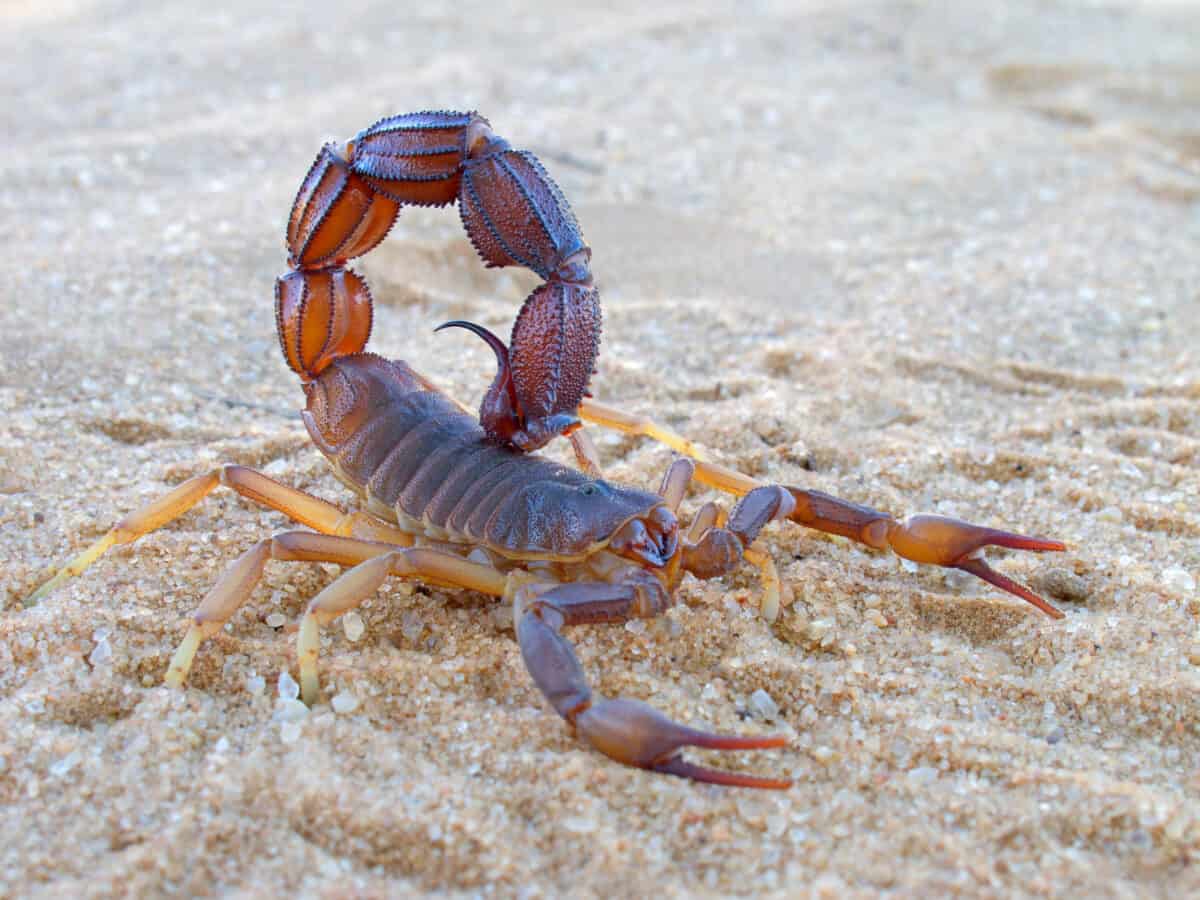
Scorpion
🔥 Would you like to save this?
We'll email this post to you, so you can come back to it later!
Nocturnal arthropods that hunt insects and small vertebrates at night.
Tarantula

🔥 Would you like to save this?
We'll email this post to you, so you can come back to it later!
Large, hairy spiders that prey on insects, small birds, and rodents.
Zebra-tailed Lizard

🔥 Would you like to save this?
We'll email this post to you, so you can come back to it later!
Recognizable by its long, striped tail, which it uses to confuse predators.
Conclusion

🔥 Would you like to save this?
We'll email this post to you, so you can come back to it later!
Each of these animals has developed unique adaptations that allow them to thrive in Death Valley’s extreme conditions, from avoiding the heat through nocturnal habits to conserving water with efficient metabolism and specialized physical traits. I hope you enjoyed reading about the animals that call death valley home. To read more like this, check out the articles below:
- The Top 21 Animals That Call Bryce National Park Home
- The Top 21 Animals That Call Yellowstone National Park Home
- 21 Animals That Call Yosemite Home

adventuring, photography and videography. I am currently working towards a BSc in Biodiversity and Ecology at Stellenbosch University to go on to specialise in Marine Sciences one day.
Please send any feedback to Feedback@animalsaroundtheglobe.com
- 26 Most Dangerous Snakes Found in North America - October 19, 2026
- 21 Things Not to Feed Your Pet Dog - October 18, 2026
- 10 Sacred Native American Sites in North America - October 16, 2026