


Have you ever visited this natural wonder of planet Earth? This park holds a vast array of wildlife. Let’s find out which animals call Grand Canyon National Park home.
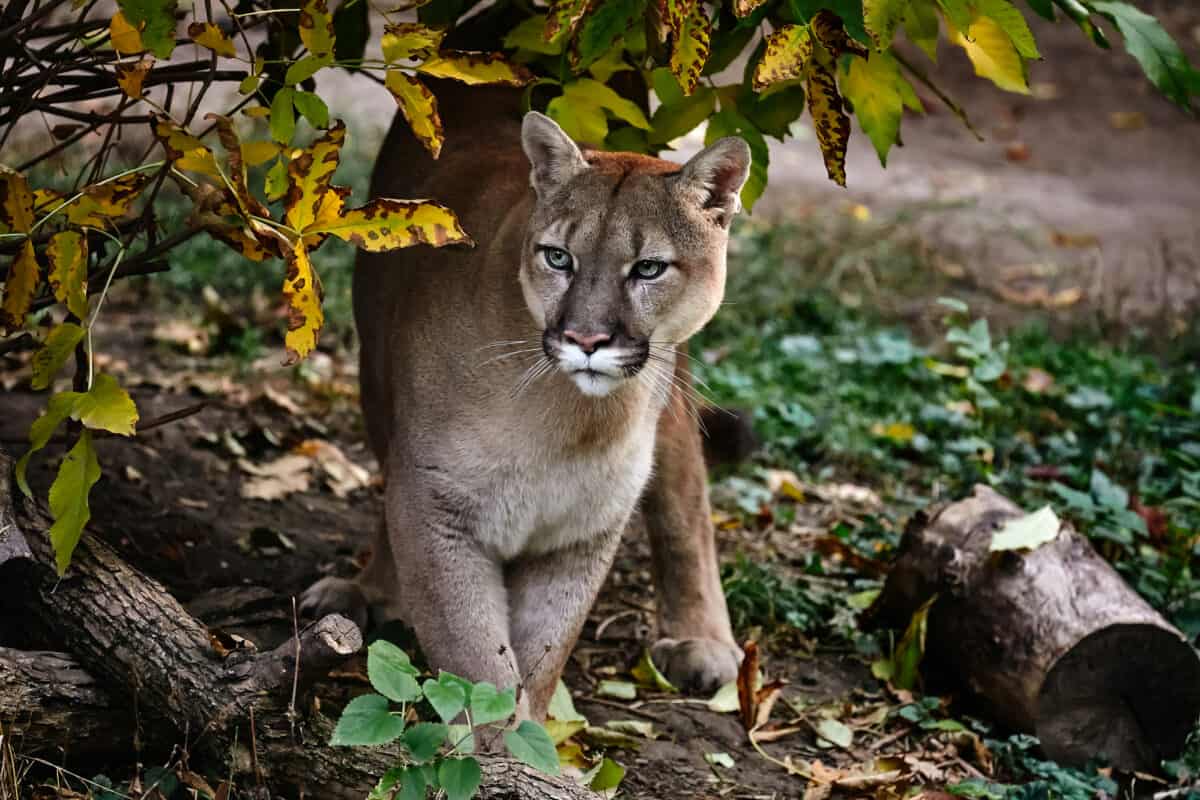
Mountain Lion
🔥 Would you like to save this?
We'll email this post to you, so you can come back to it later!
Apex predators, elusive and primarily nocturnal.
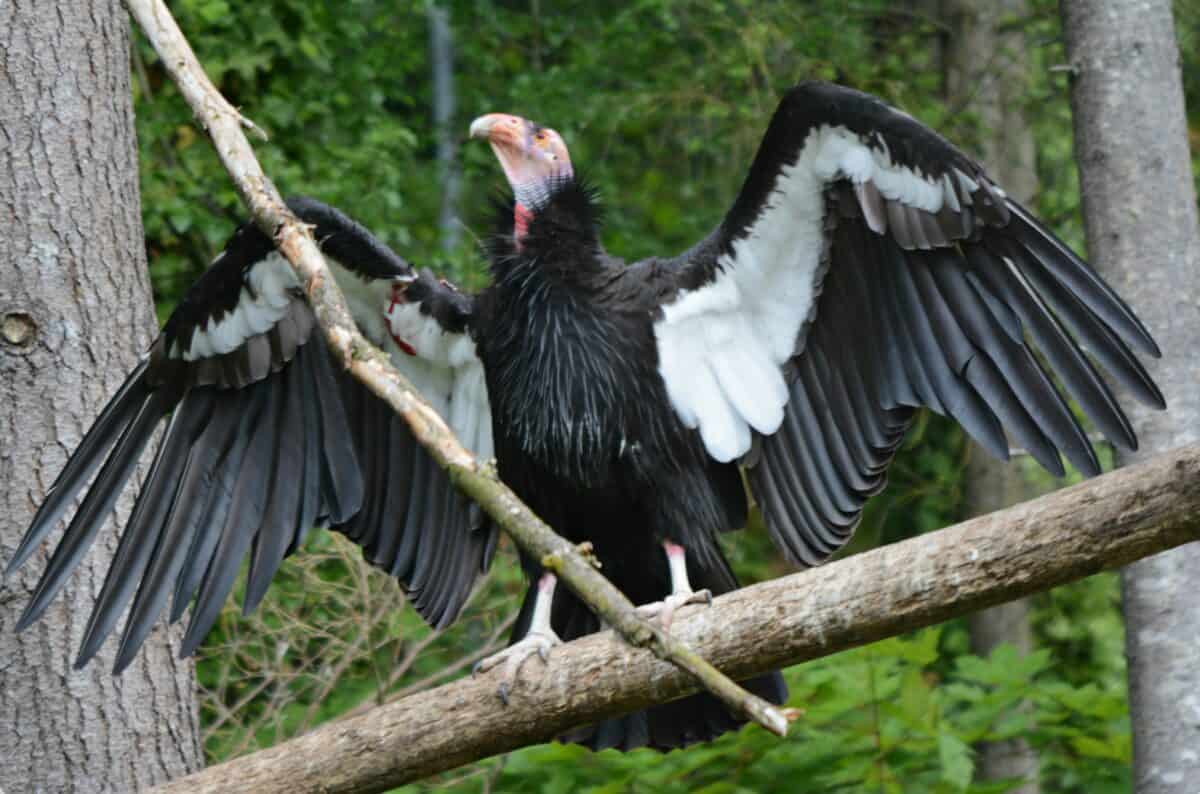
California Condor
🔥 Would you like to save this?
We'll email this post to you, so you can come back to it later!
One of the world’s largest birds with a wingspan up to 9.8 feet, critically endangered.
Bighorn Sheep

🔥 Would you like to save this?
We'll email this post to you, so you can come back to it later!
Notable for their large, curved horns and sure-footedness on steep terrain.
Elk

🔥 Would you like to save this?
We'll email this post to you, so you can come back to it later!
Large mammals known for their impressive antlers (in males) and bugling calls.
Mule Deer

🔥 Would you like to save this?
We'll email this post to you, so you can come back to it later!
Named for their large, mule-like ears, these deer are common in the park.
Coyote

🔥 Would you like to save this?
We'll email this post to you, so you can come back to it later!
Adaptable canines that play an important role in the park’s ecosystem.
Bald Eagle

🔥 Would you like to save this?
We'll email this post to you, so you can come back to it later!
The national bird of the United States, can occasionally be spotted near water sources.
Peregrine Falcon

🔥 Would you like to save this?
We'll email this post to you, so you can come back to it later!
Known for their incredible speed, diving at over 200 mph to catch prey.
Rattlesnake

🔥 Would you like to save this?
We'll email this post to you, so you can come back to it later!
Several species inhabit the park, recognizable by their distinctive rattle.
Gila Monster

🔥 Would you like to save this?
We'll email this post to you, so you can come back to it later!
One of the few venomous lizard species in North America, rare and reclusive.
Mexican Spotted Owl

🔥 Would you like to save this?
We'll email this post to you, so you can come back to it later!
A nocturnal bird, listed as a threatened species.
Rock Squirrel

🔥 Would you like to save this?
We'll email this post to you, so you can come back to it later!
Often seen by visitors, known for their climbing and foraging behavior.
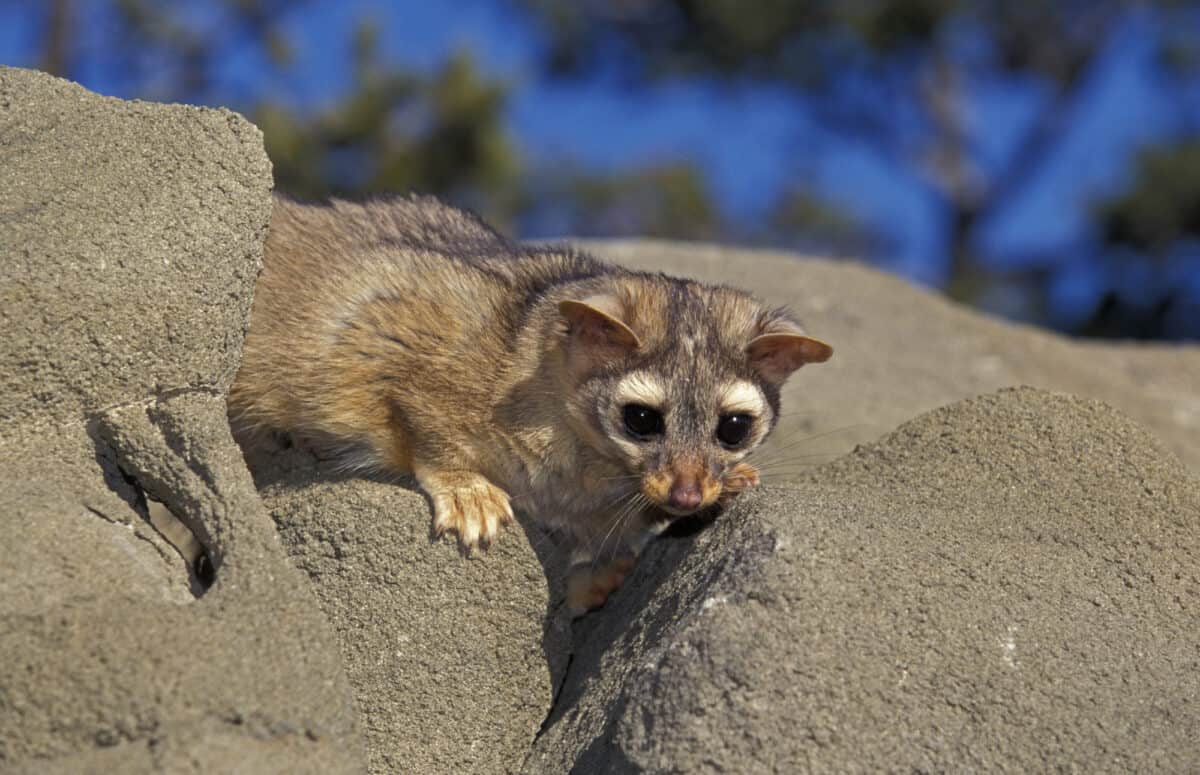
Ringtail
🔥 Would you like to save this?
We'll email this post to you, so you can come back to it later!
Also known as the ringtail cat, though it is more closely related to raccoons.
Grand Canyon Pink Rattlesnake

🔥 Would you like to save this?
We'll email this post to you, so you can come back to it later!
A subspecies of rattlesnake endemic to the Grand Canyon area.
Antelope Jackrabbit

🔥 Would you like to save this?
We'll email this post to you, so you can come back to it later!
Notable for its large size and long ears, which help with thermoregulation.
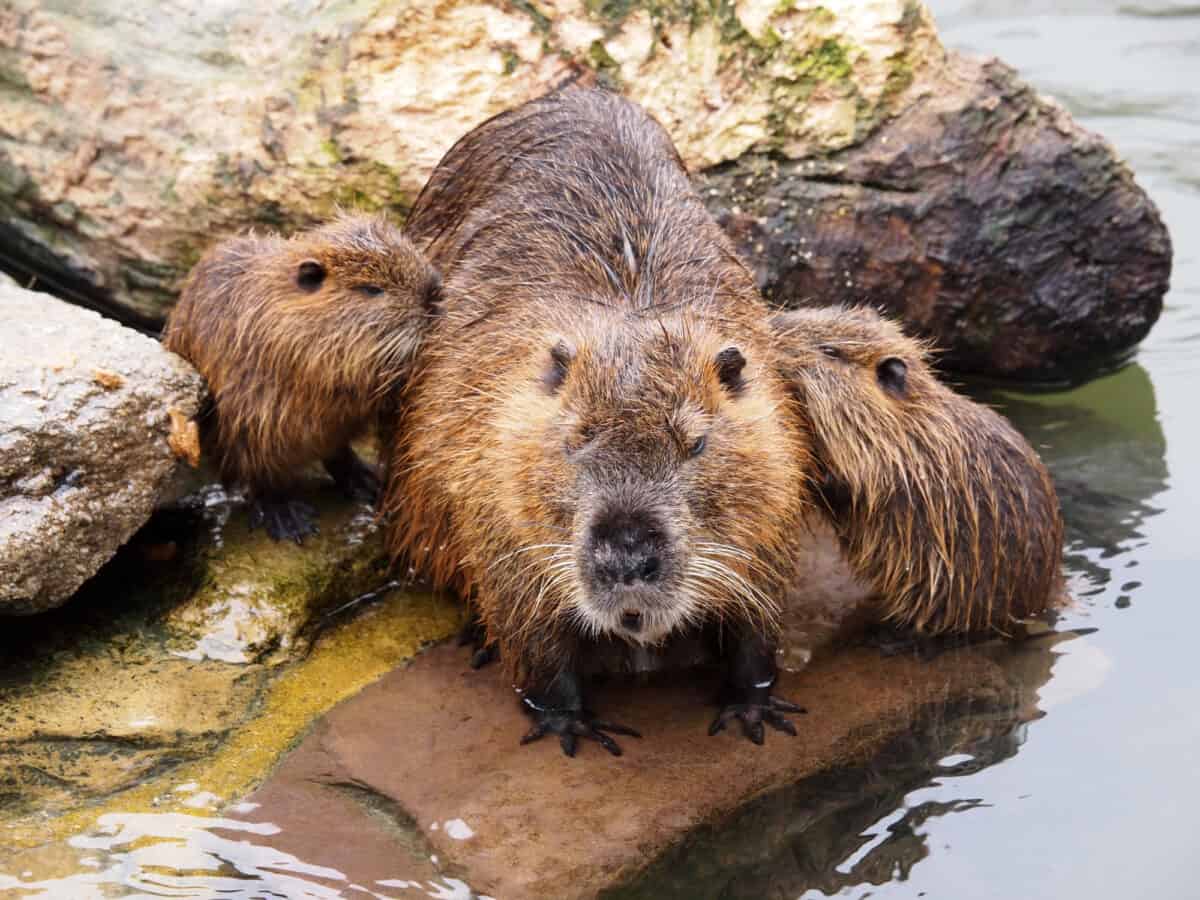
Beaver
🔥 Would you like to save this?
We'll email this post to you, so you can come back to it later!
Known for their dam-building activities, they can be found near rivers and streams.
Red-tailed Hawk

🔥 Would you like to save this?
We'll email this post to you, so you can come back to it later!
A common raptor in North America, identifiable by its reddish tail.
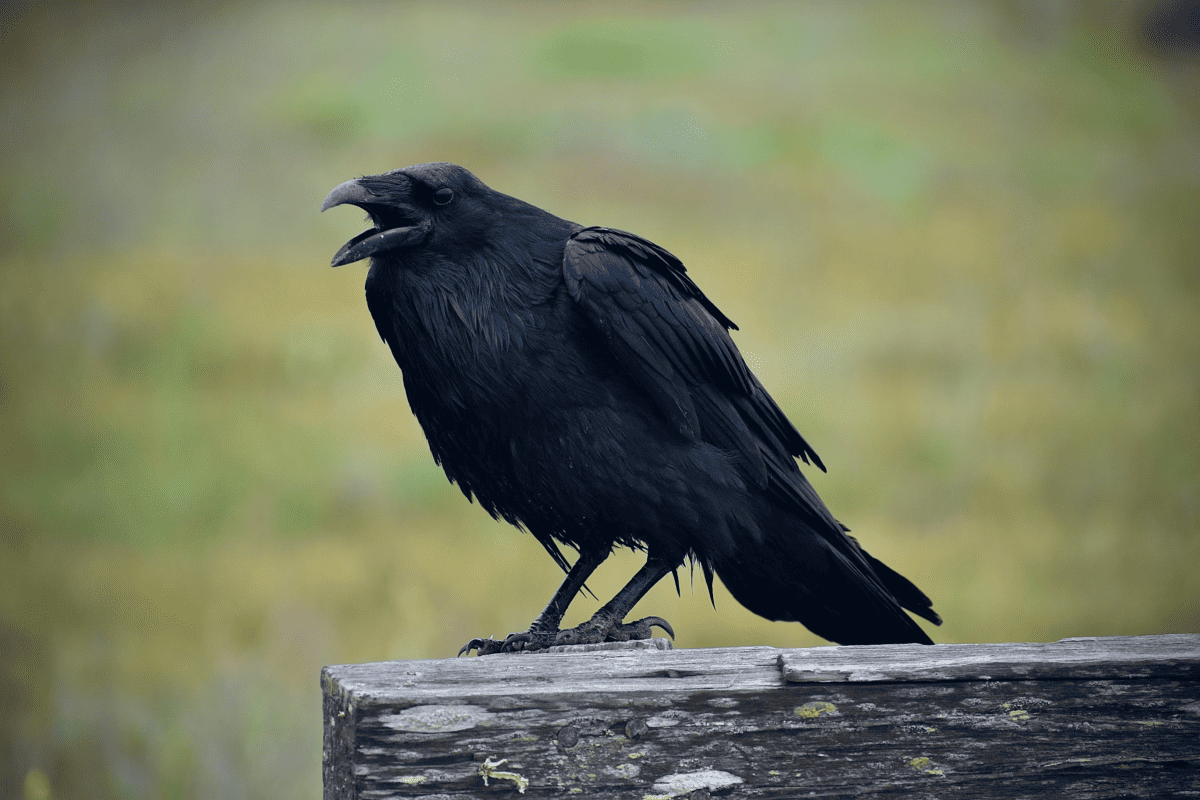
Common Raven
🔥 Would you like to save this?
We'll email this post to you, so you can come back to it later!
Highly intelligent birds, often seen in pairs or larger groups.
Tarantula

🔥 Would you like to save this?
We'll email this post to you, so you can come back to it later!
Large, hairy spiders that are much less dangerous than they appear.
Hopi Chipmunk

🔥 Would you like to save this?
We'll email this post to you, so you can come back to it later!
A species of chipmunk endemic to the southwestern United States, including parts of the Grand Canyon.
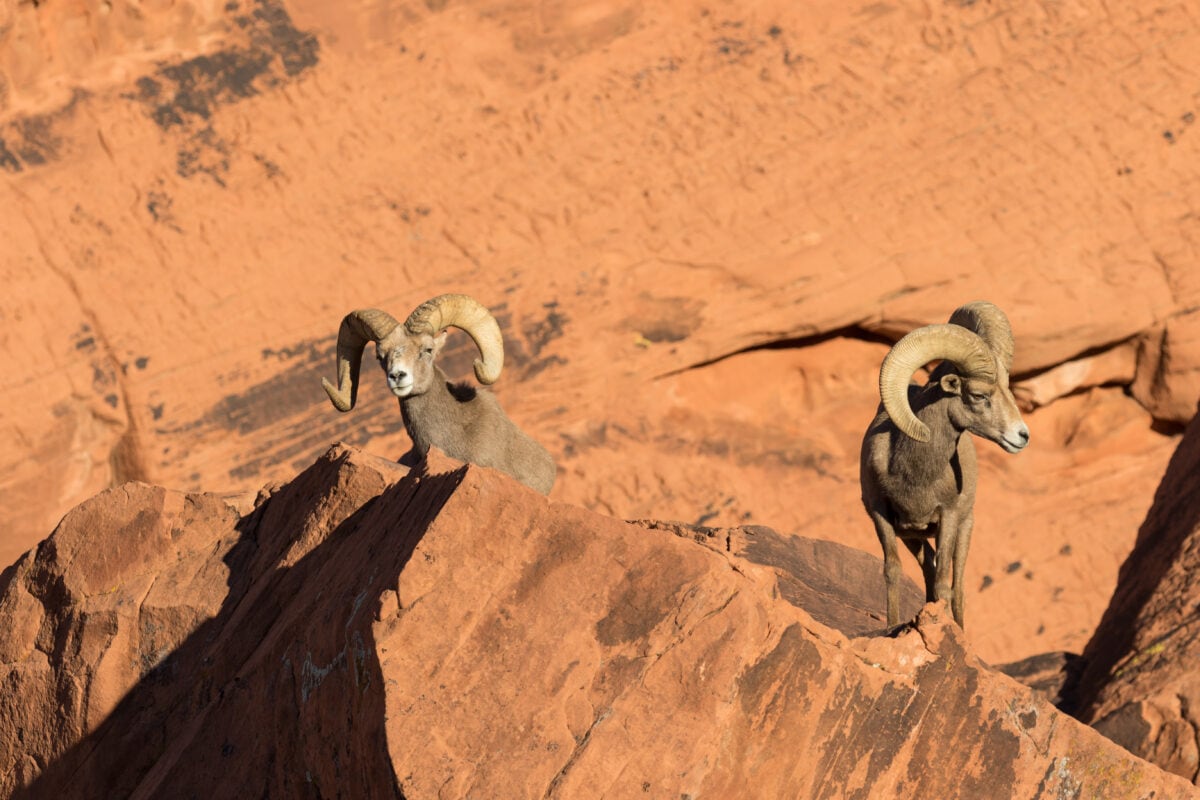
Desert Bighorn Sheep
🔥 Would you like to save this?
We'll email this post to you, so you can come back to it later!
A subspecies of bighorn sheep adapted to the desert environment of the Grand Canyon.
Conclusion

🔥 Would you like to save this?
We'll email this post to you, so you can come back to it later!
These animals each play an important role in their diverse habitats across Grand Canyon National Park. I hope you enjoyed reading about the animals that call Grand Canyon home.

adventuring, photography and videography. I am currently working towards a BSc in Biodiversity and Ecology at Stellenbosch University to go on to specialise in Marine Sciences one day.
Please send any feedback to Feedback@animalsaroundtheglobe.com
- 26 Most Dangerous Snakes Found in North America - October 19, 2026
- 21 Things Not to Feed Your Pet Dog - October 18, 2026
- 10 Sacred Native American Sites in North America - October 16, 2026