


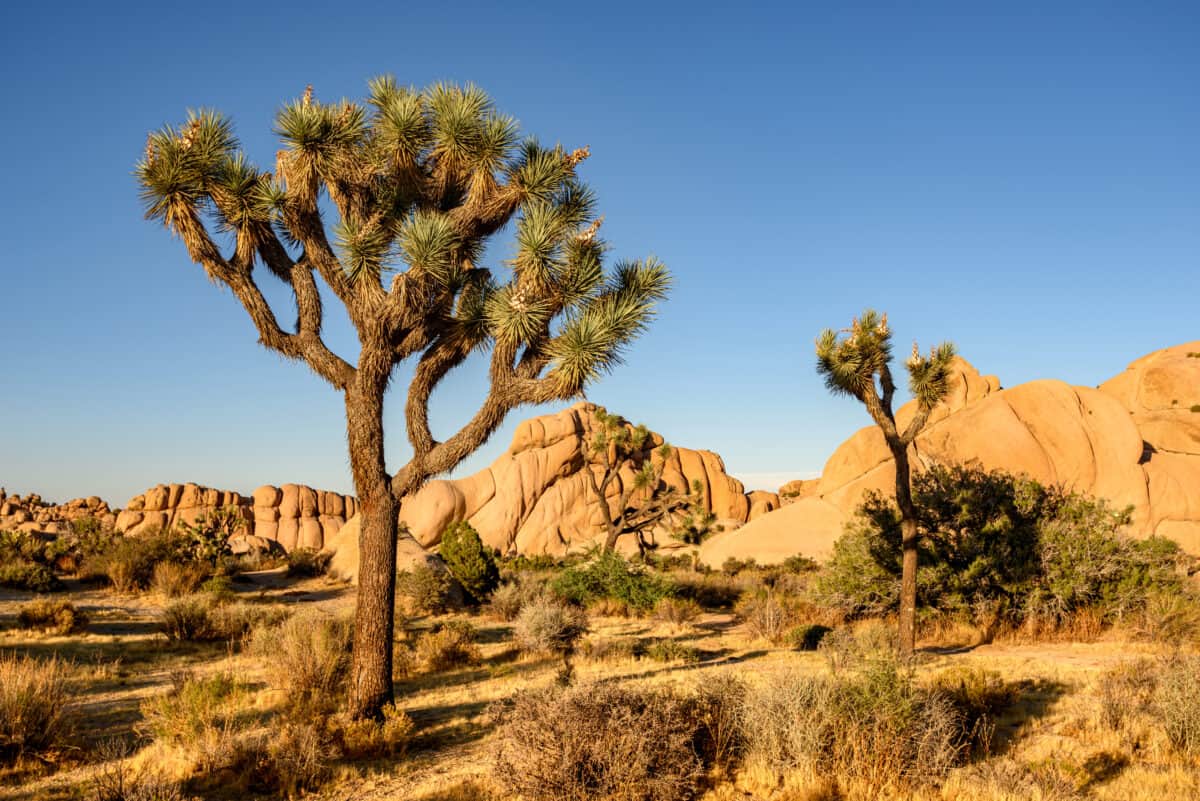
Ever wondered which animals live in Joshua tree? Let’s discover which animals call Joshua tree home.
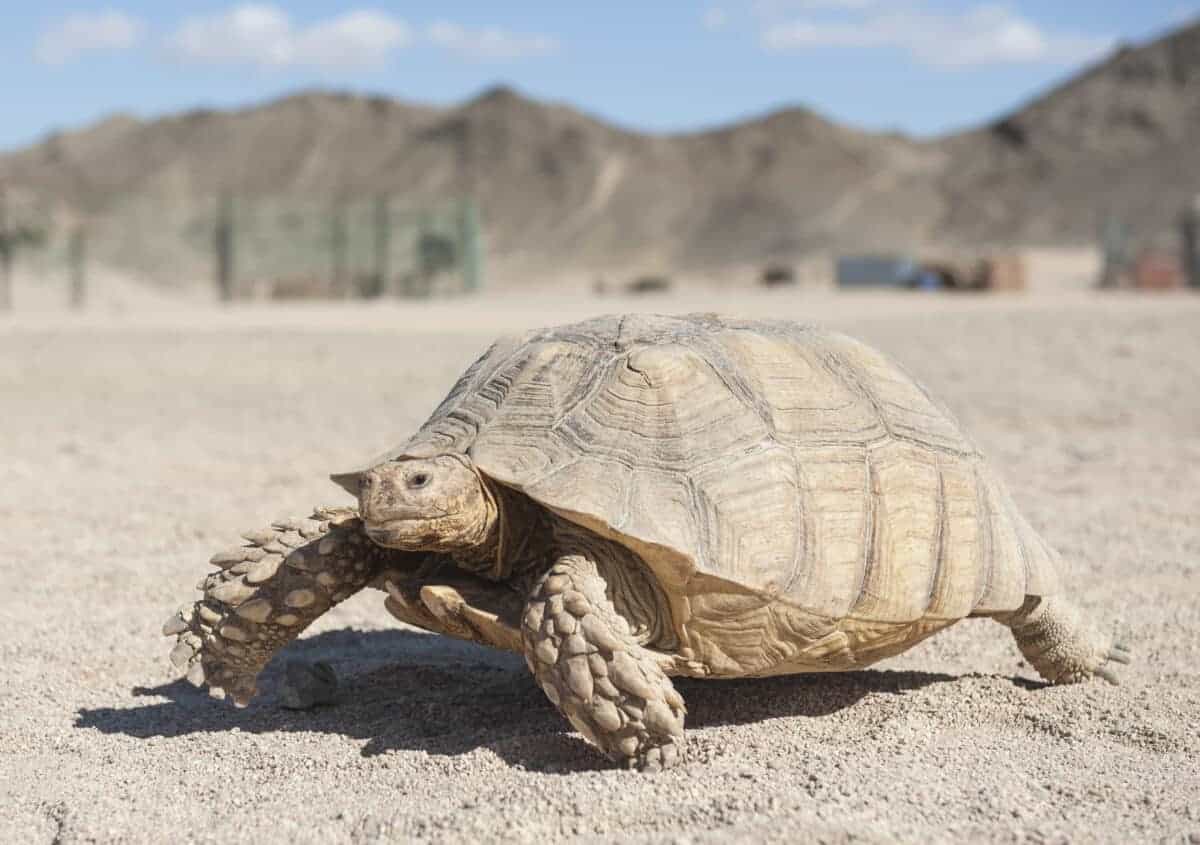
Desert Tortoise
🔥 Would you like to save this?
We'll email this post to you, so you can come back to it later!
A symbol of the Mojave Desert, known for its slow movements and burrowing lifestyle.
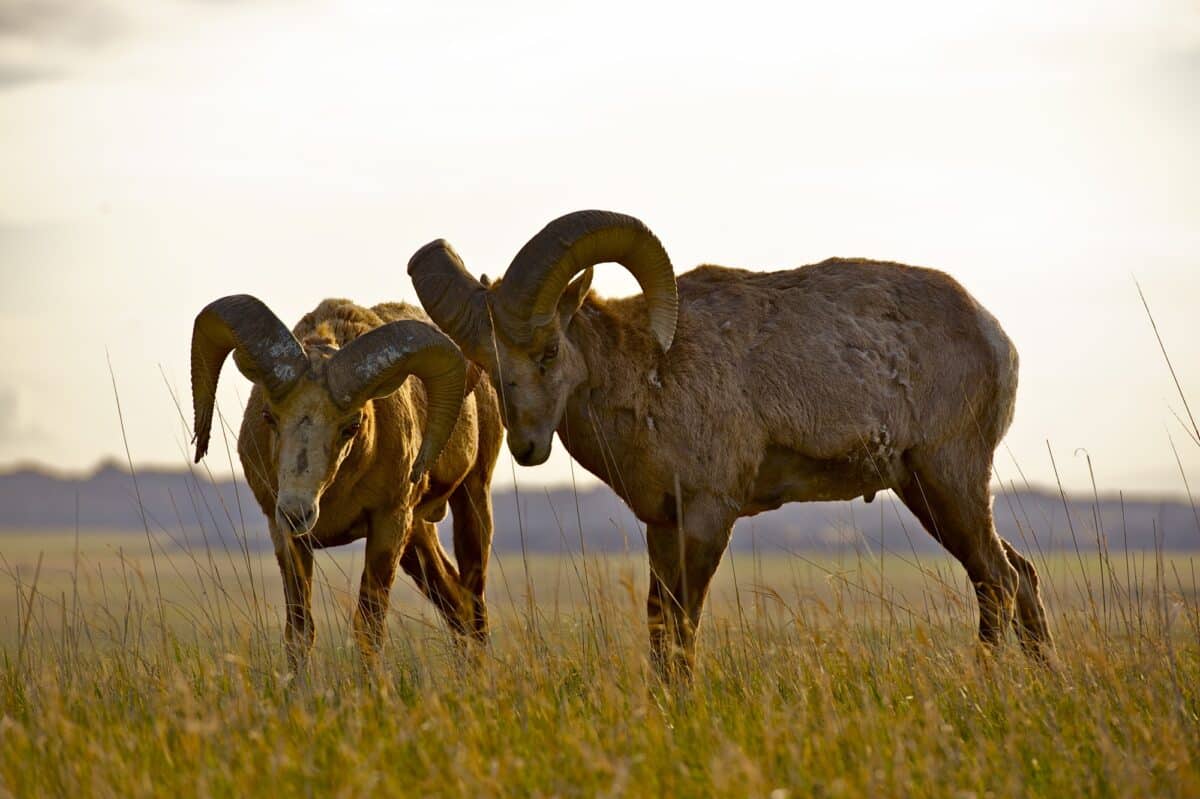
Bighorn Sheep
🔥 Would you like to save this?
We'll email this post to you, so you can come back to it later!
Iconic for their curved horns and mountainous habitats, they’re often seen in rocky areas.
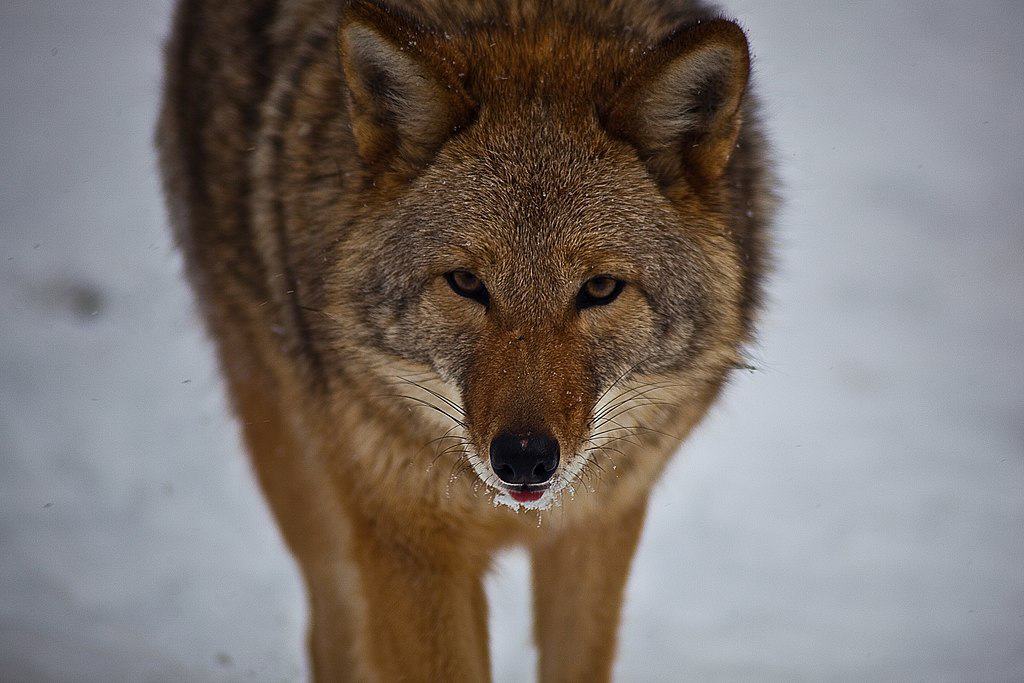
Coyote
🔥 Would you like to save this?
We'll email this post to you, so you can come back to it later!
Adaptable canines that roam the park, known for their cleverness and versatility.
Blacktailed Jackrabbit

🔥 Would you like to save this?
We'll email this post to you, so you can come back to it later!
Recognizable by their long ears and powerful legs, these hares are common in open areas.
Greater Roadrunner

🔥 Would you like to save this?
We'll email this post to you, so you can come back to it later!
Famous for its speed and agility, this bird is a sight to behold as it dashes across the desert.
Golden Eagle

🔥 Would you like to save this?
We'll email this post to you, so you can come back to it later!
Majestic birds of prey with a vast wingspan, spotted in the skies above the park.
Redtailed Hawk

🔥 Would you like to save this?
We'll email this post to you, so you can come back to it later!
Known for their distinctive reddish tail and keen eyesight, they are often perched high up, scanning for prey.
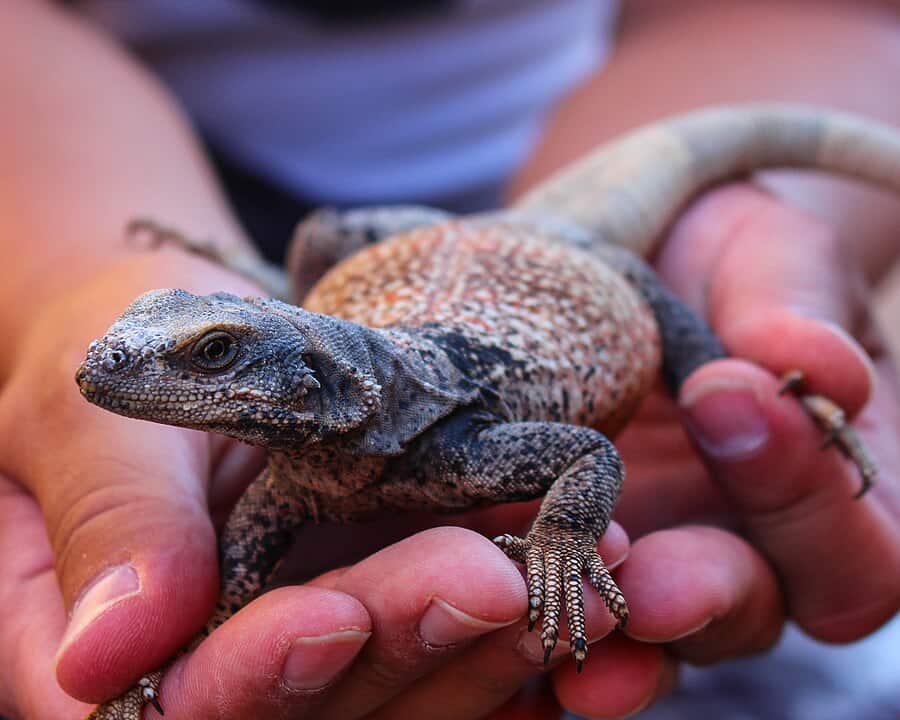
Chuckwalla
🔥 Would you like to save this?
We'll email this post to you, so you can come back to it later!
Large, chubby lizards known for their ability to inflate themselves as a defense mechanism.
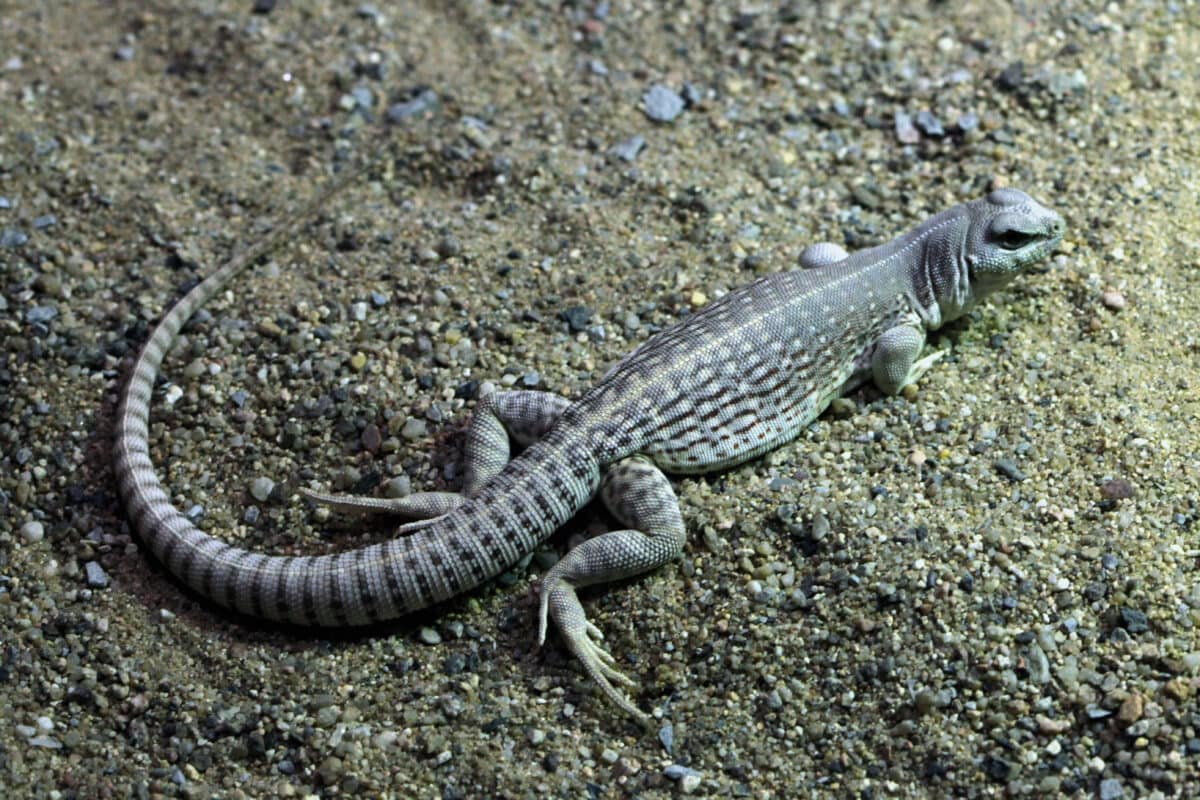
Desert Iguana
🔥 Would you like to save this?
We'll email this post to you, so you can come back to it later!
Preferring the heat, these lizards are often found in sandy environments feeding on flowers and leaves.
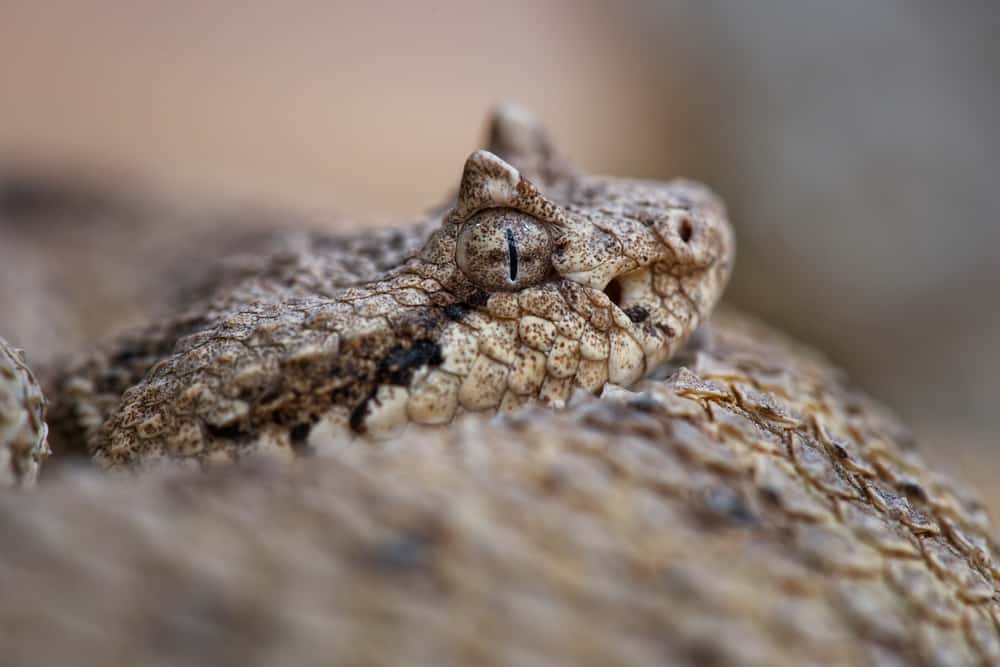
Sidewinder Rattlesnake
🔥 Would you like to save this?
We'll email this post to you, so you can come back to it later!
Recognizable by their unique sideways movement and horned scales above their eyes.
Tarantula

🔥 Would you like to save this?
We'll email this post to you, so you can come back to it later!
Large, hairy spiders that roam the desert floor, especially visible during their mating season in the fall.
Scorpion

🔥 Would you like to save this?
We'll email this post to you, so you can come back to it later!
Nighttime predators that glow under ultraviolet light, known for their stinging tail.
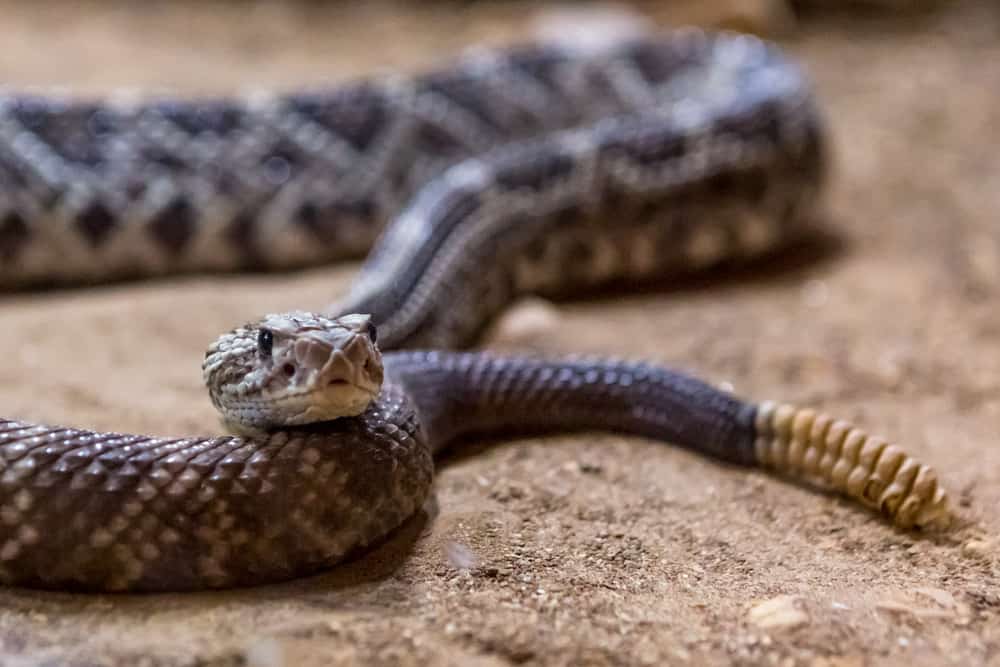
Western Diamondback Rattlesnake
🔥 Would you like to save this?
We'll email this post to you, so you can come back to it later!
One of the largest rattlesnakes, identified by its distinctive diamond pattern.
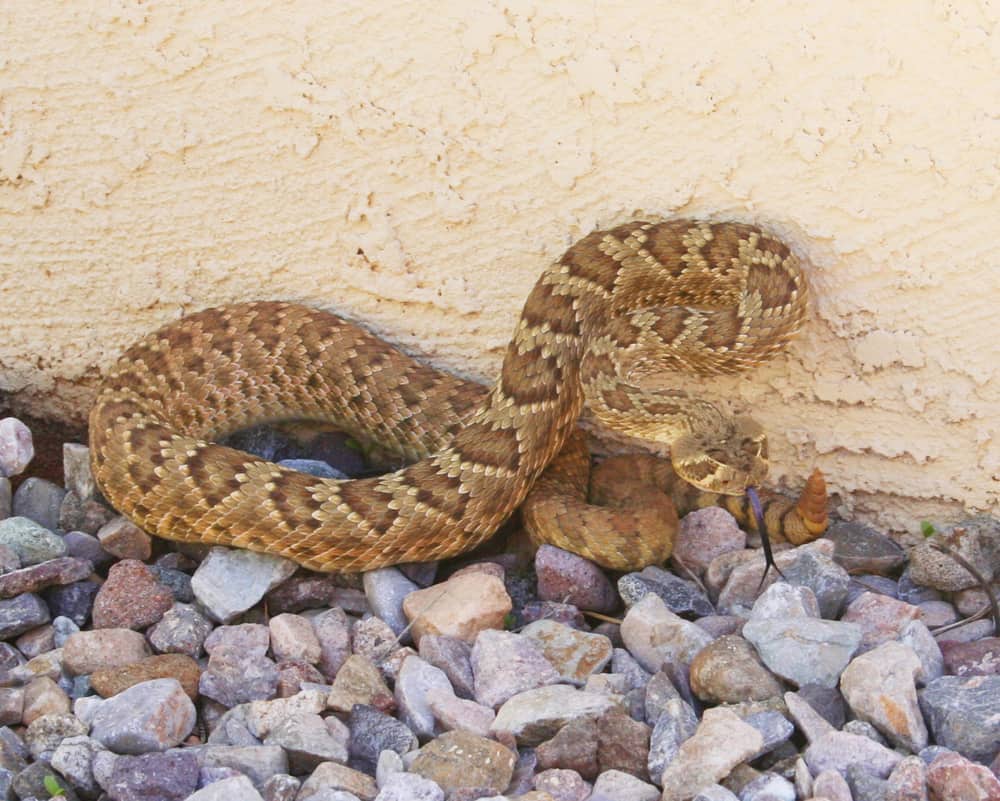
Mojave Rattlesnake
🔥 Would you like to save this?
We'll email this post to you, so you can come back to it later!
Known for being one of the most venomous snakes in North America, with a distinctive greenish hue.
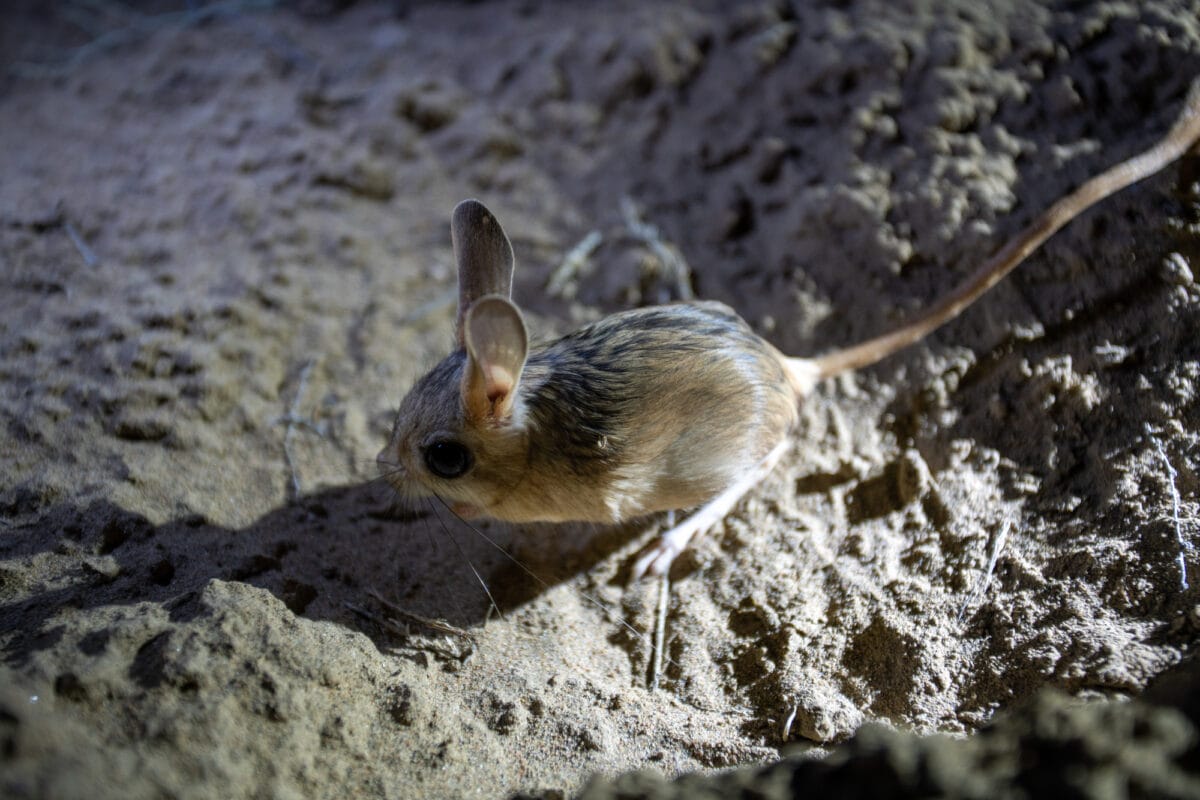
Kangaroo Rat
🔥 Would you like to save this?
We'll email this post to you, so you can come back to it later!
Nocturnal rodents that can survive without ever drinking water, getting moisture from their seed diet.
Antelope Ground Squirrel

🔥 Would you like to save this?
We'll email this post to you, so you can come back to it later!
Small, speedy ground squirrels with distinctive white stripes on their sides.
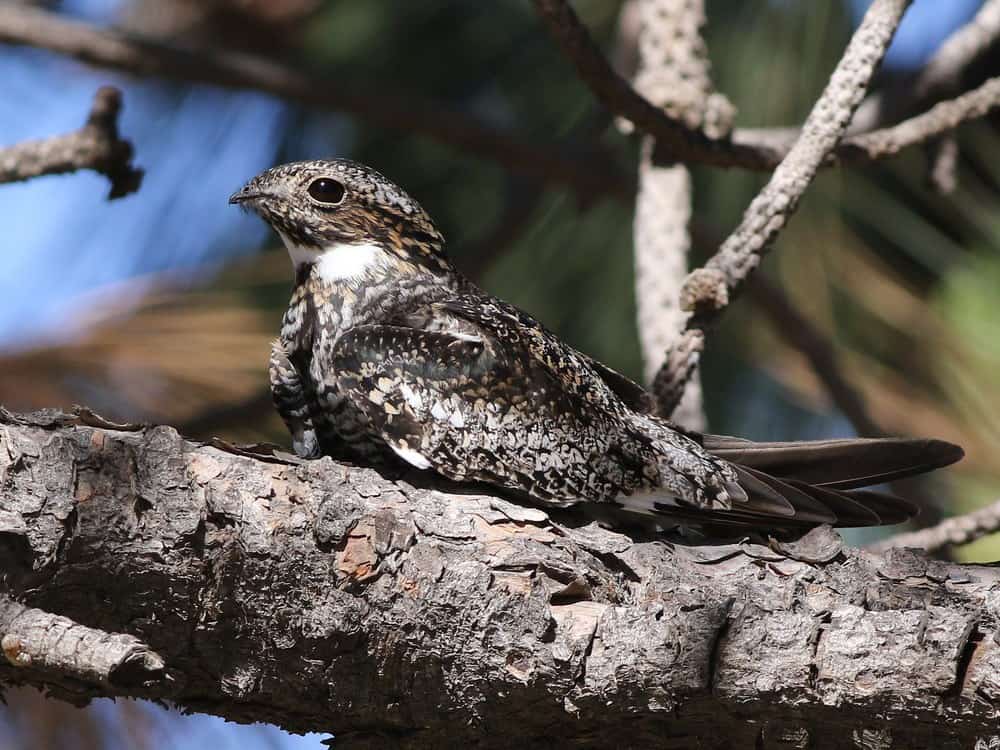
Nighthawk
🔥 Would you like to save this?
We'll email this post to you, so you can come back to it later!
Birds that are most active during twilight, known for their silent flight.
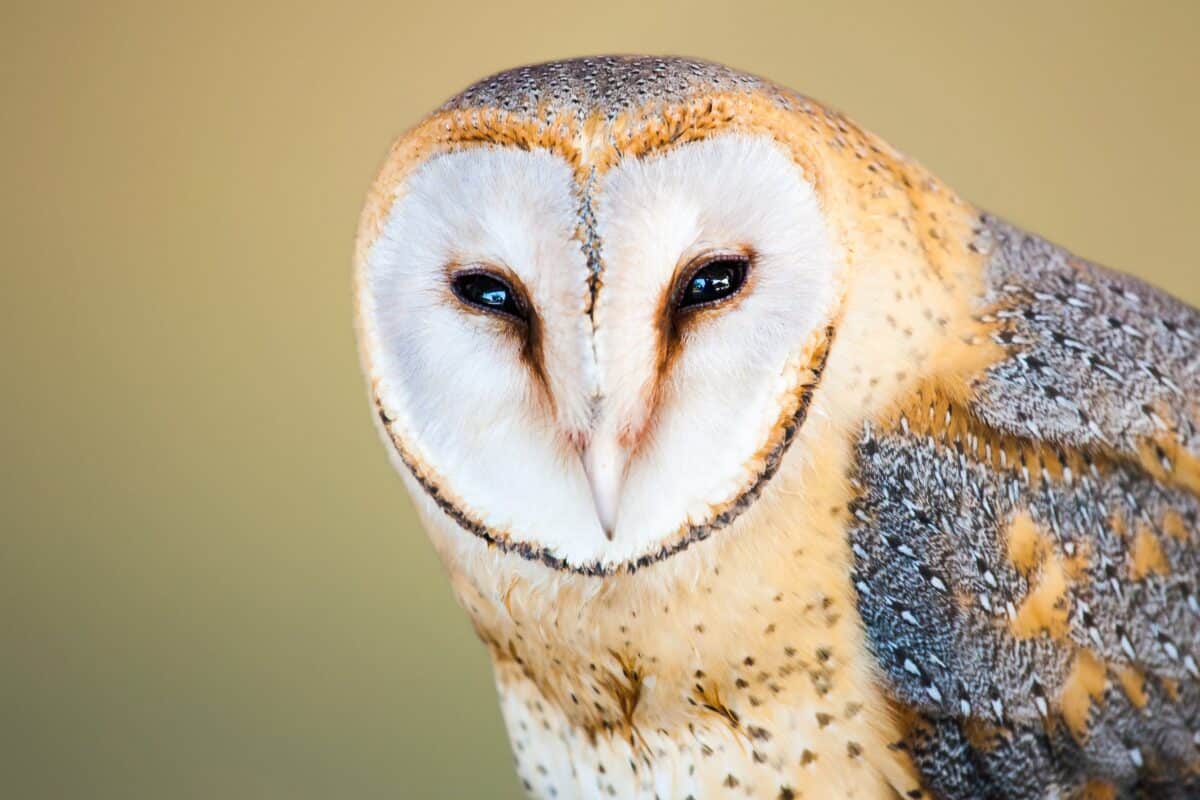
Barn Owl
🔥 Would you like to save this?
We'll email this post to you, so you can come back to it later!
Recognizable by their heartshaped face and silent flight, they control rodent populations.
Desert Kit Fox

🔥 Would you like to save this?
We'll email this post to you, so you can come back to it later!
Small, elusive canines adapted to desert life with large ears for thermoregulation.
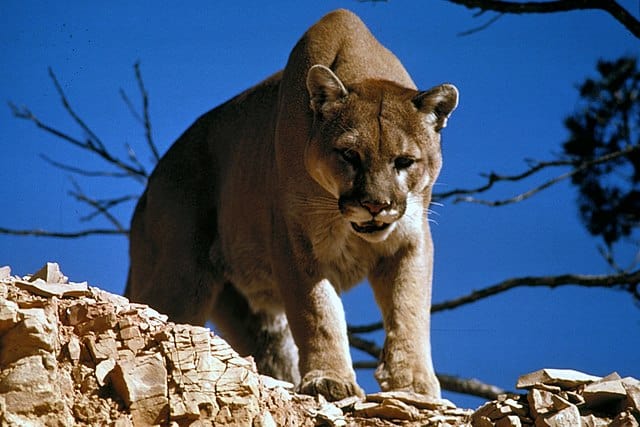
Mountain Lion
🔥 Would you like to save this?
We'll email this post to you, so you can come back to it later!
Also known as cougars or pumas, these elusive predators are the apex predators of the park.
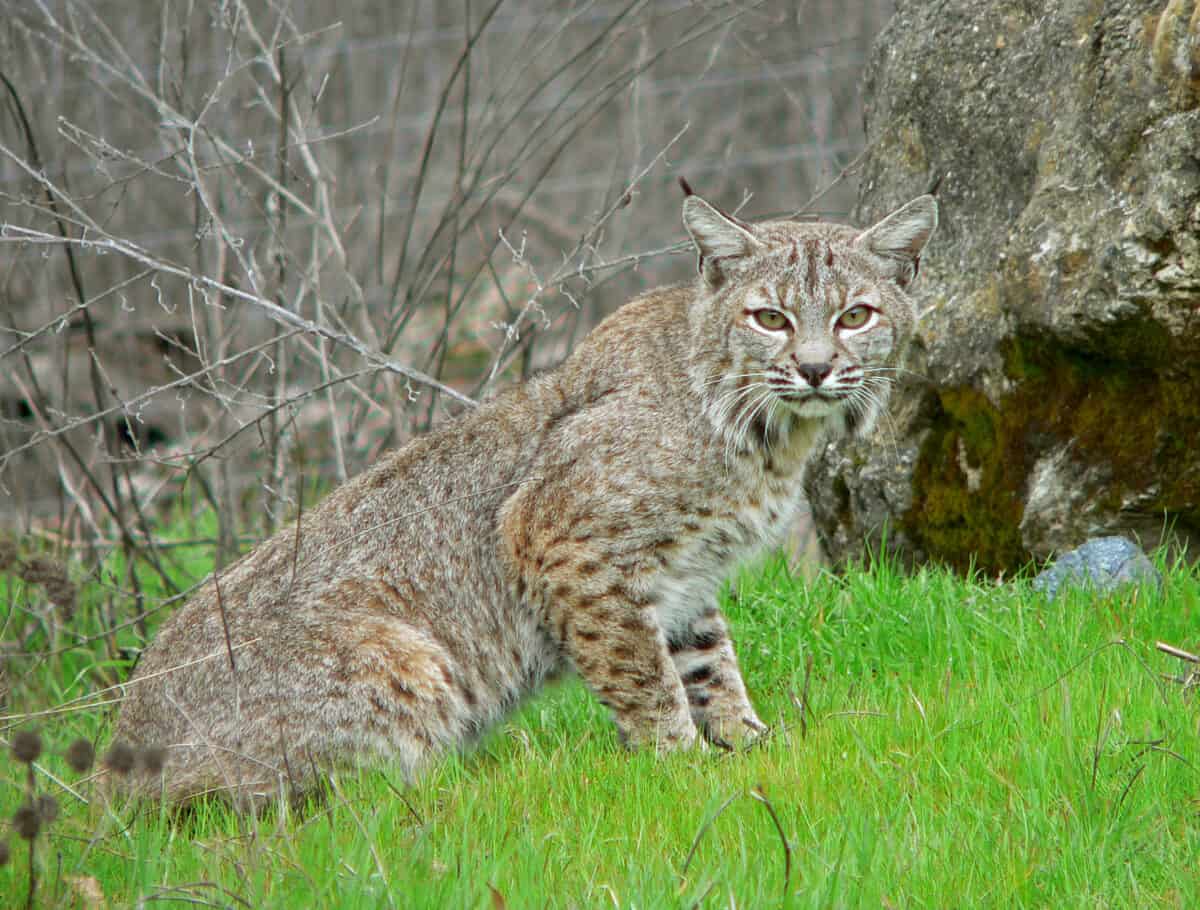
Bobcat
🔥 Would you like to save this?
We'll email this post to you, so you can come back to it later!
Smaller than mountain lions, these felines are distinguished by their tufted ears and bobbed tails.
Conclusion
🔥 Would you like to save this?
We'll email this post to you, so you can come back to it later!
As you can see each of these animals plays an important role in their various habitats in Joshua tree. I hope you enjoyed reading about theses animals that call Joshua Tree home, to read more stories like this, check out the articles below:
- 21 Animals That Call Glacier National Park Home
- 21 Animals That Call Arches National Park Home
- The Top 21 Animals That Call Bryce National Park Home

adventuring, photography and videography. I am currently working towards a BSc in Biodiversity and Ecology at Stellenbosch University to go on to specialise in Marine Sciences one day.
Please send any feedback to Feedback@animalsaroundtheglobe.com
- 26 Most Dangerous Snakes Found in North America - October 19, 2026
- 21 Things Not to Feed Your Pet Dog - October 18, 2026
- 10 Sacred Native American Sites in North America - October 16, 2026